
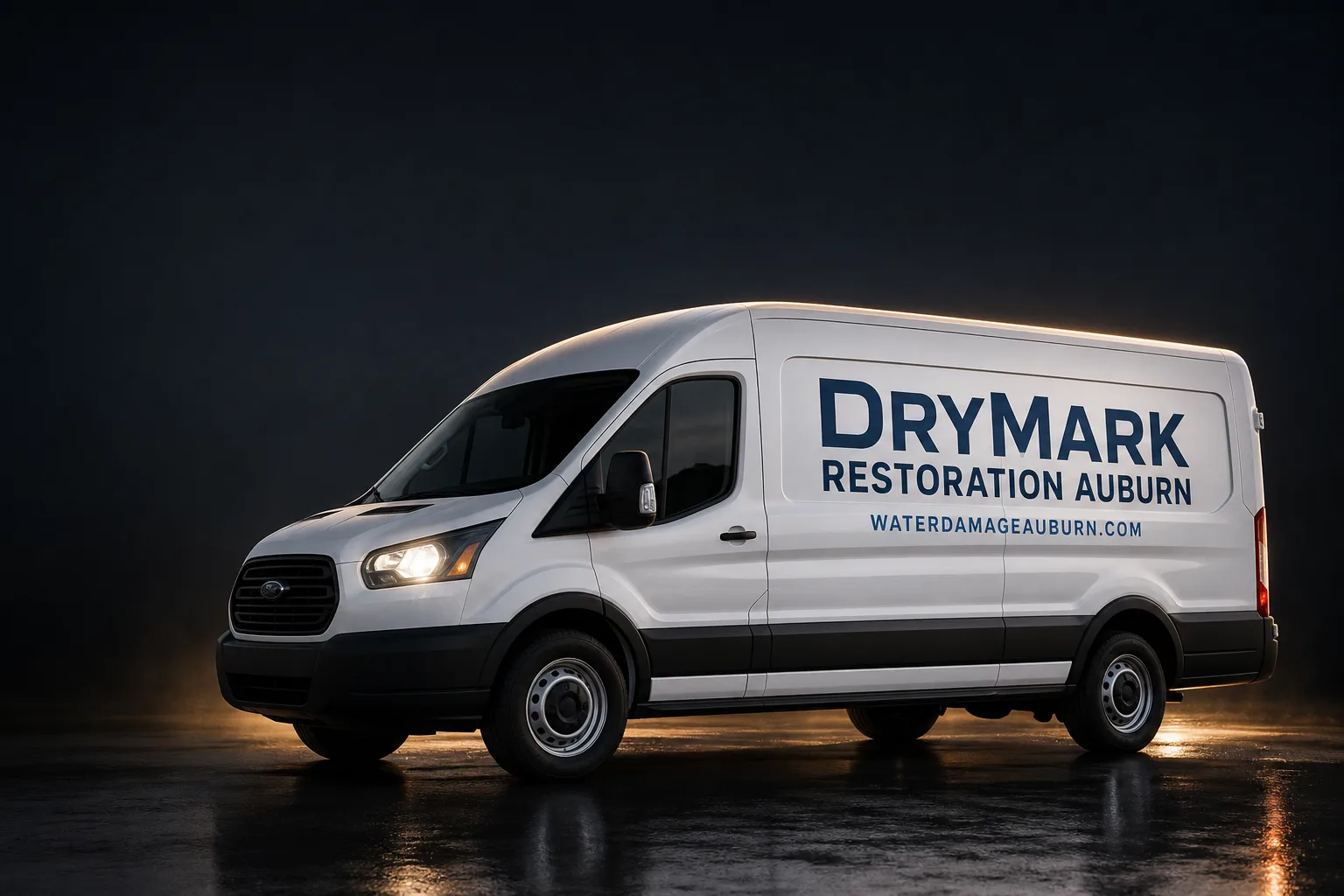
Free visual inspection and a written scope of work before any mitigation begins - photos, moisture readings, and drying logs go in your claim file
The scope we write is the scope we bill. Anything new gets shown to you, in writing, before we touch it.

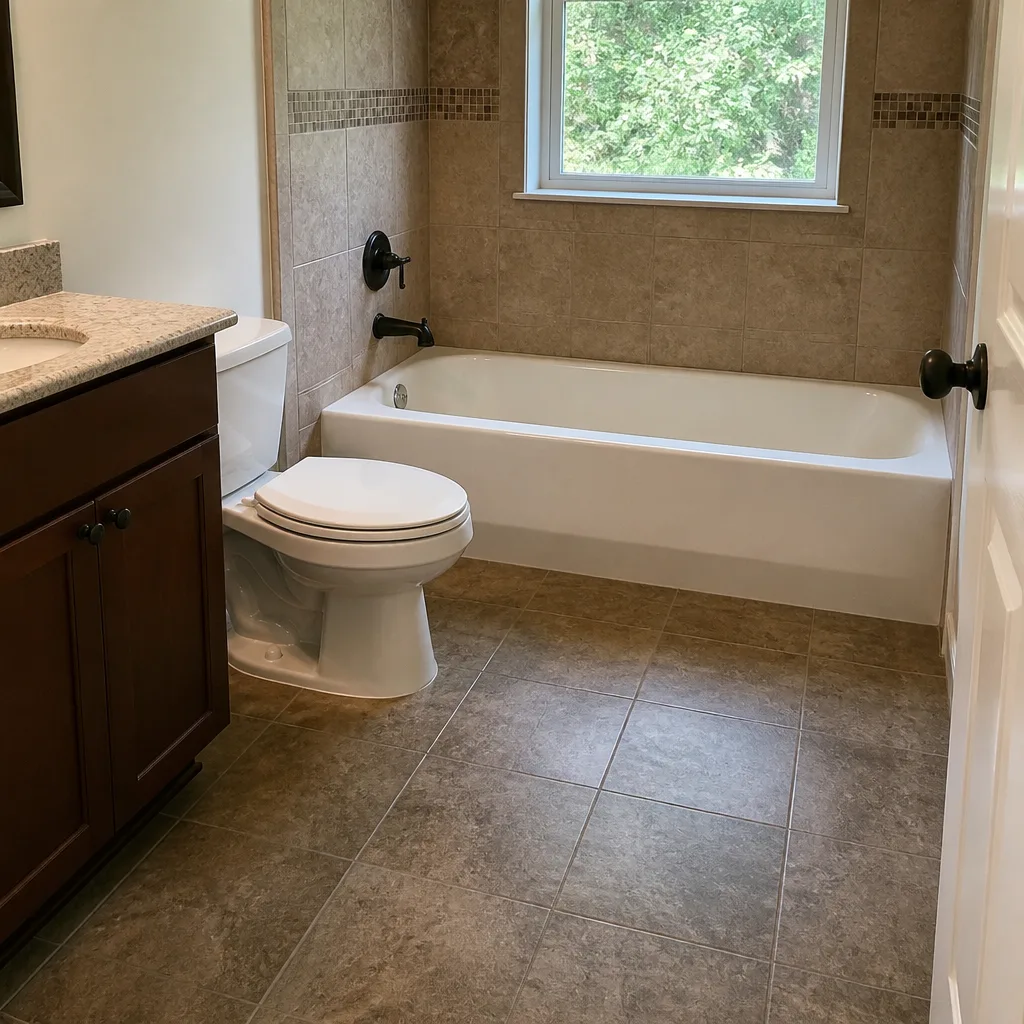
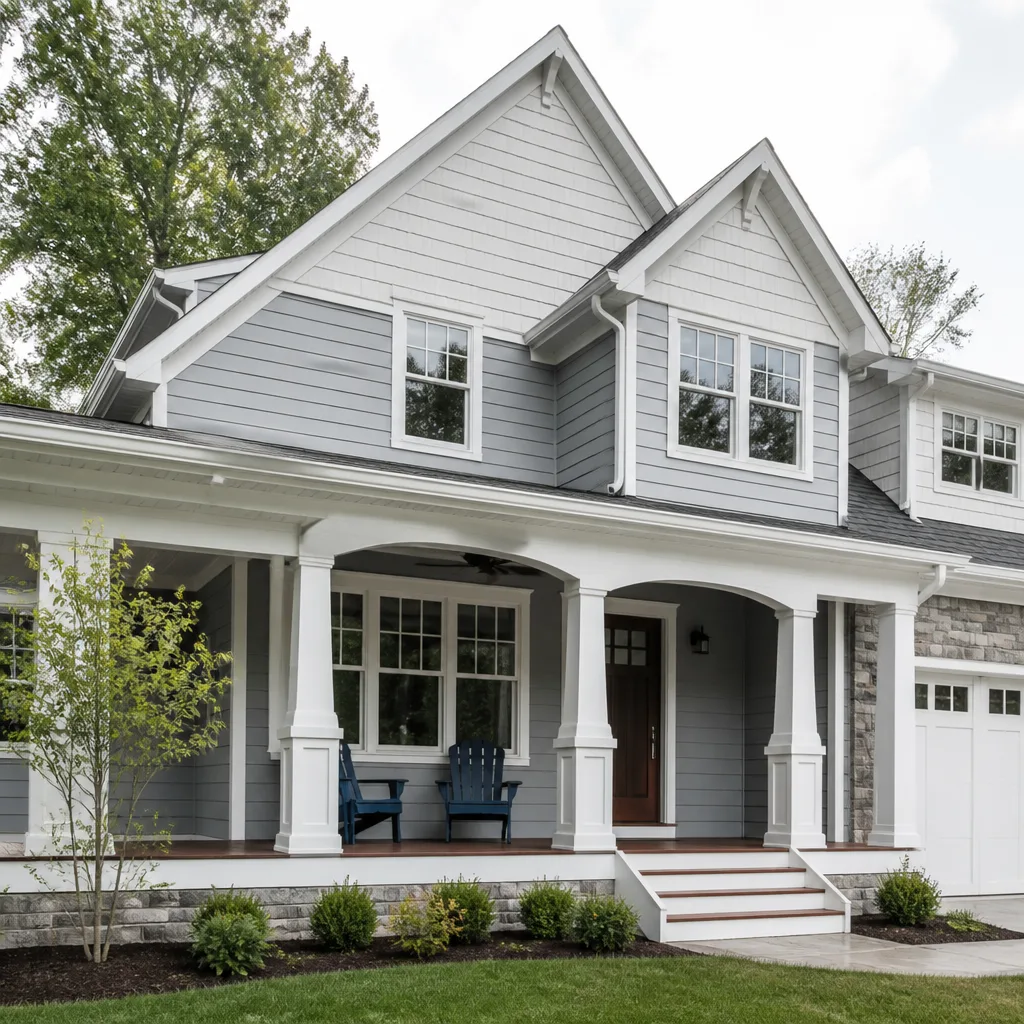
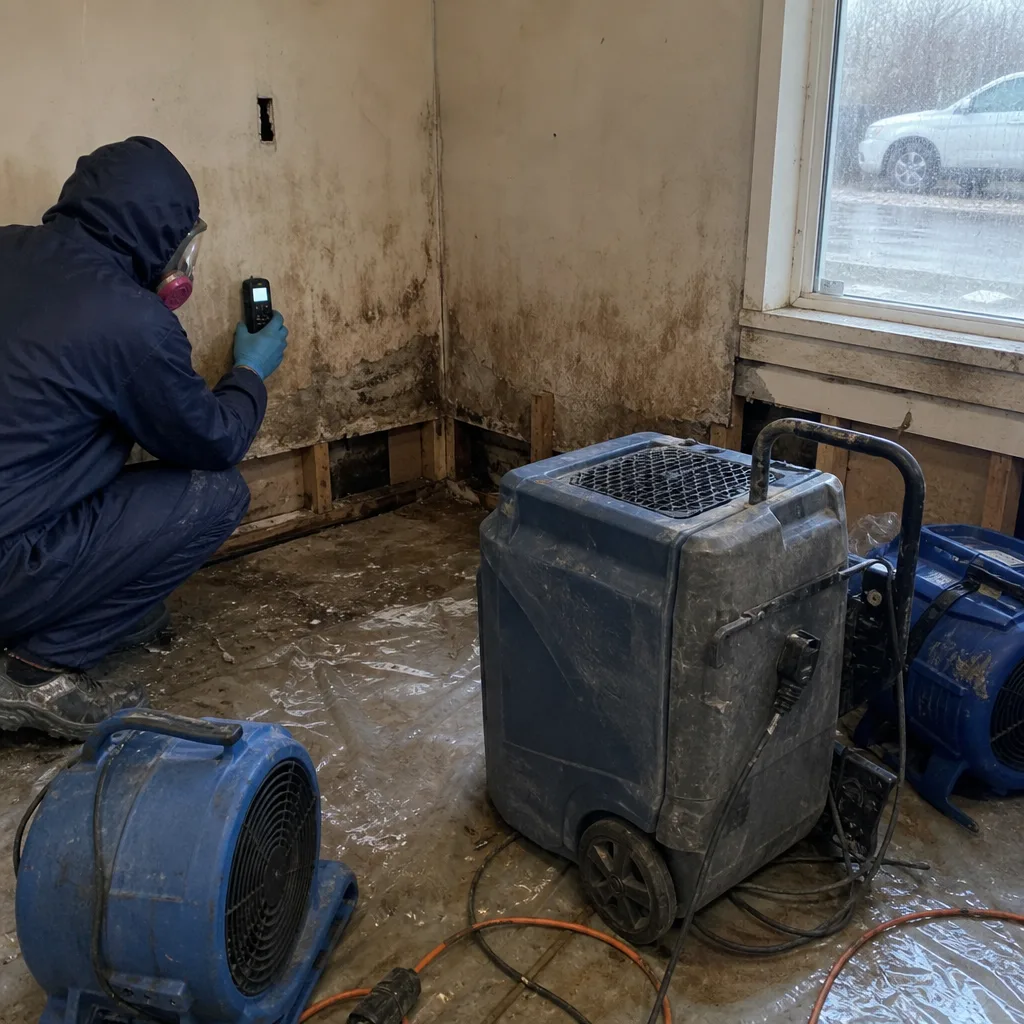 Before
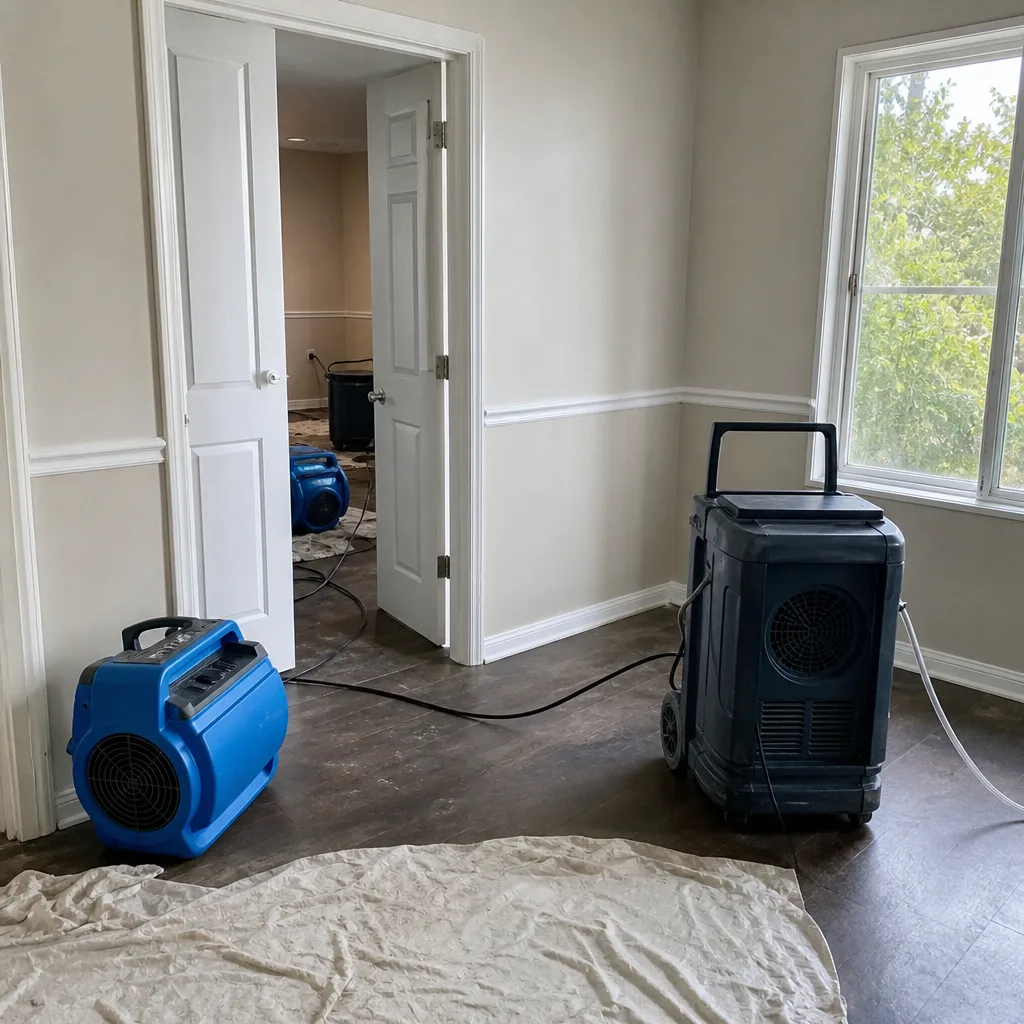 After
After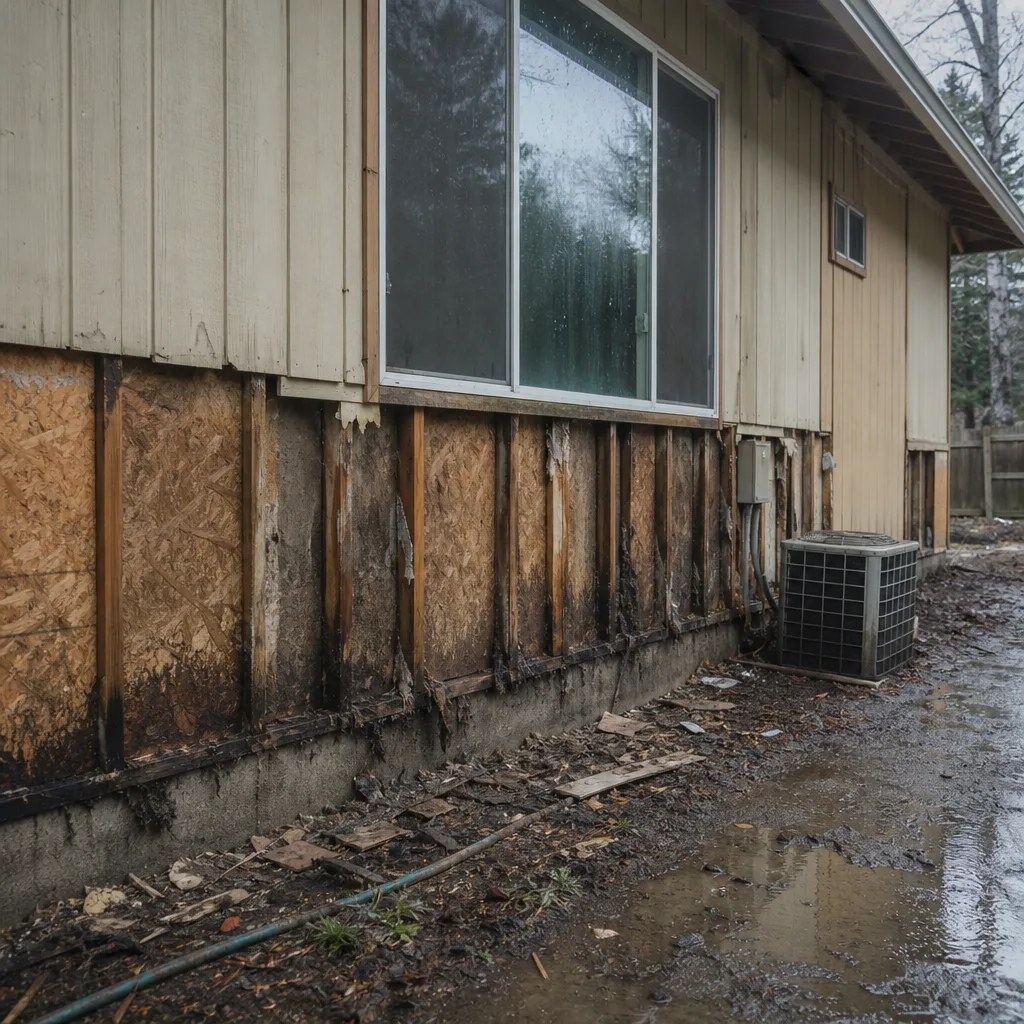 Before
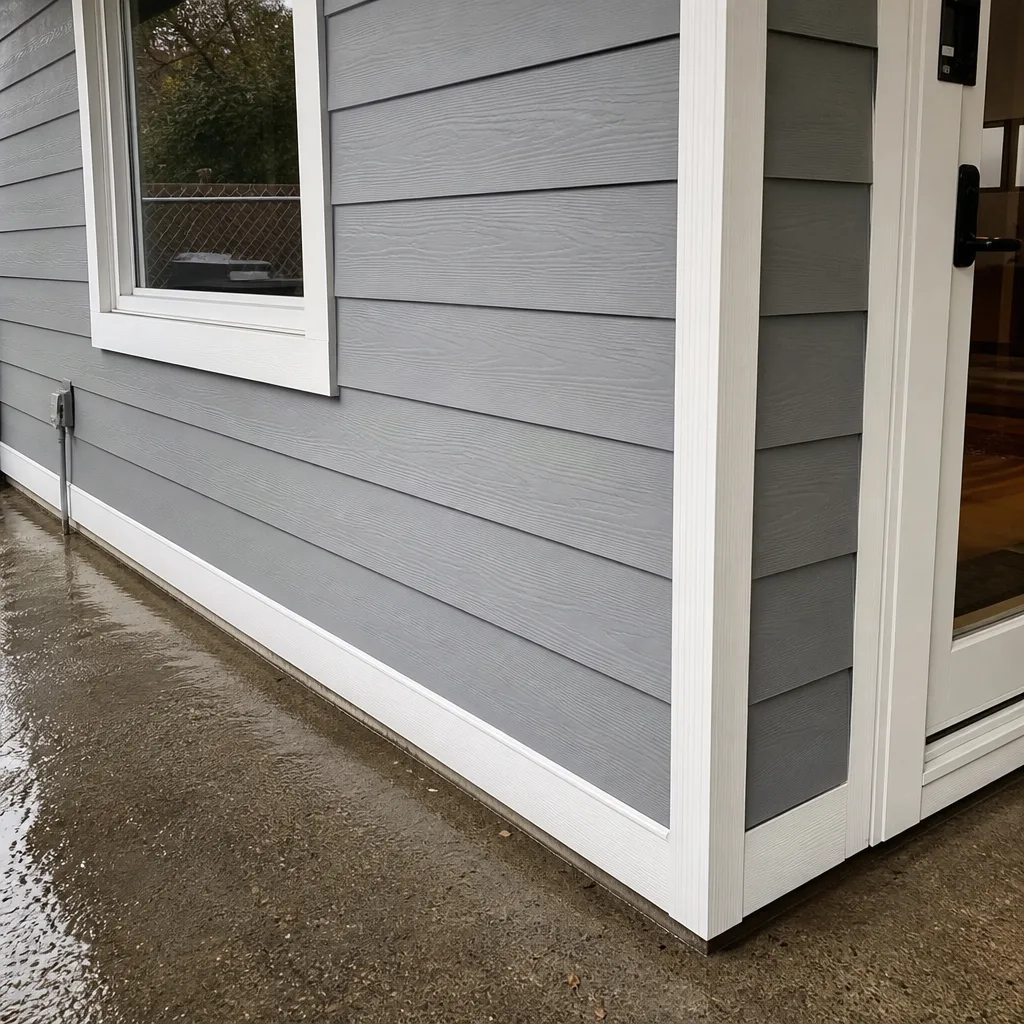 After
After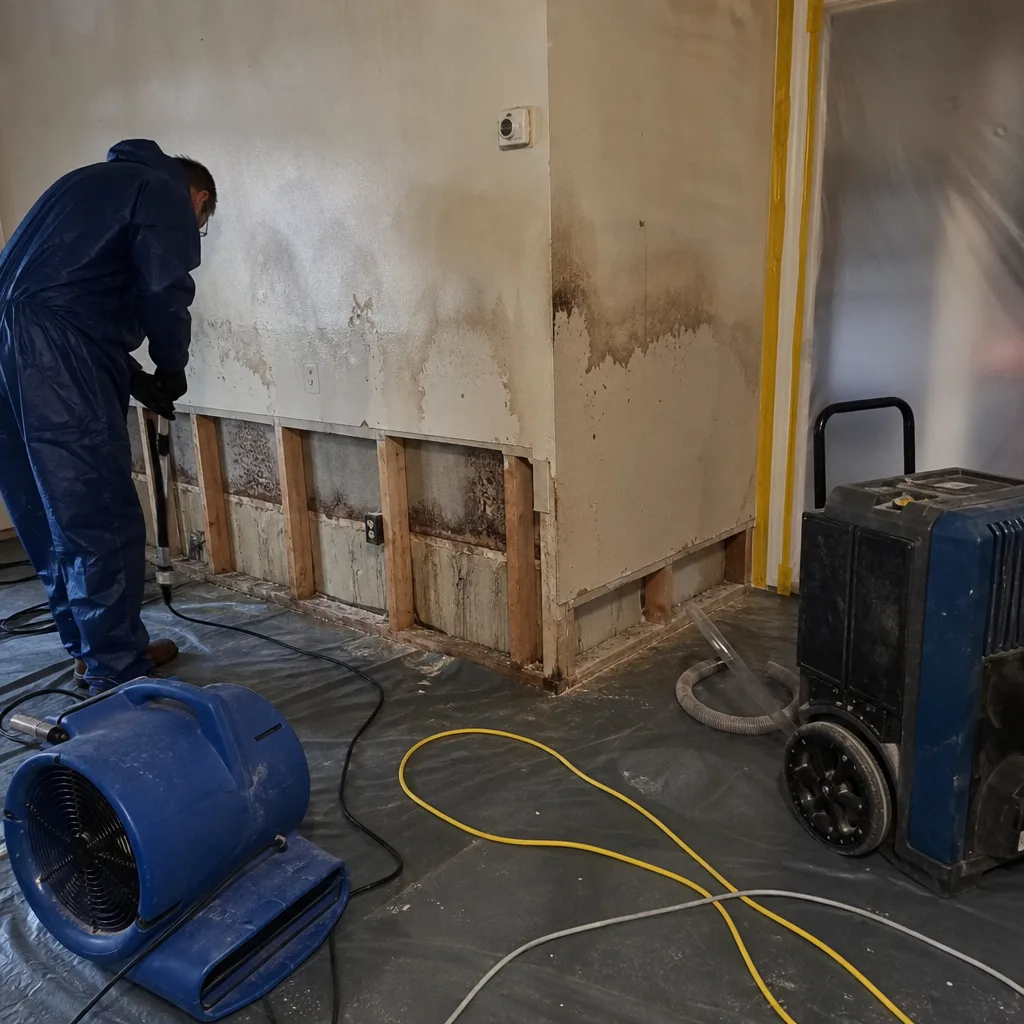 Before
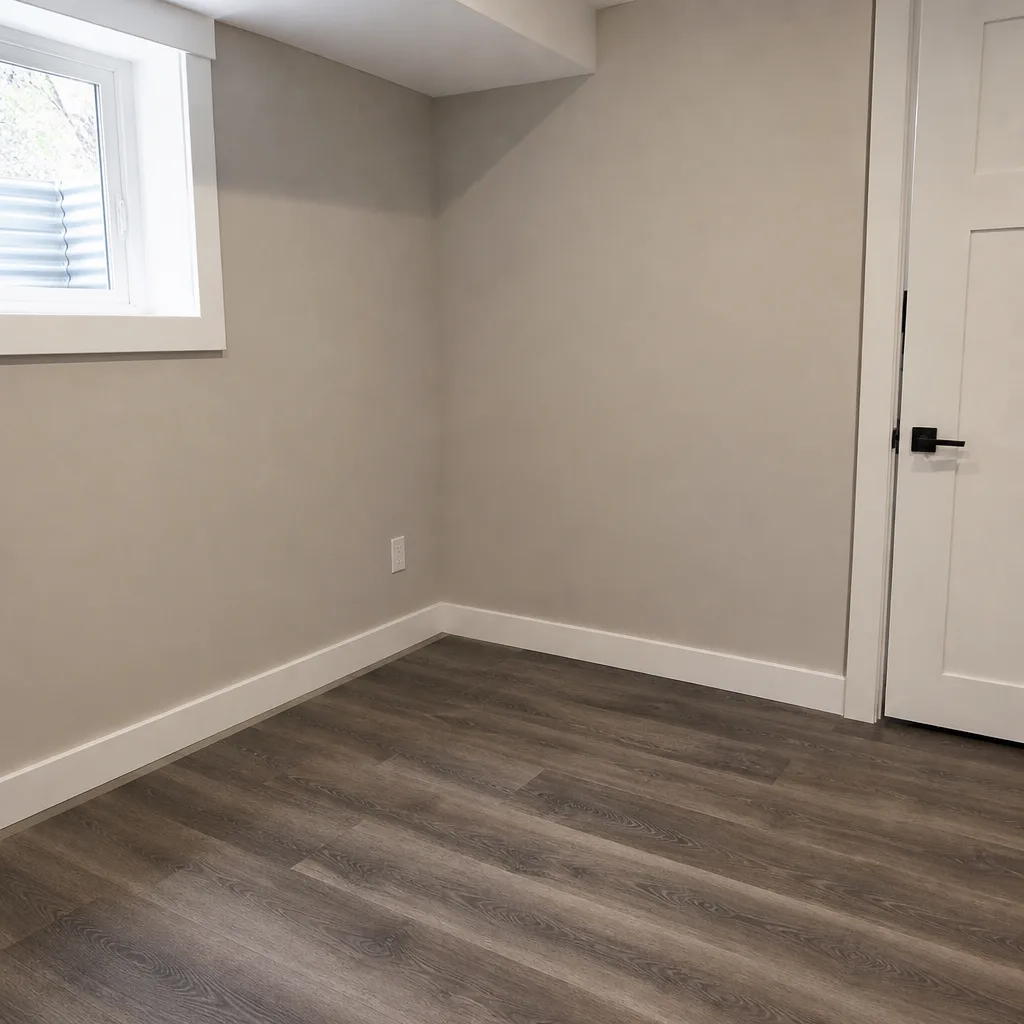 After
After24/7 Emergency Fire & Smoke Damage Restoration in SeaTac
Fire and smoke damage restoration in SeaTac typically costs $3,800-$12,500 for residential cleanup and repair, with emergency board-up and stabilization available within 45 minutes of your call. Our crews answer live at (253) 487-0371 24 hours a day, 7 days a week, with no voicemail trees, no callbacks tomorrow, and no automated systems while your home is still smoldering. The first hour after a fire determines how far smoke and soot migrate through wall cavities, HVAC ducts, and porous materials. Every minute of delay extends the contamination perimeter and adds line items to the scope. We dispatch from our Seattle office with containment materials, HEPA air scrubbers, and thermal imaging equipment already loaded.
We provide a free visual inspection on arrival, document the loss with photos before anything is touched, and deliver a written price before any work begins. Haven Standard, Clause 1.
Understanding Fire & Smoke Damage Restoration Severity in SeaTac Properties
Fire damage in SeaTac falls into three severity bands that dictate equipment, timeline, and cost. Light smoke damage is limited to a single room with dry soot on hard surfaces and no structural charring, typically resolved in 3-5 days with HEPA vacuuming, chemical sponges, and thermal fogging. Moderate damage involves protein residues from kitchen fires, smoke migration into wall cavities, and water intrusion from suppression systems, requiring containment, air scrubbing, and structural drying with documented moisture logs. Heavy damage includes compromised structural members, charred framing, and widespread smoke saturation throughout the HVAC system, demanding full pack-out, demolition, tertiary cleaning, and reconstruction.
SeaTac’s housing stock complicates every severity assessment. The 1950s-1970s ramblers that dominate residential neighborhoods were retrofitted under the Port of Seattle Residential Sound Insulation Program with blown-in cellulose and tight windows that reduce air exchange. Smoke that enters a wall cavity in one of these homes does not vent naturally. It condenses on cool sheathing, binds to cellulose fibers, and creates a reservoir that releases odor for months. Our crews begin every SeaTac fire job with moisture mapping and thermal imaging, not surface cleaning, because we’ve learned that visible soot is often the smallest part of the problem.
Why SeaTac Property Owners Choose DryMark Restoration Auburn
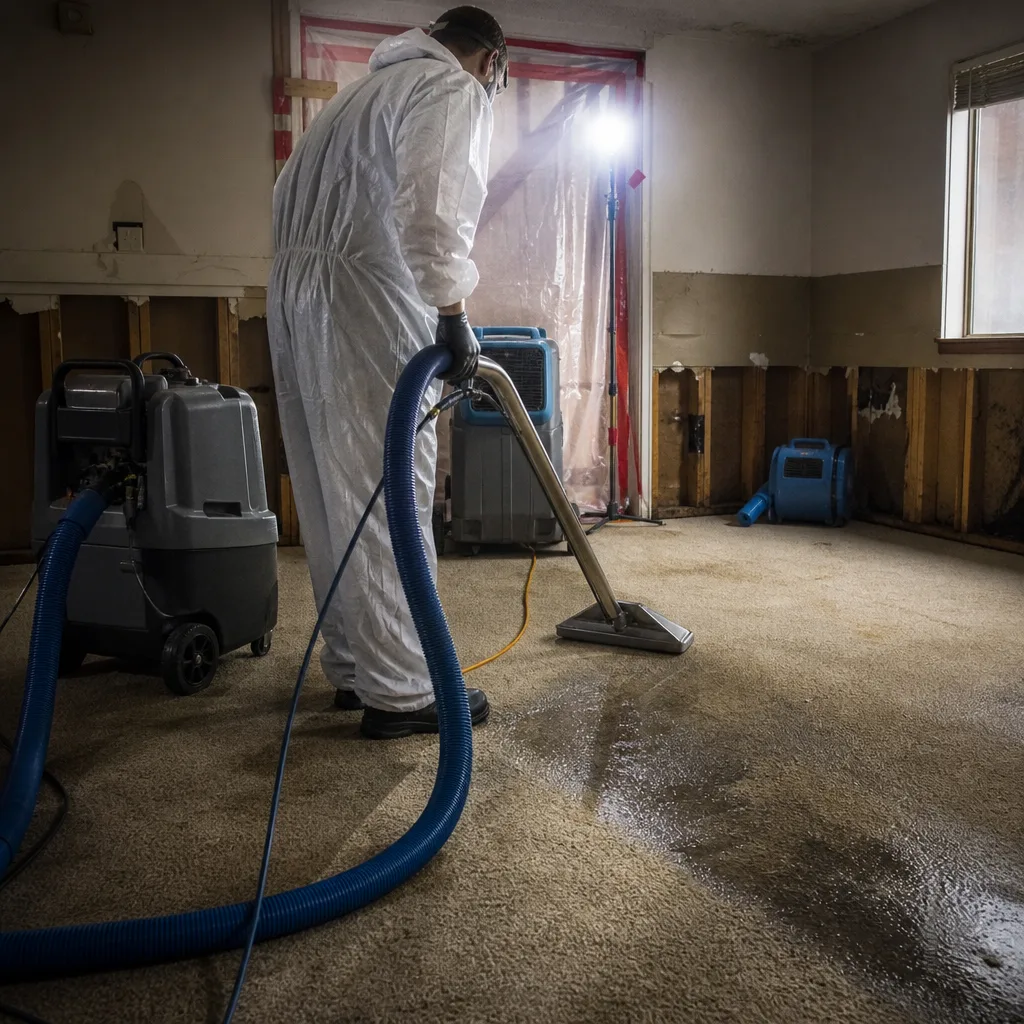
- 45-minute response commitment to SeaTac addresses - our Seattle office dispatches crews with equipment already staged for fire and smoke losses.
- 24/7 live answer on emergency lines: a real person picks up every call, never an automated system or next-business-day callback while smoke is still settling.
- IICRC-certified crews holding FSRT (Fire & Smoke Restoration Technician) and WRT (Water Damage Restoration Technician) certifications, with license numbers documented on every job file.
- Free visual inspection and written estimate - no charge to assess the loss and no obligation to proceed.
- Direct insurance billing with photo-documented estimates, daily drying logs, and adjuster coordination included as standard deliverables.
- One team from emergency board-up through final paint: no handoffs between mitigation and reconstruction contractors, no gaps in documentation, no disputed scope items.
BeforeAfterOur Fire & Smoke Damage Restoration Process
1. Inspection & Assessment
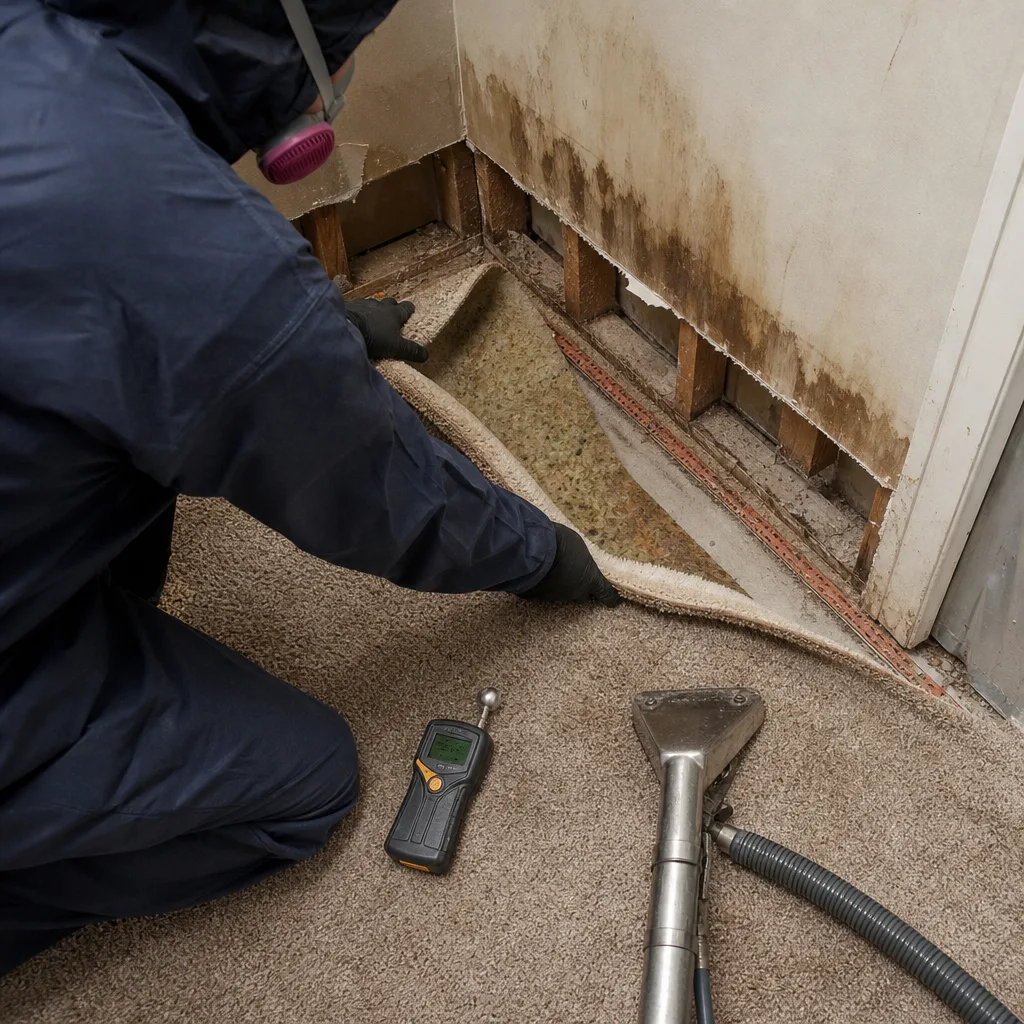
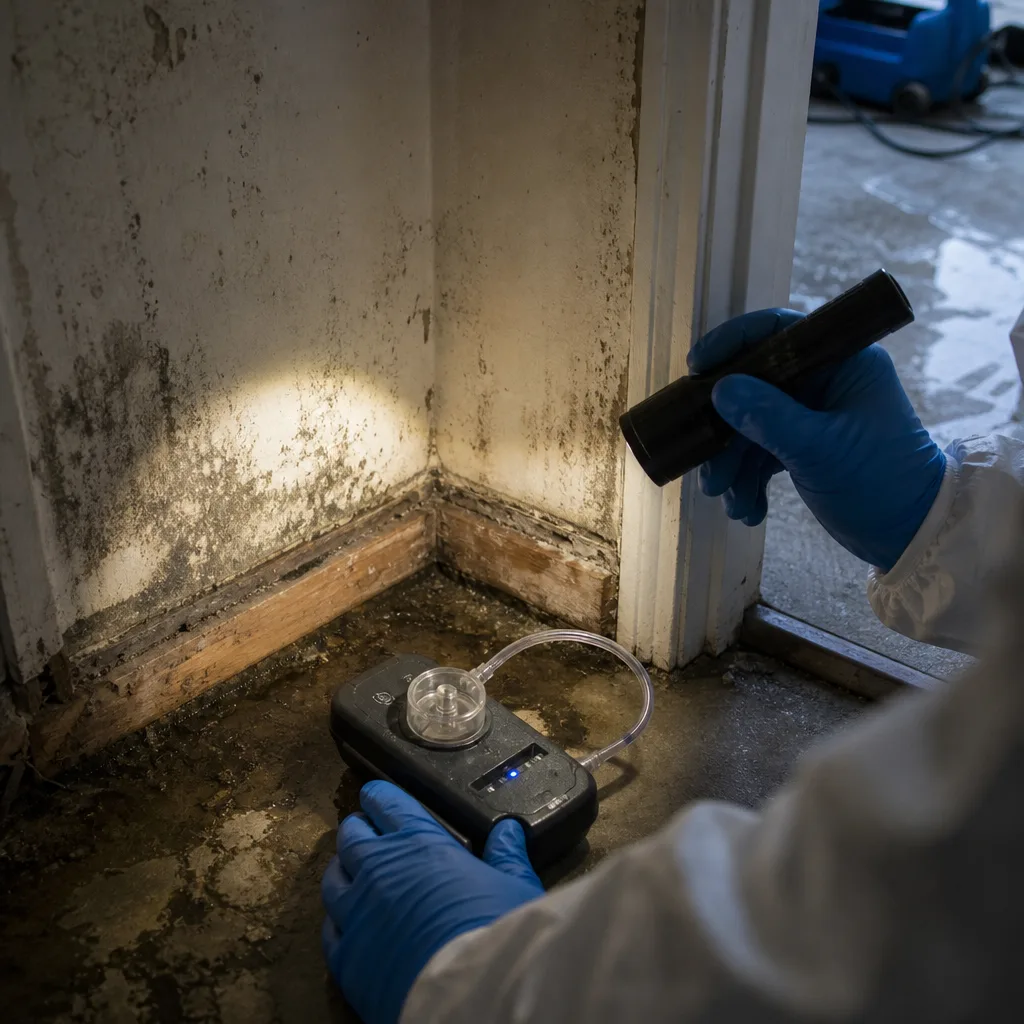
We arrive with thermal imaging cameras, moisture meters, and hygrometers to map smoke migration and water intrusion from suppression. Every affected surface is photographed before anything is moved. In SeaTac’s Port-retrofitted ramblers, we specifically probe wall cavities for hidden cellulose saturation and condensation damage that predates the fire.
2. Emergency Board-Up & Stabilization
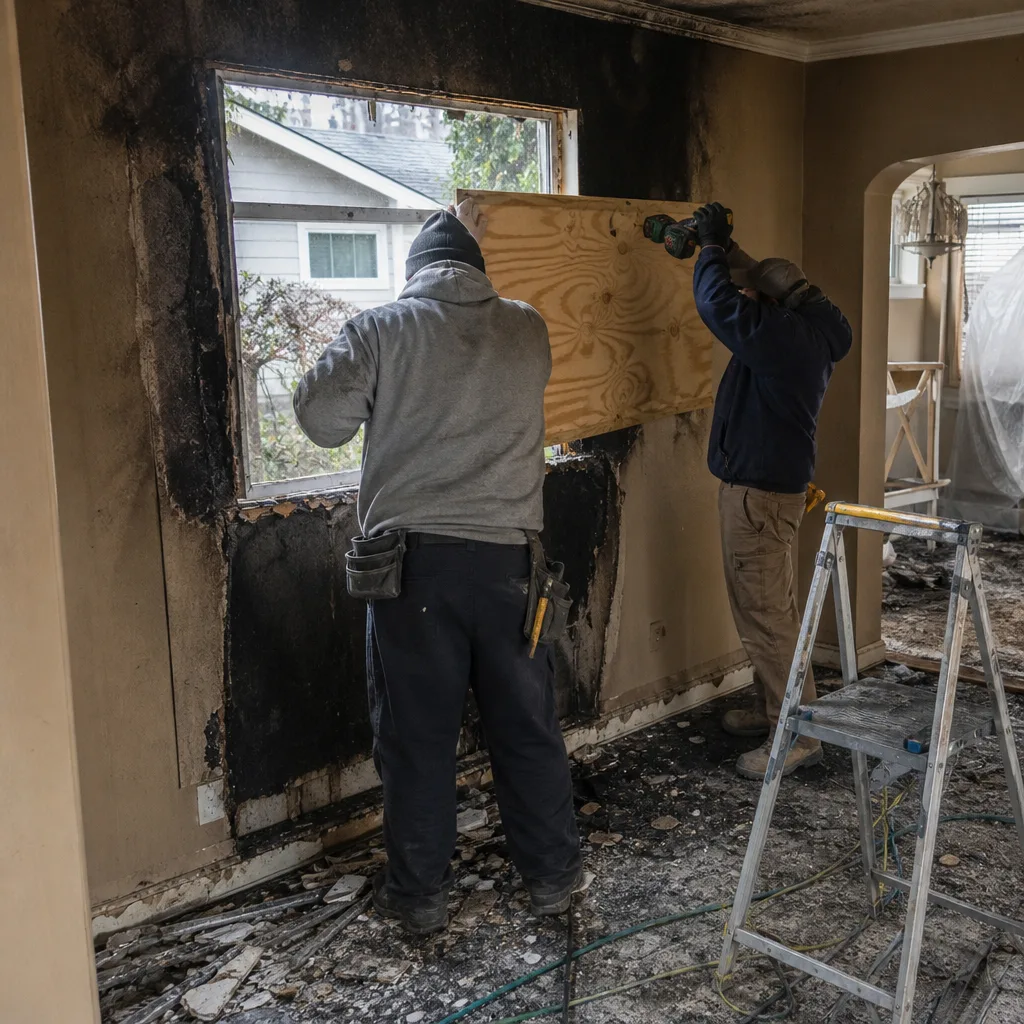
Broken windows, compromised roofing, and damaged doors are secured with plywood and weatherproof tarps to prevent secondary water intrusion. For properties off South 154th Street or Des Moines Memorial Drive with detached workshops or oversized access points, we stage heavy-duty materials and plan entry routes before the truck leaves our Seattle office.
3. Structural Drying & Dehumidification
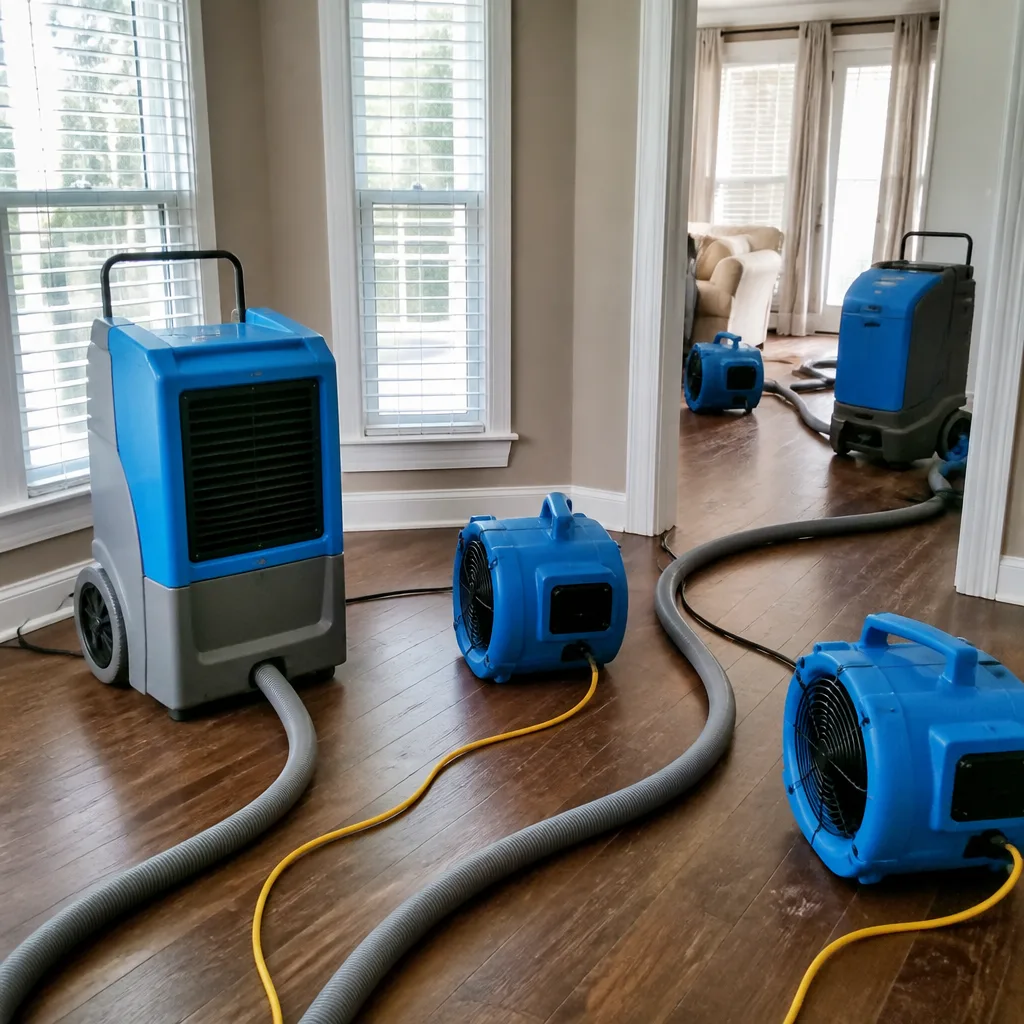
Fire suppression water must be extracted and dried before soot cleaning begins, or the residue sets into wet materials. We deploy Dri-Eaz and Phoenix dehumidifiers with calculated vapor pressure differentials, documented to IICRC S500 standards, producing daily moisture logs that your adjuster can read and approve.
4. Smoke & Soot Removal
Dry soot receives HEPA vacuuming and chemical sponge treatment. Protein residues from kitchen fires demand alkaline cleaners and agitation. Wet smoke, the most aggressive type, requires solvent-based cleaning and often media blasting on structural members. We match the cleaning protocol to the residue type identified during assessment, not a one-size-fits-all approach.
5. Odor Removal & Deodorization
Thermal fogging recreates the smoke’s penetration pattern to neutralize odor at the molecular level. Hydroxyl generators and ozone treatments address deep-seated contamination in porous materials. In SeaTac’s tight-envelope ramblers, we add positive-pressure ventilation planning to the scope so the rebuilt assembly does not trap future moisture.
6. Repairs & Restoration
Charred framing is sistered or replaced. Drywall is reinstalled with proper vapor barriers where the original Port insulation retrofit failed. We deliver a photo record of the completed work, a signed 365-Day Done Right Promise under The Haven Standard, and a written scope that defines pre-loss condition for your claim file.
Need Emergency Fire & Smoke Damage Restoration in SeaTac Now?
Crews minutes away, answering live 24 hours a day. The sooner we start, the less it costs.
Working With Your Insurance Company
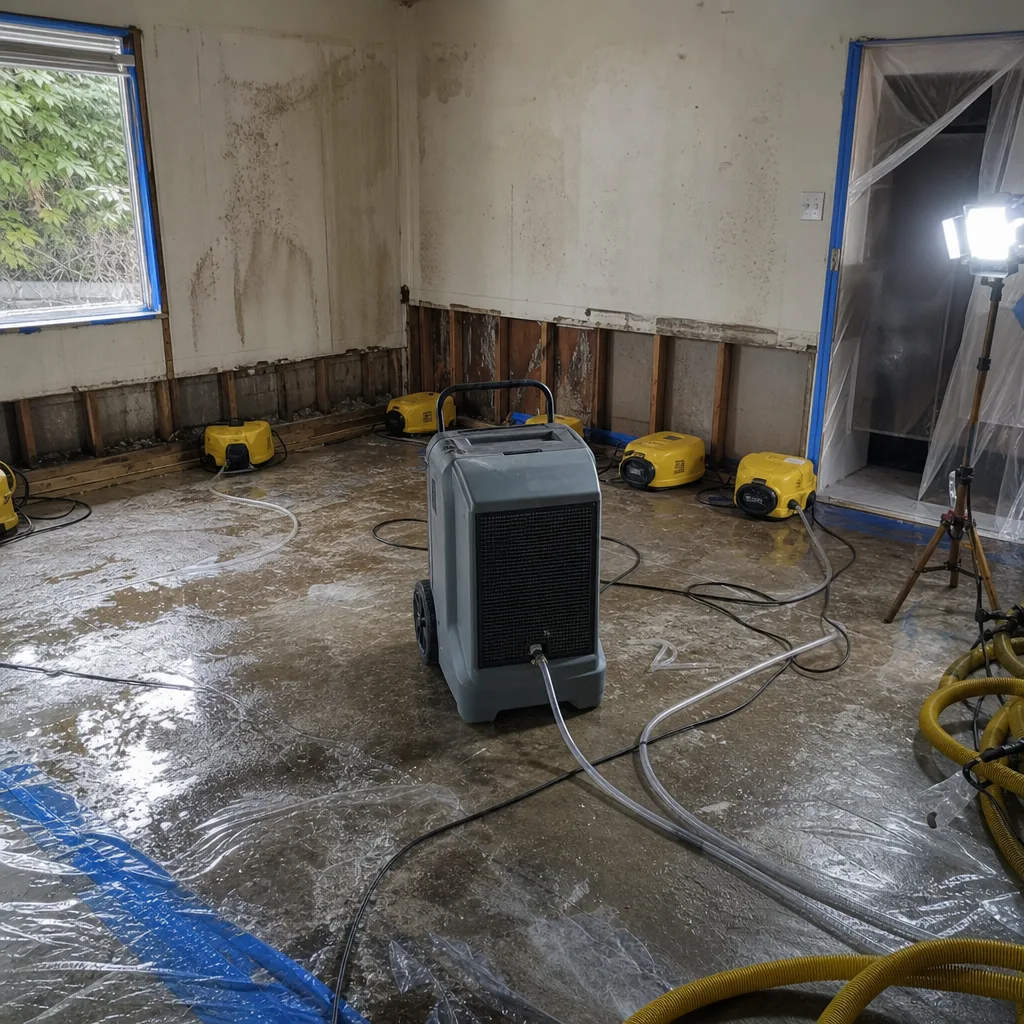
Insurance claims for fire and smoke damage fail most often at the documentation stage. Adjusters deny line items they cannot verify, dispute pre-loss condition without photographic evidence, and challenge moisture readings that lack daily logging. We eliminate these failure points by building the claim file from the first hour.
Our estimator produces industry-standard Xactimate estimates with line-item detail. We photograph every room before work begins, at each progress milestone, and at completion. Moisture readings are logged daily with equipment serial numbers, psychrometric data, and drying goals. Your adjuster receives this package directly, and we coordinate scope questions by phone or site meeting so you are not translating between trades and carrier.
Haven Standard, Clause 1 applies throughout: the written price we deliver before work starts is the price your insurer sees. No scope-creep additions once the crew is inside.
What We Provide Your Insurer
- Thorough documentation of the loss
- Photos of all damage, room by room
- Moisture readings and drying logs
- A detailed, line-item scope of work
- Direct coordination with your carrier
Built for SeaTac’s Loss Calendar
SeaTac’s fire damage patterns track with its building stock and climate, not the calendar of seasonal disasters that define other markets. January through March brings the highest frequency of kitchen fires in the city’s hotel and extended-stay properties, as aging commercial electric ranges and high-turnover occupancy strain maintenance cycles. The November-February rain season compounds every fire loss with water intrusion from suppression and roof compromise, extending drying timelines and requiring documented moisture management that dry-season fires in eastern Washington simply do not need.
Residential fires in SeaTac’s rambler neighborhoods spike during heating season, when original 1960s electrical panels and space heater use in Port-retrofitted homes with minimal air exchange create ignition risks. Summer months see fewer fires but more complex losses: barbecue and deck fires that spread to siding, often on homes where the sound insulation retrofit included flammable exterior foam board that was not properly fire-rated. Our crews carry fire-stop sealants and know the retrofit specifications by era, so the rebuild corrects what the original contractor missed.
Fire & Smoke Damage Restoration Across SeaTac’s Neighborhoods
SeaTac’s geography divides into distinct response zones, each with its own building types and typical loss patterns. Our Fire & Smoke Damage Restoration in SeaTac crews know the routes and the constraints.
The McMicken Heights and Angle Lake residential areas are dominated by 1950s-1970s ramblers, many Port-retrofitted with blown-in cellulose. Fires here almost always involve hidden cavity contamination. We dispatch with wall-cavity inspection tools and plan for potential demolition beyond the visible char line. Response routes from our Seattle office use I-5 south to SR 518, typically 20-35 minutes depending on Sea-Tac Airport traffic patterns.
The airport corridor along International Boulevard holds the highest concentration of hotels and extended-stay properties in the city. Commercial kitchen fires, HVAC electrical failures, and guest-room incidents require rapid containment to prevent revenue loss across multiple units. We maintain relationships with several SeaTac hotel maintenance directors and understand the documentation their corporate risk managers require for franchise-brand properties.
Properties west of the airport, toward the Duwamish River valley and along Des Moines Memorial Drive, include older homes with detached workshops and outbuildings on longer drives. Standard service trucks cannot always access these properties. We confirm access and staging plans by phone while en route, and dispatch flatbed equipment transport when needed for heavy-duty pack-out and air mover deployment.
The Riverton Heights area mixes residential and light commercial with some of SeaTac’s oldest housing stock, pre-dating the Port insulation program. Fires here are more straightforward structurally but often involve aging knob-and-tube wiring or original plaster-and-lath construction that demands specialized demolition and historic-materials awareness during reconstruction.
Specialized Fire & Smoke Damage Restoration Services We Offer in SeaTac
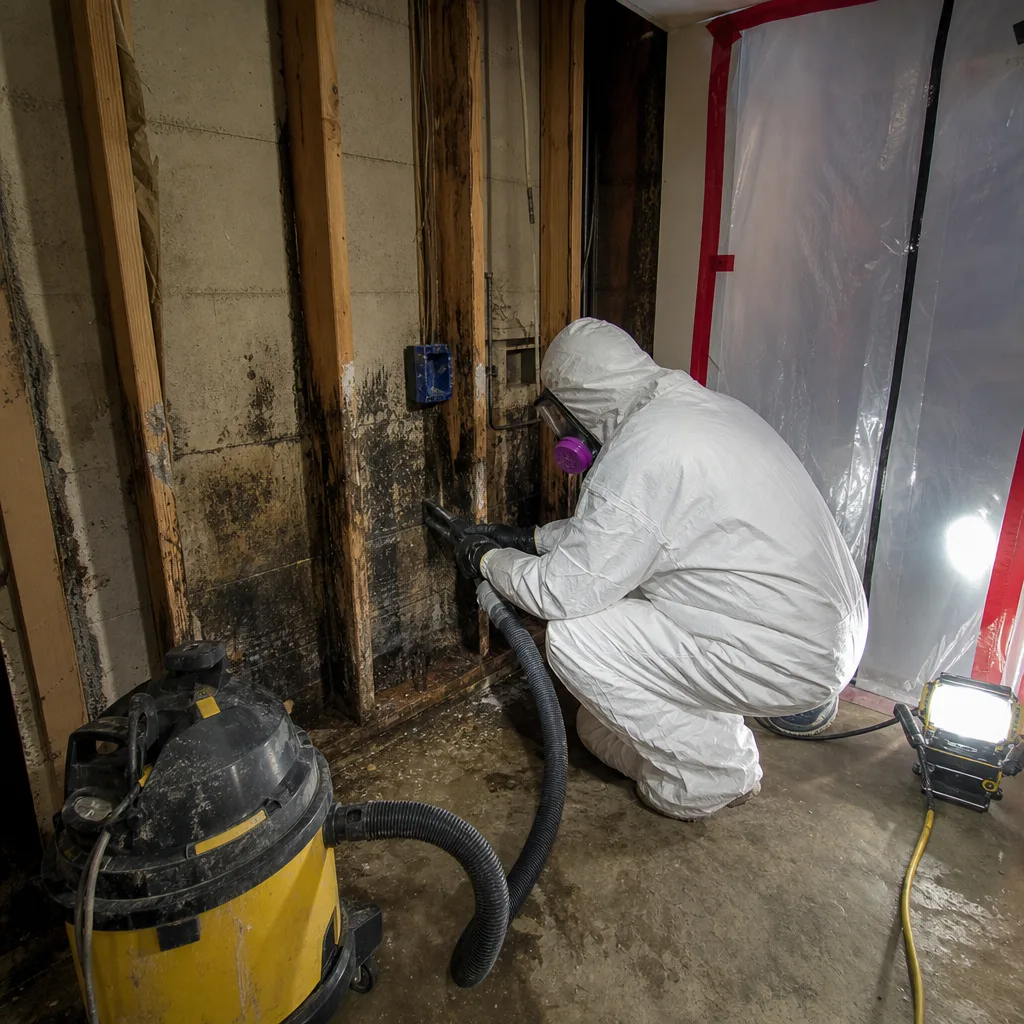
Fire Damage Cleanup
We remove charred debris, stabilize structural members, and establish containment perimeters with 6-mil polyethylene and negative-air HEPA scrubbers. In SeaTac’s commercial properties, we coordinate with the fire marshal’s re-entry requirements before any cleanup begins, ensuring the scope is legally compliant and insurer-approvable from day one.
Smoke & Soot Removal
Different soot types demand different chemistry. Dry soot from fast-burning paper and wood responds to HEPA vacuuming and dry-chem sponges. Wet soot from plastics and slow-burning synthetics requires solvent cleaning and often abrasive media blasting. Protein residue from kitchen fires is nearly invisible but intensely odorous, needing alkaline cleaners and thermal fogging. We identify the residue type during assessment and document the protocol for your claim file.
Odor Removal & Deodorization
Smoke odor that returns weeks after cleaning indicates a reservoir the initial scope missed. In SeaTac’s tight-envelope ramblers, that reservoir is almost always cellulose-packed wall cavities with pre-existing moisture damage. We trace odor sources with thermal imaging and moisture mapping, then deploy hydroxyl generators, thermal foggers, or ozone treatment matched to the contamination depth and the materials involved.
Contents Cleaning & Pack-Out
Fire-damaged contents are inventoried, photographed, and transported to our facility for ultrasonic cleaning, deodorization, and restoration. For SeaTac properties with limited staging space - common in airport-corridor apartments and older ramblers with small garages - we coordinate pack-out timing with the mitigation schedule so the structure can be treated without contents interference.
Emergency Board-Up & Tarping
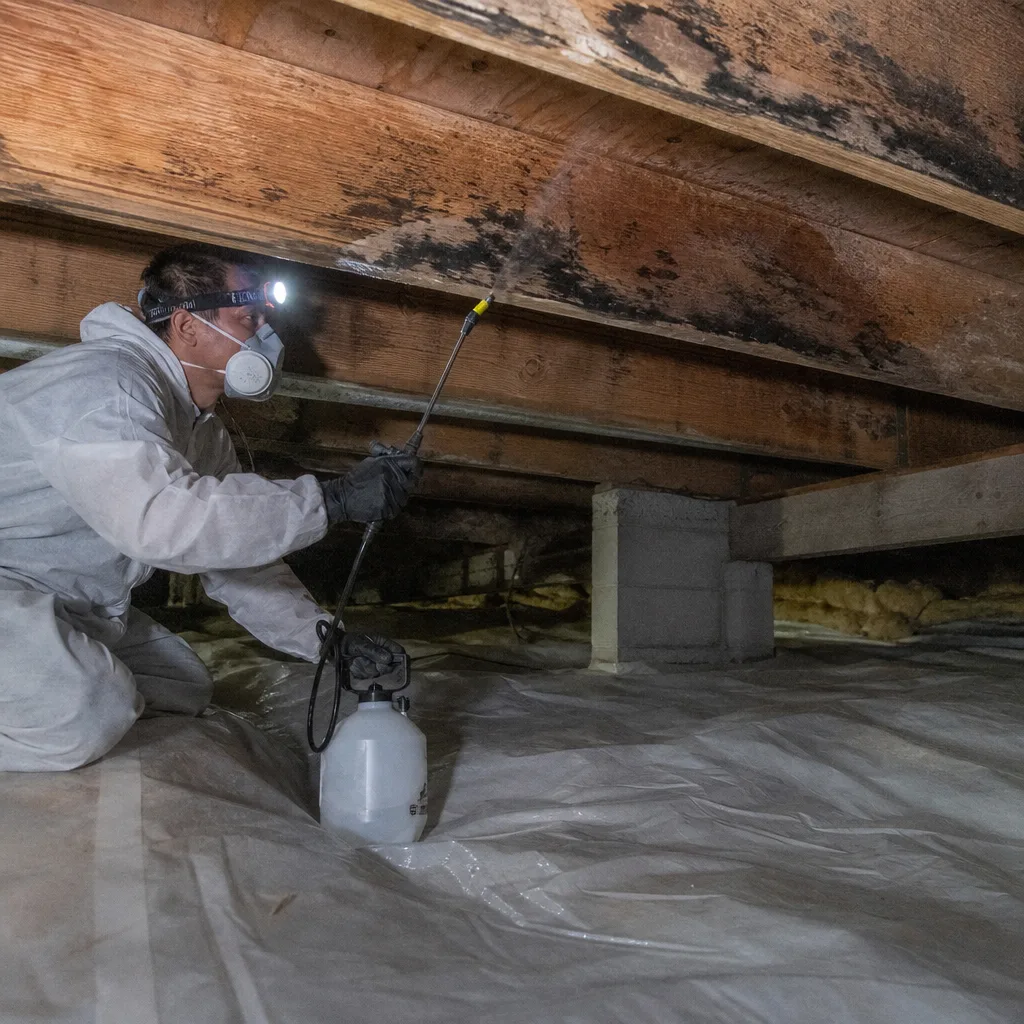
Broken windows, roof holes, and compromised doors are secured immediately to prevent weather intrusion and vandalism. We use pressure-treated plywood and mechanical fastening, not nails into damaged framing, so the board-up itself does not become a secondary insurance dispute. For detached workshops and outbuildings on SeaTac’s longer residential properties, we carry extended-ladder and aerial-lift equipment.
Structural Fire Repair
Charred framing is sistered or replaced per structural engineering review. Drywall, insulation, and finish materials are reinstalled with corrected vapor barriers and ventilation where the original Port retrofit failed. We deliver a written scope defining pre-loss condition, a photo record of the completed assembly, and the 365-Day Done Right Promise under The Haven Standard.
What happens when you call
- 1
A real person answersNo phone trees - you reach a local pro.
- 2
You get an upfront price rangeHonest numbers before anyone is dispatched.
- 3
A background-checked tech heads outLicensed & insured, dispatched right away.
- 4
You approve before work beginsNothing starts until you say go.
Fire & Smoke Damage Restoration Costs in SeaTac, WA
Light smoke damage cleanup in SeaTac runs $3,800-$6,200 for a single room with surface soot, no structural damage, and no pack-out. Moderate damage involving wall-cavity contamination, suppression water drying, and partial pack-out typically ranges $6,500-$11,000. Heavy damage with structural charring, full demolition, and reconstruction starts at $12,000 and can exceed $35,000 for whole-home losses.
What moves the price: the square footage of smoke migration, the presence of water damage requiring documented structural drying, the need for contents pack-out and off-site cleaning, and whether hidden cavity demolition reveals pre-existing mold that must be remediated before rebuild. Insurance typically covers direct fire and smoke damage plus reasonable mitigation; gradual moisture damage from the Port retrofit’s failed vapor barrier may be excluded or limited depending on your policy language and the adjuster’s interpretation of causation.
We provide a free visual inspection and written estimate before any work begins. Haven Standard, Clause 1. Call (253) 487-0371 to schedule.
We Also Serve Cities Near SeaTac
Our Fire & Smoke Damage Restoration crews respond throughout the south Puget Sound region, including Auburn, Lake Morton-Berrydale, Kent, and Sumner. Each city page details local building stock, typical failure patterns, and response protocols specific to that market.
Serving SeaTac, WA - Our Local Coverage Area
We’re based in the SeaTac area and know this community well. Use the map below to see our service coverage - if you’re nearby, we can almost certainly help.
SeaTac Fire & Smoke Damage Restoration Questions, Answered
Why do smoke odors keep coming back after a fire in some SeaTac homes?
Smoke odors return because the original cleanup addressed visible surfaces but missed a hidden reservoir in wall cavities, HVAC ducts, or porous insulation. In SeaTac’s Port-retrofitted ramblers, blown-in cellulose packed against sheathing with no vapor barrier traps smoke particles and pre-existing moisture, creating a continuous odor source that reactivates with humidity changes. We trace these reservoirs with thermal imaging and moisture mapping, then remove the contaminated material rather than masking it. Call (253) 487-0371 if you’re dealing with returning smoke odor - we’ll find the source and show you the photo evidence.
Does a small kitchen fire in SeaTac ever need structural drying and a pack-out?
Yes, frequently. Even a contained kitchen fire typically triggers the sprinkler system or fire department suppression, introducing 50-200 gallons of water into the structure. That water migrates behind cabinets, under flooring, and into wall cavities. In SeaTac’s tight-envelope ramblers, it cannot evaporate naturally. Without documented structural drying to IICRC S500 standards, moisture gets trapped, mold grows, and the claim remains open. We assess water intrusion at every fire call and include drying logs in the standard scope. Call (253) 487-0371 for a free inspection that evaluates both fire and water damage.
What’s different about a fire at a SeaTac hotel or short-term rental property?
Commercial fire losses in SeaTac’s airport-corridor properties involve higher occupancy density, corporate risk-management requirements, and revenue-loss calculations that residential claims do not. Multiple units may be affected by smoke migration through shared HVAC. We coordinate with property management, document business-interruption calculations for the carrier, and work to minimize room-night losses while maintaining containment and safety protocols. Our crews understand the documentation standards for major hotel brands and their insurers. Call (253) 487-0371 for commercial fire response in SeaTac.
How do you handle fire and smoke cleanup for a property off South 154th Street with a detached shop or oversized doors?
We confirm access and staging by phone while dispatching, then route appropriately sized equipment. Longer drives and outbuildings may require flatbed transport for heavy-duty air movers, generators, and containment materials. We plan pack-out logistics from the street if the drive cannot accommodate our service vehicle, and we carry extended ladders for roof and upper-level access. The written scope includes all access considerations before work begins. Haven Standard, Clause 1. Call (253) 487-0371 to discuss access for your specific property.
Can hidden mold from the Port of Seattle sound insulation affect a fire claim in SeaTac?
Yes, and it complicates coverage. The Port of Seattle Residential Sound Insulation Program packed cellulose into wall cavities without vapor barriers on thousands of SeaTac homes. Years of trapped condensation produce mold that is unrelated to the fire but is exposed when fire damage requires demolition. Insurance adjusters may dispute whether mold remediation is part of the fire claim or a separate, potentially excluded loss. We document pre-existing conditions with photos, moisture readings, and material samples, then present a clear causation argument to your adjuster. Our documentation-first approach is built for exactly this dispute. Call (253) 487-0371 for a free second opinion on any competitor’s estimate.
How fast can your crew actually get to SeaTac?
We commit to 45 minutes from call to arrival for emergency fire and smoke damage in SeaTac, dispatched from our Seattle office via I-5 south to SR 518. Actual time depends on Sea-Tac Airport traffic patterns and your specific address. A live person answers at (253) 487-0371 24 hours a day, confirms your location, and provides an estimated arrival while the crew is en route.
Will my insurance cover the full fire restoration, or will I pay out of pocket?
Most homeowner and commercial policies cover direct fire damage, smoke damage, and reasonable mitigation costs including water extraction and drying. Coverage disputes arise around pre-existing conditions, like the hidden mold in Port-retrofitted wall cavities, and around scope items the adjuster deems cosmetic rather than structural. We document every line item with photos, moisture logs, and trade-standard estimates to minimize disputes. Your out-of-pocket cost is typically your deductible plus any policy limits or exclusions your carrier applies. We review your coverage and our documentation approach during the free inspection. Call (253) 487-0371 to schedule.
What should I do in the first 30 minutes after a fire is extinguished?
Do not re-enter until the fire marshal clears the structure. Call (253) 487-0371 immediately - our live dispatcher will guide you through immediate steps while the crew dispatches. Do not touch soot-covered surfaces; the oils in your skin will set the residue permanently. Turn off HVAC systems to prevent smoke migration. Gather your insurance policy number and adjuster contact if available, but do not delay the call to locate paperwork. The first hour determines the contamination perimeter. We answer live 24 hours a day.
We were called to a 1965 rambler near S 170th St for a kitchen fire where the smell of smoke kept returning weeks after the visible soot was cleaned; our techs used moisture mapping and moisture readings to trace a hidden wall cavity, then ran containment and air movers while removing charred cellulose-packed stud bays. The wall opened to heavy smoke residue plus years of trapped condensation and mold, so after structural drying, antimicrobial treatment, and a full pack-out of contents for cleaning, we rebuilt the assembly with proper air sealing and vapor control - one trip, one scope of work, right the first time.
Smoke from a fire in one of SeaTac’s 1950s-1970s ramblers often proves the rambler was retrofitted under the Port of Seattle Residential Sound Insulation Program - blown-in cellulose packed against exterior sheathing with no vapor barrier and no added ventilation - so smoke residue and hidden condensation mold are frequently found together in wall cavities long before demo begins. This is not a generic fire pattern. It is specific to SeaTac’s housing stock, and any restoration scope that does not account for it will fail. Our SeaTac crews arrive expecting this finding, document it when present, and build the rebuild to correct it.
Every job we complete carries the 365-Day Done Right Promise under The Haven Standard: if it’s not done right, we make it right. Not a marketing line. A signed guarantee.
Written by Alicia Brennan, Owner at DryMark Restoration Auburn, serving SeaTac since 2011.