
Free visual inspection and a written scope of work before any mitigation begins - photos, moisture readings, and drying logs go in your claim file
The scope we write is the scope we bill. Anything new gets shown to you, in writing, before we touch it.
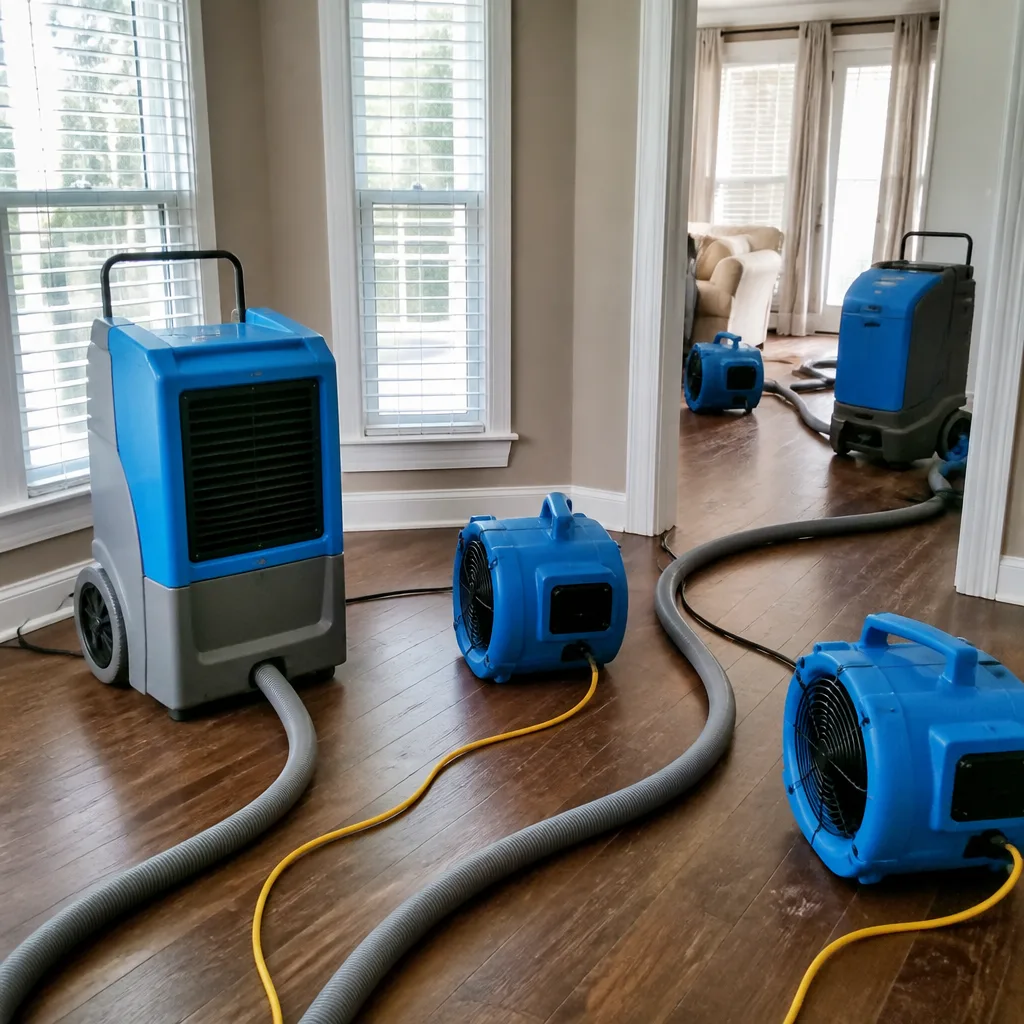

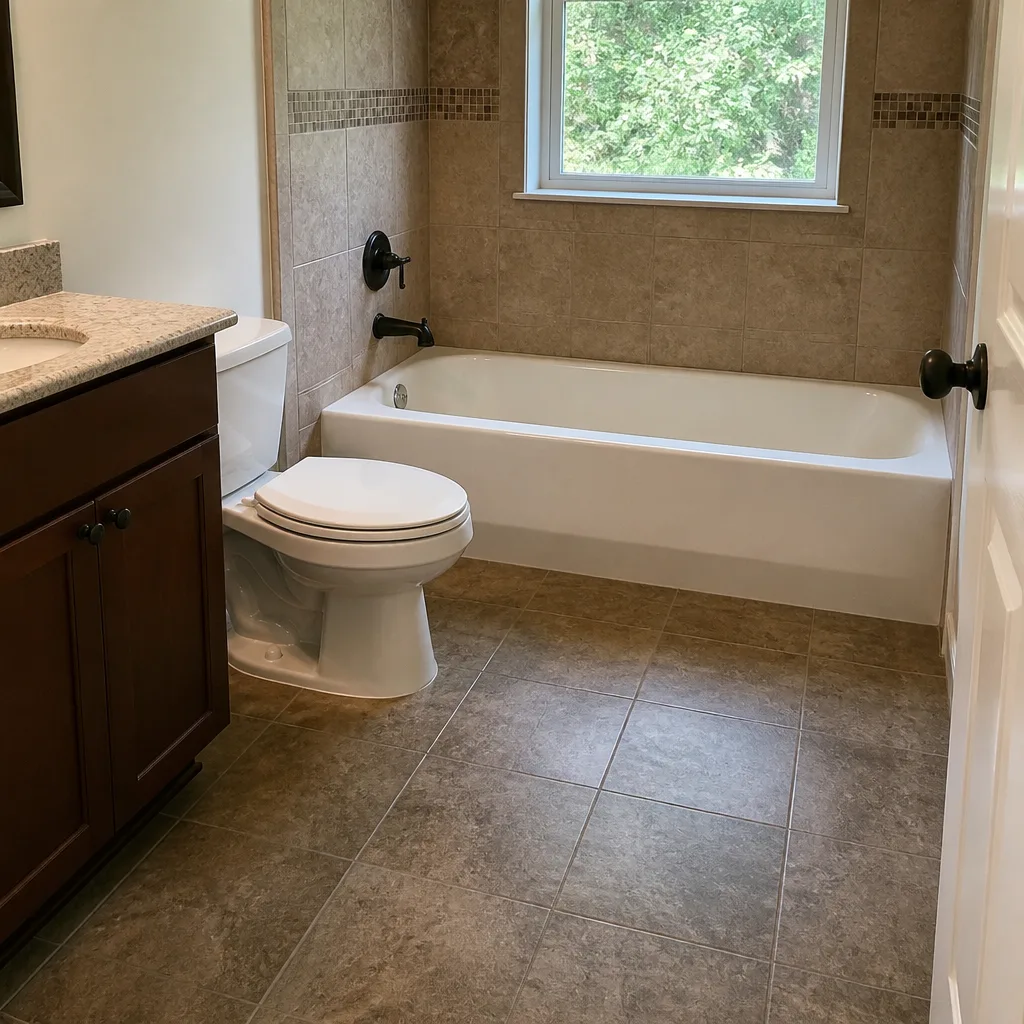
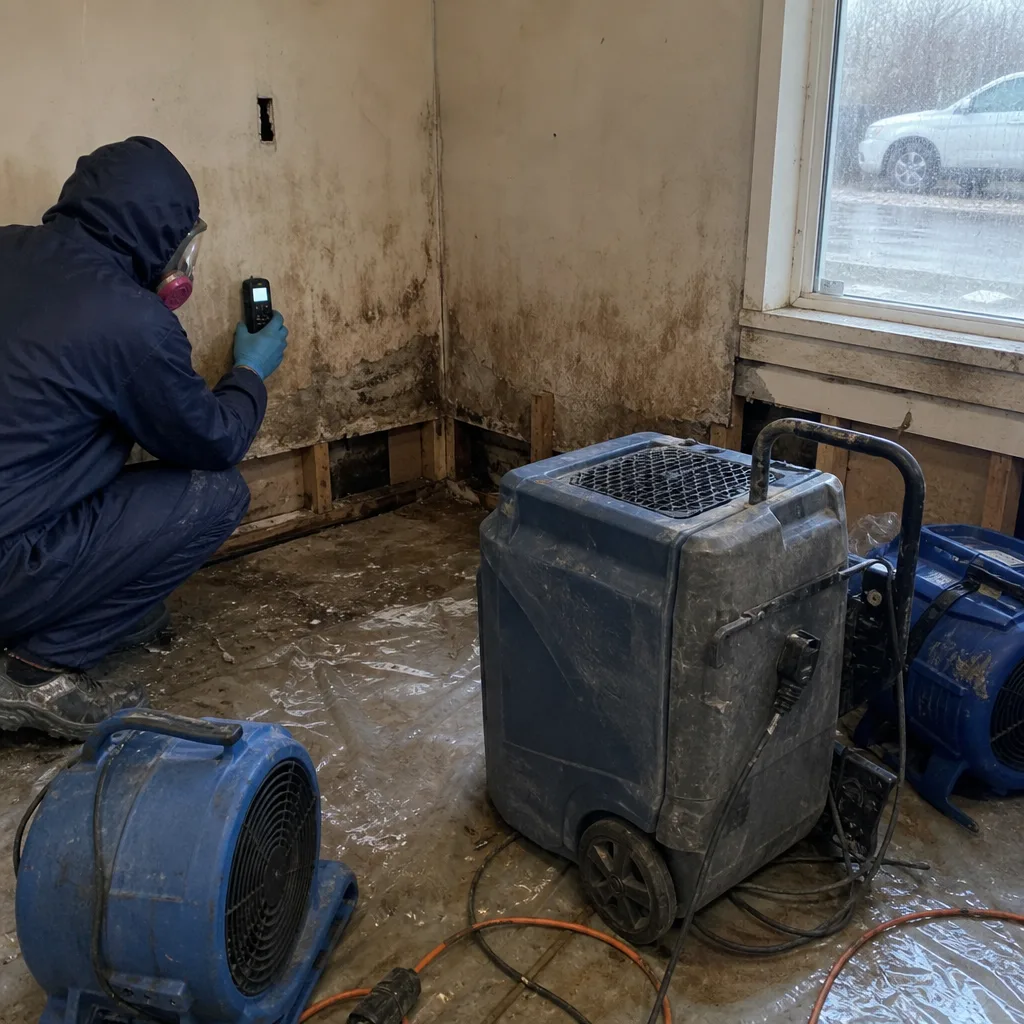 Before
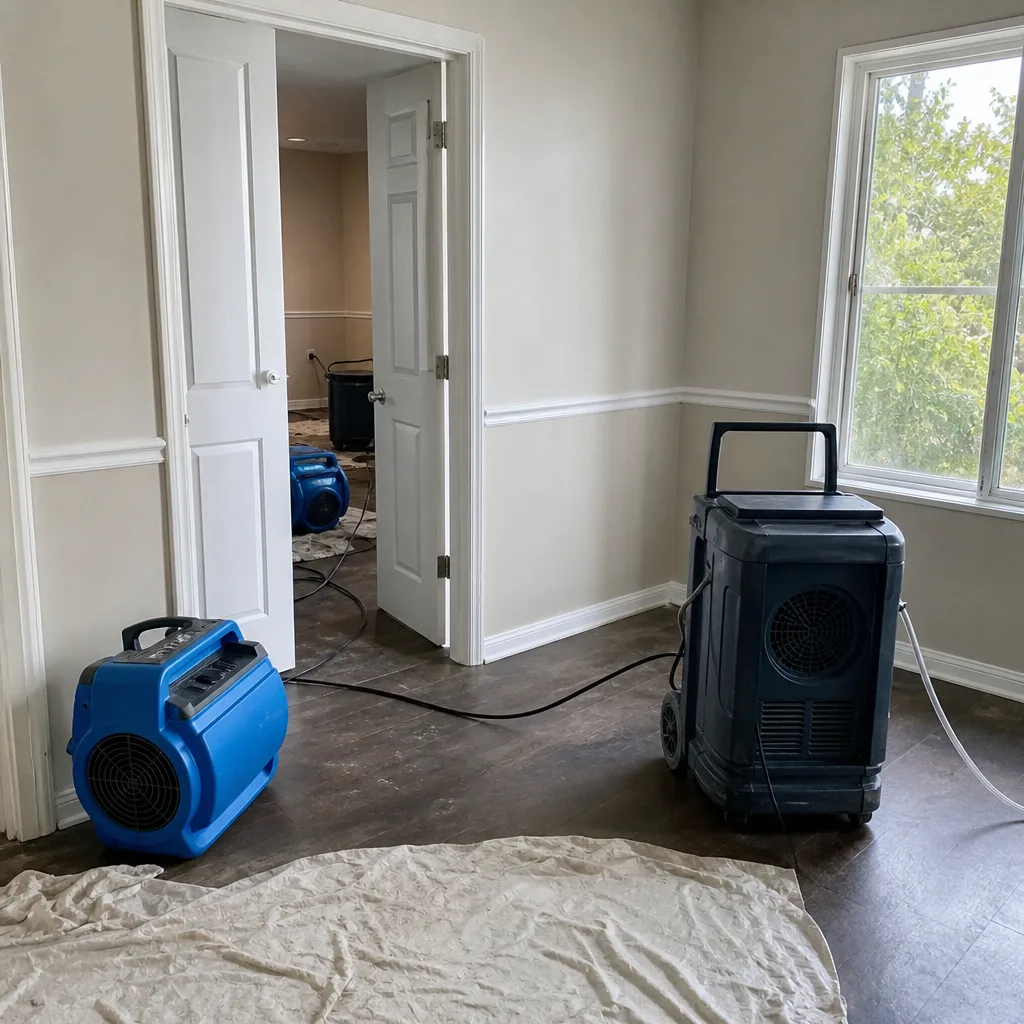 After
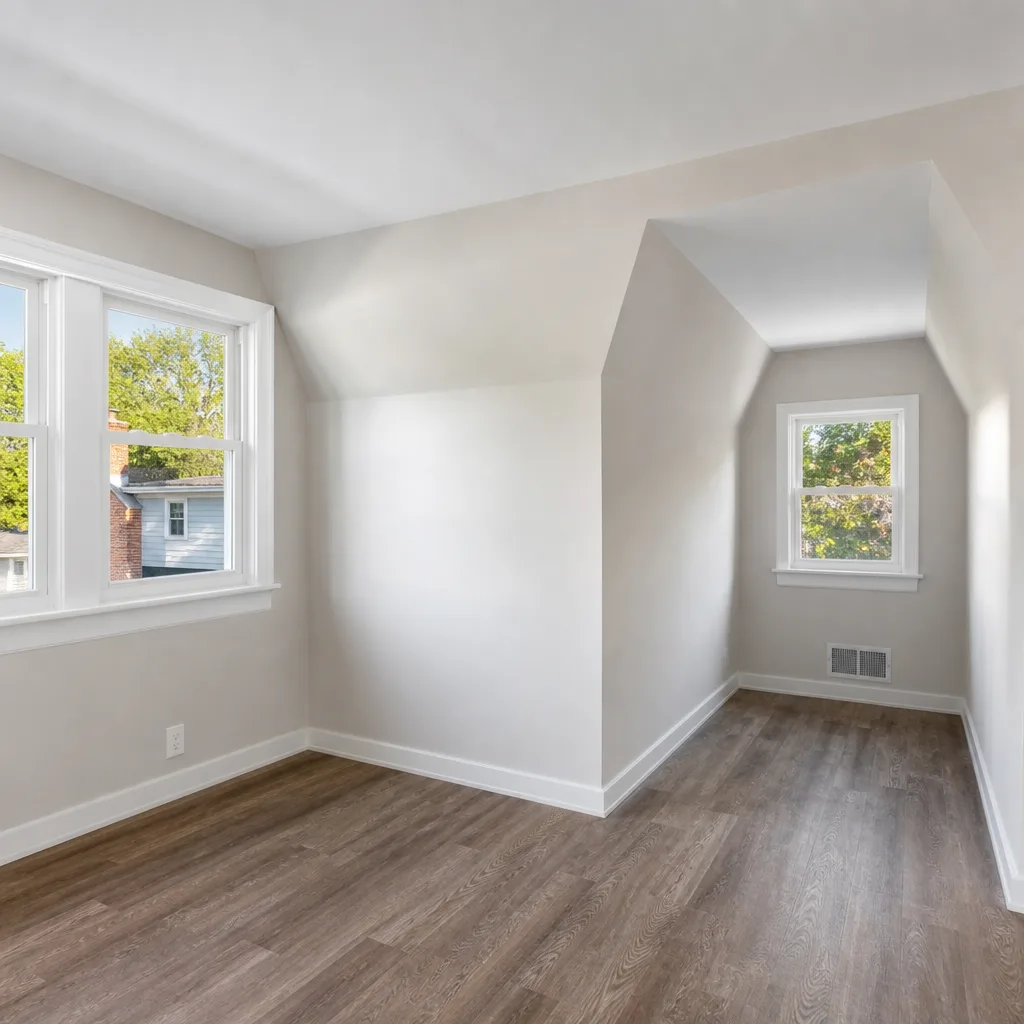
After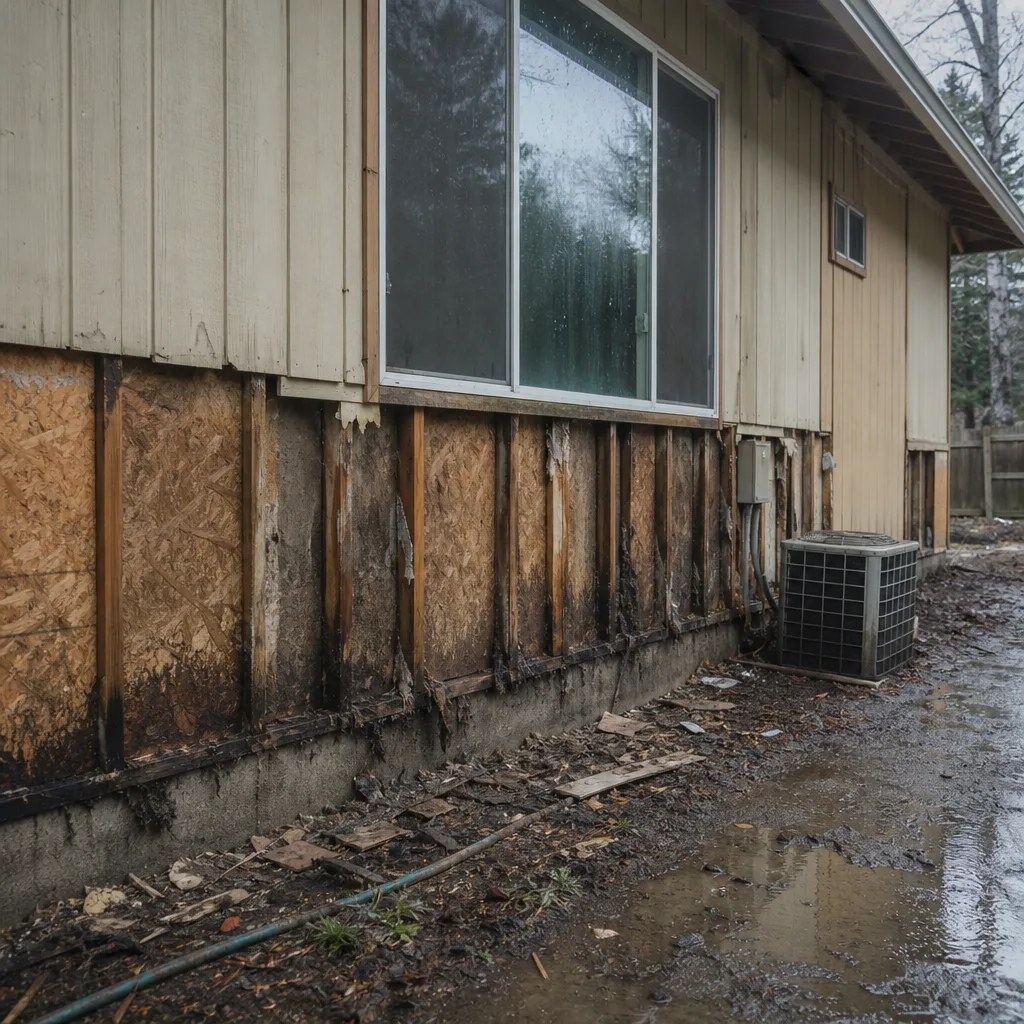 Before
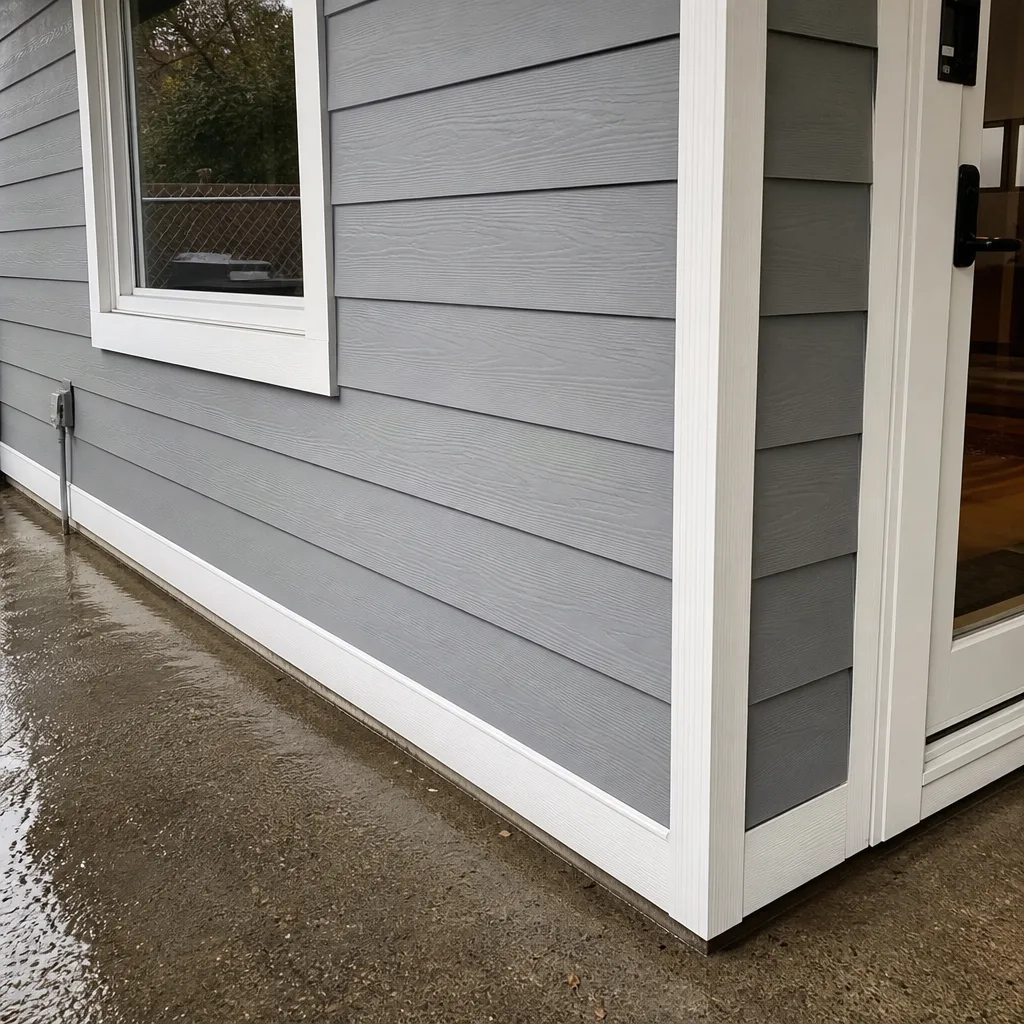 After
After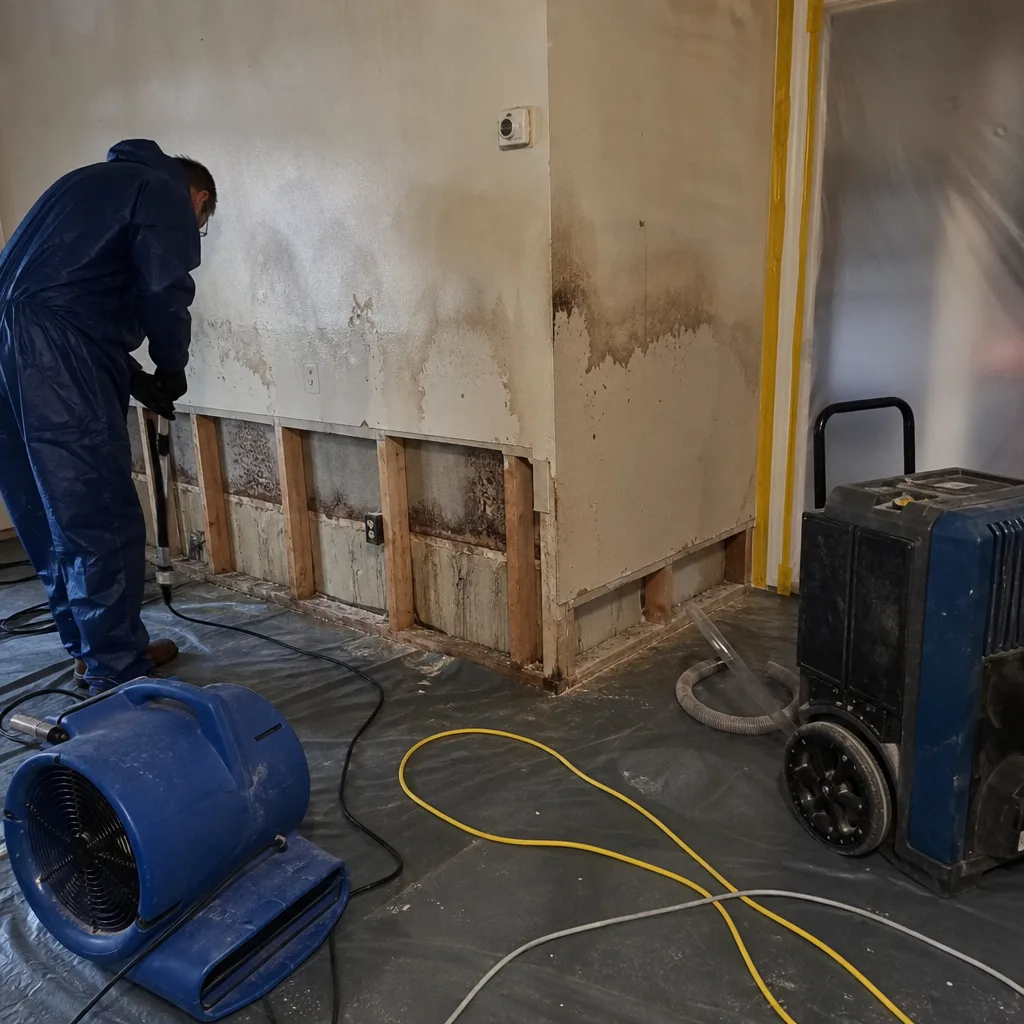 Before
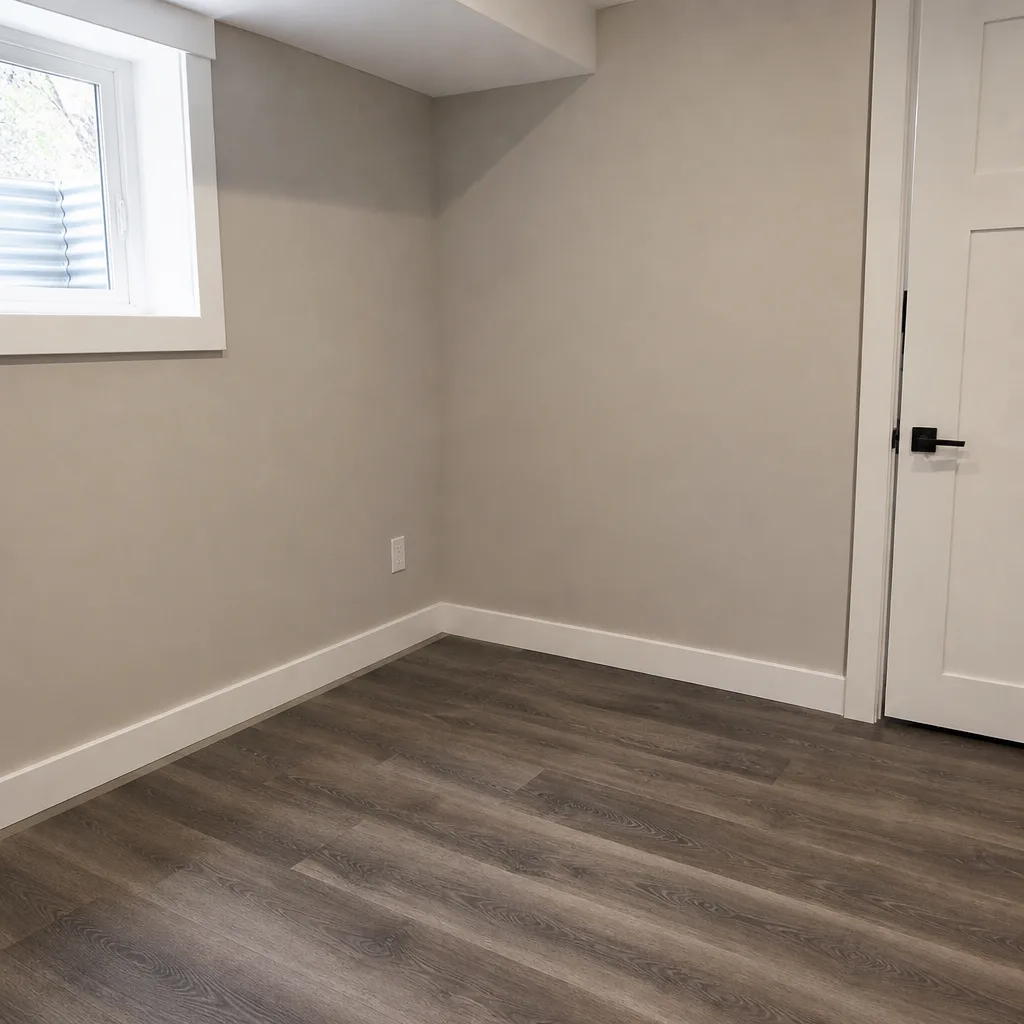 After
AfterTrusted Sewage Cleanup for Auburn Homeowners
Sewage Cleanup pricing in Auburn typically runs $2,800 to $7,500 depending on contamination extent, affected materials, and whether the spill reached wall cavities or crawl spaces. Most Auburn homeowners need same-day response because sewage carries Category 3 black water pathogens, including E. coli and salmonella, that multiply rapidly in our mild, wet climate. Call (253) 487-0371 now, and a live person will dispatch a crew, usually within 60-90 minutes to most Auburn neighborhoods.
Since 2011, Alicia Brennan has built Back to Dry Restoration around a single problem: restoration companies that hand homeowners invoices their insurers won’t pay because the documentation doesn’t exist. We’ve restored over 12,000 homes, every one with a written price before work started and a photo record when the crew left. In Auburn, where many homes sit on clay-heavy soils that slow drainage and trap moisture, that documentation gap hits harder. A sewage backup in the Auburn Valley or along the Green River corridor can wick into subfloors for days before anyone smells it. Our crews arrive with moisture meters, thermal cameras, and the written scope already in progress, because Haven Standard, Clause 1 requires a price before anyone opens a truck door.
We’re independently owned and operated, not a franchise network. Every technician is background-checked, uniformed, and licensed, with the license number visible on arrival. Our emergency line rings to a live person 24 hours a day, 7 days a week. No voicemail trees. No next-business-day callbacks while contamination spreads.
What Our Sewage Cleanup Service Includes
Sewage Backup Cleanup
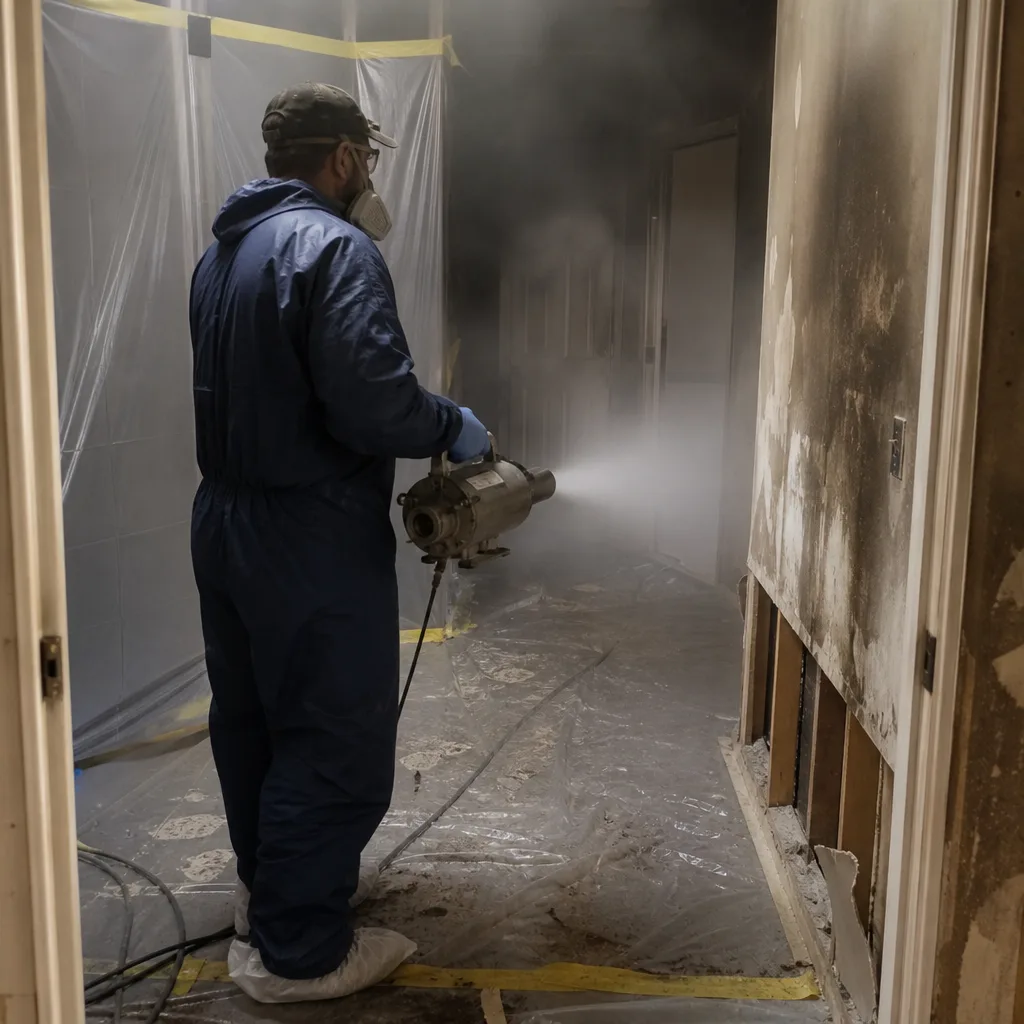
A sewage backup occurs when wastewater reverses flow from the municipal line or septic system into your home, typically through floor drains, toilets, or the lowest fixture. In Sewage Cleanup - Federal Way and Auburn, we see this most often during heavy rain events when the combined sewer system near downtown and the older neighborhoods off Main Street becomes overwhelmed, or when tree roots infiltrate clay lateral lines common in pre-1980s construction. Our crew isolates the contamination zone with 6-mil polyethylene barriers, extracts standing black water with truck-mounted vacuums rated for Category 3 loss, and documents every square foot with geo-tagged photos before any demolition begins. The written scope specifies which materials are salvageable through HEPA cleaning and which require removal based on porosity testing, not guesswork.
Toilet Overflow Cleanup
A toilet overflow ranges from a contained bowl spill to a pressurized line discharge that floods adjacent rooms with raw sewage. The distinction matters for both safety and insurance documentation: a simple overflow from a clogged bowl is Category 2 until it contacts porous materials, while a sewer line backup is Category 3 from the first drop. In Auburn’s newer subdivisions like Lakeland Hills, we often find that builder-grade wax rings fail within 5-7 years, causing slow leaks that homeowners mistake for condensation until the subfloor delaminates. We test moisture content in the surrounding OSB or plywood with pinless meters, map the migration pattern with infrared imaging, and deliver a written price that separates emergency extraction from any necessary structural drying or rebuild.
Septic Failure Cleanup
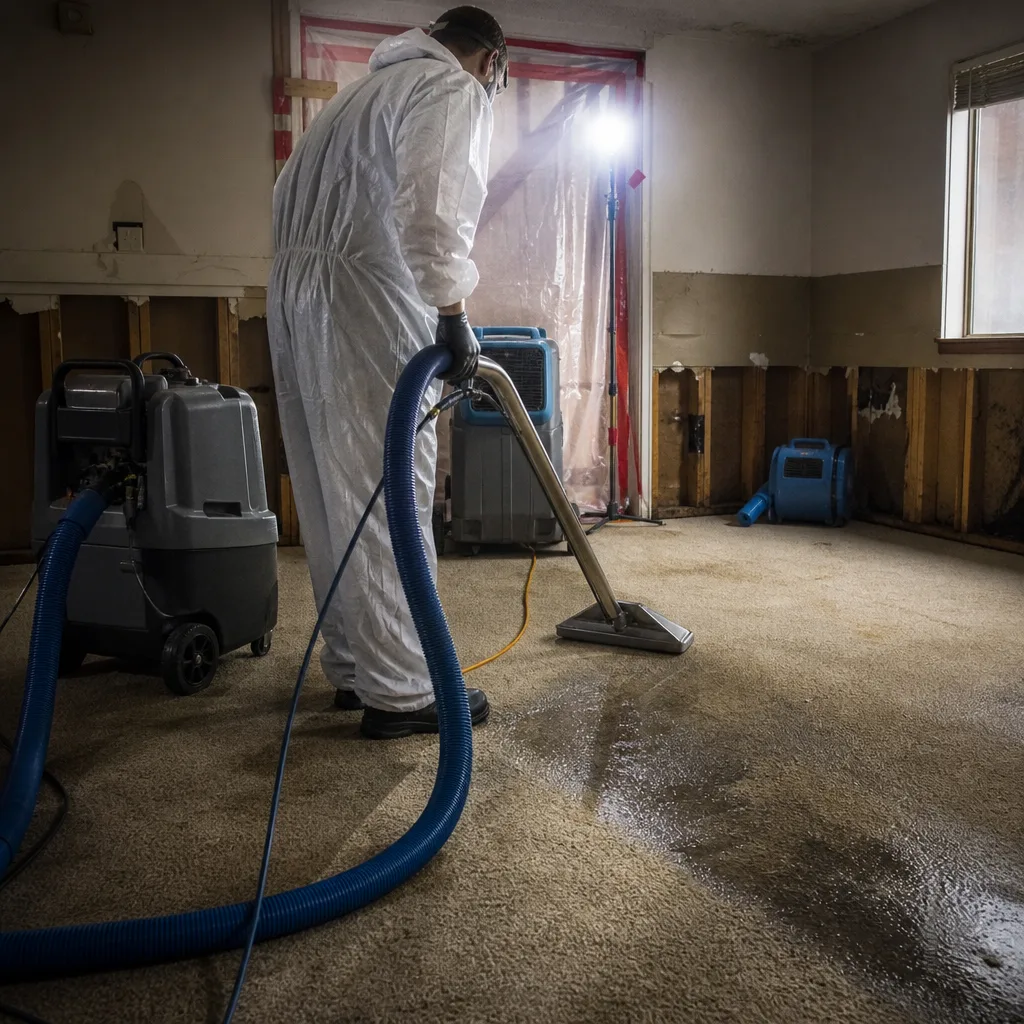
Septic system failure in Sewage Cleanup - Milton and Auburn’s outlying areas, particularly east of Muckleshoot Tribal lands and in the Lake Morton-Berrydale corridor, typically manifests as surfacing effluent in the yard, gurgling drains, or sewage backing into the home when the drain field saturates. Our January 2024 job on 244th Avenue Southeast involved a failed drain field that had been dumping untreated effluent beneath a crawl space for an estimated three weeks; the homeowner noticed only when the vapor pressure differential pushed sewer gas through floor gaps. We pumped the crawl space, removed saturated vapor barrier and insulation, treated exposed framing with antimicrobial registered for Category 3 loss, and installed temporary dehumidification while the septic contractor replaced the drain field. The photo record and daily moisture logs went directly to the homeowner’s adjuster.
Black Water Extraction
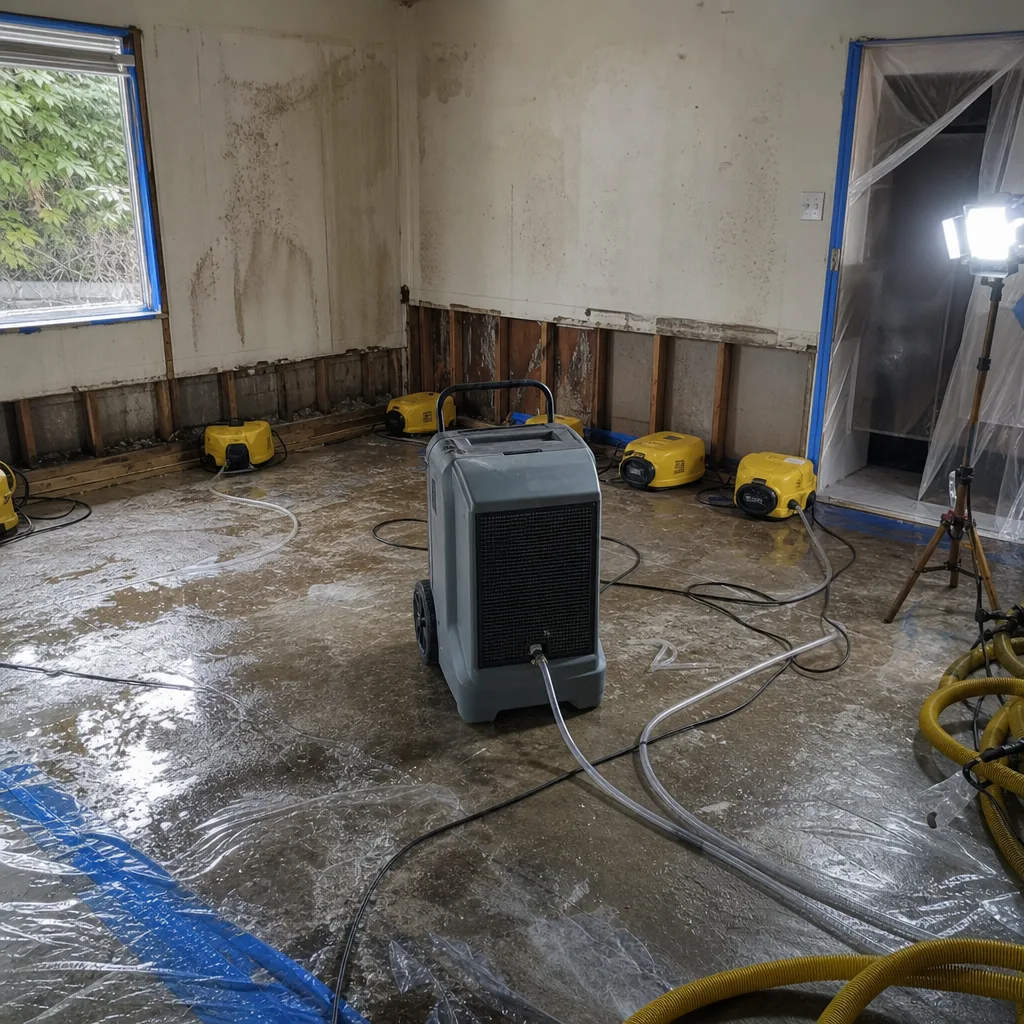
Black water, or Category 3 water, contains pathogenic, toxigenic, or other harmful agents from sewage, seawater flooding, or rising surface water. In Auburn, black water events often follow Green River flooding in the valley floor neighborhoods or combined sewer overflows in the historic district. Extraction is not a homeowner-grade task: our truck-mounted systems generate 15-20 inches of mercury vacuum lift to pull contaminated water from carpet pad, subfloor cavities, and wall insulation without aerosolizing bacteria. We document extraction volumes by tank measurement, not estimate, because insurers pay on demonstrated water removal, not time on site. After extraction, we apply EPA-registered disinfectants at manufacturer-specified dwell times, then verify surface sanitation with ATP bioluminescence testing where the loss requires it.
Sanitization & Disinfection
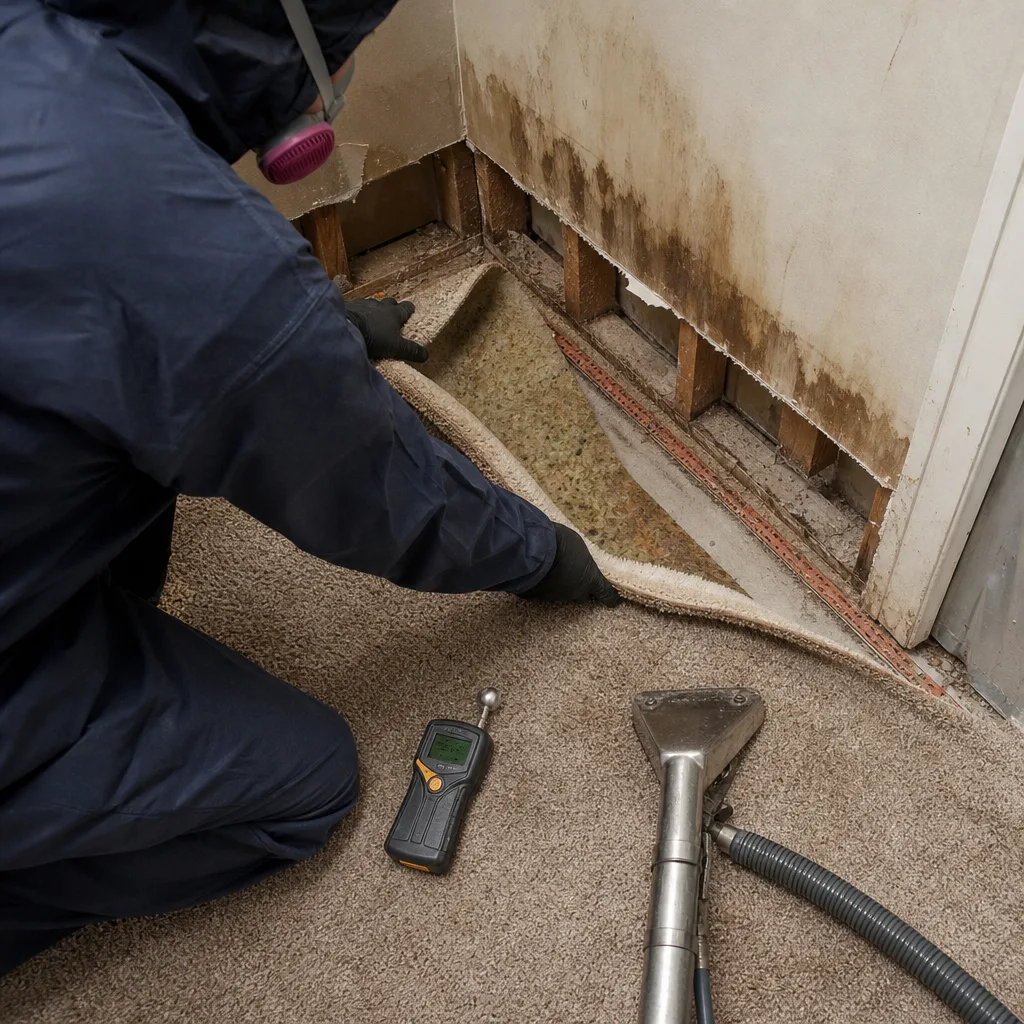
Sanitization reduces microbial populations to safe levels; disinfection eliminates them on inanimate surfaces. The distinction determines product selection, dwell time, and documentation requirements. For Auburn sewage losses, we deploy hospital-grade quaternary ammonium compounds or chlorine dioxide systems depending on surface compatibility, always following IICRC S500 protocols for Category 3 contamination. In a March 2025 job on Auburn Way North, a daycare’s sewage backup required documented 6-log reduction on all touch surfaces before King County Health would permit reopening. We provided the lab-verified clearance documentation, the photo record of treatment application, and the signed warranty under Haven Standard, Clause 3. No verbal assurances. No gaps.
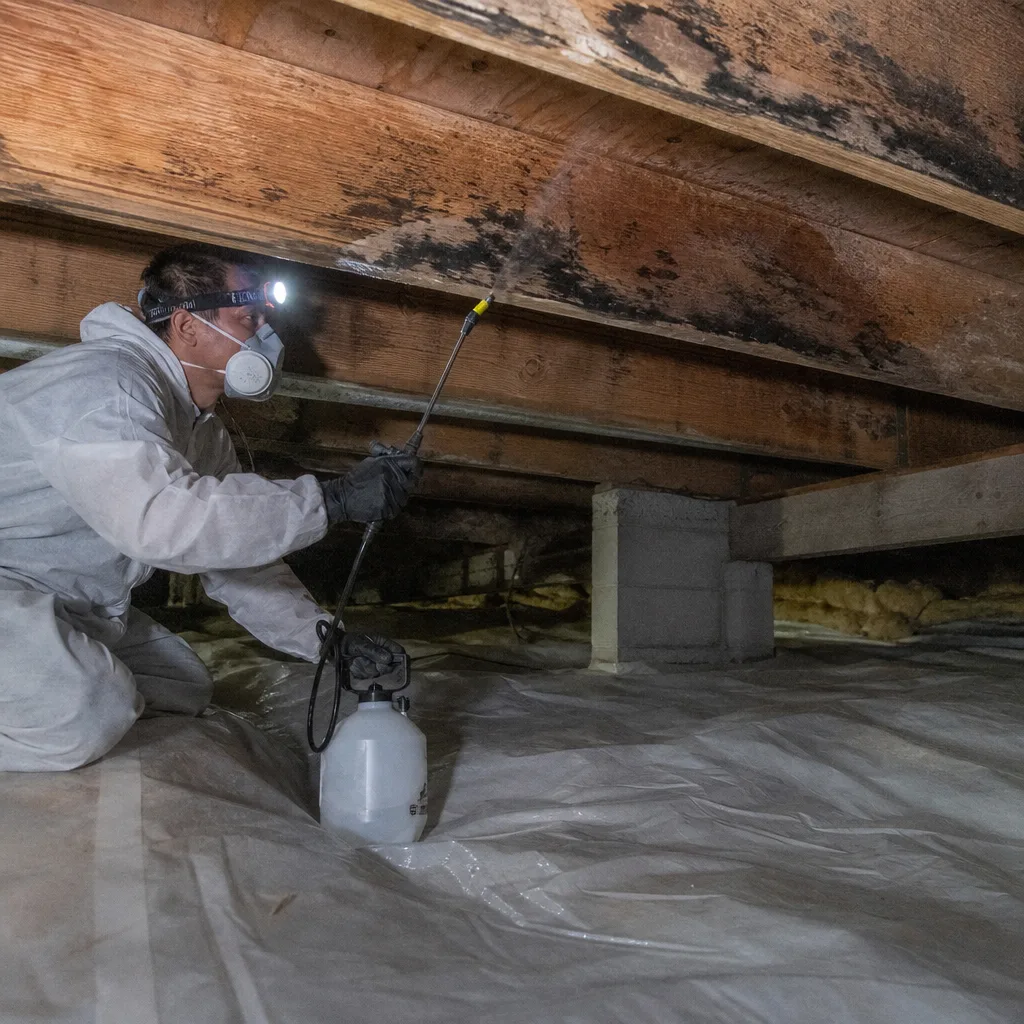
Crawl Space Sewage Removal
Crawl space sewage removal presents unique challenges in Auburn, where many homes built between 1960 and 1990 have 18-24 inch crawl spaces with dirt floors and minimal access. Sewage pools on the vapor barrier or soaks into native soil, creating long-term vapor pressure issues that standard drying cannot address. We remove contaminated soil where saturation exceeds acceptable levels, install temporary sump systems if the source is ongoing, and deploy low-grain refrigerant dehumidifiers from Dri-Eaz or Phoenix coupled with Injectidry negative air systems to establish controlled drying. Every crawl space job includes post-drying moisture mapping at 24-inch intervals, documented to the drying log that accompanies your final invoice.
What happens when you call
- 1
A real person answersNo phone trees - you reach a local pro.
- 2
You get an upfront price rangeHonest numbers before anyone is dispatched.
- 3
A background-checked tech heads outLicensed & insured, dispatched right away.
- 4
You approve before work beginsNothing starts until you say go.
Brands We Service for Sewage Cleanup
We’ve serviced and restored properties with every major building system brand common to the Auburn market. For HVAC contamination from sewage backup, we’ve cleaned and documented hundreds of Carrier and Trane air handlers, particularly in the Lakeland Hills and Lea Hill subdivisions where these brands dominate new construction. We stock OEM filter media and coil cleaning compounds specific to each manufacturer’s specifications, because a sanitized duct system with a contaminated filter is an incomplete job.
Our equipment fleet includes professional-grade drying systems from Dri-Eaz, Phoenix, XPOWER, and B-Air, documented to IICRC, RIA, and IFA standards. Whether you have a Dri-Eaz dehumidifier already running from a previous water loss, a Phoenix 200 MAX in your restoration contractor’s rotation, or any other make of building system affected by sewage contamination, we can assess, document, and restore it. The brand on the equipment matters less than the documentation behind the work.
BeforeAfterSigns You Need Sewage Cleanup Right Now
- Multiple drains backing up simultaneously. When your toilet, shower, and kitchen drain all fail at once, the blockage is likely in your main sewer line, not an individual fixture. This indicates a system-wide backup that will continue until the pressure finds the lowest exit point, usually a floor drain or basement fixture. In Auburn’s older neighborhoods with combined sewers, this often precedes municipal line overflow by hours, not days.
- Sewer gas odor indoors that doesn’t dissipate. Hydrogen sulfide and methane from decomposing sewage have a distinctive rotten-egg smell. If the odor persists after running water in all traps, you likely have a dried trap, cracked vent stack, or active sewage leak creating a vapor pressure differential that’s pulling gas into living spaces. This is not a ventilation problem to mask with air freshener.
- Wet spots in the yard that smell like sewage. Saturated soil above a failed septic drain field or broken sewer lateral will surface effluent, particularly in Auburn’s clay soils where percolation is already slow. The wet spot may appear days or weeks before any indoor backup, by which time groundwater contamination may already require Department of Ecology notification.
- Gurgling or bubbling from drains and toilets. Air displaced by a downstream blockage escapes through the path of least resistance, usually the nearest fixture trap. Persistent gurgling after normal use indicates a partial blockage that will become complete, often at the worst possible time. We’ve responded to dozens of Auburn calls where the homeowner noted gurgling for weeks before the catastrophic backup.
- Visible mold growth near plumbing fixtures within weeks of a water event. Category 3 water carries organic nutrients that accelerate mold colonization. If you see mold where you previously had a toilet overflow or drain backup, the original contamination likely wasn’t properly remediated. Our moisture meters will reveal whether the wall cavity behind that surface is still wet, and our photo record will document the extent for your insurer.
Our Sewage Cleanup Process - Step by Step
- 1
Emergency call and remote triage. When you call (253) 487-0371, a live person answers. We ask: when did the backup start, how many rooms are affected, is the source stopped, and is anyone immunocompromised in the home? This determines crew composition, PPE level, and whether we need to coordinate with Auburn Public Works for a sewer line inspection. We give you a 60-90 minute arrival window and tell you what to avoid touching until we arrive.
- 2
On-site assessment and written scope. Our technician arrives with a tablet, moisture meters, thermal camera, and ATP testing kit if indicated. We identify the contamination category, map the migration pattern, photograph every affected surface before disturbance, and deliver a written price before any extraction begins. Haven Standard, Clause 1: no exceptions. The scope separates emergency services from reconstruction, so you know what’s covered now and what requires separate authorization.
- 3
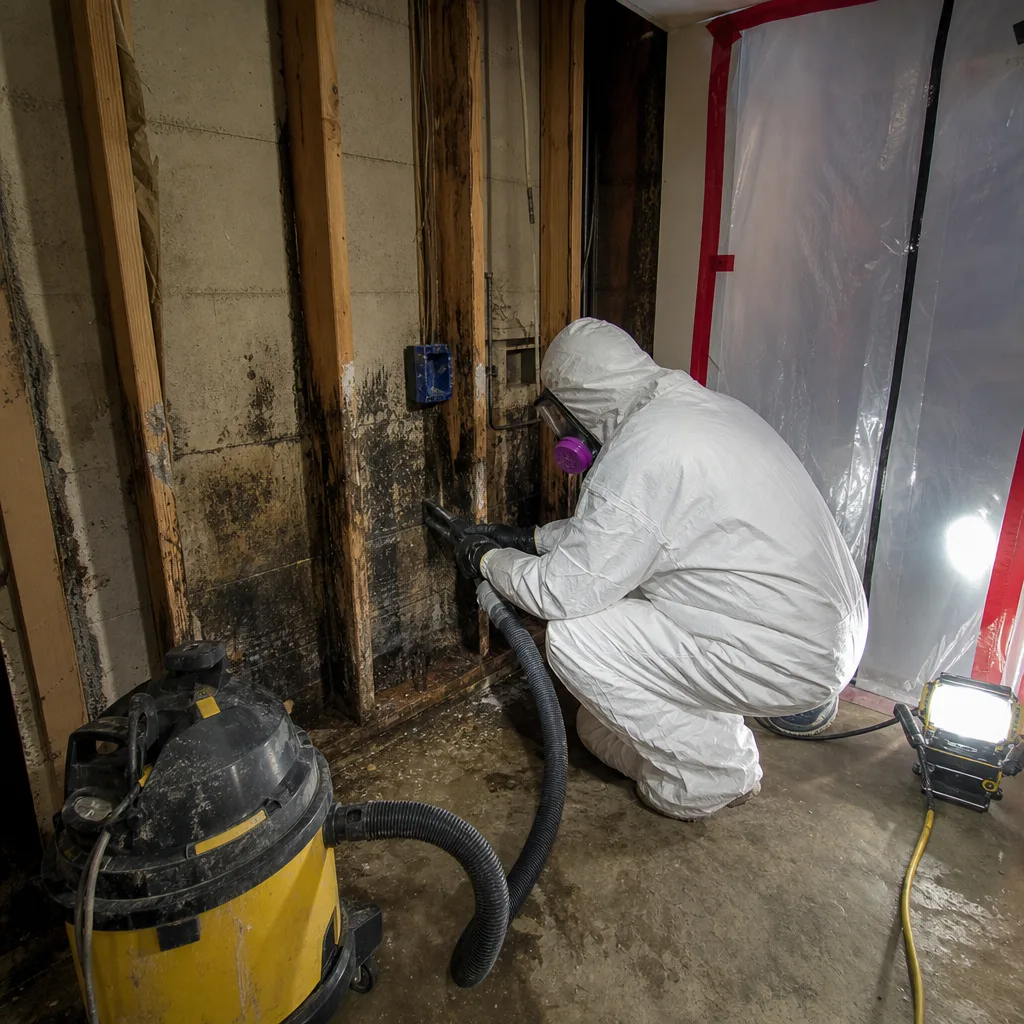
Containment, extraction, and removal. We establish containment with zippered poly barriers and negative air machines where the loss exceeds one room. Standing water extracts through truck-mounted vacuums with inline antimicrobial injection. Saturated porous materials, carpet, pad, drywall below the water line, and insulation receive documented removal with square footage calculations. Non-porous surfaces get HEPA vacuuming and wet cleaning with EPA-registered disinfectants at specified dwell times.
- 4
Drying, dehumidification, and verification. We deploy refrigerant dehumidifiers and air movers sized to the affected cubic footage, with daily moisture readings at predetermined points. Psychrometric data, temperature, relative humidity, and vapor pressure differential, is logged to the drying record that accompanies your final documentation. Tertiary drying, the removal of bound moisture from structural materials, continues until readings stabilize at or below dry standard for the region, typically 12-16% wood moisture equivalent in Auburn’s climate.
- 5
Final documentation, clearance, and warranty. We deliver a photo record of every visit, the complete drying log, a summary of products applied with EPA registration numbers, and the signed 365-Day Done Right Promise under The Haven Standard. If post-remediation testing is required for insurance or health department clearance, we coordinate sampling and include results in the final packet. The job isn’t closed until the documentation is complete and in your hands.
How Much Does Sewage Cleanup Cost in Auburn?
Sewage cleanup pricing in Auburn depends on contamination extent, affected materials, and access conditions. Here are the ranges we most commonly see:
| Scenario | Typical Range | What Drives Cost |
|---|---|---|
| Contained toilet overflow, one bathroom, no structural penetration | $2,800 - $4,200 | Extraction, surface disinfection, content cleaning, minor drywall repair |
| Sewage backup affecting one floor, carpet and pad removal | $4,500 - $6,800 | Extraction, demolition, drying system rental, antimicrobial treatment, rebuild scope |
| Crawl space or basement sewage with soil contamination | $5,500 - $9,500 | Soil removal, vapor barrier replacement, subfloor drying, encapsulation if indicated |
| Whole-home contamination from main line backup | $8,000 - $15,000+ | Extensive demolition, multi-zone drying, HVAC decontamination, full reconstruction |
What moves you toward the higher end: sewage that sat for more than 24 hours before extraction, wicking into wall cavities above 2 inches, hardwood or tile flooring that requires subfloor access, and any delay in stopping the source that allows secondary contamination. What keeps costs controlled: calling immediately, avoiding DIY extraction that spreads contamination, and having your sewer line access point identifiable.
Every estimate we deliver is free, detailed in writing, and separated into line items so you and your adjuster can see exactly what each phase costs. Haven Standard, Clause 1 requires this. We also offer a Free Second Opinion on any competitor’s written estimate, bring their quote and we’ll review it at no charge. Many Auburn homeowners discover that competitor estimates omit drying verification, antimicrobial application, or post-remediation documentation that insurers later demand.
Insurance coverage for sewage cleanup varies by policy and cause. Sudden and accidental backups from a failed municipal line are often covered; gradual septic failure due to maintenance neglect may not be. We photograph everything, document the cause to the best of our initial assessment, and coordinate directly with your adjuster on scope and pricing. Our daily drying logs and photo records have supported hundreds of successful claims that might otherwise have stalled on documentation gaps.
Sewage Cleanup Near Auburn - Our Service Area
We maintain crews positioned for rapid response across the south Puget Sound region. From our Auburn base, typical drive times run 25 minutes to Kent and Federal Way, 35 minutes to Renton and SeaTac, 40 minutes to Tacoma and Puyallup, and 30 minutes to Lake Morton-Berrydale and Maple Valley. Milton, Des Moines, and Sumner fall within 20-30 minutes depending on I-5 and SR-18 conditions. We do not charge trip fees within this service area; the written price covers travel, equipment, labor, and documentation.
Local geography affects our response planning. Properties in the Green River valley, including portions of downtown Auburn and the Lea Hill bench, sit on alluvial soils with high water tables that complicate crawl space drying. East toward the Cascade foothills, clay soils slow percolation and extend drying timelines. Our crews carry soil-specific drying strategies because Auburn is not uniform, and neither is our approach.
Serving Auburn, WA - Our Local Coverage Area
We’re based in the Auburn area and know this community well. Use the map below to see our service coverage - if you’re nearby, we can almost certainly help.
Frequently Asked Questions - Sewage Cleanup in Auburn
Sewage cleanup is the professional extraction, removal, disinfection, and drying of spaces contaminated by Category 3 black water from sewer backups, toilet overflows, septic failures, or flooding that carries raw waste. You need it whenever wastewater from any source enters your home, not just when you see standing water, because pathogens and moisture damage continue spreading invisibly. Call (253) 487-0371 for a free written assessment, estimates are always free under Haven Standard, Clause 1.
Most contained sewage cleanups in Auburn require 3-5 days from arrival to final clearance, with reconstruction adding 1-3 weeks depending on material availability. Complex losses involving crawl spaces, multiple floors, or hardwood flooring may extend drying to 7-10 days because we verify tertiary drying completion before signing off. We provide a written timeline with the initial scope, updated daily, so you’re never estimating progress from the street.
Typical sewage cleanup in Auburn runs $2,800 to $7,500 for standard residential losses, with contained toilet overflows at the lower end and crawl space or whole-home contamination at the higher end. Every job receives a written, itemized price before work begins, no exceptions. Call (253) 487-0371 for an exact quote on your specific situation, estimates are free and carry no obligation.
Yes, our technicians are trained on and deploy professional-grade drying systems from Dri-Eaz, Phoenix, XPOWER, B-Air, and Injectidry, documented to IICRC, RIA, and IFA standards. If your previous restoration contractor left equipment in place or you own drying systems affected by contamination, we assess, clean, and document them to manufacturer specifications. The brand matters less than the documentation behind the service.
Yes, our emergency line operates 24 hours a day, 7 days a week with live person answering, no voicemail trees. Most Auburn locations receive crew arrival within 60-90 minutes of call. Speed matters with sewage because bacterial doubling times mean that a 12-hour delay can increase contamination load tenfold in favorable conditions.
Every sewage cleanup job carries our 365-Day Done Right Promise under The Haven Standard: if it’s not done right, we make it right. This is a signed guarantee, not a marketing line, and it covers both workmanship and documentation completeness. If moisture readings rise, odors return, or your insurer questions the scope within 365 days, we return at no charge to resolve the issue.
Turn off HVAC systems to prevent airborne contamination spread, avoid the affected area, and do not attempt extraction or cleaning yourself. Gather your insurance policy number and agent contact if available, and identify your main sewer cleanout location if you know it. We’ll handle containment, documentation, and all restoration work from there, call (253) 487-0371 and we’ll guide you through anything specific to your situation.
Schedule Your Sewage Cleanup Service in Auburn Today
Call (253) 487-0371 now. A live person answers 24 hours a day, 7 days a week. We’ll ask the right questions, give you a real arrival window, and deliver a written price before any work begins. Every job includes a documented photo record, daily drying logs, and the 365-Day Done Right Promise under The Haven Standard. Estimates are free. Second opinions on competitor quotes are free. The documentation that gets your claim paid is included as standard, never an upsell.
Written by Alicia Brennan, Owner at Back to Dry Restoration, serving Auburn since 2011.