
Free visual inspection and a written scope of work before any mitigation begins - photos, moisture readings, and drying logs go in your claim file
The scope we write is the scope we bill. Anything new gets shown to you, in writing, before we touch it.
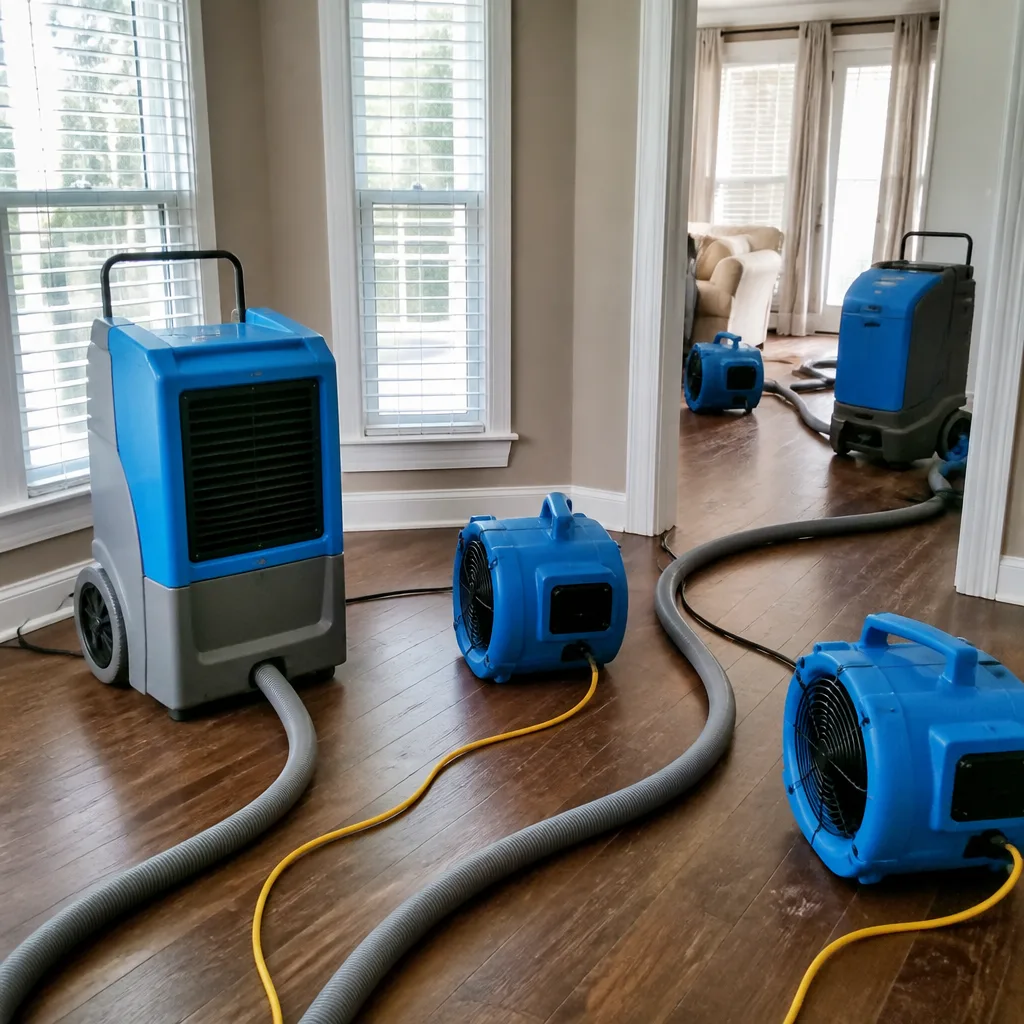

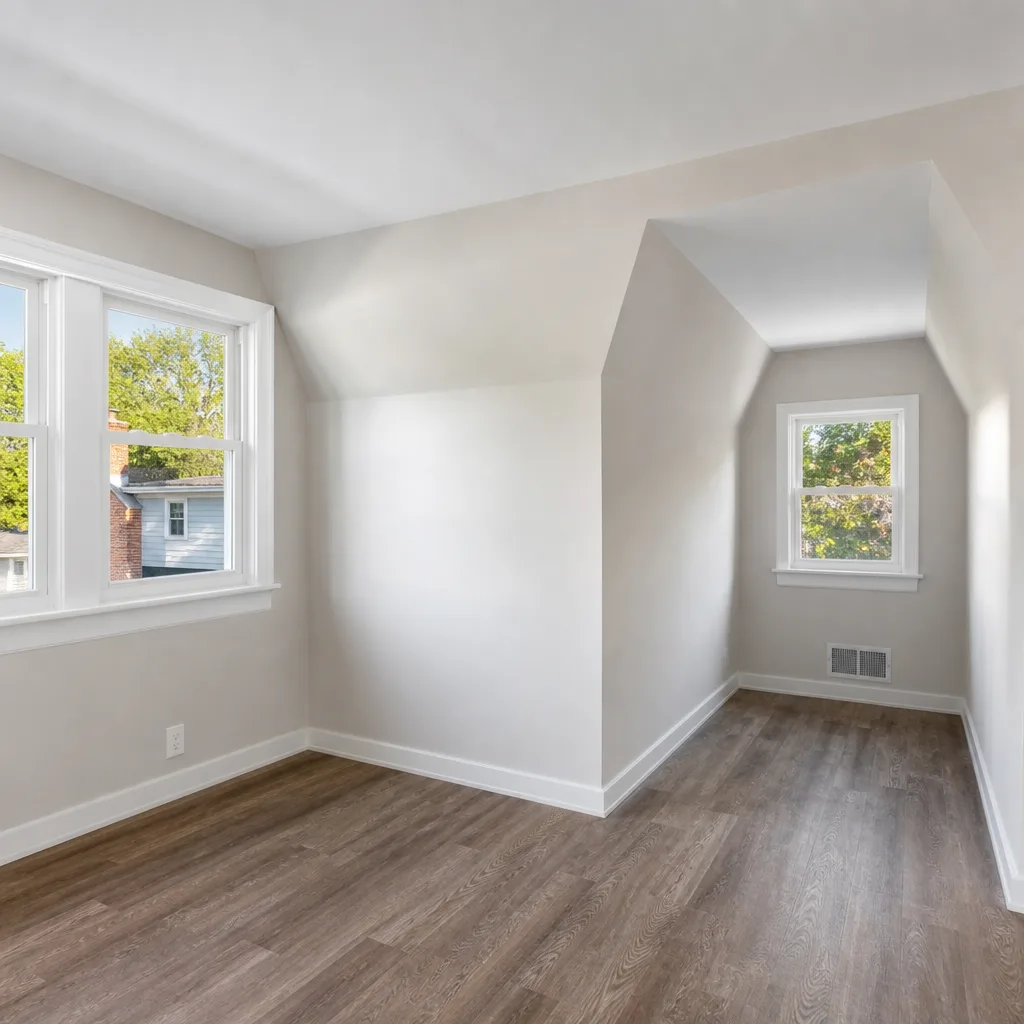
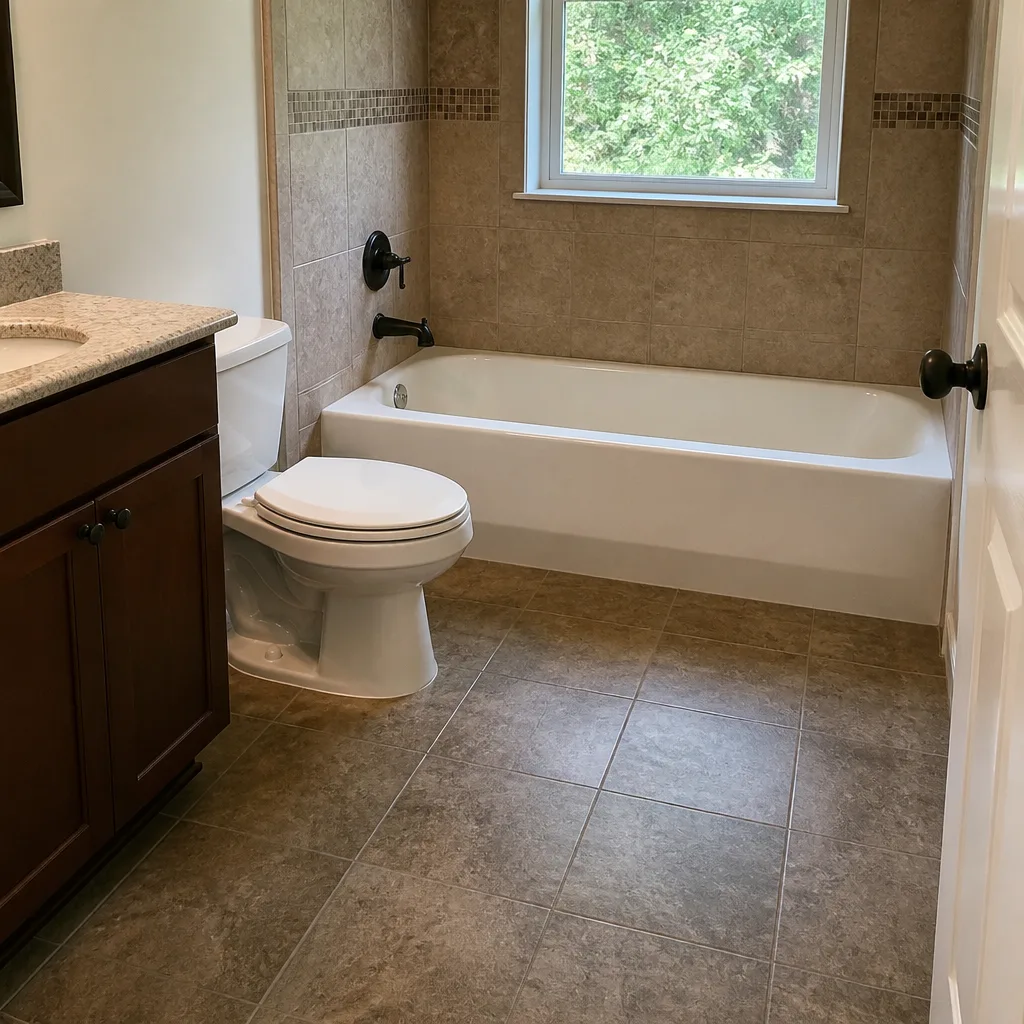
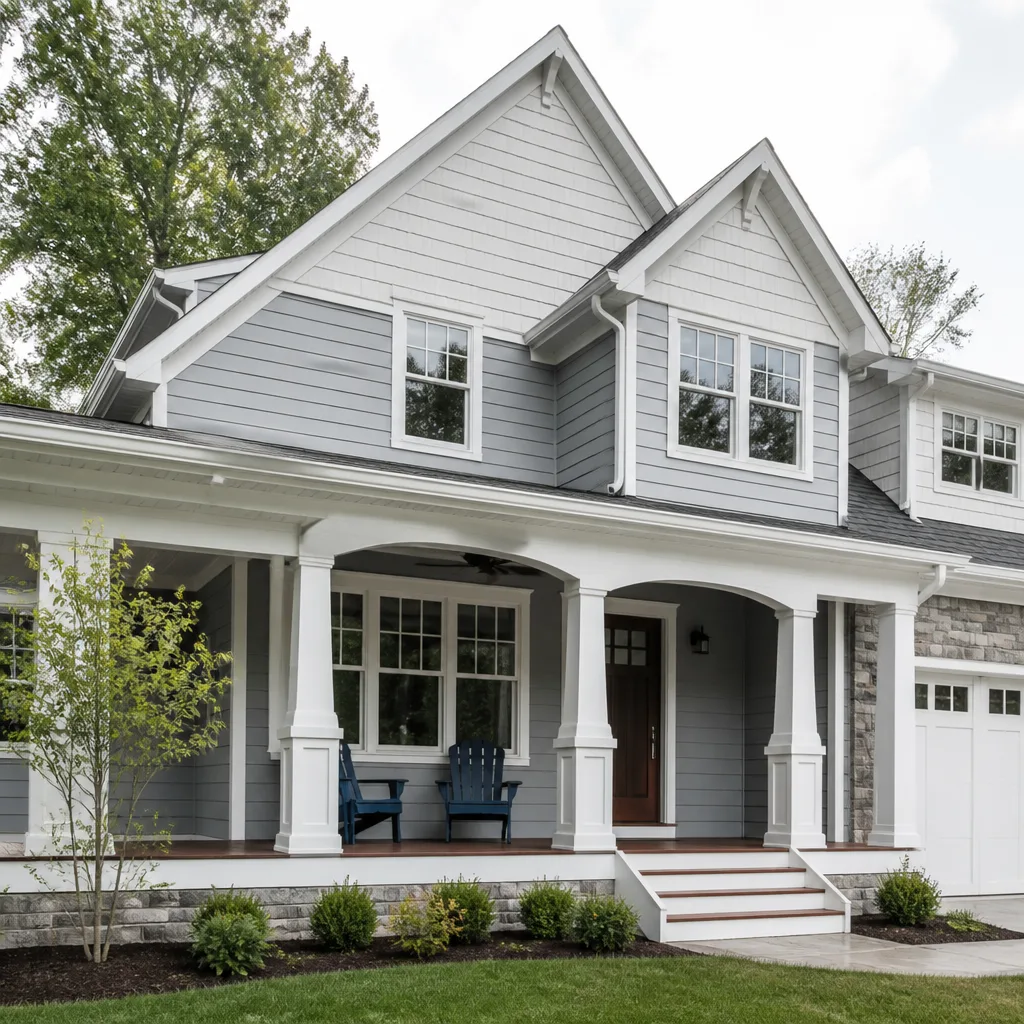
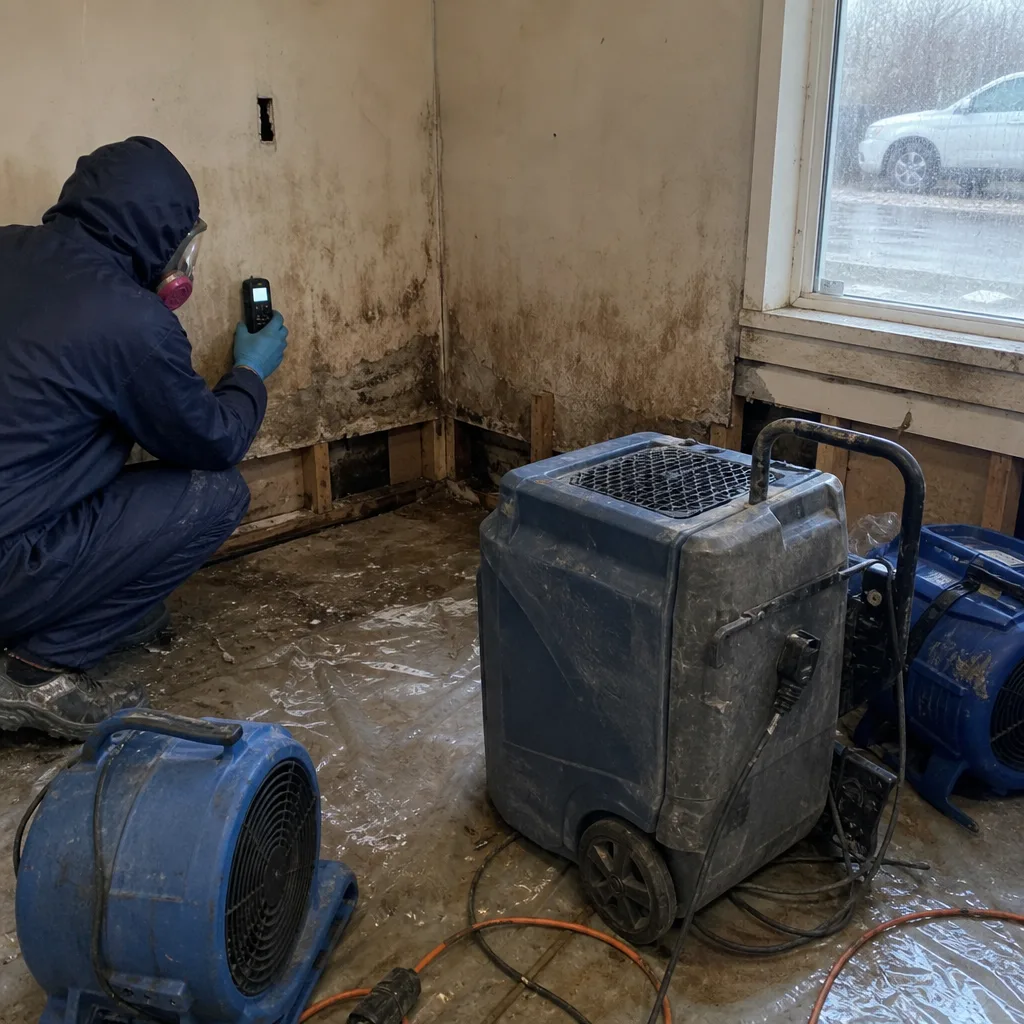 Before
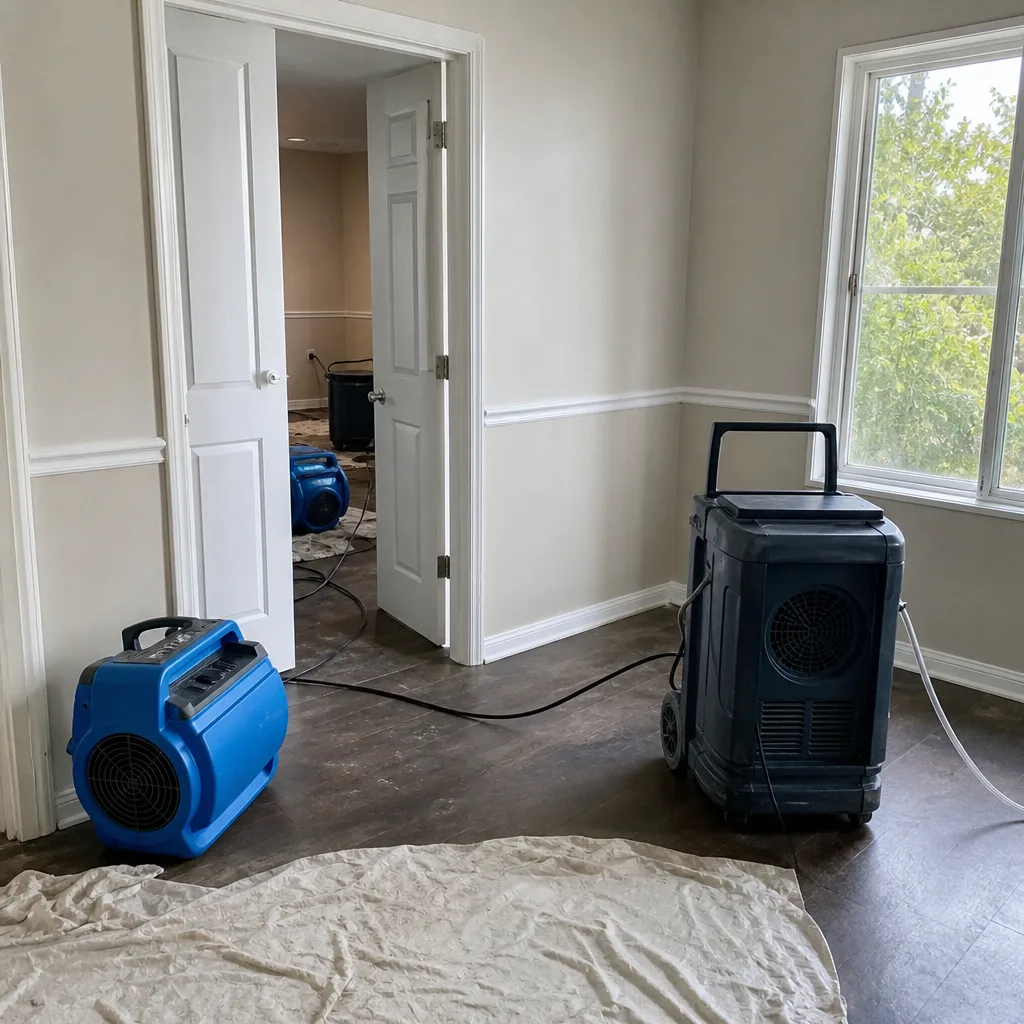 After
After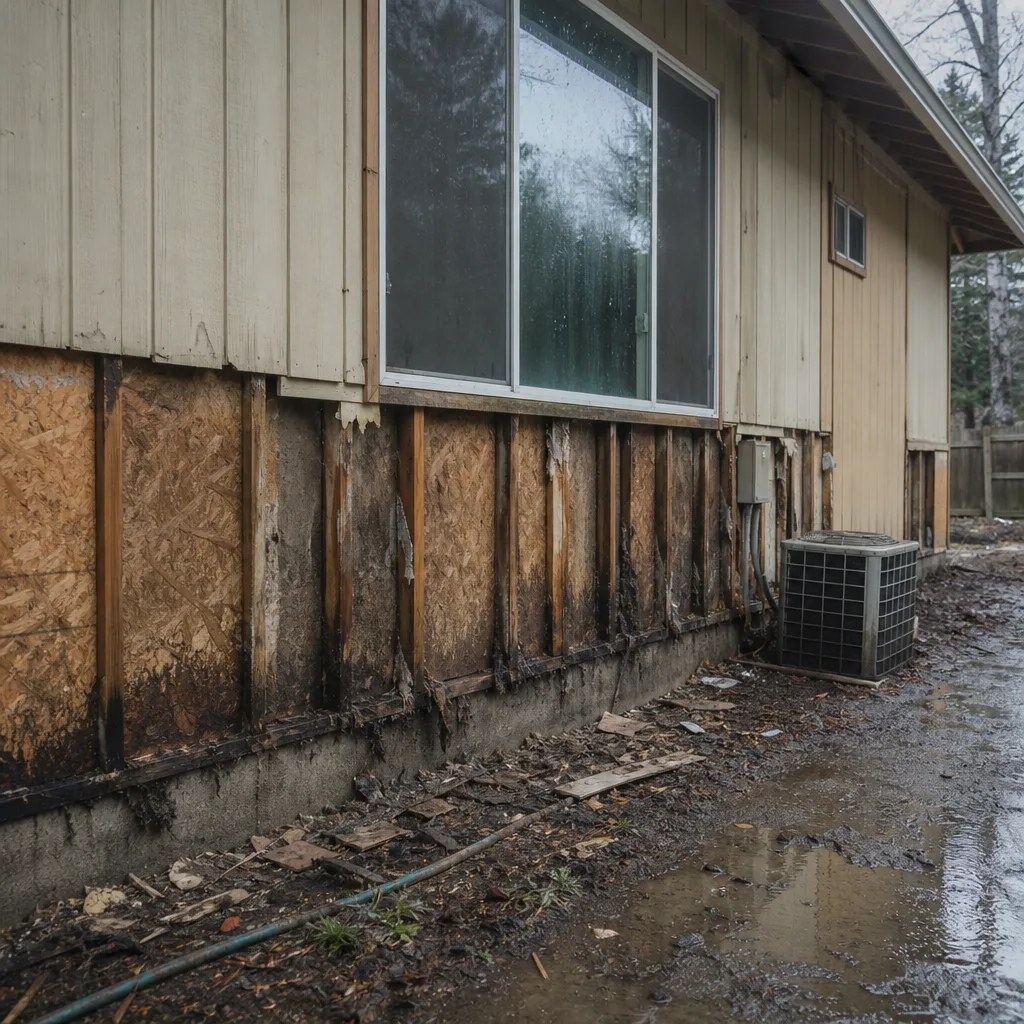 Before
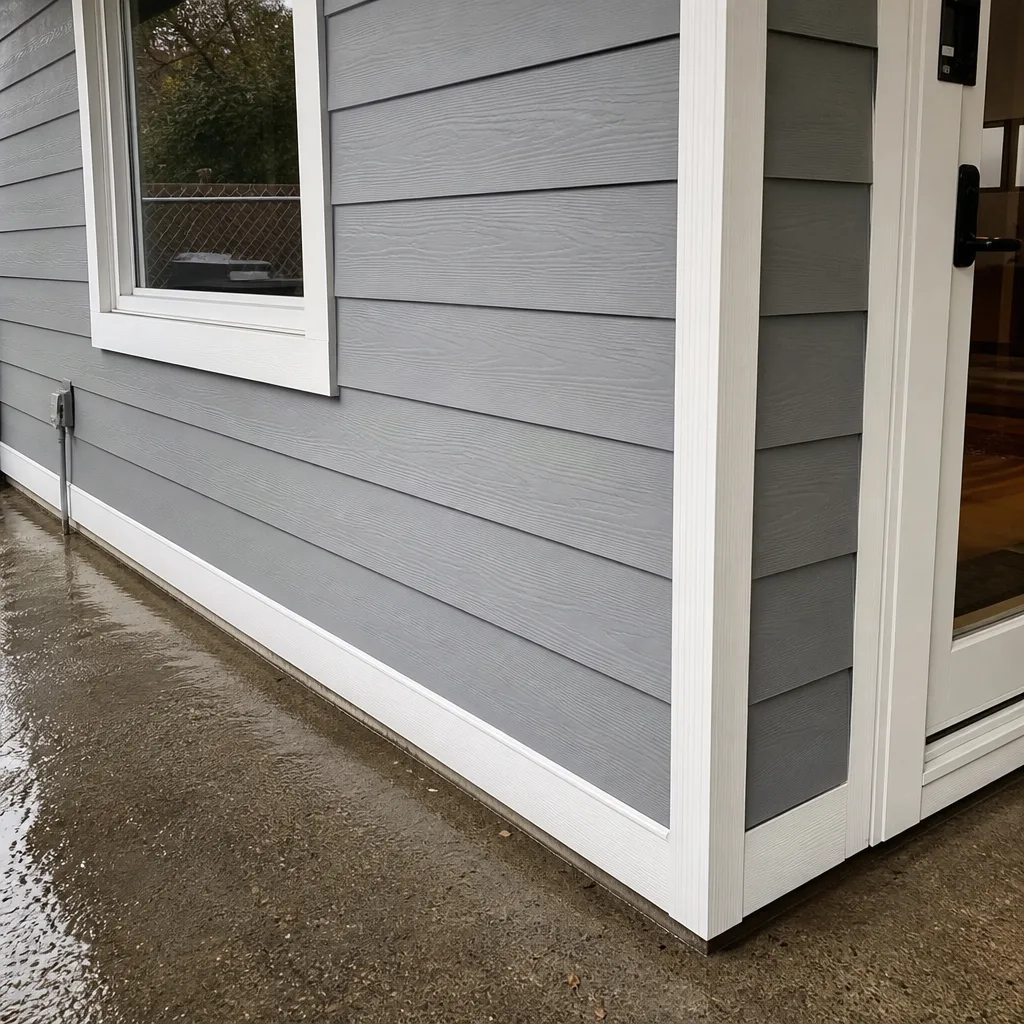 After
After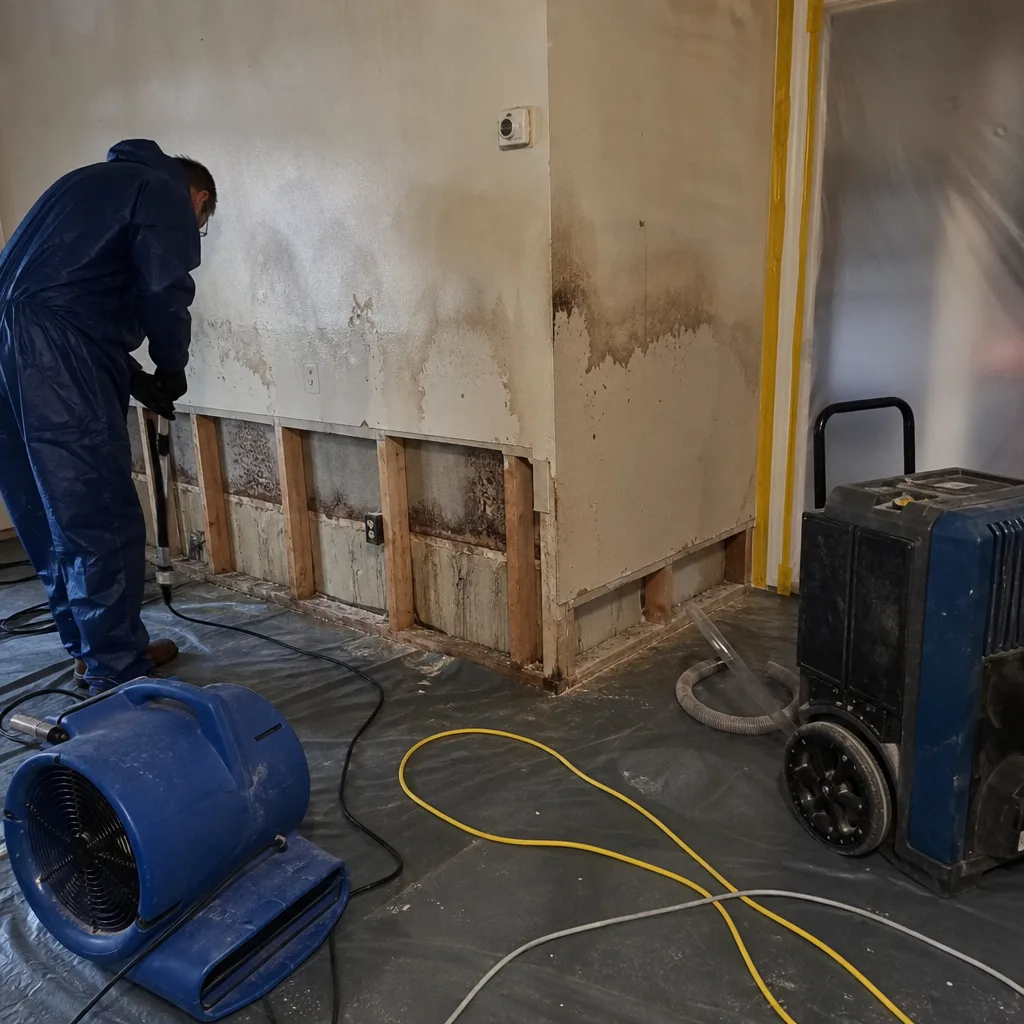 Before
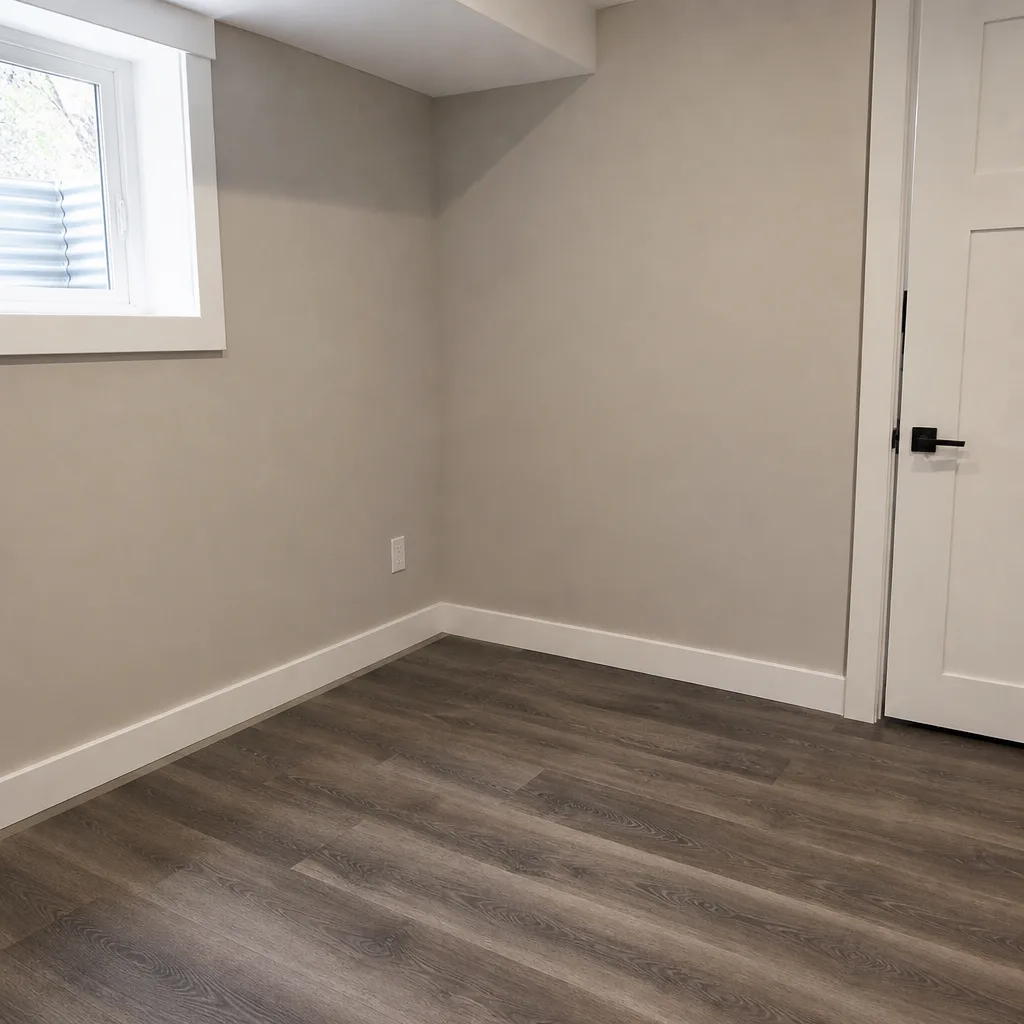 After
After24/7 Emergency Water Damage Restoration in Mercer Island
Water damage restoration in Mercer Island typically costs $2,800-$7,500 for a standard residential drydown, with emergency extraction starting at $1,200-$2,400 and full reconstruction reaching $15,000+ for high-end finishes. Most active losses in Mercer Island require same-day response because the island’s elevated humidity and Lake Washington perimeter accelerate mold colonization well before mainland timelines. Call (253) 487-0371 now - we answer live, 24 hours a day, 7 days a week, with no voicemail trees or next-business-day callbacks while water is still moving through your floors.
Our crews serving Mercer Island are dispatched from our Seattle office, but we maintain pre-positioned drying equipment on-island ahead of forecast storms. That preparation matters here more than anywhere else in the metro. The I-90 floating bridges are the only way on or off Mercer Island, and a bridge closure or peak-commute incident can turn a 20-minute response into an hour-plus delay. We don’t leave that risk to chance.
The first hour determines whether a water loss stays a drying job or becomes a mold remediation. On Mercer Island, that window is even tighter. Lake Washington keeps relative humidity measurably higher here than in Bellevue or Renton, and the island’s chronically elevated water table means groundwater is never far from your crawl space. We arrive with moisture meters, thermal imaging, and extraction equipment to stop the migration before it reaches finished basements, custom millwork, or the specialty materials common in island homes.
Understanding Water Damage Restoration Severity in Mercer Island Properties
Water damage is classified by contamination level and affected materials, not by how wet a room looks. Category 1 water is clean supply-line water, like the copper or PEX failure we see in island ranches built between 1955 and 1975. Category 2 carries chemical or biological load, common when dishwasher discharge lines fail or when lake-driven groundwater seeps through compromised vapor barriers in original crawl spaces. Category 3 is grossly contaminated, sewage or floodwater requiring full gutting and antimicrobial treatment.
Mercer Island’s housing stock creates distinct severity patterns. The mid-century ranches and split-levels in neighborhoods like West Mercer and Mercerwood - many with original crawl spaces, deteriorated 6-mil vapor barriers, and aging perimeter drain tile - suffer secondary damage fast when groundwater pushes through. Moisture mapping in these homes often reveals wicking up foundation walls and into subflooring that appeared dry to the touch. Meanwhile, the rebuilt custom homes along East Mercer Way and the lakefront carry premium finishes - natural stone, custom walnut millwork, reclaimed wide-plank flooring - where even Category 1 water demands controlled drying: too aggressive and you crack stone or warp irreplaceable wood; too slow and mold colonizes behind the thermal breaks in those high-performance wall assemblies.
Psychrometric data, the temperature and relative humidity readings that govern drying science, runs differently on Mercer Island. Vapor pressure differential, the force that drives moisture from wet materials into dry air, is harder to establish when ambient humidity already sits high. Our crews calculate grain depression and specific humidity for each job, adjusting dehumidifier capacity and air mover placement accordingly. Tertiary drying, the final phase where bound moisture releases from dense materials like plaster or engineered beams, takes longer here. We document every reading in daily drying logs, the same logs that turn our invoices into claims your adjuster pays without dispute.
Why Mercer Island Property Owners Choose DryMark Restoration Auburn
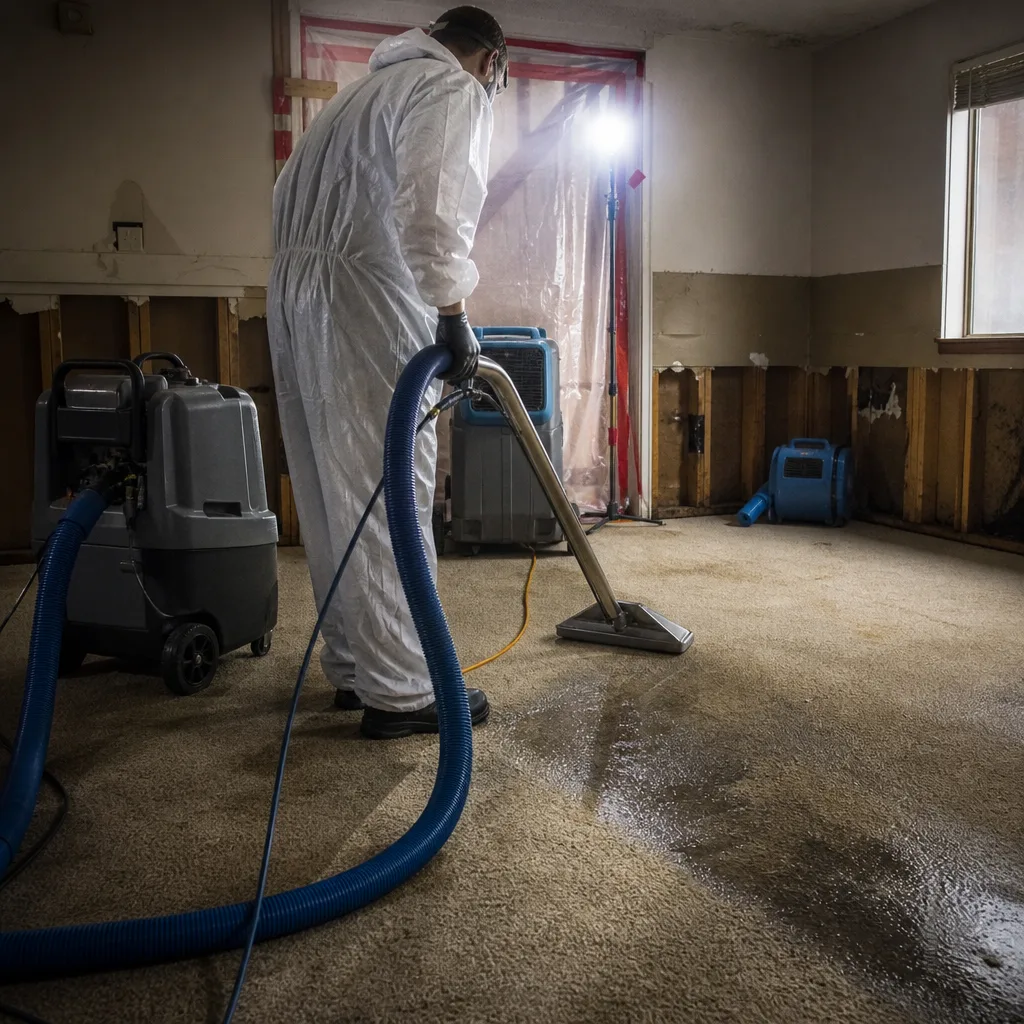
- 45-minute response commitment to Mercer Island when bridges are clear; pre-positioned equipment when storms are forecast so we’re already on-island.
- 24/7 live answer by a real person, never an automated system - no voicemail trees while water is still moving through your subfloor.
- IICRC-certified crews holding WRT (Water Damage Restoration Technician), ASD (Applied Structural Drying), and AMRT (Applied Microbial Remediation Technician) credentials, with license numbers documented on every job file.
- Free visual inspection and moisture mapping before any work begins; you receive a written scope and price under Haven Standard, Clause 1.
- Direct insurance billing with photo-documented estimates, daily drying logs, and direct adjuster coordination - we don’t hand you a bill and wish you luck.
- One team from extraction through reconstruction: the same crew that extracts your water scopes the rebuild, so nothing gets lost in translation about your custom finishes.
BeforeAfterOur Water Damage Restoration Process
1. Inspection & Assessment
We arrive with thermal imaging cameras, penetrating and non-penetrating moisture meters, and hygrometers to map the full extent of migration. In Mercer Island homes, we pay particular attention to thermally broken exterior walls and lake-facing elevations where wind-driven rain compounds the loss. You receive a written scope and firm price before any equipment runs.
2. Extraction & Stabilization
Standing water comes out first - truck-mounted extractors for deep saturation, portable units for confined spaces. We isolate unaffected areas with containment barriers and protect high-value contents. On island jobs, we assess immediately whether the elevated water table or actual plumbing failure is the source, because treating groundwater as a supply-line leak wastes time and coverage.
3. Drying & Dehumidification
We deploy Phoenix and Dri-Eaz LGR dehumidifiers, XPOWER and B-Air air movers, and Injectidry panel systems for wall-cavity drying without demolition. Settings are calibrated to your materials: aggressive for standard drywall and framing, restrained for natural stone, custom millwork, and wood doors that crack under rapid moisture change. Daily moisture logs track progress to IICRC S500 standards.
4. Cleaning & Sanitization
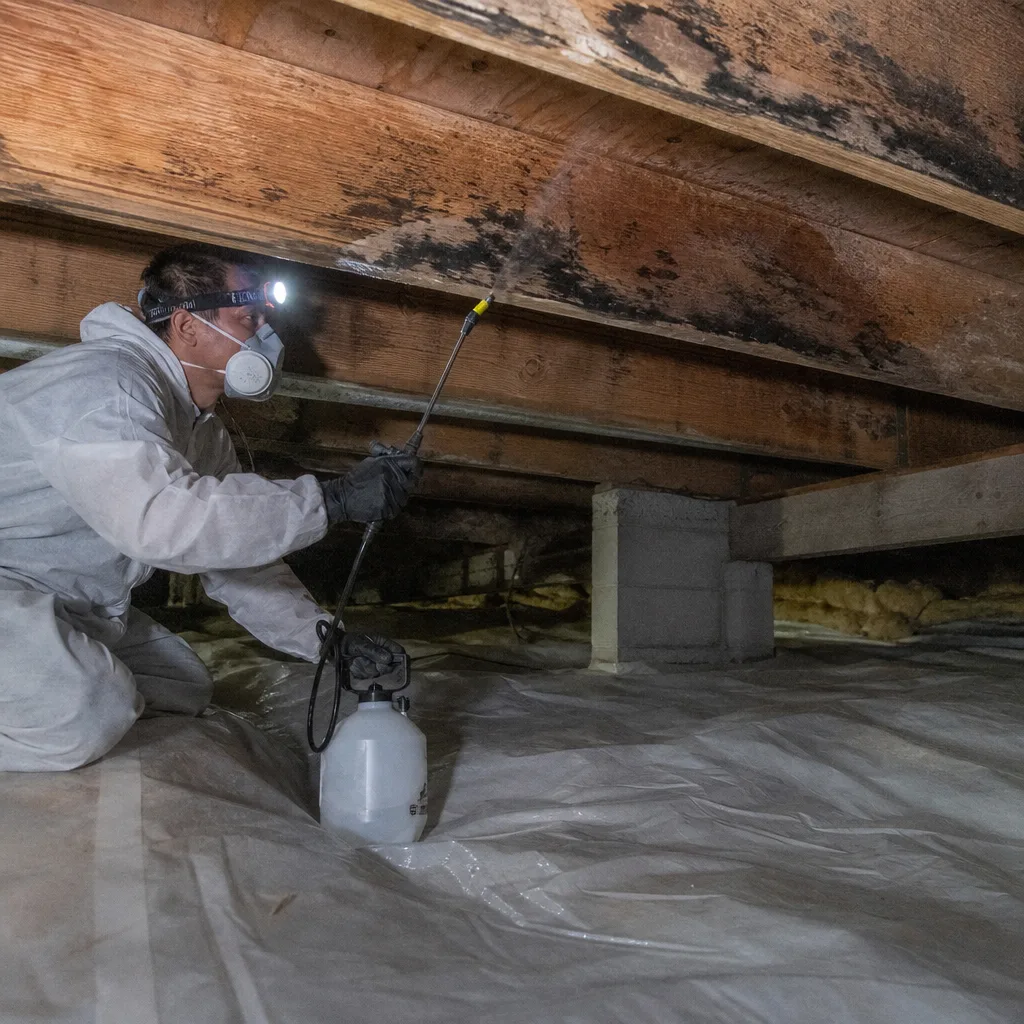
Category 2 and 3 losses receive antimicrobial treatment of affected surfaces and HEPA air scrubbing to capture airborne particulates. Even Category 1 jobs on Mercer Island get careful attention because the island’s humidity profile means mold can colonize in 24-48 hours, half the mainland timeline.
5. Specialty Material Preservation
Custom homes on Mercer Island often contain finishes that cannot be replaced from a catalog: matched walnut baseboards, hand-troweled plaster, imported stone. We document pre-loss condition with detailed photography, consult specialty conservators when needed, and design drying plans that preserve rather than destroy. The rebuilt scope matches what was there, not what a box store stocks.
6. Repairs & Restoration
Our reconstruction team executes the scope we wrote, with no handoff gaps. We coordinate material procurement for custom matches, manage lead times for specialty items, and deliver a final walkthrough with completed documentation for your insurer and our 365-Day Done Right Promise under The Haven Standard.
Need Emergency Water Damage Restoration in Mercer Island Now?
Crews minutes away, answering live 24 hours a day. The sooner we start, the less it costs.
Working With Your Insurance Company
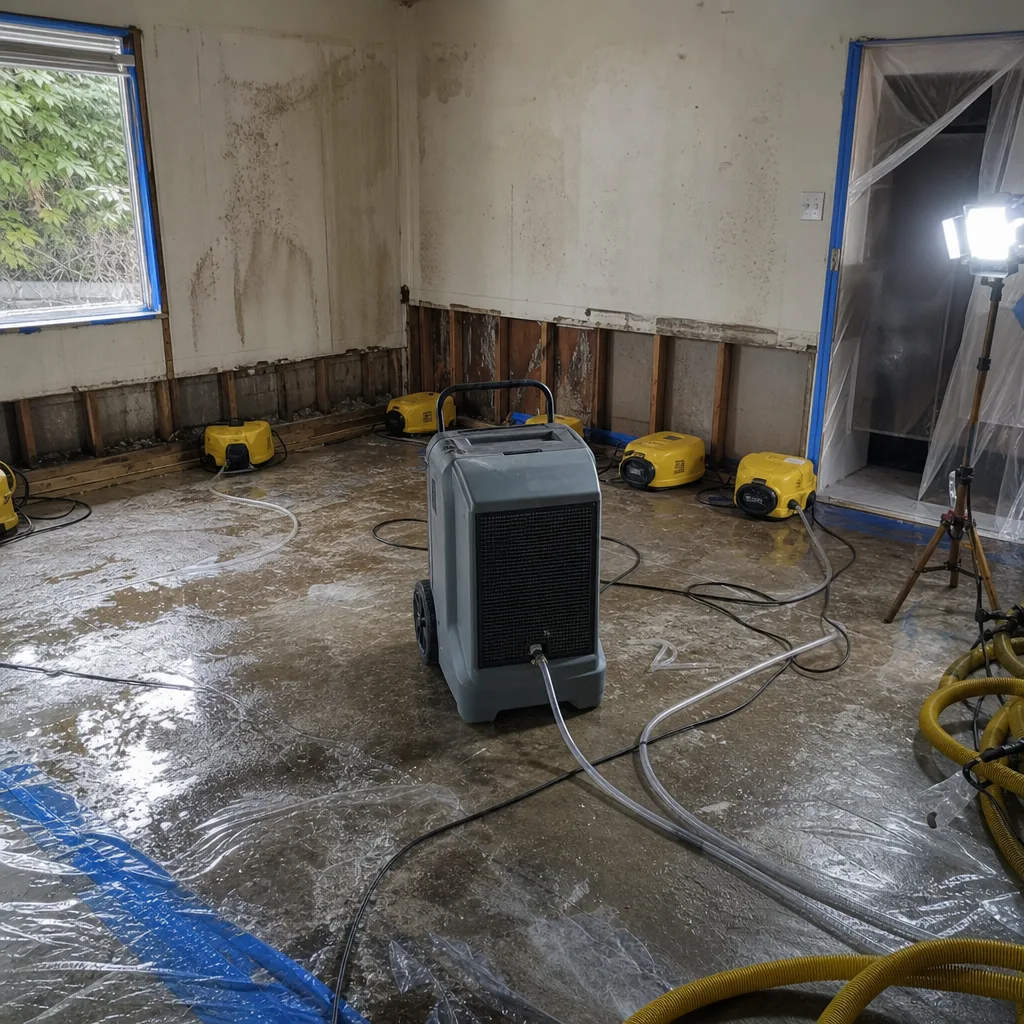
Insurance claims fail at the documentation stage, not the damage stage. Back to Dry Restoration was founded in 2011 by a former claims adjuster who watched homeowners lose tens of thousands because crews delivered invoices with no moisture readings, no photo record, and no line-item scope. We built our Water Damage Restoration process to prevent that outcome.
From the first hour on your Mercer Island property, we document everything: thermal images showing migration paths, moisture readings by room and material, photos of damaged and undamaged areas for comparison, and daily drying logs showing psychrometric conditions and progress. Our estimates follow industry-standard Xactimate pricing, and we communicate directly with your adjuster rather than dumping paperwork on you to forward.
Haven Standard, Clause 1 applies here too: the written price you receive before work begins is the price your insurer sees. No scope-creep additions once the crew is inside. No surprise line items after authorization. If your adjuster disputes a line, we defend it with the documentation we already collected.
What We Provide Your Insurer
- Thorough documentation of the loss
- Photos of all damage, room by room
- Moisture readings and drying logs
- A detailed, line-item scope of work
- Direct coordination with your carrier
Built for Mercer Island’s Loss Calendar
January through March brings the deepest risk: supply-line failures in island homes where owners have traveled for the holidays, leaving a burst pipe running for days before anyone notices. The 1950s-1970s ranches in West Mercer are especially vulnerable - original copper or galvanized supply lines, crawl spaces with failed heat tape, and no neighbor watching the place. We see secondary damage reach $40,000+ when a pipe fails over a long weekend.
April through June, spring runoff and Chittenden Lock management raise Lake Washington levels, pushing groundwater into crawl spaces and lake-facing lower levels. Properties along East Mercer Way and the north shore see wave-driven moisture intrusion during spring storms. July and August bring rare but intense thunderstorm events; island drainage systems, built for gentle Pacific drizzle, can be overwhelmed in 20 minutes.
September through November is our highest-call period: the first hard rains reveal roof leaks that developed over the dry summer, and early freeze-thaw cycles stress aging plumbing. December repeats the January pattern with added holiday travel. We pre-position equipment on Mercer Island before every major forecast because bridge-dependent response is too risky to leave to chance.
Water Damage Restoration Across Mercer Island’s Neighborhoods
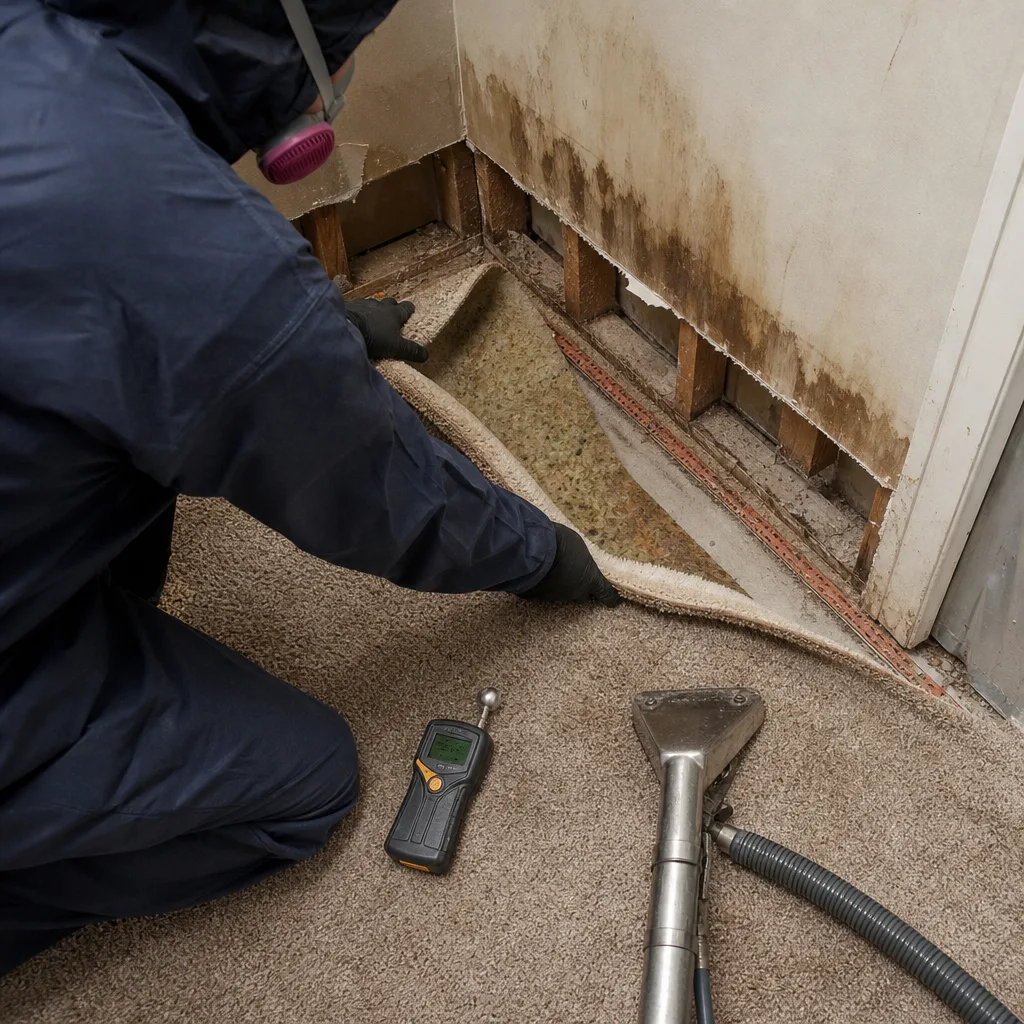
West Mercer, the island’s western plateau, is dominated by mid-century ranches and split-levels built between 1955 and 1978. These homes share common vulnerabilities: original crawl spaces with deteriorated vapor barriers, perimeter drain tile nearing end of life, and galvanized or early copper supply lines. We respond here frequently for slab-adjacent leaks and groundwater intrusion. The drying challenge is accessing the crawl space without damaging original hardwood floors above, and matching the rebuild to 1960s-era millwork that owners want preserved.
East Mercer Way follows the lakefront, and this is where our highest-complexity jobs occur. Custom homes here - many rebuilt or extensively renovated in the last 15 years - feature thermally broken walls, imported stone, and millwork from single-source artisans. A lakefront homeowner on East Mercer Way called us after a supply-line failure under a marble-topped vanity pushed category 1 water through main-floor hardwood and into a finished daylight basement. We extracted the standing water, ran moisture mapping through thermally broken exterior walls, and used Injectidry panels and Dri-Eaz air movers to dry the wall cavities without pulling the custom millwork, logging moisture readings each day so the rebuilt scope matched pre-loss condition.
Mercerwood and the island’s central ridge hold a mix of original and rebuilt housing. The rebuilt homes here often have finished basements with home theaters, wine rooms, and guest suites - high-value spaces where water migration behind walls can go unnoticed until mold becomes visible. We use thermal imaging on every call in this area because the finishes hide what the structure is doing.
The commercial corridor along SE 27th Street and the Town Center area see losses in mixed-use buildings and townhomes with shared walls. Containment and neighbor notification are critical here; our crews carry IICRC WRT and AMRT certification for jobs where Category 2 or 3 water affects multiple units.
Specialized Water Damage Restoration Services We Offer in Mercer Island
Emergency Water Extraction
Standing water removes in minutes, not hours, when truck-mounted extractors are deployed immediately. In Mercer Island’s high-humidity environment, every minute of delay increases the moisture load that dehumidifiers must overcome. We extract first, then measure, then deploy drying equipment - never the reverse.
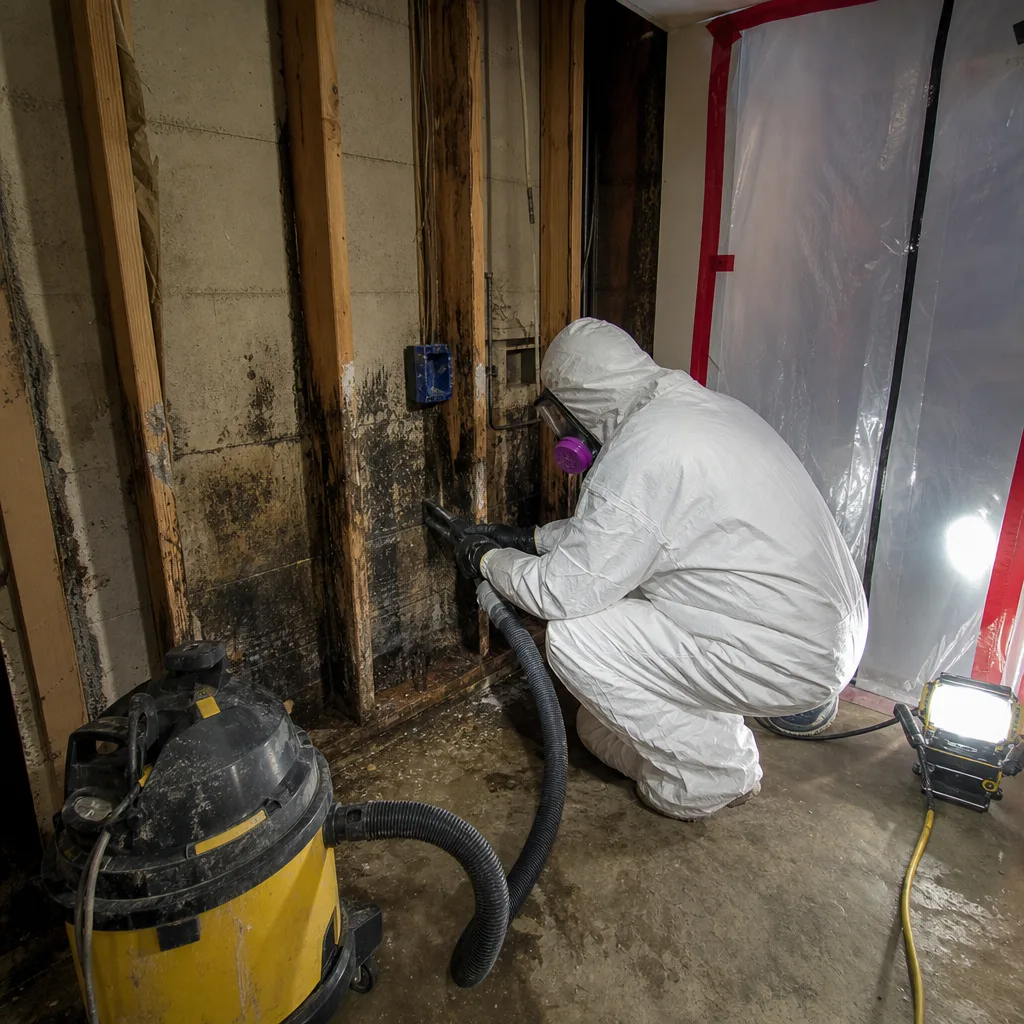
Structural Drying & Dehumidification
Our crews calculate the exact dehumidifier capacity needed for your affected cubic footage, then adjust for Mercer Island’s ambient humidity profile. Phoenix 200 HT dehumidifiers and Dri-Eaz Revolution units establish vapor pressure differential in saturated structures, while Injectidry systems dry wall cavities and ceiling plenums without demolition. Daily logs track specific humidity, temperature, and grain depression until materials reach dry standard.
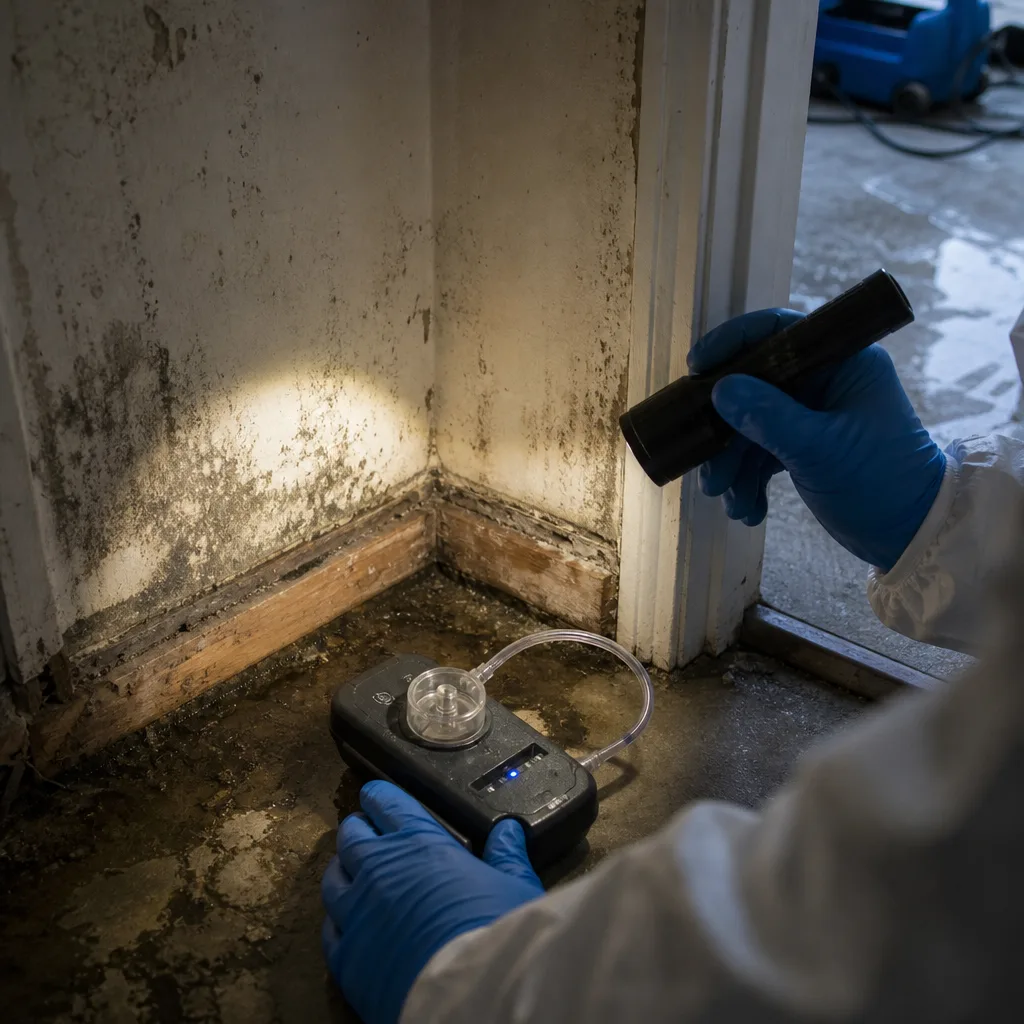
Flood Cleanup
Lake-driven flooding and stormwater intrusion on Mercer Island often carries Category 2 or 3 contamination, especially when groundwater pushes through failed crawl-space barriers. If fire or smoke damage has also occurred, our Fire & Smoke Damage Restoration - Mercer Island team can coordinate the full recovery. We treat these losses as hazmat jobs from the start: full PPE, antimicrobial treatment, and air scrubbing before anyone considers reconstruction.
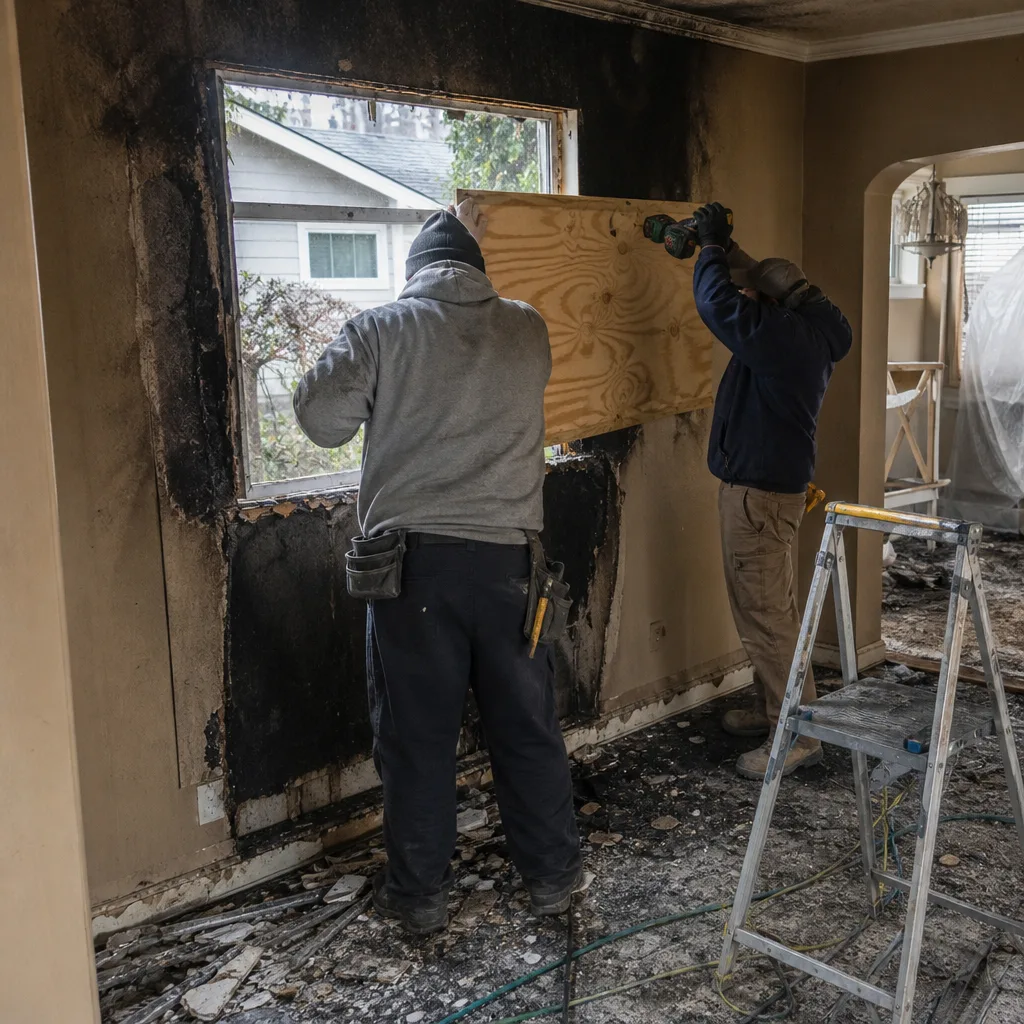
Burst Pipe Restoration
Supply-line failures in island homes range from pinhole leaks in aging copper to catastrophic PEX or polybutylene ruptures. We locate the failure, document the damage path, extract water, and dry the structure - but we also identify why the pipe failed, so your plumber can prevent recurrence. The documentation we produce supports both your restoration claim and any subrogation against product manufacturers.
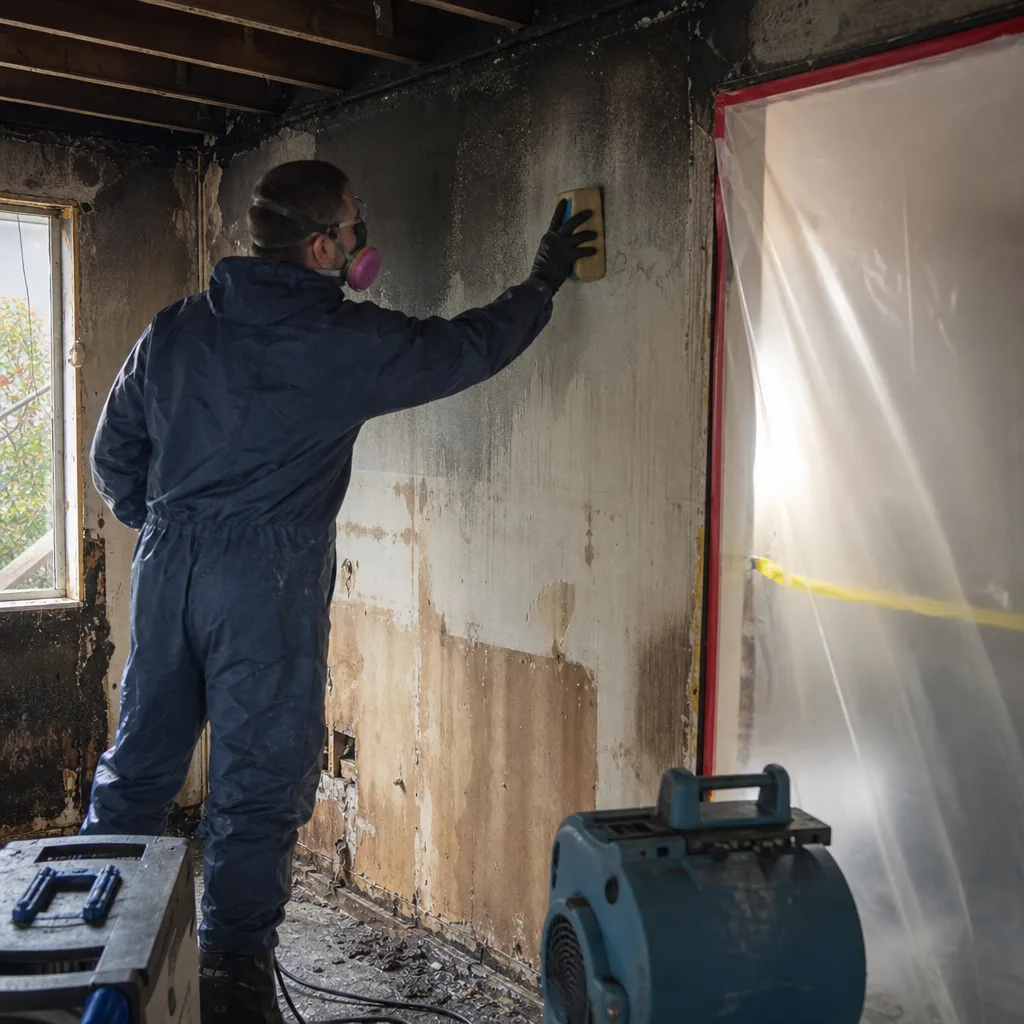
Basement Water Removal
Mercer Island basements run the gamut: original 1960s utility spaces with concrete floors and block walls, to fully finished daylight basements with home theaters and guest suites. Each requires different extraction equipment, different drying protocols, and different rebuild scopes. We assess before we pump, because a finished basement with soaked insulation behind drywall needs containment and controlled demolition, not just a wet-vac.
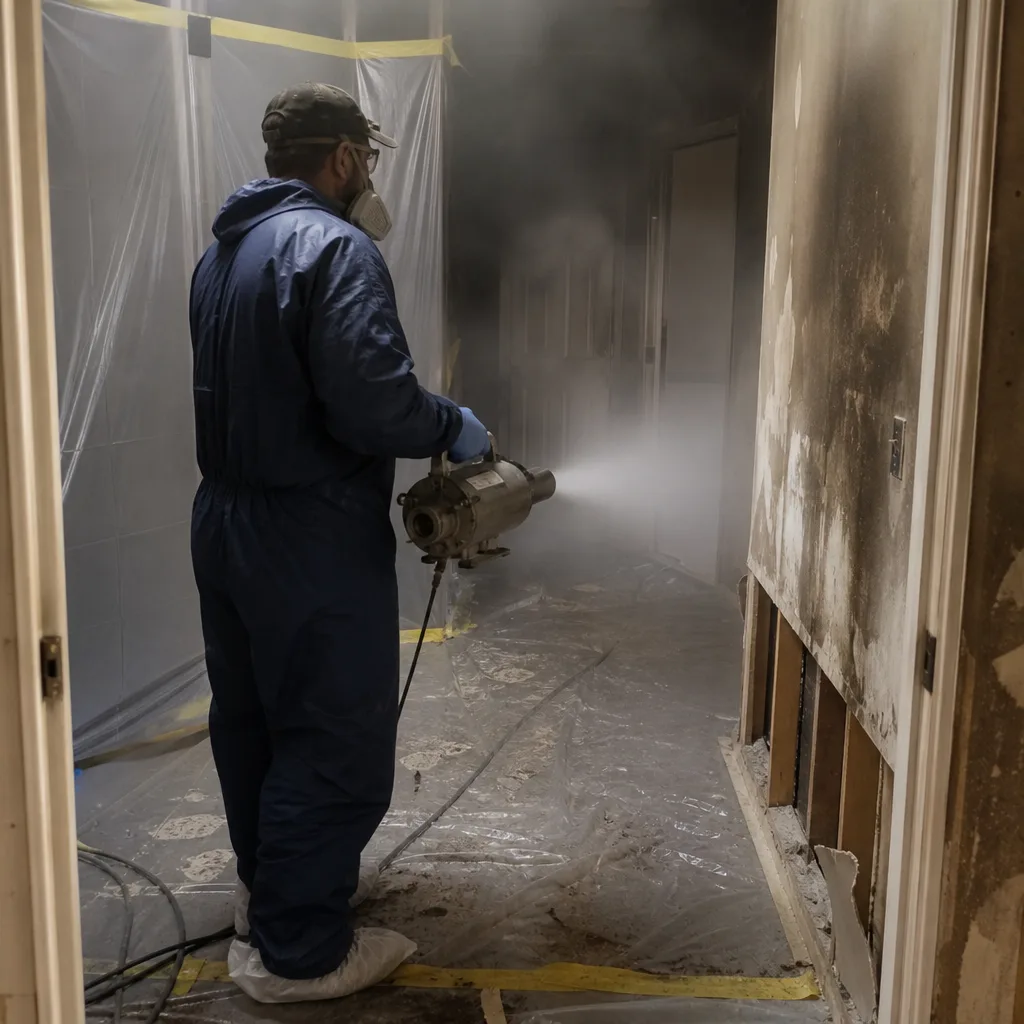
Ceiling & Roof Leak Water Damage
Roof leaks in island homes often manifest as ceiling stains far from the actual penetration point, especially in homes with complex rooflines or multiple dormers. We trace the water path with thermal imaging, document the full affected area, and dry the cavity without pulling the entire ceiling when possible. Custom plaster or specialty finishes get preserved when Injectidry panel drying can reach the wet zone.
What happens when you call
- 1
A real person answersNo phone trees - you reach a local pro.
- 2
You get an upfront price rangeHonest numbers before anyone is dispatched.
- 3
A background-checked tech heads outLicensed & insured, dispatched right away.
- 4
You approve before work beginsNothing starts until you say go.
Water Damage Restoration Costs in Mercer Island, WA
We publish ranges because Haven Standard, Clause 1 requires a written price before work begins, and you deserve to know what that price is built from.
| Service | Typical Range in Mercer Island |
|---|---|
| Emergency water extraction (up to 500 sq ft affected) | $1,200 - $2,400 |
| Structural drying & dehumidification (3-5 day standard) | $2,800 - $5,200 |
| Category 1 clean water drydown (full service) | $3,500 - $6,800 |
| Category 2 gray water with sanitization | $4,500 - $8,500 |
| Category 3 sewage/contaminated loss | $7,000 - $14,000+ |
| Basement water removal with finished space | $5,500 - $11,000 |
| Burst pipe with wall/ceiling repair | $4,000 - $9,500 |
| Full reconstruction with custom material matching | $15,000 - $45,000+ |
What moves the price: affected square footage, contamination category, material type (standard drywall vs. natural stone or custom millwork), and whether the loss requires pack-out of contents. Insurance typically covers sudden and accidental water damage from plumbing failures; gradual leaks, maintenance neglect, and flood events from exterior sources may be excluded or require separate flood coverage. We review your policy implications during our free inspection and coordinate directly with your adjuster.
Call (253) 487-0371 for a free visual inspection and written scope. Estimates are free, and Haven Standard, Clause 1 guarantees your price is locked before any work starts.
We Also Serve Cities Near Mercer Island
Our Water Damage Restoration in Mercer Island crews also respond to properties in Mercer Island‘s neighboring communities: Bellevue to the east across Lake Washington, Renton to the south, Issaquah to the southeast, and Kent to the south. Each city has distinct building stock, loss patterns, and response considerations; we adjust our equipment and protocols accordingly. For Mercer Island specifically, bridge-dependent access and the island’s unique humidity profile require the pre-positioning strategy and local knowledge that national franchises operating from a single metro depot cannot match.
Serving Mercer Island, WA - Our Local Coverage Area
We’re based in the Mercer Island area and know this community well. Use the map below to see our service coverage - if you’re nearby, we can almost certainly help.
Mercer Island Water Damage Restoration Questions, Answered
Can a Mercer Island water loss wait until morning if it’s just a small supply-line leak?
No. In Mercer Island’s elevated humidity environment, mold colonization begins in 24-48 hours, half the timeline of drier mainland areas. A “small” supply-line leak under a vanity can saturate subflooring, wick into wall cavities, and colonize behind baseboards before you wake up. We answer live at (253) 487-0371 and can often stop the migration with extraction and targeted drying before morning, preventing a $3,000 drydown from becoming a $12,000 mold remediation. Call for a free inspection - we’ll tell you honestly if it can wait.
How does the elevated water table around Lake Washington change a crawl space job on the island?
The elevated water table means groundwater is never more than a few feet below your crawl space, so vapor barrier failures and drain tile clogs produce active moisture intrusion that looks like a plumbing leak but isn’t. We use moisture mapping to distinguish groundwater from supply-line water, because the source determines both the drying protocol and your insurance coverage. Groundwater intrusion typically requires vapor barrier replacement, sump pump installation, and perimeter drainage work - not just drying. Our crews document the source finding in writing so your claim is filed correctly.
What happens if the I-90 floating bridges are backed up or closed when I call?
We pre-position drying equipment on Mercer Island before forecast storm events specifically to avoid this scenario. For unplanned bridge incidents, our dispatch team monitors WSDOT traffic data in real time and routes crews via the fastest available path. If bridge closure makes response impossible, we guide you through immediate containment steps by phone and coordinate with on-island equipment depots we maintain for exactly this reason. The 45-minute commitment applies when bridges are clear; we communicate honestly about delays rather than promising what we cannot deliver.
Will drying equipment damage our custom millwork, natural stone, or wood doors?
Not when the drying plan is calibrated to your materials. Aggressive air movement and low humidity settings that work for standard drywall will crack natural stone, warp custom walnut, and split wood doors. Our crews adjust dehumidifier setpoints, air mover velocity, and drying duration based on material density and moisture content readings. Injectidry panel systems dry wall cavities without pulling millwork. We document pre-loss condition with detailed photography and moisture readings, so any change is detected and addressed. The Haven Standard, Clause 1 written scope specifies the drying protocol for your materials before equipment runs.
When does a Mercer Island flood loss require a pack-out instead of drying in place?
Pack-out is required when high-value contents block access to wet structures, when contamination level risks cross-contamination of clean items, or when specialty materials need climate-controlled drying off-site. In Mercer Island’s custom homes, we pack out when: contents include art collections, wine inventories, or antiques that need conservation-grade storage; the loss affects multiple finished rooms and contents density prevents adequate air circulation; or Category 2/3 contamination makes on-site sanitization impractical. We inventory, photograph, and condition-report every item, with direct billing to your insurer when coverage applies. Call (253) 487-0371 and we’ll assess whether pack-out is necessary during our free inspection.
How fast can someone actually get to Mercer Island?
Under normal bridge conditions, 20-35 minutes from our Seattle office. During peak commute windows or bridge incidents, that extends unpredictably. We maintain pre-positioned equipment on-island for forecast events, and our 24/7 live dispatch monitors traffic continuously. For active losses, we communicate realistic ETA rather than optimistic guesses. The sooner you call, the sooner we can deploy - and the sooner we start, the less it costs.
Will insurance cover this, and who deals with my adjuster?
Sudden and accidental water damage from plumbing failures is covered by standard homeowners policies; gradual leaks, maintenance neglect, and exterior flood events typically are not. We deal directly with your adjuster: we provide the photo documentation, moisture logs, line-item scope, and Xactimate estimate in the format adjusters expect. Our founder built this company around the documentation gap that kills claims, and our daily drying logs are designed to produce payable invoices. We don’t hand you a bill and wish you luck.
What should I do in the first 30 minutes before you arrive?
Stop the water at the source if you can do so safely - main shutoff is typically near the street or in a utility closet. Turn off electricity to affected areas if water has reached outlets or switches. Remove small valuables and electronics from the wet zone. Do not enter standing water if electrical hazard is present, and do not attempt DIY extraction on Category 2 or 3 losses. Then call (253) 487-0371 - we’ll guide you through immediate steps while crews are en route, and we’ll be honest about what you can safely do yourself versus what requires professional equipment and PPE.
Written by Alicia Brennan, Owner at Back to Dry Restoration, serving Mercer Island since 2011 under The Haven Standard.