
Free visual inspection and a written scope of work before any mitigation begins - photos, moisture readings, and drying logs go in your claim file
The scope we write is the scope we bill. Anything new gets shown to you, in writing, before we touch it.
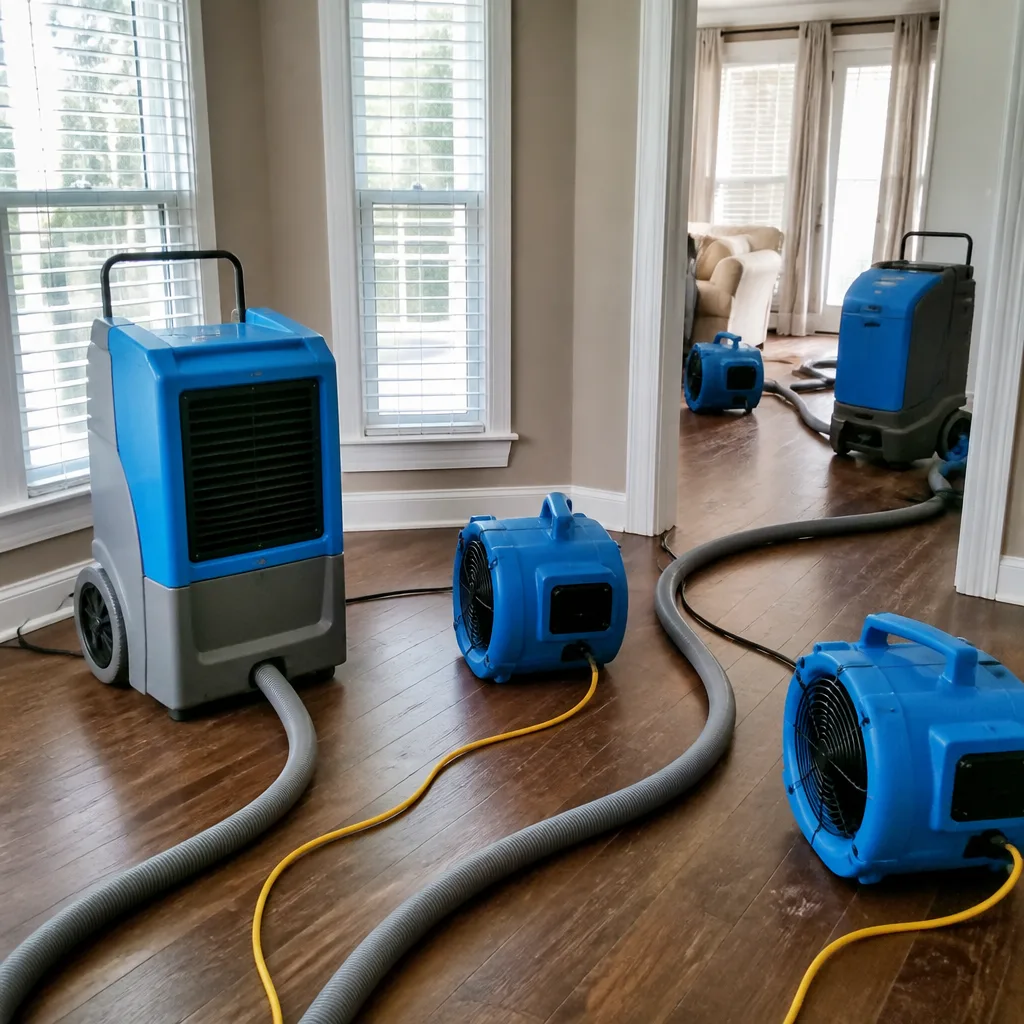

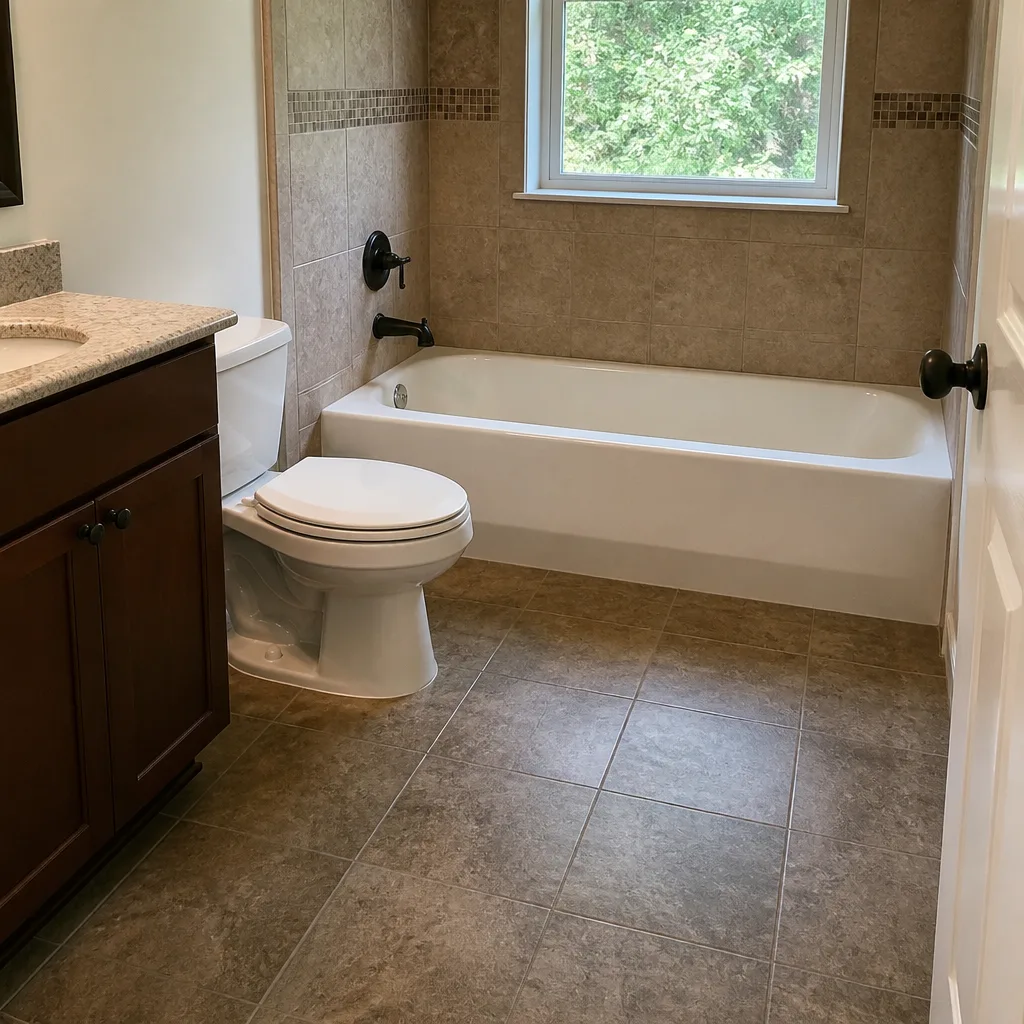
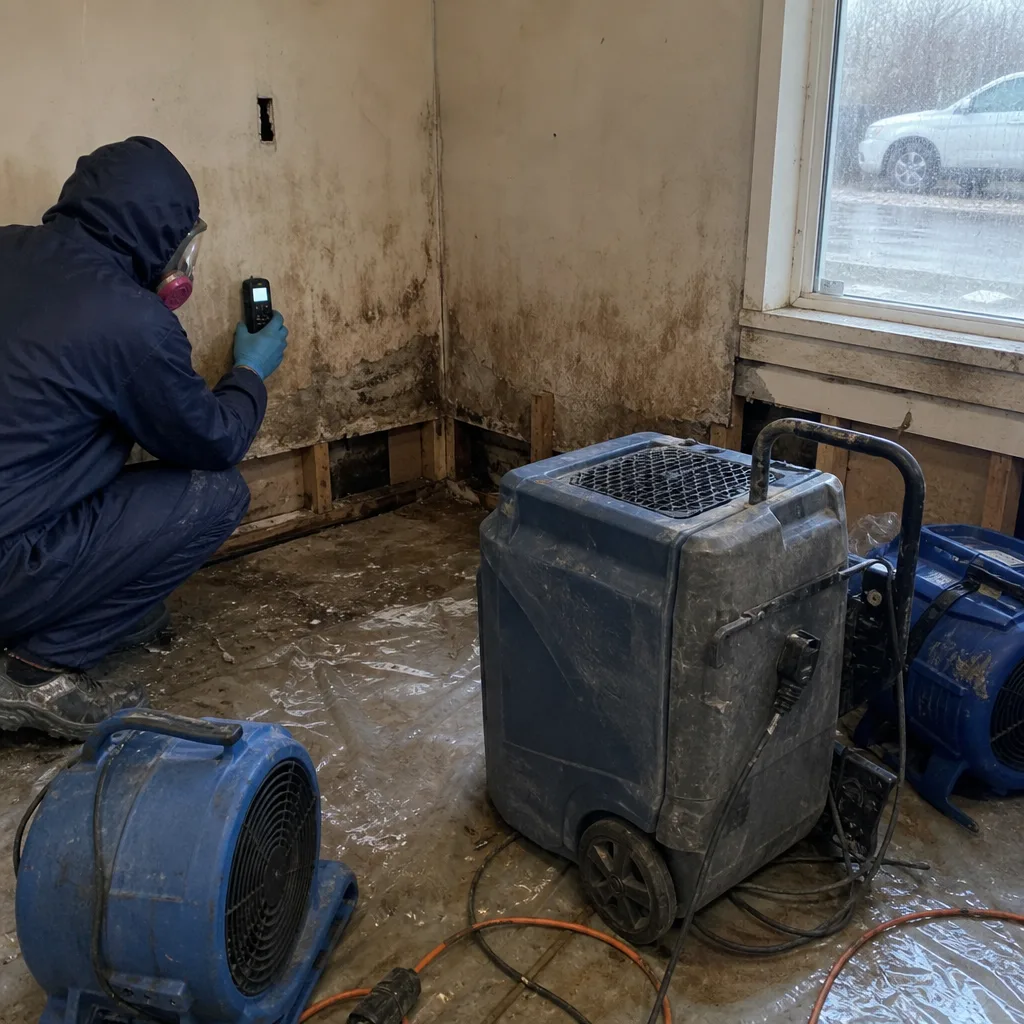 Before
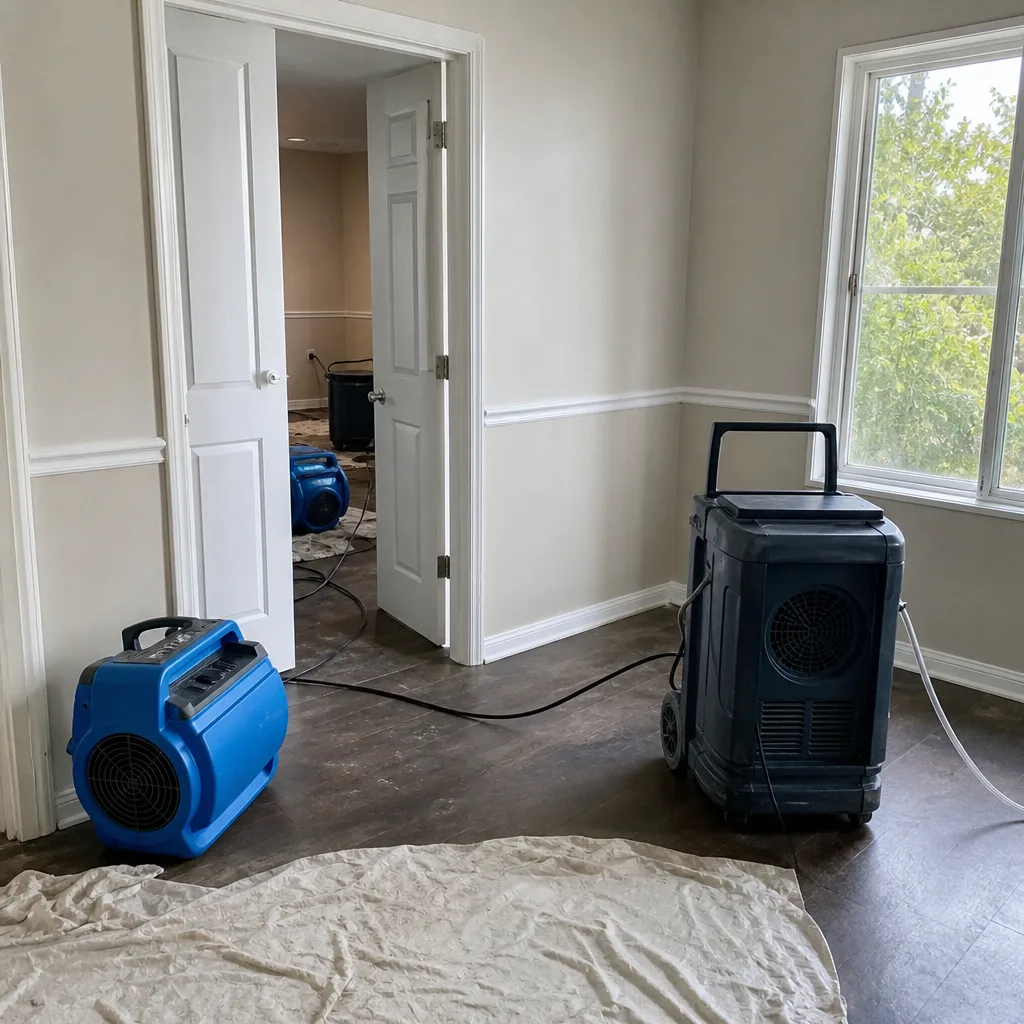 After
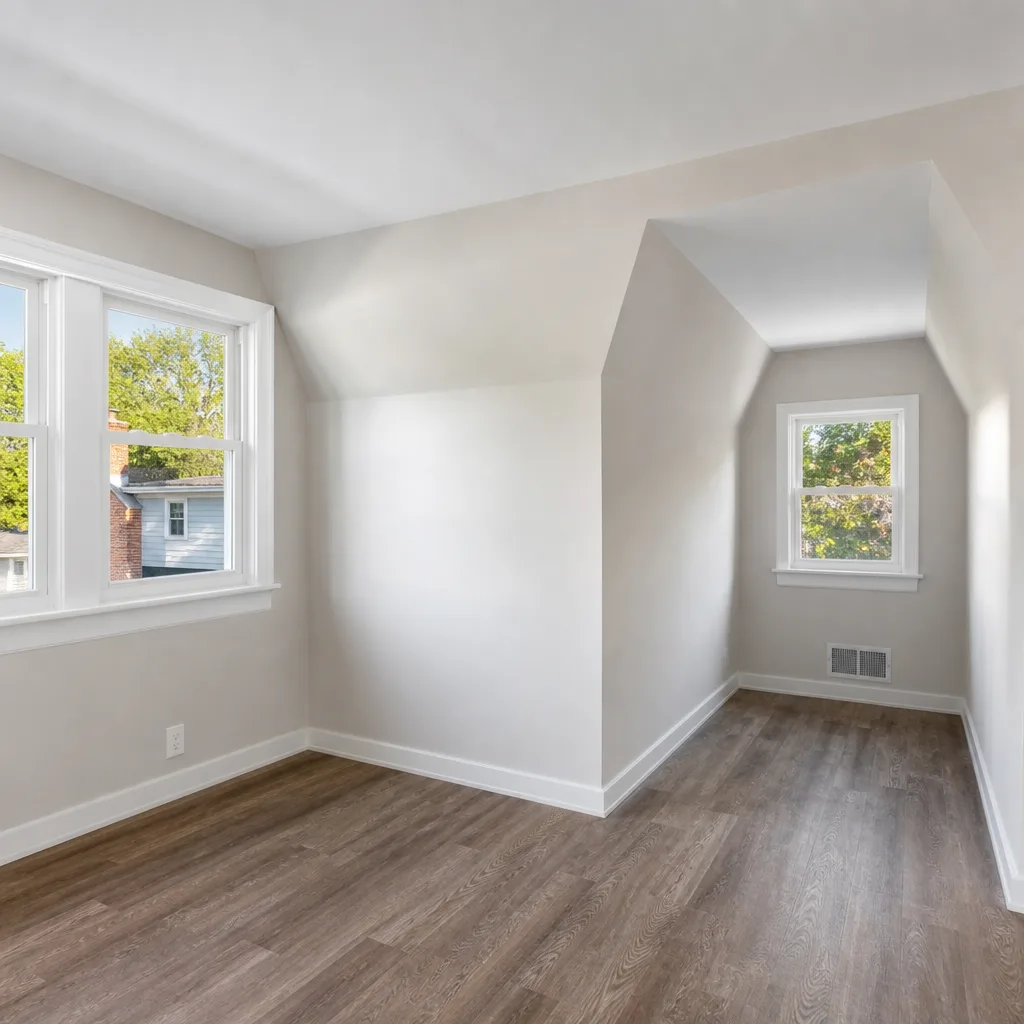
After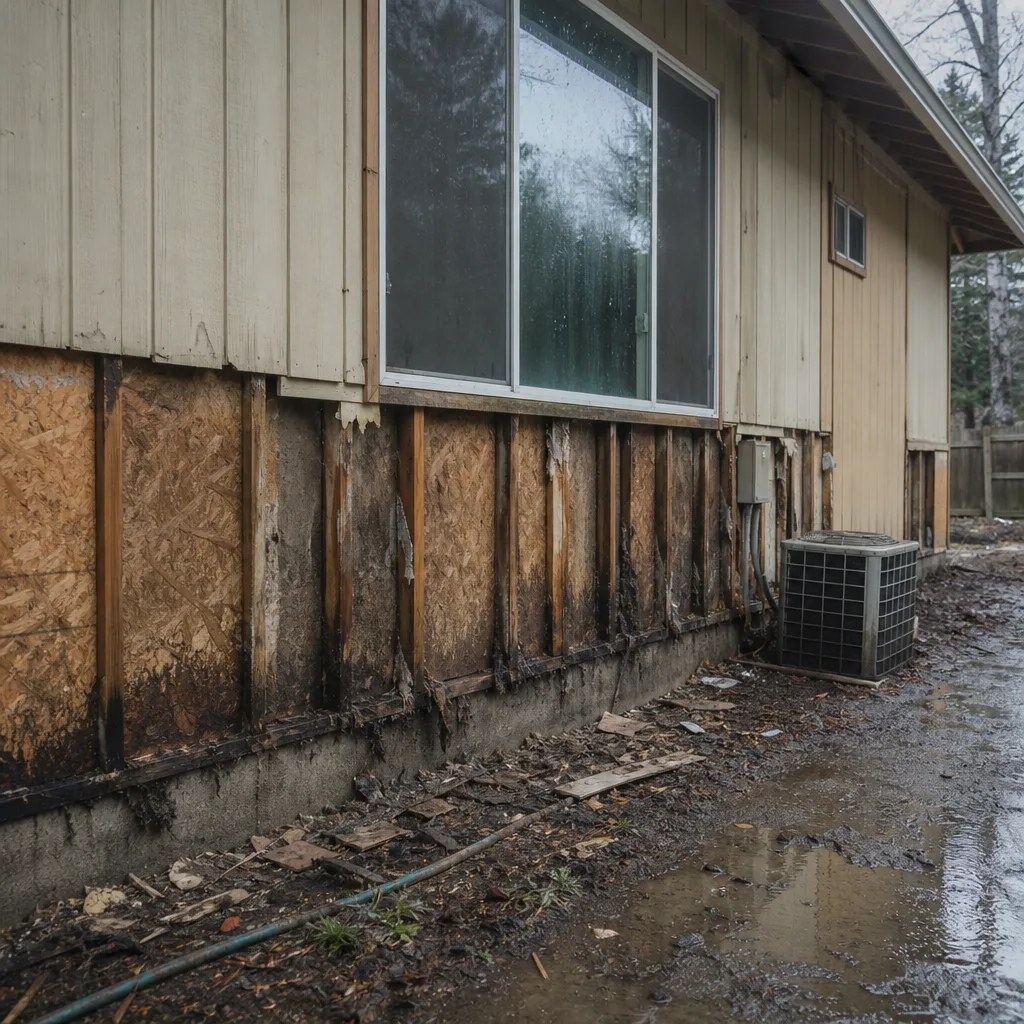 Before
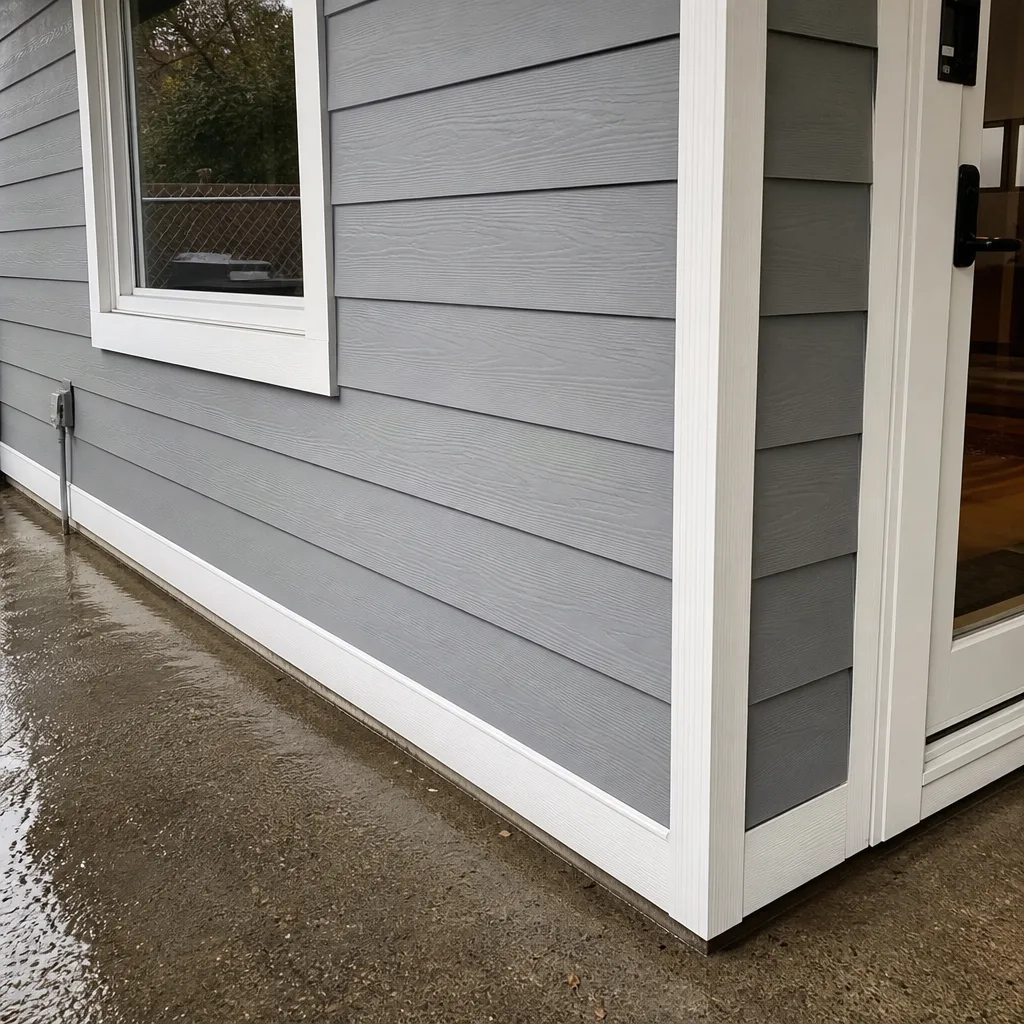 After
After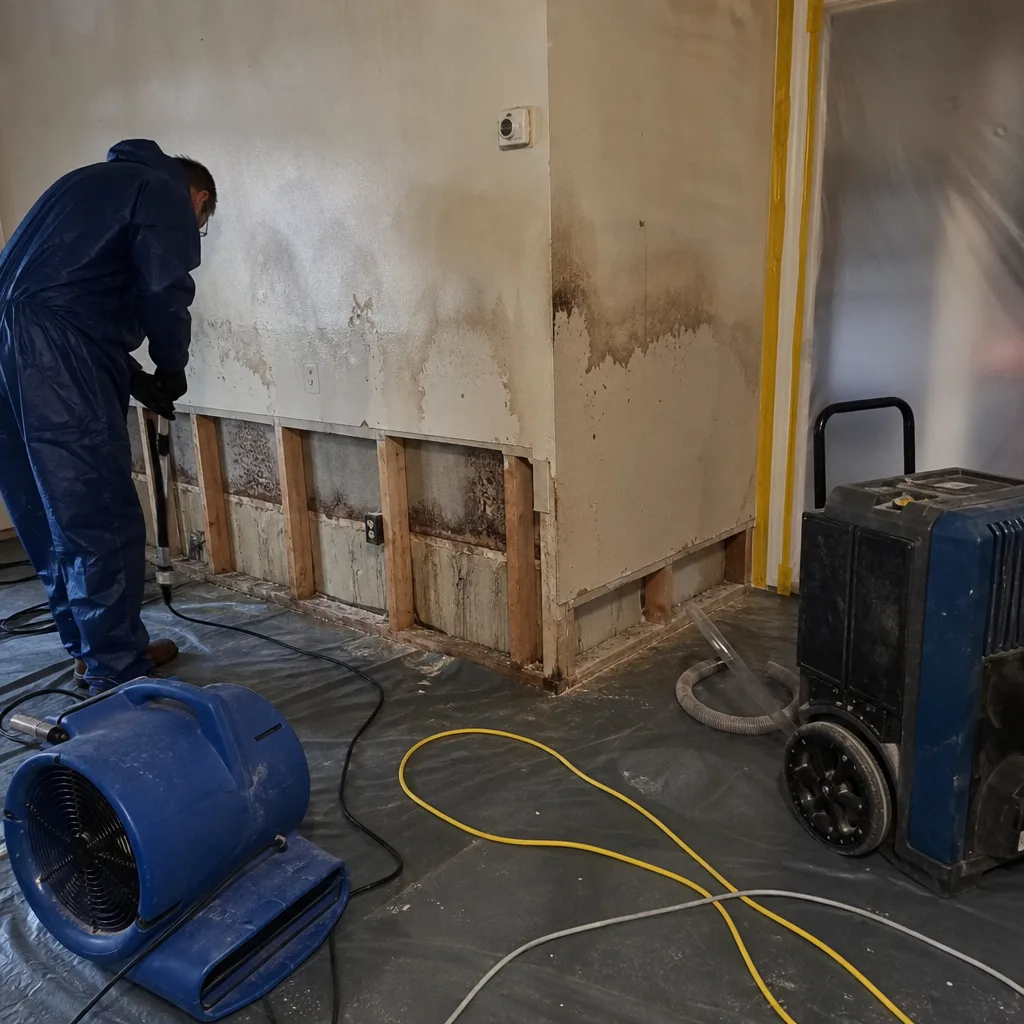 Before
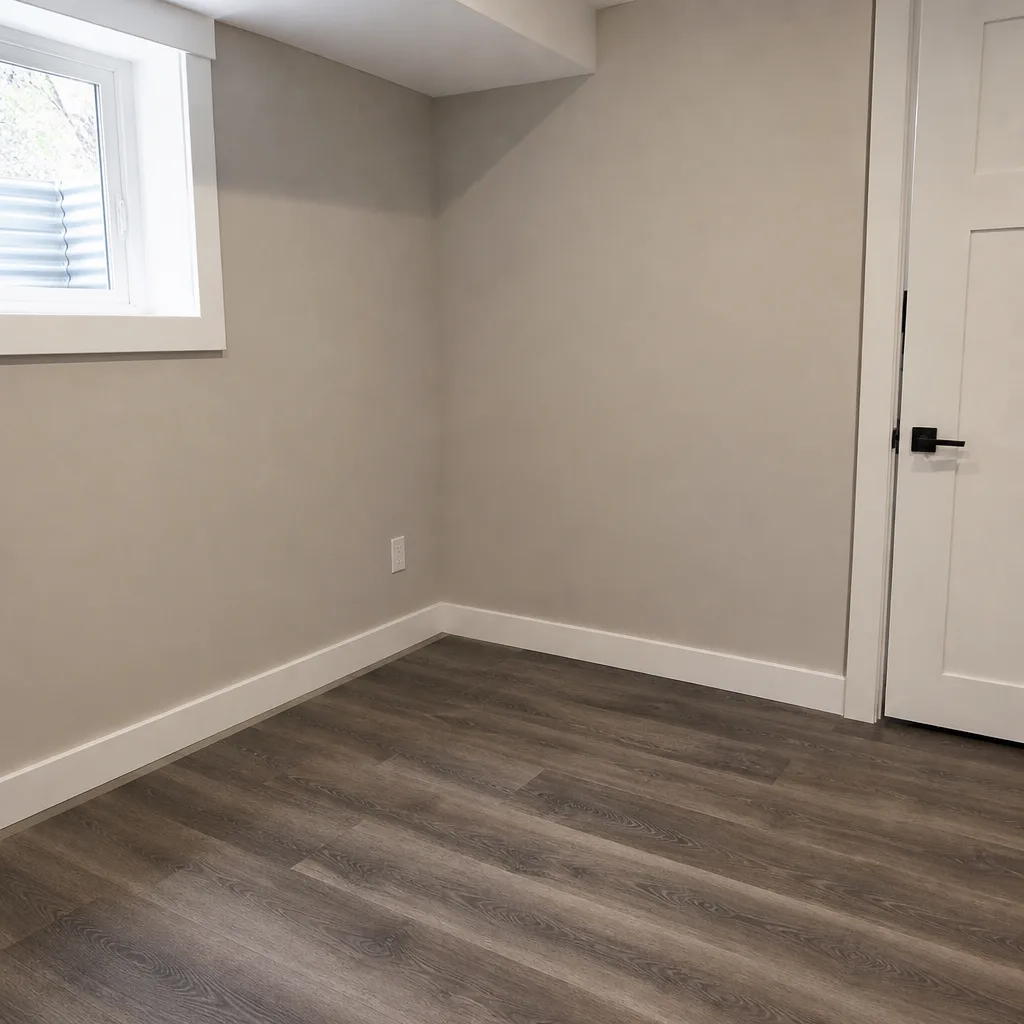 After
After24/7 Emergency Fire & Smoke Damage Restoration in Federal Way
Fire and smoke damage restoration in Federal Way typically costs between $3,200 and $14,500 depending on the square footage affected, the type of soot residue, and whether suppression water has triggered secondary damage. Most of our Federal Way fire calls begin with a crew on site within 45 minutes, and every job starts with a free visual inspection and a written price before any work begins. Call (253) 487-0371 now; our phones are answered live, 24 hours a day, by a real person who can dispatch immediately.
The first hour after a fire is suppressed matters more than most property owners realize. Smoke migrates through HVAC ducts, settles into porous materials, and begins to etch glass and metal within minutes. In Federal Way’s dense 1970s-1990s housing stock, that smoke also finds its way into crawl spaces where clay-pooled moisture locks odors into framing. Meanwhile, the thousands of gallons used to suppress the fire are still moving through walls, and in Federal Way’s aging apartment complexes along Pacific Highway S and S 320th St, that water hammer frequently bursts polybutylene supply lines that were never repiped. Waiting even a few hours can turn a contained fire loss into a dual fire-and-Category 3 water job with months-old concealed mold that may require Mold Remediation in Federal Way.
Understanding Fire & Smoke Damage Restoration Severity in Federal Way Properties
Fire damage severity in Federal Way is rarely just about what burned. We classify every loss by three interlocking factors: the class of fire (ordinary combustibles, grease, electrical), the type of soot residue (dry smoke, wet smoke, protein residue, or fuel oil soot), and the secondary water damage from suppression.
Dry smoke, common in fast-burning paper and wood fires, leaves a powdery residue that wipes from hard surfaces but infiltrates ductwork and insulation. Wet smoke, typical of slow-burning synthetic materials in Federal Way’s 1980s-era apartments and tract homes, is sticky, acidic, and corrosive; it requires solvent-based cleaning and often mandates removal of affected porous materials. Protein residue, nearly invisible but pungent, comes from kitchen fires and permeates cabinets and wall cavities. Fuel oil soot, rare in residential but present in furnace puff-backs, is petroleum-based and demands specialized cleaning agents.
The complicating factor in Federal Way is the building age. The city’s peak construction decades, 1970s through 1990s, produced tight, energy-efficient envelopes with minimal fresh-air exchange. Smoke pressure pushes residue into every seam, and once it reaches the crawl space, Federal Way’s chronically damp subfloor environment, fed by clay-rich glacial-till soils that pool rainwater against foundations, creates a perfect trap for odor. Tertiary smoke damage, where soot has combined with moisture and begun to degrade structural materials, is common in homes where the fire was extinguished quickly but the smoke was not professionally remediated.
Why Federal Way Property Owners Choose DryMark Restoration Auburn
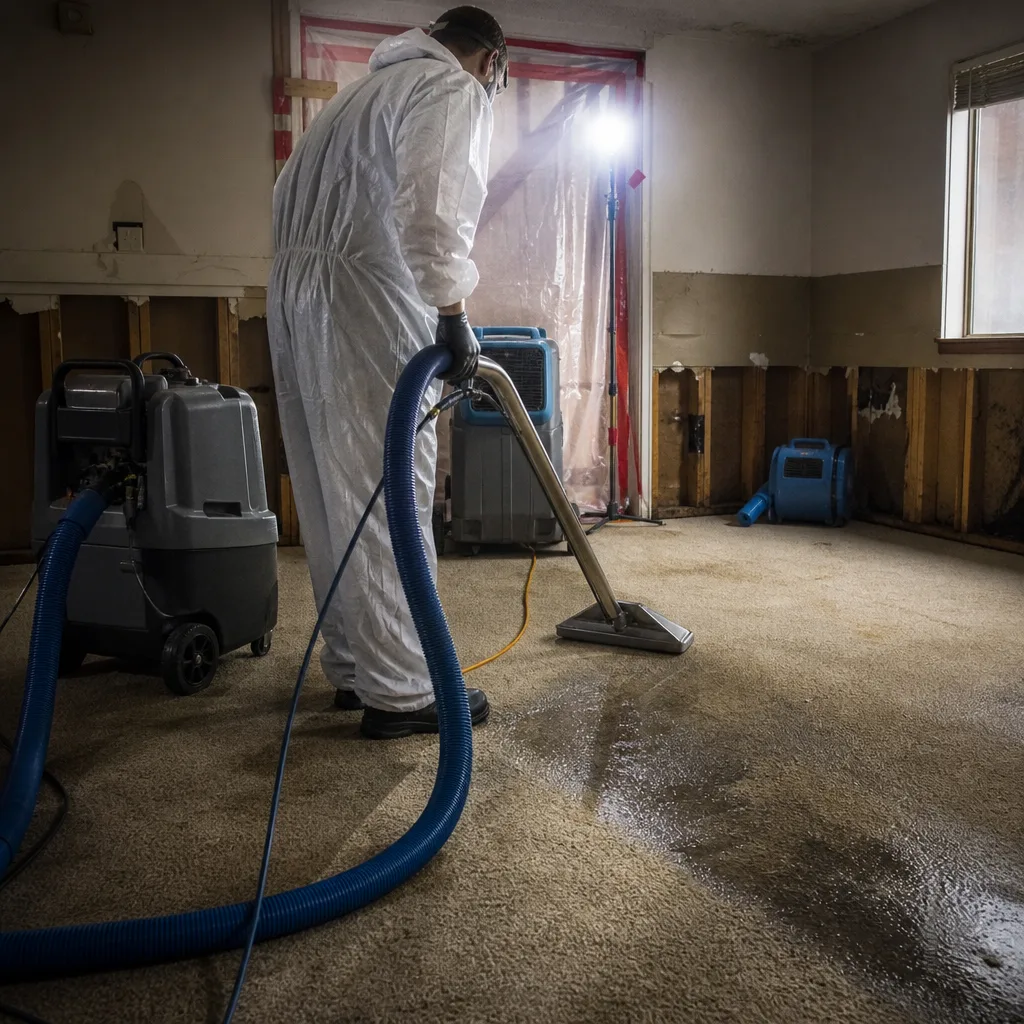
- 45-minute response commitment to Federal Way addresses, including the Dash Point bluff zone and the SR-99 corridor, because smoke and water both keep moving while you wait.
- 24/7 live answer by a real person, never an automated system or voicemail tree, on every call to (253) 487-0371.
- IICRC-certified crews holding FSRT (Fire and Smoke Restoration Technician) and WRT (Water Damage Restoration Technician) certifications, trained to handle the dual fire-and-water losses Federal Way’s aging polybutylene stock produces.
- Free visual inspection with moisture mapping and photo documentation before any scope is written or any price is quoted.
- Direct insurance billing with daily drying logs, room-by-room moisture readings, and a documented photo record on every visit, turning restoration invoices into payable claims.
- One team from emergency board-up through structural repair and final walkthrough, so no handoff gaps between mitigation and reconstruction.
BeforeAfterOur Fire & Smoke Damage Restoration Process
1. Inspection & Assessment
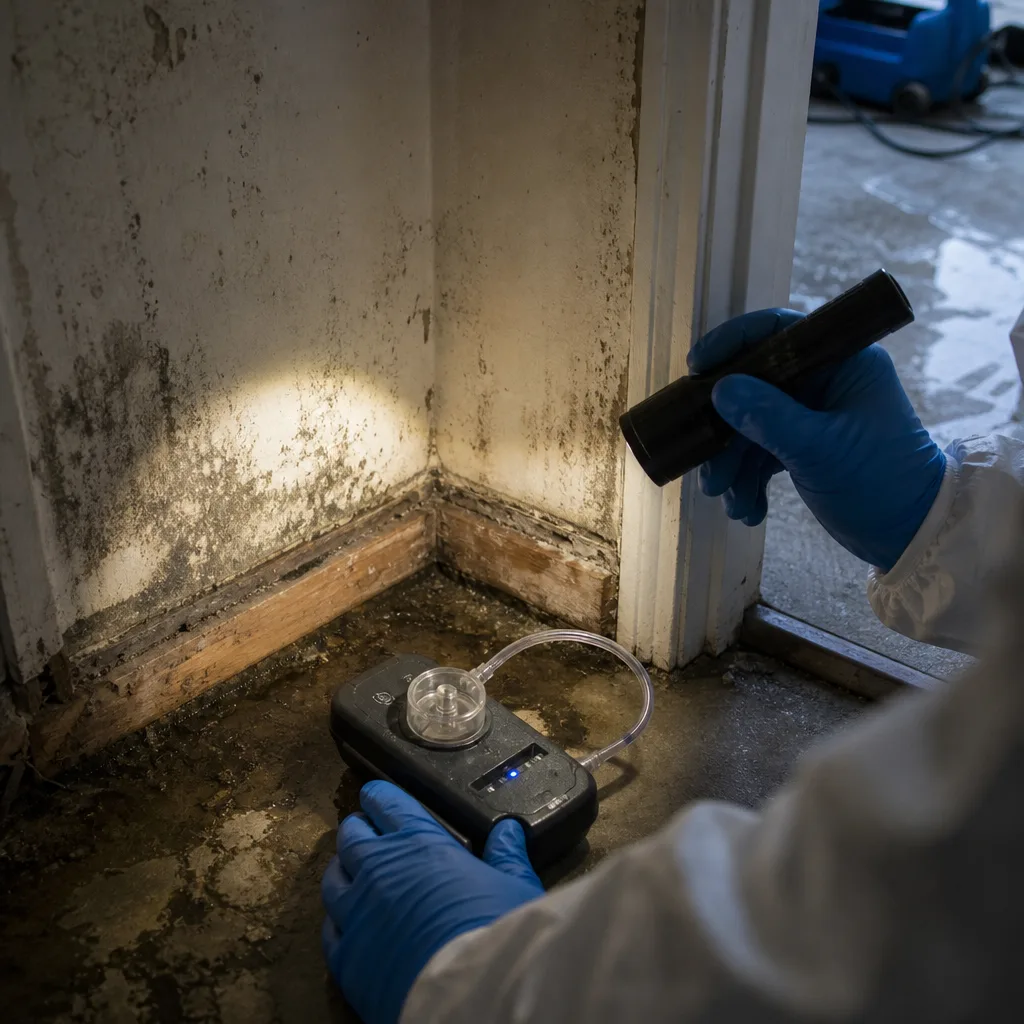
We arrive with thermal imaging cameras, hygrometers, and moisture meters to map the full extent of fire, smoke, and water damage. In Federal Way’s older apartment stock, we specifically test wall cavities for pre-existing moisture from prior pipe failures, because a documented secondary loss date protects your claim.
2. Emergency Board-Up & Stabilization
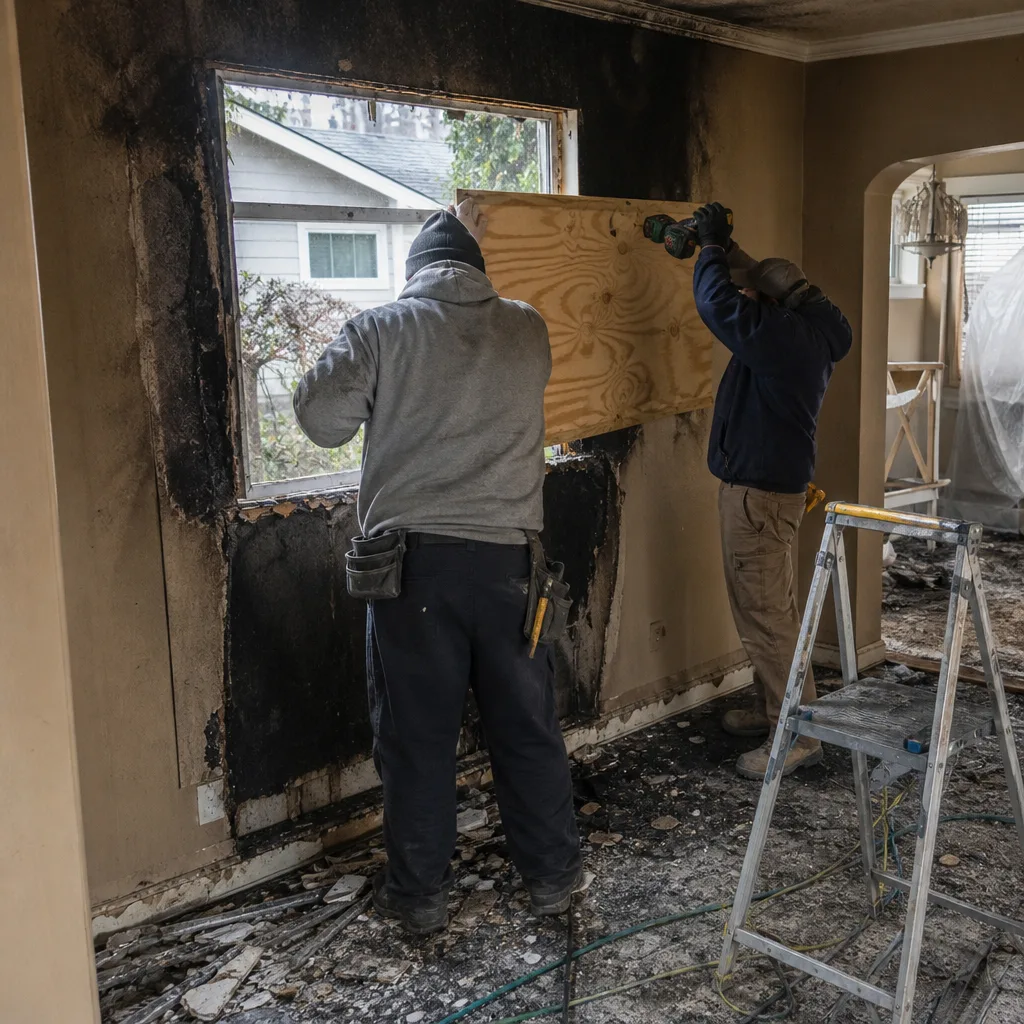
Broken windows, compromised roofs, and exposed framing get secured immediately. We deploy tarping and temporary enclosure to prevent weather intrusion, then extract standing water and establish psychrometric drying targets, documented to IICRC standards.
3. Water Extraction & Structural Drying
Using Phoenix and Dri-Eaz dehumidifiers, XPOWER air movers, and Injectidry cavity-drying systems, we establish vapor pressure differentials that pull moisture from subfloors, wall cavities, and insulation. Daily moisture logs track progress to the dry standard.
4. Smoke & Soot Removal
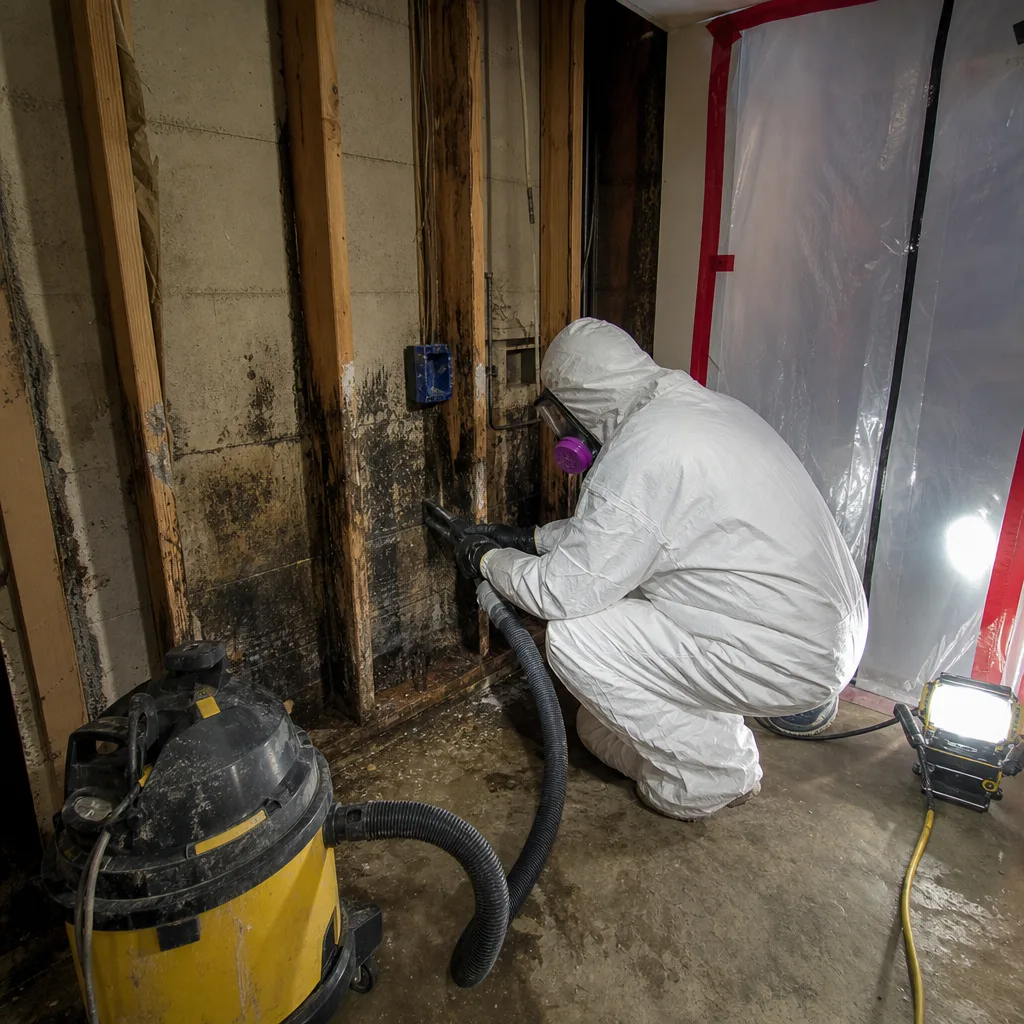
Dry smoke gets HEPA vacuumed; wet smoke and protein residue require solvent cleaning or abrasive blasting on charred framing. We clean ductwork, HVAC components, and every surface using methods matched to the soot type, not a one-size-fits-all approach.
5. Odor Removal & Deodorization
Thermal fogging, ozone treatment, and hydroxyl generators break odor molecules at the source. In Federal Way’s crawl-space homes, we often need to treat subfloor framing directly because smoke combined with chronic moisture creates persistent odor that surface cleaning misses.
6. Repairs & Restoration
Charred drywall, compromised insulation, and damaged flooring are removed and replaced. We rebuild to pre-loss condition with a written scope, a signed 365-Day Done Right Promise under The Haven Standard, and a final documented photo record.
Need Emergency Fire & Smoke Damage Restoration in Federal Way Now?
Crews minutes away, answering live 24 hours a day. The sooner we start, the less it costs.
Working With Your Insurance Company
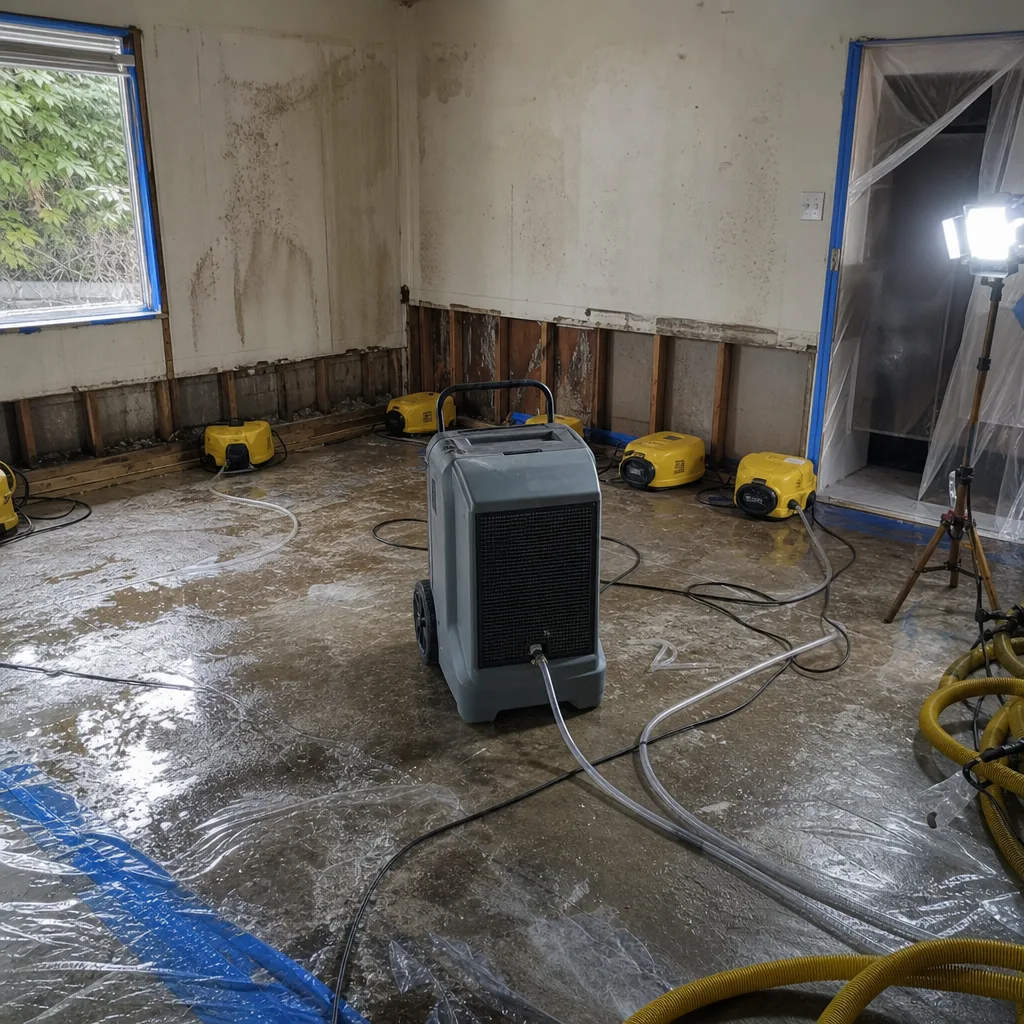
Fire claims fail on documentation gaps. An adjuster who cannot verify the pre-loss condition, the full scope of damage, and the drying progress will dispute the invoice. We close that gap from hour one.
Our crews photograph every room before touching anything, then document each phase: the initial moisture readings, the equipment placement with serial numbers, the daily psychrometric data, and the final clearance. We write industry-standard estimates using the same pricing databases insurers recognize, and we communicate directly with your adjuster so you are not translating between two industries. If a competitor has already provided an estimate, we offer a free second opinion, review their scope at no charge, and document any discrepancies.
What We Provide Your Insurer
- Thorough documentation of the loss
- Photos of all damage, room by room
- Moisture readings and drying logs
- A detailed, line-item scope of work
- Direct coordination with your carrier
Built for Federal Way’s Loss Calendar
Fire losses in Federal Way follow a distinct seasonal rhythm. December through February, heating-system failures, space heater misuse, and fireplace incidents spike as temperatures drop and residents in older tract homes on Dash Point and the Twin Lakes area rely on supplemental heat. The marine climate means these fires are often suppressed with water that then sits in unheated crawl spaces, where the clay-rich soils prevent drainage and extend drying timelines.
Spring brings electrical fires from aging aluminum wiring in 1970s-era apartments, often triggered by overloaded circuits as residents add window AC units. Summer kitchen grease fires increase, particularly in the SR-99 corridor’s dense apartment stock where ventilation is limited. Fall sees furnace puff-backs, especially in homes with original heating systems near the West Campus and Northlake neighborhoods. Year-round, the common thread is Federal Way’s aging infrastructure: the same polybutylene and early CPVC supply lines that fail in water losses also complicate fire suppression, because the water hammer of a sprinkler or hose line often finishes what slow corrosion started.
Fire & Smoke Damage Restoration Across Federal Way’s Neighborhoods
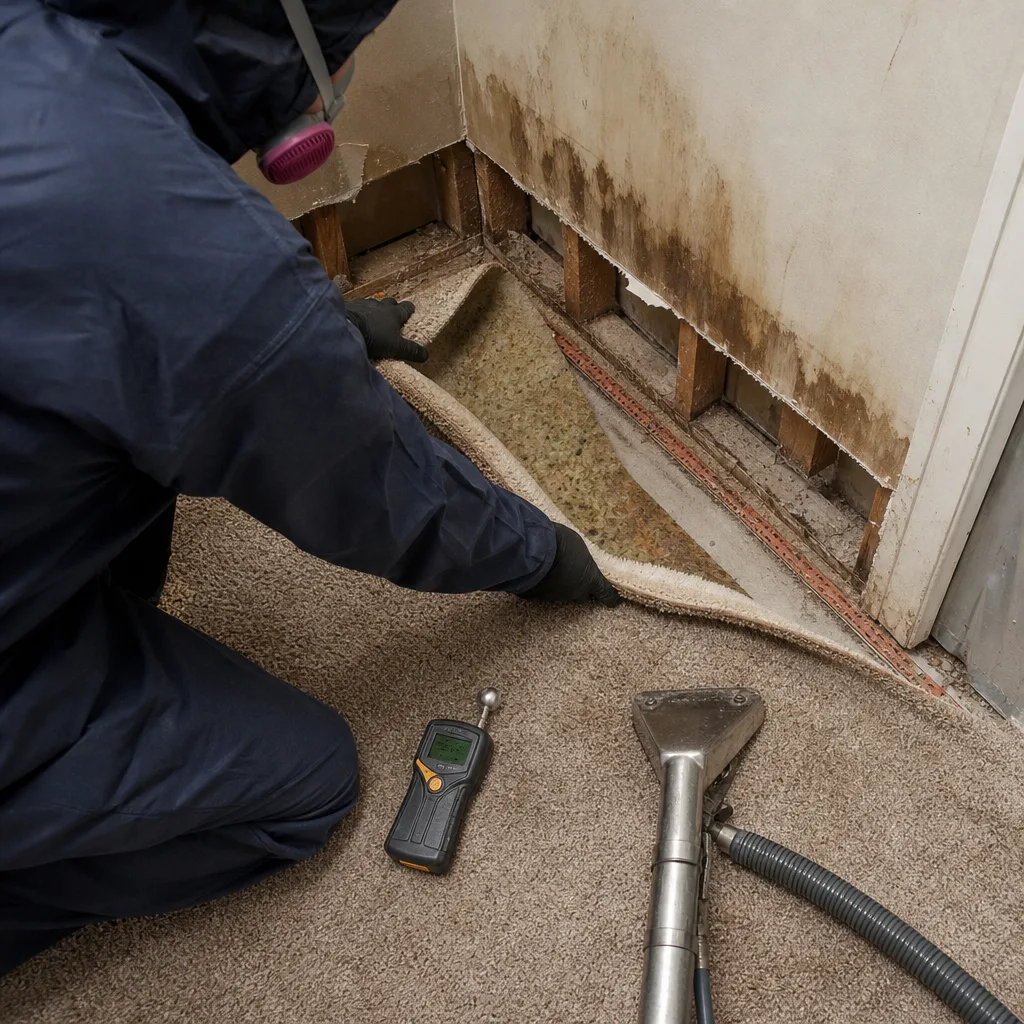
The SR-99 and S 320th St corridor, from the Commons at Federal Way north toward SeaTac, holds the city’s densest concentration of 1970s-1990s low-rise apartments. Here, our crews routinely encounter the dual-loss scenario: a kitchen fire suppressed, then a burst polybutylene line in the wall cavity. Property managers often want to treat the fire damage alone, but Haven Standard, Clause 1 requires a written scope of the full loss before work begins, and our moisture mapping consistently reveals the secondary water damage that would otherwise surface as mold six months later.
West Campus and the Dash Point bluff area, with its 1960s-1980s single-family homes on crawl-space foundations, presents a different challenge. Smoke from a main-floor fire drops through floor penetrations into damp crawl spaces, where it bonds with chronically moist subfloor framing. Simple surface deodorization fails; we treat the crawl space directly with thermal fogging and often deploy Injectidry systems to dry the subfloor assembly before odor treatment can succeed.
The Twin Lakes area, with its larger 1980s-1990s homes and more recent construction, tends toward cleaner fire losses but more extensive contents damage. These homes have more synthetic furnishings that produce wet smoke, and the higher square footage means longer smoke migration paths through open floor plans.
Northlake and the neighborhoods along 1st Ave S, with a mix of original 1960s ranches and 1990s infill, show the widest variation. We have pulled charred drywall in a 1972 ranch and found original knob-and-tube wiring still live in the wall, and we have documented furnace puff-backs in 1995 builds where the heat exchanger failed prematurely from salt-air corrosion.
Specialized Fire & Smoke Damage Restoration Services We Offer in Federal Way
Smoke & Soot Removal
We identify the soot type before selecting cleaning chemistry. Dry smoke in a Federal Way tract home near Celebration Park gets HEPA vacuumed and dry-sponged; wet smoke from a synthetic-furniture fire in an SR-99 apartment demands solvent cleaning and often requires removal of affected porous materials. We clean HVAC ductwork, because smoke migrates through forced-air systems and recontaminates surfaces days after initial cleaning.
Odor Removal & Deodorization
Federal Way’s damp crawl spaces make odor persistence a local specialty. We combine thermal fogging, which penetrates the same paths smoke traveled, with hydroxyl generators that break odor molecules without evacuating the structure. For severe cases in West Campus homes with saturated subfloors, we may need to remove and replace insulation and apply antimicrobial to framing before deodorization can succeed.
Contents Cleaning & Pack-Out
Not everything touched by smoke is a total loss. We inventory, photograph, and pack out salvageable contents to our facility for ultrasonic cleaning, ozone treatment, and specialized textile restoration. In the Twin Lakes area, where homes often hold higher-value furnishings, this service alone can recover tens of thousands in insured value that a less thorough crew would write off.
Emergency Board-Up & Tarping
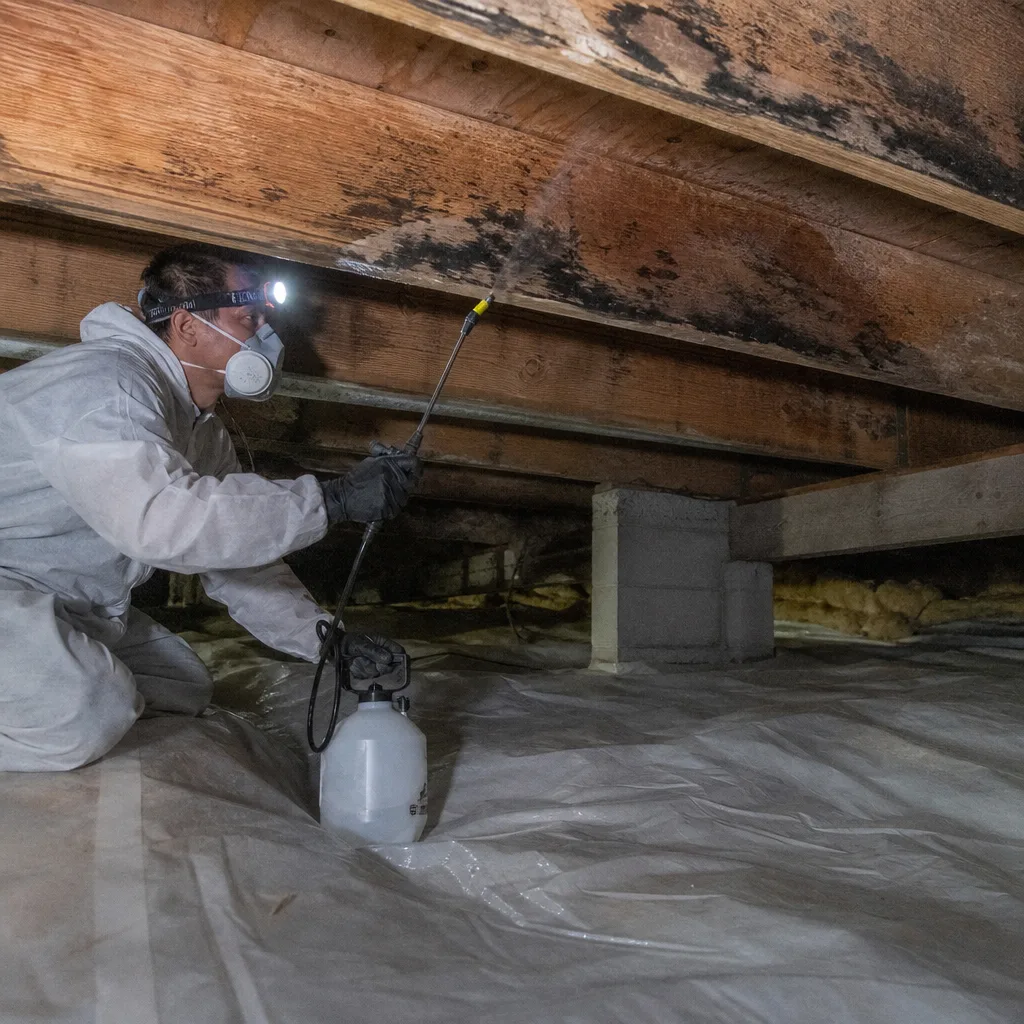
Broken windows and compromised roofs get secured immediately to prevent weather intrusion and vandalism. We document the pre-board condition with photos for your claim, then maintain the enclosure until reconstruction begins.
Structural Fire Repair
Charred framing is evaluated for structural integrity, sistered or replaced as needed, and rebuilt to code. In Federal Way’s older stock, we often encounter outdated electrical or plumbing that must be brought current during the repair, and we document these code-required upgrades for insurance coverage review.
What happens when you call
- 1
A real person answersNo phone trees - you reach a local pro.
- 2
You get an upfront price rangeHonest numbers before anyone is dispatched.
- 3
A background-checked tech heads outLicensed & insured, dispatched right away.
- 4
You approve before work beginsNothing starts until you say go.
Fire & Smoke Damage Restoration Costs in Federal Way, WA
Smoke and soot cleanup for a single room in Federal Way typically runs $1,800-$4,200. A moderate fire with suppression water damage across 1,000-2,000 square feet usually falls between $6,500 and $12,000. Severe structural fires with extensive reconstruction can exceed $25,000, though most homeowner policies cover the full restoration scope after deductible.
What moves the price: the square footage affected, the type of soot (wet smoke and protein residue require more labor), whether crawl-space or wall-cavity treatment is needed, and the presence of secondary water damage. In Federal Way specifically, the never-repiped polybutylene stock in the SR-99 corridor adds a predictable variable: roughly one in three fire losses we handle there includes a burst supply line that pushes the job from fire-only into dual fire-and-water remediation.
Insurance typically covers fire, smoke, and suppression water damage as a single claim, but the adjuster needs documentation that connects the secondary loss to the fire event. Our photo records, moisture logs, and written scopes provide that connection. Out-of-pocket costs are limited to your deductible and any upgrades you elect beyond like-kind replacement.
Every estimate is free, written, and delivered before work begins. Haven Standard, Clause 1.
We Also Serve Cities Near Federal Way
Our Fire & Smoke Damage Restoration in Federal Way crews also respond to fire losses in Federal Way‘s neighboring communities: Auburn to the east, Milton to the north, Kent to the northeast, and Tacoma to the south. Dispatch and scheduling are coordinated from our Seattle office; crews serve all these areas locally with the same 45-minute response commitment and live-answer phones.
Serving Federal Way, WA - Our Local Coverage Area
We’re based in the Federal Way area and know this community well. Use the map below to see our service coverage - if you’re nearby, we can almost certainly help.
Federal Way Fire & Smoke Damage Restoration Questions, Answered
Why does a fire in a Federal Way apartment often turn into a water-damage job too?
Because the same 1970s-1990s apartment complexes along SR-99 and S 320th St were built with polybutylene supply lines that were never repiped, the water hammer from fire suppression frequently bursts those already-corroded pipes. We find secondary water damage in the wall cavity behind the fire damage on roughly one in three Federal Way apartment fires. Call (253) 487-0371 and we’ll map the full loss before any work begins.
Can smoke odor really come back after a fire is cleaned in Federal Way?
Yes, if the cleanup addressed surfaces but missed the crawl space or wall cavities where smoke combined with moisture. Federal Way’s clay-rich soils and chronic crawl-space dampness trap soot-laden air in subfloor framing; without direct treatment of those spaces, odor returns when humidity rises. Our process includes moisture mapping and crawl-space deodorization before we sign off. Call (253) 487-0371 for an inspection that finds hidden odor sources.
How fast do we need to act on smoke damage in Federal Way?
Within hours, not days. Smoke residue is acidic and begins etching metal and glass within minutes; in Federal Way’s tight 1970s-1990s construction, it also migrates into HVAC systems and insulation. Our crews aim for 45-minute response to Federal Way addresses, 24 hours a day. Call (253) 487-0371 for immediate dispatch.
Do you handle contents in a Federal Way fire loss, or does everything get thrown out?
We pack out and attempt to restore contents before declaring anything a total loss. Our facility handles ultrasonic cleaning for hard goods, ozone treatment for porous items, and specialized textile restoration. In Federal Way’s higher-value Twin Lakes homes, this service frequently recovers insured value that less thorough crews would discard. Call (253) 487-0371 for a contents assessment.
What’s the difference between cleaning soot and full fire damage cleanup in Federal Way homes?
Soot cleaning removes residue from surfaces; full fire damage cleanup addresses structural char, smoke-impacted insulation and drywall, odor in hidden spaces, and any secondary water damage. In Federal Way’s older stock, we almost always find the job requires full cleanup because smoke has reached crawl spaces or suppression water has entered wall cavities. A free inspection determines the actual scope. Call (253) 487-0371.
Will my insurance cover the full restoration, or just the fire damage?
Standard homeowner and commercial policies typically cover fire, smoke, and suppression water as a single claim, including secondary damage like burst pipes caused by the fire event. The key is documentation that connects the secondary loss to the original fire. Our photo records, moisture logs, and written scopes provide that evidence. We bill your carrier directly and coordinate with your adjuster. Call (253) 487-0371 to start the documentation process.
How long does fire and smoke restoration take in Federal Way?
A light smoke cleanup with no structural damage may take 3-5 days. Moderate fire losses with water damage typically require 1-2 weeks for mitigation and drying, plus reconstruction time. Severe structural fires can extend to 4-8 weeks or more. Federal Way’s damp crawl spaces often add drying days that drier climates would not need. We provide a written timeline with the scope, updated daily. Call (253) 487-0371 for a site-specific estimate.
Can we stay in our home during fire damage restoration?
Sometimes, for very light smoke damage confined to one room with no structural compromise or air quality concerns. Most Federal Way fire losses, especially in the older apartment and tract-home stock where smoke reaches HVAC or crawl spaces, require temporary relocation during active mitigation. We document the habitability determination for your insurance claim. Call (253) 487-0371 and we’ll assess your specific situation.
Back to Dry Restoration, led by Alicia Brennan, has operated under The Haven Standard since 2011. Our Fire & Smoke Damage Restoration team serves Federal Way with written prices before work begins, documented photo records on every visit, and the 365-Day Done Right Promise on every job. If you are facing fire or smoke damage in Federal Way, call (253) 487-0371 now. A live person will answer, and a crew will be on their way.
Written by Alicia Brennan, Owner at Back to Dry Restoration, serving Federal Way since 2011.