
Free visual inspection and a written scope of work before any mitigation begins - photos, moisture readings, and drying logs go in your claim file
The scope we write is the scope we bill. Anything new gets shown to you, in writing, before we touch it.
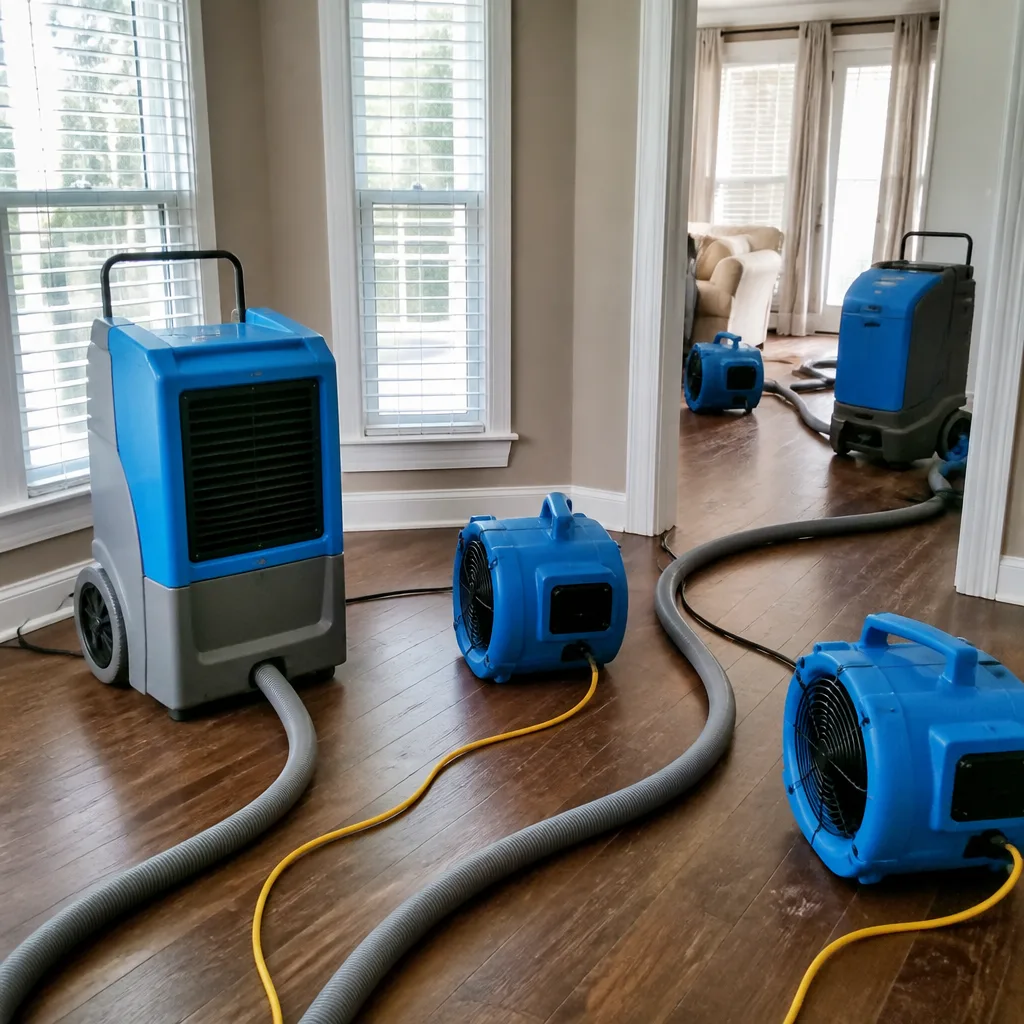

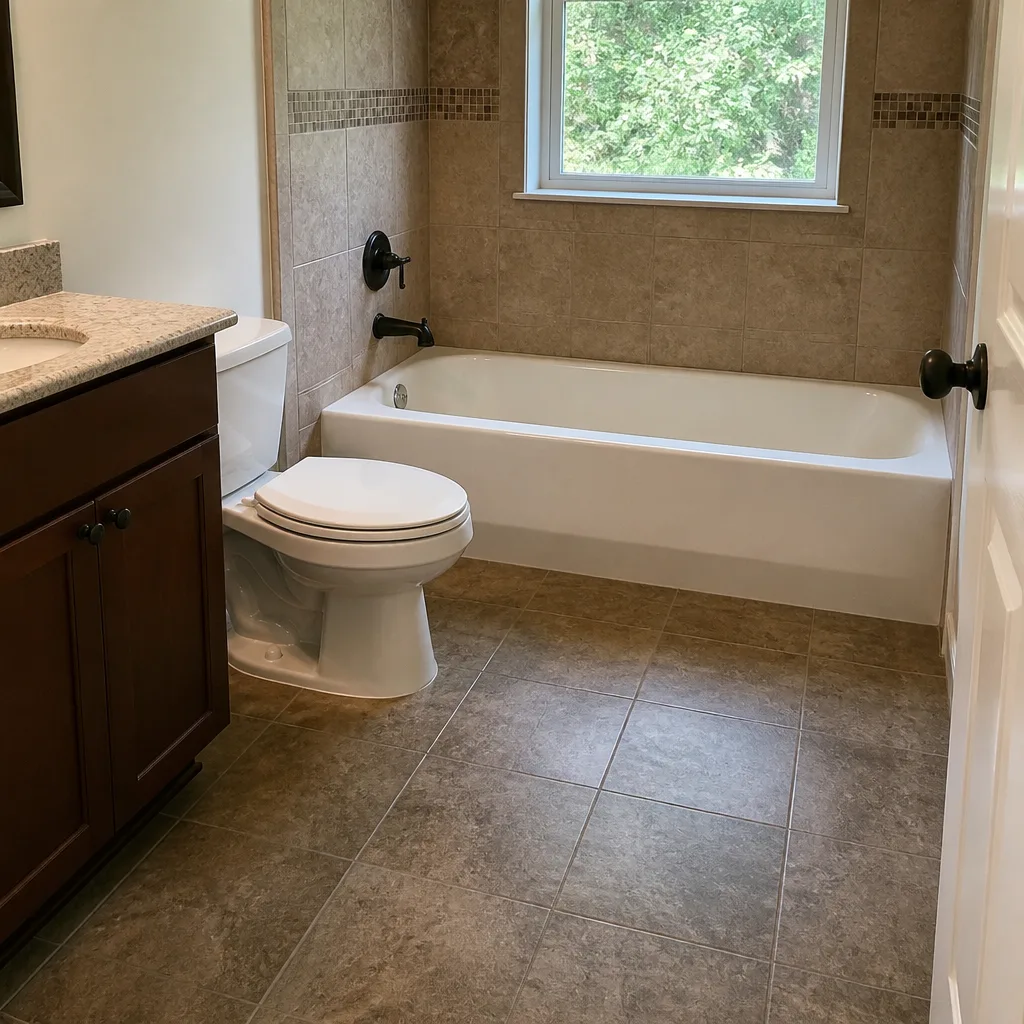
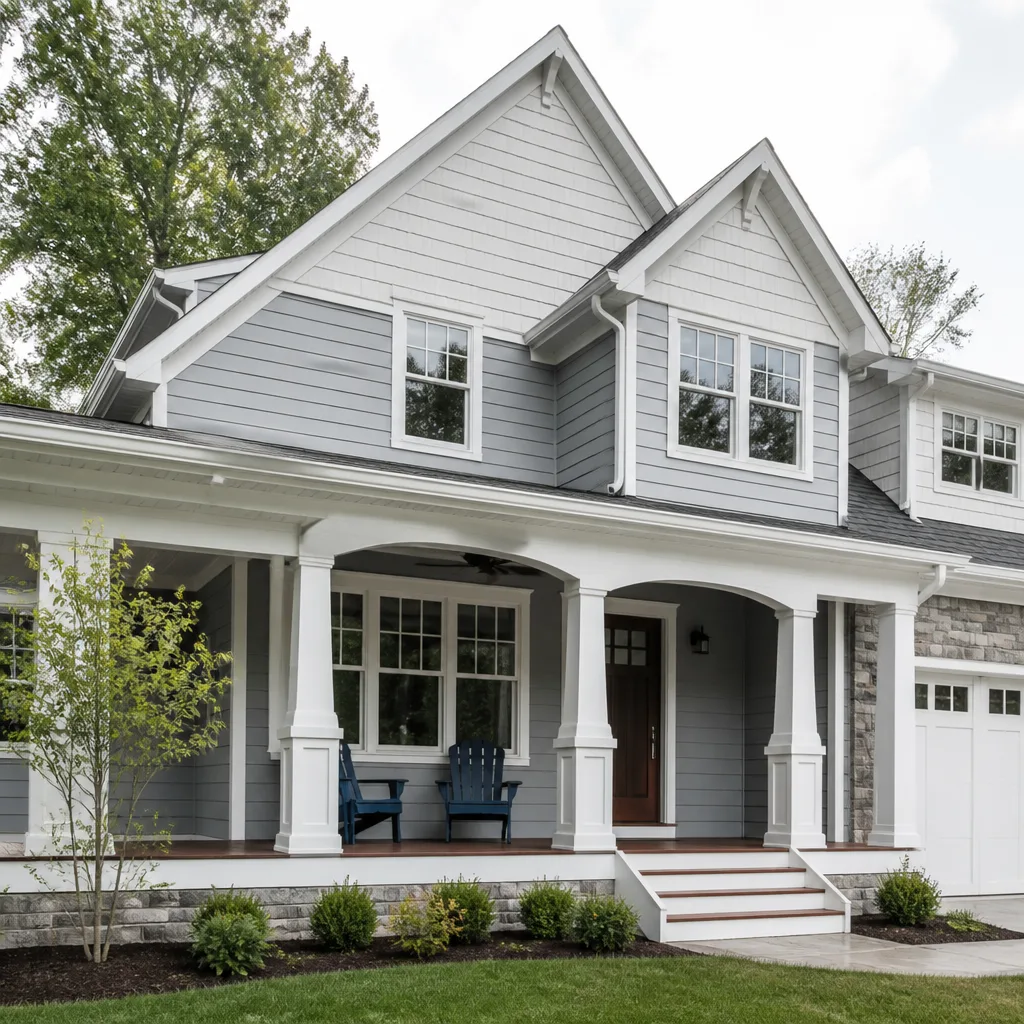
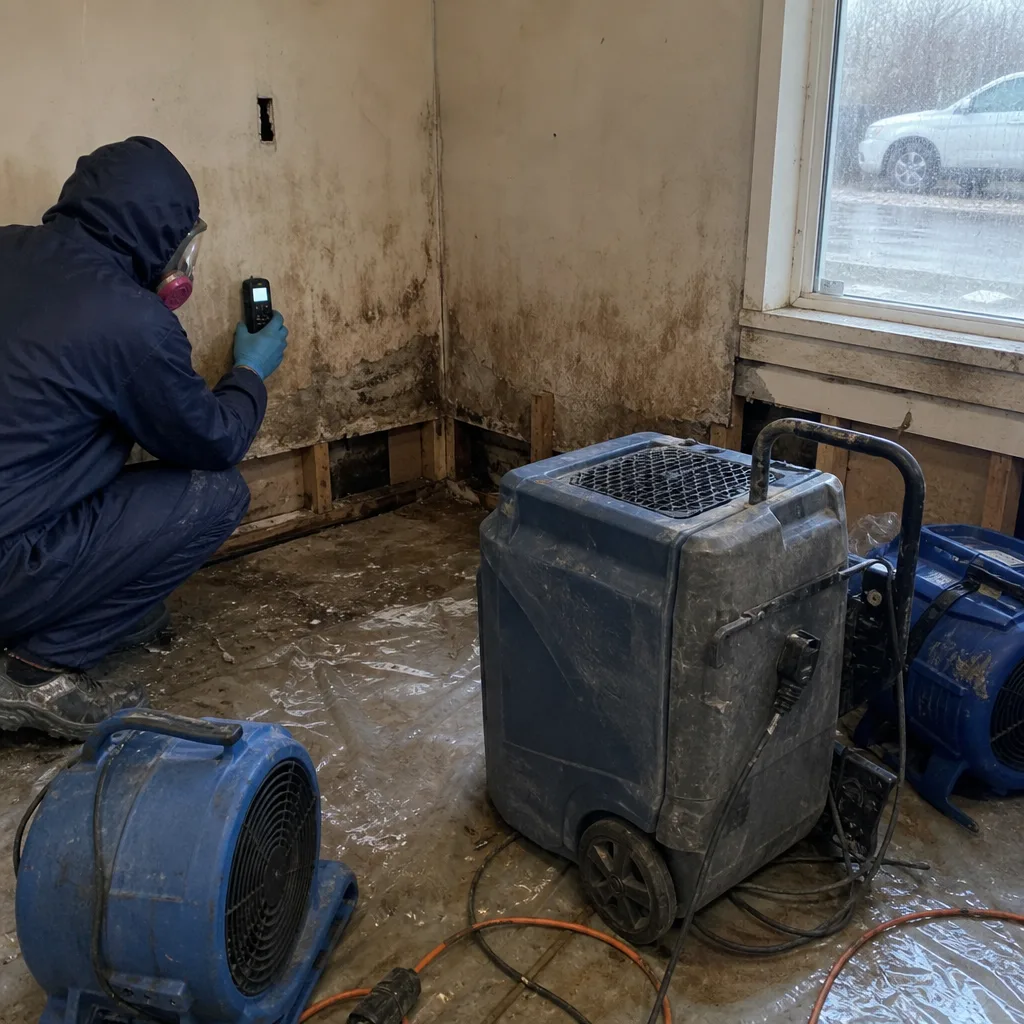 Before
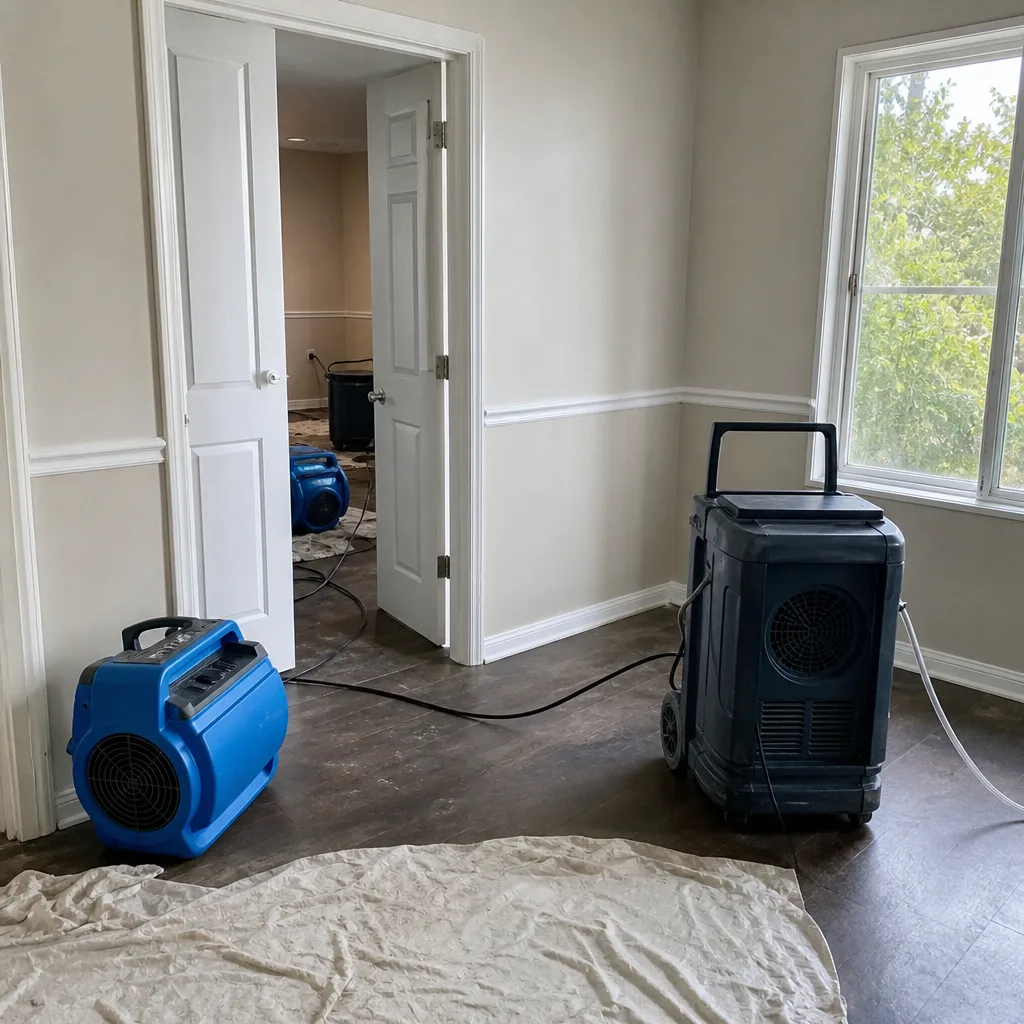 After
After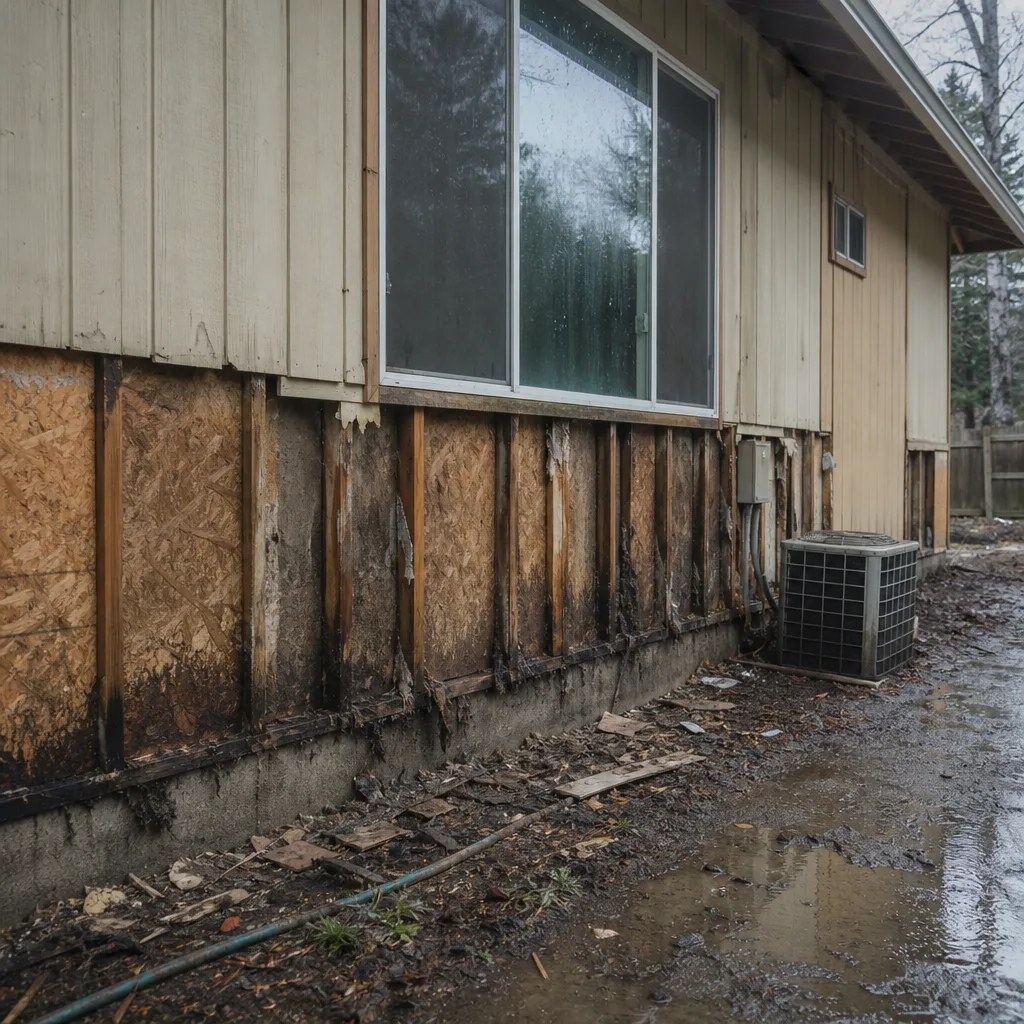 Before
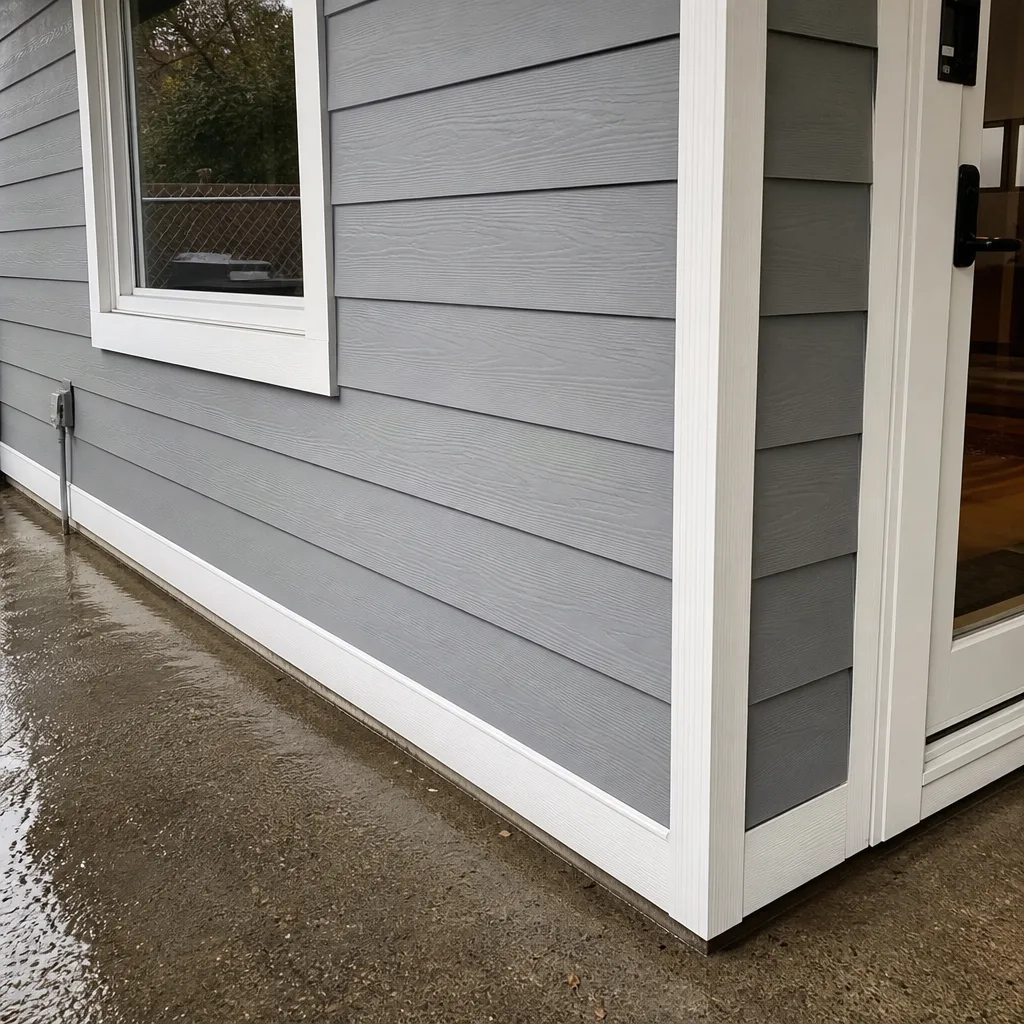 After
After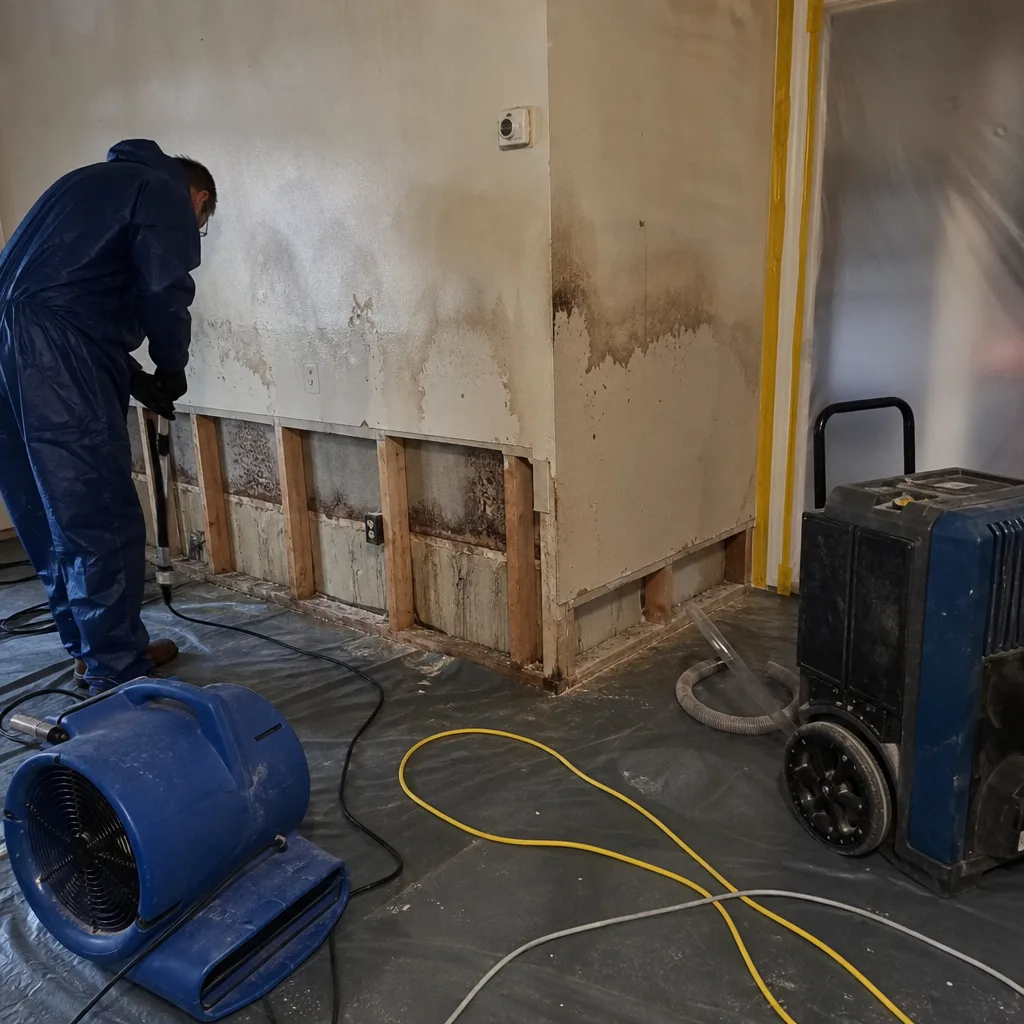 Before
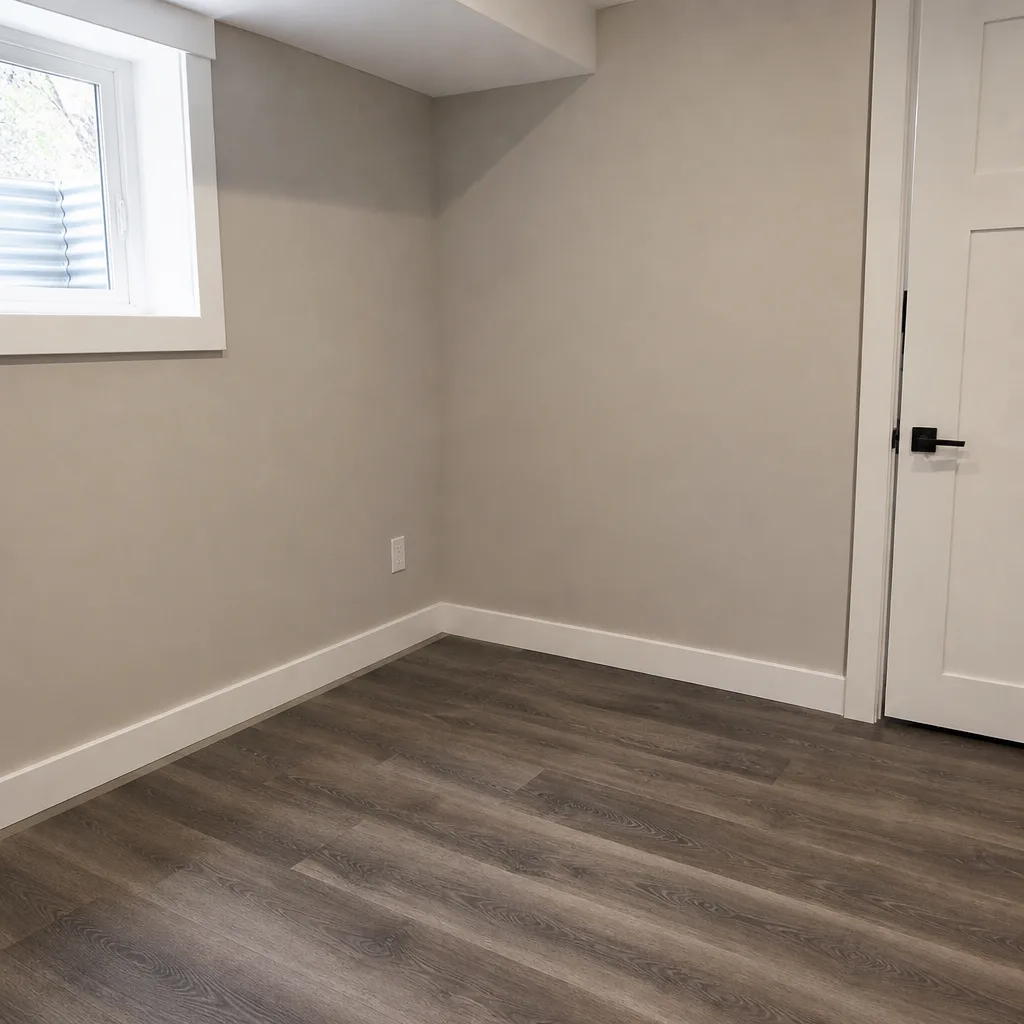 After
After24/7 Emergency Fire & Smoke Damage Restoration in Maple Valley
Fire and smoke damage restoration in Maple Valley typically costs $3,200-$18,500 depending on the affected square footage and whether structural repairs are needed. Most emergency board-ups and stabilization begin within 45 minutes of your call. Call (253) 487-0371 now - a live person answers every line, 24 hours a day, 7 days a week, with no voicemail trees while smoke is still settling in your home.
We dispatch crews from our Seattle office directly into Maple Valley’s subdivisions, including the Lake Wilderness area and corridors off SR-169. The first hour after a fire determines how far smoke residue migrates through HVAC systems and how deeply soot acids etch into paper-faced drywall, aluminum window frames, and range hoods. Waiting even until morning can turn a contained kitchen fire into a whole-house odor and surface damage problem. Our Fire & Smoke Damage Restoration team arrives with HEPA air scrubbers, thermal imaging, and moisture meters - because in Maple Valley, fire calls almost always reveal hidden water and mold damage too.
Understanding Fire & Smoke Damage Restoration Severity in Maple Valley Properties
Smoke damage in Maple Valley follows three distinct residue patterns that dictate the restoration approach. Dry smoke, from fast-burning, high-heat fires, produces powdery soot that smears easily and requires specialized sponging before wet cleaning. Wet smoke, from slow-burning, low-oxygen fires, leaves sticky, odorous residue that bonds aggressively to paper-faced drywall - the standard wall material in Maple Valley’s 1996-2005 builds. Protein residue, nearly invisible but pungent, comes from kitchen fires and etches painted surfaces and aluminum range hoods if left untreated beyond 72 hours.
Smoke migration behaves predictably but destructively: hot smoke rises, cools in attic spaces and upper wall cavities, then deposits concentrated residue on cold surfaces. In Maple Valley’s tree-shaded subdivisions, north- and west-facing exterior walls stay cold and damp from October through May, making them prime surfaces for heavy smoke deposition. The engineered floor joists and OSB wall sheathing common in local two-story homes absorb odor compounds and moisture simultaneously, requiring psychrometric monitoring - measuring temperature, relative humidity, and vapor pressure differential - to verify that structural drying completes before reconstruction begins.
Why Maple Valley Property Owners Choose DryMark Restoration Auburn
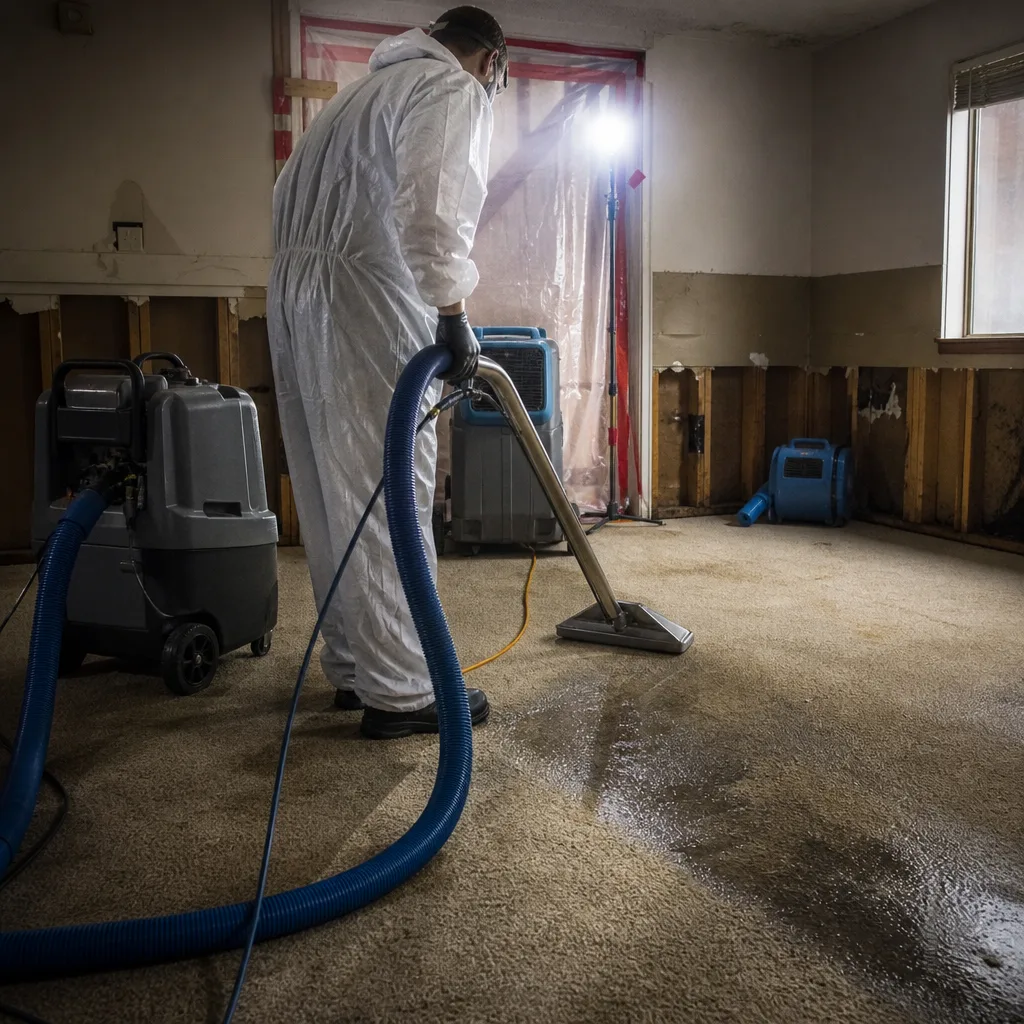
- 45-minute response commitment to Maple Valley addresses, with crews staged for foothills access via SR-169 and Kent-Kangley Road corridors.
- 24/7 live answer - a real person, never an automated system - on every call, because fire damage documentation starts when you first report the loss.
- IICRC-certified crews holding FSRT (Fire and Smoke Restoration Technician) and WRT (Water Damage Restoration Technician) credentials, with AMRT (Applied Microbial Remediation Technician) certification for the mold scope that Maple Valley fires almost always require.
- Free visual inspection with written scope delivered before any work begins, per Haven Standard, Clause 1.
- Direct insurance billing with photo-documented estimates formatted to carrier standards - no back-and-forth delays on your claim.
- One team from emergency board-up through structural repair, maintaining continuity in documentation, moisture logs, and warranty coverage under our 365-Day Done Right Promise.
BeforeAfterOur Fire & Smoke Damage Restoration Process
1. Inspection & Assessment
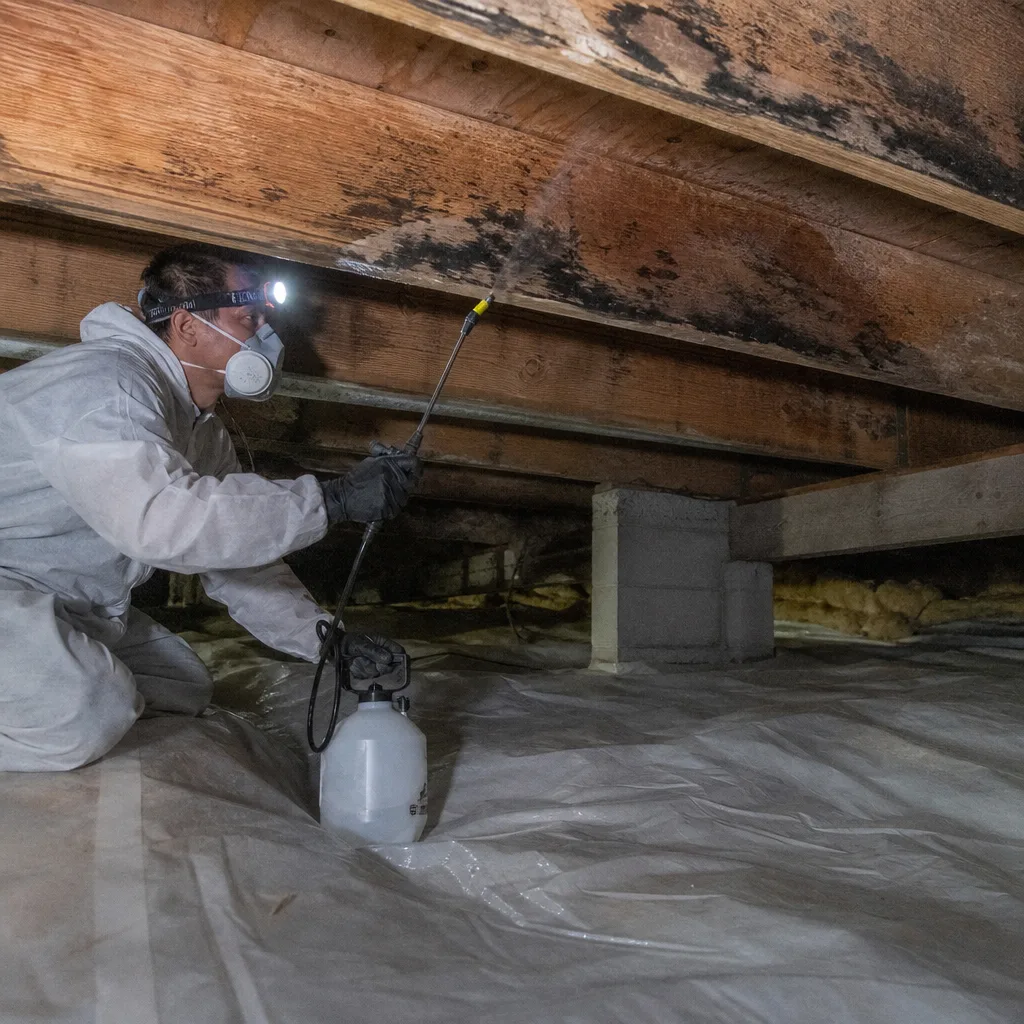
We walk the loss with thermal imaging and moisture meters, documenting smoke migration patterns and testing for hidden water intrusion behind siding and in crawlspaces. In Maple Valley, we probe north-facing walls behind Hardie board and vinyl cladding as standard practice - the fir canopy keeps these surfaces damp year-round, and fire hoses during overhaul drive additional water into cavities.
2. Emergency Board-Up & Tarping
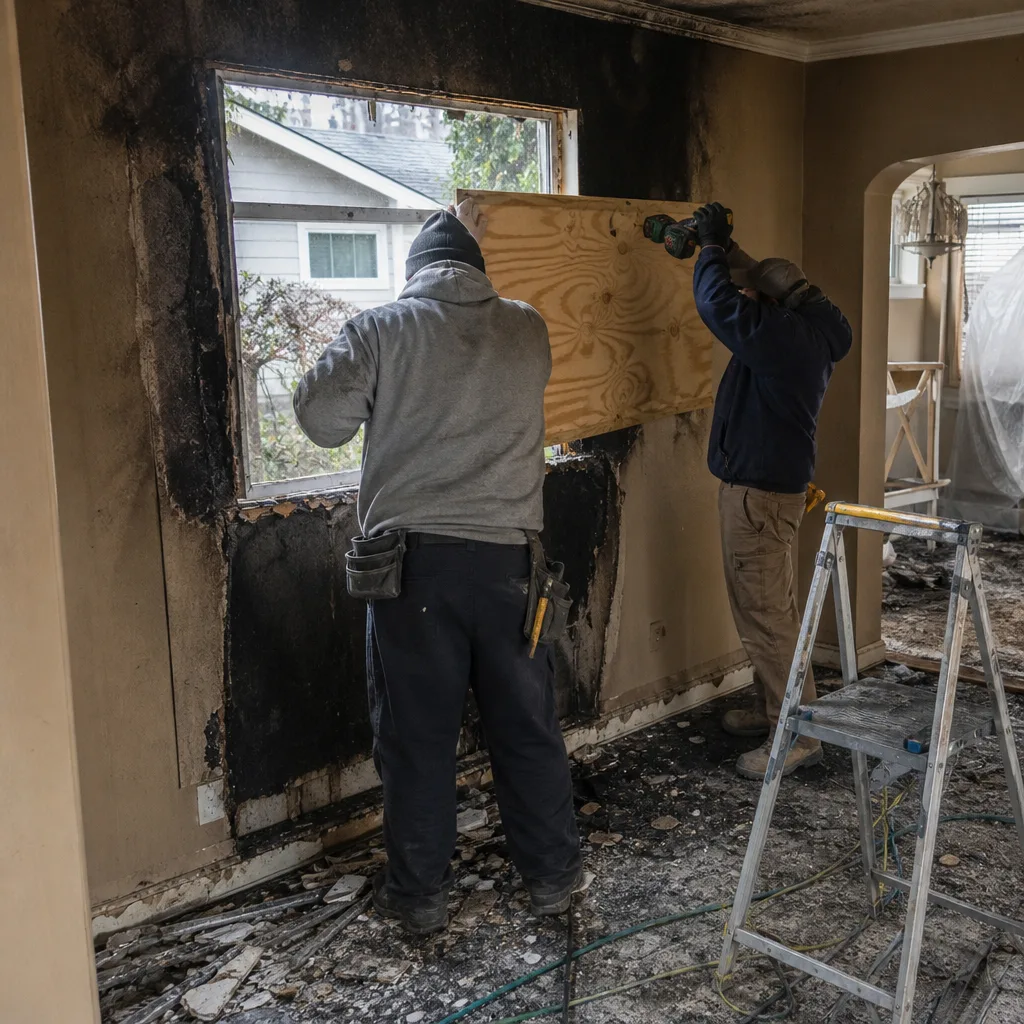
We secure burned openings with 3/4-inch OSB and weather-rated tarps, accounting for steep foothills driveways and low tree limbs that limit ladder placement. Every penetration is sealed against wind-driven rain from incoming atmospheric rivers, protecting charred framing from re-wetting that would void drying logs.
3. Water Extraction & Structural Drying
Fire suppression water and rain during overhaul get extracted with truck-mounted systems, then we deploy Phoenix dehumidifiers and XPOWER air movers to establish vapor pressure differential across wet assemblies. Daily moisture readings go into drying logs that your adjuster can audit - critical for claim approval on secondary damage.
4. Smoke & Soot Removal
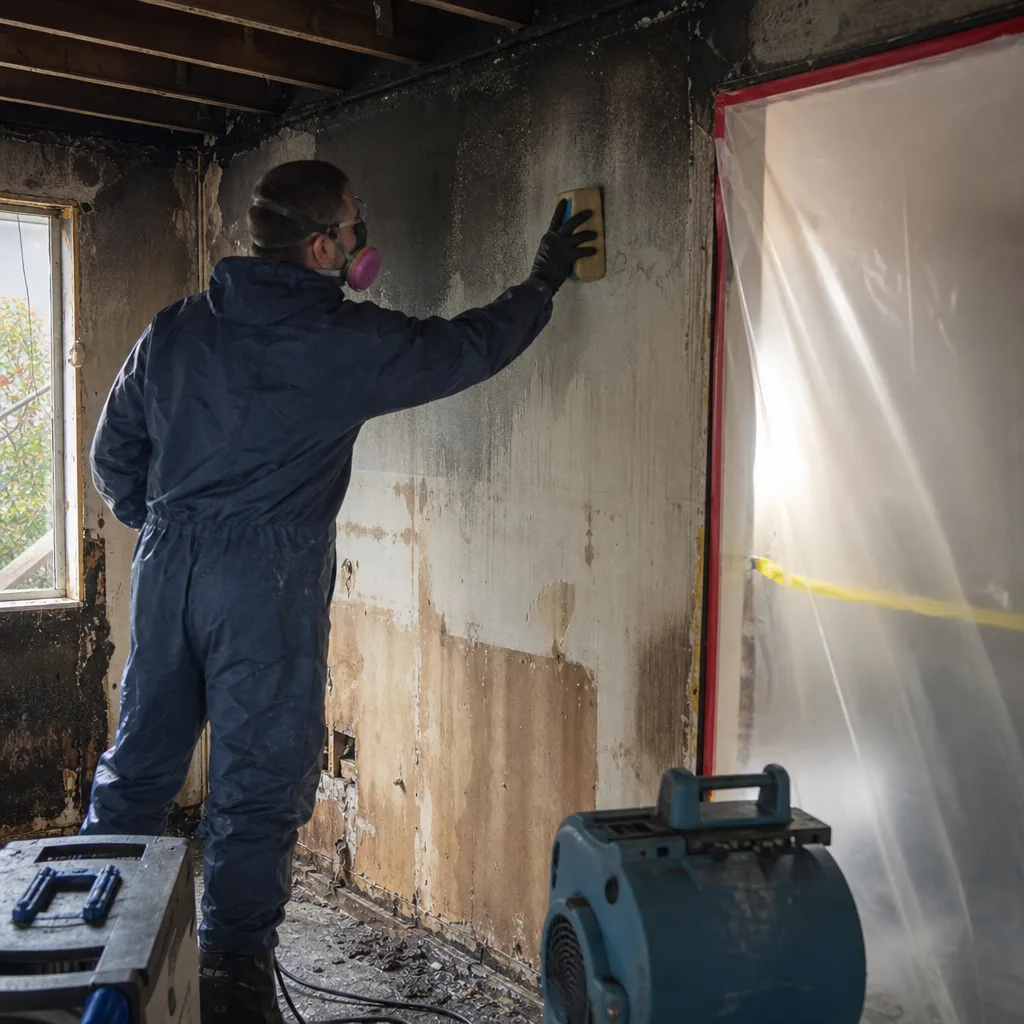
HEPA vacuums and dry-cleaning sponges remove loose particulate before wet cleaning with pH-adjusted solutions. We treat aluminum window frames, range hoods, and paper-faced drywall with specific chemistries for each residue type, preventing the acid etching that ruins these surfaces in 1996-2005 Maple Valley homes.
5. Odor Removal & Deodorization
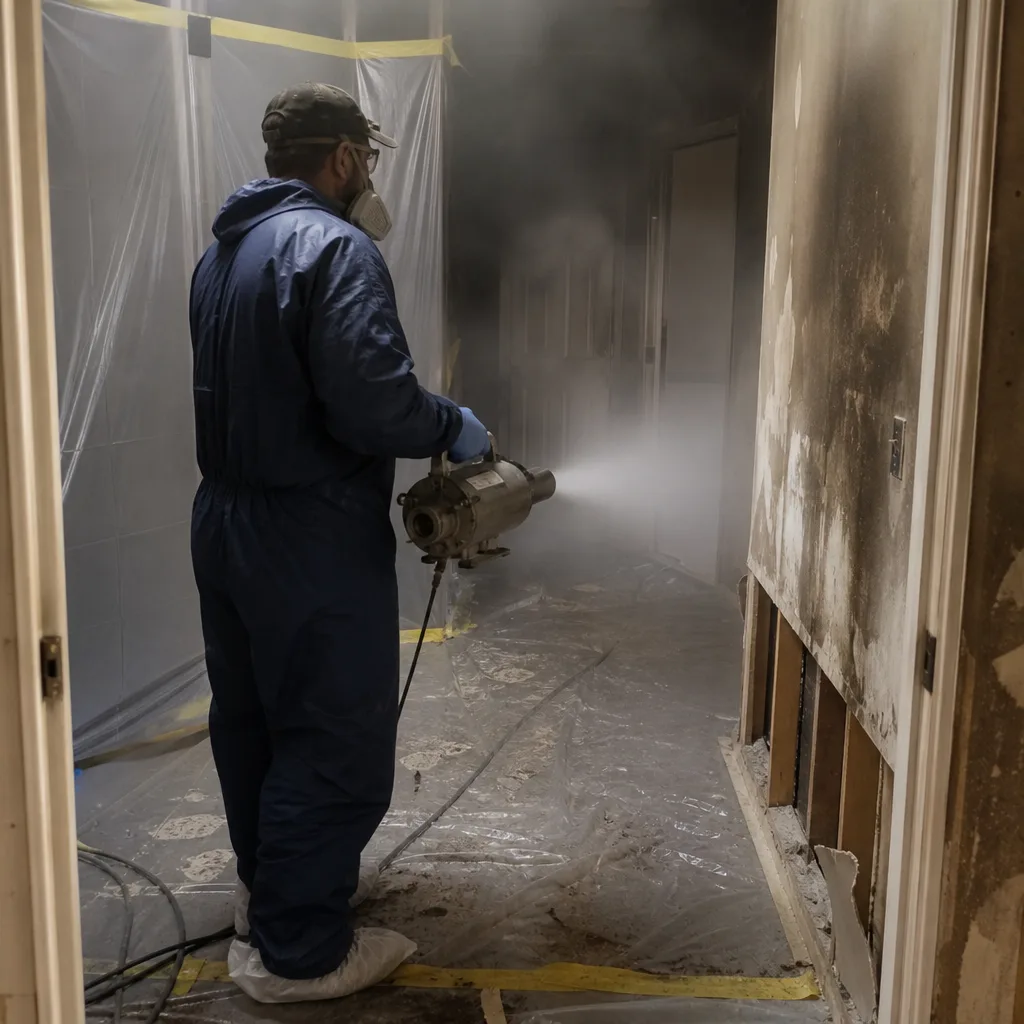
Thermal fogging and ozone treatment neutralize odor compounds in porous materials, but we verify results with air sampling before clearance. In Maple Valley’s shaded subdivisions, cold damp exterior walls hold odor longer than open suburbs; we extend treatment cycles and document psychrometric data to prove completion.
6. Repairs & Restoration
Reconstruction follows a written scope with line-item pricing agreed before work starts. We replace fire-damaged engineered joists, OSB sheathing, and drywall, then match finishes to undamaged areas. The 365-Day Done Right Promise covers all work under The Haven Standard.
Need Emergency Fire & Smoke Damage Restoration in Maple Valley Now?
Crews minutes away, answering live 24 hours a day. The sooner we start, the less it costs.
Working With Your Insurance Company
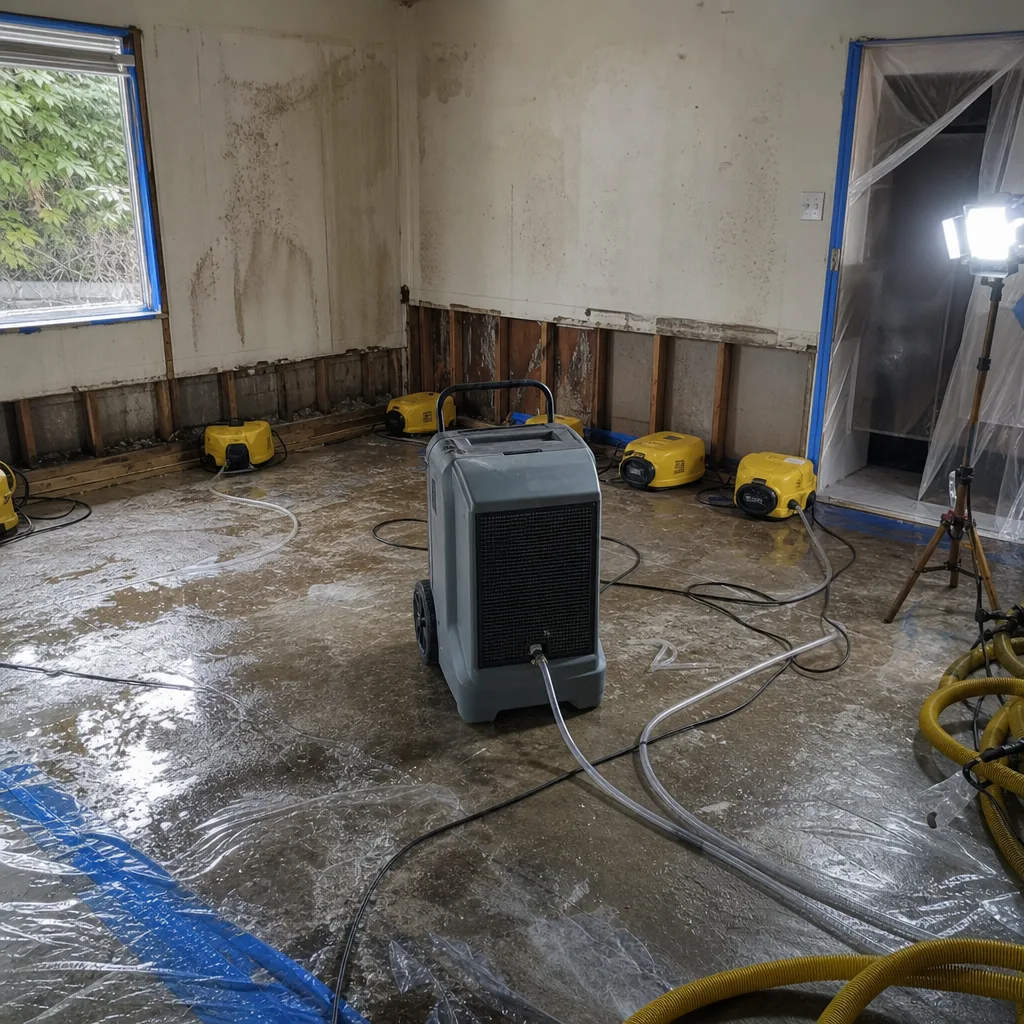
Fire claims succeed or fail on documentation quality from the first hour. We photograph every room before moving contents, record moisture readings at each structural point, and build drying logs that trace humidity reduction day by day. Our estimates follow Xactimate or Symbility formats your carrier recognizes, with line-item detail that prevents scope disputes. A dedicated team member coordinates directly with your adjuster, providing photo records and written scopes on request.
What We Provide Your Insurer
- Thorough documentation of the loss
- Photos of all damage, room by room
- Moisture readings and drying logs
- A detailed, line-item scope of work
- Direct coordination with your carrier
Built for Maple Valley’s Loss Calendar
Fire losses in Maple Valley concentrate in three seasonal patterns. October through March, atmospheric river events coincide with heating system startup: furnace ductwork that sat idle all summer circulates the first smoke from dust-burnoff into every room, and space heater placement near combustibles spikes kitchen and bedroom fires. The same storms drive rain against fire-damaged exteriors before board-up completes.
December holiday cooking brings the year’s highest kitchen fire volume, with grease fires spreading to cabinets and range hoods. July and August see dryer vent fires peak - the dense fir canopy around Maple Valley homes encourages owners to push dryers against walls with long, undetected lint buildup in flexible ducting. Each season demands a different initial response, but all require the same documentation discipline that turns restoration invoices into payable claims.
Fire & Smoke Damage Restoration Across Maple Valley’s Neighborhoods
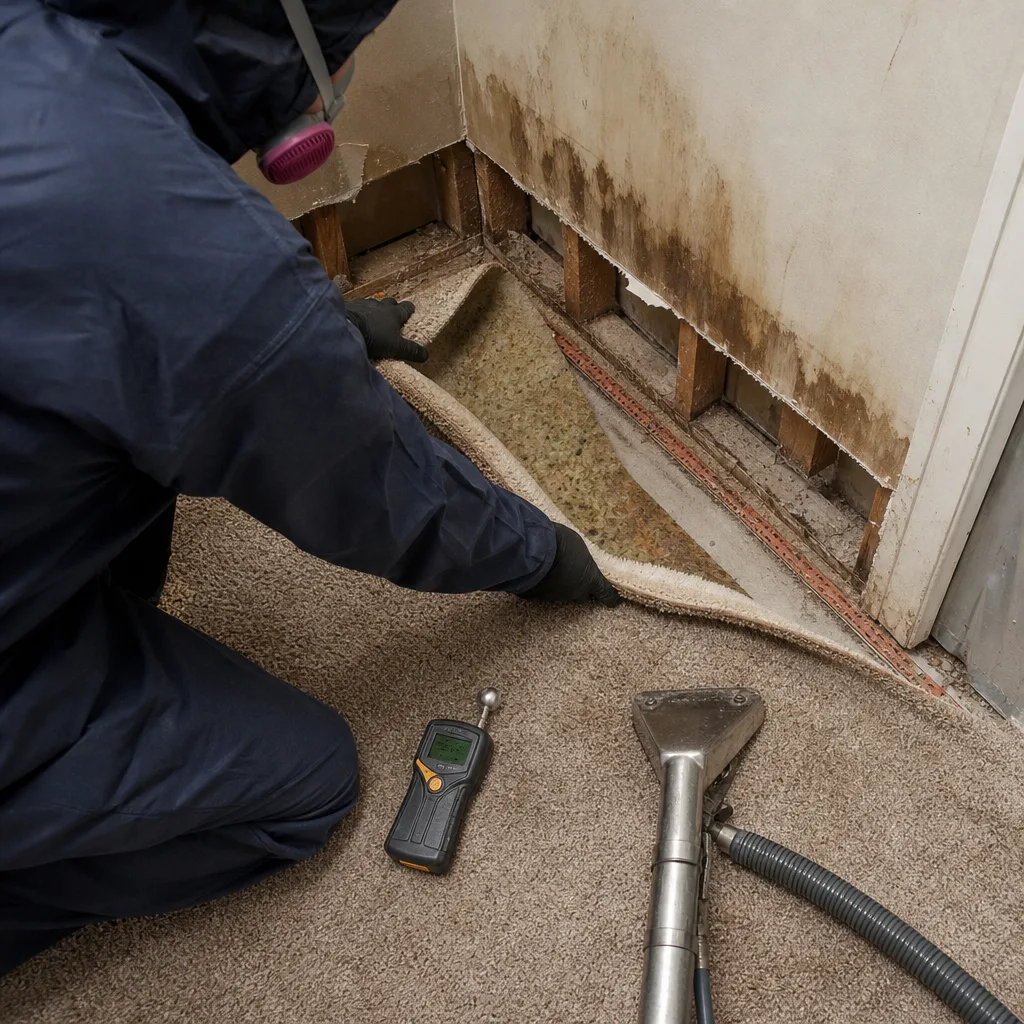
Our crews know the access and building patterns across Maple Valley‘s distinct areas. Lake Wilderness subdivisions feature two-story 1996-2005 builds with engineered joists and OSB sheathing; fires here typically start in kitchens and garages, with smoke migrating through open stairwells to second-floor bedrooms. The north-facing walls behind fir stands need immediate moisture probing.
Homes along the SR-169 corridor toward Four Corners sit on larger lots with steeper driveways. Board-up requires extension ladders and often tree-limb trimming for safe roof access. The Wilderness Rim area, closer to the Cascade foothills, sees more lightning strike and power-surge fires during summer thunderstorms, with subsequent rain from orographic lift complicating the initial stabilization.
Wittier and Cedar Grove neighborhoods mix older 1980s rambler stock with newer infill. The older homes have solid lumber framing that resists fire spread but plaster-and-lath walls that trap smoke odor in wall cavities. Each area gets a response plan matched to its actual construction, not a generic protocol.
Specialized Fire & Smoke Damage Restoration Services We Offer in Maple Valley
Fire Damage Cleanup
We remove charred debris, test structural integrity of engineered joists and OSB sheathing, and establish containment to prevent cross-contamination. In Maple Valley’s 1996-2005 homes, we pay particular attention to paper-faced drywall that wicks both smoke residue and fire suppression water into wall cavities.
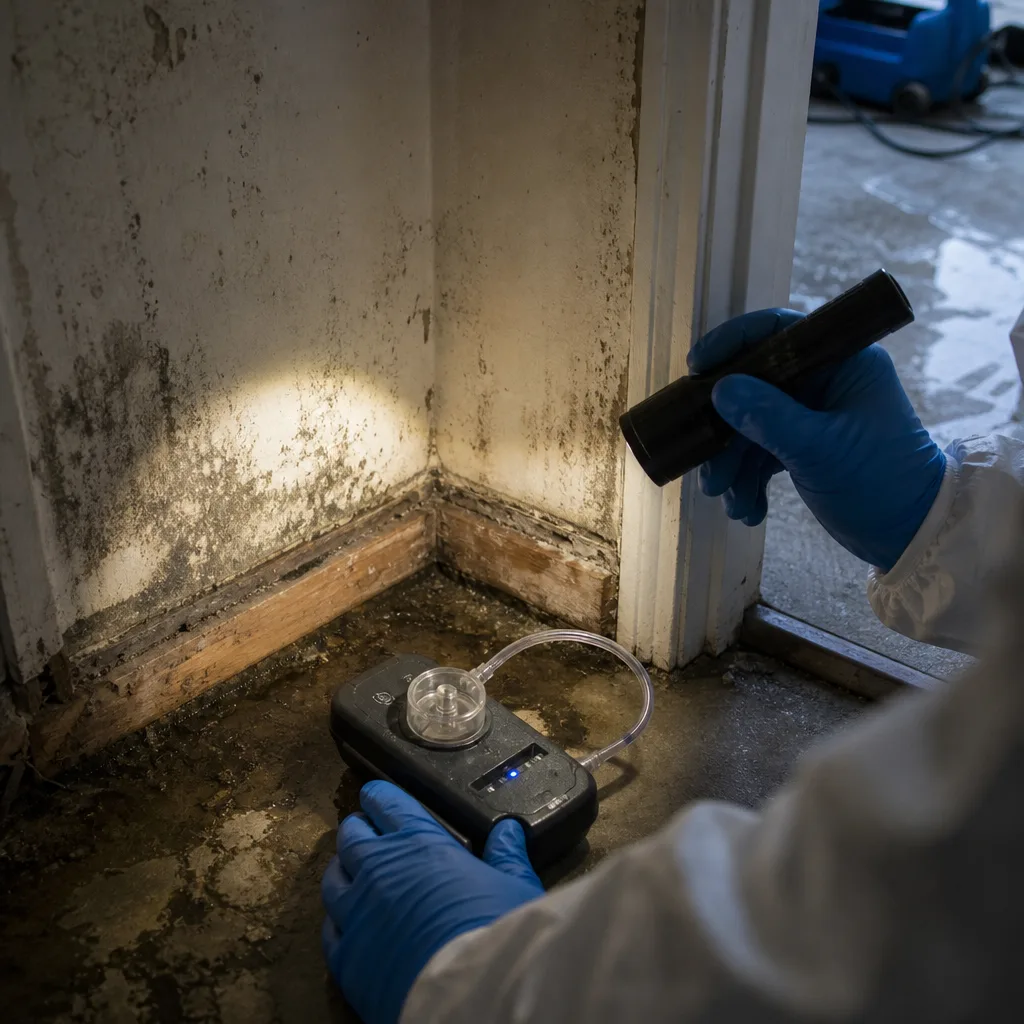
Smoke & Soot Removal
Dry, wet, and protein residue each demand specific cleaning chemistry and mechanical action. We treat aluminum window frames and range hoods before acid etching becomes permanent, and we document pre-existing damage with photos to protect against claim disputes. This is where sloppy work costs homeowners thousands in uncovered replacement.
Odor Removal & Deodorization
Thermal fogging, ozone, and hydroxyl generators each have appropriate applications; we select based on residue type, porous material exposure, and occupancy status. Maple Valley’s shaded, damp exterior walls hold odor compounds longer than sun-exposed surfaces, so we extend treatment verification with air sampling before clearance.
Contents Cleaning & Pack-Out
We inventory, photograph, and transport salvageable contents to our facility for ultrasonic cleaning, deodorization, and storage. In Maple Valley fire calls, pack-outs frequently reveal Category 2 moisture in attics and crawlspaces where the fir canopy and fire hoses combined to saturate hidden spaces - moisture we map and dry before returning your belongings.
Emergency Board-Up & Tarping
We secure burned openings with materials rated for the wind and rain loads of incoming Pacific weather systems. On wooded lots with low branches and steep driveways, we engineer access solutions that don’t compromise the seal - because an atmospheric river re-wetting charred framing voids your drying logs and your coverage.
What happens when you call
- 1
A real person answersNo phone trees - you reach a local pro.
- 2
You get an upfront price rangeHonest numbers before anyone is dispatched.
- 3
A background-checked tech heads outLicensed & insured, dispatched right away.
- 4
You approve before work beginsNothing starts until you say go.
Fire & Smoke Damage Restoration Costs in Maple Valley, WA
Emergency board-up and stabilization in Maple Valley runs $800-$2,400 depending on the number of openings and roof penetrations. Smoke and soot removal for a single-room kitchen fire typically costs $2,800-$5,500. Whole-house odor removal with structural drying adds $4,500-$9,200. Full reconstruction of fire-damaged framing, drywall, and finishes ranges $8,500-$18,500 for the two-story homes common in local subdivisions.
What moves the price: the affected square footage, the residue type (wet smoke requires more labor than dry), whether engineered joists or OSB sheathing need replacement, and whether hidden mold behind north-facing siding extends the scope. Insurance typically covers direct fire and smoke damage plus secondary water damage from suppression; our written scope identifies each component so your adjuster can classify coverage correctly. Call (253) 487-0371 for a free visual inspection and firm written price before any work begins - Haven Standard, Clause 1.
We Also Serve Cities Near Maple Valley
Our crews respond throughout the south King County foothills, including Kent, Issaquah, Renton, and Auburn. Each city gets the same documentation-first protocol, with response times adjusted for actual road distance from our Seattle dispatch office.
Serving Maple Valley, WA - Our Local Coverage Area
We’re based in the Maple Valley area and know this community well. Use the map below to see our service coverage - if you’re nearby, we can almost certainly help.
Maple Valley Fire & Smoke Damage Restoration Questions, Answered
Does a Maple Valley fire claim need mold testing if the house is only 20 to 30 years old?
Yes - in Maple Valley, mold testing is standard on virtually every fire call we handle. The combination of fire suppression water, rain during overhaul, and the persistent damp behind north-facing siding on fir-shaded lots means OSB sheathing in 1996-2005 homes is frequently colonized before interior water staining appears. We include moisture mapping and air sampling in our initial scope, documented to IICRC S520 standards, so your adjuster sees the full loss picture from day one. Call (253) 487-0371 to schedule - estimates are free.
How does smoke odor removal differ in Maple Valley’s tree-shaded subdivisions versus open suburbs like Kent?
Smoke odor lingers longer against cold, damp exterior walls, which is the default condition for north- and west-facing elevations in Maple Valley from October through May. We extend thermal fogging and ozone treatment cycles, verify results with air sampling rather than smell tests alone, and document psychrometric data showing vapor pressure reduction to prove completion. In open suburbs with more sun exposure, walls warm and off-gas faster; Maple Valley’s fir canopy demands a more patient, measured approach. Call (253) 487-0371 for a scope that accounts for your lot’s actual conditions.
What should I do about board-up and tarping if my Maple Valley home is on a wooded lot with low branches?
Call us immediately - do not attempt DIY board-up on steep driveways or under tree limbs that limit ladder placement. We arrive with extension equipment and, when necessary, coordinate limb trimming to achieve safe roof access without compromising the weather seal. Every opening gets 3/4-inch OSB and rated tarp sealed against wind-driven rain from atmospheric rivers; rushed or partial board-up leaves penetrations where rain re-wets charred framing and voids your drying logs. The written scope includes full stabilization before any interior work begins. Call (253) 487-0371 - we handle the access problem, not you.
Can you save my contents after a fire, or does everything get tossed?
Most contents are salvageable with prompt, correct cleaning. We inventory and photograph every item, then transport salvageable pieces to our facility for ultrasonic cleaning, deodorization, and climate-controlled storage. Non-salvageable items get documented with photos and descriptions for your insurance claim. The decision is never arbitrary - it’s based on residue type, material porosity, and restoration cost versus replacement value, with you and your adjuster both seeing the same documentation. Call (253) 487-0371 to begin the inventory process.
How long will structural drying take after a fire in a Maple Valley home?
Typical structural drying runs 3-5 days for light water intrusion, 7-10 days when fire suppression water has saturated engineered joists and OSB sheathing in wall cavities. Maple Valley’s shaded lots extend drying time because exterior walls stay cold and damp, slowing vapor pressure differential across the assembly. We deploy Phoenix dehumidifiers and XPOWER air movers, then log daily moisture readings until materials return to established dry standards per IICRC S500. Reconstruction begins only after documentation confirms completion. Call (253) 487-0371 for a timeline based on your specific loss.
How fast can DryMark Restoration Auburn actually get to my Maple Valley home?
Our commitment is 45 minutes from call to on-site for emergency fire calls in Maple Valley, with crews staged for SR-169 and Kent-Kangley Road access. A live person answers every call, 24 hours a day, 7 days a week - no voicemail, no next-business-day callbacks while smoke residue continues etching your aluminum window frames and range hood. The clock on acid damage starts at ignition, not at our arrival. Call (253) 487-0371 now.
Will my insurance cover the full fire restoration, including the mold you keep finding?
Direct fire and smoke damage is almost always covered. Secondary water damage from suppression is typically covered when documented with moisture readings and drying logs. Mold remediation coverage varies by policy and state; our photo documentation and written scope separate each component so your adjuster can apply the correct coverage classification. We coordinate directly with carriers and provide the line-item detail that prevents claim disputes. Call (253) 487-0371 - we’ll review your policy implications during the free inspection.
What should I do in the first 30 minutes after a fire is extinguished?
Do not re-enter until the fire department clears the structure. Then call (253) 487-0371 immediately - do not wait for morning. Do not touch soot-covered surfaces; the oils in your skin set residue permanently. Do not run HVAC systems, which will distribute smoke particles throughout the house. If safe, open windows on the side opposite prevailing wind to begin passive ventilation. Our crew will handle everything else: board-up, power restoration if needed, moisture mapping, and the full documentation package your claim requires.
After a kitchen fire in a two-story 2001 build off the SR-169 corridor near Lake Wilderness, we boarded the burned window with 3/4-inch OSB and set up HEPA air scrubbers and XPOWER air movers to pull smoke residue out of engineered joists. When we pulled vinyl siding to check the north wall - the one shaded by firs year-round - we found wet OSB sheathing and early mold behind the drainage plane, so we added antimicrobial treatment and extended structural drying logs before reconstructing the soffit. The homeowner thought the job was only soot and odor; the moisture mapping confirmed why Maple Valley fire calls need a mold scope built into the mitigation plan.
Maple Valley’s subdivisions sit under a Douglas fir and cedar canopy that keeps north- and west-facing siding wet from October through May, so fire crews here find hidden mold behind Hardie board on 1996-2005 homes while scoping smoke damage - a secondary loss that rarely appears in open suburbs like Kent or Renton. That shade also means smoke odor lingers longer against cold, damp exterior walls, and pack-outs often reveal Category 2 moisture in attics and crawlspaces where rain was never the obvious culprit. Generic fire restoration skips this intersection; we build it into every scope.
Call (253) 487-0371 now for emergency fire and smoke damage restoration in Maple Valley. A live person answers 24 hours a day. We deliver a written price before any work begins, document every visit with photos and moisture logs, and stand behind our work with the 365-Day Done Right Promise under The Haven Standard. Free visual inspection. Free second opinion on any competitor’s written estimate.
Written by Alicia Brennan, Owner at Back to Dry Restoration, serving Maple Valley since 2011.
Fire & Smoke Damage Restoration in Nearby Areas