
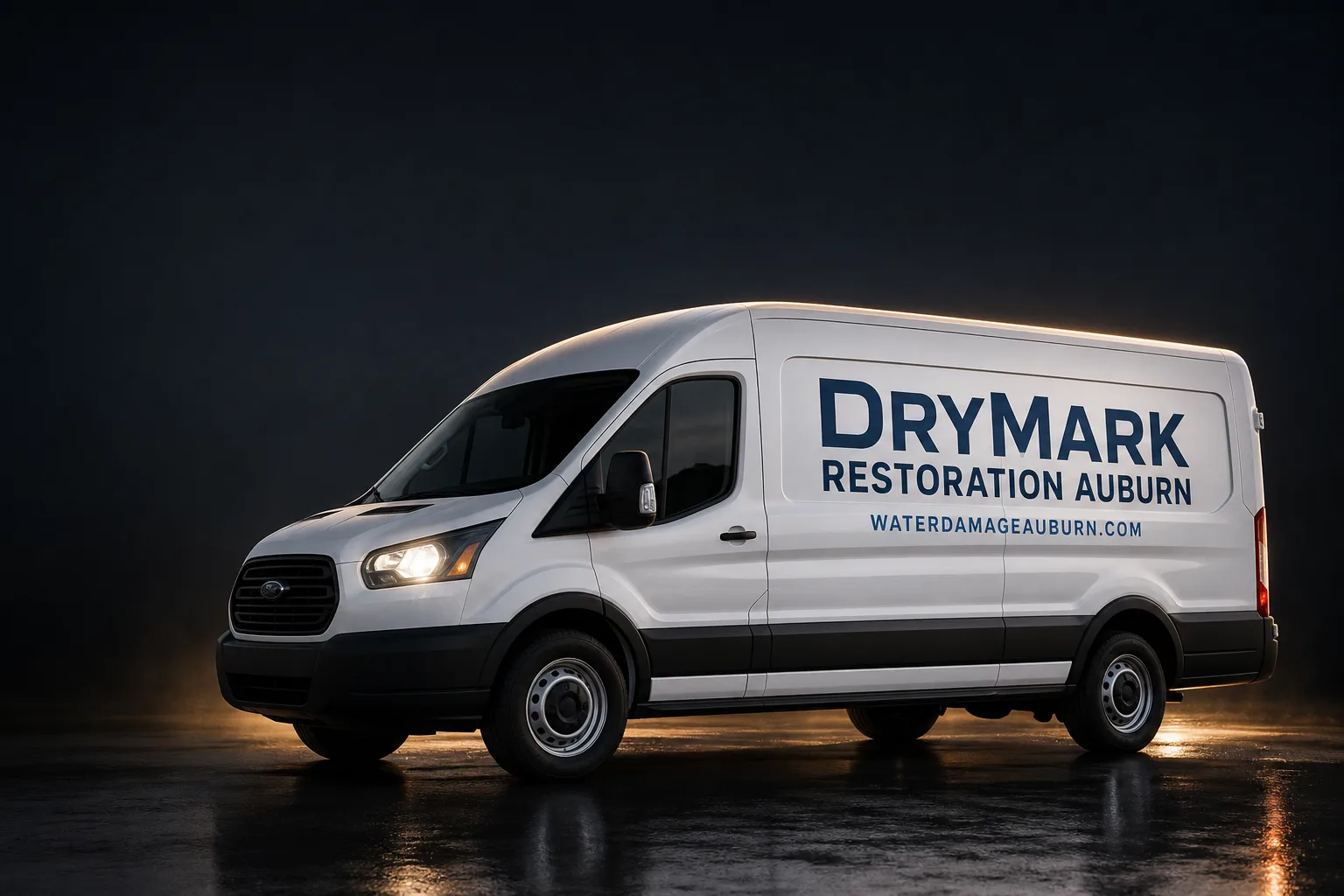
Free visual inspection and a written scope of work before any mitigation begins - photos, moisture readings, and drying logs go in your claim file
The scope we write is the scope we bill. Anything new gets shown to you, in writing, before we touch it.
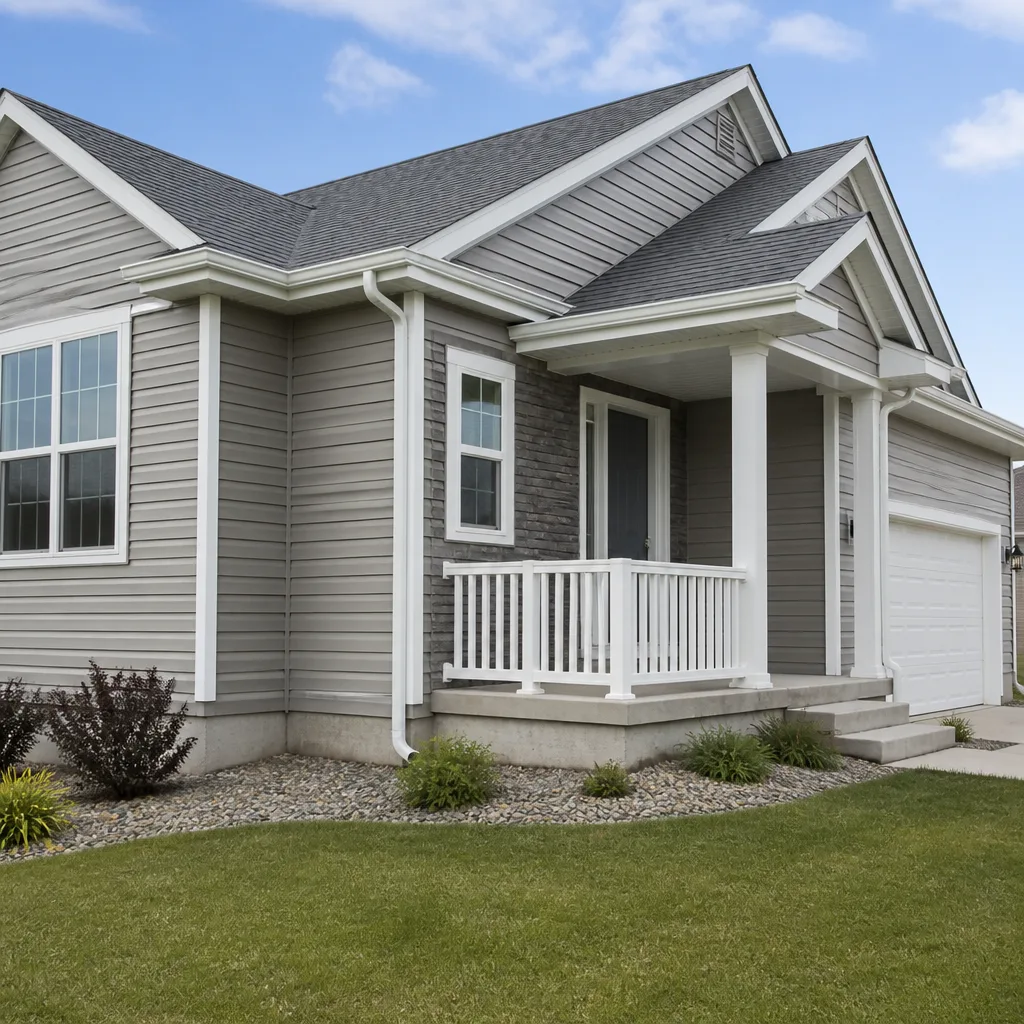
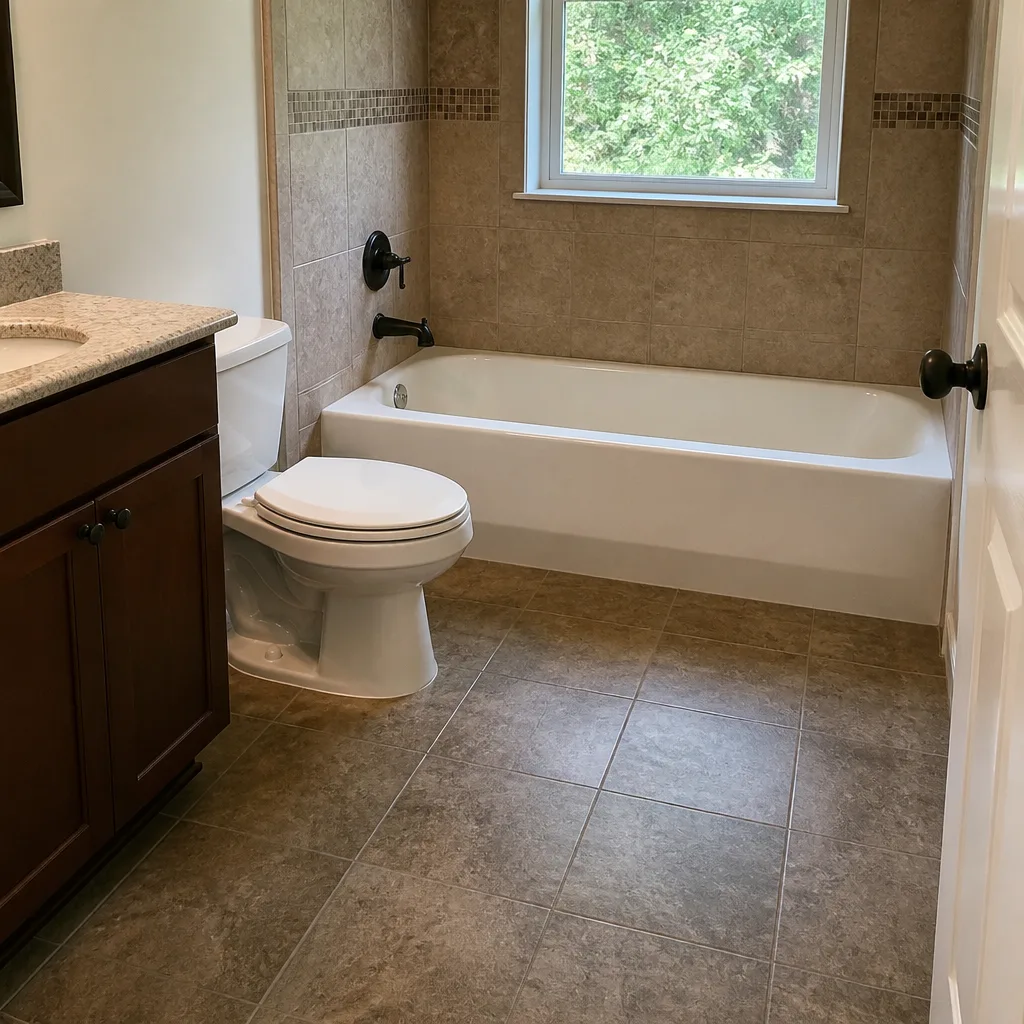
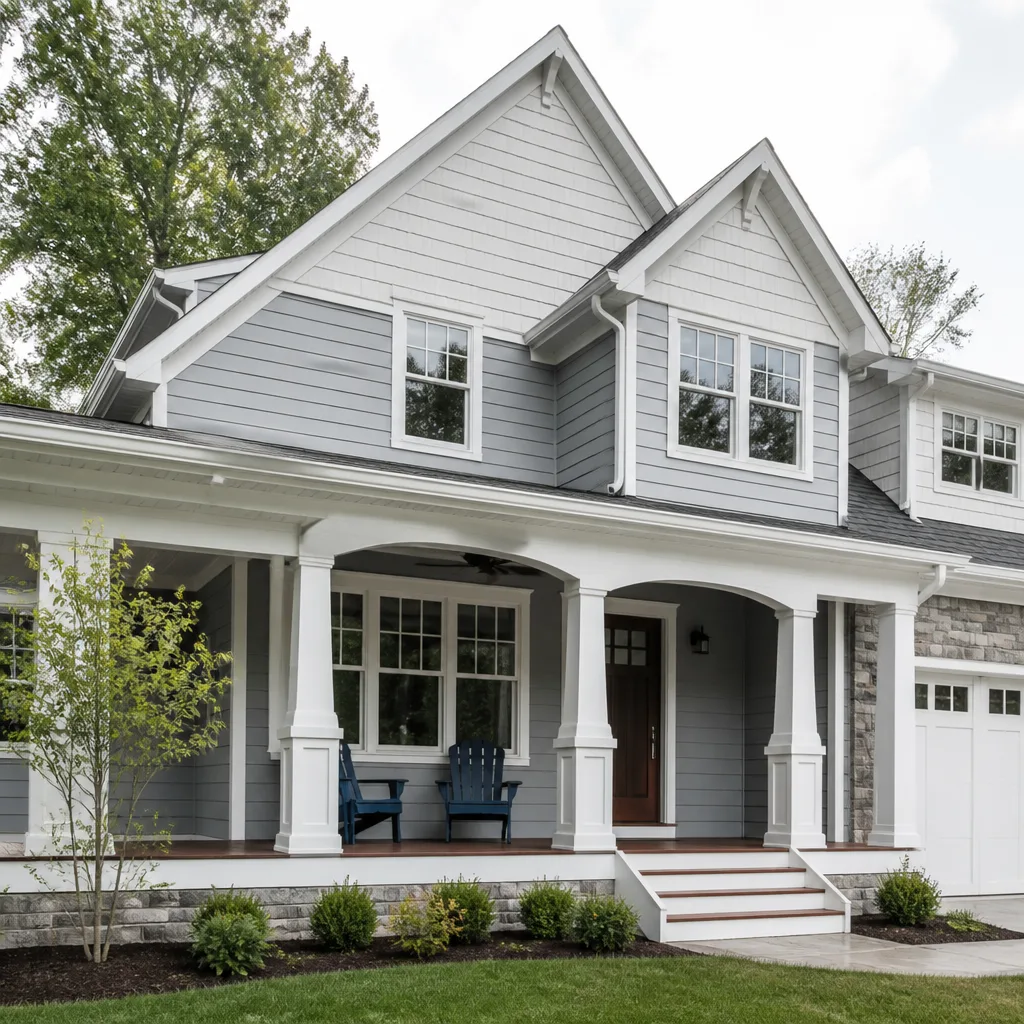
 Before
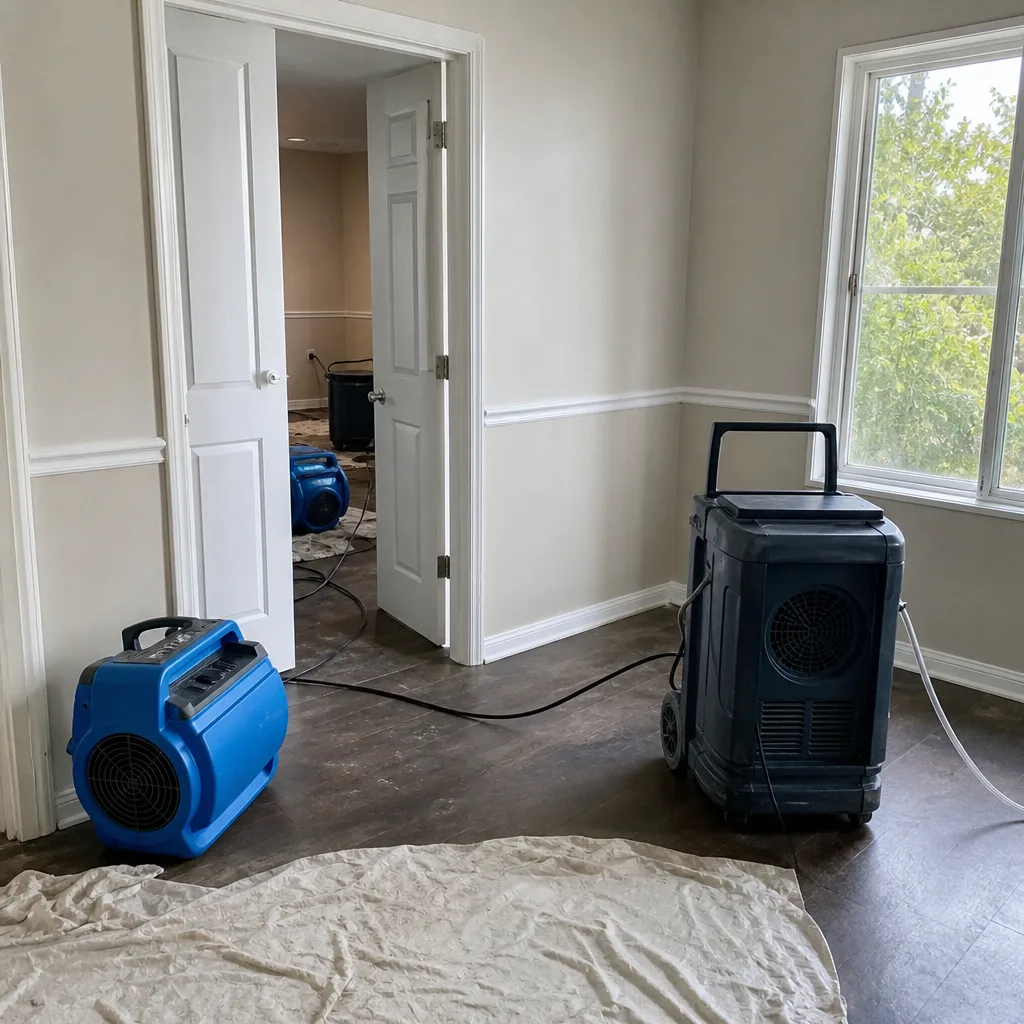 After
After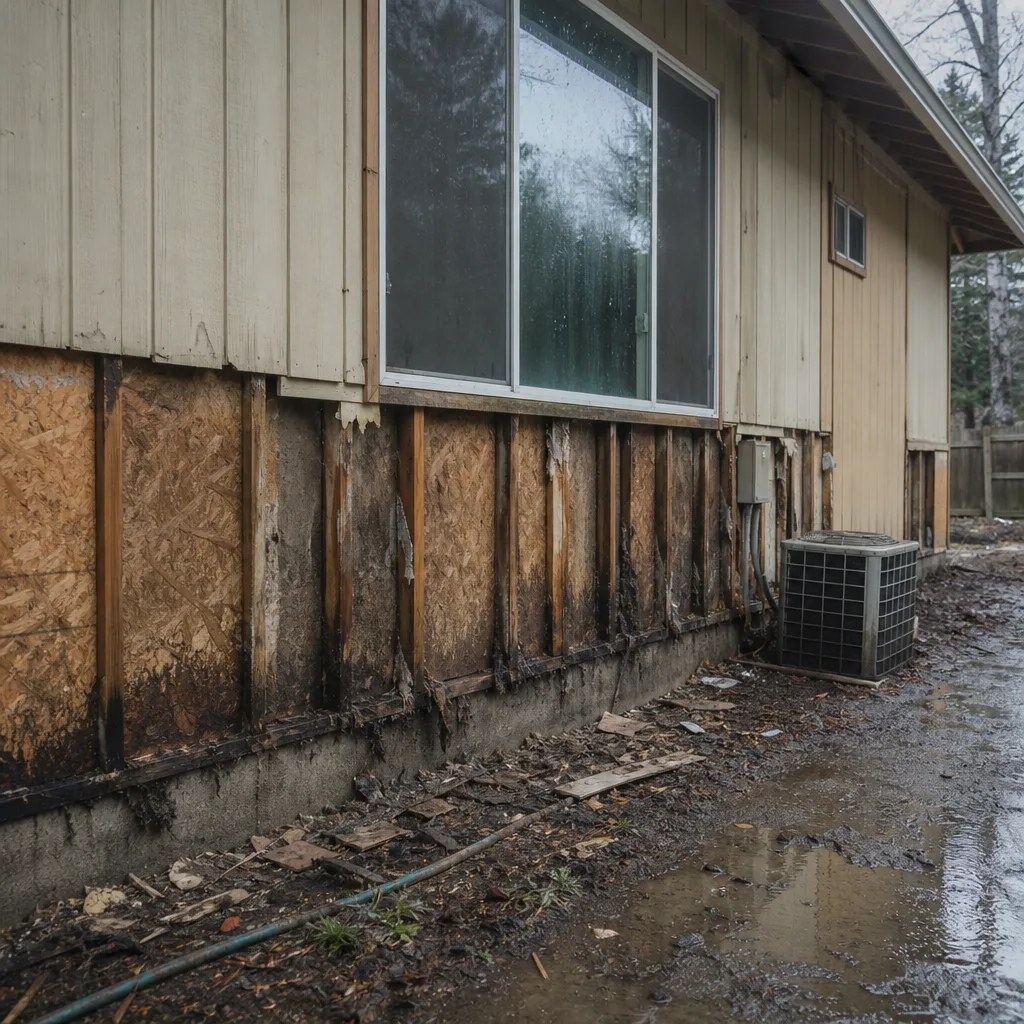 Before
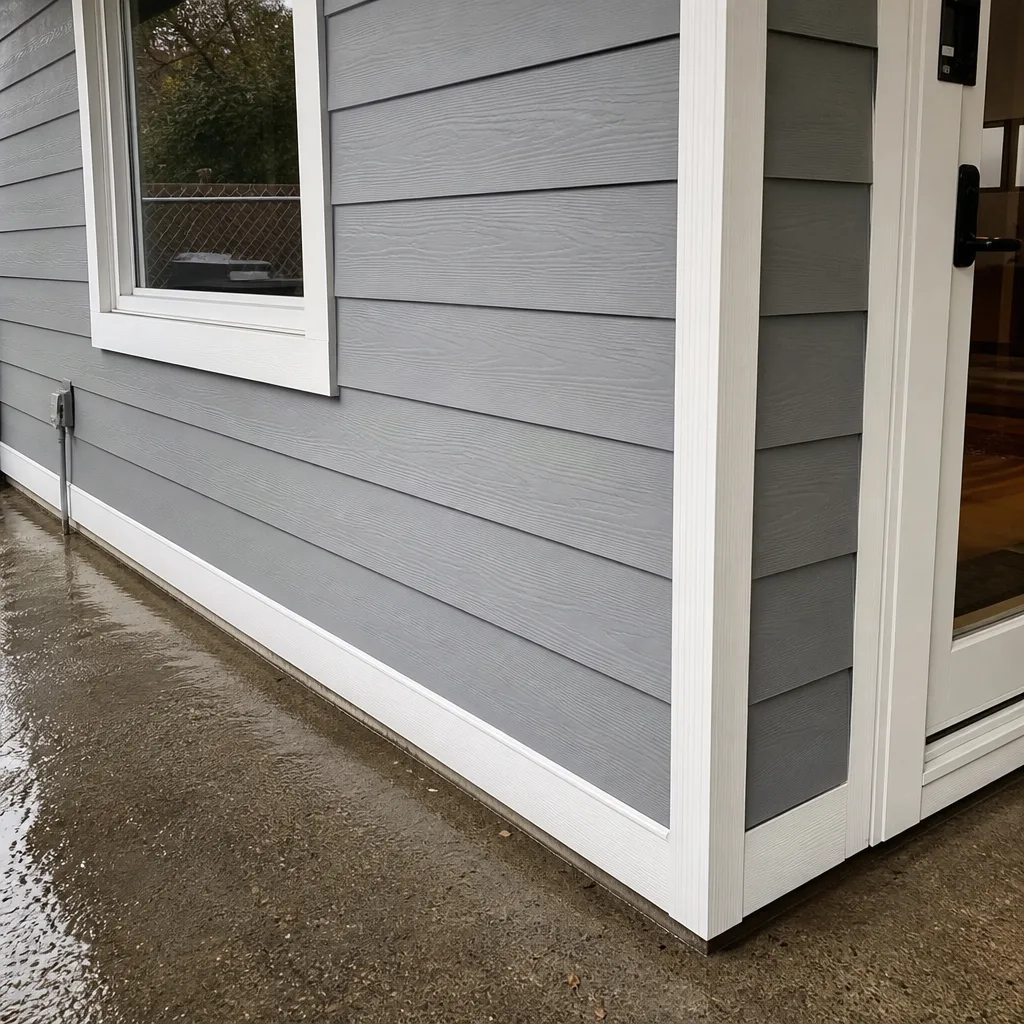 After
After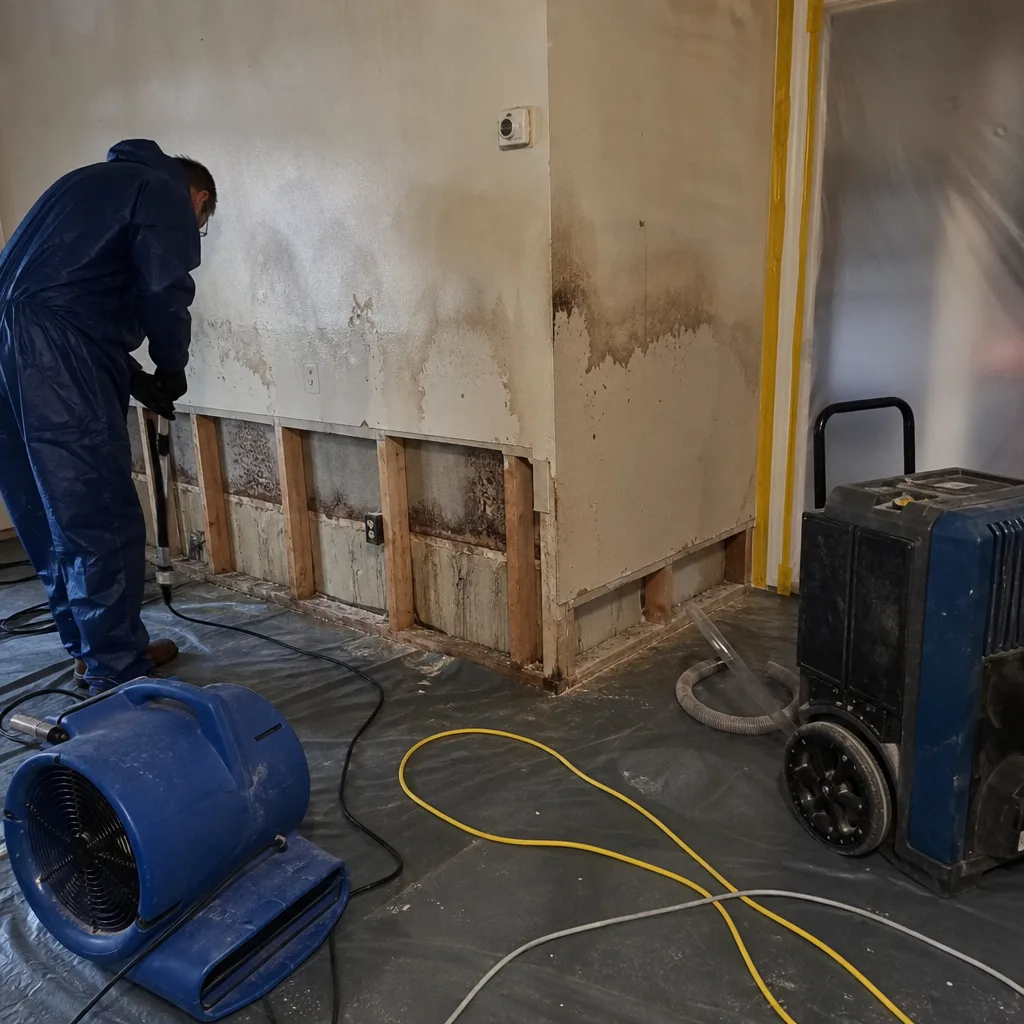 Before
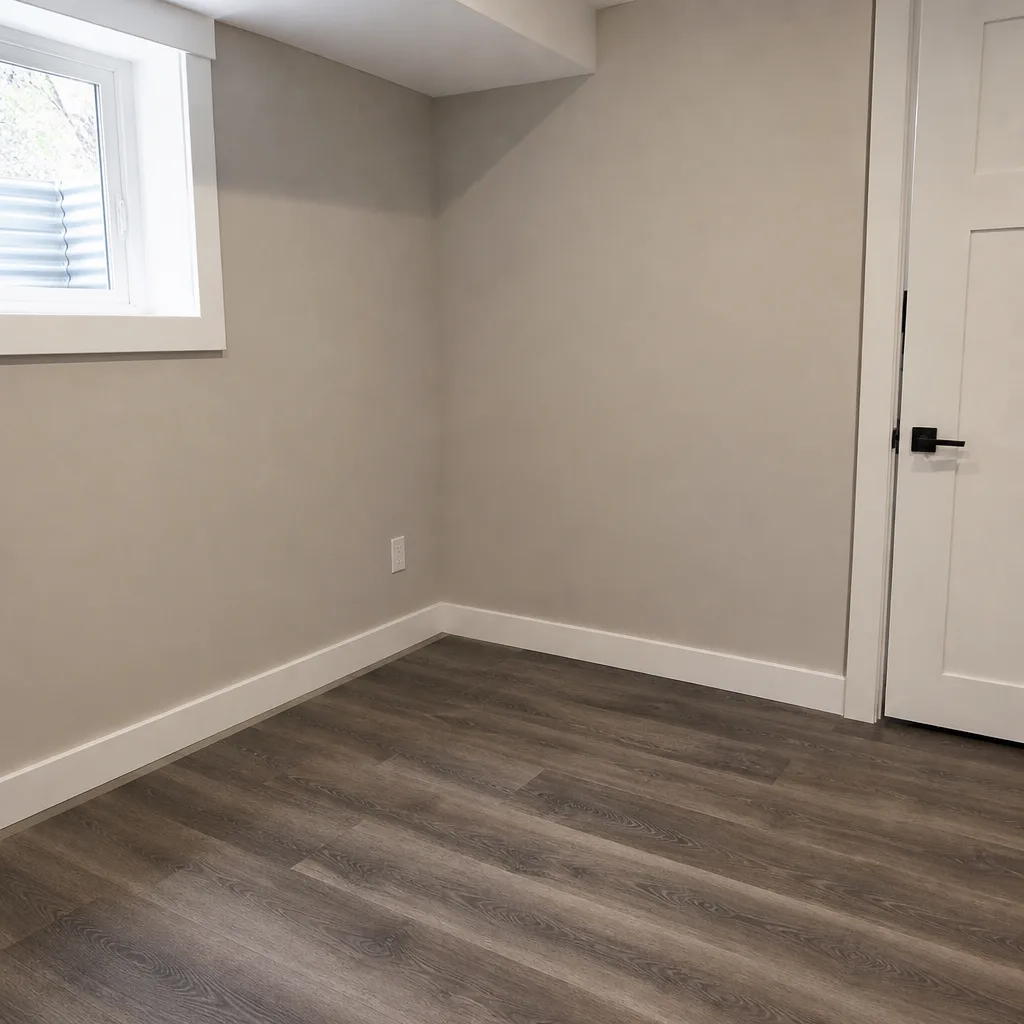 After
After24/7 Emergency Water Damage Restoration in Kent
Water damage restoration in Kent typically runs $2,800-$7,500 for residential extraction and drying, with emergency response available now at (253) 487-0371. Crews dispatched from our Seattle office reach Kent properties in under 45 minutes, and every call is answered by a live person - no voicemail trees, no next-business-day callbacks while water is still moving through your walls.
The first hour determines whether a water loss stays a drying job or becomes a reconstruction project. In Kent’s Green River Valley, where the valley floor holds standing water long after rain stops, that hour is even more critical. Moisture wicks upward through sill plates, saturates insulation, and finds the chronic humidity in East Hill crawl spaces that never fully dry on their own. We offer a free visual inspection, document every reading with photos, and deliver a written price before any equipment runs - Haven Standard, Clause 1.
Understanding Water Damage Restoration Severity in Kent Properties
Water damage is classified by contamination level, not just volume. Category 1 water - a burst supply line, an overflowing sink - is clean but becomes Category 2 within 24-48 hours as microbial growth begins. Category 2, or “gray water,” carries chemical or biological contaminants: dishwasher discharge, sump pump failures, water that has passed through building materials. Category 3, “black water,” includes sewage, ground flooding, or any water with confirmed pathogenic content. In Kent, the distinction matters because valley-floor flooding from Green River surge events often arrives as Category 2 but degrades rapidly in chronically humid crawl spaces.
Moisture mapping with thermal imaging and penetrating hygrometers tells us where water traveled, not just where it pooled. Structural drying uses psychrometric data - temperature, relative humidity, vapor pressure differential - to calculate exactly how much dehumidification capacity a space requires. Tertiary drying addresses bound moisture in dense materials like subfloors and sill plates that release water slowly. Kent’s older downtown-adjacent homes on the valley floor often have plank subfloors and no vapor barriers, so bound moisture readings stay elevated longer than in newer East Hill construction with OSB and polyethylene seals.
Why Kent Property Owners Choose DryMark Restoration Auburn
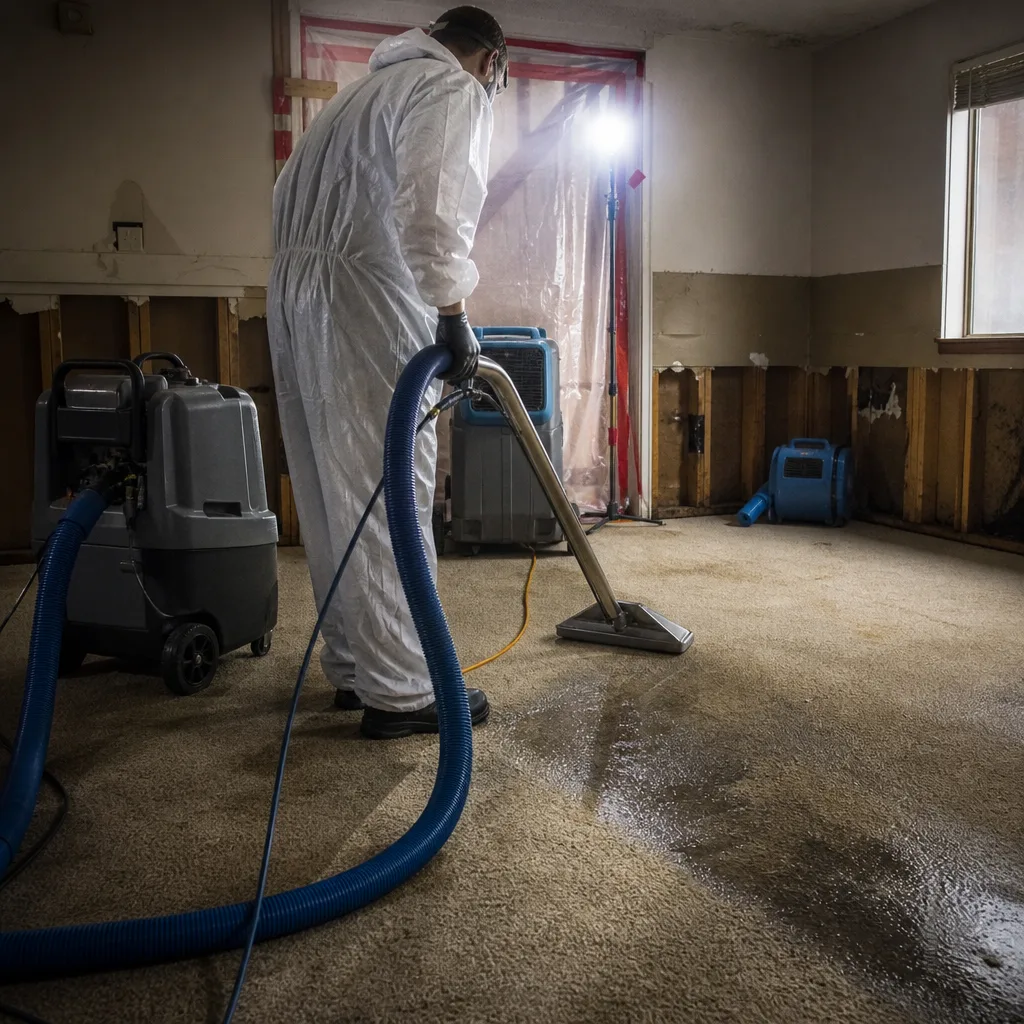
- 45-minute response commitment to Kent addresses - our crews know the corridor from I-5 through downtown to East Hill without GPS.
- 24/7 live answer by a real person, never an automated system; emergency lines ring to our dispatch center every hour of every day.
- IICRC-certified crews holding WRT (Water Damage Restoration Technician) and ASD (Applied Structural Drying) certifications, with AMRT (Applied Microbial Remediation Technician) on staff for secondary mold scopes.
- Free visual inspection with moisture readings documented before any commitment or contract.
- Direct insurance billing and adjuster coordination - we speak the same language as your carrier because our founder, Alicia Brennan, built this company from a claims adjuster’s understanding of what documentation gets invoices paid.
- One team from extraction to reconstruction - no handoffs between subcontractors, no gaps in your photo record or drying log.
BeforeAfterOur Water Damage Restoration Process
1. Inspection & Assessment
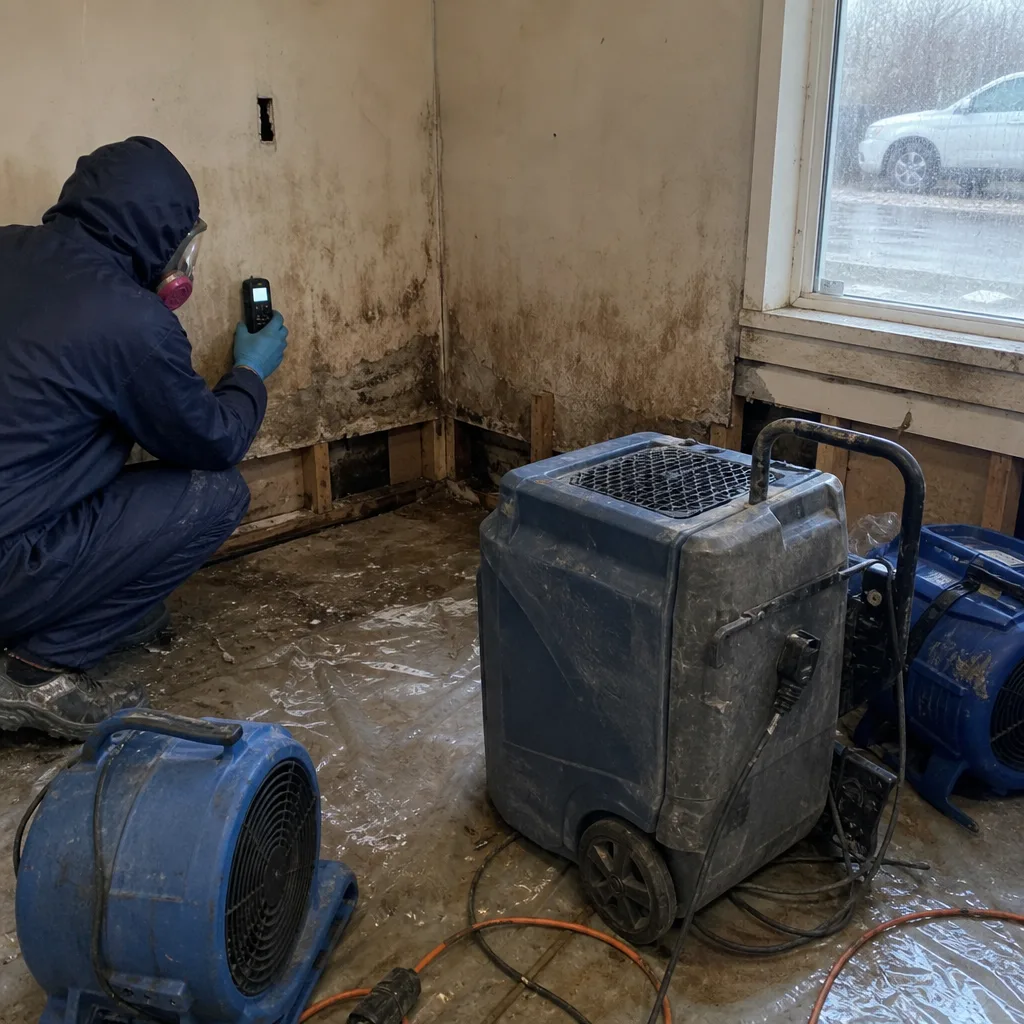
We arrive with thermal imaging cameras, penetrating and non-penetrating moisture meters, and hygrometers to map the full extent of water migration. In Kent’s crawl-space-heavy housing stock, this means checking below the floor line, not just the visible damage. Every reading is photographed and logged.
2. Extraction & Stabilization
Standing water is removed with truck-mounted extraction systems and portable units for confined spaces. We deploy containment barriers to isolate affected areas and prevent cross-contamination, critical in Kent’s older homes where HVAC systems can distribute moisture and microbes throughout the structure.
3. Drying & Dehumidification
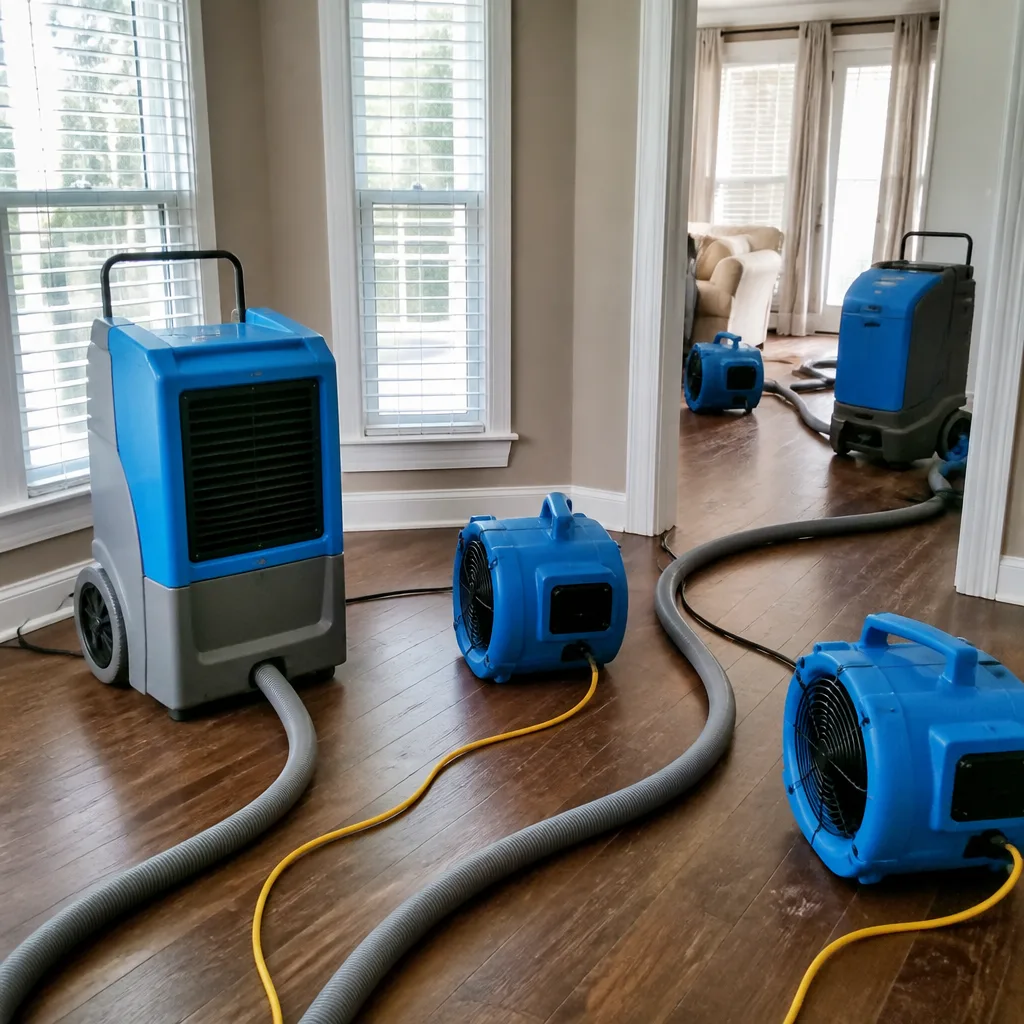
Air movers create controlled airflow across wet surfaces while dehumidifiers - Dri-Eaz, Phoenix, and XPOWER units sized to the psychrometric load - remove evaporated moisture from the air. In Kent’s humid valley environment, we often run LGR (low-grain refrigerant) dehumidifiers longer than standard protocols specify for drier upland markets.
4. Cleaning & Sanitization
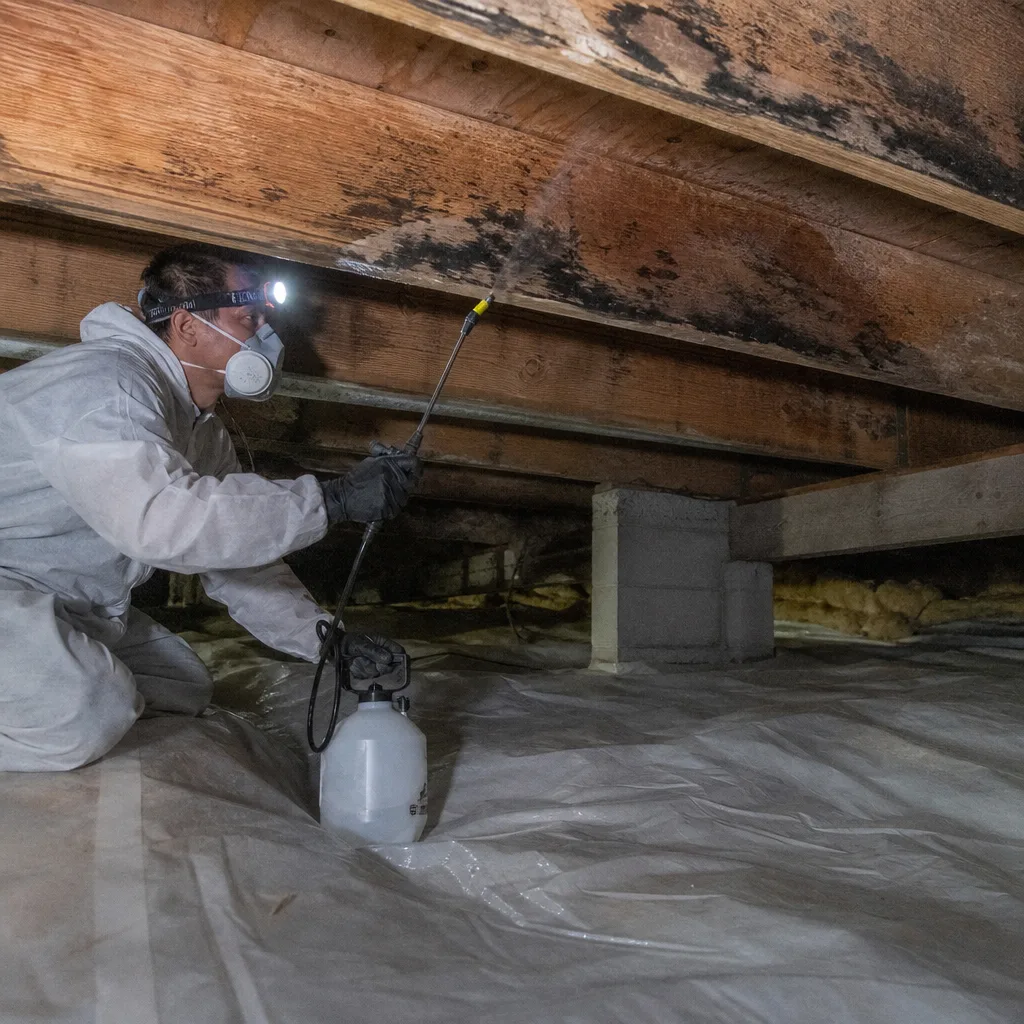
Antimicrobial treatments are applied to affected structural materials and contents. For Category 2 and 3 losses, this step includes HEPA air scrubbing to capture airborne particles. We document product application with photos for your insurer.
5. Moisture Verification & Documentation
Daily moisture readings continue until materials reach established drying goals - typically 12-16% moisture content for wood framing, verified with calibrated meters. Our drying logs, compiled to IICRC and IFA standards, become the documentation that turns your restoration invoice into a payable claim.
6. Repairs & Restoration
Once dry, we deliver a written scope for reconstruction: drywall, flooring, trim, paint - whatever returns the space to pre-loss condition. The same crew that extracted the water often handles the rebuild, so your photo record and documentation stay continuous.
Need Emergency Water Damage Restoration in Kent Now?
Crews minutes away, answering live 24 hours a day. The sooner we start, the less it costs.
Working With Your Insurance Company
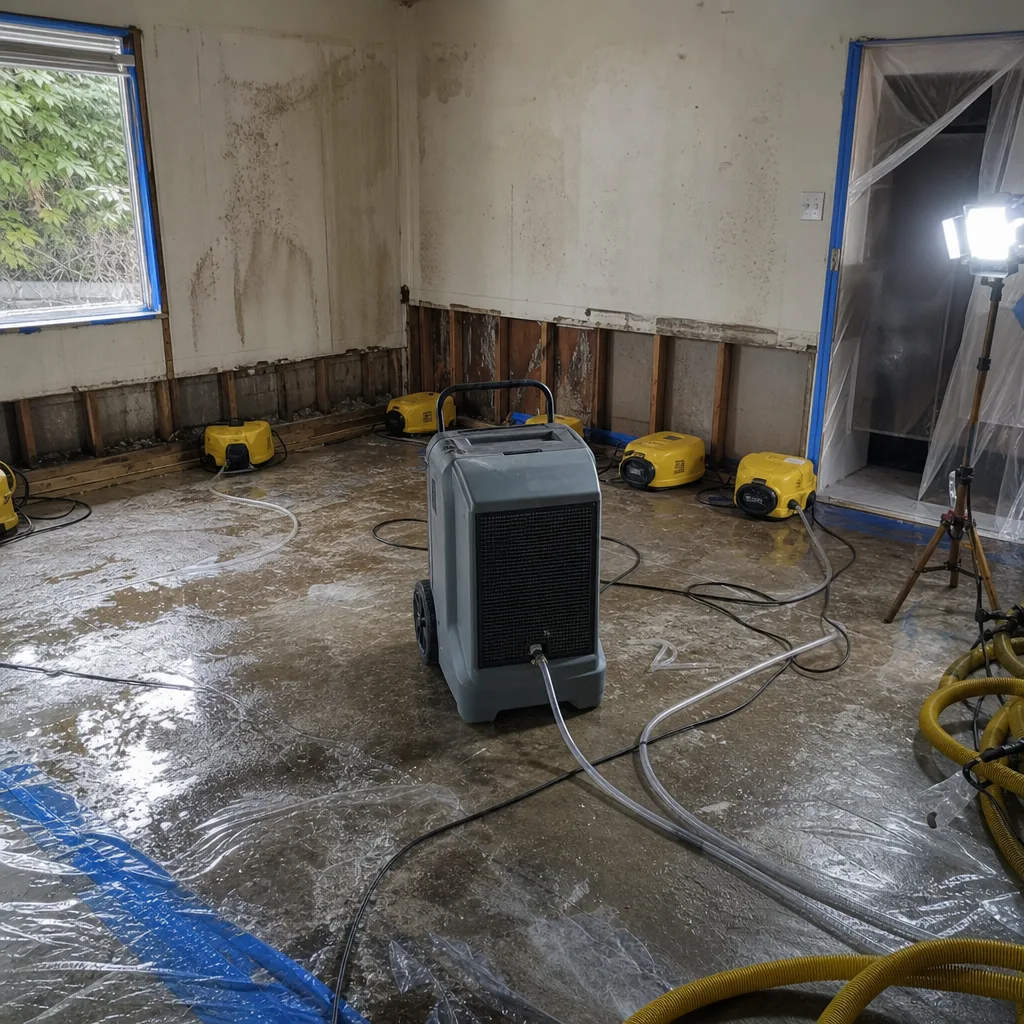
Insurance claims succeed or fail on documentation. We begin building your file from the first moisture reading: dated photos of every affected room, a line-item scope with unit costs, and drying logs that prove the work was necessary and complete. Our estimates follow industry-standard pricing databases that adjust for King County labor and material costs, so adjusters recognize the numbers.
We coordinate directly with your carrier’s adjuster, provide supplemental documentation when scope expands, and handle the back-and-forth that delays payment. For Kent’s commercial properties in the FEMA-designated Green River floodplain, this includes NFIP pre-loss floodproofing documentation that many residential-focused contractors never encounter. Alicia Brennan founded Water Damage Restoration on the documentation gap that costs homeowners their claims; our daily drying logs and photo records exist to close that gap.
What We Provide Your Insurer
- Thorough documentation of the loss
- Photos of all damage, room by room
- Moisture readings and drying logs
- A detailed, line-item scope of work
- Direct coordination with your carrier
Built for Kent’s Loss Calendar
Kent’s water damage calendar follows the Green River’s rhythm and the Pacific Northwest’s concentrated wet season. October through April brings roughly 40 inches of annual rainfall, with atmospheric river events in November and January pushing the river toward flood stage. The Howard Hanson Dam upstream has documented capacity limitations; Army Corps of Engineers flood warnings in 2009-2010 established the pattern that valley-floor properties face recurring surge risk, not isolated weather events.
February deep freezes burst supply lines in unconditioned spaces - crawl spaces, garages, exterior walls in older downtown-adjacent homes with minimal insulation. Spring thaw accelerates basement seepage through foundation cracks that opened in freeze-thaw cycles. Summer brings rare but intense thunderstorm cells that overwhelm drainage on the valley floor, where the flat grade prevents natural runoff. Any of these can escalate from a simple extraction to a full structural drying and reconstruction scope if response is delayed or dehumidification is undersized for Kent’s ambient humidity.
Water Damage Restoration Across Kent’s Neighborhoods
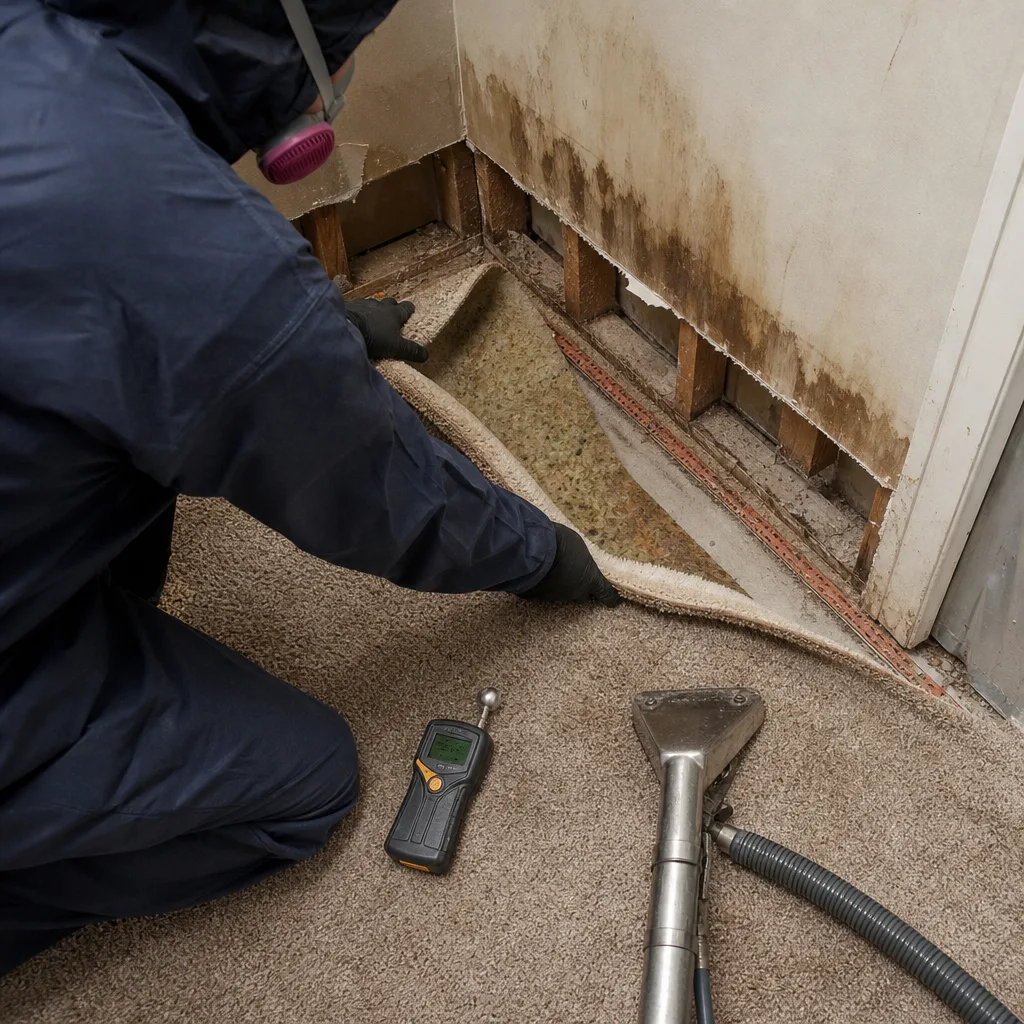
Our crews know Kent’s geography because we respond here regularly. Downtown Kent and the historic core along West Meeker Street sit on the valley floor, where pre-1960 homes with plank subfloors and minimal vapor barriers absorb ground moisture year-round. A supply line burst in these properties often means water has already reached the crawl space before the homeowner notices.
East Hill, the 1970s-1990s tract development off 132nd Ave SE and up toward Kent Kangley Road, presents the opposite problem: crawl spaces that collect humidity but rarely see standing water, so owners assume they’re dry. They’re not. We’ve documented moisture readings above 20% in East Hill crawl spaces with no active leak, just chronic condensation. When a water loss hits, that baseline humidity means mold growth starts faster and drying takes longer.
The valley-floor industrial corridor along the Green River - warehouses, distribution centers, light manufacturing inside the FEMA floodplain - requires a different documentation approach entirely. NFIP claims demand pre-loss floodproofing records, elevation certificates, and proof of mitigation measures. Contractors who treat these as standard water losses miss requirements that delay or deny coverage.
Panther Lake and the neighborhoods south of SE 240th Street see more basement seepage from seasonal water table rise, especially in spring. Sump pump failures here are common, and the water is almost always Category 2 by the time we arrive, requiring full sanitization protocols.
Specialized Water Damage Restoration Services We Offer in Kent
Emergency Water Extraction
Truck-mounted and portable extraction units remove standing water within hours of your call. In Kent’s valley-floor properties, we often extract from both the living space and the crawl space simultaneously - water that pools below the floor will wick back upward if left in place. Typical residential extraction in Kent: $1,200-$2,800.
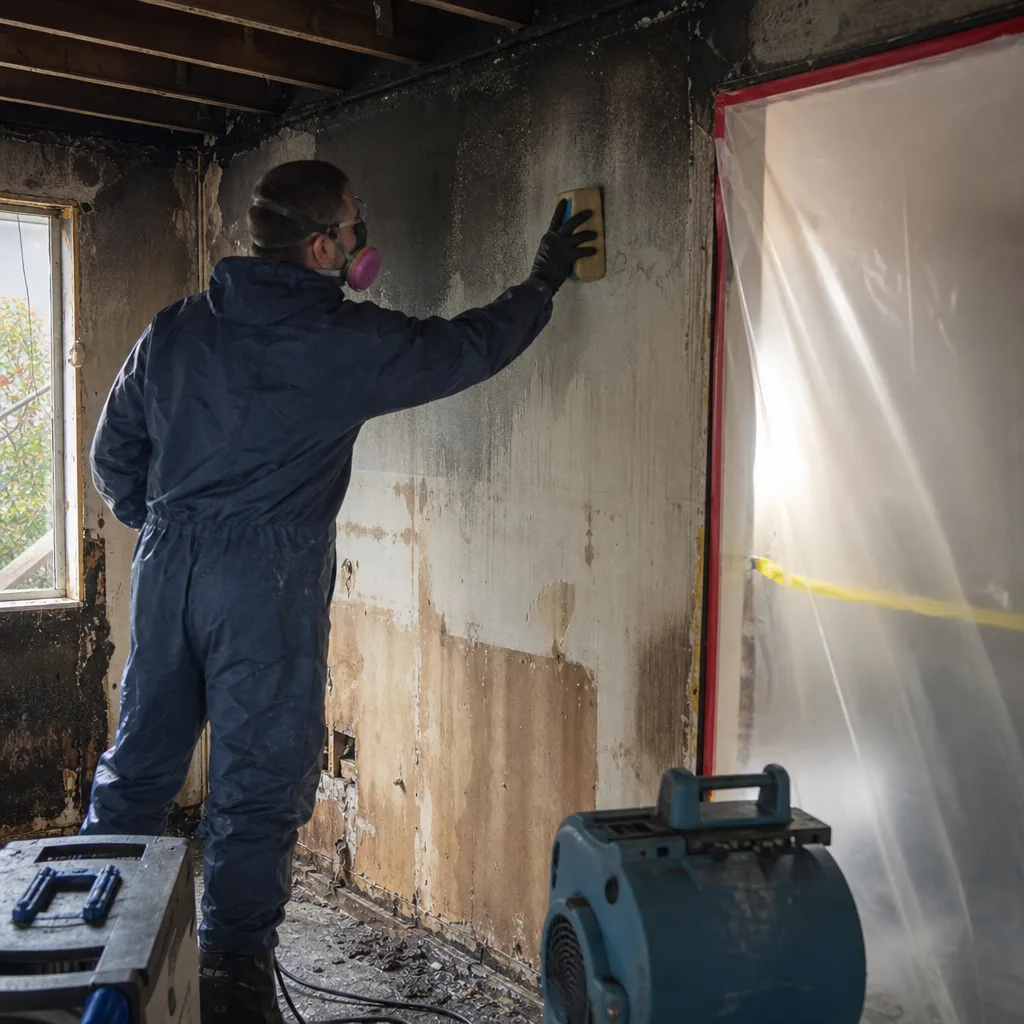
Structural Drying & Dehumidification
We size dehumidification to the psychrometric load, not the square footage. Kent’s chronic crawl-space humidity means we frequently deploy LGR dehumidifiers and desiccant units where standard refrigerant models would fall short. Drying protocols run 3-7 days for most Kent residential losses, longer for valley-floor properties with plank subfloors. Typical range: $2,000-$5,500.
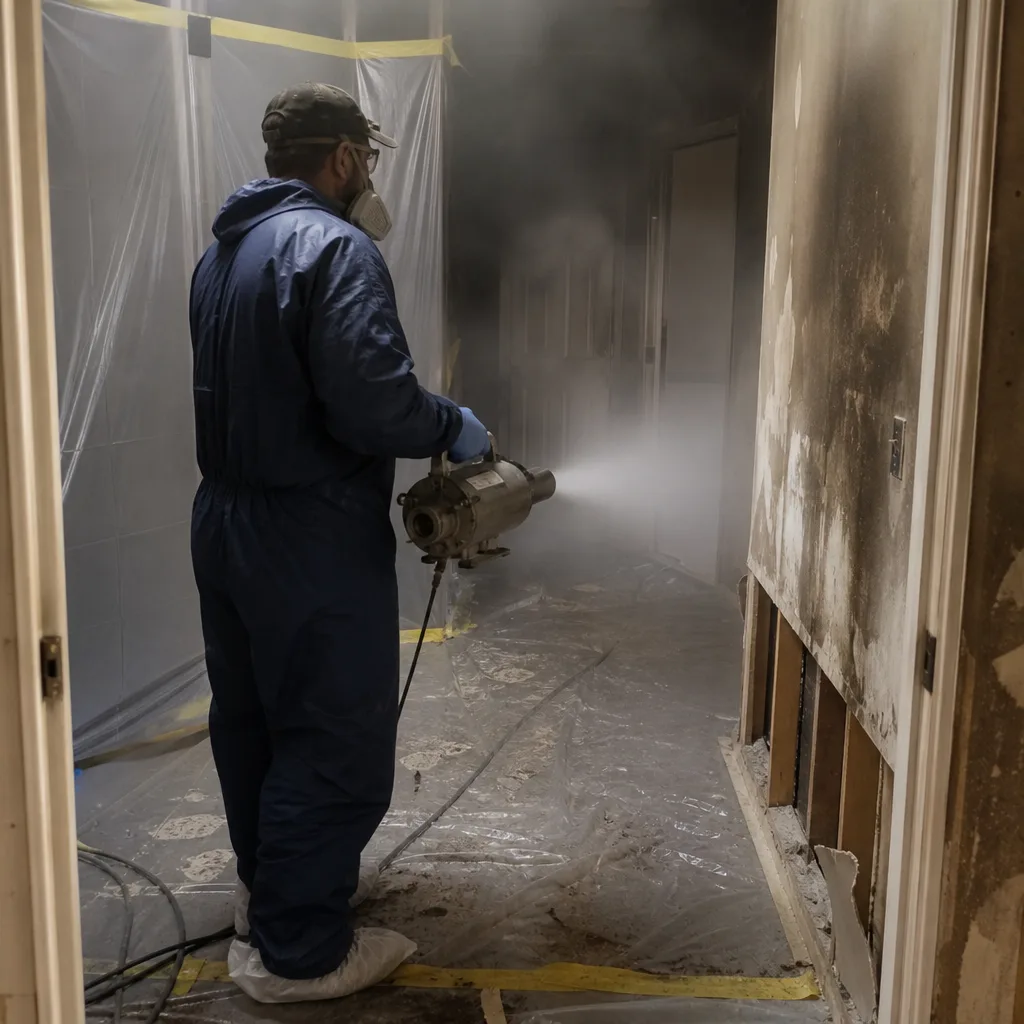
Flood Cleanup
Green River surge flooding and flash flood events require Category 2 or 3 protocols from the start: full PPE, antimicrobial treatment, HEPA air scrubbing, and documentation for NFIP or standard flood policies. We handle the adjuster coordination that these complex claims demand.
Burst Pipe Restoration
Winter freeze events in Kent’s older housing stock and unconditioned East Hill crawl spaces burst copper and PEX alike. We extract, dry, and document the full extent of migration - water travels along pipe chases and inside walls far from the break point.
Basement Water Removal
Panther Lake and south Kent basements see seasonal water table rise, failed sump pumps, and foundation seepage. We extract, assess for structural damage, and deliver a written scope for any necessary repairs. Typical basement extraction and drying in Kent: $2,500-$6,000.
What happens when you call
- 1
A real person answersNo phone trees - you reach a local pro.
- 2
You get an upfront price rangeHonest numbers before anyone is dispatched.
- 3
A background-checked tech heads outLicensed & insured, dispatched right away.
- 4
You approve before work beginsNothing starts until you say go.
Water Damage Restoration Costs in Kent, WA
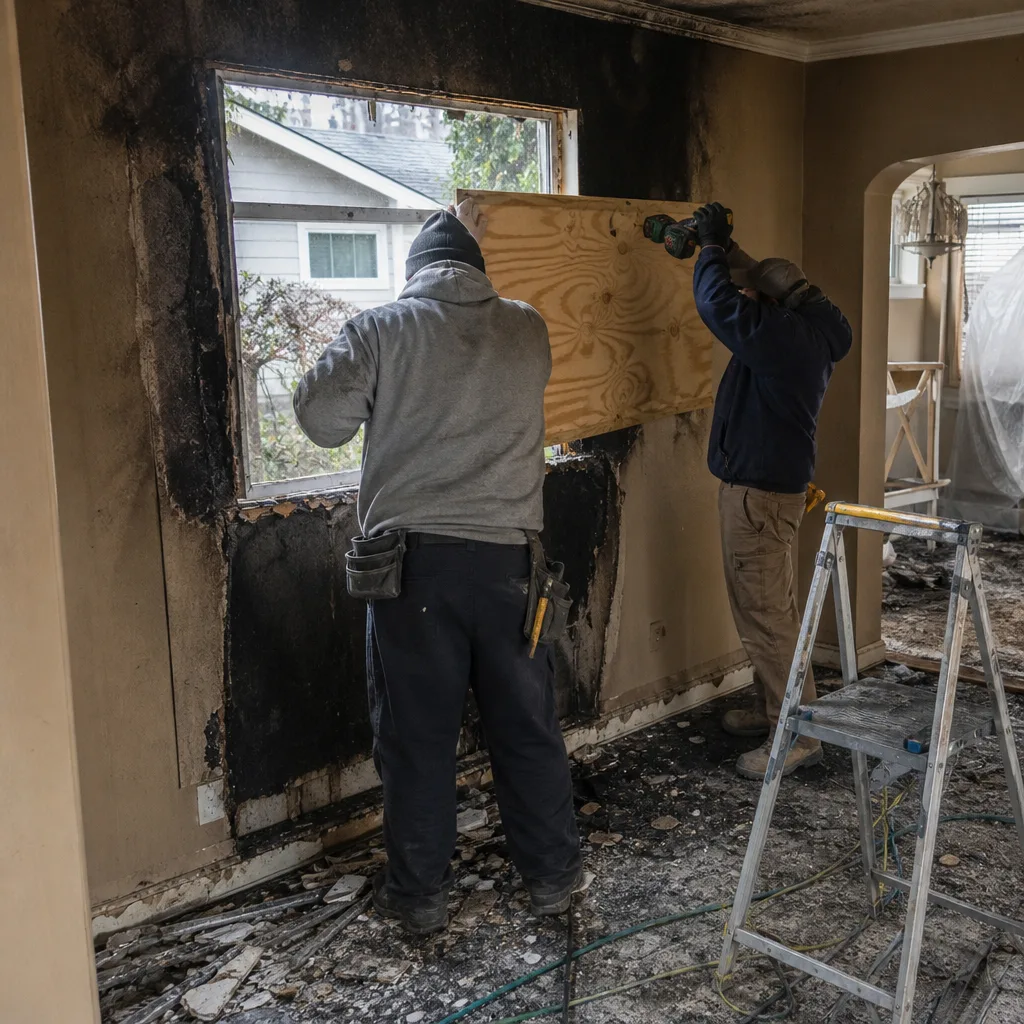
Honest pricing starts with a free visual inspection and a written scope before any work begins - Haven Standard, Clause 1. Based on our Kent jobs since 2011, here are typical ranges:
| Service | Typical Range in Kent |
|---|---|
| Emergency water extraction (residential) | $1,200 - $2,800 |
| Structural drying & dehumidification | $2,000 - $5,500 |
| Basement water removal + drying | $2,500 - $6,000 |
| Full water damage restoration (extraction through reconstruction) | $7,500 - $18,000+ |
| Category 3 / sewage cleanup | $4,500 - $12,000 |
What moves the price: square footage affected, contamination category, how long water sat before extraction started, and whether the loss reached crawl spaces or wall cavities that require invasive drying. Insurance typically covers sudden and accidental water losses; gradual seepage or maintenance-related issues may not. We review your policy with you and document accordingly. Bring a competitor’s written estimate and we’ll provide a free second opinion - no charge, no obligation.
We Also Serve Cities Near Kent
Our crews respond throughout south King County from the same dispatch center that serves Kent: Renton to the north, Auburn to the south, Federal Way to the west, and Maple Valley to the east. Each city’s geography changes the job - Auburn shares Kent’s valley-floor exposure, while Maple Valley’s upland drainage means faster natural drying but different freeze-risk profiles.
Serving Kent, WA - Our Local Coverage Area
We’re based in the Kent area and know this community well. Use the map below to see our service coverage - if you’re nearby, we can almost certainly help.
Kent Water Damage Restoration Questions, Answered
Why does water damage take longer to dry in Kent than in neighboring cities?
Kent’s Green River Valley geography holds standing water and humidity in ways that upland neighbors like Covington or Maple Valley do not experience. The valley floor’s low elevation concentrates runoff, and chronic crawl-space humidity keeps baseline moisture readings elevated before any active loss begins. Our crews size dehumidification accordingly and extend drying protocols when psychrometric data demands it. Call (253) 487-0371 for a free inspection and written drying timeline.
Our East Hill home has a crawl space - should we expect a mold scope after any water intrusion?
In most East Hill properties, yes. The 1970s-1990s tract construction with crawl-space foundations traps humidity year-round, and any water intrusion raises moisture readings in that confined space above the threshold where mold colonizes within 48-72 hours. We include crawl-space assessment in every Kent water loss inspection and will tell you definitively whether antimicrobial treatment or full mold remediation is warranted. Call (253) 487-0371 for a free visual inspection.
Does the Howard Hanson Dam affect how you handle flooding in Kent?
Yes. The dam’s documented capacity limitations mean Green River surge flooding is a recurring managed risk for Kent properties, not a one-time weather event. For commercial properties in the FEMA floodplain, this affects NFIP documentation requirements and pre-loss floodproofing records that contractors in higher-elevation King County cities rarely encounter. We build these requirements into our documentation from day one. Call (253) 487-0371 for flood-specific response.
How do you tell whether water in a Kent home is Category 1, 2, or 3?
We test at the source and at multiple migration points. Category 1 comes from a clean supply line with no building material contact. Category 2 shows elevated conductivity or visible contamination from passing through materials or mixing with sump discharge, dishwasher waste, or similar. Category 3 is confirmed by pathogenic indicators, sewage content, or ground flooding origin. In Kent’s humid crawl spaces, Category 1 often degrades to Category 2 within 24 hours if not extracted promptly. Call (253) 487-0371 for immediate assessment.
What brand of drying equipment do you use on Kent water damage jobs?
We deploy Dri-Eaz, Phoenix, and XPOWER dehumidifiers and air movers, with Injectidry systems for hardwood floor drying and wall-cavity injection. Equipment selection is documented in your drying log and sized to the psychrometric load - temperature, relative humidity, and vapor pressure differential - not just room dimensions. Call (253) 487-0371 for specifics on your property’s requirements.
Will my insurance cover water damage restoration in Kent?
Sudden and accidental water losses - burst pipes, appliance failures, storm intrusion through damaged roofing - are typically covered under standard homeowners policies. Gradual damage from maintenance issues, long-term seepage, or unresolved drainage problems usually is not. Flood damage requires separate NFIP coverage, common for Kent’s valley-floor and floodplain properties. We document every loss to match your policy language and coordinate directly with your adjuster. Call (253) 487-0371 for a free inspection and coverage review.
How fast can your crew actually get to my Kent property?
Under 45 minutes for addresses inside Kent city limits, 24 hours a day, 7 days a week. Dispatch is coordinated from our Seattle office, and our crews run the I-5 corridor to Kent exits without routing delays. Every emergency line is answered by a live person who can dispatch immediately - no voicemail, no callback queues. Call (253) 487-0371 now.
Can we stay in our home during water damage restoration?
For contained Category 1 losses affecting a single room, often yes. For Category 2 or 3 losses, losses affecting HVAC systems, or when antimicrobial treatment and HEPA air scrubbing are required, temporary relocation is usually recommended and may be covered under your policy’s additional living expenses provision. We tell you definitively after inspection, never leave you guessing. Call (253) 487-0371 for a free assessment.
Water damage in Kent doesn’t wait for business hours, and neither do we. Every call is answered live, every job starts with a written price, and every visit is documented with photos and moisture readings that your insurer will recognize. The 365-Day Done Right Promise, backed by The Haven Standard, means if it’s not done right, we make it right - in writing, not as a verbal assurance.
Call (253) 487-0371 now for emergency response, or schedule your free visual inspection and written estimate at no charge.
Written by Alicia Brennan, Owner at Back to Dry Restoration, serving Kent since 2011.