
Free visual inspection and a written scope of work before any mitigation begins - photos, moisture readings, and drying logs go in your claim file
The scope we write is the scope we bill. Anything new gets shown to you, in writing, before we touch it.

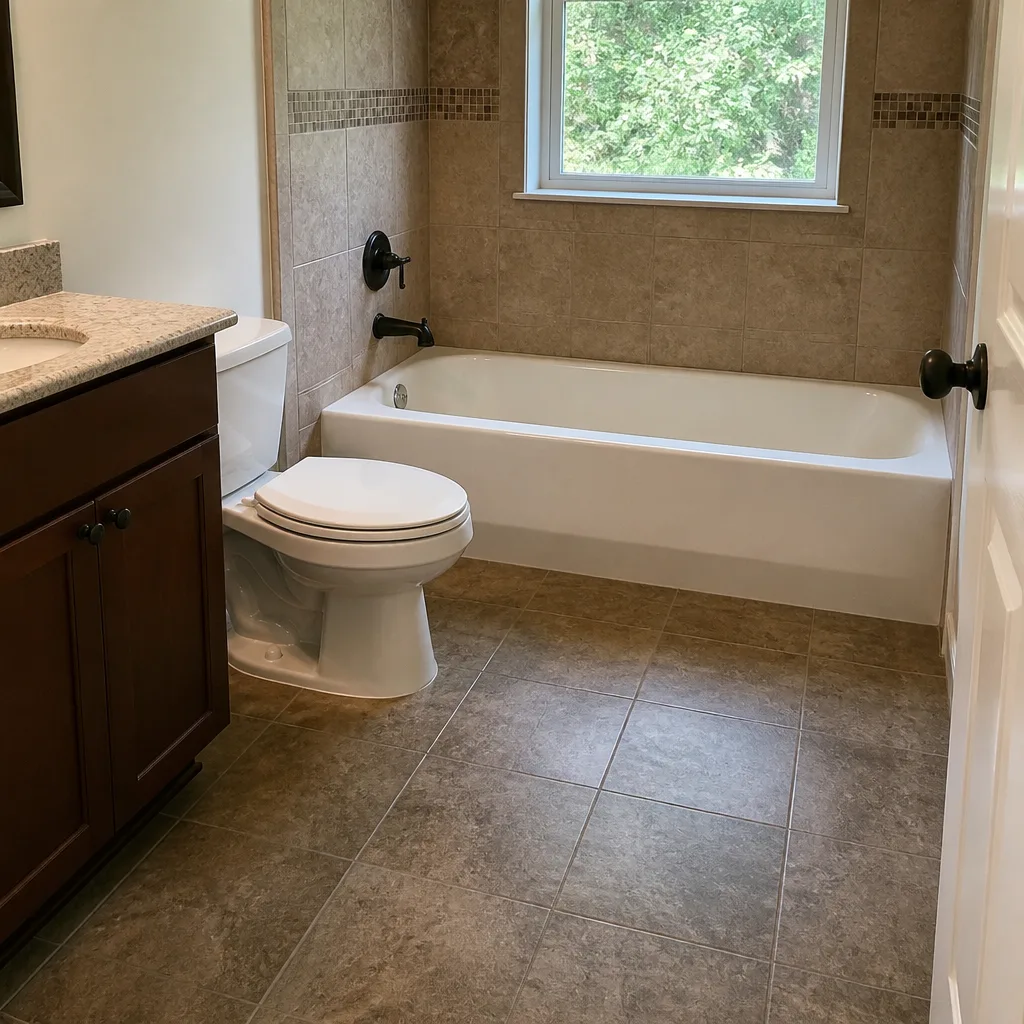
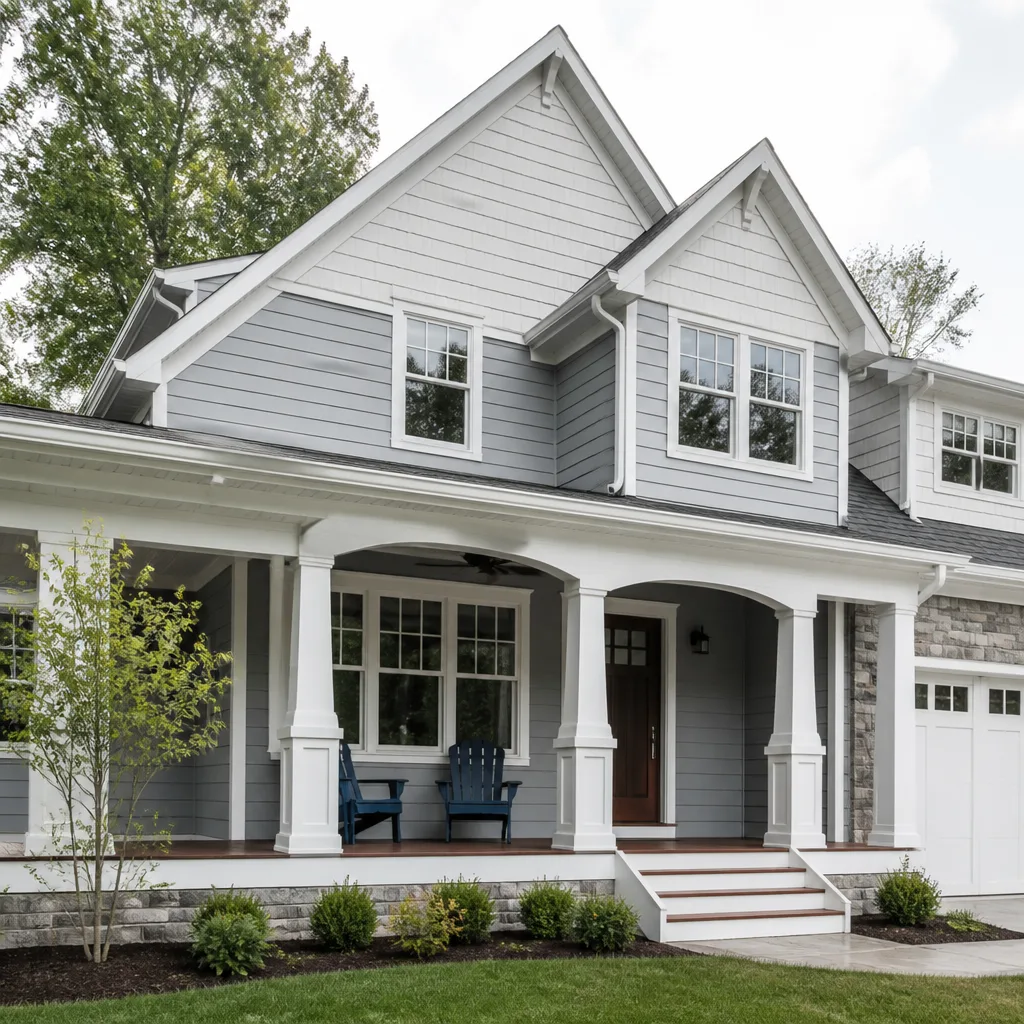
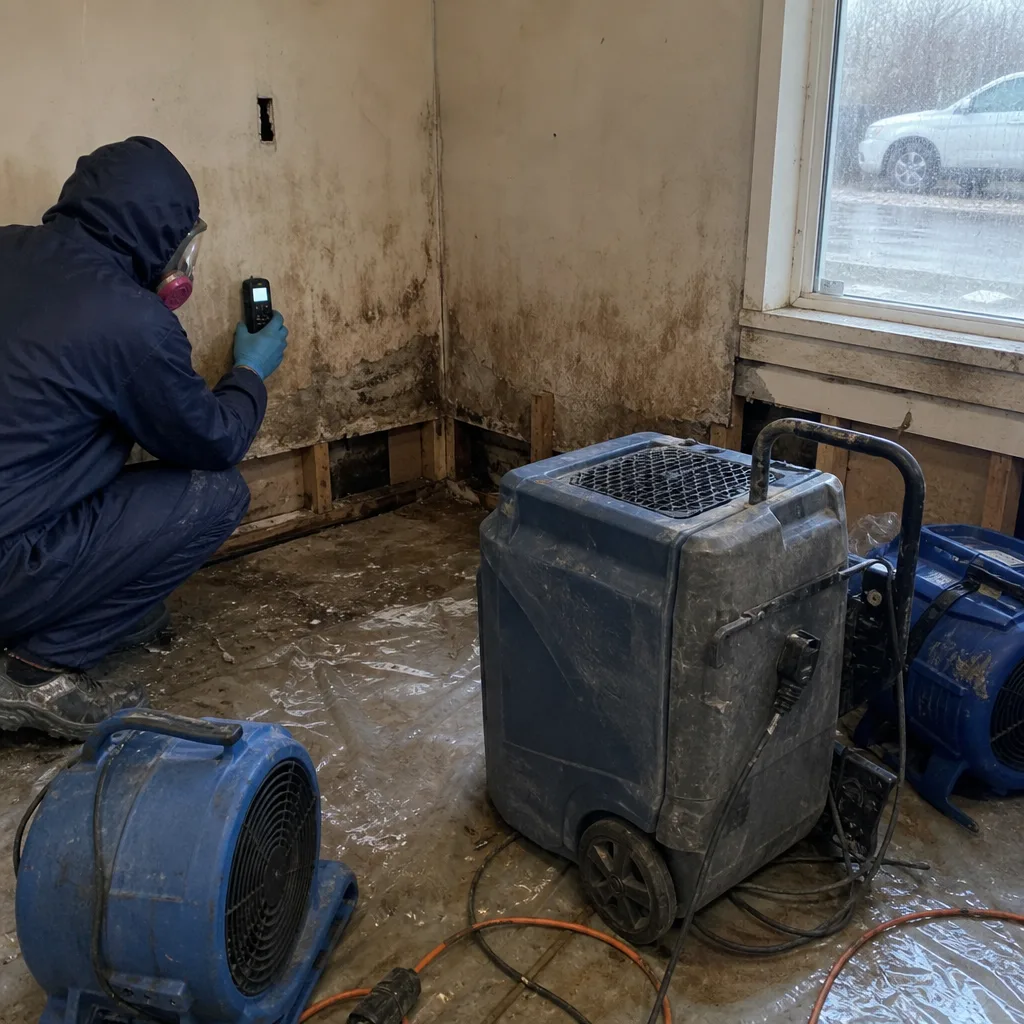 Before
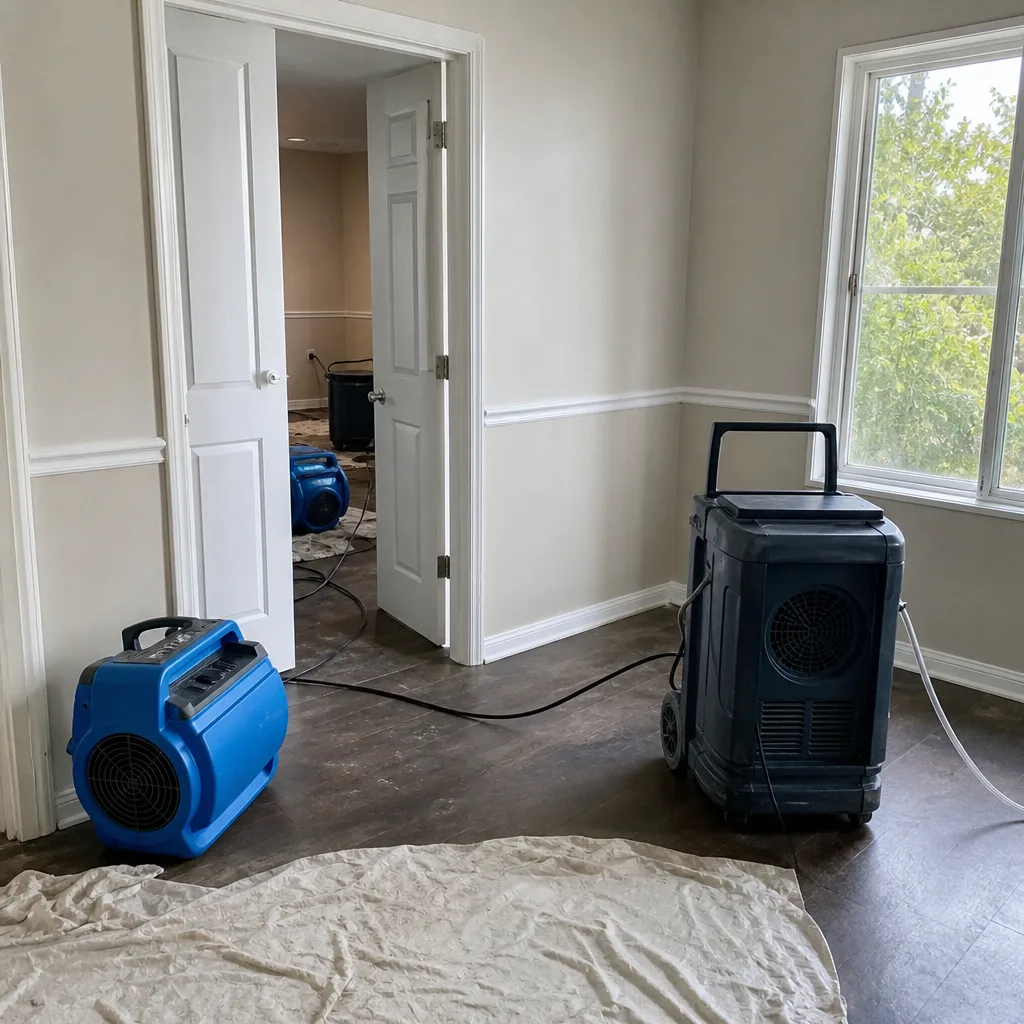 After
After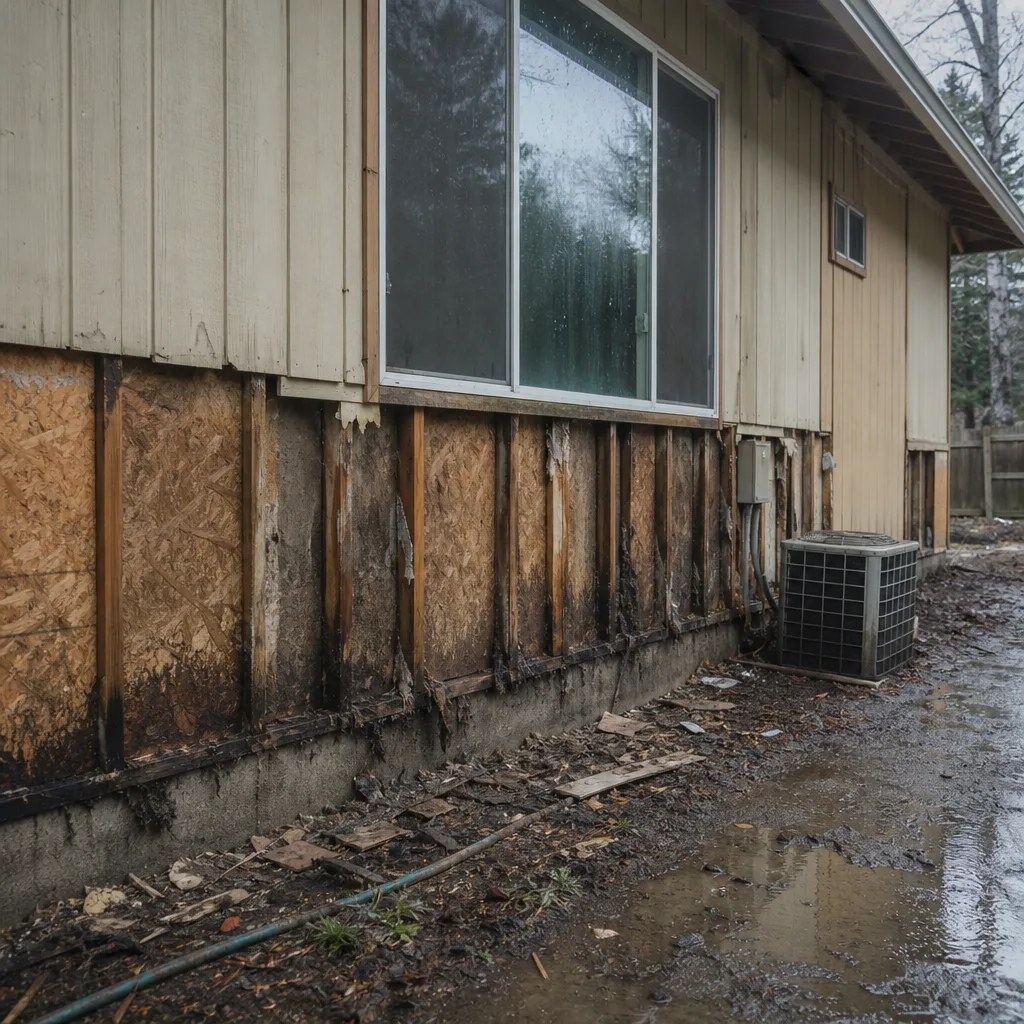 Before
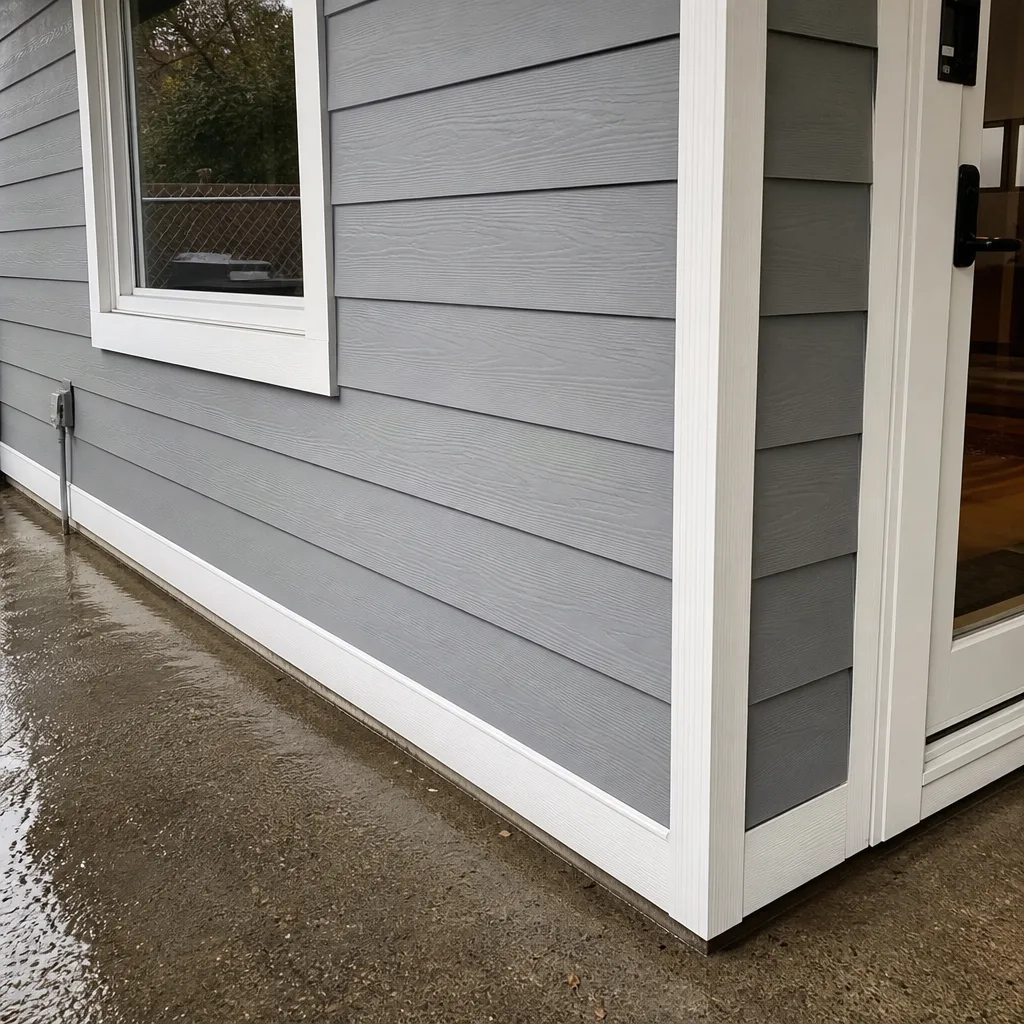 After
After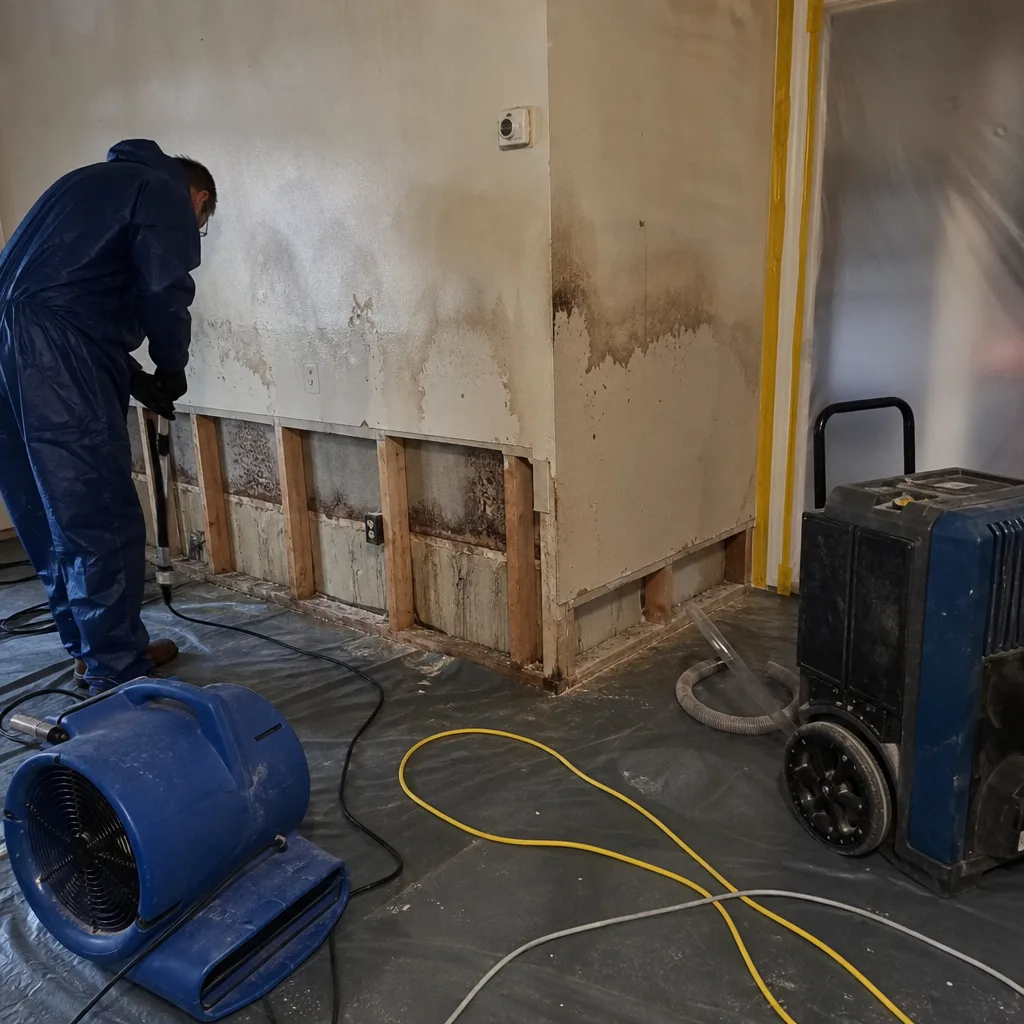 Before
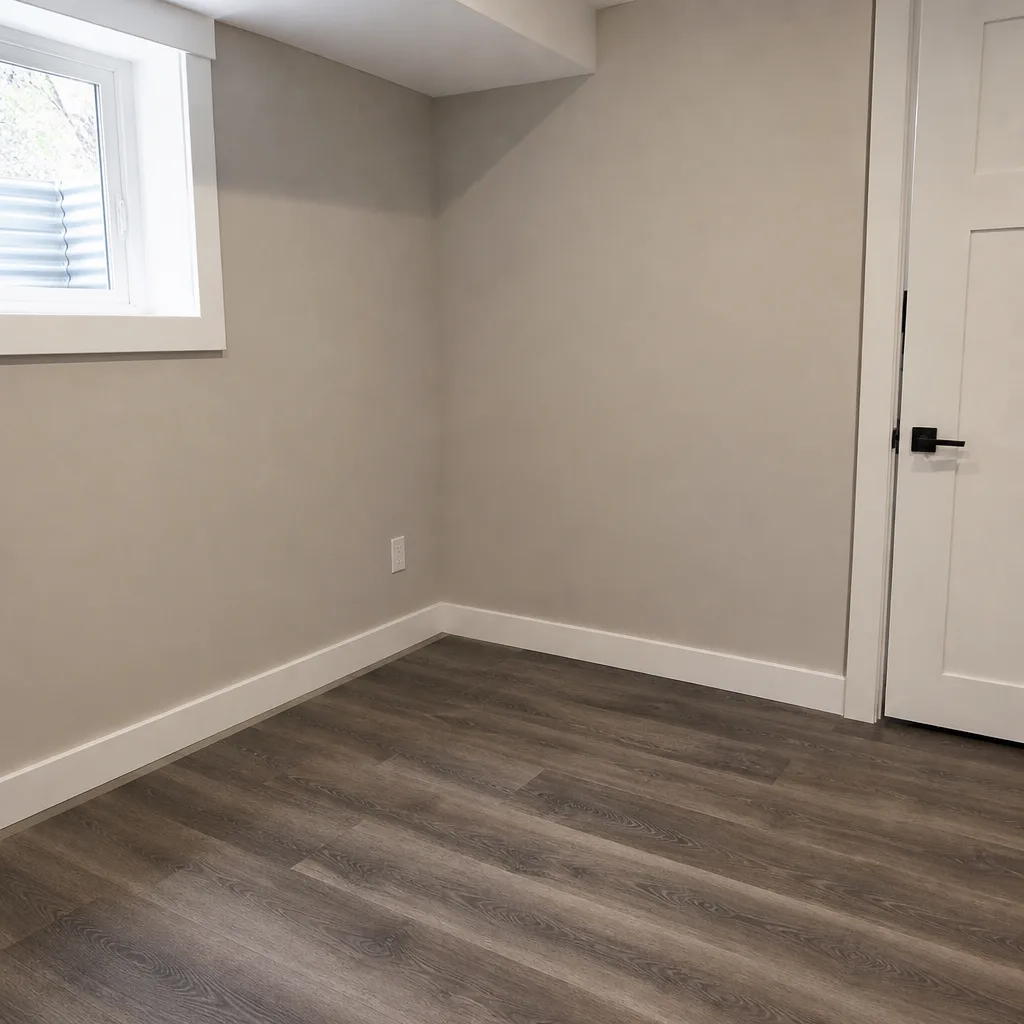 After
After24/7 Emergency Mold Remediation in Auburn
Mold remediation in Auburn typically costs $2,200-$6,800 depending on affected square footage, contamination level, and whether the source was Category 3 floodwater from the Green River corridor. Our crews answer live at (253) 487-0371, 24 hours a day, with no voicemail trees, and we can usually have a technician on-site in Auburn within 45 minutes for emergency calls. The first hour matters because mold colonization accelerates exponentially once wood moisture content exceeds 20%, and in Auburn’s trapped valley humidity, that threshold is reached faster than in surrounding upland cities.
We start every Auburn call with a free visual inspection, moisture mapping with thermal imaging, and a written scope before any containment goes up. If the mold followed a Green River flood event, we run Category 3 protocols from the first minute - not standard drying - because river water carries agricultural and industrial contaminants from the upstream watershed.
Understanding Mold Remediation Severity in Auburn Properties
We classify mold contamination by square footage, material porosity, and the water category that preceded it. Category 1 losses - clean supply-line breaks - may allow in-place drying of semi-porous materials if caught within 24 hours. Category 2, with chemical or biological loading, usually requires removal of porous finishes. Category 3, which defines most Green River inundation events in Auburn’s valley floor, means porous materials come out: paper-faced insulation, OSB sheathing, drywall, carpet pad, and often the carpet itself.
Auburn’s housing stock splits the severity map. The 1940s-1960s homes near downtown and along Auburn Way South have crawl spaces with original vapor barriers, single-pane basement windows, and plaster or early drywall that wicks moisture aggressively. The 1980s-2000s tract homes on the east and west hills use builder-grade OSB and paper-faced insulation that deteriorates rapidly once valley fog drives humidity into wall cavities. We document every material classification by trade name in our written scope - Haven Standard, Clause 1 - so there’s no dispute about what stays and what goes.
Psychrometric data, the temperature-and-humidity calculations that govern drying, shows Auburn’s valley-floor properties often need tertiary drying: the third phase where vapor pressure differentials are manipulated with low-grain refrigerant dehumidifiers and targeted air movement to pull bound moisture from structural framing. Tertiary drying takes longer than surface drying, and we log the readings daily until wood moisture content returns to baseline, typically 10-12% for this region.
Why Auburn Property Owners Choose DryMark Restoration Auburn
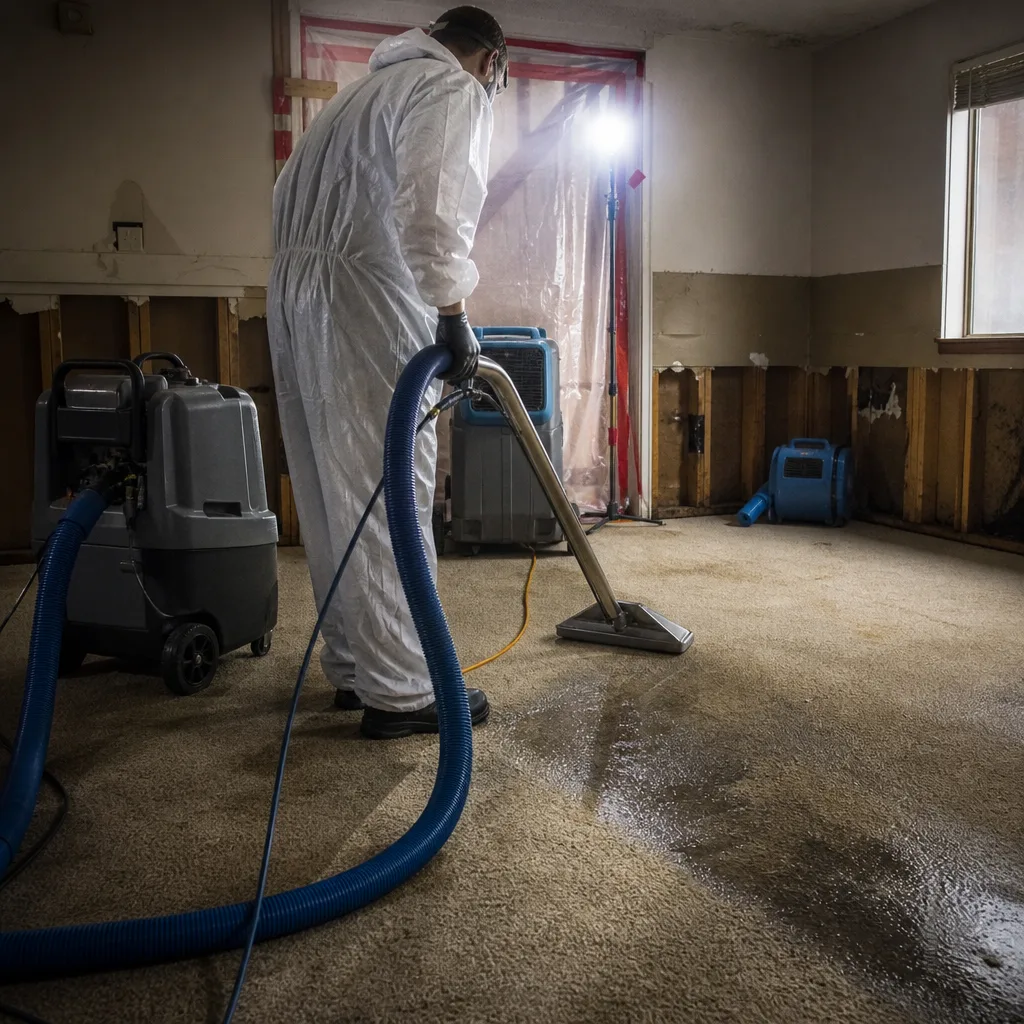
- 45-minute response commitment to Auburn addresses, with dispatch coordinated from our Seattle office and crews already positioned for valley-floor calls.
- 24/7 live answer - a real person, never an automated system or next-business-day callback, because mold doesn’t wait for business hours and neither do Green River flood advisories.
- IICRC-certified crews holding WRT (Water Damage Restoration Technician), AMRT (Applied Microbial Remediation Technician), and where fire preceded mold, FSRT certifications.
- Free visual inspection with moisture mapping, thermal imaging, and a written scope delivered before any work begins - Haven Standard, Clause 1.
- Direct insurance billing with photo-documented assessments, room-by-room damage records, and adjuster coordination that turns our invoices into payable claims.
- One team from containment to reconstruction - no handoffs between remediation contractors and rebuild crews, so the crew that wrote the scope finishes the job.
BeforeAfterOur Mold Remediation Process
1. Inspection & Assessment
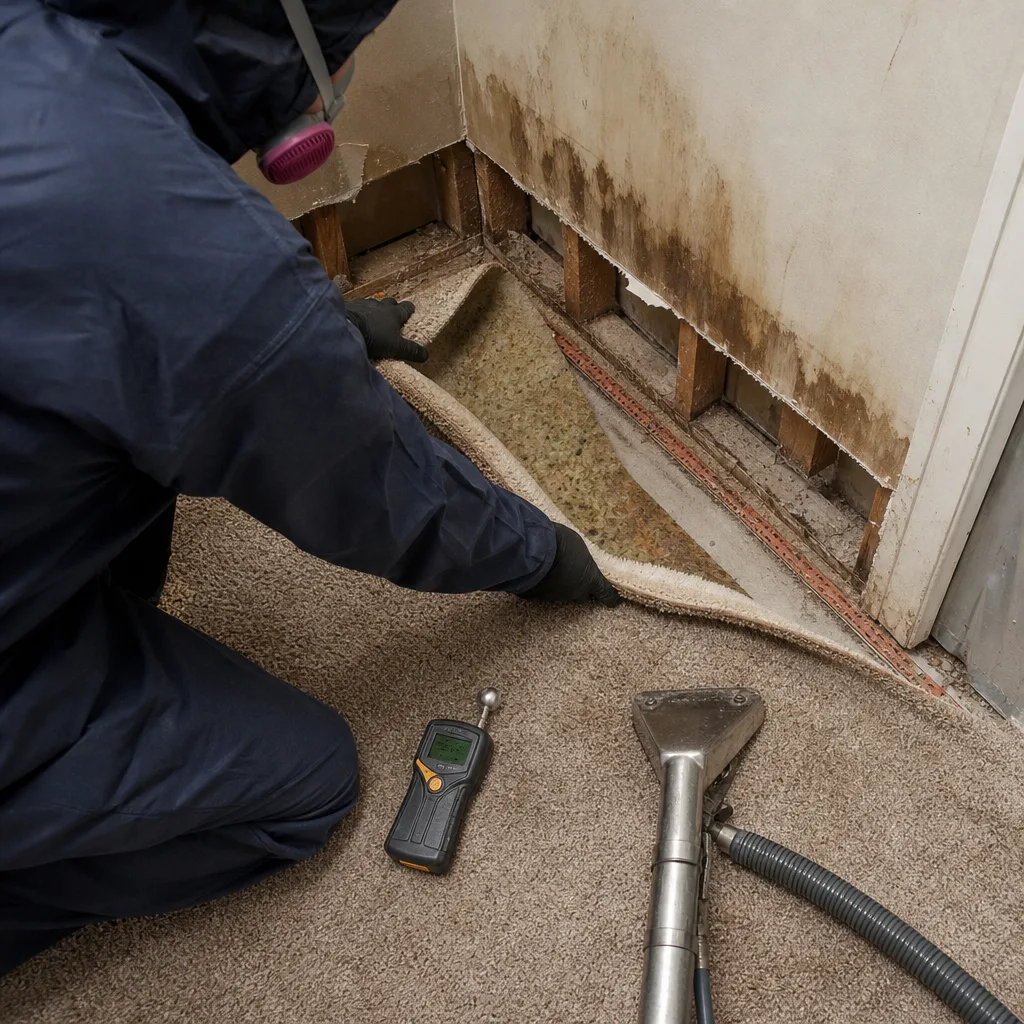
We arrive with moisture meters, thermal imaging cameras, and hygrometers to map the full extent of colonization, including hidden growth in wall cavities and crawl spaces. In Auburn, we specifically check for groundwater re-wicking through compromised vapor barriers and roof drainage failures that drive valley-fog condensation into hillside tract homes.
2. Containment & Air Filtration
We establish negative-pressure containment with 6-mil polyethylene barriers and run HEPA air scrubbers to capture airborne spores before removal begins. For Category 3 flood events, containment is doubled and personnel wear full PPE because of the bacterial and chemical loading in Green River water.
3. Removal of Contaminated Materials
Porous materials that contacted Category 3 water - paper-faced insulation, OSB subfloor, drywall, carpet, pad - are removed and bagged per IICRC S520 standards. Semi-porous framing is treated with antimicrobial agents. We document every square foot removed with photos for your insurer.
4. Drying & Dehumidification
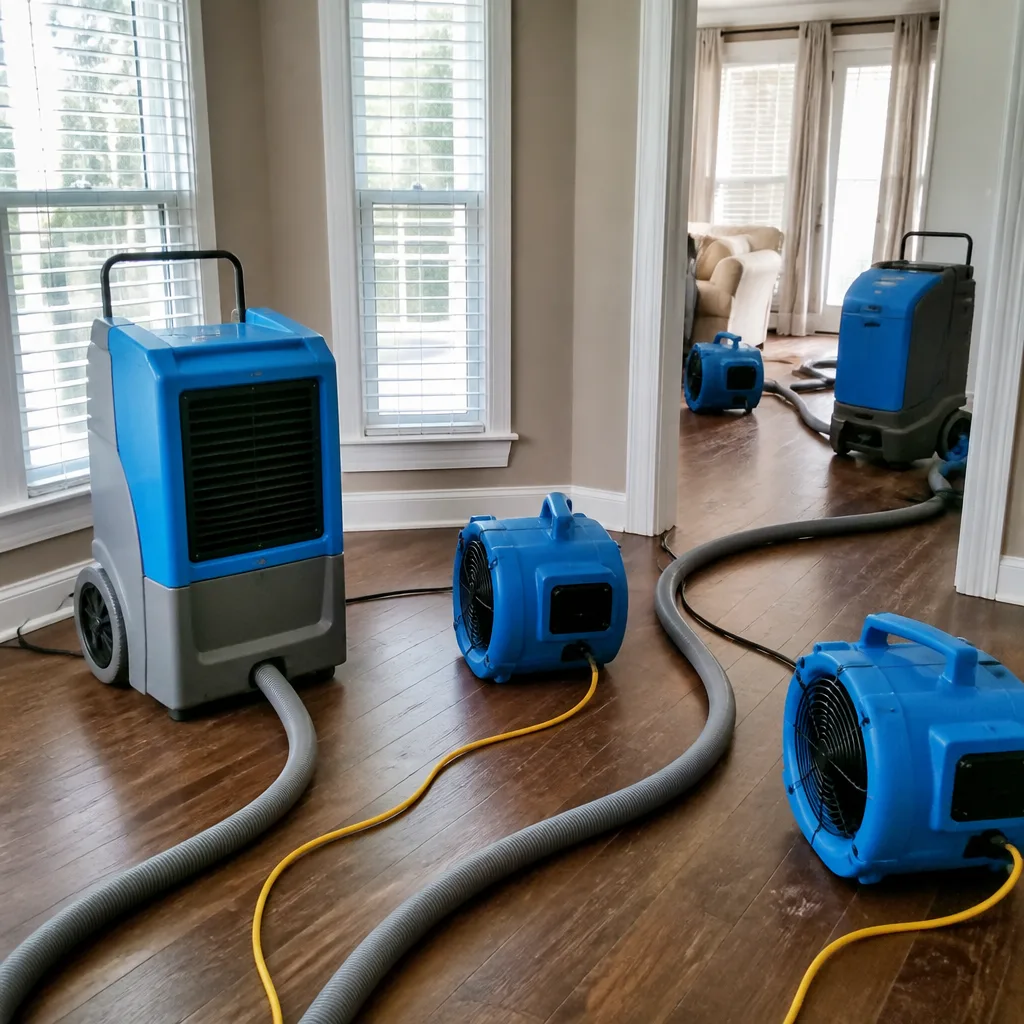
We deploy Phoenix and Dri-Eaz low-grain refrigerant dehumidifiers, XPOWER and B-Air air movers, and Injectidry mat systems to dry structural framing to pre-loss moisture content. Daily psychrometric readings are logged until wood moisture stabilizes at 10-12%.
5. Antimicrobial Treatment & Clearance Testing
Treated surfaces receive EPA-registered antimicrobial application, followed by HEPA vacuuming. We then run air sampling and surface sampling for clearance, comparing spore counts to outdoor baseline levels - the standard that satisfies most Auburn-area insurers and property managers.
6. Repairs & Restoration
Our rebuild crew replaces removed materials with moisture-resistant alternatives where code allows: cement board, closed-cell spray foam, and synthetic vapor barriers. The written scope from Day 1 governs the final invoice - no additions once work is underway.
Need Emergency Mold Remediation in Auburn Now?
Crews minutes away, answering live 24 hours a day. The sooner we start, the less it costs.
Working With Your Insurance Company
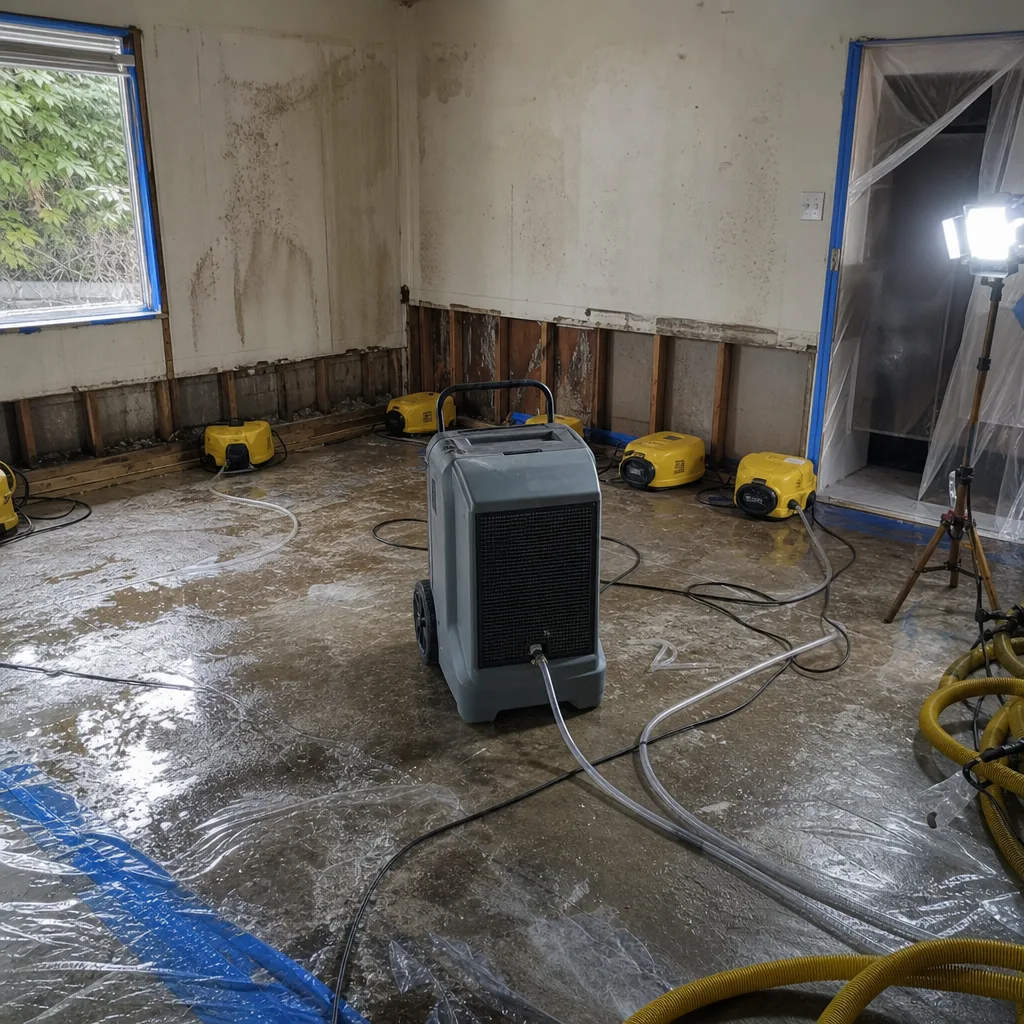
We built our documentation system around what adjusters actually need to pay a claim without rounds of back-and-forth. From the first hour on your Auburn property, we photograph every room, record moisture readings with meter make and model, and produce a line-item scope tied to industry-standard pricing. Our Mold Remediation team speaks directly with your adjuster, not through you as a relay.
The daily drying logs matter especially for mold claims, where carriers often challenge whether the remediation was driven by a covered water loss or long-term maintenance neglect. Our logs timestamp every reading, every equipment placement, and every material removal decision. We’ve handled claims with every major carrier writing policies in King County, and we know the documentation thresholds that separate a paid invoice from a denied one.
What We Provide Your Insurer
- Thorough documentation of the loss
- Photos of all damage, room by room
- Moisture readings and drying logs
- A detailed, line-item scope of work
- Direct coordination with your carrier
Built for Auburn’s Loss Calendar
January through March, Auburn’s valley geography traps cold, saturated air that produces persistent ground fog and crawl-space humidity above 70% RH. Mold calls spike in February, often from homeowners who noticed a musty smell over the holidays and finally investigated. April and May bring the first heavy Cascade runoff, pushing stormwater into basements and slab foundations; we see the second surge when Green River flood advisories trigger and valley-floor properties take water.
June through September, the hillsides dry out but hillside tract homes with poor roof drainage develop wall-cavity condensation from temperature differentials. October rains restart the cycle, and by November we’re responding to the year’s highest volume of crawl-space mold in the post-WWII stock along Auburn Way. Every season produces a distinct failure mode, and our Auburn crews carry the equipment and protocols for each.
Mold Remediation Across Auburn’s Neighborhoods
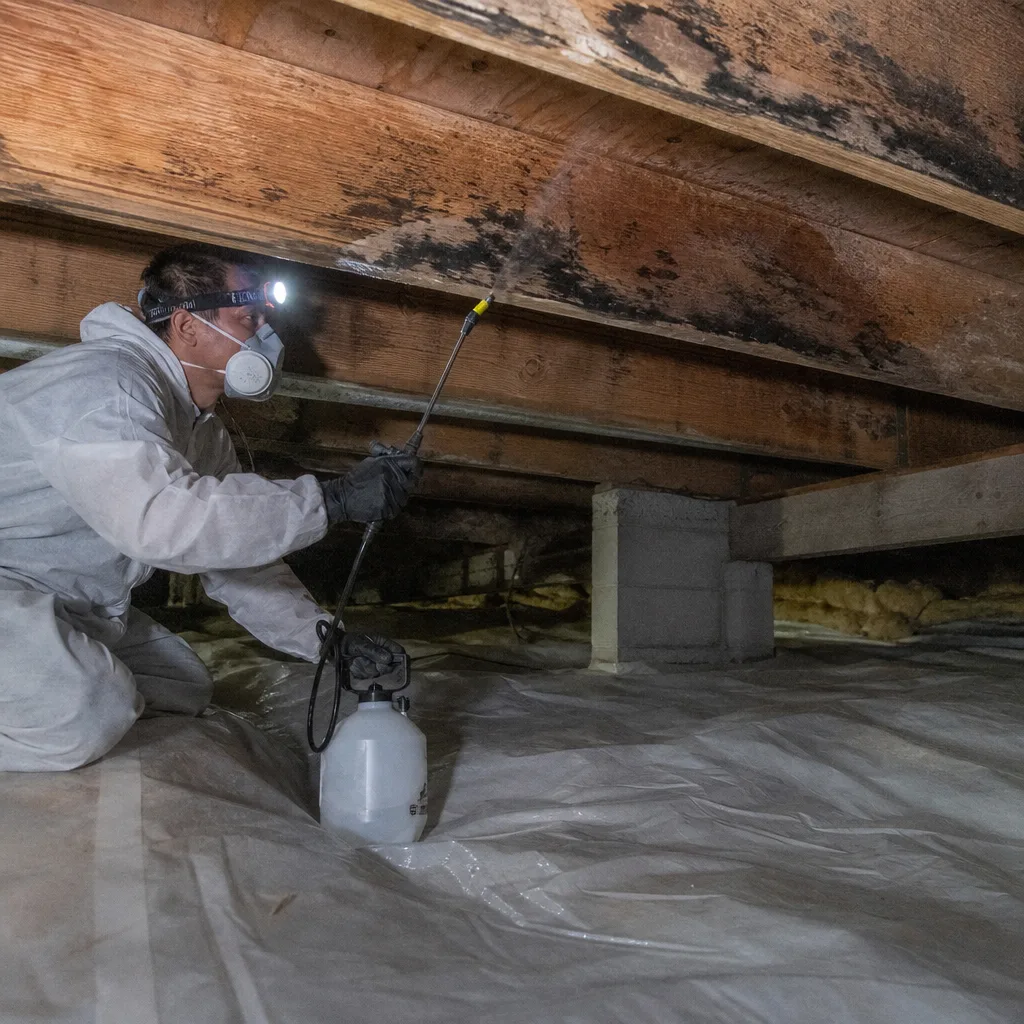
Valley-floor properties along Auburn Way South and near the Green River corridor face the most severe mold scenarios. After a rain event pushed a Green River flood advisory, we took a call on a 1950s crawl-space home off Auburn Way South where the vapor barrier was floating and OSB subfloor read 28% on our moisture meter. We ran containment and HEPA filtration, pulled the saturated paper-faced insulation, applied antimicrobial treatment to the joists, then set Injectidry mats and Phoenix dehumidifiers with air movers to dry the framing to pre-loss condition documented in our drying logs.
The east hills, including the Lea Hill area, hold 1990s-2000s tract homes where builder-grade materials and inadequate roof drainage create a different pattern: mold in upper wall cavities and behind vinyl siding, not in crawl spaces. We find these jobs require moisture mapping from the interior and exterior, with thermal imaging to trace the drainage failure.
West Auburn and the Lakeland Hills area mix older ranch homes with newer infill. The ranches have the same crawl-space vulnerabilities as downtown, while newer construction sometimes shows mold from construction moisture that never dried properly before close-in. We adjust our drying targets and clearance testing protocols accordingly.
North Auburn, toward the Kent border, includes commercial and light-industrial properties with flat roofs and HVAC systems that can distribute spore loads building-wide. Our containment strategy scales to multi-zone negative pressure when needed.
Specialized Mold Remediation Services We Offer in Auburn
Mold Inspection & Testing
We start with visual assessment, moisture mapping, and thermal imaging, then add air and surface sampling when the colonization source is hidden or when clearance documentation is required for a real estate transaction. In Auburn’s older valley-floor homes, we specifically test for Stachybotrys and Chaetomium, the species that thrive on cellulose in persistently wet conditions.
Mold Removal
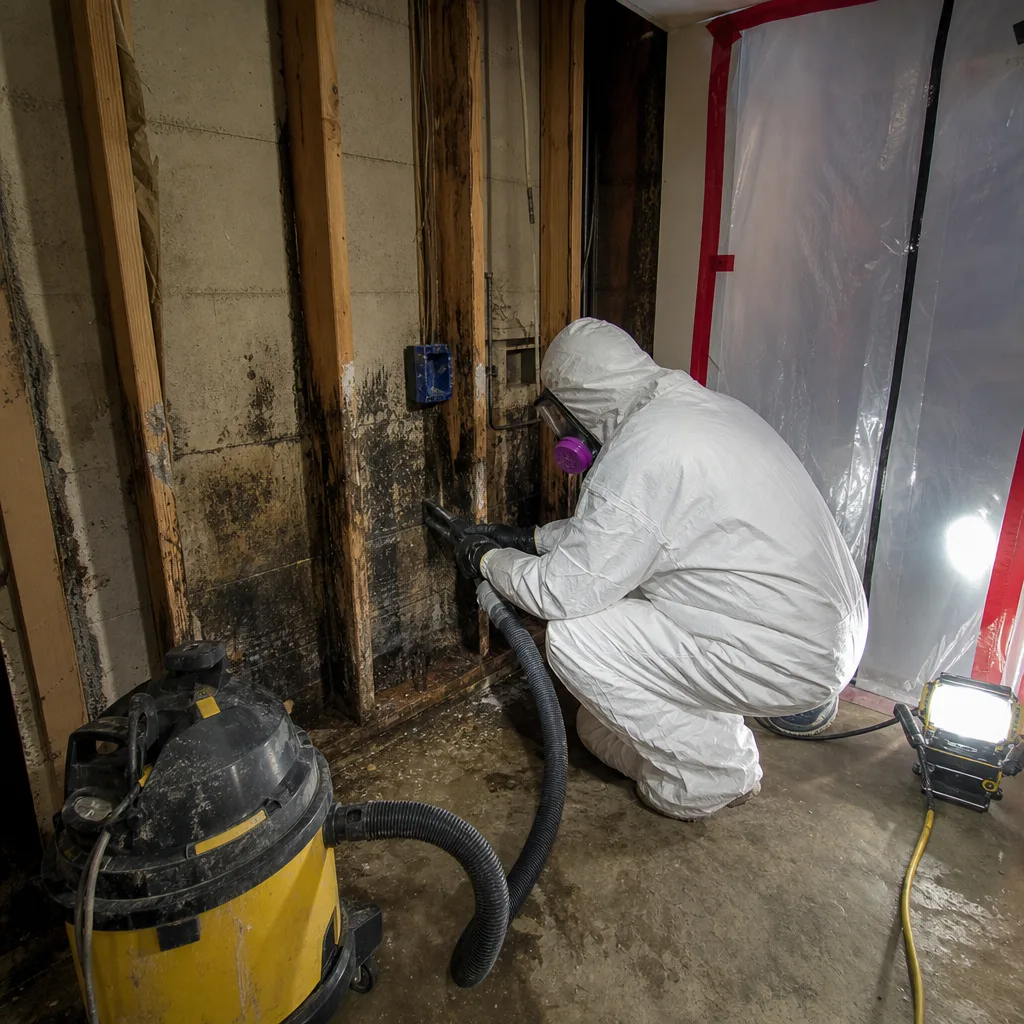
Removal follows IICRC S520 standards: containment, negative pressure, HEPA filtration, then mechanical removal of colonized materials. For Auburn’s Category 3 flood events, removal is more extensive than in standard water-loss mold, and we document every square foot with geotagged photos.
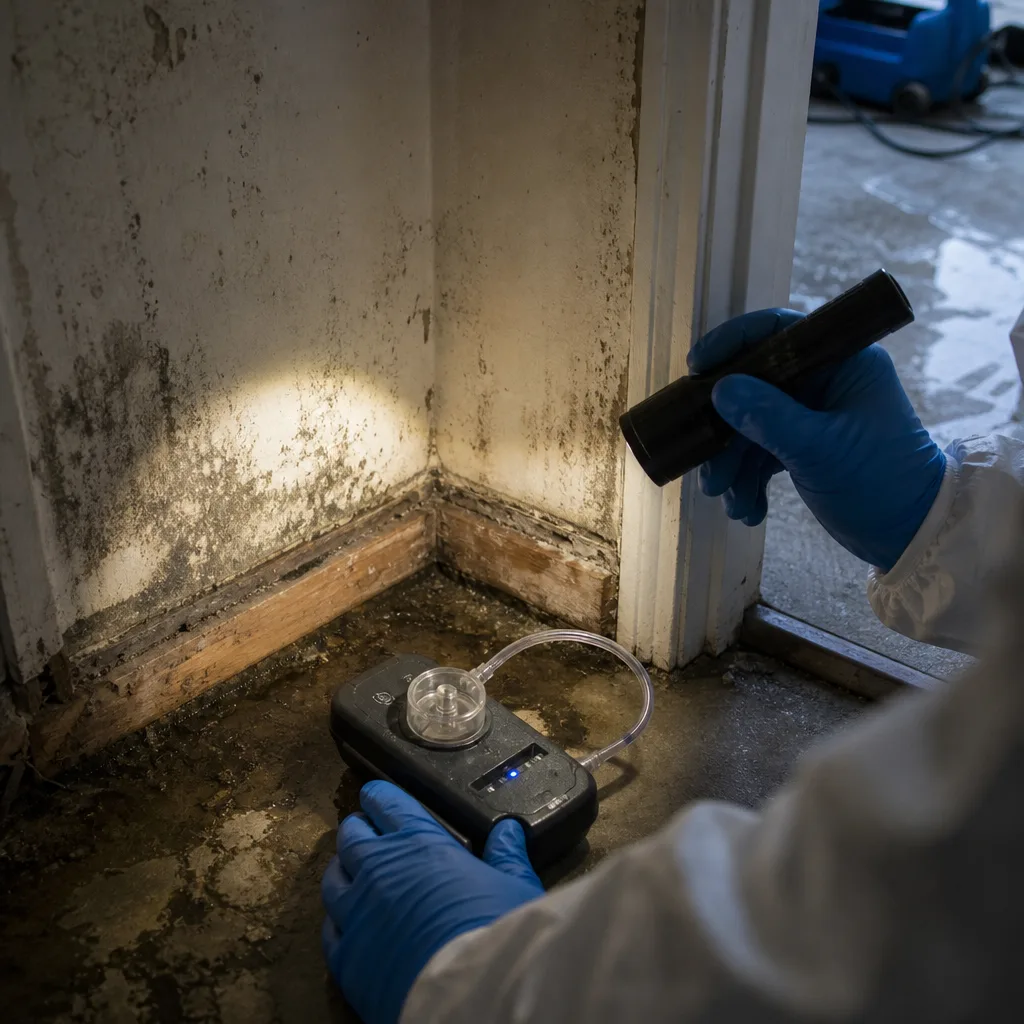
Black Mold Remediation
Stachybotrys chartarum and similar toxigenic species require enhanced PPE, stricter containment, and specialized disposal. We encounter these most often in Auburn’s post-WWII crawl spaces with long-standing groundwater intrusion, where the combination of cellulose insulation and sustained moisture creates ideal conditions.
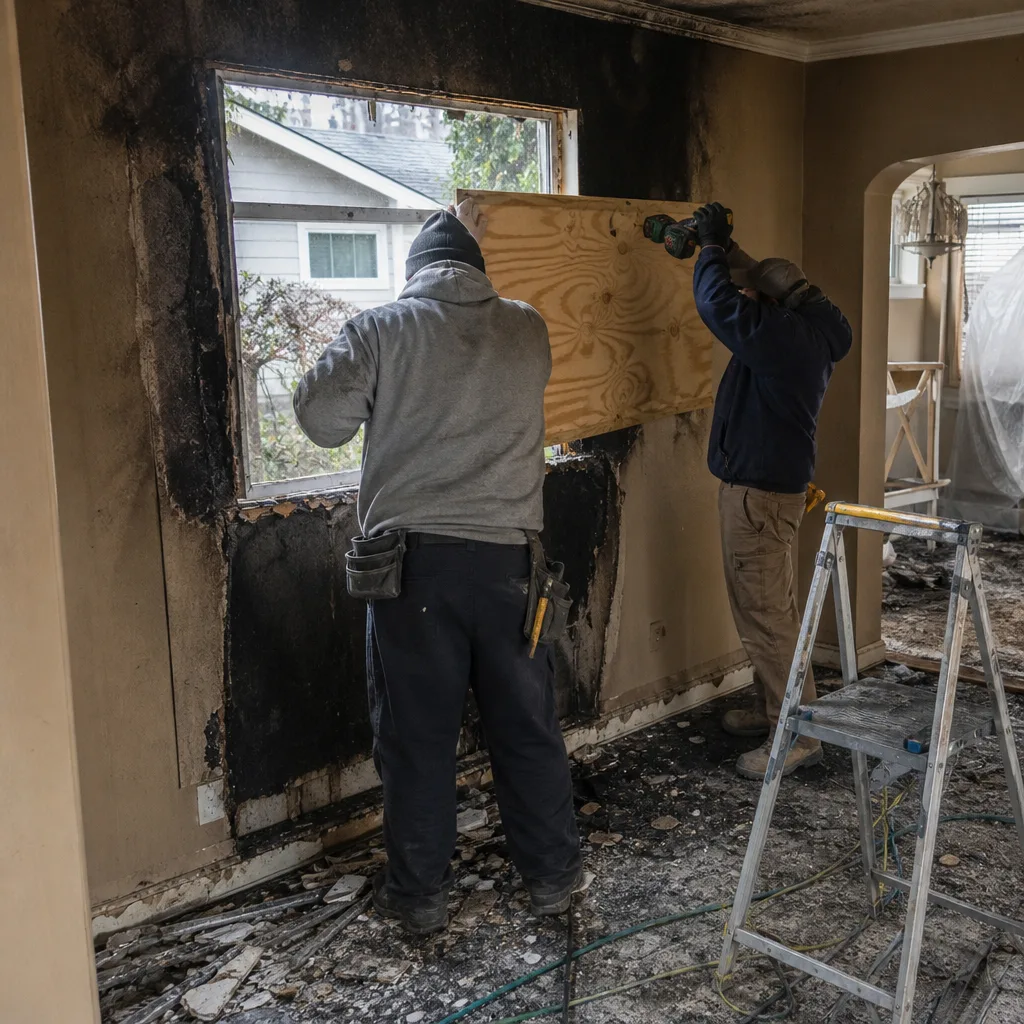
Air Quality Restoration
After remediation, we run HEPA air scrubbers for a calculated period based on room volume and ACH (air changes per hour), then test spore counts against outdoor baseline. For Auburn homes with forced-air heating, we inspect ductwork for cross-contamination and recommend cleaning when meter readings justify it.
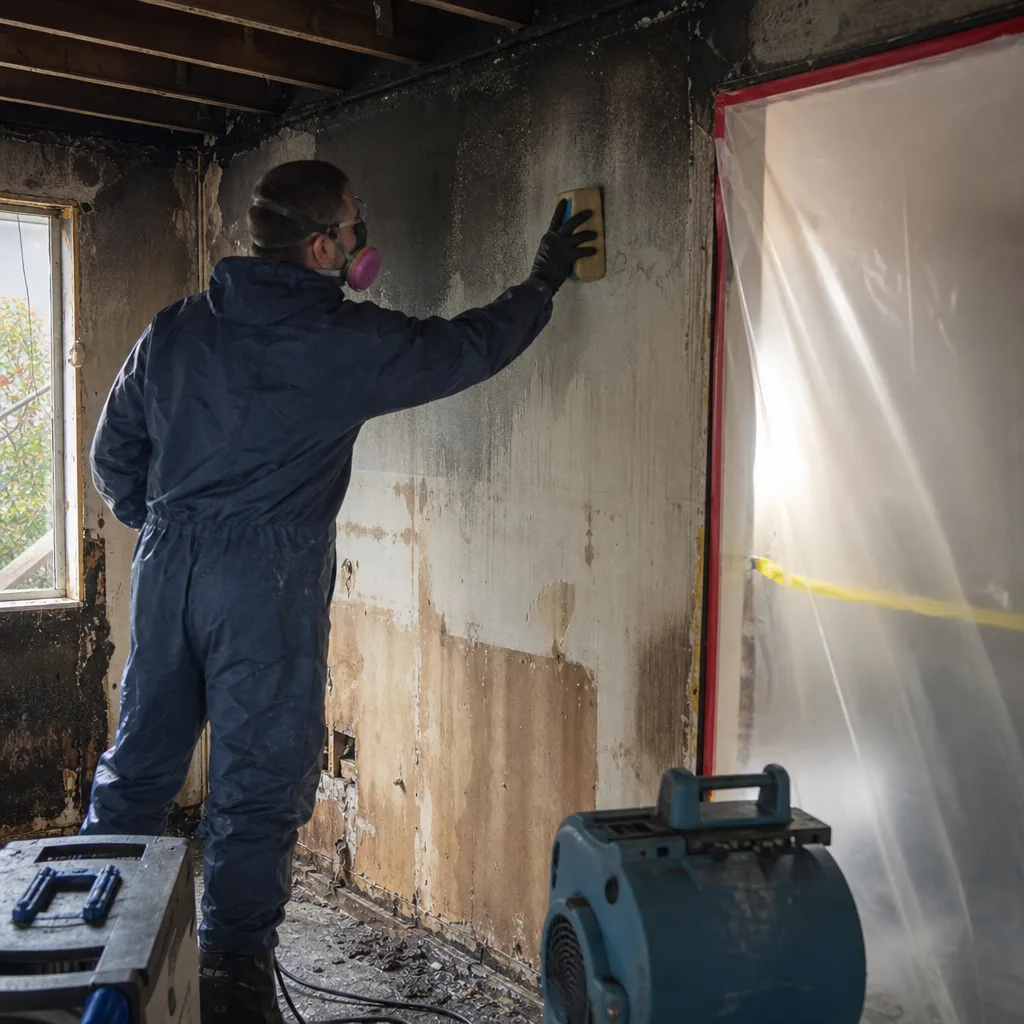
Crawl Space Treatment
Auburn’s crawl spaces are our highest-volume call type. We remove compromised vapor barriers, treat joists and subfloor, install new barriers with proper overlap and sealing, and in persistent cases recommend mechanical dehumidification or sump pump installation. We never just spray and seal over active moisture - the groundwater re-wicks through within weeks.
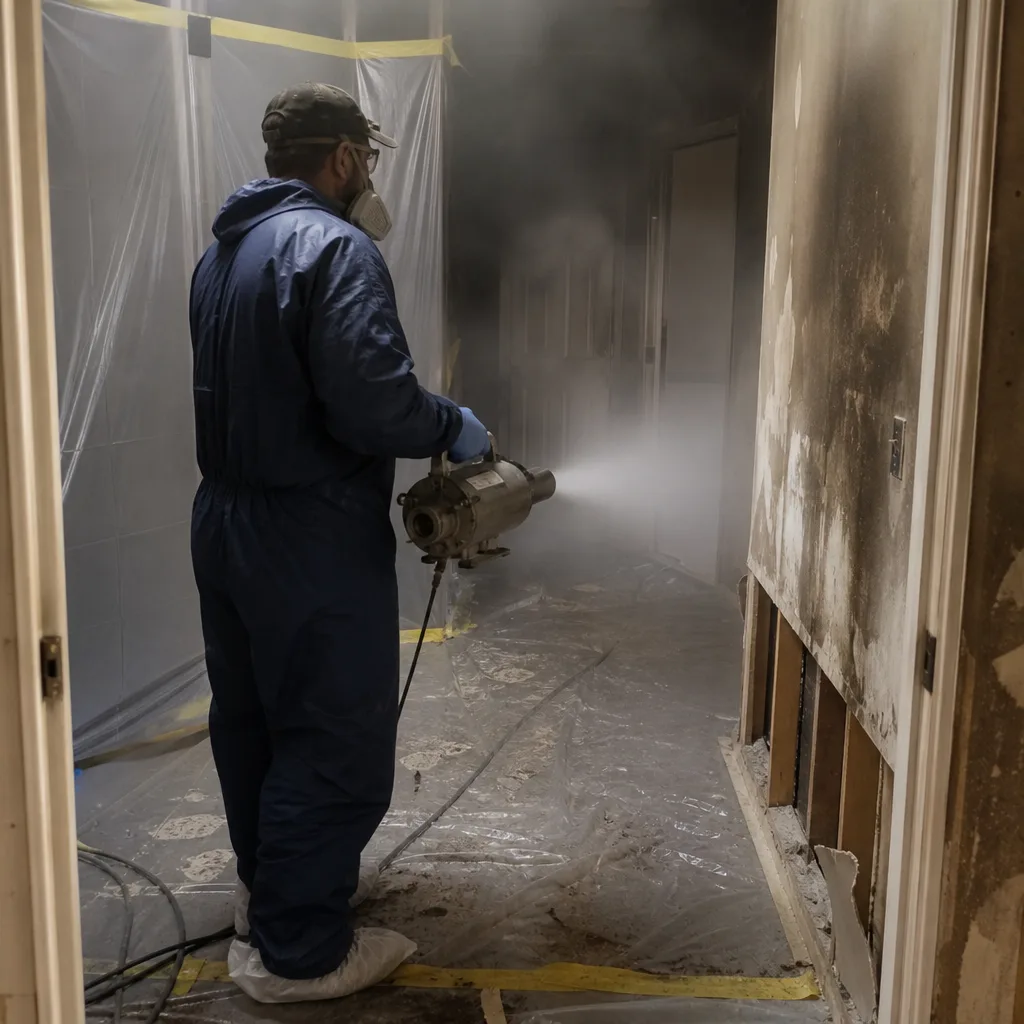
What happens when you call
- 1
A real person answersNo phone trees - you reach a local pro.
- 2
You get an upfront price rangeHonest numbers before anyone is dispatched.
- 3
A background-checked tech heads outLicensed & insured, dispatched right away.
- 4
You approve before work beginsNothing starts until you say go.
Mold Remediation Costs in Auburn, WA
A typical crawl-space mold remediation in Auburn runs $2,200-$4,500 for a contained area under 1,000 square feet with Category 1 or 2 water history. Category 3 flood events from the Green River corridor push the same footprint to $4,800-$6,800 because of the extensive material removal, enhanced PPE, and longer drying cycles. Whole-house air quality restoration with duct cleaning adds $1,800-$3,200.
What moves the price: affected square footage, contamination level (Category 1 vs. 3), accessibility (crawl spaces with limited clearance take longer), and whether structural repairs are needed after remediation. Insurance typically covers mold remediation when it results from a sudden, covered water loss; long-term maintenance-related mold is usually excluded. We provide a written price before work begins - Haven Standard, Clause 1 - and offer a Free Second Opinion on any competitor’s written estimate. Call (253) 487-0371 for an exact quote; estimates are free.
We Also Serve Cities Near Auburn
Our crews respond daily to mold calls in Federal Way, where the Puget Sound influence creates different humidity patterns than Auburn’s valley trap; Milton, with its mix of historic and newer construction; Kent, which shares some Green River floodplain exposure; and Puyallup, where Puyallup River valley conditions parallel Auburn’s challenges. Each city gets the same documentation-first protocol, adjusted for local building stock and water sources.
Serving Auburn, WA - Our Local Coverage Area
We’re based in the Auburn area and know this community well. Use the map below to see our service coverage - if you’re nearby, we can almost certainly help.
Auburn Mold Remediation Questions, Answered
Why does mold come back in Auburn crawl spaces even after a remediation?
Because the moisture source was never eliminated. In Auburn’s valley-floor homes, groundwater re-wicks through compromised vapor barriers, and hillside homes often have roof drainage failures that drive humidity into wall cavities. We check for these before we clear the job, and we warranty our work with the 365-Day Done Right Promise. Call (253) 487-0371 for an exact quote - estimates are free.
Is Green River floodwater in Auburn treated differently than a normal water leak?
Yes. Green River overflow is Category 3 water, carrying agricultural and industrial contaminants from the upstream watershed, including the Enumclaw plateau. Porous materials that contact it must be removed, not dried in place, and antimicrobial treatment is mandatory. Standard drying protocols for clean water leaks do not apply. Call (253) 487-0371 for an exact quote - estimates are free.
How fast can mold actually start after a leak in an Auburn home?
Under favorable conditions - wood moisture above 20%, temperatures between 60-80°F, and organic material - mold colonization can begin in 24-48 hours. In Auburn’s trapped valley humidity, especially in crawl spaces from October through March, those conditions are met faster and sustained longer than in surrounding upland cities. Call (253) 487-0371 for an exact quote - estimates are free.
Do Auburn’s older valley-floor homes need different mold work than the hillside tract homes?
Yes. The 1940s-1960s valley-floor homes typically have crawl-space mold from groundwater intrusion, requiring vapor barrier replacement and subfloor drying. The 1980s-2000s hillside tract homes more often show wall-cavity mold from roof drainage failures and valley-fog condensation, requiring exterior moisture mapping and siding investigation. We scope each property individually. Call (253) 487-0371 for an exact quote - estimates are free.
What does mold remediation in Auburn involve beyond removing the visible mold?
Containment, negative-pressure HEPA filtration, moisture-source elimination, drying of structural materials to documented baseline, antimicrobial treatment, clearance testing, and reconstruction of removed materials. We also provide your insurer with a photo record, drying logs, and a written scope. The full process is governed by IICRC S520 and documented to The Haven Standard. Call (253) 487-0371 for an exact quote - estimates are free.
Will my insurance cover mold remediation in Auburn?
Insurance covers mold remediation when it results from a sudden, covered water loss - a burst pipe, appliance failure, or storm damage. Long-term maintenance issues, slow leaks, and groundwater intrusion are typically excluded. We document every job as if it will be claimed, and we coordinate directly with your adjuster. Call (253) 487-0371 for an exact quote - estimates are free.
How long does mold remediation take in an Auburn home?
Contained crawl-space jobs typically run 3-5 days for remediation plus drying, with clearance testing adding 24-48 hours for lab turnaround. Category 3 flood events with extensive material removal may extend to 7-10 days. Reconstruction timelines depend on material availability and scope. We provide a written schedule with the written price - Haven Standard, Clause 1. Call (253) 487-0371 for an exact quote - estimates are free.
Can my family stay in the home during mold remediation?
For small, contained areas with negative-pressure isolation, often yes. For whole-house colonization, Category 3 contamination, or when toxigenic species are present, we recommend temporary relocation until clearance testing confirms safe spore counts. We discuss this in the initial written scope, never as a surprise mid-job. Call (253) 487-0371 for an exact quote - estimates are free.
Back to Dry Restoration has operated under The Haven Standard since 2011, when Alicia Brennan founded the company to close the documentation gap that costs homeowners their insurance claims. Every one of the 12,000+ homes we’ve restored since then received a written price before work started and a documented record when the crew left. Our 365-Day Done Right Promise applies to every job we complete in Auburn.
Written by Alicia Brennan, Owner at Back to Dry Restoration, serving Auburn since 2011.
Mold Remediation in Nearby Areas