Free visual inspection and a written scope of work before any mitigation begins - photos, moisture readings, and drying logs go in your claim file
The scope we write is the scope we bill. Anything new gets shown to you, in writing, before we touch it.

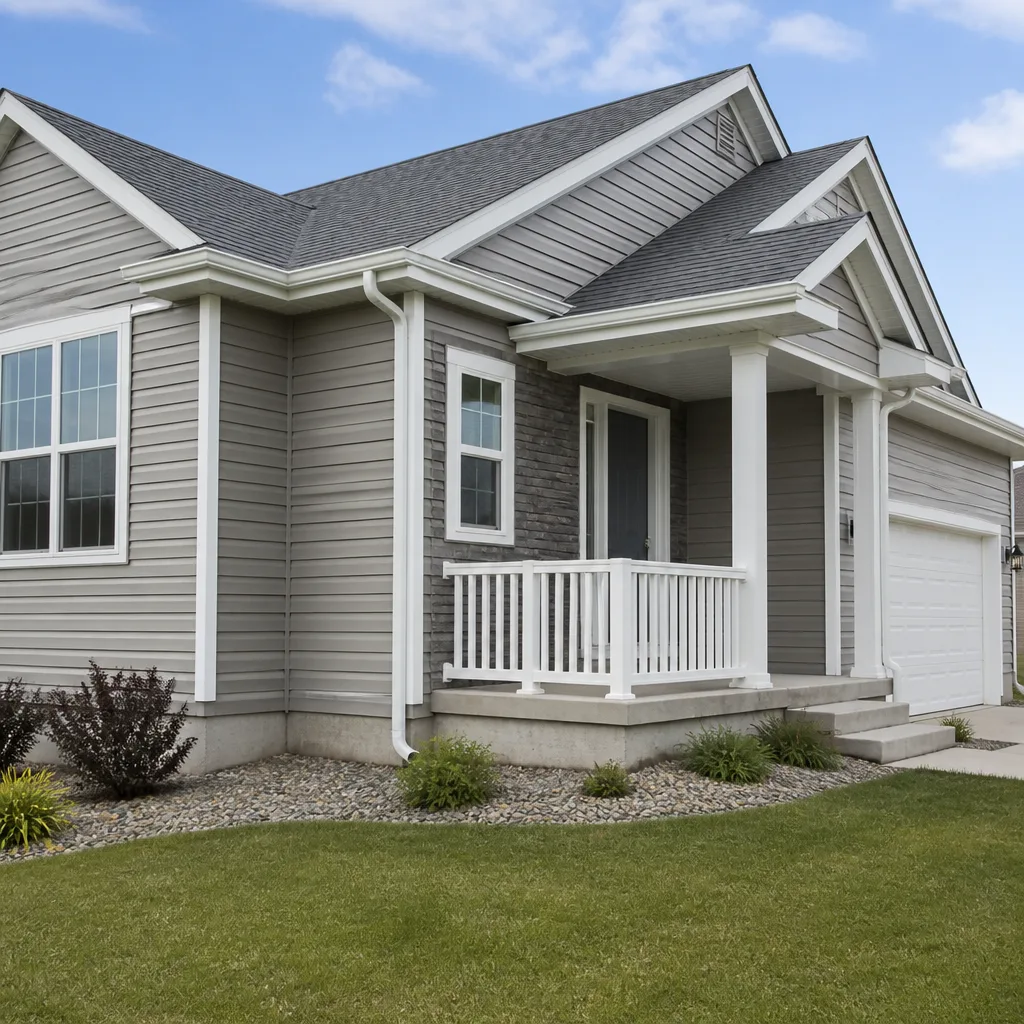
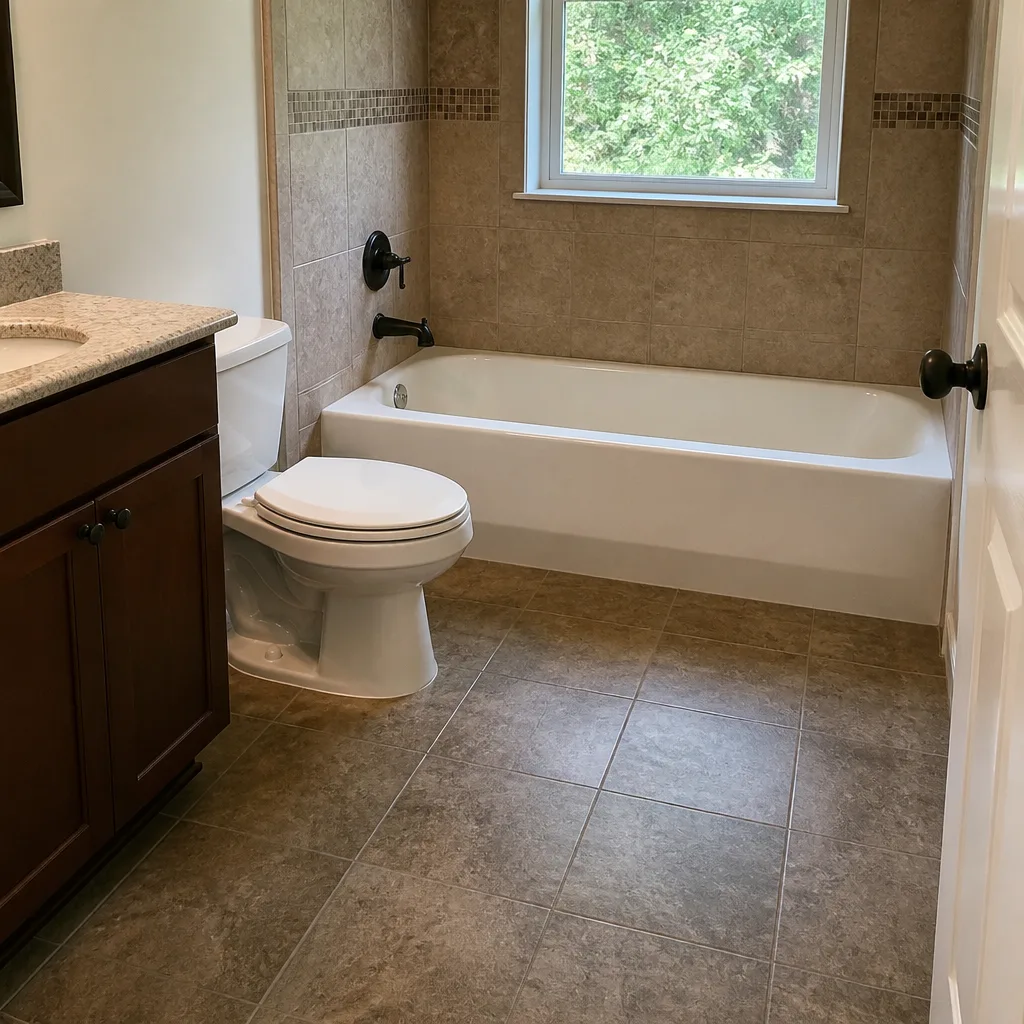
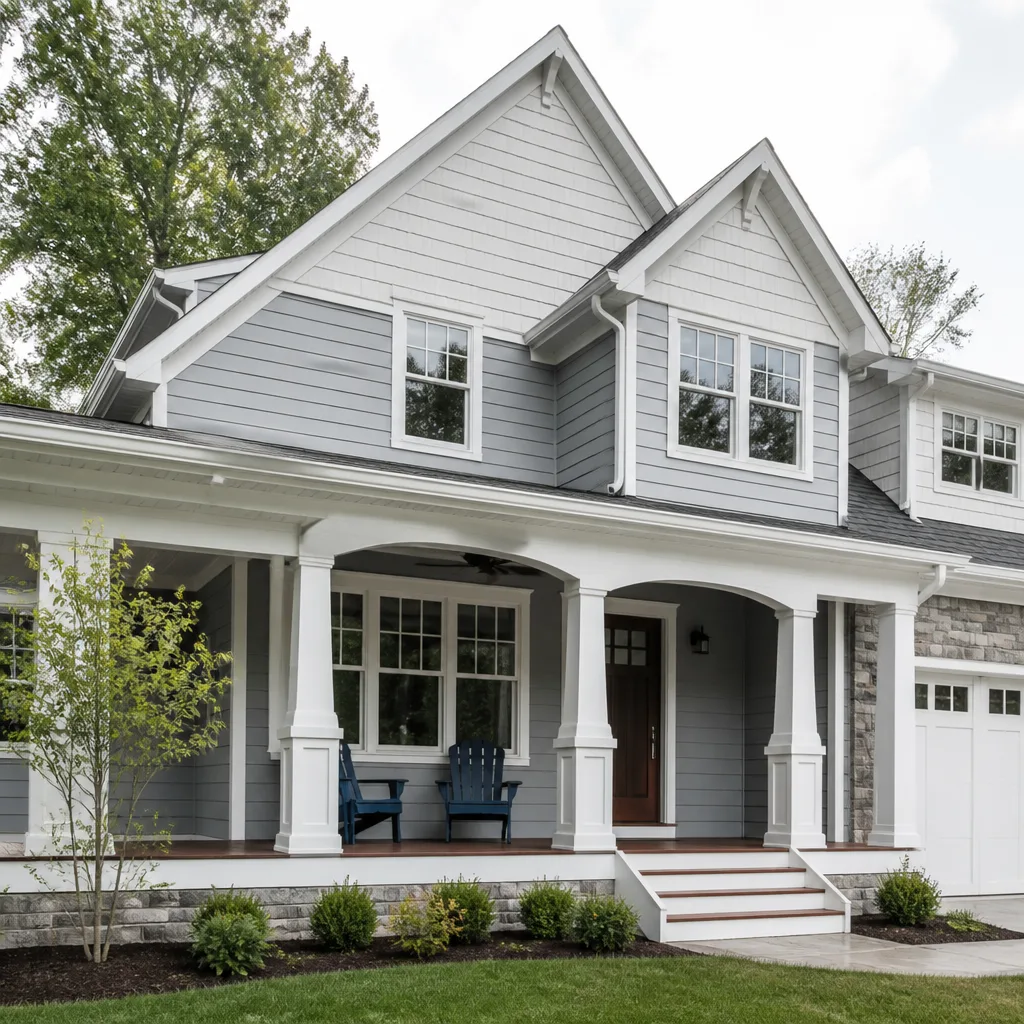
 Before
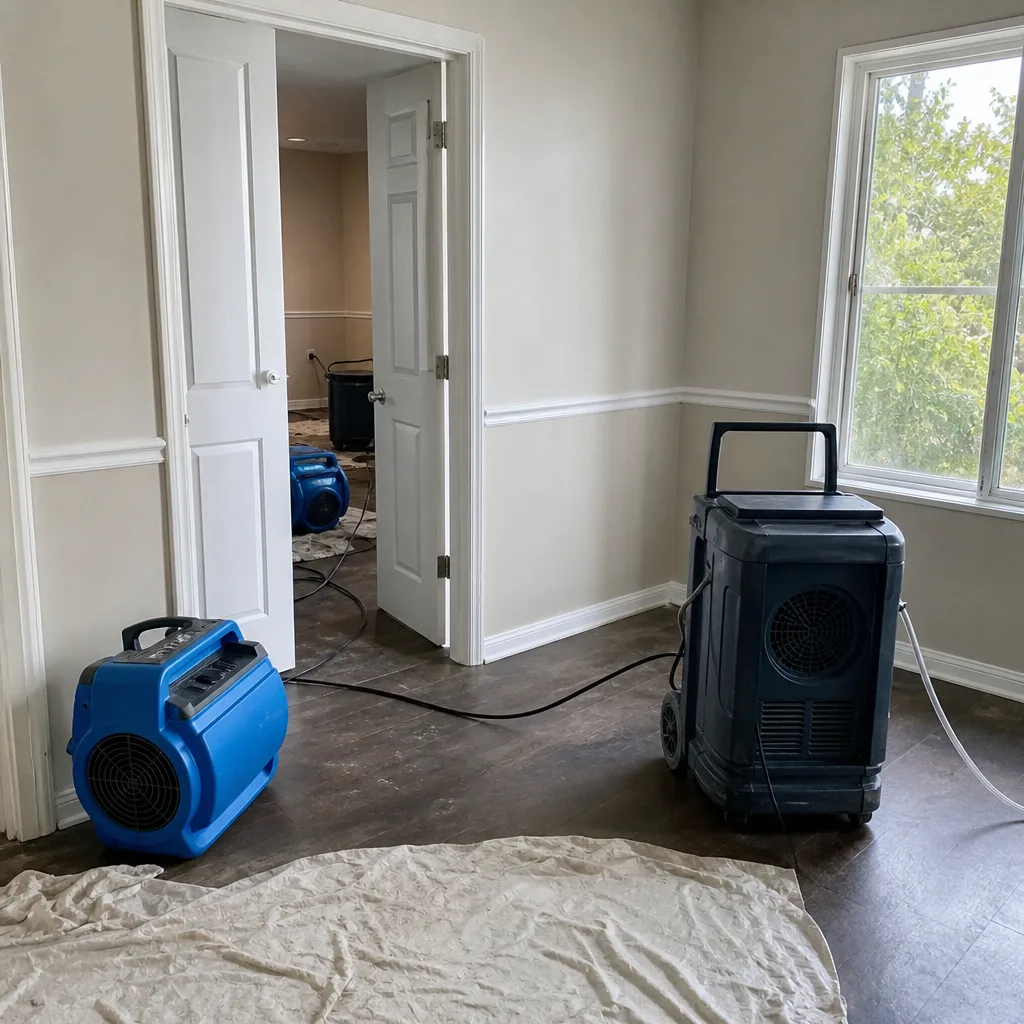 After
After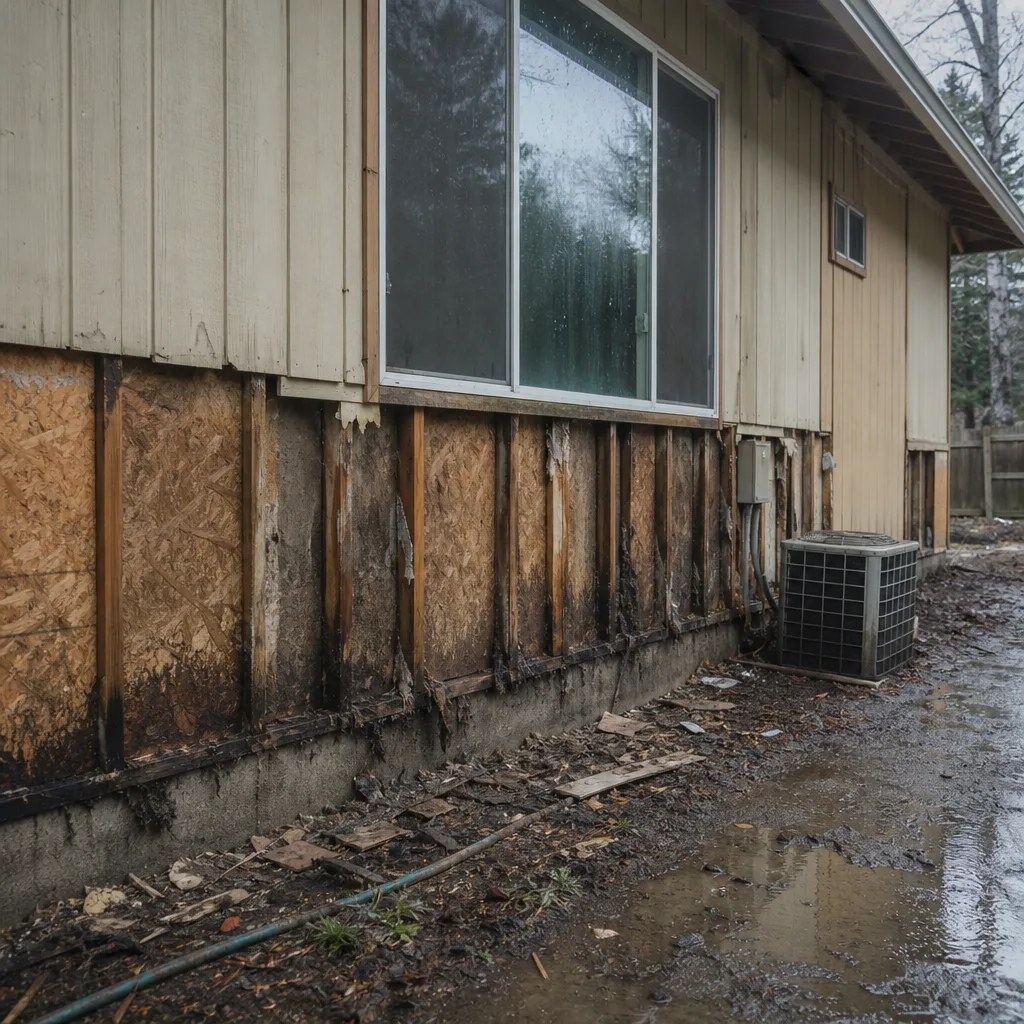 Before
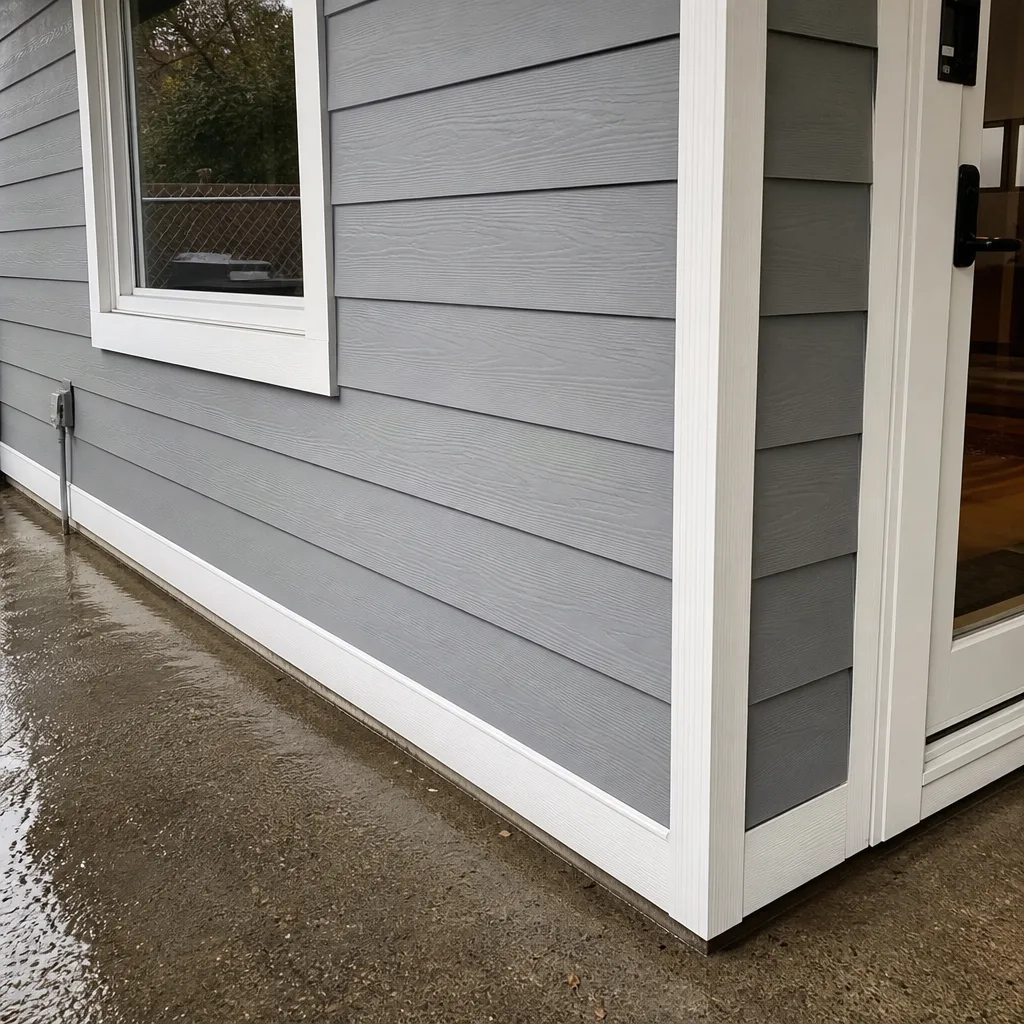 After
After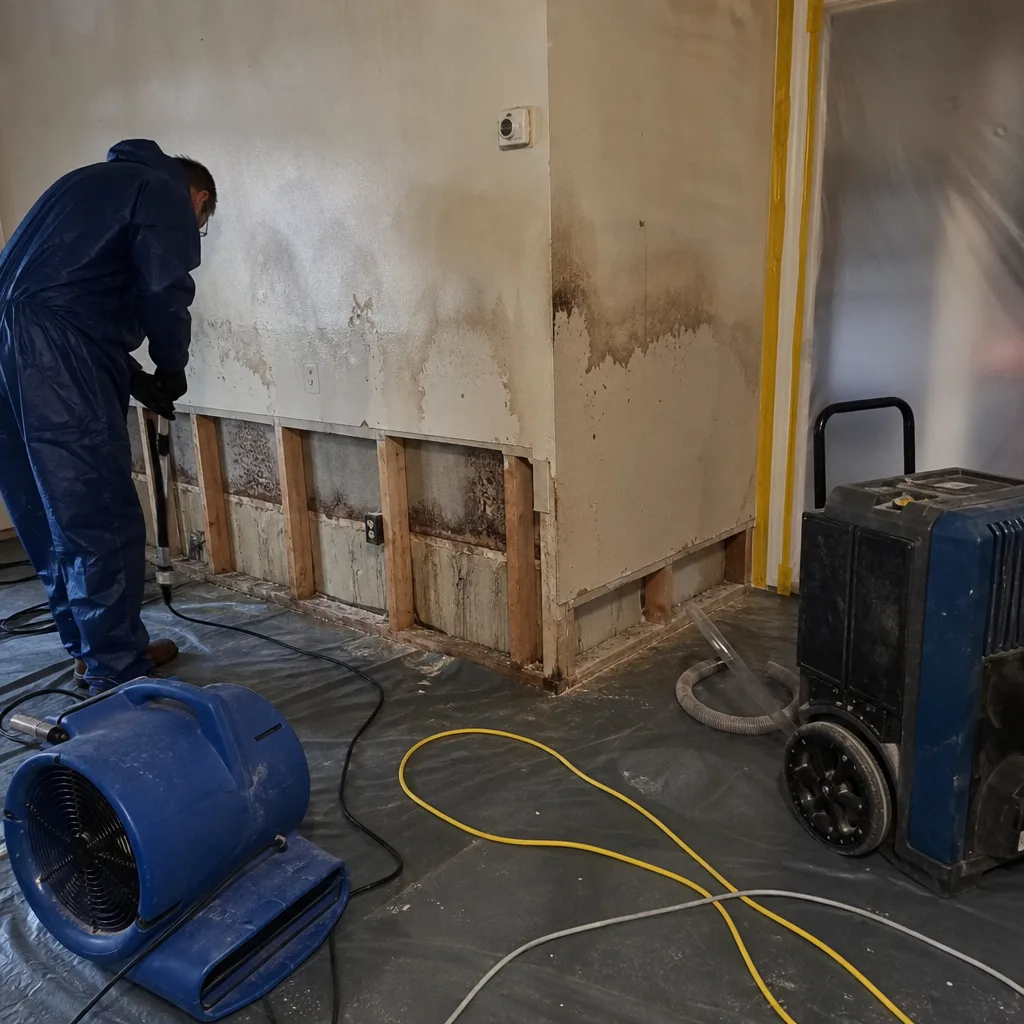 Before
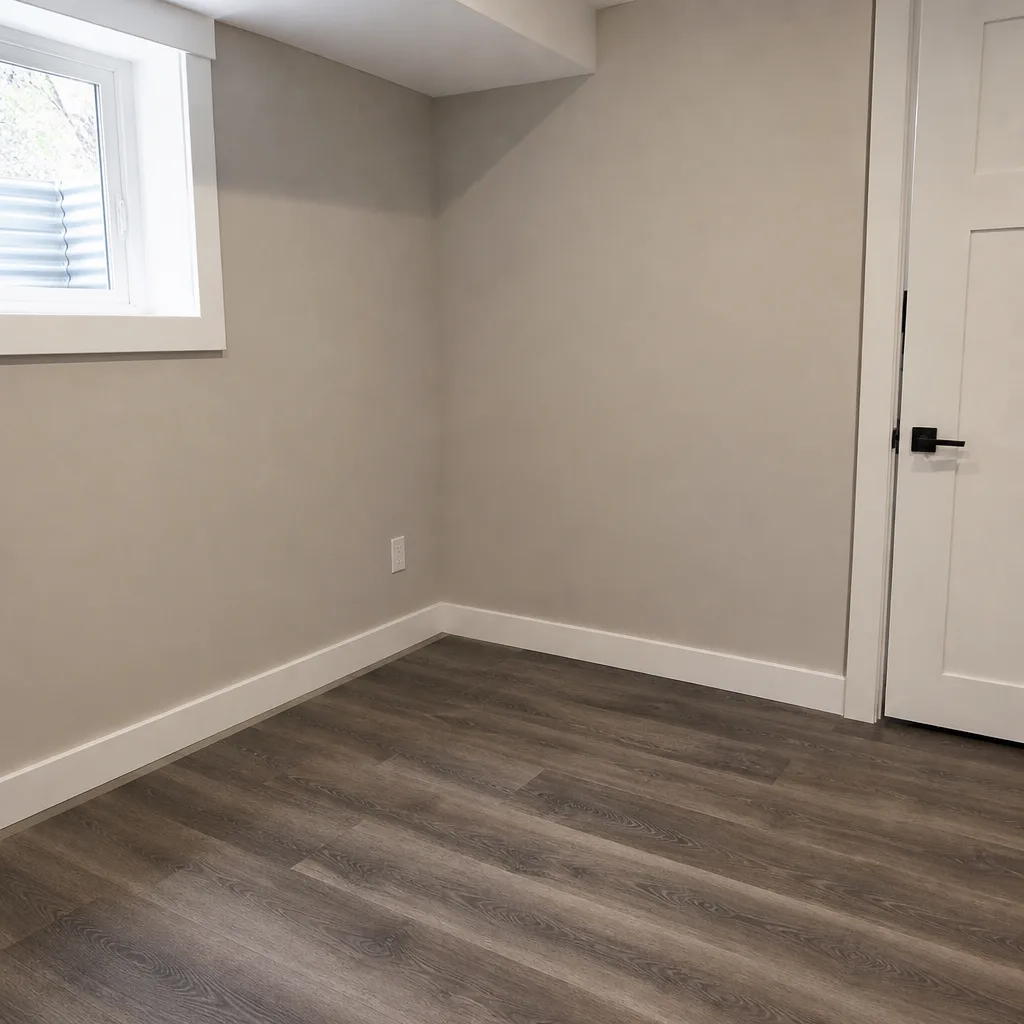 After
After24/7 Emergency Mold Remediation in SeaTac
Mold remediation in SeaTac typically costs $1,200-$4,500 for residential containment and removal, with hidden-wall cases running higher once demolition reveals the full extent. Most SeaTac homeowners call us after noticing a musty odor or spotting discoloration, but in this city’s sound-insulated housing stock, the real colony is often behind intact drywall with no visible staining. Call (253) 487-0371 and a live person will answer, 24 hours a day, 7 days a week - no voicemail, no callback queue. We dispatch crews from our Seattle office to SeaTac properties with a 45-minute response commitment on emergency calls, and every job starts with a free visual inspection. The first hour matters because mold releases spores under disturbance; professional containment and negative air pressure, set before any demolition begins, keep those spores from migrating through your HVAC or into unaffected rooms.
Understanding Mold Remediation Severity in SeaTac Properties
Mold severity in SeaTac falls into three practical categories that drive containment strategy, equipment selection, and whether occupants can remain in place. Limited growth under 10 square feet, on a non-porous surface like ceramic tile or sealed concrete, is Category 1: HEPA vacuuming, antimicrobial application, and moisture source elimination. Category 2 covers 10-100 square feet of visible growth or any growth on porous material like drywall, insulation, or unfinished wood in a single room - this requires full containment with 6-mil polyethylene sheeting, negative air machines running HEPA filtration, and air scrubbers to maintain pressure differential. Category 3, anything over 100 square feet or involving HVAC contamination, means full-area containment, sealed HVAC isolation, and often temporary relocation of occupants.
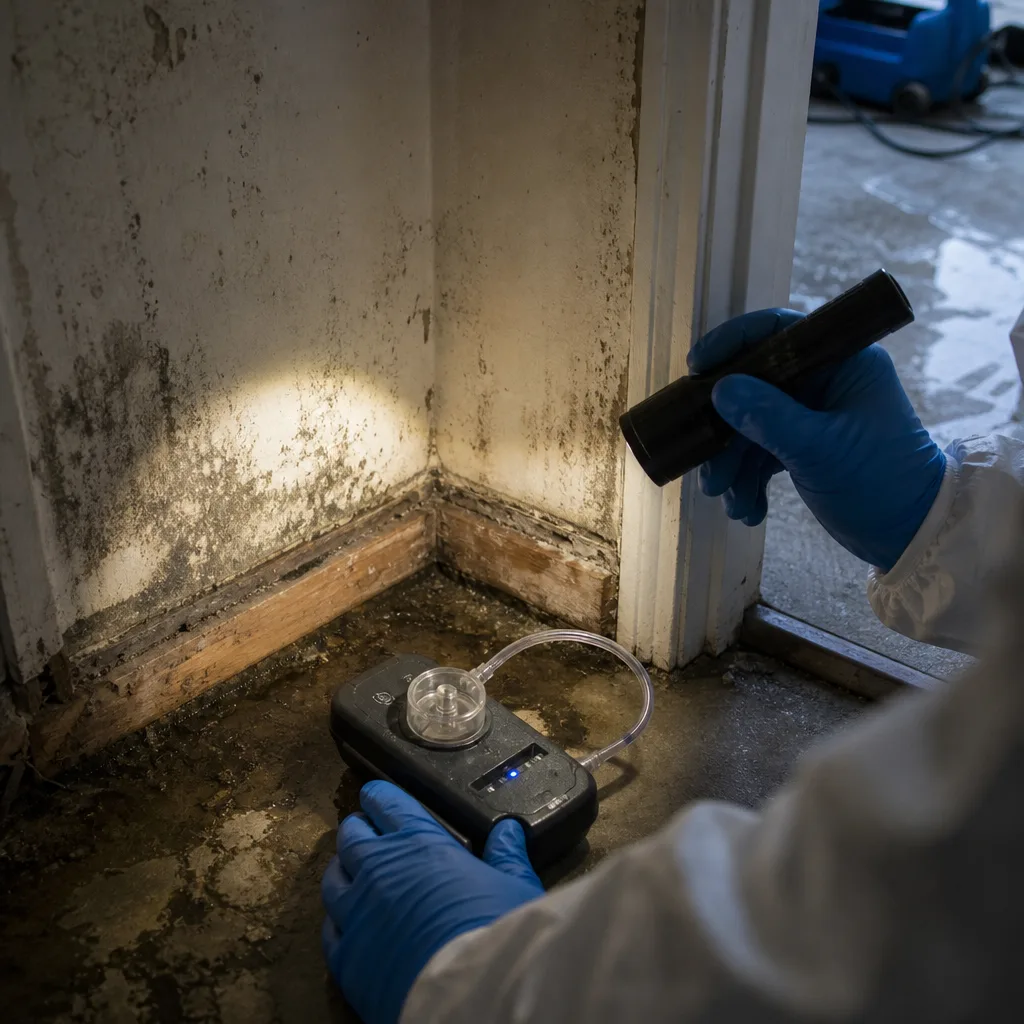
SeaTac’s housing stock bends these categories. A 1960s rambler near McMicken Heights with blown-in sound insulation can present Category 3 scope behind what looks like Category 1 surface staining. The cellulose insulation packed against sheathing with no vapor barrier creates a hidden moisture reservoir that wicks laterally through wall cavities. Our crews map moisture with thermal imaging and penetrating probes before declaring any SeaTac job limited; we’ve learned that surface readings in these retrofitted homes mislead because the sheathing behind can read 28% wood moisture content while the drywall face reads normal. That’s why our Mold Remediation protocol for SeaTac always includes cavity investigation when the home falls within airport noise contours and shows any signs of envelope work.
Why SeaTac Property Owners Choose DryMark Restoration Auburn
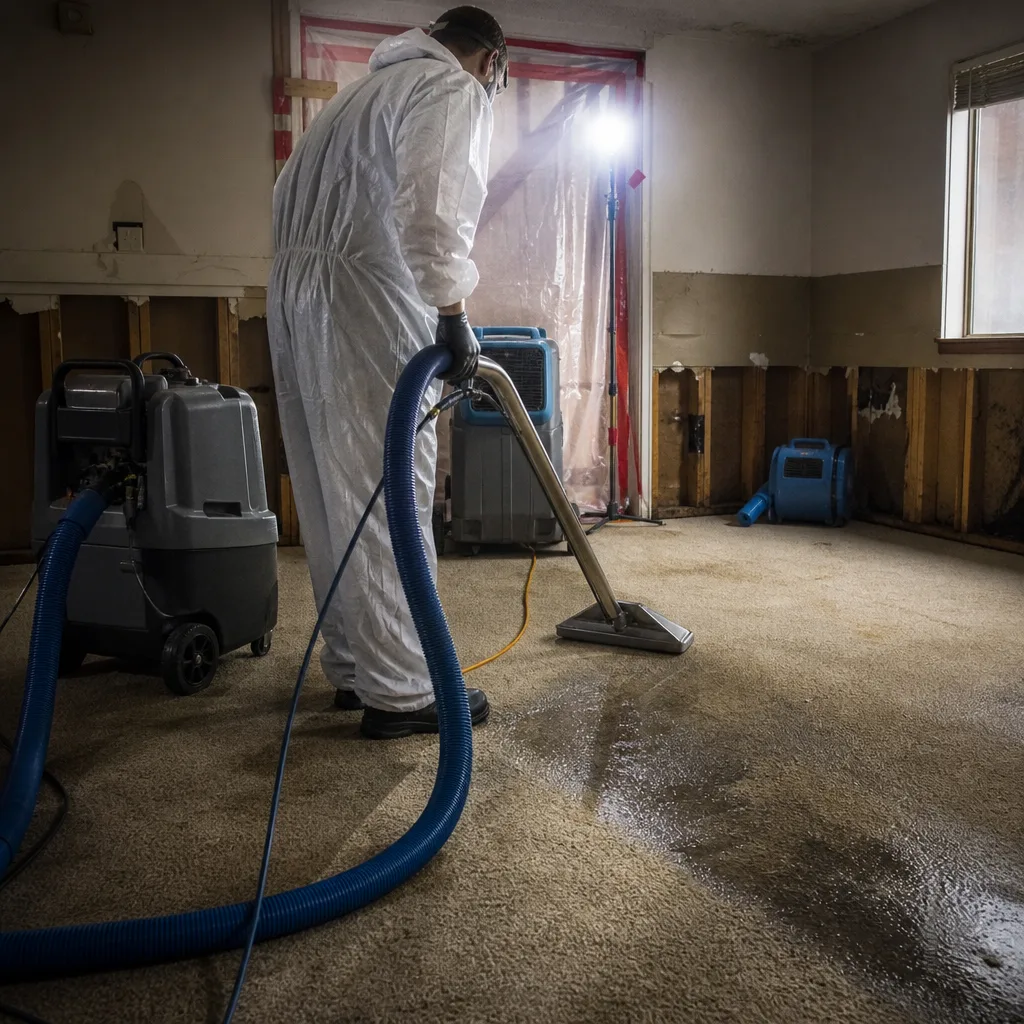
- 45-minute response commitment to SeaTac addresses - from dispatch at our Seattle office to truck wheels on your property.
- 24/7 live answer by a real person, never an automated system or voicemail tree; emergency lines are staffed around the clock because mold doesn’t wait for business hours.
- IICRC-certified crews holding WRT (Water Damage Restoration Technician), AMRT (Applied Microbial Remediation Technician), and FSRT (Fire & Smoke Restoration Technician) credentials - license-verified and background-checked before they arrive.
- Free visual inspection with moisture mapping and thermal imaging included; we document what we find before we quote any work.
- Direct insurance billing with photo-documented estimates formatted to carrier standards - we coordinate with your adjuster so you’re not translating trade terminology into claim language.
- One team from containment through reconstruction, meaning the same crew that sets your drying goals also rebuilds the wall; no handoff gaps, no conflicting scopes.
BeforeAfterOur Mold Remediation Process
1. Inspection & Assessment
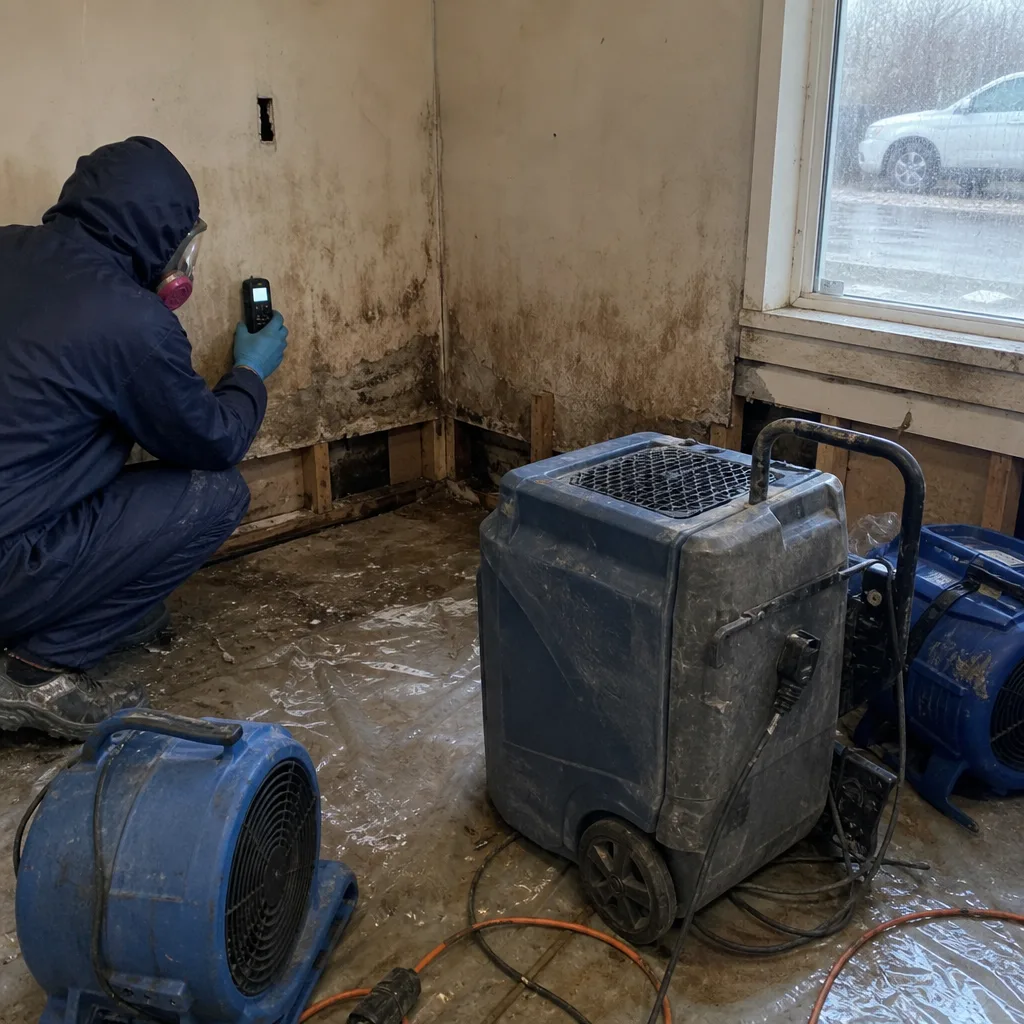
We start with thermal imaging, penetrating moisture probes, and borescope inspection of wall cavities. In SeaTac’s sound-insulated homes, we specifically check for the retrofit trap: blown-in cellulose against sheathing with no vapor barrier. Every finding is photo-documented and written into a scope before any work begins.
2. Containment & Air Filtration
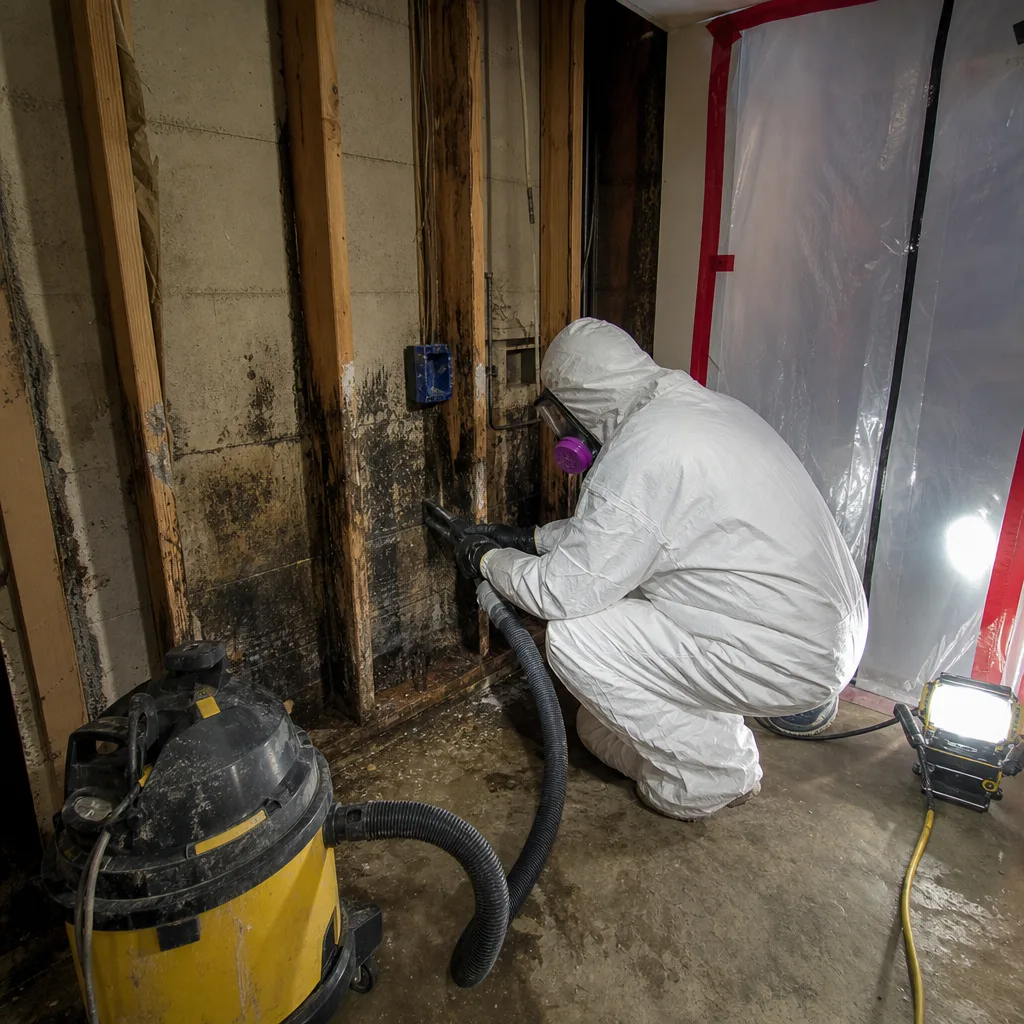
We build polyethylene containment barriers and run negative air machines with HEPA filtration to create pressure differential - measured in pascals, not guessed. This prevents spore migration during demolition. Air scrubbers cycle the contained air through HEPA filters continuously.
3. Moisture Source Elimination & Drying
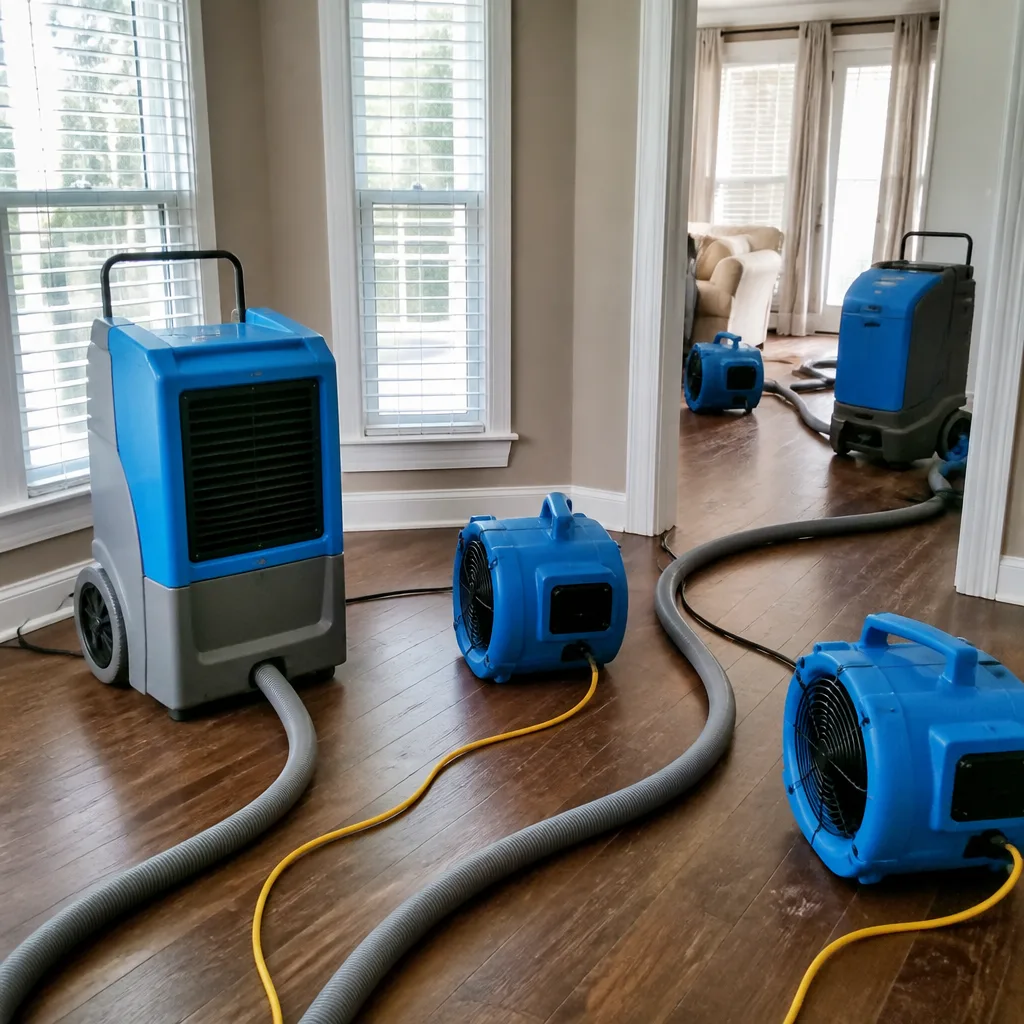
Using Dri-Eaz and Phoenix dehumidifiers, Injectidry cavity-drying systems, and air movers positioned for optimal vapor pressure differential, we drop structural moisture to IICRC-dry standards. In SeaTac’s tight homes, we often add supplemental ventilation because the original design relied on air leakage that the sound insulation eliminated.
4. Removal & Cleaning
Porous materials with confirmed growth are removed and bagged under containment. Non-porous surfaces receive HEPA vacuuming and antimicrobial treatment. We clean to clearance-ready standards, not just visual absence - because in SeaTac’s hidden-mold pattern, what you can’t see matters more than what you can.
5. Air Quality Restoration & Clearance Testing
Post-remediation, we run air sampling with spore trap cassettes analyzed by independent laboratories. Our Air Quality Restoration protocol compares indoor spore counts to outdoor baseline and checks for indicator species that signal incomplete remediation. You receive the lab report, not just our word.
6. Repairs, Rebuild & Moisture Control
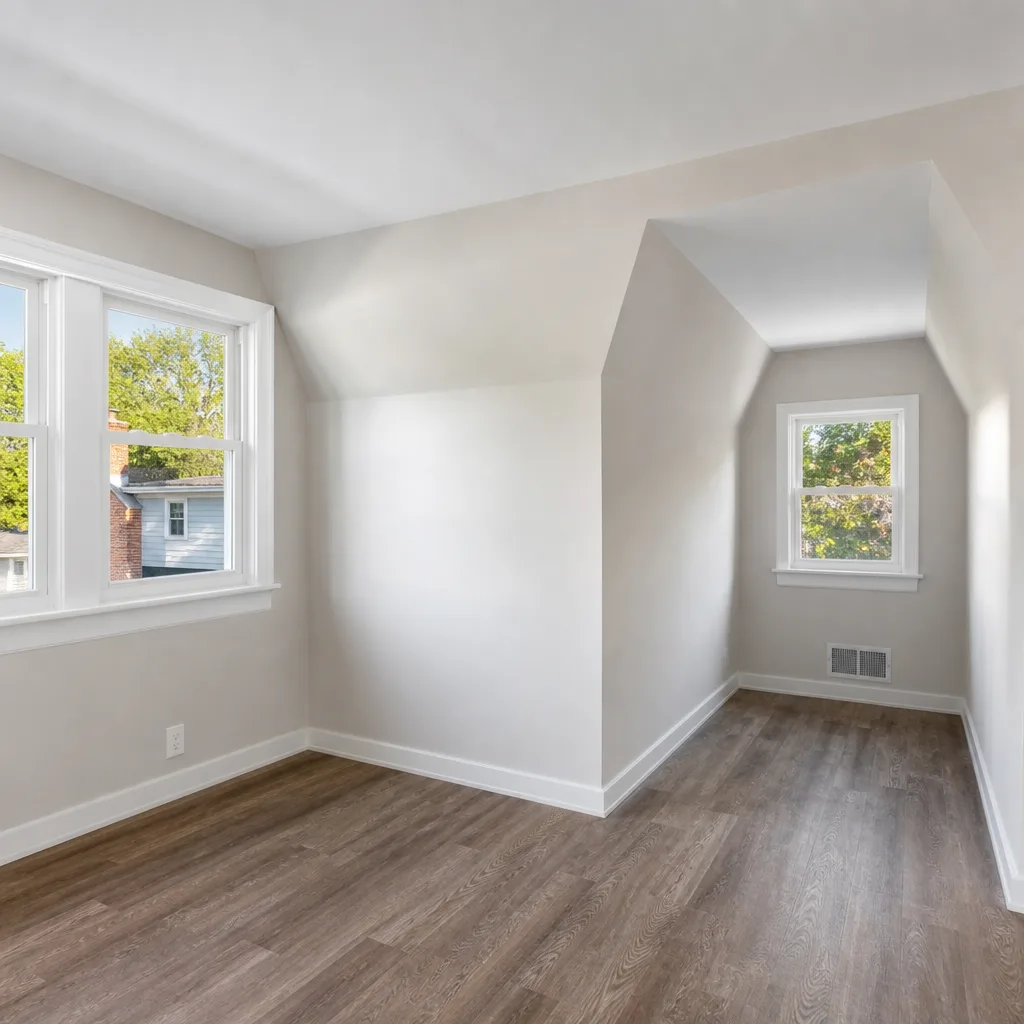
Our crew rebuilds removed drywall, insulation, and finish materials. For SeaTac’s sound-insulated homes, we often specify vapor-barrier-retrofit strategies and mechanical ventilation additions as part of reconstruction - preventing the same condensation trap from reforming.
Need Emergency Mold Remediation in SeaTac Now?
Crews minutes away, answering live 24 hours a day. The sooner we start, the less it costs.
Working With Your Insurance Company
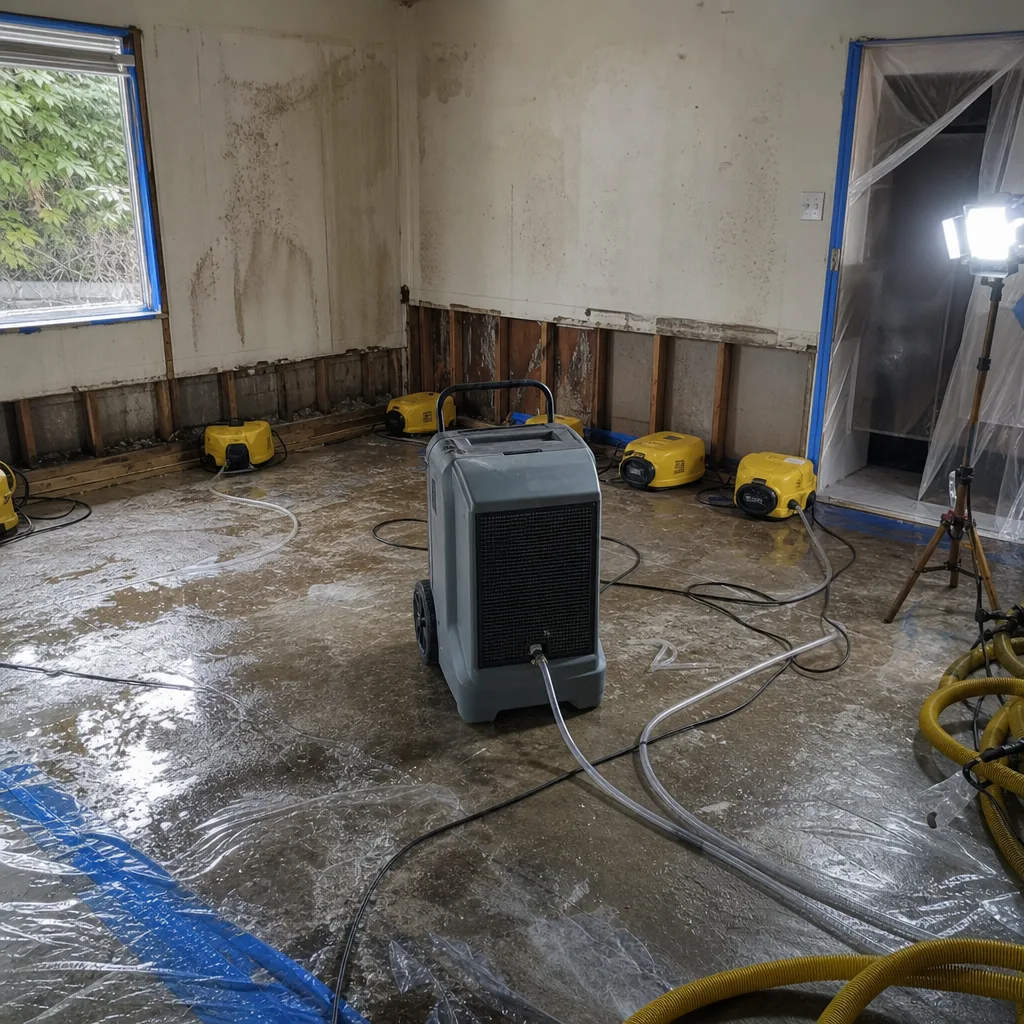
Insurance claims for mold damage succeed or fail on documentation quality. We build your file from the first hour: dated photos of every affected surface, moisture readings with equipment serial numbers, thermal images showing hidden plume extent, and a written scope with line-item pricing before any demolition begins. Our estimates follow Xactimate formatting standards that adjusters recognize immediately. We speak directly with your carrier’s representative, provide supplemental documentation when hidden damage expands the scope, and never ask you to front costs beyond your deductible. The photo record on every visit is standard, not an upsell - Haven Standard, Clause 1: written price before work begins; our documentation package makes that price defensible to your insurer.
What We Provide Your Insurer
- Thorough documentation of the loss
- Photos of all damage, room by room
- Moisture readings and drying logs
- A detailed, line-item scope of work
- Direct coordination with your carrier
Built for SeaTac’s Loss Calendar
SeaTac’s mold season runs November through February, when the official regional weather station at Seattle-Tacoma International Airport records its heaviest rainfall and the airport’s impervious runway surface accelerates stormwater runoff into low-lying residential streets. Crawl spaces in neighborhoods like Riverton Heights and Bow Lake take on water that doesn’t drain naturally, creating the sustained 60%+ relative humidity that triggers mold germination on wood framing within 48-72 hours. January and February bring the secondary wave: homeowners discover mold while investigating cold drafts or odor complaints, only to find the colony established months earlier during the fall rains.
Summer presents a different pattern. The brief dry window from July through September leads some SeaTac homeowners to postpone remediation, but this is when HVAC condensation failures peak in the city’s hotel and extended-stay inventory - cooling coils in rooftop units overflow into ceiling assemblies, and the high turnover of airport-worker housing means leaks go unreported until the next tenant moves in. We also see surge calls after August heat waves, when the temperature differential between SeaTac’s sound-insulated interiors and rare 85°F days drives condensation inside wall cavities that stayed marginal all spring. Year-round, the airport-adjacent rental market’s deferred maintenance means category 1 supply-line breaks become category 3 contamination through shared walls and stagnant HVAC systems.
Mold Remediation Across SeaTac’s Neighborhoods
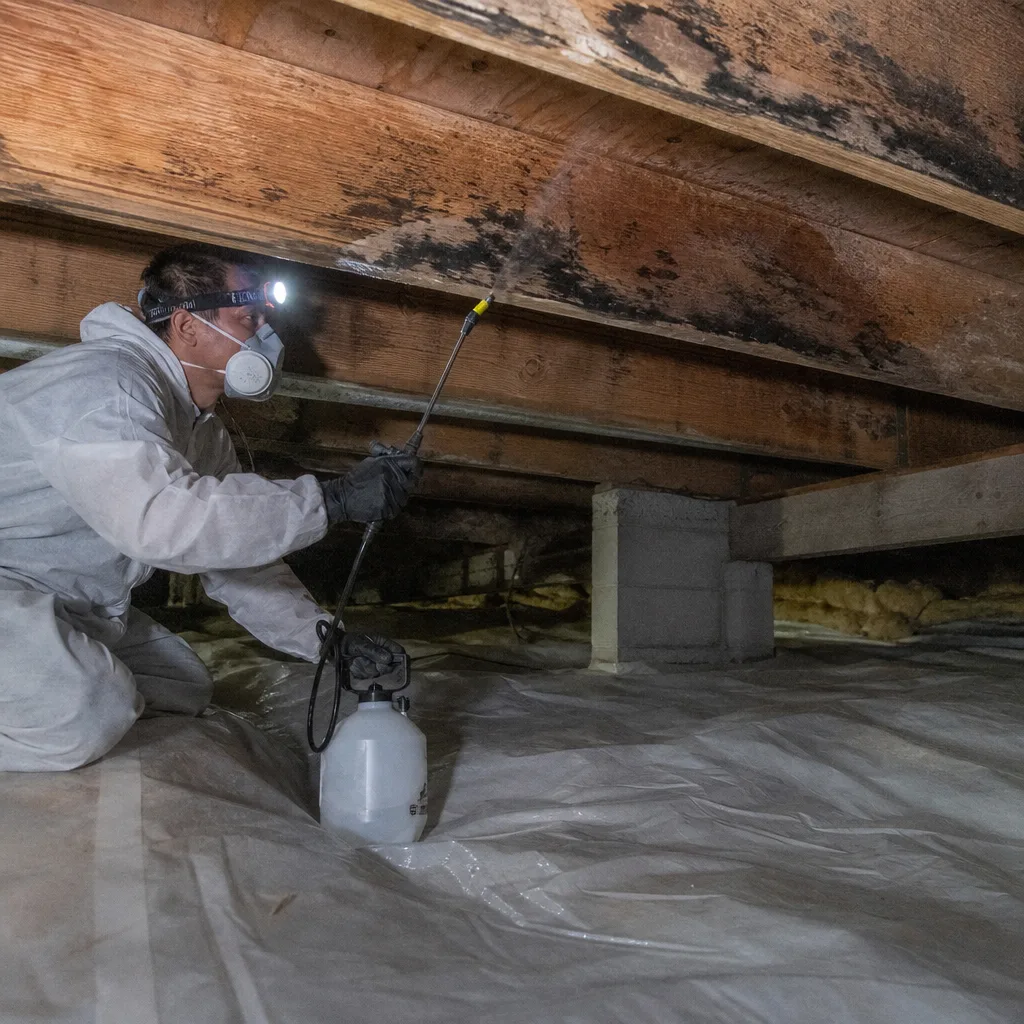
McMicken Heights, the residential pocket just east of the airport along International Boulevard, is where we most often encounter the full retrofit trap. The 1950s-1970s ramblers here received Port of Seattle sound insulation work two decades ago, and the concentration of blown-in cellulose without vapor barriers or added ventilation has created a localized epidemic of hidden cavity mold. Our crews know to bring borescope equipment to every McMicken Heights call, even for minor odor complaints, because the visible surface rarely tells the story.
Riverton Heights, northwest toward the Duwamish River, sits lower than surrounding areas and takes stormwater runoff from both the airport tarmac and the hillside neighborhoods above. Crawl spaces here flood repeatedly during November-February rains, and we’ve treated dozens of properties where the mold source was seasonal groundwater intrusion, not plumbing failure. The crawl space treatment protocol here always includes perimeter drainage assessment and vapor-barrier installation as part of remediation.
The hotel and extended-stay corridor along International Boulevard and Pacific Highway South represents SeaTac’s commercial mold exposure. These buildings see high occupancy turnover, deferred maintenance on aging HVAC systems, and condensation failures in rooftop cooling units that flood multiple rooms before detection. Our response to these properties scales containment across multiple units and coordinates with property management for phased occupancy - different from residential protocol, where one family vacates and one containment zone suffices.
Bow Lake, the neighborhood south of the airport proper, mixes the residential and commercial patterns: older single-family homes on the west side, newer multifamily construction toward Angle Lake Park. The elevation gradient matters here - homes on the lower streets near Des Moines Memorial Drive take more groundwater, while uphill properties face the same sound-insulation retrofit issues as McMicken Heights. We adjust our moisture-mapping strategy by block, not by neighborhood assumption.
Specialized Mold Remediation Services We Offer in SeaTac
Mold Inspection & Testing
Our inspections start with moisture mapping and thermal imaging, then progress to air sampling and cavity investigation when indicated. In SeaTac’s sound-insulated homes, we specifically test for the hidden-mold pattern: normal surface readings with elevated sheathing moisture behind. A typical residential mold inspection in SeaTac runs $350-$650, with lab analysis included.
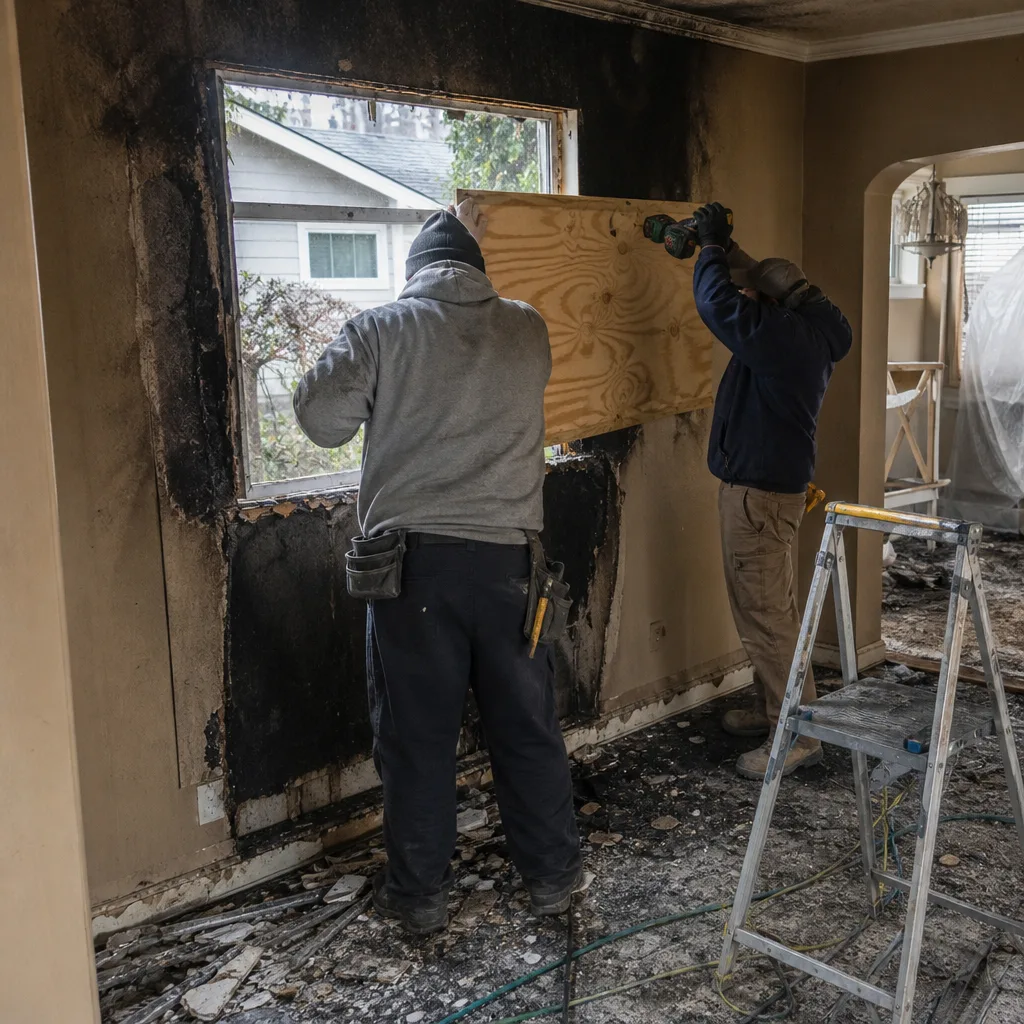
Mold Removal
Containment, HEPA-controlled demolition, and antimicrobial treatment of affected materials. For SeaTac’s retrofit-era homes, removal always includes investigation of adjacent cavities - we don’t treat the visible square footage and declare the job done when the sheathing behind may be saturated.
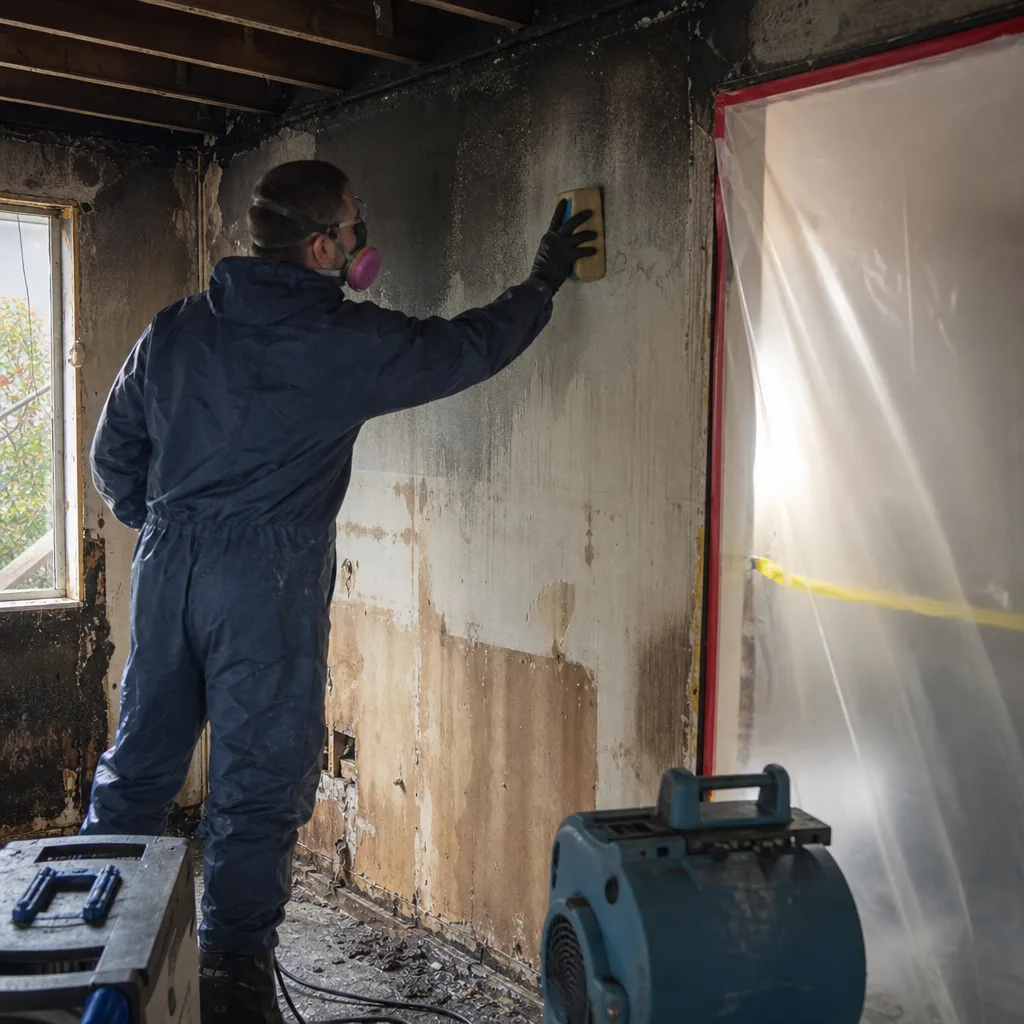
Black Mold Remediation
Stachybotrys chartarum and other toxigenic species require enhanced containment, full-face respirator protocols, and strict disposal procedures. In SeaTac’s tight, poorly ventilated homes, these species colonize more readily because humidity lingers; our crews are AMRT-certified for safe handling.
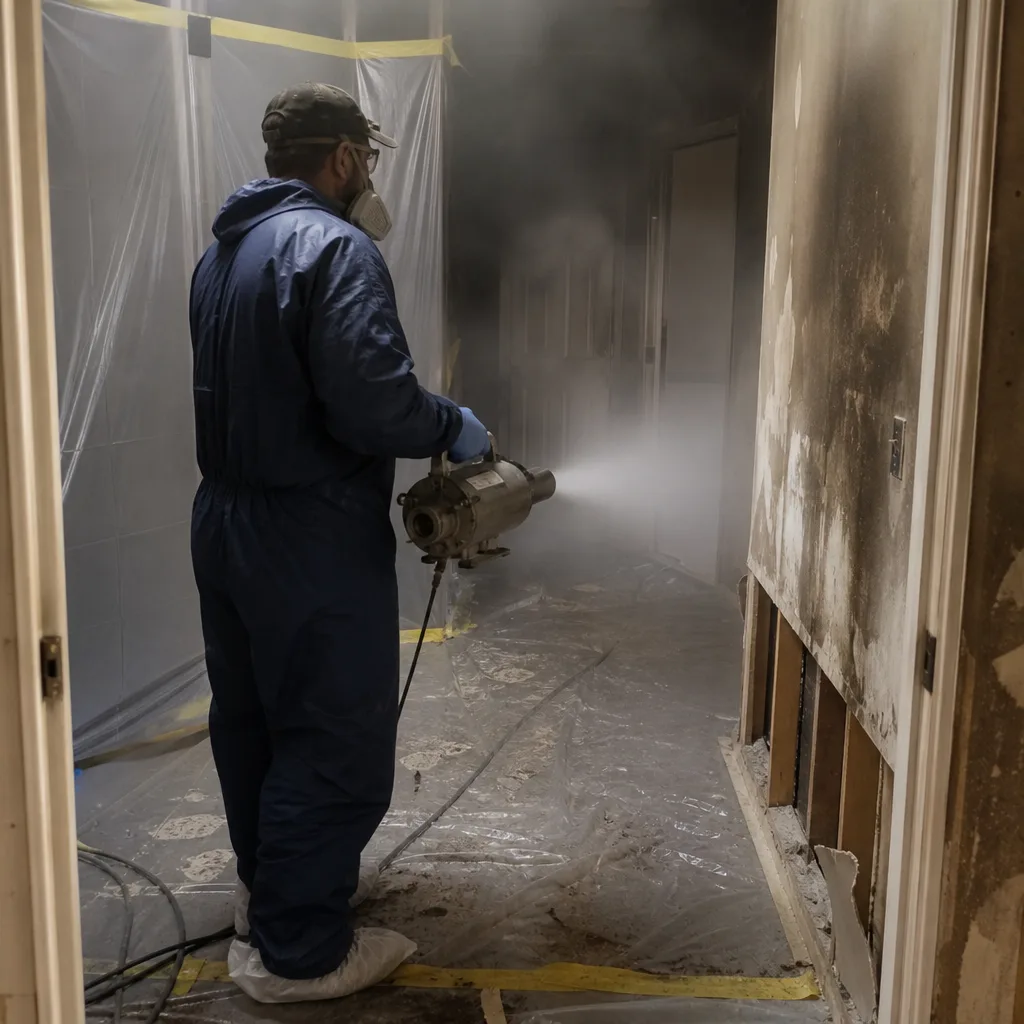
Air Quality Restoration
Post-remediation, we restore breathable air through HEPA filtration, duct cleaning when HVAC is involved, and independent laboratory clearance testing. This is especially critical in SeaTac’s sealed homes, where natural air exchange has been reduced by 50-70% compared to pre-retrofit conditions. Our Air Quality Restoration protocol includes comparing indoor spore counts to outdoor baseline at the property.
Crawl Space Treatment
SeaTac’s low-lying neighborhoods see seasonal crawl space flooding from airport runoff and high groundwater. Our treatment includes mold removal on joists and subfloor, antimicrobial application, vapor-barrier installation, and dehumidification system specification. A full crawl space remediation in SeaTac typically runs $2,800-$6,500 depending on square footage and access conditions.
Moisture & Humidity Control
The permanent solution for SeaTac’s sound-insulated homes. We specify and install mechanical ventilation systems, dehumidifiers, and humidity monitoring that compensate for the air-exchange reduction the Port of Seattle insulation program created. Without this step, remediation is temporary.
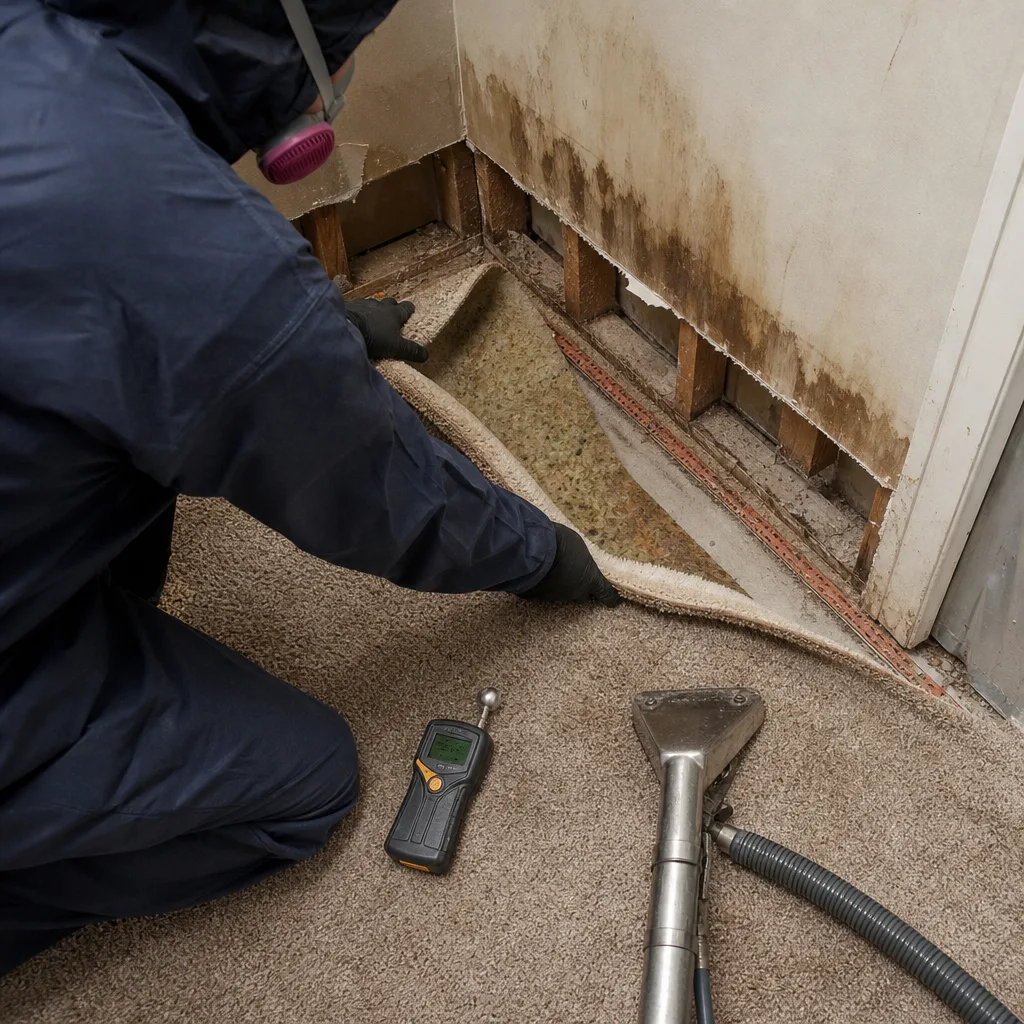
What happens when you call
- 1
A real person answersNo phone trees - you reach a local pro.
- 2
You get an upfront price rangeHonest numbers before anyone is dispatched.
- 3
A background-checked tech heads outLicensed & insured, dispatched right away.
- 4
You approve before work beginsNothing starts until you say go.
Mold Remediation Costs in SeaTac, WA
Mold remediation in SeaTac follows these typical ranges based on 2024-2025 local market pricing:
| Service | Typical Range |
|---|---|
| Limited surface remediation (under 10 sq ft) | $350-$850 |
| Single-room containment and removal (10-100 sq ft) | $1,200-$3,200 |
| Multi-room or hidden-cavity remediation | $3,500-$7,500 |
| Whole-home with HVAC contamination | $8,000-$15,000+ |
| Crawl space treatment | $2,800-$6,500 |
| Air quality testing (post-remediation clearance) | $450-$750 |
| Moisture & humidity control system installation | $1,800-$4,200 |
What moves the price: concealed damage behind intact drywall (common in SeaTac’s retrofit homes), extent of contaminated HVAC ductwork, and whether temporary relocation is required during Category 3 containment. Insurance typically covers mold remediation when the mold results from a covered water loss - burst pipe, storm intrusion, appliance failure - but may exclude long-term maintenance-related moisture. We review your policy language and document the water source to support your claim. Haven Standard, Clause 1: you receive a written price before any work begins, every time, with no scope-creep additions once the crew is inside. Call (253) 487-0371 for a free inspection and firm scope.
We Also Serve Cities Near SeaTac
Our crews respond throughout the south Puget Sound region from our Seattle dispatch office. We also provide Mold Remediation in SeaTac neighboring communities including Auburn, Lake Morton-Berrydale, Kent, and Sumner - each with localized response protocols for their specific housing stock and climate exposure.
Serving SeaTac, WA - Our Local Coverage Area
We’re based in the SeaTac area and know this community well. Use the map below to see our service coverage - if you’re nearby, we can almost certainly help.
SeaTac Mold Remediation Questions, Answered
Why does my SeaTac home grow mold behind what look like perfectly dry, freshly painted walls?
This is the signature SeaTac retrofit trap: Port of Seattle sound insulation work sealed 1950s-1970s ramblers with blown-in cellulose and new windows, slashing air exchange without adding mechanical ventilation. Moisture condenses against exterior sheathing, wicks into wall cavities, and grows mold completely hidden behind intact interior surfaces. The paint looks fine because the drywall face is dry; the sheathing behind is not. We find this pattern repeatedly in McMicken Heights and Bow Lake homes that received insulation retrofits. Call (253) 487-0371 and we’ll bring thermal imaging and borescope equipment to check your cavities.
How is mold remediation different for SeaTac’s airport hotels and extended-stay units compared to a regular house?
Commercial properties require scaled containment across multiple units, coordination with property management for phased occupancy, and scope adjustment for deferred maintenance that turns category 1 water into category 3 contamination through shared wall assemblies and HVAC systems. The documentation package also differs: we provide loss allocation by unit for insurance tracking, and our containment must maintain operational corridors for remaining guests. Residential remediation focuses on one family’s health and one containment zone; commercial work balances remediation thoroughness against revenue protection.
My crawl space floods every November through February because of runoff from the airport - is that why I have mold?
Almost certainly yes. SeaTac’s official weather station records 150+ rainy days annually, and the airport’s impervious runway surface accelerates stormwater into low-lying neighborhoods like Riverton Heights. Sustained crawl space humidity above 60% triggers mold on wood joists and subflooring within 48-72 hours of each flooding event. Even after standing water recedes, evaporative moisture keeps humidity elevated for weeks. Our crawl space treatment addresses both the existing mold and the moisture source: we install vapor barriers, specify drainage improvements, and often recommend permanent dehumidification. Call (253) 487-0371 for a free crawl space inspection.
When you find mold in a sound-insulated SeaTac home, do you have to remove the blown-in insulation?
If the insulation has been wet or shows visible mold growth, yes - cellulose that has supported mold colonization cannot be cleaned in place and must be removed. More critically, we address why it got wet: the absence of vapor barrier and ventilation that created the condensation trap. Reinstalling new insulation without fixing the envelope design repeats the problem. Our reconstruction scope for SeaTac retrofits often includes vapor-barrier retrofit and mechanical ventilation addition, specified in writing before work begins. Haven Standard, Clause 1: written price before work starts, including any insulation replacement and ventilation upgrade.
Does mold remediation in SeaTac’s tight, post-retrofit homes need added ventilation afterward to keep it from returning?
Yes, or the mold will return. The Port of Seattle insulation program reduced natural air exchange by 50-70% on homes never designed for tight envelopes. Standard structural drying goals assume some passive ventilation; in these homes, drying stalls without supplemental mechanical ventilation. Our Moisture & Humidity Control service specifies and installs exhaust ventilation, supply ventilation, or balanced ERV systems depending on your home’s layout and existing HVAC. This is not an upsell - it’s the permanent solution for a design problem the sound insulation created. We include ventilation assessment in every SeaTac remediation scope.
How fast can your crew actually get to my SeaTac property?
We commit to 45 minutes from dispatch to arrival for emergency calls in SeaTac. Our Seattle office coordinates scheduling and routes crews based on real-time traffic along I-5, SR 99, and International Boulevard. Live phone coverage means your call reaches a human who can confirm crew availability and estimated arrival immediately, not after a callback queue. For non-emergency inspections, we typically schedule within 24 hours. Call (253) 487-0371 for current availability.
Will my insurance cover mold remediation, or is this out of pocket?
Insurance covers mold remediation when the mold results from a sudden, accidental water loss that your policy covers - burst pipe, storm intrusion, appliance failure. It typically does not cover mold from long-term maintenance issues like chronic condensation or unresolved leaks. We document the water source, photograph the damage sequence, and format estimates to carrier standards to support your claim. Our direct adjuster coordination includes presenting moisture-mapping data that establishes when the water event occurred. Bring any competitor’s written estimate and we’ll provide a free second opinion on coverage strategy.
What should I do in the first 30 minutes after discovering mold?
Do not disturb the area - disturbing mold releases spores that migrate through your home. Turn off HVAC if the mold is near a vent or return. Take photos from multiple angles for documentation. Then call (253) 487-0371. Our live dispatcher will guide immediate steps and dispatch a crew for containment setup. Do not apply bleach or cleaning products; they disturb spores without killing root structures in porous materials, and they complicate our later lab sampling for clearance testing.
We were called to a 1960s rambler near the sound insulation retrofits just east of the airport for a minor odor complaint and discovered the classic SeaTac retrofit trap: the wall cavities had no vapor barrier, blown-in cellulose was packed against the sheathing, and years of trapped condensation had rotted the studs and grown mold behind a freshly painted interior wall. Our techs set containment, ran moisture mapping to find the hidden moisture plume, and used Injectidry and Phoenix equipment to dry the cavity before we ever touched the visible drywall. The homeowner told us the sound insulation contractor never mentioned ventilation, and the pack-out of their bedroom took two days once the extent of the hidden damage was clear.
Written by Alicia Brennan, Owner at DryMark Restoration Auburn, serving SeaTac since 2011 under The Haven Standard.
Mold Remediation in Nearby Areas