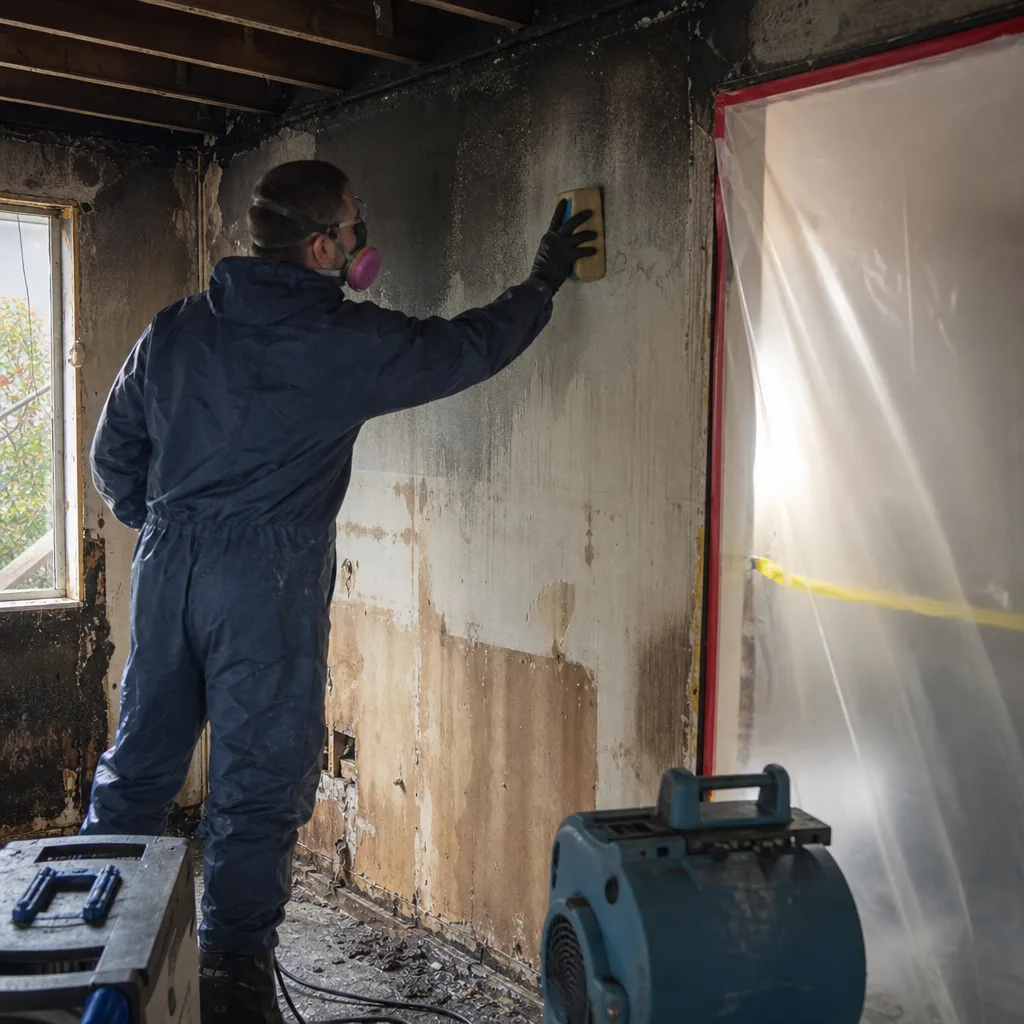
Free visual inspection and a written scope of work before any mitigation begins - photos, moisture readings, and drying logs go in your claim file
The scope we write is the scope we bill. Anything new gets shown to you, in writing, before we touch it.
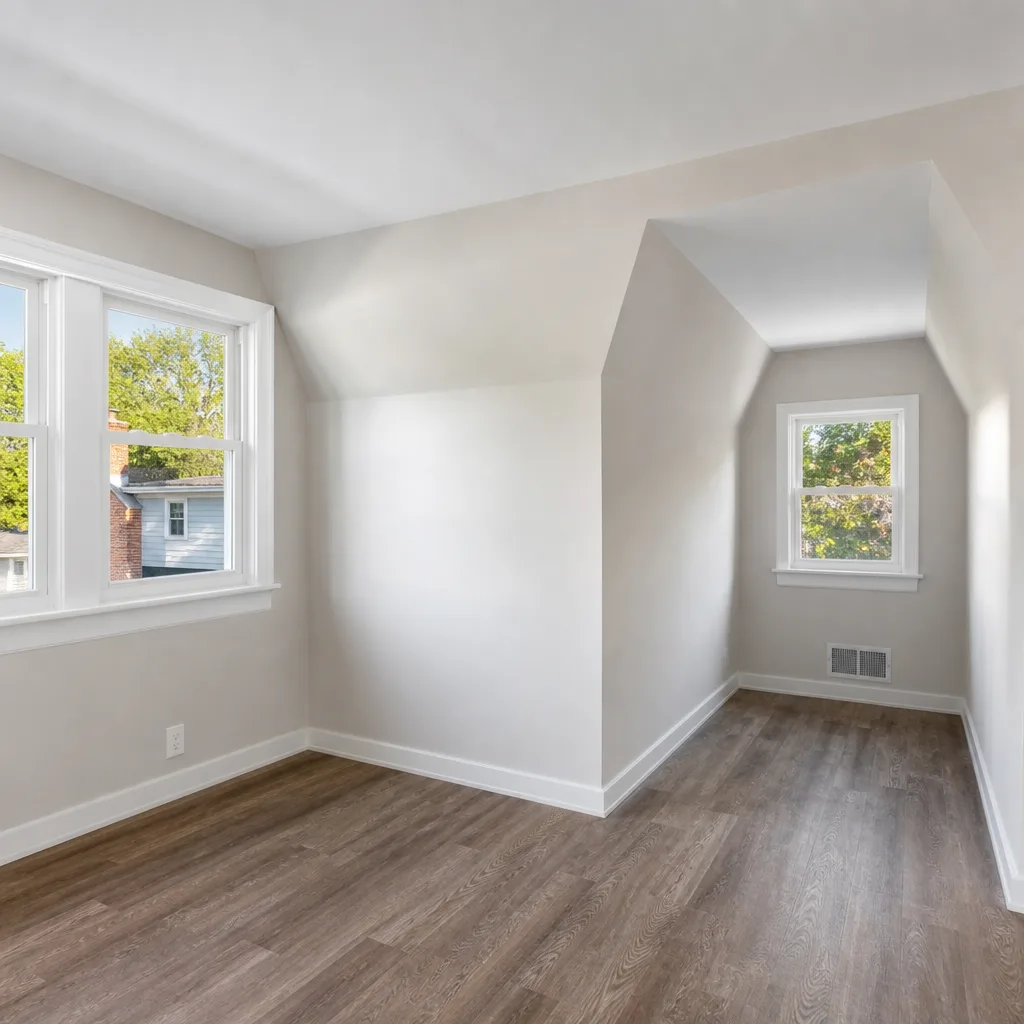
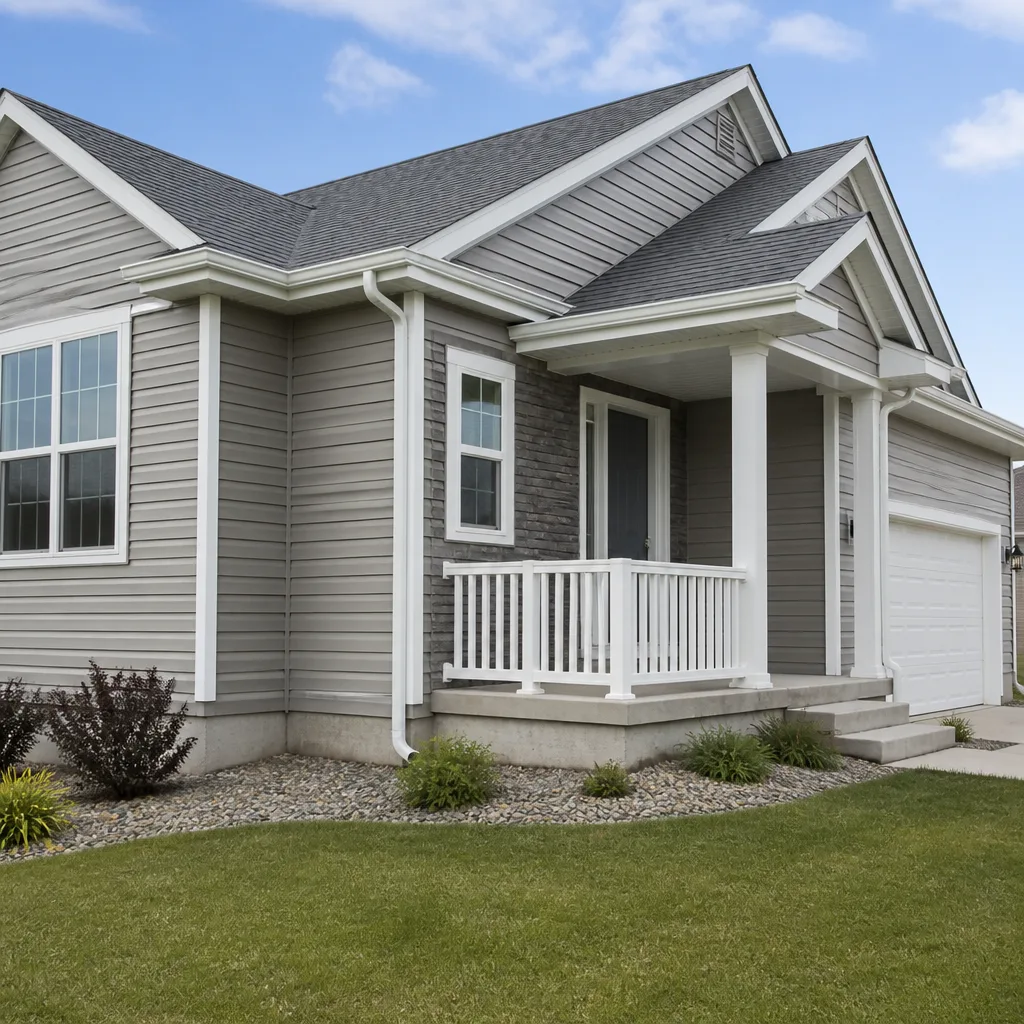
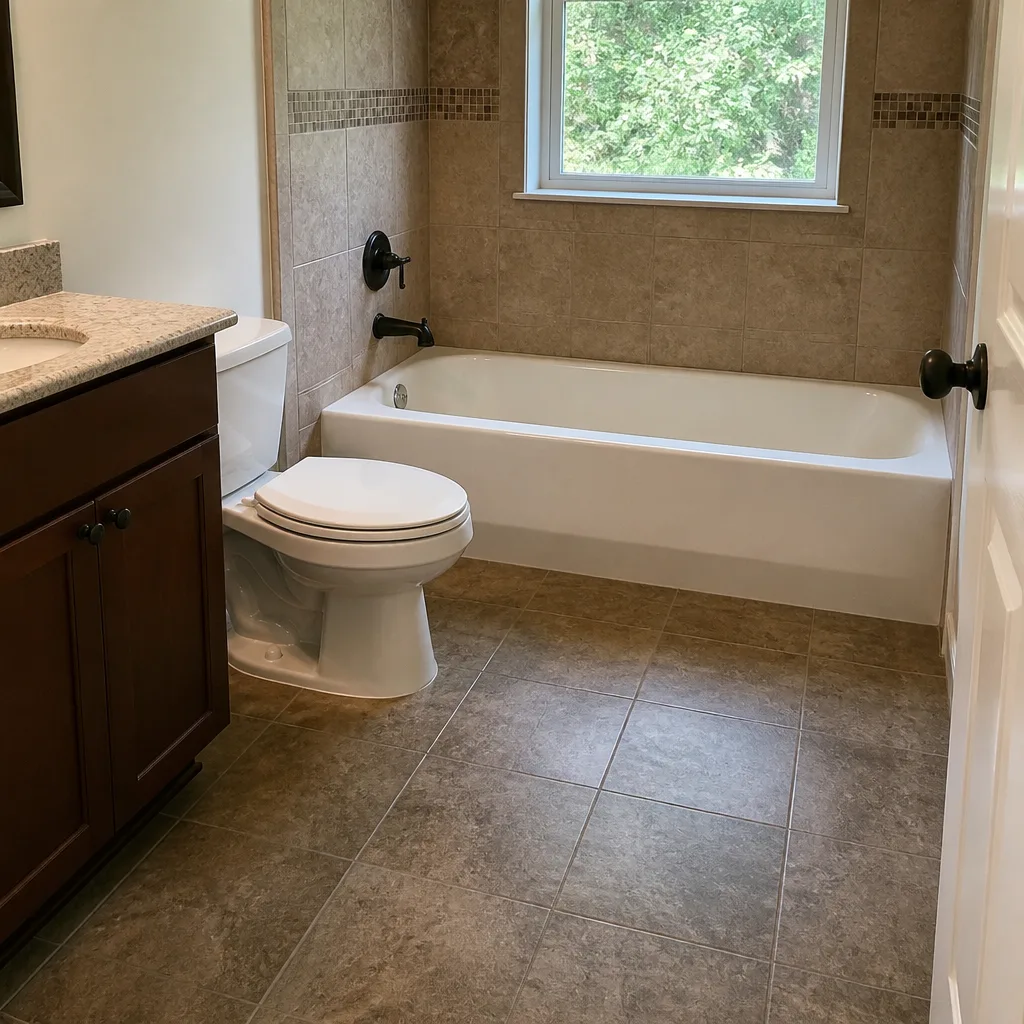
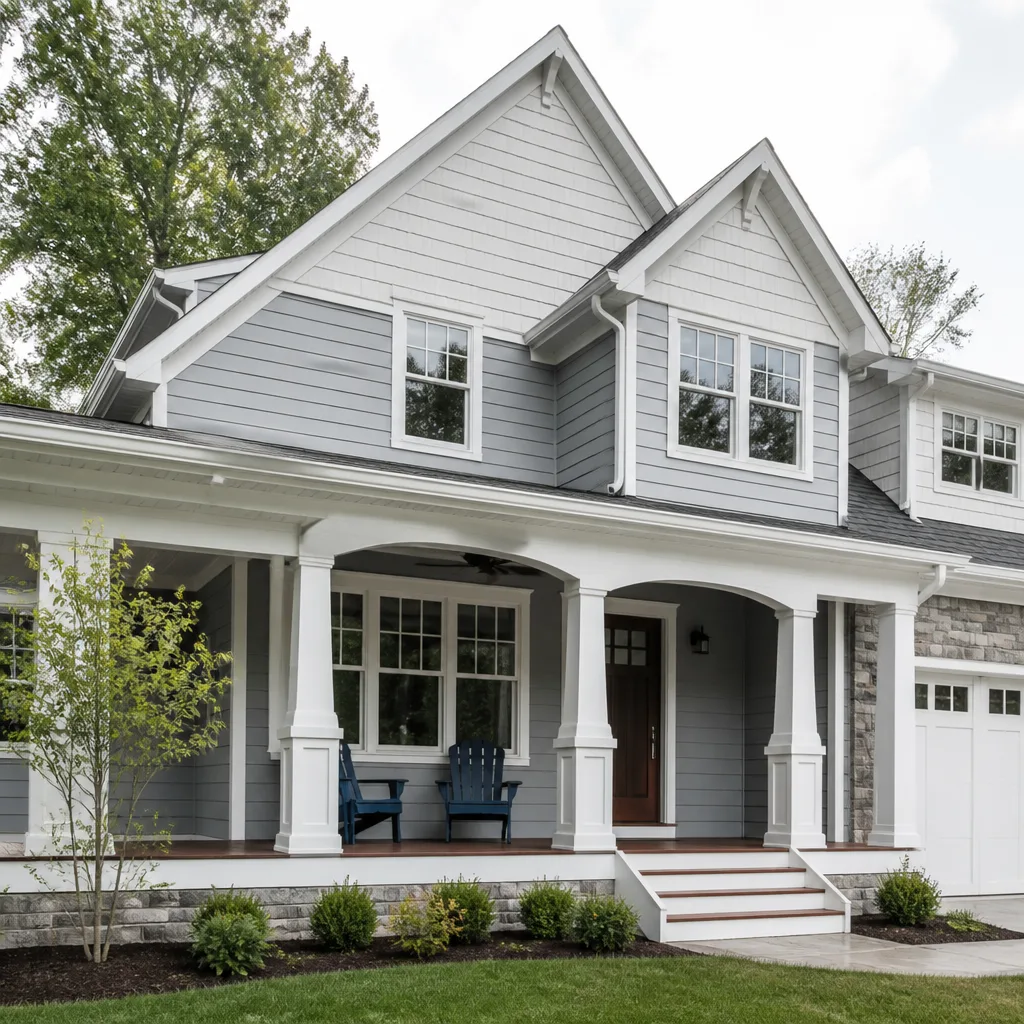
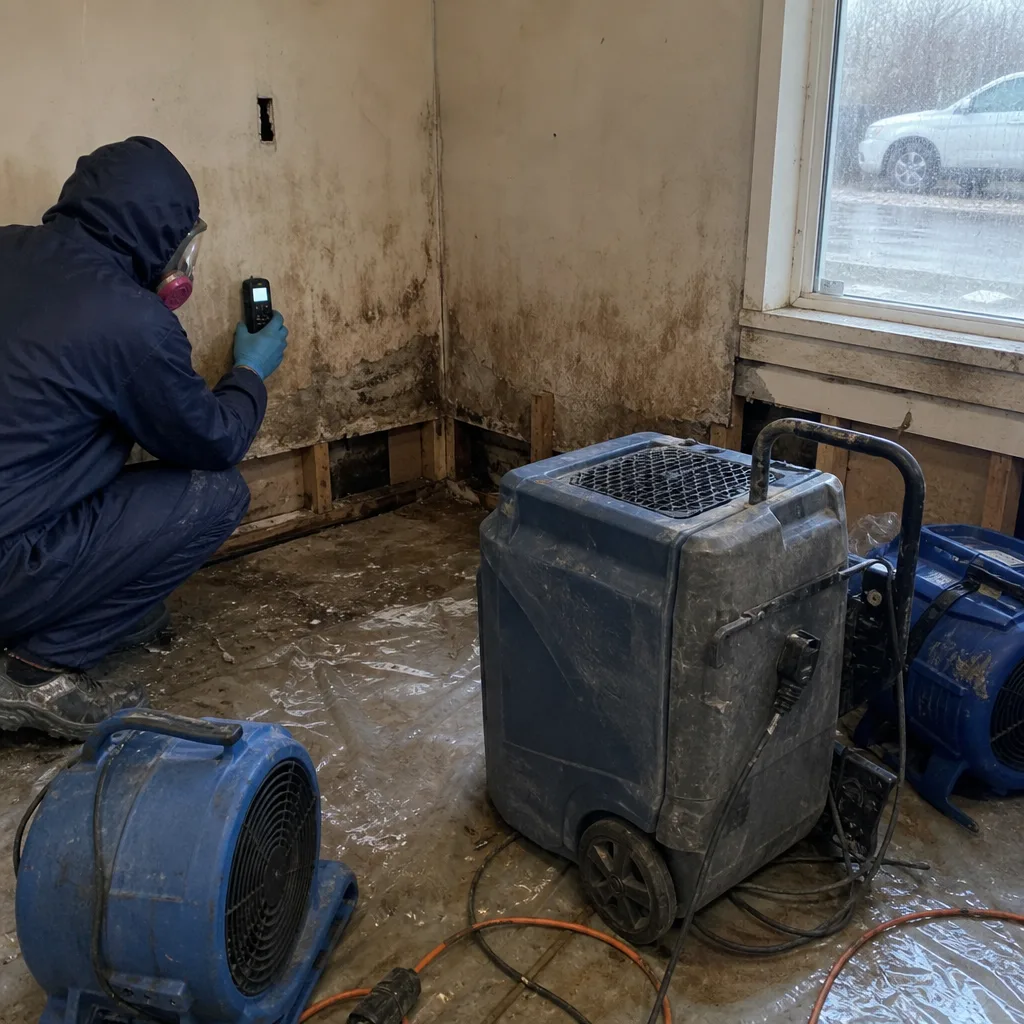 Before
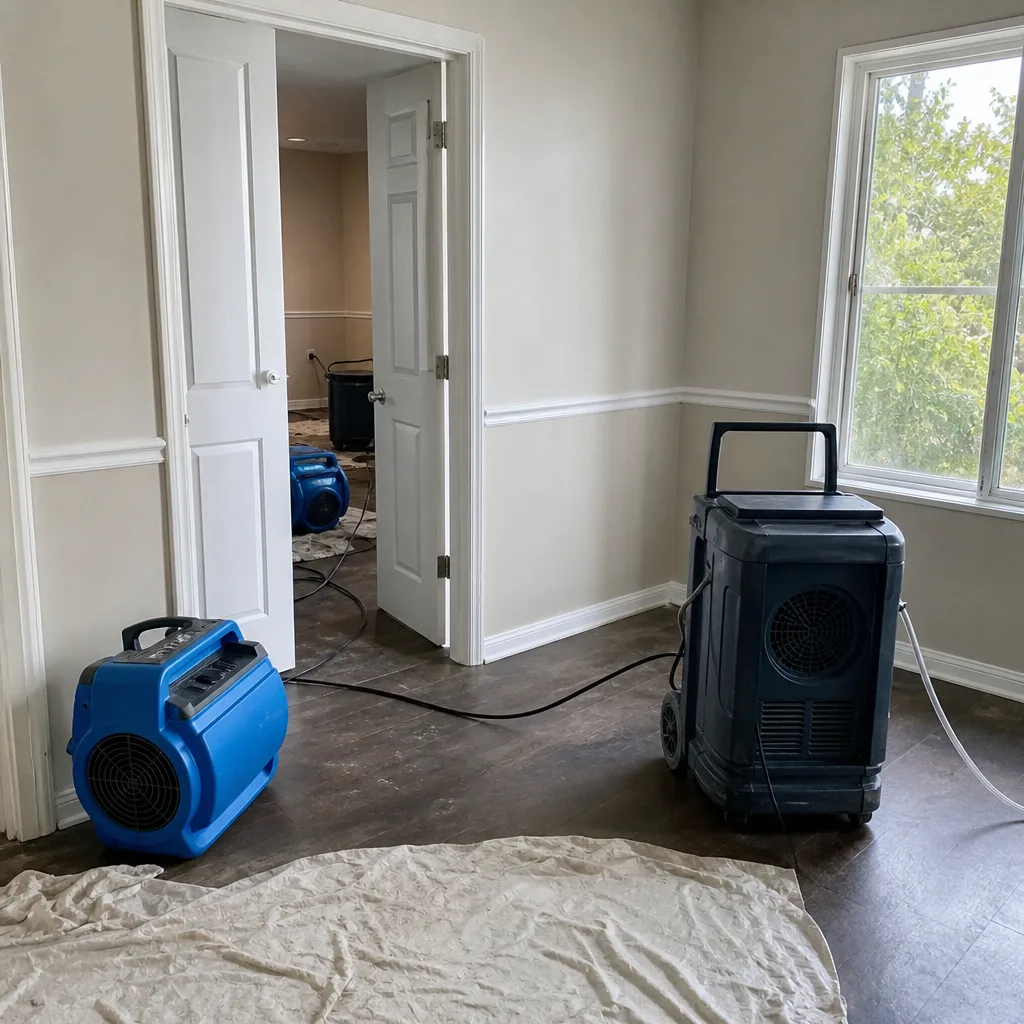 After
After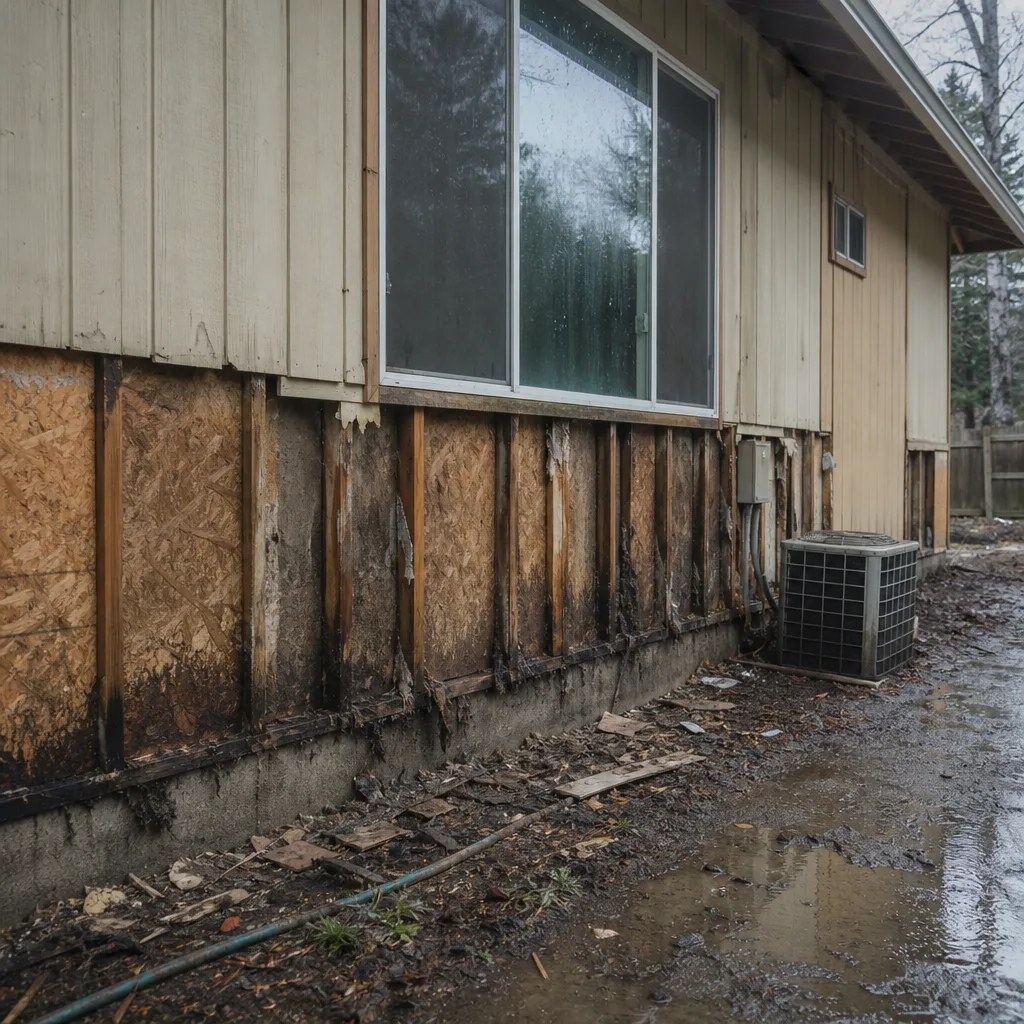 Before
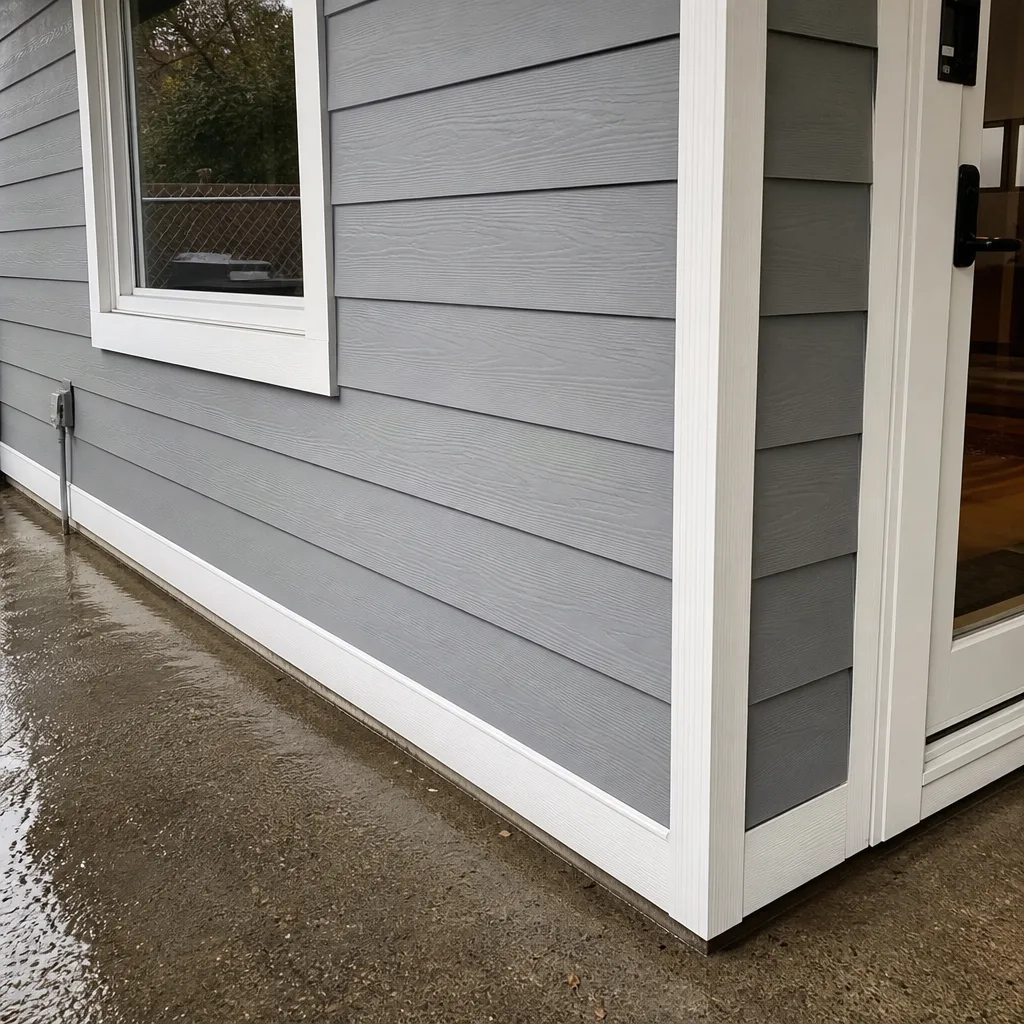 After
After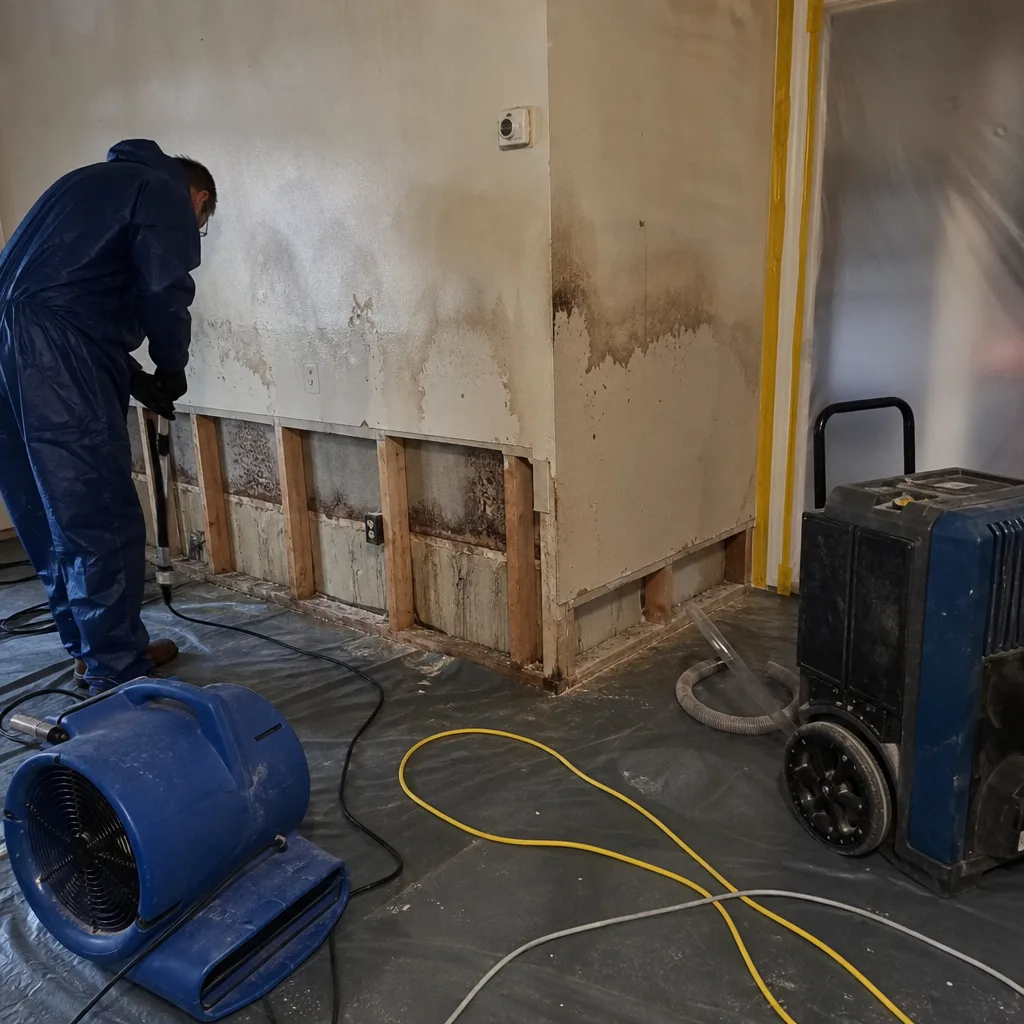 Before
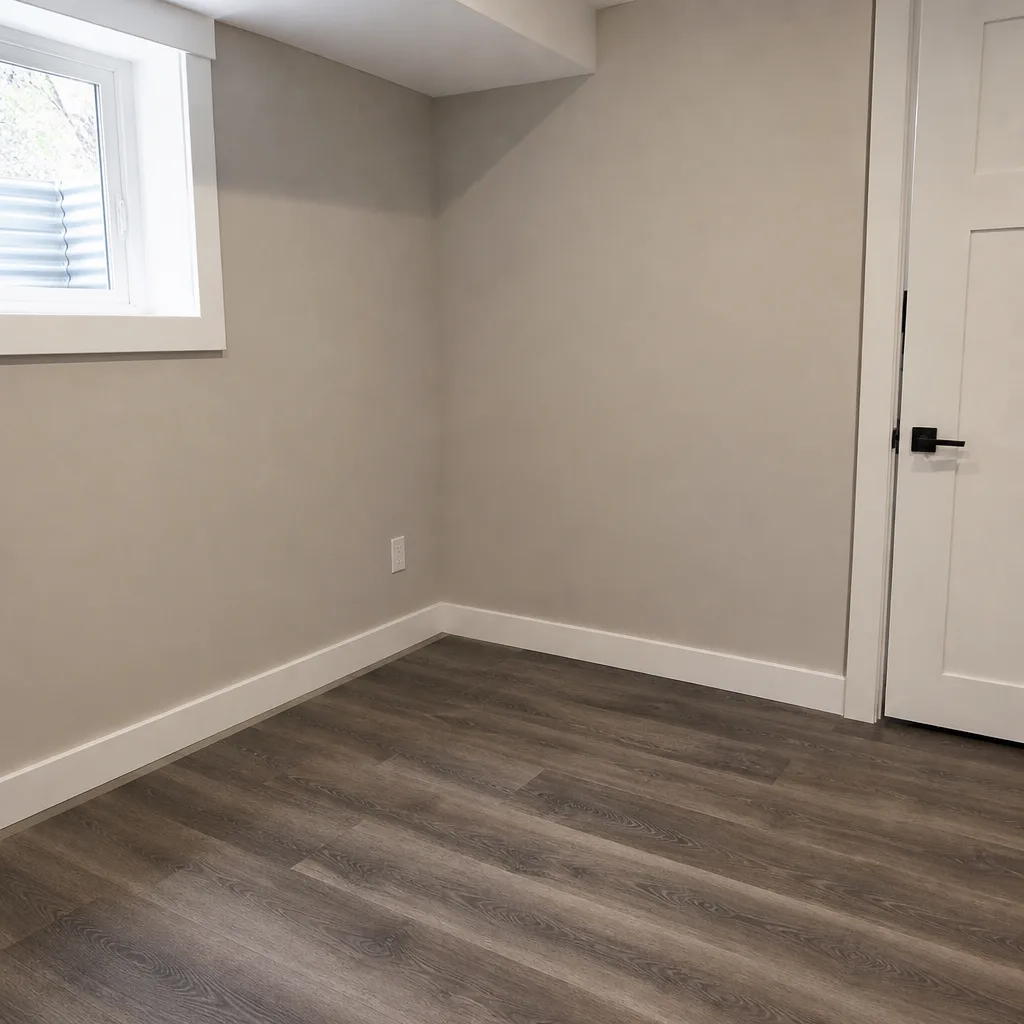 After
After24/7 Emergency Water Damage Restoration in Bellevue
Water damage restoration in Bellevue typically costs $2,800-$7,500 for a standard residential mitigation, with emergency extraction starting at $450-$950 and structural drying running $1,200-$3,200 depending on affected square footage and material classification. Most Bellevue properties we serve require same-day dispatch to prevent category escalation and secondary mold growth. Call (253) 487-0371 now - we answer live, 24 hours a day, 7 days a week, with crews routed from our Seattle office to Bellevue addresses typically within 45 minutes.
The first hour determines whether a water loss stays a mitigation job or becomes a reconstruction project. In Bellevue’s downtown condo towers, that hour also decides whether moisture migrates into stacked units below, triggering multi-party claims and HOA loss-assessment protocols that complicate every subsequent decision. Our Water Damage Restoration team documents pre-loss condition with photo records before any equipment enters the space, because three adjusters and a loss assessor will eventually review the same file.
Understanding Water Damage Restoration Severity in Bellevue Properties
Water damage classification follows IICRC S500 standards: Category 1 is clean water from a supply line, Category 2 carries significant contamination from appliances or sump failures, and Category 3 is grossly contaminated from sewage or ground flooding. Bellevue’s housing stock creates distinct severity patterns. The 1950s-1970s split-levels in Crossroads and Robinswood often present Category 2 losses when aging drain-tile systems back up into crawl spaces, while downtown high-rise supply-line failures typically start Category 1 but escalate quickly when they cascade through multiple units.
Moisture mapping with thermal imaging and penetrating hygrometers tells us what visible inspection cannot. In Somerset’s clay-hillside homes, we regularly find vapor pressure differential driving moisture through intact foundation walls even when no crack is visible. Psychrometric data - temperature, relative humidity, and grains per pound - governs our drying strategy. Tertiary drying targets bound moisture in structural materials after free water is extracted, and it’s where most DIY attempts fail. A mid-century ranch in Robinswood with original plaster and lath requires a different vapor pressure target than a Bravern-district condo with gypcrete subflooring over post-tensioned concrete.
Why Bellevue Property Owners Choose DryMark Restoration Auburn
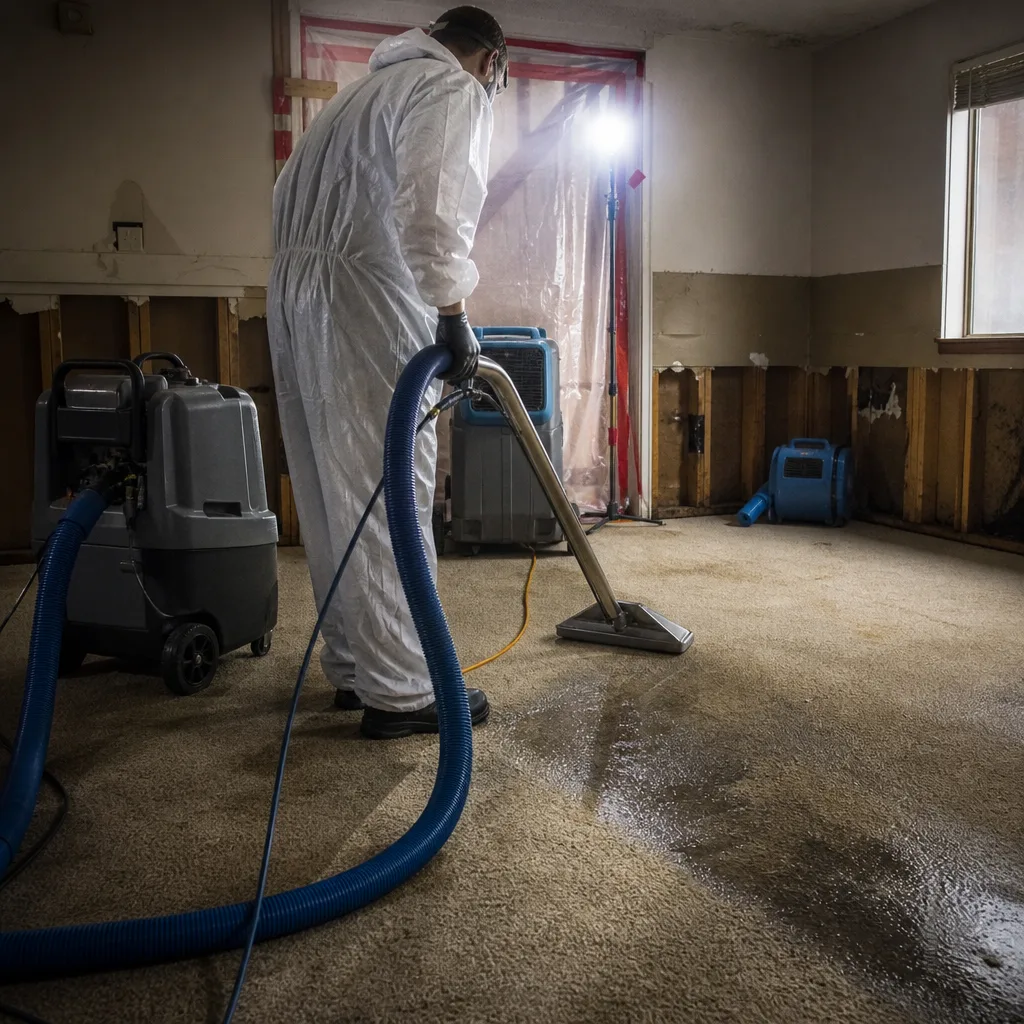
- 45-minute response commitment to Bellevue addresses, with dispatch coordinated from our Seattle office and crews already staged for the I-405 corridor.
- 24/7 live answer - a real person, never an automated system or voicemail tree, because water doesn’t wait for business hours and neither do we.
- IICRC-certified crews holding WRT (Water Damage Restoration Technician), ASD (Applied Structural Drying), and AMRT (Applied Microbial Remediation Technician) credentials, with license numbers documented on every job file.
- Free visual inspection and written scope before any work begins, per Haven Standard, Clause 1 - no exceptions, no pressure to authorize on the spot.
- Direct insurance billing and adjuster coordination, with daily drying logs and photo records formatted to carrier specifications from day one.
- One team from extraction through reconstruction, eliminating handoff gaps that leave moisture trapped behind closed walls.
BeforeAfterOur Water Damage Restoration Process
1. Inspection & Assessment
We classify the water category, map moisture intrusion with FLIR thermal imaging and Protimeter Surveymaster readings, and photograph pre-loss condition room by room. In Bellevue high-rises, this includes the units above and below before any equipment runs, because migration paths don’t respect property lines.
2. Extraction & Stabilization
Truck-mounted extraction removes standing water at 15-25 gallons per minute. For hardwood and tile, we deploy weighted ride-on extractors to pull water from subflooring. Containment barriers isolate unaffected areas. In downtown towers, we coordinate with building engineers on electrical safety and elevator access before setup.
3. Structural Drying & Dehumidification
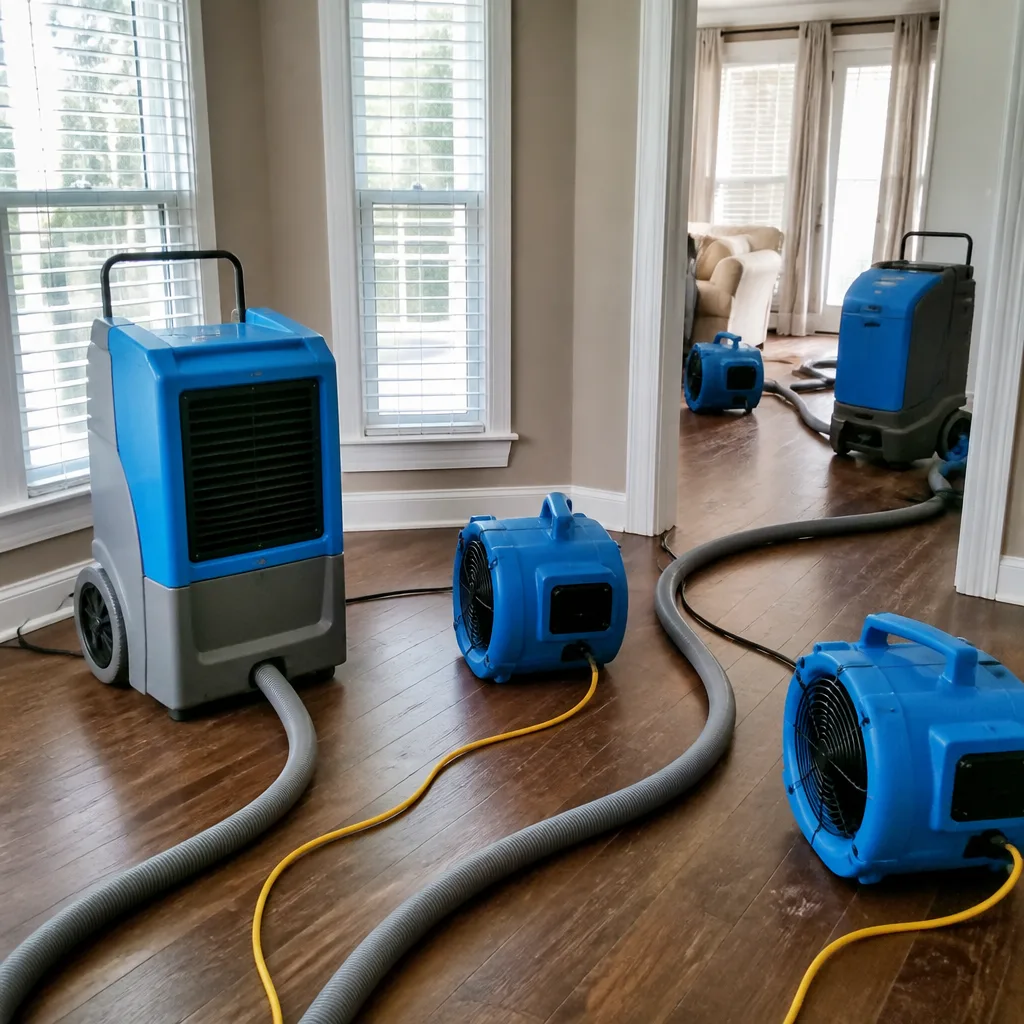
We deploy Dri-Eaz Revolution LGR dehumidifiers and Phoenix 200 MAX units sized to the cubic footage and class of loss, plus axial and centrifugal air movers positioned for laminar airflow across wet surfaces. Injectidry panel systems dry inside wall cavities and under cabinets without demolition when possible. Daily psychrometric readings track progress to dry standard.
4. Cleaning & Sanitization
Category 2 and 3 losses receive antimicrobial treatment with EPA-registered products, followed by HEPA air scrubbing to capture airborne particulates. Odor control with hydroxyl generators or ozone (where occupant-safe) addresses residual contamination. All cleaning is documented with before-and-after photos.
5. ARB-Compliant Finish Matching
For Bellevue’s HOA-governed properties, we source replacement materials from the community’s approved vendor list, matching panel profiles, stain colors, and hardware finishes to architectural review board specifications. Our written scope specifies ARB approval status for every finish item before installation begins.
6. Repairs & Restoration
Final repairs return the space to pre-loss condition, with a photo record on every visit and a 365-Day Done Right Promise backed by The Haven Standard. We provide a signed warranty, final moisture clearance readings, and a complete documentation package for your insurance file and HOA records.
Need Emergency Water Damage Restoration in Bellevue Now?
Crews minutes away, answering live 24 hours a day. The sooner we start, the less it costs.
Working With Your Insurance Company
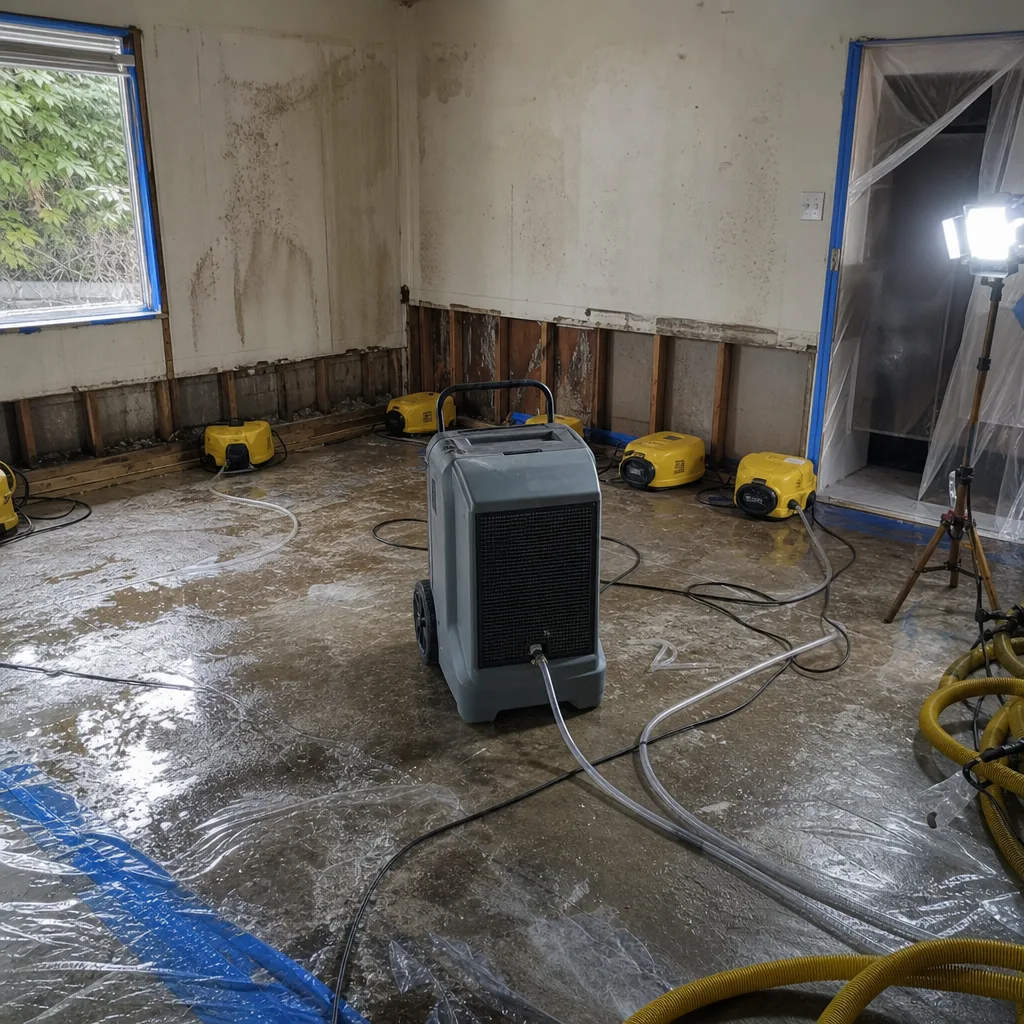
Documentation from the first hour determines whether a claim pays without dispute. We photograph every room before equipment touches it, record moisture readings at every structural point, and produce daily drying logs that show psychrometric progress toward the dry standard. Our estimates follow Xactimate pricing with line-item detail that adjusters recognize. When multiple carriers are involved, as happens routinely in Bellevue’s stacked-unit losses, we distribute identical documentation packages to each adjuster and the HOA’s loss assessor simultaneously.
Direct adjuster communication is standard, not an upsell. We conference with your carrier’s representative, explain our scope in trade terms they understand, and revise only when new damage is discovered and documented. No work proceeds beyond the written scope without a signed change order.
What We Provide Your Insurer
- Thorough documentation of the loss
- Photos of all damage, room by room
- Moisture readings and drying logs
- A detailed, line-item scope of work
- Direct coordination with your carrier
Built for Bellevue’s Loss Calendar
Bellevue sits in the rain shadow break zone where Pineapple Express storms drop 2-4 inches in 24 hours on glacial clay soils already saturated from weeks of drizzle. November through February is our peak season: overwhelmed residential drainage systems, failed sump pumps in Crossroads crawl spaces, and hydrostatic pressure forcing groundwater through Somerset foundation walls. The sustained moisture, not freeze-thaw, drives the damage. Every water loss that isn’t mitigated within 48 hours in Bellevue carries near-certain secondary mold scope.
Spring brings the thaw of accumulated roof load on mid-century ranches with original gutters, sending water behind fascia and into soffits. Summer’s brief dry spell is when we handle the backlog of discovered leaks - homeowners notice stains that winter moisture masked. Early fall is preventive inspection season for the prepared, and emergency season for everyone else.
Water Damage Restoration Across Bellevue’s Neighborhoods
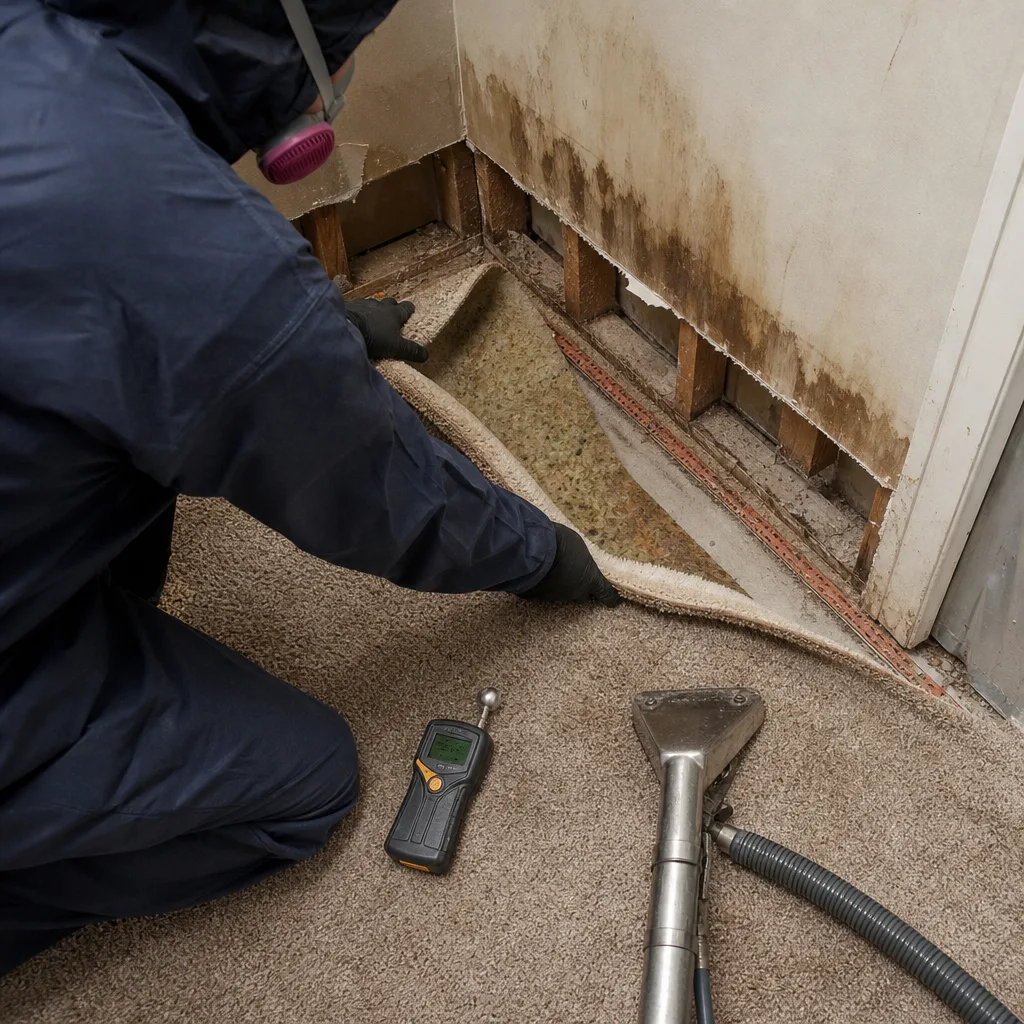
Downtown’s condo corridor along 106th Avenue NE and the Bravern district presents a loss geometry unique in the Eastside. A single supply-line failure on an upper floor wicks through multiple stacked units simultaneously, so most losses arrive as multi-party insurance claims with HOA loss-assessment protocols attached before any drying equipment goes in. That stacked-unit claim geometry is essentially absent in Kirkland or Redmond, where detached single-family losses dominate. We were called to a Bravern-district tower on 106th Avenue NE after a supply line let go on an upper floor and gravity fed water down through three units below, so the first order of business was moisture mapping each unit separately and photographing pre-loss condition before a single air mover went in, because three carriers and the HOA were all going to want the same documentation. Our tech pulled category 1 standing water with truck-mount water extraction, set containment around the affected wet wall, and hung Injectidry panels inside the cabinetry so we could hit structural drying without tearing out the custom millwork the owners had just had ARB-approved. Drying logs went to all three adjusters and the HOA’s loss assessor, and the replacement panel doors came back in the community’s approved stain so nothing tripped a violation on the back end.
Somerset, perched on its steep glacial hillside with heavy clay soils, floods from below. Hydrostatic pressure forces groundwater through foundation walls and under slab floors of 1970s-era homes there, a failure mode restoration crews on the flatter Eastside cities rarely encounter but Somerset techs treat as a seasonal certainty. Crossroads and Robinswood split-levels built in the 1960s and 70s present the opposite problem: original crawl spaces with degraded vapor barriers and failing perimeter drain tile, where surface drying alone leaves saturated ground that breeds mold through the next storm cycle.
Specialized Water Damage Restoration Services We Offer in Bellevue
Emergency Water Extraction
Truck-mounted and portable extraction for standing water of any category, with immediate containment to prevent migration in multi-unit Bellevue buildings. Response time to downtown towers is typically under 45 minutes during peak season.
Structural Drying & Dehumidification
Engineered drying systems using Dri-Eaz and Phoenix LGR dehumidifiers, with Injectidry cavity drying for hardwood floors and wall assemblies. In Bellevue’s high-rises, we spec quiet-running equipment and schedule air-mover rotation to minimize disruption across shared walls, with decibel levels documented for HOA compliance.
Flood Cleanup
Category 2 and 3 flood recovery with full sanitization, including contaminated ground-water intrusion in Somerset basements and crawl-space flooding in Crossroads. Vapor barrier and drain-tile assessment is standard, not optional.
Burst Pipe Restoration
Supply-line and plumbing failure response with immediate water shutoff coordination, extraction, and full documentation for insurance. In downtown condos, we trace the full migration path through stacked units before any drywall closes, preventing the hidden-ceiling-damage scenario that triggers HOA loss-assessment disputes months later.
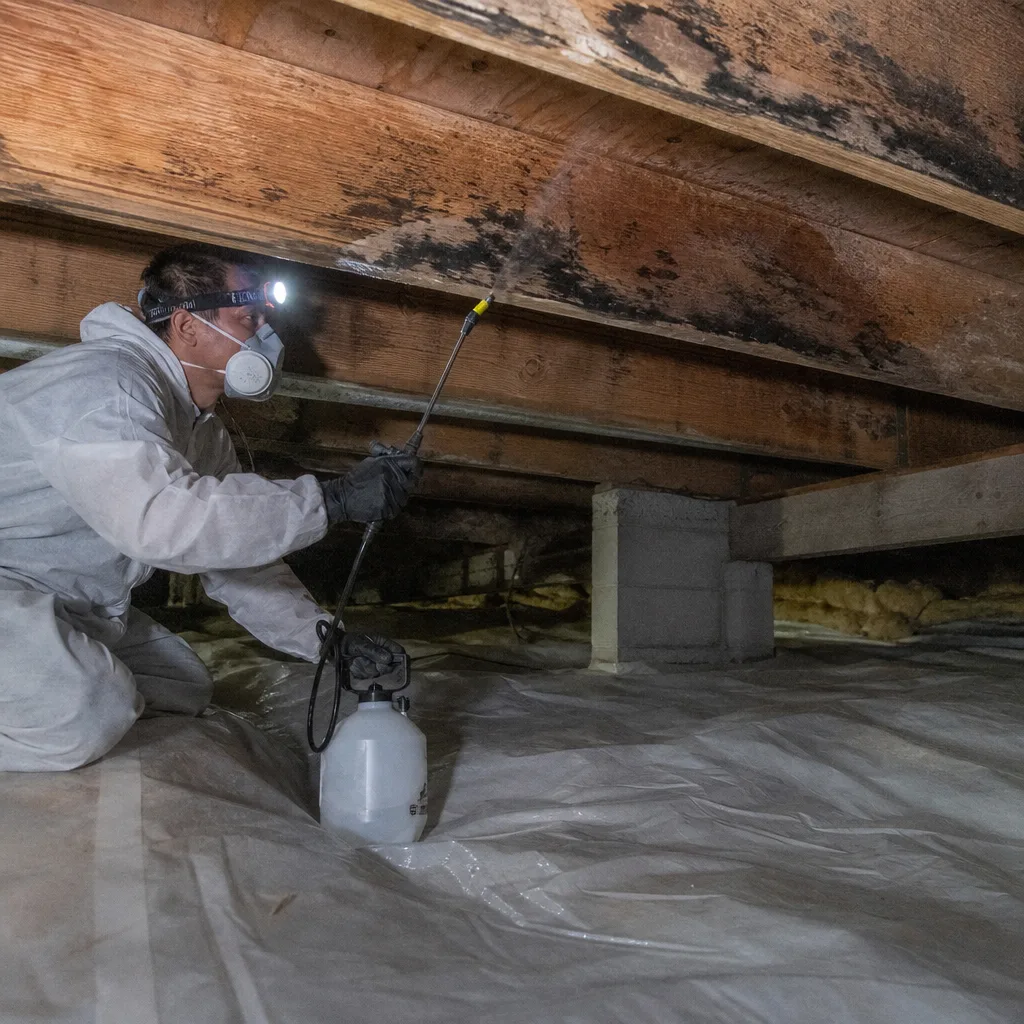
Basement Water Removal
Subterranean extraction with submersible pumps and surface water removal, plus hydrostatic pressure assessment for Somerset properties and drain-tile evaluation for mid-century crawl spaces in Robinswood.
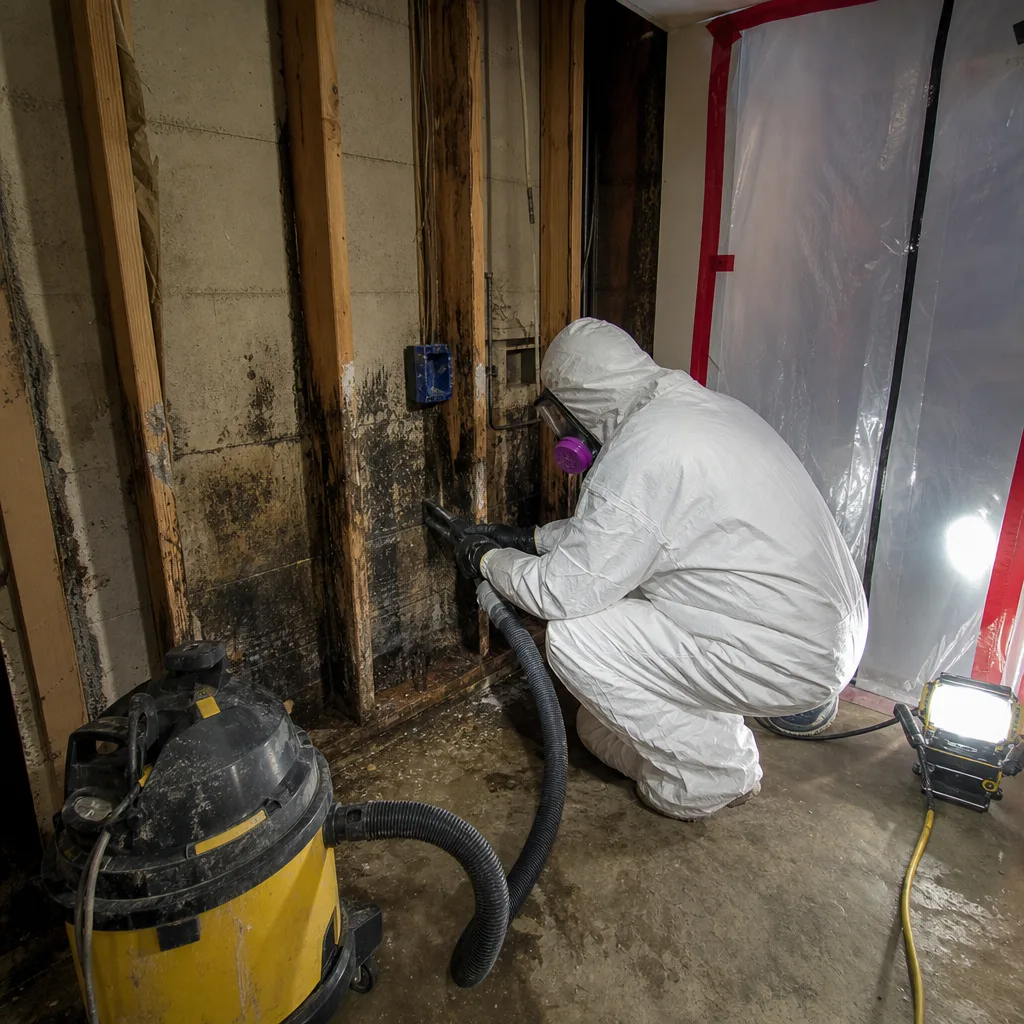
Ceiling & Roof Leak Water Damage
Attic and top-floor water damage with insulation assessment, drywall evaluation, and structural drying of roof decks and trusses. Common in Bellevue’s older ranches after gutter overflow and ice-dam season.
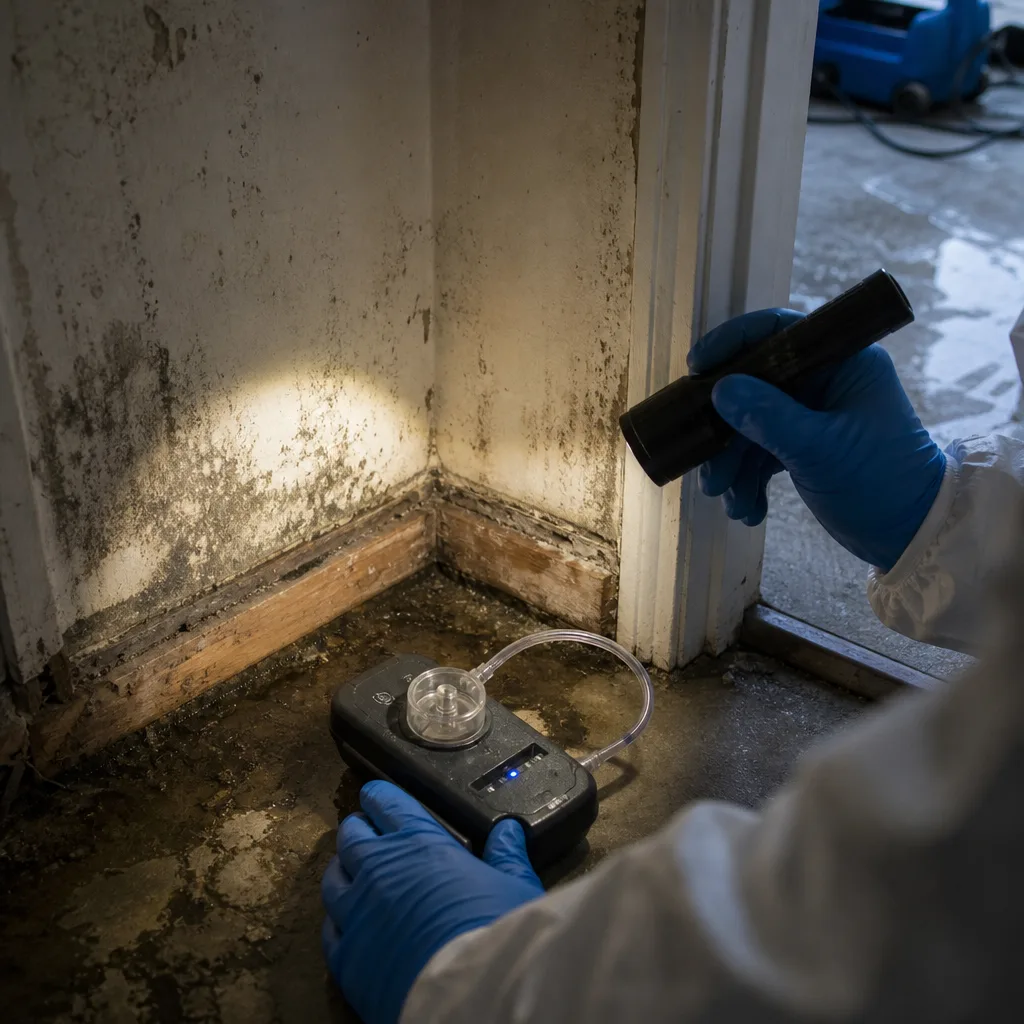
What happens when you call
- 1
A real person answersNo phone trees - you reach a local pro.
- 2
You get an upfront price rangeHonest numbers before anyone is dispatched.
- 3
A background-checked tech heads outLicensed & insured, dispatched right away.
- 4
You approve before work beginsNothing starts until you say go.
Water Damage Restoration Costs in Bellevue, WA
Typical water damage mitigation in Bellevue runs $2,800-$7,500 for residential properties, with pricing driven by water category, affected square footage, and construction type. Emergency extraction alone: $450-$950. Structural drying with dehumidification: $1,200-$3,200. Category 3 losses with full sanitization: add 40-60% for antimicrobial treatment and disposal.
High-rise units downtown often run higher due to access constraints, HOA coordination time, and finish-material costs - ARB-approved millwork and marble replacement don’t come from big-box inventory. Somerset basement jobs with hydrostatic pressure remediation may require exterior drainage assessment, pushing scope toward the upper range. Insurance typically covers sudden and accidental water damage; gradual seepage and maintenance-related failures generally do not. We provide a written price before work begins, every time, with no scope-creep additions once the crew is inside - Haven Standard, Clause 1. Call (253) 487-0371 for a free visual inspection and exact scope.
We Also Serve Cities Near Bellevue
Our Water Damage Restoration in Bellevue coverage extends to Mercer Island across the I-90 bridge, Renton to the south along the I-405 corridor, Issaquah in the Sammamish valley, and Kent at the Green River valley floor. Each market carries distinct housing stock and loss patterns, and our crews are routed accordingly.
Serving Bellevue, WA - Our Local Coverage Area
We’re based in the Bellevue area and know this community well. Use the map below to see our service coverage - if you’re nearby, we can almost certainly help.
Bellevue Water Damage Restoration Questions, Answered
Does my Bellevue HOA need to approve the drying and repair scope before you start?
Most Bellevue HOAs require architectural review board (ARB) approval for any visible finish replacement, including cabinet doors, baseboards, and flooring that must match community standards.
We build ARB compliance into our written scope from day one, sourcing replacement materials from your community’s approved vendor list and specifying exact profile, stain, and hardware matches. For emergency mitigation - extraction, drying equipment, and containment - we coordinate with your building manager on access and safety, but full finish restoration waits on ARB approval where required. We document pre-loss condition with photos so the ARB has baseline reference. Call (253) 487-0371 and we’ll review your specific HOA’s requirements during the free inspection.
A pipe burst in my 106th Avenue NE condo and water reached the units below. Who runs the claim?
You file with your own homeowner’s or HO-6 policy; the affected units below file separately with theirs. The HOA’s master policy and loss-assessment coverage may also trigger.
We moisture-map all affected units before any equipment runs, photograph each unit’s pre-loss condition separately, and distribute identical documentation packages to every carrier and the HOA loss assessor. This prevents the common failure mode where the originating unit gets fully dried while migration into stacked units goes undetected until drywall is already closed. Our written scope addresses each unit’s damage distinctly. The sooner we document, the cleaner the claim resolution - call (253) 487-0371 now.
Why does my Somerset basement flood every rainy season even though there’s no visible crack?
Somerset’s steep glacial hillside with heavy clay soil creates hydrostatic pressure that forces groundwater through intact foundation walls and under slab floors, a seasonal certainty in this neighborhood.
Standard surface drying won’t solve it. We assess exterior drainage, vapor barrier condition, and sub-slab moisture levels, then specify pressure-relief systems or interior drain tile where indicated. Without this, the ground stays saturated through the next Pineapple Express and mold returns before winter ends. Call (253) 487-0371 for a full assessment - estimates are free.
Is the wet drywall in my Crossroads split-level salvageable or does it come out?
Drywall is salvageable when the water is Category 1 or 2, drying begins within 24-48 hours, and moisture readings at the baseplate stay below 16% wood moisture equivalent.
Crossroads split-levels from the 1960s-70s often have original drywall directly on concrete slab or over unconditioned crawl spaces, which slows drying and raises replacement frequency. We test with penetrating meters and make the call based on data, not guesswork. If replacement is needed, we specify moisture-resistant board for below-grade areas. Call (253) 487-0371 for a free inspection with exact readings.
How do you keep restoration work quiet enough for a Bellevue high-rise with shared walls?
We spec low-decibel Dri-Eaz and Phoenix equipment, schedule air-mover rotation during daytime hours per building policy, and install vibration isolation under dehumidifiers on hard surfaces.
Containment barriers also function as sound dampening. For extended drying in luxury towers, we coordinate with building management on equipment placement and provide decibel documentation for HOA records. No tenant complaints on our watch. Call (253) 487-0371 to discuss your building’s specific quiet-hours requirements.
How fast can you actually get to my Bellevue property?
Our response commitment to Bellevue addresses is 45 minutes from dispatch, with crews staged for the I-405 corridor and dispatch coordinated from our Seattle office.
During peak Pineapple Express events, we prioritize by safety risk and category escalation potential, but we answer every call live and give you a real ETA, not a queue position. The first hour is when mitigation cost doubles or doesn’t - call (253) 487-0371 and we’ll be moving.
Will my insurance cover the full restoration or just the cleanup?
Sudden and accidental water damage from supply lines, appliance failures, or storm intrusion is typically covered for both mitigation and restoration to pre-loss condition. Gradual seepage, maintenance neglect, or flood from outside ground water usually is not.
We document the cause and timing with photos and moisture readings to establish coverage, then write our scope to carrier standards so approval moves fast. Direct adjuster coordination is standard. Bring a competitor’s estimate and we’ll provide a free second opinion - Haven Standard, no charge. Call (253) 487-0371 to start the documentation.
What should I do in the first 30 minutes after discovering water damage?
Shut off the water source if you can locate it safely, turn off electricity to affected areas at the breaker if water is near outlets or switches, and call (253) 487-0371 for immediate dispatch.
Don’t enter standing water if the electrical situation is unclear. Don’t run a household vacuum on wet surfaces. Move small valuables and documents to dry ground if safe. We’ll walk you through immediate steps when you call, and our crew arrives with extraction equipment, moisture meters, and documentation cameras ready. The actions in the first 30 minutes determine whether this stays a $3,000 mitigation or becomes a $15,000 reconstruction - call now.
Water damage in Bellevue doesn’t follow generic patterns. Downtown’s stacked-unit claims, Somerset’s hydrostatic pressure failures, and Crossroads’ aging crawl spaces each demand specific expertise, specific documentation, and specific equipment. We bring all three, with a written price before work begins and a 365-Day Done Right Promise backed by The Haven Standard.
Call (253) 487-0371 for a free visual inspection and written scope. We answer live, 24 hours a day, 7 days a week.
Written by Alicia Brennan, Owner at DryMark Restoration Auburn, serving Bellevue since 2011.
Water Damage Restoration in Nearby Areas