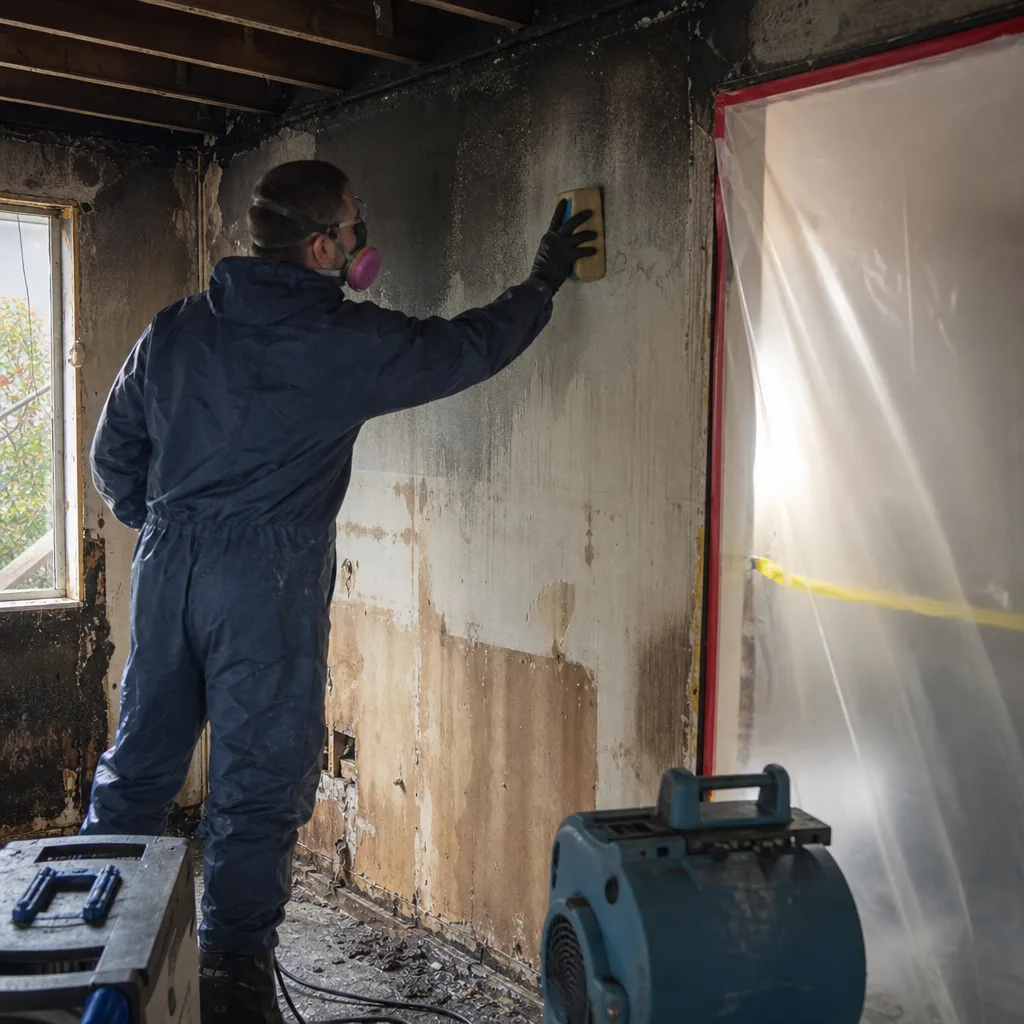
Free visual inspection and a written scope of work before any mitigation begins - photos, moisture readings, and drying logs go in your claim file
The scope we write is the scope we bill. Anything new gets shown to you, in writing, before we touch it.

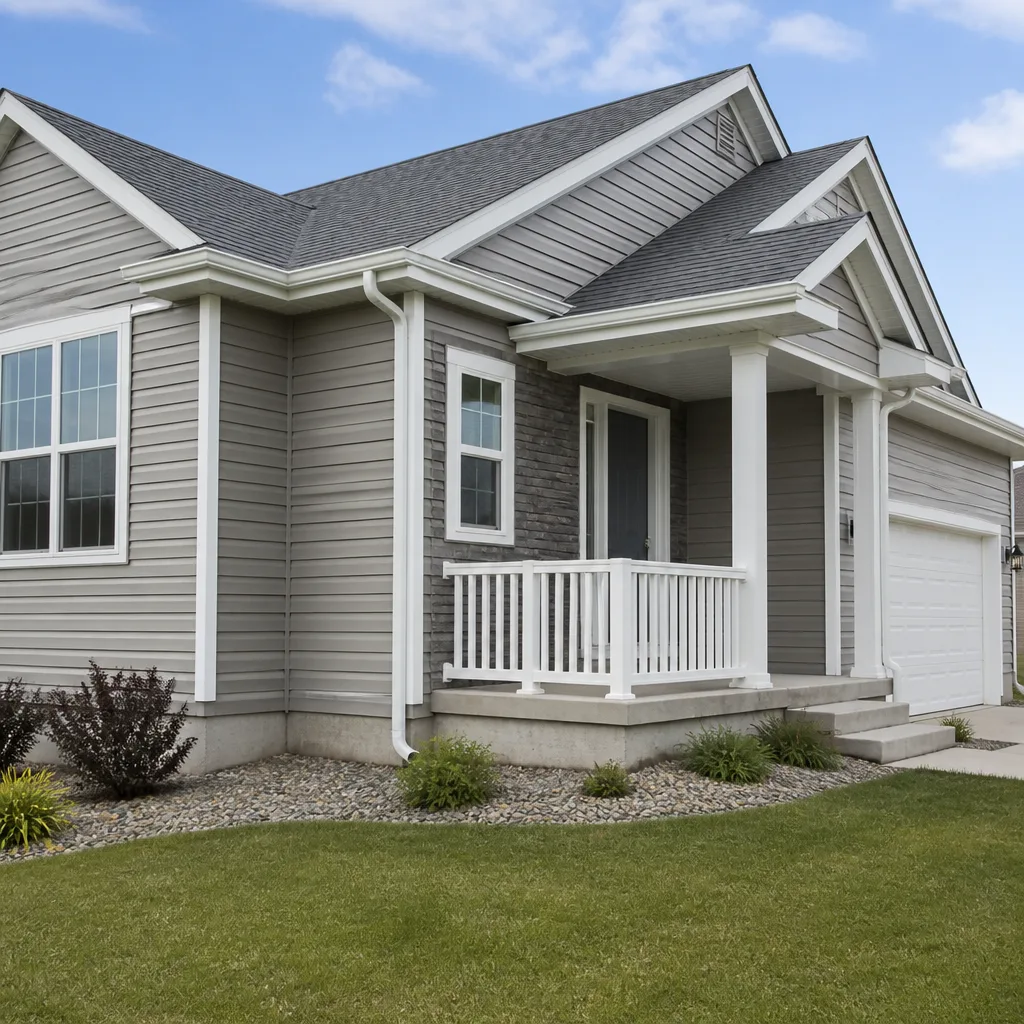
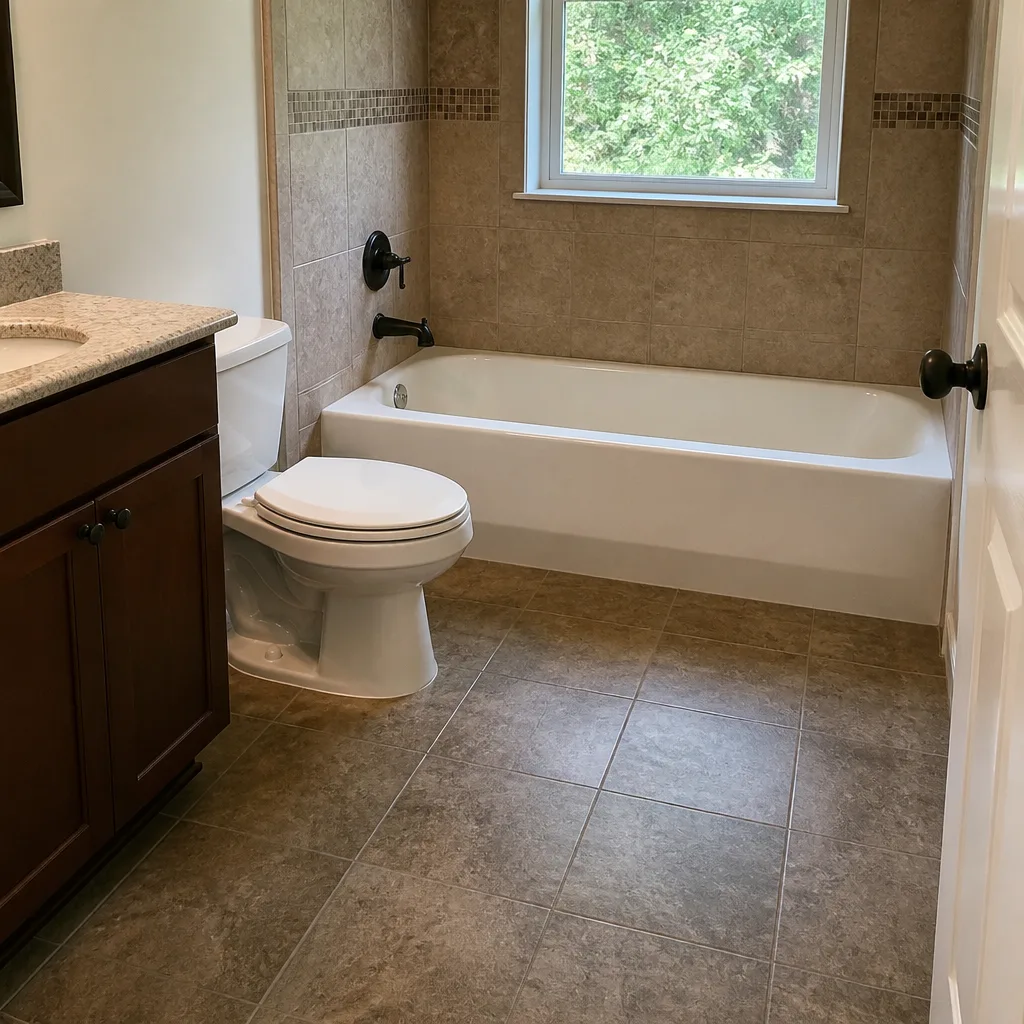
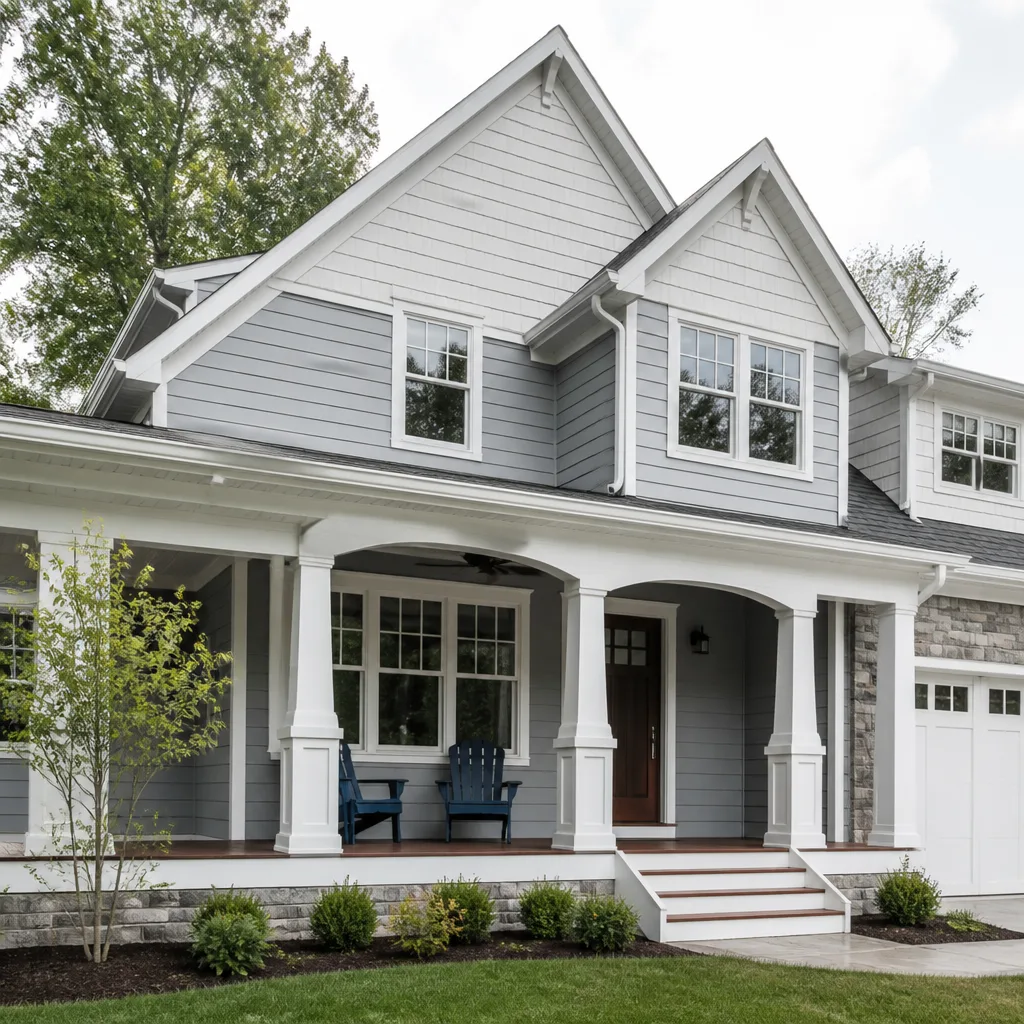
 Before
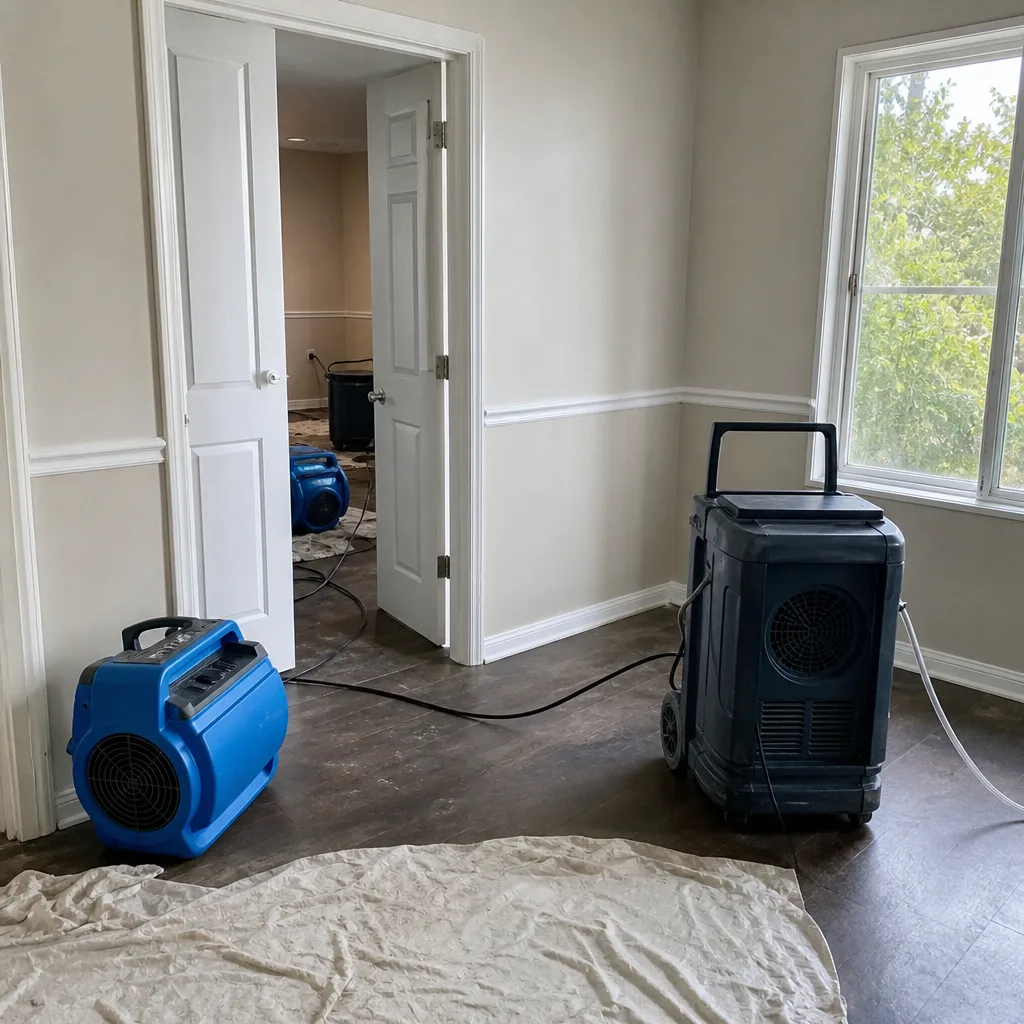 After
After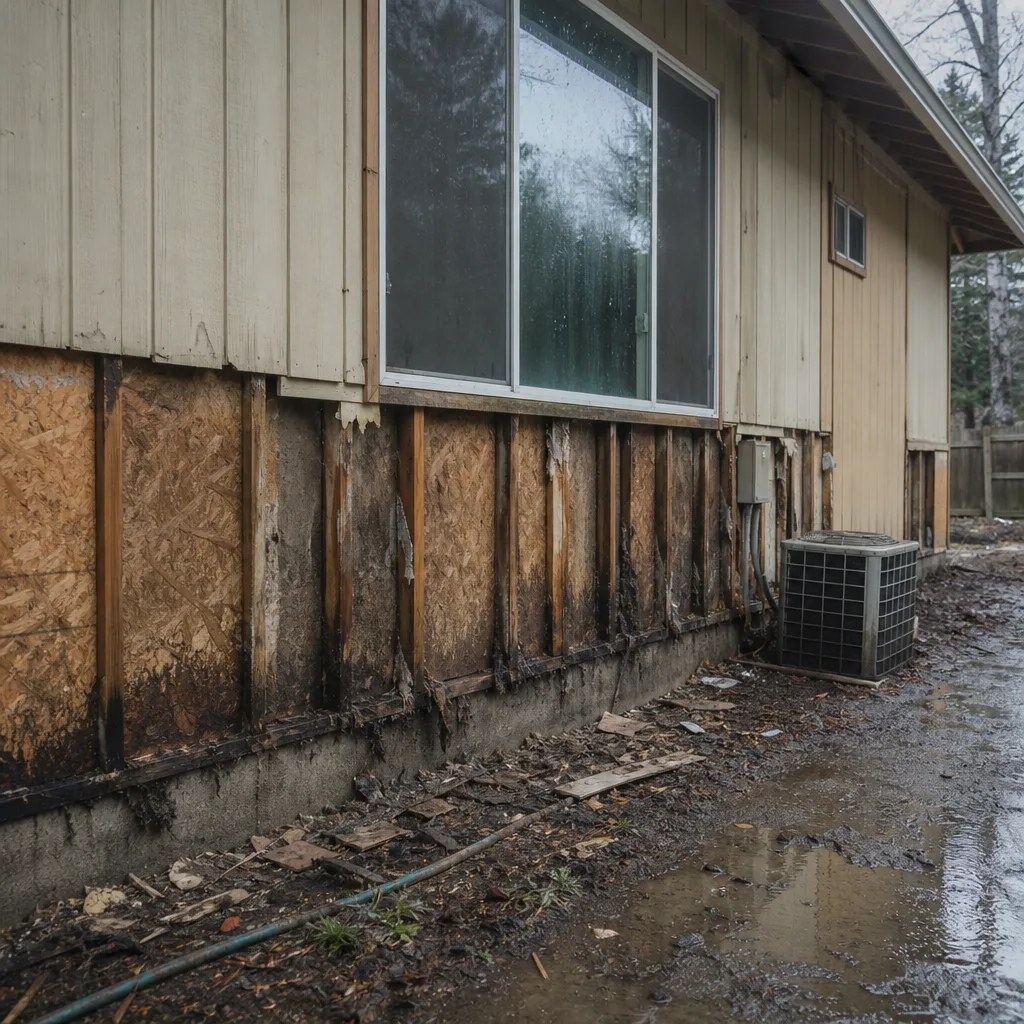 Before
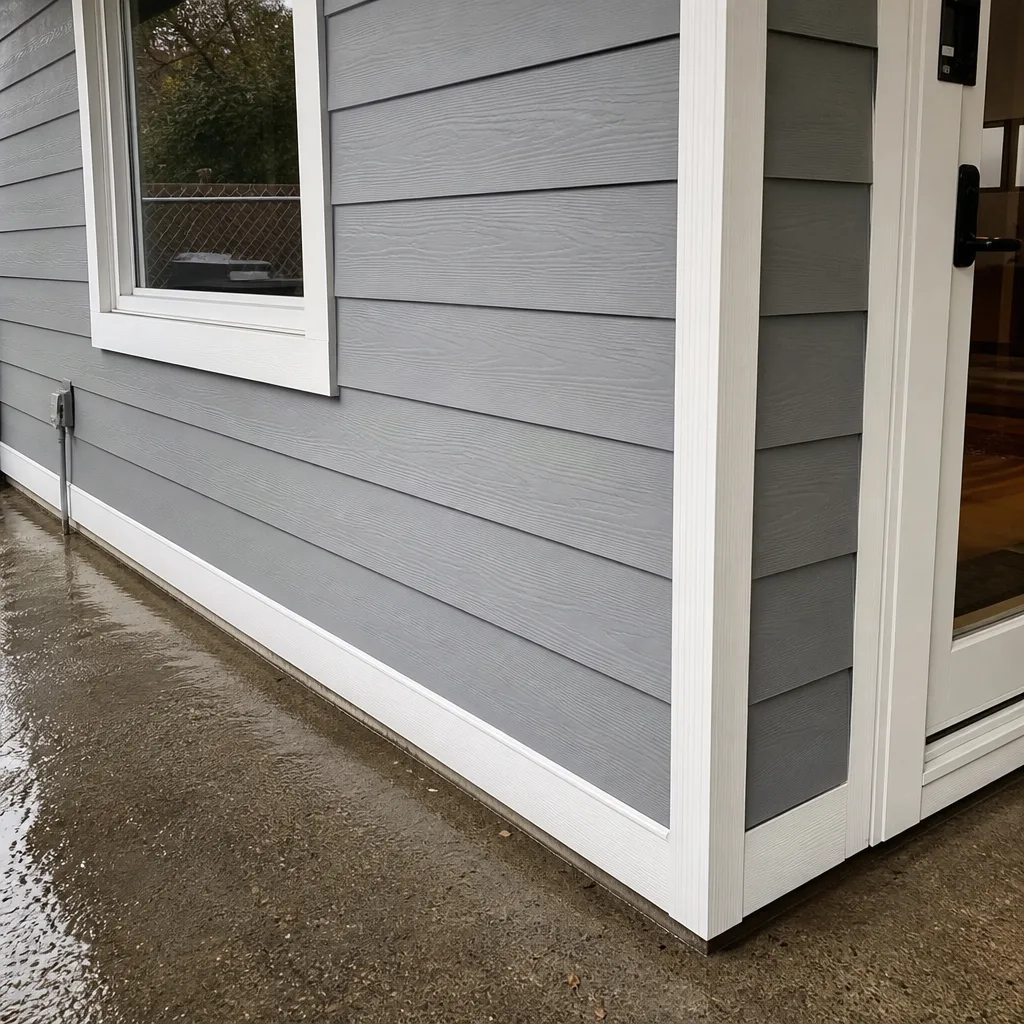 After
After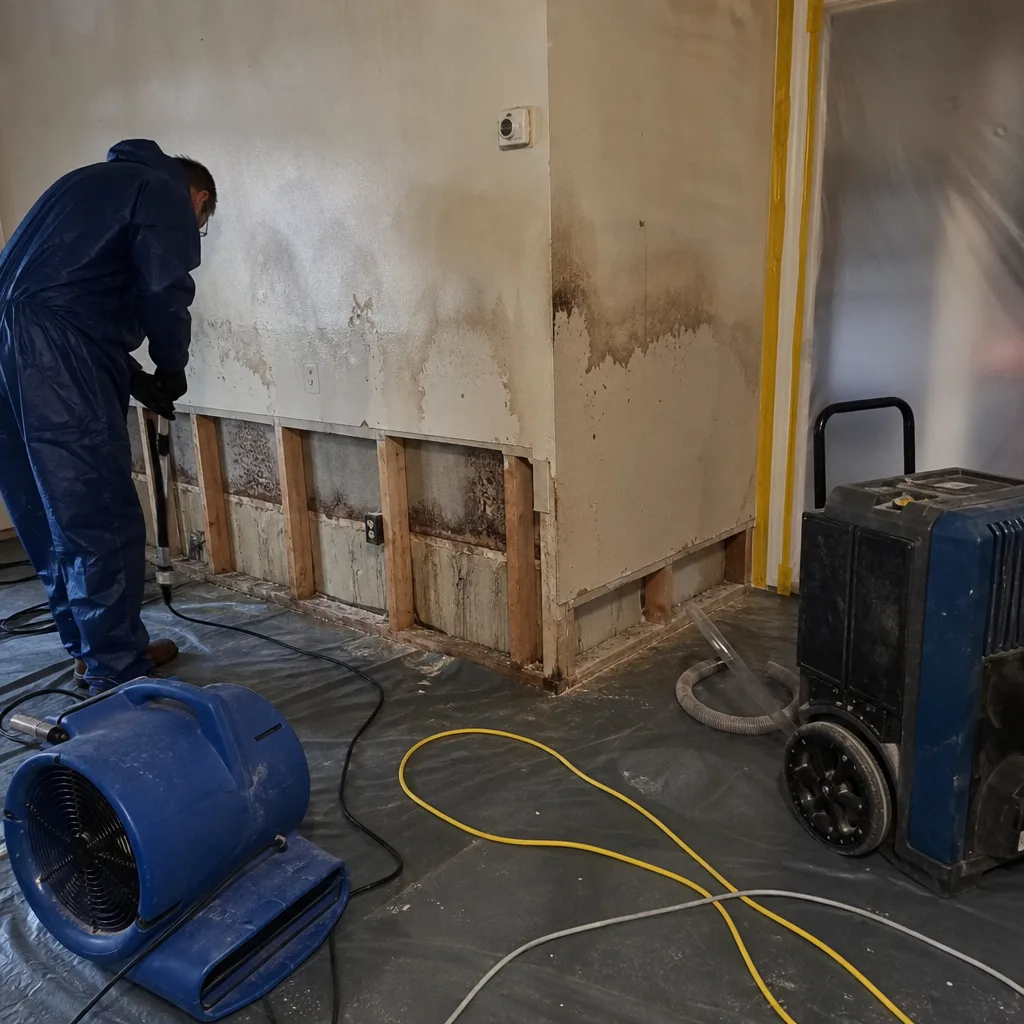 Before
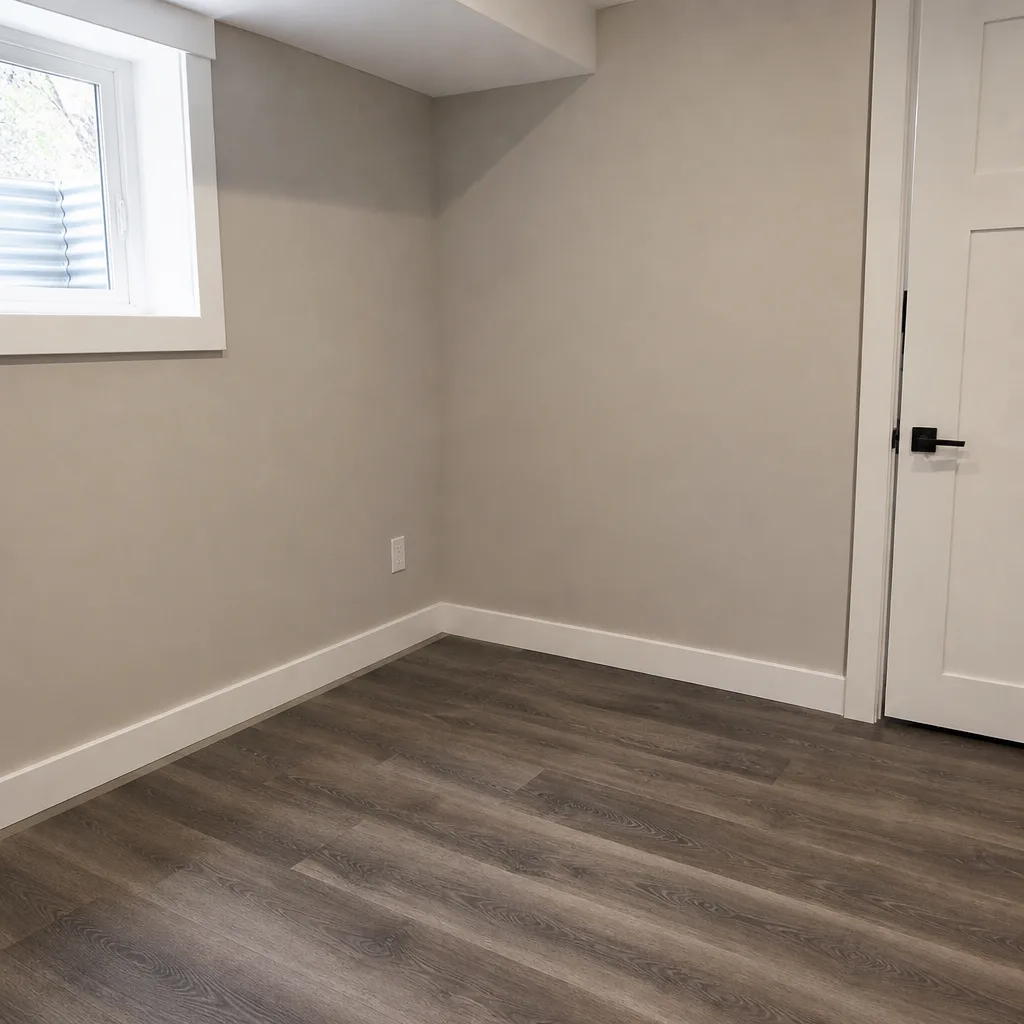 After
After24/7 Emergency Water Damage Restoration in Des Moines
Water damage in Des Moines demands immediate response, not tomorrow’s callback. Call (253) 487-0371 and a live person answers, 24 hours a day, 7 days a week - no voicemail, no automated queue. Our crews dispatch from our Seattle office and are typically on-site in Des Moines within 45 minutes. The first hour determines whether a loss stays contained or spreads through subfloors, wall cavities, and insulation. Every minute water sits, moisture wicks laterally through drywall and downward into crawl spaces. We provide a free visual inspection on arrival, document everything with photos, and deliver a written scope and price before any equipment runs - Haven Standard, Clause 1.
Understanding Water Damage Restoration Severity in Des Moines Properties
Water damage classification follows IICRC protocols: Category 1 (clean water from supply lines), Category 2 (gray water with chemical or biological contamination), and Category 3 (black water: sewage, seawater, or ground flooding). In Des Moines, we see Category 2 escalate to Category 3 faster than inland King County jobs because salt-laden marine air accelerates bacterial growth in standing water. Moisture mapping with thermal imaging and pinless moisture meters lets us trace migration paths invisible to the eye - critical in Des Moines’s 1940s-1970s ranch and split-level stock, where water travels along slab edges and pools in crawl-space depressions.
Structural drying requires psychrometric data: temperature, relative humidity, and vapor pressure differential (the force that drives moisture from wet materials into dry air). Our crews set target drying goals based on material classification - oak hardwood versus OSB subfloor versus lath-and-plaster - and log readings every 24 hours until equilibrium. Tertiary drying, the final phase where bound moisture releases from dense materials, often takes longest in Des Moines’s marine environment where ambient humidity baselines run higher than east-of-the-mountains standards.
Why Des Moines Property Owners Choose DryMark Restoration Auburn
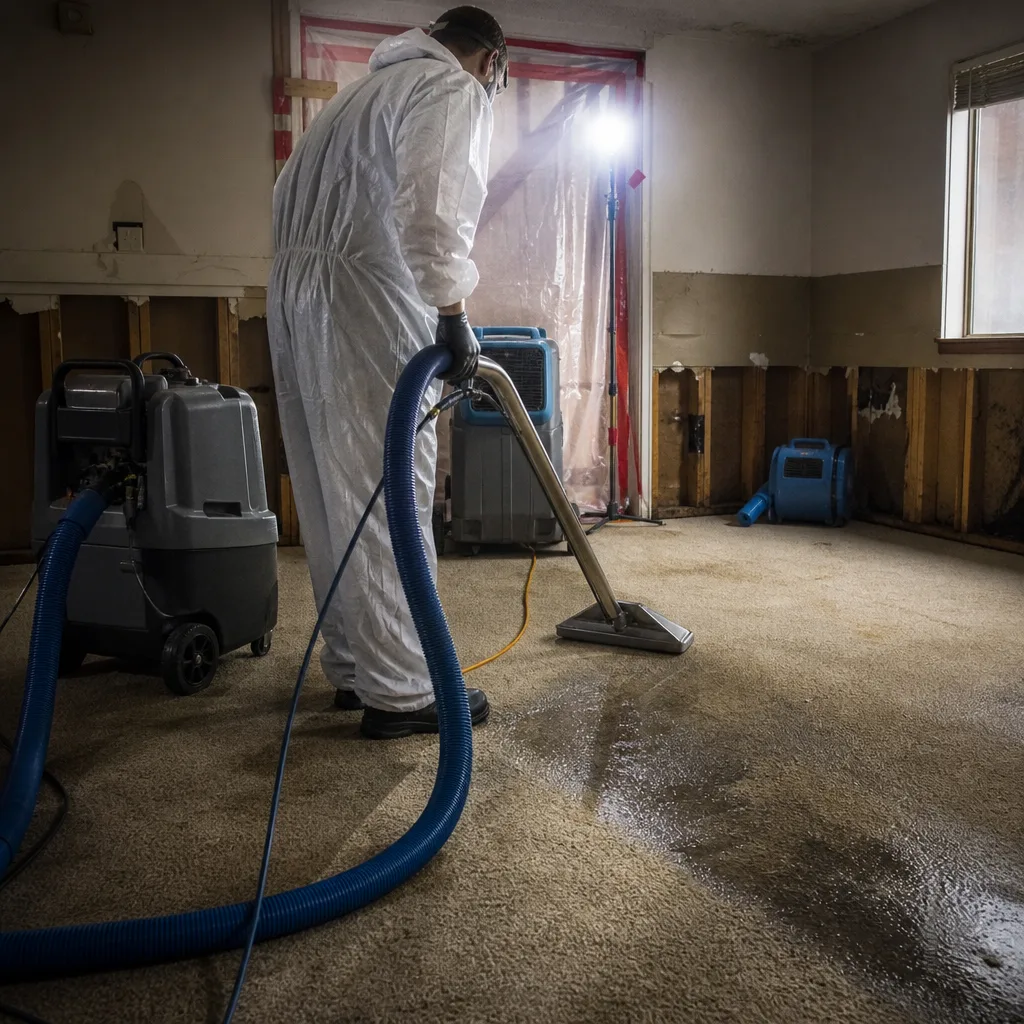
- 45-minute response commitment to Des Moines addresses - our Seattle office dispatches crews directly to the Marine View Drive corridor, Redondo, and North Hill neighborhoods without routing through a national call center.
- 24/7 live answer - a real person, never an automated system. Every call connects to a trained intake specialist who can dispatch while you talk.
- IICRC-certified crews - WRT (Water Damage Restoration Technician), FSRT (Fire & Smoke Restoration Technician), and AMRT (Applied Microbial Remediation Technician) certifications held by every lead technician on-site.
- Free visual inspection - we assess the loss, identify the water category and migration path, and explain what we found before any commitment.
- Direct insurance billing - we coordinate with your adjuster, submit documentation in Xactimate format, and handle carrier negotiations so you don’t chase payments.
- One team from extraction to reconstruction - no handoffs between mitigation and rebuild contractors, no gaps in documentation, no blame-shifting if moisture readings spike during final walkthrough.
BeforeAfterOur Water Damage Restoration Process
1. Inspection & Assessment
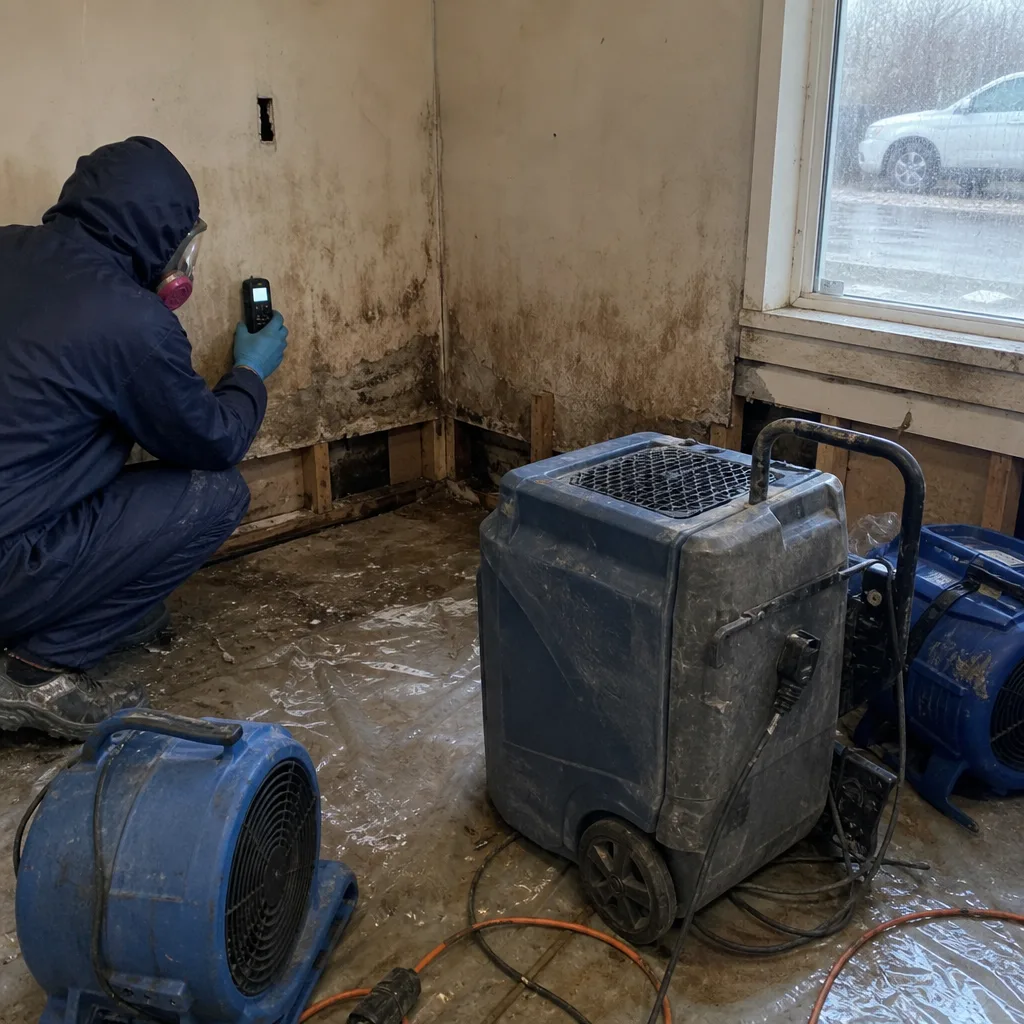
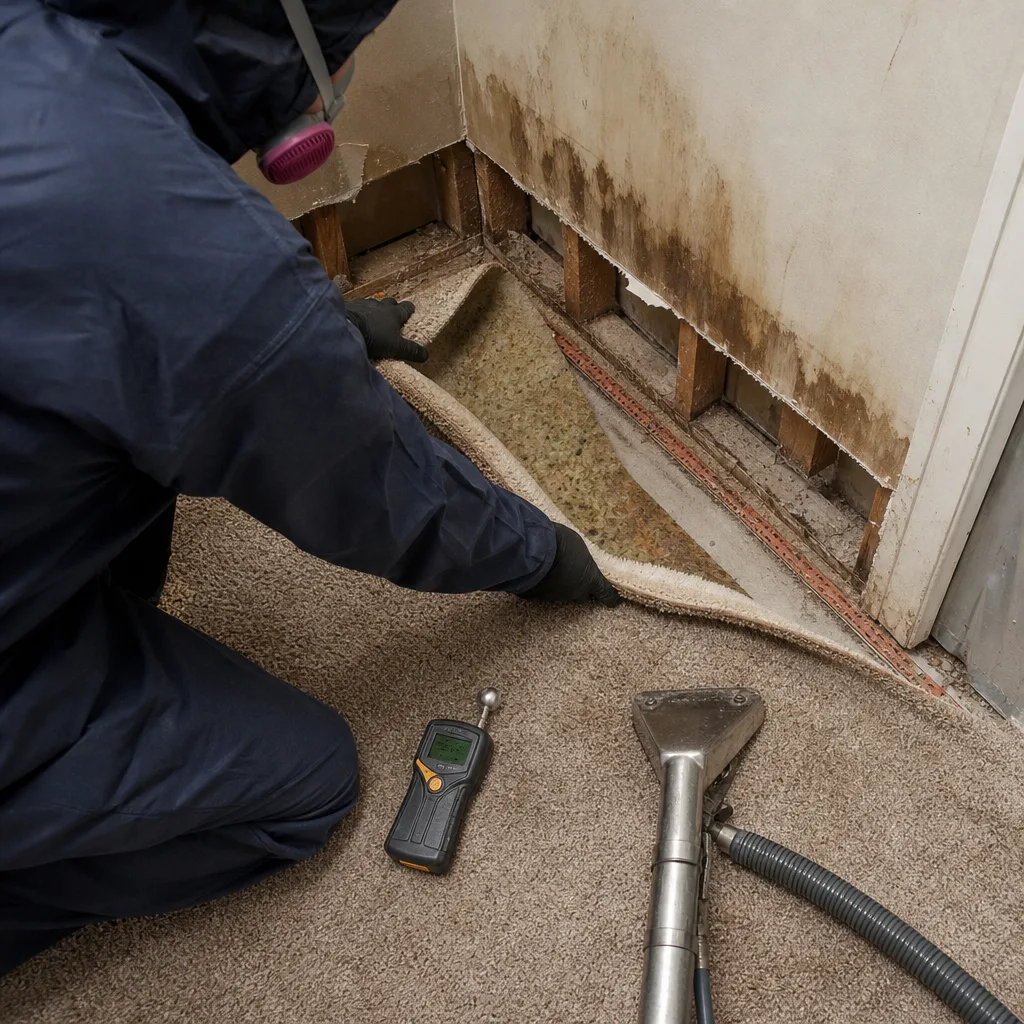
We arrive with thermal imaging cameras, pin and pinless moisture meters, and hygrometers to map the full extent of water migration. In Des Moines, we specifically check uphill-side stem walls and retaining-wall interfaces - the bluff geometry here creates intrusion paths that standard inspections miss. You receive a written scope and firm price before any work begins.
2. Extraction & Stabilization
Standing water comes out first: truck-mounted extractors for deep pooling, portable units for crawl-space access, and weighted extraction wands for carpet and pad. We identify and stop the water source - whether it’s a burst pipe, failed water heater, or hydrostatic pressure through foundation walls.
3. Drying & Dehumidification
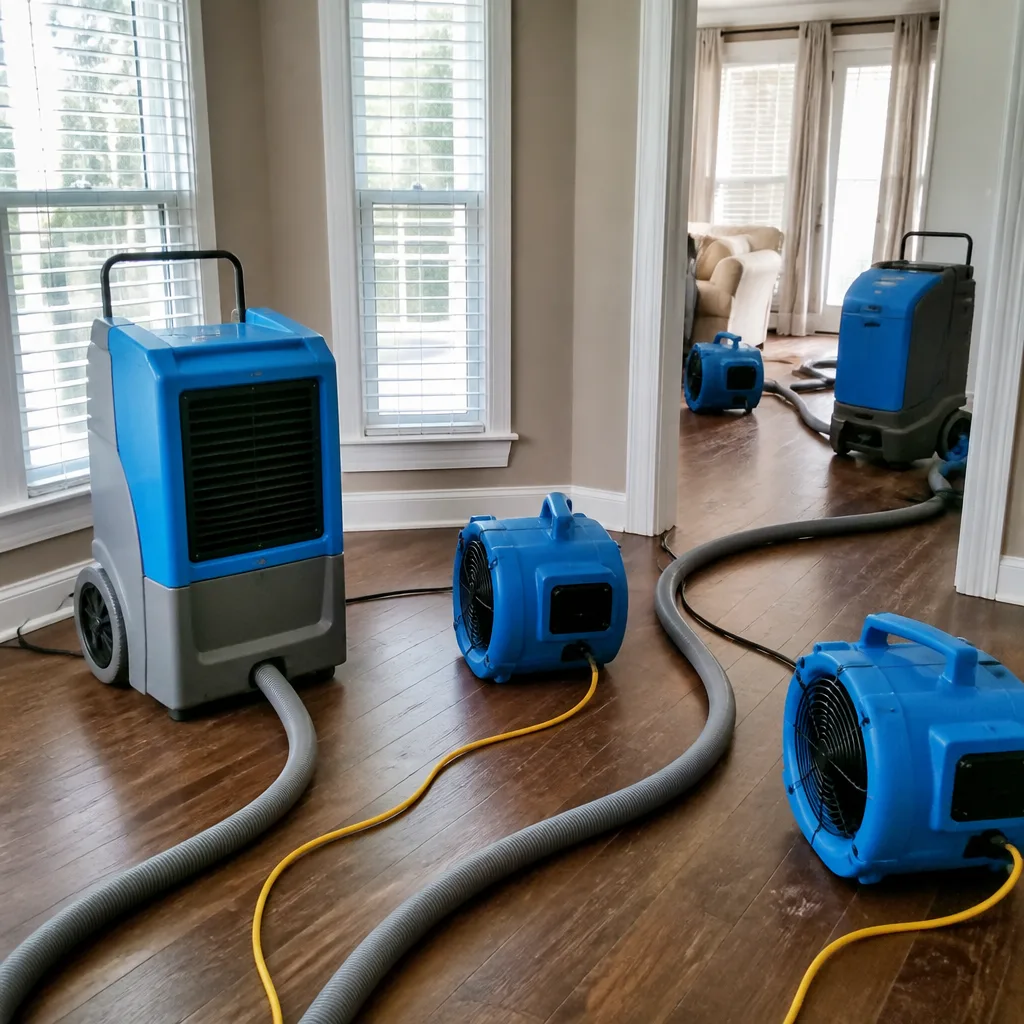
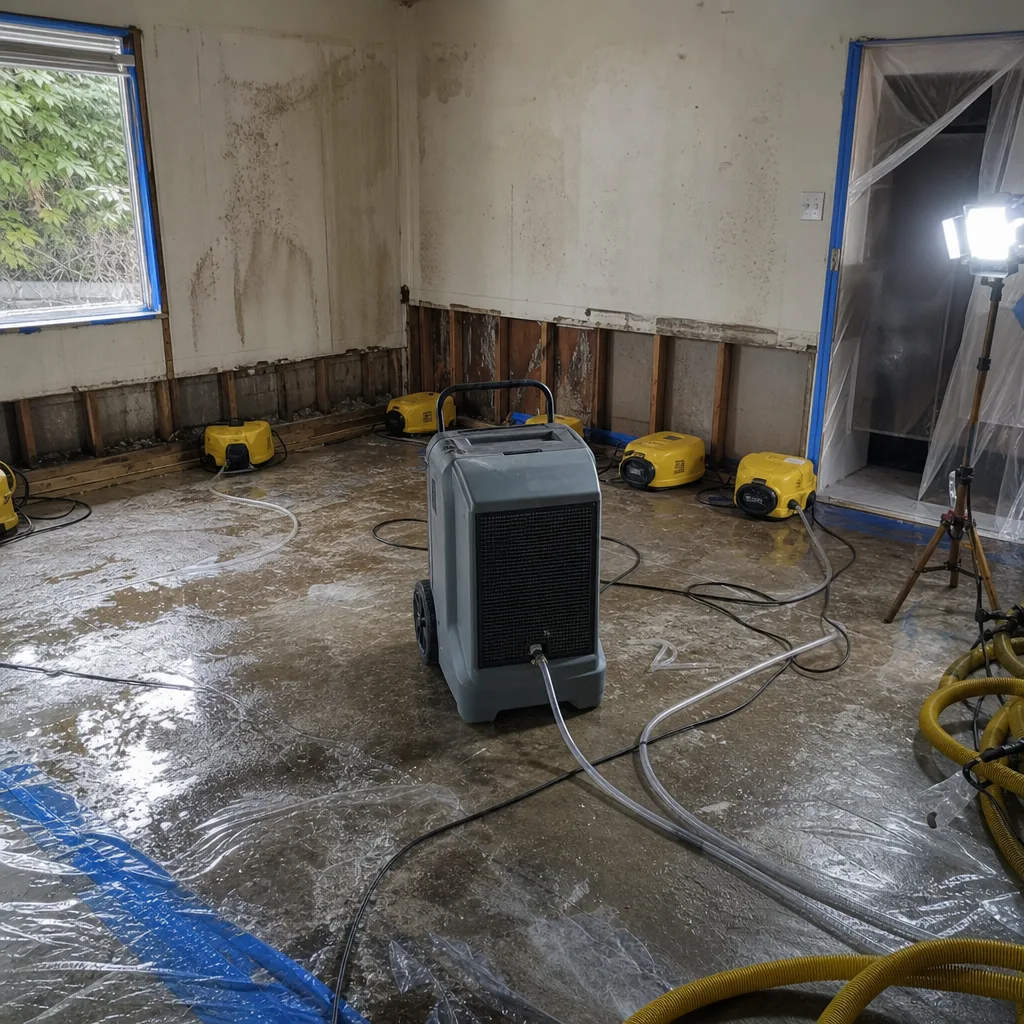
We deploy Phoenix and Dri-Eaz LGR dehumidifiers alongside XPOWER and B-Air axial air movers positioned for laminar airflow across wet surfaces. In Des Moines’s vented crawl spaces, we often seal vents and run contained drying rather than fighting saturated marine air from outside. Daily moisture logs track progress to the dry standard.
4. Cleaning & Sanitization
Category 2 and 3 losses receive antimicrobial treatment with EPA-registered products, followed by HEPA air scrubbing to capture airborne particulates. We clean and treat all affected surfaces - not just the obvious ones - to prevent secondary contamination.
5. Mold Containment & Prevention
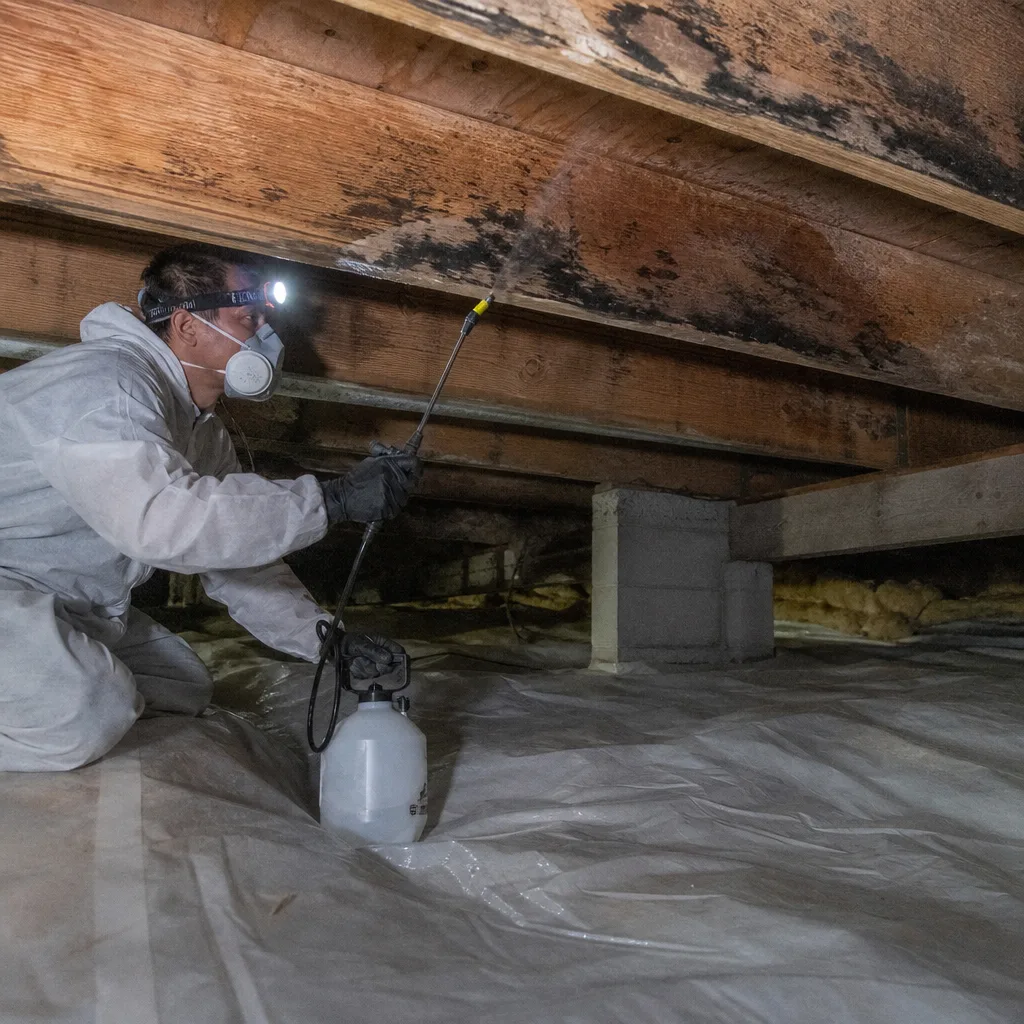
Des Moines’s salt-fog environment accelerates mold colonization in wall cavities and crawl spaces. We establish physical containment with 6-mil poly barriers and negative air pressure, run air scrubbers with HEPA filtration, and apply preventive antimicrobial treatment in all void spaces before closing drying chambers.
6. Repairs & Restoration
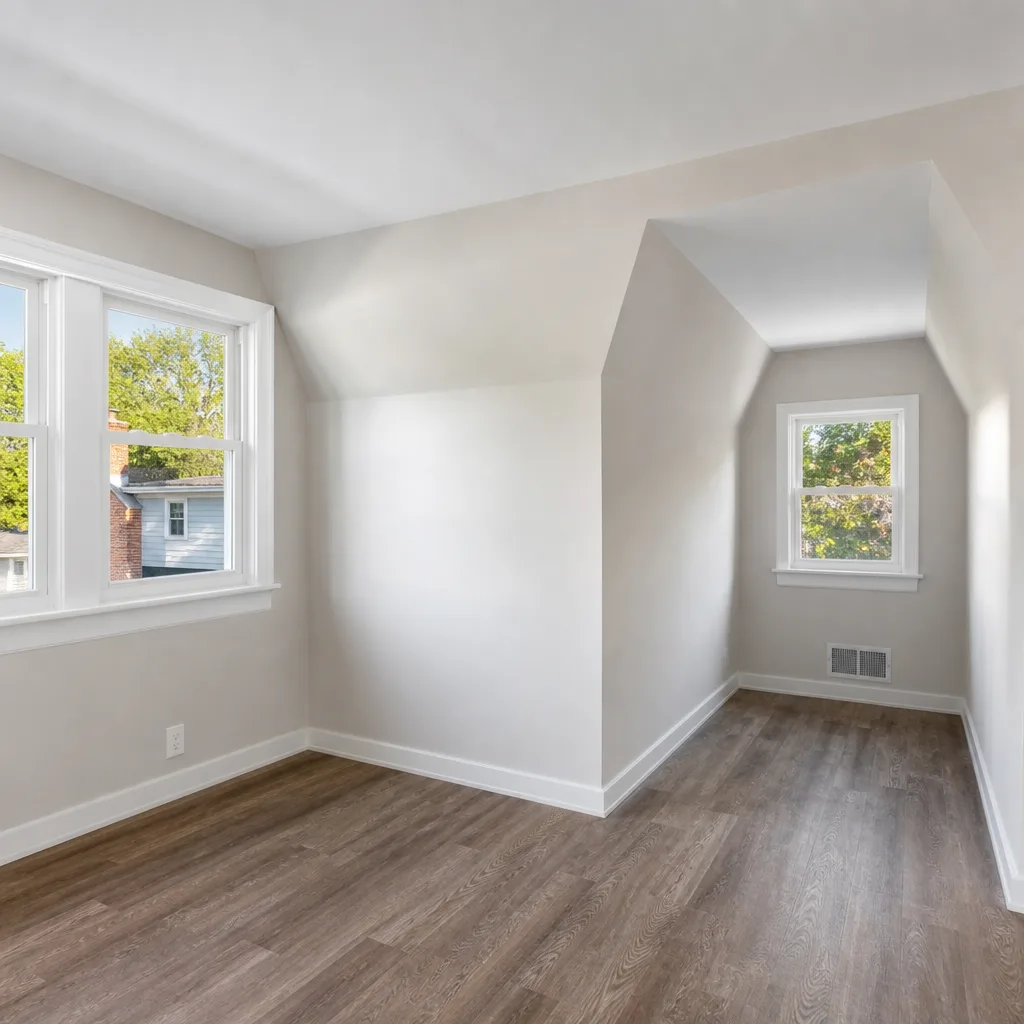
Our reconstruction crew repairs or replaces damaged drywall, subfloor, insulation, and finish materials. We match existing textures and paint, restore flooring, and return the space to pre-loss condition - all under the same documented scope and the 365-Day Done Right Promise.
Need Emergency Water Damage Restoration in Des Moines Now?
Crews minutes away, answering live 24 hours a day. The sooner we start, the less it costs.
Working With Your Insurance Company
Insurance claims succeed or fail on documentation. We begin photo documentation the moment we arrive, before anything moves. Every moisture reading, every equipment placement, every daily log becomes part of a file your adjuster can review without dispute. We write estimates in Xactimate, the industry-standard pricing platform, and communicate directly with your carrier’s representative - not through you as intermediary. Our Water Damage Restoration team has handled thousands of claims; we know what documentation prevents delays and what gaps trigger denials.
What We Provide Your Insurer
- Thorough documentation of the loss
- Photos of all damage, room by room
- Moisture readings and drying logs
- A detailed, line-item scope of work
- Direct coordination with your carrier
Built for Des Moines’s Loss Calendar
Des Moines’s water damage season runs October through April, driven by atmospheric-river events that drop 2-4 inches in 24 hours on saturated bluff soils. November and December bring the first freeze-thaw cycles, splitting outdoor hose bibs and aging copper supply lines in the 1960s-1970s split-level stock. January and February deliver the heaviest sustained rain; this is when we see uphill-side crawl-space flooding with no plumbing failure - bluff runoff pushing through stem walls that inland contractors don’t recognize as a failure mode.
March and April bring the spring thaw combined with lingering winter storms, overwhelming perimeter drains on homes near the Des Moines Marina and along the Marine View Drive corridor. Summer sees fewer losses overall, but July and August thunderstorm cells cause localized roof damage and window leaks, particularly on homes with original cedar siding degraded by salt air. Year-round, the 37-38 inches of annual rainfall and persistent marine fog keep ambient humidity high, meaning any water intrusion dries slower here than in Auburn or Kent - and mold risk stays elevated longer.
Water Damage Restoration Across Des Moines’s Neighborhoods
The Marine View Drive corridor presents our most distinctive challenge: bluff-top homes with downhill-facing views and uphill-side crawl spaces that flood from terrain, not plumbing. Crews working this corridor check retaining-wall drainage and uphill stem-wall integrity before assuming the water source is above-grade.
Redondo, along the shoreline south of the marina, mixes 1940s-1950s ranch homes with newer construction. The older stock has vented crawl spaces with original foundation vents that corrode in salt air, creating entry points for wind-driven rain and wave splash during king tides. We replace degraded vents with marine-grade hardware as part of restoration.
North Hill and the blocks above Pacific Highway South hold denser 1960s-1970s split-level subdivisions built on cut-and-fill lots. Fill settlement creates low spots in crawl spaces where water pools; we encounter more sump pump failures and perimeter drain compromises here than in bluff-top zones. The housing density also means water spreads to adjacent units faster - faster response matters more.
Midway and the commercial corridors along SR-516 see mixed-use buildings with flat roofs, aging TPO membranes, and internal drain systems that back up during heavy rain. These losses often involve tenant displacement and business interruption documentation, which we handle alongside the structural mitigation.
Specialized Water Damage Restoration Services We Offer in Des Moines
Emergency Water Extraction
Standing water extracts in minutes, not hours. Our truck-mounted systems pull 25+ gallons per minute from flooded crawl spaces, basements, and living areas. In Des Moines’s tighter 1940s-1960s construction, portable extractors access spaces truck mounts can’t reach. We extract before we dry - removing bulk water cuts drying time by 30-50%.
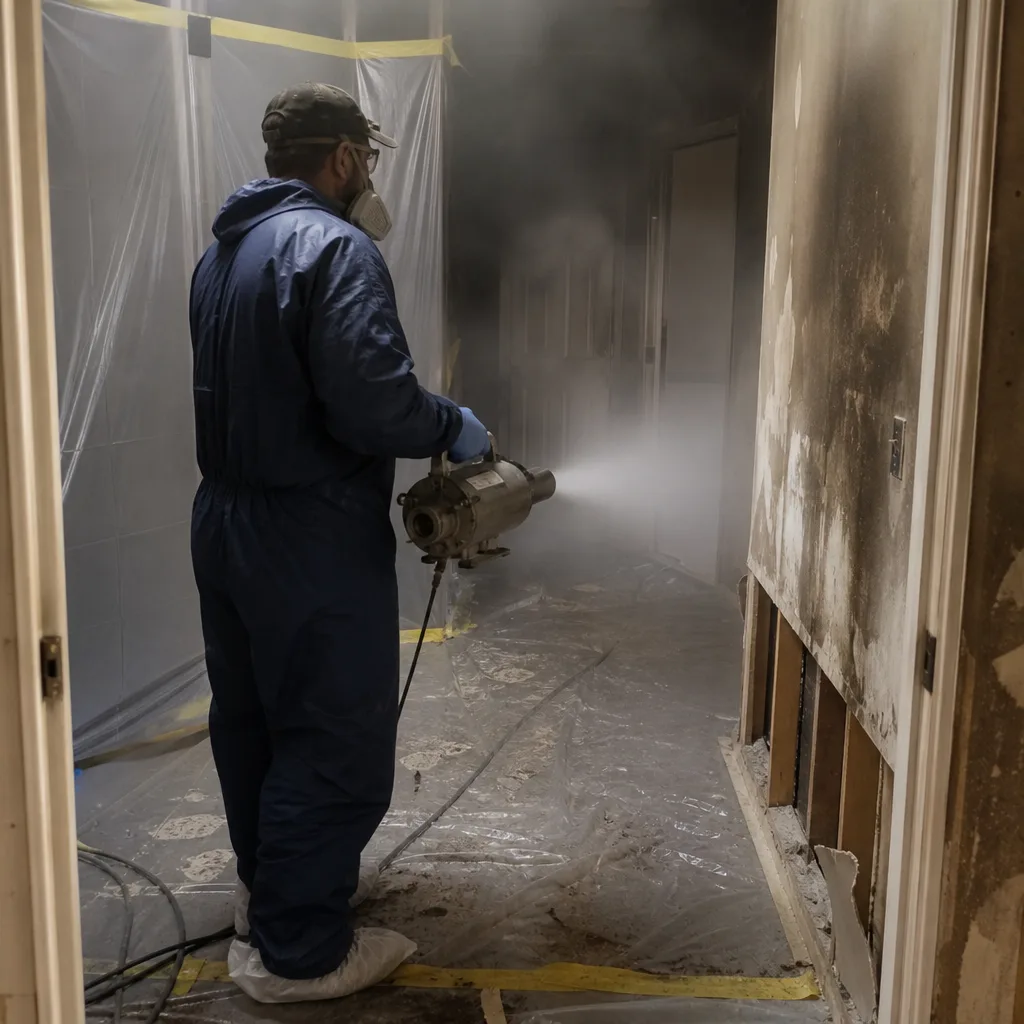
Structural Drying & Dehumidification
Des Moines’s marine environment demands aggressive dehumidification. We seal vented crawl spaces and run contained drying with Phoenix LGR dehumidifiers rather than fighting 80%+ ambient humidity from outside air. Daily psychrometric logs prove drying progress to your insurer and confirm we hit the dry standard before rebuild begins.
Flood Cleanup
Puget Sound storm surge, king tide overtopping, and atmospheric-river sheet flooding all hit Des Moines properties. Flood losses are Category 3 by definition - groundwater carries contaminants requiring full sanitation, antimicrobial treatment, and often porous material removal. We document contamination levels with ATP testing and photo evidence for your claim file.
Burst Pipe Restoration
Des Moines’s older copper and galvanized supply lines, combined with freeze-prone hose bibs on bluff-exposed homes, create predictable winter failure points. We extract, dry, and restore - then document the line condition for your adjuster to confirm coverage under sudden and accidental provisions.
Basement Water Removal
True basements are rare in Des Moines; most “basement” calls are daylight basements on bluff-face lots or converted crawl spaces. We assess whether the space needs full extraction and drying or if the water source is chronic hydrostatic pressure requiring drainage correction before restoration.
What happens when you call
- 1
A real person answersNo phone trees - you reach a local pro.
- 2
You get an upfront price rangeHonest numbers before anyone is dispatched.
- 3
A background-checked tech heads outLicensed & insured, dispatched right away.
- 4
You approve before work beginsNothing starts until you say go.
Water Damage Restoration Costs in Des Moines, WA
Most Des Moines water damage mitigation runs $2,800-$6,500 for Category 1-2 losses in single-family homes under 2,500 square feet. Category 3 flood cleanup with contamination and porous material removal typically ranges $5,500-$12,000. Heavy structural drying in bluff-top homes with extensive crawl-space containment adds $800-$2,400 for equipment and labor.
What moves the price: water category (clean vs. contaminated), affected square footage, whether demolition is required, and how long water sat before extraction began. Insurance typically covers sudden and accidental water damage - burst pipes, appliance failures, storm intrusion - but excludes gradual leaks and maintenance issues. We provide a free visual inspection and written scope with firm pricing before any work starts. Bring a competitor’s written estimate and we’ll review it at no charge - Haven Standard, Free Second Opinion.
We Also Serve Cities Near Des Moines
Our crews respond throughout South King County from our Seattle dispatch office. We regularly serve Des Moines alongside neighboring communities including Auburn, Lake Morton-Berrydale, Kent, and Sumner - each with distinct terrain, housing stock, and water damage patterns that our local teams understand.
Serving Des Moines, WA - Our Local Coverage Area
We’re based in the Des Moines area and know this community well. Use the map below to see our service coverage - if you’re nearby, we can almost certainly help.
Des Moines Water Damage Restoration Questions, Answered
After a heavy Des Moines rainstorm, my uphill crawl space floods but there’s no burst pipe or roof leak. Why?
This is bluff hydrostatic intrusion, Des Moines’s most commonly misdiagnosed water damage cause. The glacially-deposited soils above Puget Sound saturate during atmospheric-river events, and groundwater pressure pushes through stem walls and foundation joints on the uphill side of your home - no plumbing failure required. We were called to a 1960s split-level off Marine View Drive where the downhill-facing crawl space was dry but the uphill side was flooded after a February atmospheric river - no plumbing or roof leak, just bluff runoff pushing through degraded stem walls. We ran moisture mapping across the subfloor, extracted standing category 2 water, set Dri-Eaz air movers and a Phoenix dehumidifier inside a containment zone, and applied antimicrobial treatment before rebuild. The homeowner was relieved we diagnosed the bluff geometry instead of just blaming the vents. Call (253) 487-0371 if you’re seeing this pattern - we’ll confirm the source and give you a written scope.
How fast does mold grow in a Des Moines crawl space after water intrusion?
Mold colonization can begin 24-48 hours after water intrusion, but in Des Moines’s salt-fog marine environment, we often see active growth at the faster end of that range - especially in vented crawl spaces where cool, humid air stagnates against wood framing. The combination of 37-38 inches annual rainfall, persistent fog, and salt-laden air creates conditions that accelerate fungal growth compared to inland King County properties. This is why we emphasize same-day extraction and immediate contained drying with antimicrobial application. Call (253) 487-0371 for rapid response - estimates are free.
My Des Moines home has a vented crawl space - does that change how you dry it?
Yes. Vented crawl spaces in Des Moines’s marine climate often make drying harder, not easier. Outside air entering through foundation vents carries 70-85% relative humidity much of the year, fighting the dehumidifier’s job. We typically seal vents with temporary barriers and run contained drying - dehumidifiers and air movers inside a controlled chamber - rather than pulling saturated marine air across wet framing. This approach also prevents re-wetting during the drying process, which we document with daily moisture logs for your insurer.
Is Category 3 water damage more likely in Des Moines because of the Puget Sound salt air?
Salt air doesn’t change water category by itself - category is determined by contamination level at the source. However, Des Moines’s proximity to Puget Sound means storm surge, king tide flooding, and wave overtopping do create genuine Category 3 losses from seawater intrusion, which is rare inland. More commonly, we see Category 2 gray water escalate to Category 3 faster here because salt and organic matter in marine air accelerate bacterial proliferation in standing water. Any flooding from groundwater, storm surge, or backup through drainage systems is Category 3 and requires full sanitation protocols.
What should I do before your crew arrives if my Des Moines basement or crawl space floods?
Shut off the water source if it’s a plumbing failure, turn off electricity to affected areas if panels are wet, and remove valuables you can safely reach. Do not enter standing water if electrical outlets are submerged, and do not attempt DIY extraction in crawl spaces with exposed wiring or deteriorated structural supports. Our crew handles the hazardous work with proper PPE and electrical safety protocols. The most important step is calling (253) 487-0371 immediately - every hour of delay extends drying time and increases restoration cost.
How long does structural drying take in Des Moines?
Typical structural drying runs 3-5 days for Category 1-2 losses in standard construction. Des Moines’s marine environment extends this by 1-2 days on average because baseline humidity is higher and materials release moisture more slowly. Dense materials like oak hardwood or plaster lath can require 7-10 days for full tertiary drying. We don’t guess - daily moisture logs with target dry standards tell us exactly when equipment comes out. Your insurer receives the documentation.
Will insurance cover my water damage restoration in Des Moines?
Most homeowner policies cover sudden and accidental water damage - burst pipes, appliance failures, storm intrusion through damaged roofs or windows. They typically exclude gradual leaks, maintenance issues, and groundwater flooding without separate flood coverage. We document the cause, timeline, and damage extent from hour one to support your coverage position. Our estimates are written in Xactimate, the format adjusters expect, and we coordinate directly with your carrier. Call (253) 487-0371 and we’ll review your situation - the inspection is free.
Can my family stay in the home during water damage restoration?
For contained Category 1 losses limited to one area, often yes. For Category 2-3 contamination, extensive demolition, or when drying equipment noise and dehumidifier heat make living spaces uncomfortable, we recommend temporary relocation. We never advise staying when mold contamination is present or when structural drying requires containment barriers that block essential rooms. We’ll tell you honestly after inspection what the job requires - no pressure, just the conditions we find.
Written by Alicia Brennan, Owner at DryMark Restoration Auburn, serving Des Moines since 2011.
Water Damage Restoration in Nearby Areas