
Free visual inspection and a written scope of work before any mitigation begins - photos, moisture readings, and drying logs go in your claim file
The scope we write is the scope we bill. Anything new gets shown to you, in writing, before we touch it.

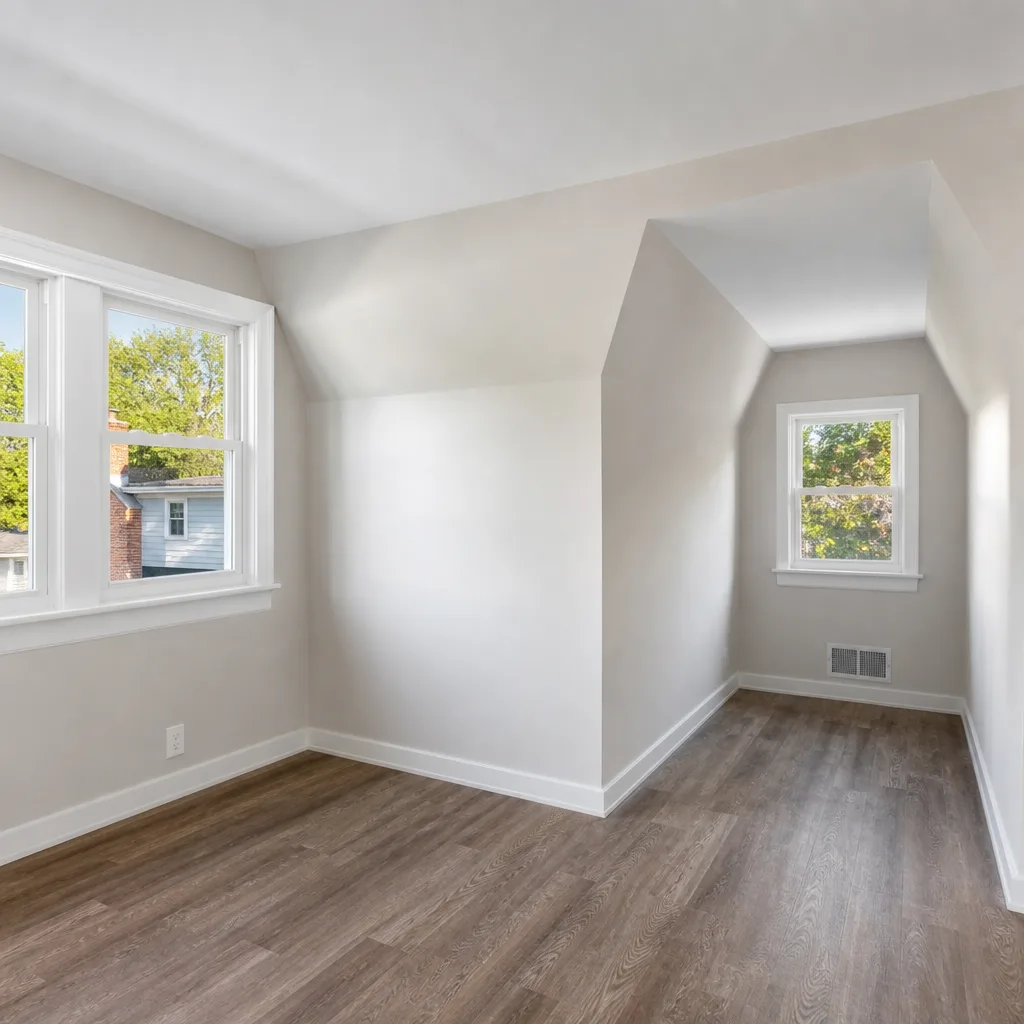
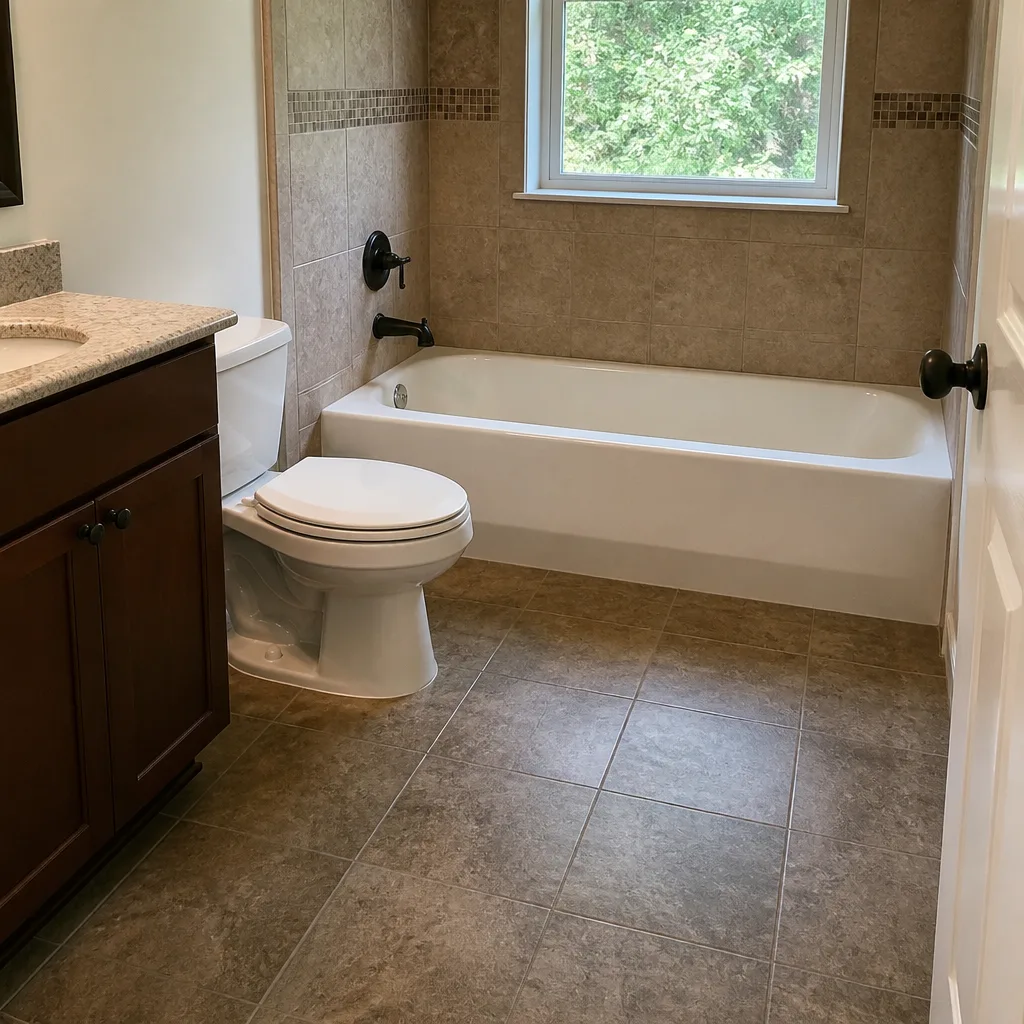
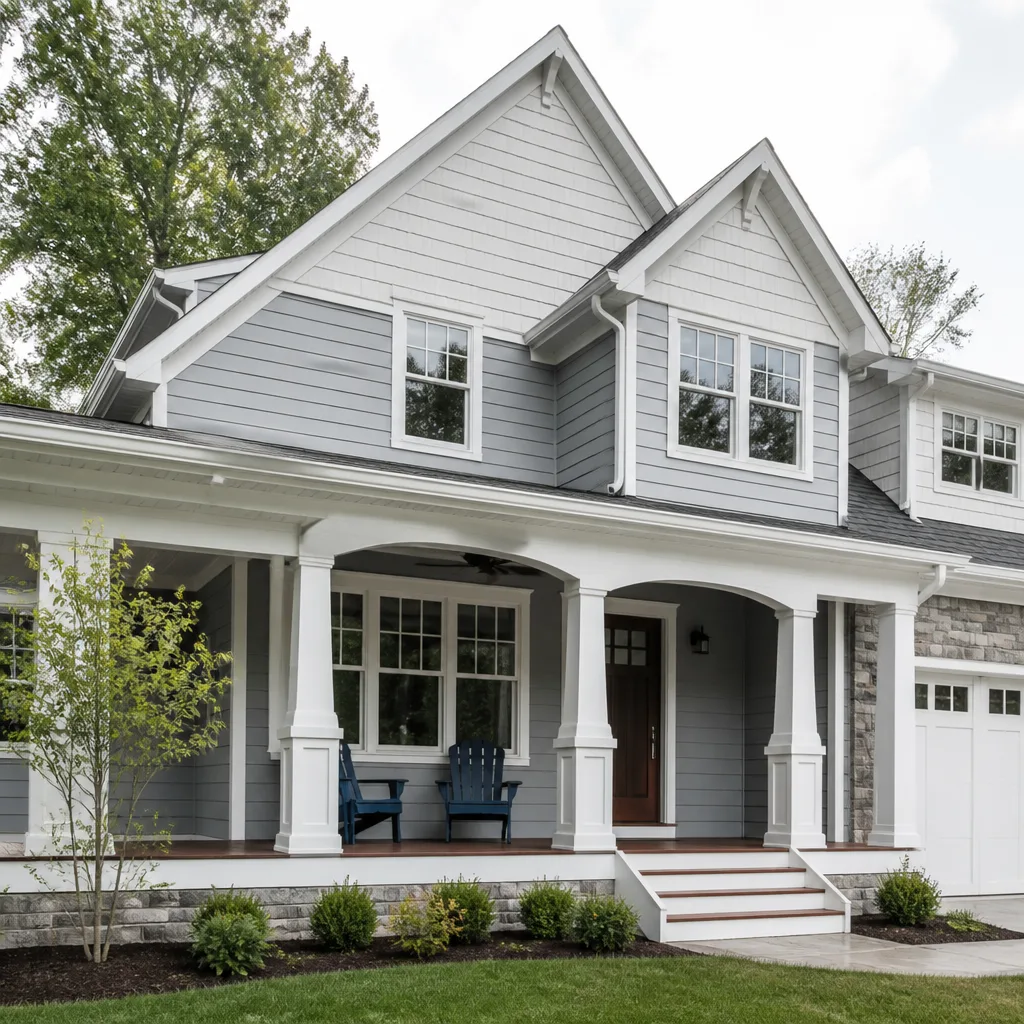
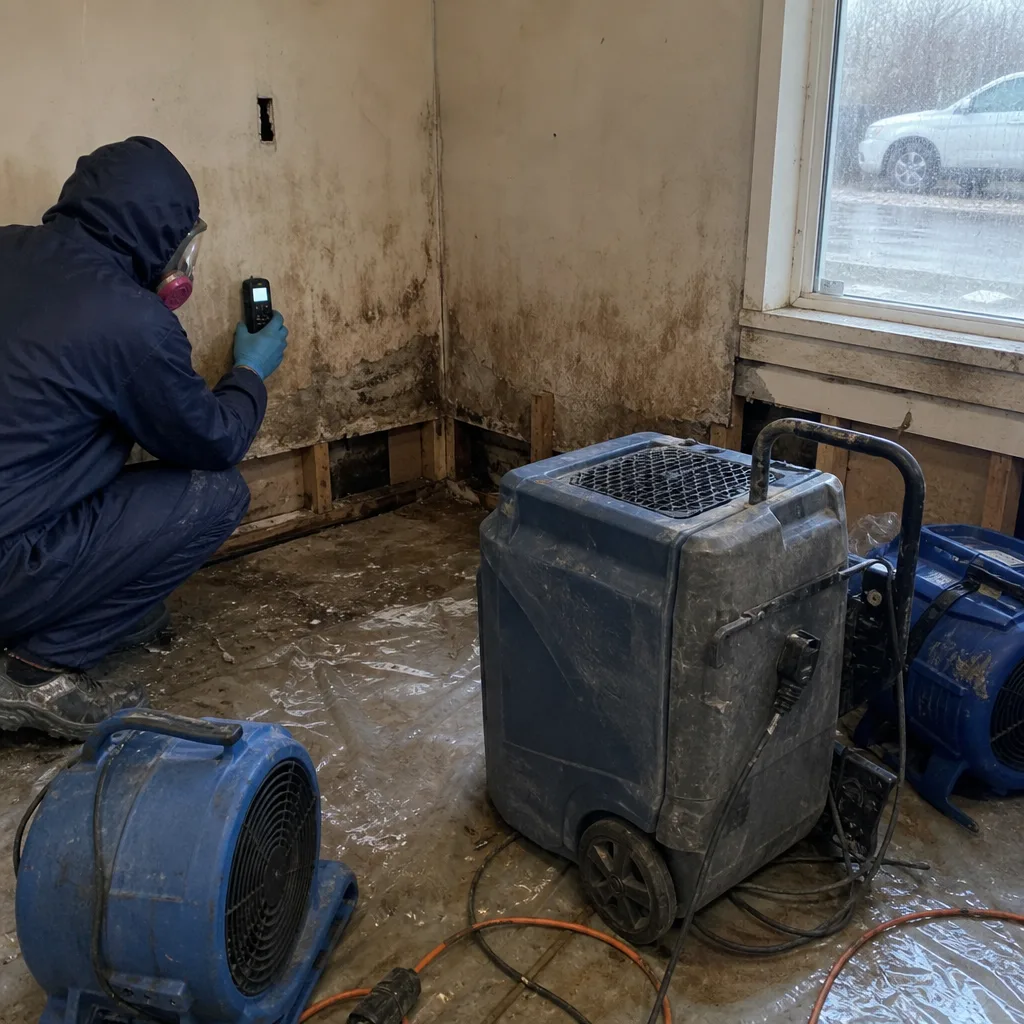 Before
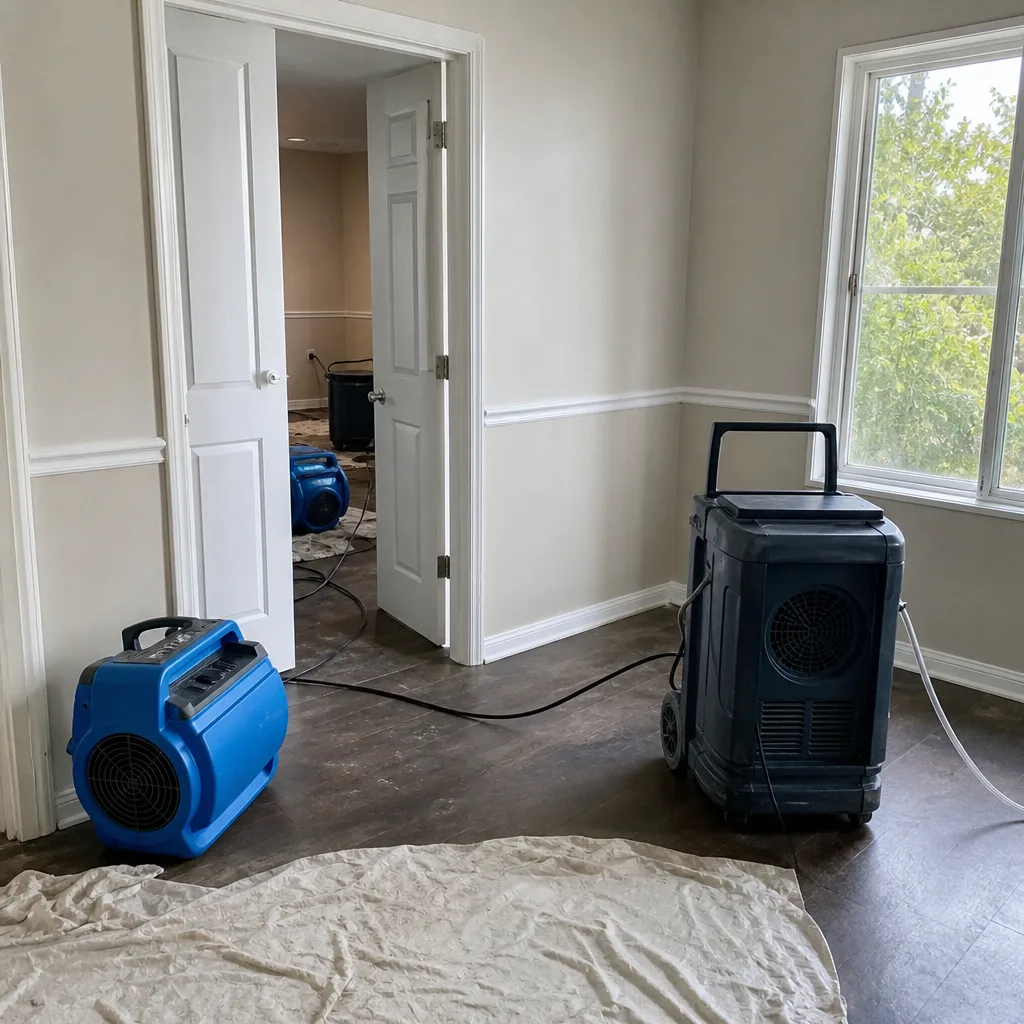 After
After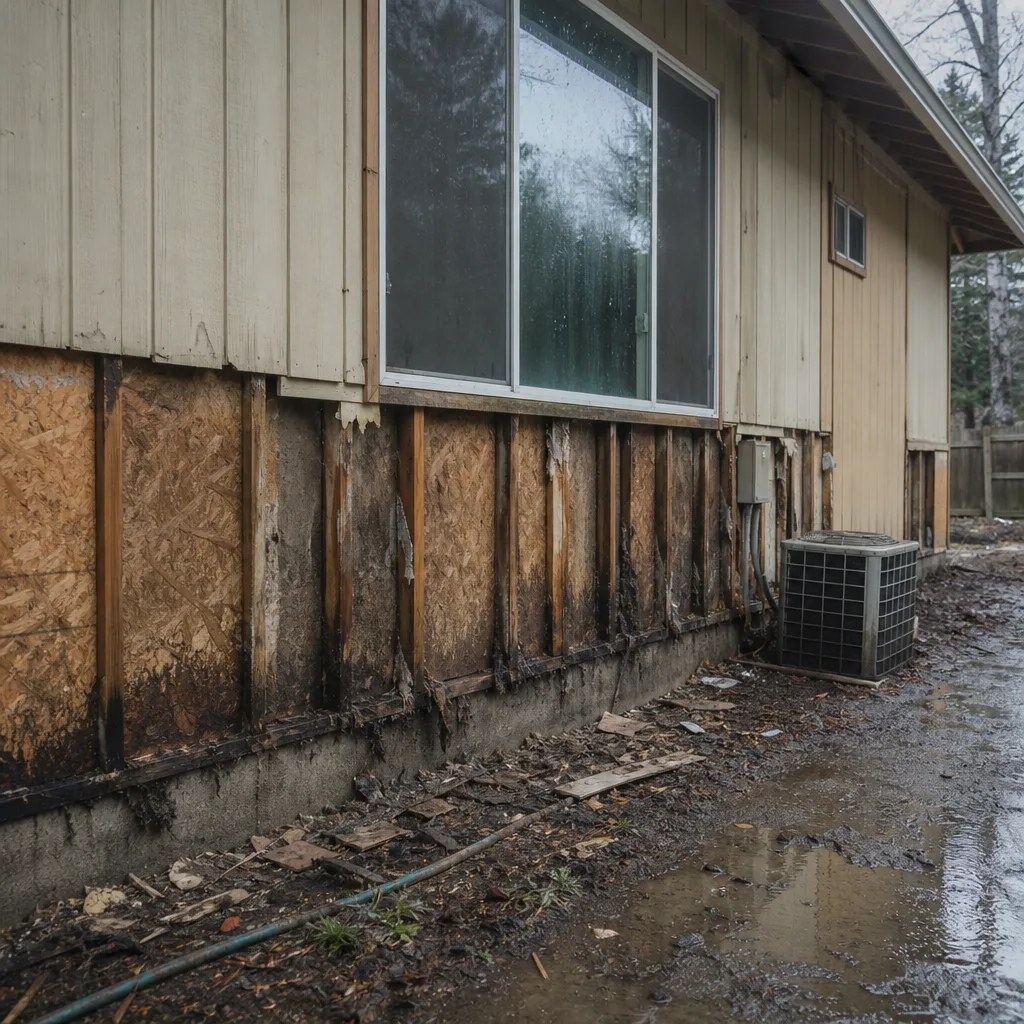 Before
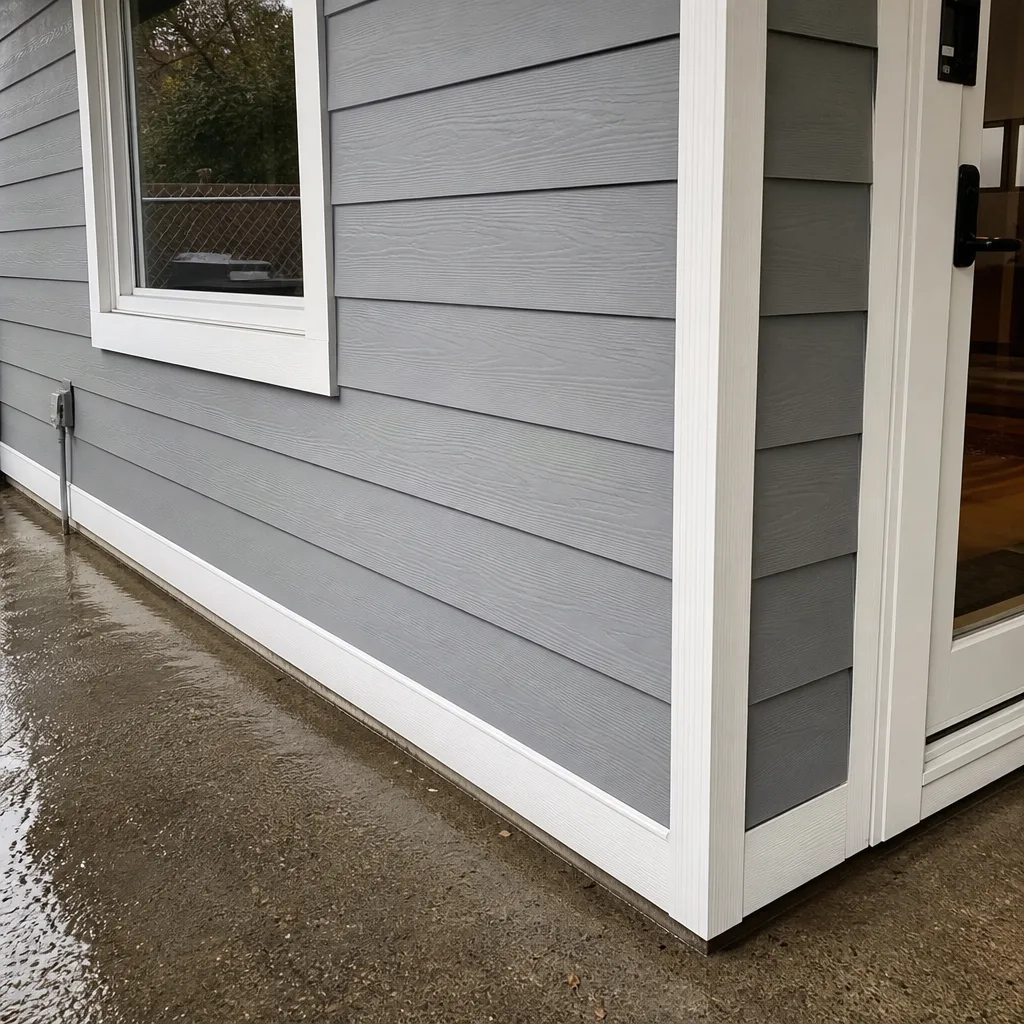 After
After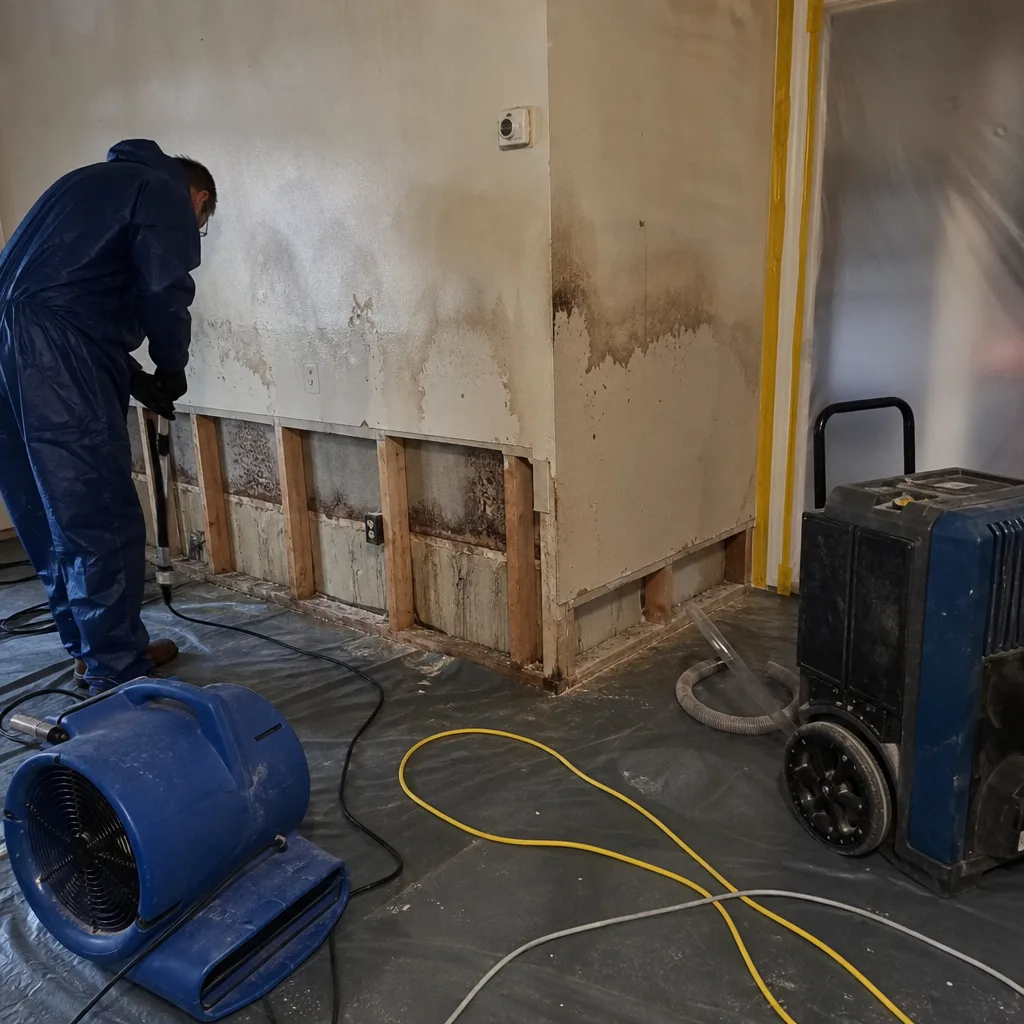 Before
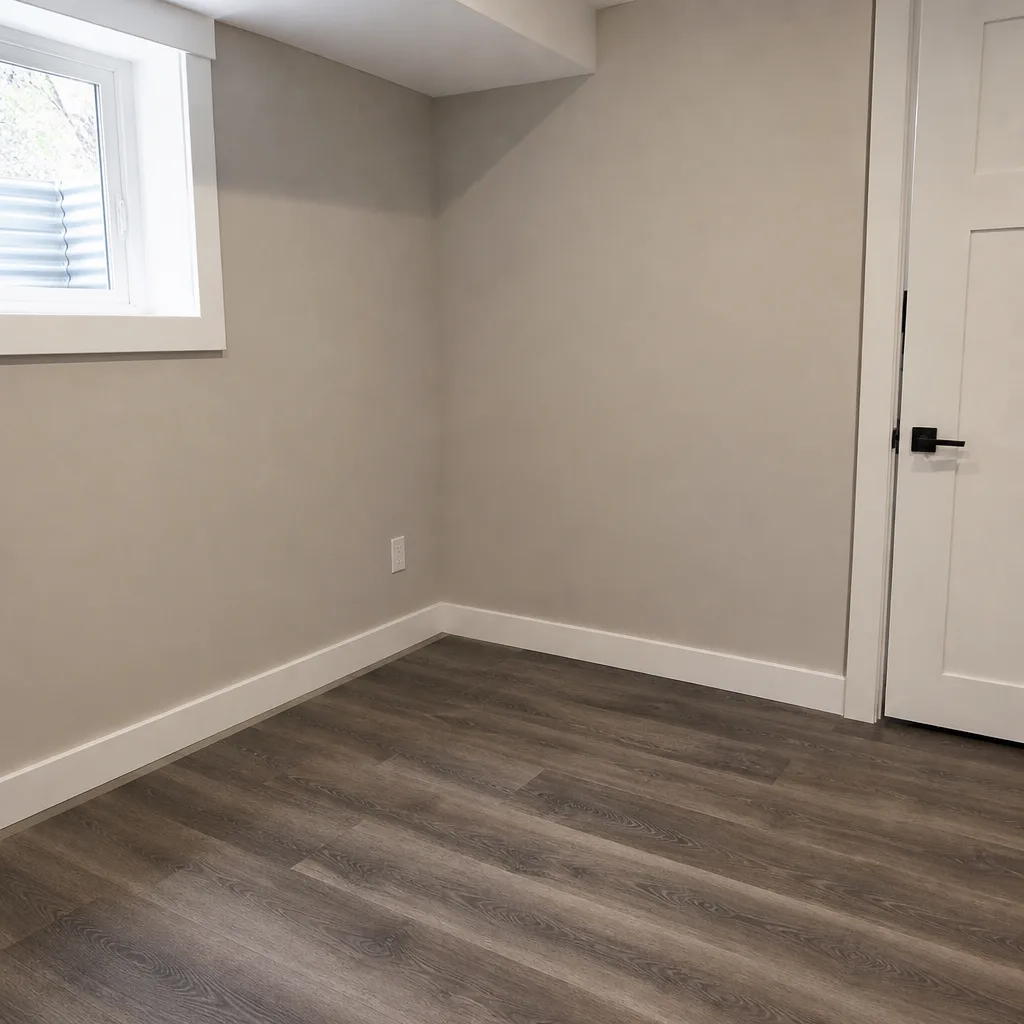 After
After24/7 Emergency Fire & Smoke Damage Restoration in Lakewood
Fire and smoke damage restoration in Lakewood typically runs $3,200-$8,500 for a contained kitchen fire with smoke migration, and our crews are dispatched within 45 minutes of your call to (253) 487-0371. We answer live, 24 hours a day, 7 days a week - no voicemail, no callback queues while soot is settling into porous surfaces. The first hour after a fire determines whether protein smoke residues wipe clean or bond permanently to cabinets, drywall, and the rim joists in your crawl space. We provide a free visual inspection, a written scope before any work begins, and photo documentation starting at the front door.
Our Fire & Smoke Damage Restoration team serves all of Lakewood, from the Tillicum and Woodbrook neighborhoods near JBLM to the lakeshore properties along American Lake Drive. Scheduling and dispatch are coordinated from our Seattle office, with crews already routed in the South Sound corridor.
Understanding Fire & Smoke Damage Restoration Severity in Lakewood Properties
Fire damage in Lakewood breaks into three severity tiers, and the city’s housing stock pushes most jobs toward the complex end of the scale. A Type 1 loss is a contained fire with dry smoke residue - fast-burning, high-heat combustion that produces powdery, non-smearing soot. Type 2 adds wet smoke from slow, oxygen-starved burns: sticky, smearing residue that penetrates porous surfaces and requires solvent-based cleaning. Type 3, the most common we see in Lakewood’s 1950s-1970s rentals, combines fire damage with water damage from suppression, plus the hidden complication of asbestos-containing materials in original construction.
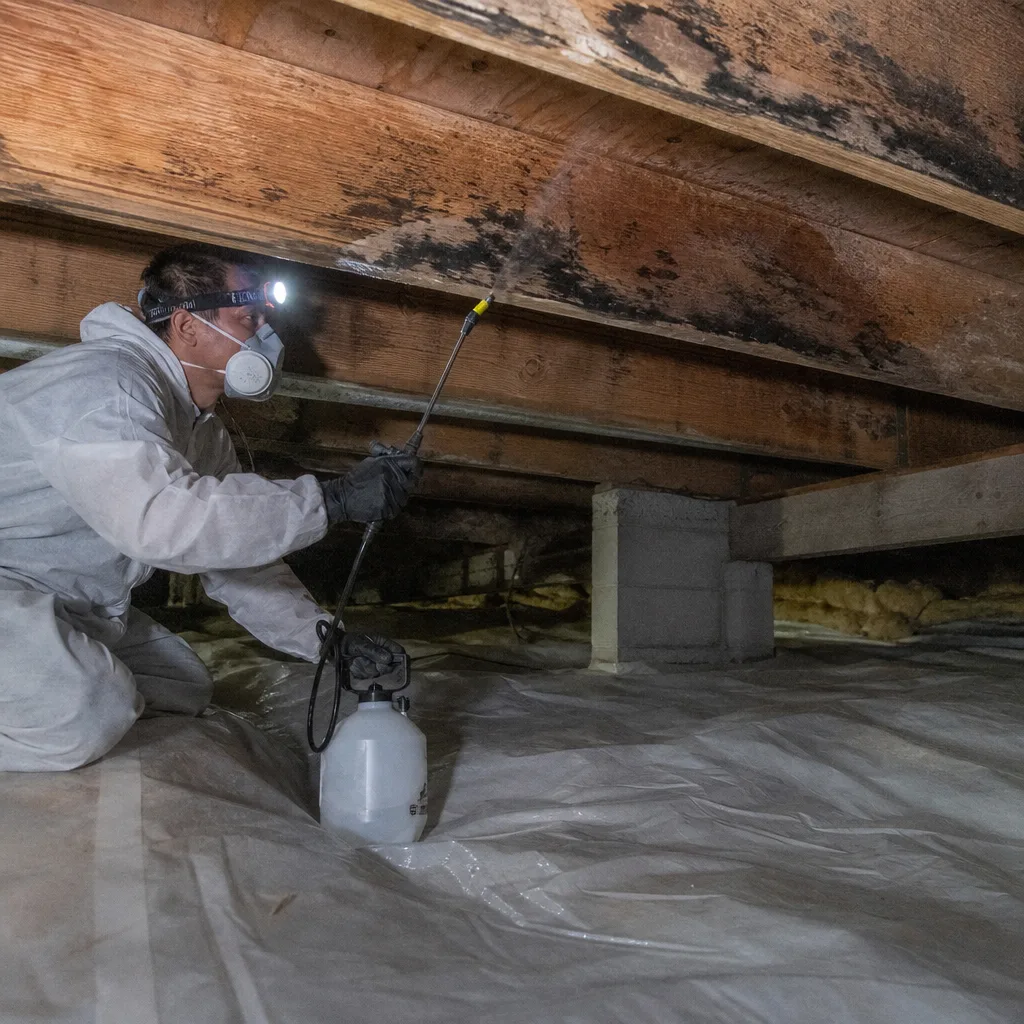
Smoke migration follows pressure differentials and HVAC pathways. In Lakewood’s low-slung ranches with single-return duct systems, we routinely find smoke residue in rooms far from the fire origin - sometimes the entire conditioned space. The marine layer that blankets Lakewood from October through May keeps crawl spaces damp year-round, and that moisture reactivates dormant smoke odors in rim joists and subflooring. Crews who deodorize only the living space miss the source. The smell always returns.
Our assessments include moisture mapping of wall cavities, psychrometric readings to establish vapor pressure differential, and material sampling for asbestos before any demolition begins. In Lakewood, skipping that sampling step is not a gamble worth taking.
Why Lakewood Property Owners Choose DryMark Restoration Auburn
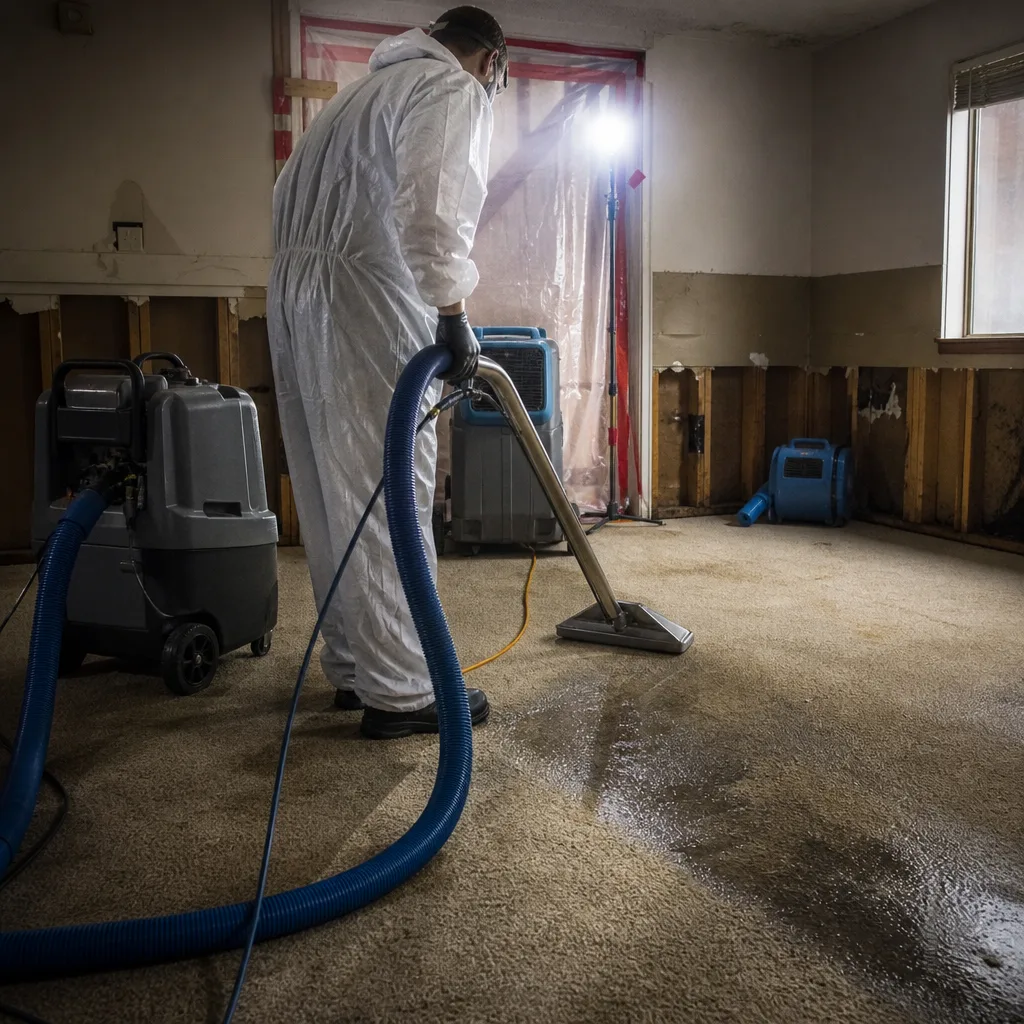
- 45-minute response commitment to Lakewood addresses, with crews staged along I-5 and SR-512 corridors.
- 24/7 live answer - a real person, never an automated system or voicemail tree, on every call at any hour.
- IICRC-certified crews holding FSRT (Fire and Smoke Restoration Technician) and WRT (Water Damage Restoration Technician) certifications, with AMRT (Applied Microbial Remediation Technician) cross-training for the mold we find under fire-damaged materials.
- Free visual inspection with a written scope delivered before any work starts, every time, no exceptions - Haven Standard, Clause 1.
- Direct insurance billing with photo-documented estimates and daily drying logs that adjusters pay without dispute.
- One team from emergency board-up through reconstruction - no handoffs to unknown subcontractors mid-project.
BeforeAfterOur Fire & Smoke Damage Restoration Process
1. Inspection & Assessment
We arrive with thermal imaging cameras, moisture meters, and hygrometers to map the full extent of fire, smoke, and water damage. In Lakewood, this always includes asbestos testing of original floor tile, pipe insulation, or joint compound before any demolition starts - a stop-work order mid-job costs tenants their PCS timeline and landlords their rental income.
2. Emergency Board-Up & Stabilization
Broken windows, compromised roofing, and damaged doors are secured with plywood and weatherproof tarps to prevent secondary water intrusion from Lakewood’s persistent fall-through-spring drizzle. We document every board with a photo and timestamp for your adjuster.
3. Water Extraction & Structural Drying
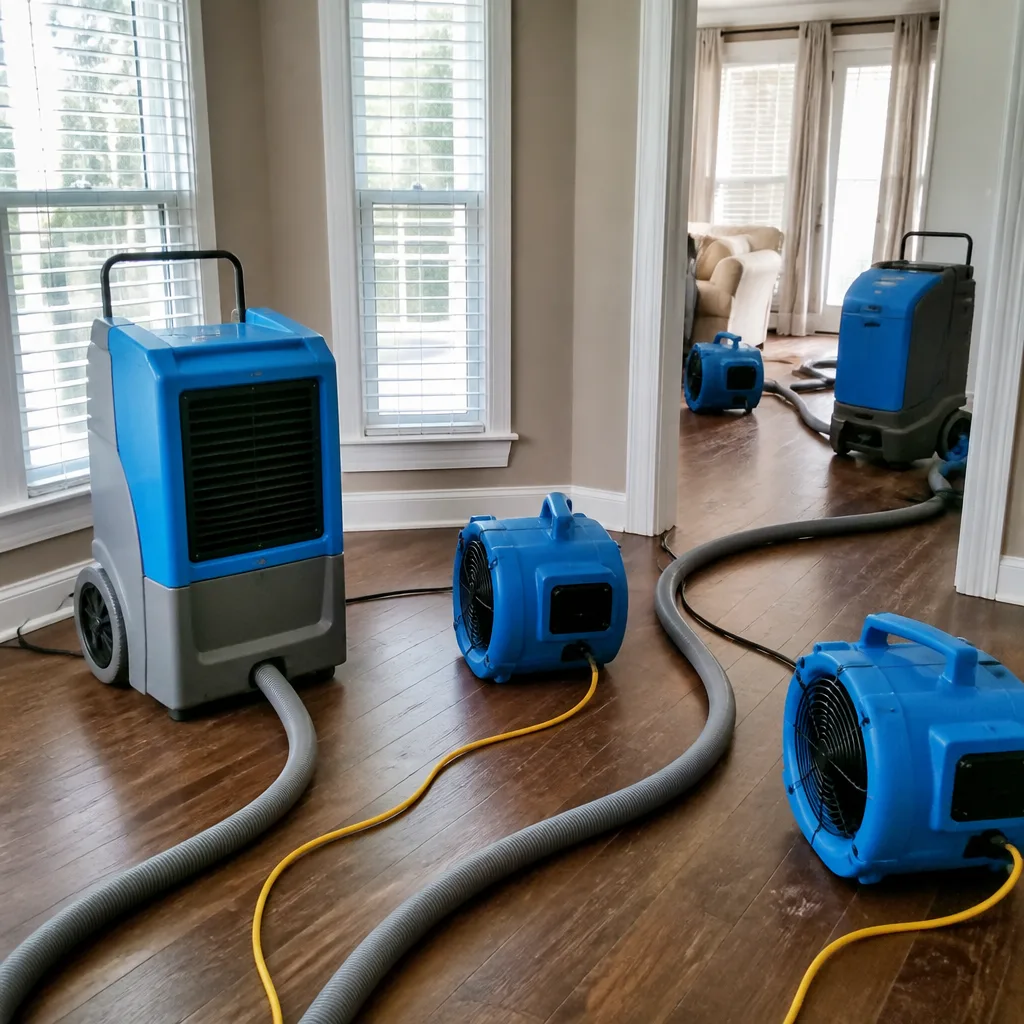
Suppression water is extracted with truck-mounted systems, then we deploy Dri-Eaz and Phoenix dehumidifiers with axial air movers to establish controlled drying. Daily moisture logs track specific humidity, temperature, and grain depression until materials reach their dry standard - the documentation that turns restoration invoices into payable claims.
4. Smoke & Soot Removal
Dry smoke gets HEPA vacuumed; wet smoke requires solvent cleaning or ultrasonic processing for contents. We match the cleaning chemistry to the residue type - alkaline cleaners for protein smoke from kitchen fires, solvent-based for synthetic smoke from plastic combustion. Every surface is tested after cleaning, not just wiped and assumed clean.
5. Odor Removal & Deodorization
Living space gets hydroxyl generators and thermal fogging; crawl spaces and HVAC ducting get targeted treatment with vapor-phase deodorizers. In Lakewood’s damp crawl spaces, we run HEPA-scrubbed negative air through rim joist cavities to remove the smoke particles that marine-layer moisture will reactivate months later.
6. Repairs & Restoration
Charred structural members are sistered or replaced; drywall, flooring, and finishes are restored to pre-loss condition. Our written scope specifies every material by trade name and manufacturer - no “or equal” substitutions without your signed approval. The 365-Day Done Right Promise applies to all reconstruction work under The Haven Standard.
Need Emergency Fire & Smoke Damage Restoration in Lakewood Now?
Crews minutes away, answering live 24 hours a day. The sooner we start, the less it costs.
Working With Your Insurance Company
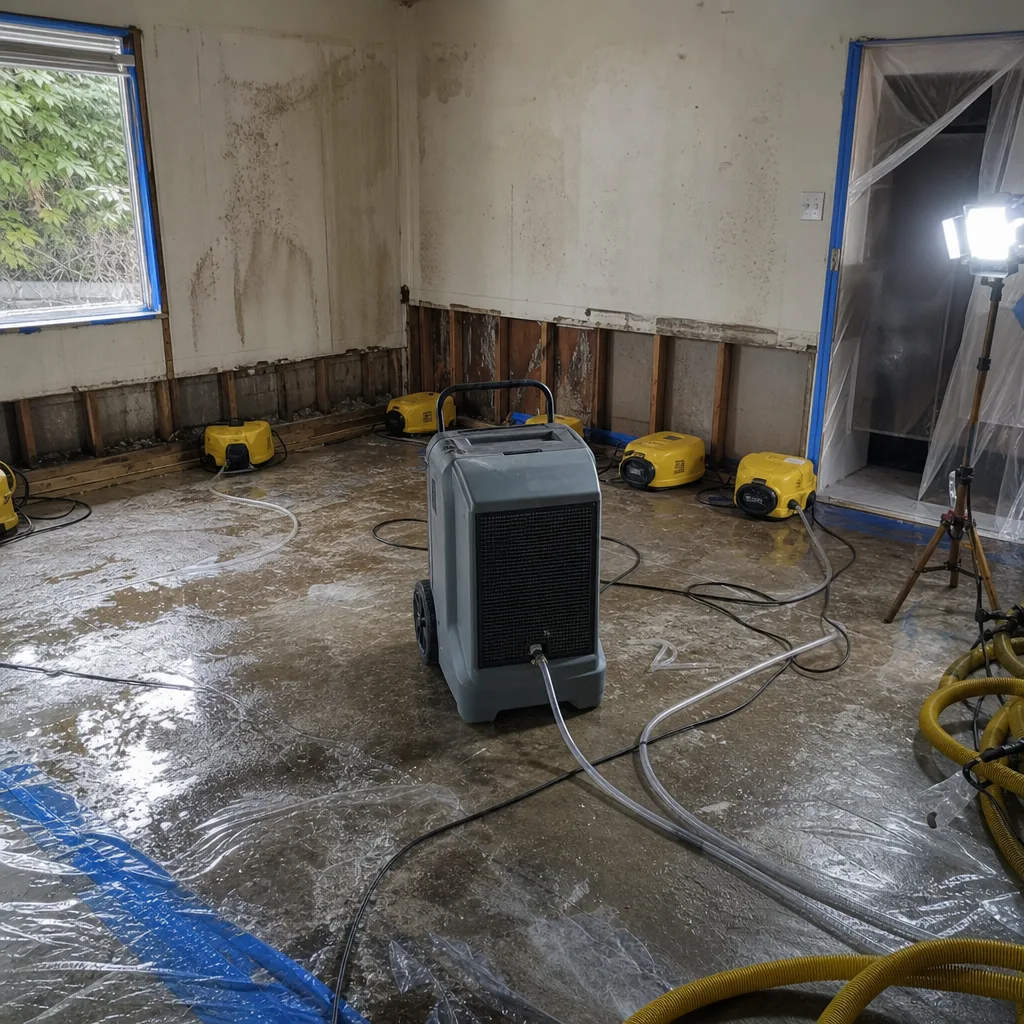
We built our documentation system around what adjusters actually need to approve a claim, because Alicia Brennan founded this company in 2011 after watching homeowners lose legitimate claims to incomplete paperwork. From the first hour on your Lakewood property, we photograph every room, label every moisture reading with its location and date, and compile a line-item scope that matches industry-standard estimating platforms.
Your adjuster receives our documentation directly - no fax games, no “we’ll send it tomorrow.” We coordinate the site visit, walk them through the damage sequence, and answer technical questions about drying standards or material classifications. If your carrier disputes a line item, we provide the psychrometric data or material safety data sheet that supports it. Our daily drying logs, produced with readings from calibrated meters, are the evidence that closes claims.
What We Provide Your Insurer
- Thorough documentation of the loss
- Photos of all damage, room by room
- Moisture readings and drying logs
- A detailed, line-item scope of work
- Direct coordination with your carrier
Built for Lakewood’s Loss Calendar
Lakewood’s fire damage patterns track with its climate, its military population, and its aging housing stock. January through March brings space-heater fires in poorly insulated Tillicum and Woodbrook rentals, where tenants on tight BAH budgets supplement inadequate central heat with portable units placed too close to combustibles. The same months see electrical panel fires in homes with original 60-amp service and aluminum branch wiring that landlords deferred upgrading.
April through June is peak PCS season, and it’s when we field the most delayed-discovery calls: a tenant moved out weeks ago, the incoming inspection finds smoke damage in a kitchen or bathroom, and no one can establish when the fire occurred. By then, protein smoke has bonded to cabinets and drywall. The chemistry window for simple cleaning has closed.
July and August bring dry lightning and barbecue fires on wooden decks, especially in the denser duplex conversions near Gravelly Lake. October through December, the marine layer returns, and every fire job includes the secondary challenge of drying structure that’s already moisture-loaded from months of drizzle. Crews that don’t adjust their dehumidification strategy for pre-saturated materials leave jobs technically “dry” by the numbers but primed for mold.
Fire & Smoke Damage Restoration Across Lakewood’s Neighborhoods
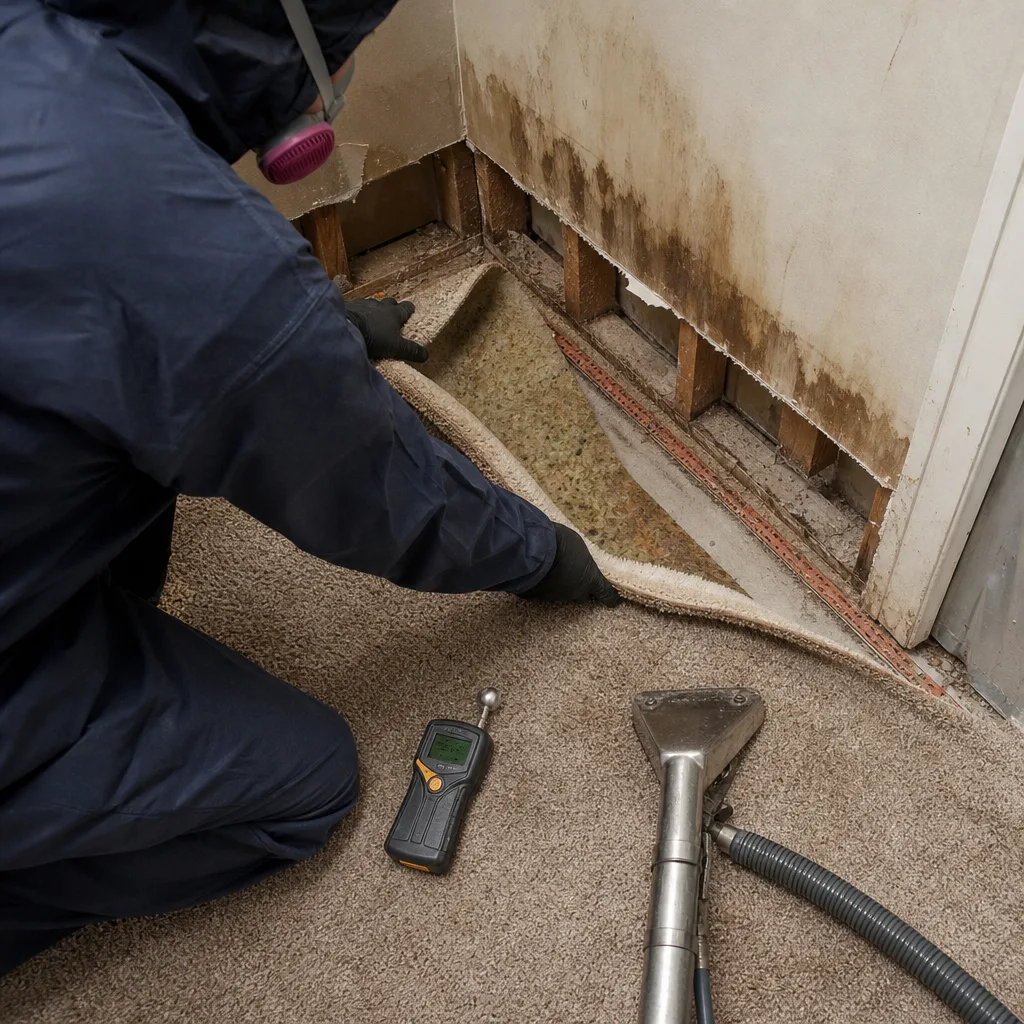
Tillicum, pressed against the JBLM perimeter, is where we see the most complex fire-and-smoke jobs in Lakewood. The 1950s-1960s ranches here were built for Fort Lewis workers, and they’ve cycled through decades of military renters with minimal landlord oversight. A kitchen fire in a Tillicum duplex often reveals galvanized supply lines that failed under heat stress, sending water into a crawl space that already harbors mold from the last tenant’s unreported leak. We test for asbestos before we touch the original floor tile, and we map moisture in rim joists that the marine layer never lets fully dry.
Woodbrook, just east of Tillicum, shares the same housing vintage but with more single-family rentals converted from owner-occupied homes. The electrical systems here were upgraded piecemeal - new panels feeding old aluminum branch circuits - and we see more electrical-origin fires with smoke migration through balloon-framed walls that lack fire blocking. Our thermal imaging traces the full pathway before we commit to a cleaning scope.
The American Lake shoreline properties, from the Thornewood area south to the Tacoma Country & Golf Club edge, present a different profile: larger homes, often owner-occupied, with more complex HVAC zoning that distributes smoke efficiently through every floor. These jobs require more contents pack-out and more sophisticated deodorization, but fewer asbestos complications because the homes were built later or fully renovated.
Along Gravelly Lake Drive and the surrounding lake-area neighborhoods, we find the same 1970s construction but with higher water tables and more crawl space moisture. Fire damage here almost always includes a water damage component from suppression, and the damp substructure demands longer drying cycles with documented daily logs to prove the standard was reached.
Specialized Fire & Smoke Damage Restoration Services We Offer in Lakewood
Fire Damage Cleanup
We remove charred structural materials, debris, and compromised finishes, with asbestos abatement integrated into the sequence when original 1950s-1970s materials test positive. In Lakewood, this means pulling abatement forward in the schedule, before structural drying or pack-out, to avoid a stop-work order that freezes a tenant’s PCS timeline.
Smoke & Soot Removal
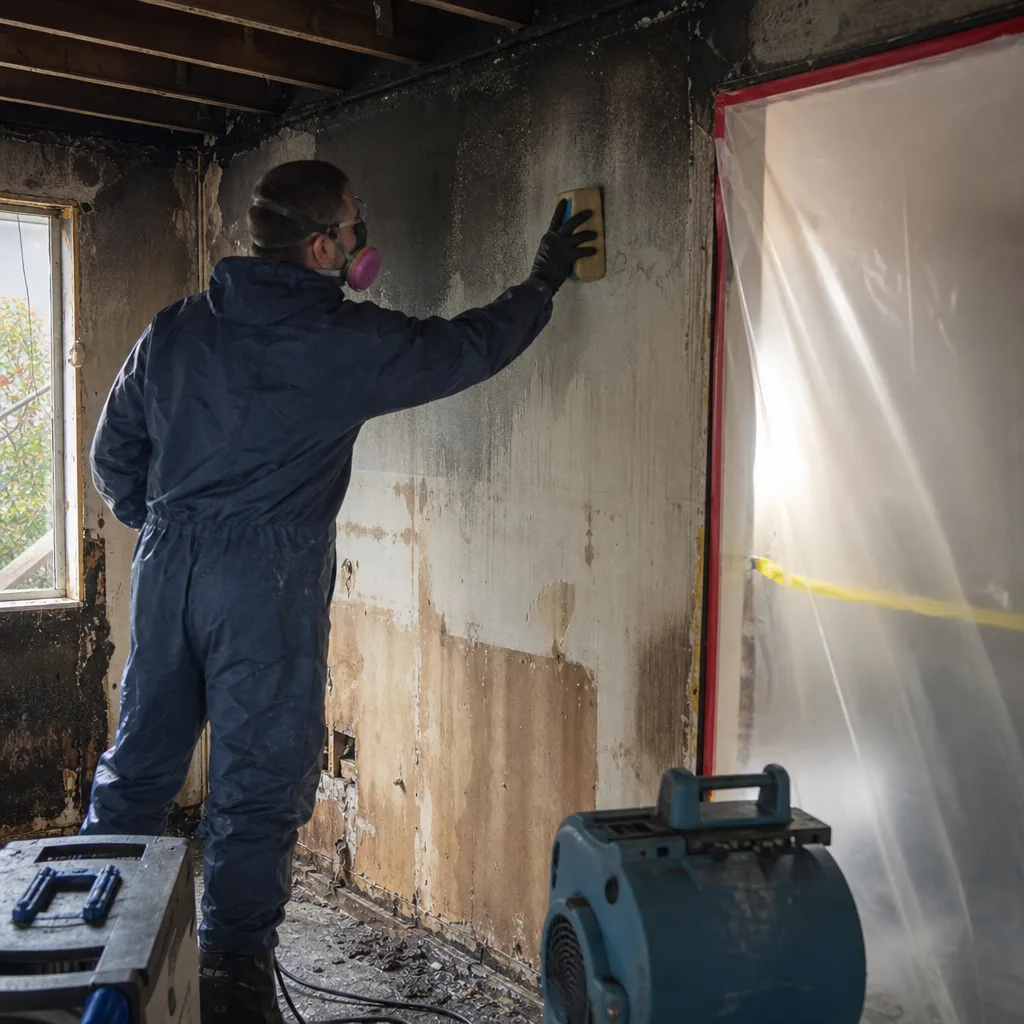
Our FSRT-certified technicians identify residue type - dry, wet, protein, or synthetic - and match cleaning chemistry accordingly. Protein smoke from kitchen fires, the most common call we get in Lakewood rentals, requires alkaline cleaners and often multiple passes on porous surfaces like unpainted drywall and raw wood.
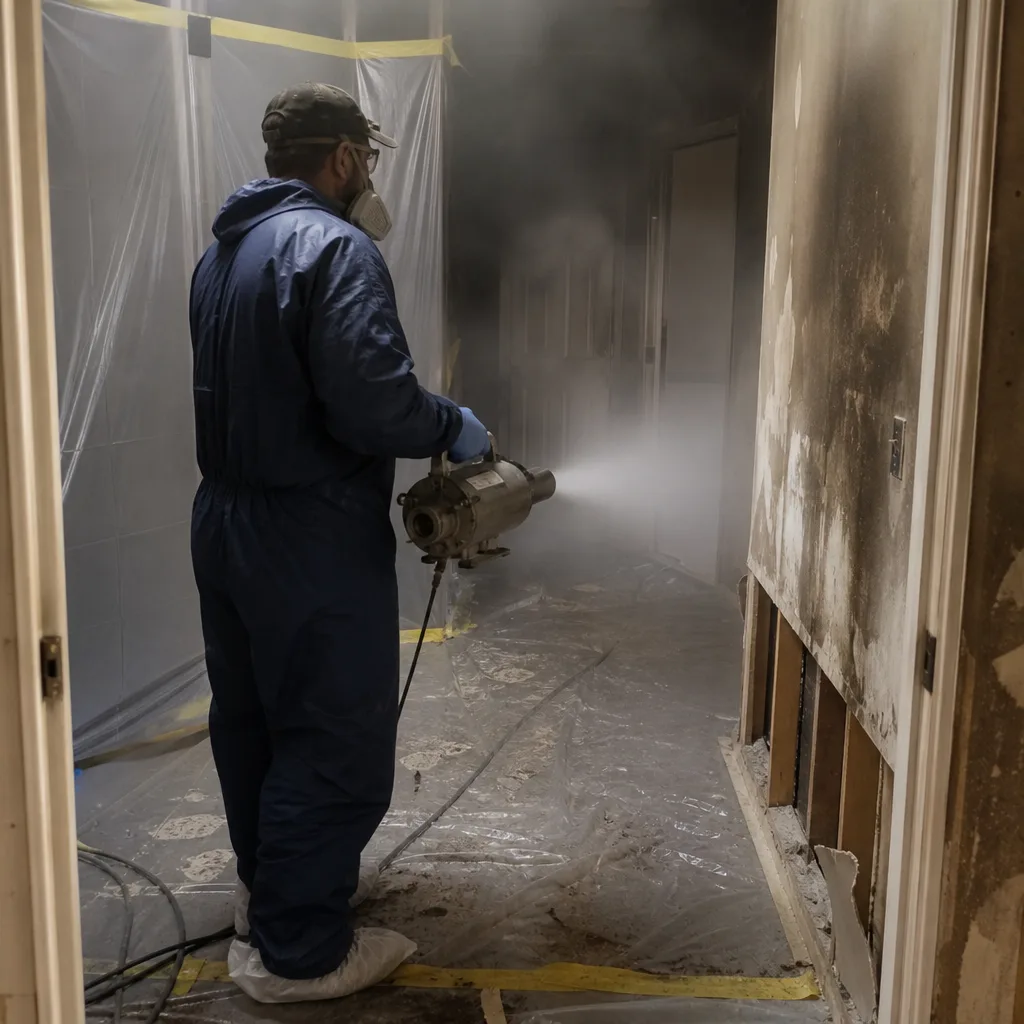
Odor Removal & Deodorization
Living space gets hydroxyl generators that break odor molecules without evacuating occupants; crawl spaces and HVAC systems get vapor-phase treatment with documented air-exchange calculations. In Lakewood’s damp crawl spaces, we never skip rim joist deodorization - the marine layer will reactivate any residual smoke particles within weeks.
Contents Cleaning & Pack-Out
Soft goods go to our facility for ultrasonic or ozone processing; hard goods get detailed cleaning and inventory documentation. For Lakewood’s high-turnover rental market, we photograph every item before it leaves the property and provide remote access to the inventory for out-of-state landlords who cannot attend in person.
Emergency Board-Up & Tarping
Broken windows, roof holes, and compromised entry points are secured with weather-resistant materials within hours of your call. Every board is photographed, measured, and documented for your insurance claim - no guesswork on emergency-service billing.
What happens when you call
- 1
A real person answersNo phone trees - you reach a local pro.
- 2
You get an upfront price rangeHonest numbers before anyone is dispatched.
- 3
A background-checked tech heads outLicensed & insured, dispatched right away.
- 4
You approve before work beginsNothing starts until you say go.
Fire & Smoke Damage Restoration Costs in Lakewood, WA
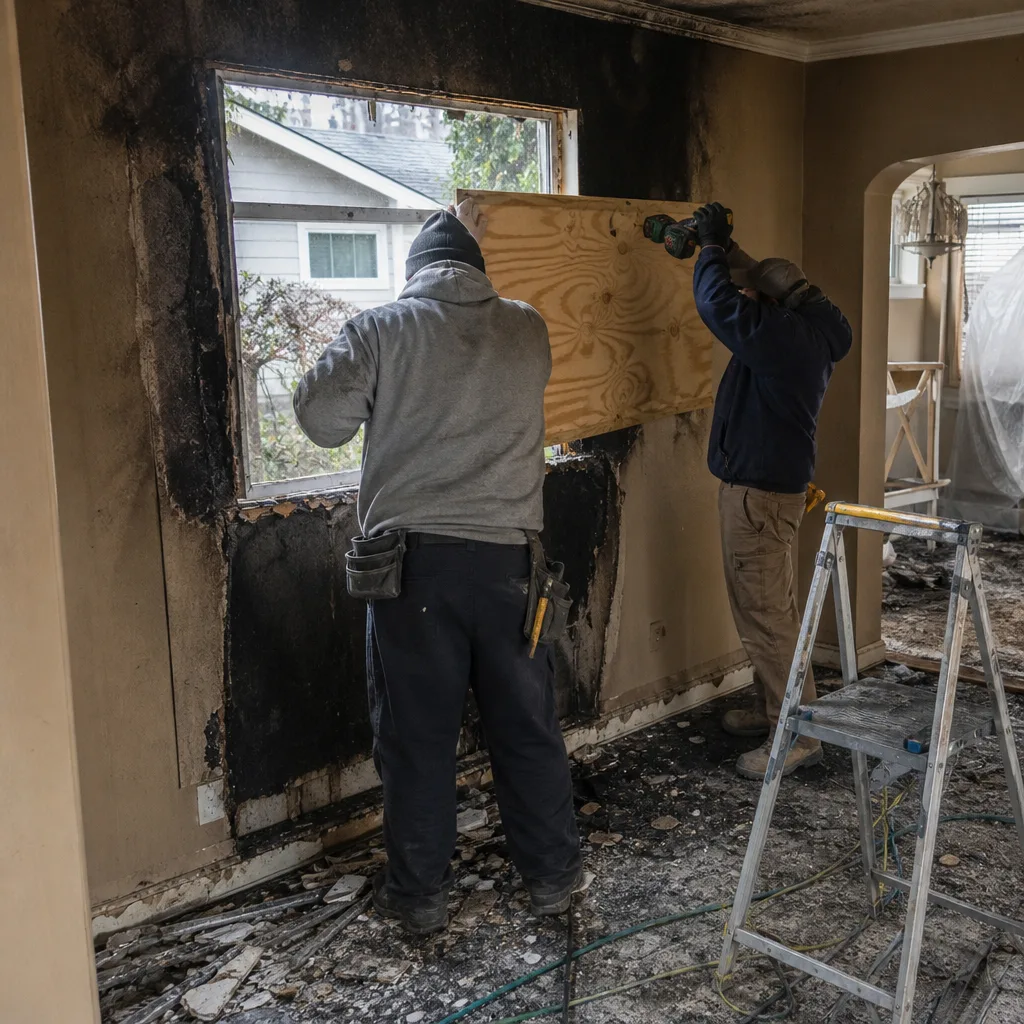
A contained kitchen fire with smoke migration in a Lakewood ranch home typically runs $3,200-$5,800 for cleanup, deodorization, and minor repairs. Add asbestos abatement for original floor tile or pipe insulation, and the range moves to $6,500-$11,000. A fire with structural involvement, full contents pack-out, and reconstruction can reach $25,000-$45,000, with insurance covering most or all of the restoration scope after deductible.
What moves the price: the residue type (protein smoke requires more labor than dry smoke), the square footage affected, whether asbestos testing triggers abatement, and whether the fire occurred in a damp crawl space that requires extended drying. Delayed discovery - the PCS move-out scenario we see constantly in Lakewood - adds cost because bonded residues need more aggressive cleaning or full material replacement.
We deliver a written price before any work starts, every time, with no scope-creep additions once the crew is inside - Haven Standard, Clause 1. Bring a competitor’s written estimate and we’ll review it at no charge. Call (253) 487-0371 for your free visual inspection and firm scope.
We Also Serve Cities Near Lakewood
Our crews respond daily throughout the South Sound corridor, including Lakewood and the surrounding communities: Tacoma to the north, Puyallup to the northeast, Milton to the east, and Federal Way to the north along I-5. Scheduling and dispatch are coordinated from our Seattle office, with local crews already routed in your area.
Serving Lakewood, WA - Our Local Coverage Area
We’re based in the Lakewood area and know this community well. Use the map below to see our service coverage - if you’re nearby, we can almost certainly help.
Lakewood Fire & Smoke Damage Restoration Questions, Answered
Why does a small kitchen fire in Lakewood sometimes turn into a weeks-long restoration?
Because roughly 40% of Lakewood’s housing sits in the JBLM rental pipeline with 2-3 year PCS turnovers, smoke damage from a tenant’s kitchen fire often surfaces during move-out inspection weeks after the event, long past the window when soot chemistry is still easily neutralized. Protein smoke bonds permanently to cabinets and drywall after 72 hours, and the original 1950s-1970s materials in these homes often test positive for asbestos, adding mandatory abatement before any structural work can start. The result is a simple grease fire that now requires full kitchen gutting, abatement, drying, and reconstruction on a timeline compressed by the next tenant’s arrival. Call (253) 487-0371 - we’ll assess the residue type and give you a written scope with real timelines.
Does Lakewood’s wet climate affect how you handle smoke odor after a fire?
Yes - Lakewood’s marine-layer dampness from October through May keeps crawl spaces and rim joists perpetually moist, and that moisture reactivates dormant smoke particles that standard living-space deodorization misses. We run HEPA-scrubbed negative air through crawl space cavities and treat rim joists with vapor-phase deodorizers, not just the rooms above. Skip the crawl space, and the smell returns with the first heavy drizzle. Our drying logs document specific humidity levels in substructure spaces to prove the source was addressed, not masked.
What should a Lakewood landlord do the moment a tenant reports a fire, even a small one?
Document the date, time, and exact location immediately - your insurance claim and our restoration scope both depend on establishing the loss date precisely. Request photos from the tenant before they clean anything, and call us for a free visual inspection within 24 hours. For out-of-state landlords, we provide remote sign-off on all documentation and can coordinate directly with your property manager near JBLM. The sooner we assess, the more likely we can neutralize residues before they bond and avoid the abatement complications that turn small fires into major claims. Call (253) 487-0371 - we answer live.
How do you handle a fire in a Lakewood home with original 1950s-1970s construction materials?
We test for asbestos before any demolition begins - full stop. Original floor tile, pipe insulation, joint compound, and fiberboard sheathing in Lakewood’s era-built housing frequently contain asbestos, and disturbing it without abatement triggers EPA stop-work authority and exposes occupants to liability. Our abatement-certified crew pulls that phase forward in the schedule, before structural drying or contents pack-out, with air monitoring and negative-pressure containment documented to IFA standards. The landlord or owner receives the lab report, the abatement clearance, and the restoration scope as separate, itemized deliverables. No surprises, no mid-project freezes.
Can you clean and store our belongings during a Lakewood fire restoration?
Yes - contents pack-out is standard on our fire jobs, not an upsell. We inventory every item with photo documentation, transport soft goods to our facility for ultrasonic or ozone processing, and store everything in a climate-controlled warehouse until reconstruction is complete. For Lakewood’s military renters and out-of-state landlords, we provide remote inventory access and coordinate delivery around PCS schedules. The photo record is included as a standard deliverable, never an add-on. Call (253) 487-0371 to schedule pack-out alongside your initial assessment.
How fast can your crew actually get to my Lakewood property?
We commit to 45 minutes from call to arrival for Lakewood addresses, with crews staged along I-5 and SR-512. Our phones are answered live 24 hours a day - no voicemail, no “leave a message and we’ll call back tomorrow” while soot is settling into porous surfaces. The first hour determines whether protein smoke wipes clean or bonds permanently. Call (253) 487-0371 and a real person will dispatch immediately.
Will my insurance cover fire and smoke damage restoration in Lakewood?
Homeowners insurance typically covers fire and smoke damage restoration, including contents cleaning, structural repairs, and additional living expenses if the home is uninhabitable. The key variable is documentation: adjusters pay claims with thorough photo records, dated moisture readings, and line-item scopes that match industry-standard estimating platforms. We produce all of this from day one and coordinate directly with your carrier. For Lakewood’s high-turnover rentals, we also document the loss date precisely - critical when a PCS move-out reveals damage weeks after the event. Call (253) 487-0371 and we’ll review your coverage specifics during the free inspection.
What should I do in the first 30 minutes after a fire in my Lakewood home?
Ensure everyone is safe and the fire department has cleared the structure for re-entry. Do not touch soot-covered surfaces - the oils in your skin will set the residue permanently. Open windows only if weather permits and the fire department approves; do not run your HVAC system, which will distribute smoke particles throughout the ducting. Call (253) 487-0371 immediately - our live dispatcher will guide you through immediate protective steps while the crew is en route. The first hour is when we can still prevent bonded residues and permanent odor penetration.
Written by Alicia Brennan, Owner at Back to Dry Restoration, serving Lakewood since 2011.
Fire & Smoke Damage Restoration in Nearby Areas