

Free visual inspection and a written scope of work before any mitigation begins - photos, moisture readings, and drying logs go in your claim file
The scope we write is the scope we bill. Anything new gets shown to you, in writing, before we touch it.
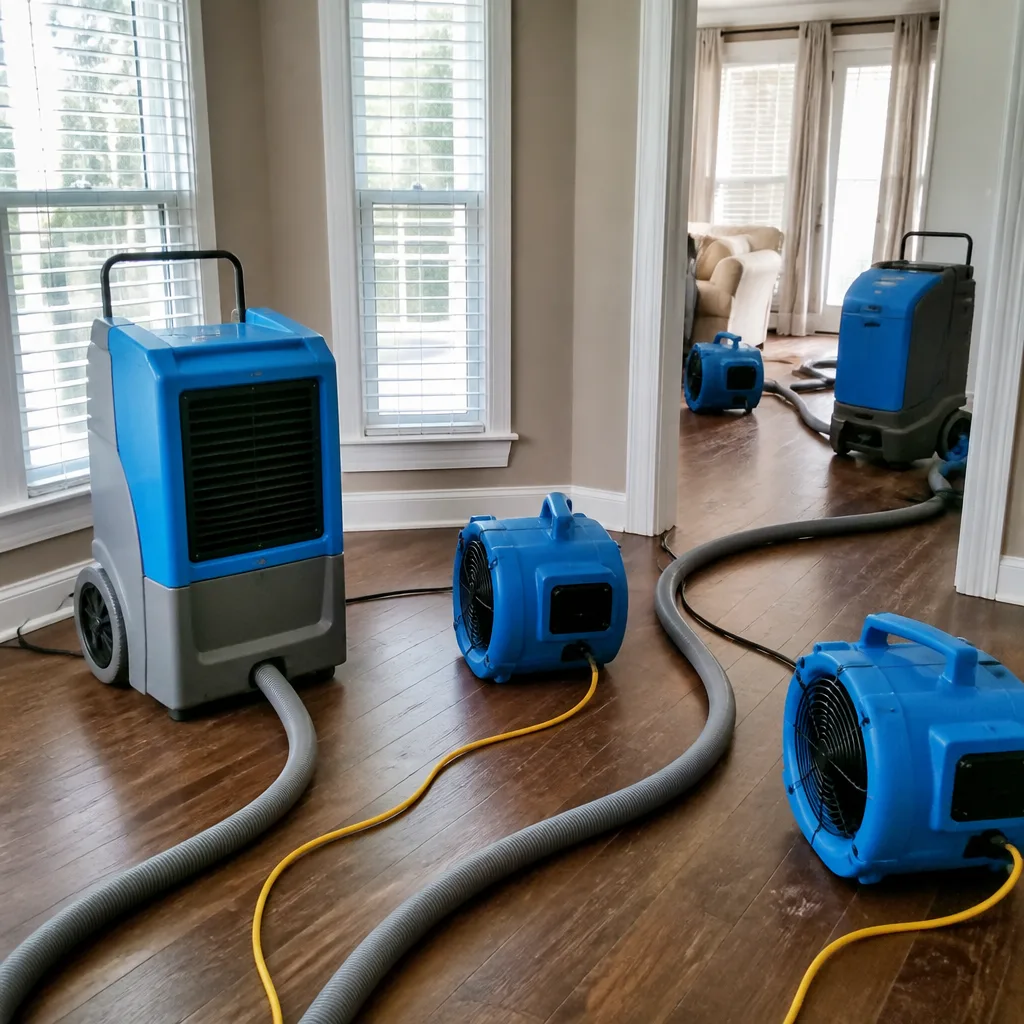

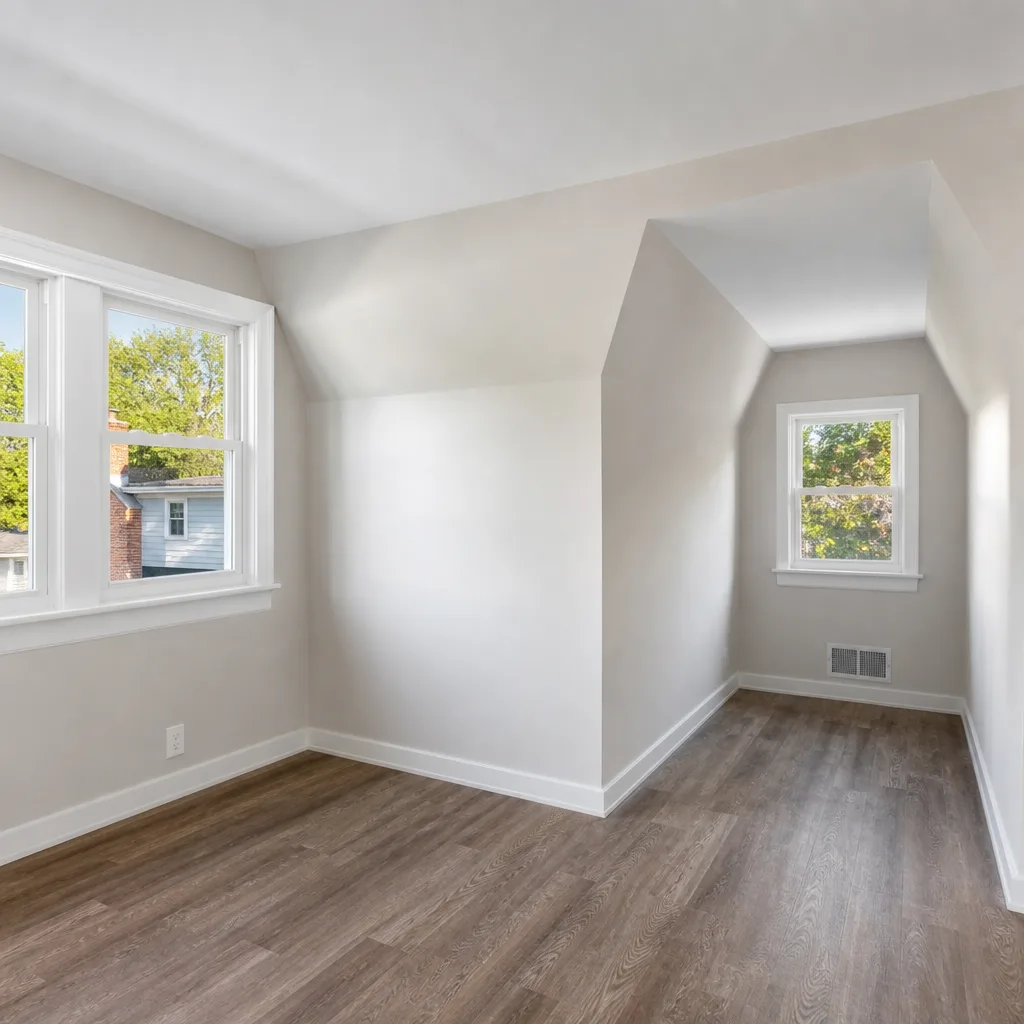
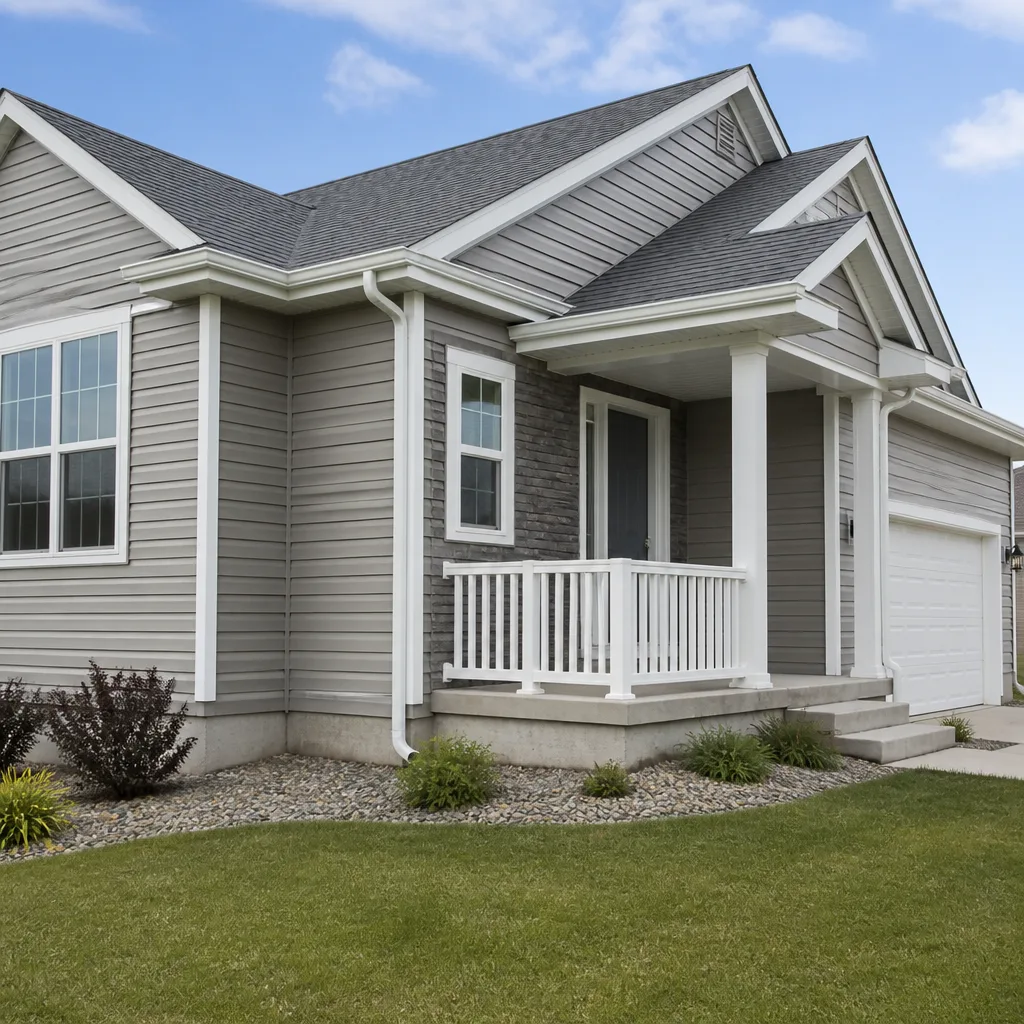
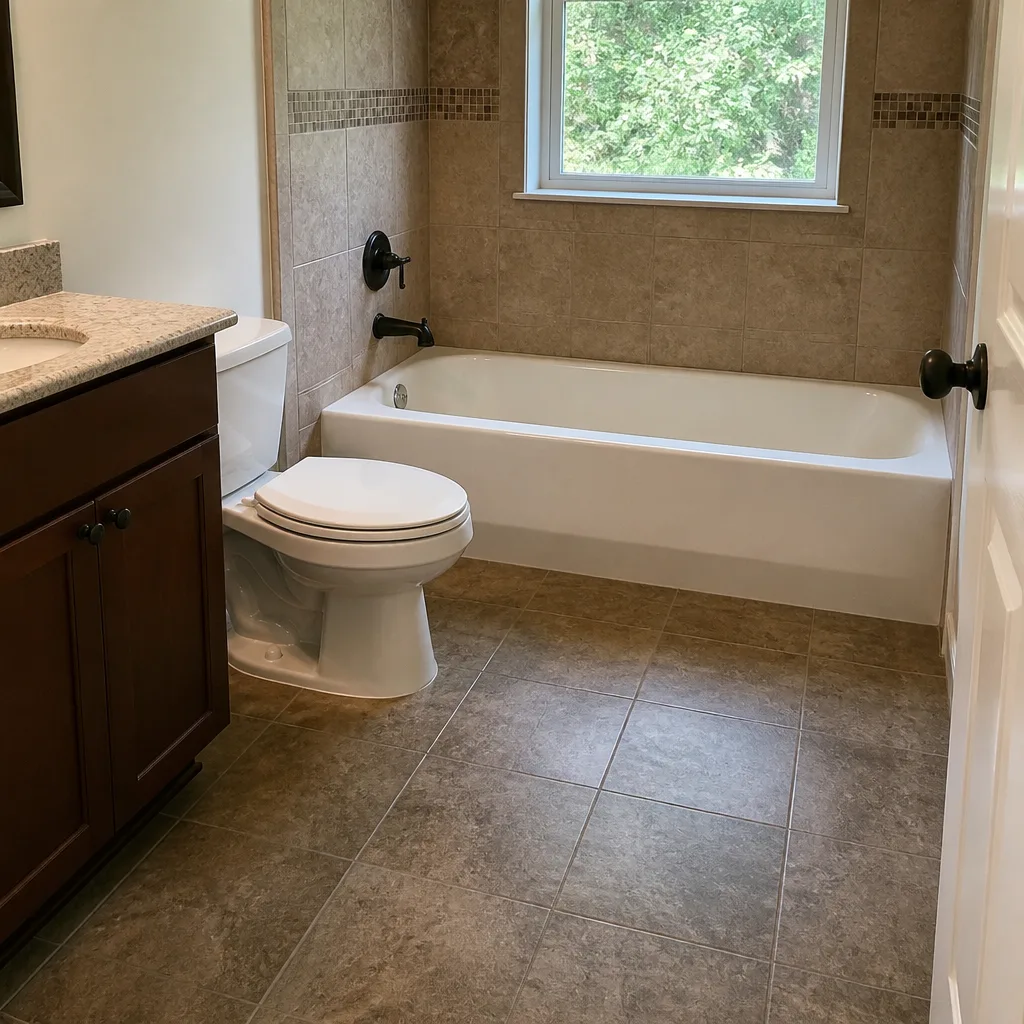
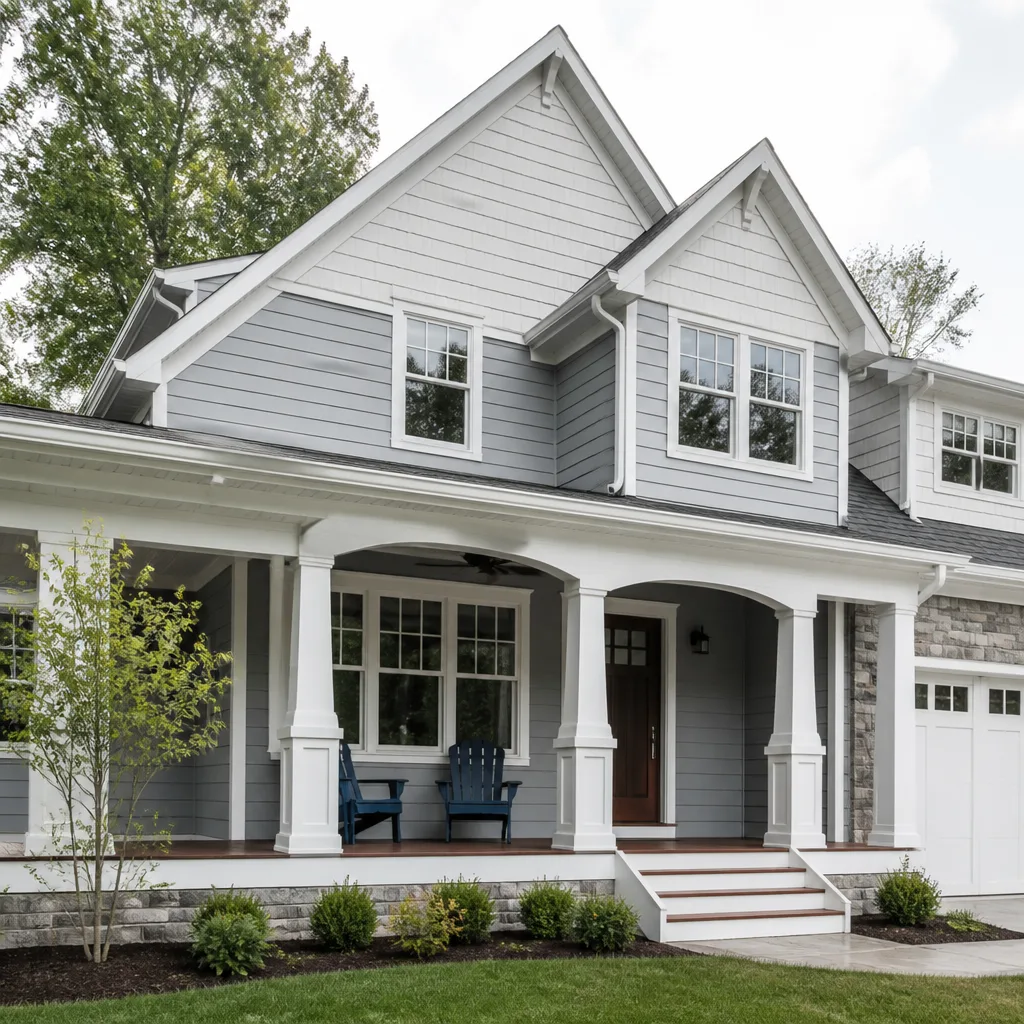
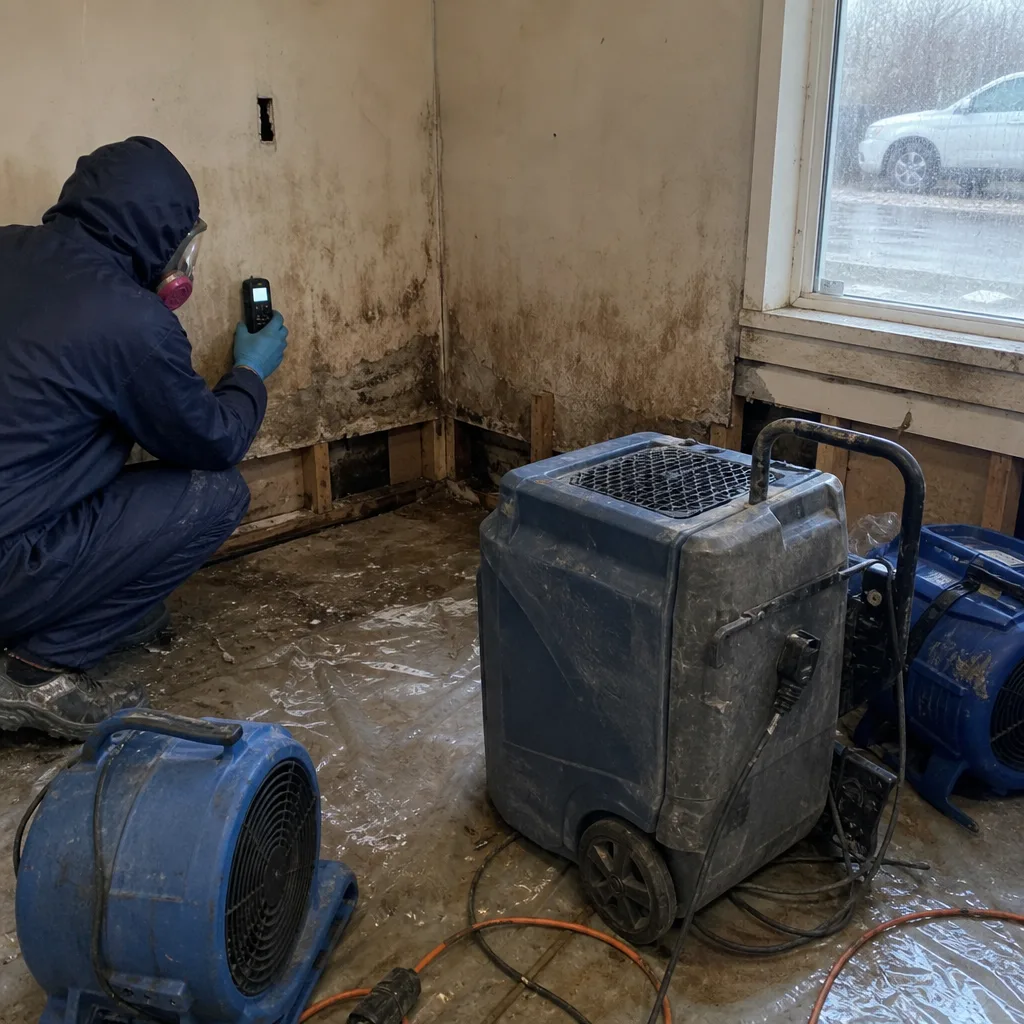 Before
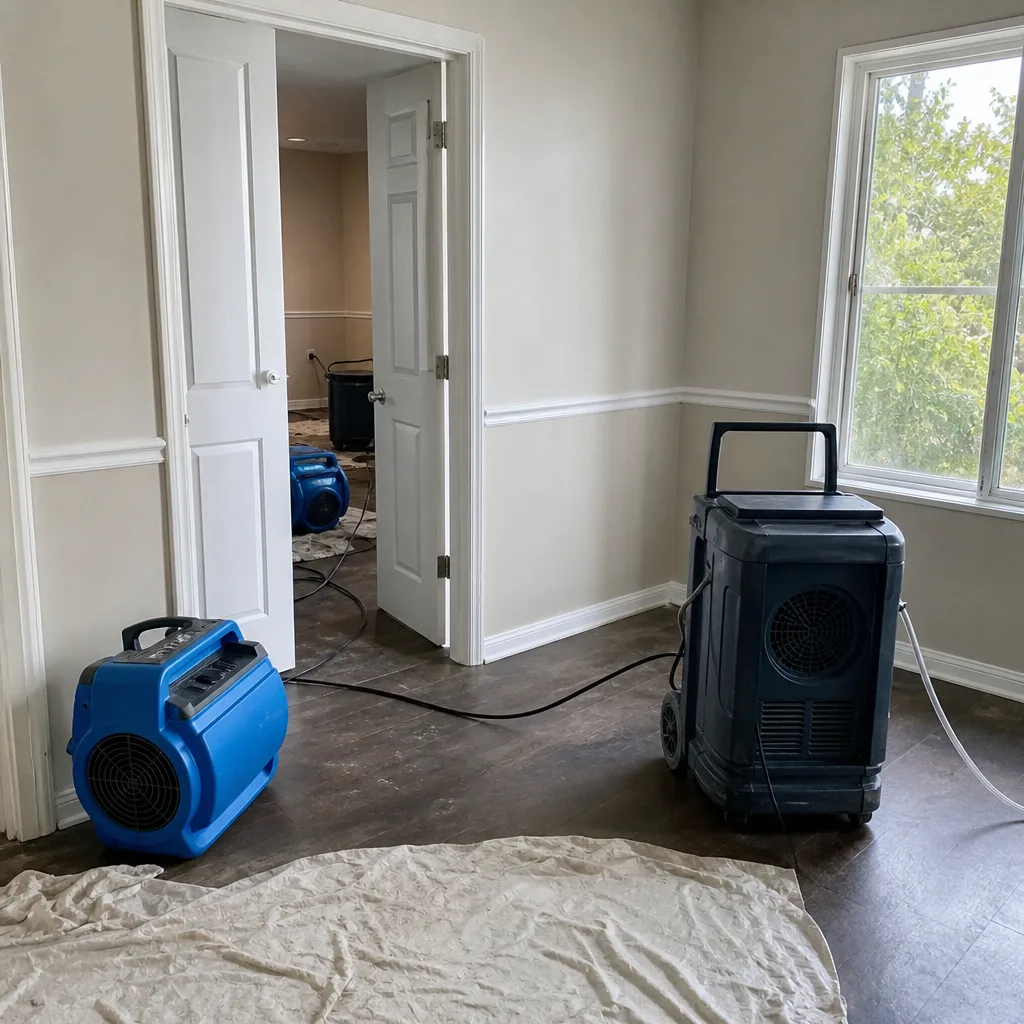 After
After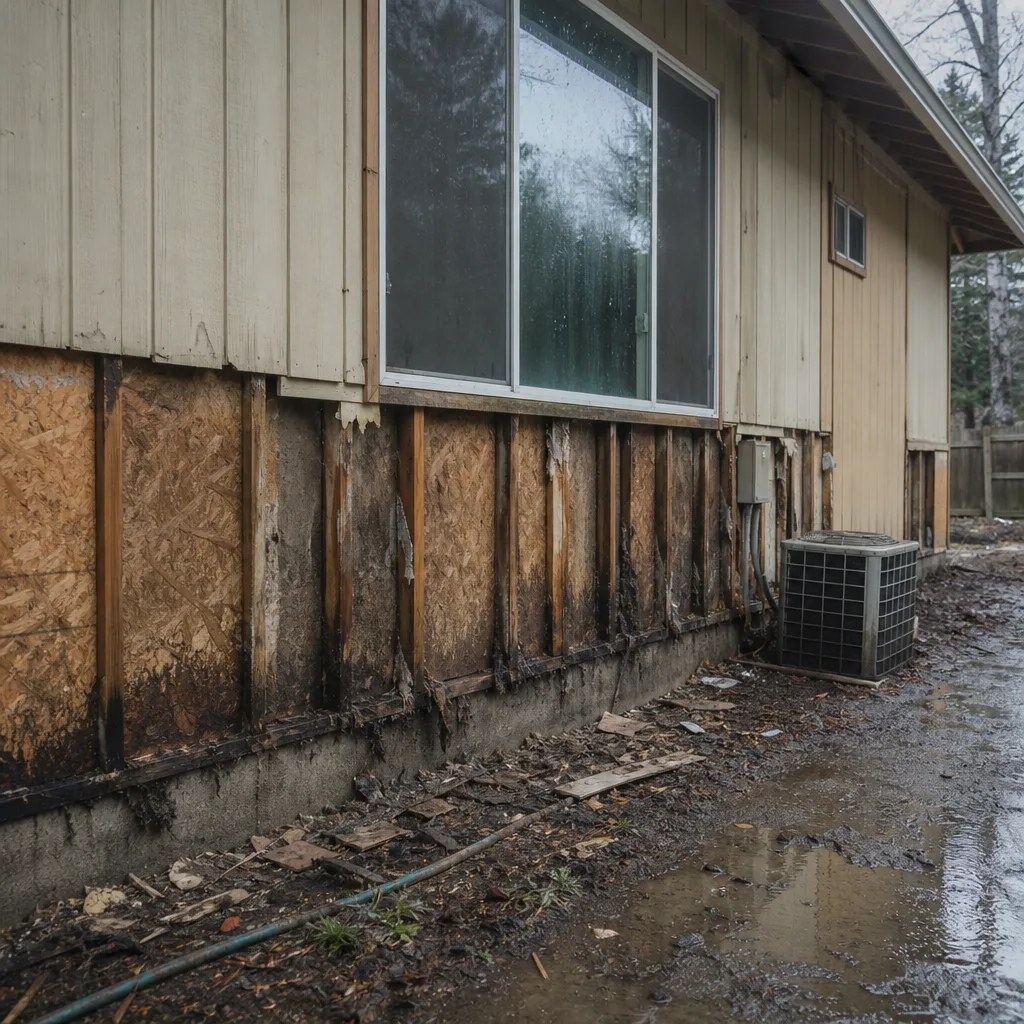 Before
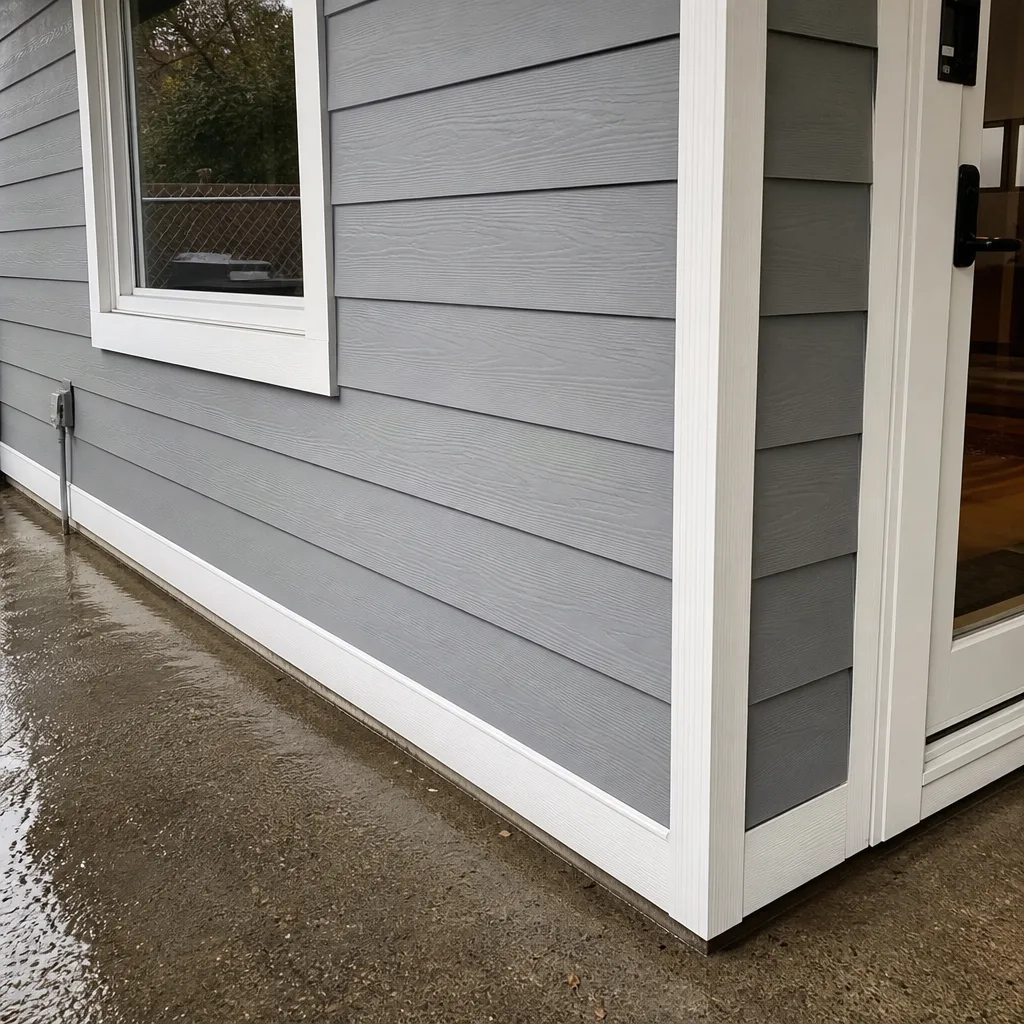 After
After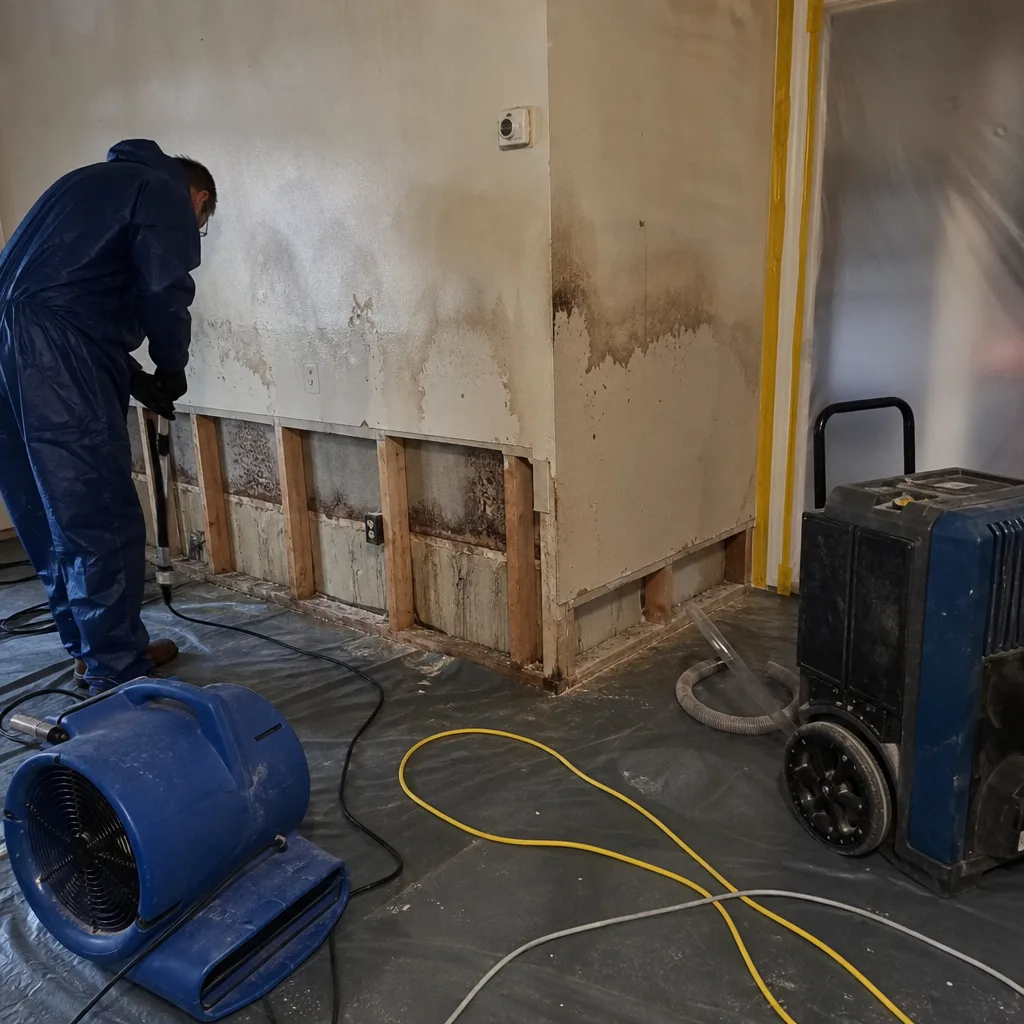 Before
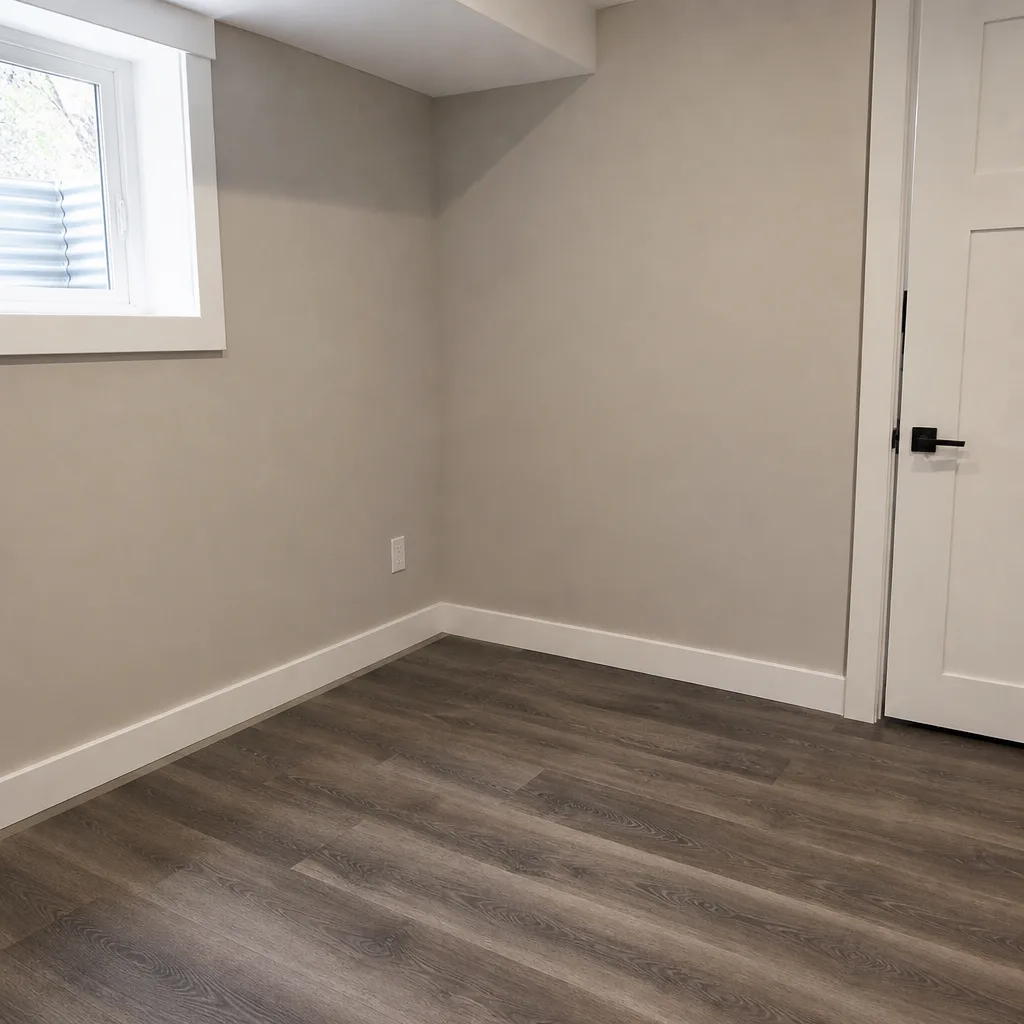 After
After24/7 Emergency Mold Remediation in Lakewood
Call (253) 487-0371 now and a live person answers, 24 hours a day, 7 days a week. Our crews are dispatched from our Seattle office and can be on-site anywhere in Lakewood within 45 minutes. The first hour after discovering mold matters more than most homeowners realize: active colonies release spores that spread through HVAC systems and settle in new areas, turning a contained crawl space problem into a whole-house remediation. We provide a free visual inspection on arrival, document moisture readings with calibrated hygrometers, and give you a written scope and price before any containment goes up.
Understanding Mold Remediation Severity in Lakewood Properties
Mold remediation in Lakewood follows IICRC S520 standards, with severity determined by three factors: the contamination level (measured in square feet of visible growth), the material classification of affected surfaces (porous like drywall versus non-porous like tile), and the underlying moisture source’s category. Category 1 water, or clean water from a supply line, becomes Category 2 grey water within 48 hours as it picks up contaminants from building materials. Left another 24 to 72 hours in Lakewood’s persistently damp crawl spaces, it becomes Category 3 black water, requiring full containment, negative air pressure, and antimicrobial treatment on every affected surface.
The city’s housing stock amplifies this progression. Those 1950s through 1970s ranch homes and duplexes built for Fort Lewis and McChord AFB workers? They came with galvanized supply lines that corrode from the inside, slow leaks that drip for months before anyone notices, and crawl spaces with original vapor barriers that have long since torn or displaced. Add floor tile, pipe insulation, and joint compound from that era that frequently test positive for asbestos, and a standard mold job becomes a multi-phase project: asbestos abatement first, then containment, then remediation, then structural drying with documented psychrometric data, vapor pressure differential readings, and tertiary drying until moisture content returns to acceptable levels.
Why Lakewood Property Owners Choose DryMark Restoration Auburn
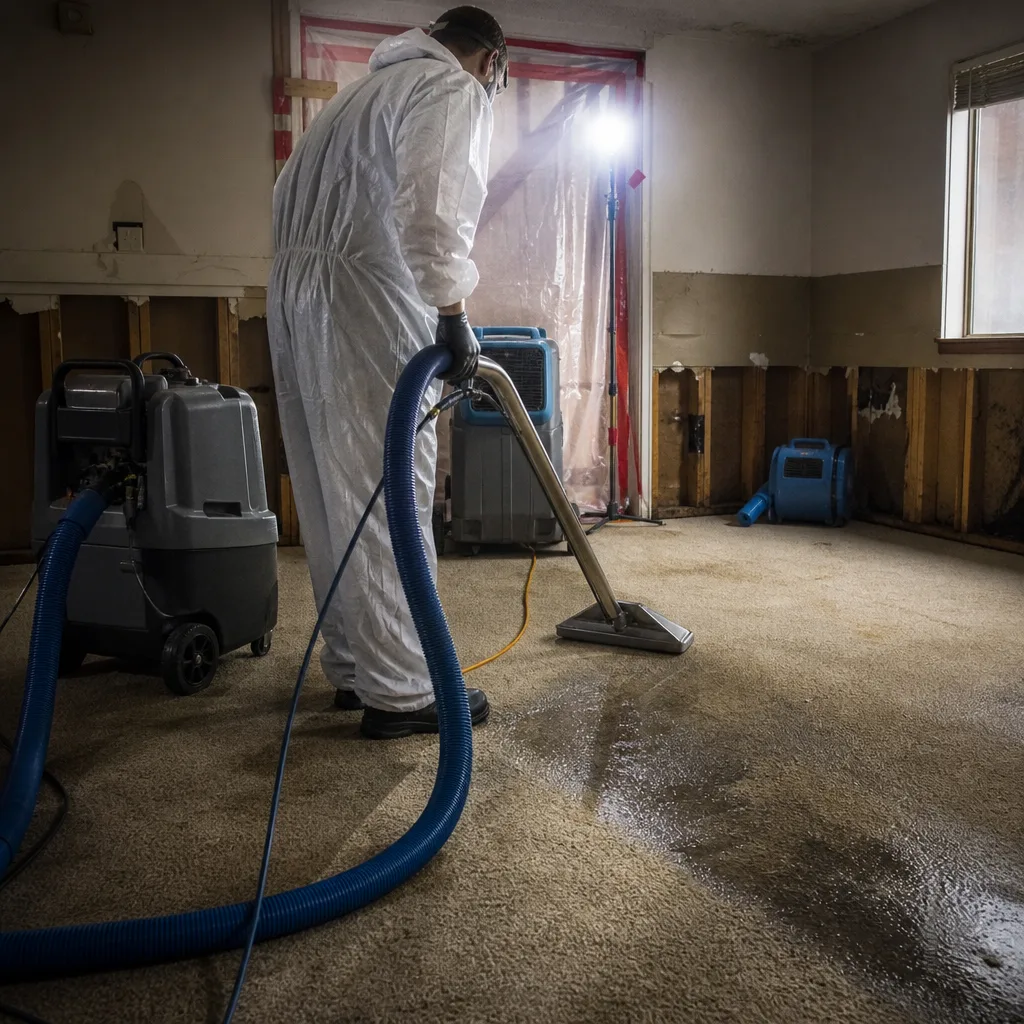
- 45-minute response commitment to any Lakewood address, with crews carrying containment materials, HEPA air scrubbers, and moisture detection equipment on every truck.
- 24/7 live answer by a real person, never an automated system or voicemail tree, because mold does not wait for business hours and neither do we.
- IICRC-certified crews holding WRT (Water Damage Restoration Technician), AMRT (Applied Microbial Remediation Technician), and FSRT (Fire & Smoke Restoration Technician) credentials, with license numbers verified before any technician enters your property.
- Free visual inspection and moisture assessment on every call, with no obligation to proceed.
- Direct insurance billing and adjuster coordination, including photo-documented pre-loss condition reports that keep claims moving without dispute.
- One team from containment through reconstruction, eliminating the handoff gaps where documentation gets lost and scopes get disputed.
BeforeAfterOur Mold Remediation Process
1. Inspection & Assessment
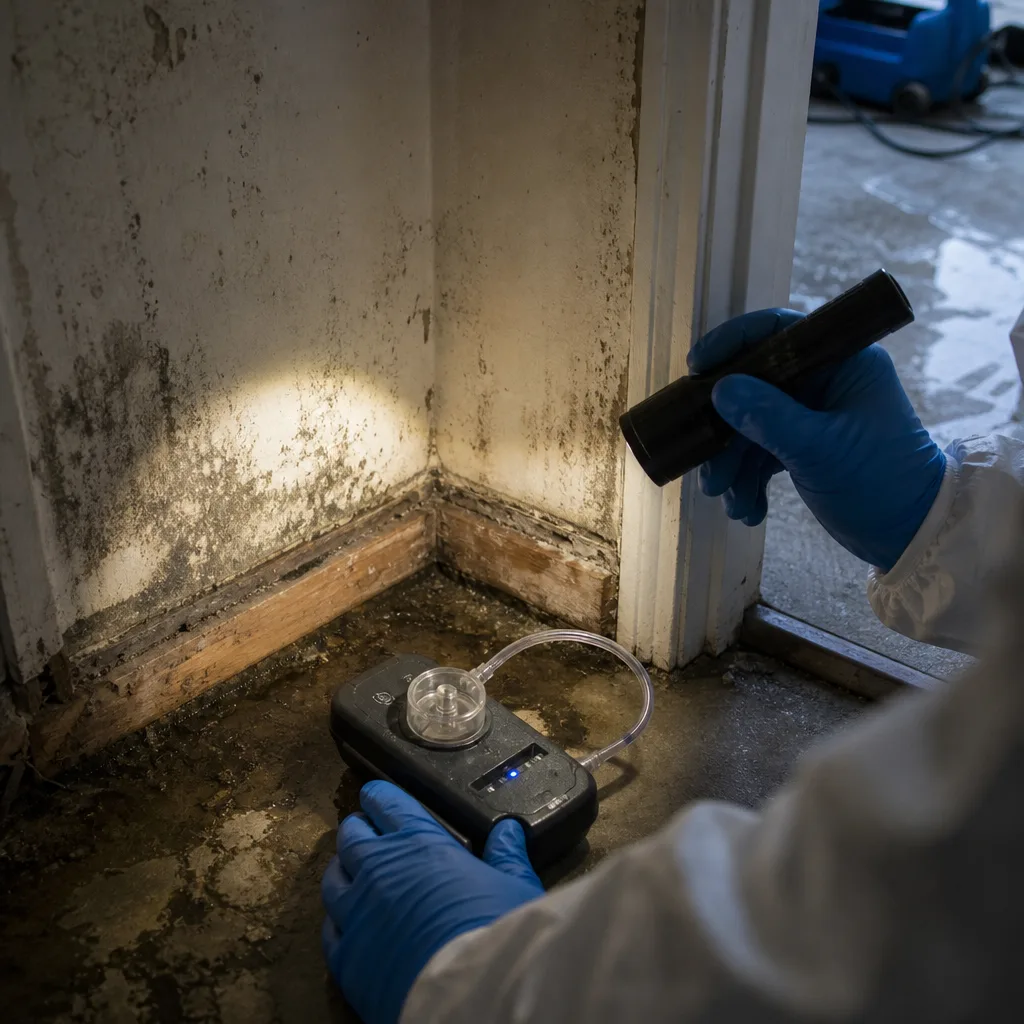
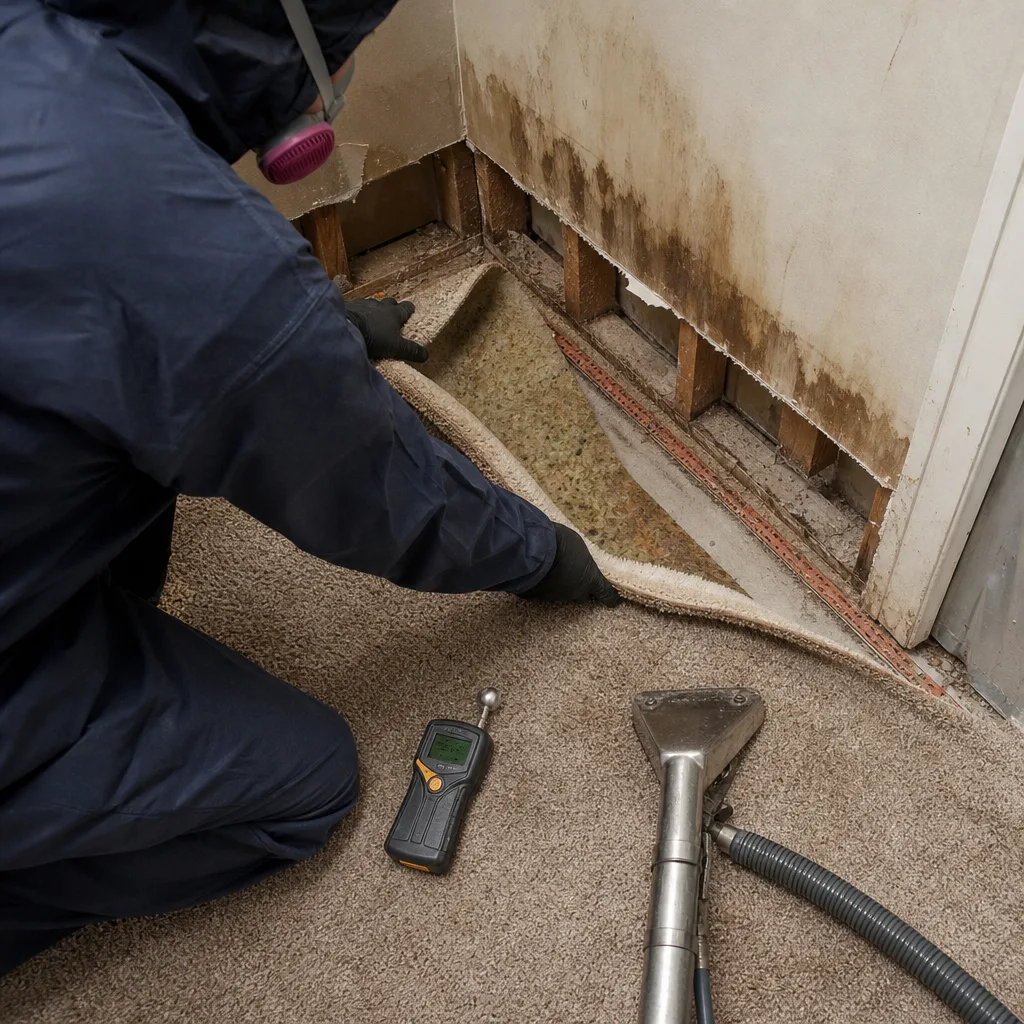
We start with thermal imaging to locate hidden moisture behind walls and above ceilings, then take moisture readings with penetrating and non-penetrating meters at every structural contact point. In Lakewood’s older homes, we specifically check rim joists, sill plates, and subfloor areas where groundwater wicks up from glacial soils. You receive a written scope, line-item pricing, and a photo record before we open a single containment barrier.
2. Containment & Air Filtration
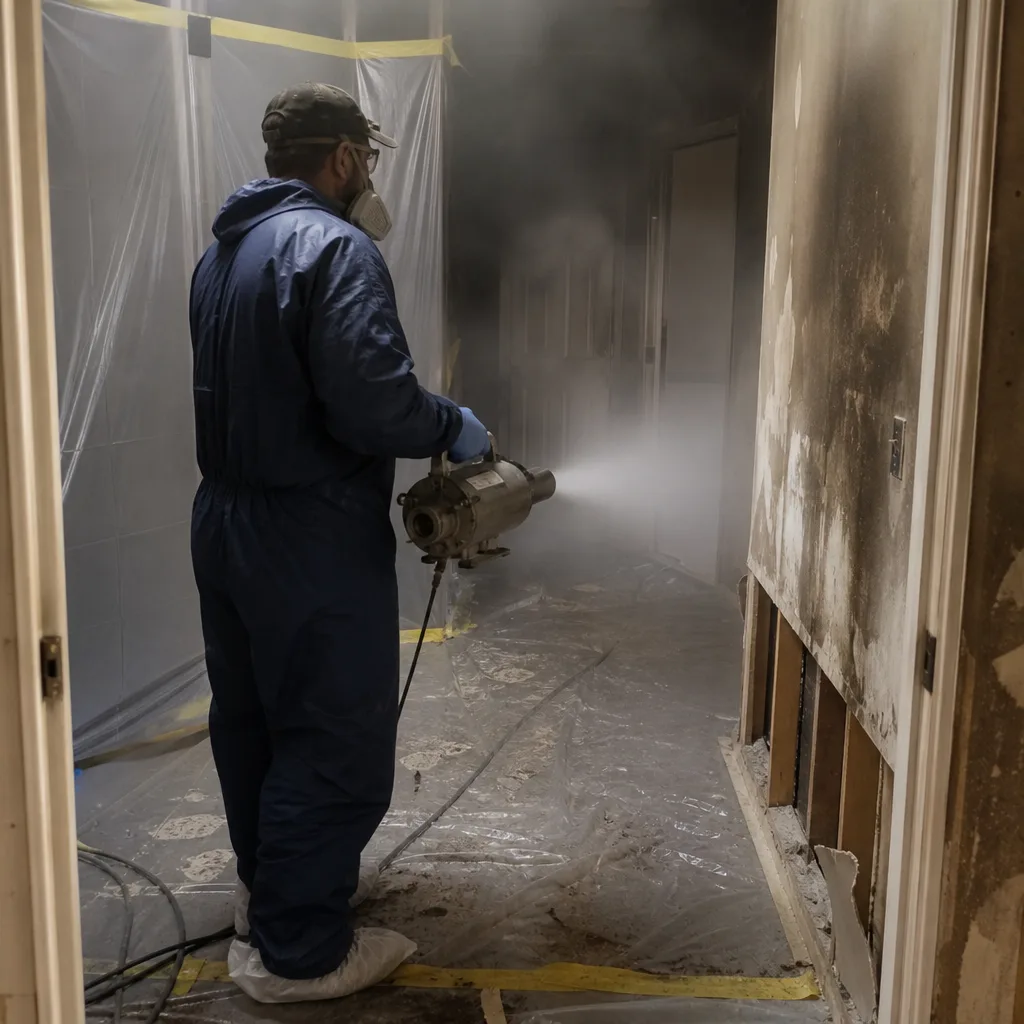
We establish polyethylene containment chambers sealed with zipper doors and negative air pressure maintained by HEPA-filtered air scrubbers. This prevents cross-contamination to unaffected areas of your home, critical in Lakewood’s compact ranch and duplex layouts where HVAC ducts connect every room.
3. Moisture Source Elimination
Remediation fails if the water source persists. We identify and stop active leaks, whether from corroded galvanized supply lines, slab perimeter intrusion, or failed vapor barriers, then document the repair with photos for your insurance file.
4. Removal of Contaminated Materials
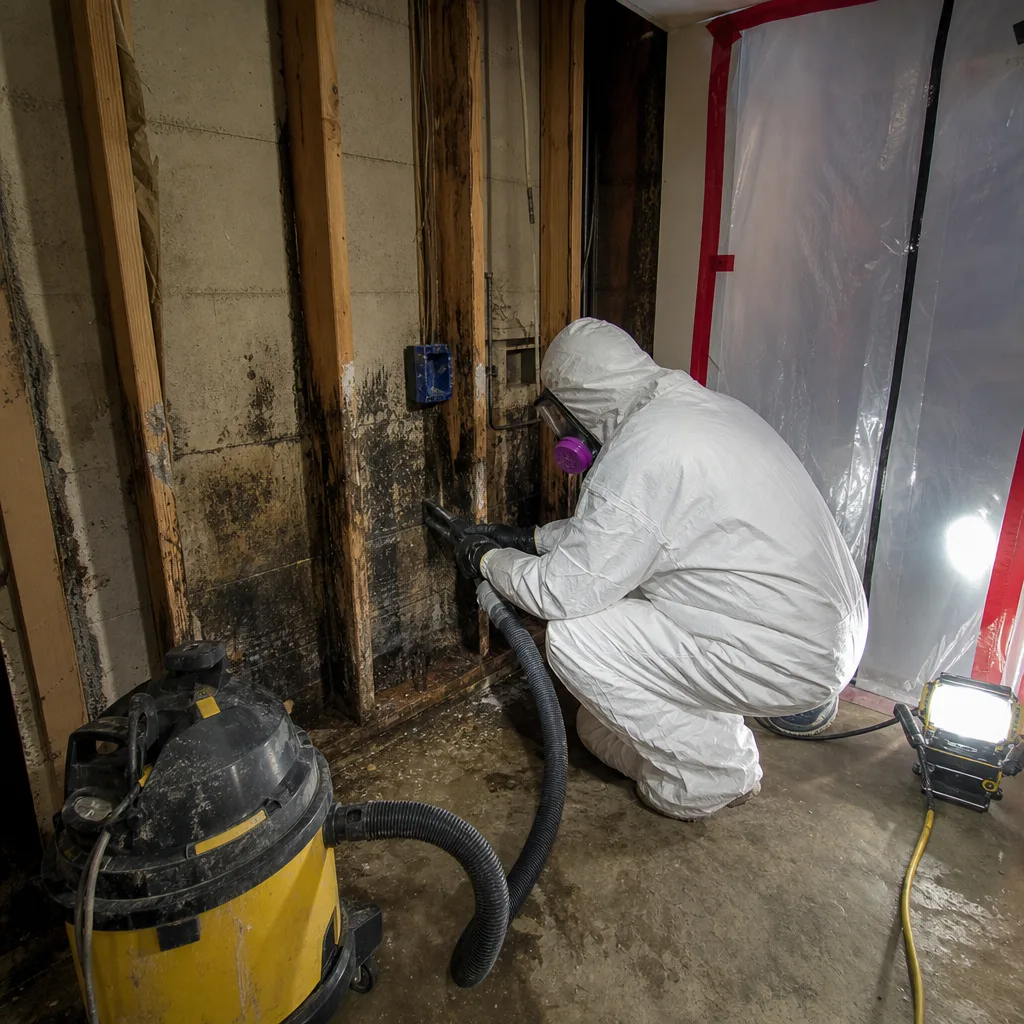
Porous materials with visible mold growth, water-damaged drywall, insulation, and degraded vapor barriers are removed under containment and bagged for proper disposal. Non-porous surfaces receive HEPA vacuuming and antimicrobial treatment with EPA-registered products.
5. Structural Drying & Dehumidification
We deploy Phoenix and XPOWER air movers, Dri-Eaz LGR dehumidifiers, and Injectidry mat systems to deliver targeted drying to joist cavities and subfloor spaces. Daily moisture logs track relative humidity, specific humidity, and vapor pressure differential until readings confirm structural materials have returned to dry standard.
6. Clearance Testing & Restoration
Post-remediation air sampling and surface testing verify spore counts have dropped to acceptable levels. We then restore affected areas with new materials, apply moisture barriers and humidity controls calibrated for Lakewood’s wet-season conditions, and leave you with a 365-Day Done Right Promise under The Haven Standard.
Need Emergency Mold Remediation in Lakewood Now?
Crews minutes away, answering live 24 hours a day. The sooner we start, the less it costs.
Working With Your Insurance Company
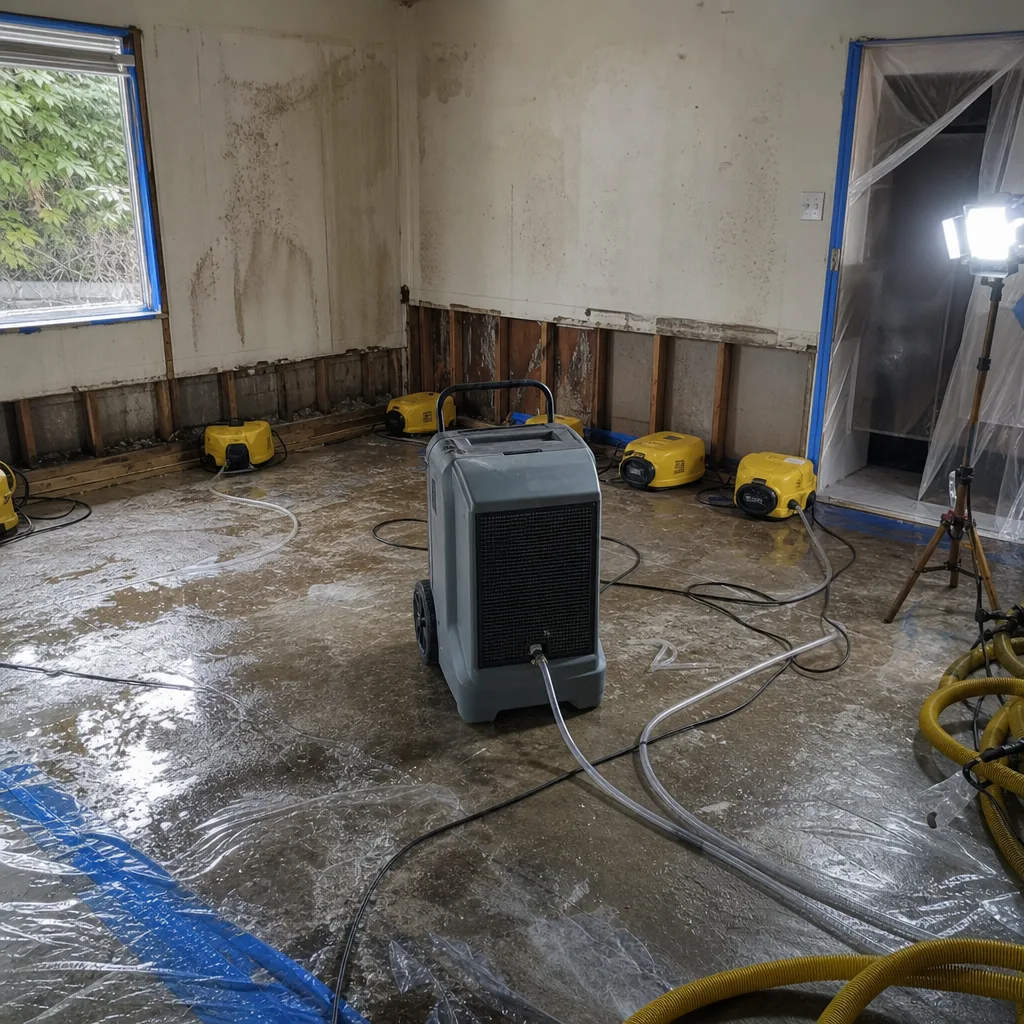
Mold claims get denied when documentation is thin. We build your file from the first hour: time-stamped photos of every affected surface, moisture mapping with meter readings at each point, daily drying logs showing psychrometric progression, and a detailed line-item scope written to industry-standard estimating platforms. Our team speaks directly with your adjuster, provides supplemental documentation when scope expands, and never asks you to pay out of pocket and wait for reimbursement. Haven Standard, Clause 1 applies here too: the written price you receive before work begins is the price your insurer sees, with no additions once containment is established.
What We Provide Your Insurer
- Thorough documentation of the loss
- Photos of all damage, room by room
- Moisture readings and drying logs
- A detailed, line-item scope of work
- Direct coordination with your carrier
Built for Lakewood’s Loss Calendar
Lakewood’s mold season runs October through May, when marine-layer drizzle keeps relative humidity above 60 percent for weeks at a stretch. The real surge hits in late winter, after three to four months of accumulated groundwater has saturated the glacial soils around American Lake, Gravelly Lake, and Steilacoom Lake. By February, we see slab perimeters weeping moisture into rim joists that have been damp since November. Spring brings the PCS turnover rush: departing military tenants clear out, new families move in, and the musty smell that went unreported for two years finally gets a phone call. Summer dries surface moisture but leaves established colonies dormant and waiting; a single July thunderstorm with wind-driven rain through a poorly sealed window can reactivate an entire system. Fall is when smart property owners schedule Mold Remediation inspections, before the next wet cycle begins.
Mold Remediation Across Lakewood’s Neighborhoods
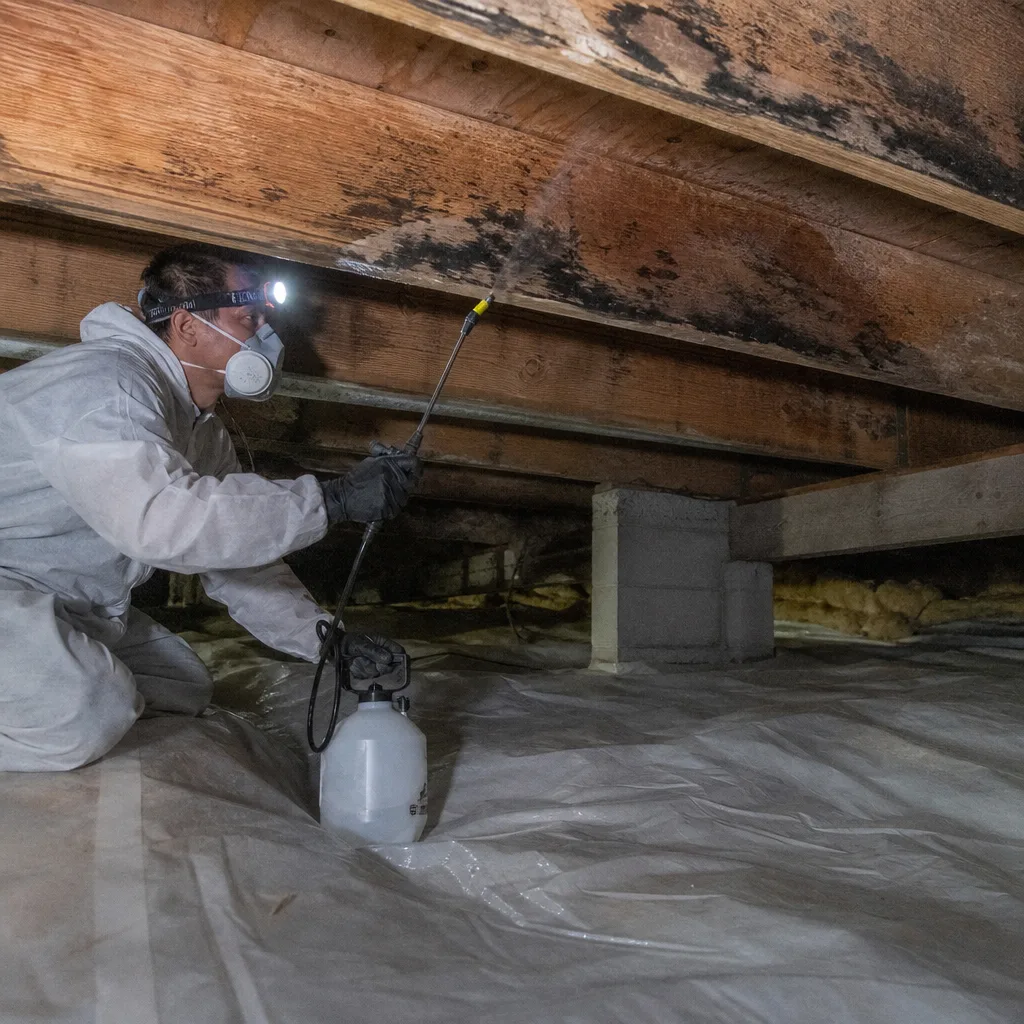
In Tillicum and Woodbrook, immediately outside the JBLM perimeter, we have pulled back vapor barriers to find mold colonies feeding on two-plus years of unchecked moisture, an entire PCS cycle gone silent. The departing tenant never reported the leak. The out-of-state landlord never inspected. By the time the next family moved in, what could have been a simple dry-out required full containment, antimicrobial treatment on every joist and rim board, and replacement of degraded insulation.
American Lake and Gravelly Lake neighborhoods present a different pattern: elevated seasonal water tables push groundwater through slab perimeters annually, creating recurring mold on rim joists and the underside of floor tile. We treat these properties with scheduled moisture mapping each wet season, not one-time remediation.
The North Clear Zone corridor and areas along Bridgeport Way see more garage-to-crawl-space moisture migration than anywhere else in Lakewood. Salt-laden marine air settles in unvented garages, corroding door hardware and keeping concrete slabs perpetually damp. That dampness wicks into shared walls and the crawl spaces beyond. Our crews address both conditions: the visible mold and the garage moisture source that feeds it.
Lakewood’s 1950s and 1960s ranch concentrations near Steilacoom Lake require particular attention to asbestos-containing materials in original construction. We test before we disturb, abate when required, and never add a containment day to your scope without documenting why.
Specialized Mold Remediation Services We Offer in Lakewood
Mold Inspection & Testing
Our inspections combine visual assessment, thermal imaging, and air and surface sampling analyzed by independent laboratories. In Lakewood’s high-turnover rental market, we recommend pre-lease inspections for out-of-state landlords and post-lease documentation for departing tenants, establishing baseline conditions that protect both parties.
Mold Removal
We remove visible mold growth under full containment with HEPA vacuuming and antimicrobial treatment, following IICRC S520 protocols for every material classification. In Lakewood’s older homes, removal often reveals degraded vapor barriers and corroded plumbing that must be addressed to prevent recurrence.
Black Mold Remediation
Stachybotrys chartarum and other toxigenic species require enhanced containment, full-face respirator protocols, and extended air scrubbing. We do not guess at species; we sample, identify, and scope accordingly. Every black mold job in Lakewood includes clearance testing before containment comes down.
Air Quality Restoration
Post-remediation, we restore indoor air quality through source removal, not masking. HEPA air scrubbers run continuously during work and for a documented period after, with final air sampling to confirm spore counts have returned to ambient outdoor levels for the Lakewood area.
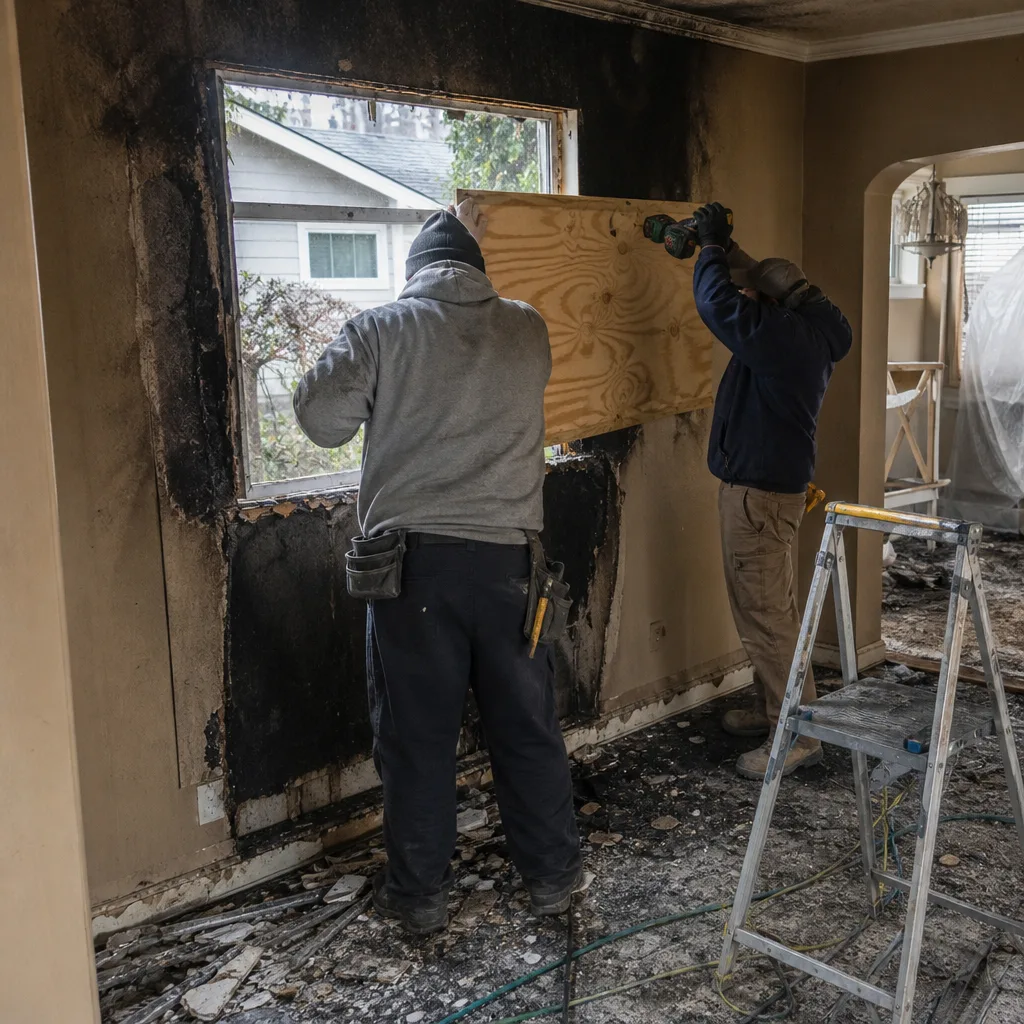
Crawl Space Treatment
This is where Lakewood’s mold story lives. We treat crawl spaces with vapor barrier replacement, drainage mat installation, dehumidifier sizing for the specific cubic footage, and scheduled moisture readings. For properties near American Lake and Gravelly Lake, we install sump pumps where groundwater intrusion is chronic.
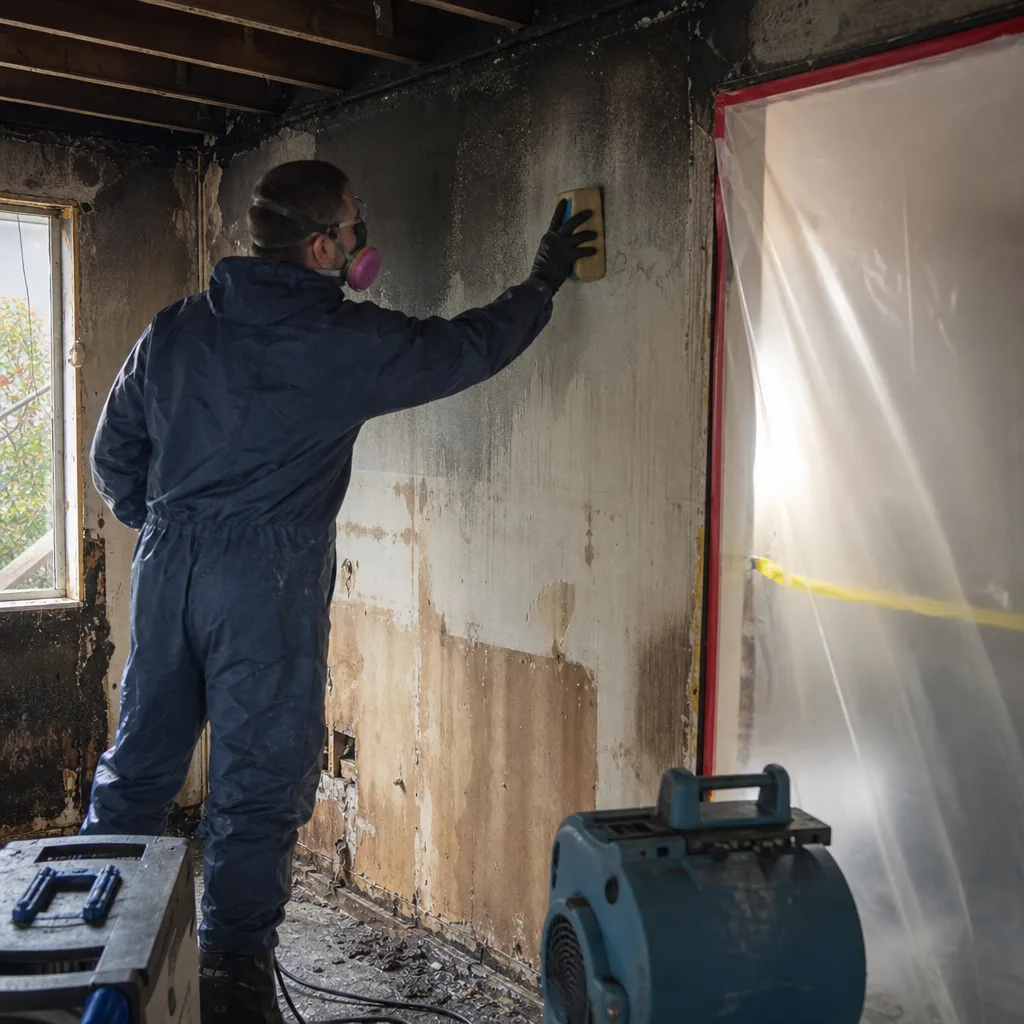
Moisture & Humidity Control
Remediation without moisture control fails. We install and monitor dehumidification systems sized to Lakewood’s specific conditions, calibrate them for the wet season’s extended duration, and provide written humidity logs that document ongoing protection for your insurance file and your own records.
What happens when you call
- 1
A real person answersNo phone trees - you reach a local pro.
- 2
You get an upfront price rangeHonest numbers before anyone is dispatched.
- 3
A background-checked tech heads outLicensed & insured, dispatched right away.
- 4
You approve before work beginsNothing starts until you say go.
Mold Remediation Costs in Lakewood, WA
A typical mold inspection and testing in Lakewood runs $350-$650, depending on the number of sample locations and whether asbestos testing is required for pre-1970s materials. Contained crawl space remediation in a standard ranch home generally falls between $2,800 and $6,500, with whole-house projects involving multiple containment areas, HVAC decontamination, and structural drying reaching $8,000-$15,000. Black mold or asbestos-abatement projects add $1,500-$4,000 for enhanced protocols and third-party clearance testing.
What moves the price: square footage of visible growth, material classification of affected surfaces, presence of Category 3 water requiring full PPE and disposal protocols, and whether the moisture source has been eliminated or still requires repair. Insurance typically covers mold remediation when it results from a covered water loss, such as a sudden pipe burst or storm intrusion, but may exclude long-term maintenance issues unless documentation proves the damage was hidden and recently discovered. Our free visual inspection gives you a firm, written scope with no obligation to proceed. Call (253) 487-0371.
We Also Serve Cities Near Lakewood
Our crews respond throughout the south Puget Sound area, including Lakewood and the surrounding communities of Tacoma, Puyallup, Milton, and Federal Way. Dispatch and scheduling are coordinated from our Seattle office, with local crews serving each area.
Serving Lakewood, WA - Our Local Coverage Area
We’re based in the Lakewood area and know this community well. Use the map below to see our service coverage - if you’re nearby, we can almost certainly help.
Lakewood Mold Remediation Questions, Answered
Why does mold keep coming back in my Lakewood crawl space even after a prior remediation?
Because the moisture source was never eliminated. In Lakewood, that usually means groundwater wicking through slab perimeters from glacial soils, failed vapor barriers, or corroded galvanized supply lines still dripping. We moisture-map your crawl space, identify the active source, repair it, and install humidity controls calibrated for our extended wet season. Call (253) 487-0371 for a free inspection.
My rental near JBLM sat empty between PCS tenants and now there’s a musty smell - how bad could it be?
Bad enough that we have found two-plus-year mold colonies in Tillicum and Woodbrook properties where the departing tenant never reported a leak. A musty smell indicates active microbial growth; without inspection, you cannot know whether it is surface mildew on a vapor barrier or structural rot in rim joists. We provide documented pre-lease condition reports that protect out-of-state landlords and incoming tenants alike. Call (253) 487-0371.
How fast does mold start in a Lakewood home after a leak?
Under Lakewood’s typical indoor conditions, 60 to 72 percent relative humidity and temperatures in the mid-60s, mold colonization begins on porous surfaces within 24 to 48 hours of water exposure. In crawl spaces with poor ventilation, that window shrinks. The marine-layer drizzle that persists from October through May keeps ambient humidity high enough that even slow leaks never dry naturally. Call (253) 487-0371 at first sign of moisture.
Does the age of Lakewood’s 1950s-1970s housing affect mold remediation?
Significantly. Original galvanized supply lines corrode from the inside and fail slowly. Construction materials from that era, including floor tile, pipe insulation, and joint compound, frequently contain asbestos requiring abatement before remediation can proceed. Crawl spaces were built with minimal ventilation and vapor barriers that have degraded over 50 to 70 years. We test for asbestos before disturbing any material and scope accordingly. Call (253) 487-0371.
Do you handle the corrosion and moisture issues in Lakewood garages, or just the mold?
We address both, because one feeds the other. Salt-laden marine air settles in unvented Lakewood garages, keeping concrete slabs damp and corroding hardware; that dampness wicks into shared walls and crawl spaces, creating the moisture that sustains mold colonies. Our remediation includes identifying garage moisture sources, recommending ventilation improvements, and treating affected structural connections. Call (253) 487-0371 for a full assessment.
How long does mold remediation take in Lakewood?
A contained crawl space remediation typically requires 3 to 5 days: one day for setup and containment, one to two days for source elimination and material removal, one to two days for structural drying with documented moisture logs, and a final day for clearance testing and breakdown. Whole-house projects or those requiring asbestos abatement extend to 7 to 14 days. We provide a written timeline with your scope. Call (253) 487-0371.
Can my family stay in the home during mold remediation?
For contained crawl space or isolated room remediation, often yes, provided HVAC systems are sealed and negative air pressure is maintained. For whole-house projects, black mold remediation, or any job involving Category 3 water, we recommend temporary relocation until clearance testing confirms safe reoccupancy. We discuss this explicitly in your written scope before work begins. Call (253) 487-0371.
What certifications do your Lakewood mold technicians hold?
Our technicians hold IICRC WRT (Water Damage Restoration Technician), AMRT (Applied Microbial Remediation Technician), and FSRT (Fire & Smoke Restoration Technician) credentials, with license numbers verified and documented before any technician enters your property. All work follows IICRC S520 mold remediation standards, RIA guidelines, and IFA documentation protocols. Call (253) 487-0371.
Call (253) 487-0371 now for a free mold inspection and written scope in Lakewood. A live person answers 24 hours a day, 7 days a week. Every job includes a written price before work begins, a photo-documented record on every visit, and our 365-Day Done Right Promise under The Haven Standard.
Written by Alicia Brennan, Owner at Back to Dry Restoration, serving Lakewood since 2011.
Mold Remediation in Nearby Areas