
Last updated September 23, 2026
Free visual inspection and a written scope of work before any mitigation begins - photos, moisture readings, and drying logs go in your claim file
The scope we write is the scope we bill. Anything new gets shown to you, in writing, before we touch it.

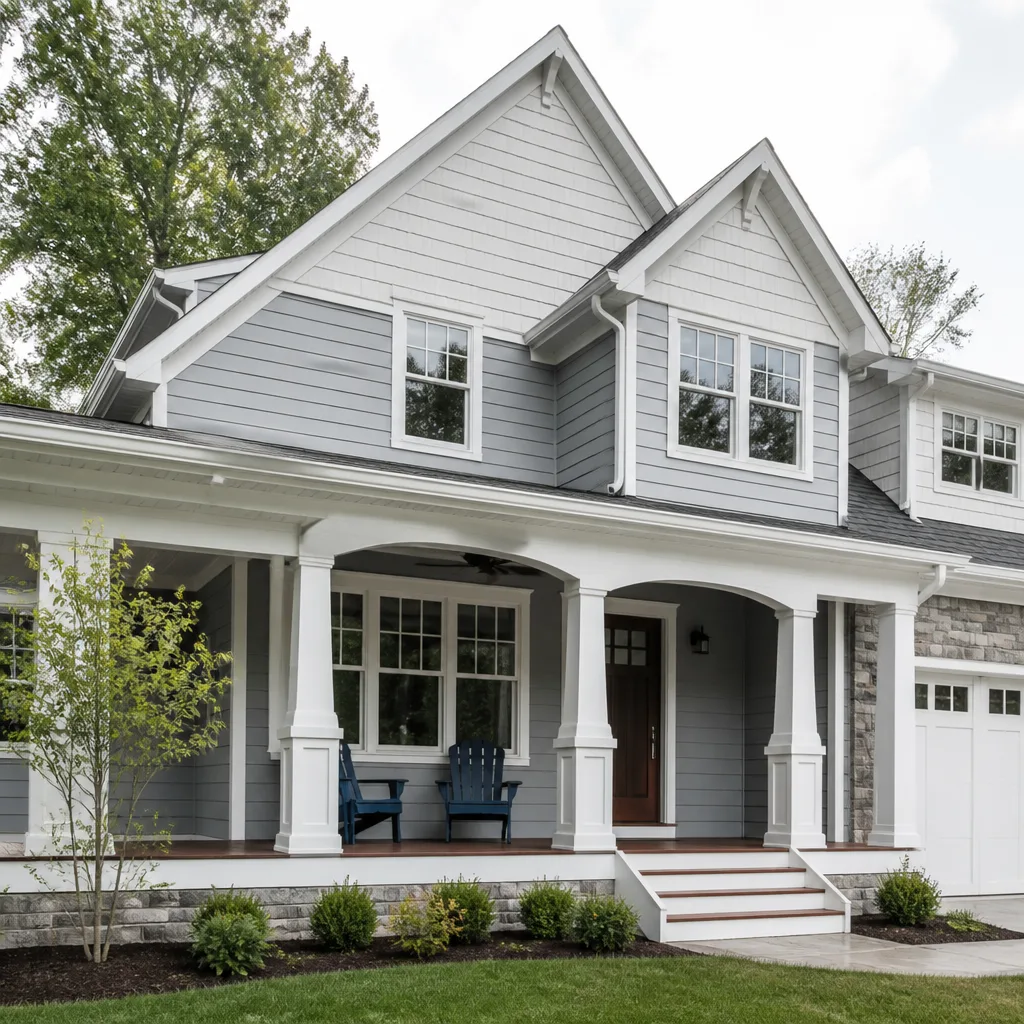
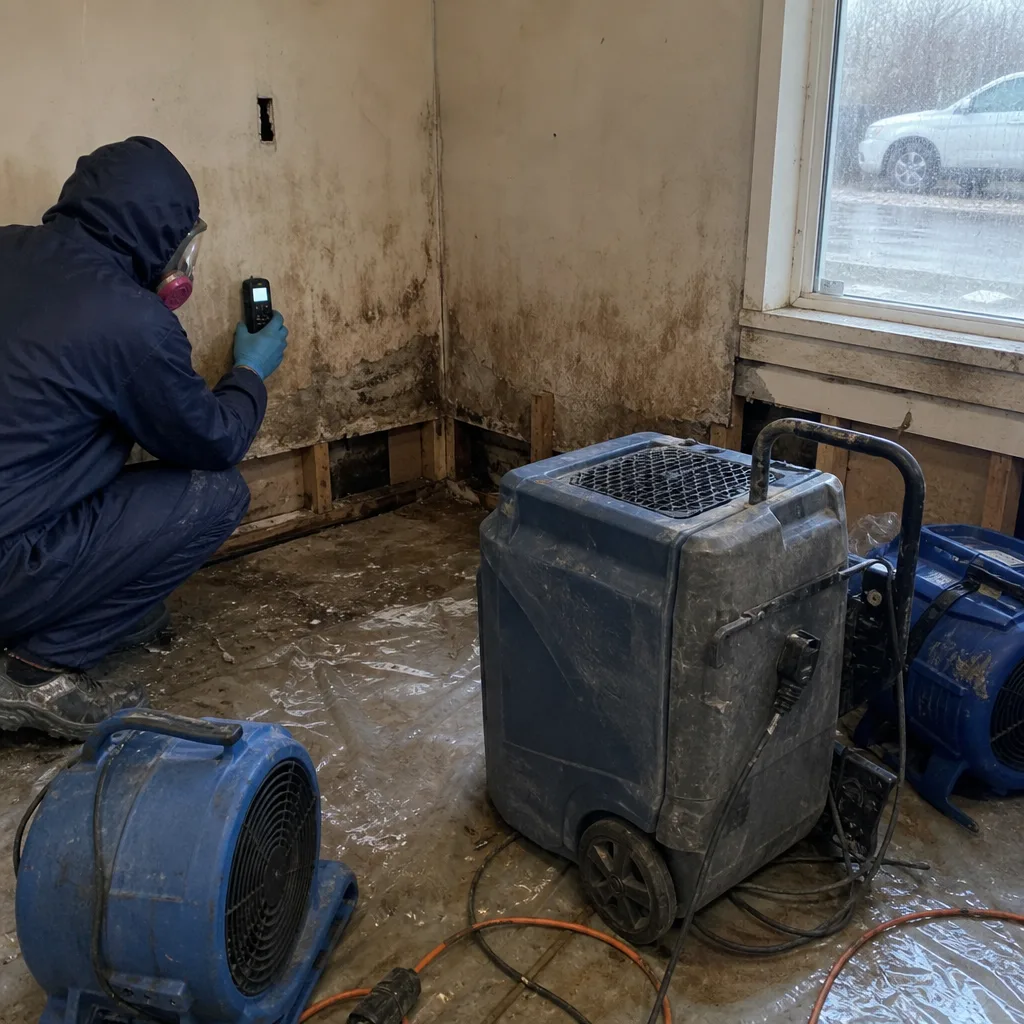 Before
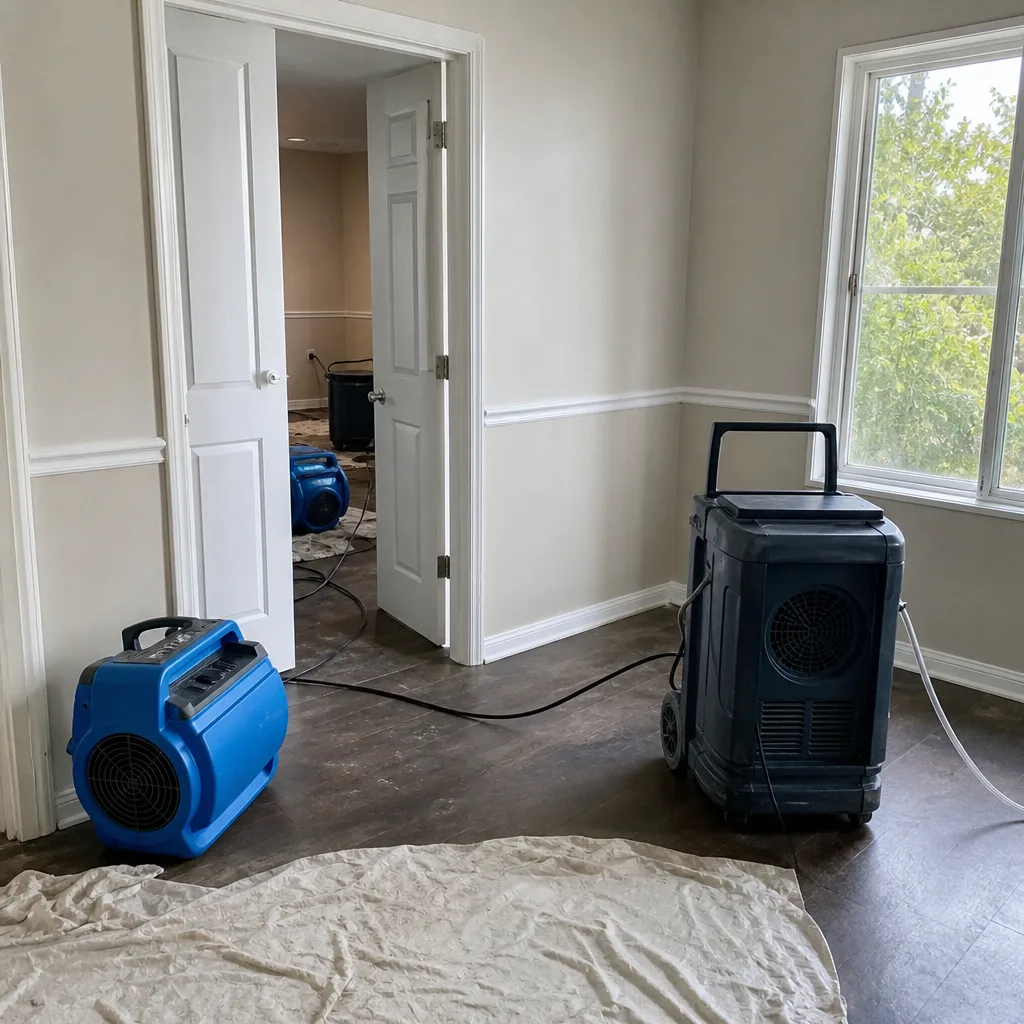 After
After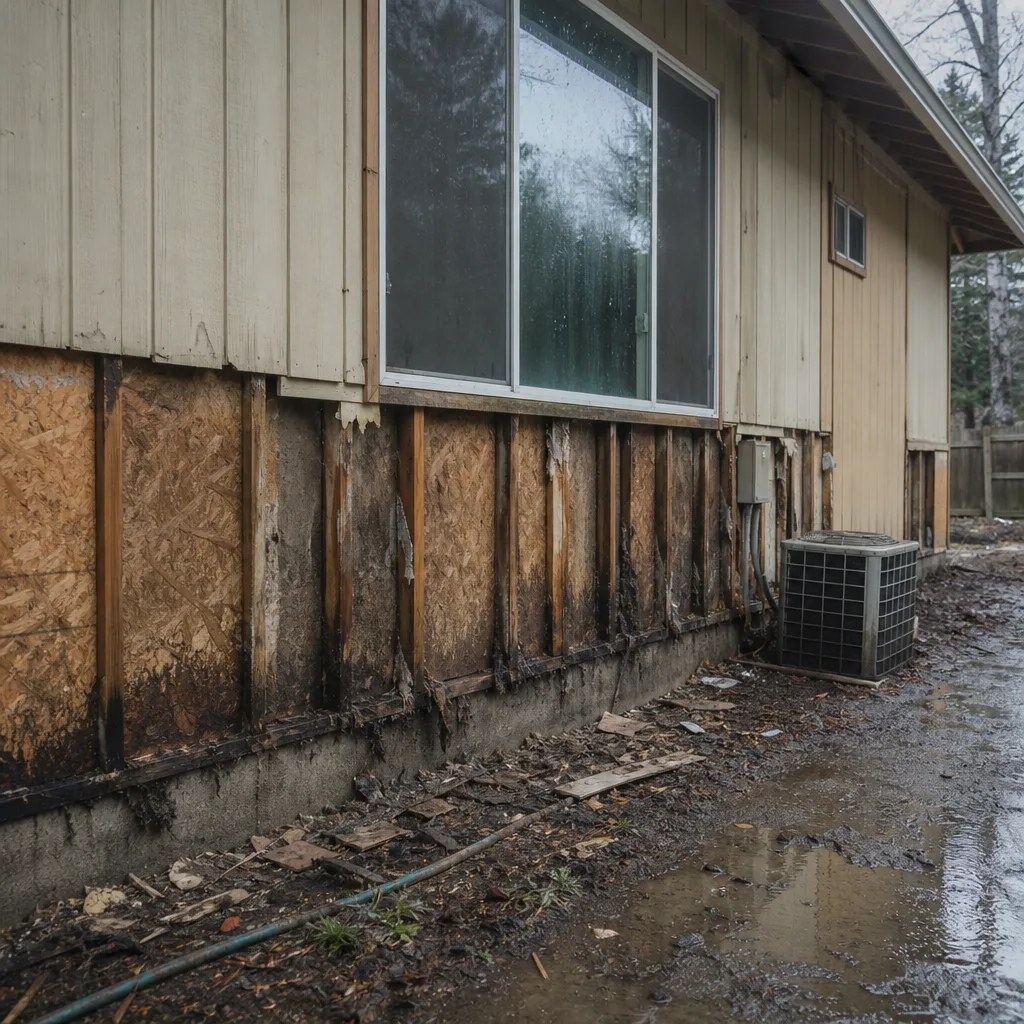 Before
 After
After Before
 After
AfterThe Complete Guide to Damage Restoration in Auburn
Auburn averages over 150 days of measurable rainfall per year, yet most restoration invoices submitted to insurers here get pushed back not because the work was wrong, but because the paperwork couldn’t prove it was right. In our experience restoring more than 12,000 homes since 2011, the gap between a paid claim and a disputed one is measured in moisture logs, not square footage. This guide maps every phase of damage restoration through the lens of what an insurance adjuster actually needs to see - from the first reading to the final signed warranty. For Damage Restoration Warning Signs: A Auburn Homeowner’s Reference Guide, see our companion resource. You’ll learn how Auburn’s specific climate and soil conditions affect drying timelines, what documentation separates clean claims from denied ones, and how to read your contractor’s records like an adjuster would.
Quick Answer
Damage restoration in Auburn encompasses water extraction, structural drying, mold remediation, fire and smoke cleanup, and full reconstruction - all documented to IICRC standards with a written scope before work begins. Because Auburn’s clay-heavy soils and prolonged wet season create unique moisture retention risks, successful restoration requires equipment calibrated to local conditions and daily drying logs that prove the work to insurers. At DryMark Restoration Auburn home, every job includes a written price before work starts, photo-documented visits, and a 365-Day Done Right Promise under The Haven Standard.
Table of Contents
- How Auburn’s Climate and Soil Change Restoration Timelines
- The Documentation Gap: Why Claims Get Denied
- Water Damage Restoration in Auburn: What the Process Actually Looks Like
- Mold Remediation: When Drying Isn’t Enough
- Fire and Smoke Damage: The Hidden Secondary Damage
- How to Read a Drying Log and Verify Equipment Performance
- Substantial Completion and Your Warranty Rights Under Washington Law
- Choosing a Restoration Contractor in Auburn
BeforeAfterHow Auburn’s Climate and Soil Change Restoration Timelines
Auburn sits in the Green River Valley with clay-heavy soils that drain slowly and hold moisture against foundations long after surface water disappears. This isn’t a footnote. It changes every calculation in a restoration job.
Standard IICRC drying timelines assume moderately permeable soil and seasonal humidity fluctuations. Auburn’s conditions break both assumptions. During the October-to-May wet season, groundwater tables rise within inches of basement slabs in neighborhoods like Lea Hill and Lakeland Hills. We’ve measured vapor pressure differentials of 2.5 inches of mercury or higher between exterior soil and interior slab - meaning moisture actively pushes through concrete even without visible standing water.
What this means practically:
- Basement water intrusion in Auburn typically requires 72-96 hours of active dehumidification, not the 48-hour baseline used in drier markets
- Crawl space restoration demands vapor barrier assessment as standard protocol, not an optional add-on
- Spring jobs in the Valley floor often reveal secondary moisture migration from saturated soil that wasn’t apparent during initial extraction
- Equipment sizing must account for latent load from soil contact, not just airborne moisture
We’ve documented cases in the Auburn area where competitors declared jobs “dry” at 48 hours based on surface meter readings, only for homeowners to discover mold bloom six weeks later in wall cavities where the sill plate never dropped below 18% moisture content. The correct standard: wood moisture content below 16% and equilibrium relative humidity below 60% for a minimum 24-hour period, verified with penetrating probes, not pinless surface meters.
Psychrometric data - the measurement of temperature, humidity, and air movement that determines drying progress - must be collected and logged daily in Auburn conditions. Any contractor who can’t produce these numbers on request is guessing, and guessing doesn’t get claims paid.
The Documentation Gap: Why Claims Get Denied
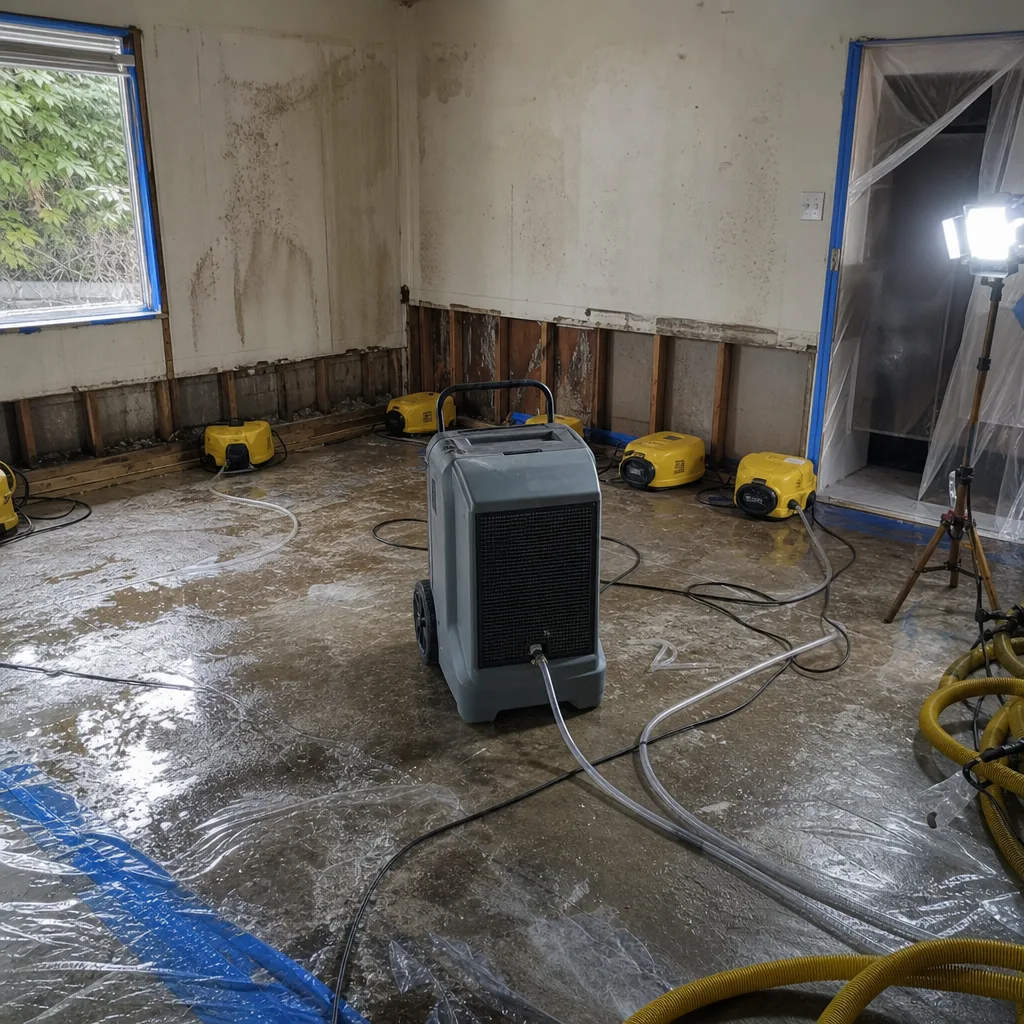
Here’s what actually happens when an insurer disputes a restoration invoice: they don’t question whether water damage existed. They question whether the work performed was necessary, whether it was done correctly, and whether the charges match the documented conditions. The denial letter almost always cites “insufficient documentation.”
We’ve reviewed hundreds of disputed claims as part of our Free Second Opinion service. The pattern is consistent. The homeowner has a vague memory of fans running. The contractor has a one-page invoice with a lump sum. Nobody has timestamped photos, daily moisture readings, or a written scope signed before work began. The adjuster has no choice but to apply a standard depreciation table and cut the payment by 40-60%.
The documentation sequence that prevents this:
- Initial assessment with photo record. Every affected room, every angle, every moisture reading visible in the frame with the measurement device in shot. Date-stamped, geotagged, stored to cloud within 2 hours.
- Written scope of work delivered before any demolition or equipment placement. This is Haven Standard, Clause 1: a written price before work begins, every time, with no exceptions. The scope lists each affected area by room name, square footage, material classification (Class 1-4 water loss per IICRC S500), and specific equipment to be deployed.
- Daily drying logs with psychrometric data. Temperature in Fahrenheit and Celsius, relative humidity percentage, specific humidity grains per pound, and dew point - recorded at the same time each day, with equipment serial numbers noted.
- Photo record on every visit. Not just “before and after.” Progress photos showing equipment placement, moisture reading locations, and any changes to the loss perimeter. Included as standard, never an upsell.
- Final verification with post-drying moisture map. Every reading location from Day 1 re-measured and documented below drying goals. Signed by the technician and the homeowner.
- 365-Day Done Right Promise documentation. A signed warranty under The Haven Standard, not a verbal assurance, with specific coverage terms and claim procedure.
This sequence transforms a restoration invoice from a request for payment into evidence of completed work. Adjusters recognize it immediately. We’ve seen claims process in 14 days that otherwise would have sat in review for 90.
Water Damage Restoration in Auburn: What the Process Actually Looks Like
Water damage restoration in Auburn follows a defined protocol, but the execution varies dramatically based on water category, affected materials, and the local conditions we’ve already described. Here’s the actual sequence, with specific attention to what documentation gets produced at each stage.
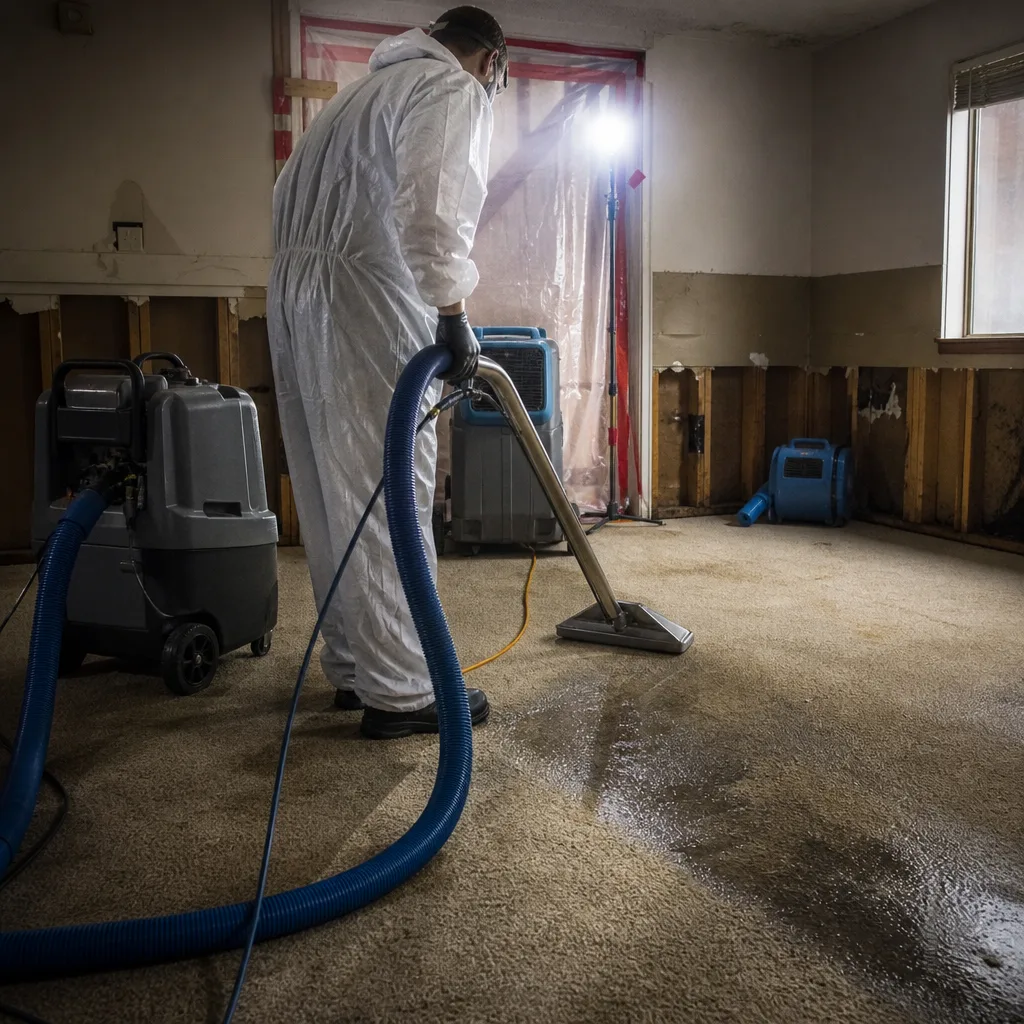
Emergency response and extraction. The first 24 hours are about stopping migration. Category 1 clean water from a supply line break becomes Category 2 gray water within 48-72 hours as it picks up contaminants from building materials. In Auburn’s cool, humid climate, that clock runs faster than the IICRC baseline suggests. We extract standing water with truck-mounted systems, then deploy weighted extraction tools on saturated carpet and pad. Every step is photo-documented with moisture readings visible.
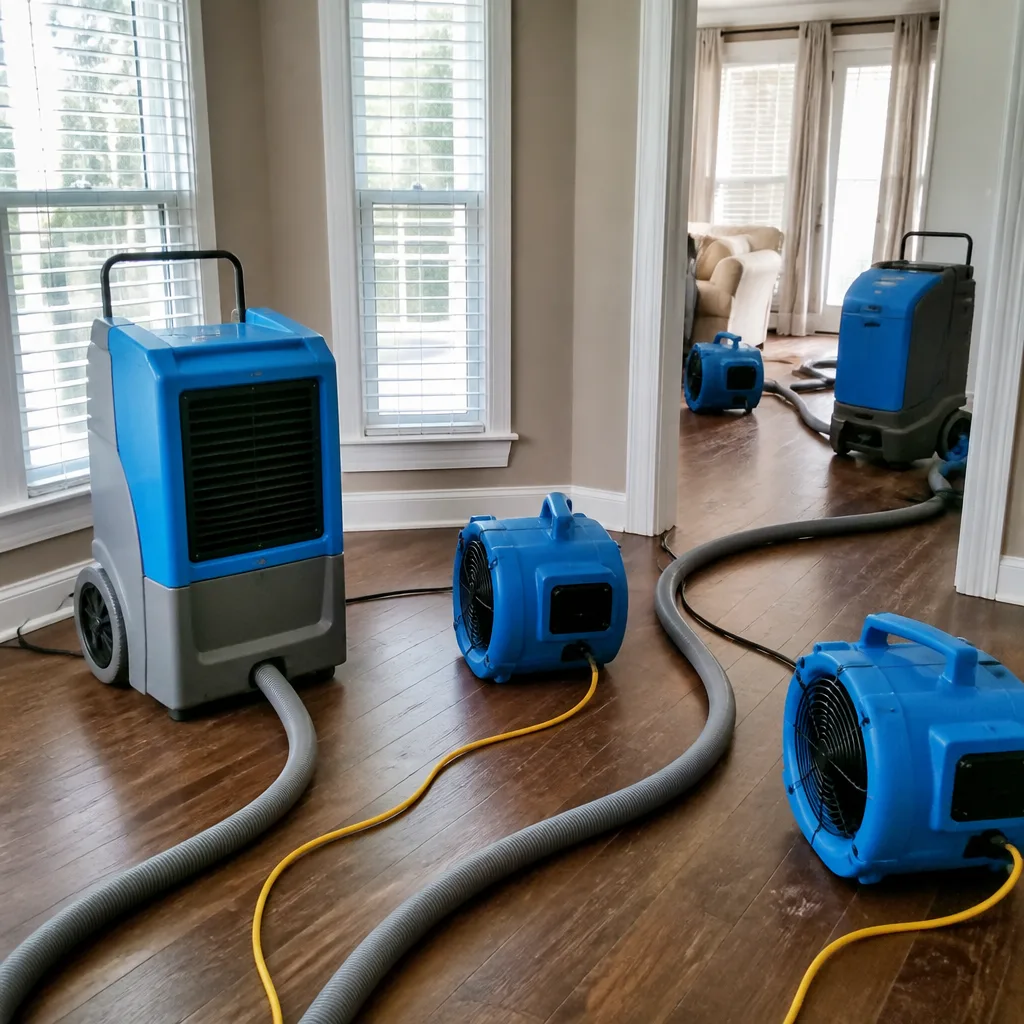
Structural drying setup. This is where equipment selection matters. For a typical 1,200 square foot affected area in an Auburn ranch home, we might deploy:
- Two LGR (low-grain refrigerant) dehumidifiers, typically Dri-Eaz or Phoenix units rated for 125-150 pints per day at AHAM conditions
- Six to eight axial air movers positioned for laminar airflow across wet surfaces
- One or more Injectidry systems for wall cavity drying, especially in homes with vinyl wallpaper or oil-based paint that traps moisture
- Negative air machines if Category 3 black water or microbial growth is present
The written scope delivered before this equipment runs specifies each unit by manufacturer, model, and daily rental rate. Haven Standard, Clause 1. No surprises.
Daily monitoring and adjustment. Every 24 hours, a technician records psychrometric data, adjusts equipment placement, and photographs current conditions. The drying log tracks vapor pressure differential - the force that actually moves moisture from materials to air - and calculates when the environment has reached equilibrium. Tertiary drying, the final phase where bound moisture releases from dense materials like hardwood and plaster, often takes longest in Auburn’s conditions and is the phase most commonly skipped by contractors rushing to bill.
Completion verification. We don’t remove equipment until two consecutive readings show wood moisture content below 16% and equilibrium relative humidity below 60%. The homeowner receives the complete drying log, photo record, and a certificate of dryness suitable for insurance submission.
Mold Remediation: When Drying Isn’t Enough
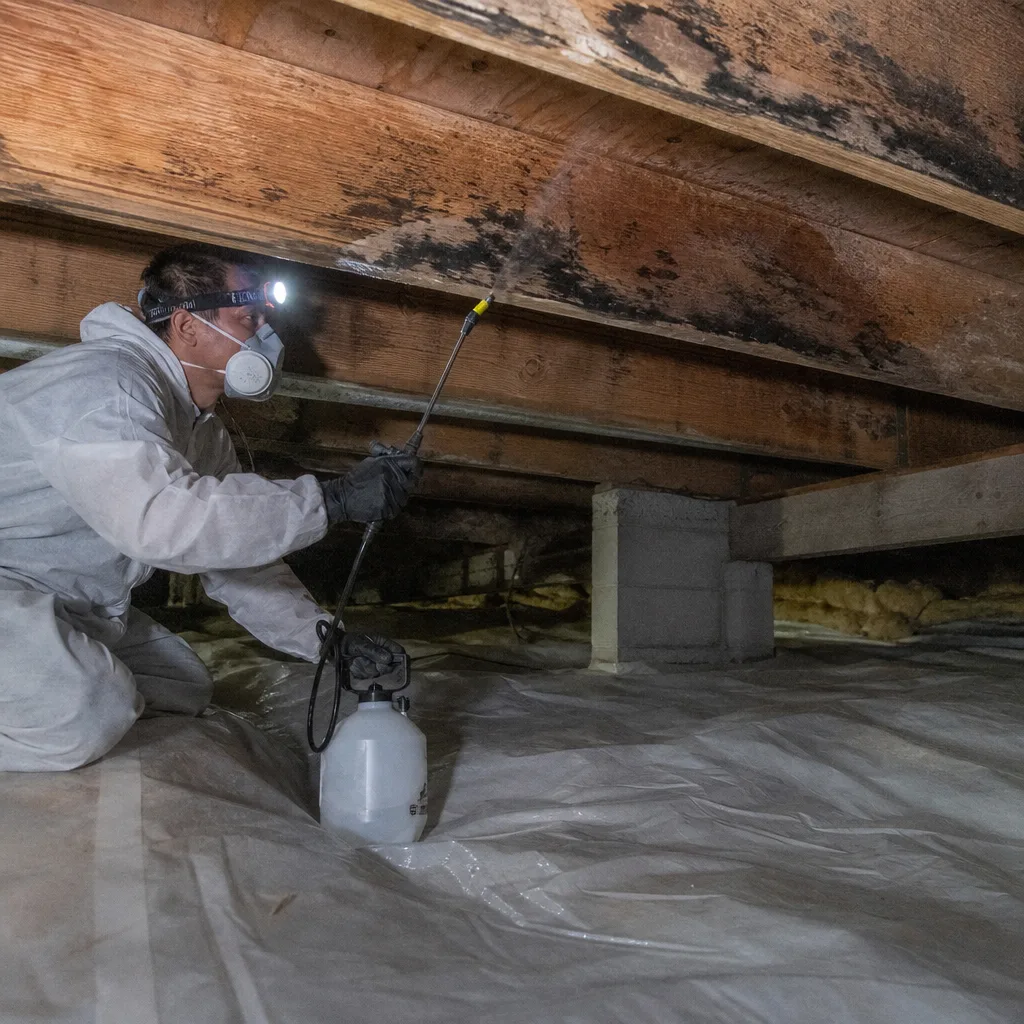
Mold follows moisture with mathematical predictability. In Auburn, where the outdoor relative humidity exceeds 70% for months at a stretch, any water loss that isn’t fully documented and verified becomes a mold risk within 72-120 hours. The question isn’t whether mold will grow. It’s whether your contractor’s documentation will prove they prevented it, or prove they addressed it properly if it did.
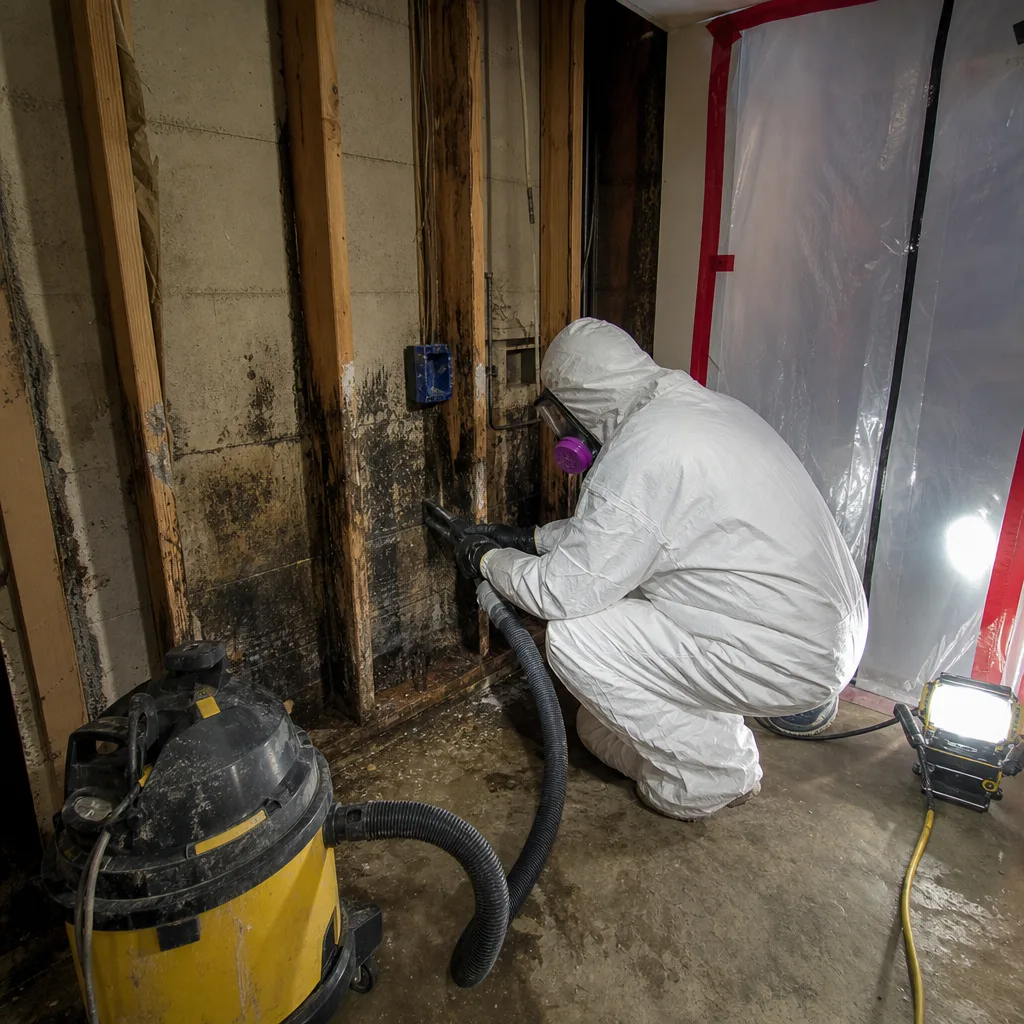
Mold remediation in Auburn requires containment, negative air pressure, HEPA filtration, and removal of contaminated materials - not bleach spray and hope. IICRC S520, the standard for professional mold remediation, specifies engineering controls that contain spore release during disturbance. We’ve remediated mold in Auburn homes where previous “remediation” consisted of wiping visible growth with antimicrobial solution, leaving the root structure intact and the moisture source unaddressed. Six months later, the problem was worse and the homeowner’s health complaints had multiplied.
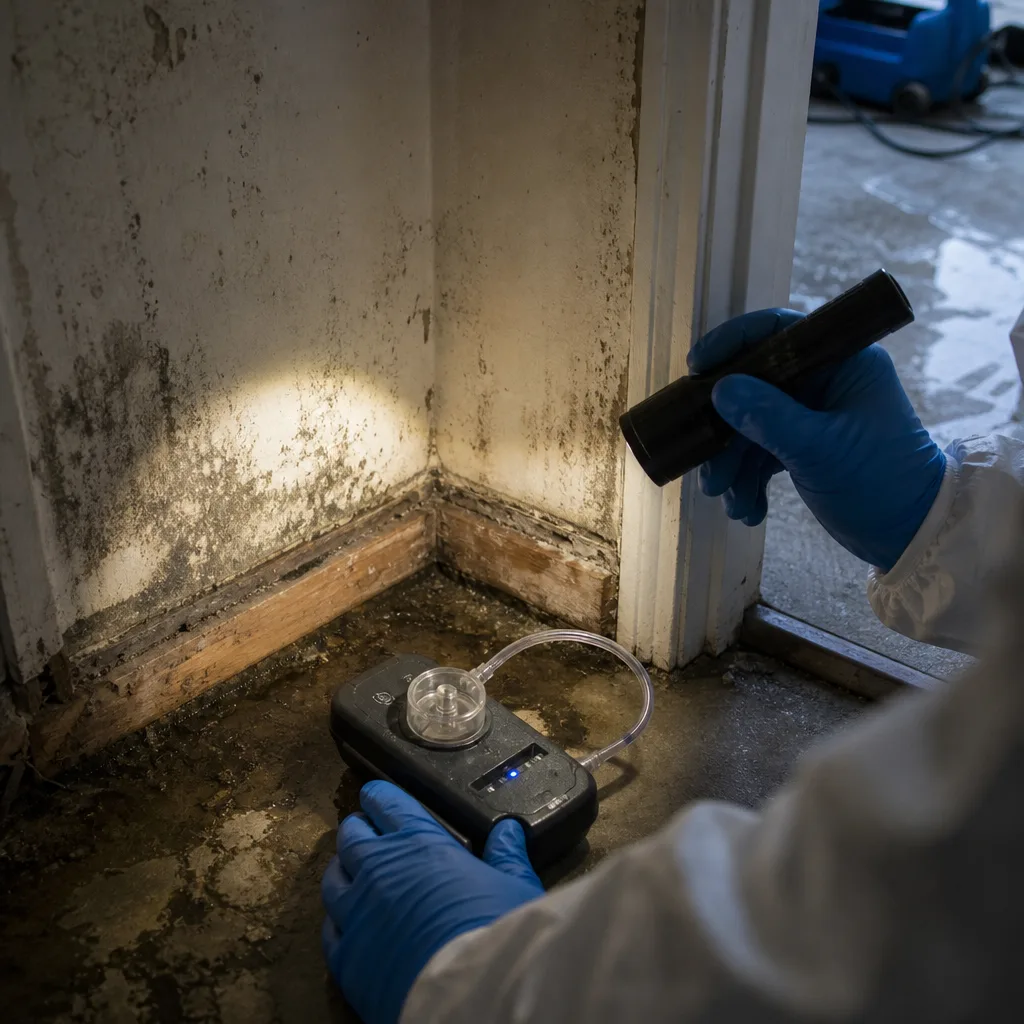
The documentation standard for mold is even more rigorous than for water. Air sampling results, if used, must include outdoor control samples and chain-of-custody documentation. Post-remediation verification requires visual inspection, moisture confirmation, and often air quality testing by an independent third party. We coordinate this directly with adjusters, providing photo documentation of containment setup, material removal, and cleaning verification.
A critical distinction: mold remediation is not reconstruction. Removing contaminated drywall and treating framing is remediation. Installing new drywall is reconstruction. In Washington State, these require different licensing scopes, and your contractor must be clear about which they’re performing under which contract phase. The Haven Standard separates these explicitly in every written scope.
Fire and Smoke Damage: The Hidden Secondary Damage
Fire and smoke damage restoration in Auburn presents a documentation challenge that water damage doesn’t: the damage is often invisible but chemically active. Smoke residues are acidic. Within hours, they begin etching glass, corroding metal, and chemically bonding with porous surfaces. The visible soot is the least of the problem.
Fire restoration documentation must capture:
- Pre-cleaning photo record of all affected surfaces, including contents
- Residue type classification - dry smoke, wet smoke, protein smoke, or fuel oil smoke - each requiring different cleaning chemistry
- Inventory of contents with condition assessment and recommended restoration or replacement
- Ozone or hydroxyl treatment logs with concentration and duration data
- Sealing and encapsulation records for structural elements that can’t be fully cleaned
In Auburn’s older housing stock, particularly in the original downtown neighborhoods and along the Green River, we encounter plaster and lath construction, balloon framing, and other assemblies that trap smoke in wall cavities modern contractors don’t expect. Thermal fogging and vapor-phase cleaning reach these voids, but only with proper equipment access and documented coverage patterns.
The insurance dimension is particularly acute with fire claims. Contents valuation disputes are common, and the contractor’s inventory documentation often becomes the basis for personal property settlements. Our photo records include individual item shots with model numbers where visible, condition coding, and cleaning outcome documentation. This level of detail isn’t extra service. It’s standard under The Haven Standard, and it’s why adjusters refer policyholders to documentation-first companies.
How to Read a Drying Log and Verify Equipment Performance
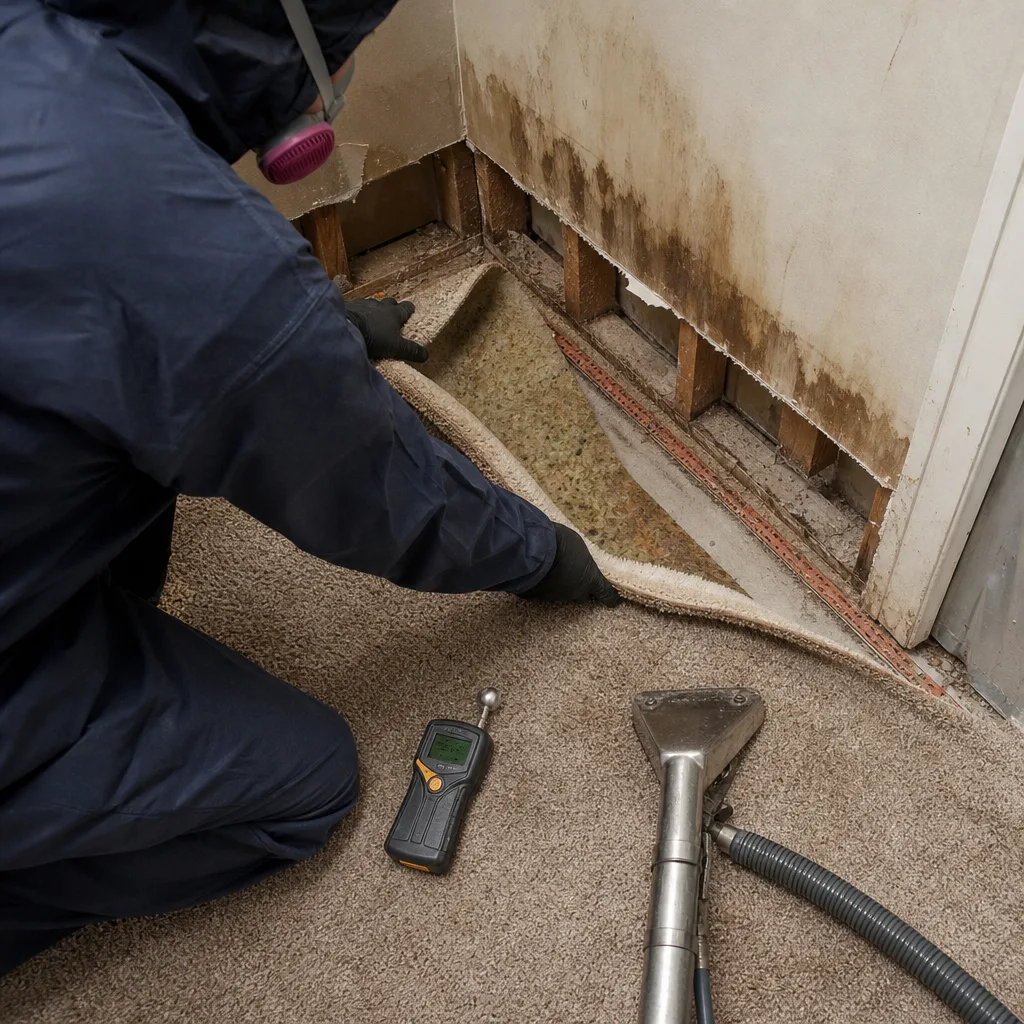
Most homeowners never see their drying log until there’s a dispute. By then, it’s too late to catch problems. Here’s how to read one like an adjuster would, and what the numbers actually mean for your claim.
A proper drying log contains these columns, recorded at the same time daily:
- Date and time of reading. Should be within a 2-hour window each day. Gaps of 36+ hours suggest missed monitoring visits.
- Temperature (°F and °C). Dehumidifier efficiency drops as temperature falls. Below 65°F, LGR dehumidifiers struggle to maintain low grain depression. If your log shows 58°F ambient with no auxiliary heat source, question whether the equipment is properly sized.
- Relative humidity (%). The percentage of moisture the air holds relative to its capacity at that temperature. Target: below 40% during active drying.
- Specific humidity (grains per pound). The absolute moisture content of the air, independent of temperature. This is the number that proves progress. Should drop steadily; plateauing for 48+ hours indicates insufficient dehumidification capacity or an undiscovered moisture source.
- Dew point (°F). The temperature at which condensation forms. Should be well below surface temperatures to prevent secondary condensation.
- Vapor pressure differential (inches Hg). The driving force for moisture movement from wet materials to dry air. Higher is better during active drying. Below 0.5″ Hg suggests equipment is barely maintaining ambient conditions, not actively drying.
- Equipment serial numbers and run hours. Verifies units were actually on site and operating. We photograph hour meters on every visit.
Red flags in any drying log: identical readings day to day (suggesting fabrication), missing serial numbers, psychrometric numbers that don’t mathematically correlate (temperature and relative humidity must calculate to a specific dew point - if they don’t, someone invented numbers), and abrupt jumps without explanation (equipment change, power outage, or discovered extension of damage should be noted).
If your contractor can’t produce this log on request, or produces one without these fields, you don’t have documentation. You have a bill.
Substantial Completion and Your Warranty Rights Under Washington Law
Washington State’s contractor registration laws include specific provisions about “substantial completion” that directly affect your warranty rights; see Damage Restoration Permits, Codes & Inspections in WA: What You Need to Know for related regulatory context. Understanding this term matters because it’s the trigger point for several critical deadlines.
Under Washington law, substantial completion generally means the point when a project is sufficiently complete so the owner can use it for its intended purpose. For restoration work, this typically occurs when drying goals are verified, contaminated materials are removed and replaced, and the space is returned to pre-loss condition - not merely when equipment is picked up.
Why this matters for your 365-Day Done Right Promise under The Haven Standard:
- The warranty period runs from the date of substantial completion, not the date work began or the date of the loss event
- Any punch-list items or incomplete work documented at substantial completion must be resolved before the warranty clock starts
- Your contractor must provide written notice of substantial completion with a clear date; verbal confirmation isn’t sufficient for warranty enforcement
- Washington’s statute of limitations for construction defects is six years from substantial completion, but your express warranty terms control the contractor’s specific repair obligations during the warranty period
We’ve encountered situations where contractors claimed warranty periods had expired because they dated them from “job start,” a date the homeowner didn’t control and often didn’t know precisely. The Haven Standard specifies: warranty period begins on the date of documented substantial completion, verified by final moisture readings and signed acceptance. No ambiguity.
If you’re negotiating with an insurance adjuster about extended displacement coverage, the substantial completion date also affects how long your additional living expense coverage runs. A contractor who delays documentation of completion can cost you thousands in uncovered hotel bills. We provide the substantial completion letter within 48 hours of verification, with copies to you and your adjuster simultaneously.
Choosing a Restoration Contractor in Auburn
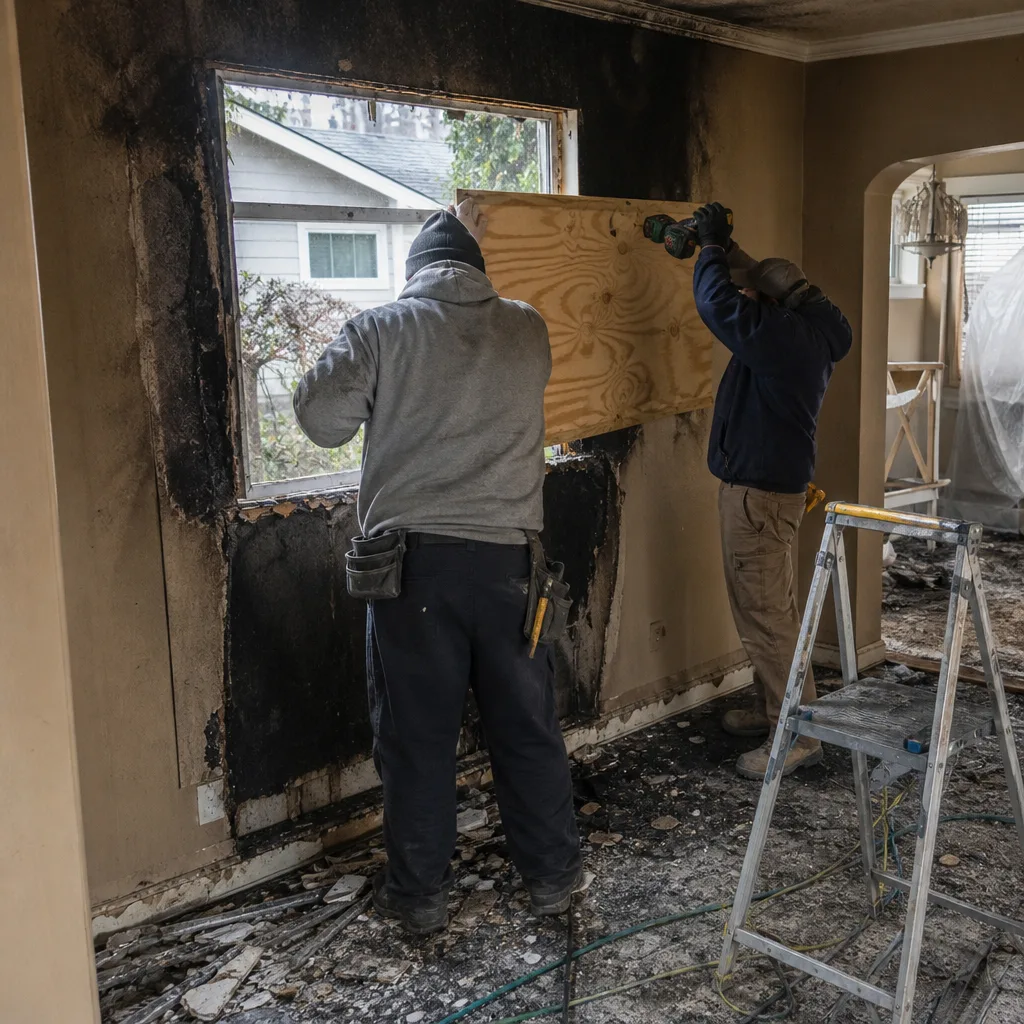
The contractor selection process in Auburn should filter for documentation capability first, speed second. Here’s why: any company can arrive fast with fans. Few can produce the records that get your claim paid without dispute.
Specific questions to ask any restoration contractor in Auburn:
- Will you provide a written scope and price before any work begins? If the answer is no, or “we’ll write it up after we start,” you’re violating Haven Standard, Clause 1 and exposing yourself to scope creep.
- What documentation will I receive, and in what format? Look for: daily drying logs, photo records with timestamps, equipment serial numbers, and a final verification report. Ask to see a sample from a previous job.
- How do you handle adjuster communication? Direct coordination with photo sharing is the standard you want. Faxing a one-page invoice three weeks later is not.
- What’s your warranty, and what triggers it? Must be written, with specific coverage terms and a clear start date tied to substantial completion.
- Are your technicians background-checked, licensed, and insured, with license numbers available? We provide technician names and license numbers before arrival.
- What equipment brands do you deploy, and why? Professional-grade Dri-Eaz, Phoenix, or equivalent LGR dehumidifiers; Injectidry for cavity drying; HEPA-rated air filtration. The answer should include specific manufacturers and models, not “industrial equipment.”
Auburn’s market includes franchise operations, independent contractors, and general handymen who add “water damage” to their service list after buying a moisture meter. The differentiation is in the documentation infrastructure: cloud-based photo systems, standardized drying log software, direct adjuster portals, and written quality standards. These aren’t visible when the truck arrives, but they’re what determines whether your claim resolves in two weeks or six months.
We offer a Free Second Opinion on any competitor’s written estimate. Bring us their scope and we’ll review it against IICRC standards, identify documentation gaps, and explain what questions to ask before you sign. No charge, no obligation. It’s a service we provide because we’ve seen too many homeowners learn about documentation gaps the expensive way.
Common Mistakes to Avoid
- Waiting for the insurance adjuster before calling a contractor. In Auburn’s climate, a 48-hour adjuster delay turns a Category 1 water loss into Category 2. Mitigation can’t wait for permission. Document everything and submit for reimbursement.
- Accepting a verbal estimate or “ballpark” figure. Without a written scope, you have no basis to dispute additional charges. Haven Standard, Clause 1 exists because we’ve seen $3,000 verbal estimates become $8,000 invoices with no documentation of what changed.
- Ignoring crawl space moisture after basement drying. Auburn’s clay soils wick moisture horizontally. A dry basement with a saturated crawl space is a mold bloom waiting to happen. Always verify both spaces.
- Assuming equipment noise means equipment working. A running dehumidifier with a dirty coil or failed compressor makes noise but doesn’t dehumidify. The drying log proves performance; noise doesn’t.
- Signing a direction-to-pay without understanding it. This document gives your contractor direct payment from insurance. It’s standard practice, but only with a written scope agreed in advance. Never sign blank or incomplete forms.
- Treating mold remediation as a cleaning job. Surface wiping without source removal and moisture correction violates IICRC S520 and typically makes contamination worse by disturbing spore reservoirs.
- Neglecting to document personal property condition before restoration work begins. Once contents are moved for drying or cleaning, the pre-loss condition record is gone. Photo everything before the first fan starts.
When to Call a Professional
Call a professional restoration contractor when water affects more than a single small room, when Category 2 or 3 water is involved, when fire or smoke has affected multiple rooms, when mold is visible or suspected, or when any structural material is wet for more than 24 hours. These aren’t arbitrary thresholds; they’re the points where documentation requirements, health risks, and insurance complexity exceed what self-service can manage.
In Auburn specifically, call immediately when: groundwater enters your basement or crawl space (clay soil saturation means continued pressure even after rain stops); you discover water more than 48 hours after the initial loss (Category 1 has likely become Category 2); or you smell musty odors after a previous water loss (hidden mold growth in wall cavities is likely).
DryMark Restoration Auburn offers free estimates in Auburn - call (253) 487-0371. A live person answers every call, 24 hours a day, 7 days a week, with no voicemail on emergency lines. We’ll provide a written scope and price before any work begins, document every visit with photos, and stand behind the result with a 365-Day Done Right Promise under The Haven Standard.
Frequently Asked Questions
Water damage restoration in Auburn typically ranges from $1,200 for a small, contained Category 1 loss to $8,500+ for a whole-house Category 3 flood with basement involvement and crawl space remediation. Fire and smoke restoration starts around $3,000 for localized kitchen damage and can exceed $25,000 for whole-house involvement with contents cleaning. Mold remediation averages $15-30 per square foot of contained area, with containment and air scrubbing adding $800-1,500 per zone. These are market ranges for the Auburn area, not quotes. Call (253) 487-0371 for a written estimate specific to your situation - estimates are free.
Most homeowner policies cover sudden and accidental water damage, fire, and storm damage, but exclude gradual leaks, flood damage without separate flood coverage, and damage from maintenance neglect. The single biggest factor in coverage determination is documentation quality. A well-documented water loss with daily drying logs, photo records, and a written scope before work begins gets approved at significantly higher rates than an undocumented claim. We coordinate directly with adjusters and provide the documentation package that supports coverage determinations. Call (253) 487-0371 to discuss your specific policy situation.
For emergency water and storm damage, DryMark Restoration Auburn provides live phone coverage 24 hours a day, 7 days a week with no voicemail, and dispatches background-checked, uniformed technicians from our Auburn location. Response time varies by current call volume and weather conditions, but we prioritize active water losses to prevent category escalation. For reconstruction and non-emergency remediation, we schedule written assessments within 24-48 hours of contact. Call (253) 487-0371 for current availability.
For water-affected areas under 10 square feet with Category 1 water and no structural materials involved, self-drying with household fans may be adequate. Anything larger, anything involving drywall or insulation, any Category 2 or 3 water, any fire or smoke damage, or any visible mold requires professional restoration. The health risks of improper remediation - particularly mold spore dispersal and sewage pathogen exposure - far exceed any savings. More critically for Auburn homeowners, self-service work is rarely documentable to insurance standards, leaving you with uncovered costs that professional remediation would have included in your claim. Browse our more guides & resources to learn what proper documentation looks like.
At DryMark Restoration Auburn, we coordinate directly with your adjuster from the initial assessment through final billing. This includes: providing the written scope before work begins for pre-authorization; sharing daily drying logs and photo records through our adjuster portal; attending site visits when requested; and preparing the final invoice with documentation package that supports clean claim processing. You remain the policyholder and authorize all work, but the documentation burden is ours. This direct coordination is standard under The Haven Standard, not an additional service.
Request the daily drying log and verify that specific humidity (grains per pound) is dropping steadily, vapor pressure differential is above 0.5 inches Hg, and equipment serial numbers are recorded with run hours. Ask to see the hour meter photo from the most recent visit. If readings are identical for multiple days, if psychrometric numbers don’t mathematically correlate, or if the contractor can’t produce the log on request, equipment performance is unverified. We provide complete drying logs in real time and explain every number on request.
The 365-Day Done Right Promise under The Haven Standard covers any restoration work that fails to meet the documented drying goals, remediation standards, or reconstruction specifications within one year of substantial completion. If moisture readings rise above goal, mold recurs in a remediated area, or reconstruction defects appear, we return to correct the deficiency at no charge. This is a written warranty with specific claim procedures, not a verbal assurance. The coverage period begins on the documented date of substantial completion, not the date work started. A signed copy is provided with every job completion packet.
The Bottom Line
Damage restoration in Auburn is fundamentally a documentation discipline disguised as a construction trade. The work matters, but the records prove the work. Auburn’s climate and soil conditions extend drying timelines and increase the risk of secondary damage, making thorough documentation even more critical than in drier markets. Every homeowner facing restoration should demand: a written scope and price before work begins, daily drying logs with complete psychrometric data, photo records on every visit, and a written warranty with clear terms. These aren’t premium services. They’re the minimum standard for a claim that gets paid without a fight. The contractors who provide them aren’t doing extra - they’re doing the job correctly.
Written by Alicia Brennan, Owner at DryMark Restoration Auburn, serving Auburn since 2011.