
Last updated September 23, 2026
Free visual inspection and a written scope of work before any mitigation begins - photos, moisture readings, and drying logs go in your claim file
The scope we write is the scope we bill. Anything new gets shown to you, in writing, before we touch it.

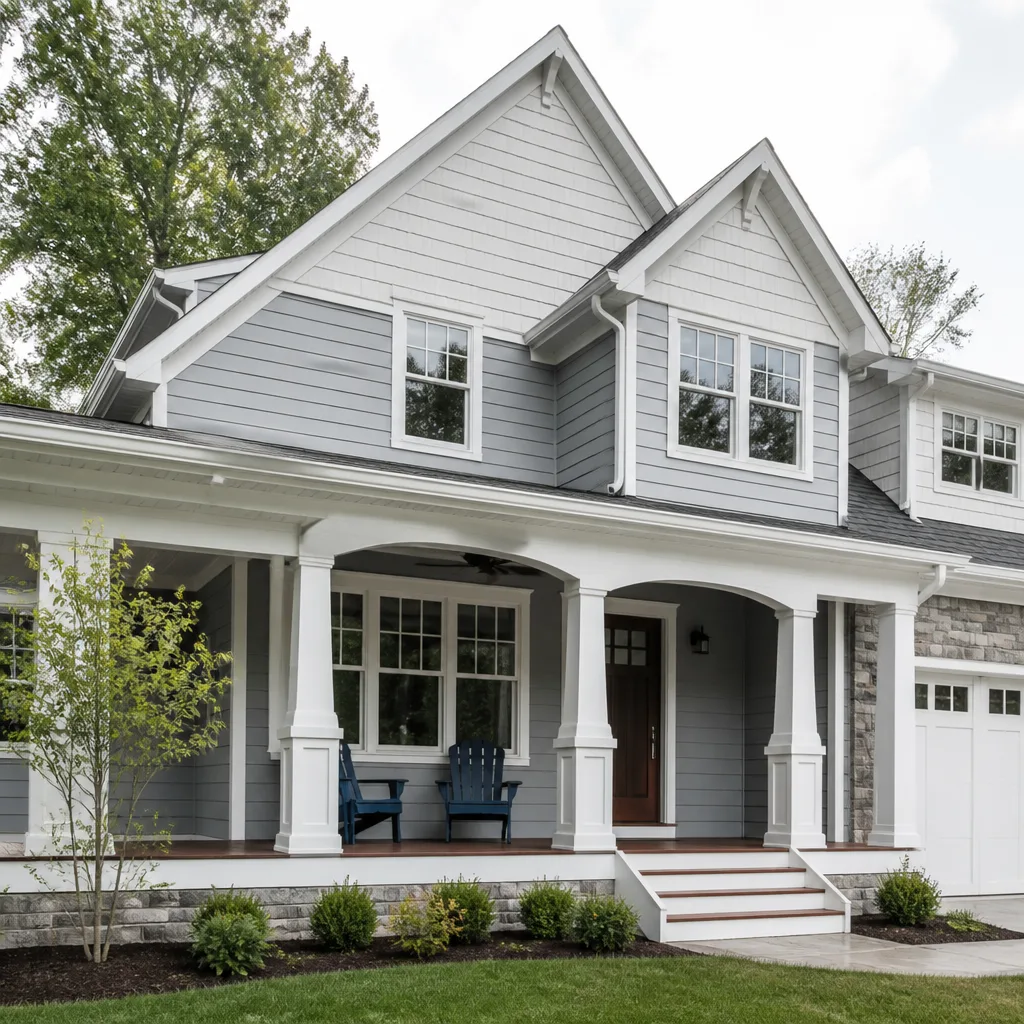
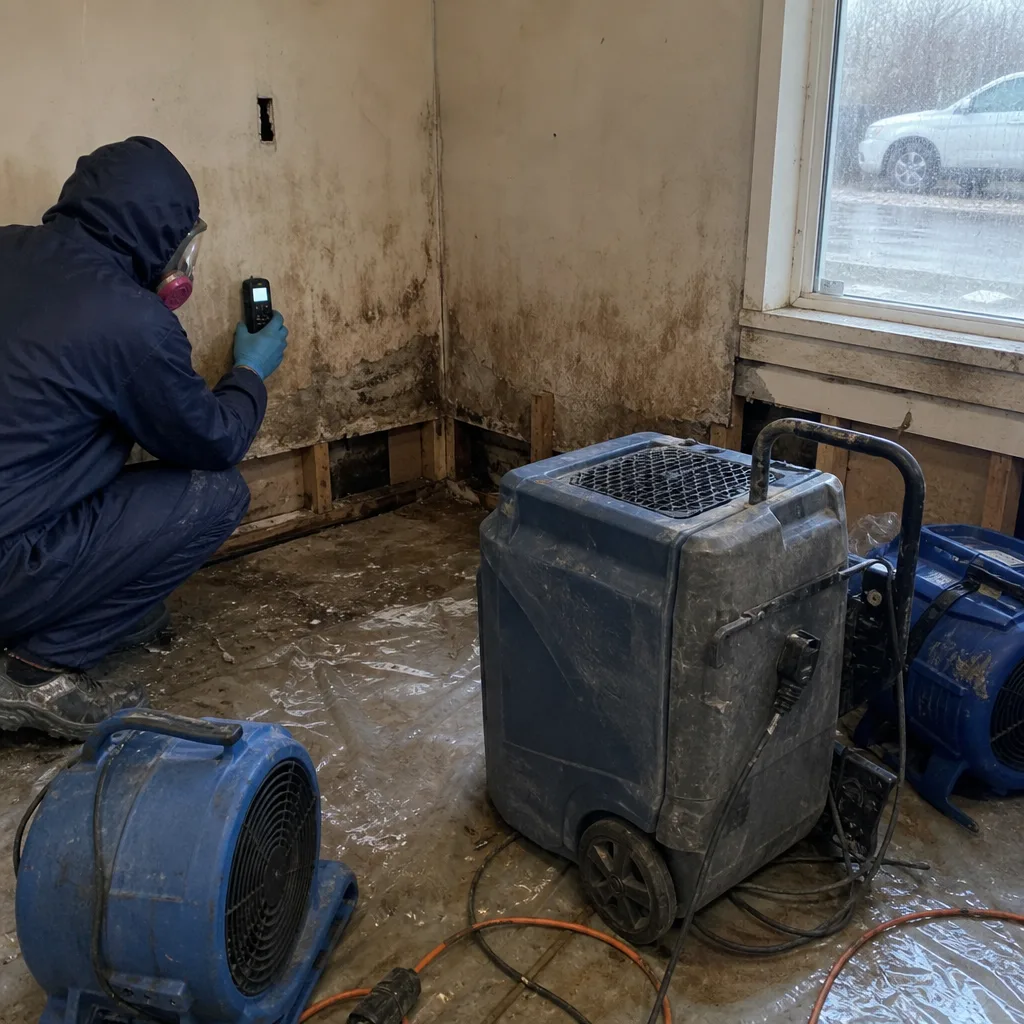 Before
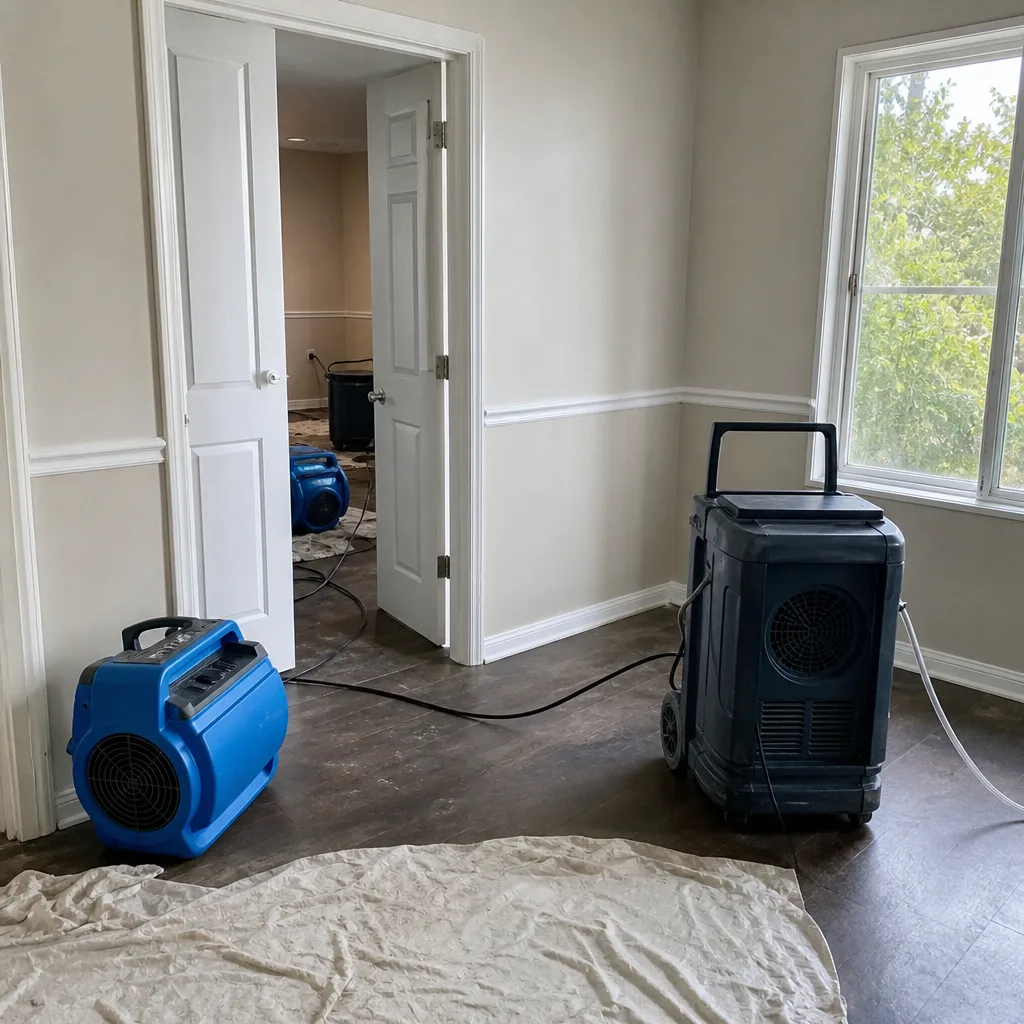 After
After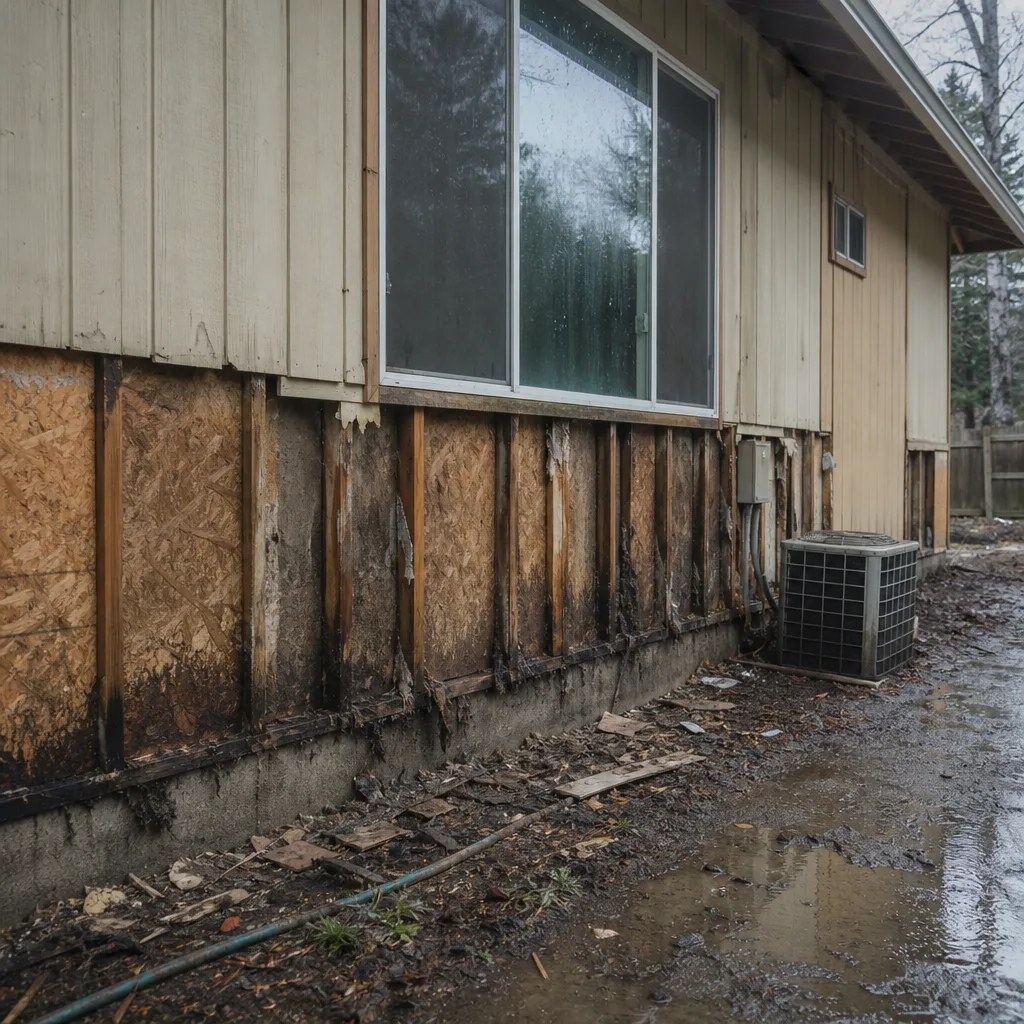 Before
 After
After Before
 After
AfterDamage Restoration Permits, Codes & Inspections in WA: What You Need to Know
In Auburn, replacing water-damaged drywall on an interior non-load-bearing wall typically requires no permit; replacing a water-damaged mudsill does - and a contractor who conflates the two can leave you with an unpermitted structural repair that surfaces at resale. We’ve seen this exact scenario at least a dozen times in our work across the Green River Valley, where older homes with crawl-space moisture issues develop rotted sill plates that get “fixed” with a quick sistering job and no building department sign-off. The homeowner saves two weeks of permit waiting, then discovers the unpermitted work when a buyer’s inspector flags it five years later. This guide draws the precise line between restoration work that needs permits and work that doesn’t, so you don’t delay necessary drying or create hidden liability - and for more warning signs to watch for, see our Auburn homeowner’s reference.
Quick Answer
Most water damage restoration in Washington State does not require a permit if it involves only drying, cleaning, and replacing like-for-like materials on non-structural surfaces. Permits become mandatory when restoration work touches load-bearing elements, electrical systems, plumbing rough-in, or when the repair area exceeds 200 square feet and involves structural members. In Auburn, the City of Auburn Building Division enforces these thresholds under the adopted International Residential Code and Washington State amendments.
Table of Contents
- When Permits Are Required for Restoration Work in Washington
- Auburn-Specific Building Codes and Permit Thresholds
- How Unpermitted Work Affects Insurance Coverage and Claims
- The Inspection Sequence for Permitted Restoration Work
- Discovering Previous Owner Unpermitted Repairs During Your Project
- DIY Restoration: What You Can Handle Without Permits vs. What Requires a Professional
- Permit Costs, Timeline, and Documentation for Your Home File
- Common Mistakes to Avoid
- When to Call a Professional
- Frequently Asked Questions
BeforeAfterWhen Permits Are Required for Restoration Work in Washington
Washington State operates under a delegated model: the state adopts model codes (currently the 2021 International Residential Code with Washington amendments), and cities like Auburn enforce them through local building departments. For restoration work specifically, the permit trigger is structural involvement, not dollar amount. This distinction confuses many homeowners because contractors often speak in terms of “how big the job is” rather than “what the job touches.”
Under RCW 19.27.097 and the adopted IRC, the following restoration scenarios require permits:
- Structural member repair or replacement: Any work on load-bearing walls, beams, columns, floor joists, rim joists, mudsills, or foundation elements. This includes sistering damaged joists, replacing sill plates, or repairing fire-damaged trusses.
- Electrical system restoration: Replacing outlets, switches, or fixtures in their existing locations typically does not require permits under the “like-for-like” exemption. Replacing fire-damaged service panels, rewiring circuits, or relocating electrical devices does require permits.
- Plumbing rough-in or replacement: Replacing a water-damaged vanity with identical connections usually needs no permit. Replacing supply lines behind walls, relocating drains, or replacing water heaters does.
- Window and exterior door replacement: Required when the opening is modified or when replacing with a different egress configuration. Like-for-like replacement in existing openings generally exempt.
- Roofing over 200 square feet or structural decking: The 200-square-foot threshold is specific and frequently missed. A 180-square-foot roof repair needs no permit; a 220-square-foot repair does.
- Fire damage reconstruction exceeding 200 square feet: The IRC triggers full permit requirements when fire restoration crosses this threshold, primarily because fire often compromises structural members that aren’t visibly damaged.
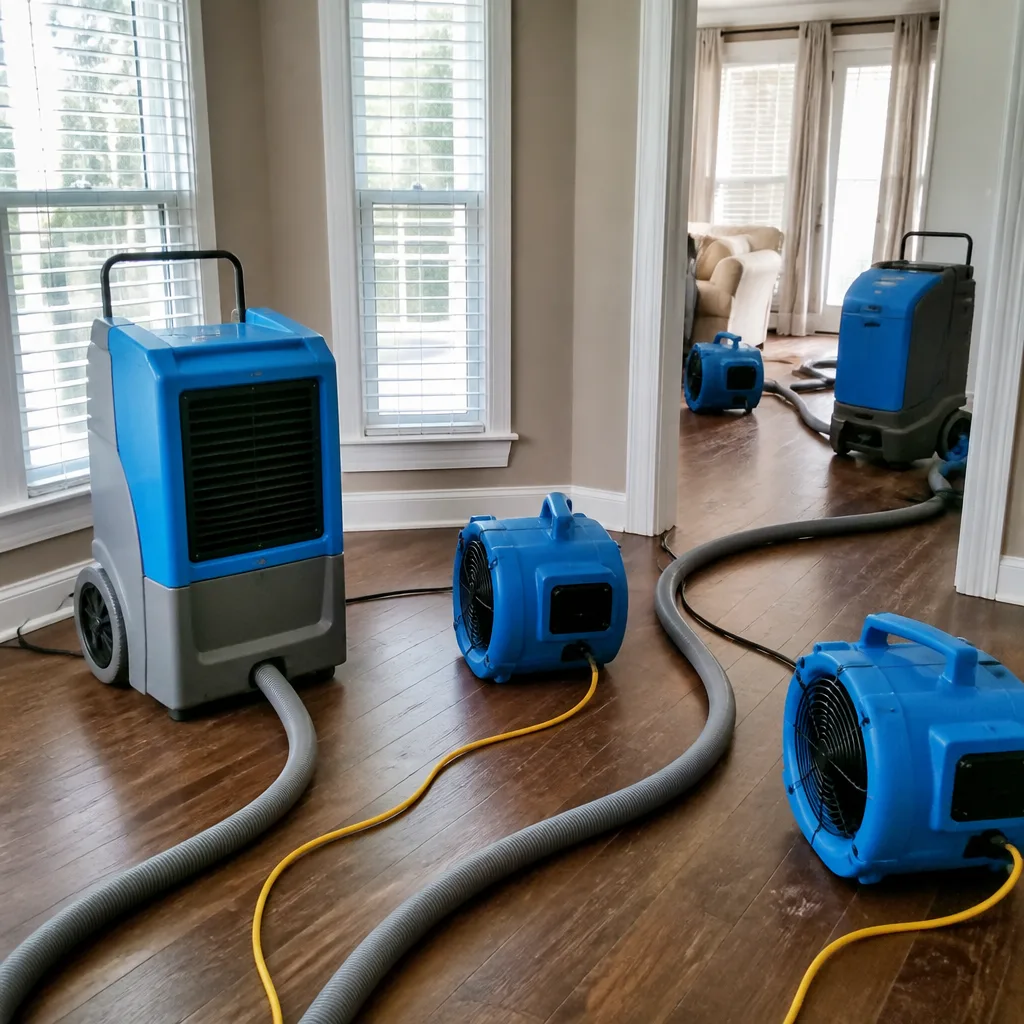
What does not require a permit: drying and dehumidification, carpet and pad removal, non-structural drywall replacement (same size, same location), painting, cabinet replacement without plumbing relocation, and mold remediation that does not involve structural demolition beyond surface removal. We document every job to IICRC standards using Dri-Eaz and Phoenix drying systems, and our daily moisture logs - recording psychrometric data including specific humidity and vapor pressure differential, which is the force that actually drives moisture from wet materials into dry air - become part of the permit file when structural drying precedes permitted repairs.
The critical mistake we observe: contractors begin structural repairs during the emergency phase, before the building department has issued permits. In Auburn, this happens most often with crawl-space water damage, where a crew removes wet insulation, discovers rotted rim joists, and replaces them immediately to “get the job done.” Without permits, that repair has no inspection record, no code verification, and no documentation for future buyers or insurers.
Auburn-Specific Building Codes and Permit Thresholds
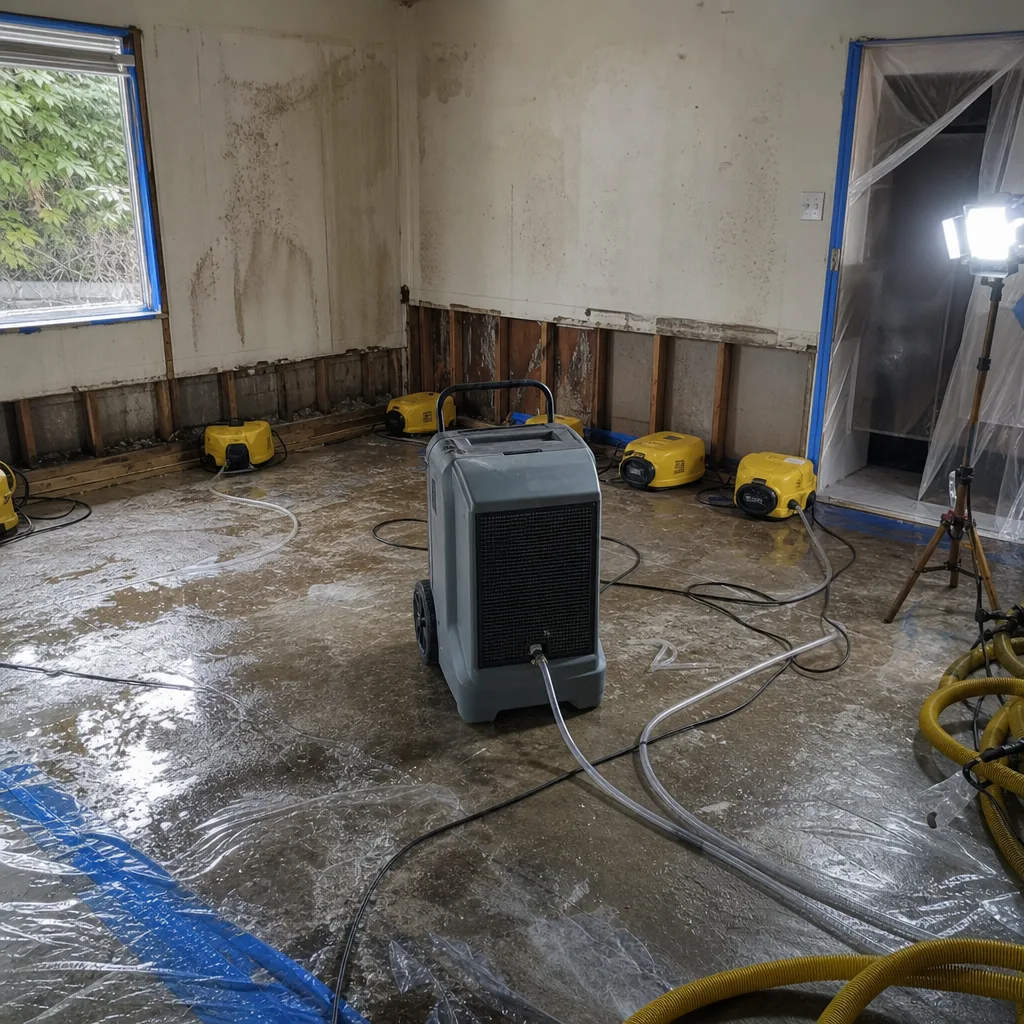
The City of Auburn Building Division enforces the 2021 IRC with Washington State amendments, plus local amendments specific to the Green River Valley’s flood-prone geography and seismic considerations. Auburn’s location on the valley floor means several code provisions affect restoration work differently than they would in hillier parts of King County.
Floodplain and drainage considerations: Auburn’s floodplain management ordinance (Auburn Municipal Code Chapter 14.08) requires that any restoration work in designated flood zones include documentation of pre-damage and post-repair elevations for finished floor levels. If your water damage originated from surface flooding rather than plumbing failure, this documentation becomes part of your permit application. We’ve processed claims in the Lea Hill and Lakeland areas where homeowners didn’t realize their properties sat in AE flood zones until restoration work triggered elevation verification requirements.
Seismic bracing for water heater replacement: Washington State requires seismic straps on all water heater replacements, and Auburn inspectors verify this specifically. A water heater damaged in a flooding event cannot be replaced without permit and inspection, and the installation must include approved strapping to current standards.
Energy code compliance for exterior envelope repairs: When fire or water damage requires replacement of exterior walls, roofs, or foundations, Washington’s State Energy Code (WSEC-R) mandates that the repaired area meet current insulation and air-sealing standards, not the standards in place when the home was built. This often surprises homeowners in Auburn’s 1960s and 1970s neighborhoods, where original construction had minimal insulation and current code requires R-21 walls and R-49 ceilings.
Asbestos survey requirements: Auburn requires asbestos surveys for demolition or renovation of residential structures built before 1990, when the disturbance exceeds 48 square feet of surface area or a linear distance of 10 feet. Many water damage restoration projects in Auburn’s older neighborhoods - particularly in the original plat areas near downtown - trigger this requirement when drywall removal exposes popcorn ceilings or vinyl asbestos tile underneath.
The practical sequence: before any demolition that might touch structural elements, we verify permit requirements with Auburn Building Division. For emergency mitigation work, we document the pre-loss condition with photo records - standard on every visit - so that subsequent permitted repairs have baseline documentation. The Haven Standard, Clause 1 applies here too: the written price before work begins includes a permit feasibility assessment, so you’re not surprised by a $400 permit fee or a two-week delay after demolition has already started.
How Unpermitted Work Affects Insurance Coverage and Claims
This is where the documentation gap that Back to Dry was founded to close becomes most expensive. An unpermitted structural repair doesn’t just create resale problems; it can void coverage for future claims and complicate payment on current ones.
At next renewal: Washington State allows insurers to inspect properties before renewal, and unpermitted structural work is a standard exclusion trigger. If an insurer’s inspector discovers an unpermitted mudsill replacement or unpermitted electrical panel upgrade, the company may non-renew the policy or exclude structural coverage. We’ve reviewed competitor estimates where homeowners were told “permits aren’t necessary for this” - then faced policy non-renewal two years later when the same insurer’s risk assessment flagged the unpermitted work.
At time of future claim: The “known loss” and “prior damage” exclusions in standard HO-3 policies allow insurers to deny claims where unpermitted repairs contributed to the loss. Example: an unpermitted sistered joist fails during a subsequent water event, causing collapse. The insurer denies the collapse portion because the unpermitted repair was a contributing factor. The homeowner bears the full cost of structural reconstruction.
On current structural claims: Some insurers now require permit documentation as a condition of final payment on claims exceeding $25,000 or involving structural elements. This requirement appears in claim instructions from adjusters, not in the policy language itself, and homeowners often miss it until they’ve already paid a contractor who skipped permits. The adjuster holds back 10-15% of the settlement pending permit closure - and if the work is already complete, obtaining retroactive permits in Auburn requires exposing the repair for inspection, effectively redoing the work.
Our documentation protocol addresses this directly: every structural claim we handle includes permit verification in the initial scope, and we coordinate directly with adjusters to confirm their documentation requirements before work begins. The photo record on every visit, the written scope signed before work starts, and the daily drying logs all become part of the permit file and the insurance submission. This is why we offer a free second opinion on any competitor’s written estimate - we frequently find that estimates omit permit costs and timelines that will surface as payment holds later.
The Inspection Sequence for Permitted Restoration Work
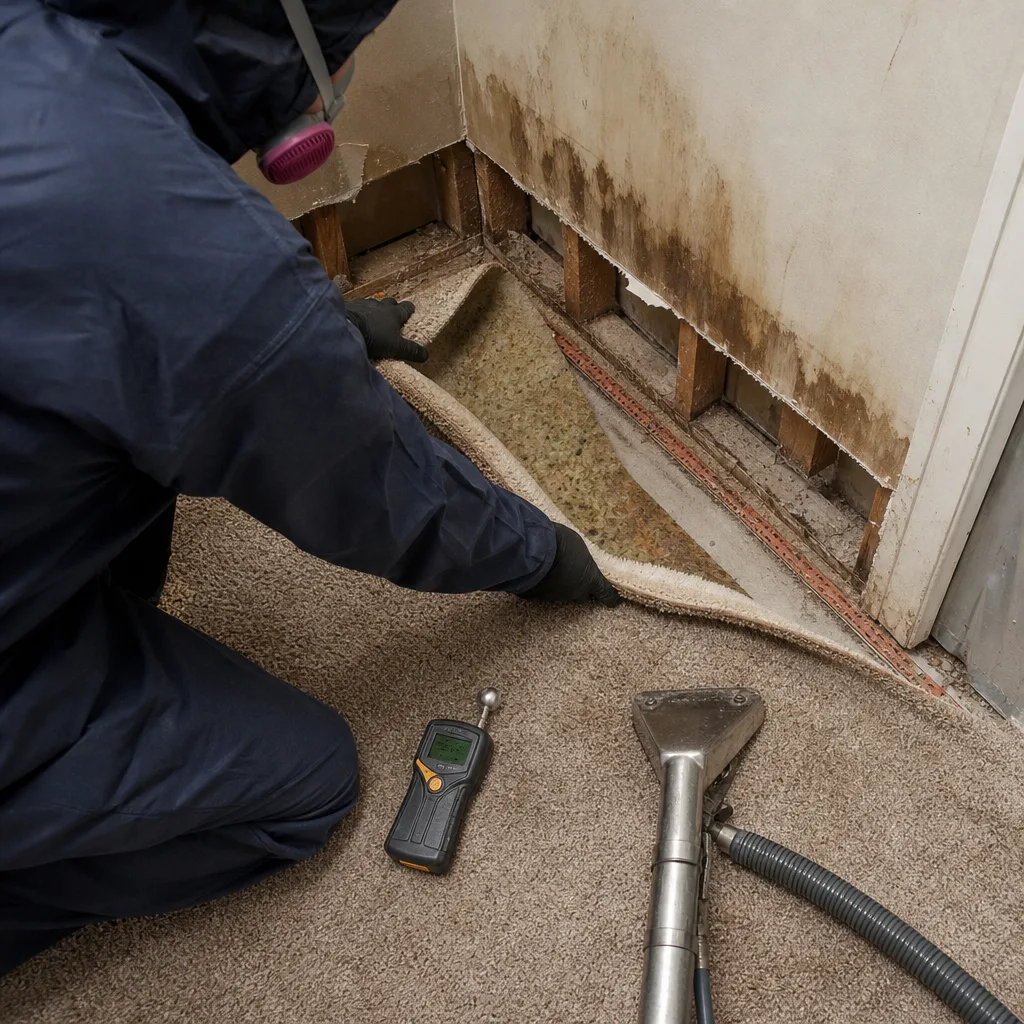
Permitted restoration work in Auburn follows a defined inspection sequence. Understanding this sequence helps you document each sign-off for your permanent home file and ensures no inspection gets skipped, which would block final occupancy or create title issues at sale.
- Rough inspection (structural, electrical, plumbing): Conducted before any covering or concealment. For water damage restoration, this means the inspector views new framing, plumbing supply lines, or electrical wiring before drywall goes up. In Auburn, rough inspections must be scheduled 24 hours in advance through the city’s online portal, and the inspector verifies that materials match the approved plans.
- Insulation inspection: Required for exterior envelope repairs. The inspector verifies R-value and installation quality before vapor barriers or drywall cover the insulation. In Auburn’s climate, this matters: improperly installed insulation in a repaired crawl space creates condensation conditions that lead to mold within 18 months.
- Final inspection: Conducted when all work is complete and accessible. The inspector verifies code compliance, tests systems (electrical outlets, plumbing pressure, HVAC operation), and issues the certificate of completion. For restoration work, this inspection also confirms that the repair matches the scope of the approved permit - no additions or substitutions without amendment.
Documentation for your permanent file should include: the original permit application, the approved plans, each inspection sign-off card or electronic confirmation, and the certificate of completion. We provide these documents as standard deliverables on every permitted job, organized in a digital folder that transfers with the property. When we handle water damage restoration in Auburn, our project manager tracks inspection scheduling and confirms sign-offs before any concealment - no drywall covers uninspected work, ever.
For fire damage reconstruction, the sequence often adds a framing-only inspection when trusses or engineered lumber members are replaced, and a pre-drywall walkthrough that some insurers require for photographic documentation. We coordinate these inspections with the adjuster’s timeline, since payment draws often tie to inspection milestones.
Discovering Previous Owner Unpermitted Repairs During Your Project
This scenario arises more often than homeowners expect, particularly in Auburn’s older neighborhoods where multiple owners and multiple water events have accumulated layers of partial repairs. You’re mid-project, drywall is open, and we discover a sistered joist, a replaced mudsill, or an upgraded electrical subpanel with no permit history.
Stop and document: We photograph everything before touching it. The photo record becomes evidence of what existed, which protects you if the previous owner’s unpermitted work becomes a coverage or liability issue. We also check Auburn’s online permit history for the address - the city has digitized records back to 1990, and many older permits exist on microfilm.
Assess structural implications: If the unpermitted work is structural and currently supports loads, removing or modifying it requires engineering review. We engage a structural engineer to evaluate the repair’s adequacy, which produces a report that either certifies the existing work or specifies required corrections. This report becomes part of your permit application for the current work.
Decide on retroactive permitting vs. replacement: Auburn allows retroactive permits in some cases, but the process requires exposing the work for inspection and may trigger code-upgrade requirements (energy code, seismic, flood elevation) that didn’t apply when the original repair was done. Sometimes replacement is more cost-effective than retrofitting unpermitted work to current standards. We present both options with written prices for each - Haven Standard, Clause 1 - so the decision is documented and informed.
Notify your insurer: If the unpermitted work affects the current claim, transparency protects you. We document our findings in writing, with photos, and submit to the adjuster as supplemental information. Hiding unpermitted work discovered during a claim is fraud; documenting it properly is risk management.
In our experience across more than 12,000 homes since 2011, the most expensive previous-owner surprise in Auburn has been unpermitted basement finishing in homes near the Green River. These spaces often lack proper egress windows, moisture barriers, and insulation - all invisible until water damage requires demolition. The restoration then becomes a code-compliance project for the entire basement, not just the damaged area.
DIY Restoration: What You Can Handle Without Permits vs. What Requires a Professional
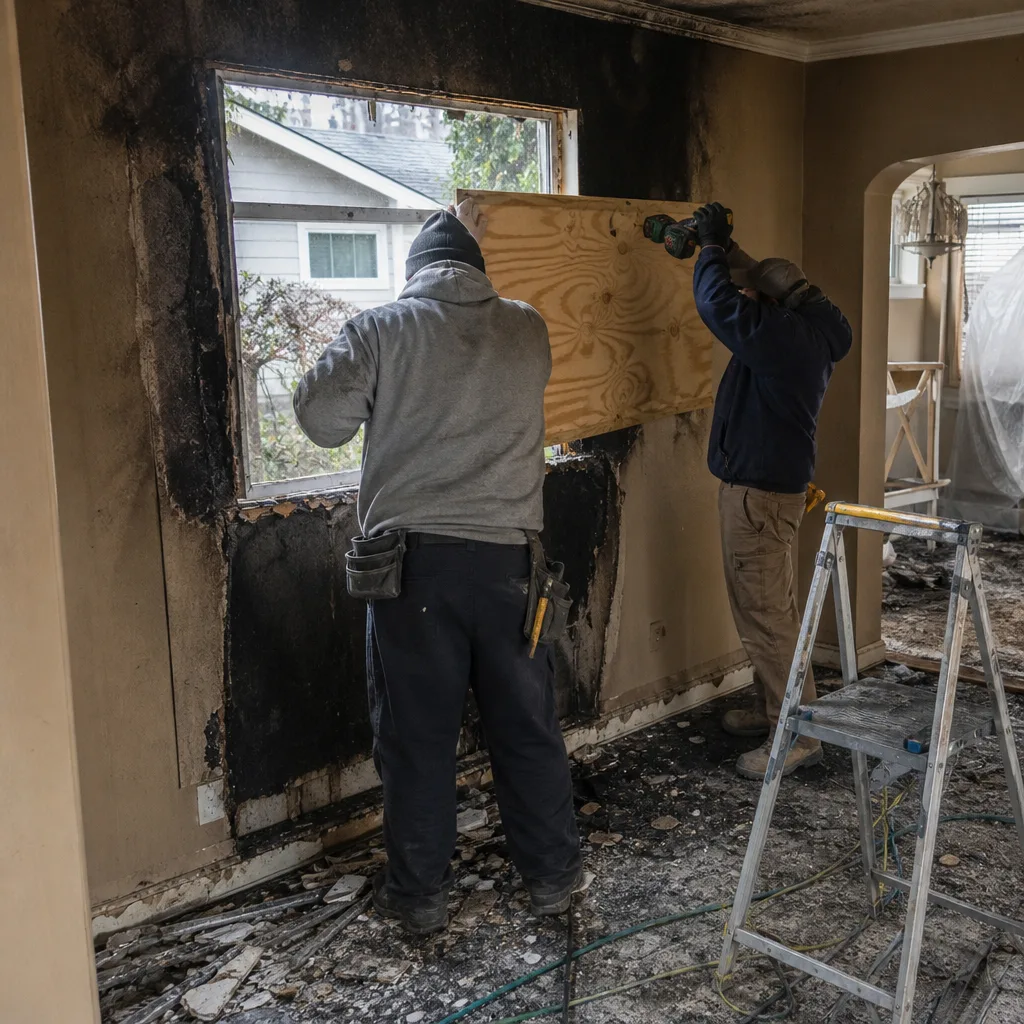
Washington State allows homeowners to act as their own contractors on their primary residence, pulling owner-builder permits rather than general contractor permits. This option exists but carries significant liability: the owner assumes all code compliance responsibility, and the work cannot be sold or leased for one year without additional inspection. For restoration work specifically, the DIY boundary is clearer than many homeowners realize; our DIY vs Professional guide walks through the decision factors.
Appropriate for competent DIY without permits:
- Extracting standing water and running rental dehumidifiers (though professional-grade equipment - we deploy XPOWER air movers and B-Air dehumidifiers with documented CFM and grain-depression specifications - achieves drying goals faster and with moisture-log documentation)
- Removing wet carpet, pad, and baseboards
- Cutting and removing non-structural drywall below the water line, provided no electrical or plumbing is exposed
- Cleaning and treating non-porous surfaces with appropriate antimicrobial products
- Installing replacement drywall on non-structural interior walls, same size and location
Requires professional licensing and typically permits:
- Any work on electrical panels, service lines, or circuits behind walls
- Plumbing supply line replacement or relocation
- Structural drying in cavities, which requires Injectidry systems and psychrometric monitoring to prevent secondary damage
- Mold remediation beyond 10 square feet of visible growth, per Washington Department of Health guidelines
- Fire damage restoration involving charred structural members or smoke-impacted HVAC systems
- Sewage cleanup, which requires OSHA-compliant PPE and waste disposal protocols
The safety consideration: water-damaged electrical systems present genuine electrocution risk, and compromised structural members can fail under load. We don’t provide step-by-step DIY instructions for these hazards because the consequences of error are severe. A moisture meter reading of 20% on a sill plate doesn’t tell you whether the wood’s structural capacity is degraded; that requires engineering assessment.
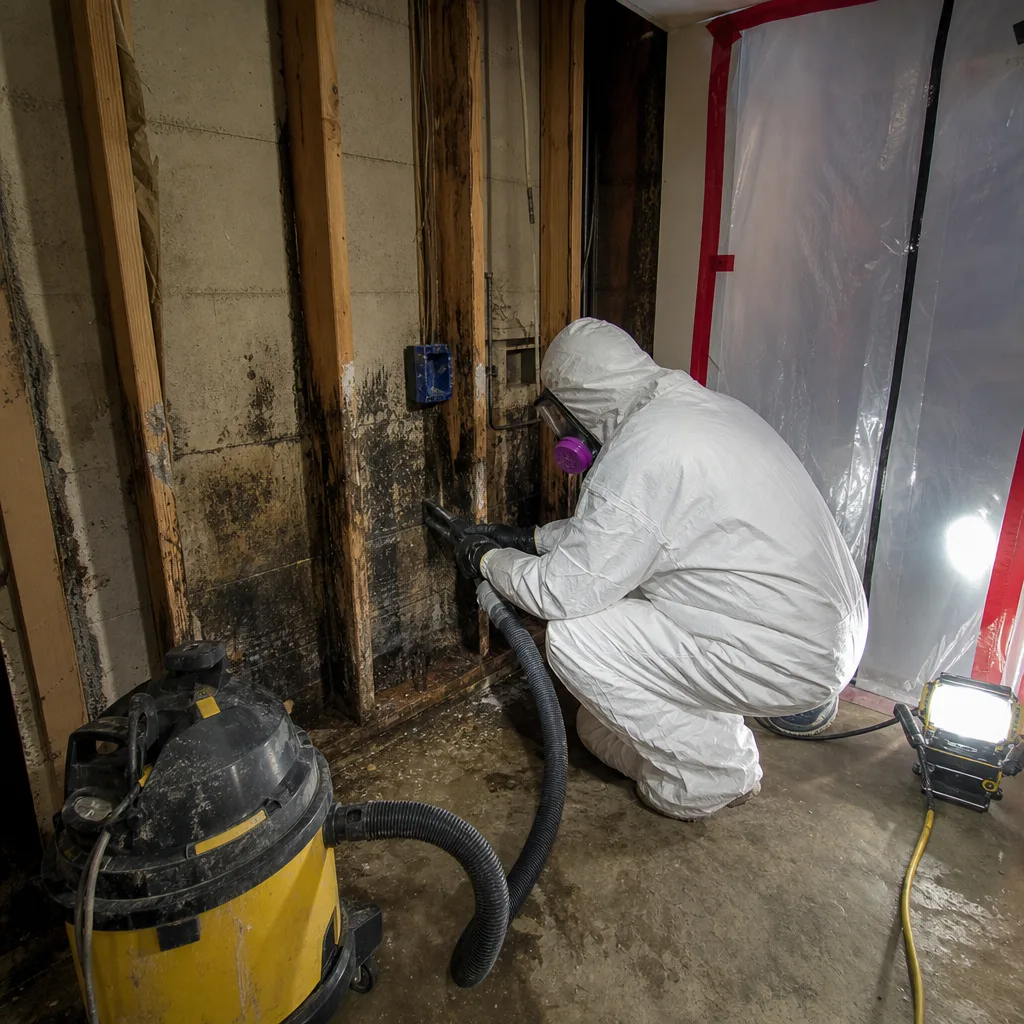
For mold remediation in Auburn, the DIY threshold is particularly important. Washington doesn’t license mold remediators, but the Department of Health recommends professional remediation for areas exceeding 10 square feet, and most insurers require documentation of professional remediation for coverage of related health claims. Our mold remediation includes air scrubbing with HEPA filtration, containment with negative air pressure, and post-remediation verification sampling - all documented to IICRC S520 standards.
Permit Costs, Timeline, and Documentation for Your Home File
Auburn’s permit fees for restoration work follow a structured schedule based on project valuation. Understanding these costs helps you evaluate contractor estimates and ensures no surprise fees emerge mid-project.
| Permit Type | Auburn Base Fee | Typical Restoration Scenario | Timeline |
|---|---|---|---|
| Building repair/replacement (non-structural) | $85 + plan review | Drywall, flooring, cabinet replacement | 3-5 business days |
| Building repair/replacement (structural) | $150 + valuation fee | Joist, sill plate, wall framing repair | 5-10 business days |
| Electrical repair | $85 + circuit fees | Panel replacement, rewiring | 3-5 business days |
| Plumbing repair | $85 + fixture fees | Supply line replacement, water heater | 3-5 business days |
| Combination permit | Combined fees less 10% | Fire reconstruction with multiple trades | 10-14 business days |
Plan review fees add $85-$200 depending on complexity. Structural repairs requiring engineering calculations trigger additional review time. Auburn offers expedited review for emergency repairs - water heater replacement in winter, for example - but this requires documentation of the emergency and doesn’t bypass inspection requirements.
Your permanent home file should contain:
- Original permit application with project description
- Approved plans and specifications
- All inspection sign-offs (rough, insulation, final)
- Certificate of completion or occupancy
- Contractor invoices tied to permit milestones
- Photo documentation of work in progress and completion
- Warranty documents, including our 365-Day Done Right Promise under The Haven Standard
We organize these documents in a shared digital folder for every permitted job, with naming conventions that make retrieval straightforward at sale or refinance. A title company searching permit history will find the city’s records; your file should match and supplement those records with contractor documentation that city files don’t capture.
Common Mistakes to Avoid
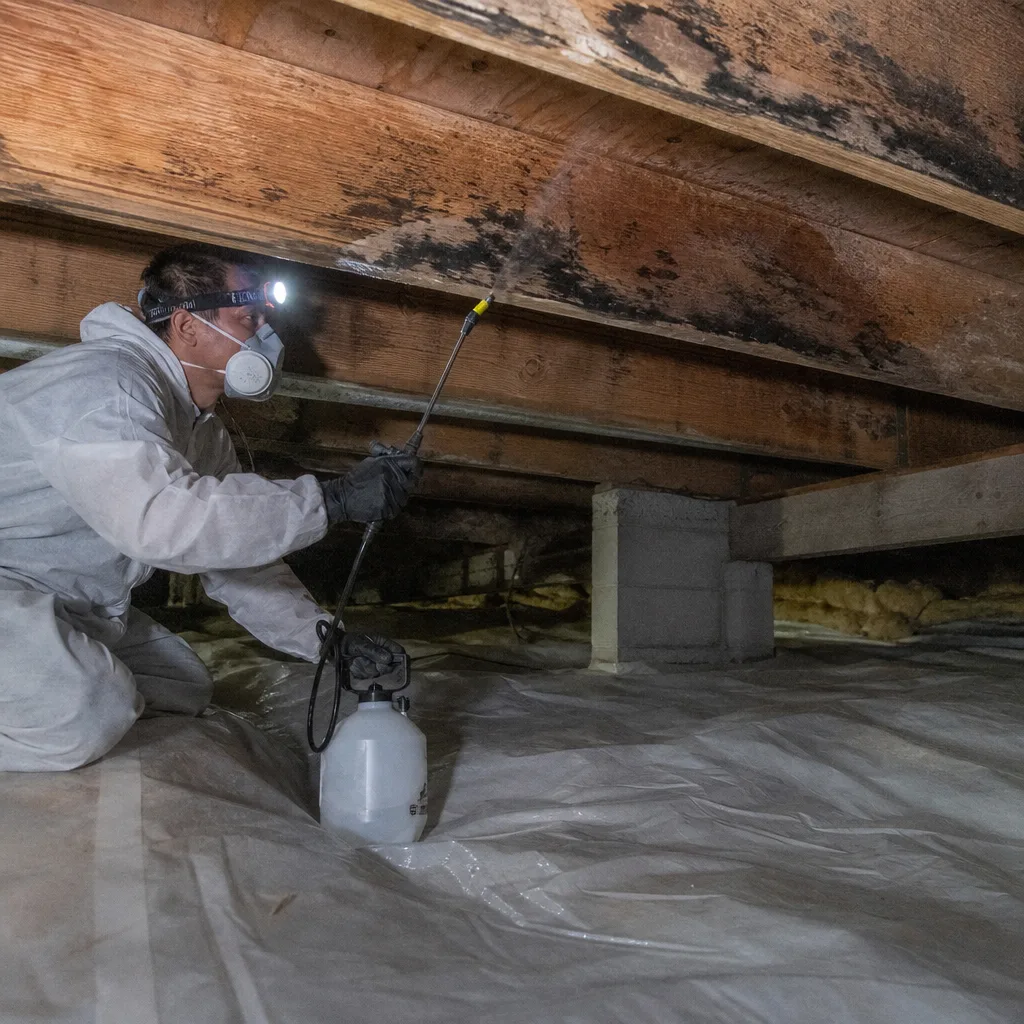
- Pulling permits for drying-only work: We’ve seen homeowners delay emergency drying by two weeks waiting for permits that weren’t required. If the work is extraction, dehumidification, and surface material removal only, start immediately and permit only the subsequent repairs.
- Letting a contractor start structural repairs before permit approval: In Auburn, work started before permit issuance can be red-tagged, requiring removal of concealment for inspection. The cost of re-exposing work exceeds the permit fee many times over.
- Assuming insurance will handle permits retroactively: Standard policies cover “necessary and reasonable” costs, but they don’t cover code-compliance upgrades triggered by failure to permit properly. The gap between an unpermitted repair and code-compliant replacement falls on the homeowner.
- Ignoring flood zone requirements in Auburn’s valley neighborhoods: Properties in AE zones need elevation documentation that standard permit applications don’t include. Missing this triggers rejection and restart.
- Failing to document asbestos survey results: Auburn’s pre-1990 survey requirement is strict, and proceeding without survey documentation can result in stop-work orders and EPA notification requirements.
- Accepting verbal assurance that “we’ll pull permits later”: Permits pulled after work completion require full exposure for inspection. If a contractor won’t commit to permit timing in the written scope, that’s a signal to pause.
When to Call a Professional
Call a professional restoration company when water has touched structural members, when electrical or plumbing systems are involved, when mold growth exceeds visible surface patches, or when your insurer has indicated permit documentation requirements. The cost of professional assessment is recovered many times over in avoided permit delays, coverage denials, and resale complications - see how to hire the right contractor in Auburn for the vetting steps.
DryMark Restoration Auburn offers free estimates in Auburn - call (253) 487-0371. Every estimate includes a permit feasibility assessment, a written price before work begins under Haven Standard, Clause 1, and documentation of what requires permits and what doesn’t. We coordinate directly with Auburn Building Division and your insurance adjuster so the permit sequence doesn’t delay drying or reconstruction.
Frequently Asked Questions
Not for the drying and mitigation phase. Extraction, dehumidification, and removal of wet carpet, pad, and non-structural drywall require no permit. Permits become necessary when repair work touches load-bearing elements, electrical systems, plumbing rough-in, or when roofing repairs exceed 200 square feet. Call (253) 487-0371 for a free assessment of your specific situation - we’ll identify permit triggers in the written scope before any work begins.
Most standard HO-3 policies include “Ordinance or Law” coverage that pays for permit fees and code-upgrade costs, but this coverage is often limited to 10% of the dwelling coverage unless specifically endorsed. Some insurers require permit documentation as a condition of final payment on structural claims. We coordinate with adjusters to confirm coverage limits and documentation requirements before work starts, so permit costs don’t become out-of-pocket surprises.
Simple non-structural permits take 3-5 business days. Structural repairs requiring plan review take 5-10 business days. Combination permits for fire reconstruction with multiple trades take 10-14 business days. Emergency expedited review is available for heating system failures in winter, but this doesn’t bypass inspection requirements. We factor permit timelines into every project schedule so drying isn’t delayed and reconstruction isn’t rushed.
Stop work, document everything with photos, and check Auburn’s permit history for the address. The unpermitted work may require engineering assessment, retroactive permitting with exposure for inspection, or replacement to current code standards. We handle this discovery scenario regularly in Auburn’s older neighborhoods and present both options - retroactive permit vs. replacement - with written prices for each under Haven Standard, Clause 1.
Yes, Washington allows owner-builder permits for primary residences, but you assume full code compliance liability and cannot sell or lease the property for one year without additional inspection. For restoration work involving structural, electrical, or plumbing elements, the documentation and coordination requirements - particularly with insurance adjusters - typically justify professional management. Our daily moisture logs and photo records turn restoration invoices into payable claims; owner-builder documentation rarely meets this standard.
Mold remediation itself does not require a building permit if it involves only surface removal and treatment of non-structural materials. If remediation requires demolition of structural elements - wall studs, subflooring, ceiling joists - the repair phase requires permits. Washington doesn’t license mold remediators, but professional remediation to IICRC S520 standards with post-remediation verification is the documentation standard insurers expect for health-related coverage.
The Bottom Line
The permit line for restoration work in Washington is structural involvement, not project size or cost. In Auburn, this means knowing whether your water-damaged wall is non-load-bearing drywall or a shear wall, whether your crawl-space repair touches the mudsill or just the insulation. The wrong call in either direction - unnecessary permits that delay drying, or skipped permits that void coverage - costs more than getting it right the first time. Document every decision, every inspection, and every sign-off in your permanent home file. For more guides & resources on protecting your Auburn home, explore our blog. And get every scope, every price, and every promise in writing before work begins.
Written by Alicia Brennan, Owner at DryMark Restoration Auburn, serving Auburn since 2011.