
Last updated September 23, 2026
Free visual inspection and a written scope of work before any mitigation begins - photos, moisture readings, and drying logs go in your claim file
The scope we write is the scope we bill. Anything new gets shown to you, in writing, before we touch it.

 Before
 After
After Before
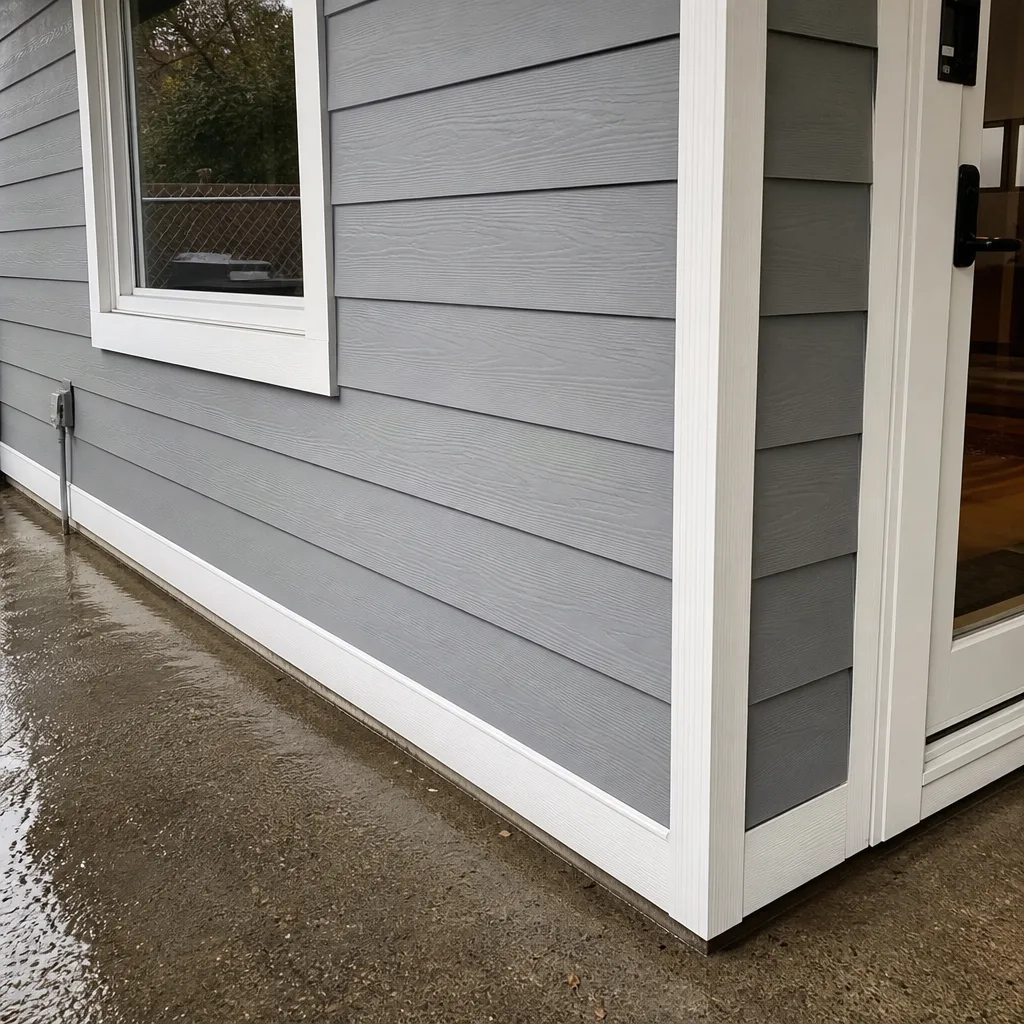 After
After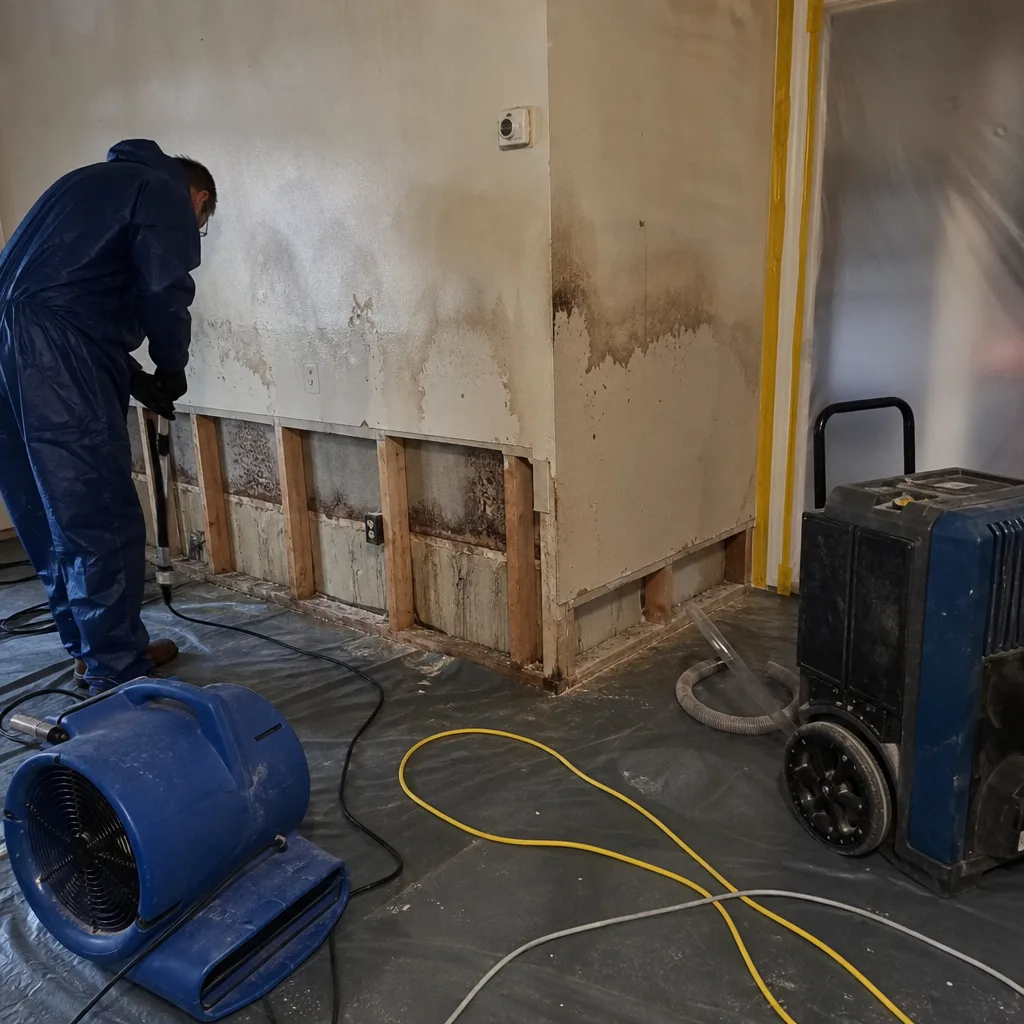 Before
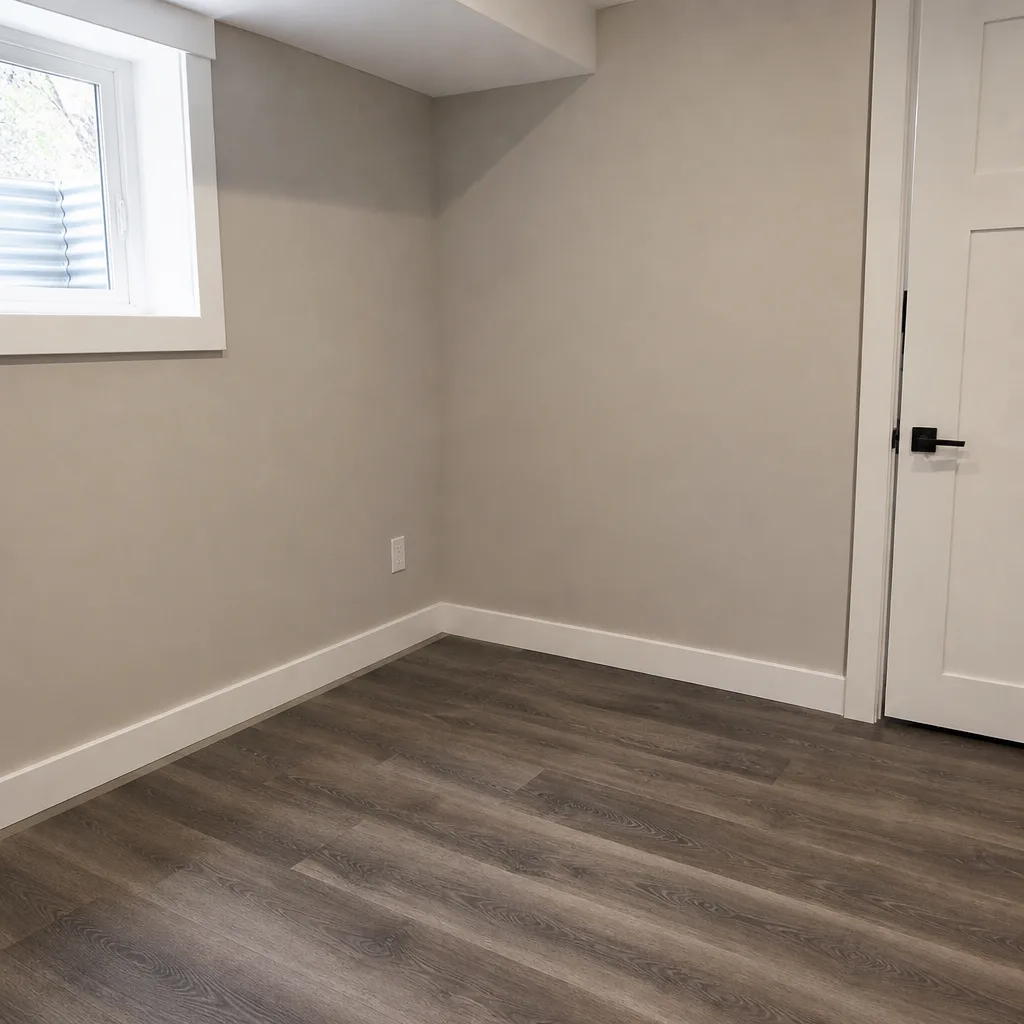 After
AfterHow to Hire a Damage Restoration Contractor in Auburn: A Step-by-Step Guide
Washington State does not require restoration contractors to hold a specialized license. A general contractor’s registration number is all that’s legally required to perform water damage restoration, mold remediation, or fire cleanup in Auburn. That credential tells you the contractor paid a registration fee; it tells you nothing about whether their documentation will survive an insurance adjuster’s review. Since 2011, we’ve watched homeowners in Auburn’s Lea Hill and Lakeland neighborhoods lose thousands in uncovered supplemental charges because their contractor’s drying logs were incomplete, their scope lacked line-item detail, or their completion criteria were never defined in writing. This guide gives you a vetting framework built on the question that actually predicts claim success: does this contractor produce documentation an insurer will accept without a fight? For a deeper dive, see our Complete Guide to Damage Restoration in Auburn.
Quick Answer
To hire a damage restoration contractor in Auburn, verify their Washington State contractor registration number through the L&I UBI lookup, then request five specific documents before signing: a written scope of work, a line-item estimate, an equipment placement plan, a written drying protocol, and defined completion criteria. A contractor who cannot produce these within 24 hours of assessment is not prepared to support your insurance claim.
Table of Contents
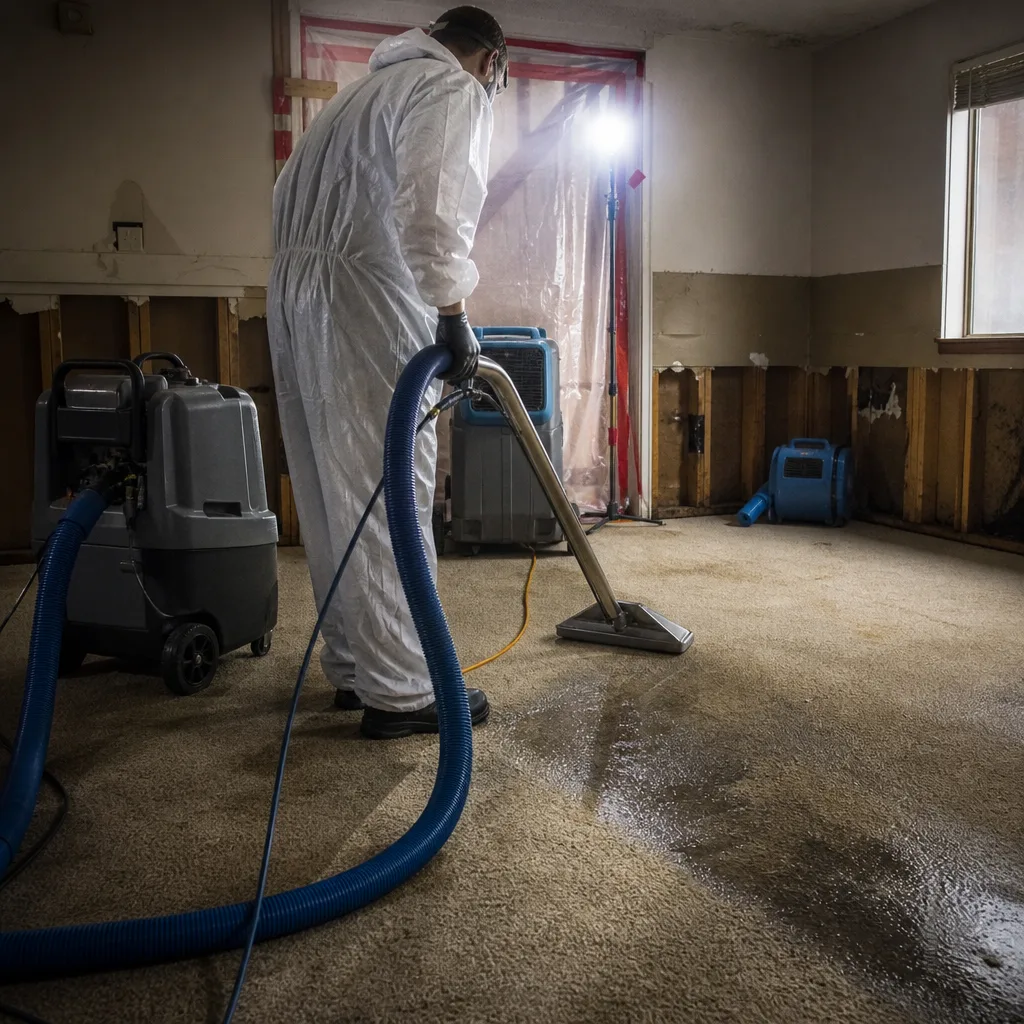
- How to Verify Credentials in Washington State (And What They Actually Mean)
- The Five Documents to Request Before Signing
- How to Read a Restoration Contract: Red Flags and Required Language
- Comparing Estimates Using Unit Costs, Not Totals
- Why Direct Insurer Coordination Without Copies to You Is a Liability
- Auburn-Specific Considerations: Climate, Codes, and Common Loss Patterns
- Equipment Standards and Documentation Protocols That Protect Your Claim
- Common Mistakes to Avoid
- When to Call a Professional
- Frequently Asked Questions
BeforeAfterHow to Verify Credentials in Washington State (And What They Actually Mean)
Every contractor performing restoration work in Auburn must register with the Washington State Department of Labor & Industries (L&I). The registration produces a Unified Business Identifier (UBI) number, which you can verify at the L&I Contractor Verify website. This check confirms three things: the business is registered, bonding is current, and there are no active suspensions. It confirms nothing about restoration-specific training, documentation protocols, or insurance claim experience.
Here’s what the UBI lookup actually shows versus what it cannot:
| UBI Lookup Confirms | UBI Lookup Cannot Confirm |
|---|---|
| Business registration status | IICRC water damage or mold remediation certification |
| Bond amount and expiration | Experience with your specific loss type |
| General liability insurance on file | Documentation quality for insurance claims |
| Workers’ compensation coverage | Equipment calibration and maintenance records |
| Any active compliance actions | Whether the contractor provides written scopes before work begins |
We recommend performing the UBI lookup as a baseline hygiene step, not as due diligence. The real vetting happens in document review.
Ask specifically about IICRC certification. The Institute of Inspection, Cleaning and Restoration Certification offers the WRT (Water Damage Restoration Technician) and ASD (Applied Structural Drying) designations that indicate formal training in moisture science and drying methodology. For mold, the AMRT (Applied Microbial Remediation Technician) certification is the relevant standard. These are not legally required in Washington, but they predict whether the contractor understands psychrometric data - the temperature, relative humidity, and vapor pressure measurements that justify equipment rental charges to your adjuster.
Also verify that technicians are employees, not subcontractors. Employee status means the contractor carries workers’ compensation and exercises direct quality control over documentation. Subcontractor networks produce inconsistent photo records and drying logs, which we’ve seen trigger claim denials in Auburn’s insurance market.
The Five Documents to Request Before Signing
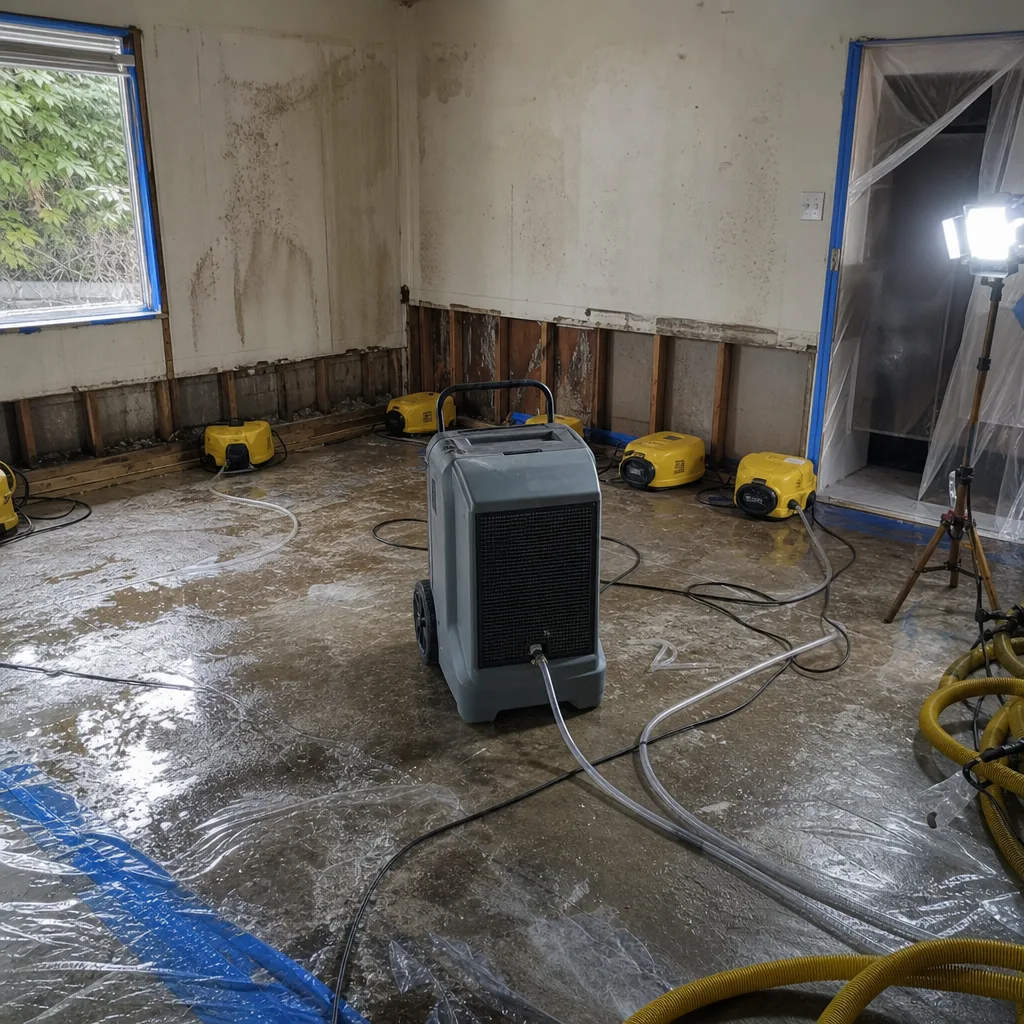
Before any work begins, a qualified contractor should produce five documents. Each serves a distinct function in protecting your property and your claim. The absence of any one is a signal to pause.
1. Written Scope of Work
This document defines what will be done, where, and in what sequence. It should identify affected rooms by name, specify materials to be removed or dried in place, and note any contents manipulation required. A weak scope uses vague language like “dry affected areas” without defining “affected” by moisture reading or square footage. A strong scope states: “Living room: remove 24 inches of drywall from baseboard up on north and east walls; dry remaining framing to <16% moisture content per pin meter; HEPA vacuum and antimicrobial treat exposed studs."
2. Line-Item Estimate
The estimate must break costs into unit-priced components: per-square-foot demolition, per-day equipment rental, per-hour labor by classification, and per-gallon material costs. Lump-sum estimates prevent comparison and obscure scope omissions. If one contractor bids $4,200 total and another bids $3,800, the lower number may simply exclude dehumidification or contents cleaning that the first contractor included. Line-item format reveals these differences.
3. Equipment Placement Plan
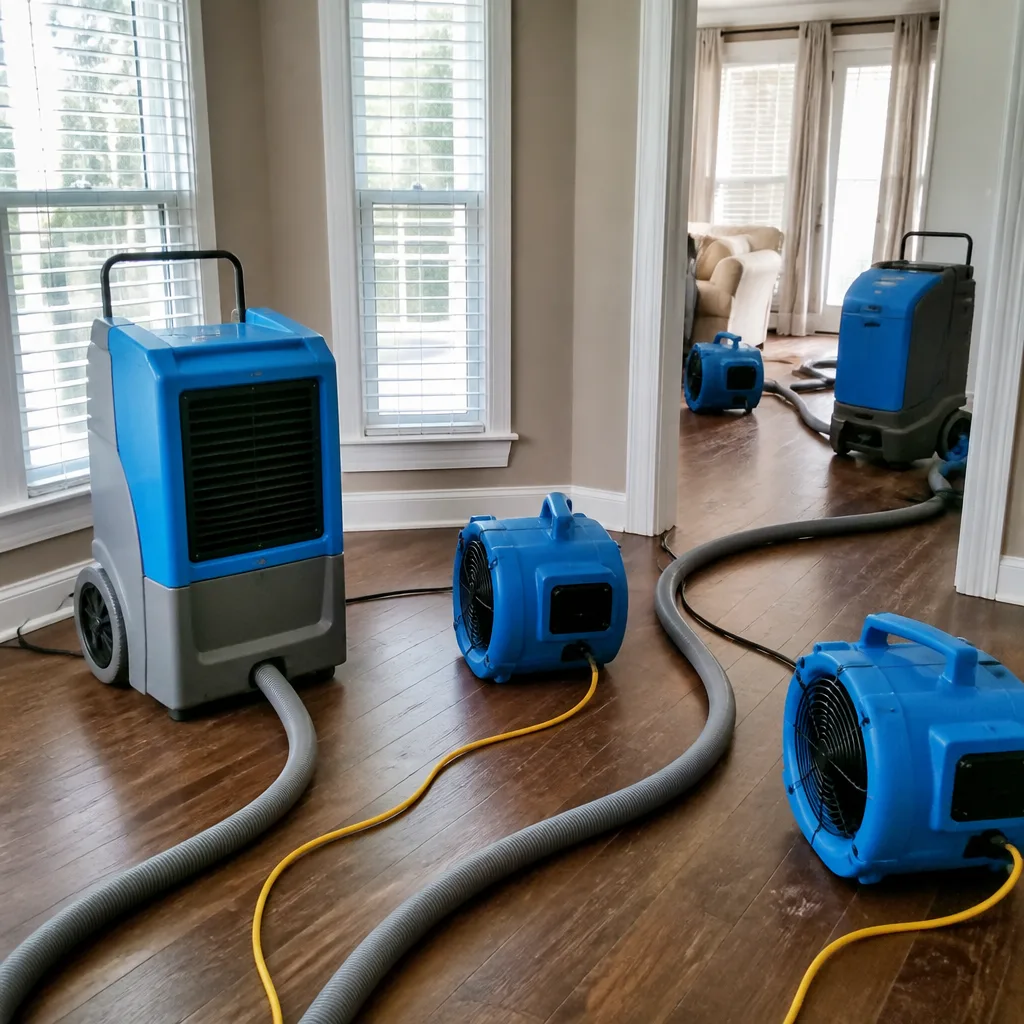
This document shows where each piece of drying equipment will be positioned, with counts and specifications. It should identify dehumidifier capacity in pints per day, air mover model and CFM rating, and any specialty equipment such as Injectidry cavity drying systems or Phoenix 200 MAX dehumidifiers for tight spaces. The plan protects you from overbilling: if the invoice charges for four Dri-Eaz Revolution dehumidifiers but the plan shows three, you have documentation to dispute.
4. Written Drying Protocol
The protocol specifies target moisture content for each material class, measurement frequency, and adjustment triggers. Wood framing typically targets 16% or below; drywall, 12% or below. The protocol should state how often readings are taken (daily is standard for active drying), who records them, and what happens if targets aren’t met by the projected completion date. This document is what turns equipment rental from an open-ended daily rate into a defined process with an endpoint.
5. Defined Completion Criteria
Completion criteria answer the question: how do we know we’re done? The answer must be objective and measurable, not subjective. “Looks dry” or “smells fine” are unacceptable. Acceptable criteria include: “All affected materials at or below specified moisture content per calibrated pin meter for two consecutive readings 24 hours apart; no visible mold growth; odor neutral per occupant confirmation; photo documentation of dry condition uploaded to shared folder.” Without defined completion, you cannot enforce warranty coverage or prove that restoration was successful if problems emerge later.
At DryMark Restoration Auburn, these five documents are produced on every job before any equipment is powered on. Haven Standard, Clause 1: written price before work begins. This is not a marketing position. It is the documentation standard that prevents the supplemental billing disputes we’ve resolved for Auburn homeowners who called us after another contractor failed to produce them.
How to Read a Restoration Contract: Red Flags and Required Language
Restoration contracts in Washington State are not standardized. The language varies widely, and several clauses common in the industry create significant risk for homeowners. Here’s what to scan for before signing.
Language to Reject
- Open-ended daily rates for equipment: Any clause stating equipment will remain “as needed” or “until dry” without defining “dry” or capping rental duration exposes you to unlimited charges. We’ve seen Auburn homeowners billed for 17 days of dehumidifier rental on a loss that should have dried in five, because the contract contained no completion criteria and no daily maximum.
- Blanket scope-change authorization: Language permitting the contractor to “perform additional work as necessary to complete restoration” without written homeowner approval for each change removes your control over cost. Every scope modification should require a signed change order with line-item pricing.
- Mold disclaimers in water damage contracts: Water damage restoration should include antimicrobial treatment and moisture verification that prevents mold growth. A contract that disclaims mold liability while performing water damage work is acknowledging that their drying protocol is inadequate. This is particularly relevant in Auburn, where the Green River Valley’s clay soils slow foundation drainage and extend drying times in crawl spaces.
- Assignment of benefits (AOB) clauses: These transfer your insurance claim rights to the contractor, who then bills your insurer directly and controls the claim negotiation. Washington State does not prohibit AOB agreements, but they remove your ability to dispute charges or change contractors if quality fails. Never sign an AOB without legal review.
- Lien rights without completion verification: Washington contractors have statutory lien rights, but a contract should specify that lien release is contingent on documented completion per the defined criteria, not merely on payment.
Language to Require
- Written scope incorporated by reference: The contract should explicitly incorporate the five documents listed above and state that no work outside those documents will be performed without a signed change order.
- Insurance coordination with homeowner copies: Any communication with your insurer must be copied to you in real time. We’ll address why this matters in the next section.
- Warranty terms with defined triggers: The warranty should state what is covered, for how long, and what documentation is required to make a claim. “One year on workmanship” is insufficient. “365-Day Done Right Promise: if any restored area shows moisture-related damage, mold growth, or odor recurrence within 365 days of documented completion, contractor will re-inspect and remedy at no charge” is enforceable.
At DryMark Restoration Auburn home, our contracts reference The Haven Standard by clause number so every promise has a specific address. Haven Standard, Clause 1: written price before work begins. Haven Standard, Warranty Clause: 365-Day Done Right Promise with documented completion as the trigger.
Comparing Estimates Using Unit Costs, Not Totals
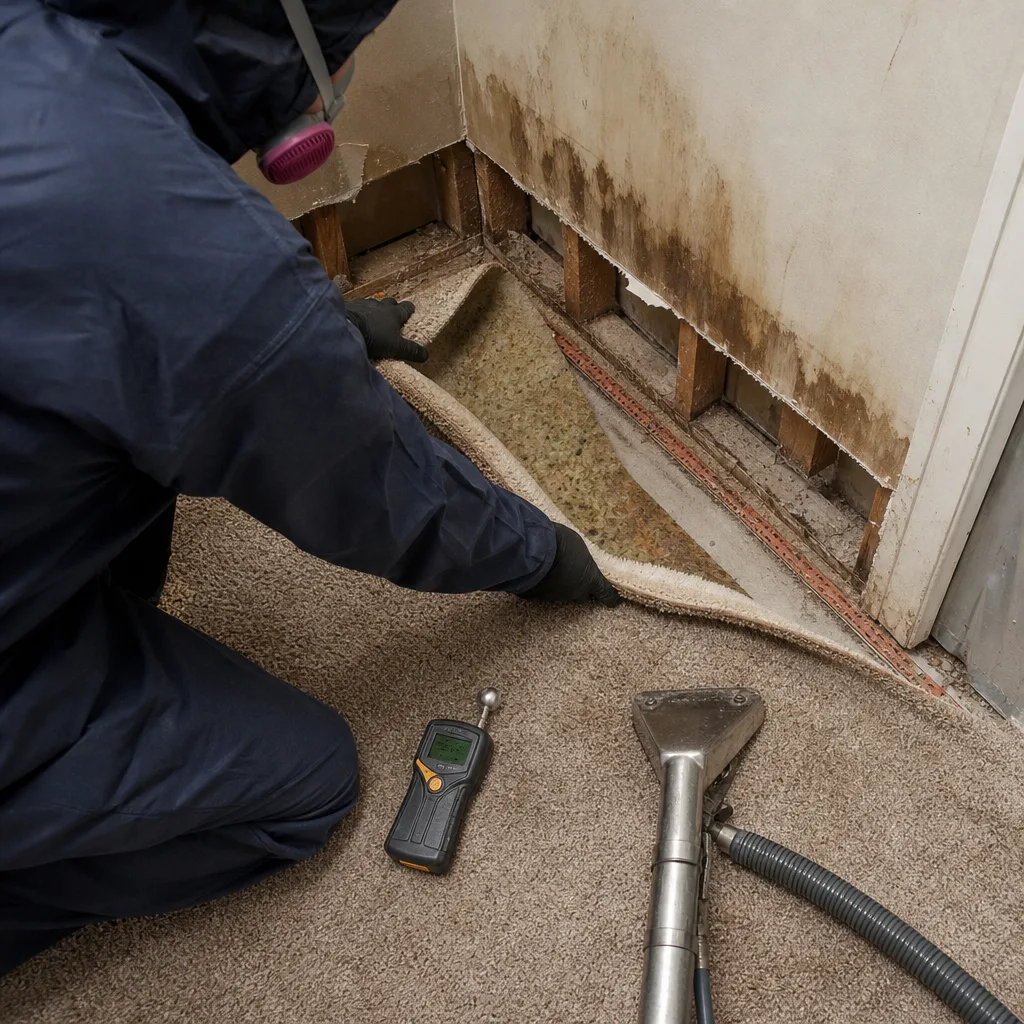
The most expensive mistake in restoration hiring is selecting the lowest total bid without verifying that all bids cover identical scope. This error is especially common in Auburn’s competitive contractor market, where homeowners recovering from sudden loss are vulnerable to price pressure.
The solution is unit-cost comparison. Here’s the method:
- Normalize the scope: Before comparing numbers, verify that each estimate addresses the same rooms, the same materials, and the same services. If one estimate includes contents cleaning and another doesn’t, the totals are not comparable.
- Extract unit costs: For each line item, divide the total charge by the quantity. Demolition: $ per square foot. Equipment: $ per day per unit. Labor: $ per hour by classification. Materials: $ per gallon or per square foot of coverage.
- Compare unit costs across bids: Significant unit-cost discrepancies reveal either scope differences (one contractor is performing more thorough work) or pricing anomalies (one contractor is subsidizing a low unit cost with inflated quantities, or vice versa).
- Verify quantity accuracy: Measure affected areas yourself or request that each contractor show you their measurements. A contractor who estimates 400 square feet of affected drywall when the actual area is 280 square feet is inflating both labor and material charges proportionally.
- Check equipment counts against the placement plan: Unit costs for dehumidifiers and air movers should align with industry ranges, but the total equipment charge also depends on count and duration. A contractor with reasonable unit costs but excessive equipment counts or open-ended rental periods may still produce an inflated total.
Example from an actual Auburn comparison we reviewed: Contractor A bid $3,400 for water damage restoration; Contractor B bid $4,100. Unit analysis revealed Contractor A charged $38 per square foot for drywall removal versus Contractor B’s $29, but estimated only 45 square feet versus Contractor B’s accurate 85 square feet. Contractor A also omitted dehumidification from the scope entirely, planning to “air dry” a crawl space in February. The lower total concealed both scope omission and inadequate methodology.
We provide free second opinions on any competitor’s written estimate. Bring your line-item bid and we’ll perform this analysis with you, at no charge. Haven Standard, Clause 1 applies to our own estimates, and our review of others.
Why Direct Insurer Coordination Without Copies to You Is a Liability
Many contractors advertise “we work directly with your insurance company” as a convenience. In practice, this arrangement often benefits the contractor at the homeowner’s expense.
When a contractor controls all communication with your adjuster, you lose visibility into:
- What scope the contractor proposed and whether it matches your understanding of the damage
- What documentation the insurer received and whether it was complete
- What supplements were requested and whether they were justified
- What settlement was negotiated and whether it covers all documented damage
- Whether the contractor accepted a reduced payment that leaves you with uncovered costs
We’ve reviewed claims for Auburn homeowners where the contractor settled directly with the insurer for 60% of the documented loss, then billed the homeowner for the “balance” under a clause the homeowner hadn’t noticed. In one case on Auburn’s West Hill, a contractor’s direct negotiation excluded crawl space drying from the approved scope without informing the homeowner, who discovered mold six months later in an area the contractor had never addressed.
The correct arrangement: the contractor provides complete documentation to you and your insurer simultaneously. You remain the claim owner. The contractor advises; you approve. Every email, every scope revision, every supplement request is copied to you in real time. This preserves your rights and creates the audit trail that protects you if disputes arise.
At DryMark Restoration Auburn, our documentation package - photo record, drying log, written scope, and completion certification - is delivered to you and your adjuster as a standard deliverable, never held as leverage for payment. This is how restoration invoices become payable claims without supplemental fights.
Auburn-Specific Considerations: Climate, Codes, and Common Loss Patterns
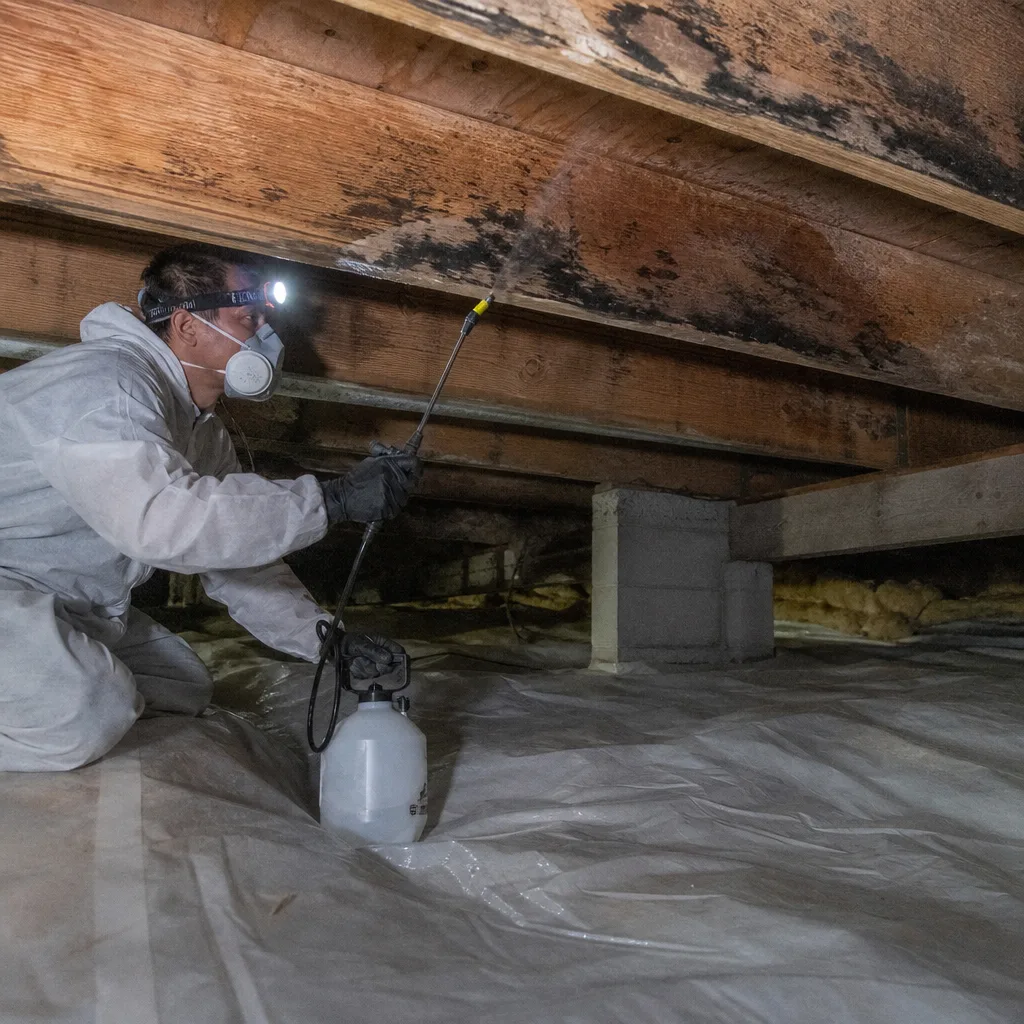
Auburn’s location in the Green River Valley creates restoration challenges that contractors from outside the market often underestimate. Understanding these local factors helps you evaluate whether a contractor’s scope and methodology are appropriate for your property.
Soil and Drainage Conditions
Auburn’s clay-heavy soils drain slowly. After significant rainfall or a water main break, water persists in crawl spaces and against foundations longer than in areas with sandy or gravelly soils. A drying protocol designed for faster-draining soils will fail here. The protocol should extend monitoring periods, increase dehumidifier capacity, and verify sub-slab moisture conditions, not just surface readings.
Seasonal Temperature Variation
Auburn’s winter temperatures regularly drop below 40°F, slowing evaporation rates and extending drying times. Contractors who quote fixed-duration equipment rental without temperature-adjusted projections are either inexperienced or planning to bill for overruns. The drying protocol should specify how equipment output is adjusted for seasonal conditions, not assume summer drying rates year-round. See our Seasonal Damage Restoration Care for Auburn: Year-Round Homeowner’s Guide for local climate considerations.
Aging Housing Stock
Significant portions of Auburn’s housing was built between 1960 and 1990, with original plumbing now at failure-prone age. Galvanized steel supply lines, common in this era, corrode from the inside and fail catastrophically. Polybutylene piping, installed in some developments through the mid-1990s, is now known for sudden joint failures. A contractor assessing water damage in these properties should inspect for pipe material and document recommendations for preventive replacement, not just dry the visible damage.
Permit Requirements
The City of Auburn requires permits for structural repairs, electrical work, and plumbing modifications exceeding minor repair. A restoration contractor who proposes extensive rebuild without addressing permit requirements is creating liability for you. Verify that reconstruction scope includes permit acquisition or explicitly delegates it with a defined responsible party.
Neighborhood-Specific Patterns
In our experience across Auburn:
- Lea Hill and Lakeland: Older septic systems and drain fields create backup risks during heavy rains; sewage contamination protocols are frequently needed.
- Downtown and West Valley: Flat topography and aging storm infrastructure produce street flooding that affects basements and ground-level units; sump pump failure is a common loss trigger.
- Green River corridor: Properties near the river face groundwater intrusion during high-flow periods; vapor barrier and drainage improvement recommendations often follow water damage restoration.
A contractor who cannot discuss these patterns specifically is likely applying a generic protocol developed for a different market.
Equipment Standards and Documentation Protocols That Protect Your Claim
The equipment a contractor deploys matters less than how they document its use. That said, specific equipment brands indicate whether the contractor invests in professional-grade capability or relies on consumer-grade tools inadequate for structural drying.
Professional drying equipment manufacturers include Dri-Eaz, Phoenix, XPOWER, and B-Air. These companies produce dehumidifiers with documented pint-per-day ratings, air movers with specified CFM output, and HEPA air scrubbers with filter efficiency certifications. Consumer-grade equipment from hardware retailers lacks these specifications and cannot produce the documentation that supports insurance reimbursement.
More important than brand, however, is the documentation protocol:
- Daily moisture logs: Every visit during active drying should produce a log recording date, time, technician name, equipment readings (temperature, relative humidity, specific humidity, dew point), and material moisture content by location. These logs justify equipment rental duration and prove that drying progressed as claimed.
- Photo documentation: Every visit should produce dated, geotagged photos of equipment placement, moisture meter readings, and material condition. Photos should be stored in a shared folder accessible to you and your insurer, not held on the contractor’s device.
- Psychrometric calculations: The contractor should calculate and record grain depression (the difference between indoor and outdoor specific humidity) to demonstrate that dehumidification is achieving measurable progress. This is the technical standard that separates restoration from mere fan rental.
- Equipment maintenance records: Dehumidifier coils and air mover motors require regular maintenance to maintain rated output. A contractor who cannot produce maintenance logs for their fleet is charging you for equipment that may be performing below specification.
At DryMark Restoration Auburn, our documentation is produced to IICRC, RIA, and IFA standards. Our daily drying logs include psychrometric data, our photo records are uploaded to shared folders on every visit, and our equipment fleet from Dri-Eaz, Phoenix, and XPOWER is maintained on documented schedules. This is how 12,000+ restored homes since 2011 have produced payable claims without supplemental disputes.
Common Mistakes to Avoid
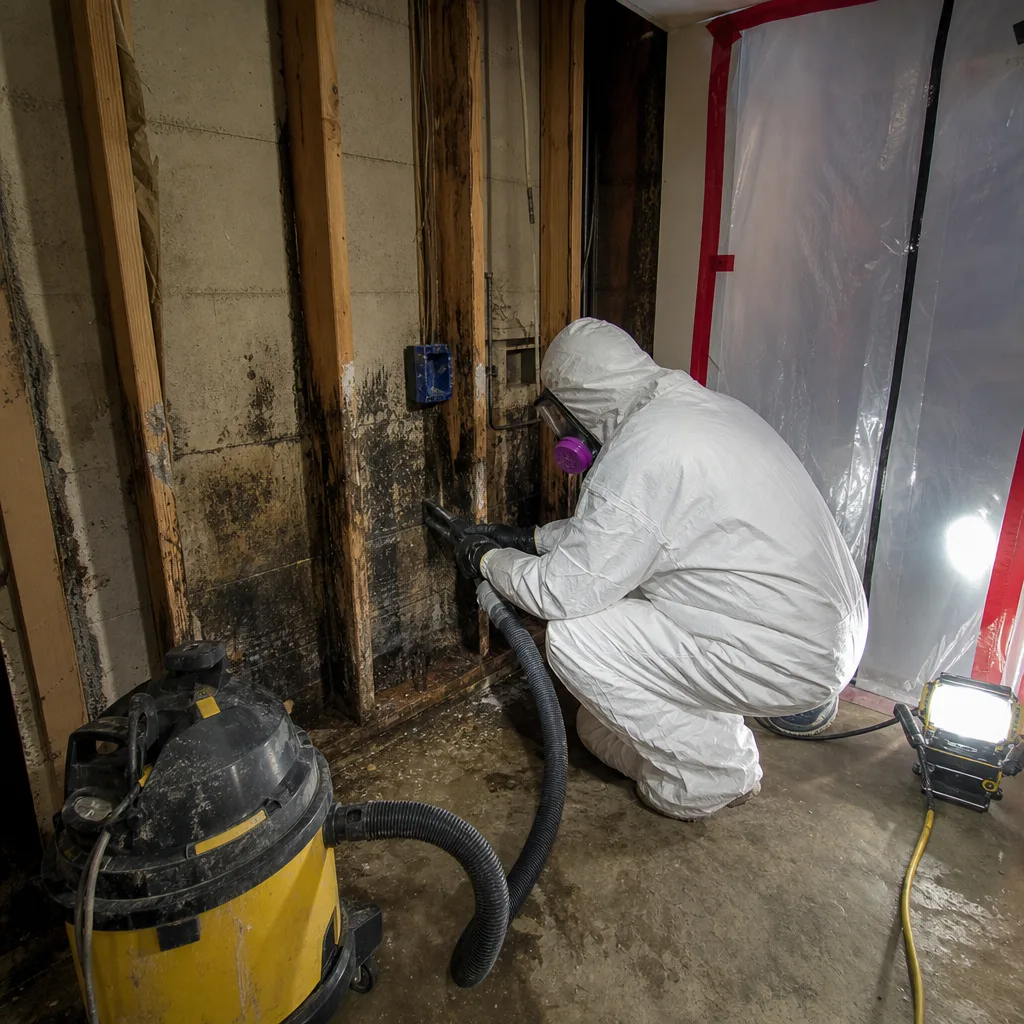
- Hiring based on response speed alone: In Auburn’s emergency restoration market, the contractor who arrives fastest is often the one with the most aggressive dispatch marketing, not the best documentation. A two-hour delay to secure a contractor who produces complete written scope is preferable to immediate service with vague promises.
- Accepting verbal estimates: Washington State law does not require written estimates for restoration work, but your insurance policy likely does. Verbal estimates cannot be compared, disputed, or enforced. Haven Standard, Clause 1 exists because we’ve seen what verbal pricing costs homeowners.
- Neglecting to verify the UBI number independently: Don’t trust a contractor’s website or business card. Perform the L&I lookup yourself. We’ve encountered unregistered operators in the Auburn market who present expired or borrowed numbers.
- Ignoring the reconstruction scope: Water damage restoration and reconstruction are often performed by different contractors or different divisions of the same company. The restoration contractor who dries your structure may not be qualified to rebuild it. Verify reconstruction credentials separately, including carpentry, electrical, and plumbing licensing as needed.
- Signing contracts under duress: Emergency water damage creates pressure to act immediately. A legitimate contractor will permit you reasonable time to review documents, consult your insurer, and perform the verifications in this guide. Any contractor who pressures you to sign before you’ve completed due diligence is communicating something about their confidence in their documentation.
- Failing to document pre-existing conditions: Before any work begins, photograph all affected areas, including contents, flooring, and wall finishes. This protects you from disputes about whether damage was caused by the loss event or revealed by the restoration process.
When to Call a Professional
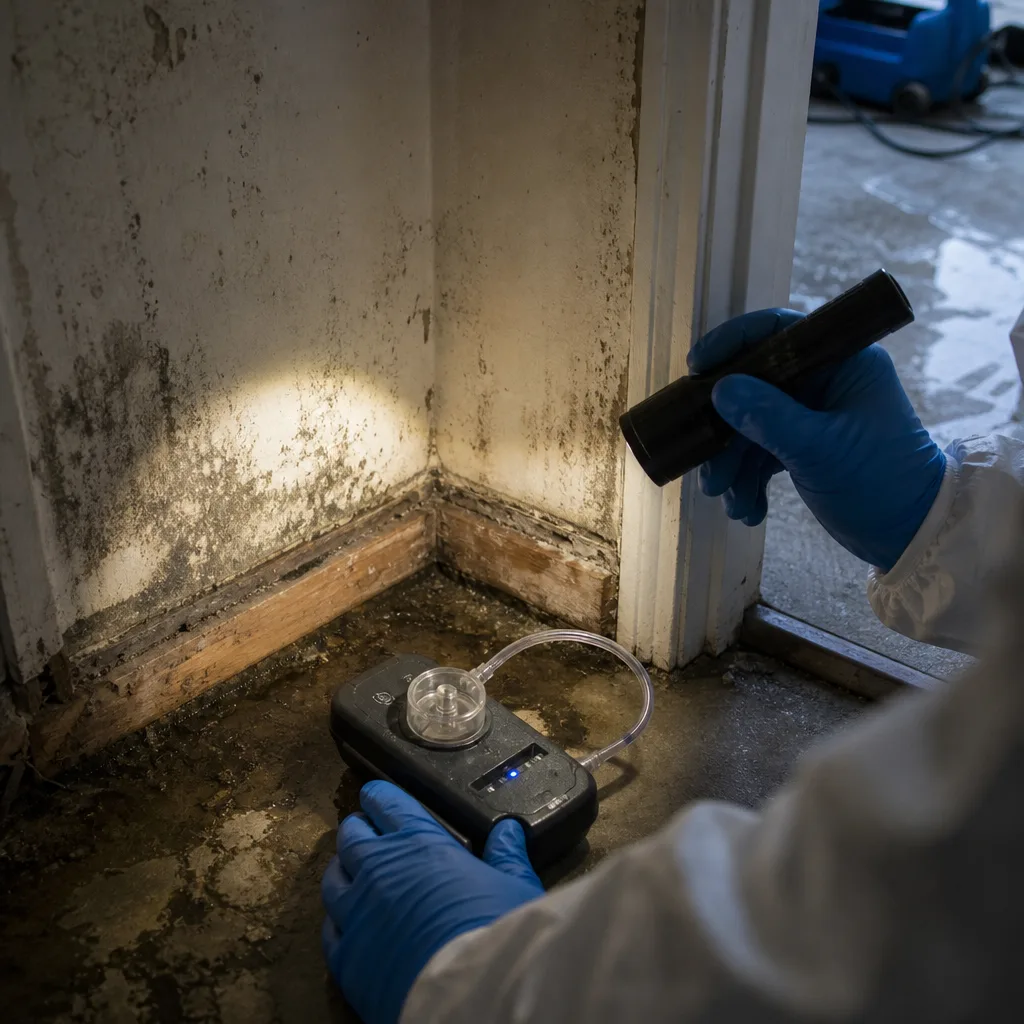
Call a damage restoration contractor immediately when: water has affected finished walls, ceilings, or flooring; you smell musty or earthy odors suggesting hidden moisture; visible mold covers more than 10 square feet; sewage or gray water is involved; or fire damage has occurred with accompanying water from suppression efforts. These scenarios require professional-grade drying, containment, and documentation that homeowners cannot replicate with household equipment.
For smaller, clean water incidents confined to hard surfaces with immediate removal, self-management may be adequate. The boundary is structural involvement: once water has reached wall cavities, subfloors, or insulation, professional assessment is warranted to prevent secondary damage and preserve insurance coverage.
Water Damage Restoration in Auburn requires specific expertise in our local soil and climate conditions. DryMark Restoration Auburn offers free estimates throughout Auburn - call (253) 487-0371 to schedule assessment. Every estimate is delivered in writing before any work begins, with the five-document package described in this guide.
Frequently Asked Questions
Water damage restoration in Auburn typically ranges from $1,200 for minor, contained clean water extraction to $8,500+ for whole-house drying with category 3 contamination and reconstruction. The critical variable is scope: a line-item estimate prevents the scope omissions that make low bids deceptive. Use our Water Damage Restoration Maintenance Checklist for Auburn Homeowners to stay prepared. Call (253) 487-0371 for a written estimate - assessments are free, and Haven Standard, Clause 1 applies.
No. Washington requires only general contractor registration for restoration work. The L&I UBI lookup confirms registration and bonding but not restoration-specific training. Verify IICRC certification separately, and evaluate documentation protocols through the five-document framework in this guide.
Most Auburn homeowners’ policies cover sudden, accidental water damage from plumbing failures or weather events, excluding gradual leaks and flood damage (which requires separate flood insurance). Coverage depends on documentation quality: insurers deny claims with incomplete drying logs or undefined completion criteria. A contractor who produces IICRC-standard documentation, including daily moisture readings and photo records, maximizes your likelihood of full coverage. Explore more guides & resources on protecting your home and claim. We coordinate directly with adjusters while copying you on every communication.
Emergency response times in Auburn typically range from 45 minutes to 2 hours for established contractors with local crews. Response speed matters for mitigation - water continues migrating into materials while you wait - but should not override documentation quality in your hiring decision. For reconstruction work, same-day dispatch is neither necessary nor appropriate; that work is scoped, scheduled, and priced in writing like any remodel.
Visible mold exceeding 10 square feet, or any mold resulting from water damage, requires professional remediation per IICRC S520 standards. Surface cleaning without moisture source elimination and air quality verification leaves viable spores that re-colonize. In Auburn’s climate, where clay soils extend crawl space moisture periods, incomplete remediation typically recurs within 12 months. Mold Remediation in Auburn should include source identification, containment, HEPA filtration, and post-remediation verification - not just removal of visible growth.
You retain control of your claim. The contractor’s role is documentation and technical advocacy: producing the drying logs, photo records, and scope details that justify coverage. Any contractor who requests assignment of benefits or excludes you from adjuster communications is creating a conflict of interest. At DryMark Restoration Auburn, we copy you on every insurer communication and deliver complete documentation packages to both parties simultaneously.
Document your requests in writing (email creates a timestamped record). Washington State’s Contractor Registration Act requires registered contractors to perform work in a “good and workmanlike manner,” and failure to produce promised documentation may constitute breach of contract. For active water damage, prioritize preventing further structural harm. For completed work with documentation gaps, our free second opinion service can review what exists and identify what’s missing. Call (253) 487-0371 - we regularly assist Auburn homeowners in evaluating or completing documentation from other contractors’ work.
The Bottom Line
Hiring a damage restoration contractor in Auburn is not primarily about verifying credentials that Washington State doesn’t require, or selecting the lowest bid without scope analysis. It’s about documentation: the written scope, line-item estimate, equipment plan, drying protocol, and completion criteria that transform restoration work into an insurance claim that gets paid without supplemental disputes. Verify the UBI number as baseline hygiene, then evaluate contractors through the five-document framework. Require contract language that preserves your claim control and defines warranty triggers. Compare estimates by unit cost, not total. And recognize that Auburn’s clay soils, seasonal temperatures, and aging housing stock demand local experience applied through documented protocols, not generic promises.
Written by Alicia Brennan, Owner at DryMark Restoration Auburn, serving Auburn since 2011.