
Free visual inspection and a written scope of work before any mitigation begins - photos, moisture readings, and drying logs go in your claim file
The scope we write is the scope we bill. Anything new gets shown to you, in writing, before we touch it.
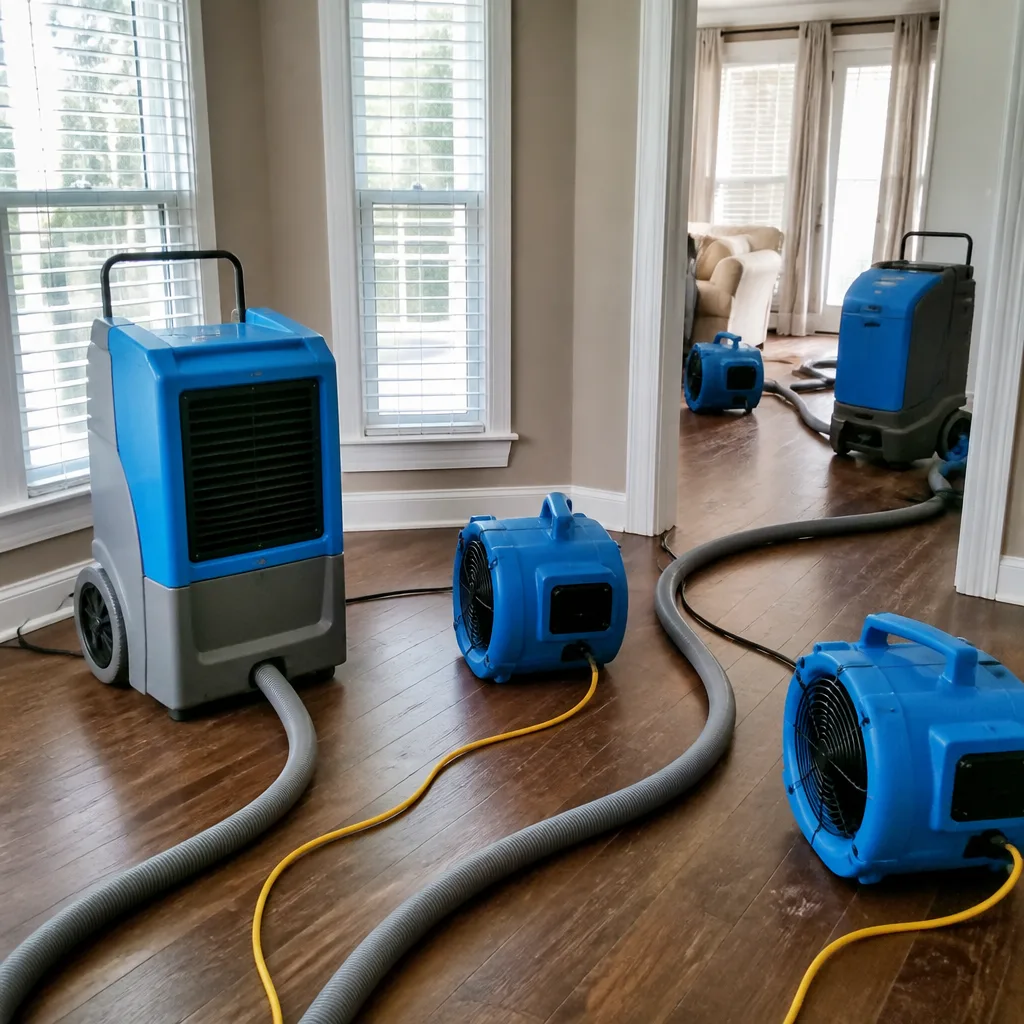

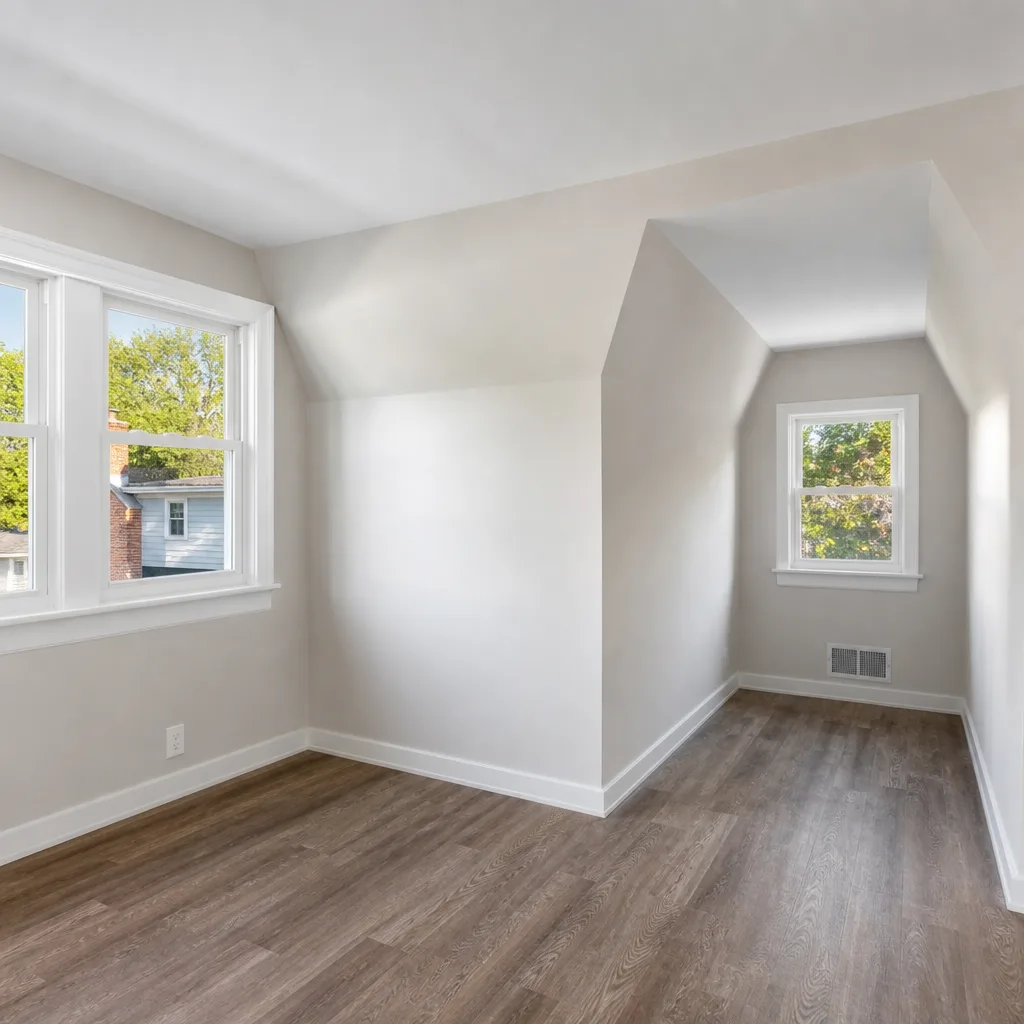
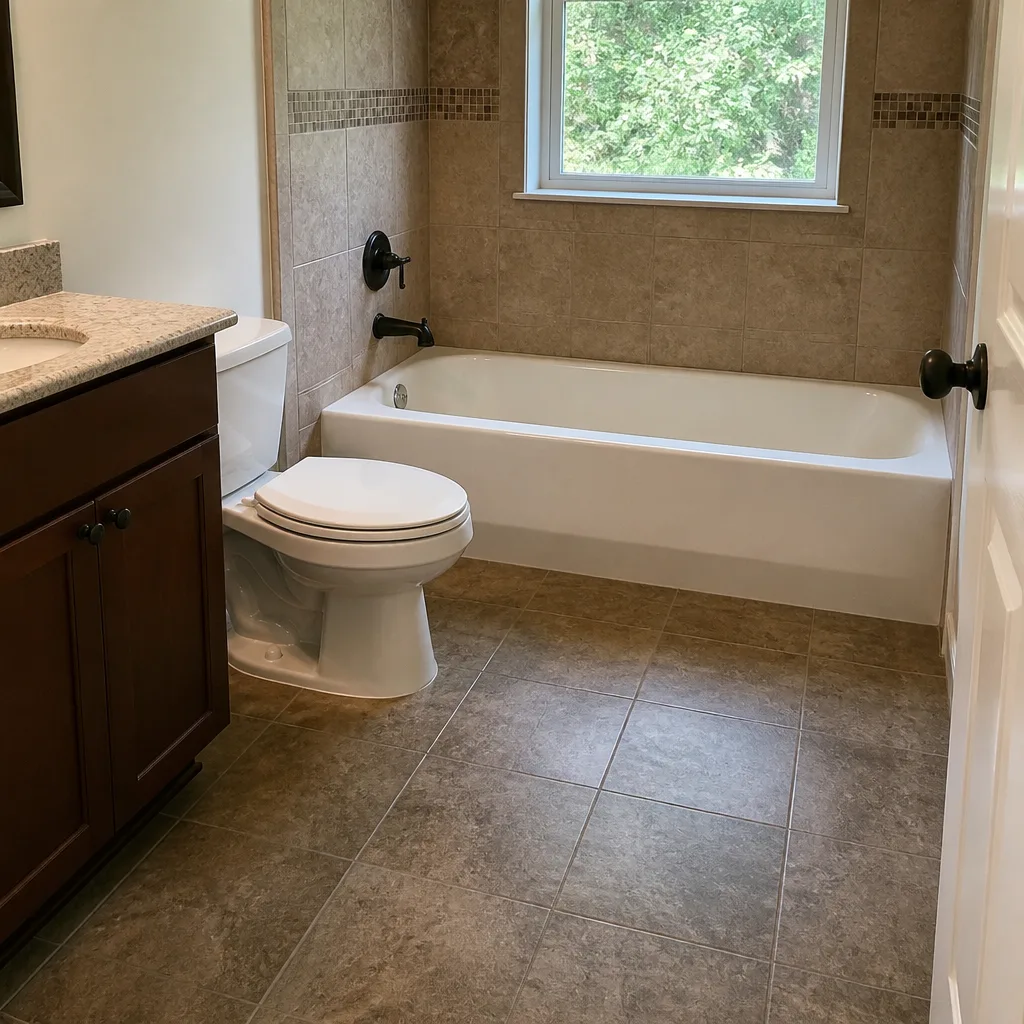
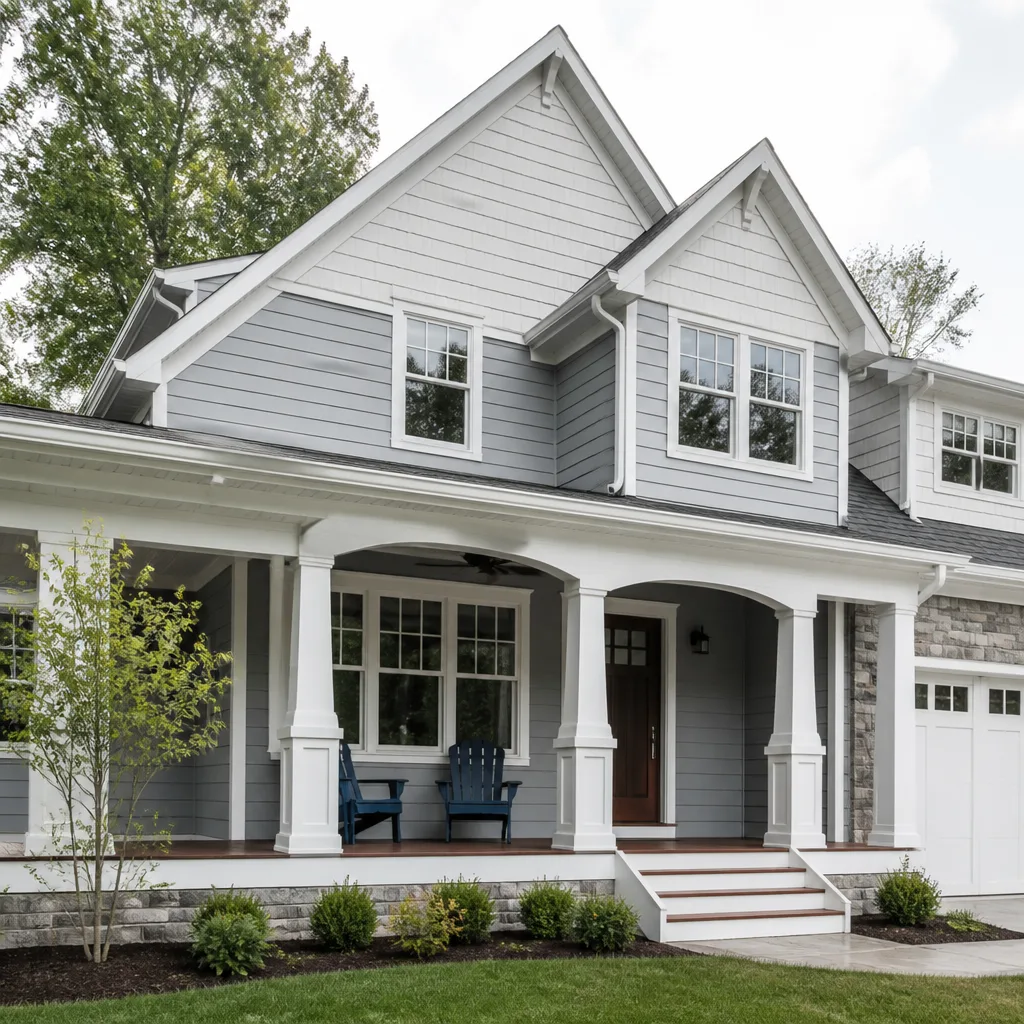
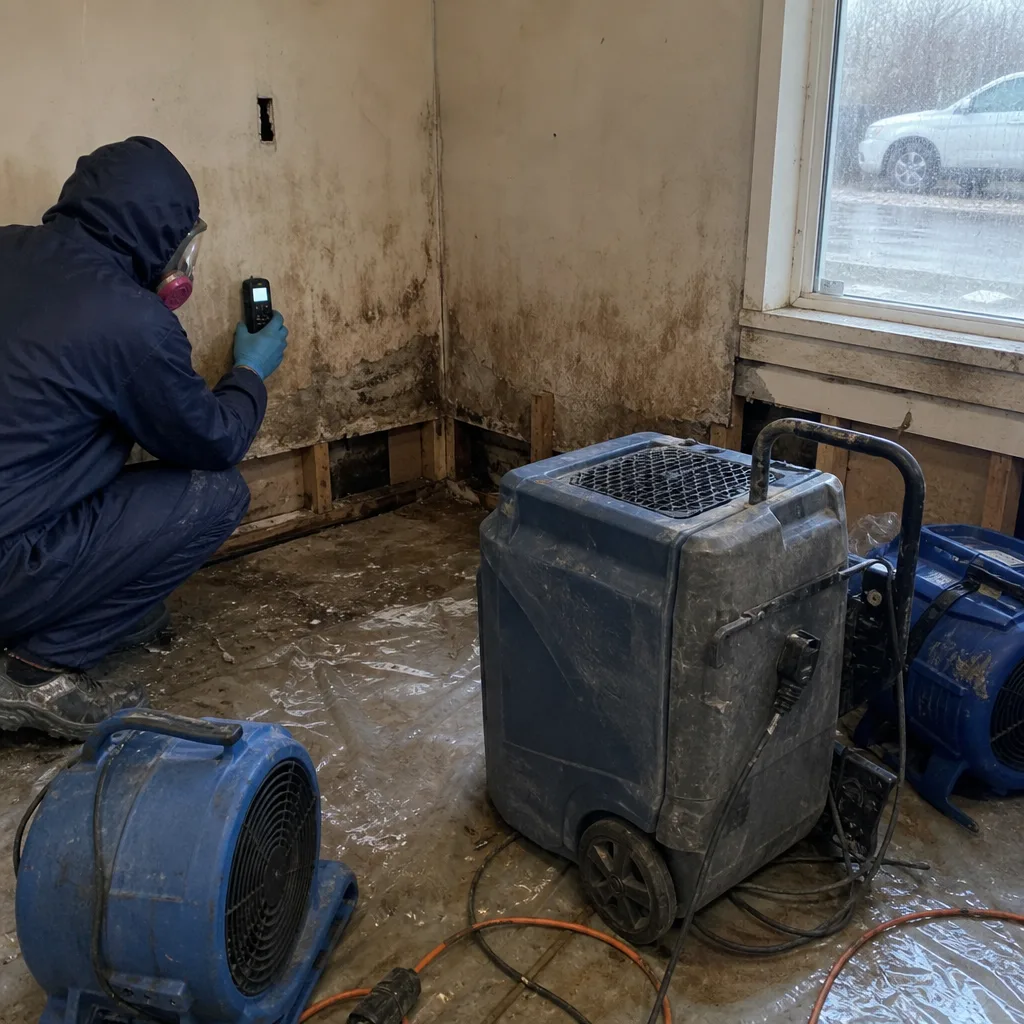 Before
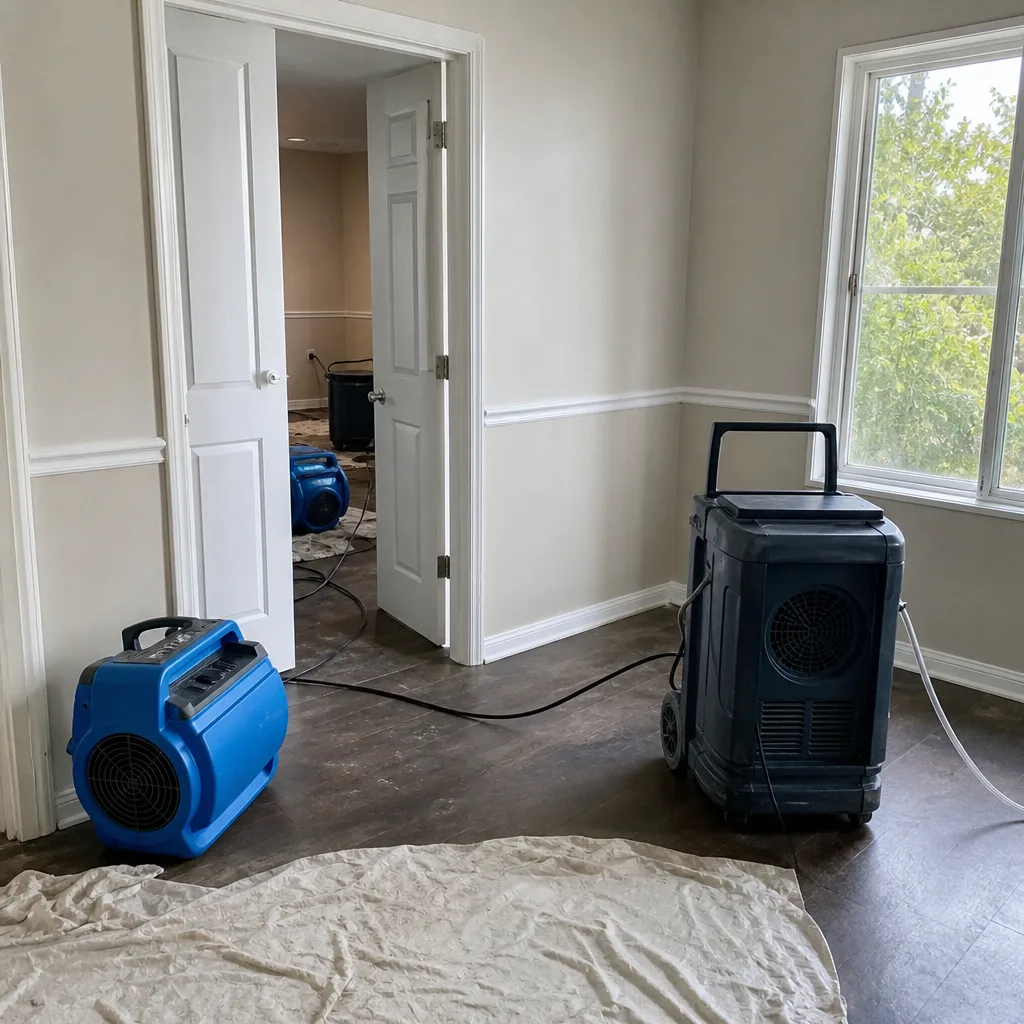 After
After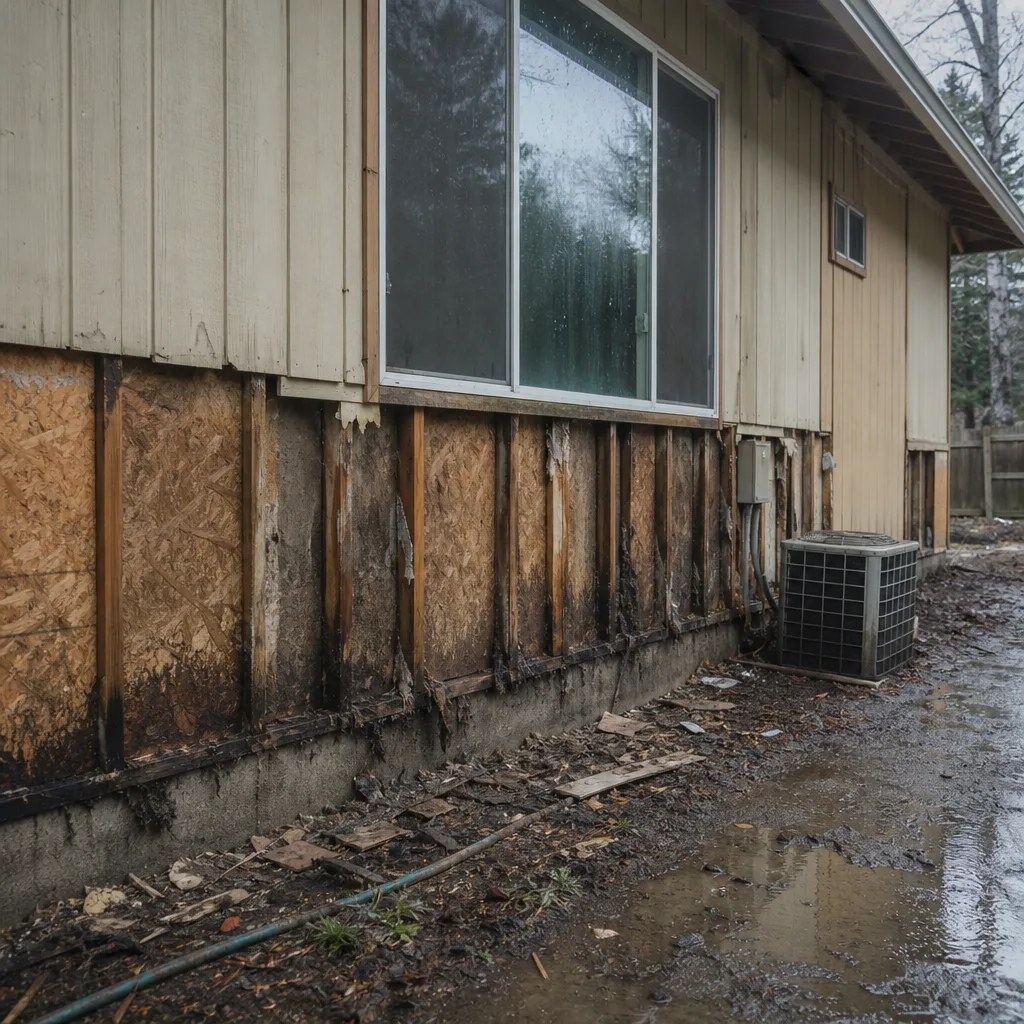 Before
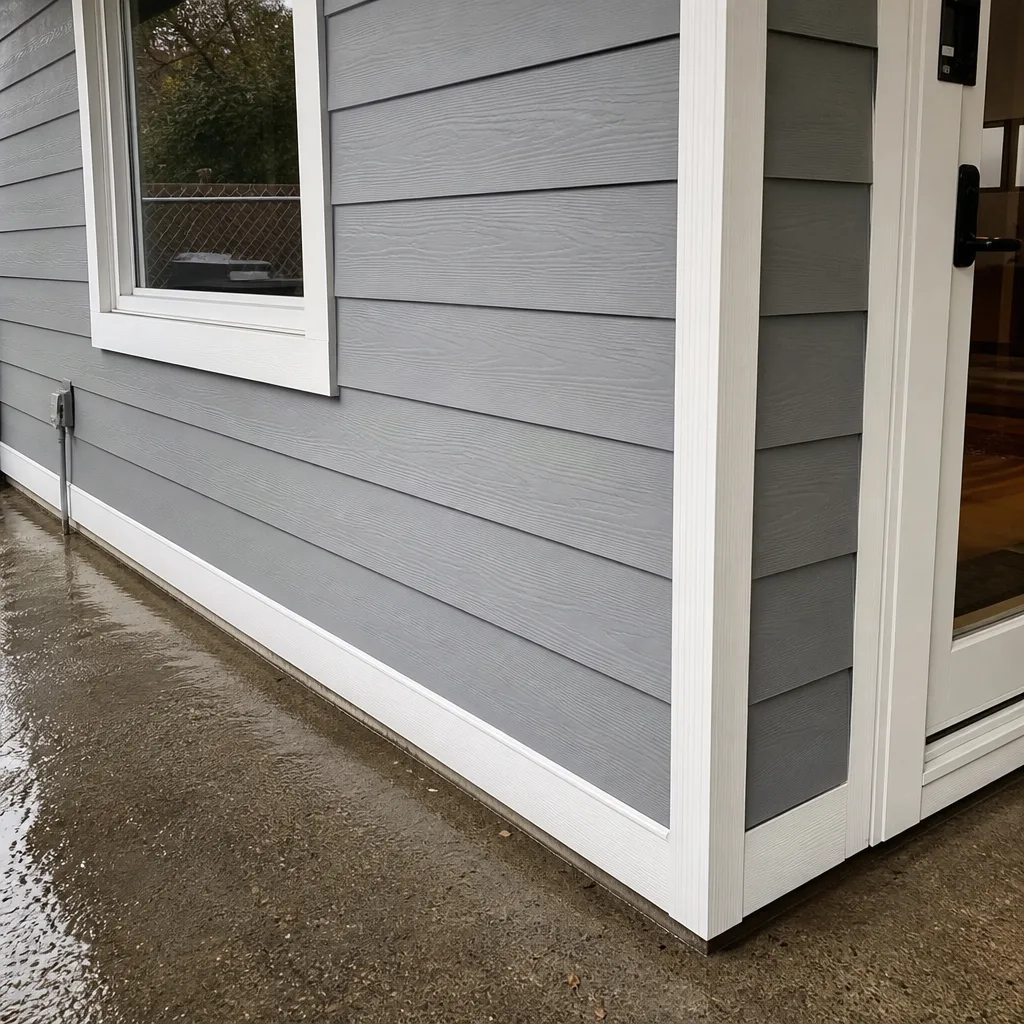 After
After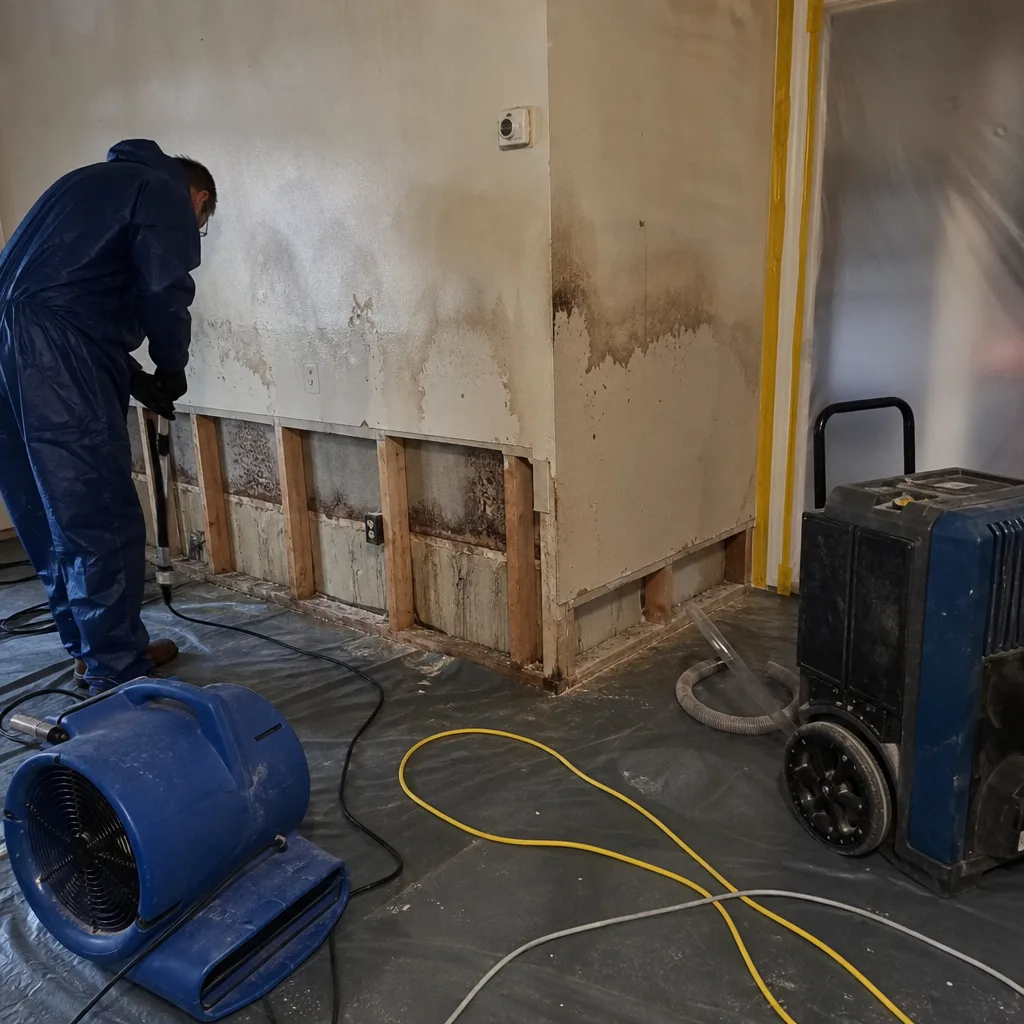 Before
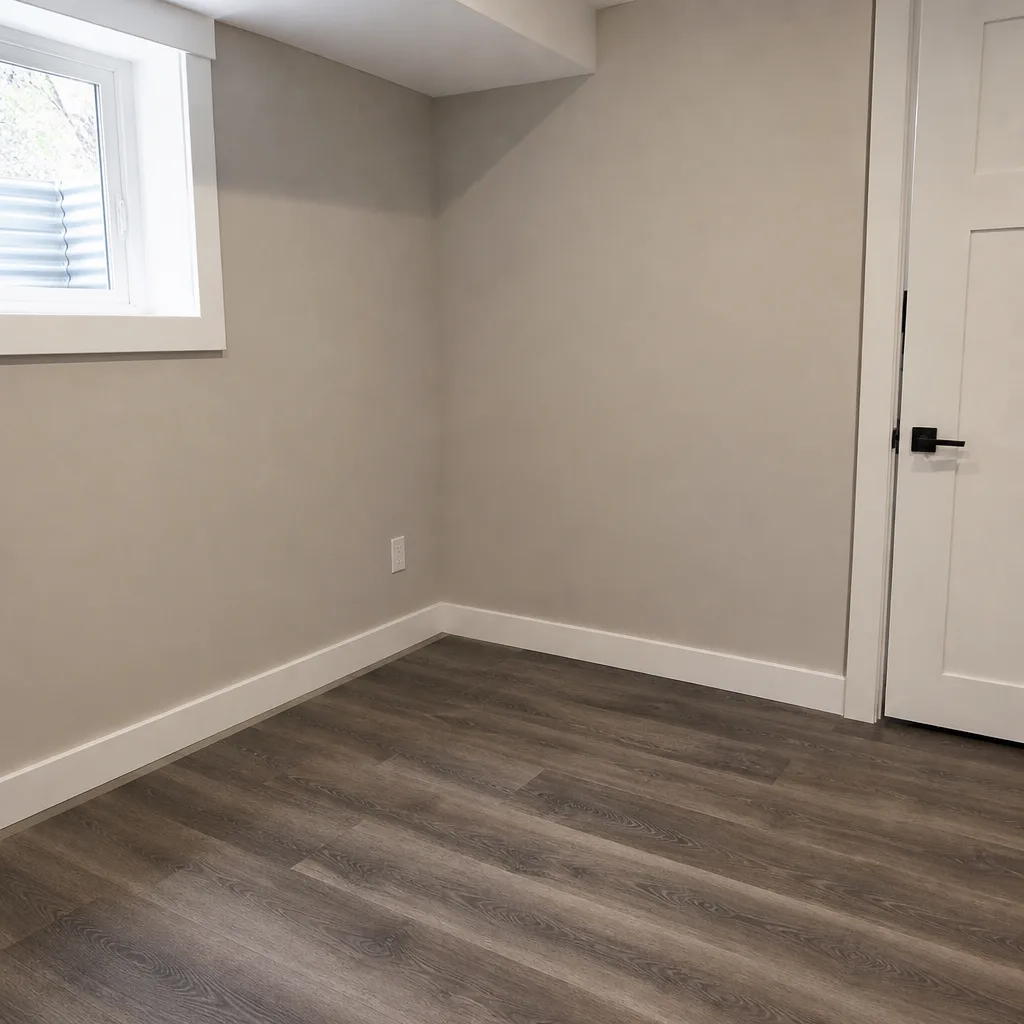 After
After24/7 Emergency Fire & Smoke Damage Restoration in Sumner
A house fire in Sumner can leave your property with smoke damage, water damage from firefighting efforts, and structural compromise, all within a single event. Our crews respond to calls in Sumner within 45 minutes, 24 hours a day, 7 days a week, with a live person answering every call at (253) 487-0371. We provide a free visual inspection, document everything with photos, and deliver a written price before any work begins. The first hour after a fire determines whether smoke odor becomes a permanent problem and whether firefighting water migrates into crawl spaces and wall cavities where it will fuel mold growth within 48 hours.
Sumner’s position on the Puyallup River Valley floor means fire restoration here almost always involves a second, competing loss: the same crawl space and shallow foundation that firefighting water soaks through is already a chronic groundwater intrusion point. That overlap of fire loss and valley-floor water table doesn’t exist in upland neighbors like Auburn or Bonney Lake. Our Fire & Smoke Damage Restoration team is trained to scope both simultaneously.
Understanding Fire & Smoke Damage Restoration Severity in Sumner Properties
Fire damage breaks into distinct categories that determine scope and cost. Dry smoke residue, produced by fast-burning, high-heat fires, leaves a powdery, relatively straightforward cleanup. Wet smoke residue, from slow-burning, low-oxygen fires, is sticky, smeary, and deeply penetrative, requiring solvent-based cleaning and often multiple passes. Protein residue, nearly invisible but pungent, comes from kitchen fires and requires specialized enzymatic treatment. In Sumner’s older housing stock, particularly the Craftsman bungalows and balloon-frame buildings near Main Street, smoke migrates through wall cavities and floor systems in ways modern platform framing rarely permits.
The water component complicates every classification. Firefighting water in Sumner homes typically starts as Category 2, gray water, carrying soot, chemical suppressants, and dissolved building materials. Within 48 hours in a damp valley-floor crawl space, it degrades to Category 3, black water, with microbial amplification. Our crews use thermal imaging to trace migration paths through original plaster and legacy framing, then establish psychrometric targets - temperature, relative humidity, and vapor pressure differential - to dry the structure before secondary damage takes over. Tertiary drying, the final phase where bound moisture releases from dense materials like old-growth timber, often takes longest in Sumner’s historic homes.
Why Sumner Property Owners Choose DryMark Restoration Auburn
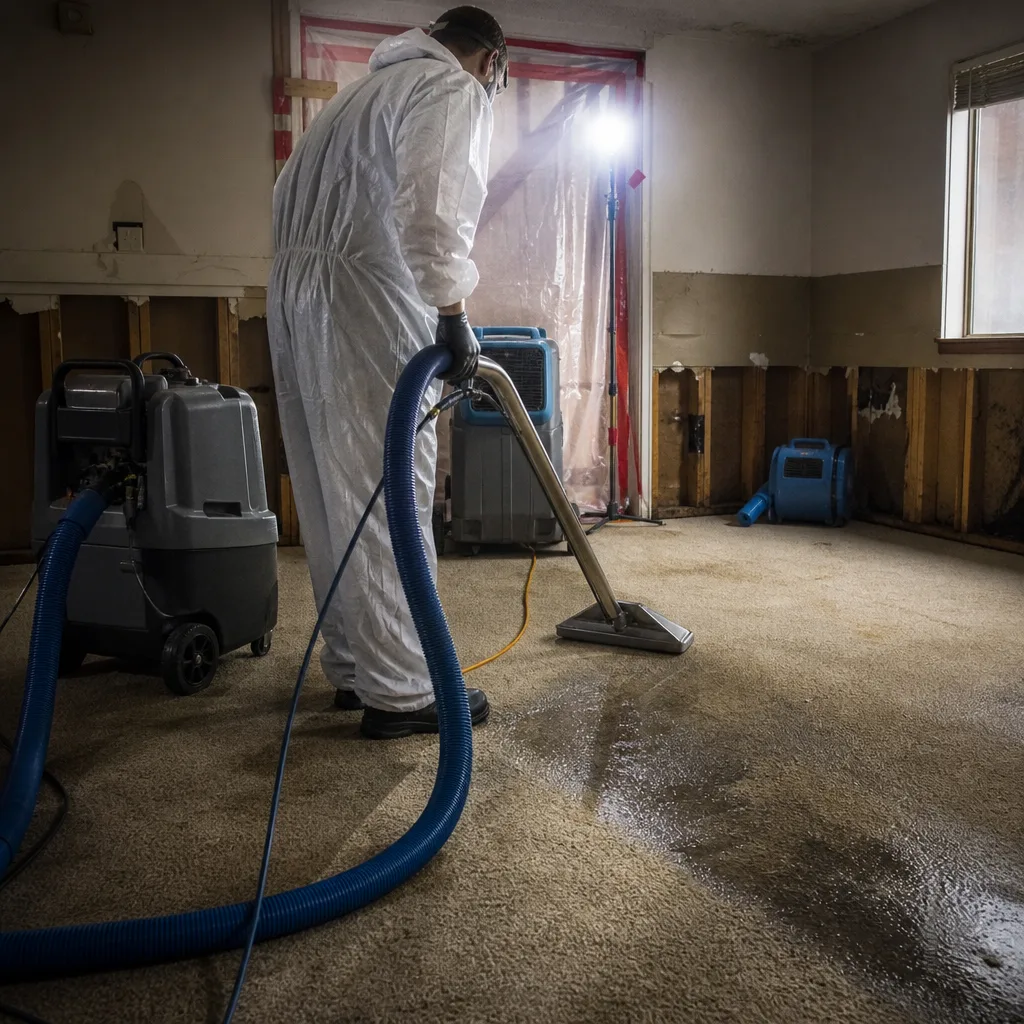
- 45-minute response commitment to Sumner addresses, with crews staged for the Puyallup Valley corridor.
- 24/7 live answer - a real person, never an automated system or voicemail tree, on every call.
- IICRC-certified crews holding FSRT (Fire and Smoke Restoration Technician) and WRT (Water Damage Restoration Technician) certifications, with AMRT (Applied Microbial Remediation Technician) credentials for the mold component that follows most Sumner fire losses.
- Free visual inspection with documented photo record and moisture mapping, delivered at no charge before any commitment.
- Direct insurance billing with adjuster coordination, daily drying logs, and line-item scopes that satisfy carrier documentation requirements.
- One team from board-up to reconstruction - no handoffs between mitigation and rebuild contractors, no gaps in the documentation chain.
BeforeAfterOur Fire & Smoke Damage Restoration Process
1. Inspection & Assessment
We document the full loss with photos, thermal imaging, and moisture readings. In Sumner, this always includes the crawl space and a cross-check against Pierce County flood maps for pre-existing water damage history. The written scope identifies visible char, smoke migration paths, and water intrusion points.
2. Emergency Board-Up & Tarping
We secure the structure against weather, intrusion, and further damage. Board-up includes window and door coverage; tarping addresses compromised roofing. Same-day service available for Sumner properties.
3. Water Extraction & Structural Drying
Firefighting water is extracted, then Dri-Eaz and Phoenix dehumidification systems with strategic air mover placement establish drying zones. We log moisture content daily in structural materials and ambient conditions, targeting the psychrometric thresholds that prevent microbial growth in chronically damp valley-floor foundations.
4. Smoke & Soot Removal
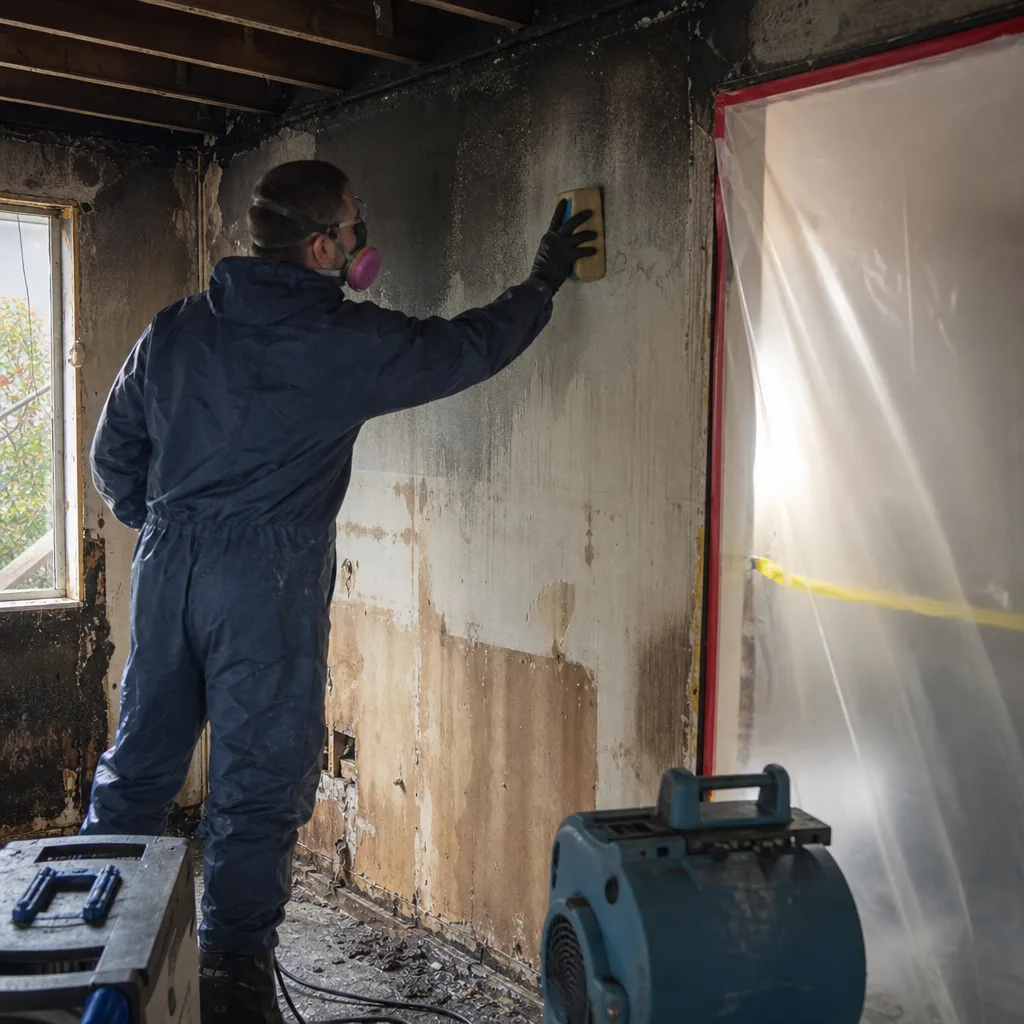
HEPA vacuuming, dry sponging, and solvent cleaning remove residues by type: dry, wet, or protein. In Sumner’s balloon-frame homes, we access wall cavities through selective demolition to address smoke migration behind plaster. XPOWER and B-Air air scrubbers maintain negative pressure during this phase.
5. Odor Removal & Deodorization
Thermal fogging, ozone treatment, and hydroxyl generation neutralize odor at the molecular level. Original plaster and old-growth timber in Sumner’s historic homes hold odor longer than modern materials; we verify elimination with olfactory testing and air sampling, not visual inspection alone.
6. Repairs & Restoration
Structural repair, material replacement, and finish restoration return the property to pre-loss condition. The Haven Standard, Clause 1: written price before work begins. The 365-Day Done Right Promise covers all work.
Need Emergency Fire & Smoke Damage Restoration in Sumner Now?
Crews minutes away, answering live 24 hours a day. The sooner we start, the less it costs.
Working With Your Insurance Company
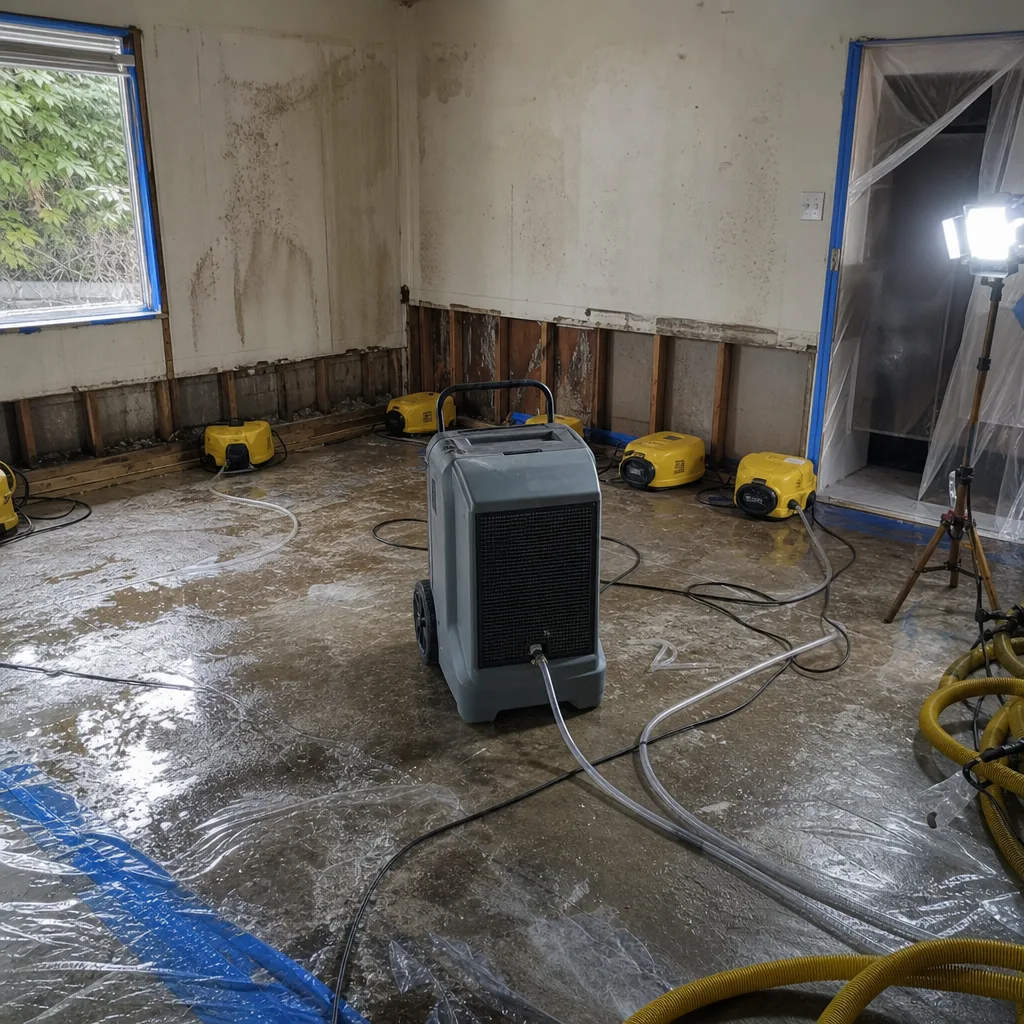
Fire claims are documentation-intensive, and carriers deny or reduce payment on gaps in the record. We begin photo documentation at the first visit and maintain it through every phase. Our estimates follow Xactimate or Symbility industry standards, line-itemed by room and trade. We speak directly with adjusters, provide moisture logs and drying records on request, and coordinate supplemental documentation when hidden damage extends the scope. The photo record we deliver is standard, never an upsell.
Haven Standard, Clause 1 applies: the written price you receive before work begins is the price you pay. No scope-creep additions once the crew is inside. If the adjuster disputes a line item, we defend it with the documentation we collected, not with a revised invoice after the fact.
What We Provide Your Insurer
- Thorough documentation of the loss
- Photos of all damage, room by room
- Moisture readings and drying logs
- A detailed, line-item scope of work
- Direct coordination with your carrier
Built for Sumner’s Loss Calendar
Sumner’s fire-and-smoke damage follows patterns shaped by its housing stock and climate. Winter heating season, November through March, brings the highest incidence of structure fires: aging furnaces in crawl spaces, space heater misuse in drafty Craftsman homes, and chimney fires in original masonry that hasn’t been inspected in years. The same months trap maritime moisture in the valley, so any firefighting water introduced to a structure faces minimal natural evaporation.
Spring and fall shoulder seasons bring electrical fires from overloaded systems in homes with original knob-and-tube or early Romex wiring. Summer sees fewer structure fires but more outdoor cooking and wildfire smoke intrusion events, where odor removal becomes the primary service without accompanying fire damage. The Puyallup Valley’s extended rainy season, roughly October through April, means virtually every winter fire loss in Sumner carries a water and mold remediation component that would be absent in drier climates or better-drained topography.
Fire & Smoke Damage Restoration Across Sumner’s Neighborhoods
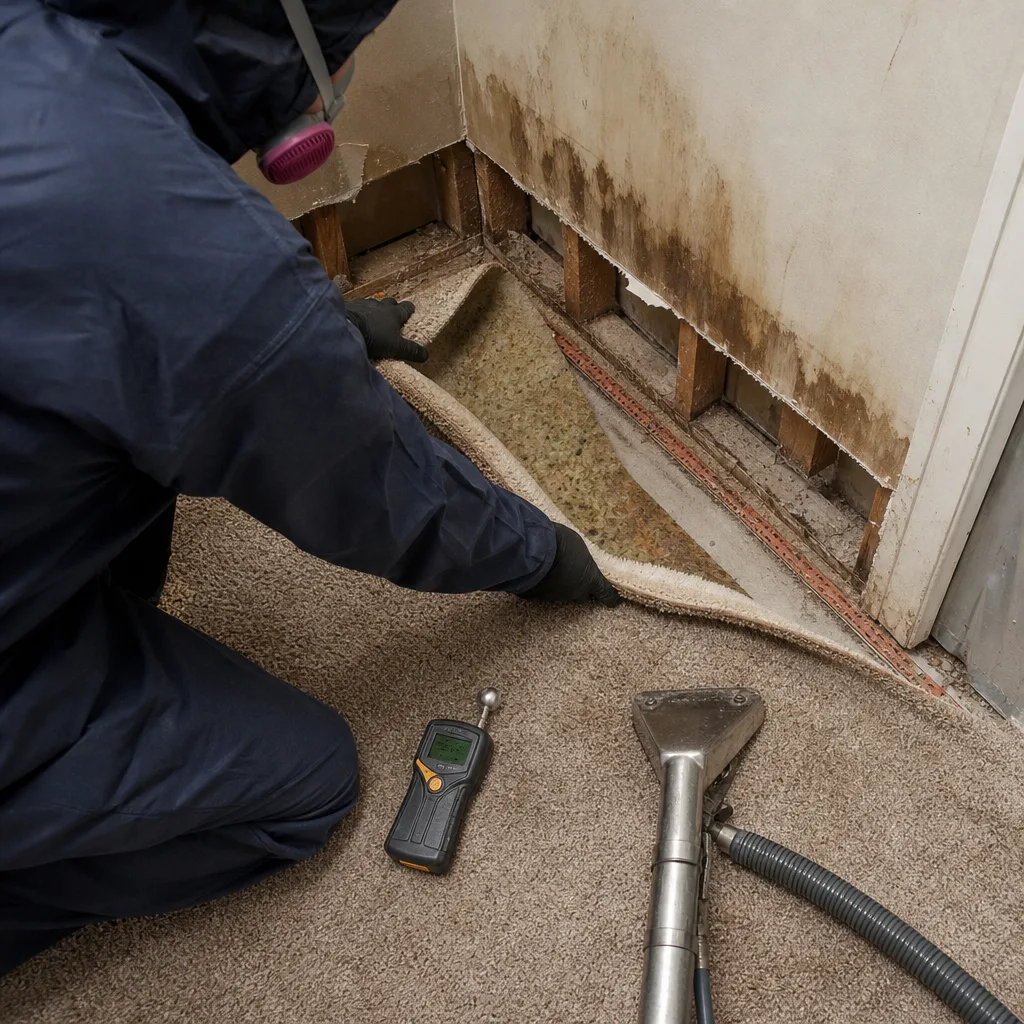
West Sumner, near the river bend along streets like Elm and Maple, sits in the documented repeat-flood zone. We’ve returned to the same crawl spaces multiple times across different loss types, fire and flood both, finding pre-existing microbial growth that previous drying never fully resolved. Crews working here learn to test every surface, not just the visibly affected area.
The historic core along Main Street, from Traffic Avenue toward the railroad tracks, contains Sumner’s densest concentration of balloon-frame and original-plaster construction. Smoke travels through these wall cavities in ways that surprise homeowners who expect damage only where flames were visible. Our moisture mapping and thermal imaging find the hidden migration paths.
North Sumner’s mid-century ranch and split-level developments, built during the 1960s and 1970s, present different challenges: smaller crawl spaces, asbestos-containing materials in original construction, and HVAC ductwork that distributes smoke odor throughout the structure. The Ryan House corridor and areas near Daffodil Valley Elementary see this housing type predominantly.
South Hill adjacent areas, toward the Bonney Lake boundary, grade into newer construction with platform framing and modern drywall. These homes dry faster and hold less odor, but they’re not immune to the valley’s groundwater issues. The slope change is gradual, and some addresses we serve sit on the margin where valley-floor conditions persist despite newer build dates.
Specialized Fire & Smoke Damage Restoration Services We Offer in Sumner
Fire Damage Cleanup
We remove charred materials, debris, and compromised structural elements, separating total-loss items from salvageable structure. In Sumner’s older homes, this requires judgment about original plaster, trim, and framing that contributes to historic character and may be worth preserving through specialized cleaning rather than replacement.
Smoke & Soot Removal
Residue type determines method: dry sponging for dry smoke, solvent cleaning for wet smoke, enzymatic treatment for protein residue. We access wall cavities in balloon-frame construction where smoke migrates behind visible surfaces. HEPA vacuuming and air scrubbing protect unaffected areas during the process.
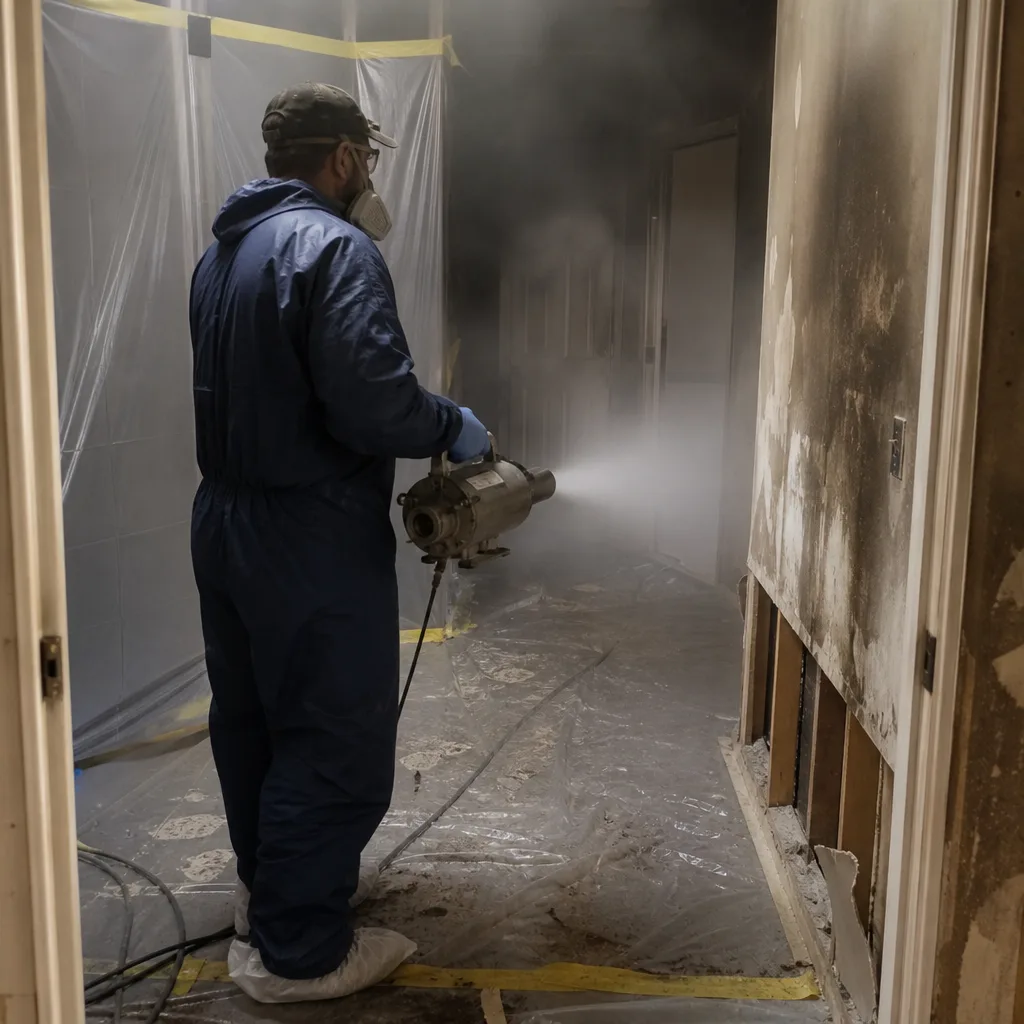
Odor Removal & Deodorization
Thermal fogging, ozone, and hydroxyl generators neutralize odor at the molecular level. Sumner’s original plaster and old-growth timber demand extended treatment cycles and verification beyond visual inspection. We don’t close a job until odor is eliminated, not merely masked.
Contents Cleaning & Pack-Out
Smoke-damaged belongings are inventoried, photographed, and transported to our facility for ultrasonic, dry-cleaning, or ozone treatment. Items are returned or documented as non-salvageable for insurance purposes. Electronics, documents, and textiles each follow distinct protocols.
Emergency Board-Up & Tarping
Same-day securing of fire-damaged structures against weather, intrusion, and further damage. Board-up covers compromised windows and doors; tarping addresses roof damage. We maintain materials staged for Sumner response, not dispatched from a distant warehouse.
What happens when you call
- 1
A real person answersNo phone trees - you reach a local pro.
- 2
You get an upfront price rangeHonest numbers before anyone is dispatched.
- 3
A background-checked tech heads outLicensed & insured, dispatched right away.
- 4
You approve before work beginsNothing starts until you say go.
Fire & Smoke Damage Restoration Costs in Sumner, WA
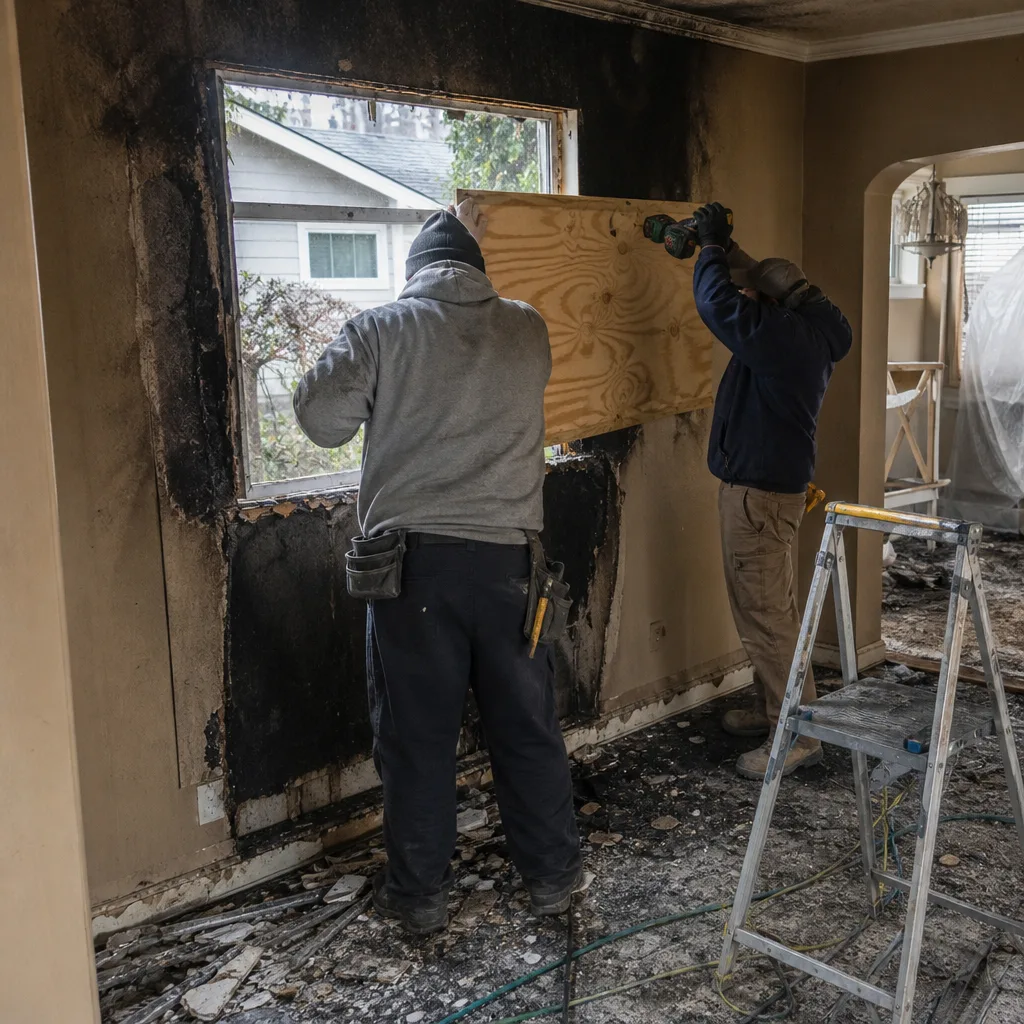
Board-up and emergency tarping in Sumner typically runs $500-$1,800 depending on structure size and access difficulty. Smoke and soot removal for a single-room kitchen fire in a standard ranch or split-level runs $2,200-$4,500. Whole-house odor removal and deodorization in a historic Main Street-area home with original plaster and balloon-frame construction runs $4,500-$9,000 due to extended treatment cycles and cavity access work.
Water extraction and structural drying, the component nearly every Sumner fire loss requires, adds $1,800-$5,500 depending on crawl space involvement and the extent of firefighting water migration. Contents pack-out and cleaning runs $1,200-$3,500 for a typical household. Full reconstruction, where structural elements require replacement, is scoped and priced in writing after mitigation completion, per Haven Standard, Clause 1.
Insurance typically covers direct fire and smoke damage, firefighting water, and necessary mold remediation when documented as a direct result. Out-of-pocket costs arise from deductibles, coverage limits, and items excluded by policy terms. Our free visual inspection produces the documented scope your adjuster needs to approve coverage. Call (253) 487-0371 for an exact quote - estimates are free.
We Also Serve Cities Near Sumner
Our crews respond throughout the Puyallup Valley corridor and surrounding communities: Puyallup, immediately east with similar valley-floor conditions; Milton, to the northwest at the King-Pierce county line; Auburn, to the north in upland terrain with different groundwater patterns; and Lakewood, to the southwest with its own mix of mid-century and newer construction. Dispatch and scheduling are coordinated from our Seattle office; crews serve each city locally.
Serving Sumner, WA - Our Local Coverage Area
We’re based in the Sumner area and know this community well. Use the map below to see our service coverage - if you’re nearby, we can almost certainly help.
Sumner Fire & Smoke Damage Restoration Questions, Answered
Why does a house fire in Sumner so often turn into a mold job too?
Sumner’s valley-floor position and chronically damp crawl spaces mean firefighting water has nowhere to drain, and the maritime moisture trapped here October through April prevents natural drying. Within 48 hours, Category 2 gray water degrades to Category 3 with microbial amplification, especially in shallow crawl spaces that were already damp. We scope water and mold simultaneously on every Sumner fire loss. Call (253) 487-0371 for an exact quote - estimates are free.
Do you check the flood map before scoping a fire loss in Sumner?
Yes. We cross-reference every Sumner job address against Pierce County’s Puyallup River flood maps before writing the scope. Multiple west-side streets near the river bend have documented repeat flood claims, and the same crawl space dried in 2006 or 2009 may have pre-existing microbial growth that previous drying never fully resolved. That history changes our moisture mapping protocol and drying targets. Call (253) 487-0371 for an exact quote - estimates are free.
What does firefighting water do to an older Sumner home’s crawl space?
Firefighting water pools in shallow crawl spaces, soaks into perimeter foundations, and wicks up into sill plates and floor joists. In Sumner’s early-to-mid 20th century homes, these spaces were already damp year-round from valley-floor groundwater. The addition of soot-laden, chemically treated firefighting water accelerates decay and triggers mold colonization within the 24-to-48-hour window. We extract standing water, establish drying zones with Dri-Eaz and Phoenix equipment, and log moisture content daily until structural materials return to dry standard. Call (253) 487-0371 for an exact quote - estimates are free.
How do you handle smoke odor in Sumner’s historic balloon-frame buildings?
Balloon-frame construction allows smoke to travel vertically through continuous wall cavities from basement to attic. Original plaster is porous and holds odor far longer than modern drywall. We access cavities through selective demolition, treat framing with thermal fogging and hydroxyl generation, and verify odor elimination with repeated olfactory testing, not visual inspection. Tertiary drying of dense, old-growth timber often extends the deodorization cycle. Call (253) 487-0371 for an exact quote - estimates are free.
Can you board up or tarp a fire-damaged Sumner home the same day?
Yes. We maintain board-up materials staged for Sumner response and typically secure structures within hours of the initial call. Same-day service protects against weather intrusion, theft, and liability exposure while the full scope is being developed. The written price for board-up is delivered before work begins, per Haven Standard, Clause 1. Call (253) 487-0371 for an exact quote - estimates are free.
How fast can someone actually get here?
Our commitment is 45 minutes to Sumner addresses, 24 hours a day, 7 days a week, with a live person answering every call. Crews are staged for the Puyallup Valley corridor. The first hour determines whether smoke odor becomes permanent and whether firefighting water migrates into hidden cavities. Call (253) 487-0371 for an exact quote - estimates are free.
Will insurance cover this?
Homeowners insurance typically covers direct fire and smoke damage, firefighting water, and mold remediation when documented as a direct result of the covered loss. Coverage limits, deductibles, and exclusions vary by policy. We provide the photo documentation, moisture logs, drying records, and line-item scopes that adjusters require for approval. We coordinate directly with your carrier and defend our scope with the evidence we collect. Call (253) 487-0371 for an exact quote - estimates are free.
Do I really need full remediation or just a cleaning?
The answer depends on what the documentation shows, not what appears visible. Thermal imaging and moisture readings reveal smoke migration and water intrusion that surface inspection misses, especially in Sumner’s balloon-frame and original-plaster construction. We deliver a written scope based on measured conditions, not a sales pitch. If a competitor has provided an estimate, our Free Second Opinion reviews it at no charge. Call (253) 487-0371 for an exact quote - estimates are free.
Back to Dry Restoration, led by Alicia Brennan, has operated under The Haven Standard since 2011. Every job is quoted in writing before work begins, documented with a photo record on every visit, and covered by the 365-Day Done Right Promise. A Free Second Opinion on any competitor’s written estimate is available at no charge.
Written by Alicia Brennan, Owner at Back to Dry Restoration, serving Sumner since 2011.
Fire & Smoke Damage Restoration in Nearby Areas