
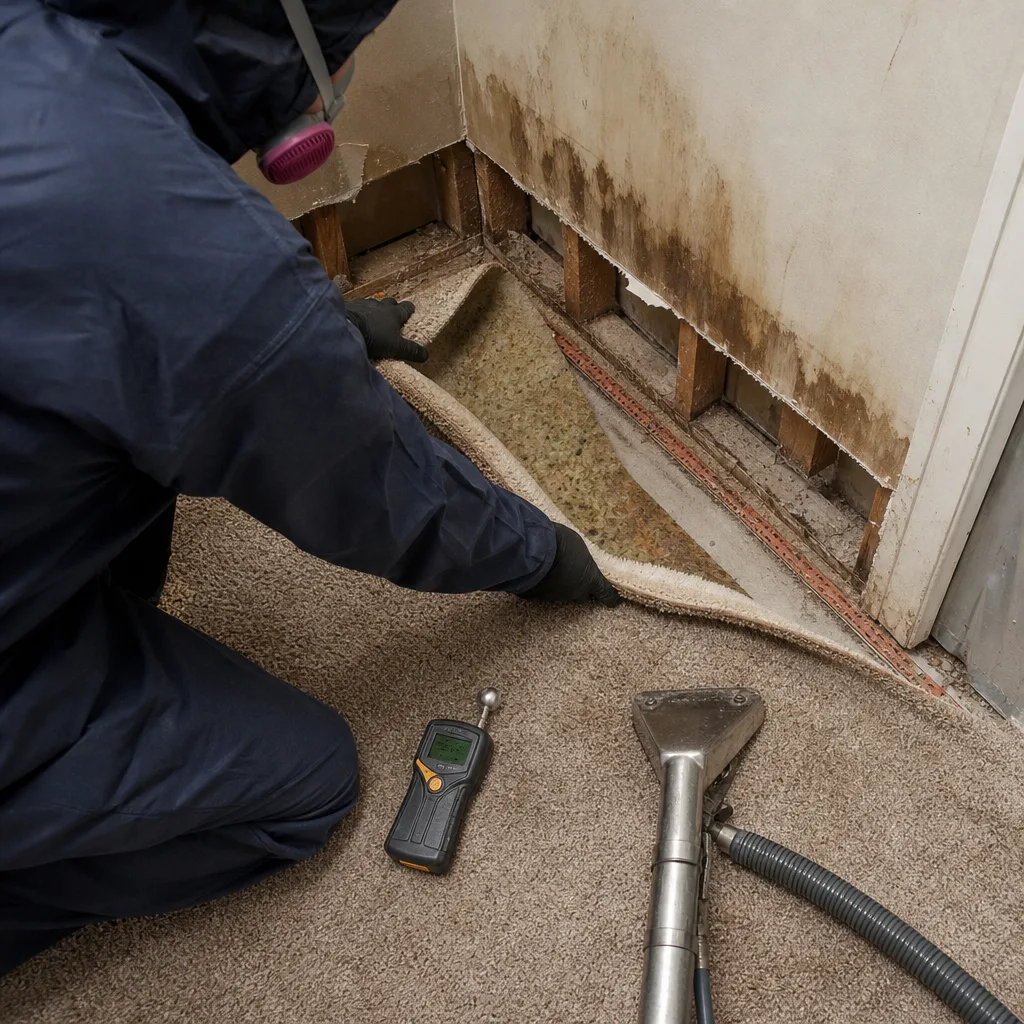
Free visual inspection and a written scope of work before any mitigation begins - photos, moisture readings, and drying logs go in your claim file
The scope we write is the scope we bill. Anything new gets shown to you, in writing, before we touch it.
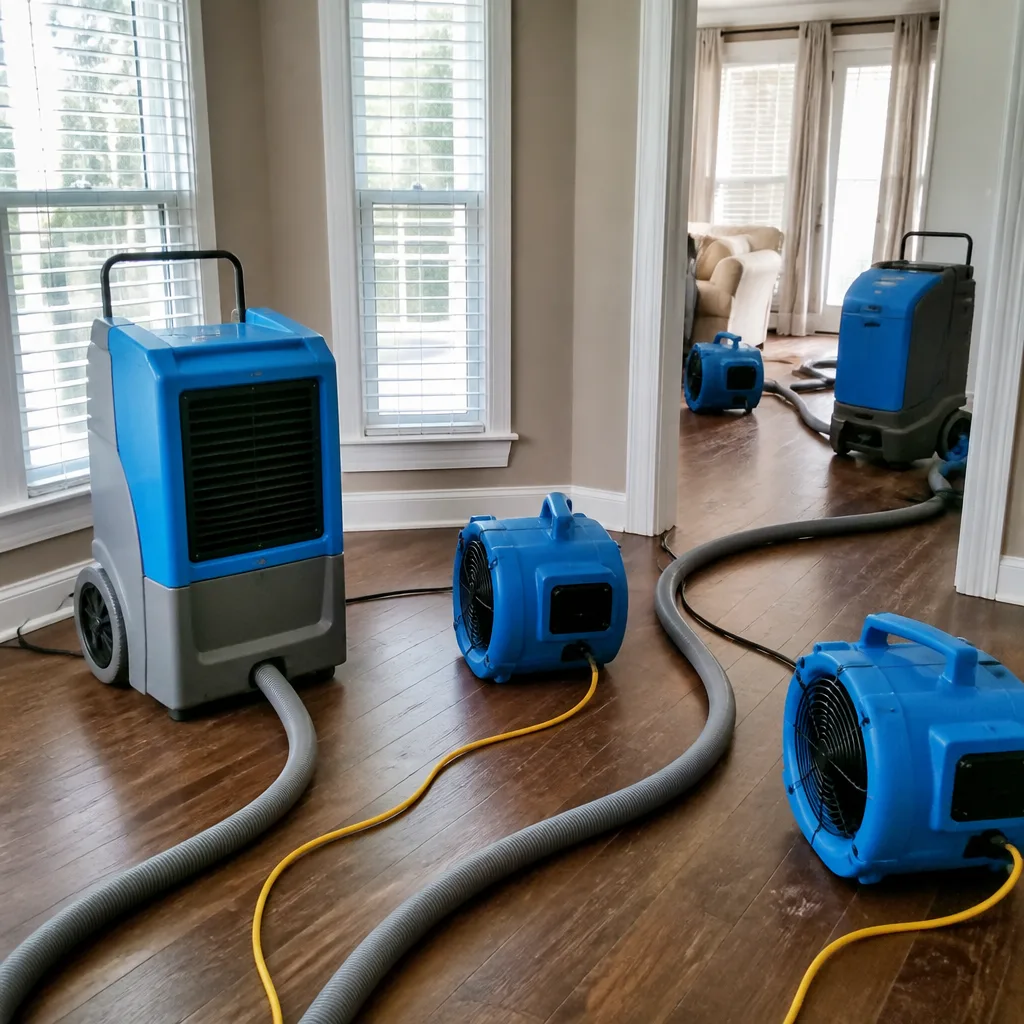

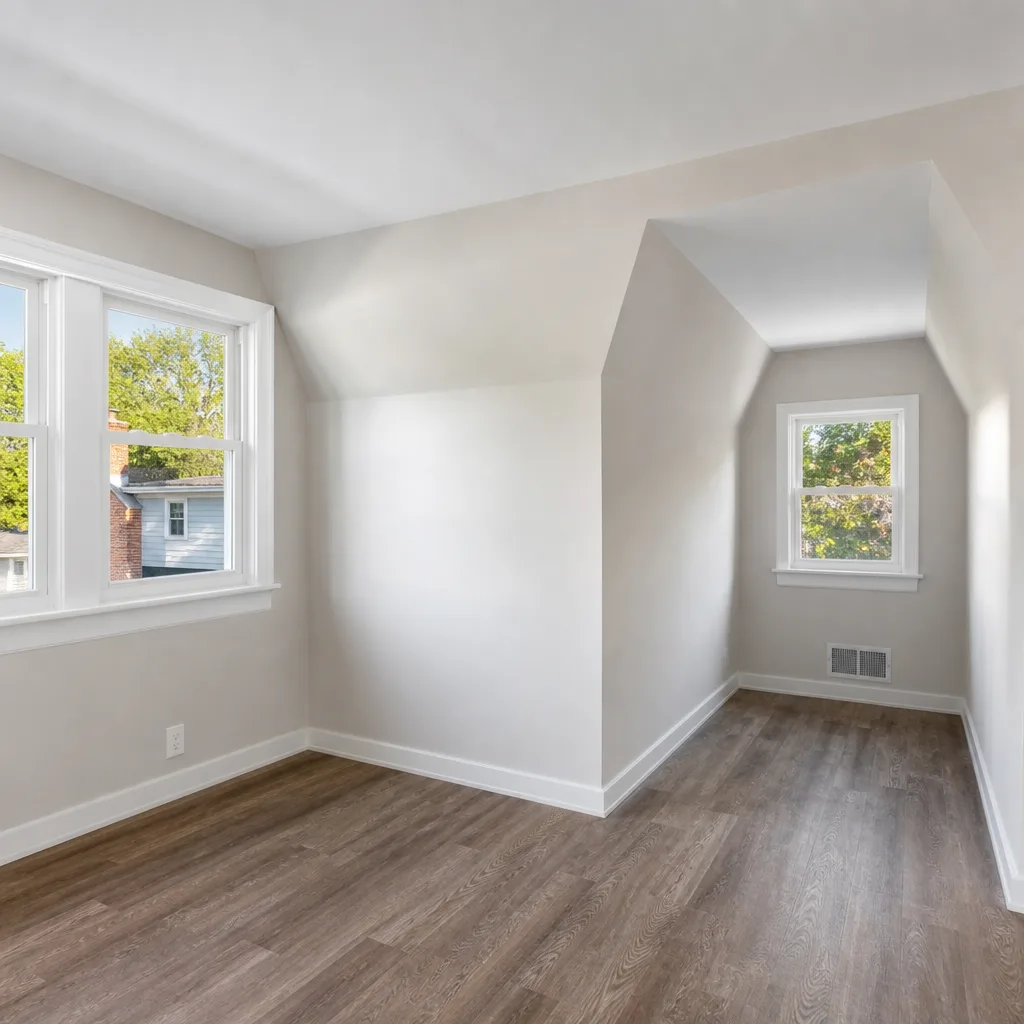
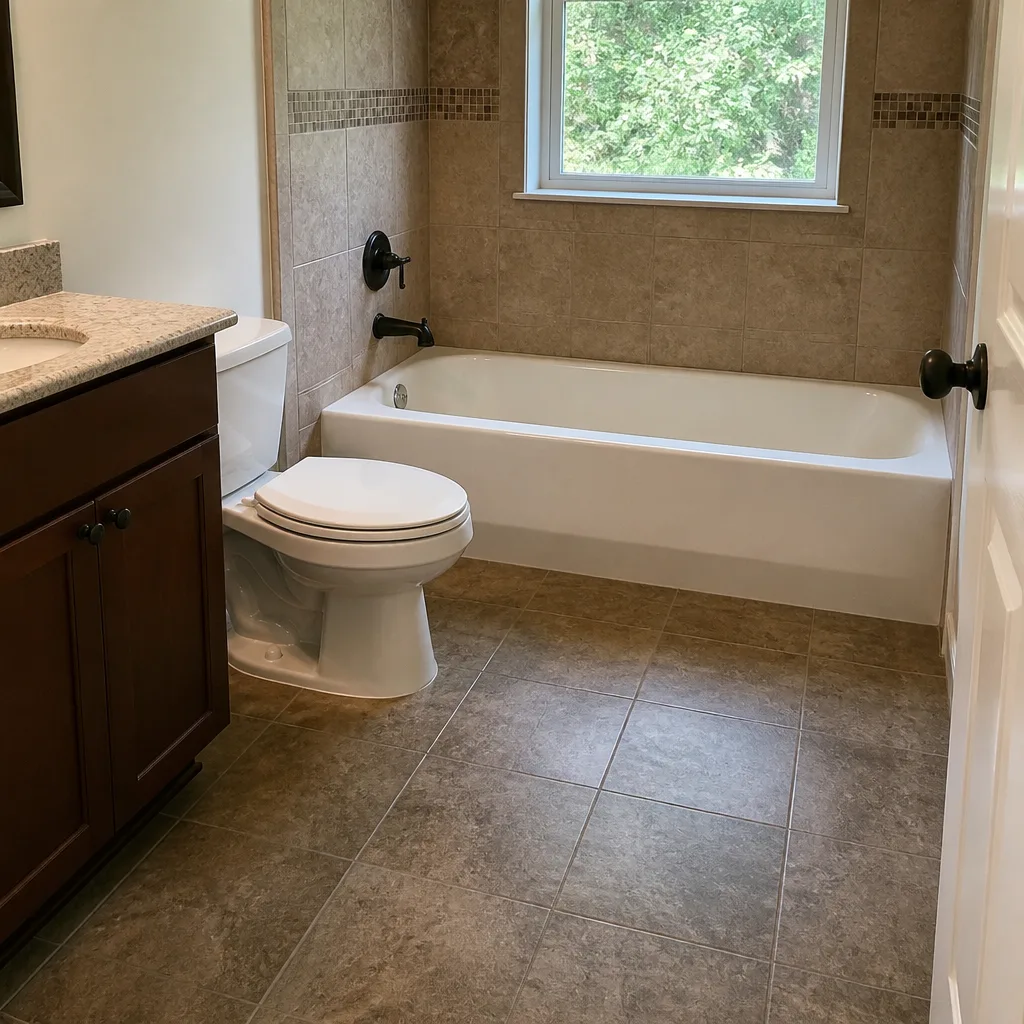
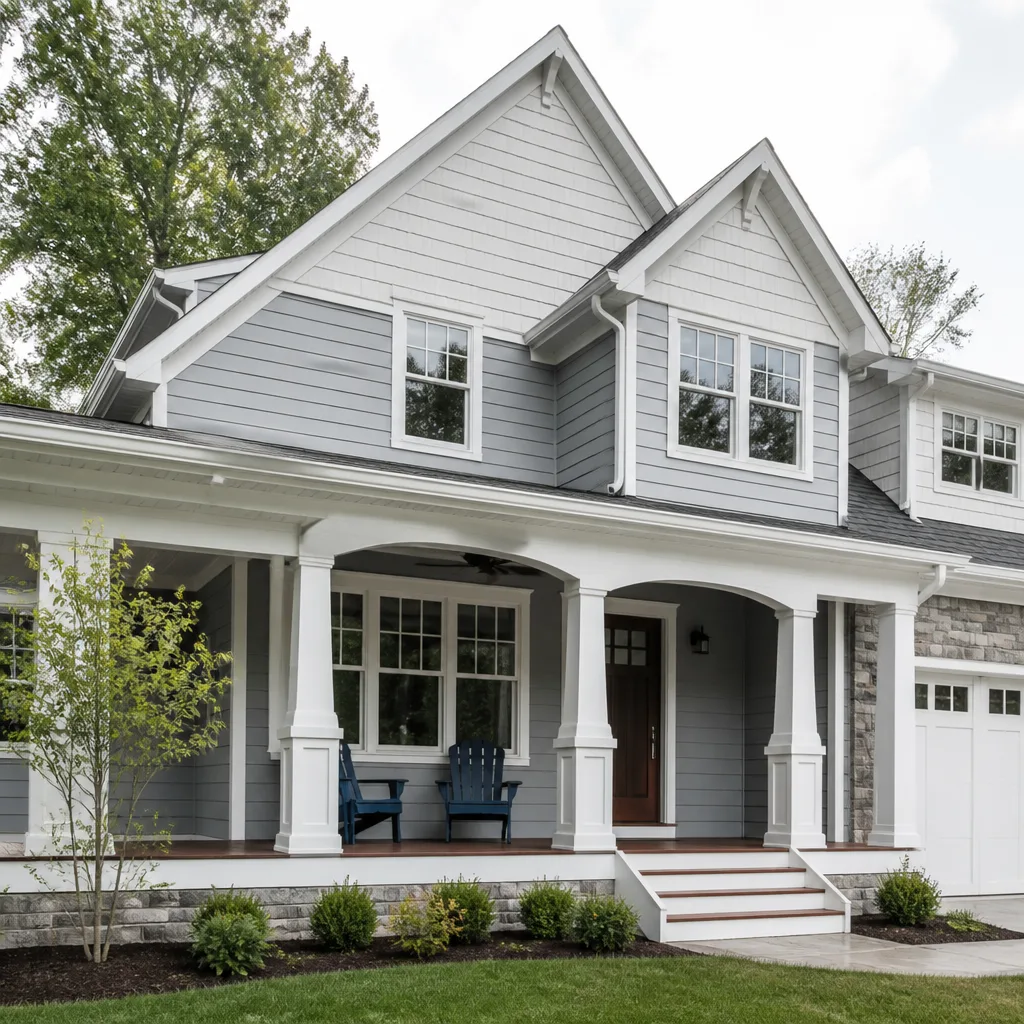
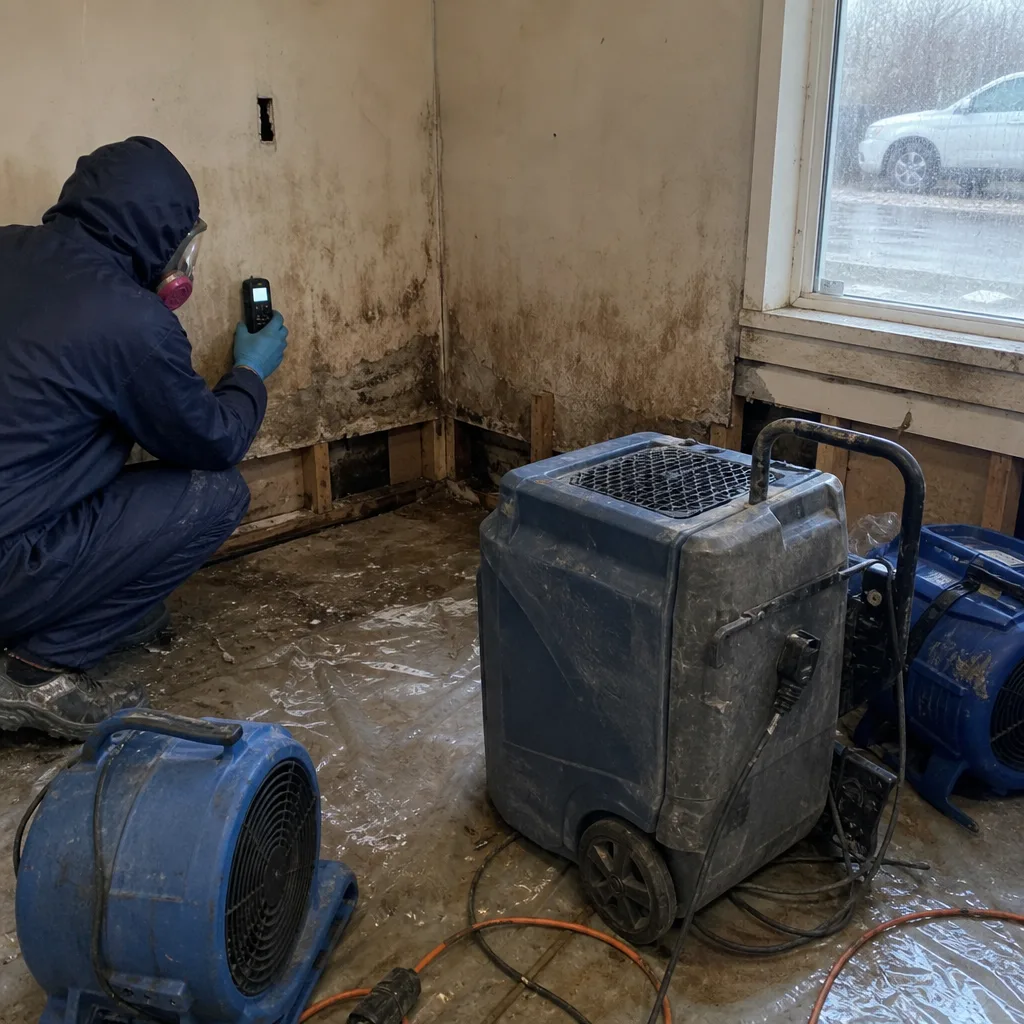 Before
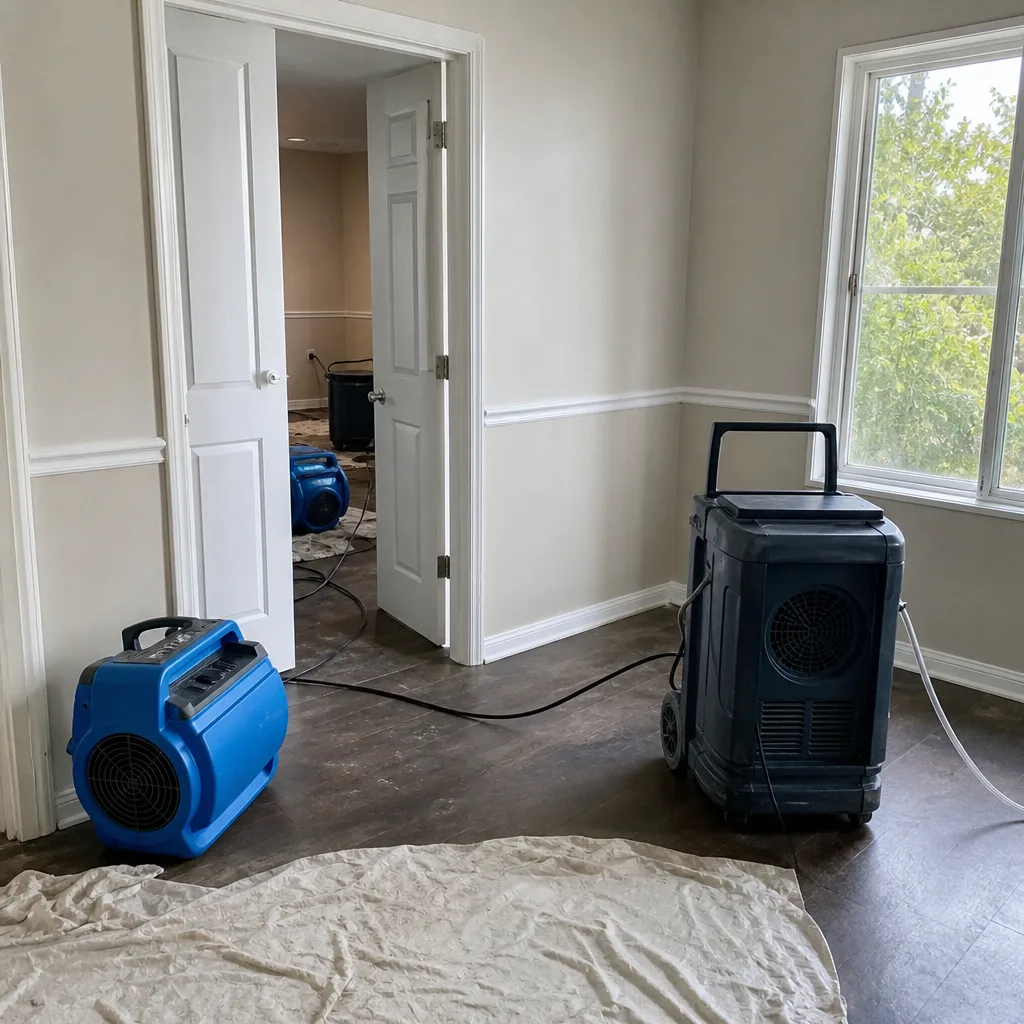 After
After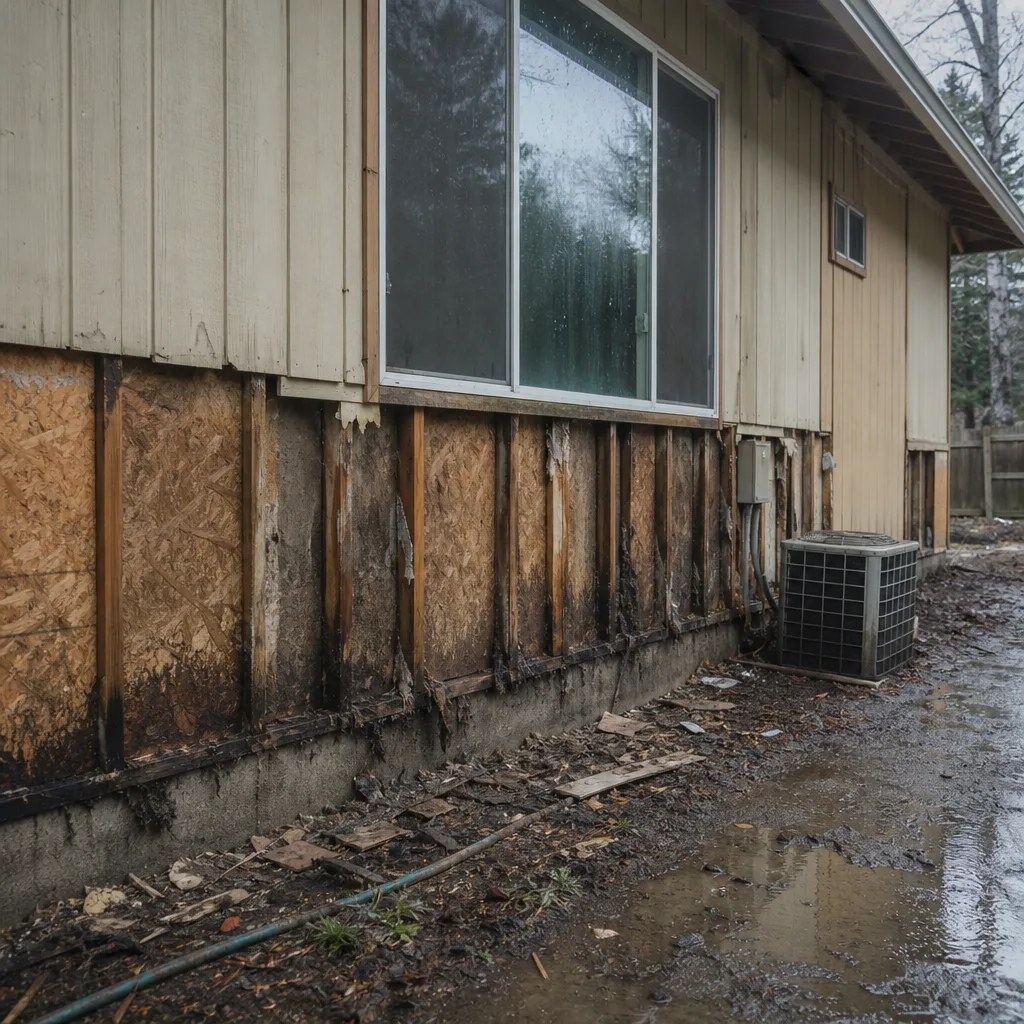 Before
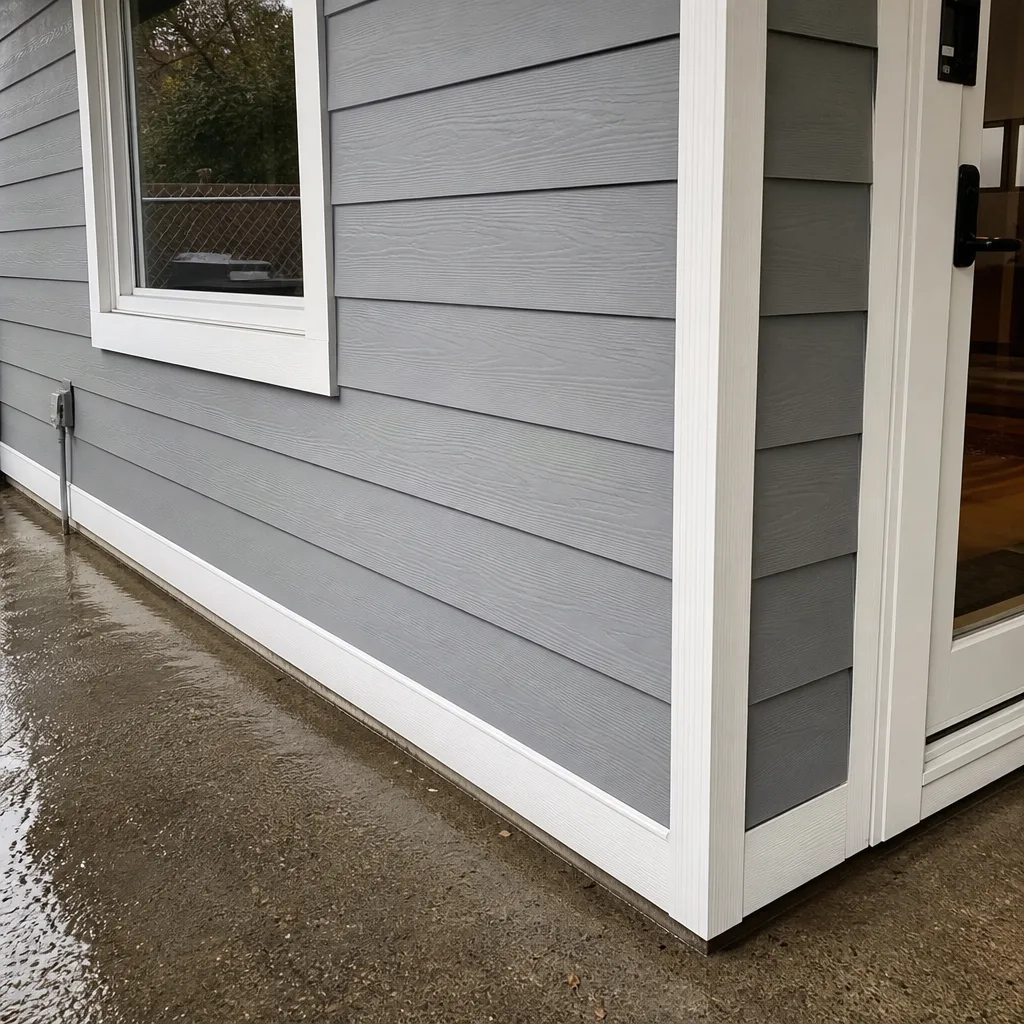 After
After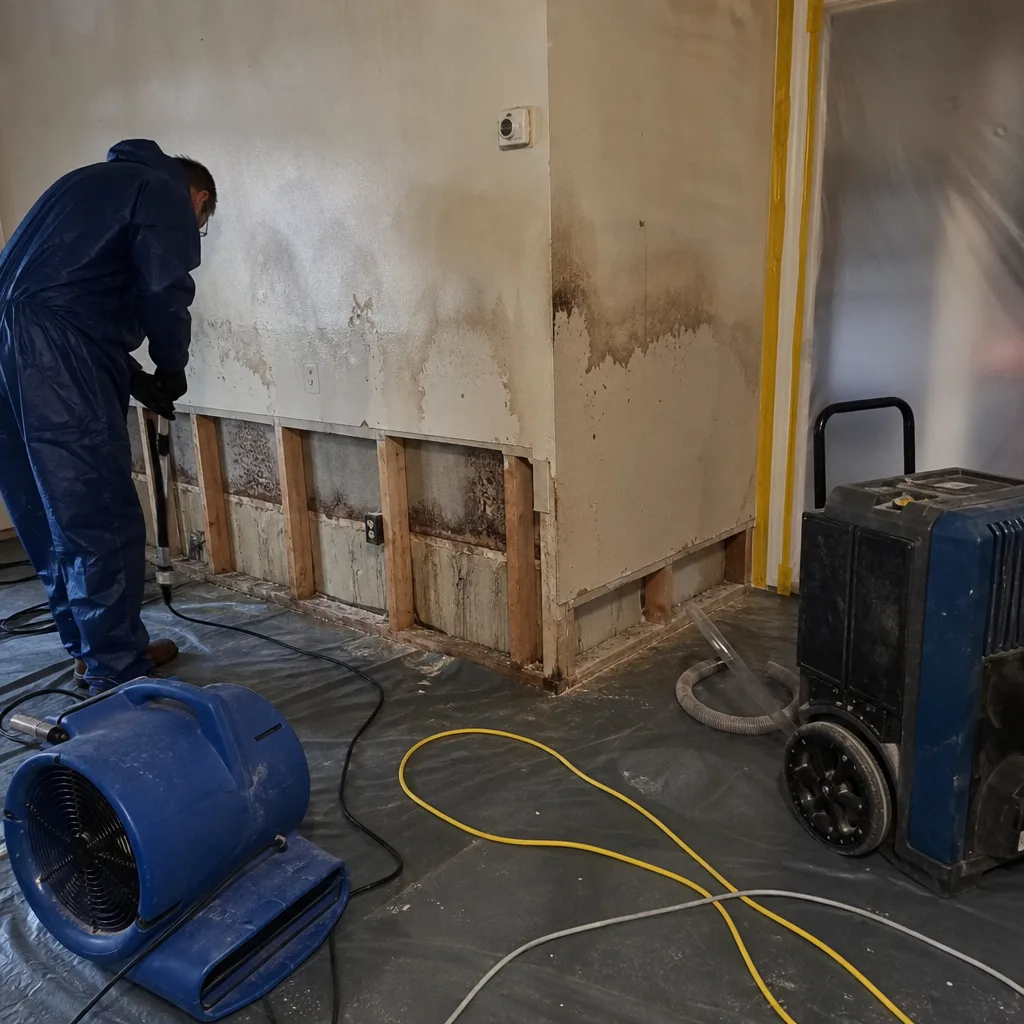 Before
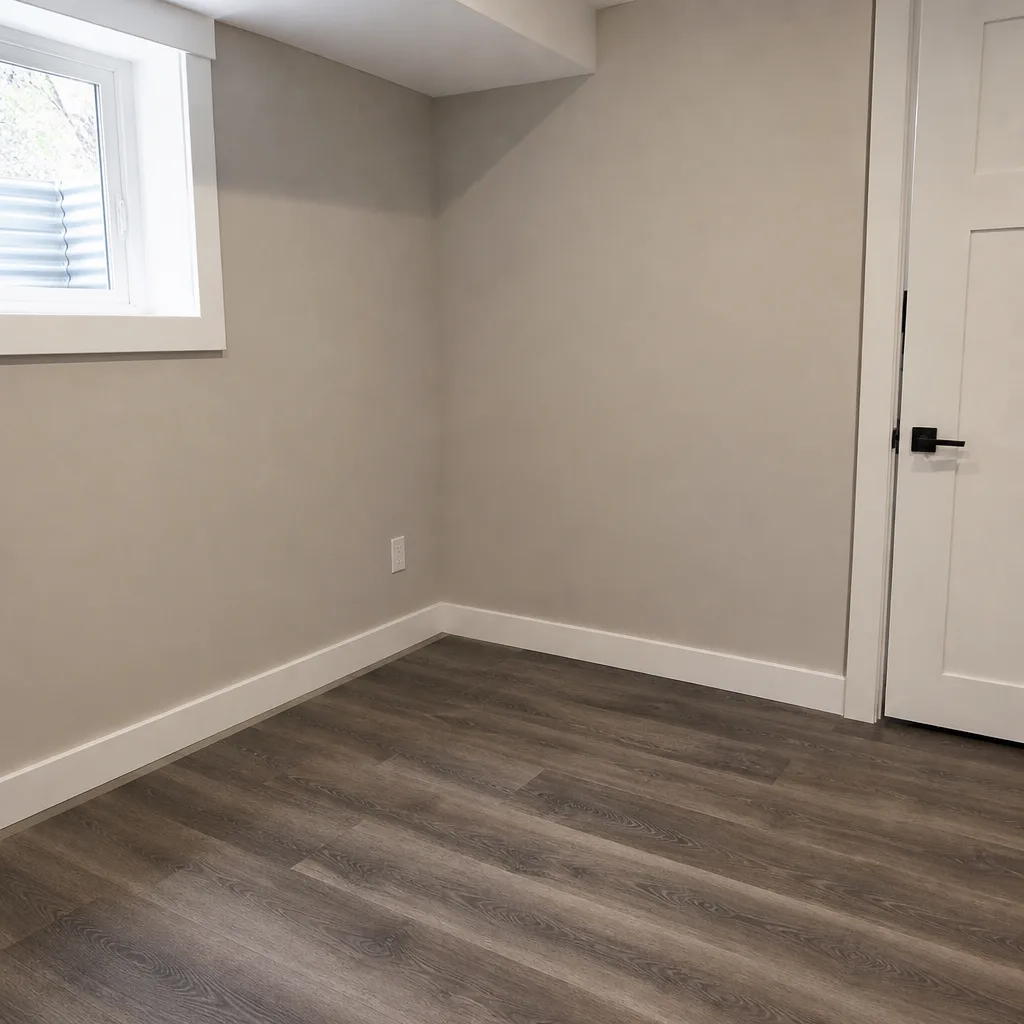 After
After24/7 Emergency Mold Remediation in Mercer Island
Mold remediation in Mercer Island typically costs $1,800-$6,500 depending on affected square footage and structural involvement, and our crews can be on-site within 45 minutes when pre-staged equipment is available. Call (253) 487-0371 now - a live person answers every call, 24 hours a day, with no voicemail trees. The first hours after water intrusion matter more on Mercer Island than almost anywhere in the metro because the island’s lake-surrounded geography compresses the mold colonization window to roughly 24 hours, not the 48-hour benchmark most mainland restorers work from.
We dispatch from our Seattle office, but experienced crews serving Mercer Island know the I-90 floating bridges are the only way on or off. Bridge incidents, closures, or peak commuter congestion can turn a 20-minute response into an hour-plus delay. That’s why we pre-position drying equipment on-island when large storm events are forecast, so we’re already moving when you call.
Our Mold Remediation team provides free visual inspections, written prices before any work starts per Haven Standard, Clause 1, and documented photo records on every visit. We don’t begin containment, demolition, or treatment until you’ve reviewed and approved a line-item scope in writing.
Understanding Mold Remediation Severity in Mercer Island Properties
Mold severity in Mercer Island homes falls into three practical categories that determine containment strategy, equipment load, and duration. Category 1 - limited growth under 10 square feet on a non-porous surface like tile or sealed concrete, typically from a resolved plumbing leak. Category 2 - moderate colonization of 10-100 square feet involving porous materials such as drywall, carpet, or unfinished wood, often requiring controlled demolition and HEPA air scrubbing. Category 3 - extensive contamination exceeding 100 square feet or involving HVAC systems, structural members, or toxigenic species like Stachybotrys chartarum, demanding full containment with negative air pressure, tertiary drying, and post-remediation clearance testing by an independent third party.
Mercer Island’s housing stock amplifies these categories in specific ways. The 1950s-1970s mid-century ranches and split-levels in neighborhoods like First Hill and West Mercer retain original crawl spaces with deteriorated vapor barriers and aging drain tile - conditions that push Category 1 surface growth into Category 2 structural involvement within a single season. The island’s extensively rebuilt custom homes, meanwhile, present the opposite problem: premium finishes, natural stone, and custom millwork that must be matched precisely during rebuild, extending project timelines and requiring specialized restoration contractors rather than generalist crews.
Psychrometric data - temperature, relative humidity, and vapor pressure differential - drives every drying decision we make. Vapor pressure differential is the force that moves moisture from wet materials to drier air; we measure it with calibrated hygrometers and thermal imaging to locate hidden moisture pockets behind finished surfaces. On Mercer Island, the persistent lake-driven humidity means we often need to establish more aggressive dehumidification targets than mainland jobs to achieve the same drying rate.
Why Mercer Island Property Owners Choose DryMark Restoration Auburn
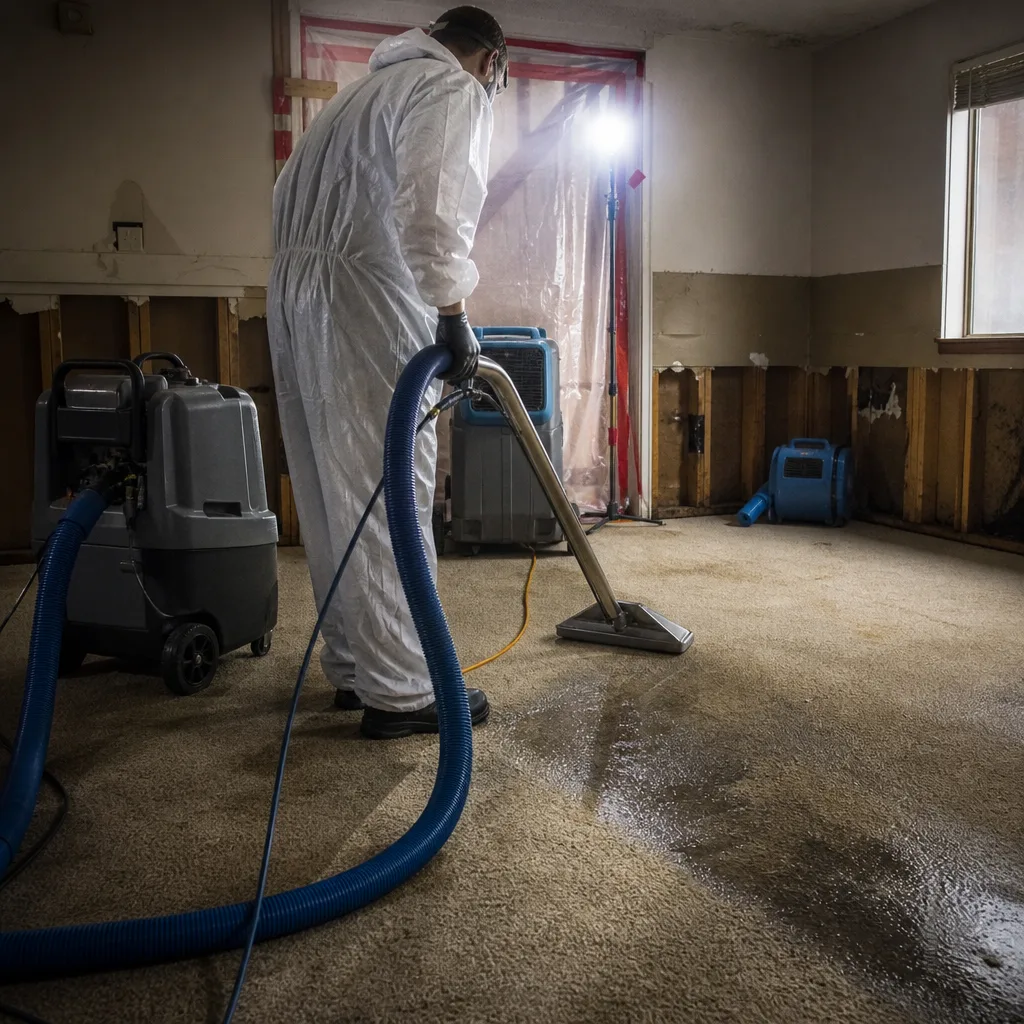
- 45-minute response commitment when equipment is pre-staged on-island; we don’t quote mainland dispatch times that ignore I-90 bridge variables.
- 24/7 live answer - a real person, never an automated system or next-business-day callback while mold is actively colonizing.
- IICRC-certified crews holding WRT (Water Damage Restoration Technician), AMRT (Applied Microbial Remediation Technician), and FSRT (Fire & Smoke Restoration Technician) credentials where cross-contamination applies.
- Free visual inspection with moisture mapping and documented findings before any work is proposed.
- Direct insurance billing with adjuster coordination, photo-documented assessments, and industry-standard estimates that carriers recognize and pay.
- One team from mold containment through reconstruction - no handoffs between demo contractors and rebuild specialists that delay closing your claim.
BeforeAfterOur Mold Remediation Process
1. Inspection & Assessment
We arrive with thermal imaging cameras, pin and pinless moisture meters, and borescopes for wall cavity inspection. On Mercer Island, we specifically evaluate crawl space vapor barrier condition, drain tile function, and whether lake-driven humidity or groundwater intrusion is the primary moisture driver. You receive a written assessment with photo documentation before we proceed.
2. Containment & Stabilization
We establish polyethylene containment barriers and negative air pressure using HEPA-filtered air scrubbers to prevent cross-contamination to unaffected areas. For lakeside properties with active groundwater intrusion, we may install temporary sump pump systems or dehumidification pre-conditioning while the containment is built.
3. Drying & Dehumidification
We deploy Phoenix and Dri-Eaz LGR dehumidifiers, XPOWER and B-Air air movers, and Injectidry systems for hardwood floor and wall cavity drying. Daily moisture logs track specific humidity, temperature, and grain depression readings until materials reach established dry standards - typically 12-16% moisture content for wood framing in Mercer Island’s elevated ambient humidity.
4. Cleaning & Sanitization
HEPA vacuuming of all surfaces within containment, followed by antimicrobial application using EPA-registered products appropriate for the material classification. Porous materials that cannot be adequately cleaned - saturated drywall, compromised insulation, degraded carpet pad - are removed with documented square footage for your insurer.
5. Crawl Space Treatment & Moisture Control
We repair or replace failed vapor barriers, evaluate drain tile function, and install permanent dehumidification or ventilation solutions where indicated. This step is critical on Mercer Island: without addressing the chronic humidity and groundwater pressure that lake proximity creates, mold returns regardless of how thoroughly the visible growth was removed.
6. Repairs & Restoration
Our rebuild team replaces removed materials with matched finishes, coordinating custom millwork and natural stone procurement when required by high-end Mercer Island homes. Every repair is documented to the original scope, and the 365-Day Done Right Promise under The Haven Standard covers our workmanship.
Need Emergency Mold Remediation in Mercer Island Now?
Crews minutes away, answering live 24 hours a day. The sooner we start, the less it costs.
Working With Your Insurance Company
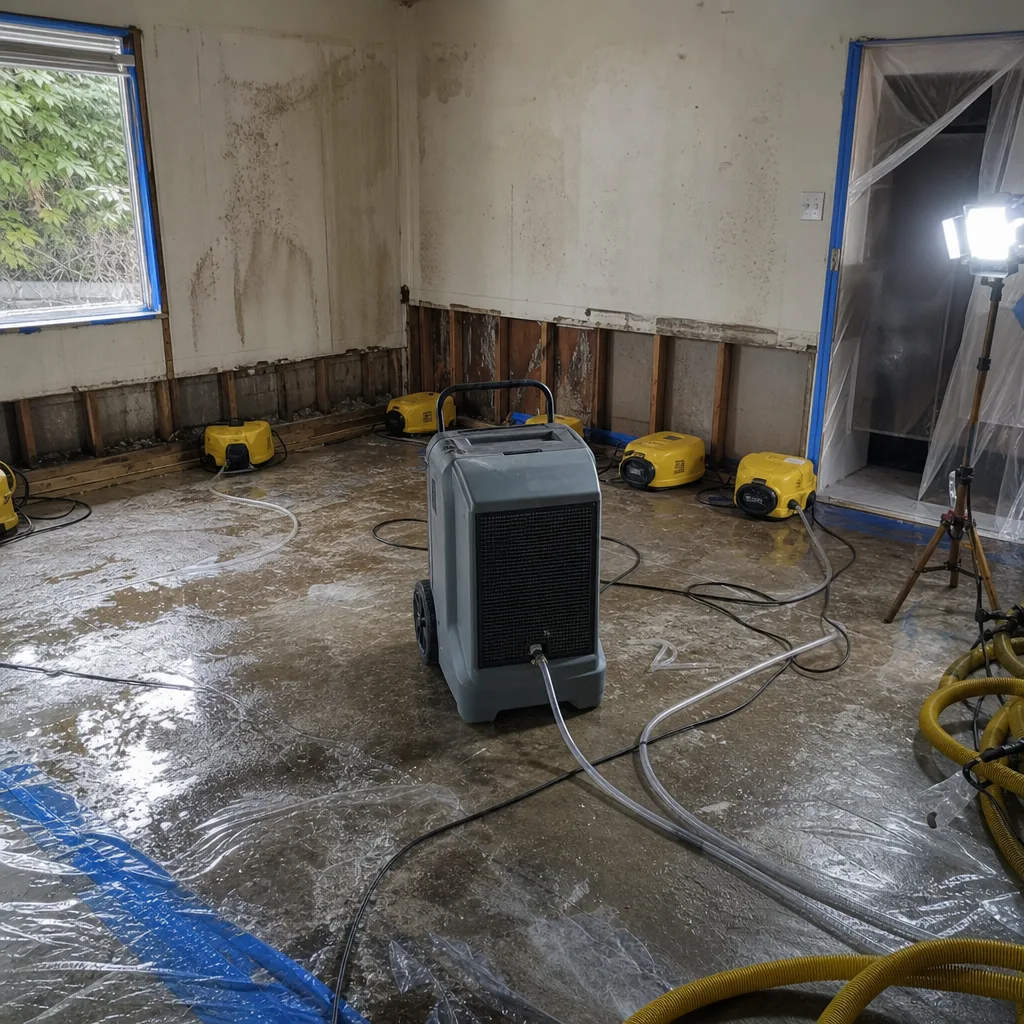
Mold claims fail when documentation is incomplete or when the scope of work doesn’t clearly tie mold damage to a covered water loss. We solve this from the first hour. Our technicians photograph every room, record moisture readings with equipment serial numbers and calibration dates, and maintain daily drying logs that satisfy IICRC, RIA, and IFA documentation standards. These logs transform restoration invoices into claims adjusters can pay without dispute.
We write industry-standard estimates using the same pricing databases your carrier’s adjuster uses, and we communicate directly with your assigned adjuster rather than routing everything through you. Alicia Brennan founded Back to Dry Restoration in 2011 after working as a claims adjuster and watching homeowners lose legitimate claims to documentation gaps. That origin shapes every interaction: we build the file the way a careful adjuster reads it - precise, plain-spoken, and fully supported.
What We Provide Your Insurer
- Thorough documentation of the loss origin, category, and progression
- Photos of all damage, room by room, with date and time stamps
- Moisture readings and daily drying logs with equipment deployment records
- A detailed, line-item scope of work with unit pricing
- Direct coordination with your carrier’s adjuster, including field meetings when requested
Built for Mercer Island’s Loss Calendar
January through March bring the heaviest rainfall and highest Lake Washington levels managed through the Chittenden Locks, pushing groundwater into crawl spaces and lower levels island-wide. The 1950s-1970s ranches with original drain tile see repeated saturation failures during this window. April and May deliver the spring transition: warming temperatures accelerate mold growth in spaces that stayed wet through winter, and we see a surge in calls from homeowners who ignored a winter leak that seemed minor.
June through September brings drier conditions but also peak lake recreation and dock activity. Wave-driven moisture intrusion affects perimeter properties, and extended irrigation season keeps soil saturation high. October and November return the fall storm pattern that produced our First Hill field vignette: intense rainfall on already-saturated ground overwhelms aging drainage, and the combination of warm daytime temperatures and cool lake-moderated nights creates ideal mold colonization conditions. December closes the cycle with holiday travel absences - leaks go undetected for days while families are away, and we return from holiday dispatch to multiple calls from returning homeowners.
Mold Remediation Across Mercer Island’s Neighborhoods
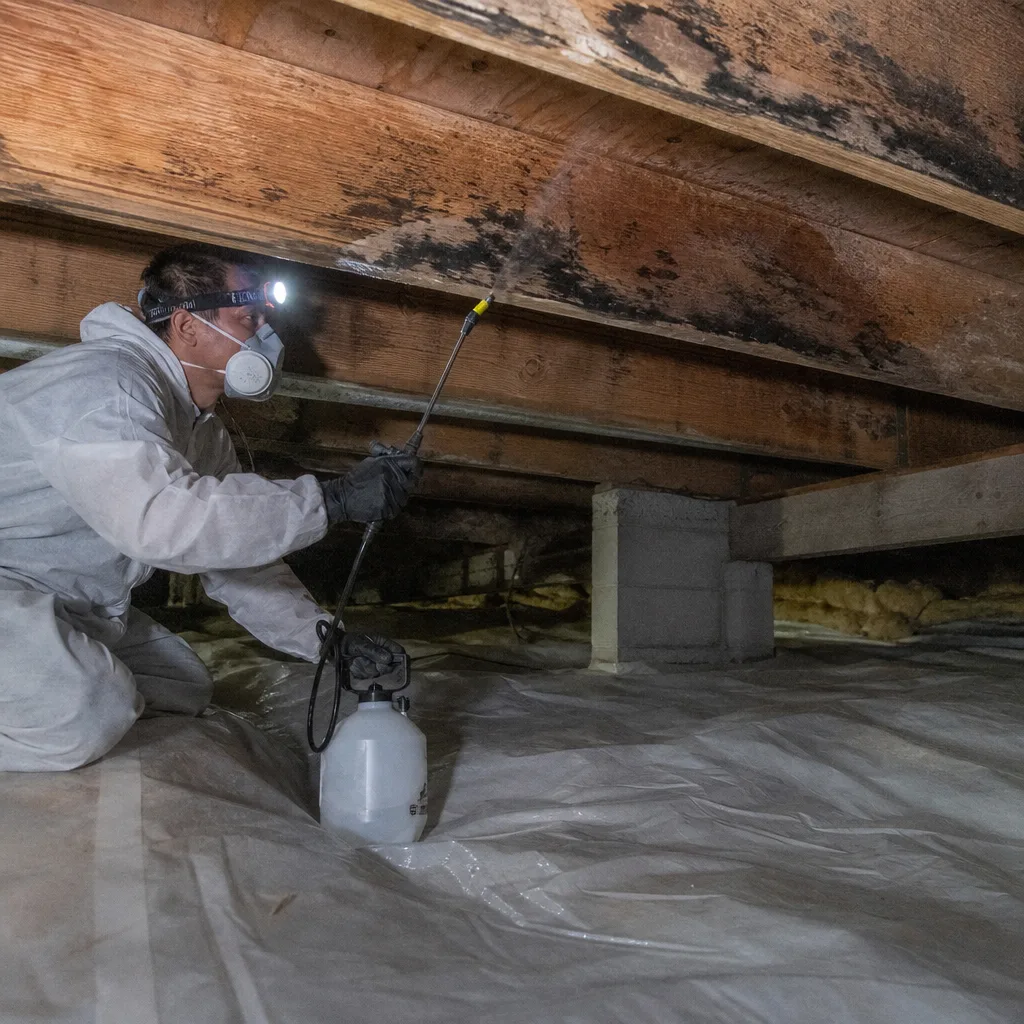
First Hill, overlooking the lake’s western shore, concentrates the island’s original 1950s-1960s housing stock. Crawl spaces here are nearly universal, vapor barriers are original or absent, and drain tile failures after fall storms are our most common call origin. The field vignette we reference - failed 1970s vapor barrier, saturated drain tile, active mold on floor joists - is representative of what we find weekly in this neighborhood during wet season.
West Mercer and the Clarke Beach area present the island’s most acute lakefront exposure. Wave-driven spray, dock flooding, and seasonal high water push moisture directly into foundation systems. Homes here require more aggressive exterior drainage review and frequently need permanent dehumidification solutions that mainland properties don’t. The custom rebuilds in this corridor also demand our most careful material matching - natural stone veneer, clear cedar siding, and specialty window systems that aren’t available from standard restoration suppliers.
The Town Center and East Seattle-facing properties see a mix of original ranches and infill construction. The newer homes have better envelope sealing but often lack adequate mechanical ventilation for Mercer Island’s humidity load, creating condensation-driven mold in attic spaces and behind vapor barriers that were well-intentioned but improperly detailed. We find significant mold in relatively new construction here, always traced to humidity management failures rather than water intrusion events.
South-end neighborhoods toward Island Crest Park experience the highest groundwater pressure during Chittenden Locks high-water management periods. Crawl spaces here stay chronically damp even without a specific leak event, and we frequently install permanent crawl space encapsulation systems after remediation to break the cycle.
Specialized Mold Remediation Services We Offer in Mercer Island
Mold Inspection & Testing
We begin with visual inspection, moisture mapping, and thermal imaging - not with presumptive demolition. Air sampling and surface sampling are available when species identification or clearance documentation is required, particularly for real estate transactions or health-compromised occupants. In Mercer Island’s elevated humidity environment, we interpret lab results against local baseline conditions rather than generic national standards.
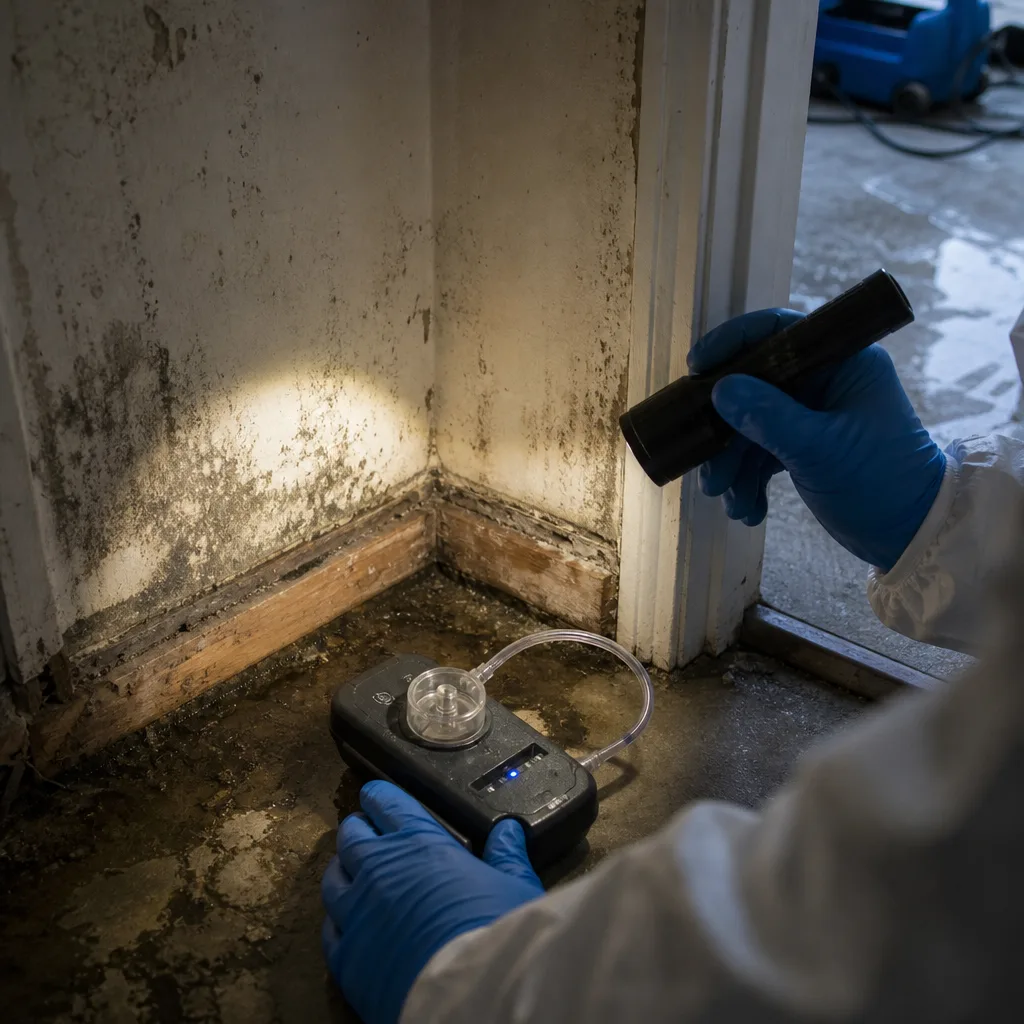
Mold Removal
Controlled demolition of non-salvageable materials, HEPA containment, and antimicrobial treatment of remaining structural elements. We document square footage removed, material classification, and disposal manifests for your insurer. Every removal decision is justified in the written scope before work begins.
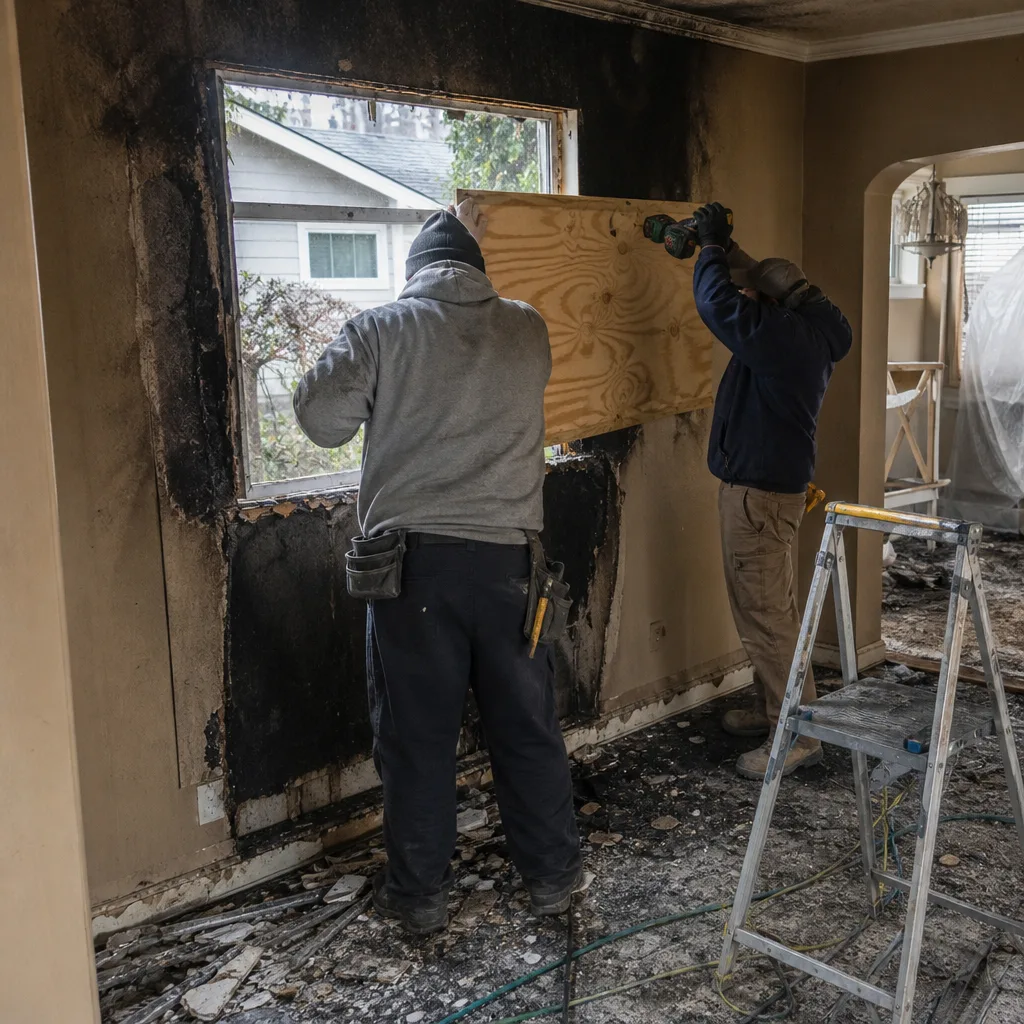
Black Mold Remediation
Stachybotrys chartarum and other toxigenic species require full containment with negative air pressure, specialized personal protective equipment, and third-party clearance testing. We don’t self-certify clearance; independent laboratory confirmation protects your health documentation and your property’s resale value.
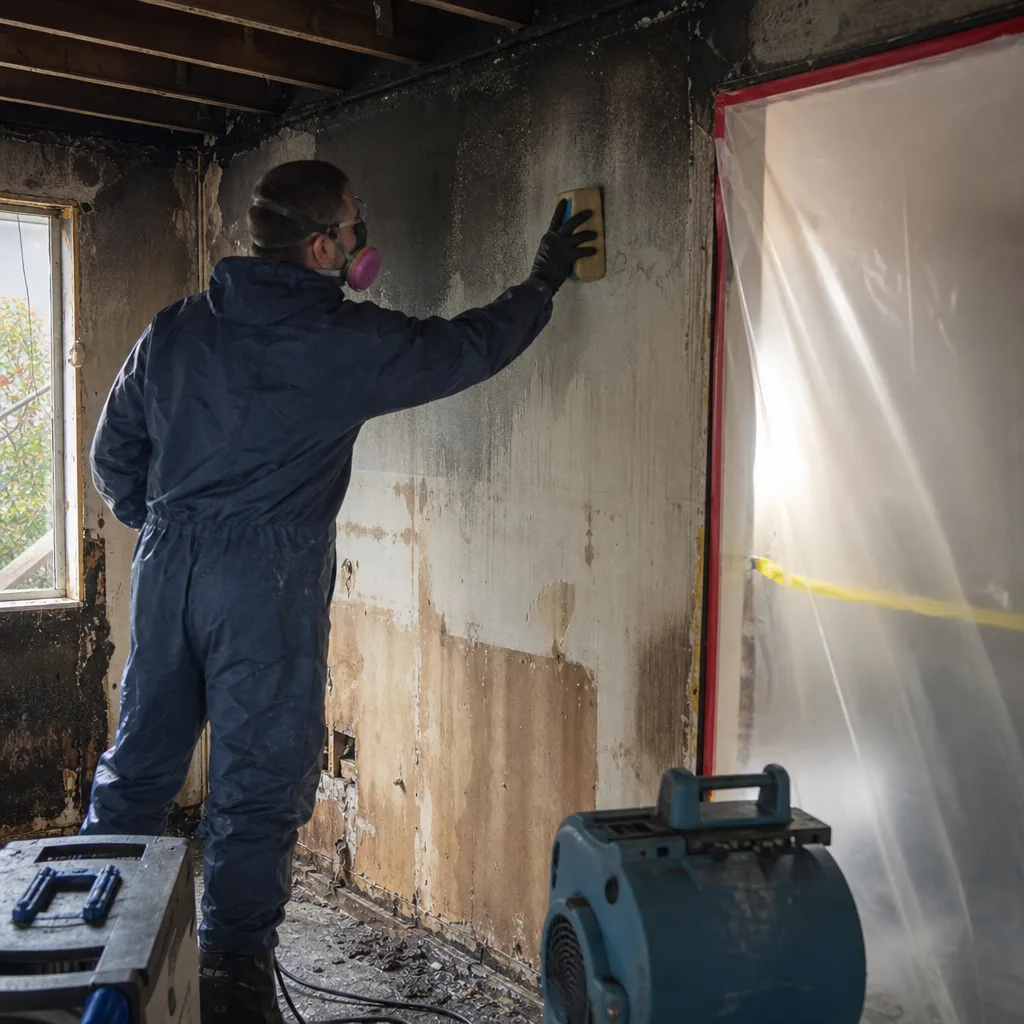
Air Quality Restoration
HEPA air scrubbing during active remediation, followed by duct cleaning and HVAC assessment when systems are implicated. Mercer Island’s tight, energy-efficient custom homes often recirculate contaminants through central systems; we evaluate whether ductwork requires intervention or simply isolation during remediation.
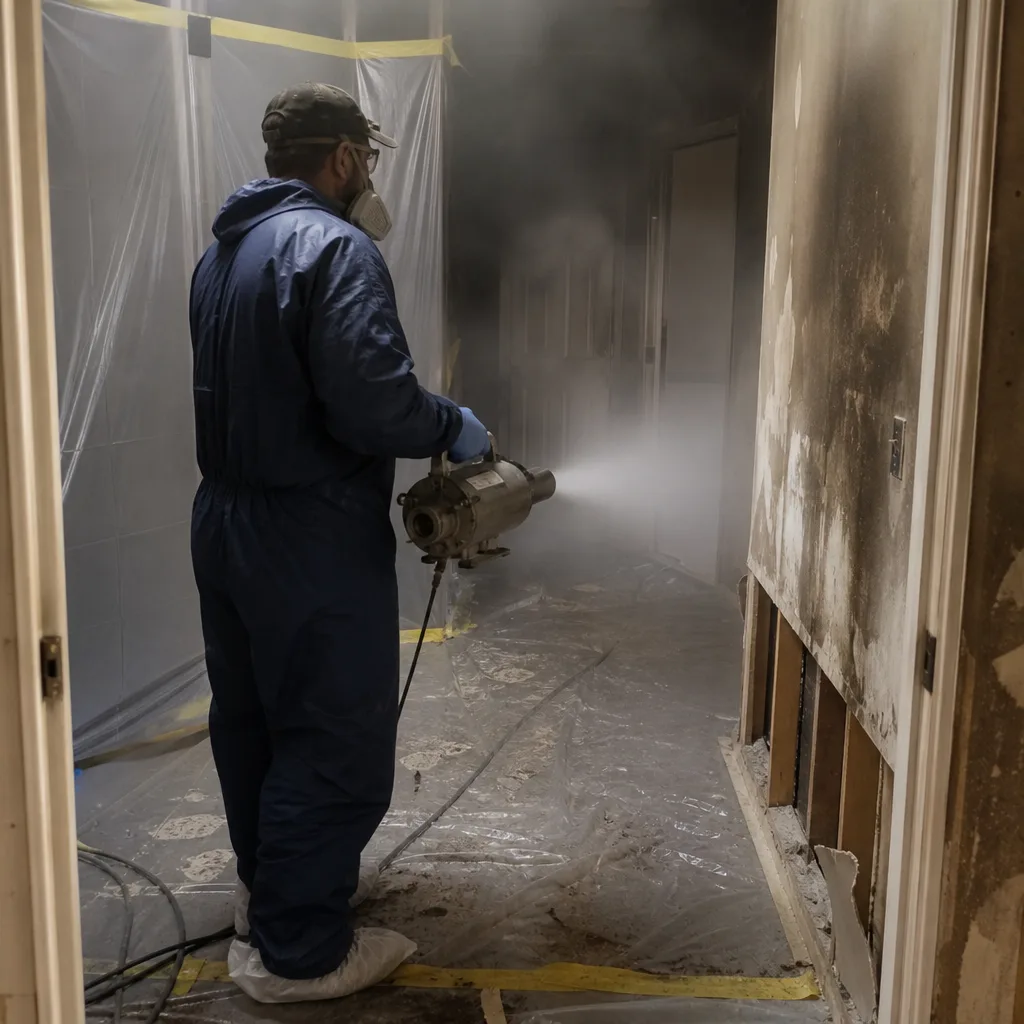
Crawl Space Treatment
Our most critical sub-service on Mercer Island. We remove degraded vapor barriers, treat mold-affected framing, install new ground cover with sealed seams, evaluate drain tile function, and specify permanent dehumidification or ventilation. Without this step, Mercer Island’s chronic humidity guarantees recurrence.
Moisture & Humidity Control
Permanent solutions beyond the acute remediation: whole-home dehumidification, crawl space encapsulation, improved ventilation design, and groundwater management. We size equipment for Mercer Island’s specific humidity load, not mainland specifications that underperform here.
What happens when you call
- 1
A real person answersNo phone trees - you reach a local pro.
- 2
You get an upfront price rangeHonest numbers before anyone is dispatched.
- 3
A background-checked tech heads outLicensed & insured, dispatched right away.
- 4
You approve before work beginsNothing starts until you say go.
Mold Remediation Costs in Mercer Island, WA
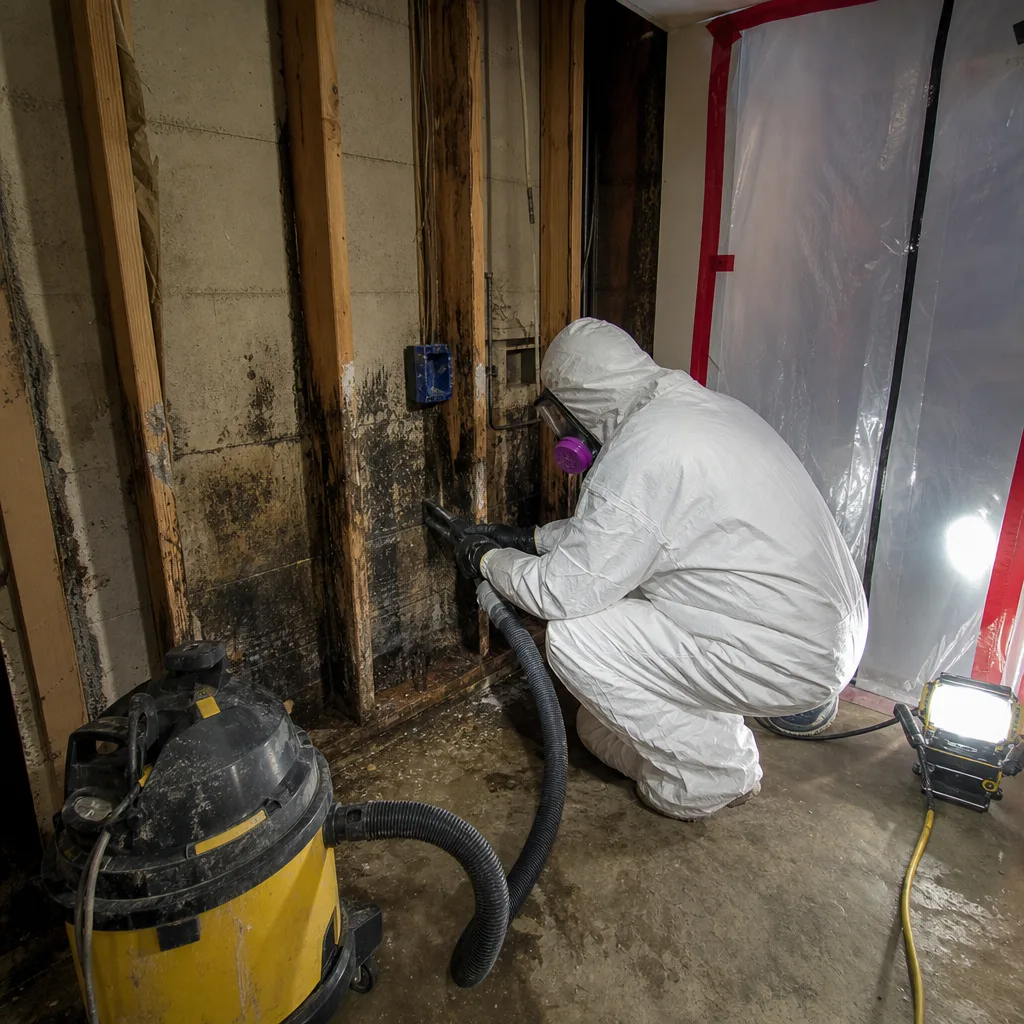
Typical mold remediation in Mercer Island runs $1,800 for limited Category 1 surface treatment in a small bathroom or laundry area, to $6,500 for moderate Category 2 crawl space or basement involvement with controlled demolition and vapor barrier replacement. Extensive Category 3 contamination exceeding 100 square feet, involving structural members or requiring third-party clearance testing, can reach $12,000-$18,000 depending on finish materials and rebuild complexity.
What moves the price: affected square footage, material classification (tile vs. drywall vs. custom millwork), accessibility (crawl spaces add labor), and whether permanent moisture control is included. Insurance typically covers mold remediation when it results from a sudden, accidental water loss that is itself a covered peril - a burst pipe, appliance failure, or storm intrusion. Long-term maintenance failures, slow leaks ignored by the homeowner, or humidity-driven condensation without a specific water event are usually excluded.
We provide a written price before any work starts, every time, with no exceptions. Haven Standard, Clause 1. Our free visual inspection includes moisture mapping and a preliminary scope; you receive a firm, line-item estimate before we deploy containment. Call (253) 487-0371 for your inspection - estimates are free, and we offer a free second opinion on any competitor’s written estimate.
We Also Serve Cities Near Mercer Island
Our crews regularly cross the I-90 bridge for jobs in Bellevue, where we see similar Eastside humidity patterns but without Mercer Island’s compressed response window. We serve Renton to the south, Issaquah in the Sammamish corridor, and Kent where different soil conditions and building ages create distinct mold profiles. Each city gets the same documentation-first approach, but Mercer Island’s lake-surrounded geography and single-point access remain unique in our service area.
Serving Mercer Island, WA - Our Local Coverage Area
We’re based in the Mercer Island area and know this community well. Use the map below to see our service coverage - if you’re nearby, we can almost certainly help.
Mercer Island Mold Remediation Questions, Answered
How fast can you get to my Mercer Island home if mold is already growing?
When our equipment is pre-staged on-island, we can be on-site within 45 minutes; during bridge incidents or peak commute windows, mainland dispatch may extend to 90 minutes or more. That’s why we monitor I-90 conditions and pre-position crews ahead of forecast storms. Call (253) 487-0371 - we’ll tell you our current Mercer Island status and dispatch time before you commit.
Why does mold seem to grow faster in my Mercer Island crawl space than at my old mainland house?
Mercer Island’s full encirclement by Lake Washington keeps relative humidity measurably higher than mainland locations, and many island crawl spaces retain original 1960s-1970s vapor barriers that have degraded to the point of trapping moisture rather than blocking it. The combination of elevated ambient humidity and failed ground cover creates conditions where mold colonizes in 24 hours rather than the standard 48-hour window most restorers reference.
Does a water leak in a finished Mercer Island basement always require removing the drywall?
Not always. We use thermal imaging and pinless moisture meters to determine whether drywall is wet behind the finish, and whether drying can be achieved through injection systems or whether controlled demolition is necessary. Category 1 water on new drywall with prompt drying often saves the finish; Category 2 or 3 water, or any delay beyond 24 hours in Mercer Island’s humidity, usually requires removal to prevent mold colonization behind the wall.
What’s involved in mold remediation for a high-end Mercer Island custom home with specialty finishes?
Documentation and material matching become the critical variables. We photograph every finish before disturbance, identify suppliers for custom millwork and natural stone, and build lead times into the written scope so you’re not living with open walls while specialty materials are sourced. Our rebuild team has experience with the premium finishes common in Mercer Island’s rebuilt homes, and we don’t close the job until matched materials are installed and approved.
Will my insurance cover mold remediation after a water loss on Mercer Island?
Usually, when mold results from a sudden, accidental water event that is a covered peril - burst pipe, appliance failure, storm intrusion. The key is documentation that ties the mold directly to the water loss and proves prompt mitigation efforts. We build that documentation from hour one: moisture logs, photo records, and a written scope that your adjuster can pay without dispute. Call (253) 487-0371 and we’ll review your specific situation.
How long does mold remediation take from start to finish?
Category 1 limited surface treatment: 1-2 days. Category 2 with controlled demolition and drying: 3-5 days of active work plus material lead time for rebuild. Category 3 extensive contamination: 5-10 days of remediation plus third-party clearance testing timeline, then rebuild. Mercer Island custom homes with specialty materials may add 2-4 weeks for procurement. We put specific timelines in every written scope.
Can my family stay in the home during mold remediation?
For Category 1 limited areas, often yes with containment isolation and HEPA air scrubbing. For Category 2 or any toxigenic species, we typically recommend temporary relocation during active remediation, particularly for children, elderly occupants, or anyone with respiratory conditions. We specify occupancy recommendations in the written scope before work begins, and we don’t pressure you to stay for our convenience.
What certifications do your mold remediation technicians hold?
Our lead technicians hold IICRC WRT (Water Damage Restoration Technician) and AMRT (Applied Microbial Remediation Technician) certifications at minimum. Cross-trained crews add FSRT (Fire & Smoke Restoration Technician) where smoke and water losses overlap. All technicians are background-checked, licensed, insured, and verified before they arrive at your Mercer Island property. We provide license numbers on request.
Call (253) 487-0371 for a free visual inspection and written estimate. Every job starts with a documented assessment, a line-item scope approved by you before work begins, and the 365-Day Done Right Promise under The Haven Standard. If it’s not done right, we make it right.
Written by Alicia Brennan, Owner at Back to Dry Restoration, serving Mercer Island since 2011.
Mold Remediation in Nearby Areas