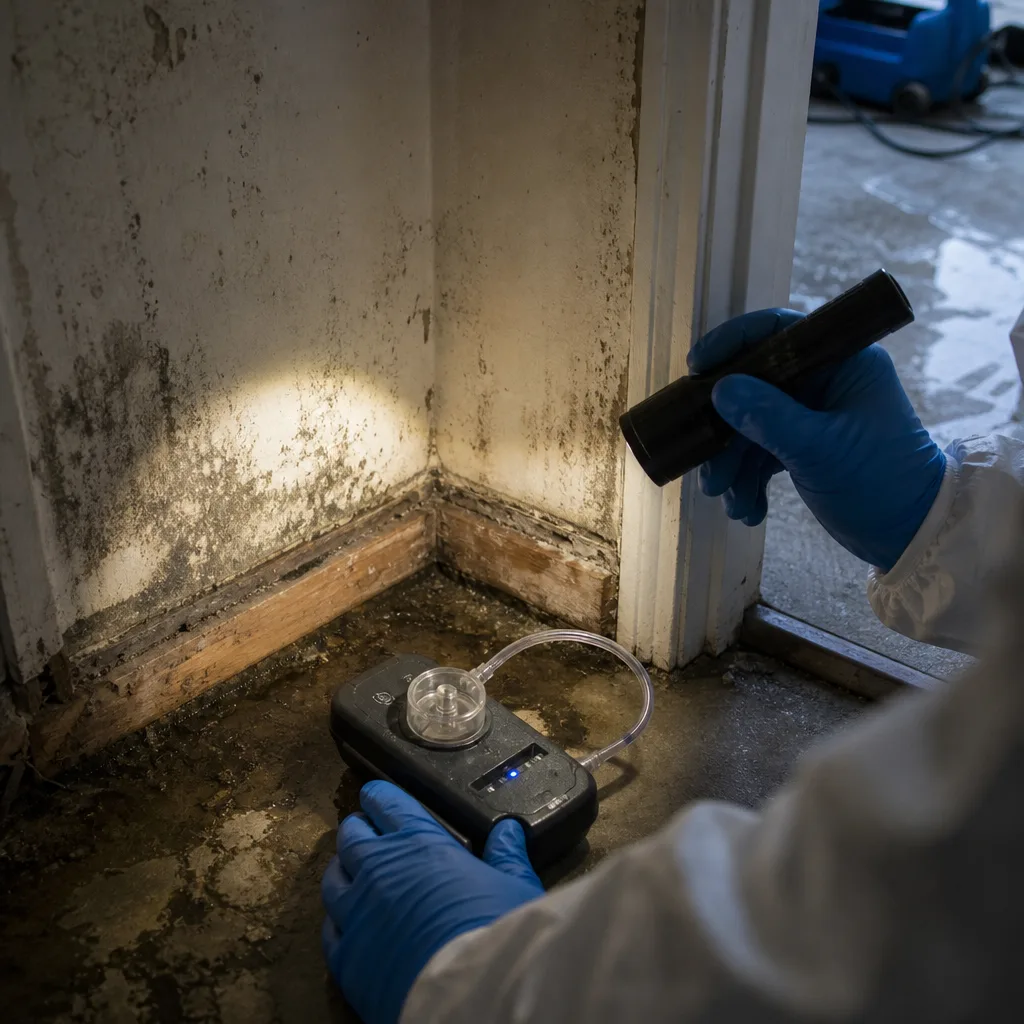
Free visual inspection and a written scope of work before any mitigation begins - photos, moisture readings, and drying logs go in your claim file
The scope we write is the scope we bill. Anything new gets shown to you, in writing, before we touch it.

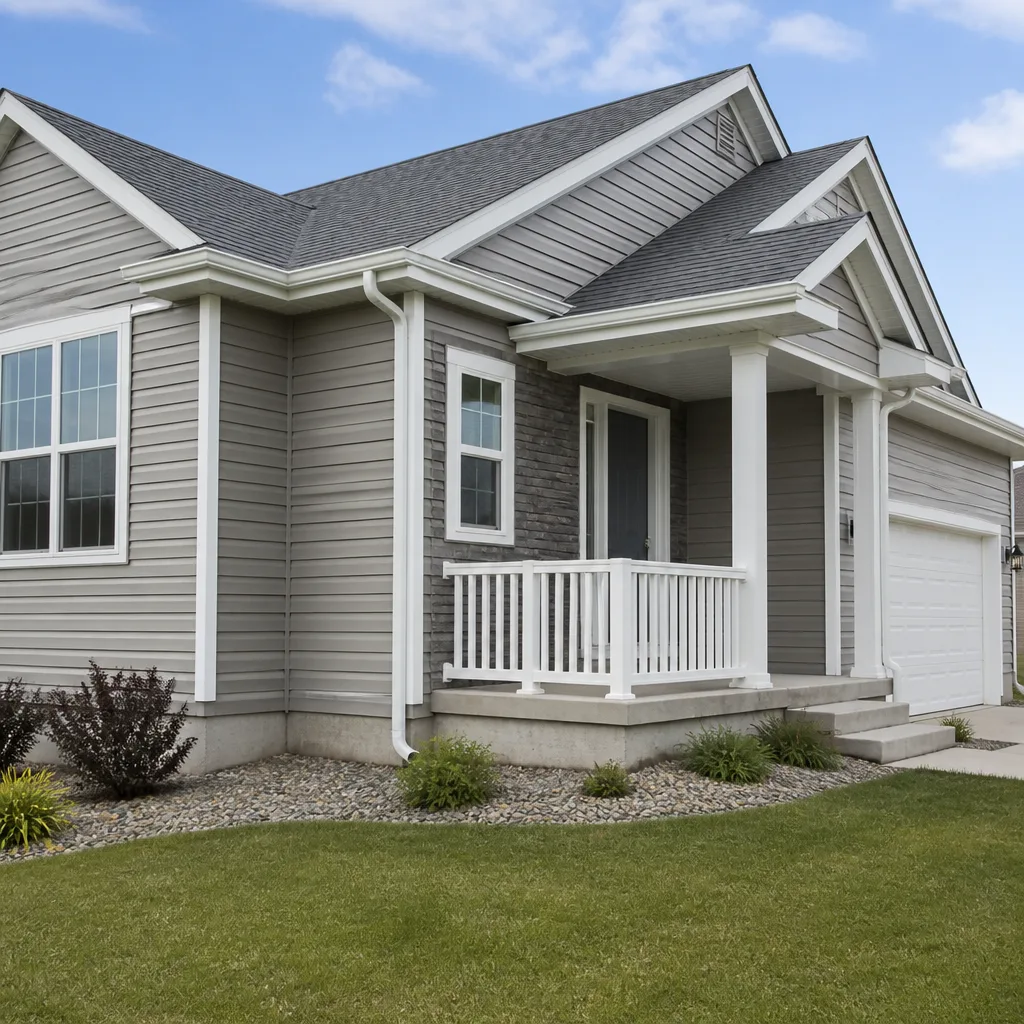
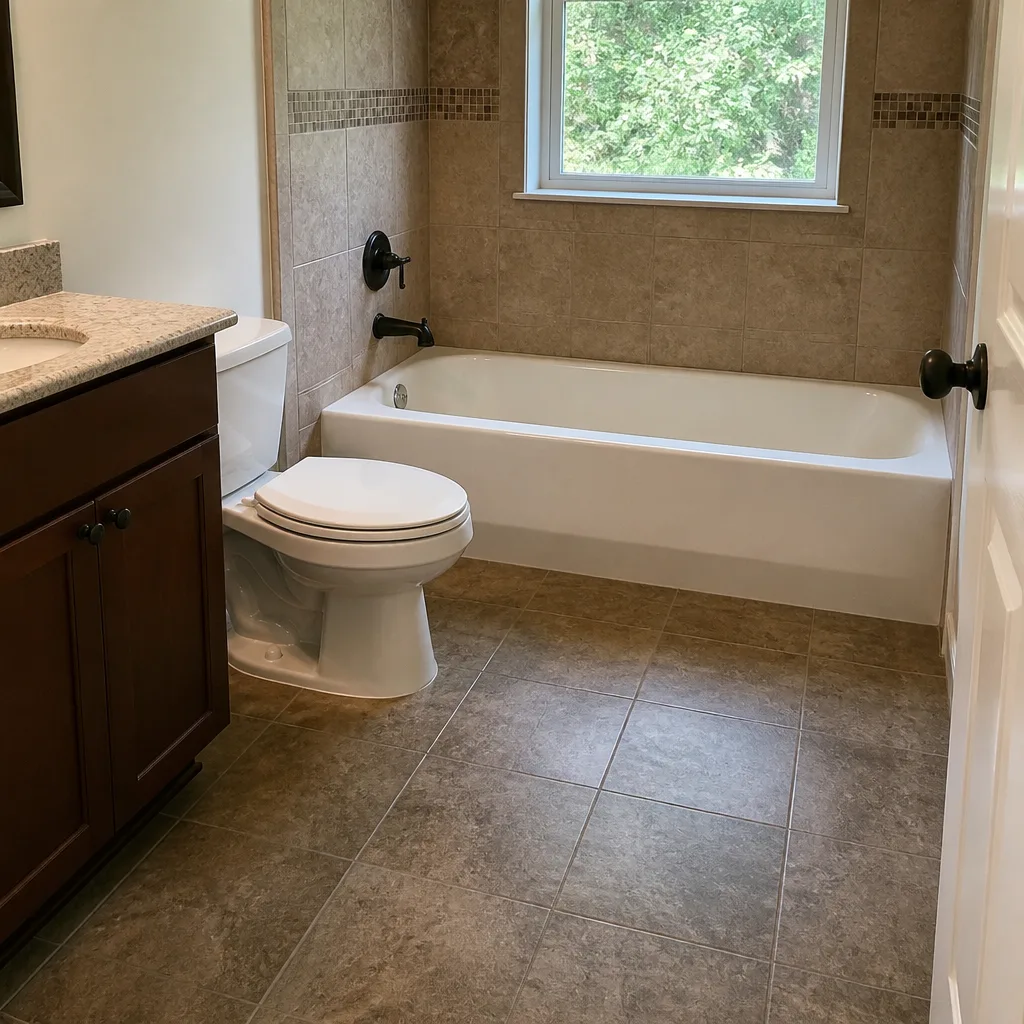
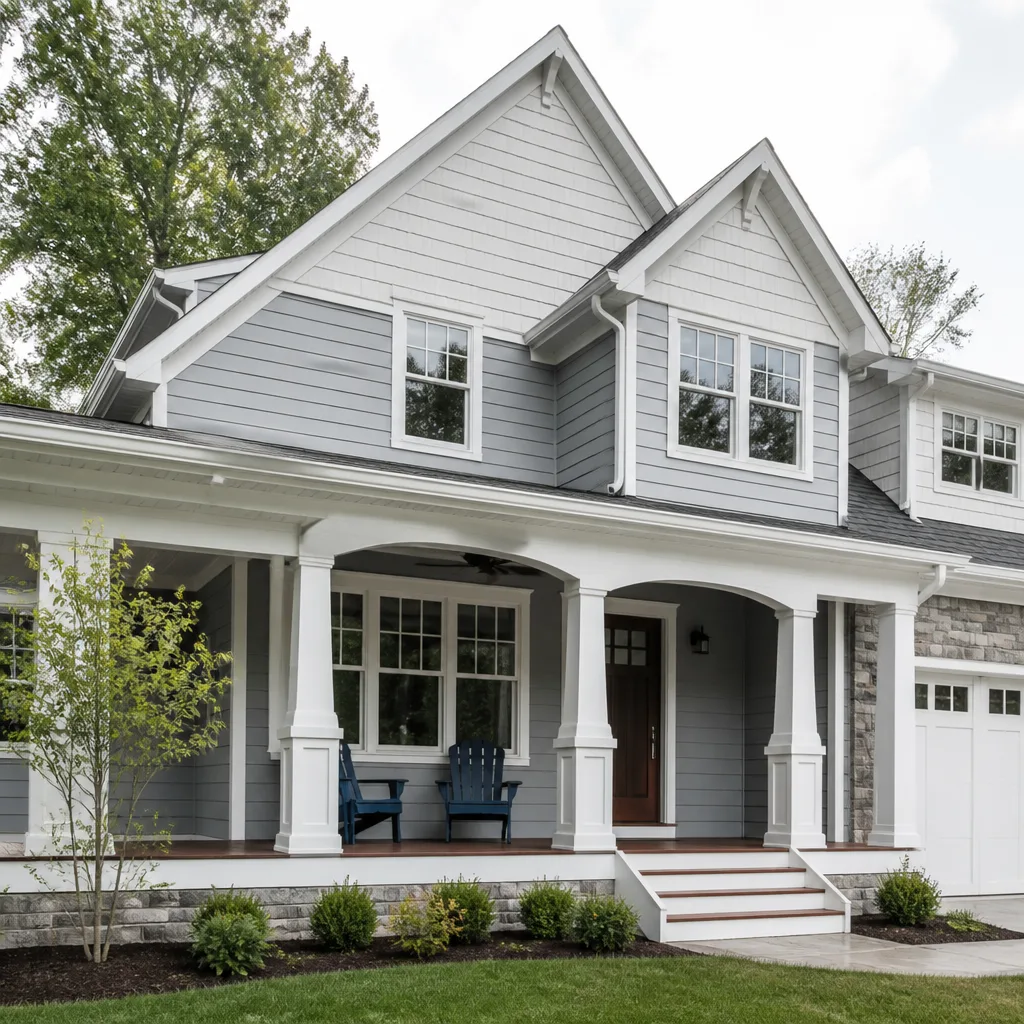
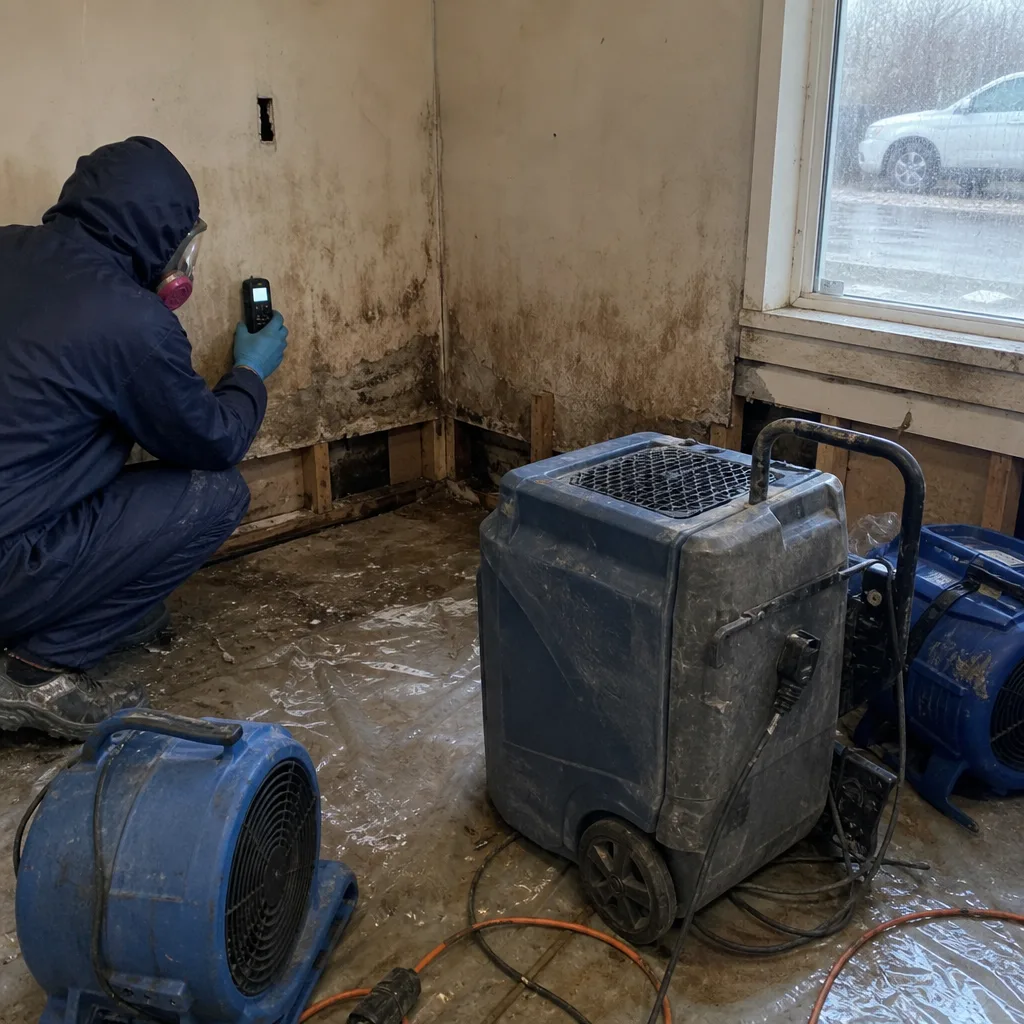 Before
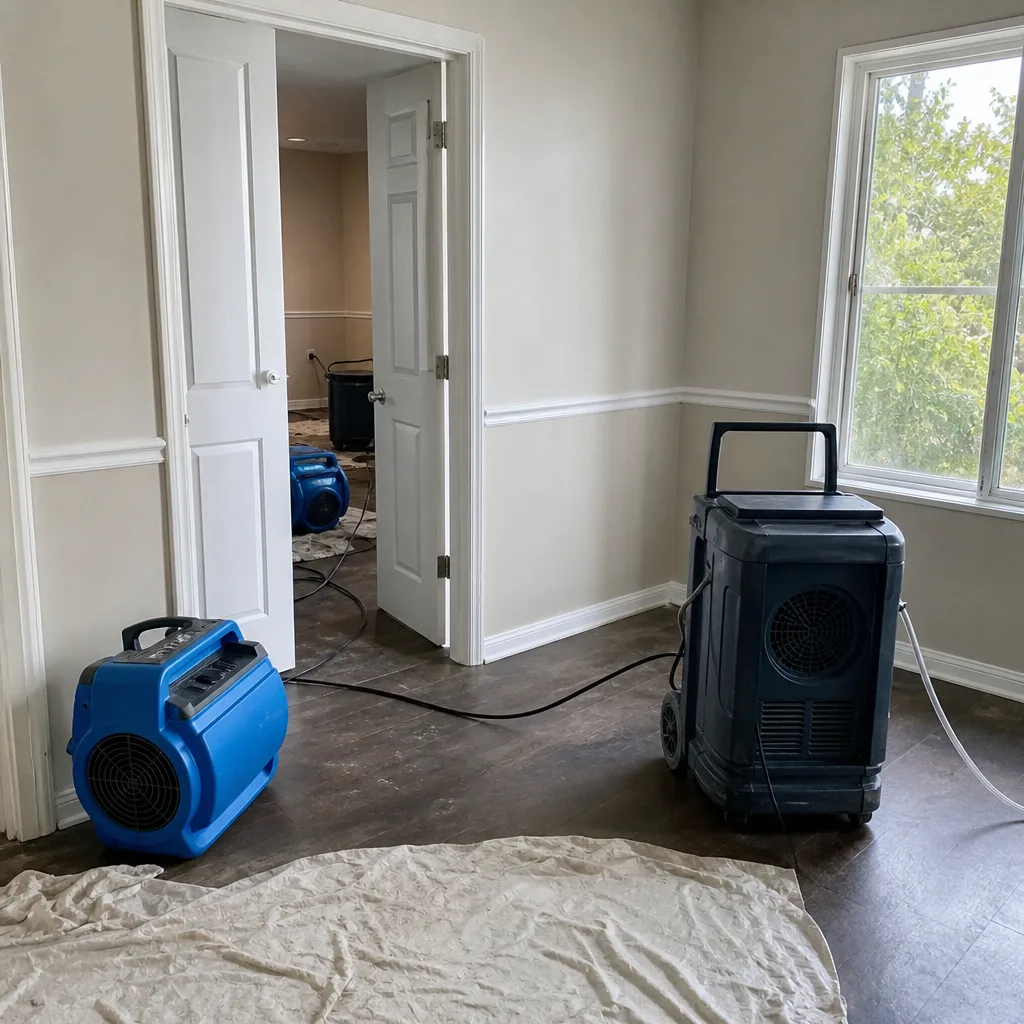 After
After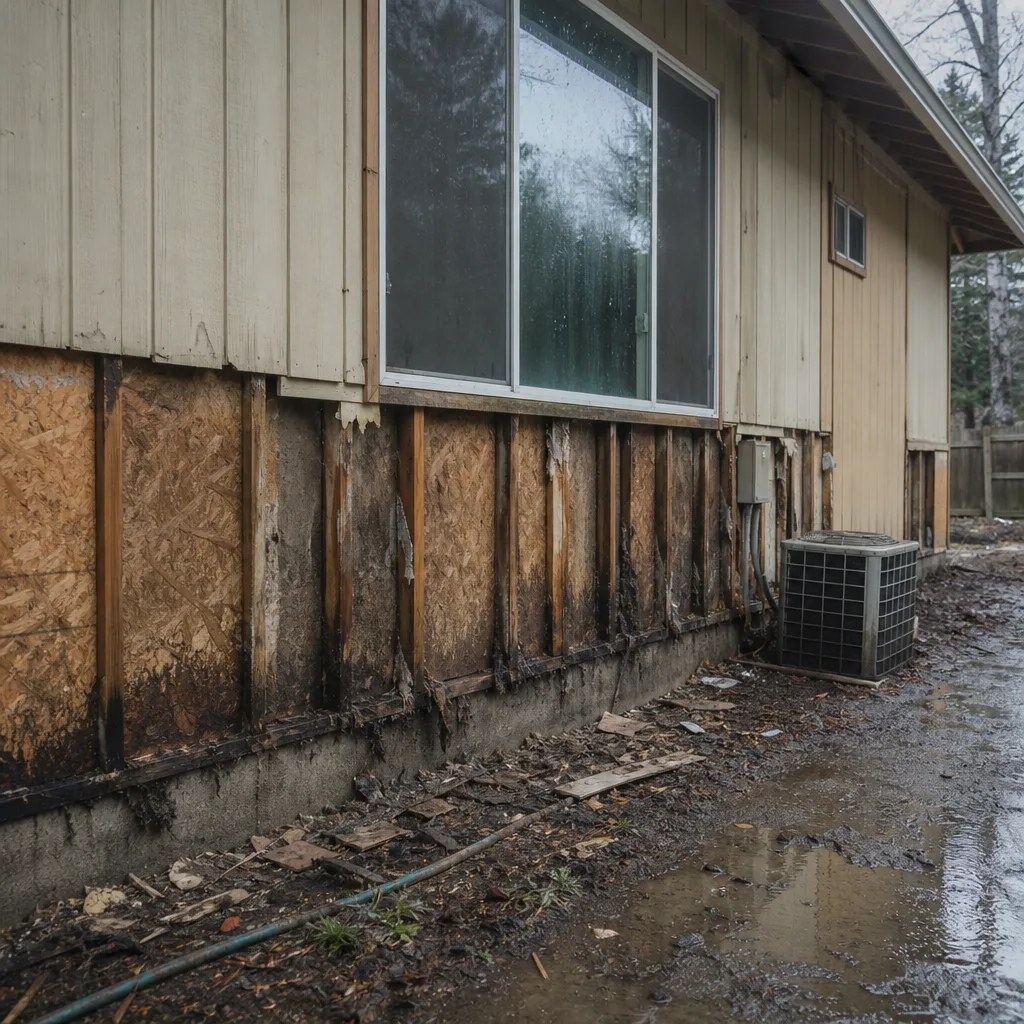 Before
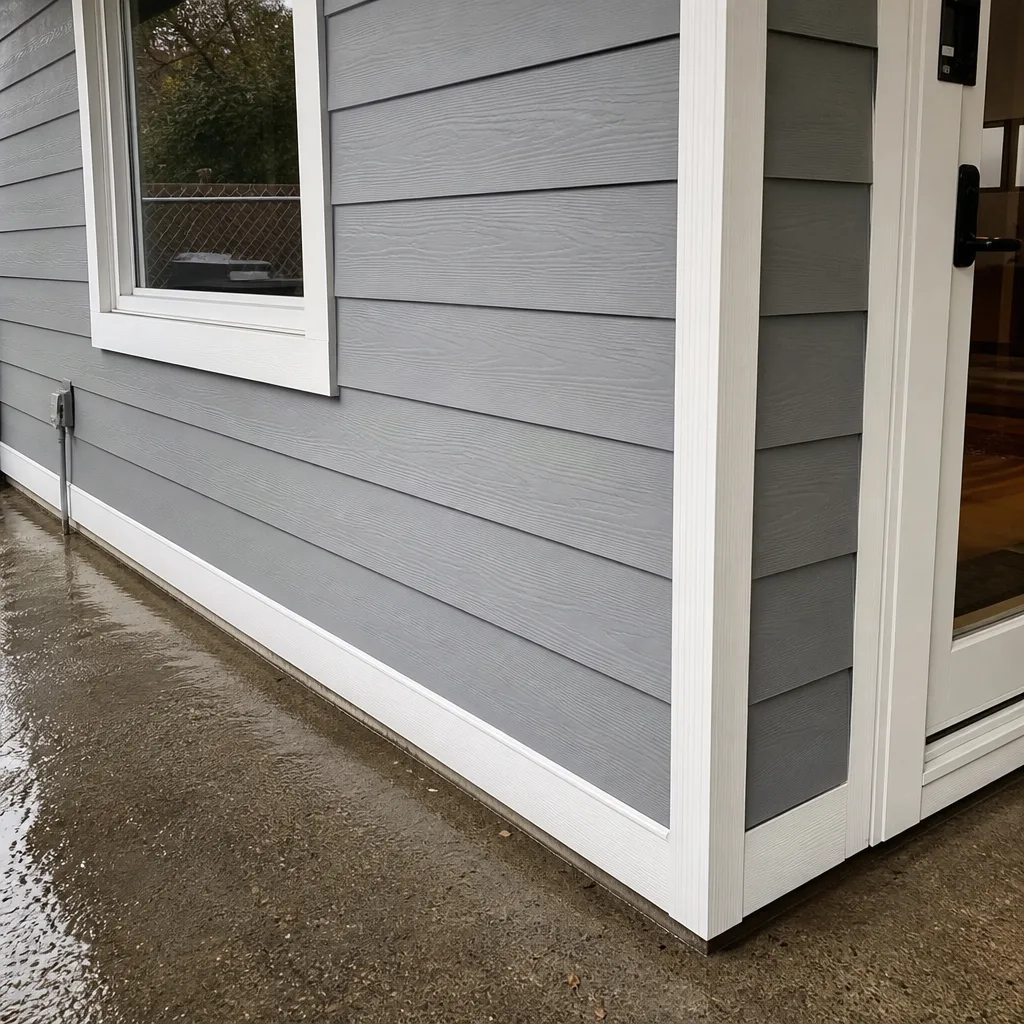 After
After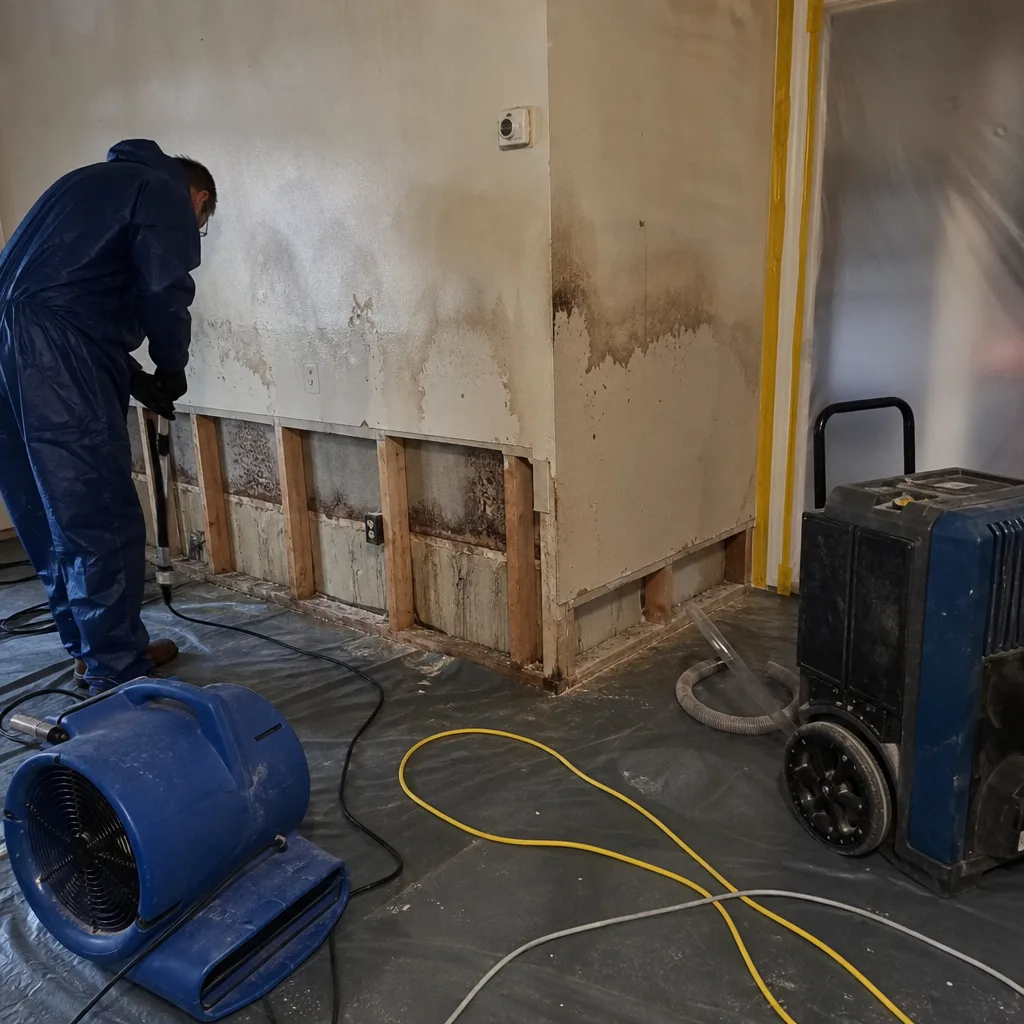 Before
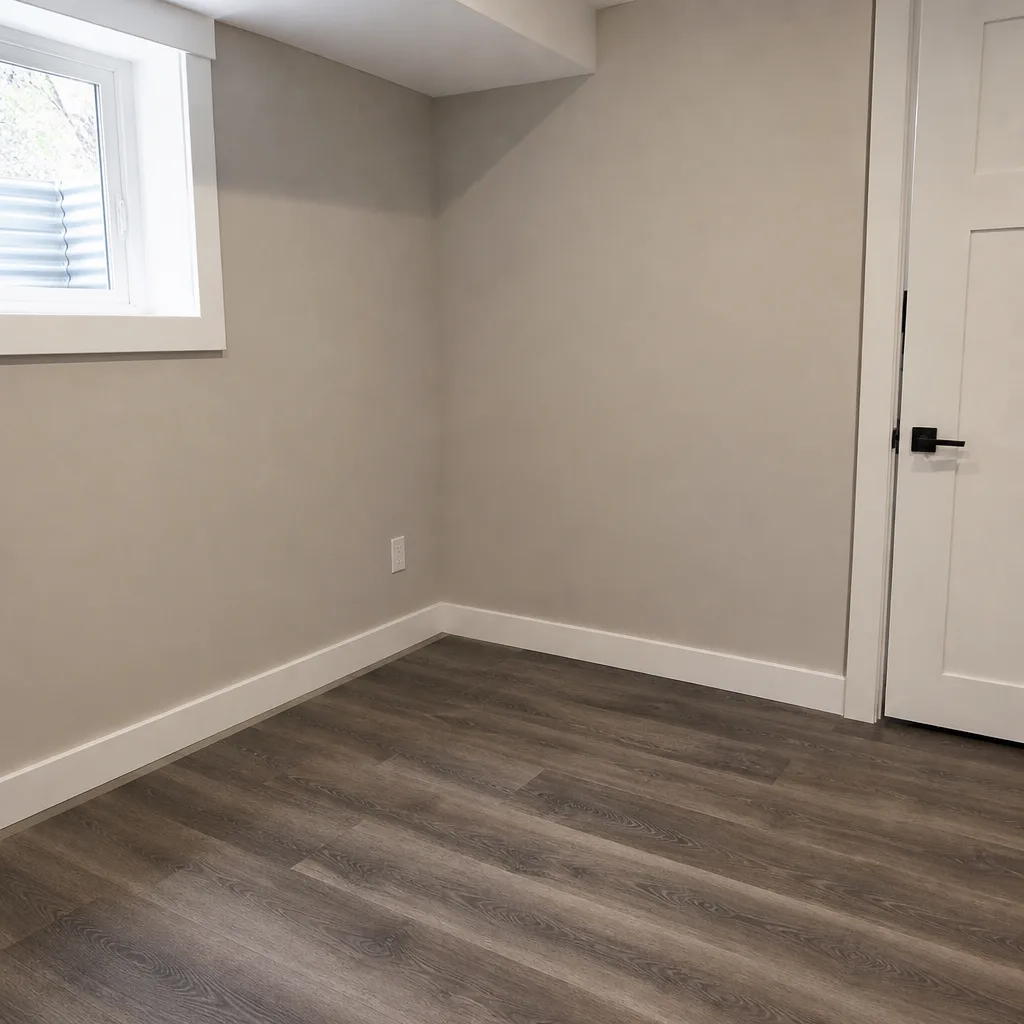 After
After24/7 Emergency Mold Remediation in Renton
Mold remediation in Renton typically costs $1,800-$6,500 depending on affected square footage and whether the source water was clean or contaminated, and our crews can usually begin containment within 45 minutes of your call. If you’re seeing visible growth or smelling mustiness after any water loss, call (253) 487-0371 now. Our phones are answered live by a real person 24 hours a day, 7 days a week - no voicemail trees, no next-business-day callbacks while spores are still spreading. We dispatch from our Seattle office and serve Renton locally, so we’re already familiar with the Cedar River floodplain properties, the Highlands’ post-WWII tract homes, and the hillside drainage patterns along SR-900 that create repeat moisture conditions here. The first hour matters because mold colonizes drywall in 24-48 hours and once it reaches behind wall cavities, the scope of removal, containment, and air scrubbing expands fast.
Understanding Mold Remediation Severity in Renton Properties
We classify every Renton mold job by three factors: the category of water that introduced the moisture, the class of material destruction, and whether we’re dealing with a first-time loss or a repeat event in a floodplain property. Category 1 water - a clean supply line break - presents lower biological risk but still demands full moisture mapping, since even “clean” water wicks into sill plates and subflooring. Category 2, or gray water, carries enough organic load that we treat affected porous materials as contaminated from the start. Category 3, black water from sewage or river flooding, triggers full gutting of porous structural materials and requires negative-air containment with HEPA filtration throughout.
In Renton’s Highlands district, we regularly encounter homes built in the 1940s-1960s with original galvanized supply lines and cast-iron drains. These systems don’t fail dramatically; they weep slowly inside walls for weeks before anyone notices. By the time we arrive, the actual category of water may have escalated from 1 to 2 as the leak picked up soil and organic material from inside the wall cavity. We document this with thermal imaging and moisture meters, then write the scope accordingly. Haven Standard, Clause 1: the price you see before we start is the price you pay, even if we find more affected material once demolition begins.
Why Renton Property Owners Choose DryMark Restoration Auburn
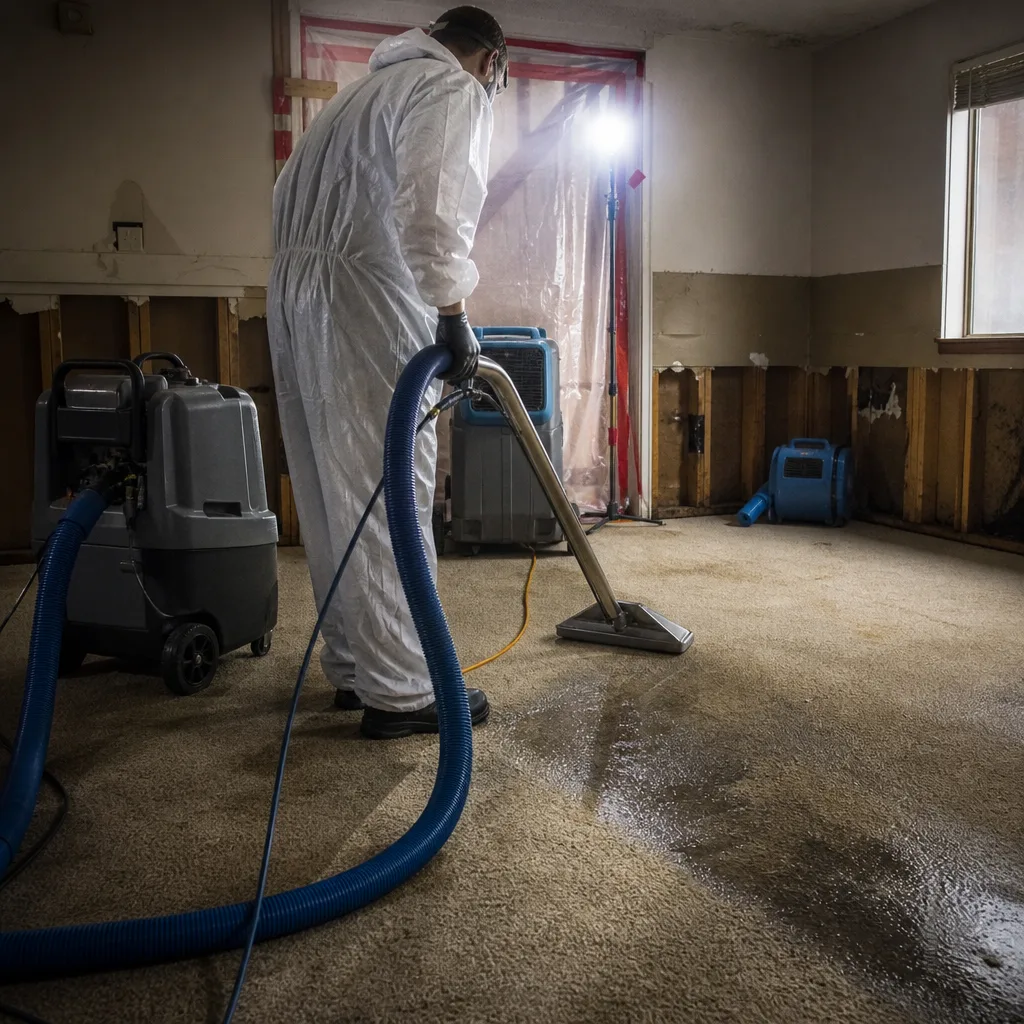
- 45-minute response commitment to Renton addresses, with crews already staged for the Cedar River corridor and hillside developments along SR-900.
- 24/7 live answer by a real person, never an automated system - because mold doesn’t wait for business hours and neither do we.
- IICRC-certified crews holding WRT (Water Damage Restoration Technician), AMRT (Applied Microbial Remediation Technician), and FSRT (Fire & Smoke Restoration Technician) certifications where dual-loss scenarios apply.
- Free visual inspection and moisture assessment, with a written scope delivered before any containment or removal work begins.
- Direct insurance billing with photo-documented estimates, daily drying logs, and adjuster coordination handled by our in-house claims team.
- One team from initial assessment through final clearance testing - no handoffs between contractors that lose documentation or continuity.
BeforeAfterOur Mold Remediation Process
1. Inspection & Assessment
We arrive with thermal imaging cameras, penetrating and non-penetrating moisture meters, and hygrometers to map the full extent of moisture intrusion. In Renton’s floodplain properties, we pull prior loss history and document pre-existing moisture conditions before writing the scope. Haven Standard, Clause 1 applies: you receive a written price before any work starts.
2. Containment & Air Scrubbing
We establish negative-air containment with 6-mil polyethylene barriers and run HEPA air scrubbers at 4-6 air changes per hour to prevent cross-contamination. For crawl space jobs in the Cedar River corridor, this means sealing access points and running ducted scrubber exhaust to the exterior.
3. Moisture Reduction & Stabilization
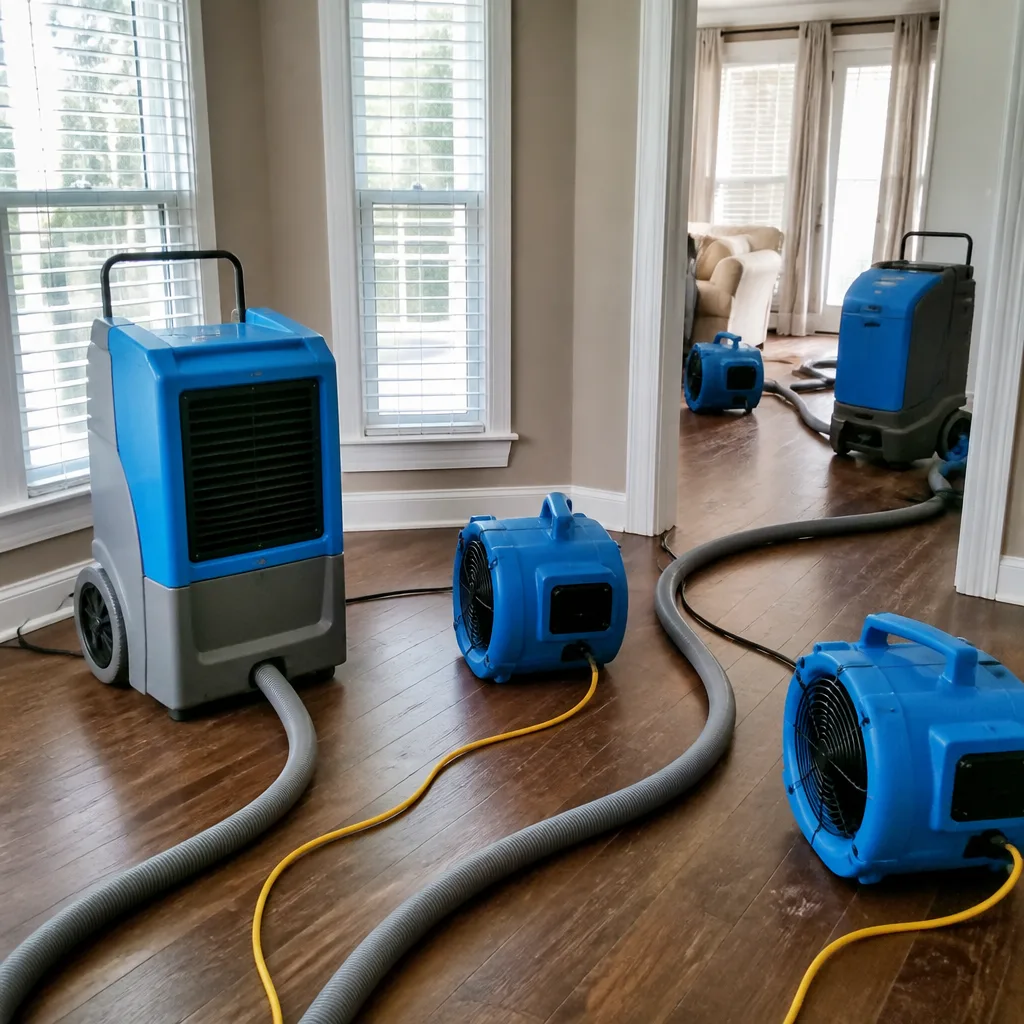
We deploy Dri-Eaz and Phoenix dehumidifiers sized to the space, plus axial and centrifugal air movers positioned to create laminar airflow across wet surfaces. In Renton’s prolonged November-March wet season, we run equipment longer than drier-climate protocols require, documenting psychrometric data - temperature, relative humidity, and vapor pressure differential - in daily logs.
4. Removal & Cleaning
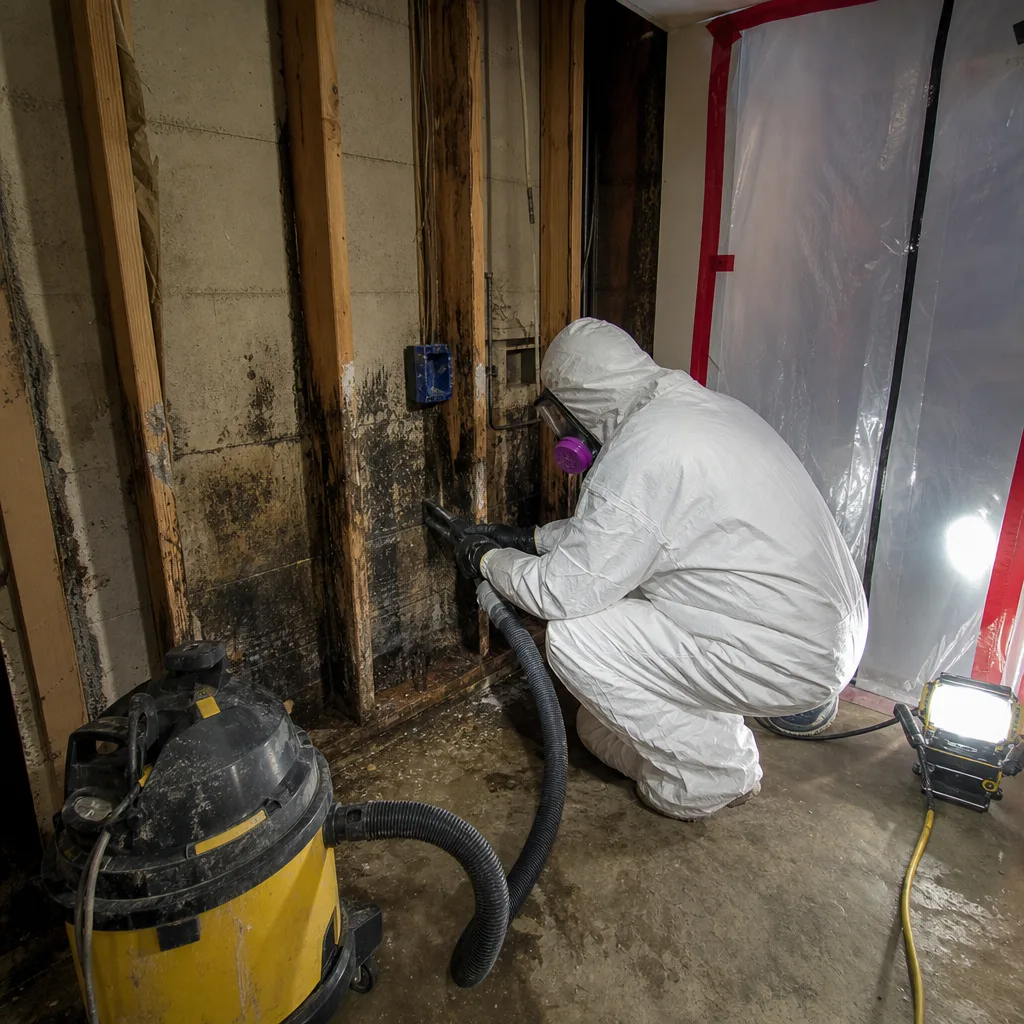
Non-salvageable porous materials come out: water-damaged drywall, insulation, carpet pad, and in floodplain properties, often the vapor barrier in crawl spaces. We HEPA-vacuum and apply antimicrobial treatment to remaining structural materials, with full photo documentation at every stage.
5. Antimicrobial Treatment & Air Quality Restoration
We apply EPA-registered antimicrobial agents to affected framing and subflooring, then run supplemental HEPA filtration until airborne spore counts drop below outdoor baseline levels. For Renton homes with forced-air systems, we inspect ductwork for contamination and recommend cleaning where the HVAC ran during active growth.
6. Clearance Testing & Restoration
Third-party or in-house clearance testing confirms spore counts, and we deliver a written report with photo record, drying logs, and the signed 365-Day Done Right Promise under The Haven Standard. Reconstruction of removed materials is scoped separately and scheduled, not rushed.
Need Emergency Mold Remediation in Renton Now?
Crews minutes away, answering live 24 hours a day. The sooner we start, the less it costs.
Working With Your Insurance Company
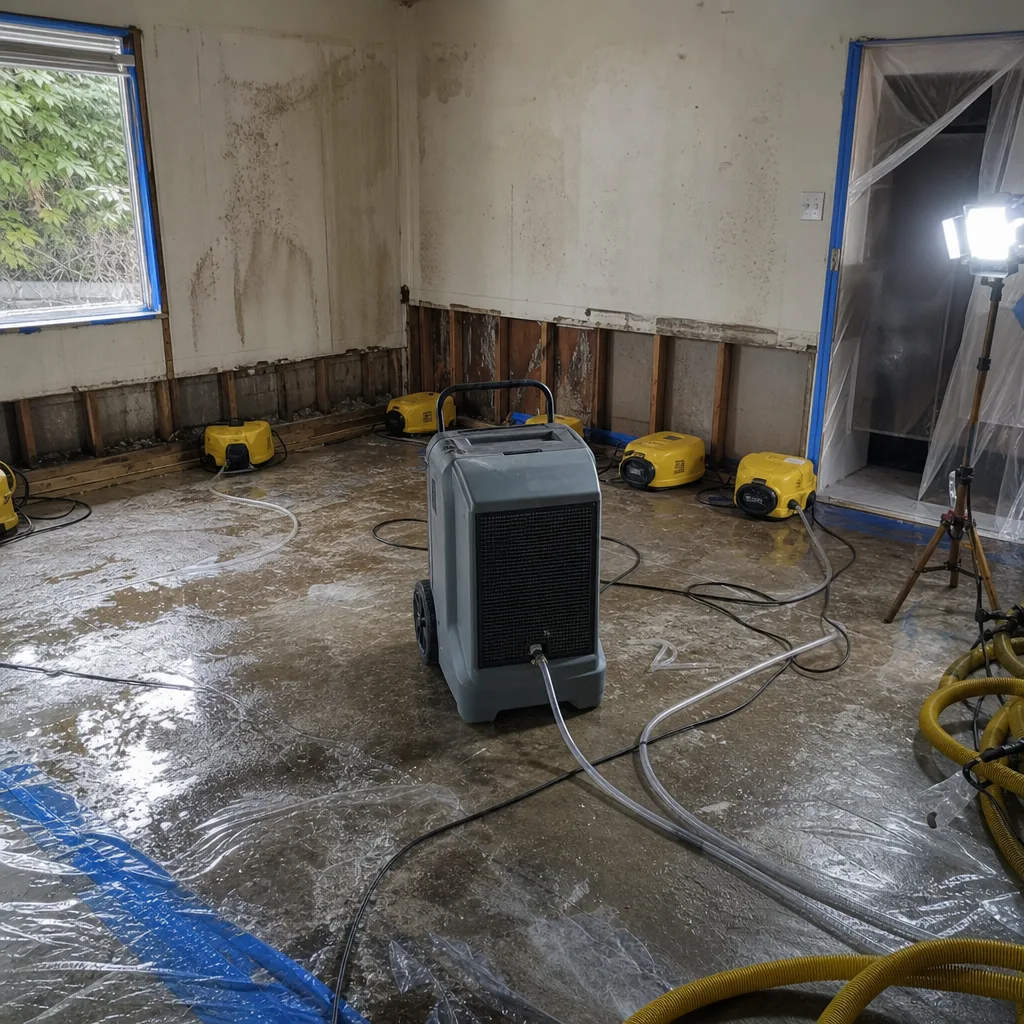
Most Renton homeowners’ policies cover mold remediation when it’s the direct result of a covered water loss, not from long-term maintenance neglect. The documentation gap is where claims get denied, and it’s why we built our process around evidence from the first hour. Our technicians photograph every room, record moisture readings at each structural contact point, and maintain daily drying logs that meet IICRC S520 and S500 standards. We write line-item scopes in Xactimate, the industry-standard estimating platform, and communicate directly with your adjuster so you’re not translating between two parties who’ve never met.
We got a call from a homeowner on Houser Way whose crawl space had flooded twice in three winters, and moisture readings hit 28% on the rim joists under a 1950s post-WWII tract home. After water extraction and category 2 water classification, we set containment, ran Dri-Eaz dehumidification and air movers, applied antimicrobial treatment to the joists, and documented the drying logs because the same property had a prior mitigation - the difference here is that the Cedar River floodplain makes this a repeat-client pattern, not an isolated event.
What We Provide Your Insurer
- Thorough documentation of the loss with date-stamped photos
- Room-by-room damage photography, including thermal images
- Moisture readings and daily psychrometric drying logs
- A detailed, line-item scope of work in Xactimate format
- Direct coordination with your carrier’s adjuster, including supplement negotiation
Built for Renton’s Loss Calendar
Renton’s mold season runs November through April, driven by three predictable forces. The Cedar River’s winter flood stage, often reached multiple times per season, saturates crawl spaces and lower levels in the downtown core and along the corridor from Houser Way to the riverbanks. Prolonged soil saturation on the valley floor keeps moisture cycling through foundation walls even after surface water recedes. Meanwhile, the Highlands’ aging galvanized supply lines and cast-iron drains fail most often during the first hard freeze-thaw cycle, typically late December through February, with slow leaks that go undetected until spring warmth accelerates mold growth inside wall cavities.
Summer brings a secondary pattern: hillside properties along SR-900 and Talbot Hill see foundation seepage from concentrated runoff during thunderstorm events, and homeowners who sealed crawl space vents for winter without installing mechanical dehumidification create stagnant, humid conditions ideal for spore colonization. We schedule preventive moisture and humidity control assessments in September, before the wet season locks in.
Mold Remediation Across Renton’s Neighborhoods
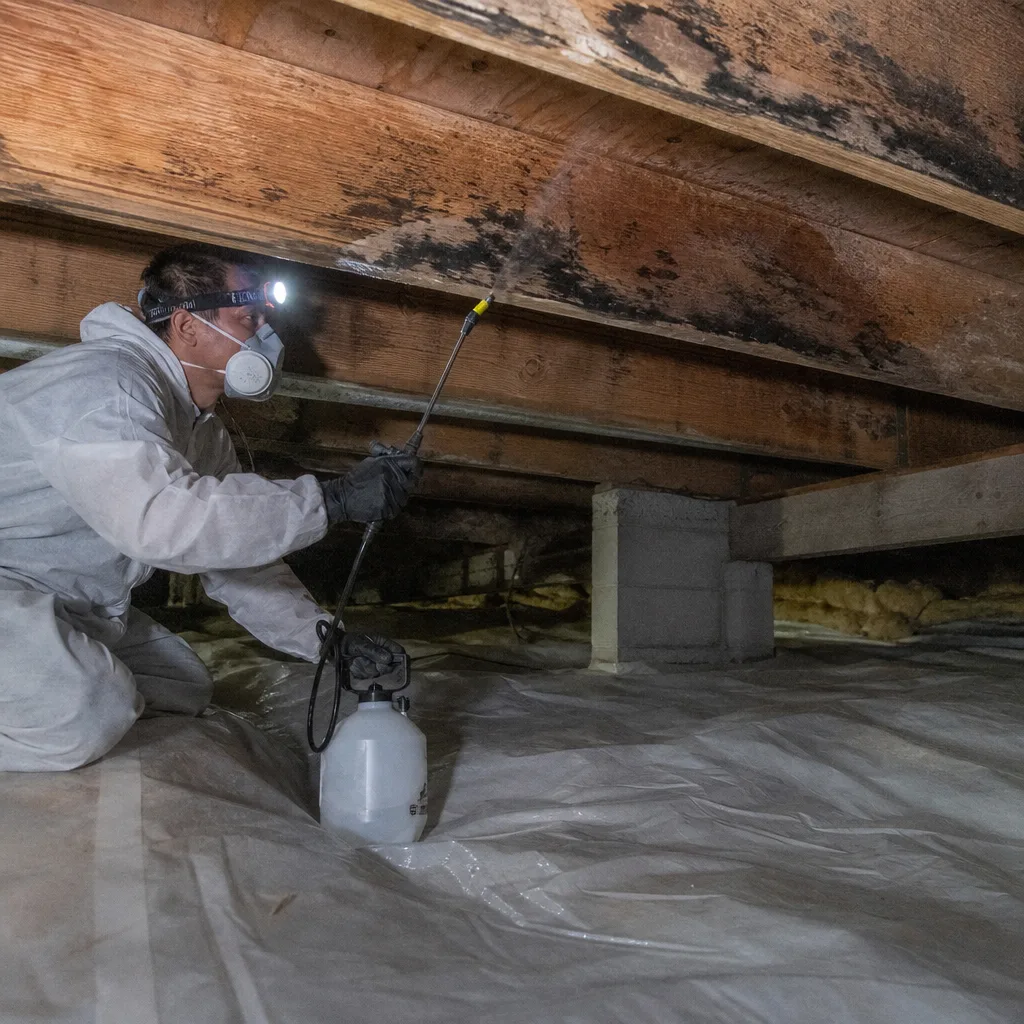
Downtown Renton and the Cedar River corridor present our most complex scopes. These FEMA-designated floodplain properties flood with near-annual predictability, so our Mold Remediation team always pulls prior loss history before writing a new scope. We’ve remediated some Houser Way properties three times in a decade, and each time the pre-existing moisture conditions change the containment plan, the drying protocol, and the reconstruction materials we specify.
The Highlands district, built rapidly in the 1940s-1960s for Boeing workers, delivers a different challenge: original galvanized supply lines, cast-iron drains, and asbestos-containing materials in floor tiles, pipe insulation, and duct wrap. These extend remediation timelines and trigger abatement protocols that newer neighborhoods don’t face. We coordinate with certified abatement contractors when ACMs are present, and we never assume a visible leak tells the whole story.
Hillside developments along SR-900 and the Talbot Hill area suffer from grading that channels surface water toward foundations. We see chronic crawl space dampness here even without a named flood event, and homeowners often call us after noticing musty indoor air or warping hardwood floors. The fix isn’t just mold removal; it’s moisture and humidity control at the source.
Meridian Valley and the Benson Hill area mix older ranch homes with 1990s-2000s construction, giving us a wider range of building envelope failures to diagnose. We still moisture-map every job, but the protocols differ: newer homes with intact vapor barriers and conditioned crawl spaces rarely need the extensive gutting that floodplain properties require.
Specialized Mold Remediation Services We Offer in Renton
Mold Inspection & Testing
We start with a visual inspection, moisture mapping, and air sampling where growth is suspected but not visible. In Renton’s post-WWII homes, we focus on rim joists, subflooring, and the wall cavities behind plumbing fixtures where slow leaks hide. Lab results typically return in 48-72 hours, and we write the remediation scope from the species identification and spore count data.
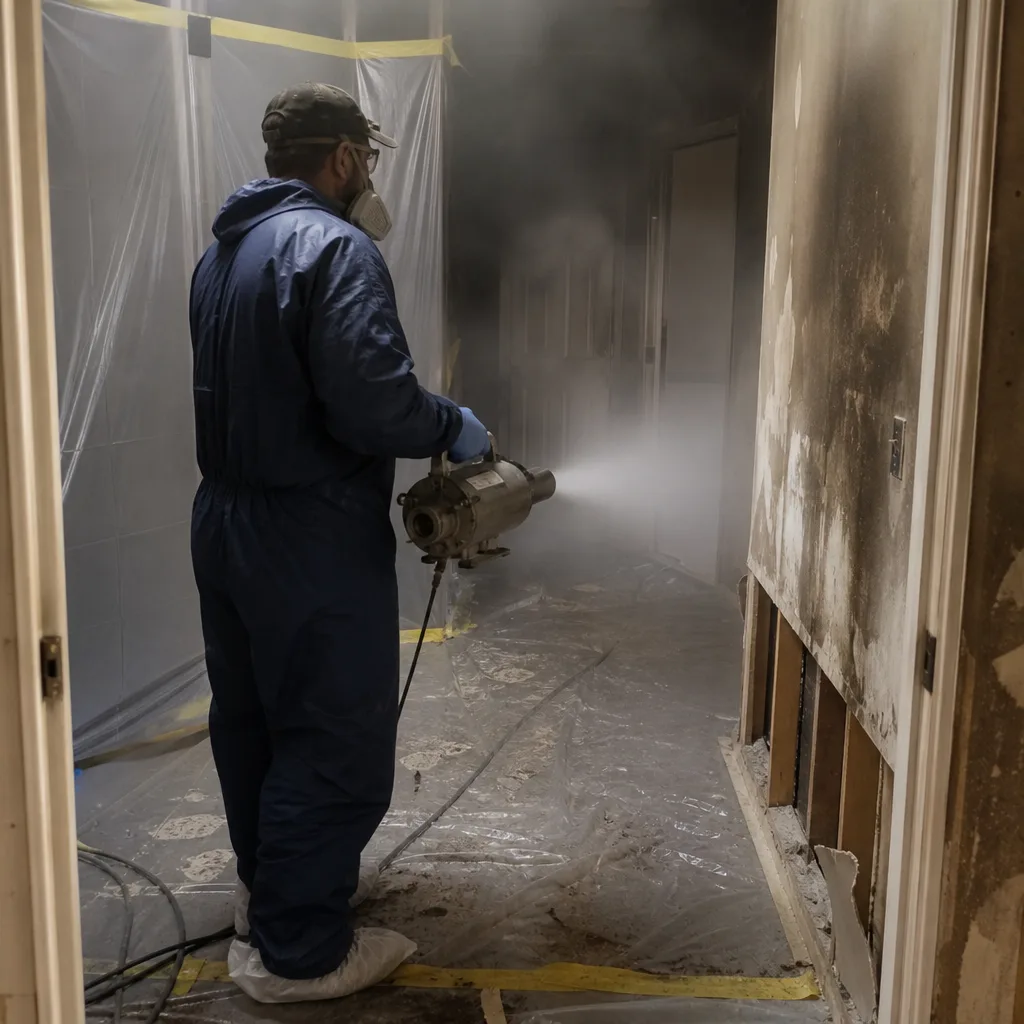
Mold Removal
Containment, HEPA-controlled demolition, and antimicrobial treatment of remaining structural materials. In Renton, this often means removing saturated insulation and compromised vapor barriers from crawl spaces, then running Dri-Eaz and Phoenix dehumidification until moisture content drops below 16% on wood structural members.
Black Mold Remediation
Stachybotrys and other toxigenic species require full respiratory protection, negative-air containment, and extended HEPA scrubbing. We don’t use scare tactics - we document the species, explain the exposure pathway, and scope the work to IICRC S520 standards. Most Renton black mold jobs trace back to Category 2 or 3 water that sat undetected for 10+ days.
Air Quality Restoration
After physical removal, we run HEPA air scrubbers and measure airborne spore counts against outdoor baseline samples. For Renton homes with forced-air systems, we inspect ductwork for cross-contamination and recommend mechanical cleaning where the HVAC operated during active growth.
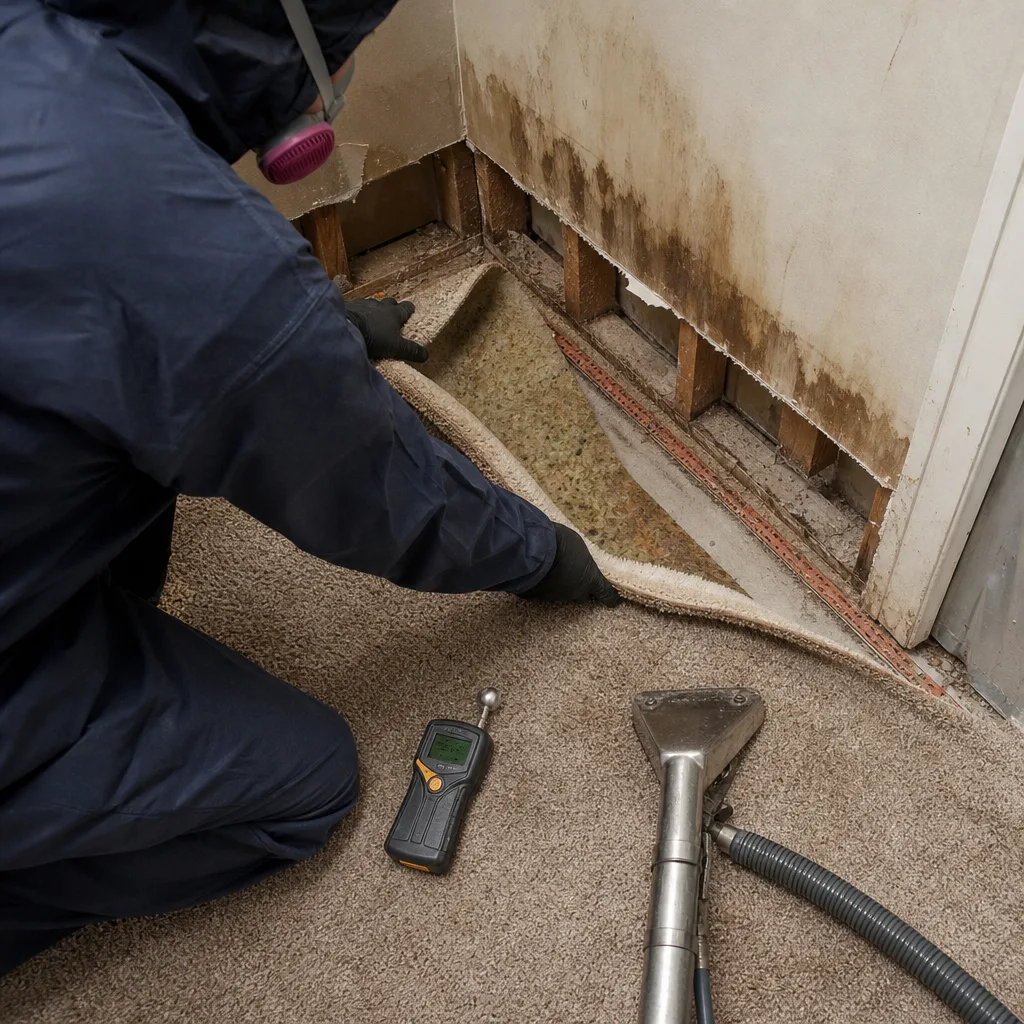
Crawl Space Treatment
This is where Renton’s geography hits hardest. The valley floor’s prolonged soil saturation and the floodplain’s recurring inundation mean crawl spaces here stay damp for months. We remove contaminated vapor barriers, treat joists and subflooring, install permanent dehumidification where appropriate, and specify closed, conditioned crawl space conversions for repeat-loss properties.
Moisture & Humidity Control
Long-term mold prevention in Renton requires managing the moisture source, not just the symptom. We install permanent dehumidification, improve drainage and ventilation, and specify building envelope repairs. For Cedar River corridor properties, this often includes sump pump installation, French drains, and foundation waterproofing coordinated with specialized contractors.
What happens when you call
- 1
A real person answersNo phone trees - you reach a local pro.
- 2
You get an upfront price rangeHonest numbers before anyone is dispatched.
- 3
A background-checked tech heads outLicensed & insured, dispatched right away.
- 4
You approve before work beginsNothing starts until you say go.
Mold Remediation Costs in Renton, WA
A typical crawl space mold remediation in Renton runs $2,200-$4,800 for a contained area under 1,000 square feet with Category 1 or 2 water history. Whole-house remediation involving multiple rooms, HVAC contamination, or Category 3 black water starts at $5,500 and can reach $12,000+ for extensive structural removal. These ranges reflect Renton’s labor market and the additional time required for floodplain properties with documented prior losses.
What moves the price: affected square footage, the category of water that caused the mold, whether asbestos-containing materials require abatement coordination (common in Highlands homes), and whether the job is a first-time loss or a repeat event requiring more extensive moisture tracing. Insurance typically covers remediation stemming from a sudden, documented water loss; long-term maintenance-related mold is usually out-of-pocket. We provide a free visual inspection and written scope before you commit, and we offer a Free Second Opinion on any competitor’s written estimate.
We Also Serve Cities Near Renton
Our Mold Remediation in Renton crews also respond to properties in Kent, where the Green River valley presents similar floodplain challenges; Mercer Island, with its lake-effect humidity and mid-century homes; Maple Valley, where rural properties on well water face unique contamination risks; and Issaquah, with its hillside drainage patterns and cedar-shingle construction that traps moisture differently than Renton’s siding stock.
Serving Renton, WA - Our Local Coverage Area
We’re based in the Renton area and know this community well. Use the map below to see our service coverage - if you’re nearby, we can almost certainly help.
Renton Mold Remediation Questions, Answered
How does Renton’s Cedar River floodplain affect mold remediation compared to other cities?
Renton’s downtown and Cedar River corridor sit in FEMA-designated floodplains where the Cedar River’s near-annual winter flood stage saturates the same lower-level living areas and crawl spaces repeatedly, so our mold remediation scopes here often document pre-existing moisture history and prior mitigation before the new loss - something crews in Bellevue or Kirkland rarely have to frame. This repeat-loss pattern means we specify more durable materials, longer drying protocols, and permanent moisture control solutions rather than one-time fixes. Call (253) 487-0371 for a free inspection and written scope.
Why do Renton Highlands post-WWII homes need special mold remediation steps?
Highlands homes built in the 1940s-1960s contain original galvanized supply lines, cast-iron drains, and asbestos-containing materials in floor tiles, pipe insulation, and duct wrap, all of which extend remediation timelines and trigger abatement protocols. Slow weeps inside walls mean the actual category of water and extent of affected materials aren’t fully visible until demolition begins. We moisture-map thoroughly and coordinate with certified abatement contractors when ACMs are present. Call (253) 487-0371 for a free inspection.
Our Renton home has a crawl space that stays damp all winter. Can mold grow even if we don’t see a leak?
Yes - mold requires only moisture, organic material, and time, not a visible leak. Renton’s valley-floor geography concentrates drainage from surrounding hillsides onto the lower city, and the November-March wet season keeps soil saturation high enough that unconditioned crawl spaces regularly exceed 70% relative humidity, the threshold for spore colonization. We recommend a moisture and humidity control assessment to identify the source and specify permanent dehumidification or ventilation improvements. Call (253) 487-0371 to schedule.
What’s the difference between Category 1, 2, and 3 water when you’re scoping mold remediation in Renton?
Category 1 is clean water from a supply line break; Category 2 is gray water with enough organic load to accelerate mold growth, typically from dishwasher or washing machine discharge; Category 3 is black water from sewage, river flooding, or ground water that carries pathogens and requires full removal of porous materials. In Renton’s floodplain, Cedar River flooding often presents as Category 3, while Highlands homes with slow plumbing leaks may start as Category 1 but escalate to Category 2 as the water picks up wall-cavity contaminants. The category determines our containment level, PPE requirements, and which materials must be removed. Call (253) 487-0371 for classification and scope.
Do you handle mold testing and crawl space treatment after a flood loss in Renton?
Yes - mold inspection and testing, plus crawl space treatment, are core services we provide throughout Renton, especially in the Cedar River floodplain where repeat flooding creates chronic moisture conditions. We test for airborne spore counts, identify species, and specify removal and prevention protocols tailored to the crawl space’s construction and drainage. Our crews hold AMRT certification for microbial remediation and document every step to IICRC S520 standards. Call (253) 487-0371 for a free post-flood assessment.
Will my insurance cover mold remediation in Renton?
Most policies cover mold remediation when it’s the direct result of a sudden, covered water loss - a burst pipe, appliance failure, or storm damage - but exclude damage from long-term maintenance neglect or unresolved leaks. We document the loss origin, photograph all damage, and write Xactimate estimates that communicate clearly with adjusters. Our direct billing and adjuster coordination reduce your out-of-pocket handling. Call (253) 487-0371 and we’ll review your coverage specifics during the free inspection.
How long does mold remediation take in a typical Renton home?
A contained crawl space or single-room job typically takes 3-5 days for removal, drying, and air scrubbing, plus 48 hours for clearance testing results. Whole-house remediation or properties with asbestos-containing materials may extend to 10-14 days. Renton’s prolonged wet season can extend drying times for floodplain properties with saturated foundations. We provide a written timeline with the scope before work begins - Haven Standard, Clause 1. Call (253) 487-0371 for a specific estimate on your property.
Can we stay in our home during mold remediation?
For small, contained areas with Category 1 water history, occupants often remain with the work area sealed and under negative air pressure. For Category 2 or 3 losses, whole-house contamination, or toxigenic species, we recommend temporary relocation until clearance testing confirms safe spore counts. We discuss this during the initial inspection and specify containment boundaries in the written scope. Call (253) 487-0371 to assess your specific situation.
Written by Alicia Brennan, Owner at Back to Dry Restoration, serving Renton since 2011.
Mold Remediation in Nearby Areas