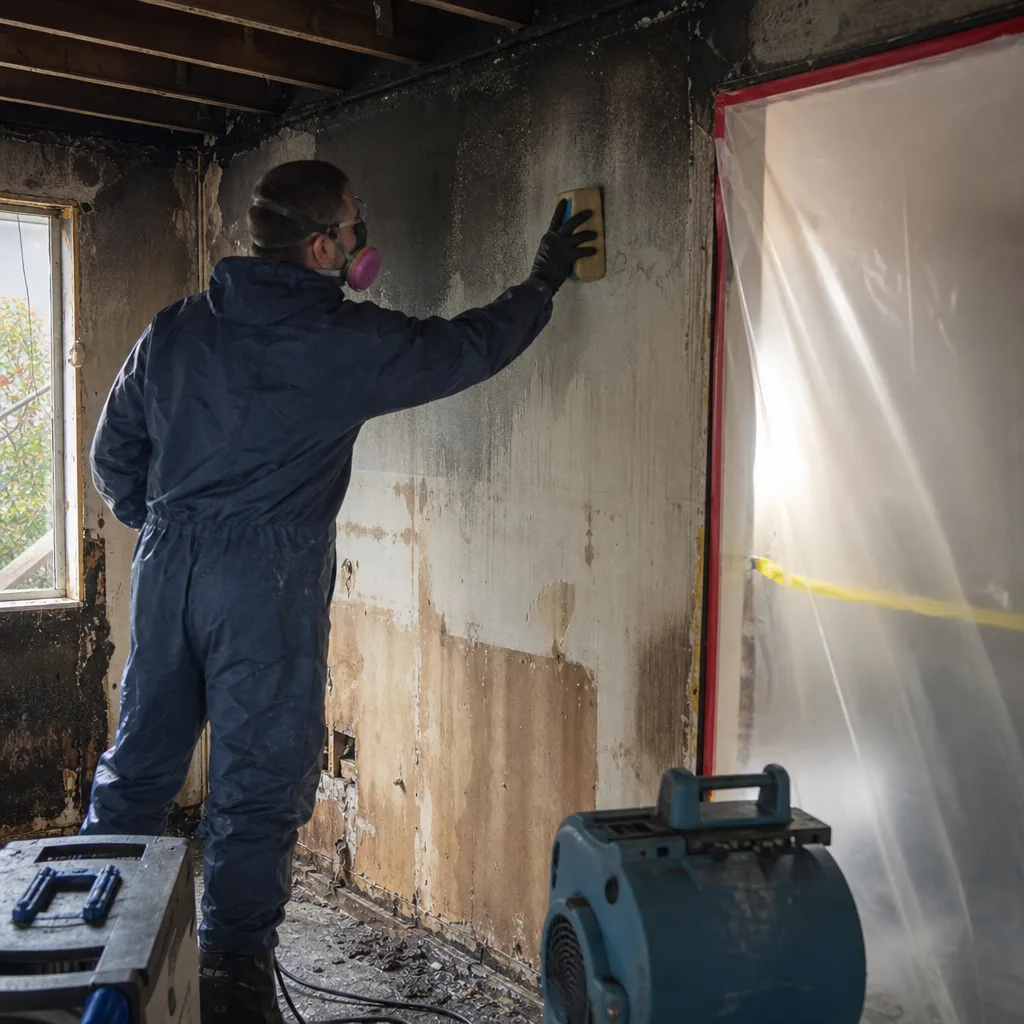
Free visual inspection and a written scope of work before any mitigation begins - photos, moisture readings, and drying logs go in your claim file
The scope we write is the scope we bill. Anything new gets shown to you, in writing, before we touch it.
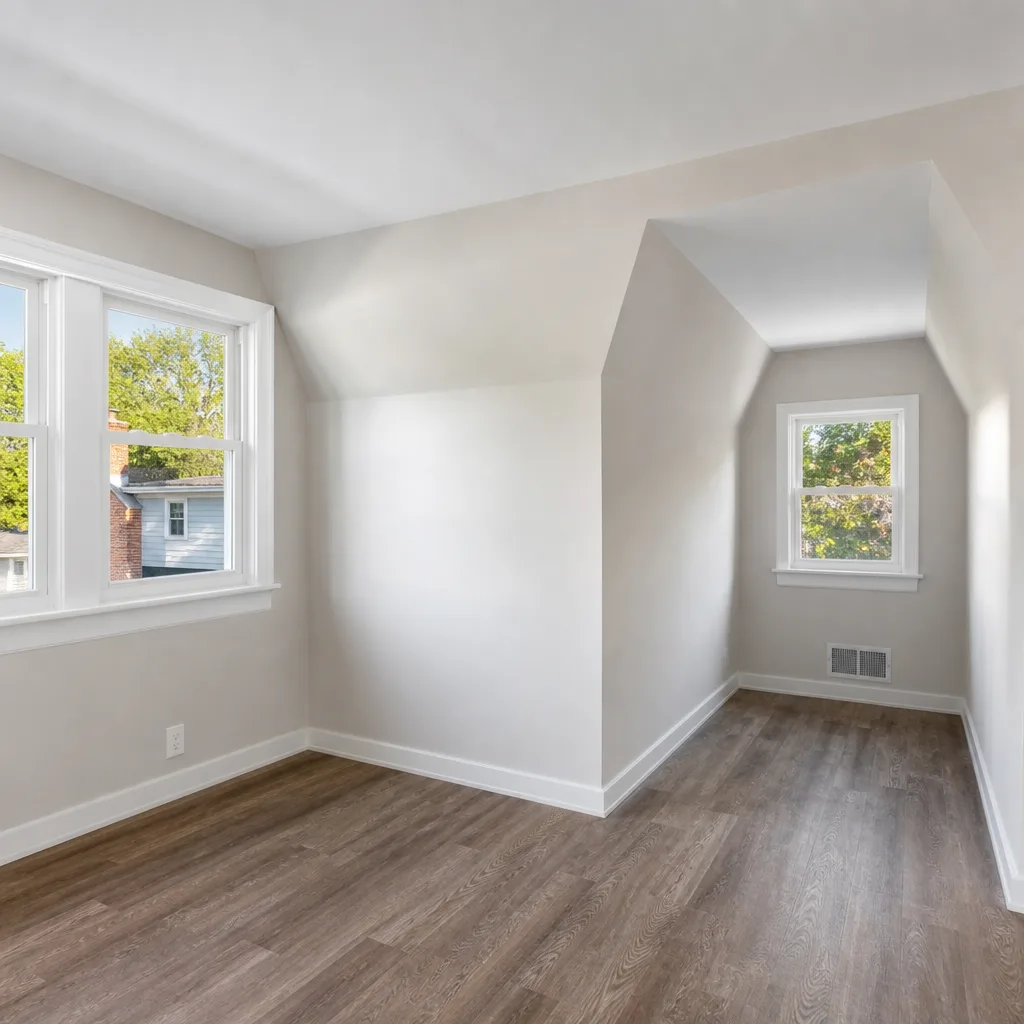
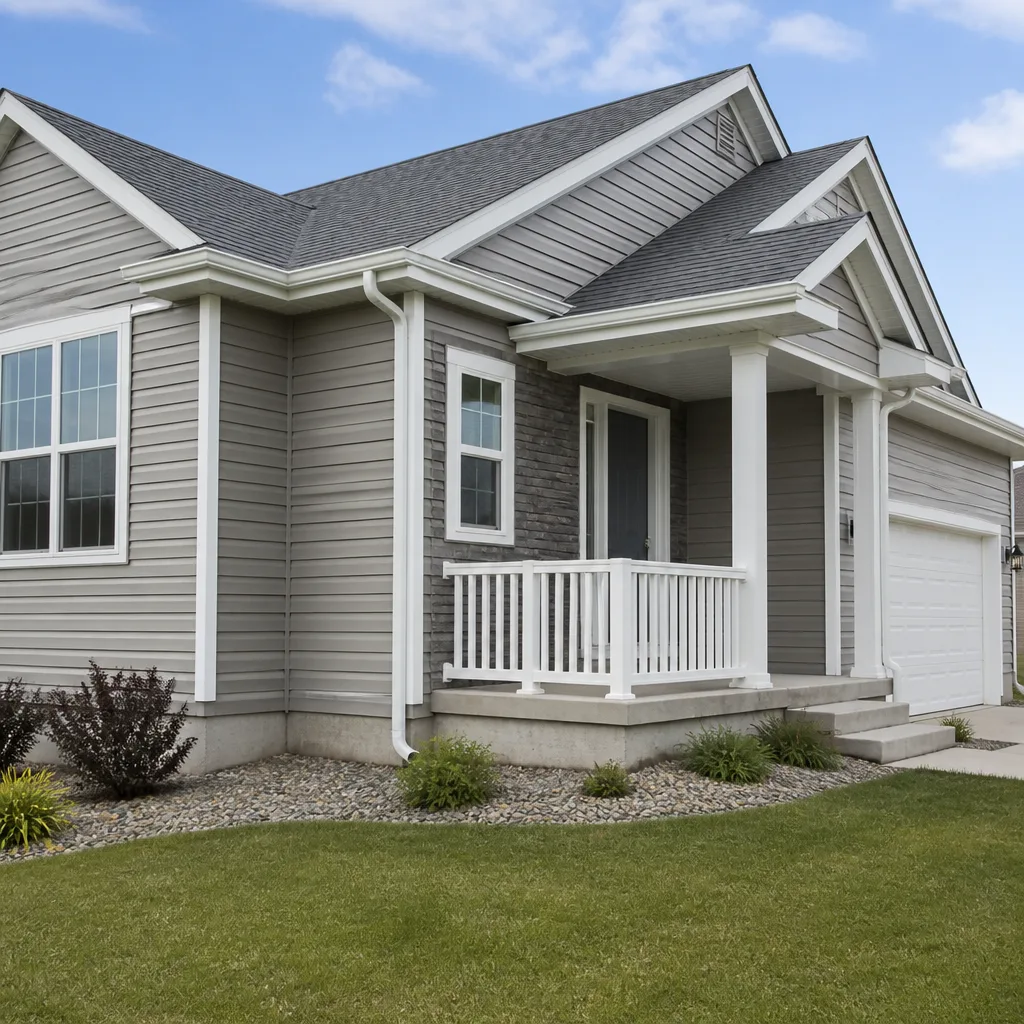
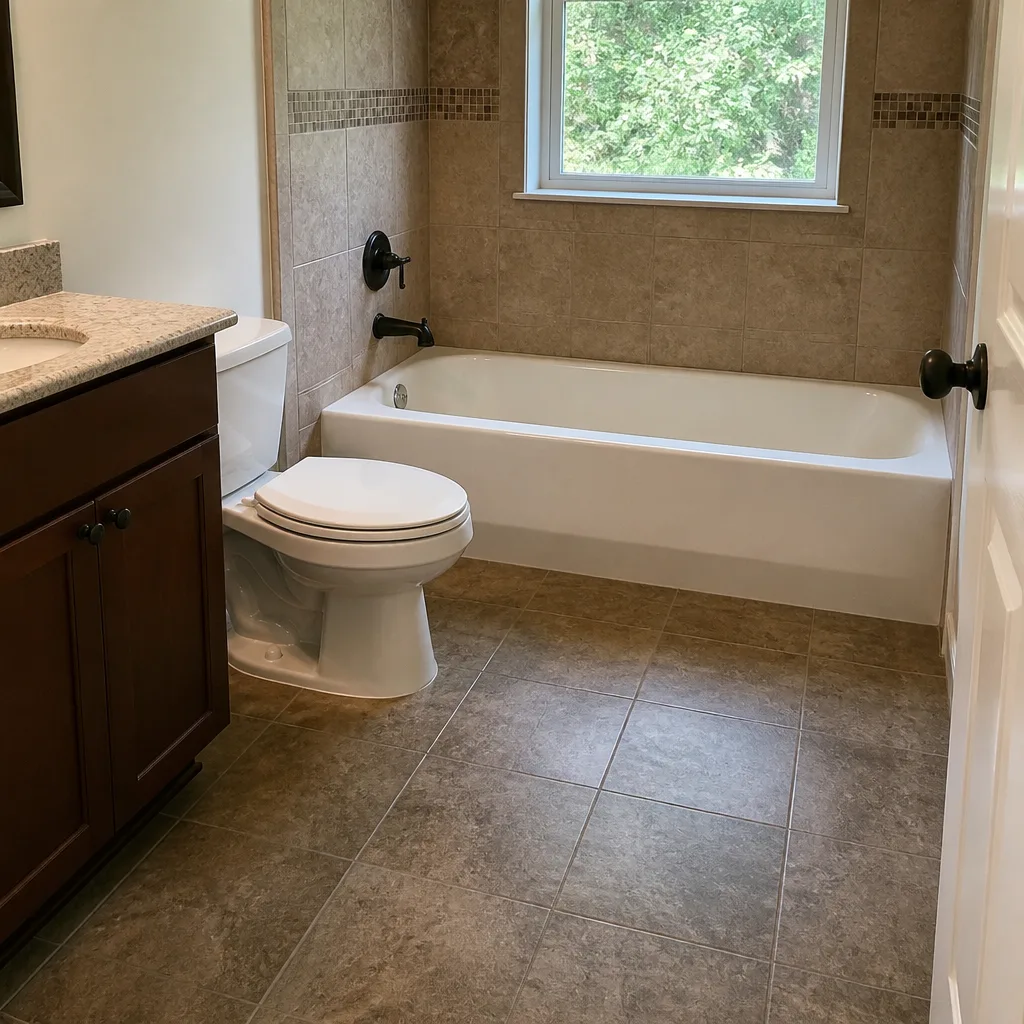
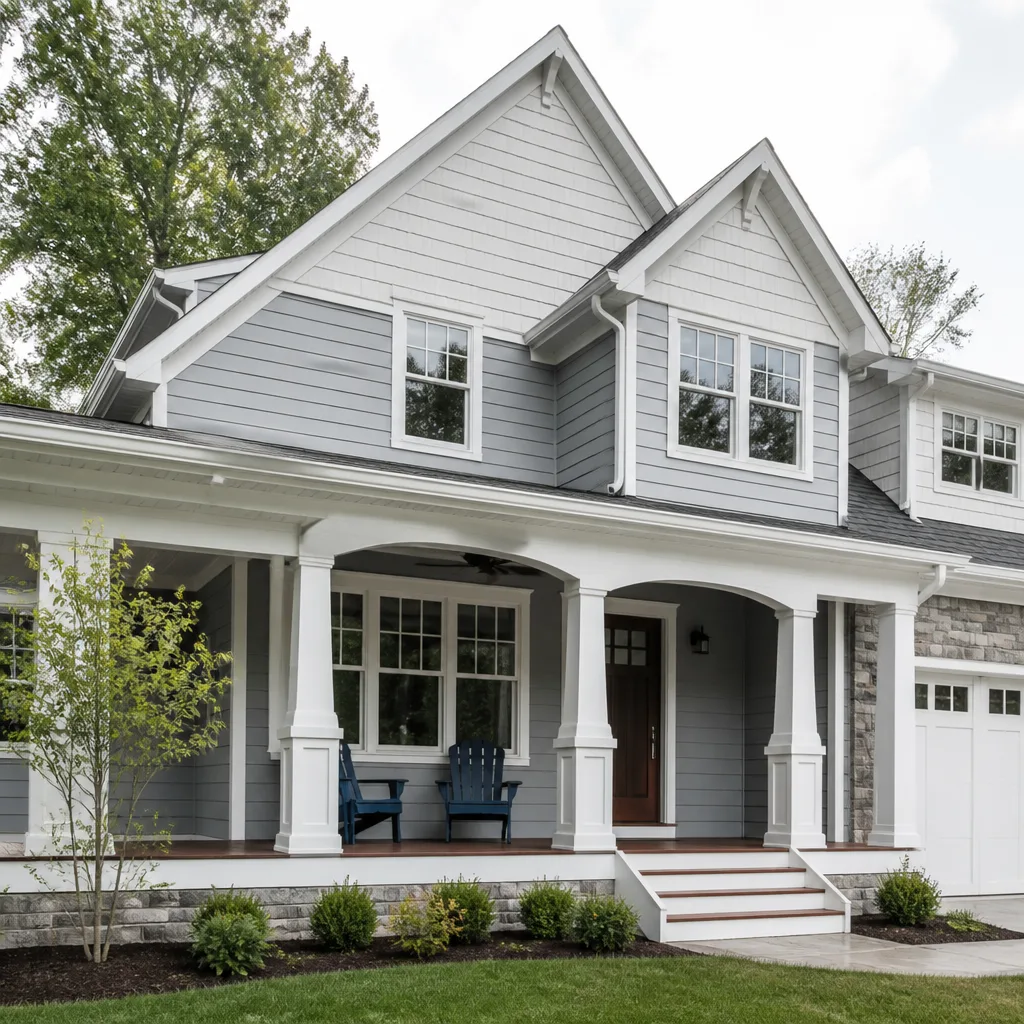
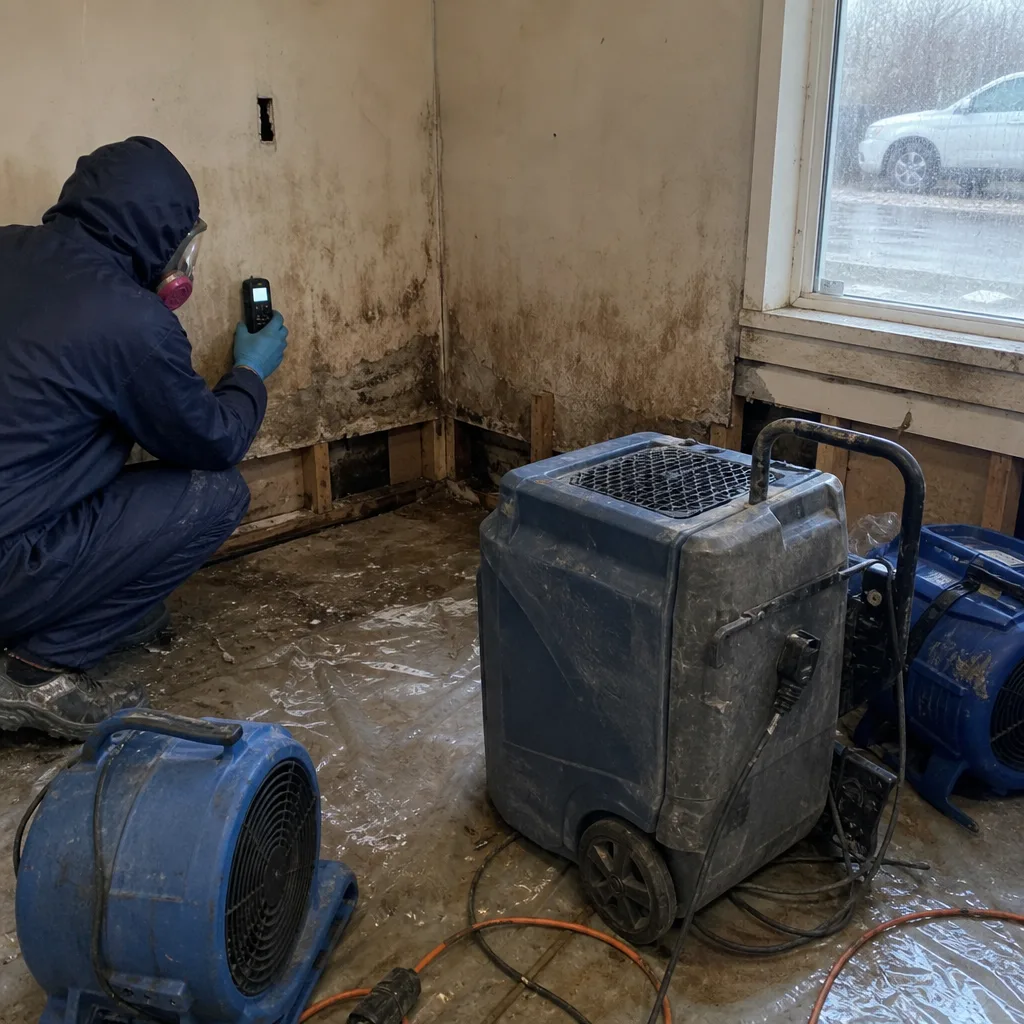 Before
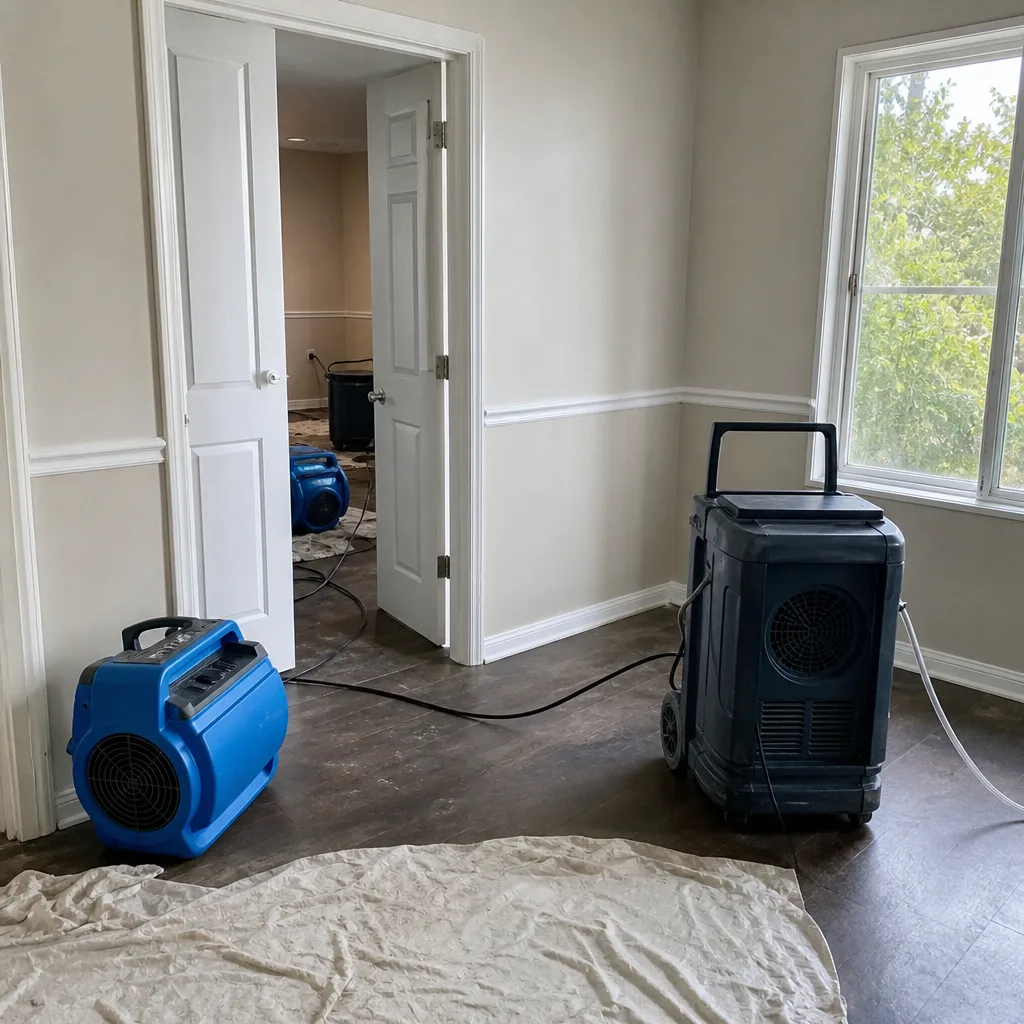 After
After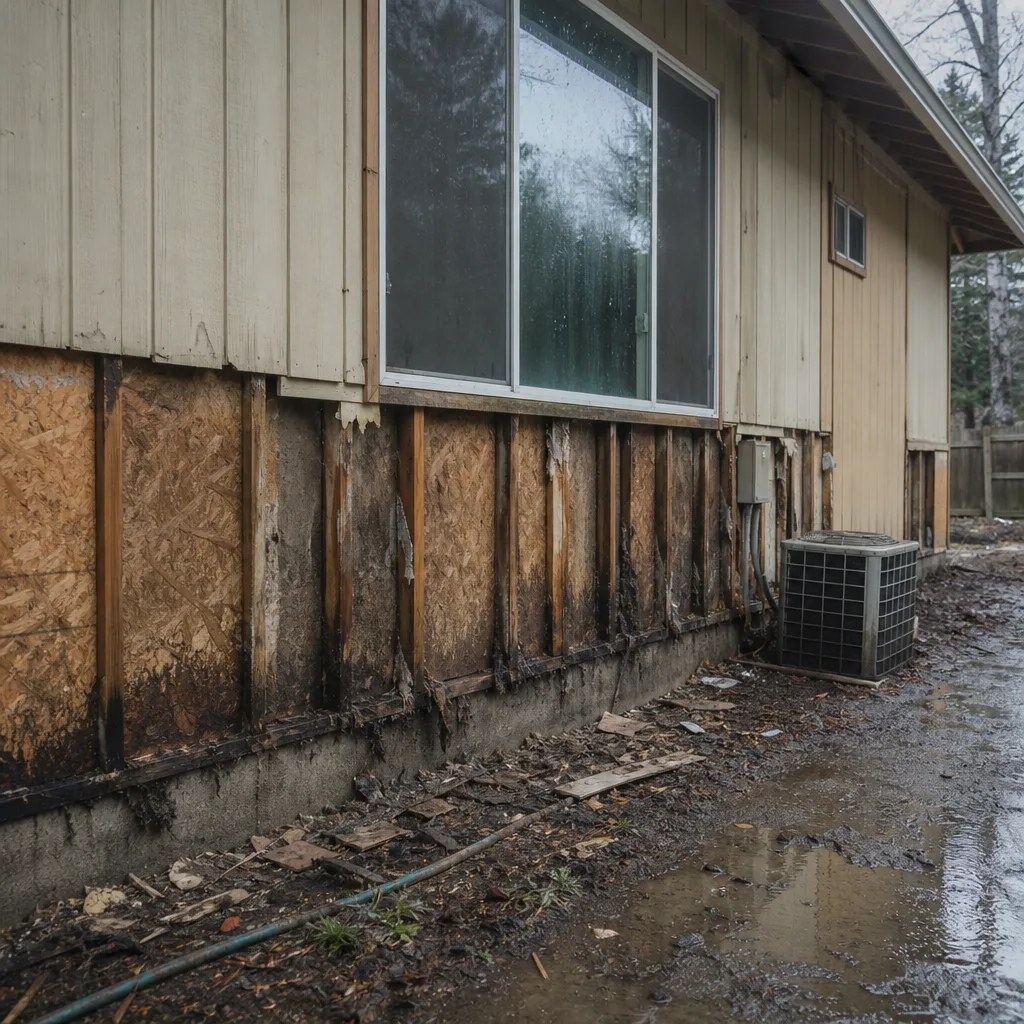 Before
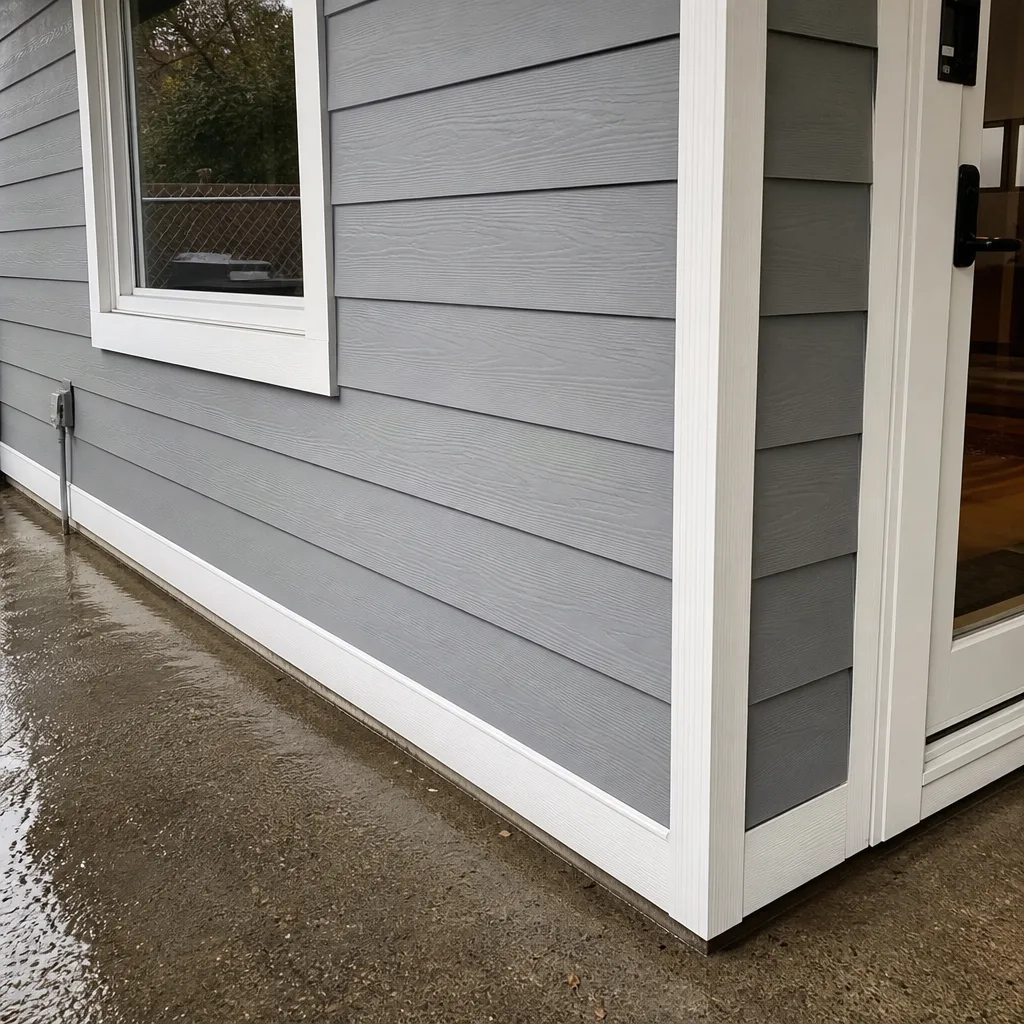 After
After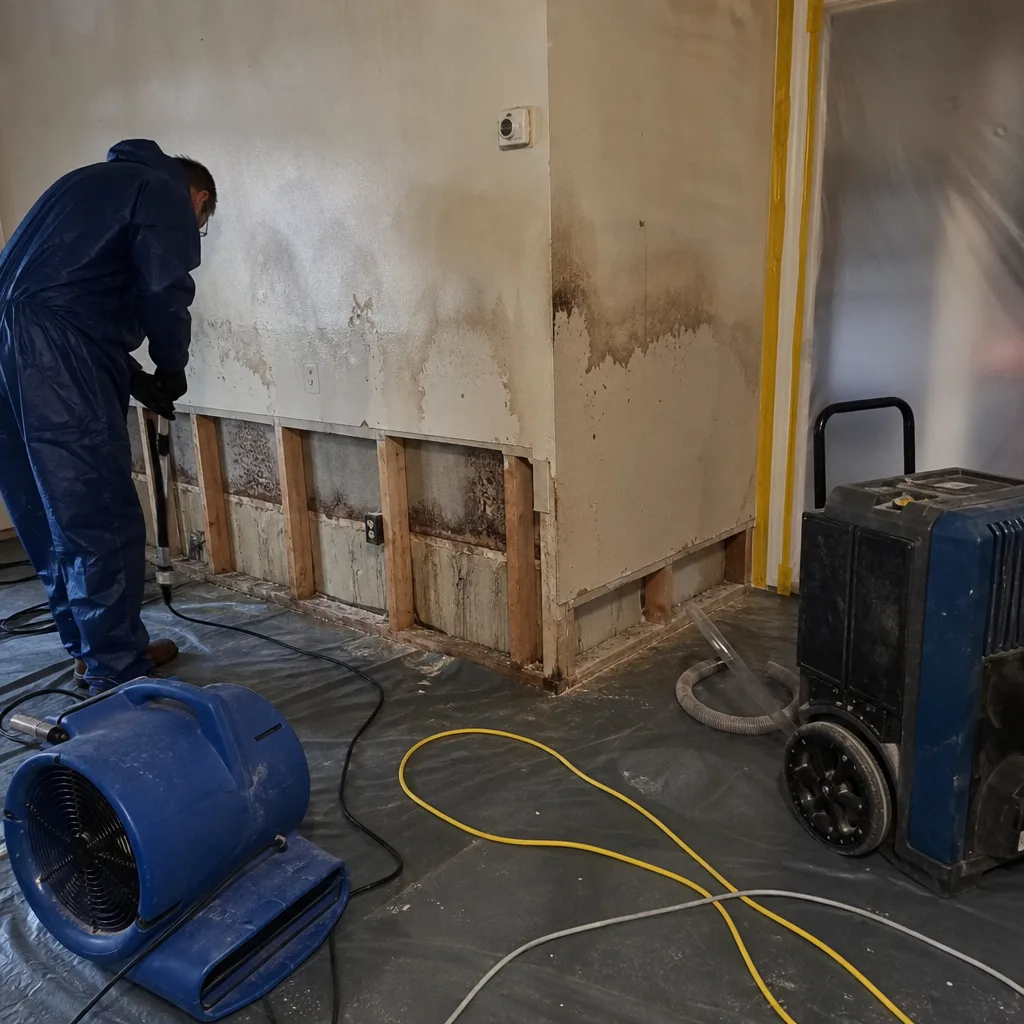 Before
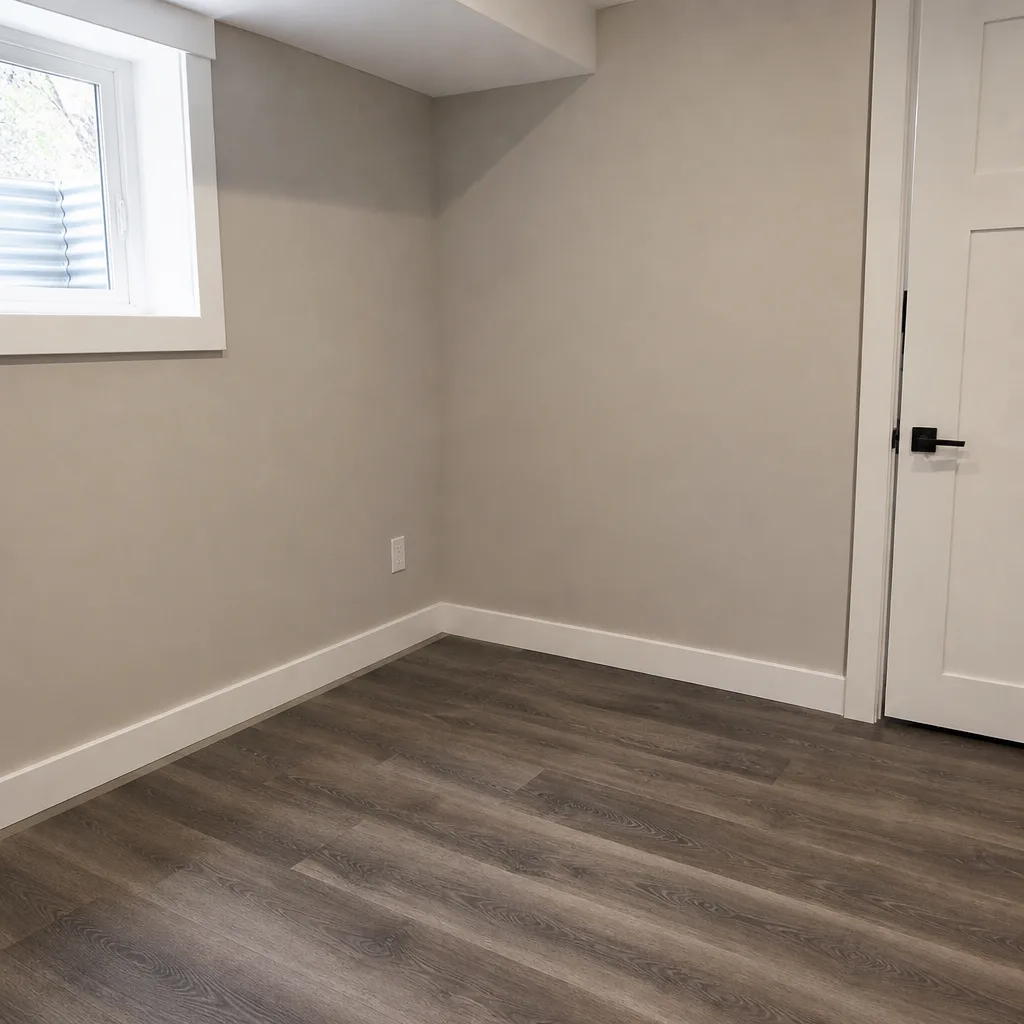 After
After24/7 Emergency Water Damage Restoration in Lake Morton-Berrydale
Water damage in Lake Morton-Berrydale typically runs $1,800-$6,500 for full extraction and drying, with emergency response available now at (253) 487-0371. Our crews answer live, 24 hours a day, 7 days a week - no voicemail, no callbacks tomorrow while water keeps moving through your floors. We dispatch within 45 minutes across the Lake Morton-Berrydale area, from lakeshore cabins off Lake Morton Drive SE to hillside homes near the Green River Gorge.
The first hour determines whether you’re looking at three days of drying or three weeks of reconstruction. In Lake Morton-Berrydale’s converted 1950s-1970s seasonal cabins, water often enters through a compromised roof assembly and immediately finds a shallow crawl space with no vapor barrier, hiding under the structure while you mop the kitchen floor. That’s why our initial inspection includes moisture mapping of the subfloor and foundation perimeter, not just the visible wet spots. We provide a free visual assessment and a written price before any work begins - Haven Standard, Clause 1.
Understanding Water Damage Restoration Severity in Lake Morton-Berrydale Properties
Water damage classification follows three categories set by the IICRC. Category 1 is clean water from a supply line - a burst pipe or failed water heater. Category 2 carries significant contamination, often from dishwasher or washing machine discharge. Category 3 is grossly contaminated: sewage backup, ground surface water, or runoff that has passed through soil or building materials before entering the structure.
In Lake Morton-Berrydale, the distinction between category 2 and category 3 collapses faster than in newer construction. A burst pipe in a converted cabin with an unsealed crawl space can become category 3 within hours if hillside runoff re-enters through the same breach. Lightweight roof assemblies designed for seasonal snow loads, not year-round Pacific storms, fail under impact from the Douglas fir canopy overhead. Water that looks like a simple ceiling stain often traces back to category 3 intrusion through a breached deck membrane.
Moisture mapping with thermal imaging and penetrating hygrometers tells us what the eye cannot. We measure vapor pressure differential - the force that drives moisture from wet materials into the air - to set equipment capacity and placement. Psychrometric data, the relationship between temperature, humidity, and air moisture capacity, determines how many grain-pounds of water our dehumidifiers must remove per hour to hit dry standard. In Lake Morton-Berrydale’s chronically damp crawl spaces, tertiary drying - the final phase where bound moisture releases slowly from deep within wood fibers - typically extends 24-48 hours beyond what moisture meters initially suggest.
Why Lake Morton-Berrydale Property Owners Choose DryMark Restoration Auburn
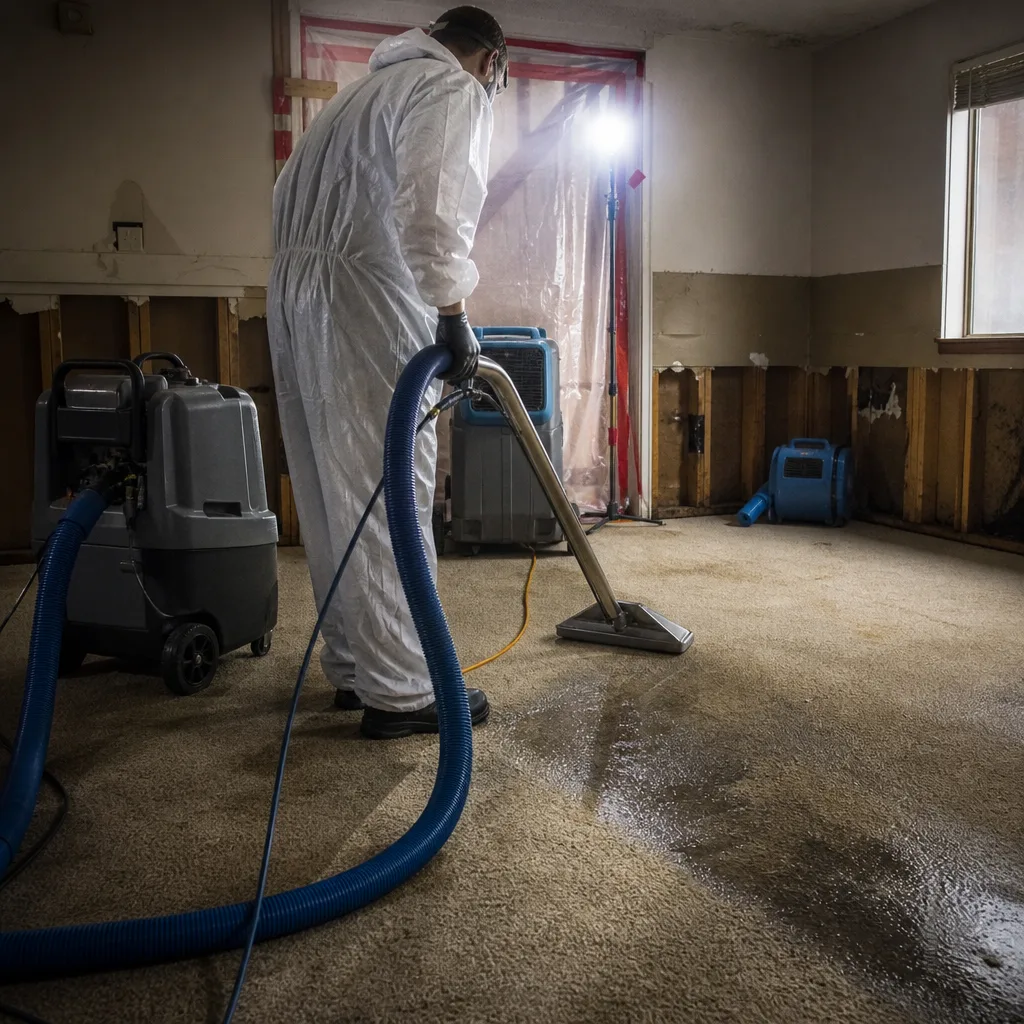
- 45-minute response commitment to Lake Morton-Berrydale addresses, with crews staging from our Seattle office and dispatching directly to lakeshore and hillside properties.
- 24/7 live answer - a real person picks up every call, never an automated system or voicemail tree, because water doesn’t wait for business hours.
- IICRC-certified crews holding WRT (Water Damage Restoration Technician) and AMRT (Applied Microbial Remediation Technician) credentials, with license numbers documented on every job file.
- Free visual inspection with moisture readings and photo documentation before any estimate is written.
- Direct insurance billing with adjuster coordination from day one - we don’t hand you an invoice and wish you luck.
- One team from extraction through reconstruction, so the crew that knows your Lake Morton-Berrydale property’s moisture profile finishes the repairs.
BeforeAfterOur Water Damage Restoration Process
1. Inspection & Assessment
We arrive with thermal imaging cameras, penetrating and non-penetrating moisture meters, and hygrometers to map the full extent of water migration. In Lake Morton-Berrydale’s converted cabins, this always includes crawl space vapor barrier condition and roof assembly integrity - the two failure points that turn minor intrusions into major reconstructions.
2. Extraction & Stabilization
Standing water comes out first with truck-mounted extraction systems and weighted water claws for carpet and pad. We set containment barriers at stairwells and doorways to isolate wet zones from dry areas, critical in Lake Morton-Berrydale’s compact cabin floor plans where one wet room can humidify the entire structure.
3. Drying & Dehumidification
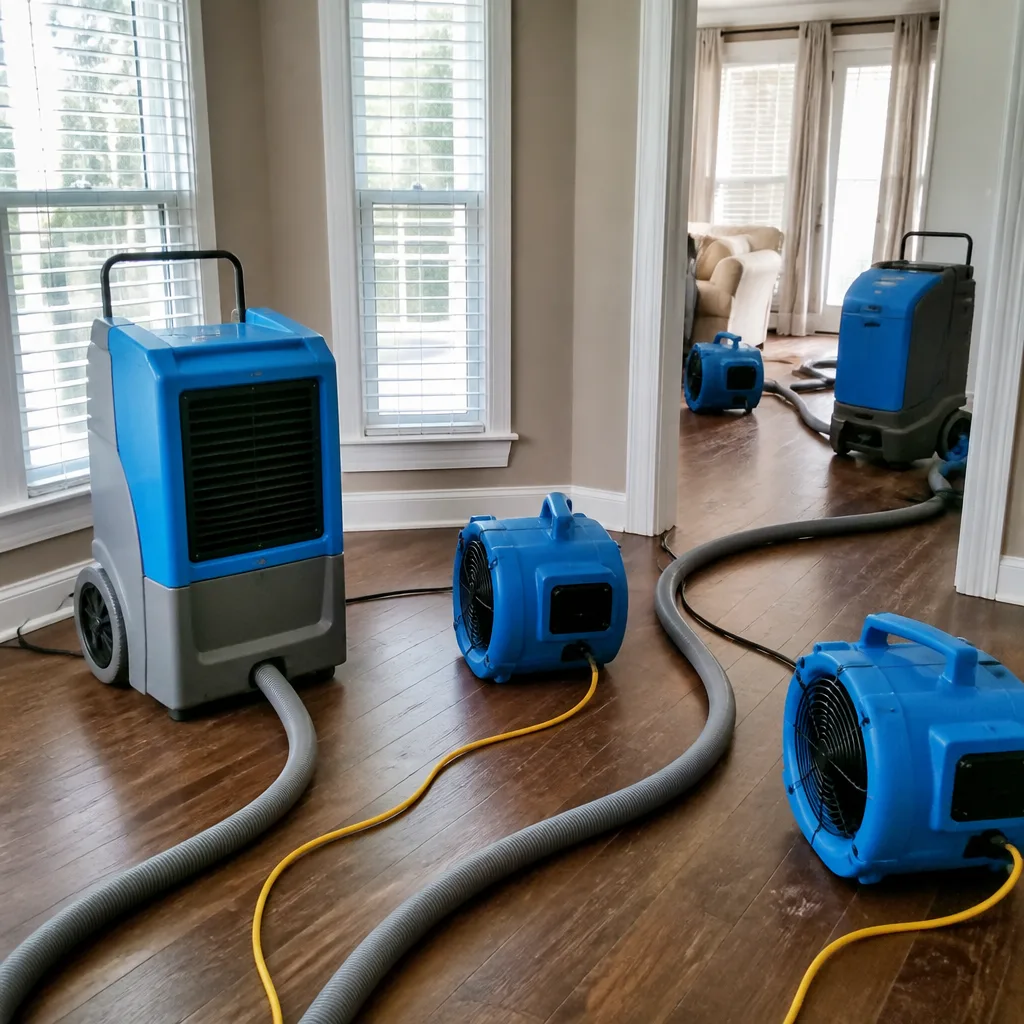
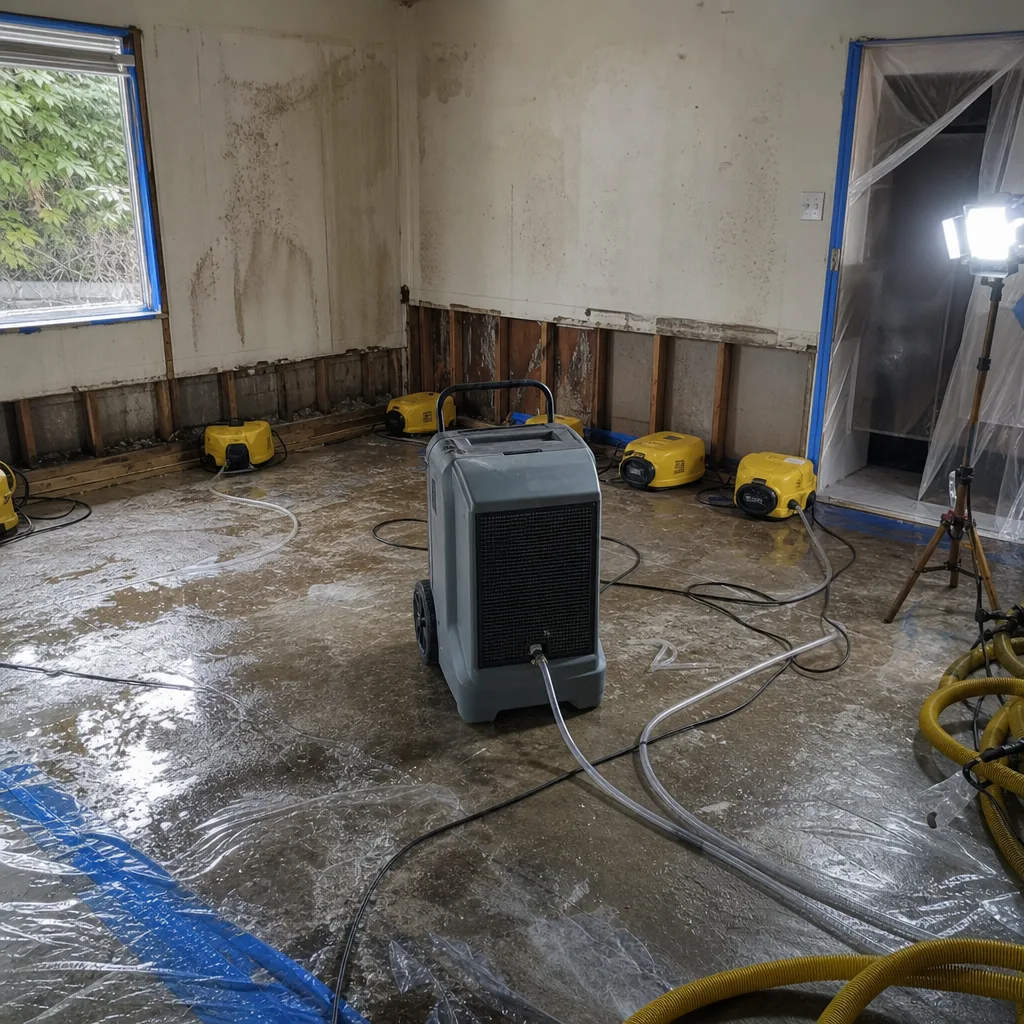
We deploy Dri-Eaz and Phoenix LGR dehumidifiers sized to the affected cubic footage, with XPOWER and B-Air air movers creating laminar airflow across wet surfaces. In unvapor-barriered crawl spaces, we add low-grain refrigerant units with ducting to create negative pressure and force dry air through the subfloor cavity.
4. Cleaning & Sanitization
All affected surfaces receive antimicrobial treatment appropriate to water category. Category 2 and 3 events get full wash-down with EPA-registered disinfectants, followed by HEPA air scrubbing to capture airborne particulates released during the drying process.
5. Moisture Verification & Documentation
We don’t pull equipment until moisture readings meet or fall below dry standard for the specific material class. Daily drying logs record temperature, relative humidity, and specific humidity at each dehumidifier location - the documentation that turns restoration invoices into payable insurance claims.
6. Repairs & Restoration
Our reconstruction crew repairs or replaces damaged drywall, flooring, trim, and insulation to pre-loss condition. Every repair ties back to the written scope agreed before work began, with photo documentation of completed work and a signed 365-Day Done Right Promise under The Haven Standard.
Need Emergency Water Damage Restoration in Lake Morton-Berrydale Now?
Crews minutes away, answering live 24 hours a day. The sooner we start, the less it costs.
Working With Your Insurance Company
Insurance claims fail at the documentation stage more often than at the damage stage. We know this because our founder, Alicia Brennan, spent years as a claims adjuster watching restoration invoices get denied for insufficient moisture logs, missing photos, or scopes that didn’t match the documented loss.
From the first hour on your Lake Morton-Berrydale property, we build a claim file that speaks adjuster. Every visit generates a photo record, room by room, with moisture readings tied to specific wall and floor locations. Our estimates follow industry-standard Xactimate pricing with line-item detail. We coordinate directly with your carrier’s adjuster, provide supplemental documentation when scope expands, and never ask you to fight that battle alone.
What We Provide Your Insurer
- Thorough documentation of the loss
- Photos of all damage, room by room
- Moisture readings and drying logs
- A detailed, line-item scope of work
- Direct coordination with your carrier
Built for Lake Morton-Berrydale’s Loss Calendar
January through March brings the deepest risk: atmospheric river events drop intense rainfall on frozen or saturated ground, and hillside runoff concentrates on Lake Morton-Berrydale’s shallow lots faster than perimeter drainage can carry it away. Crawl spaces that stayed damp all fall become flooded in hours.
April to June sees the spring thaw meet continued rainfall, with Lake Morton itself rising to flood adjacent properties. The seasonal streams feeding the lake run high and can back up through drainage systems. Summer brings drier conditions but also the peak Pacific windstorm season - July and August thunderstorms with high winds drop Douglas fir limbs on roof assemblies never engineered for impact loading.
September through December returns to sustained rainfall, with the ground never fully drying between events. This is when chronic moisture in unvapor-barriered crawl spaces activates mold colonization, often discovered only when homeowners notice musty odors or warped flooring. By then, water has been feeding the subfloor for weeks or months.
Water Damage Restoration Across Lake Morton-Berrydale’s Neighborhoods
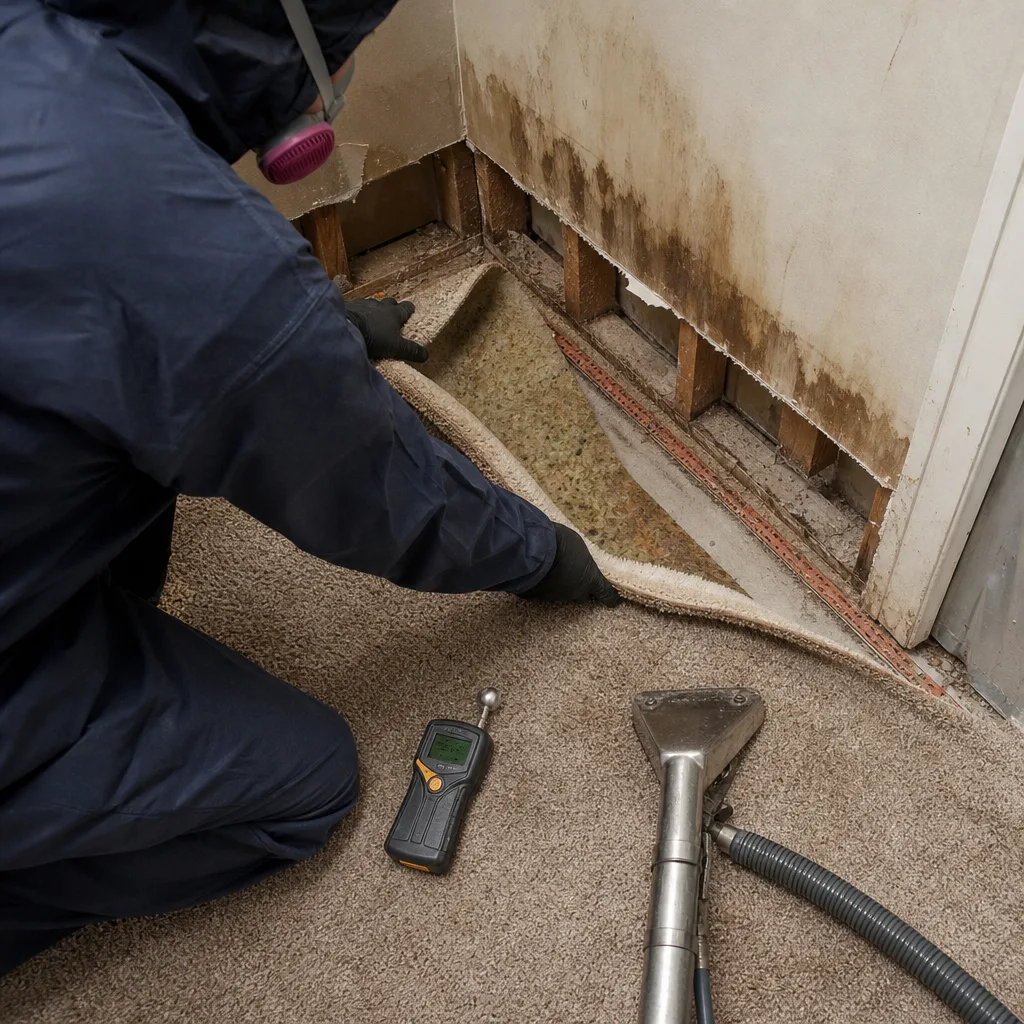
Properties along Lake Morton Drive SE and the immediate lakeshore face the most acute flood risk during atmospheric river events. Lake Morton itself can rise to inundate crawl spaces and lower levels, and the compact 0.25-0.5 acre lots leave little room for water to disperse before entering structures. Our crews here prioritize exterior containment - sandbagging, diversion trenches, and sump deployment - before beginning interior extraction.
Hillside properties east of the lake, toward the Green River Gorge, contend with concentrated runoff that re-enters through the same ungraded paths on every major storm. We’ve learned to set grading-side diversion early in these jobs, or we end up chasing water that keeps finding the same entry point. The shallow crawl spaces typical of converted cabins here often require subfloor ducting to achieve dry standard.
The corridor along SE 288th Street and connecting roads sees a mix of original seasonal cabins and more recent infill. The newer homes aren’t immune - many were built on the same tight lots with similar drainage constraints. But the converted cabins dominate the loss volume, with their unupgraded roof structures and crawl spaces that were never meant to stay dry through a Northwest winter.
Areas closer to the Auburn and Kent borders see faster response times from our staging, but the same building stock challenges. A converted cabin near the Sumner-Federal Way corridor faces identical moisture dynamics to one on the lakeshore - the difference is whether the water came from above through a breached roof, or from below through saturated ground.
Specialized Water Damage Restoration Services We Offer in Lake Morton-Berrydale
Emergency Water Extraction
Standing water doesn’t wait for business hours. Our truck-mounted extraction systems remove thousands of gallons per hour from flooded Lake Morton-Berrydale properties, with weighted water claws for saturated carpet and pad. We extract first, assess second - because every minute of standing water extends drying time and increases secondary damage risk.
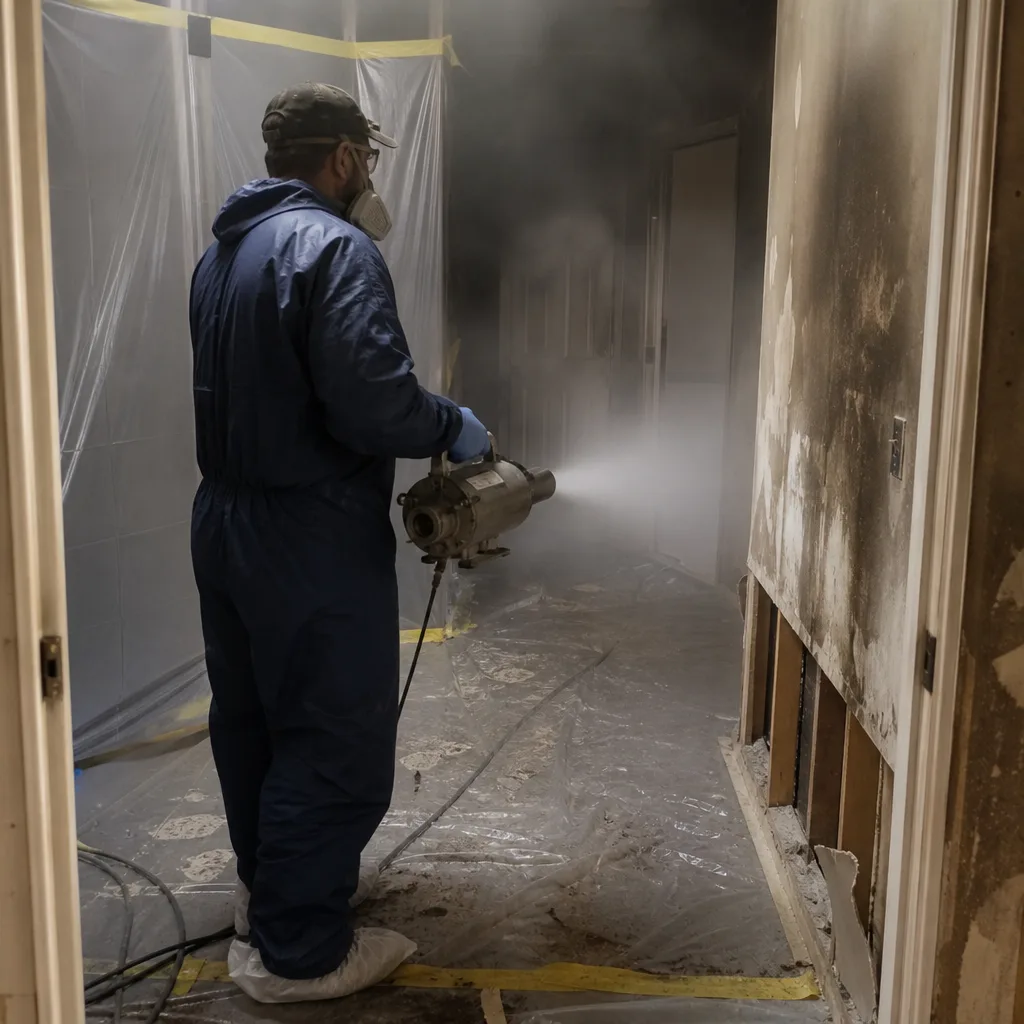
Structural Drying & Dehumidification
Surface drying isn’t structural drying. In Lake Morton-Berrydale’s converted cabins, we target the subfloor cavity and wall assemblies with ducted dehumidification and controlled air movement. Our daily moisture logs track specific humidity, temperature, and vapor pressure at each equipment location until readings confirm materials have reached dry standard.
Flood Cleanup
Lake Morton flooding and hillside runoff bring category 2 or 3 contamination requiring full PPE, antimicrobial wash-down, and HEPA air scrubbing. We document water source, contamination category, and all treatment decisions for your insurance file - the documentation gap that costs homeowners their claims is the problem our company was built to solve.
Burst Pipe Restoration
Winter freezes in Lake Morton-Berrydale’s uninsulated crawl spaces and exterior walls split copper and PEX lines with equal efficiency. We extract, dry, and document the full migration path - water from a burst kitchen pipe can travel 20 feet through wall cavities before showing as a stain.
Ceiling & Roof Leak Water Damage
After a Pacific windstorm dropped a large second-growth Douglas fir limb through the lightweight roof assembly of a converted lakeside cabin off Lake Morton Drive SE, our techs found a shallow crawl space with no vapor barrier already wicking runoff from the hillside. We ran moisture mapping and readings across the ceiling cavity, set Dri-Eaz dehumidifiers and XPOWER air movers with containment at the stairwell to keep drying isolated, and finished with antimicrobial treatment on the wet framing before documenting everything in the drying logs. The pack-out of the homeowner’s soaked contents and a written scope of work tied to pre-loss condition closed the job without a callback.
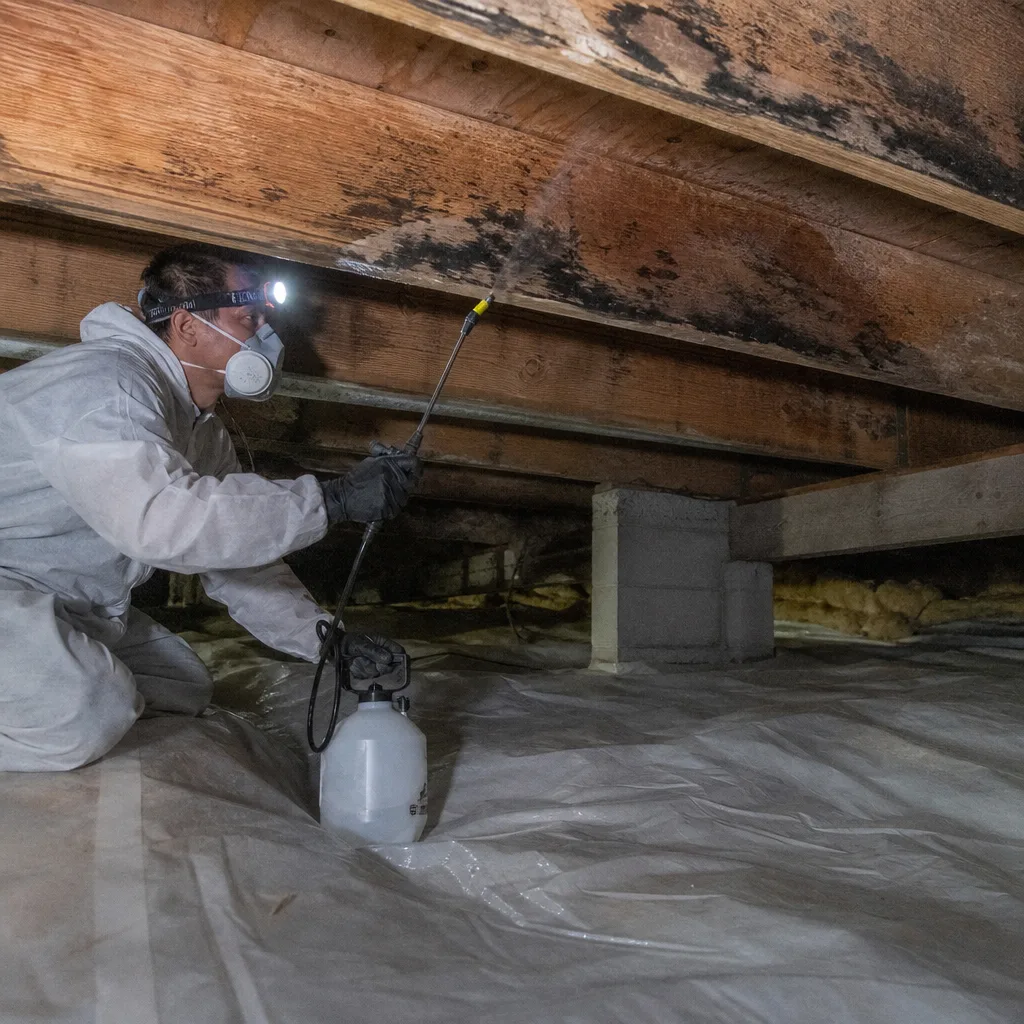
Basement Water Removal
True basements are rare in Lake Morton-Berrydale’s cabin stock, but daylight basements and walk-out lower levels on hillside properties flood regularly. We deploy submersible pumps, extractors, and dehumidifiers sized to below-grade humidity loads, with vapor barrier installation where the original construction left the foundation exposed.
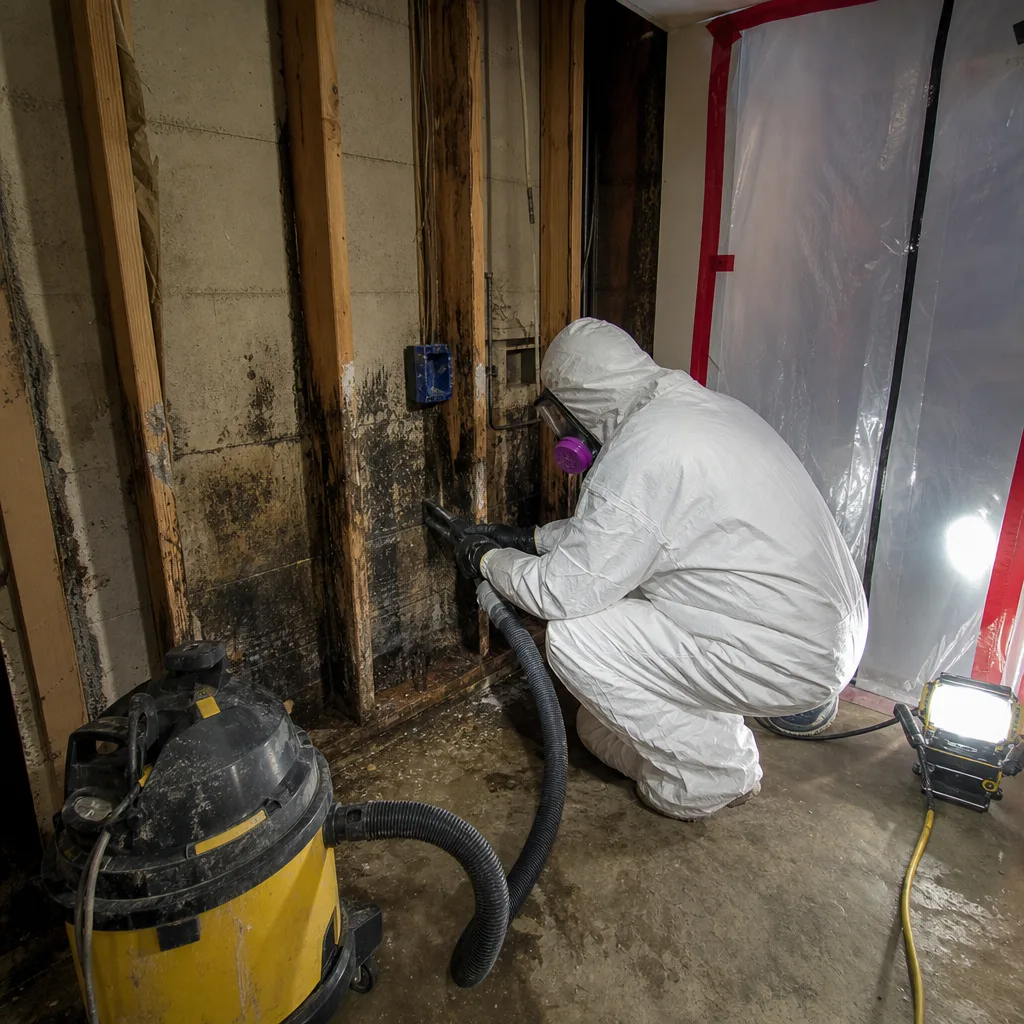
What happens when you call
- 1
A real person answersNo phone trees - you reach a local pro.
- 2
You get an upfront price rangeHonest numbers before anyone is dispatched.
- 3
A background-checked tech heads outLicensed & insured, dispatched right away.
- 4
You approve before work beginsNothing starts until you say go.
Water Damage Restoration Costs in Lake Morton-Berrydale, WA
Emergency water extraction in Lake Morton-Berrydale typically runs $400-$900 for the initial pump-out and stabilization. Full structural drying with dehumidification and air movers averages $1,800-$3,800 for a standard residential job. Category 3 flood cleanup with full sanitization, content pack-out, and reconstruction can reach $5,500-$6,500 or more depending on affected square footage and material replacement scope.
What moves the price: water category (clean vs. contaminated), affected square footage, whether the crawl space requires subfloor ducting, and whether reconstruction is needed beyond drying. Insurance typically covers sudden and accidental water damage from burst pipes or storm intrusion; gradual leaks and maintenance-related moisture are usually excluded. We review your policy with you and provide the documentation your adjuster needs to make the coverage determination. Every estimate is free, every price is written before work begins, and we offer a Free Second Opinion on any competitor’s written estimate.
We Also Serve Cities Near Lake Morton-Berrydale
Our Water Damage Restoration crews respond throughout the region, including Lake Morton-Berrydale, Auburn, Kent, Sumner, and Federal Way. Dispatch and scheduling are coordinated from our Seattle office; crews serve Lake Morton-Berrydale locally with the same 45-minute commitment.
Serving Lake Morton-Berrydale, WA - Our Local Coverage Area
We’re based in the Lake Morton-Berrydale area and know this community well. Use the map below to see our service coverage - if you’re nearby, we can almost certainly help.
Lake Morton-Berrydale Water Damage Restoration Questions, Answered
Why does water damage in Lake Morton-Berrydale’s converted lake cabins take longer to dry than in nearby Auburn?
Converted cabins here have shallow crawl spaces with no vapor barrier and lightweight roof assemblies that weren’t built for year-round moisture loads, so water enters through multiple paths and hides in building materials that standard drying approaches miss.
In Auburn’s purpose-built year-round homes, vapor barriers, proper grading, and engineered roof systems contain water intrusion to identifiable paths. In Lake Morton-Berrydale, groundwater wicks through unsealed crawl spaces while roof leaks saturate ceiling cavities, requiring simultaneous subfloor and overhead drying with ducted dehumidification. Our crews add 24-48 hours to initial dry-time estimates for unvapor-barriered crawl spaces, and we verify with moisture readings at the subfloor before pulling equipment. Call (253) 487-0371 for a free inspection and written timeline.
A windstorm dropped a fir limb on my Lake Morton cabin roof - how fast does mold become a problem?
In Lake Morton-Berrydale’s damp climate, mold colonization can begin on wet organic materials within 48-72 hours of water intrusion.
The Douglas fir canopy keeps ambient humidity elevated even between storms, and converted cabins often have minimal attic ventilation that traps moisture in ceiling cavities. After limb impact damage, water enters through a breached roof deck and pools in insulation and framing before showing as a ceiling stain. We treat any windstorm-related roof leak in Lake Morton-Berrydale as a potential mold precursor, with antimicrobial application during the drying phase and air scrubbing to capture spores released during disturbance. The 72-hour window is real - call (253) 487-0371 for emergency response.
Can you dry my cabin’s shallow crawl space without pulling up the whole floor?
Yes. We use ducted dehumidification with flexible ducting run through existing crawl space access points to create negative pressure and force dry air across the subfloor.
In Lake Morton-Berrydale’s converted cabins, the crawl space is often too shallow for technician access but still large enough for equipment deployment. We seal the access, run ducting to multiple points, and monitor moisture readings at the subfloor from above with long-probe meters. This approach avoids the cost and disruption of floor removal, though we document subfloor conditions with photos through the access opening for your insurance file. If structural damage requires access, that goes into the written scope before any demolition begins. Call (253) 487-0371 to discuss your specific crawl space configuration.
How do you tell whether flood water from Lake Morton runoff is category 2 or category 3?
We test for total dissolved solids, visible contamination, and odor, then classify based on water source and path - Lake Morton runoff that has passed through soil, building materials, or sewage systems is category 3.
Clean lake water entering directly through a foundation crack without soil contact may initially test as category 2. But in Lake Morton-Berrydale’s hillside topography, runoff typically travels through topsoil, leaf litter, and often pet waste or septic fields before entering structures. We default to category 3 protocol for any ground-surface water intrusion and document our classification rationale with photos and test results. This protects your health and your insurance claim - category 3 requires more extensive treatment, and under-treating to save cost gets claims denied. Call (253) 487-0371 for classification and scope.
Do you provide documentation for insurance on a converted seasonal cabin?
Yes - we provide the same full documentation package for converted cabins as for any property, with additional attention to pre-existing conditions that insurers may question.
Converted seasonal cabins in Lake Morton-Berrydale often have maintenance histories that insurers scrutinize: unvapor-barriered crawl spaces, uninsulated pipes, and roof assemblies at or beyond design life. We document the sudden and accidental nature of the loss event with photos of the breach point, moisture mapping showing the migration path from that breach, and drying logs demonstrating that water was removed to standard. Our written scope ties every repair to the documented loss, not to pre-existing maintenance deficits. This is the documentation-first approach Alicia Brennan built the company around in 2011. Call (253) 487-0371 to start your file.
How fast can your crew actually get to Lake Morton-Berrydale?
We commit to 45 minutes from call to on-site for Lake Morton-Berrydale addresses, with crews staging from our Seattle office and dispatching directly.
Lakeshore properties off Lake Morton Drive SE and hillside addresses toward the Green River Gorge are both within our response radius. Live phone coverage means no delay for callback scheduling - we gather your address, loss type, and any safety concerns in the first call, and the crew departs with your file already started. Night calls get the same response as daytime; water moves at the same speed at 2 AM as at 2 PM. Call (253) 487-0371 now for immediate dispatch.
Will my insurance cover water damage restoration, or am I paying out of pocket?
Sudden and accidental water damage from burst pipes, storm intrusion, or appliance failure is typically covered; gradual leaks, maintenance issues, and groundwater flooding usually are not unless you carry specific riders.
We review your policy declarations with you during the initial inspection and document the loss to support coverage arguments where the cause is disputed. Our photo records, moisture logs, and written scopes give your adjuster the evidence needed to make favorable coverage determinations. For claims that are denied or underpaid, we provide supplemental documentation and direct adjuster coordination at no additional cost. Haven Standard, Clause 1: your written price before work begins includes our best assessment of insurance vs. out-of-pocket responsibility. Call (253) 487-0371 for a free estimate and policy review.
How long does the full water damage restoration process take in Lake Morton-Berrydale?
Typical drying takes 3-5 days for standard residential water damage; converted cabins with unvapor-barriered crawl spaces or extensive ceiling cavity saturation may need 5-8 days.
Reconstruction adds time based on material availability and scope - drywall replacement, flooring, and trim work typically run 1-2 weeks after drying completes. We don’t start reconstruction until moisture readings confirm dry standard, because building over damp materials guarantees mold and warranty claims. Our daily drying logs keep you informed of progress, and we schedule reconstruction crews only after you’ve approved the written repair scope. The 365-Day Done Right Promise covers both drying and reconstruction phases. Call (253) 487-0371 for a timeline specific to your property.
Water damage in Lake Morton-Berrydale demands a crew that understands converted cabin construction - the shallow crawl spaces, the lightweight roofs, the hillside runoff paths that repeat on every major storm. Generic drying approaches miss the moisture hiding under your floor while you pay for equipment running in the living room. We map it, document it, dry it to standard, and prove it with logs your insurer will pay.
Call (253) 487-0371 now. We answer live, 24 hours a day, 7 days a week. Your free visual inspection and written estimate are waiting.
Written by Alicia Brennan, Owner at DryMark Restoration Auburn, serving Lake Morton-Berrydale since 2011 under The Haven Standard.
Water Damage Restoration in Nearby Areas