
Free visual inspection and a written scope of work before any mitigation begins - photos, moisture readings, and drying logs go in your claim file
The scope we write is the scope we bill. Anything new gets shown to you, in writing, before we touch it.
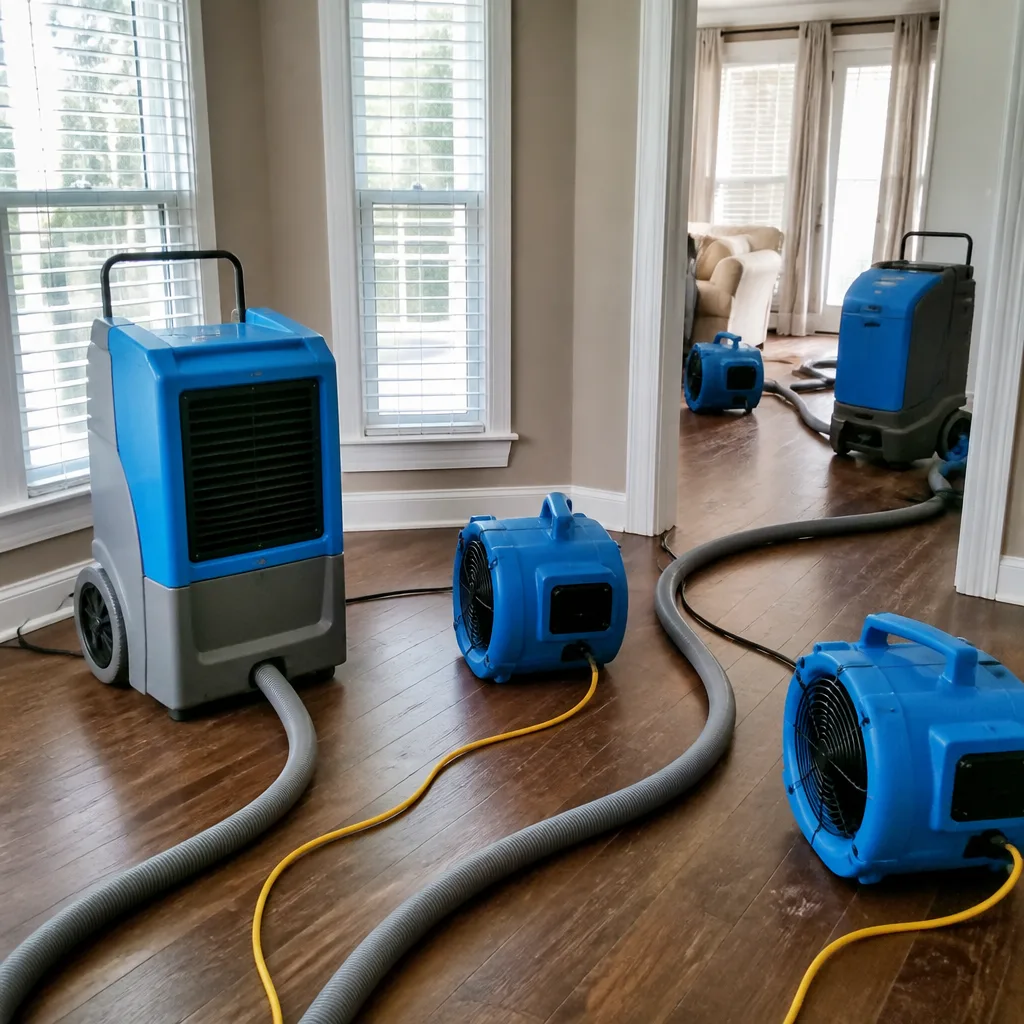

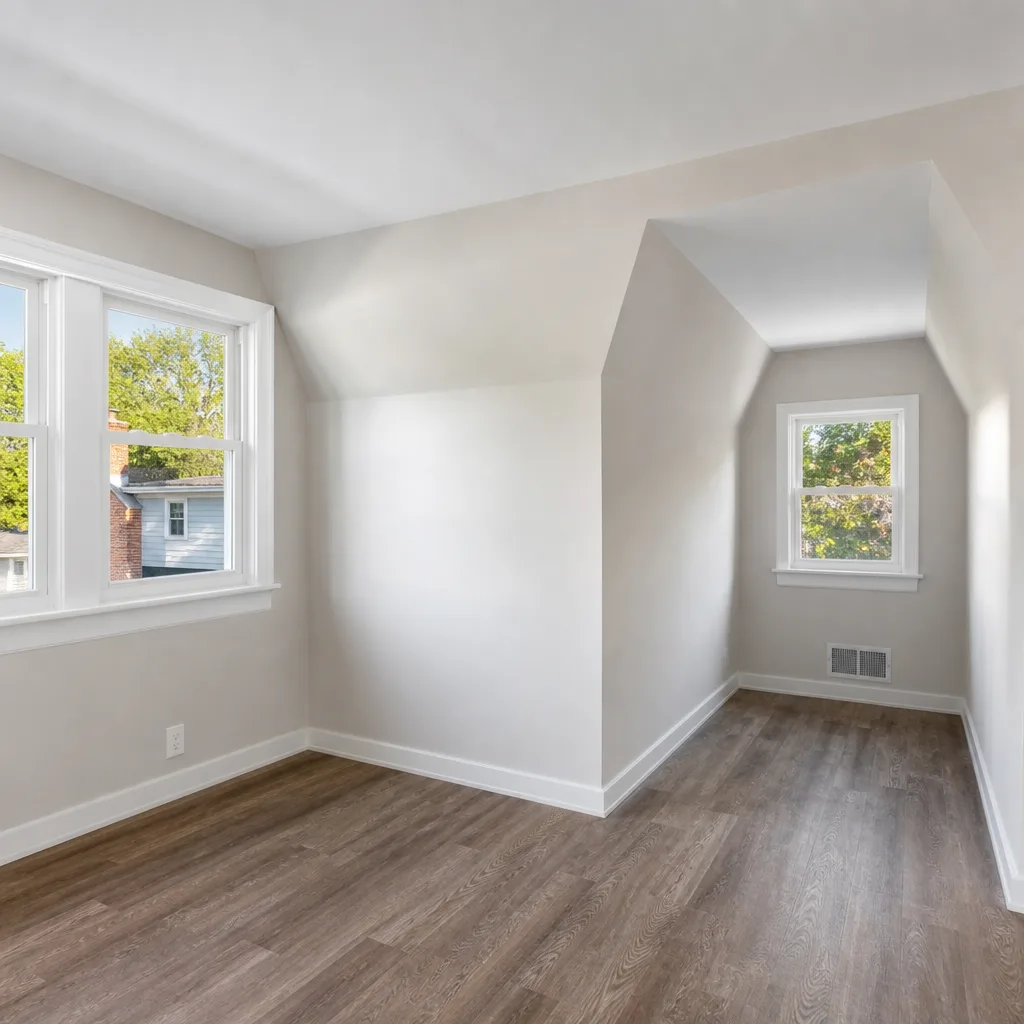
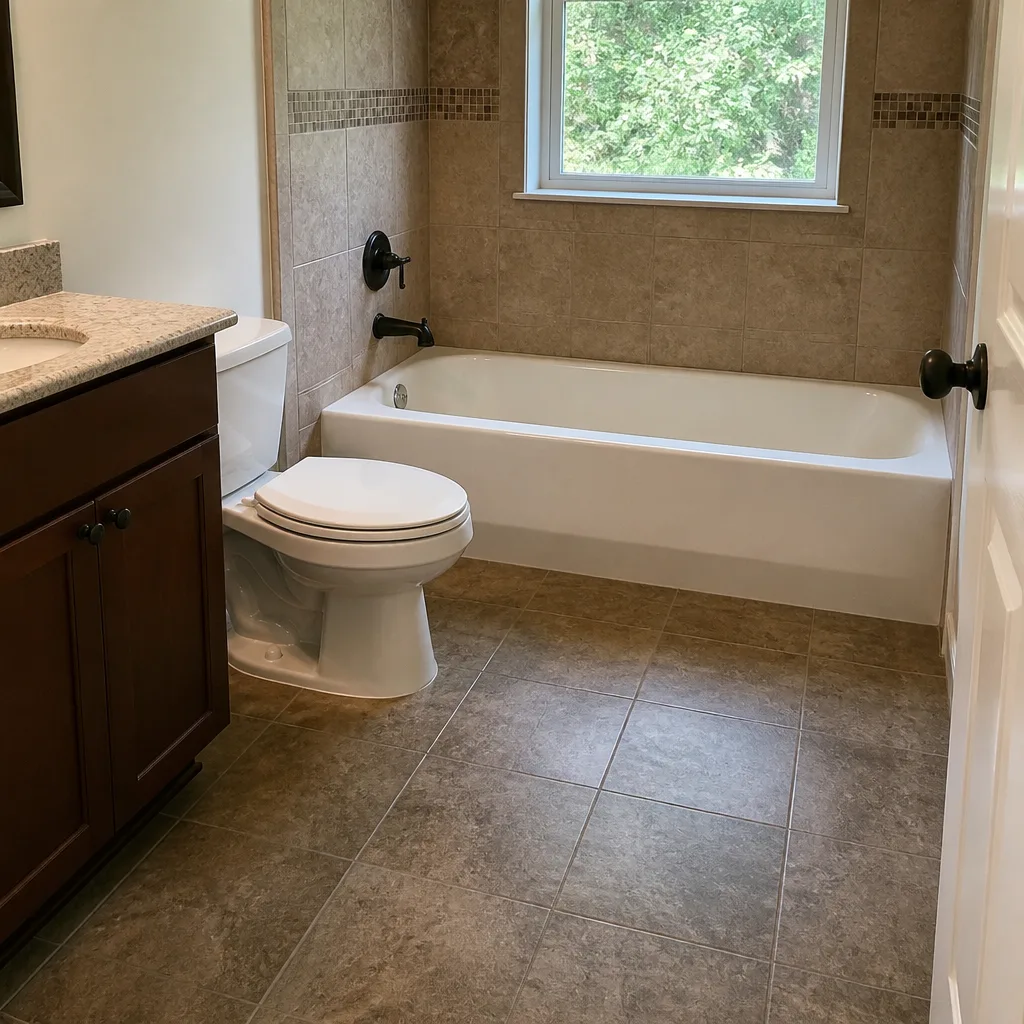
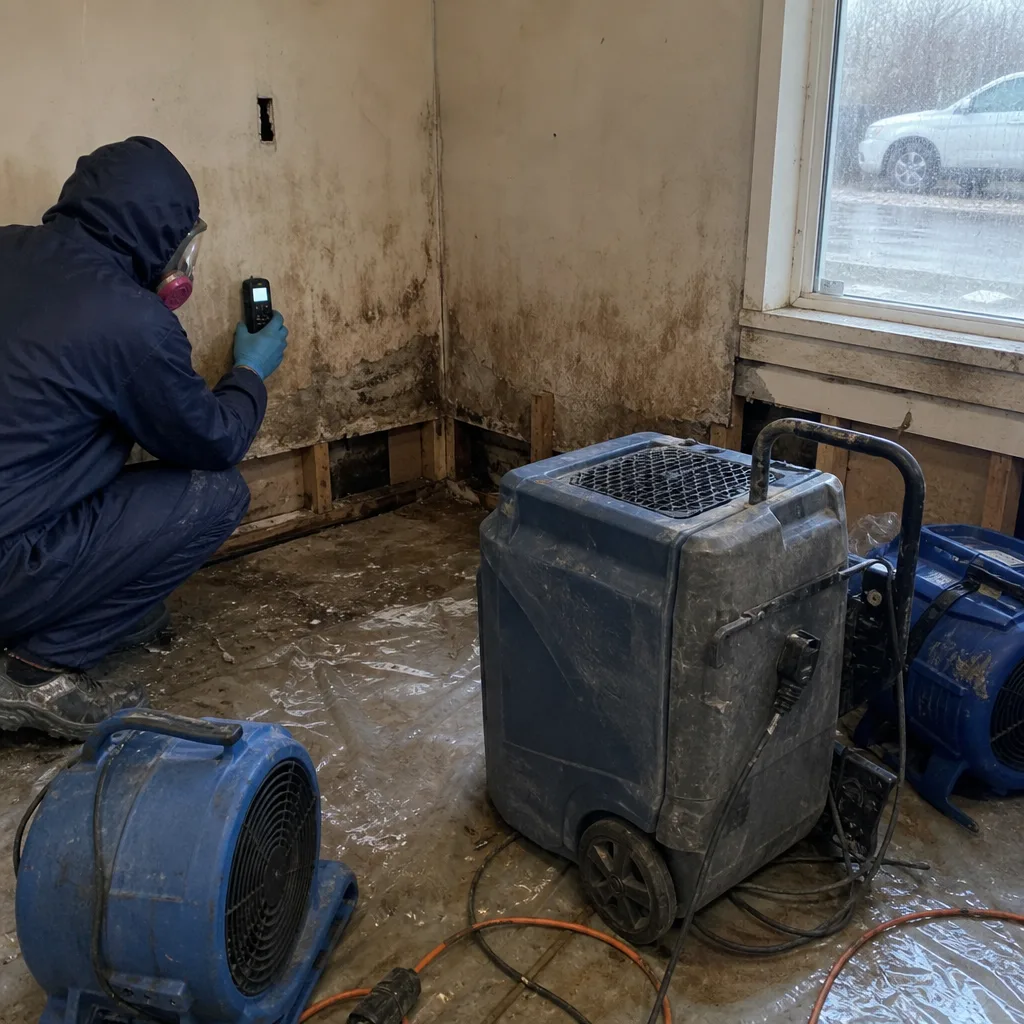 Before
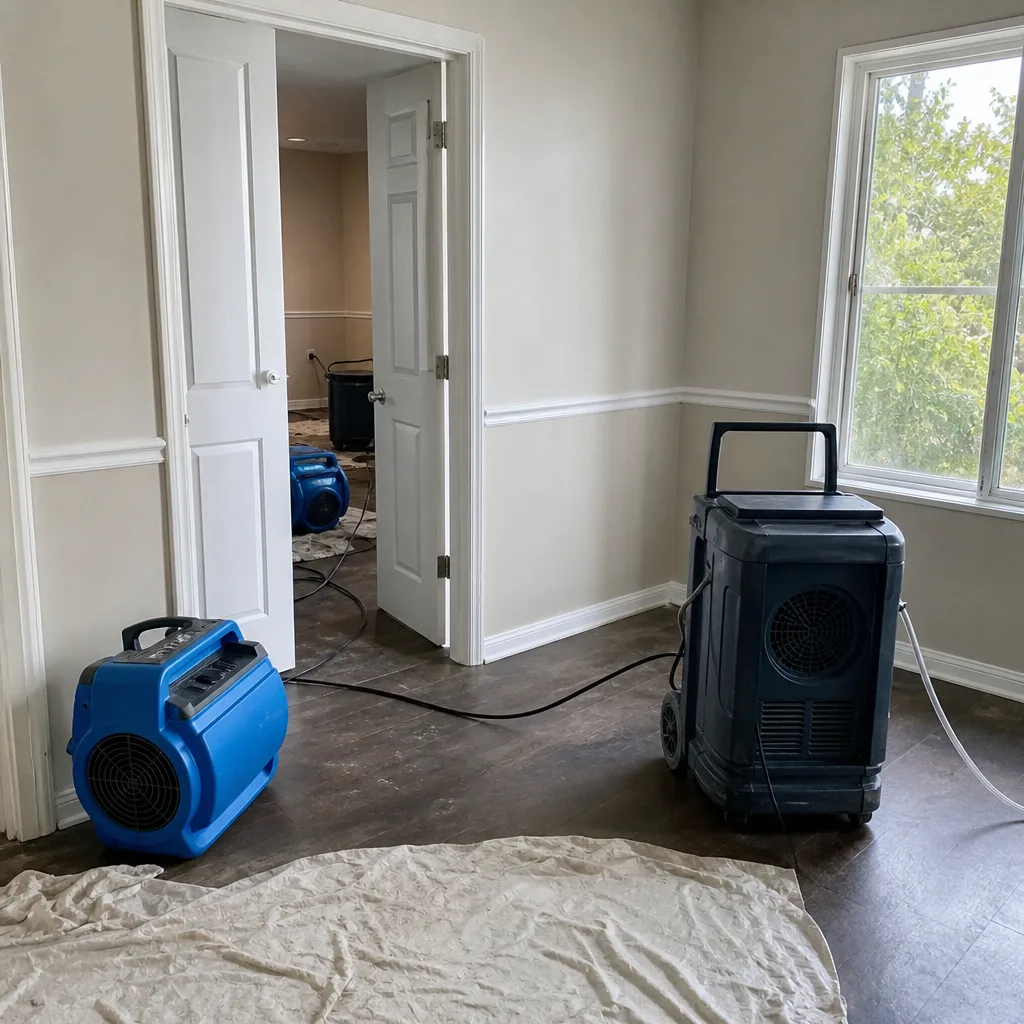 After
After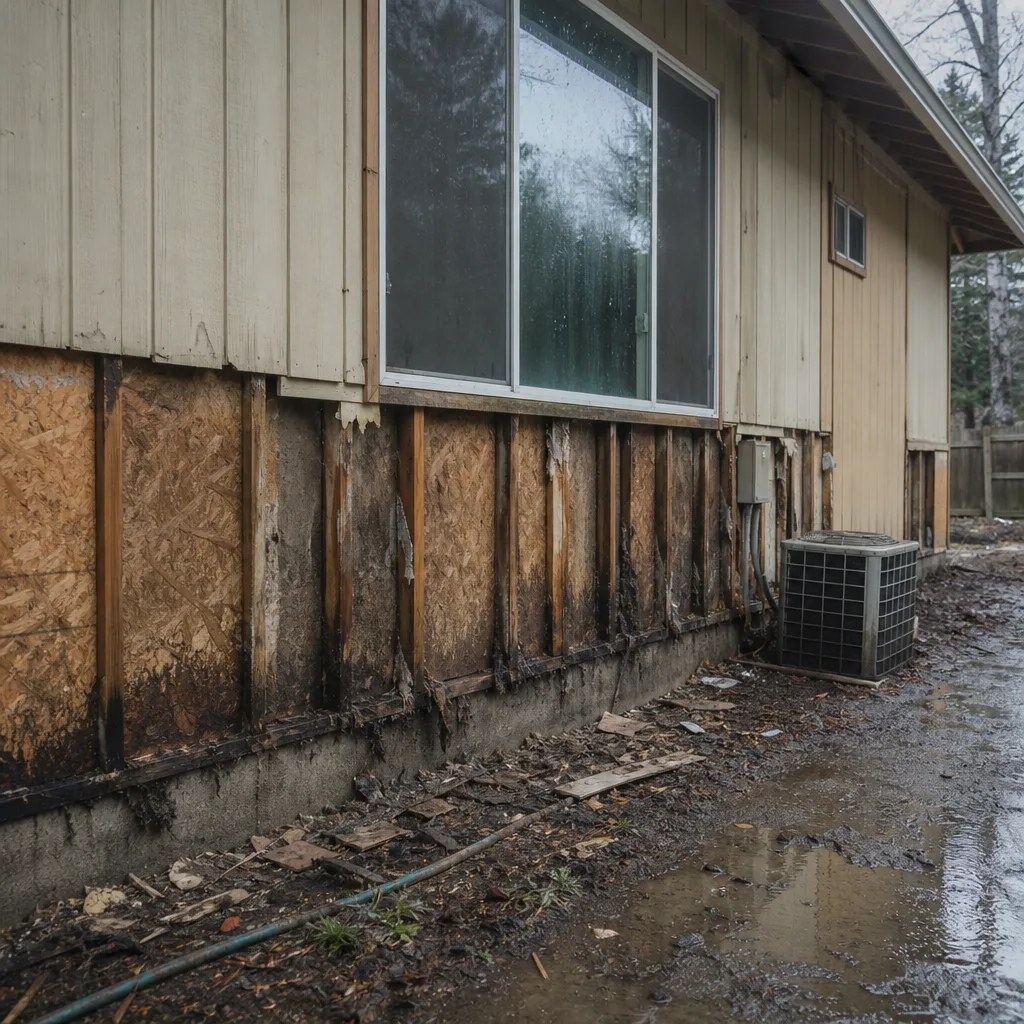 Before
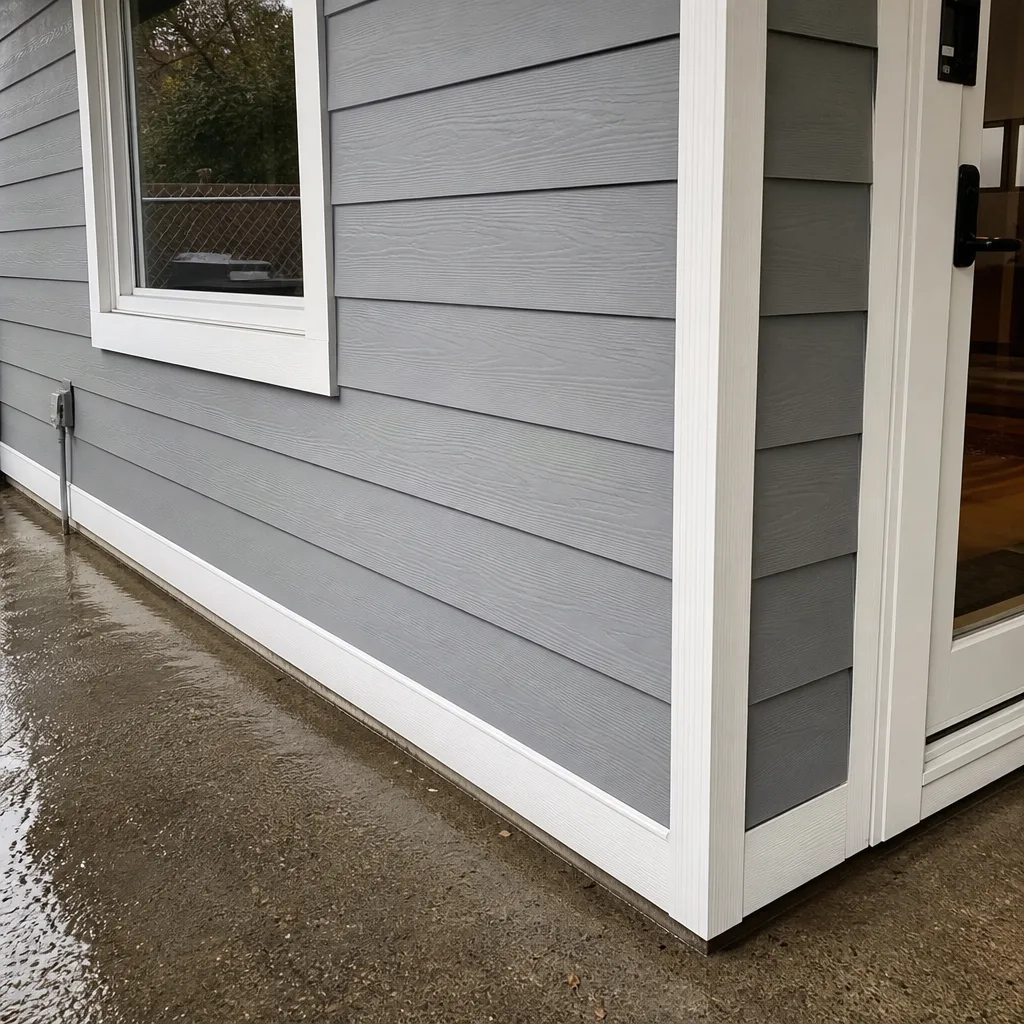 After
After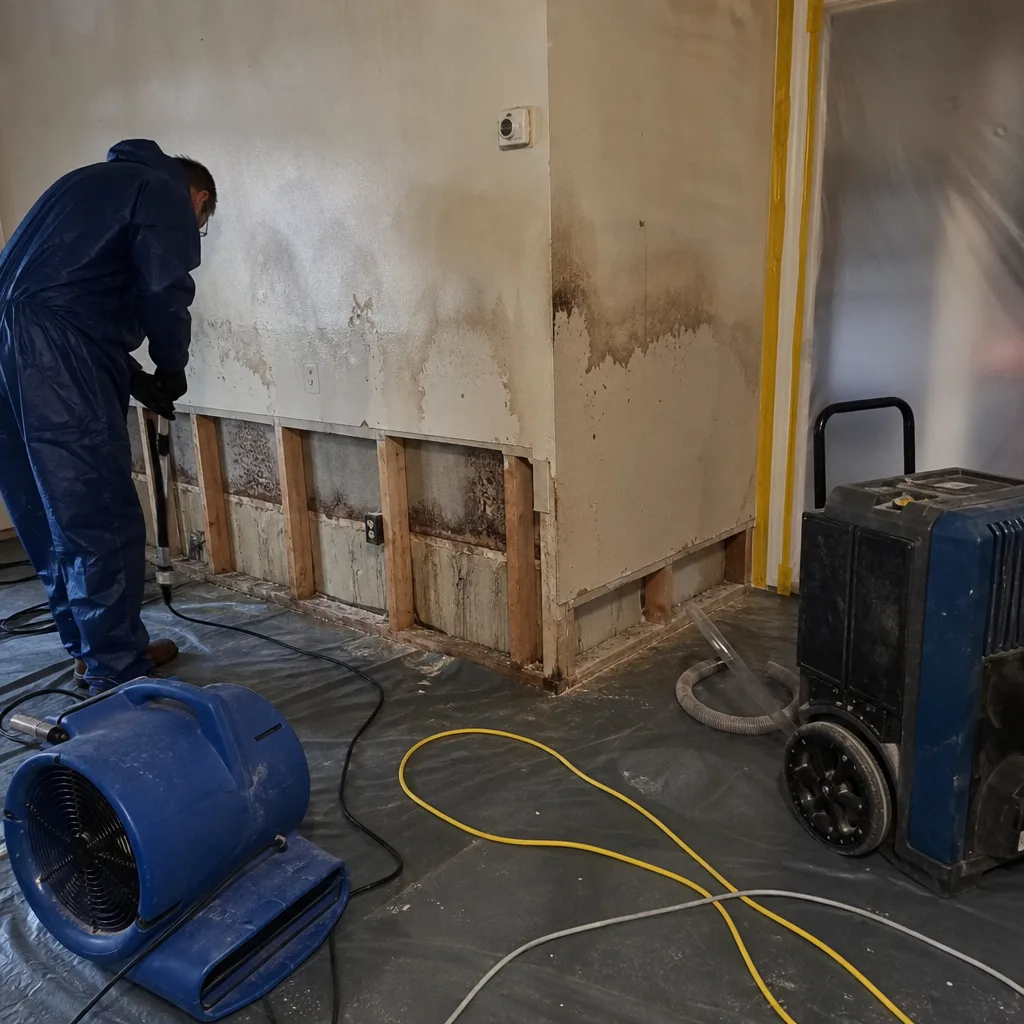 Before
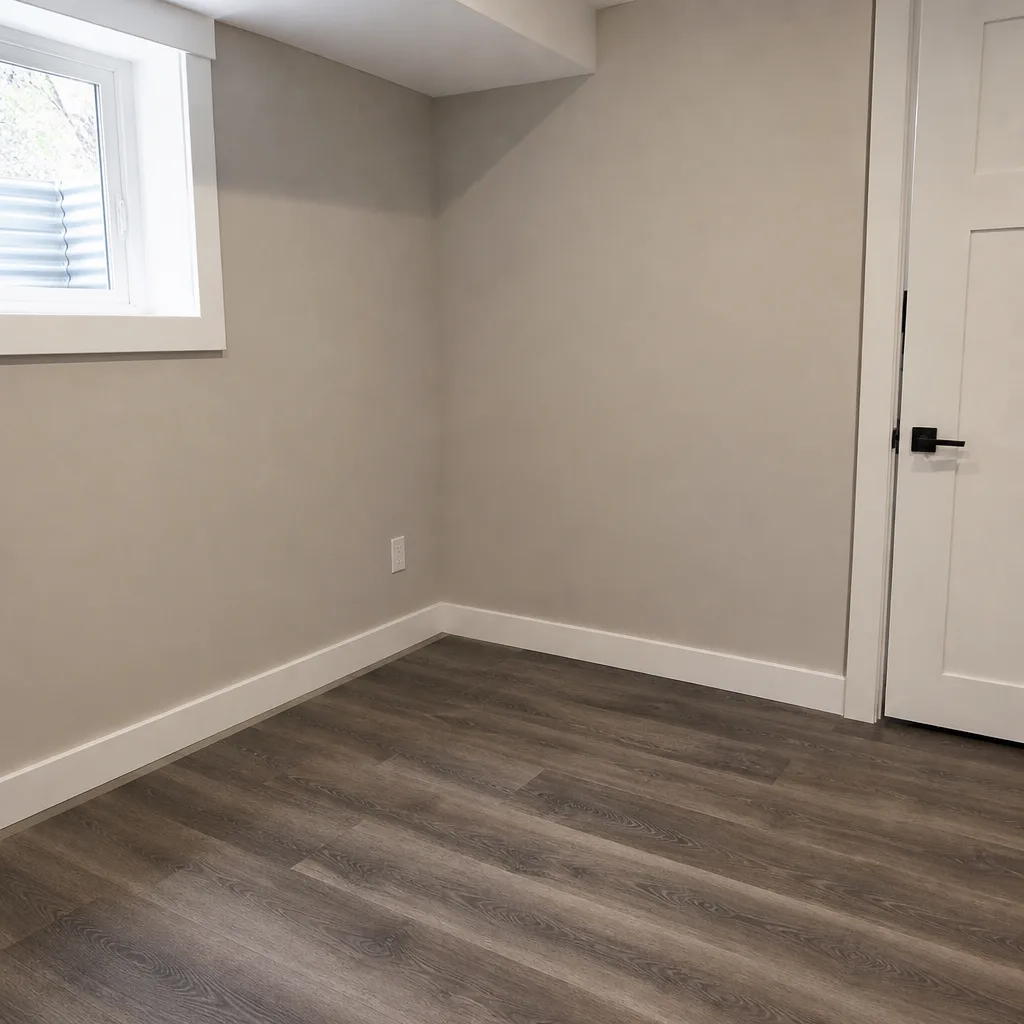 After
After24/7 Emergency Water Damage Restoration in Federal Way
Water damage restoration in Federal Way typically costs $2,800-$6,500 for a standard residential dryout, with emergency extraction and stabilization starting at $1,200-$2,400. Most insured losses are fully documented and payable within the claim cycle when crews begin moisture mapping within the first four hours. Call (253) 487-0371 now - we answer live, 24 hours a day, with no voicemail trees while water is still moving through your floors.
Our crews dispatch from the Seattle office and run Federal Way regularly. We’re on-site in the West Campus corridor, the Dash Point bluff zone, and the SR-99 apartment strip within 45 minutes of your call. The first hour determines whether we contain the loss to a single room or document moisture migration across three. Standing water wicks upward at one inch per hour on drywall. Crawl spaces in Federal Way’s clay-rich soils hold saturation for days after surface water is gone. We bring thermal imaging, penetrating moisture meters, and subfloor extraction gear on every truck because the visible puddle is rarely the whole loss.
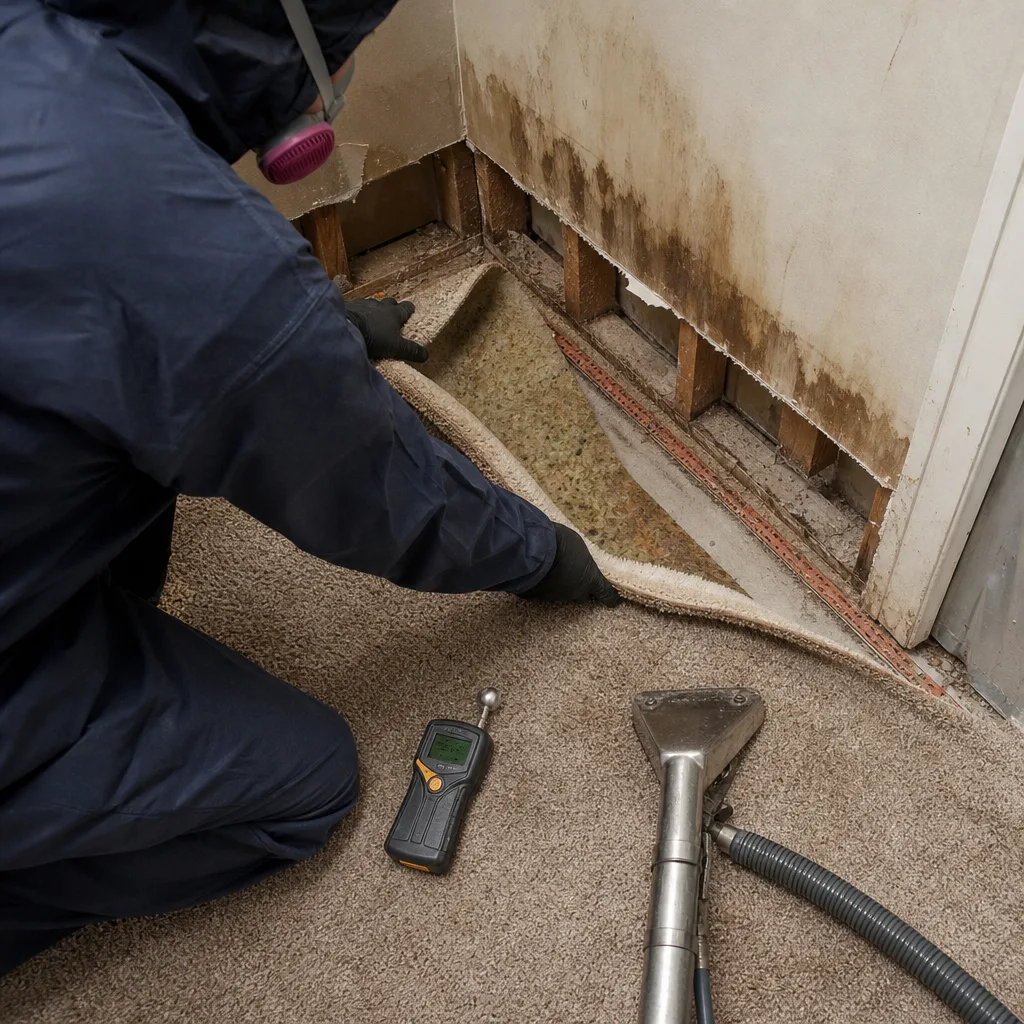
Your free visual inspection includes documented moisture readings in every affected room, a photo record, and a written scope with a firm price before any equipment runs. Haven Standard, Clause 1.
Understanding Water Damage Restoration Severity in Federal Way Properties
Water damage breaks into three categories under IICRC S500 standards, and Federal Way’s housing stock pushes an unusual number of jobs from Category 2 into Category 3. Category 1 is clean water from a broken supply line. Category 2 carries contaminants from dishwasher discharge or sump pump failures. Category 3 is grossly contaminated - sewage intrusion, or water that has remained in contact with building materials long enough to support microbial growth.
Here’s where Federal Way differs from newer suburbs. The city’s build-out peaked between 1970 and 1995, when polybutylene piping was standard in Pacific Northwest tract homes and low-rise apartments. Polybutylene fails at fittings, not along the pipe. The leak drips behind drywall or under crawl-space insulation for months before the pressure drop becomes visible. By the time a tenant reports water staining, the cavity has hosted a mold colony through multiple seasonal cycles. We open the wall and find a previous patch on the line - the building was never repiped - so the biological timeline starts six to twelve months before the reported date. That reclassification from Category 2 to Category 3 changes the protocol: containment, negative air, HEPA filtration, and antimicrobial treatment become mandatory, not optional.
Moisture mapping with thermal imaging finds the hidden migration paths. Psychrometric data - temperature, relative humidity, vapor pressure differential - tells us whether the drying chamber is actually pulling moisture from the substrate or just recirculating wet air. Tertiary drying targets the bound water in wood framing that primary dehumidification can’t reach. Federal Way’s crawl-space foundations, standard on homes from the 1970s through 1990s, make this below-floor phase critical. Skip it and mold returns within 90 days, guaranteed.
Why Federal Way Property Owners Choose DryMark Restoration Auburn
- 45-minute response commitment to Federal Way addresses from our Seattle dispatch office - we run the I-5 corridor daily and know the SR-99 access points.
- 24/7 live answer by a real person, never an automated system; your call is logged with a timestamp and dispatched immediately.
- IICRC-certified crews holding WRT (Water Damage Restoration Technician) and AMRT (Applied Microbial Remediation Technician) credentials, with license numbers documented on every job file.
- Free visual inspection with moisture readings, thermal imaging, and a written scope delivered before any work begins - Haven Standard, Clause 1.
- Direct insurance billing with photo-documented estimates, daily drying logs, and adjuster coordination so your claim processes without scope disputes.
- One team from extraction to reconstruction - no handoffs between mitigation and rebuild contractors, no gaps in documentation.
BeforeAfterOur Water Damage Restoration Process
1. Inspection & Assessment
We document moisture readings in every affected room, map migration with FLIR thermal imaging, and classify the water category based on source and dwell time. In Federal Way’s SR-99 corridor apartments, we specifically inspect for previous patches on polybutylene lines that would reclassify the loss.
2. Extraction & Stabilization
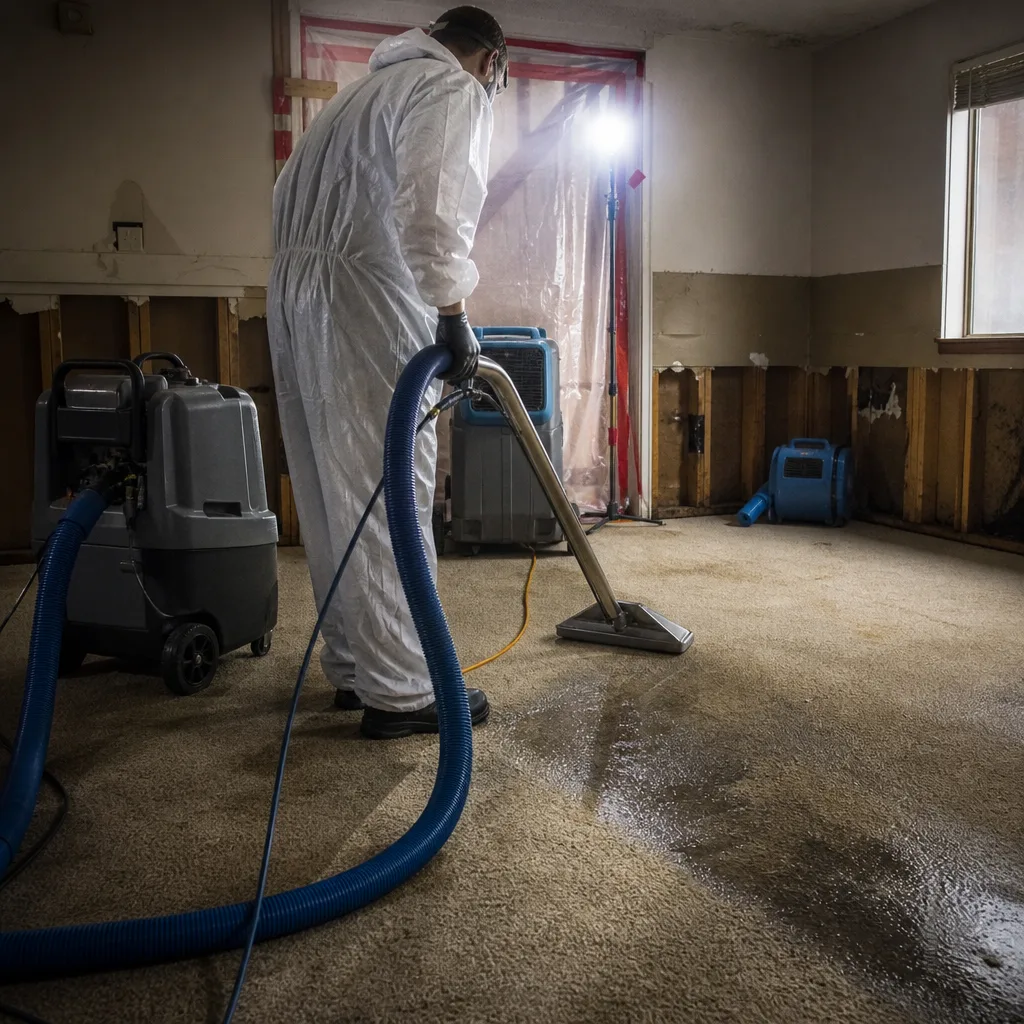
Standing water comes out first - truck-mounted extractors for deep saturation, portable units for multi-story buildings with limited access. We deploy weighted extraction on carpets and remove baseboards to vent wall cavities. Subfloor extraction mats pull water from beneath hardwood where traditional wands can’t reach.
3. Drying & Dehumidification
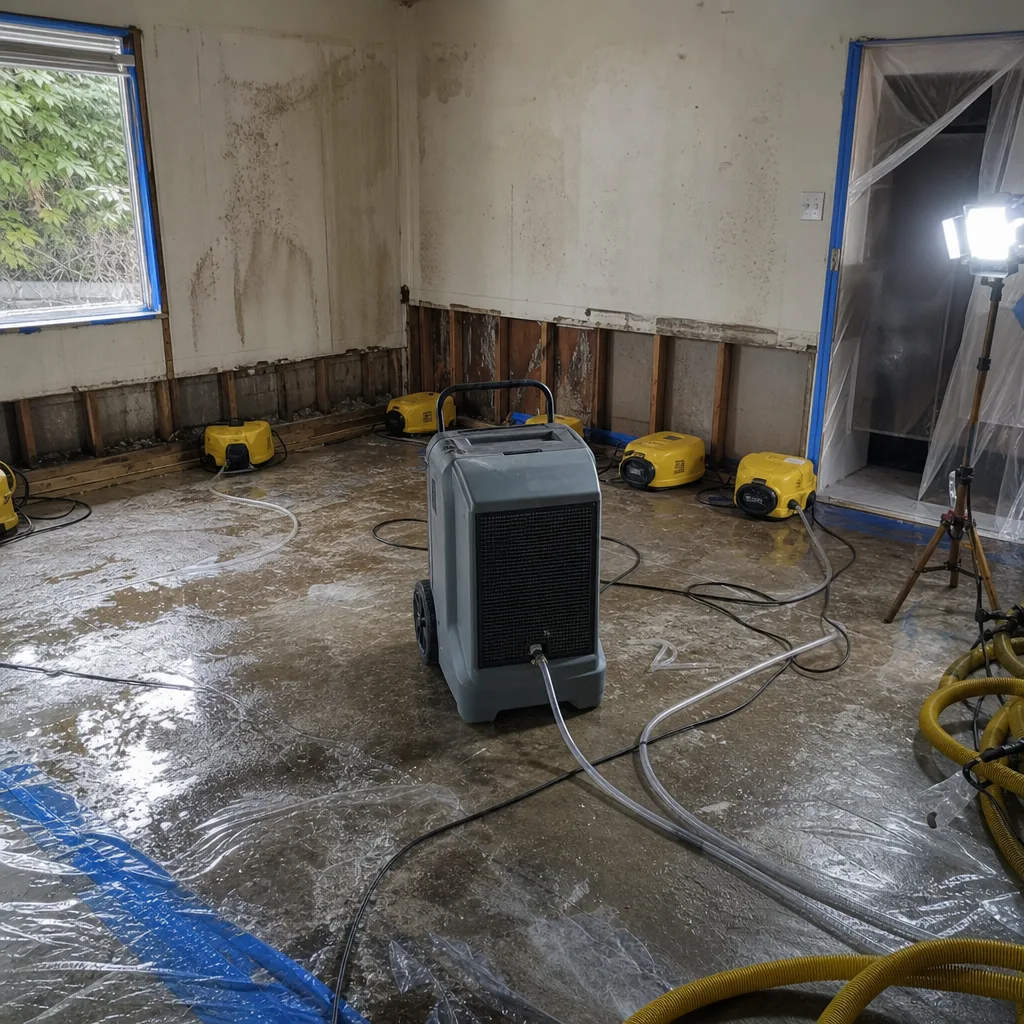
Air movers create airflow across wet surfaces; dehumidifiers remove the vapor load. We deploy Dri-Eaz and Phoenix LGR dehumidifiers sized to the cubic footage and vapor pressure differential of each chamber. Daily moisture logs track progress to the dry standard - typically 12-16% moisture content for softwoods in Federal Way’s marine climate.
4. Cleaning & Sanitization
Category 2 and 3 losses receive antimicrobial treatment on all affected surfaces. HEPA air scrubbers run during and after cleaning to capture airborne particulates. Porous materials that can’t be sanitized - saturated drywall, insulation, particleboard subflooring - are removed and documented for the adjuster.
5. Mold & Microbial Remediation
When polybutylene failures conceal months-old colonies, we erect containment barriers, establish negative air pressure with HEPA-filtered exhaust, and remove compromised materials under controlled conditions. Air sampling and clearance testing confirm the chamber is safe before reconstruction begins.
6. Repairs & Restoration
Our crew repairs or replaces drywall, flooring, trim, and finishes to match pre-loss condition. The same team that dried the structure rebuilds it, so the documentation chain stays intact from first moisture reading to final walkthrough. The 365-Day Done Right Promise applies to all reconstruction work.
Need Emergency Water Damage Restoration in Federal Way Now?
Crews minutes away, answering live 24 hours a day. The sooner we start, the less it costs.
Working With Your Insurance Company
Insurance adjusters evaluate water damage claims on documentation quality, not drama. We build the file from the first moisture reading so your carrier has no reason to delay or dispute. Every photo is time-stamped and geotagged. Every drying log shows hour-by-hour humidity, temperature, and material moisture content. The scope is line-itemed to Xactimate standards with trade-specific codes.
We coordinate directly with your adjuster, not through you as a relay. Our estimates include the documentation that turns restoration invoices into payable claims: pre-loss condition photos, moisture mapping diagrams, equipment placement schematics, and daily psychrometric readings. If your carrier requests supplemental documentation, we produce it within 24 hours. If you’ve received a competitor’s estimate, our Free Second Opinion reviews it at no charge - Haven Standard, Clause 7.
What We Provide Your Insurer
- Thorough documentation of the loss
- Photos of all damage, room by room
- Moisture readings and drying logs
- A detailed, line-item scope of work
- Direct coordination with your carrier
Built for Federal Way’s Loss Calendar
January through March brings the deepest risk: hard freezes split polybutylene fittings in crawl spaces where foundation vents were never winterized. The pipe thaws, pressure returns, and water runs for hours before anyone notices. April’s spring rains saturate the clay-rich glacial till that underlies most of Federal Way; water pools against slab edges and seeps through foundation cracks into basements and crawl spaces. The 38-40 inches of annual rainfall isn’t extreme by Pacific Northwest standards, but the soil percolation rate here is - water simply doesn’t drain downward, so it moves horizontally into structures.
July and August dry spells tempt property owners to defer maintenance, then September storms hit with full gutters and clogged perimeter drains. October through December is landslide season on the Dash Point bluff, where stormwater undercuts foundations and brings structural damage alongside water intrusion. Year-round, the SR-99 apartment corridor generates steady calls as original polybutylene lines age out simultaneously. Property managers patch; they don’t repipe. We see the consequences.
Water Damage Restoration Across Federal Way’s Neighborhoods
The SR-99 corridor from S 272nd St to S 348th St is dense with 1970s-1980s low-rise apartments built during Federal Way’s fastest growth period. These buildings share original polybutylene supply lines, common crawl spaces, and a maintenance philosophy of reactive patching. Our crews know the access patterns, the property management companies, and the documentation requirements for multi-unit losses. A single supply-line failure here often affects three units vertically and two horizontally through shared wall cavities.
West Campus and the neighborhoods around Federal Way High School sit on higher ground with better drainage, but the housing stock is the same era - split-levels and ranches on crawl-space foundations. The difference is single-family ownership versus apartment management, so decisions about repiping happen faster when we document the full scope. Dash Point and the Marine Hills area add coastal exposure: salt air accelerates corrosion on exterior hose bibs and crawl-space vents, and the bluff zone carries landslide risk that can crack foundations and introduce groundwater intrusion alongside storm damage.
The Enchanted Parkway corridor mixes commercial and residential, with aging strip-mall plumbing tied into adjacent townhome clusters. We’ve traced water migration from a failed grease trap across three residential units because the original builder shared a common crawl-space wall. Every neighborhood in Federal Way has a specific failure pattern. We document it before we dry it.
Specialized Water Damage Restoration Services We Offer in Federal Way
Emergency Water Extraction
Truck-mounted and portable extraction units remove standing water within hours of your call. In Federal Way’s multi-story apartment buildings, we deploy portable units through stairwells when elevator access is compromised by electrical safety concerns. Speed matters: every hour of standing water adds square footage to the affected area.
Structural Drying & Dehumidification
We size dehumidification to the vapor pressure differential of each drying chamber, using Dri-Eaz and Phoenix LGR units documented to IICRC standards. Federal Way’s marine climate means outdoor air is often nearly saturated; we seal the chamber and control the environment rather than ventilating blindly. Daily moisture logs prove progress to your adjuster.
Flood Cleanup
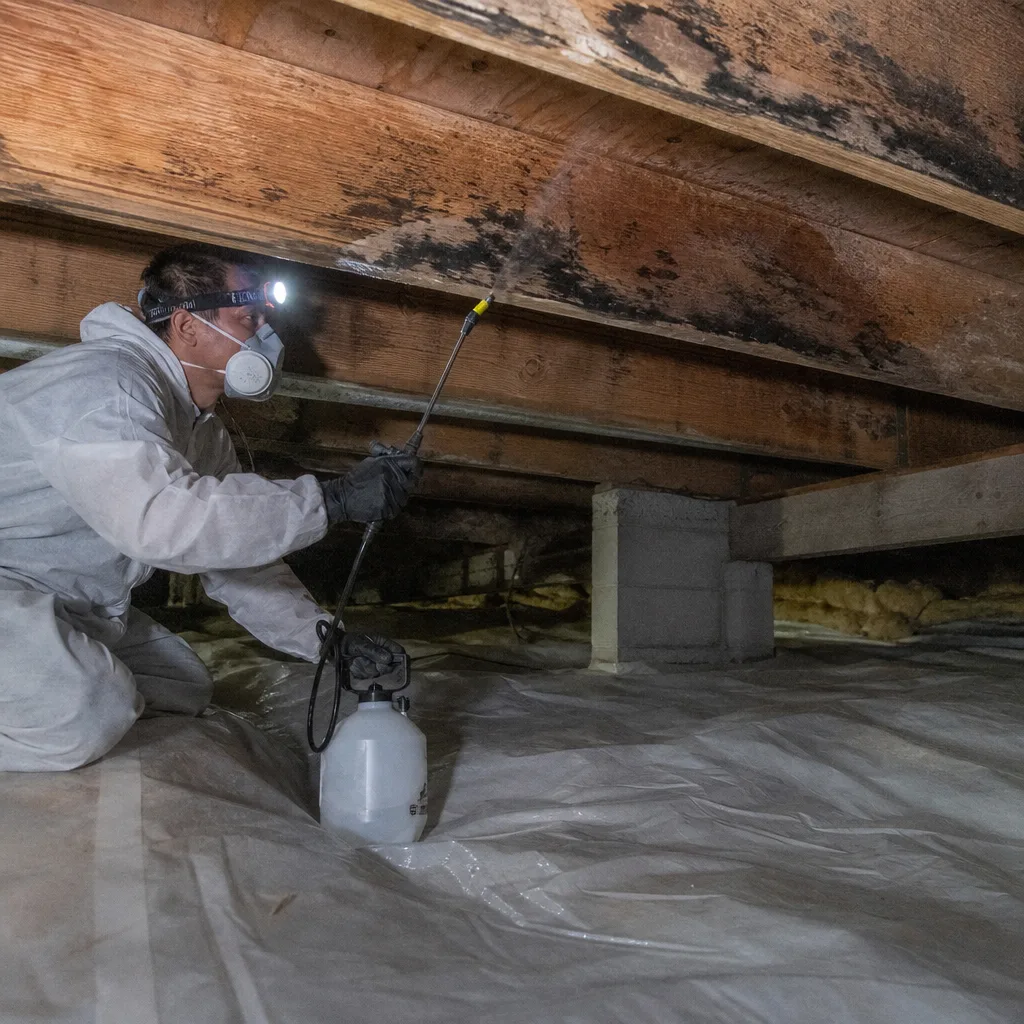
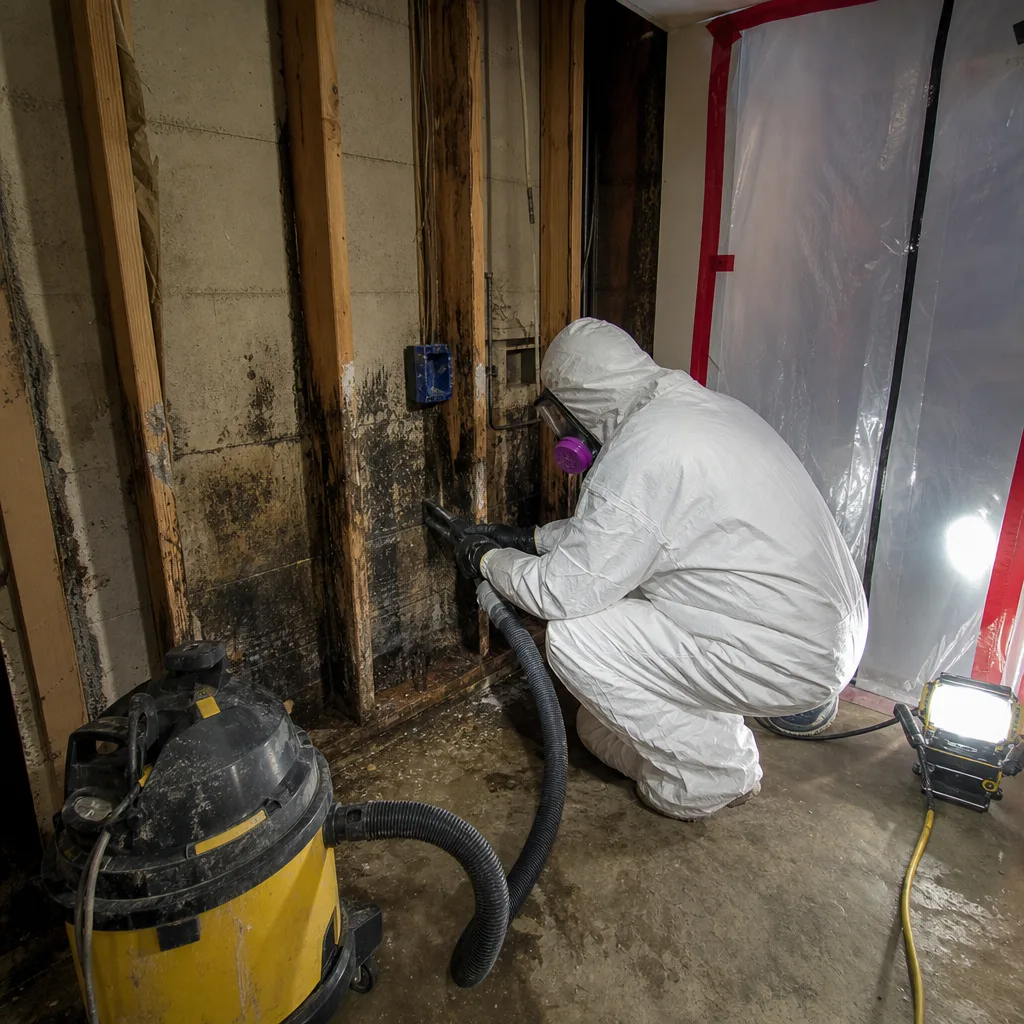
Storm flooding and groundwater intrusion carry Category 3 contamination by definition. We treat these losses with full PPE, containment, and antimicrobial protocols. The clay soils around Federal Way mean floodwater lingers in crawl spaces long after street-level drainage clears; subfloor extraction and below-floor drying are mandatory, not optional.
Burst Pipe Restoration
Polybutylene failures at fittings, copper pinholes from acidic water, and freeze splits in uninsulated crawl spaces - we’ve documented all three across Federal Way. Our scope includes the visible damage and the concealed migration through wall cavities and subfloor insulation. We find the full loss before we price the repair.
Basement Water Removal
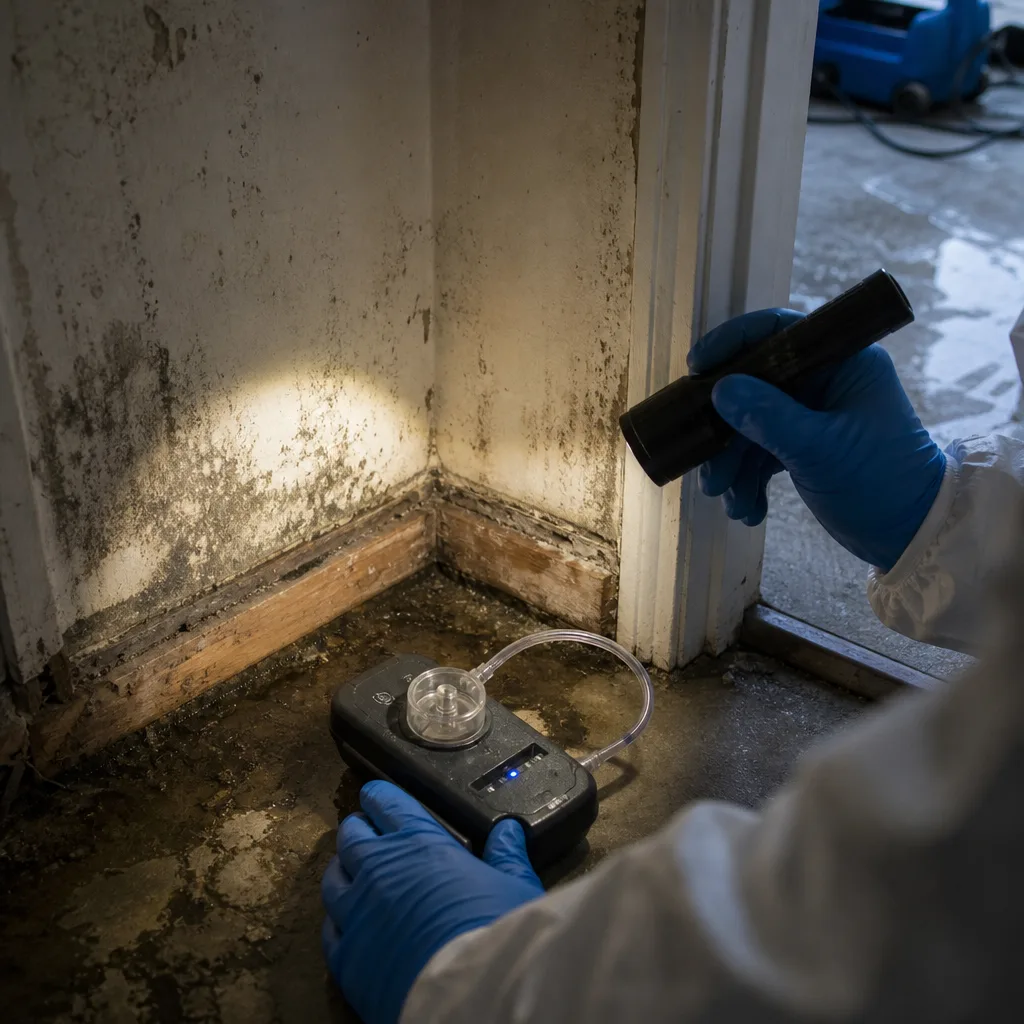
Federal Way’s older homes with daylight basements and original French drains see repeated seepage during fall and spring. We extract, dry, and evaluate whether the drainage failure is structural or maintenance-related. Our documentation distinguishes insurance-covered sudden events from long-term maintenance issues that carriers exclude.
Ceiling & Roof Leak Water Damage
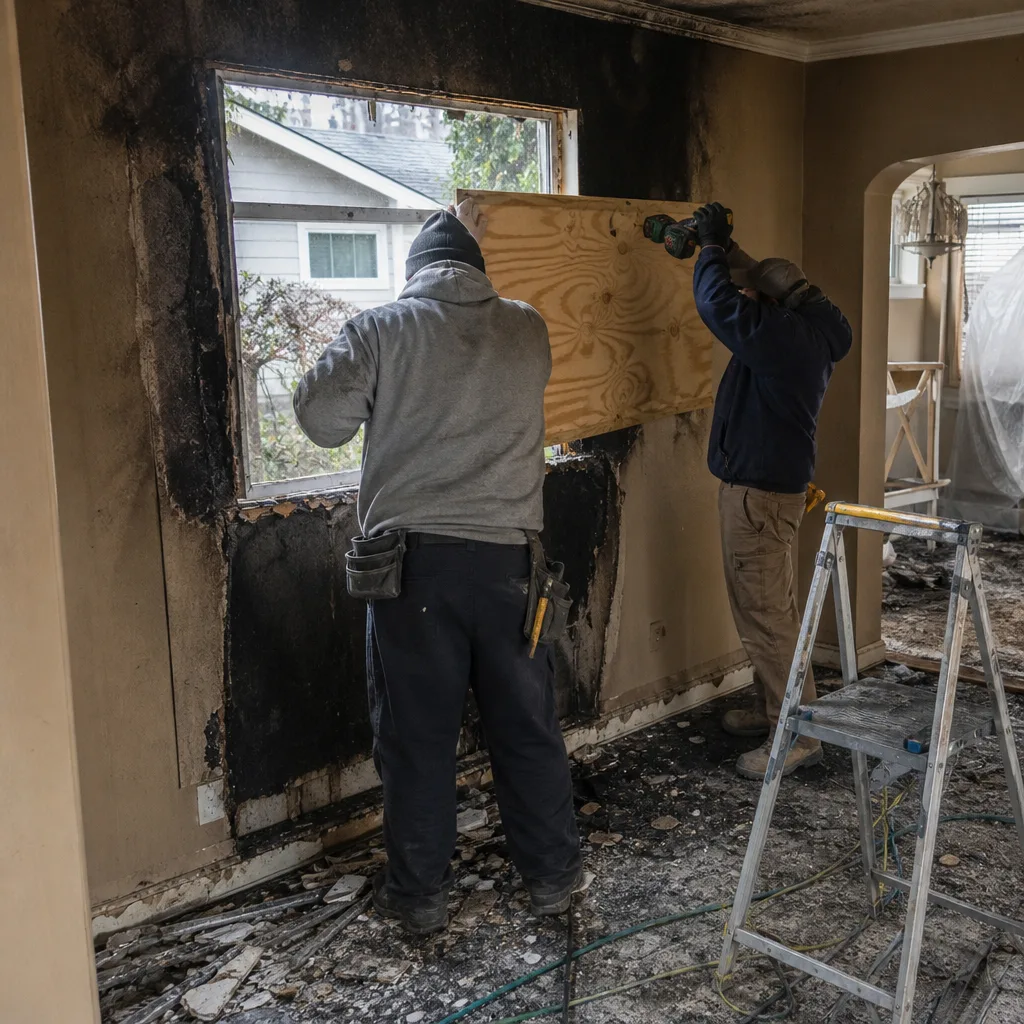
Roof leaks in Federal Way’s mature tree canopy often follow wind events that drop branches and compromise flashing. We trace the water path through attic insulation, ceiling drywall, and wall cavities - the visible stain is rarely the full extent. Thermal imaging finds the migration pattern before we open anything.
What happens when you call
- 1
A real person answersNo phone trees - you reach a local pro.
- 2
You get an upfront price rangeHonest numbers before anyone is dispatched.
- 3
A background-checked tech heads outLicensed & insured, dispatched right away.
- 4
You approve before work beginsNothing starts until you say go.
Water Damage Restoration Costs in Federal Way, WA
Typical residential water damage restoration in Federal Way runs $2,800-$6,500 for a standard dryout of 2-3 rooms with Category 1 or 2 water. Emergency extraction and stabilization alone start at $1,200-$2,400. Category 3 losses with concealed mold, common in the SR-99 corridor’s non-repiped apartments, range $5,500-$12,000 depending on containment requirements and material removal.
What moves the price: the water category, the square footage of affected materials, whether subfloor and crawl-space drying is required, and whether mold remediation is triggered by dwell time. Polybutylene failures with hidden colonies push costs up because the scope expands mid-job when we document the true timeline.
Most homeowners’ policies cover sudden and accidental water damage, less the deductible. Long-term seepage and maintenance-related failures are typically excluded. We document the cause and timeline so your adjuster can classify the loss correctly. Our written scope, delivered before work starts, separates insurance-covered items from out-of-pocket maintenance so there are no surprises at invoice. Call (253) 487-0371 for your free inspection and firm written price - estimates are free, and our Free Second Opinion applies to any competitor’s quote.
We Also Serve Cities Near Federal Way
Our crews run regularly to Federal Way and the surrounding communities: Auburn to the east, Milton to the north, Kent to the northeast, and Tacoma to the south. Each city has distinct housing stock, soil conditions, and failure patterns; we adjust our documentation and drying protocols accordingly. Dispatch and scheduling are coordinated from our Seattle office.
Serving Federal Way, WA - Our Local Coverage Area
We’re based in the Federal Way area and know this community well. Use the map below to see our service coverage - if you’re nearby, we can almost certainly help.
Federal Way Water Damage Restoration Questions, Answered
How fast can your crew get to Federal Way?
We typically arrive within 45 minutes of your call for addresses in Federal Way, including the SR-99 corridor, West Campus, and Dash Point areas.
Our Seattle dispatch office routes crews daily along I-5 and surface streets; we know the access patterns for multi-story apartments off Pacific Highway S and the narrow hillside roads near the Marine Hills bluff. Live phone coverage is 24 hours a day with no voicemail. Call (253) 487-0371.
Will my insurance cover water damage restoration in Federal Way?
Most homeowners’ policies cover sudden and accidental water damage from burst pipes, appliance failures, or storm intrusion, less your deductible.
Long-term seepage, maintenance-related failures, and flood damage from rising groundwater typically require separate coverage or are excluded. We document the cause and timeline with photos, moisture readings, and drying logs so your adjuster can classify the loss correctly. Direct billing to your carrier is standard. Call (253) 487-0371 and we’ll review your policy specifics during the free inspection.
Do I need full remediation or just water extraction and drying?
The water category and dwell time determine the protocol, not preference.
Category 1 clean water with less than 48 hours dwell time typically requires extraction and structural drying only. Category 2 or 3 water, or any loss where moisture has remained in contact with building materials long enough to support microbial growth, requires containment, air scrubbing, and antimicrobial treatment. In Federal Way’s SR-99 corridor, polybutylene failures often conceal months-old mold colonies that reclassify the job mid-inspection. We document the actual condition and scope accordingly - Haven Standard, Clause 1: written price before work starts, even when the scope expands.
How much does water damage restoration cost compared to nearby cities?
Federal Way’s market runs comparable to Kent and slightly below Tacoma for equivalent square footage, but the city’s aging polybutylene stock means jobs here more often expand from simple dryouts into Category 3 remediation.
A standard 2-3 room dryout in Federal Way is $2,800-$6,500; concealed mold in SR-99 corridor apartments pushes the range to $5,500-$12,000. We deliver a written price before any work begins, and our Free Second Opinion reviews any competitor’s estimate at no charge. Call (253) 487-0371 for your specific scope.
How long does structural drying take in Federal Way’s climate?
Most residential drying cycles complete in 3-5 days with proper dehumidification and air movement.
Federal Way’s marine climate - high ambient humidity, persistent overcast - extends drying times if crews ventilate with outdoor air rather than sealing the chamber. We use LGR dehumidifiers and document daily psychrometric readings to prove the drying chamber is achieving vapor pressure differential, not just recirculating moist air. Crawl-space foundations, standard on Federal Way homes from the 1970s-1990s, add 1-2 days for below-floor drying. The daily moisture log shows exactly when materials reach the dry standard.
Can my family stay in the home during water damage restoration?
For Category 1 losses limited to one or two rooms, occupants often remain with containment barriers and air movers running.
Category 2 or 3 losses, any job with mold remediation, or multi-room drying with high noise levels from equipment typically require temporary relocation. We evaluate air quality, equipment placement, and occupancy patterns during the initial inspection and document our recommendation in the written scope. Your safety and the drying chamber’s integrity are the deciding factors, not convenience.
Are your technicians certified for water damage restoration?
Yes - our crews hold IICRC WRT (Water Damage Restoration Technician) and AMRT (Applied Microbial Remediation Technician) certifications, with credentials documented on every job file.
All technicians are background-checked, uniformed, and licensed; license numbers appear in your job documentation. Equipment is calibrated and maintained to IICRC, RIA, and IFA standards. We don’t subcontract mitigation to uncertified day labor; the same trained crew handles extraction through reconstruction.
What should I do in the first 30 minutes after discovering water damage?
Shut off the water source if you can locate it safely, then call (253) 487-0371 for immediate dispatch.
Don’t enter standing water if electrical outlets are submerged. Don’t run vacuums on wet carpet. Move small valuables and documents to a dry area if safe to do so. Take photos of the visible damage for your records, then leave the moisture mapping and extraction to us. The first hour determines whether the loss stays contained; every minute of delay expands the affected square footage and the documentation required for your claim.
Written by Alicia Brennan, Owner at Back to Dry Restoration, serving Federal Way since 2011 under The Haven Standard.
Water Damage Restoration in Nearby Areas