
Last updated September 23, 2026
Free visual inspection and a written scope of work before any mitigation begins - photos, moisture readings, and drying logs go in your claim file
The scope we write is the scope we bill. Anything new gets shown to you, in writing, before we touch it.
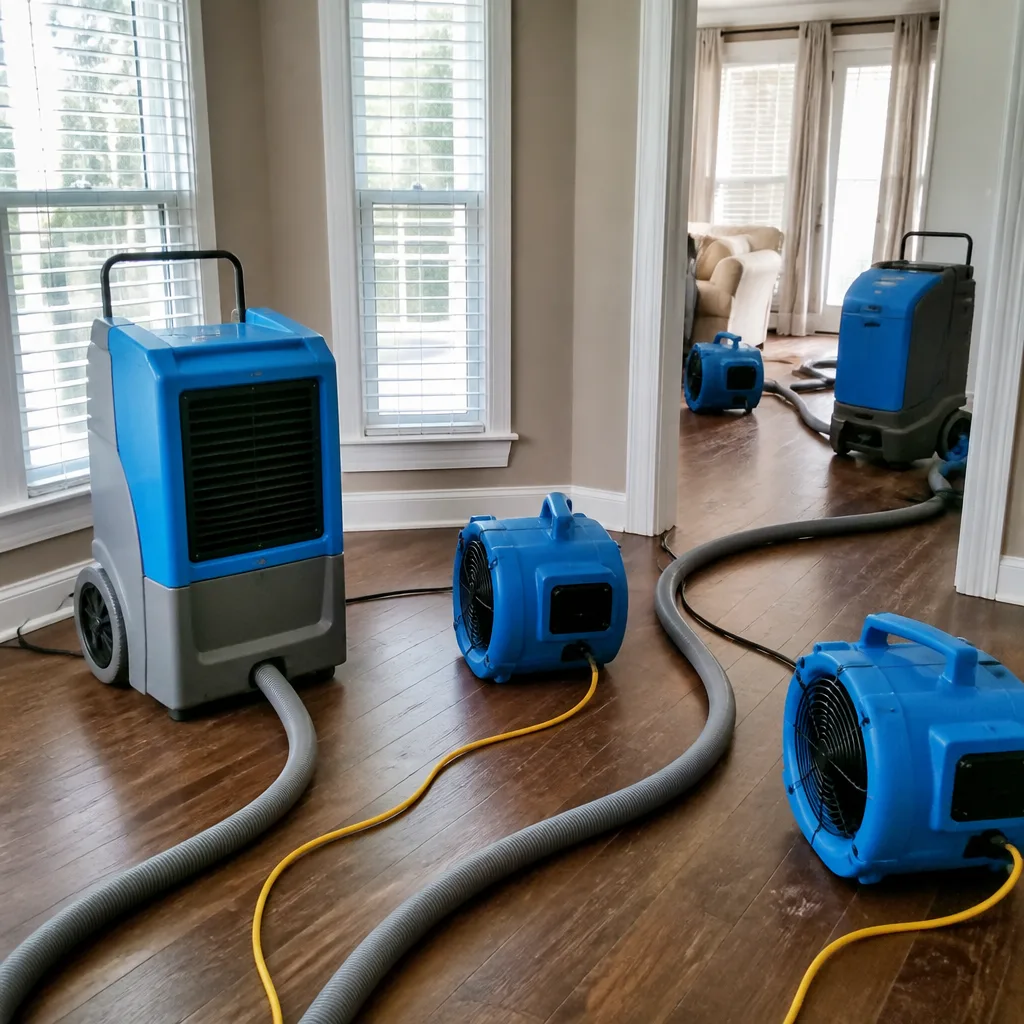


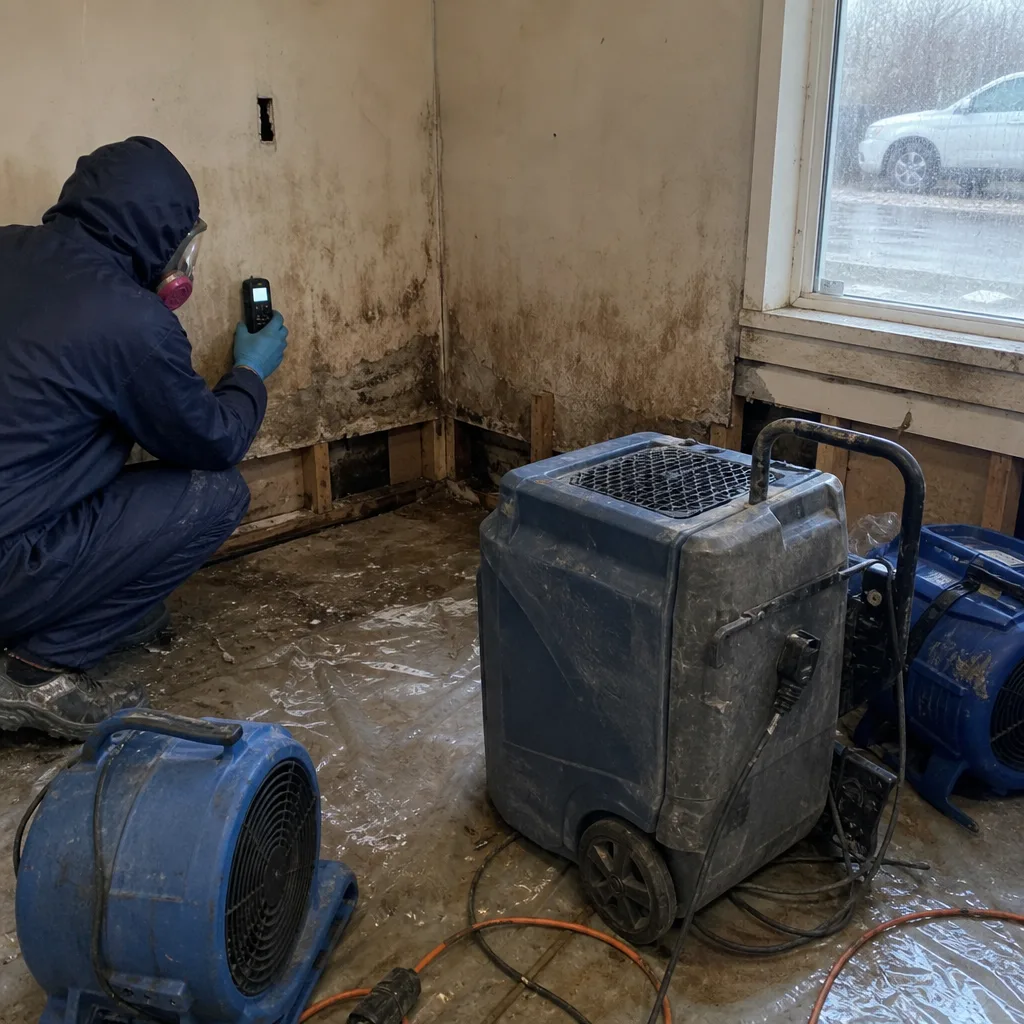 Before
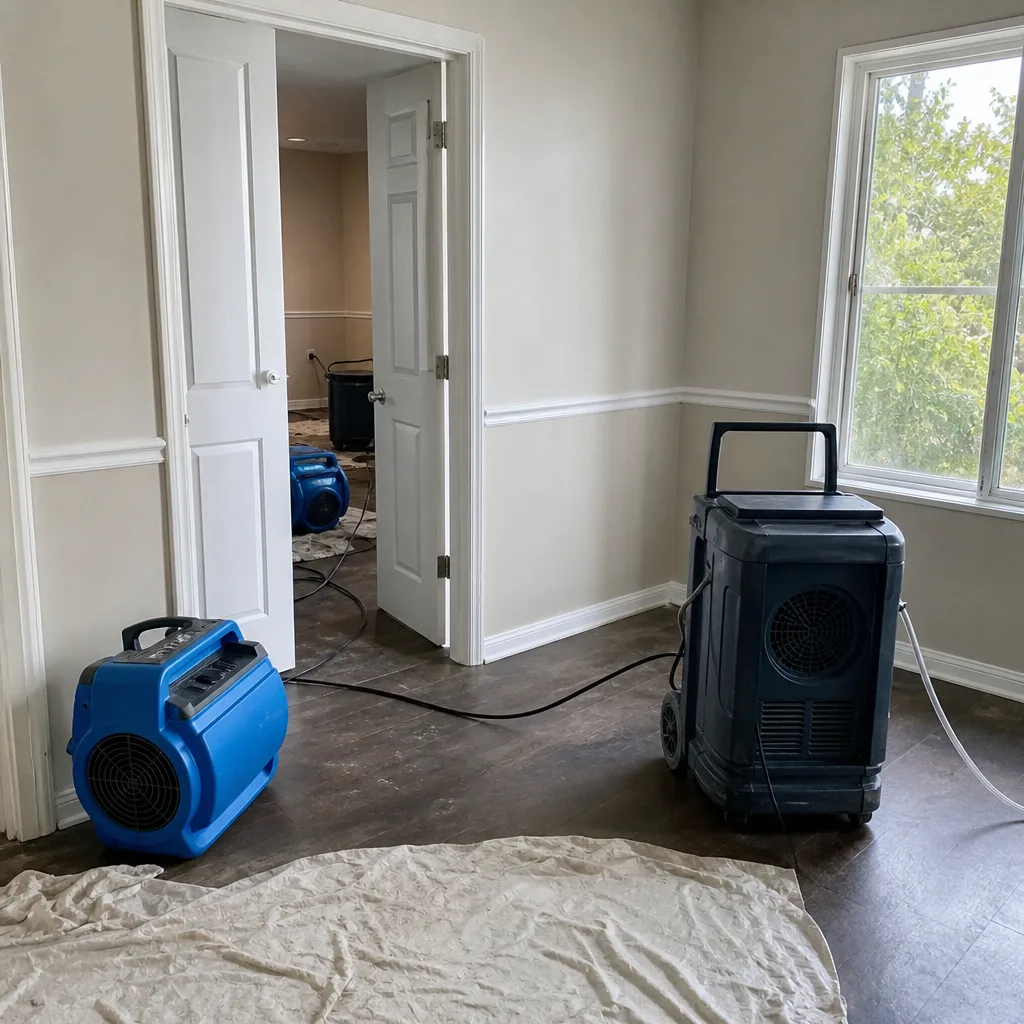 After
After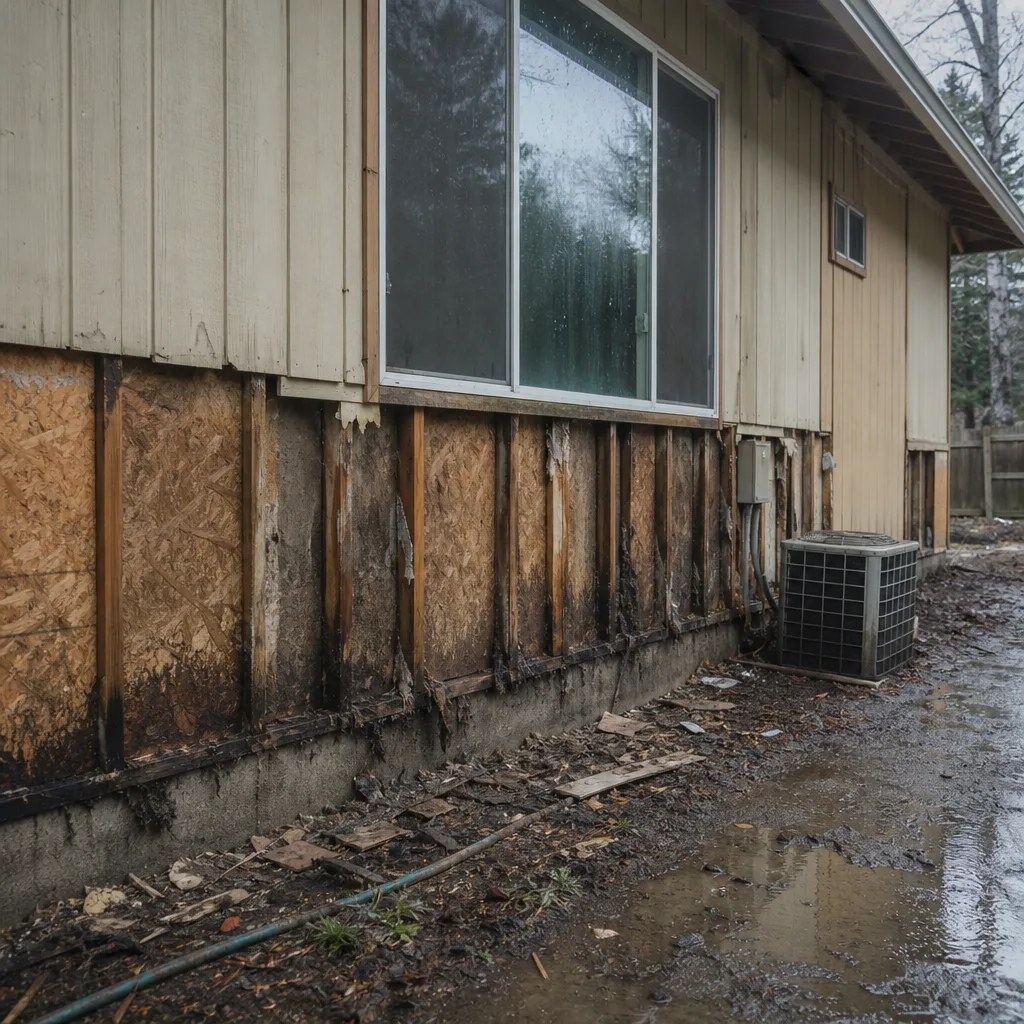 Before
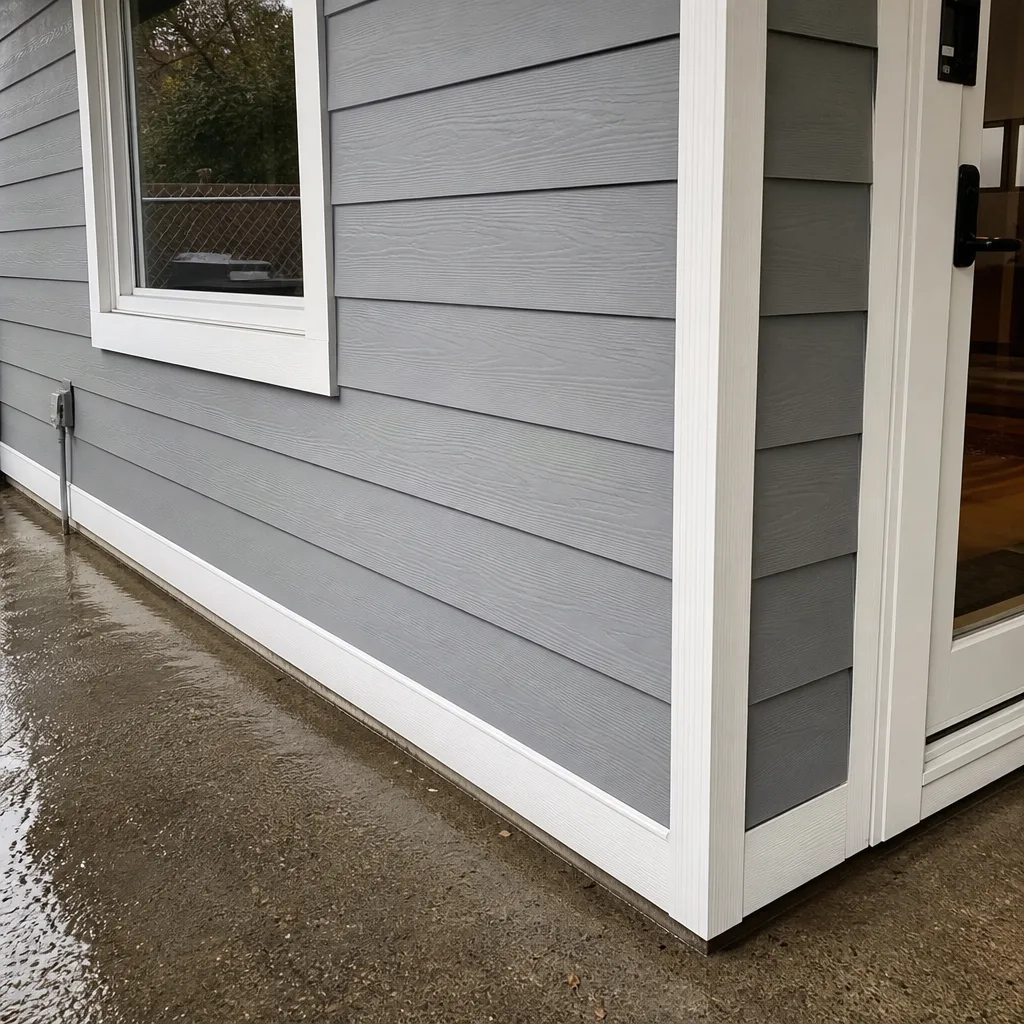 After
After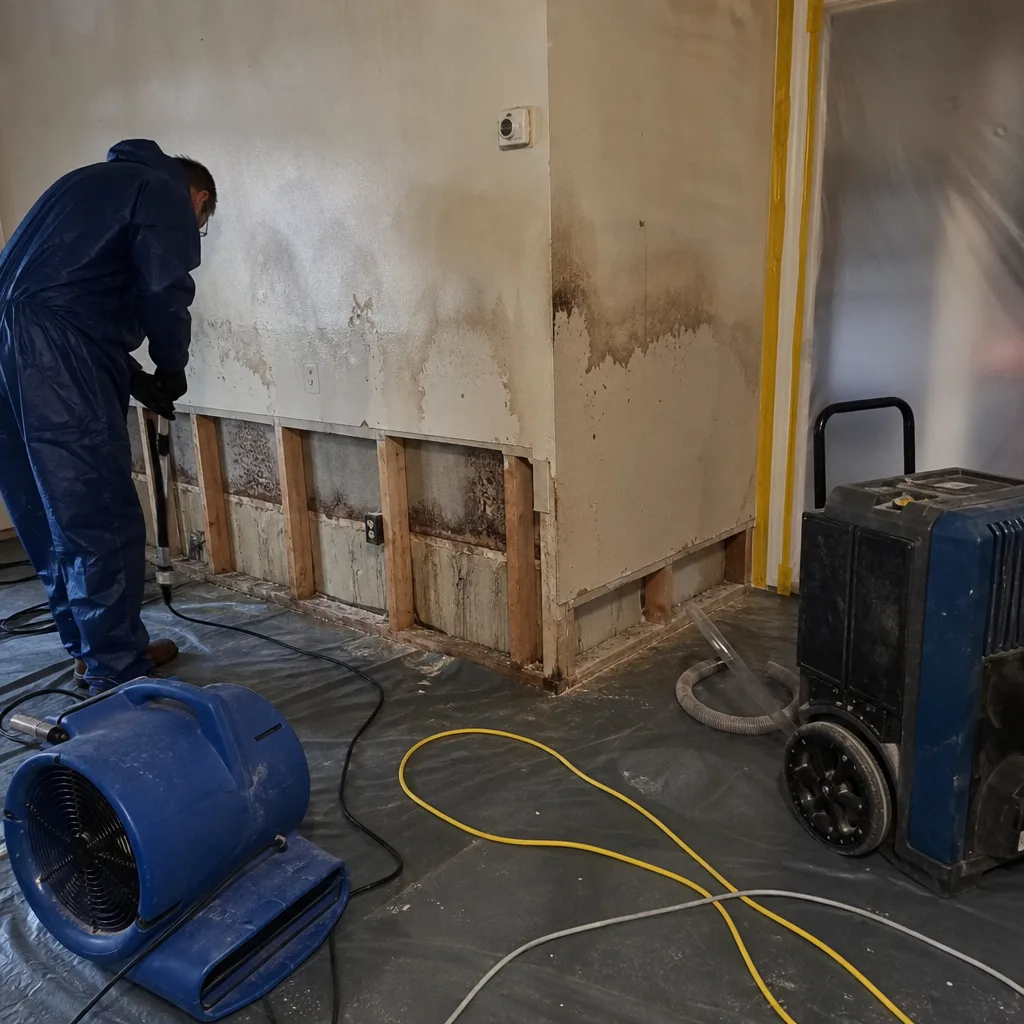 Before
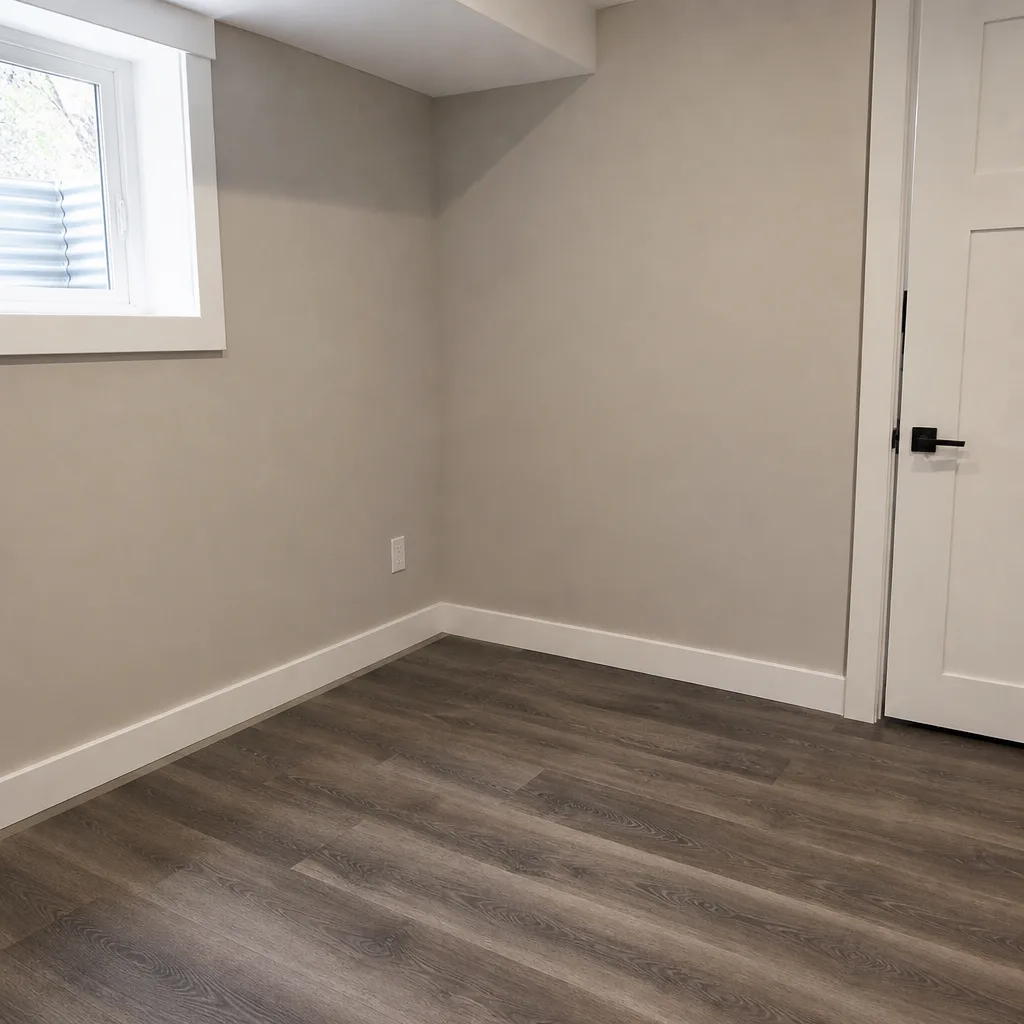 After
AfterDamage Restoration Warning Signs: A Auburn Homeowner’s Reference Guide
By the time you see water staining your ceiling drywall in a Auburn home built after 1990, the moisture has typically been migrating for 11 to 14 days. We know this because we’ve pulled the readings. The actual warning sign wasn’t the stain. It was a relative humidity spike to 67% in the crawl space that went unlogged, a surface temperature on the subfloor that ran 4°F cooler than ambient, and a vapor pressure differential that favored condensation for 72 consecutive hours. This guide is built on 12,000+ documented jobs since 2011. We’ll show you the measurable precursors that appear days or weeks before visible damage, what normal readings look like room-by-room in Auburn’s marine climate, and how to document what you find so your insurer pays the claim without a fight.
Quick Answer
The earliest warning signs of home damage in Auburn are measurable, not visible: crawl space humidity above 60%, subfloor surface temperatures more than 3°F below ambient air, and pin meter readings above 16% on dimensional lumber. These indicators precede mold growth, rot, or staining by days to weeks. Document them with photos, dates, and specific readings, and you’ll have evidence that turns a disputed claim into a paid one.
Table of Contents
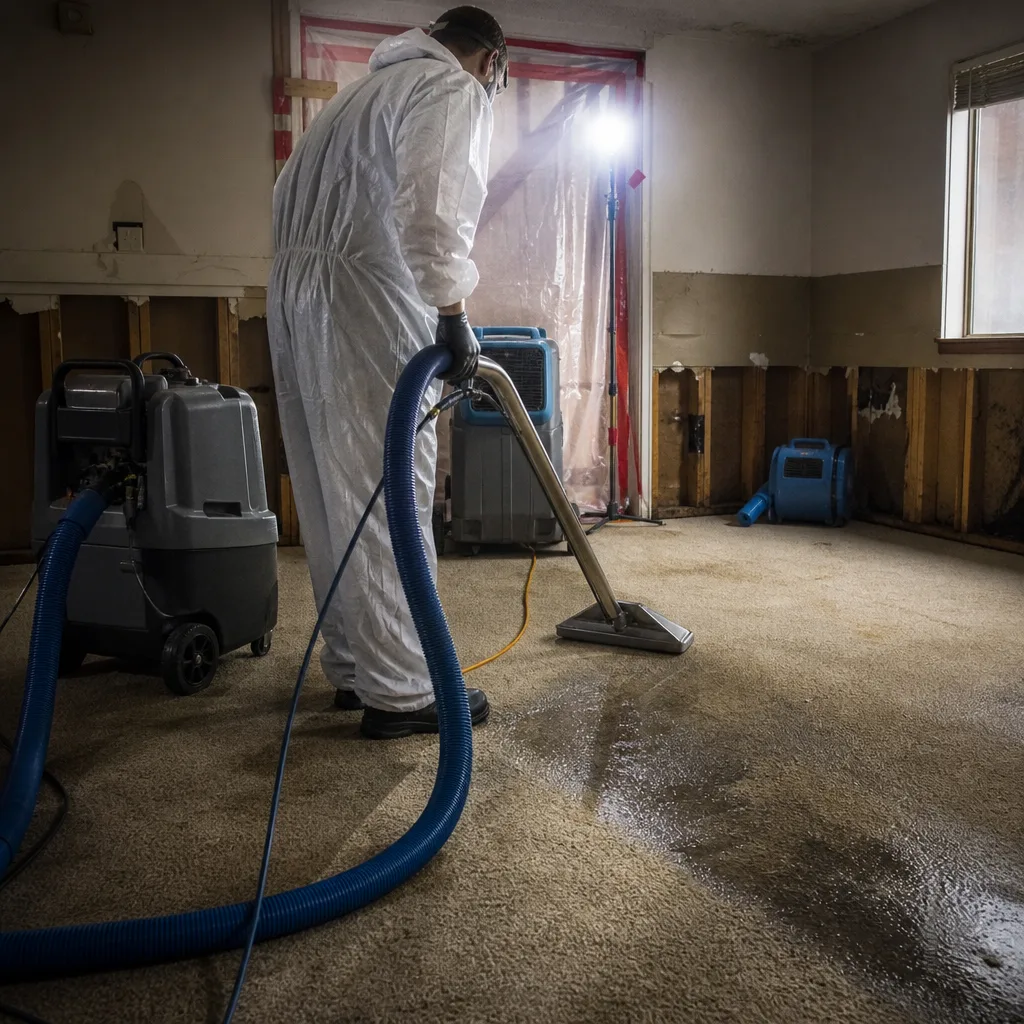
- The Measurable Precursors Most Homeowners Miss
- Room-by-Room: What Normal Looks Like in Auburn Homes
- Pin Meter vs. Eyes: How to Distinguish Active Moisture from Old Stains
- Warning Signs Underreported in Auburn Insurance Claims
- What a Proper Contractor Assessment Should Record
- Auburn’s Climate-Specific Risk Patterns
- Common Mistakes to Avoid
- When to Call a Professional
- Frequently Asked Questions
BeforeAfterThe Measurable Precursors Most Homeowners Miss
A musty odor in your crawl space is not a warning sign. It’s confirmation that microbial growth is already established. The actual warning sign was a relative humidity reading above 60% that persisted for days before the smell became detectable.
We’ve documented this pattern across hundreds of water damage restoration jobs in Auburn. The homeowners who catch damage early aren’t luckier. They’re measuring what others ignore.
Here are the three precursors that appear before any visible damage:
- Relative humidity above 60% for 48+ hours. At 60% RH, mold spores germinate on organic surfaces. At 70%, they colonize within 24 to 48 hours. In Auburn’s marine climate, winter humidity in unconditioned spaces routinely hits these thresholds without homeowners knowing. A $15 digital hygrometer placed in your crawl space and checked weekly catches what your nose cannot.
- Surface temperature differential exceeding 3°F. When a surface is colder than surrounding air, condensation forms at the dew point. We regularly find subfloors in Auburn’s older neighborhoods, like the homes near downtown along A Street, running 5°F to 7°F below ambient due to air leakage from crawl space vents. A $30 infrared thermometer aimed at the subfloor from below identifies this gap. No visible moisture required.
- Vapor pressure differential favoring inward migration. This is the force that drives moisture through materials. When exterior vapor pressure exceeds interior pressure, water moves inward through concrete, drywall, and even apparently intact paint. We measure this with psychrometric calculators using temperature and humidity readings from both sides of an assembly. A positive differential sustained for 72 hours predicts damage that won’t appear for two weeks.
These three measurements cost under $50 in equipment and 10 minutes of attention weekly during Auburn’s wet season, October through April. The alternative is discovering the problem when drywall fasteners pop, paint blisters, or your adjuster asks why you didn’t report it sooner.
Room-by-Room: What Normal Looks Like in Auburn Homes
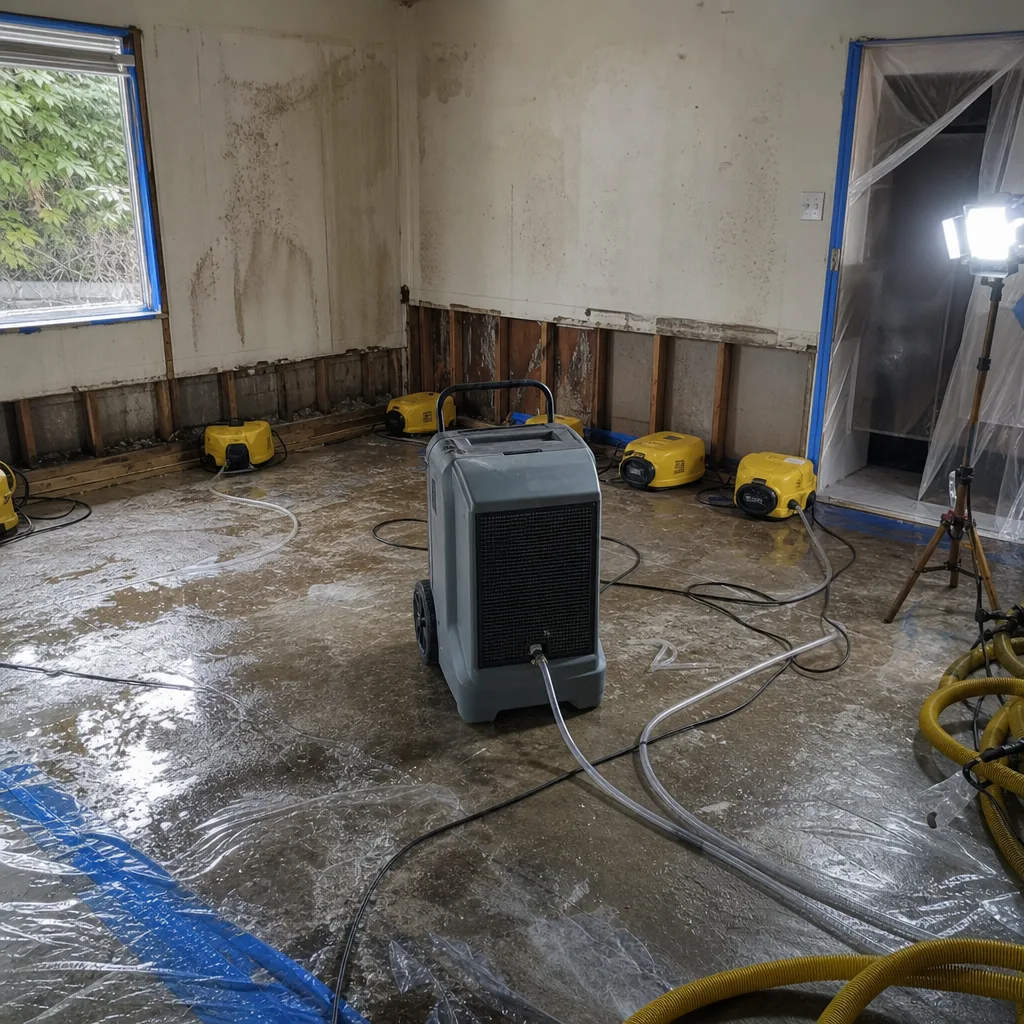
“Normal” varies by room, season, and construction era. A reading that signals trouble in a 2020 build might be routine in a 1960 rambler. We’ve compiled baseline ranges from our drying logs across Auburn homes built from the 1940s to present.
Crawl Space
Normal: Relative humidity 45% to 55%, wood moisture content 9% to 12%, surface temperature within 2°F of ambient outdoor temperature.
Anomaly threshold: RH above 60% for more than 24 hours, wood moisture above 14%, surface temperature more than 3°F below ambient.
In Auburn’s Lea Hill and Lake Tapps areas, we see elevated readings in homes with vented crawl spaces and dirt floors. The combination of high winter humidity and cold soil temperatures creates vapor pressure differentials that persist for months. A 6-mil vapor barrier helps, but only if seams are overlapped 12 inches and sealed with tape rated for damp conditions. We’ve found many DIY installations that read normal at the barrier surface but show 18% moisture in the joists above due to gaps at perimeter walls.
Basement
Normal: RH 40% to 50%, concrete moisture content below 4% (measured with calcium chloride test or in-situ RH probe), no efflorescence on walls.
Anomaly threshold: RH above 55%, visible efflorescence (white powder indicating soluble salt migration), musty odor, floor paint adhesion failure.
Auburn’s basements in the Valley floor neighborhoods, particularly west of Highway 167, sit on soils with high water tables. We’ve documented cases where hydrostatic pressure drove water through intact 8-inch poured walls at a rate of 2 to 3 gallons per day, with no visible crack. The warning sign was efflorescence at the base of the wall, which homeowners mistook for “just dust.”
Kitchen and Bath
Normal: RH 30% to 50% two hours after use, cabinet toe-kick and vanity base dry to touch, no grout discoloration, exhaust fans moving 50 CFM minimum (bath) or 100 CFM (kitchen).
Anomaly threshold: Persistent RH above 55%, soft or stained cabinetry bases, grout darkening, exhaust fans underperforming or venting into attic space.
In Auburn’s split-level and tri-level homes common in the 1970s and 1980s builds, we find bathroom exhaust fans routed through uninsulated attic cavities. Warm moist air condenses in the duct, runs back to the fan housing, and saturates the ceiling drywall. The warning sign is a rust stain on the vent grille, not the ceiling stain that follows weeks later.
Attic
Normal: RH within 10% of outdoor levels, sheathing moisture content 9% to 12%, no frost on nails in winter, uniform insulation depth.
Anomaly threshold: RH more than 15% above outdoor levels, sheathing above 14%, frost accumulation on nail shanks, compressed or displaced insulation indicating air leakage paths.
Auburn’s wind-driven rain from the south and southwest can force water past step flashing in roof-wall intersections. We find this most often in homes with complex rooflines in the newer developments north of 15th Street SW. The warning sign is a narrow band of darkened sheathing at the top plate, visible from the attic, that appears days before any ceiling staining.
Pin Meter vs. Eyes: How to Distinguish Active Moisture from Old Stains
Visual judgment fails more often than homeowners expect. A brown stain on drywall can be active moisture, old damage that dried completely, or ghosting from thermal bridging. We’ve seen all three misidentified in claims that were denied for lack of documentation.
The tool that resolves this is a pin-type moisture meter, available for $40 to $80. Here’s how to use it correctly:
- Calibrate on known dry material. Test an area you know is dry, like drywall in an interior closet away from plumbing. Note the reading. For drywall, normal is 5% to 9%. For dimensional lumber, 9% to 12%.
- Test the stain center, then the margin, then a control area. Active moisture spreads. If the center reads 18% and the margin reads 12%, you have a gradient indicating ongoing migration. If the stain reads 8% uniformly, it’s old damage with no active source.
- Test at multiple depths if possible. Surface-only moisture suggests recent splash or condensation. Elevated readings at depth indicate a persistent source, like a pipe leak inside the wall.
- Document with photos showing the meter display and the test location. Date-stamp the image. This is the documentation that distinguishes a covered peril from maintenance exclusion in your policy.
We use professional-grade meters from Delmhorst and Protimeter on every DryMark Restoration Auburn home assessment, with readings recorded on a room-by-room drying log. But the principle is the same with a consumer-grade tool: measure, don’t guess.
One pattern we see in Auburn’s older homes, particularly the pre-1970 builds near the original downtown grid, is “phantom dry” readings. The surface drywall tests normal, but the meter pins hit a void or lath behind the plaster where moisture has pooled. If your pins encounter unexpected resistance or the reading jumps erratically, that’s a signal to investigate further, not to conclude the wall is dry.
Warning Signs Underreported in Auburn Insurance Claims
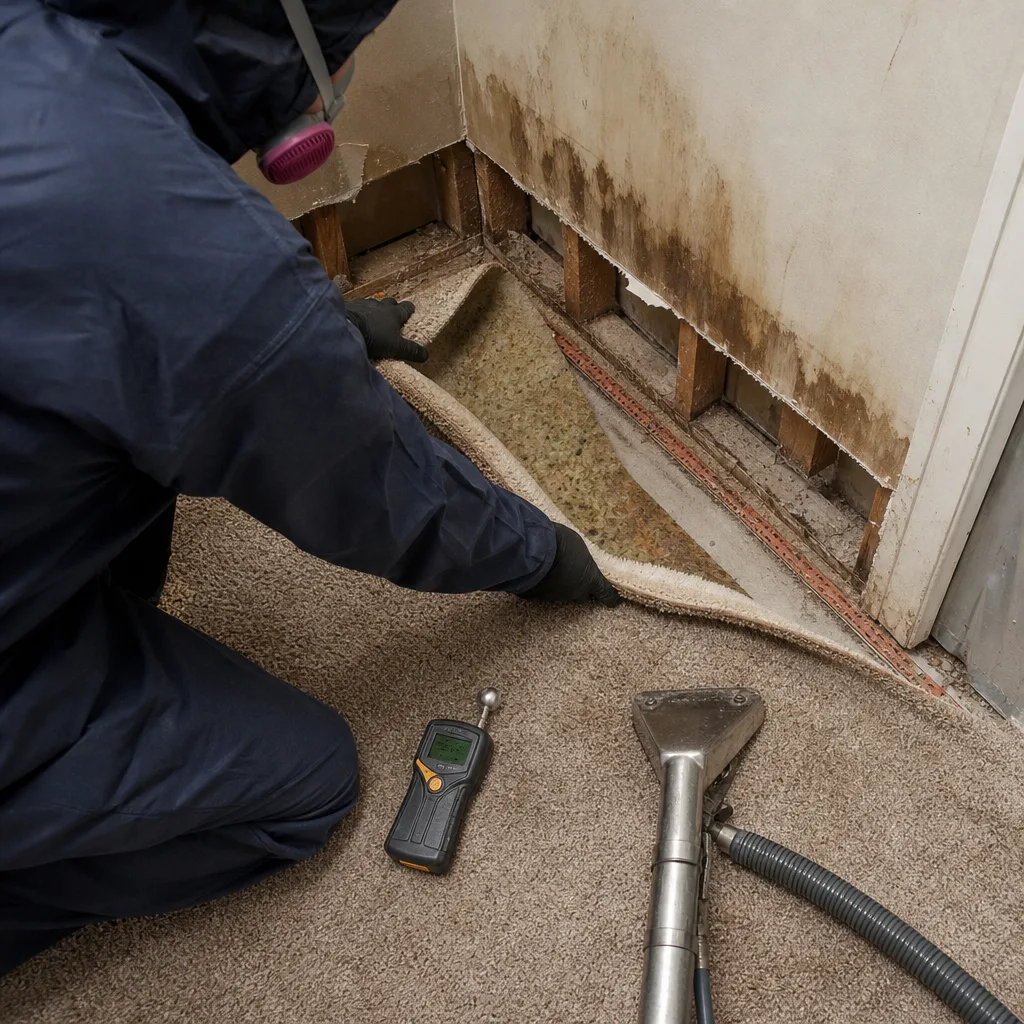
Insurance claims are denied or reduced not because damage didn’t occur, but because the homeowner can’t establish when it started and whether it was sudden or gradual. These are the warning signs most often missing from Auburn claim files:
- Intermittent toilet base movement. A toilet that rocks slightly when sat upon has a failing wax ring. Every flush sends water into the subfloor, but only when the bowl is full and pressure is applied. Homeowners retighten the bolts, stop the rock temporarily, and never report the initial failure. Six months later, the subfloor is punky and the insurer questions whether the leak was truly sudden.
- Refrigerator ice maker line micro-leaks. The ¼-inch plastic tubing behind refrigerators develops pinholes at compression fittings. The leak is a fine spray, often hidden by the refrigerator enclosure, that wets the wall cavity for weeks. The warning sign is reduced ice production or small water spots on the vinyl floor that dry before they’re investigated.
- HVAC condensate pan overflow in attic installations. Auburn has a significant inventory of homes with attic-mounted air handlers, common in 1990s and 2000s construction. The secondary condensate pan is supposed to catch overflow, but if the drain line is blocked, water fills the pan, rusts through, and saturates the ceiling below. The warning sign is a faint water mark on the ceiling below the air handler, often dismissed as “maybe from the roof.”
- Exterior hose bib freeze damage in spring. A hose left attached through a freeze cycle splits the copper behind the wall. The leak begins when the hose is used in spring, but the damage occurred months earlier. Homeowners report it as a sudden leak, but the freeze event was the warning sign they didn’t document.
- Garage-to-house wall moisture from vehicle snow melt. In Auburn’s occasional snow events, vehicles parked in attached garages melt snow that evaporates into the garage air. The wall between garage and living space, often uninsulated or poorly sealed, becomes a condensation surface. We find mold on the backside of garage-side drywall that homeowners never see until a renovation exposes it.
Each of these scenarios produces damage that is typically covered, but only if the initial event is documented. A photo of the rocking toilet, a dated note about the ice maker performance, a service call for the HVAC drain line, these become the evidence that keeps your claim out of the gradual damage exclusion.
What a Proper Contractor Assessment Should Record
When you call a restoration contractor, you’re not just buying drying services. You’re buying documentation that your insurer will accept. A sloppy assessment becomes a denied claim. Our step-by-step guide to hiring a damage restoration contractor in Auburn covers what should be measured and recorded on every visit, and how to tell if steps were skipped.
Required Documentation on Initial Assessment
- Moisture mapping with readings at defined intervals. Every affected room, readings at 2-foot intervals on floors and walls, recorded on a grid diagram. The technician should show you the meter, explain the reading, and write it down in your presence.
- Thermal imaging scan of all wet and adjacent dry areas. Infrared cameras don’t see moisture; they see temperature differences that suggest moisture. A proper scan includes the dry reference areas so the image can be interpreted. Ask to see the dry baseline image. If the technician can’t produce it, the scan is uninterpretable.
- Psychrometric data: temperature, relative humidity, and dew point in each affected room and outdoors. These three numbers determine the drying strategy. A contractor who doesn’t record them is guessing at equipment placement.
- Photo documentation of all visible damage, moisture readings, and equipment placement. Every photo should be time-stamped and location-noted. At DryMark Restoration Auburn, this is standard on every job, included as a deliverable, never an upsell.
- Written scope of work with line-item pricing before any work begins. Haven Standard, Clause 1: written price before work starts. No exceptions. If a contractor begins extraction or demolition before presenting a signed scope, stop the work. This is the single most common precursor to scope creep and disputed invoices.
- Material classification and salvageability determination. Category 1 water (clean source) on Class 1 materials (minimal porosity) may be restorable. Category 3 water (sewage) on Class 4 materials (high porosity, like plaster or hardwood) typically requires removal. The classification should be explained and documented.
Red Flags: Steps That Were Skipped
- No moisture readings taken in apparently dry adjacent rooms. Water migrates horizontally and vertically; if they didn’t check the room next door, they don’t know the full extent.
- Thermal imaging without a dry reference image. This produces colorful pictures that prove nothing.
- Equipment placed without psychrometric justification. “We’ll put a fan here and a dehu there” without calculating the cubic feet, air changes per hour, and grain depression target is not a drying plan.
- No daily drying log with updated readings. IICRC standards require daily monitoring. A contractor who says “we’ll check it in three days” is not following protocol and is exposing you to extended damage liability.
- Verbal estimate with promise of “insurance will cover it.” Insurance coverage is a policy question, not a contractor’s promise. The contractor’s job is to document what they found and what they propose to do. Your adjuster determines coverage.
We’ve reviewed competitor estimates under our Free Second Opinion program and found these omissions in roughly 40% of cases. The homeowner pays twice: once for incomplete work, again for the damage that wasn’t addressed.
Auburn’s Climate-Specific Risk Patterns
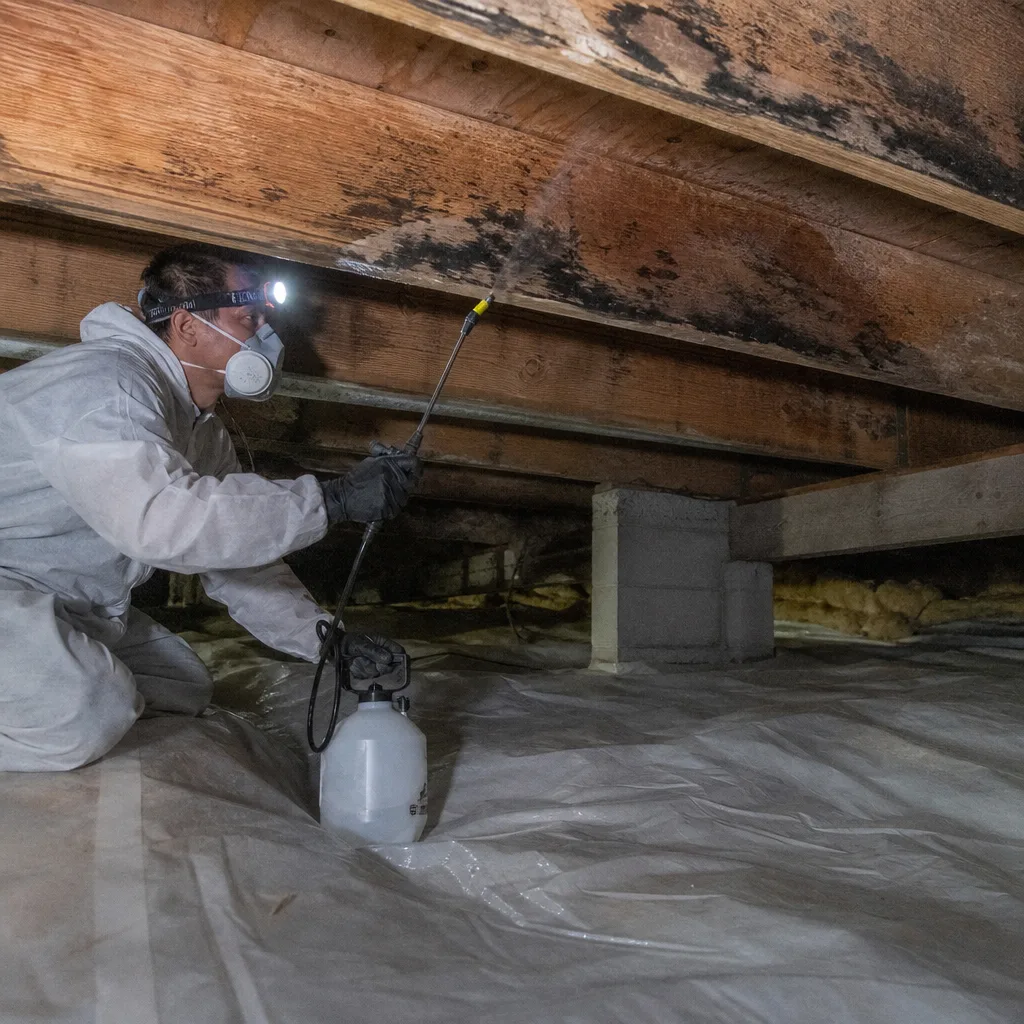
Auburn’s location in the Green River Valley creates microclimates and risk patterns that differ from Seattle or Tacoma, 30 miles north and south. Understanding these local conditions helps interpret warning signs correctly.
Marine layer persistence. Auburn sits at roughly 60 feet elevation with the White River to the east and Green River to the west. Morning marine layers from Puget Sound push through the Kent-Auburn corridor and linger until midday, particularly in fall and winter. Homes without adequate exterior drainage or with failing gutters experience extended wetting cycles that inland areas don’t. The warning sign is moss or algae growth on north-facing siding below the roofline, indicating chronic moisture that penetrates sheathing over time.
Valley floor water table. The Muckleshoot Prairie and surrounding lowlands have high seasonal water tables. Basement and crawl space moisture in these areas often isn’t from a plumbing leak but from hydrostatic pressure. The warning sign is water appearing at the wall-floor joint after heavy rain, with no corresponding plumbing event. A perimeter drain test, not a pipe pressure test, is the correct diagnostic.
Wind-driven rain exposure. Auburn’s prevailing southwesterly storms drive rain into wall assemblies at 30+ mph. Homes with inadequate kickout flashing at roof-wall intersections, common in 1980s and 1990s construction, take water at the top plate that runs down inside walls. The warning sign is a narrow stain at the ceiling-wall corner that reappears after each major storm, regardless of plumbing use.
Freeze-thaw cycles. While less severe than eastern Washington, Auburn experiences 10 to 15 freeze-thaw events annually. Exterior faucets, irrigation backflow preventers, and poorly insulated crawl space plumbing are vulnerable. The warning sign is reduced flow at a fixture in spring, suggesting a partial freeze split that hasn’t fully failed yet.
We’ve restored homes in every Auburn neighborhood from Lakeland Hills to West Hill, and these patterns repeat with geographic consistency. For seasonal damage restoration care tailored to Auburn’s year-round risks, the homeowner who knows their local conditions is the homeowner who measures the right things.
Common Mistakes to Avoid
- Waiting for visible damage before acting. By the time mold is visible or drywall stains appear, the remediation cost has typically tripled. Measure humidity and moisture content preventively, especially in October through April when Auburn’s wet season peaks.
- Using a non-penetrating moisture meter as sole diagnostic. Pinless meters scan a surface layer only, typically ¾ inch deep. They miss moisture at depth in walls and subfloors. Use them for quick screening, confirm with pin-type readings before concluding a material is dry.
- Ignoring seasonal baseline shifts. A crawl space that reads 55% RH in August may read 70% in January without any new water intrusion. Track your baselines seasonally so you recognize deviation from normal, not just absolute numbers.
- Failing to document the initial finding with dated photos. Insurance adjusters work with evidence, not memory. A photo of the hygrometer reading, the meter display, or the first visible stain, with date and location noted, becomes the timeline that establishes sudden vs. gradual damage.
- Accepting a verbal scope or estimate. Haven Standard, Clause 1 exists because verbal agreements produce disputes. Every restoration job in Auburn should begin with a written price, line-item scope, and signed authorization. Anything less exposes you to scope creep and claim denial.
- Assuming new construction is immune. We’ve documented moisture damage in Auburn homes less than two years old, typically from improper flashing, missing house wrap details, or HVAC duct leakage into unconditioned spaces. Age is not protection; measurement is.
- Cleaning mold without identifying the moisture source. Bleach on visible mold without fixing the humidity or leak that produced it guarantees recurrence. The source must be measured, documented, and remediated before cosmetic treatment.
When to Call a Professional
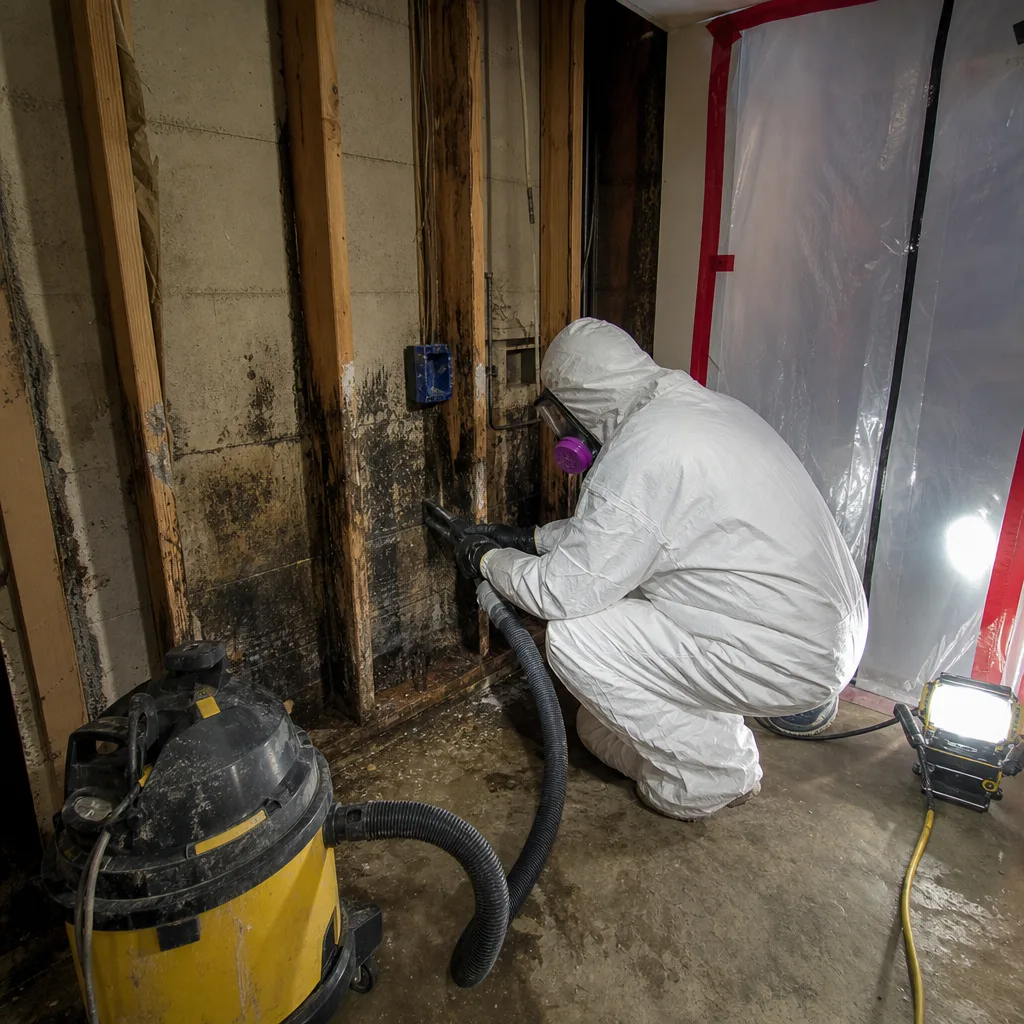
Call for assessment when any of these conditions exist: moisture meter readings above 16% on structural lumber, relative humidity above 60% in any space for more than 48 hours, visible mold growth exceeding 10 square feet, water staining that reappears after cleaning, or any odor you can’t source to a specific location. These are not emergencies in every case, but they are points where professional documentation protects your claim.
For active water intrusion, sewage backup, or electrical hazard from water contact, call immediately. Speed matters for mitigation; documentation matters for your coverage.
DryMark Restoration Auburn offers free estimates in Auburn. Our assessments include moisture mapping, thermal imaging, psychrometric data, and a written scope with line-item pricing before any work begins, per Haven Standard, Clause 1. Call (253) 487-0371. For mold concerns specific to Auburn conditions, we provide the same documented assessment with air and surface sampling as warranted.
Frequently Asked Questions
Reputable restoration companies in Auburn provide initial assessments at no charge. At DryMark Restoration Auburn, our assessment includes moisture mapping, thermal imaging, psychrometric readings, and a written scope with line-item pricing, all delivered before any work begins. Beware of contractors who charge for the assessment then apply it to work you may not authorize. If you’re weighing DIY versus professional damage restoration for your Auburn home, call (253) 487-0371 for a free estimate.
Coverage depends on whether the damage was sudden and accidental versus gradual. The key is documentation. If you have dated photos, moisture readings, or service records showing when you first noticed the issue and what you did, your claim has a timeline. Without documentation, insurers often invoke gradual damage exclusions. We recommend photographing any anomaly the day you notice it, even if you’re unsure it’s serious.
For active water intrusion or sewage backup, DryMark Restoration Auburn maintains live phone coverage 24 hours a day, 7 days a week with no voicemail on emergency lines. Response time depends on current call volume and your location within our Auburn service area, but we dispatch for emergencies without waiting for business hours. For non-emergency assessments, we typically schedule within 24 to 48 hours. Call (253) 487-0371 to discuss your situation.
For growth exceeding 10 square feet, or any growth in HVAC systems, professional remediation is recommended per EPA and IICRC guidance. For smaller areas, you can clean with detergent and water, but only after identifying and fixing the moisture source. Without source control, regrowth is certain. We offer mold remediation in Auburn with documented moisture source identification, containment, and post-remediation verification. A free second opinion on any competitor’s remediation scope is available at no charge.
A humidity meter (hygrometer) measures moisture in air, reported as relative humidity percentage. A moisture meter measures moisture in materials, reported as moisture content percentage. You need both. Air humidity predicts whether materials will absorb or release moisture. Material moisture content determines whether mold will grow or structural damage will progress. A hygrometer in your crawl space costs $15. A pin-type moisture meter costs $40 to $80. Together they provide the data that prevents surprise damage.
Ask for the psychrometric calculation: how many air changes per hour the equipment will produce, what grain depression target they’re aiming for, and how many days to reach dry standard based on your specific readings. A legitimate plan references your data, not generic rules of thumb. Ask for the daily drying log format before work starts. If they can’t show you what they’ll record and how often, they may not be following IICRC standards. At DryMark Restoration Auburn, we document to IICRC, RIA, and IFA standards using professional-grade drying systems from Phoenix, XPOWER, and Injectidry, with daily logs delivered as standard.
The Bottom Line
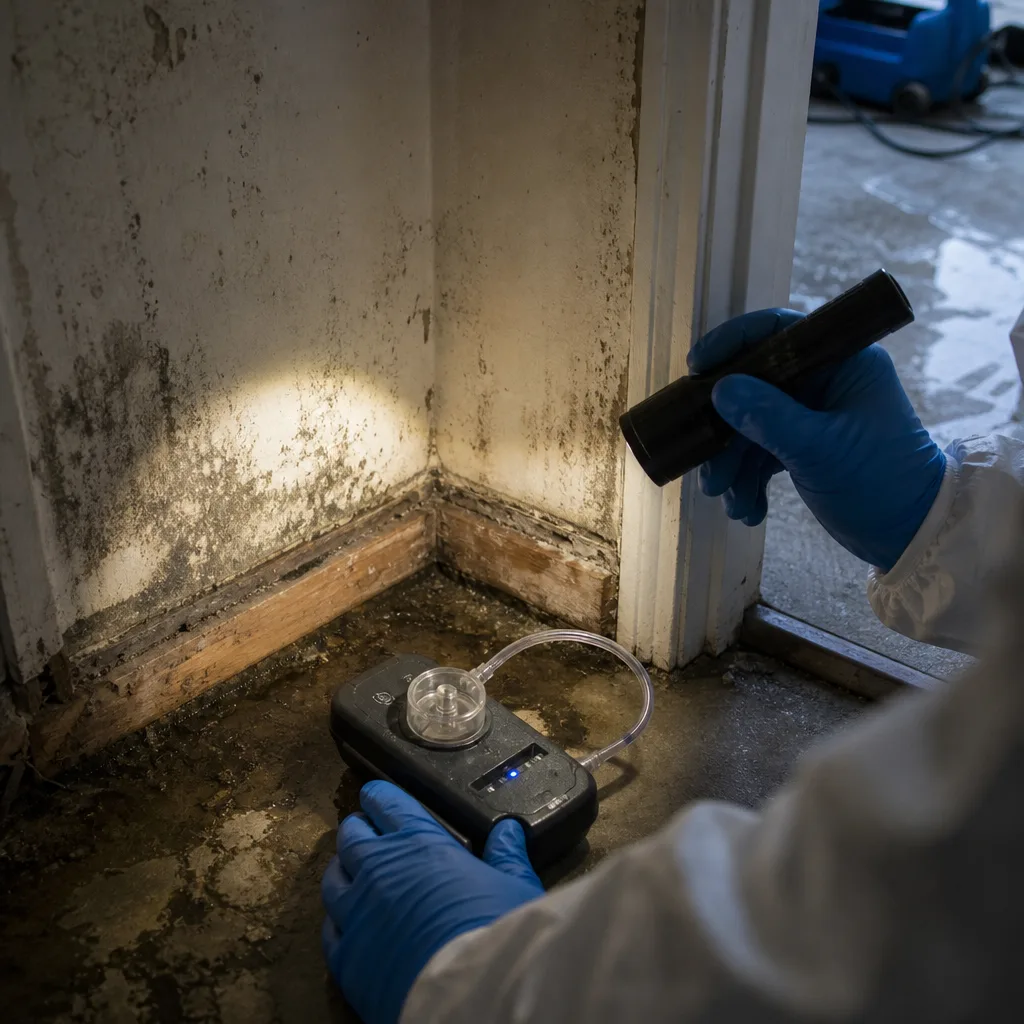
Damage in Auburn homes rarely arrives without warning. It arrives without measurement. The homeowners who avoid catastrophic restoration bills aren’t those with better luck or newer houses. They’re the ones who know that 60% relative humidity is a threshold, not a suggestion; who own a $40 moisture meter and use it quarterly; who photograph anomalies and date the image; and who demand written documentation from any contractor who enters their home. Explore our more guides & resources to stay ahead of preventable damage.
The warning signs in this guide are available to anyone willing to look. The documentation that turns those signs into paid claims is available from any contractor who takes their trade seriously. At DryMark Restoration Auburn, we’ve built our practice on the principle that evidence outperforms assurance. A written price before work begins. A photo record on every visit. A 365-Day Done Right Promise backed by The Haven Standard, not a marketing line. These are the protections that matter when damage occurs, and the standards we apply to every home we serve.
Written by Alicia Brennan, Owner at DryMark Restoration Auburn, serving Auburn since 2011.