
Last updated September 23, 2026
Free visual inspection and a written scope of work before any mitigation begins - photos, moisture readings, and drying logs go in your claim file
The scope we write is the scope we bill. Anything new gets shown to you, in writing, before we touch it.

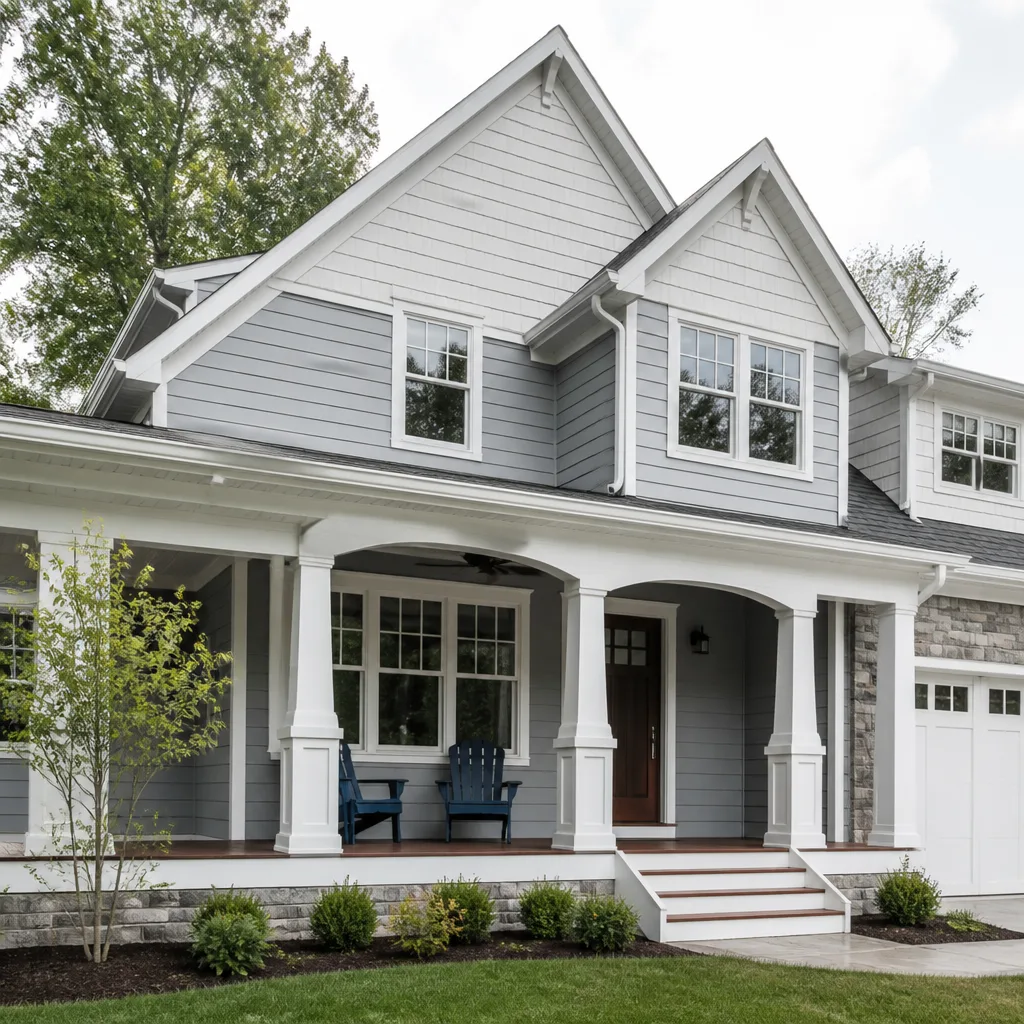
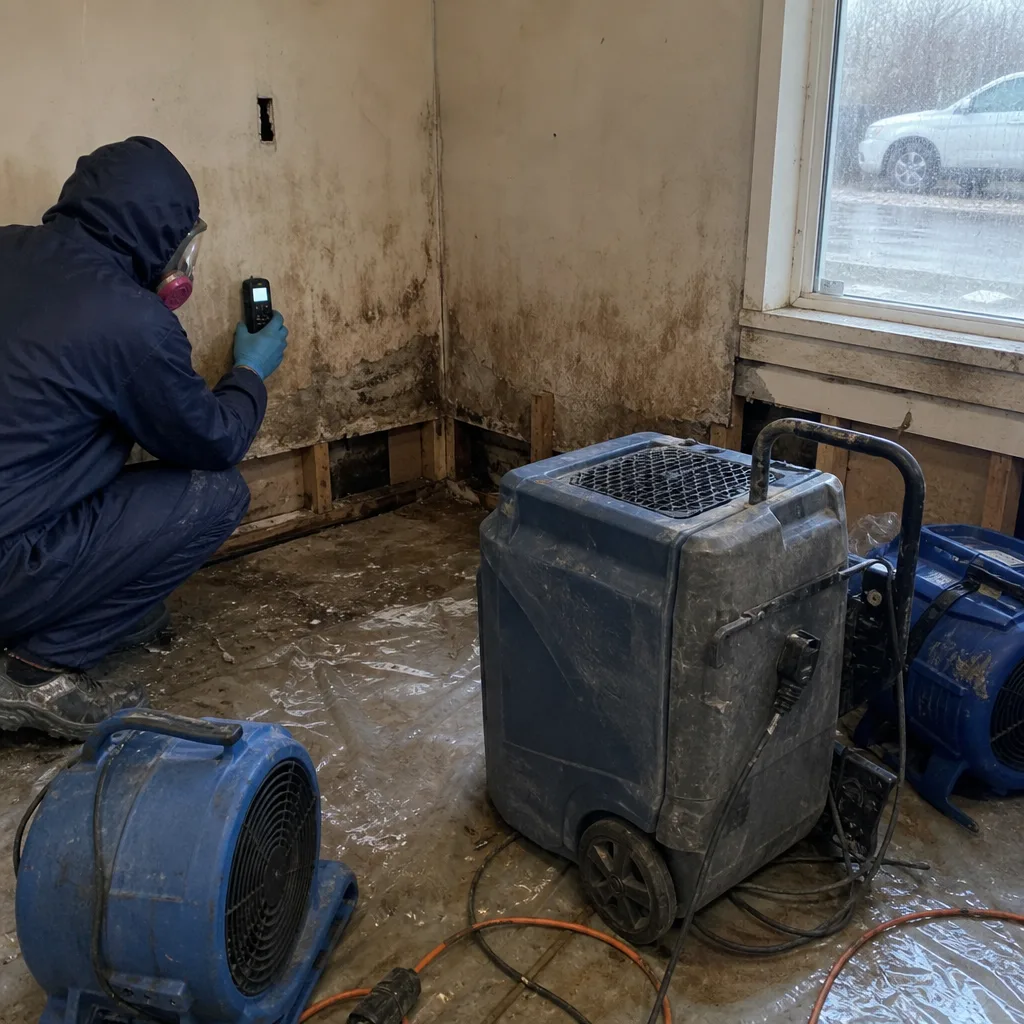 Before
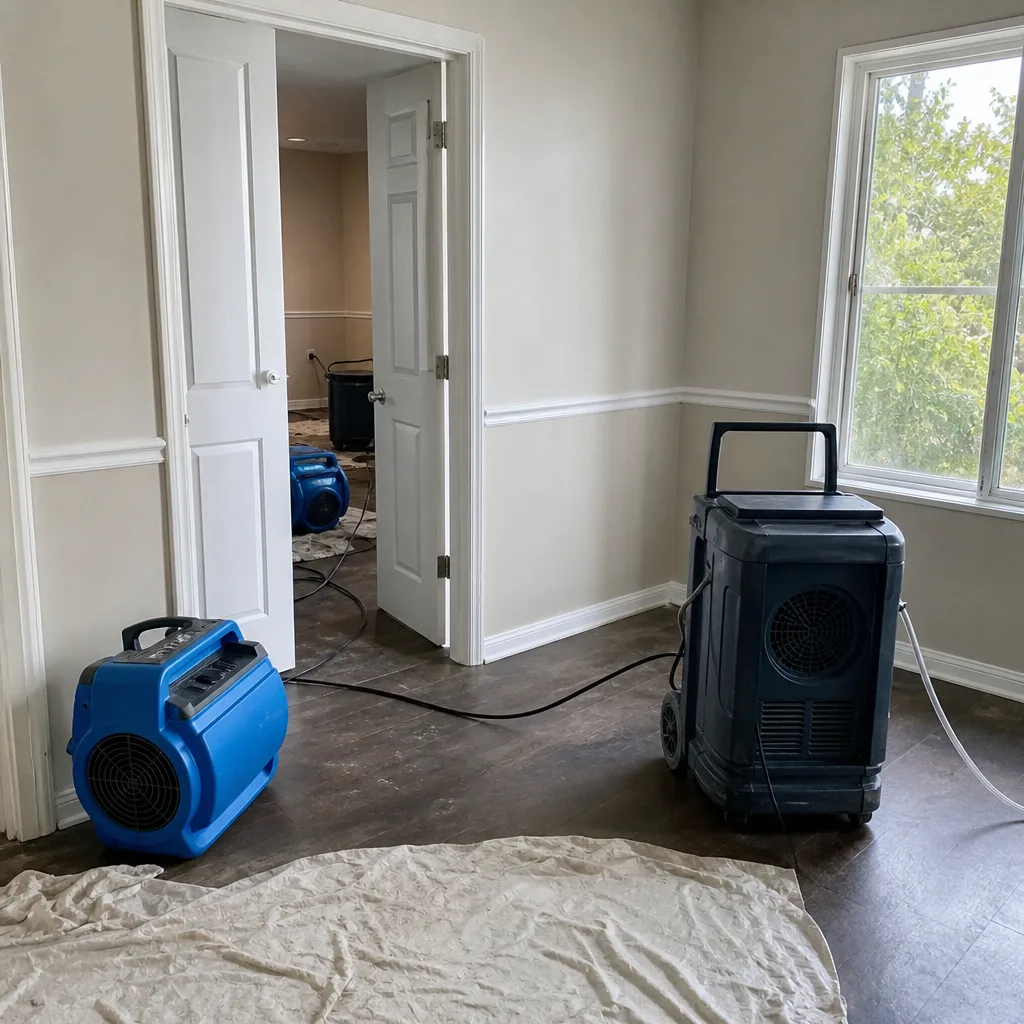 After
After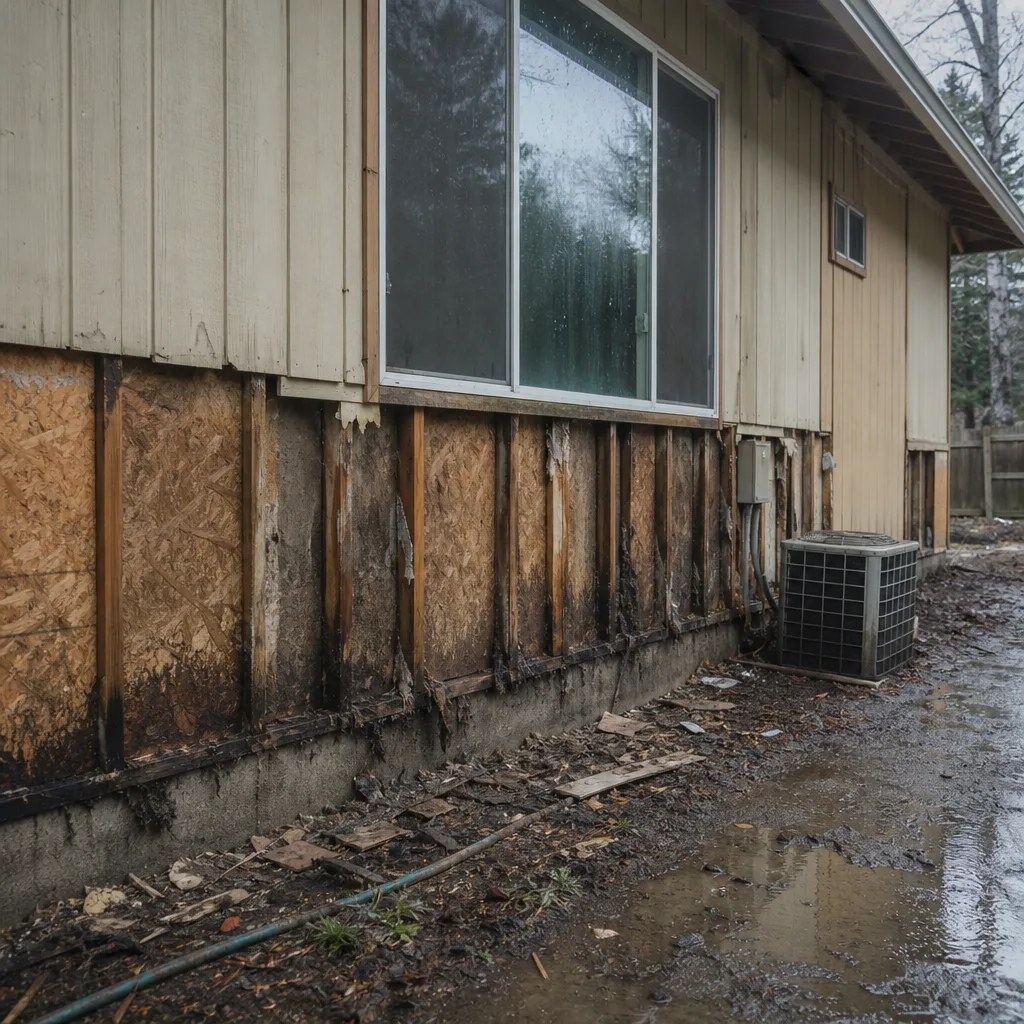 Before
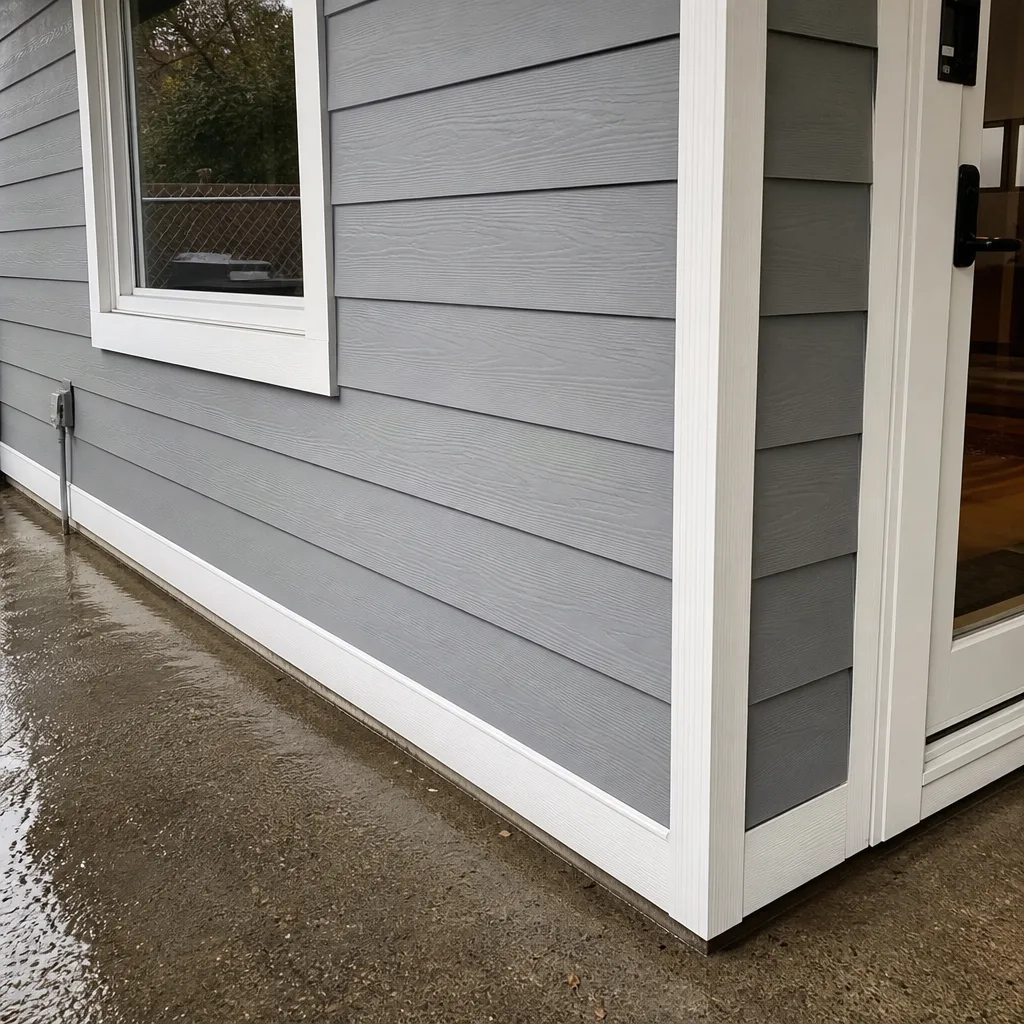 After
After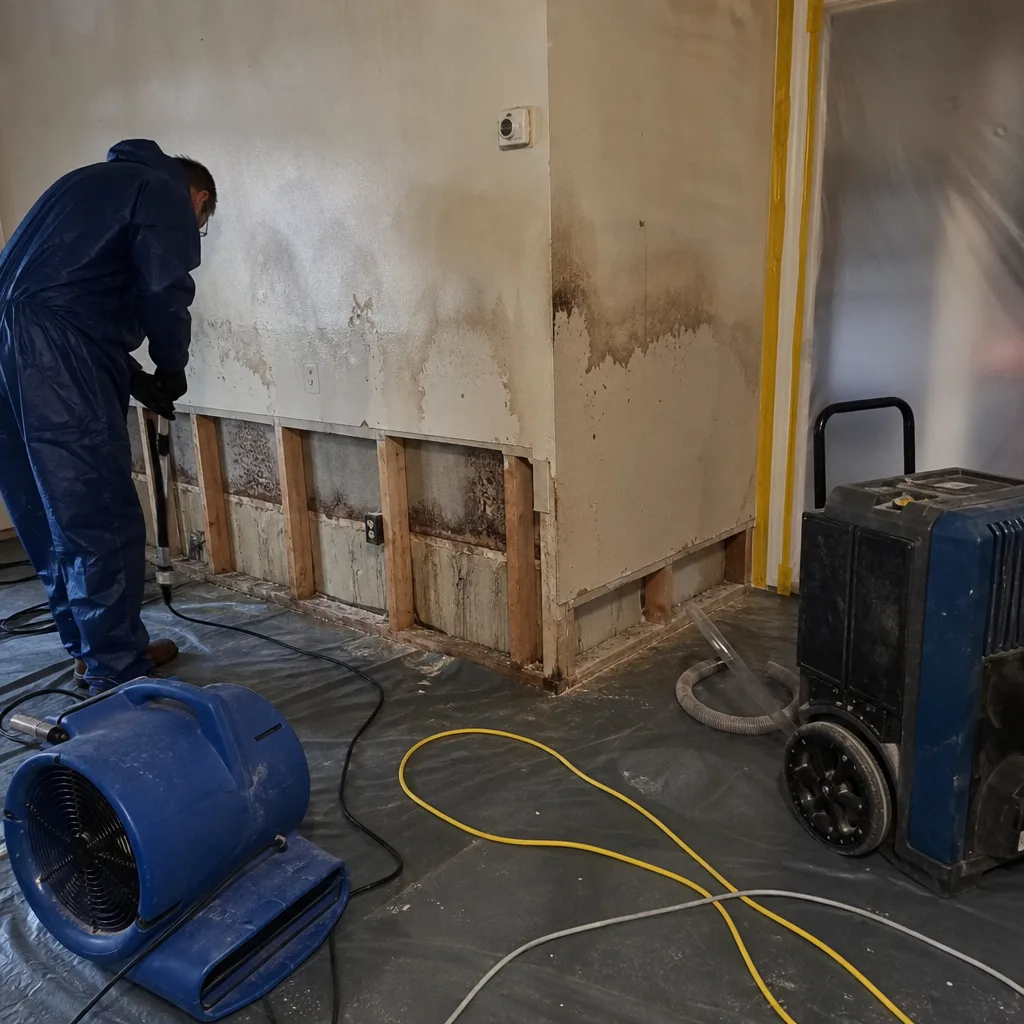 Before
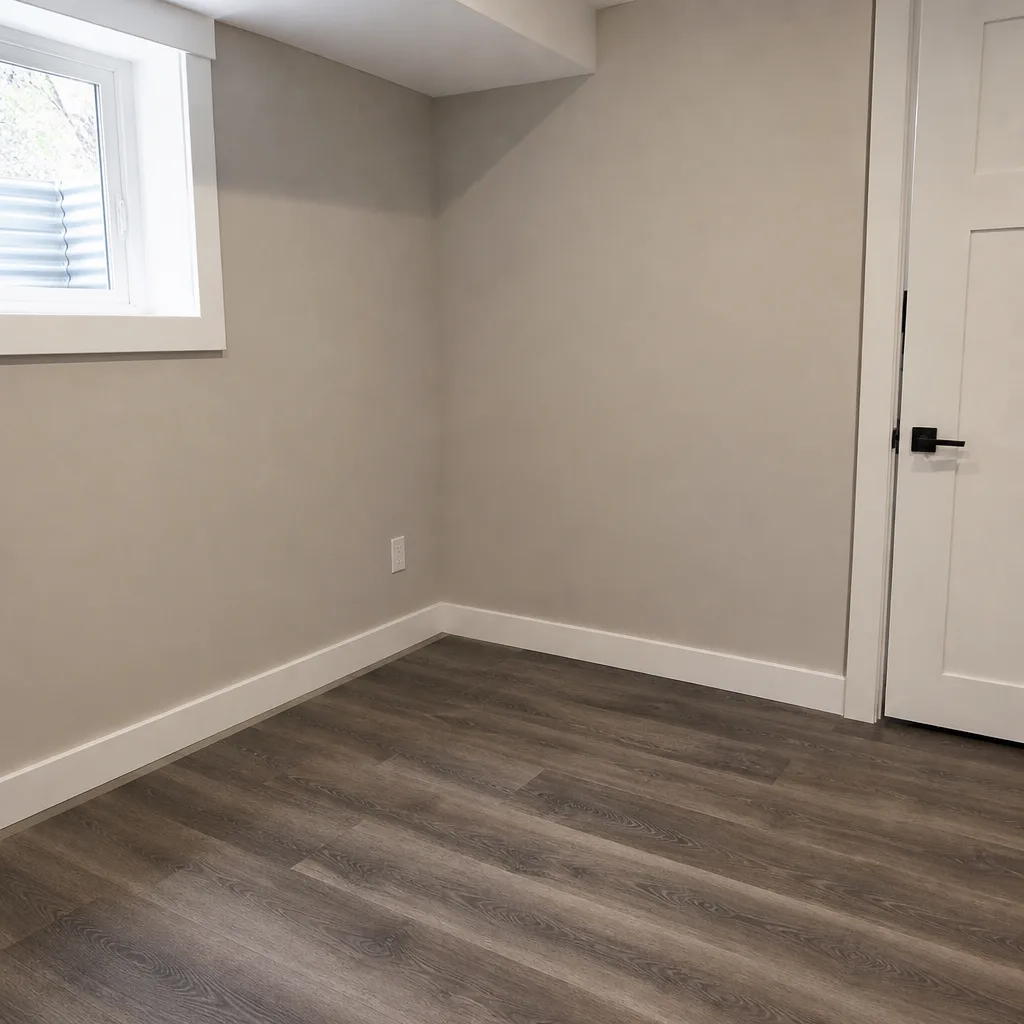 After
AfterSeasonal Damage Restoration Care for Auburn: Year-Round Homeowner’s Guide
Auburn’s wettest 90-day stretch, November through January, produces more than half the annual water damage claims we document in King County. But the failures that show up in December were almost always set up by deferred maintenance in September. That timing gap, the quiet weeks between dry-season complacency and storm-season panic, is where most seasonal guides stop being useful. This guide maps Auburn’s four distinct damage risk windows to specific, measurable homeowner actions, with pass-fail criteria you can verify with a moisture meter and a stopwatch. For a deeper dive, see our Complete Guide to Damage Restoration in Auburn.
Quick Answer
Seasonal damage restoration care in Auburn means four distinct maintenance windows: fall gutter and drainage verification before the November rain surge, winter storm documentation within 24 hours to preserve insurance eligibility, spring freeze-thaw foundation inspection after ground thaw, and summer wood-movement sealing before dry-season shrinkage opens gaps that become fall intrusion points. Homeowners can follow our Water Damage Restoration Maintenance Checklist for Auburn Homeowners to stay on track. Each window has measurable tasks, and skipping any one raises the probability of a claim denial or out-of-pocket rebuild.
Table of Contents
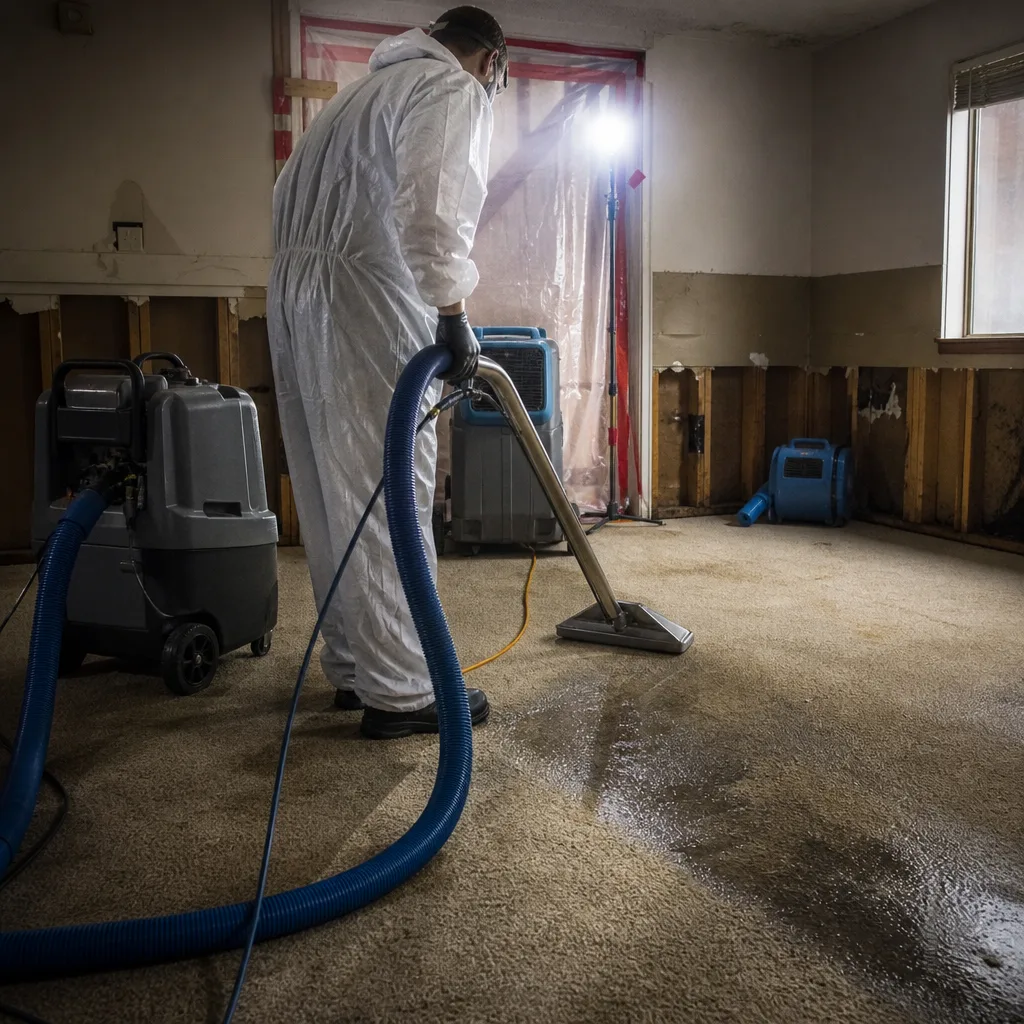
- Auburn’s Month-by-Month Damage Risk Calendar
- Fall Pre-Season: The September Setup That Determines December Outcomes
- Winter Storm Response: 24-Hour Documentation Protocol
- Spring Inspection: Freeze-Thaw Damage in Auburn’s Clay-Rich Soils
- Summer Wood Movement: Sealing the Gaps Before They Become Intrusion Points
- Year-Round Monitoring: Tools, Readings, and Documentation Standards
- Common Mistakes to Avoid
- When to Call a Professional
- Frequently Asked Questions
- The Bottom Line
BeforeAfterAuburn’s Month-by-Month Damage Risk Calendar
Auburn sits at the transition between Puget Sound’s marine west coast climate and the rain shadow effects of the Cascade foothills. The Green River watershed and local tributaries create flood zone overlaps that don’t follow neighborhood boundaries precisely. Understanding where your property sits relative to FEMA Zone AE and the King County floodplain revisions matters, but the immediate damage risk follows a more predictable seasonal rhythm.
September-October: Dry-season soil contraction peaks. Foundation settling from summer desiccation creates new cracks. Wood siding, trim, and window frames reach maximum shrinkage. This is the last reliable window for exterior sealing before the rains return.
November-January: Auburn receives approximately 18-22 inches of rain in this 90-day window, roughly 45% of annual precipitation. Gutter systems face their first sustained load. Crawl spaces with inadequate vapor barriers show elevated relative humidity. Sump pumps that sat idle for four months fail on first cycle. This is when deferred September maintenance converts to interior water damage.
February-March: Freeze-thaw cycles peak. Auburn’s elevation range, from roughly 50 feet near the Green River to 400+ feet in the Lakeland Hills area, creates microclimates where ground frost depth varies significantly. Clay-rich soils in the valley floor expand and contract with moisture changes, stressing foundation walls and slab perimeters.
April-May: Snowmelt from the Cascades combines with spring rains. The Green River and Soos Creek systems run high. Properties with winter damage that went unaddressed now face compounded failure: a small foundation crack that admitted moisture in January becomes a significant water path when hydrostatic pressure rises.
June-August: Drying period. Relative humidity drops. Wood structures begin shrinking again. The critical task is documenting any gaps that opened during this cycle and sealing them before September, when the pattern repeats.
We’ve documented this cycle across DryMark Restoration Auburn home service records since 2011. The properties that escape winter damage almost always show evidence of disciplined September maintenance in our photo records.
Fall Pre-Season: The September Setup That Determines December Outcomes
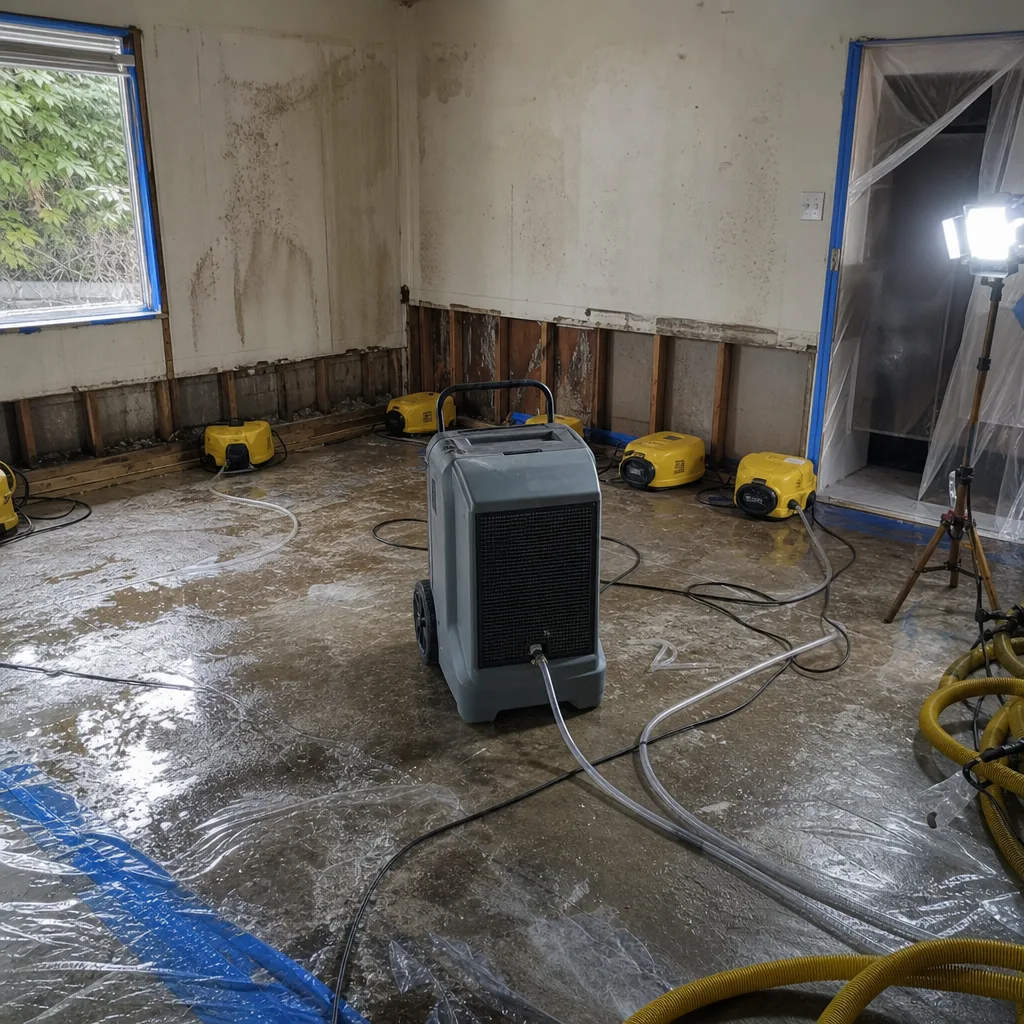
The maintenance window between Labor Day and the first significant autumn storm, typically the third week of October in Auburn, is where water damage prevention succeeds or fails. These tasks are pass-fail verifiable, not subjective assessments.
Gutter Flow Rate Test
Run a hose at the roof peak for 10 minutes at moderate pressure. Water should exit downspouts within 30 seconds of reaching the gutter. Any overflow, pooling, or spillover at seams indicates blockage or inadequate slope. In Auburn’s mature neighborhoods, particularly near Les Gove Park and the older valley floor homes, we regularly find gutters rated for 5-inch capacity handling 6-inch rainfall intensity due to decades of incremental roof additions without corresponding gutter upgrades.
Downspout discharge must terminate at least 6 feet from foundation walls, or connect to a subsurface drainage system. Splash blocks are insufficient for Auburn’s clay soils, which sheet-flow water along the surface rather than absorbing it.
Crawl Space Humidity Verification
Relative humidity in a conditioned crawl space should read below 60% on a calibrated hygrometer at 10:00 AM, before afternoon warming affects the reading. Readings above 65% indicate inadequate vapor barrier coverage, perimeter drainage failure, or plumbing leaks. We’ve measured 78% relative humidity in Auburn crawl spaces where homeowners believed their 6-mil poly barrier was intact; in most cases, the barrier had been disturbed by rodent activity or previous utility work without repair.
Sump Pump Test Cycle
Pour 5 gallons of water into the sump pit. The pump should activate before water reaches the intake port rim, complete discharge within 60 seconds, and the check valve should prevent backflow audible as a gurgle. Test the float switch by manually lifting it; if the pump delays more than 3 seconds, the switch is failing. In Auburn’s high-water-table areas near the Green River corridor, we recommend battery backup systems tested on the same schedule, with battery replacement every 3-4 years regardless of test performance.
Exterior Penetration Sealing
Inspect all wall penetrations: hose bibs, electrical service entries, HVAC line sets, dryer vents. Caulk should be continuous, adherent, and without shrinkage cracks wider than 1/16 inch. In Auburn’s south-facing exposures, particularly in the Lakeland Hills and Lea Hill areas, UV degradation accelerates caulk failure. We replace exterior-grade polyurethane caulk on a 5-year cycle in these exposures, versus 7-10 years on north-facing walls.
Roof Condition Documentation
Photograph roof condition from ground level and from a ladder at the eaves, if safely accessible. Note lifted shingles, exposed nail heads, and granule loss patterns. Auburn’s wind exposure from Puget Sound weather systems concentrates on southwest-facing slopes. Document the date; this establishes pre-storm condition for any winter insurance claim.
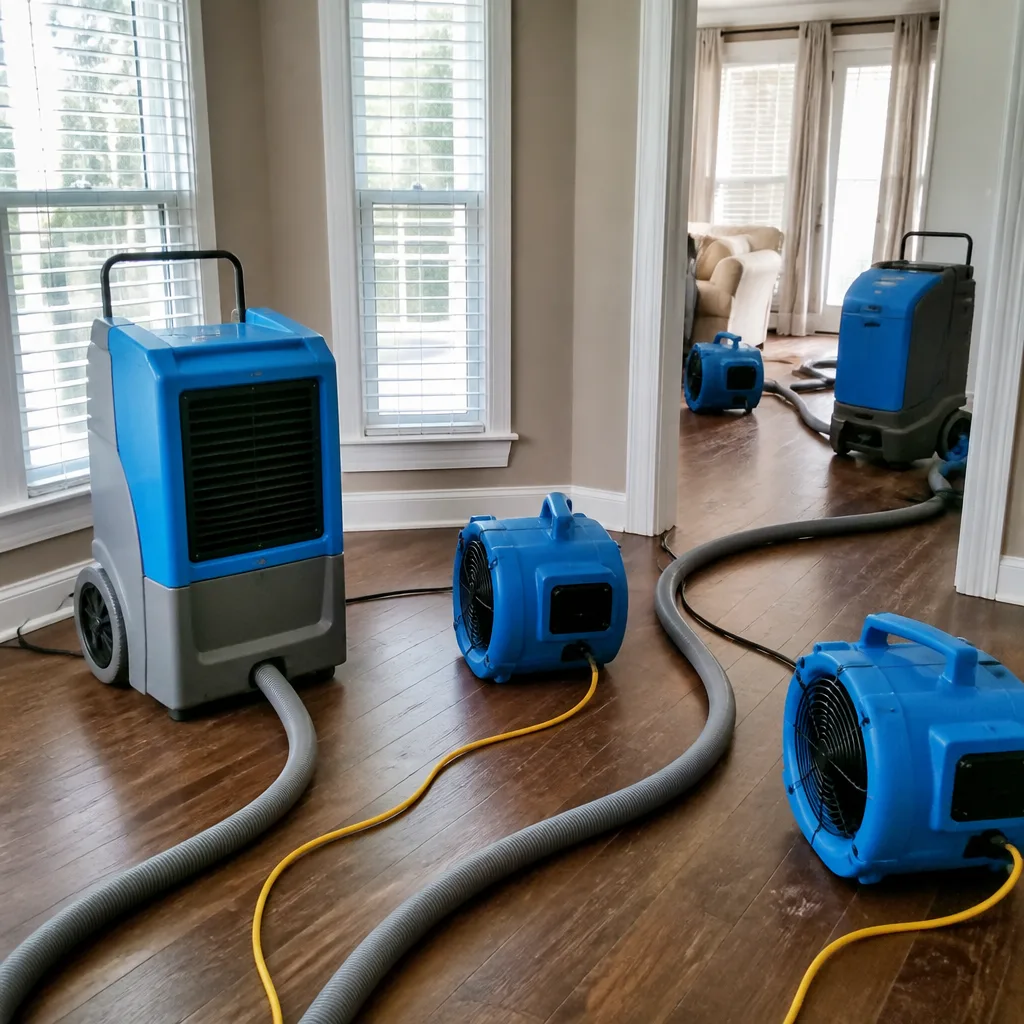
Our Water Damage Restoration in Auburn team responds to dozens of calls each November where a simple September gutter cleaning would have prevented the interior damage that now requires drywall removal, insulation replacement, and structured drying with Dri-Eaz and Phoenix dehumidification systems.
Winter Storm Response: 24-Hour Documentation Protocol
When water enters a structure, the first 24 hours determine both the restoration scope and the insurance claim outcome. Auburn homeowners who document systematically preserve claim eligibility and reduce out-of-pocket costs. Those who wait for “someone to assess it” often face coverage disputes over whether damage was sudden and accidental or gradual and excluded.
Hour 0-4: Safety and Source Control
- Verify electrical safety. If water has reached outlets, switches, or electrical panels, de-energize at the main breaker if accessible without entering standing water. Do not enter flooded spaces with active electrical exposure; this is a genuine electrocution hazard that requires professional response.
- Stop the water source if possible: close supply valves, clear blocked drains, or tarp active roof leaks. Do not climb on wet roofs or enter structurally compromised spaces.
- Photograph the water source, the water path, and all affected materials before moving anything. Date-stamp the images or use a phone with automatic geotagging enabled.
Hour 4-24: Damage Documentation
- Measure and record water line height on walls, in inches from floor level. Note whether water is clean, gray (appliance discharge), or black (sewage or ground source). This classification determines IICRC restoration protocol and insurance coverage.
- Photograph all affected contents before moving them. Document manufacturer labels on appliances, furniture, and building materials where visible.
- Record ambient temperature and relative humidity with a basic thermometer-hygrometer. Psychrometric data, the measurement of air moisture content and drying potential, begins with these baseline readings.
- Contact your insurance carrier to establish claim number and adjuster assignment. Request confirmation of your duty to mitigate further damage; most policies require reasonable temporary measures.
Documentation Deliverables
Within 24 hours, you should possess: dated photographs of source, path, and damage; written measurements of affected area; water classification; environmental readings; insurance claim number; and record of any temporary mitigation performed. This is the minimum documentation standard that supports a payable claim.
At DryMark Restoration Auburn, our response protocol includes photo documentation on every visit as a standard deliverable, never an upsell. Our crews arrive with calibrated moisture meters, thermal imaging for trapped moisture detection, and the written scope that Haven Standard, Clause 1 requires before any work begins. The daily drying logs we produce with DryMark Restoration Auburn home equipment, documented to IICRC, RIA, and IFA standards, convert restoration invoices into claims adjusters pay without dispute.
Spring Inspection: Freeze-Thaw Damage in Auburn’s Clay-Rich Soils
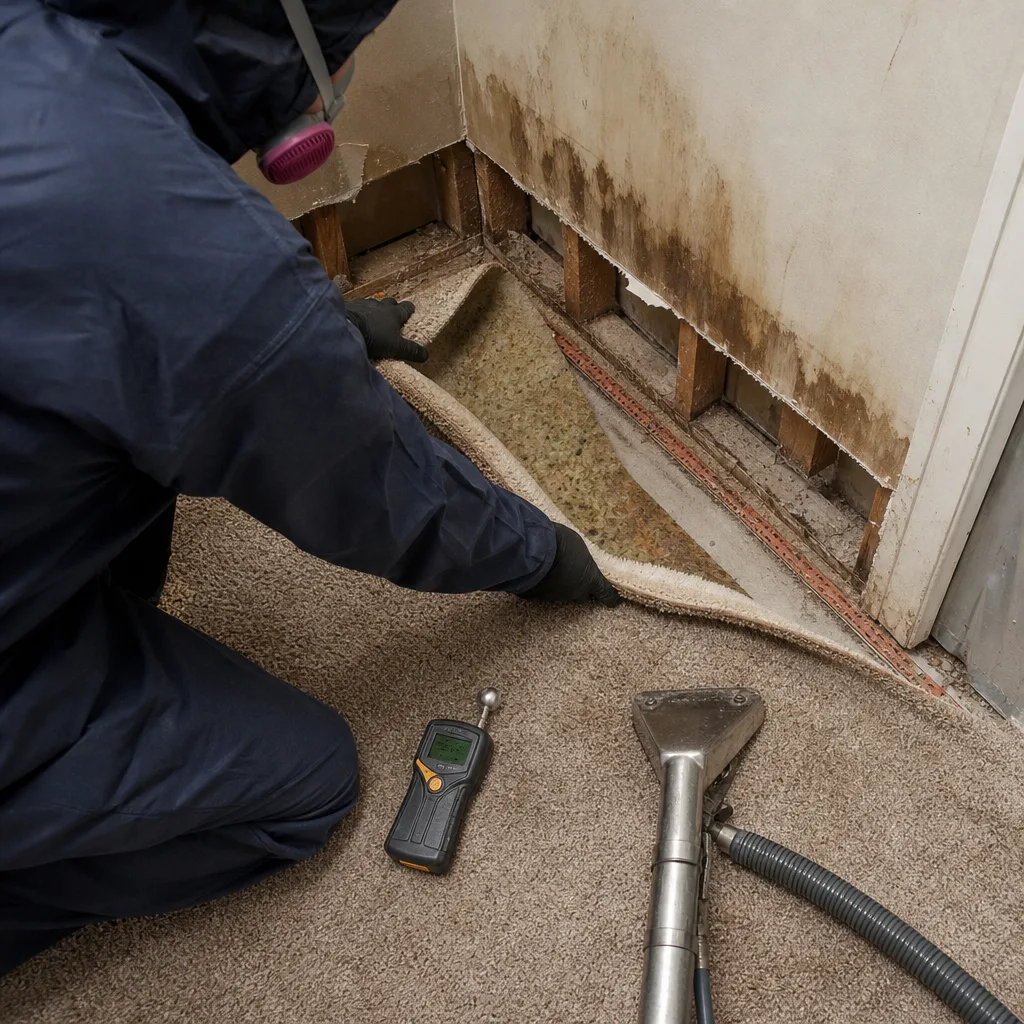
Auburn’s soil composition varies significantly by elevation and proximity to historical river channels. The valley floor, including neighborhoods near downtown and the Muckleshoot reservation boundary, features dense clay soils with high expansion potential. The Lakeland Hills and Lea Hill areas have more granular, better-draining profiles but still experience frost heave in exposed foundations.
Foundation Inspection Targets
After final frost, typically mid-March in Auburn but variable by microclimate, inspect foundation walls for new or expanded cracking. Horizontal cracks, step cracks in masonry, and cracks wider than 1/8 inch warrant professional structural assessment. Measure crack width with a crack monitor or simple ruler, and photograph with date reference.
Check for efflorescence, the white powdery deposit of mineral salts left by evaporating water. Active efflorescence indicates ongoing moisture migration through the foundation. We’ve documented efflorescence patterns in Auburn basements where homeowners believed their interior waterproofing paint had solved the problem; the paint simply concealed continued water entry until framing members showed advanced decay.
Exterior Grade and Drainage Verification
Soil should slope away from foundation walls at minimum 6 inches of fall in the first 10 feet. In Auburn’s clay soils, this slope is critical: water sheets across the surface rather than percolating downward. Check for grade settlement, particularly near downspout discharge points and driveway edges where winter plowing or traffic compaction may have reversed slope.
Inspect exterior foundation waterproofing where visible: at window wells, where foundation meets slab, and at any excavation scars from previous utility work. Bituminous coating should be continuous, without bubbling or peeling. Rigid insulation boards should be intact and properly jointed.
Crawl Space Post-Winter Assessment
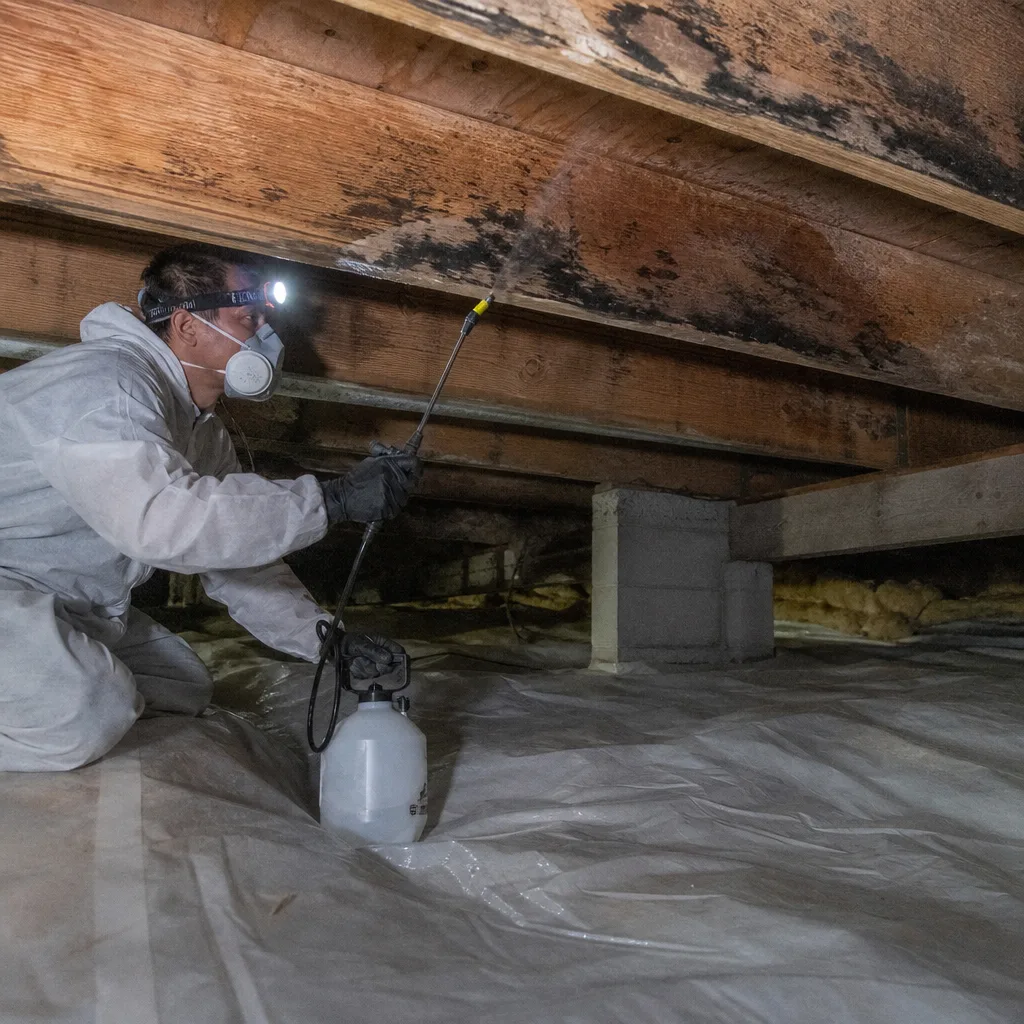
Spring is when crawl space conditions reveal winter’s accumulated moisture load. Check vapor barrier integrity; winter rodent activity often creates breaches. Look for mold growth on framing, which in Auburn’s climate typically appears as patchy discoloration on north-facing joist bays first. Musty odor without visible growth suggests hidden colonization in insulation or subflooring.
Our Mold Remediation in Auburn service regularly encounters crawl spaces where winter moisture went unaddressed until spring warmth accelerated mold growth. By April, what was a contained winter moisture problem becomes a full remediation requiring containment, negative air pressure, and HEPA filtration. Early spring inspection prevents this escalation.
Summer Wood Movement: Sealing the Gaps Before They Become Intrusion Points
Auburn’s summer drying period, July through early September, creates conditions that seem favorable for structures but actually set up fall failures. Wood moisture content drops from winter highs of 18-20% to summer lows of 10-12%. This shrinkage opens gaps that remain invisible until autumn rains find them.
Window and Door Frame Gaps
Inspect exterior window and door frames in August, when shrinkage is near maximum. Gaps between frame and siding, or between sash and frame, wider than 1/8 inch require sealant or weatherstripping replacement. In south and west exposures, check for caulk that has pulled away from the frame due to differential movement between wood and vinyl or aluminum cladding.
We document recurring water damage at window heads in Auburn’s 1990s-era construction, where builder-grade flashing was omitted or improperly lapped. Summer inspection reveals the gap; fall rain exploits it. The repair is proper head flashing with end dams, not repeated caulk application over the underlying failure.
Siding and Trim Joint Inspection
Lap siding should maintain minimum 1-inch overlap at all points. Board-and-batten and shingle siding should show no exposed substrate. Trim joints at corners and at fascia-soffit intersections should be tight; open joints admit wind-driven rain that runs behind the cladding system.
In Auburn’s cedar-sided homes, particularly in the older neighborhoods between downtown and the White River, we monitor for loosened fasteners from seasonal movement. Nails that have worked proud create entry points and accelerate deterioration of surrounding material.
Deck and Railing Connections
Deck ledger boards are a critical inspection point. Summer shrinkage of the house rim joist can loosen ledger connections that were tight in winter. Check for gaps between ledger and house sheathing, and for corrosion on fasteners. In Auburn’s climate, the wet-dry cycling accelerates galvanic corrosion at dissimilar metal connections.
Railing posts should be solid, without movement that indicates loosened fasteners or decay at the connection. We’ve responded to deck collapses in Auburn where summer inspection would have revealed advanced decay concealed by intact surface appearance.
Attic Ventilation Verification
Summer is the only reliable season to verify attic ventilation performance. Attic temperature should not exceed outdoor temperature by more than 20°F at peak afternoon conditions. Excessive attic heat accelerates shingle degradation and creates moisture drive into the conditioned space when fall temperature differentials reverse.
Check soffit vents for blockage by insulation or debris. Verify ridge vents are intact, without squirrel or bird entry. In Auburn’s mature tree canopy, particularly in the Forest Villa and Auburn Heights areas, we find vent blockage from accumulated organic debris that homeowners never inspect because attic access is inconvenient.
Year-Round Monitoring: Tools, Readings, and Documentation Standards
Consistent monitoring converts seasonal inspection from episodic effort to manageable routine. The tools are inexpensive; the discipline of recording readings is what produces actionable data.
Essential Monitoring Tools
- Pin-type moisture meter: Measures wood moisture content at depth. Essential for verifying framing dryness after any water event, and for annual inspection of crawl spaces, attics, and exterior trim. Cost: $50-150. We use Protimeter and Delmhorst units calibrated annually.
- Thermal hygrometer: Records temperature and relative humidity. Place one in crawl space, one in living space, one in attic if accessible. Weekly readings build a baseline that reveals deviation before damage occurs. Cost: $15-40 per unit.
- Infrared thermometer: Non-contact surface temperature measurement. Identifies cold spots indicating insulation gaps or moisture evaporation. Cost: $25-60.
- Water alarm: Battery-powered sensors for sump pit, water heater pan, and laundry area. Audible alarm when water contacts sensor. Cost: $10-20 per unit.
Documentation Practice
Record readings in a simple log: date, location, temperature, relative humidity, wood moisture content where measured, and any anomalies noted. Photograph conditions annually at the same locations for comparison. This log becomes evidence in any insurance dispute over whether damage was sudden or gradual, and it informs your own maintenance prioritization.
At DryMark Restoration Auburn, our documentation standard for every job includes the photo record, the written scope, the daily drying log with psychrometric data, and the signed 365-Day Done Right Promise under The Haven Standard. Homeowners who maintain their own monitoring records complement this professional documentation and strengthen their position in any claim negotiation. Explore more guides & resources on our blog to support your ongoing maintenance efforts.
Our drying systems, including Dri-Eaz and Phoenix dehumidifiers and XPOWER air movers, produce the tertiary drying phase, the final moisture reduction below structural equilibrium, that prevents secondary damage. Vapor pressure differential, the force that drives moisture from wet materials to drier air, is measured and documented at each phase transition. These terms describe measurable processes, not marketing concepts; we define them because the documentation they produce is what insurers pay.
Common Mistakes to Avoid
- Waiting for visible water before acting. By the time water stains appear on drywall, framing members behind the finish may have been wet for weeks. In Auburn’s climate, mold colonization on cellulose materials begins in 48-72 hours at temperatures above 60°F. Use moisture meters proactively; visible water is a late indicator.
- Cleaning gutters without checking downspout discharge. Auburn homeowners often clear gutters but miss that downspouts discharge against foundation walls or into saturated soil. The water simply recirculates. Verify discharge termination every fall.
- Applying interior waterproofing paint to foundation walls without addressing exterior drainage. This traps moisture in the wall assembly, accelerating freeze-thaw damage and creating conditions for hidden mold growth. We’ve removed failed waterproofing coatings from Auburn basements where the underlying block was structurally compromised.
- Ignoring summer gaps because “it never rains in July.” The gaps opened by wood shrinkage in August are the intrusion points for November’s first storm. Seal them when they’re visible, not when they’re leaking.
- Failing to document pre-storm condition. Insurance adjusters deny claims for “long-term deterioration” when homeowners cannot prove sudden damage. Annual dated photographs of roof, foundation, and exterior condition are essential evidence.
- Running sump pumps without testing backup systems. Auburn’s winter storm power outages coincide with peak groundwater. A primary pump without battery backup or generator support fails precisely when needed most. Test backup systems under load, not just with indicator lights.
- Delaying professional assessment to “see if it dries out.” Structural drying requires controlled airflow, temperature, and dehumidification. Passive drying in Auburn’s humid climate allows secondary damage to progress. If moisture meter readings remain above 16% wood moisture content after 48 hours, professional drying is indicated.
When to Call a Professional
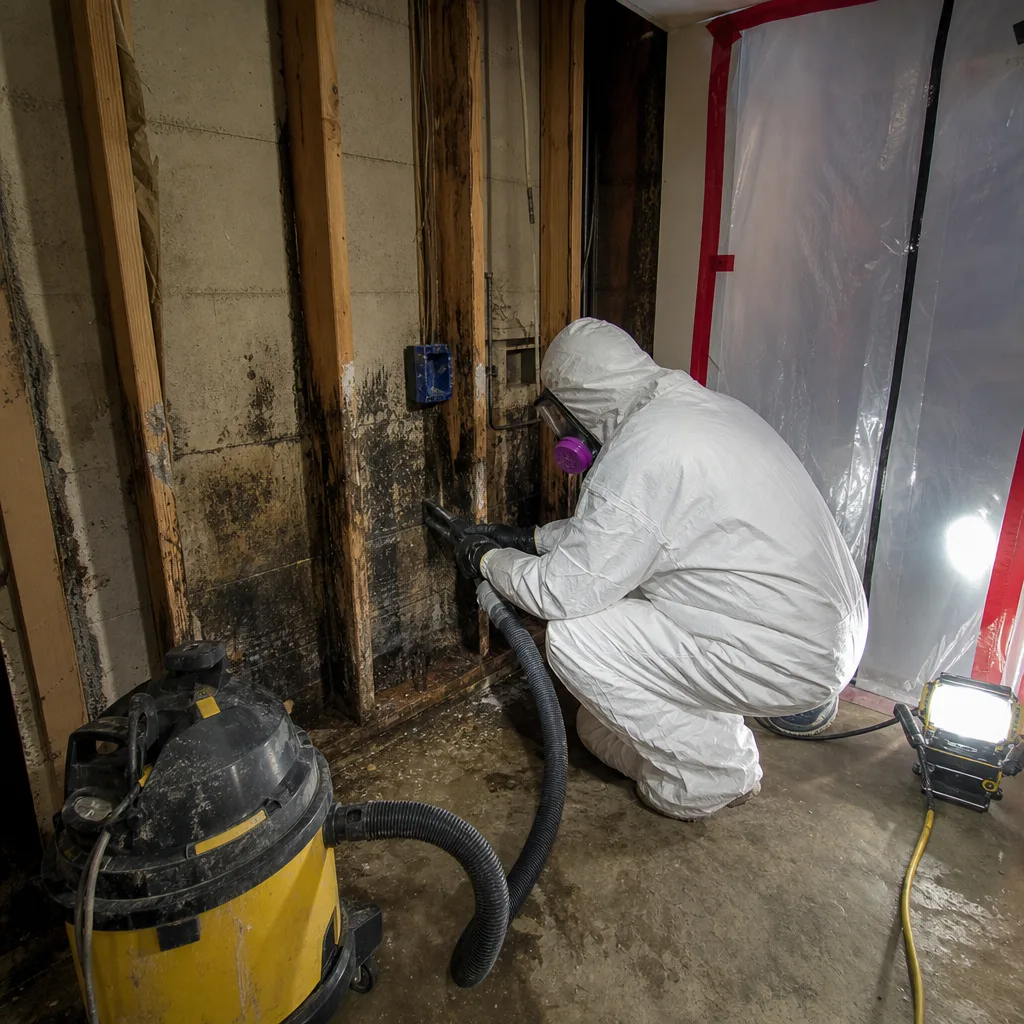
Call for professional assessment when: water has affected finished materials or structural components; moisture meter readings remain elevated after 48 hours; mold growth is visible or suspected based on musty odor; foundation cracks show movement or efflorescence; or any insurance claim may be filed and documentation requirements are uncertain.
High-tension garage door springs, electrical panels in wet conditions, and sewage-contaminated water present genuine safety hazards. Do not attempt DIY remediation of these conditions. A trained professional with proper protective equipment and containment capability is required.
DryMark Restoration Auburn offers free estimates in Auburn. Our live phone coverage, available 24 hours a day, 7 days a week with no voicemail on emergency lines, connects you directly to a person who can dispatch a documented response. Call (253) 487-0371. Every job is quoted in writing before work begins, with the photo record and daily drying logs that convert restoration work into payable insurance claims. Our Free Second Opinion on any competitor’s written estimate is available at no charge.
Frequently Asked Questions
Water damage restoration in Auburn typically ranges from $1,200 for contained Class 1 cleanup affecting a small area with clean water, to $8,500-15,000 for Class 3 or 4 losses involving structural materials, contaminated water, or extensive drying with professional-grade Dri-Eaz and Phoenix dehumidification systems. See our Damage Restoration Cost Breakdown: The Auburn Homeowner’s Reference for 2026 for detailed pricing factors. The final cost depends on water classification, affected square footage, material types, and whether reconstruction is required. DryMark Restoration Auburn provides a written price before any work starts on every job, with no scope-creep additions once the crew is inside, per Haven Standard, Clause 1. Call (253) 487-0371 for a free estimate specific to your situation.
Insurance coverage depends on whether damage was sudden and accidental versus gradual from deferred maintenance. A burst pipe during a freeze event is typically covered; seepage through a foundation crack that developed over years of unaddressed settling may be excluded. The critical factor is documentation: dated maintenance records, pre-storm condition photos, and prompt reporting within policy timeframes. Our photo documentation on every visit, included as a standard deliverable, supports your coverage position. We also coordinate directly with adjusters to align our scope with policy language.
Our live phone coverage, 24 hours a day, 7 days a week with no voicemail on emergency lines, means you reach a person immediately who can dispatch a crew. Response time depends on current storm volume and your location within Auburn, but emergency water damage calls receive priority dispatch. For non-emergency assessments, we typically schedule within 24-48 hours. Reconstruction and rebuild work is scoped, scheduled, and priced in writing like a remodel, not dispatched for same-day service.
Visible mold growth exceeding 10 square feet, or any mold growth in HVAC systems, requires professional remediation per EPA and IICRC guidelines. DIY cleaning of limited surface mold with detergent solution is acceptable for small, non-porous areas, but it does not address hidden colonization or moisture source. In Auburn’s climate, we regularly find concealed mold behind intact drywall where homeowners cleaned visible spots without resolving the underlying moisture. Our Mold Remediation in Auburn service includes containment, negative air pressure, HEPA filtration, and post-remediation verification with air sampling and moisture confirmation.
Within 24 hours, photograph: the water source and any visible damage path; water line height on walls in inches from floor; all affected contents before moving; and any temporary mitigation measures taken. Record: date and time of discovery; ambient temperature and humidity; water classification (clean, gray, or black); and your insurance claim number. This documentation establishes sudden damage and your duty to mitigate. Our crews arrive with calibrated moisture meters and thermal imaging to document trapped moisture that visual inspection misses, producing the daily drying logs that insurers require for full payment.
Auburn’s position at the Green River valley floor, with elevation ranging from 50 to 400+ feet, creates more pronounced frost and flood risk than Seattle’s more uniform topography. The valley floor experiences slower drainage and higher water tables, particularly near the river corridor. The Lakeland Hills and Lea Hill areas have more exposure to wind-driven rain from Puget Sound weather systems. Annual precipitation is comparable, but Auburn’s rainfall concentrates more heavily in the November-January window, and the freeze-thaw cycle is more severe due to greater temperature variation away from Puget Sound’s moderating influence. These factors make September maintenance and spring foundation inspection particularly critical for Auburn properties.
The Bottom Line
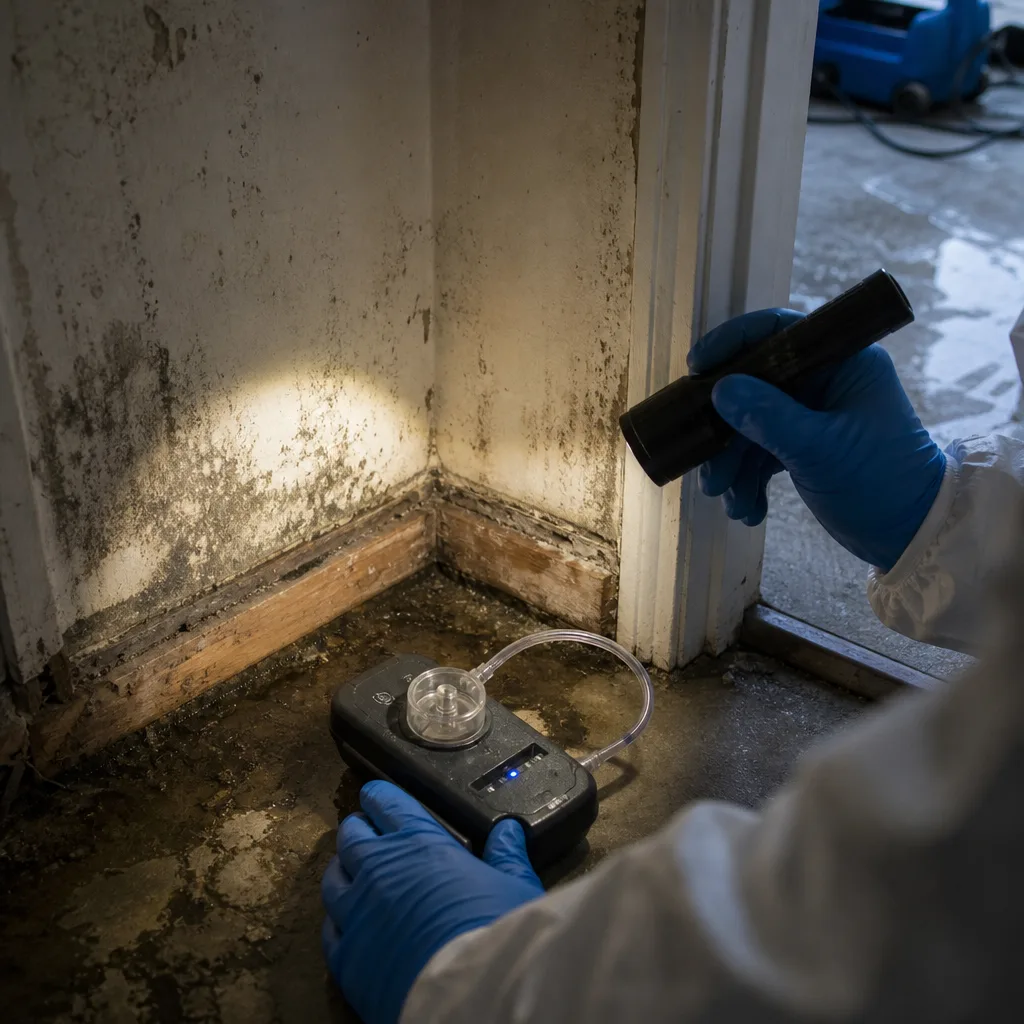
Auburn’s damage risk follows a predictable seasonal rhythm that rewards preparation and punishes delay. The September maintenance window determines December outcomes. Winter storm documentation within 24 hours preserves insurance eligibility. Spring freeze-thaw inspection catches foundation damage before it compounds. Summer wood-movement sealing closes the gaps that become fall intrusion points. Each season has measurable tasks, and the homeowners who escape catastrophic water damage are those who treat these tasks as non-negotiable maintenance, not optional suggestions.
The documentation you maintain, your own monitoring records and the professional records from any restoration service, is what converts a potential claim dispute into a payable invoice. At DryMark Restoration Auburn, we’ve built our practice around this documentation standard since 2011 because we’ve seen what sloppy records cost homeowners.
Call (253) 487-0371 for a free estimate, or bring a competitor’s written quote for our Free Second Opinion. Every job receives a written price before work begins, a photo record on every visit, and the 365-Day Done Right Promise backed by The Haven Standard.
Written by Alicia Brennan, Owner at DryMark Restoration Auburn, serving Auburn since 2011.