
Last updated September 23, 2026
Free visual inspection and a written scope of work before any mitigation begins - photos, moisture readings, and drying logs go in your claim file
The scope we write is the scope we bill. Anything new gets shown to you, in writing, before we touch it.


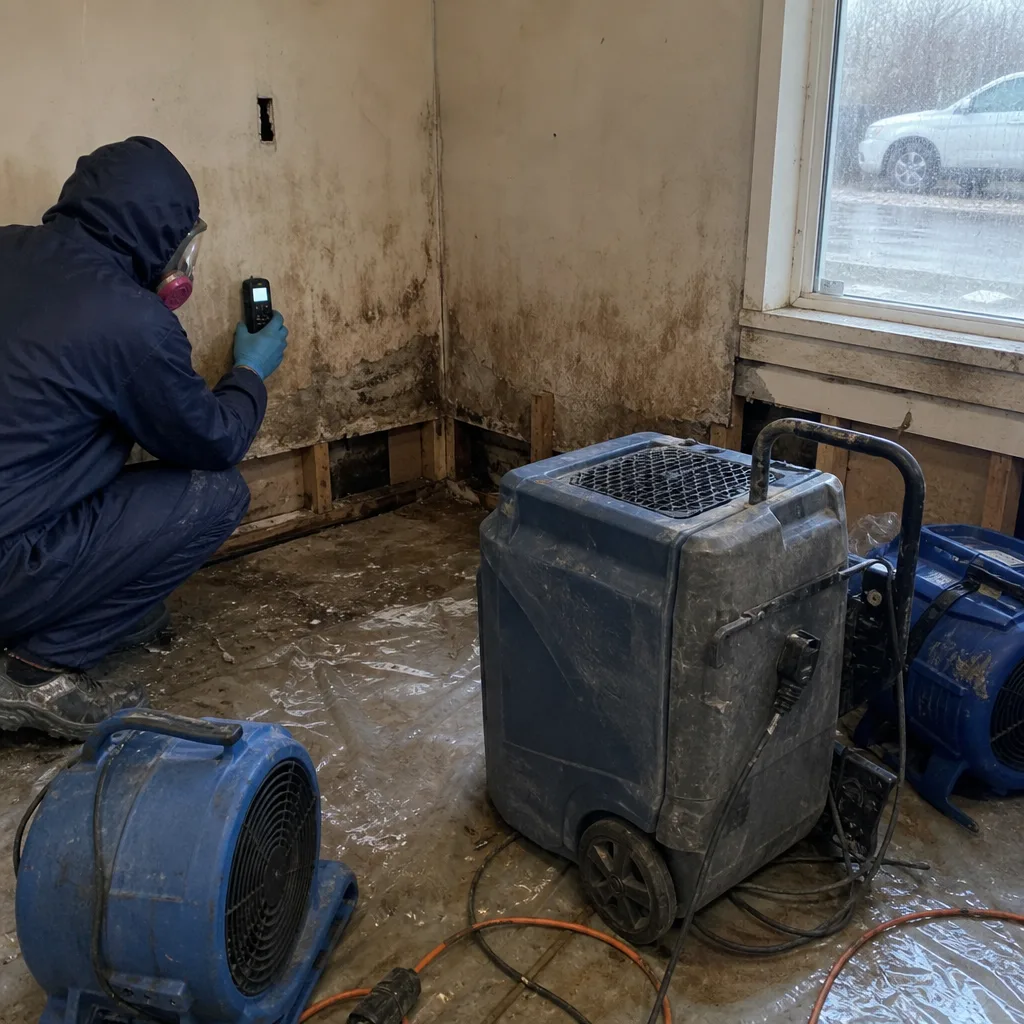 Before
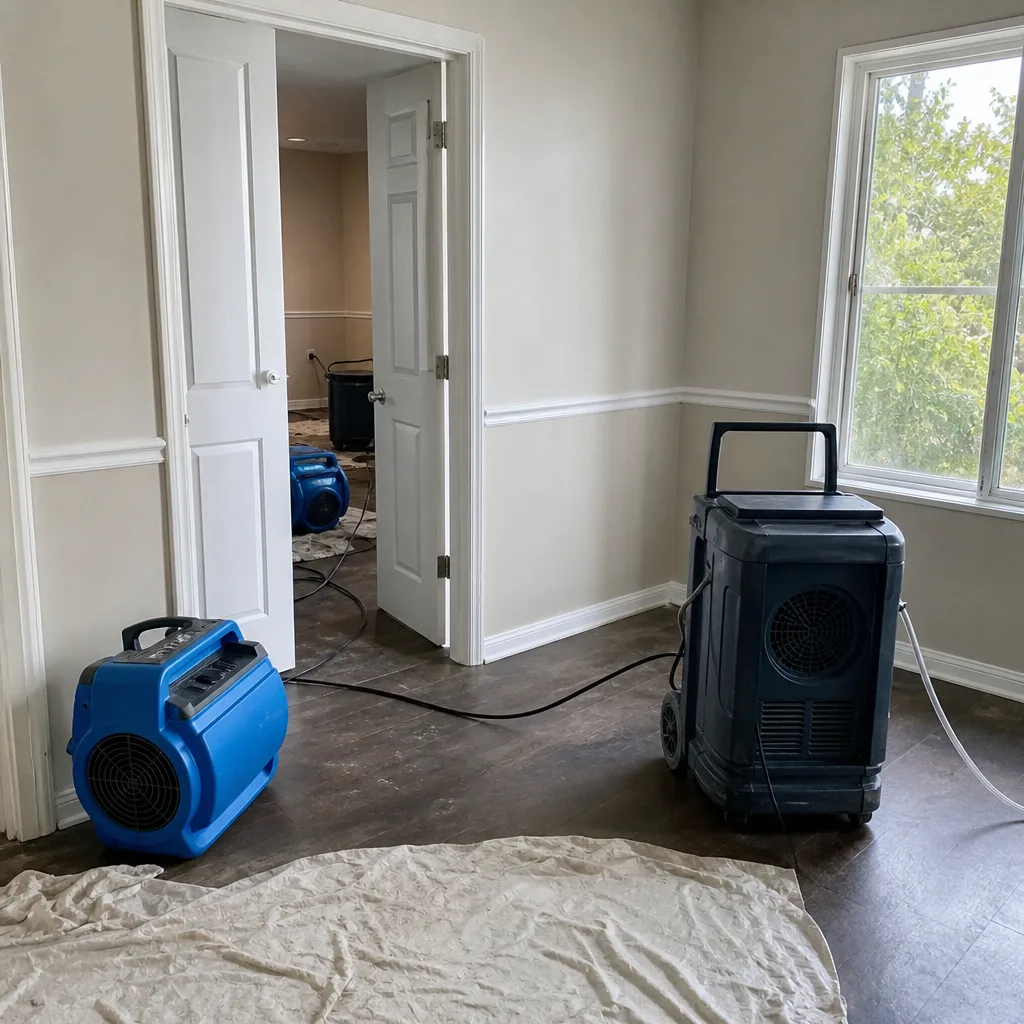 After
After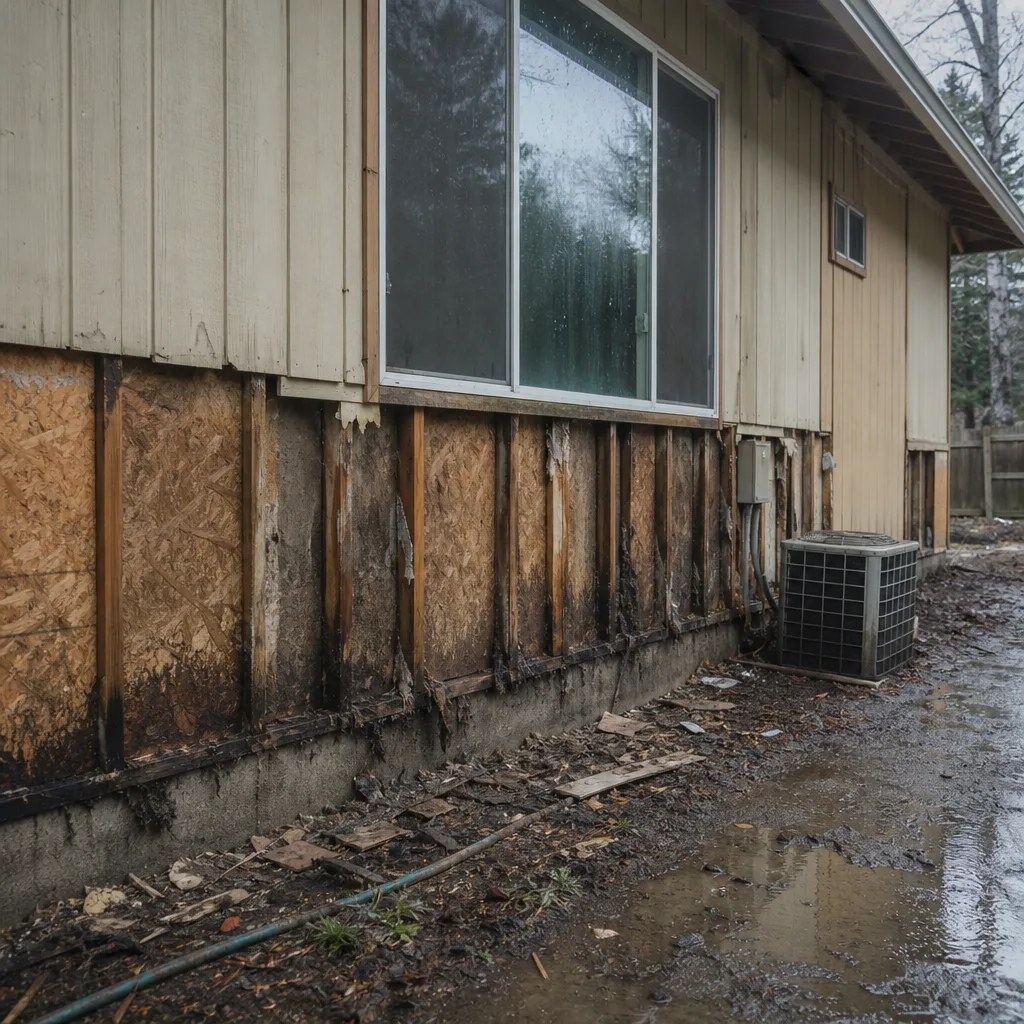 Before
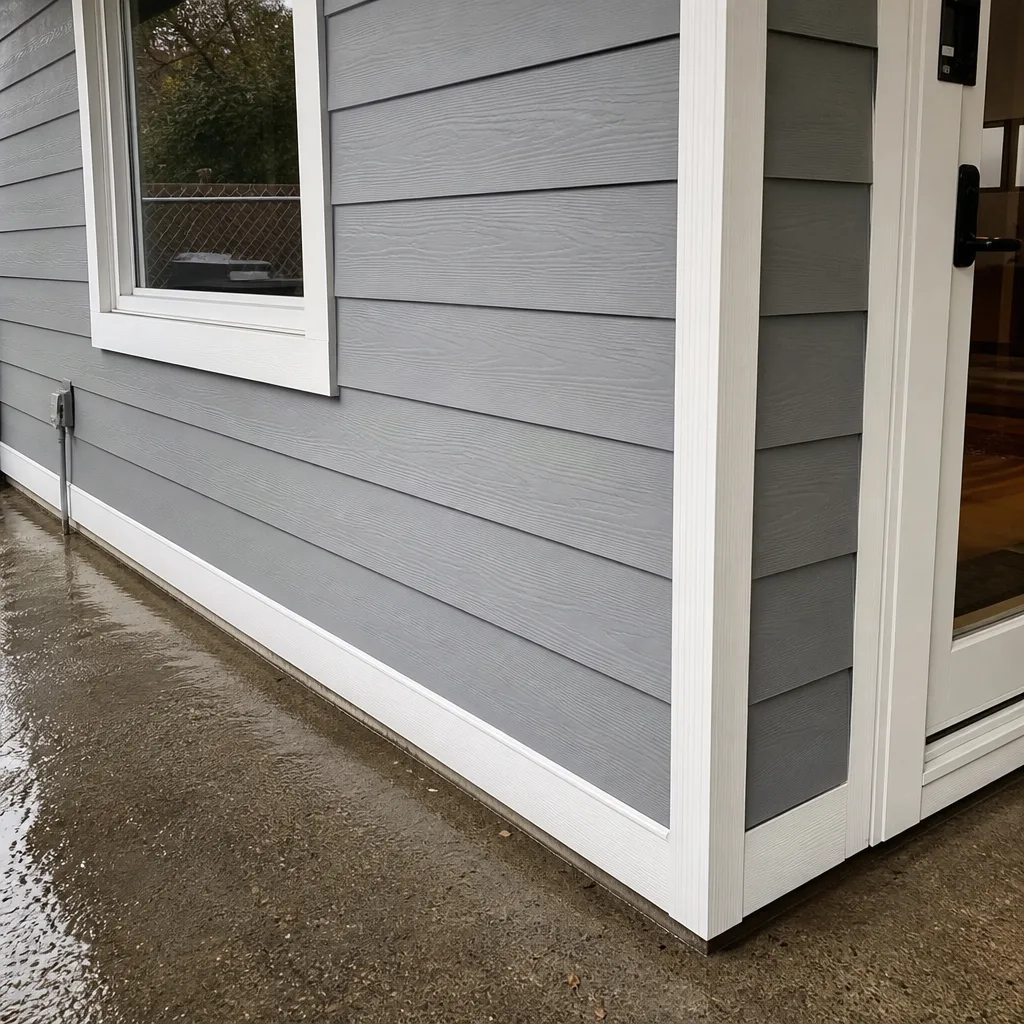 After
After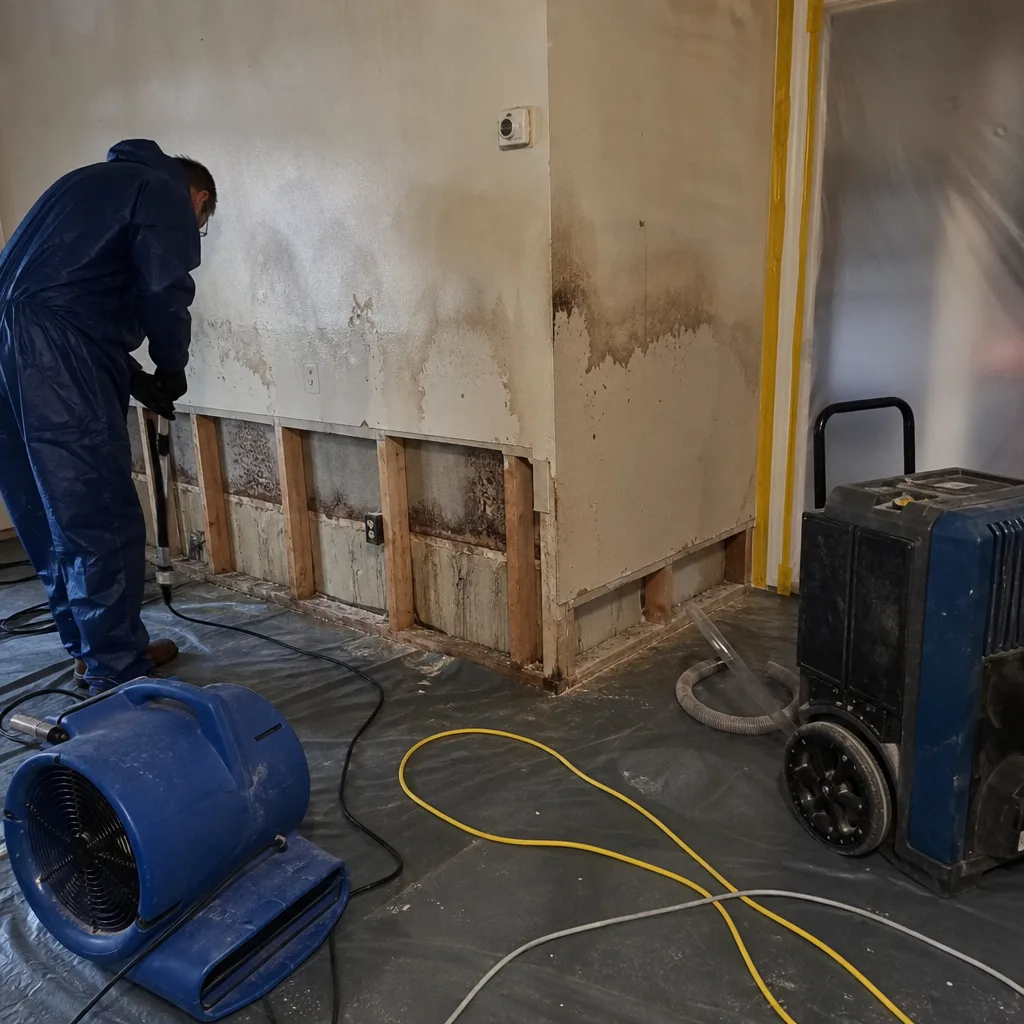 Before
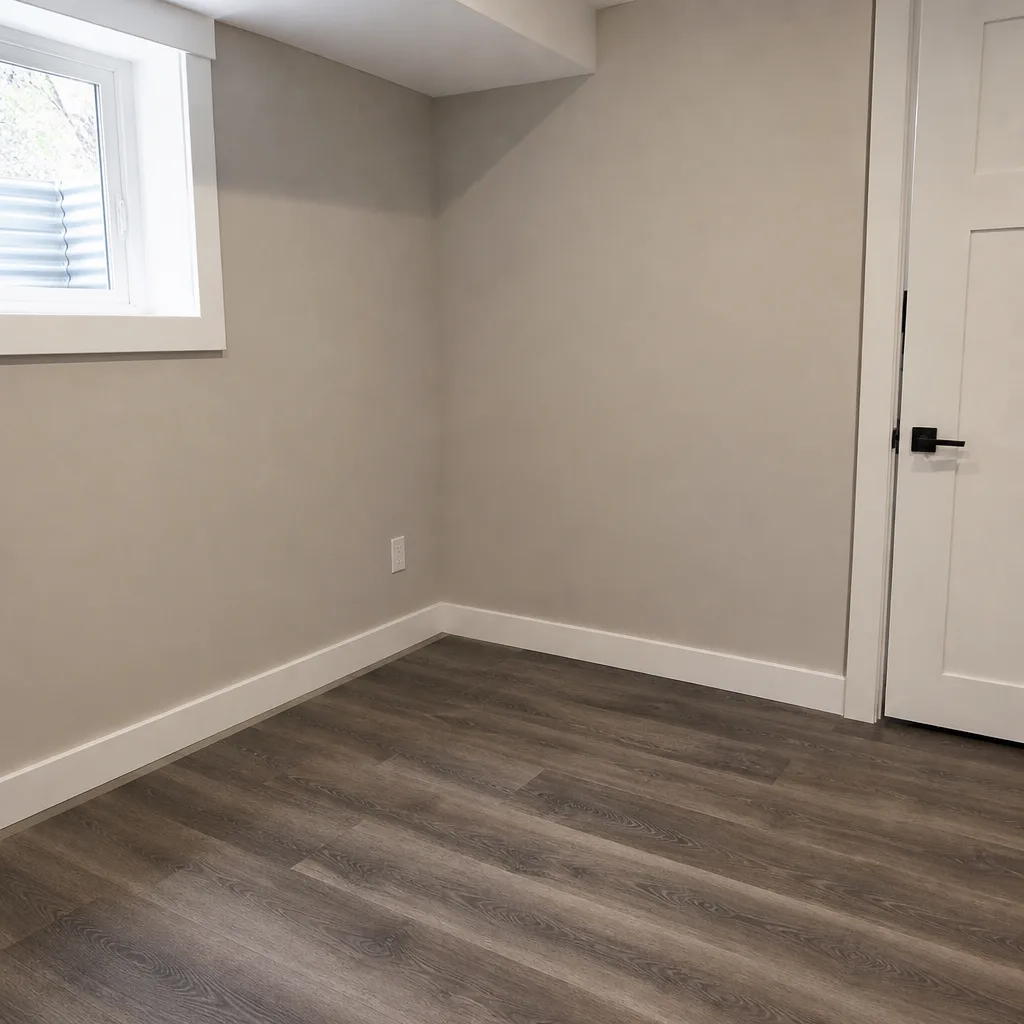 After
AfterWater Damage Restoration Maintenance Checklist for Auburn Homeowners
A cracked crawl space vapor barrier in Auburn’s wet season can raise sub-floor moisture content from a safe 12% to a mold-permissive 19% in under three weeks - a change invisible to the eye but catchable with a $30 pin meter. Most water damage in Auburn homes doesn’t start with a burst pipe or a flooded basement. It starts with a maintenance gap that no one measured. This checklist gives Auburn homeowners specific moisture thresholds, seasonal inspection sequences, and documentation practices that turn vague “check your pipes” advice into actionable, logged data. You’ll learn how to build a home moisture baseline, when a reading triggers a call to a professional for our Water Damage Restoration services, and what photos to keep on file so any future claim starts with evidence, not argument.
Quick Answer
Water damage restoration maintenance for Auburn homeowners means inspecting measurable moisture conditions on a seasonal schedule: wood framing below 16%, drywall below 1% moisture content above baseline, and crawl space relative humidity below 60%. For a deeper dive, see The Complete Guide to Damage Restoration in Auburn. Document baseline readings in October before the rainy season, then recheck in January and April. Maintain vapor barriers, grade soil away from foundations, and keep a photo record of pre-loss condition for every room.
Table of Contents
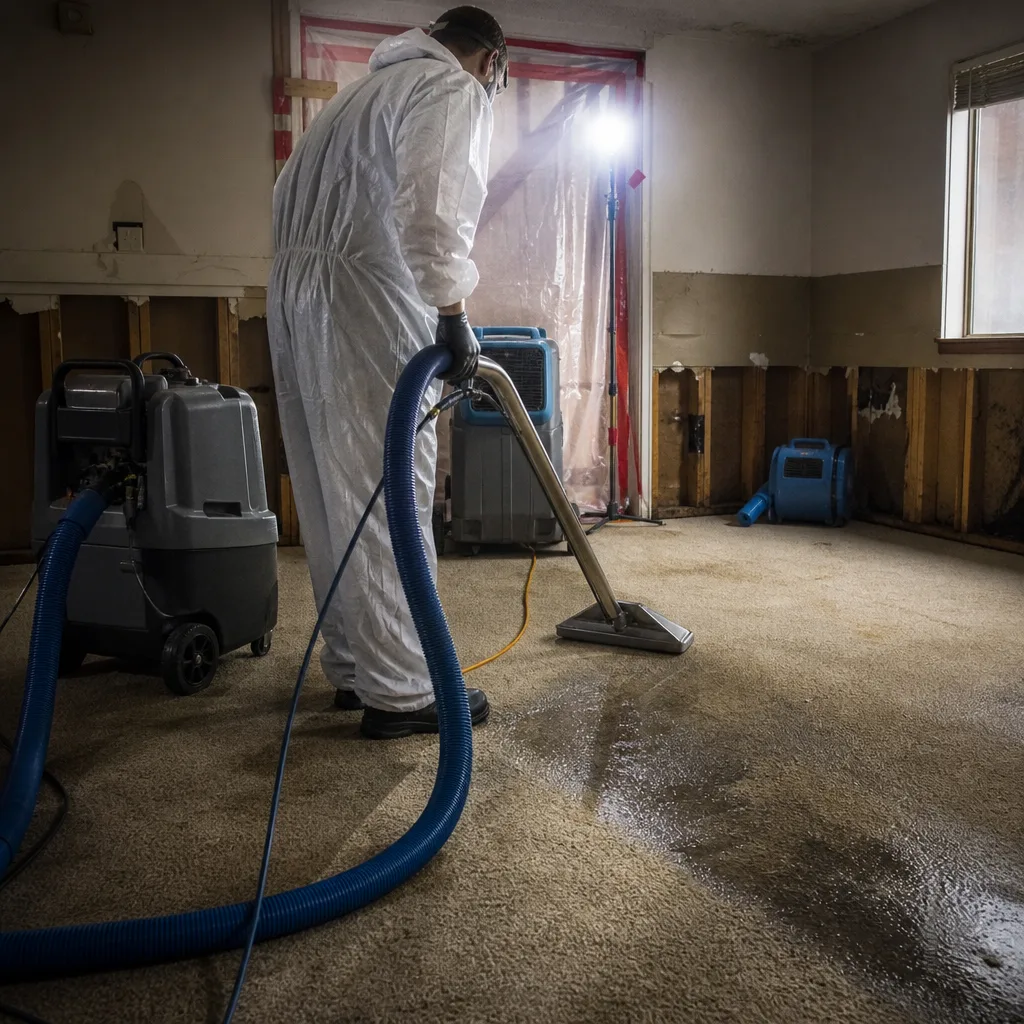
- Why Measurements Matter More Than Visual Checks
- Auburn’s Seasonal Inspection Calendar
- Room-by-Room Moisture Checklist with Thresholds
- Building Your Home Moisture Baseline Log
- Photo Documentation for Pre-Loss Condition
- Maintenance Failures Auburn Adjusters See in Denied Claims
- Tools and Equipment for Home Moisture Monitoring
- When to Call a Professional
BeforeAfterWhy Measurements Matter More Than Visual Checks
We’ve restored over 12,000 homes since 2011, and the pattern is consistent: the homeowners who catch damage early are the ones who measure, not the ones who look. Water damage in Auburn follows a predictable seasonal rhythm. The Puget Sound’s marine climate means eight months of measurable precipitation, soil saturation that lingers into June, and crawl spaces that never fully dry without mechanical intervention. A wall can feel dry to the touch while harboring 18% moisture content in the studs - three points above the threshold where mold colonization begins.
Our water damage restoration in Auburn work starts with psychrometric data: temperature, relative humidity, and specific humidity readings that tell us how much moisture air can hold and where that moisture will condense. Vapor pressure differential - the difference in moisture pressure between two areas - drives water movement through walls and subfloors even when no liquid water is visible. A homeowner with a $30 pin meter and a $15 humidity sensor can detect this movement before it becomes a $15,000 remediation.
The key distinction: visual checks identify damage that has already occurred. Measurements identify conditions that will cause damage. A stained ceiling tile means water has already saturated insulation, drywall, and possibly framing. A pin meter reading of 14% in a bathroom vanity toe-kick means the conditions exist for rot if the humidity spike continues. One triggers a restoration call. The other triggers a ventilation adjustment that prevents the call entirely.
Auburn’s specific risk factors amplify this gap between seeing and measuring. The Green River valley’s high water table means sump pumps run year-round in many neighborhoods. Older homes in the downtown core and near the BNSF rail corridor often have foundation drainage from the 1950s-1970s that was never designed for current rainfall intensity. Newer construction in Lakeland Hills and Lea Hill can have tight building envelopes that trap interior moisture if ventilation isn’t balanced against the envelope’s airtightness. In each case, the moisture source is invisible without tools.
Our documentation-first approach at DryMark Restoration Auburn exists because we’ve seen what happens when measurements aren’t logged. An adjuster reviewing a claim needs to distinguish pre-existing moisture from sudden damage. A homeowner with six months of baseline readings can show that bathroom subfloor was at 11% in October and 21% in February. Without that log, the same homeowner faces a coverage dispute that can delay restoration by weeks.
Auburn’s Seasonal Inspection Calendar
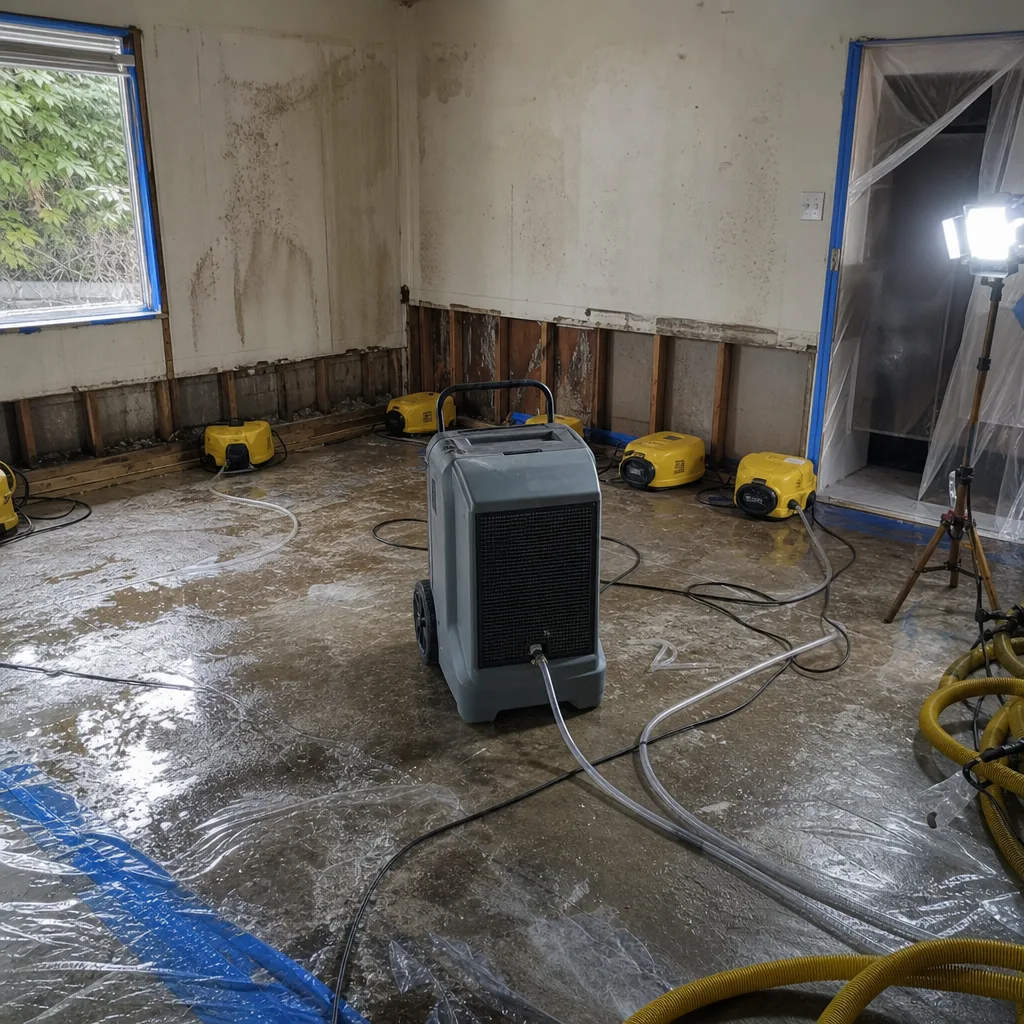
Auburn’s climate demands a three-phase inspection schedule tied to specific weather patterns, not arbitrary calendar dates. The marine west coast climate here means moisture risks shift with Pacific storm tracks, soil saturation levels, and the thermal lag that keeps crawl spaces cold and damp well into spring.
October: Pre-Rain Baseline Establishment
Before the first major fall storm system arrives - typically the third week of October in the Puget Sound lowlands - establish your annual moisture baseline. This is your reference point for every subsequent reading. Soil is still warm from summer, relative humidity is typically lowest for the year, and any moisture accumulation in the structure represents actual intrusion rather than seasonal ambient conditions.
- Record pin meter readings at identical locations: two stud bays per exterior wall, subfloor in crawl space or basement, bathroom vanity bases, kitchen sink cabinet floor, attic sheathing near eaves, and garage framing where it meets the house.
- Record crawl space or basement relative humidity with a digital hygrometer left in place for 48 hours.
- Photograph each measurement location with the reading visible in frame.
- Document exterior conditions: grade slope at foundation, gutter downspout discharge points, and any visible foundation cracks.
- Test sump pump operation by lifting the float switch manually; note cycle time if water is present in the pit.
January: Mid-Winter Stress Check
January brings the confluence of maximum soil saturation, shortest days (limiting passive solar drying), and the highest likelihood of freeze-thaw cycling that opens cracks in exterior seals. This is when hidden leaks reveal themselves through elevated readings rather than visible damage.
- Repeat all October measurements at identical locations.
- Calculate delta: the difference between October baseline and January reading. Any location showing a 4% or greater increase in wood moisture content warrants investigation.
- Check crawl space vapor barrier integrity; look for displacement from rodent activity or water pooling on the barrier surface.
- Inspect attic for frost accumulation on nail points or sheathing - a sign of warm, moist air infiltration from below.
- Verify that bathroom and kitchen exhaust fans actually move air: hold a tissue to the grille; it should draw flat against the opening.
April: Post-Winter Recovery Assessment
April in Auburn is often wetter than January, but soil temperatures are rising and evaporation potential is increasing. This inspection determines whether the structure is recovering or whether moisture has become trapped.
- Repeat full measurement sequence.
- Compare April readings to October baseline, not to January peak. Wood moisture should be within 2% of October levels. Persistent elevation indicates a chronic source, not seasonal variation.
- Inspect for mold or mildew in locations that showed January elevation; 16% wood moisture sustained for 30+ days creates colonization risk.
- Evaluate whether mechanical drying (crawl space dehumidifier, positive pressure ventilation) is needed before next season.
Homes in the valley floor near the White River, particularly in the Pacific and Algona interface areas, may need a fourth check in June when snowmelt from Mount Rainier influences groundwater levels. Homes on the bluff areas of west Auburn typically dry faster and may operate on the three-check schedule without issue.
Room-by-Room Moisture Checklist with Thresholds
Each room in an Auburn home has distinct moisture sources, vulnerability patterns, and critical thresholds. This checklist replaces “check for leaks” with specific measurements and action triggers.
Crawl Space / Basement
The crawl space is the highest-risk zone in most Auburn homes. Soil contact, limited air circulation, and the concentration of plumbing and HVAC infrastructure create multiple moisture entry points.
- Wood subfloor moisture content: Safe below 14%; monitor closely at 14-16%; action required above 16%. At 19%, mold colonization is likely active.
- Crawl space relative humidity: Target below 60%. At 70%, mold spore germination accelerates. At 80%, wood rot fungi become active.
- Vapor barrier condition: 6-mil polyethylene should cover 100% of soil with 12-inch overlaps sealed with tape. Any tear larger than 6 inches or pooling water on the barrier requires repair.
- Foundation wall moisture: Efflorescence (white mineral deposits) indicates water movement through concrete; document with photo and note location.
- Sump pump discharge: Water must exit at least 10 feet from foundation and drain away from structure. In Auburn’s clay soils, discharge too close to foundation creates recycling.
Kitchen
- Sink cabinet floor: Pin meter reading below 12% is normal. Above 15% indicates supply line, drain, or seal leak. Check dishwasher supply and drain hose connections; these fail silently behind the kick plate.
- Refrigerator water line: Inspect braided stainless or copper line for corrosion at compression fittings. Document with photo annually.
- Range hood exhaust: Verify exterior damper opens freely and closes completely. A stuck-open damper admits rain; a stuck-closed damper traps cooking moisture.
Bathrooms
- Shower/tub surround: Grout cracks wider than 1/16 inch allow bulk water penetration. Caulk failure at tub-to-wall joint is the most common hidden leak source we document in Auburn claims.
- Toilet flange: Rocking or leaking at base indicates wax ring failure. Subfloor moisture above 15% around toilet requires flange inspection.
- Exhaust fan CFM: Fan should achieve 80 CFM minimum for standard bathroom; 50 CFM is insufficient for Auburn’s humidity profile. Test with timed mirror clearing: a properly vented bathroom should clear mirror fog within 10 minutes of shower end.
Attic
- Sheathing moisture content: Below 15% year-round. Above 18% indicates bathroom/kitchen exhaust venting into attic, roof leak, or inadequate ventilation.
- Nail point frost (winter): Any visible frost indicates moist air exfiltration from conditioned space. This melts in spring and creates localized rot.
- Ventilation ratio: 1 square foot net free vent area per 150 square feet of attic floor, or 1:300 with balanced soffit/ridge ventilation. Many Auburn homes built 1980-2005 are under-ventilated by current code.
Exterior / Foundation
- Grade slope: Minimum 6 inches of fall in first 10 feet from foundation. In Auburn’s heavy soils, inadequate slope is the leading cause of foundation water entry we see in claims.
- Gutter downspouts: Discharge to splash block or extension; never directly into perimeter drain that may be overwhelmed or broken.
- Hose bibs: Vacuum breaker anti-siphon devices prevent contaminated water backflow; frost-free models prevent freeze-splitting in east Auburn’s colder microclimates.
Building Your Home Moisture Baseline Log
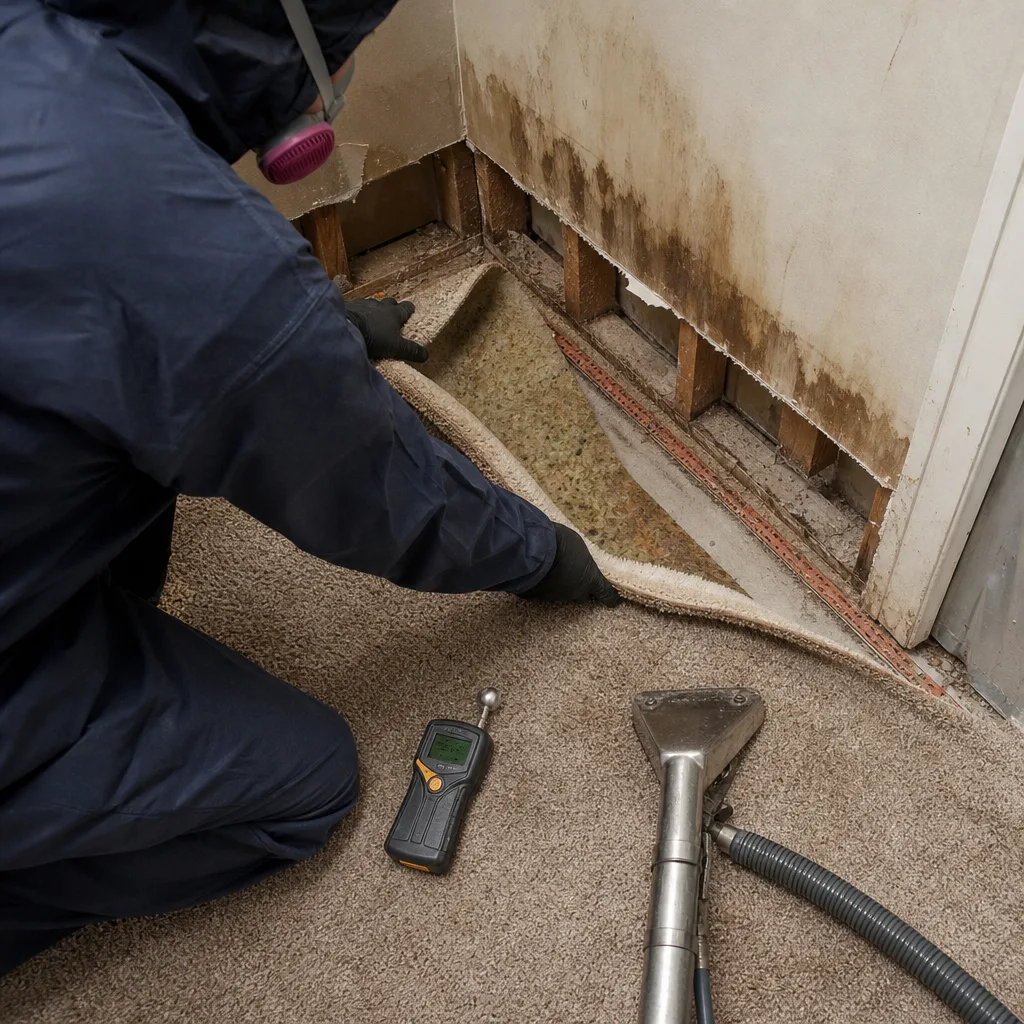
A baseline log is a homeowner’s most powerful tool in a water damage claim dispute. It establishes what “normal” looked like before the event, allowing any contractor or adjuster to distinguish sudden damage from pre-existing conditions. Without it, a homeowner faces the burden of proving that darkened subfloor wasn’t already wet when the supply line failed.
We’ve built our DryMark Restoration Auburn home documentation system around this principle: every job starts with readings, and every job ends with readings. The same discipline applies to homeowner maintenance.
The Log Format
Use a simple spreadsheet or physical notebook with these columns:
- Date and time of reading
- Location (room, wall orientation, height from floor)
- Material (2×4 stud, OSB subfloor, drywall, etc.)
- Pin meter reading (% moisture content)
- Hygrometer reading if applicable (% relative humidity, temperature)
- Weather conditions (rain in last 48 hours, temperature)
- Photo filename or reference number
- Notes (visible conditions, repairs made, observations)
Critical Locations to Establish Baseline
- Primary wet walls: In each bathroom, the wall containing the shower valve and the wall behind the toilet. These have the highest concealed plumbing density.
- Kitchen wet wall: The wall with the sink drain and supply lines, plus the refrigerator water line path.
- Crawl space center and perimeter: Four subfloor readings forming a grid; two readings on foundation sill plates.
- Attic sheathing: One reading near ridge, one near eave, on north-facing slope (slowest to dry).
- Garage-house interface: Framing where garage ceiling meets house wall; this thermal boundary is a frequent condensation point.
- Exterior door thresholds: Subfloor at front and rear entries; door leaks are common in Auburn’s wind-driven rain events.
Take readings at the same depth on the pin meter each time; most meters have penetration depth settings. Record which setting you used. A surface reading on drywall is meaningless if the previous reading was taken with pins fully embedded in the stud cavity.
Store the log in cloud backup and physical copy. If you ever need water damage restoration in Auburn, hand the contractor your October baseline and your most recent reading. The delta between them tells the story faster than any verbal description.
Photo Documentation for Pre-Loss Condition
Insurance adjusters evaluate claims against the principle of “like kind and quality” - restoring what existed before the loss, not upgrading and not paying for pre-existing damage. A homeowner with dated, geotagged photos of every room’s condition before the event has evidence that short-circuits disputes.
At DryMark Restoration Auburn, our photo record on every visit - included as standard, never an upsell - produces 80-120 images per job with room labels, moisture readings in frame, and timestamp verification. Homeowners should maintain a lighter version of the same discipline.
Minimum Photo Set for Pre-Loss Documentation
- Wide room shots: One photo from each corner of every room, showing ceiling, walls, and floor. Date-stamped.
- Plumbing fixture close-ups: Under-sink cabinet interiors, toilet bases, shower/tub surrounds, water heater connections. Shows condition of caulk, grout, and visible supply lines.
- Appliance connections: Refrigerator water line, dishwasher supply and drain, washing machine hoses. Braided stainless hoses have 5-7 year service life; photo date establishes age.
- Crawl space or basement: Vapor barrier condition, sump pump, any visible foundation cracks with scale reference (ruler or coin in frame).
- Attic: Sheathing condition, insulation depth and type, any visible roof deck stains.
- Exterior: Grade slope at foundation, gutter condition, downspout discharge points, hose bibs.
- Mechanical systems: Water heater installation date on rating plate, HVAC condensate drain line path.
Update this photo set annually, ideally during the October baseline inspection. Store in cloud service with automatic date stamping. The 30 minutes this takes is recovered many times over if a claim arises.
For homeowners in Auburn’s older neighborhoods - the homes near Main Street, the valley floor properties with original 1940s-1960s construction - pre-loss documentation is especially critical. These homes often have multiple prior repairs, non-standard materials, and conditions that adjusters scrutinize closely. A photo of that original plaster ceiling or the 1970s-era electrical panel establishes what “like kind” means for your specific property.
Maintenance Failures Auburn Adjusters See in Denied Claims
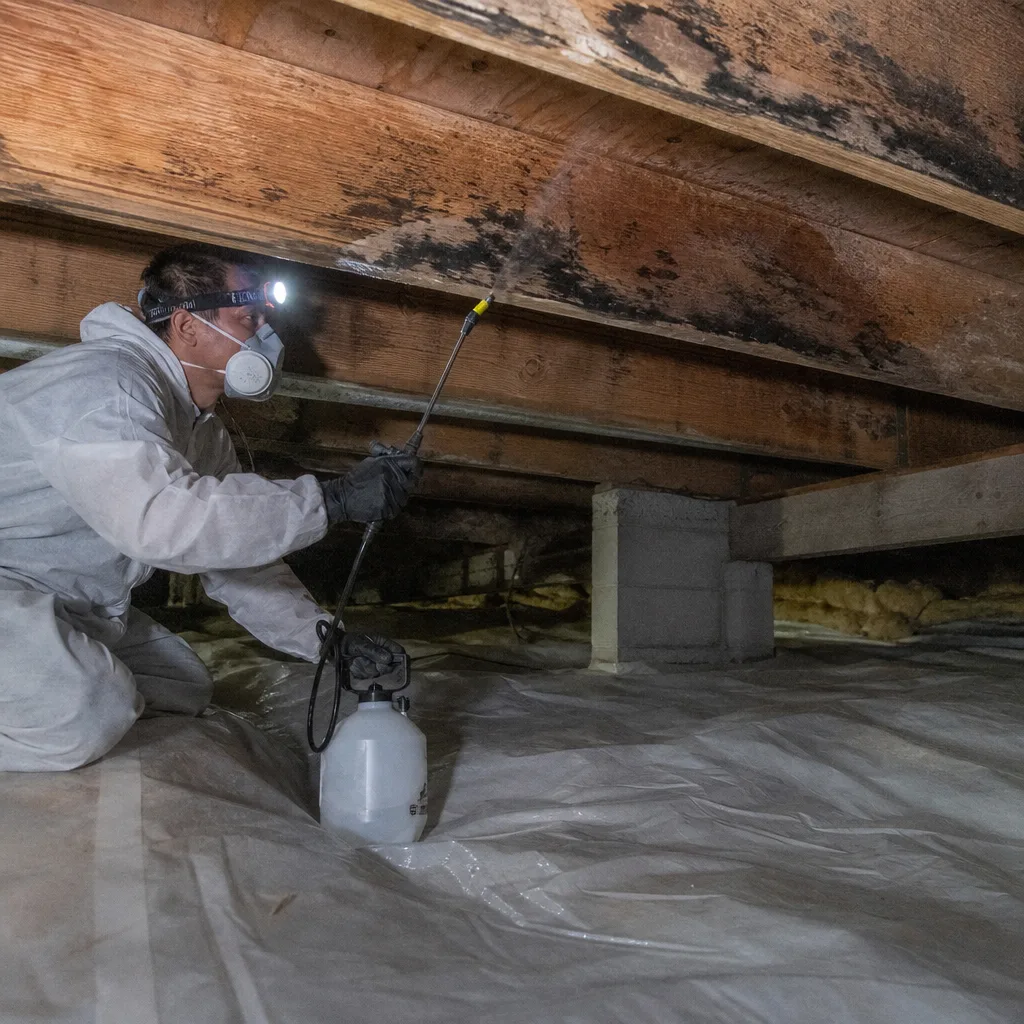
Our founder built Back to Dry Restoration after seeing claims denied for preventable documentation gaps. The same patterns appear in Auburn adjusters’ files year after year. These are not obscure technicalities; they are maintenance failures that a checklist with thresholds would have prevented.
Failed crawl space vapor barrier with no repair record. A homeowner with 18 months of elevated crawl space humidity and visible barrier displacement is presumed to have neglected maintenance. The resulting subfloor rot becomes a maintenance exclusion, not a covered peril. A logged October inspection showing intact barrier, followed by January photos of rodent damage, establishes the sudden nature of the breach.
Continuous bathroom exhaust into attic. Code has required exterior venting for decades, yet many Auburn homes still have fans terminating in attic space. The resulting sheathing rot is routinely denied as faulty maintenance. A baseline photo of the attic showing no stains, followed by current photos of the disconnected duct, proves the condition changed.
Grade slope reversed by landscaping. Homeowners install raised beds or regrade for drainage without maintaining the 6-inch fall in 10 feet. Foundation seepage claims are denied when the grade clearly directs water toward the structure. Annual exterior photos with the foundation visible prevent this dispute.
Water heater supply line beyond service life. Braided stainless hoses carry a printed replacement date or a general 5-year recommendation. A burst hose at year 8, with no replacement record, triggers a maintenance exclusion. The photo of the installation date on the rating plate, in your annual photo set, establishes whether the failure was premature or expected.
Sump pump failure without maintenance record. Sump pumps have 7-10 year average life. A pump that fails during a January storm, with no test record or replacement history, produces a denied claim for water that entered through the foundation drain the pump was supposed to clear. Log the annual float-switch test; note the pump manufacture date from the label.
Missing or failed caulking at exterior penetrations. Window frames, door thresholds, hose bibs, and utility penetrations require intact sealant. Wind-driven rain in Auburn’s winter storms enters through gaps that developed over years. A claim for interior wall damage is denied when the exterior sealant failure is obvious and long-standing. Annual photos of penetration conditions, with close-ups of caulk bead integrity, document your maintenance diligence.
Tools and Equipment for Home Moisture Monitoring
You don’t need professional-grade equipment to maintain a valid baseline. The tools below match what our technicians use for initial assessment, scaled to homeowner budget and frequency of use.
Essential Tools (Under $100 Total)
- Pin-type moisture meter: Delmhorst BD-210 or equivalent, $35-50. Measures moisture content in wood and wood-based materials. Essential for subfloor, studs, and sheathing. Look for model with reference scale for non-wood materials if you plan to check drywall.
- Digital hygrometer/thermometer: AcuRite or SensorPush, $15-25. Leave in crawl space or basement for 48-hour logging. SensorPush models offer Bluetooth data export to spreadsheet.
- Infrared thermometer (non-contact): $20-30. Identifies surface temperature variations that indicate moisture evaporative cooling. A 5-degree differential on a wall surface suggests wet substrate.
Valuable Additions ($100-300)
- Thermal imaging camera (phone attachment): FLIR ONE or Seek Thermal, $200-300. Reveals moisture patterns in walls and ceilings invisible to the eye. Not a moisture meter - it shows temperature differences that correlate with wet areas - but invaluable for tracing leak paths.
- Crawl space dehumidifier: AprilAire or Santa Fe compact unit, $800-1,200 installed. For homes with chronic 70%+ relative humidity despite barrier maintenance. Operating cost in Auburn’s climate is $30-50/month; compare to remediation cost.
Professional-Grade Reference
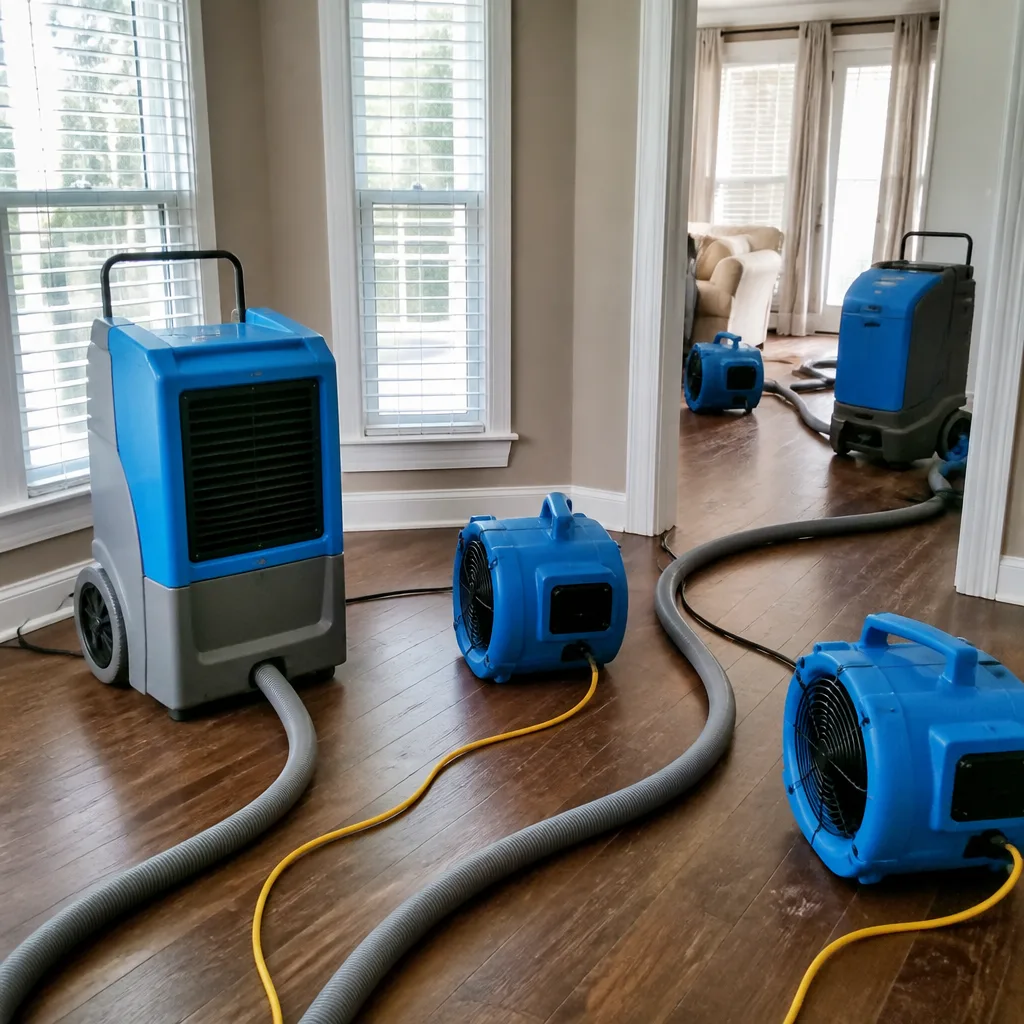
Our crews deploy Dri-Eaz and Phoenix dehumidification systems, Injectidry cavity drying systems, and XPOWER air movers for active restoration. These are not homeowner maintenance tools. But understanding the equipment names matters when evaluating contractor capabilities. A restoration proposal that doesn’t specify dehumidifier capacity (pints per day at AHAM conditions) or air mover count per square foot hasn’t been written to IICRC S500 standards. At DryMark Restoration Auburn, every written scope specifies equipment by model and capacity - Haven Standard, Clause 1 requires the written price to include what produces the result.
When to Call a Professional
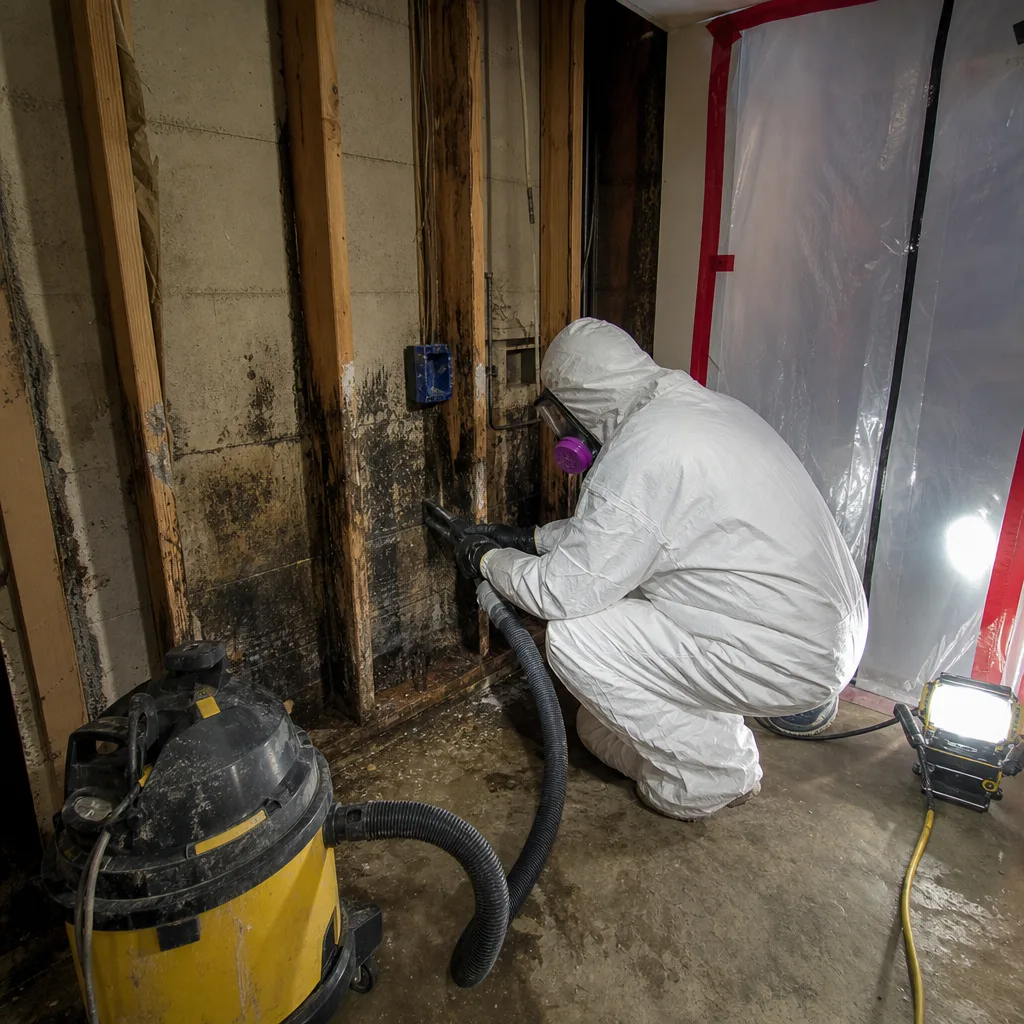
Some conditions exceed homeowner tools and training. Call for professional assessment when:
- Any wood moisture reading exceeds 20% - this indicates active water source, not ambient humidity, and requires source identification and controlled drying.
- Multiple locations show 4%+ elevation above baseline simultaneously - suggests systemic issue (foundation failure, supply line pressure problem, HVAC condensate leak) rather than localized failure.
- You smell musty odor but cannot locate source - mold colonization may be active in concealed cavity with no visible surface growth.
- Water has contacted electrical panel, HVAC equipment, or gas appliances - safety hazard requiring qualified evaluation.
- Any sewage or gray water intrusion - Category 2 or 3 water carries pathogen and chemical hazards; IICRC protocols require professional remediation.
DryMark Restoration Auburn offers free estimates in Auburn - call (253) 487-0371. Every estimate includes a written scope and price before any work begins, documented moisture readings, and a photo record of conditions found. Our 365-Day Done Right Promise under The Haven Standard applies to every job.
Frequently Asked Questions
Most reputable restoration companies in Auburn provide initial moisture assessment at no charge for homeowners, with the understanding that significant findings may lead to a scoped restoration proposal. At DryMark Restoration Auburn, our estimates are always free and include written findings with moisture readings and photo documentation. Call (253) 487-0371 to schedule - estimates are free and carry no obligation.
Mold colonization becomes likely when wood moisture content sustains above 16% for 30 days or when relative humidity remains above 60% in a space with organic material. At 19% wood moisture, common molds including Aspergillus and Penicillium species can colonize within 72-96 hours. However, mold requires spores (ubiquitous in air), temperature between 40-100°F, and a food source - not just moisture. A reading above 16% means conditions are favorable; it doesn’t guarantee active colonization. If you suspect mold, mold remediation in Auburn should include air sampling and surface testing, not just visual inspection.
Insurance covers sudden and accidental water damage, not damage from maintenance neglect. The critical distinction is whether the event was sudden (burst pipe, appliance failure, storm damage) or whether the damage resulted from a condition that developed over time (chronic leak, failed seal, deferred maintenance). Your maintenance log and photo documentation are the evidence that establishes this distinction. Without them, the adjuster’s default assumption often favors the maintenance exclusion. Documented annual inspections shift the burden of proof.
For active water intrusion, speed matters - every hour of delay increases the water migration zone and the scope of affected materials. DryMark Restoration Auburn maintains live phone coverage 24 hours a day, 7 days a week with no voicemail on emergency lines. Our response time for Auburn addresses is typically under 90 minutes for water damage calls. For maintenance concerns that aren’t active emergencies, we schedule assessments within 24-48 hours. Call (253) 487-0371 - if water is actively entering your home, say so and you’ll be routed immediately.
The answer depends on three factors: the water category (clean, gray, or black), the duration of wetness before discovery, and the materials affected. A Category 1 (clean water) leak caught within 24 hours, affecting only vinyl flooring and painted drywall with no insulation contact, may require only extraction and drying. The same leak undiscovered for 72 hours, or affecting carpet over pad, or originating from a dishwasher drain (Category 2), requires more extensive remediation including potential material removal. A professional assessment with moisture mapping and thermal imaging provides the data for this decision. We provide free second opinions on any competitor’s written estimate if you want verification.
A home inspector evaluates visible conditions against standard practice, typically without moisture meters or thermal imaging, and produces a general condition report. A restoration moisture assessment uses calibrated instruments to measure moisture content, maps the extent of water migration, identifies the source, and produces a scoped remediation plan with equipment specifications and drying targets. If you’re buying a home in Auburn, hire a home inspector. If you’ve had water contact or suspect hidden moisture, hire a restoration company for instrumented assessment. The two evaluations serve different purposes and use different tools.
Yes - pre-loss documentation is most valuable precisely when no damage has occurred. After a loss, you’re documenting damage that already exists, which doesn’t establish what was there before. Insurance adjusters, and any contractor working under an assignment of benefits, need to distinguish pre-existing conditions from loss-related damage. Your October baseline photos and moisture log, maintained annually, are the reference that makes this distinction possible. The 30 minutes spent each fall is recovered many times over if a claim ever arises.
The Bottom Line
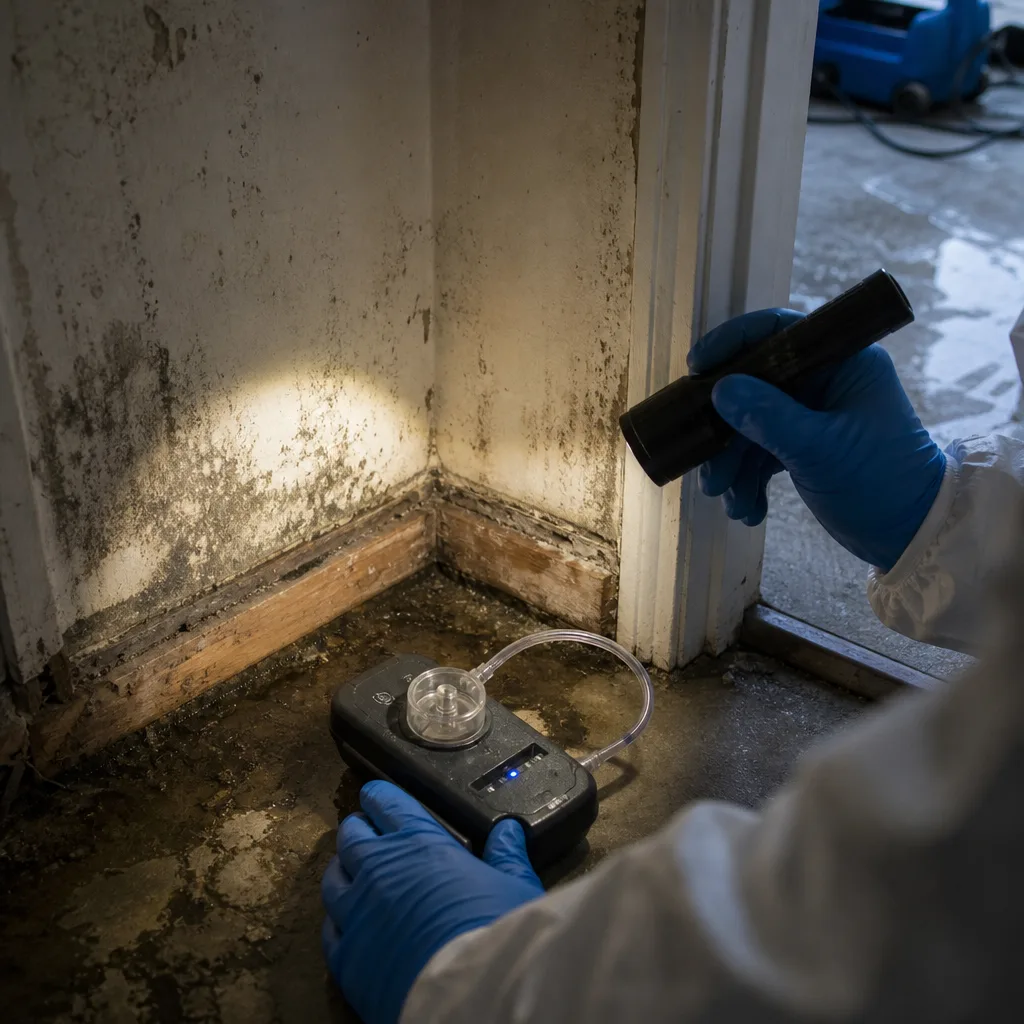
Water damage prevention in Auburn is not a checklist of visual inspections. It’s a system of measured thresholds, seasonal timing, and documented baselines that turn vague maintenance into evidence. The $45 investment in a pin meter and hygrometer, the annual hour spent logging readings and taking photos, and the discipline of comparing January to October rather than guessing “does this feel damp” - these are the practices that prevent the emergency call and protect the claim if the emergency happens anyway. Explore more guides & resources to stay prepared. The homeowners who fare best in our 12,000+ restorations are the ones who measured before we arrived, not the ones who wish they had.
Written by Alicia Brennan, Owner at DryMark Restoration Auburn, serving Auburn since 2011.