
Free visual inspection and a written scope of work before any mitigation begins - photos, moisture readings, and drying logs go in your claim file
The scope we write is the scope we bill. Anything new gets shown to you, in writing, before we touch it.

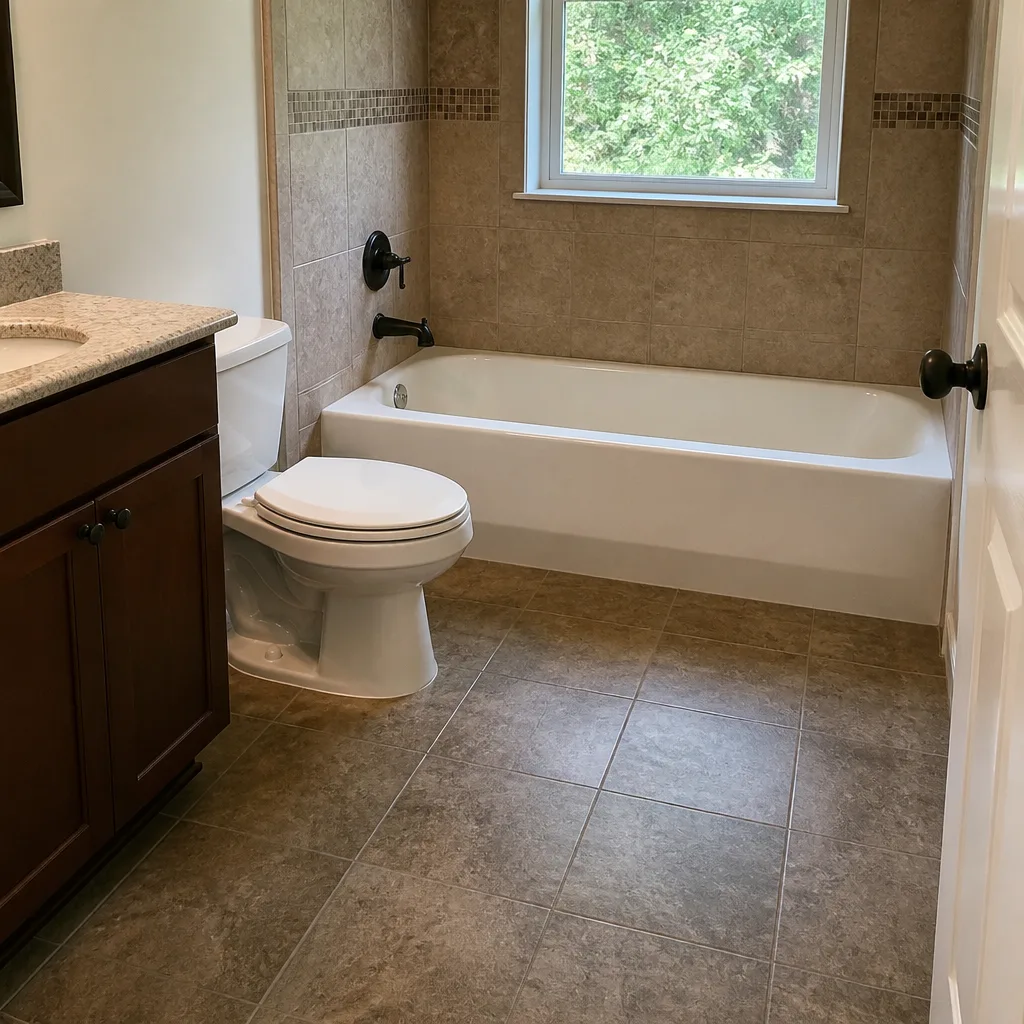
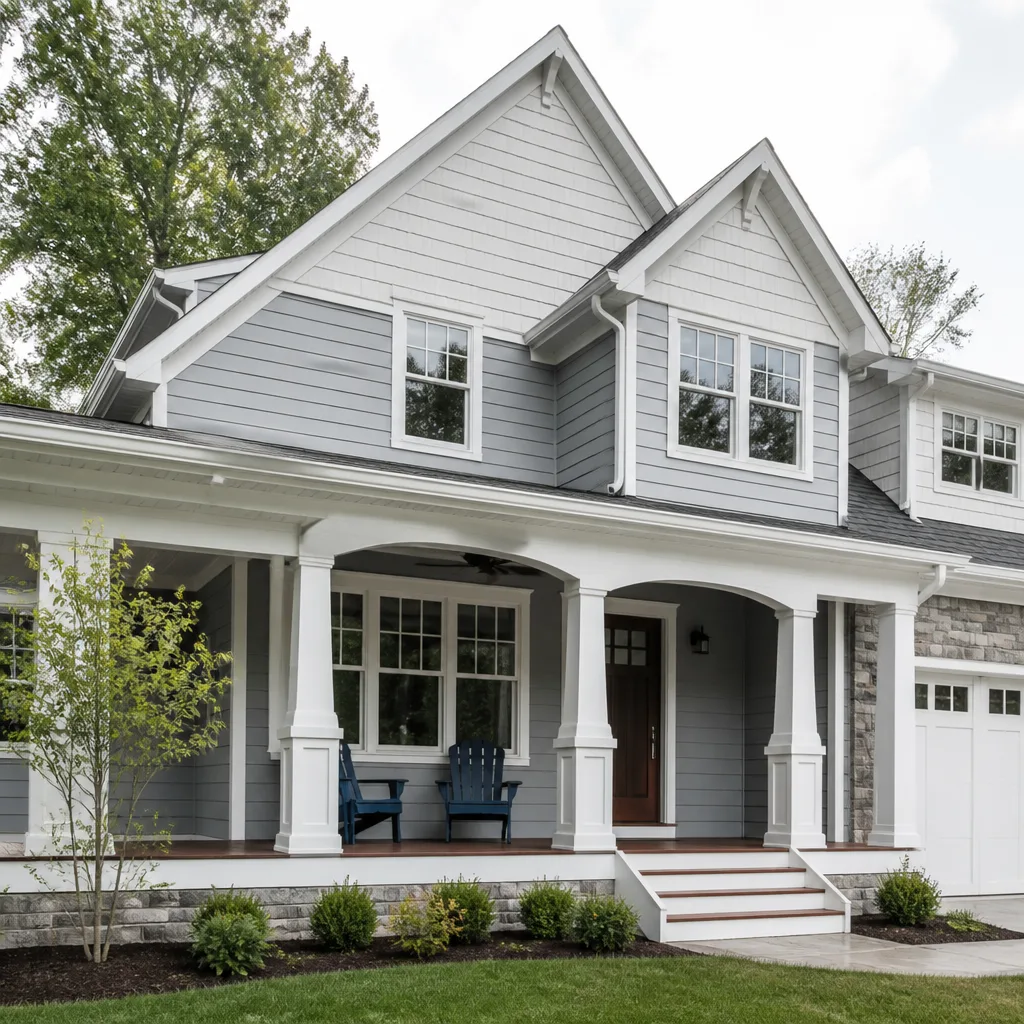
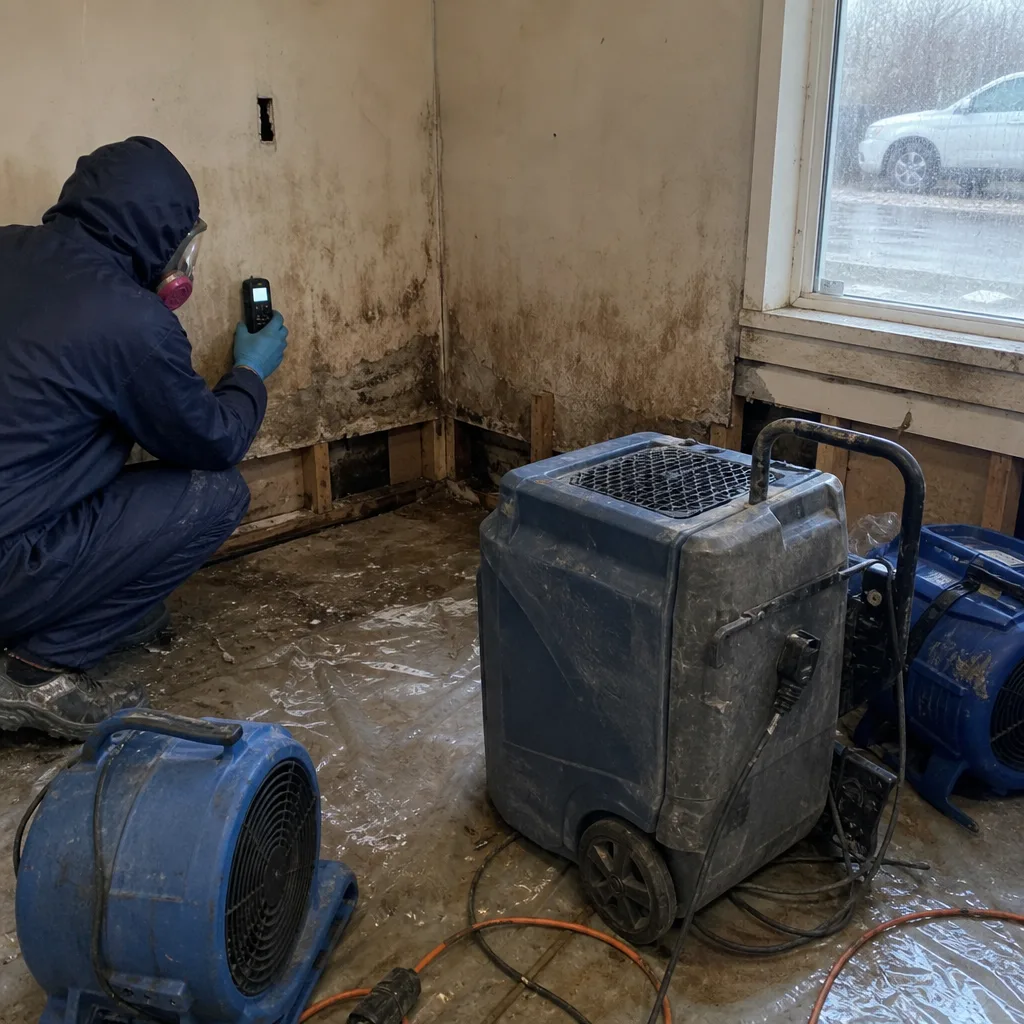 Before
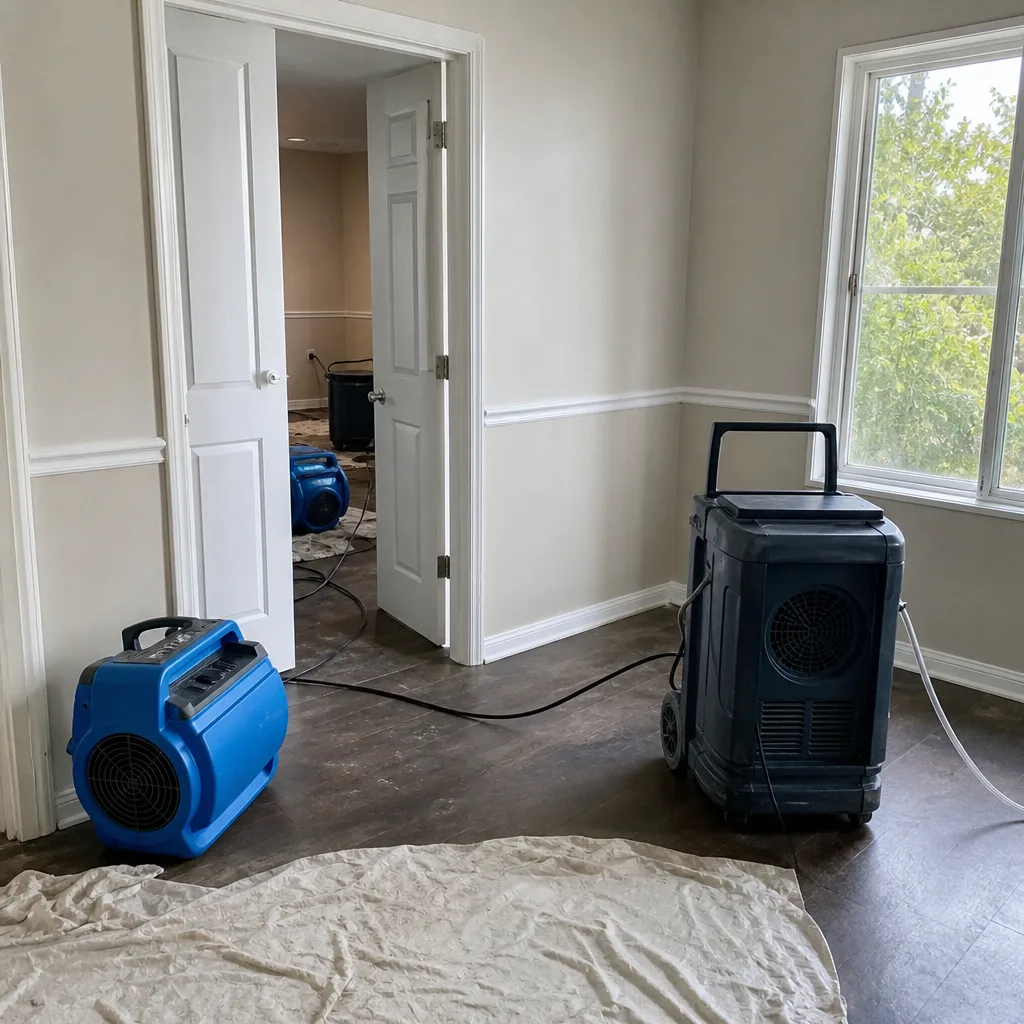 After
After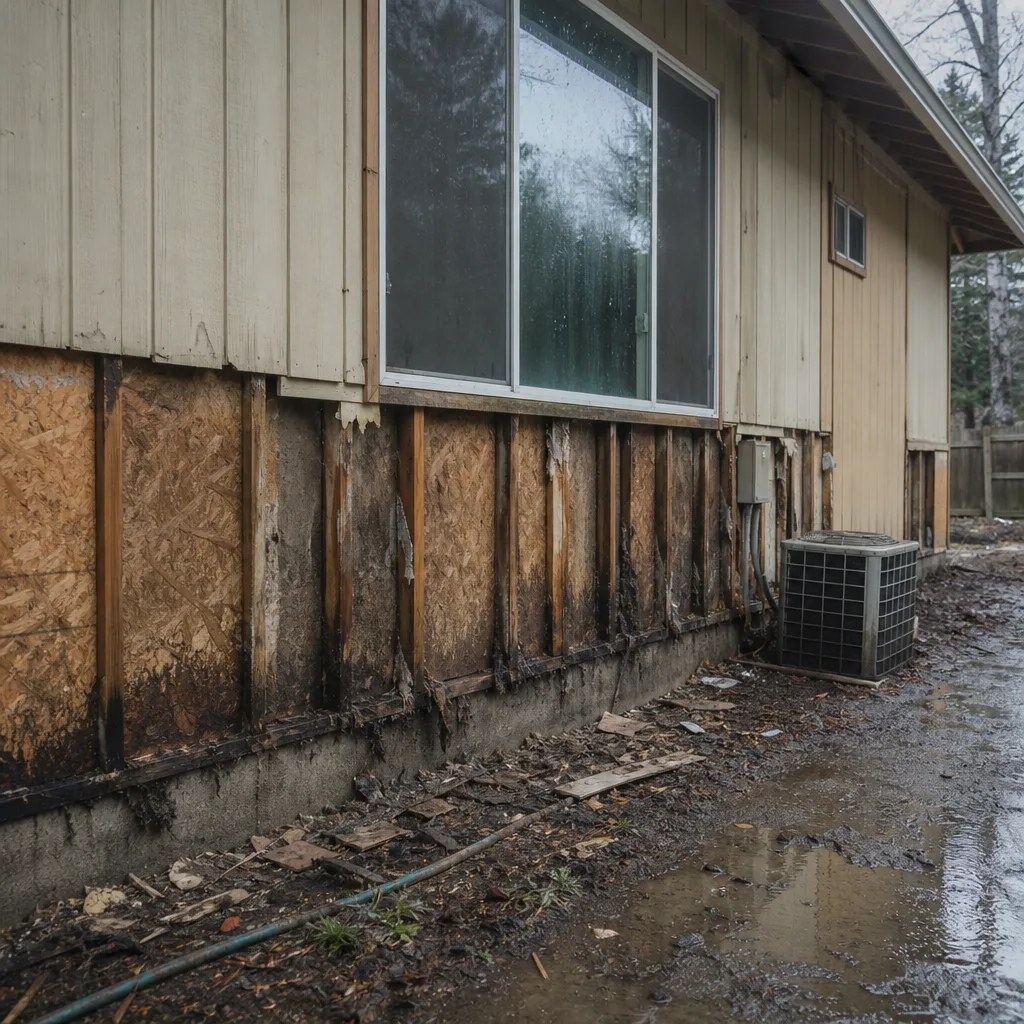 Before
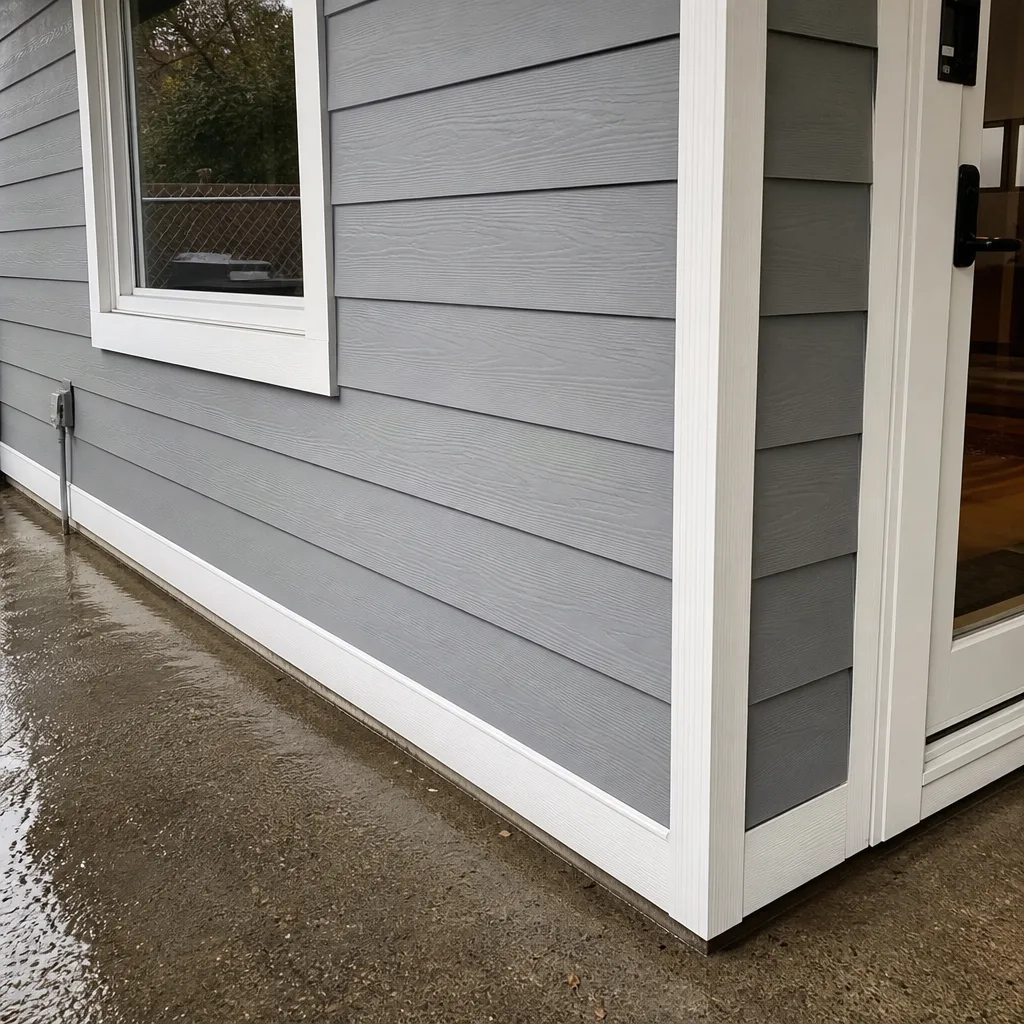 After
After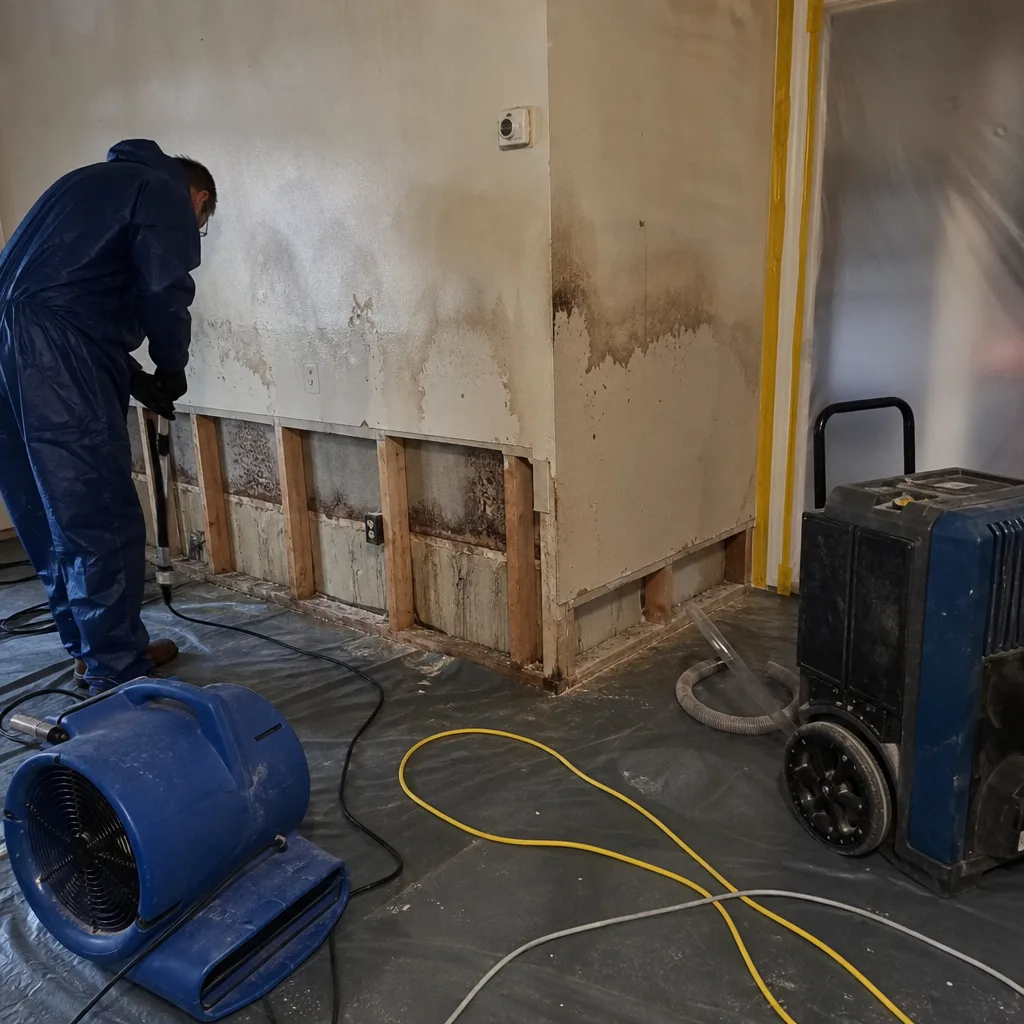 Before
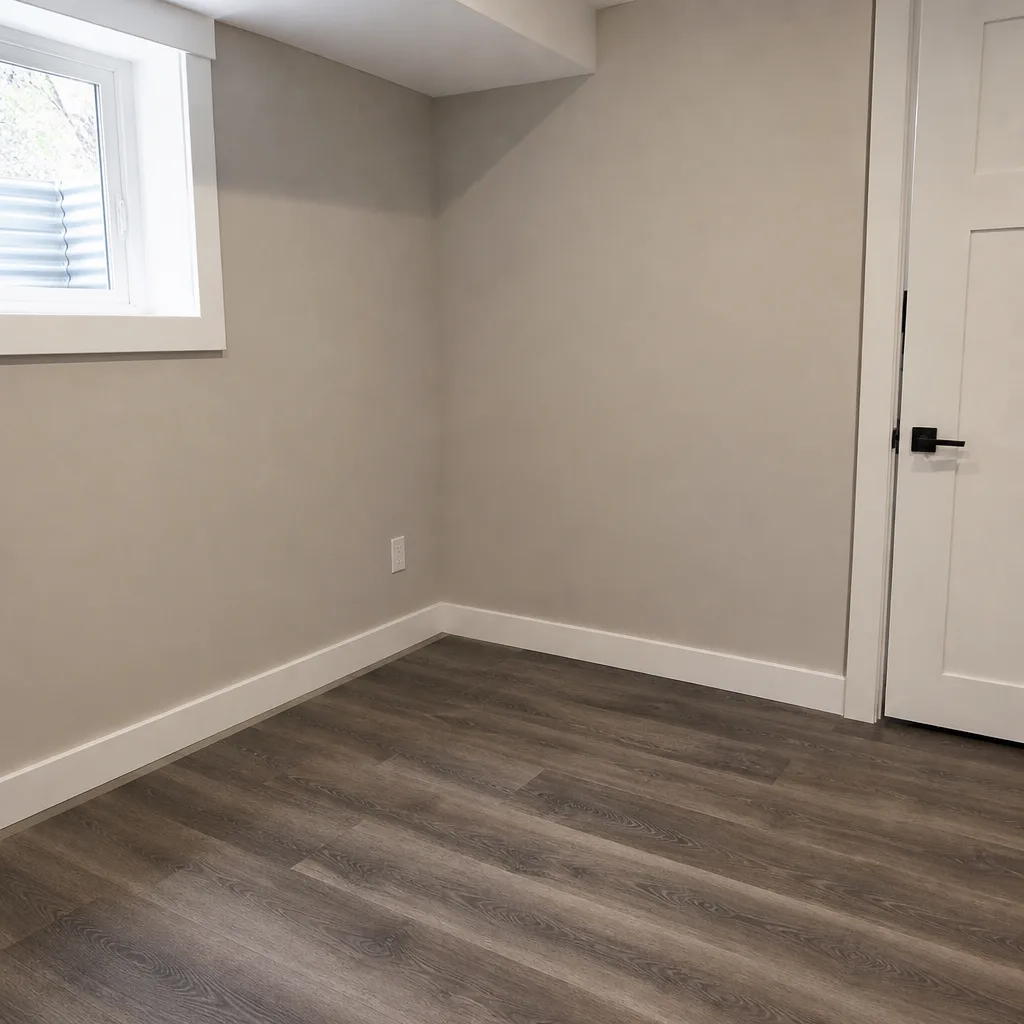 After
After24/7 Emergency Water Damage Restoration in Lakewood
Water damage restoration in Lakewood typically runs $2,800-$6,500 for a standard residential dry-out, with emergency extraction starting around $450 and full Category 3 remediation reaching $8,000-$15,000 when mold abatement is required. Our crews answer live at (253) 487-0371 every hour of every day, no voicemail, and we’re usually on-site in Lakewood within 45 minutes of your call. The first hour is where the money is saved or lost - water that sits past six hours begins wicking into drywall and subfloors, and after 24 hours you’re looking at microbial growth that changes the entire scope. We dispatch from our Seattle office with equipment staged for Lakewood’s specific building stock: older ranch homes with crawl spaces, lake-area properties on slab perimeters, and the rental conversions near JBLM that too often hide damage for years.
Understanding Water Damage Restoration Severity in Lakewood Properties
Water damage is classified by contamination level, and in Lakewood the distinction matters more than most places. Category 1 water - a burst supply line, an overflowing sink - is clean and the simplest to mitigate. Category 2 carries significant contamination: dishwasher discharge, sump pump failures, water that has passed through building materials. Category 3 is grossly contaminated - sewage, groundwater intrusion, or any water that has sat long enough to support bacterial and fungal growth. Here’s where Lakewood’s housing market creates a trap: a leak in a Tillicum rental’s crawl space that goes unreported for a full PCS cycle is almost certainly Category 3 by the time anyone calls, regardless of how “clean” the original source was. Our moisture mapping with thermal imaging and calibrated hygrometers tells us the real classification, not the apparent one. We document psychrometric data - temperature, relative humidity, vapor pressure differential - to prove to your insurer what category they’re actually paying for. The 1950s-1970s ranch homes that dominate Lakewood’s civilian stock present additional complexity: original galvanized supply lines fail catastrophically, and pre-1980 construction materials including floor tile, pipe insulation, and joint compound require asbestos testing before mitigation can proceed under Washington State Department of Labor & Industries regulations.
Why Lakewood Property Owners Choose DryMark Restoration Auburn
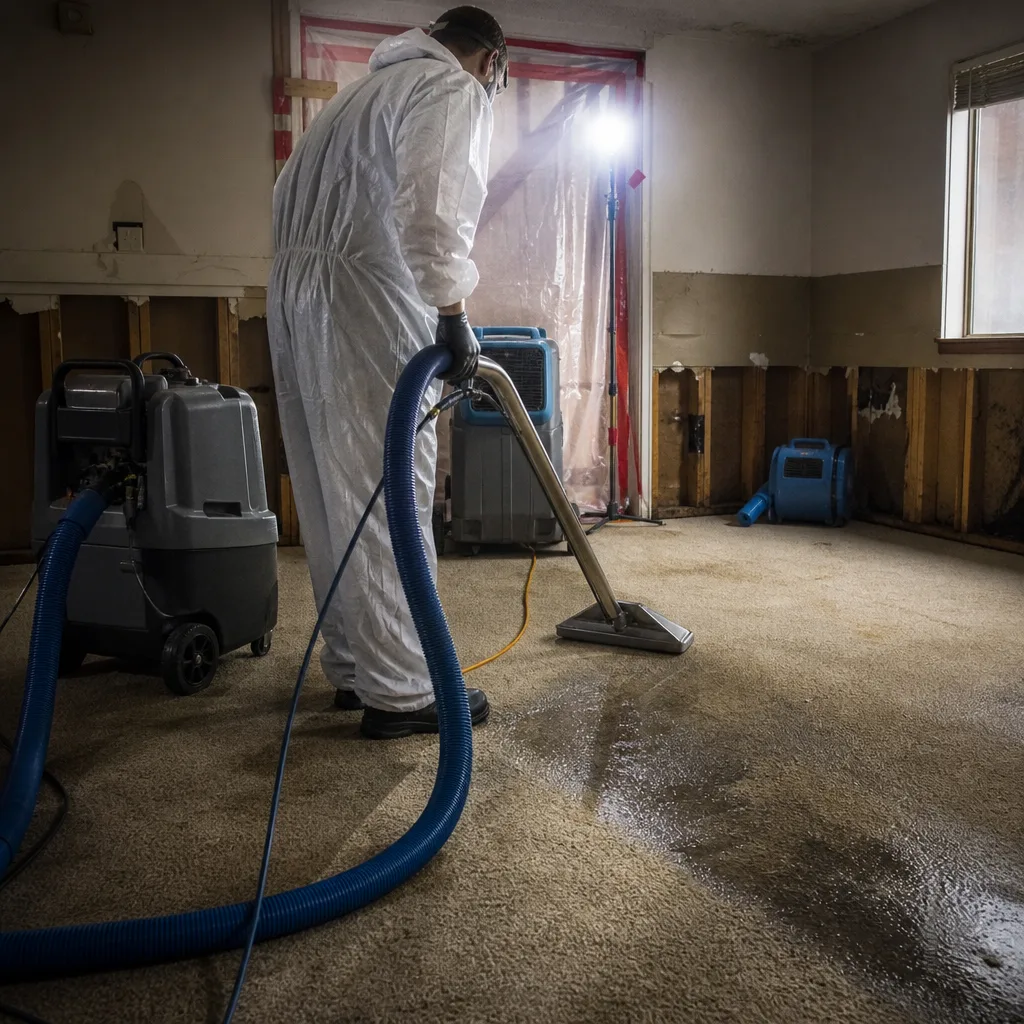
- 45-minute response commitment to Lakewood addresses - we keep equipment staged for the I-5 corridor and know the back routes around JBLM gate traffic.
- 24/7 live answer by a real person, never an automated system or callback queue; the phone is picked up by someone who can dispatch while you’re still describing the loss.
- IICRC-certified crews holding WRT (Water Damage Restoration Technician), FSRT (Fire & Smoke Restoration Technician), and AMRT (Applied Microbial Remediation Technician) credentials - license numbers provided on request.
- Free visual inspection with moisture readings and a preliminary classification before any commitment or charge.
- Direct insurance billing with photo-documented estimates formatted to your carrier’s standard - we speak adjuster because our founder was one.
- One team from extraction through reconstruction - no handoffs between mitigation and rebuild contractors, no gaps in documentation.
BeforeAfterOur Water Damage Restoration Process
1. Inspection & Assessment
We arrive with thermal imaging cameras, penetrating and non-penetrating moisture meters, and hygrometers to map the full extent of water migration - not just what’s visible. In Lakewood’s older ranch homes, we pay particular attention to rim joists and sill plates where crawl space moisture wicks upward undetected. Every reading is logged with a timestamp and photo.
2. Water Extraction & Stabilization
Standing water is removed with truck-mounted extraction systems and weighted water claws for carpeted areas. For Lakewood’s lake-area slab homes with perimeter seepage, we deploy submersible pumps and establish drainage pathways before water reaches interior finishes. Containment barriers isolate affected zones to prevent cross-contamination.
3. Structural Drying & Dehumidification
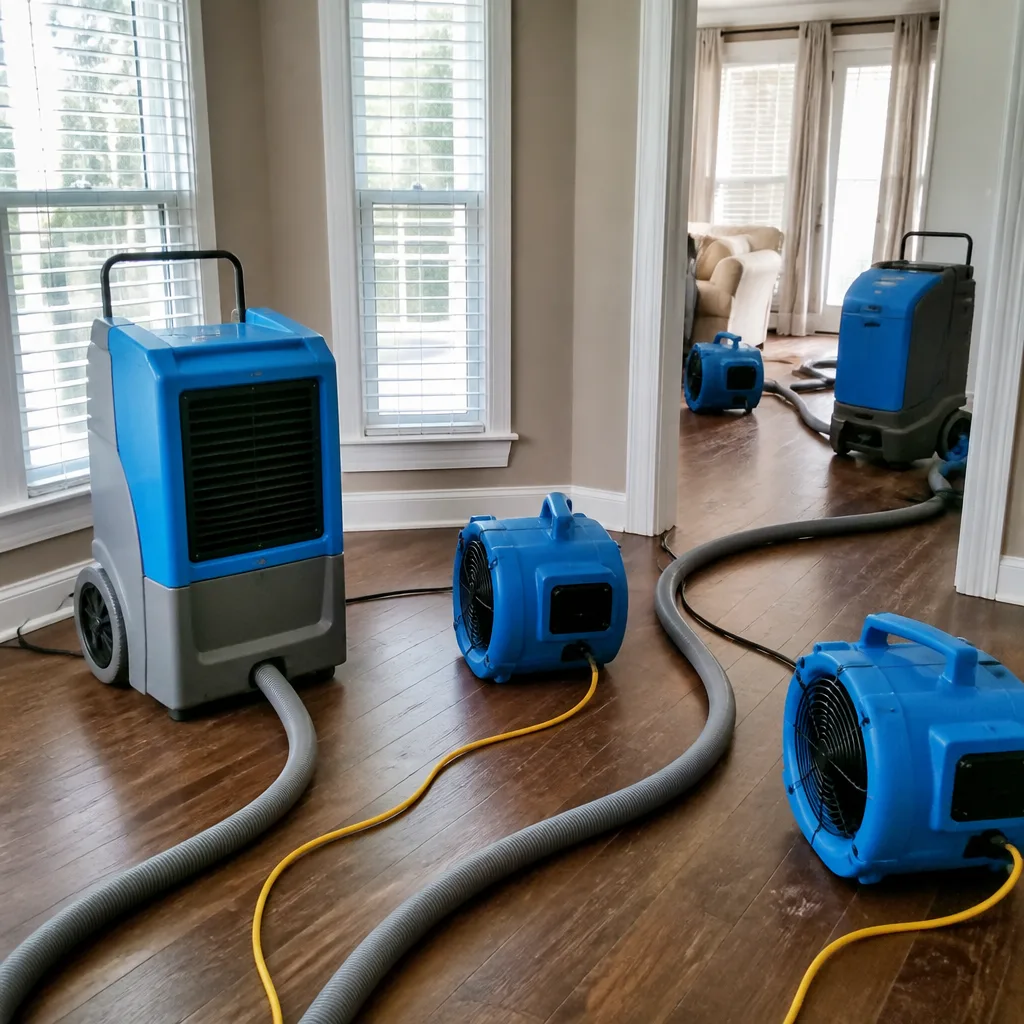
We position air movers to create controlled airflow across wet surfaces, paired with low-grain refrigerant dehumidifiers from Phoenix and Dri-Eaz to pull moisture from the air and materials. In Lakewood’s perpetually damp crawl spaces, we calculate vapor pressure differential to determine when the structure has reached equilibrium, not just when it feels dry.
4. Cleaning & Sanitization
All affected surfaces receive antimicrobial treatment appropriate to the water category. Category 3 losses in Lakewood’s long-neglected rentals require full contamination protocol: HEPA vacuuming, EPA-registered disinfectants, and often removal of porous materials that cannot be sanitized in place.
5. Asbestos Abatement Coordination
Pre-1980 Lakewood homes frequently test positive for asbestos in floor tile, pipe insulation, or joint compound. We coordinate certified abatement contractors and document the chain of custody so your insurer understands why mitigation was paused and what was required to resume safely.
6. Repairs & Restoration
Our reconstruction team replaces removed materials to pre-loss condition, matching finishes and documenting every line item. The 365-Day Done Right Promise under The Haven Standard means if anything fails - a seam opens, a paint line ghosts, a subfloor squeaks - we return and make it right at no charge.
Need Emergency Water Damage Restoration in Lakewood Now?
Crews minutes away, answering live 24 hours a day. The sooner we start, the less it costs.
Working With Your Insurance Company
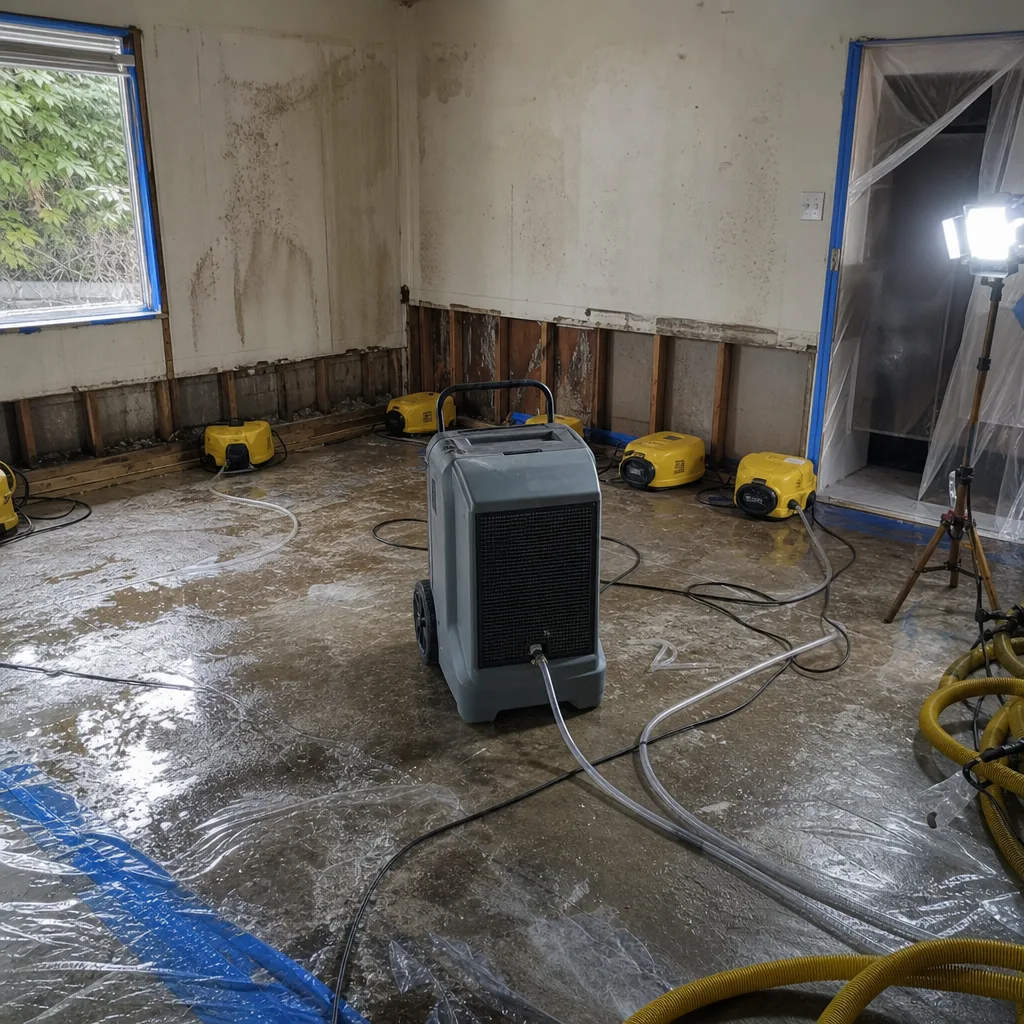
We built our documentation system around what adjusters actually need to pay a claim without dispute. From the first hour on your Lakewood property, we’re creating a file that speaks their language: dated photos with moisture readings, room-by-room condition reports, and a written scope with line-item pricing before any work begins. Haven Standard, Clause 1 requires this. We submit directly to your carrier, coordinate field inspections, and handle supplement requests when hidden damage extends the scope. Our founder spent years on the adjuster side of the desk and structured every process around the documentation gap that kills homeowner claims.
What We Provide Your Insurer
- Thorough documentation of the loss with cause-and-origin analysis
- Photos of all damage, room by room, with moisture meter readings visible in frame
- Daily moisture logs and psychrometric data proving drying progress to IICRC standards
- A detailed, line-item scope of work with unit pricing and material specifications
- Direct coordination with your carrier’s adjuster, including field meetings on request
Built for Lakewood’s Loss Calendar
Lakewood’s water damage season runs October through May, when the marine layer settles in and rainfall averages 4-5 inches monthly. The real driver isn’t dramatic flooding - it’s the persistent drizzle that keeps soil saturated and crawl space humidity above 70% for weeks at a stretch. By February, rim joists in unventilated crawl spaces have absorbed enough moisture to support mold growth even without an active leak. Spring brings the thaw and the first irrigation system failures: homeowners in the Lakeview and Oakbrook neighborhoods restart systems with cracked manifold valves or split hose bibs that ran over winter. Summer’s brief dry period is when we handle the backlog of deferred maintenance calls - the leak that “wasn’t that bad” in March but has now compromised a subfloor. September’s early rains catch the unprepared: gutters that weren’t cleared, downspouts that separated from foundation drains, and the first surge of groundwater into American Lake and Gravelly Lake perimeter slabs. Year-round, JBLM-area rental turnovers spike in June and December - PCS season - when property managers discover water damage that tenants never reported.
Water Damage Restoration Across Lakewood’s Neighborhoods
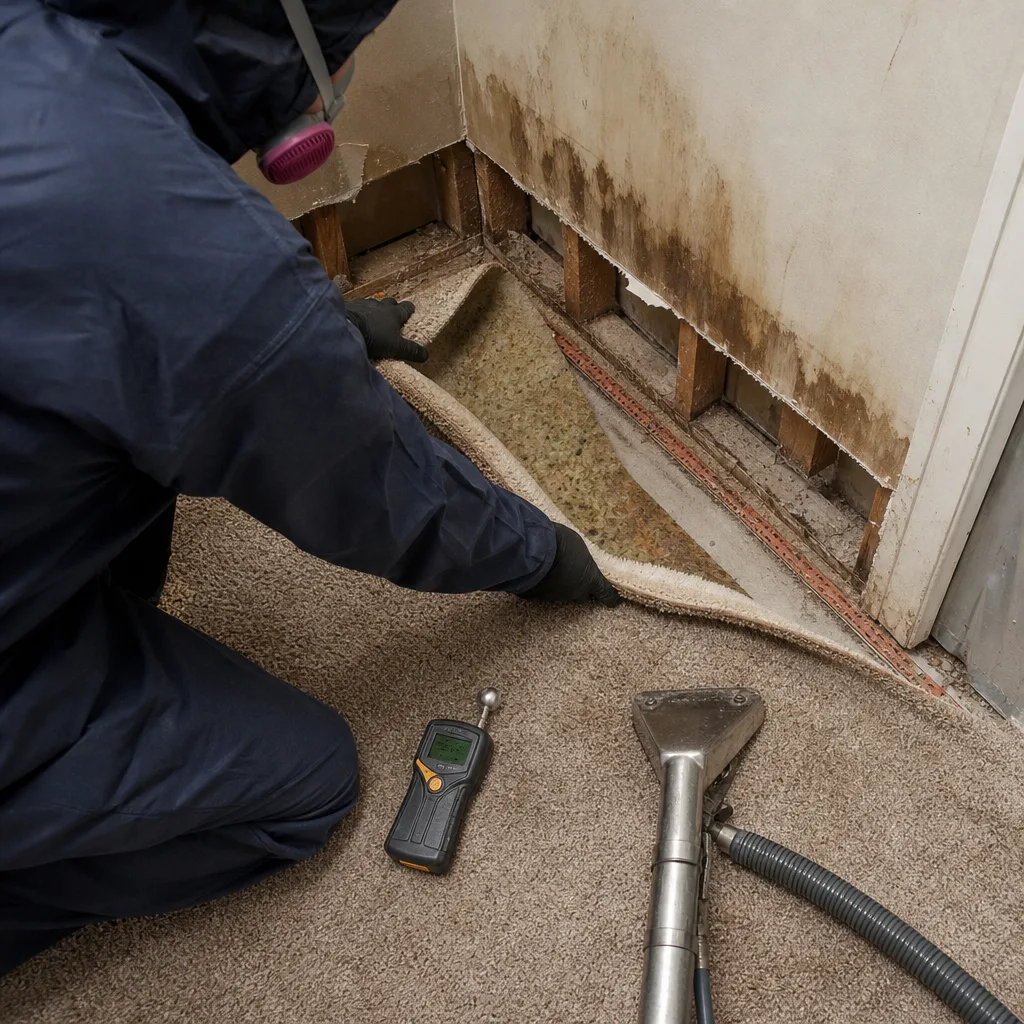
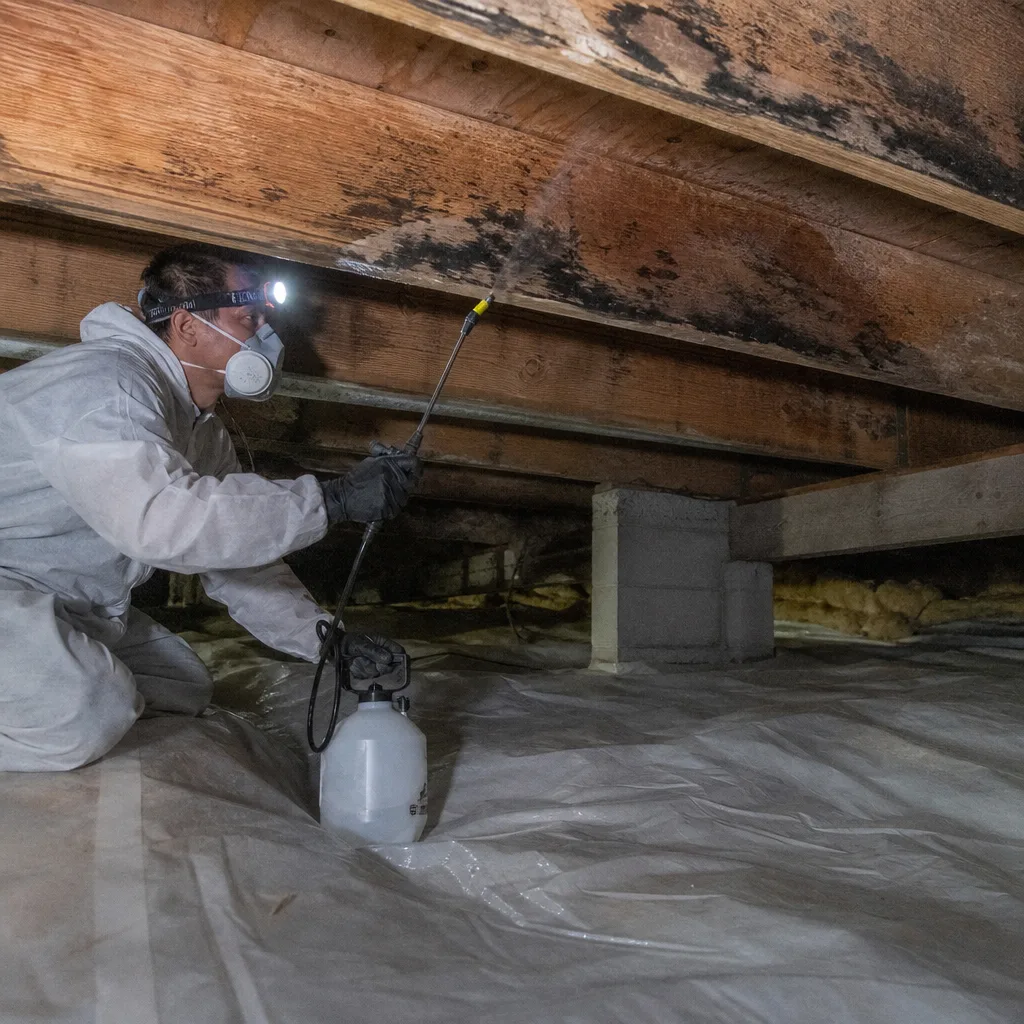
In Tillicum and Woodbrook, immediately outside the JBLM gates, we respond to calls that almost always involve crawl spaces left unchecked for full PCS cycles. The vapor barrier comes back to reveal saturated framing and colonies that have been growing since the last tenant moved in. We got a call from a property manager for a 1962 ranch on Gravelly Lake Drive where the outgoing tenant had never mentioned the seeping rim joist; when our tech pulled the vapor barrier in the crawl space, the moisture mapping showed saturated framing and visible mold across a 20-foot run that had clearly been wet for two PCS cycles. We set containment, ran antimicrobial treatment on the joists, positioned XPOWER air movers and a Phoenix dehumidifier to dry the structure, and logged daily moisture readings so the out-of-state owner could see pre-loss condition documented before any rebuild. The landlord’s comment on the drying logs was that no one had ever shown him photos of his own crawl space before.
Gravelly Lake and American Lake properties sit on glacial outwash with seasonal water tables that rise to slab level from November through April. Homeowners here often call us for “a one-time leak” that is actually annual groundwater intrusion. We install perimeter drainage and sump systems as part of our reconstruction scope, not just dry the structure and leave the underlying condition unaddressed.
The Lakeview corridor along Bridgeport Way and the Oakbrook area near Steilacoom Lake see a different pattern: 1960s-1970s ranches with original galvanized supply lines that fail at the slab penetration, flooding finished basements that were never designed as conditioned spaces. The water is Category 1 at first, but by the time it saturates basement carpet and pad, it’s Category 2 and the entire finished area requires removal.
Downtown Lakewood and the Tillicum commercial strips present their own challenges: mixed-use buildings with residential above retail, where a failed water heater on the second floor affects multiple tenants and requires coordinated access and documentation for multiple insurance carriers.
Specialized Water Damage Restoration Services We Offer in Lakewood
Emergency Water Extraction
Standing water begins destroying structural materials within hours. Our truck-mounted extraction systems remove thousands of gallons per hour from Lakewood properties, with weighted extraction tools for carpet and pad. For lake-area homes with perimeter flooding, we deploy gas-powered submersible pumps before the water reaches interior finishes. Every extraction is photo-documented with water-line markings for your insurer.
Structural Drying & Dehumidification
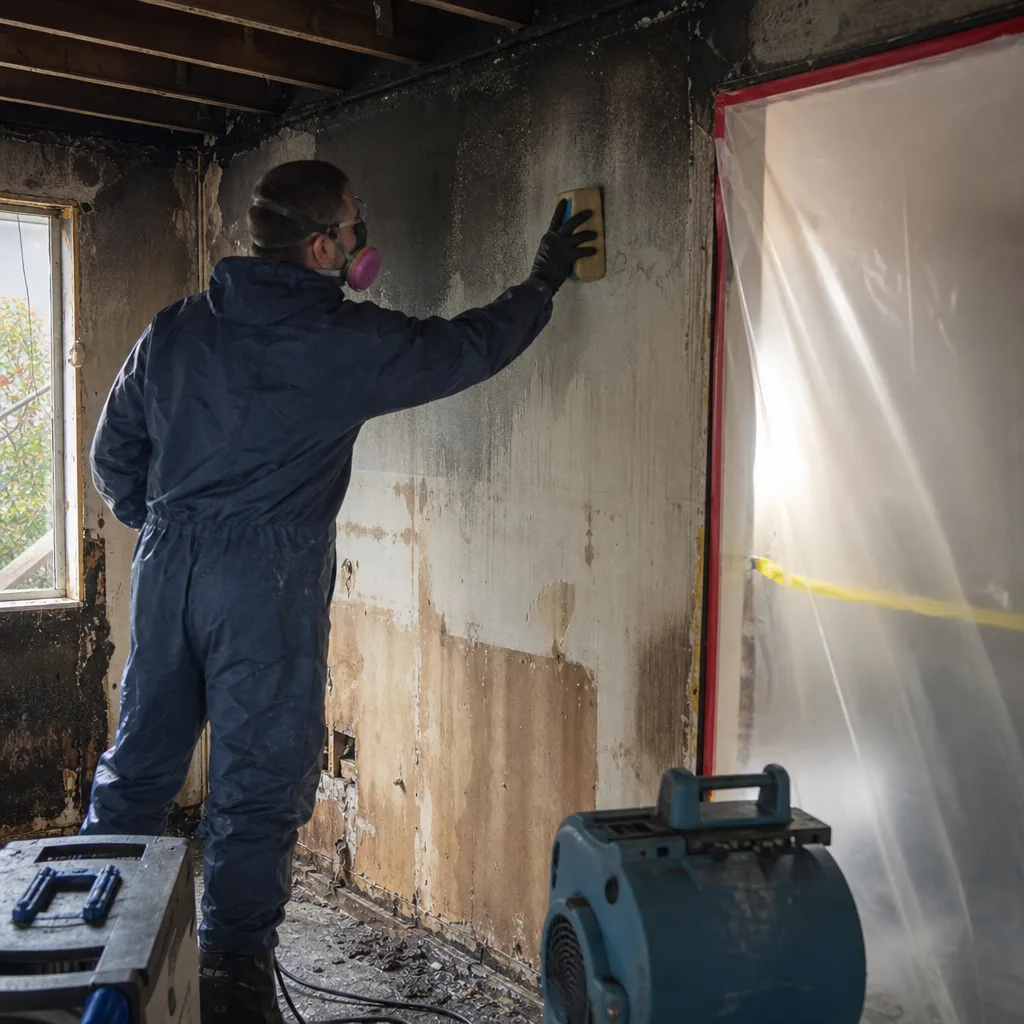
Drying a Lakewood crawl space or basement requires equipment matched to the space and the season. We deploy Phoenix LGR dehumidifiers and XPOWER air movers sized to the cubic footage, then log daily moisture readings until the structure reaches equilibrium. In Lakewood’s marine climate, “dry” means a specific moisture content percentage in the wood, not a subjective feeling - we document the number and the standard.
Flood Cleanup
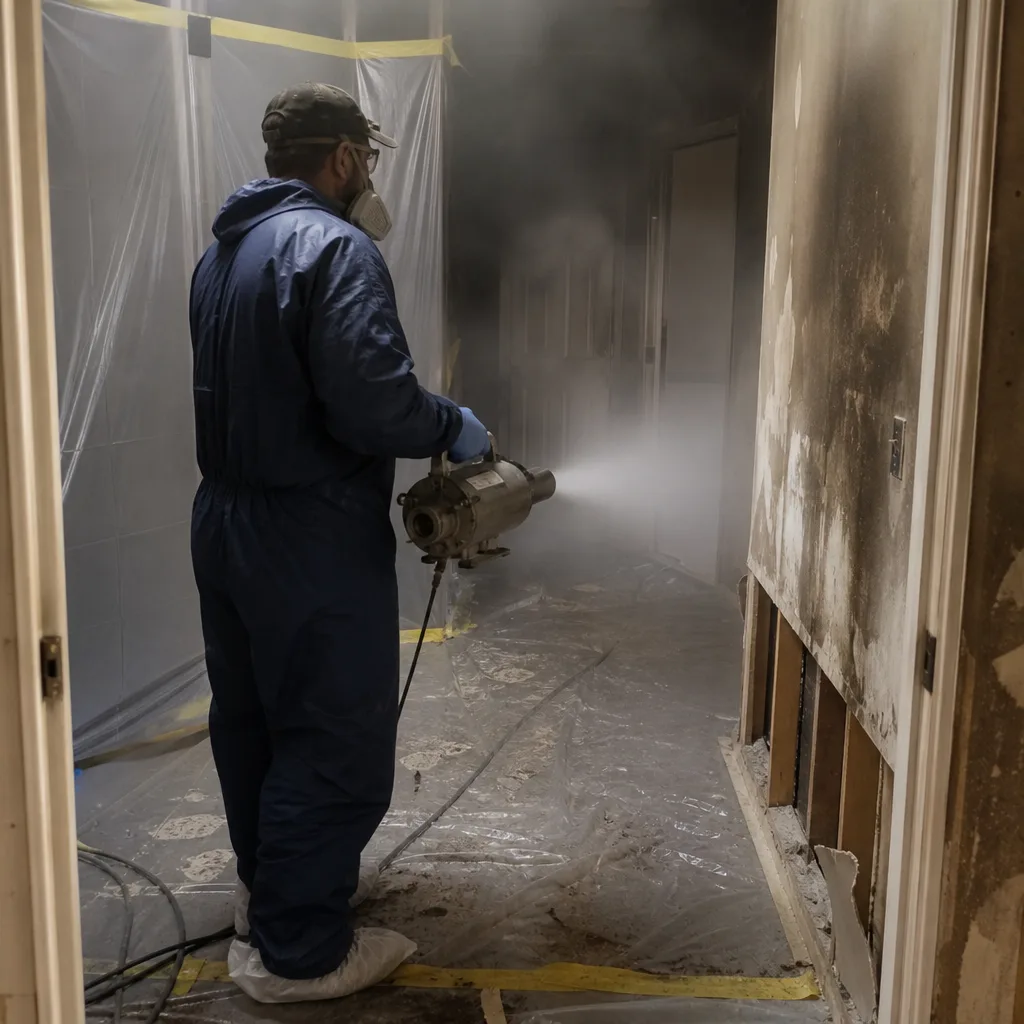
Flood events in Lakewood’s lake neighborhoods often involve groundwater intrusion with soil contamination. We treat these as Category 3 losses from the start: full personal protective equipment, HEPA containment, removal of porous materials, and antimicrobial treatment of all remaining structural elements. The documentation package includes chain-of-custody for any materials requiring hazardous waste disposal.
Burst Pipe Restoration
Lakewood’s older ranch homes with galvanized supply lines experience catastrophic failures at slab penetrations and behind walls. We locate the break with thermal imaging and acoustic detection, extract standing water, dry affected cavities with Injectidry specialty drying systems, and coordinate plumbing repair before reconstruction begins.
Basement Water Removal
Finished basements in Lakeview and Oakbrook were often converted from original crawl spaces or slab utility areas without proper moisture barriers. When these flood, we remove compromised finishes to expose the structure, dry with directed airflow systems, and rebuild with moisture-resistant materials and proper drainage where the original construction lacked it.
What happens when you call
- 1
A real person answersNo phone trees - you reach a local pro.
- 2
You get an upfront price rangeHonest numbers before anyone is dispatched.
- 3
A background-checked tech heads outLicensed & insured, dispatched right away.
- 4
You approve before work beginsNothing starts until you say go.
Water Damage Restoration Costs in Lakewood, WA
Here’s what we see in the Lakewood market, based on jobs we’ve scoped and completed:
| Service | Typical Range |
|---|---|
| Emergency water extraction (up to 1,000 sq ft) | $450-$950 |
| Standard residential dry-out (Category 1-2, 1,500 sq ft) | $2,800-$5,200 |
| Category 3 remediation with mold abatement | $8,000-$15,000 |
| Crawl space drying and antimicrobial treatment | $3,500-$7,500 |
| Asbestos abatement coordination (when required) | $1,200-$4,800 additional |
| Basement reconstruction after flooding | $6,500-$18,000 |
What moves the price: water category, square footage affected, whether materials must be removed rather than dried in place, asbestos testing results, and whether mold remediation is required. Insurance typically covers sudden and accidental water damage; gradual leaks and maintenance issues are usually excluded. We provide a written price before any work begins, Haven Standard, Clause 1, and offer a Free Second Opinion on any competitor’s written estimate. Call (253) 487-0371 for an exact quote - estimates are free.
We Also Serve Cities Near Lakewood
Our crews respond throughout the south Puget Sound region, including Lakewood and neighboring Tacoma to the north, Puyallup to the northeast, Milton to the east, and Federal Way to the north along I-5. Dispatch and scheduling are coordinated from our Seattle office with equipment staged for rapid response across the entire service area.
Serving Lakewood, WA - Our Local Coverage Area
We’re based in the Lakewood area and know this community well. Use the map below to see our service coverage - if you’re nearby, we can almost certainly help.
Lakewood Water Damage Restoration Questions, Answered
How fast can DryMark Restoration Auburn get to my Lakewood home?
We typically arrive within 45 minutes of your call, with crews staged for the I-5 corridor and local knowledge of JBLM gate traffic patterns that affect Tillicum and Woodbrook response routes. Call (253) 487-0371 and we’ll give you a firm ETA based on current location.
Why does water damage in Lakewood’s Tillicum neighborhood so often turn into a mold job?
The military rental market means properties sit between PCS cycles with no tenant present to report leaks, and out-of-state landlords rarely inspect. By the time the next tenant calls, water that started as Category 1 has sat in a crawl space for 24-plus months, becoming Category 3 with established mold colonies that require full abatement. We test and classify before assuming any water is clean.
Do Lakewood’s older ranch homes near Gravelly Lake need asbestos testing before water mitigation?
Yes, if built before 1980. The 1950s-1970s housing stock in this area commonly contains asbestos in floor tile, pipe insulation, and joint compound. Washington State regulations require testing before disturbance, and we coordinate certified abatement contractors when positive. Skipping this step can halt your insurance claim and create liability.
Is a wet crawl space near American Lake a one-time problem or a recurring one?
Recurring, in most cases. The glacial soils and elevated seasonal water table in lake neighborhoods push groundwater into crawl spaces and slab perimeters every wet season. We address the immediate water damage and can design perimeter drainage and sump systems as part of reconstruction to break the annual cycle. Call (253) 487-0371 to discuss both the emergency and the long-term fix.
How does the JBLM rental market change how you scope a Lakewood water damage job?
We assume the damage timeline is unknown and test accordingly. Moisture mapping and thermal imaging reveal how long materials have been wet, which determines water category and whether mold abatement is required. We document everything for out-of-state landlords and their insurers, who need photo evidence they’ve never had before.
What’s involved in drying a Lakewood crawl space after a burst pipe?
We remove the vapor barrier to assess the full extent, set containment if mold is present, treat structural framing with antimicrobial agents, and position specialized drying equipment - low-profile air movers and LGR dehumidifiers - to direct airflow across joists and subfloor. Daily moisture readings are logged until wood moisture content reaches the dry standard, typically 12-15% in this climate.
Will my insurance cover water damage restoration in Lakewood?
Sudden and accidental water damage - burst pipes, appliance failures, storm intrusion - is typically covered under standard homeowner policies. Gradual leaks, maintenance issues, and groundwater flooding usually are not. We document cause and origin from the first hour, format estimates to carrier standards, and coordinate directly with your adjuster. Call (253) 487-0371 and we’ll review your situation.
Can my family stay in the home during water damage restoration?
For Category 1 and most Category 2 losses, yes, with containment isolating the work area. Category 3 losses, or any job with active mold abatement, require temporary relocation for health and safety. We tell you which category we’re dealing with before work starts, not after, so you can plan accordingly.
When water moves through your Lakewood property, the documentation you create in the first 24 hours determines whether your insurer pays the full claim or disputes half the scope. Our Water Damage Restoration team builds that documentation from arrival - moisture readings, photo records, written scopes, and daily drying logs that turn restoration invoices into payable claims. Every job is quoted in writing before work begins under Haven Standard, Clause 1, backed by the 365-Day Done Right Promise, and handled by background-checked, uniformed technicians whose credentials we provide on request. Live answer, 24 hours a day, at (253) 487-0371.
Written by Alicia Brennan, Owner at DryMark Restoration Auburn, serving Lakewood since 2011.
Water Damage Restoration in Nearby Areas