
Free visual inspection and a written scope of work before any mitigation begins - photos, moisture readings, and drying logs go in your claim file
The scope we write is the scope we bill. Anything new gets shown to you, in writing, before we touch it.
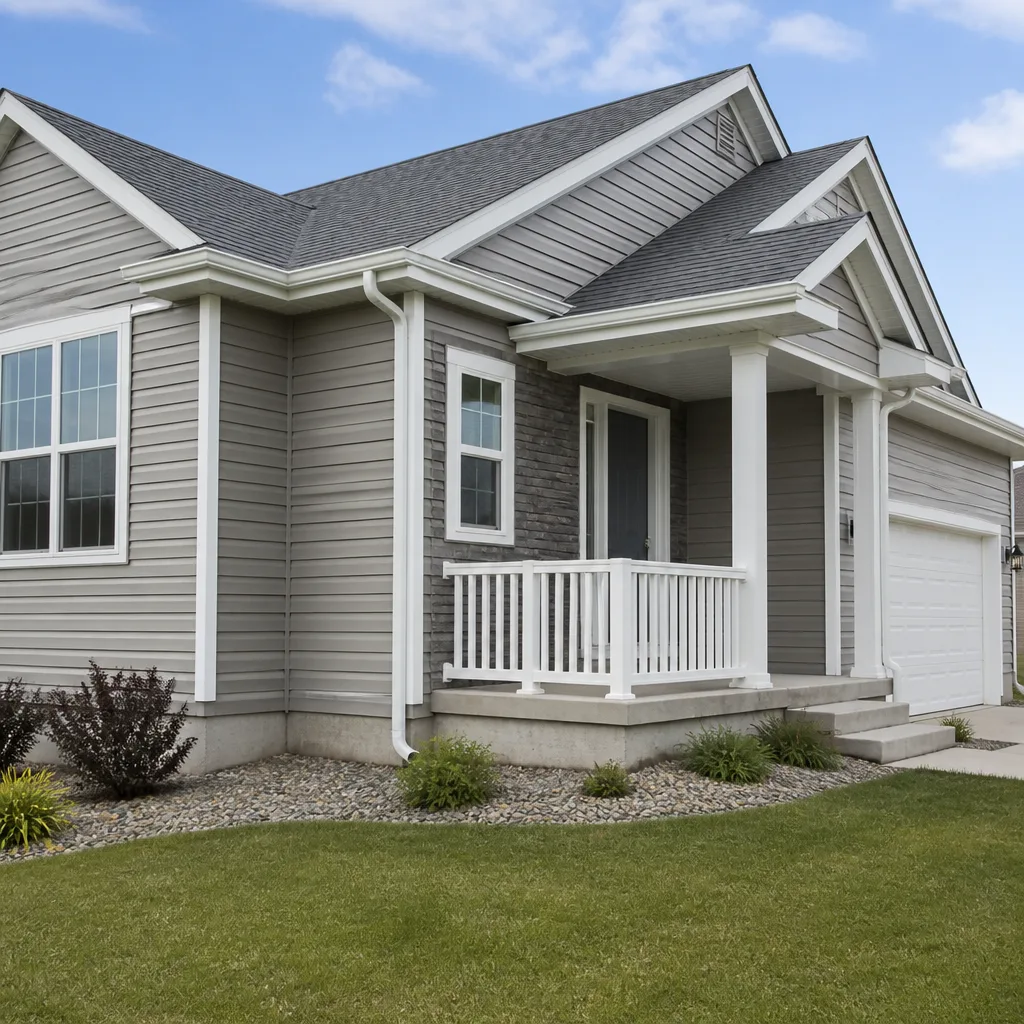
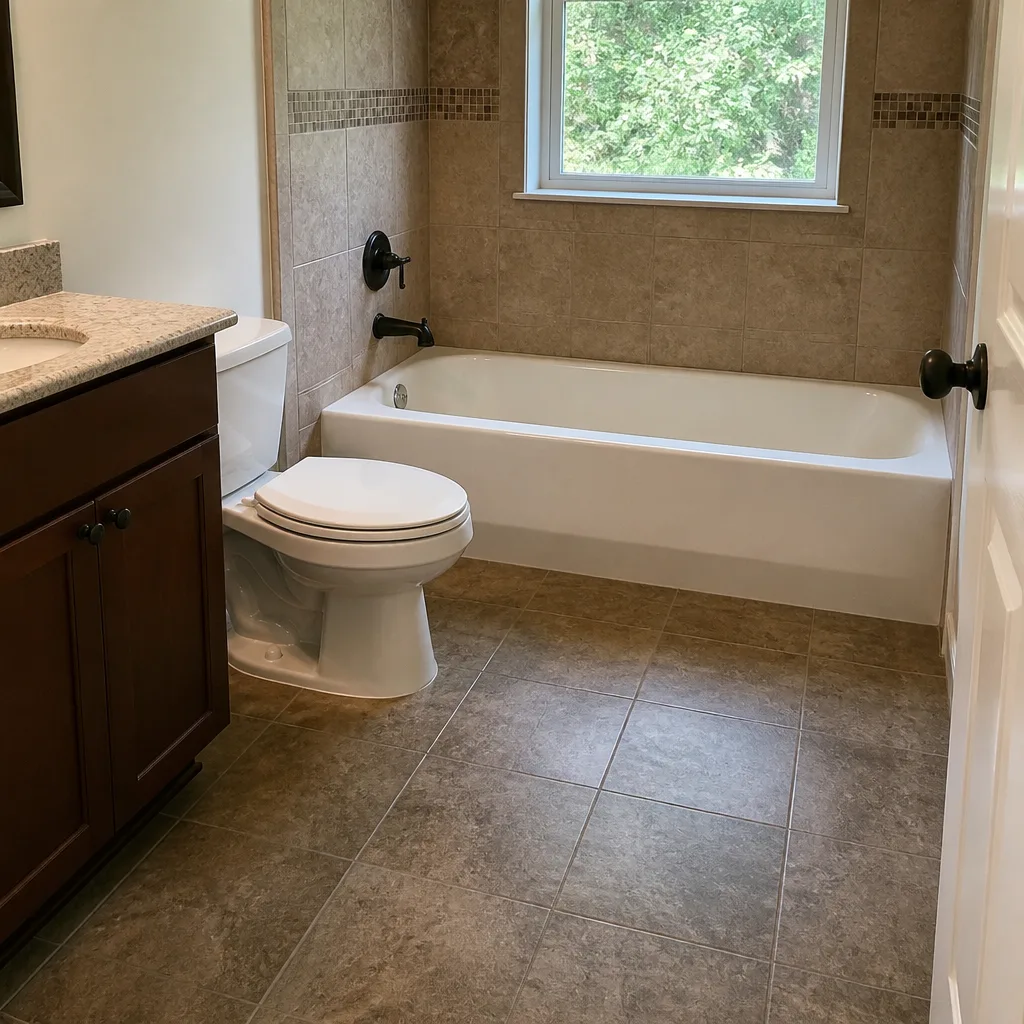
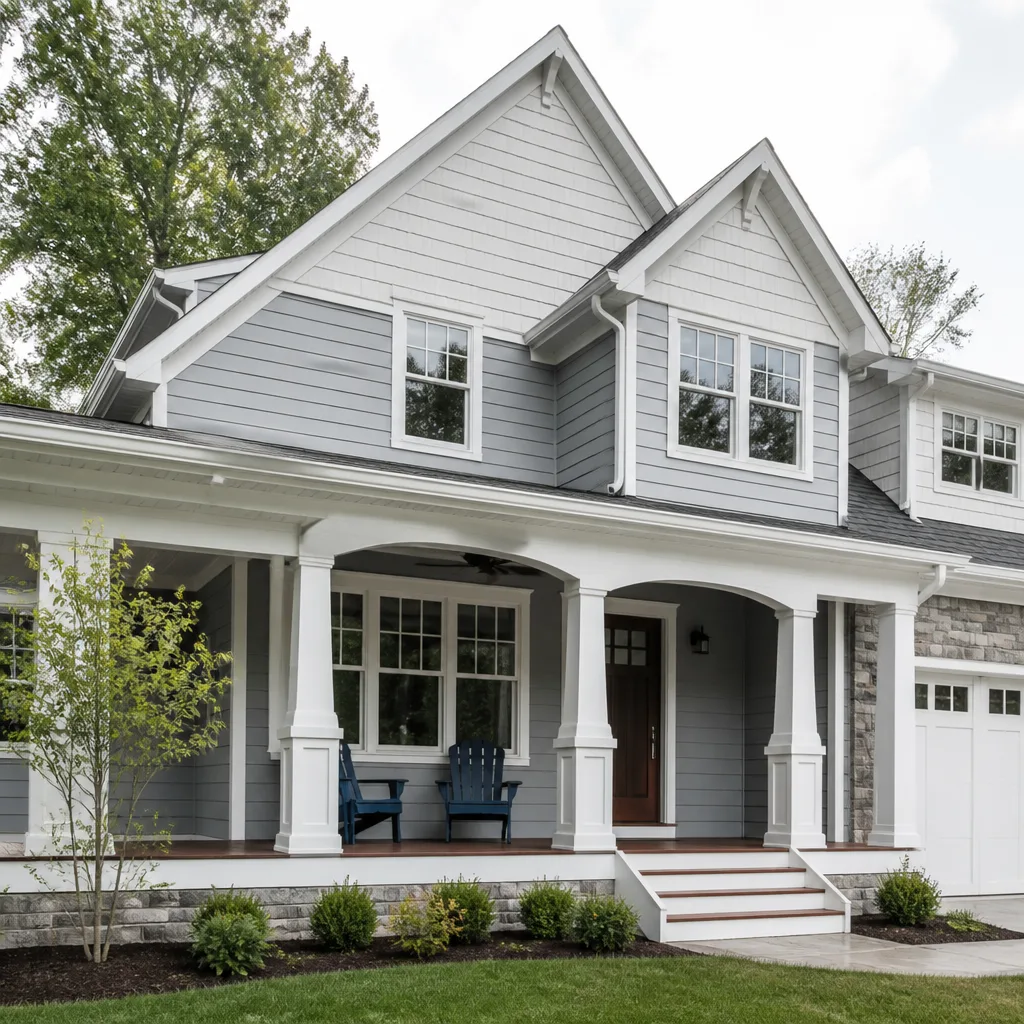
 Before
 After
After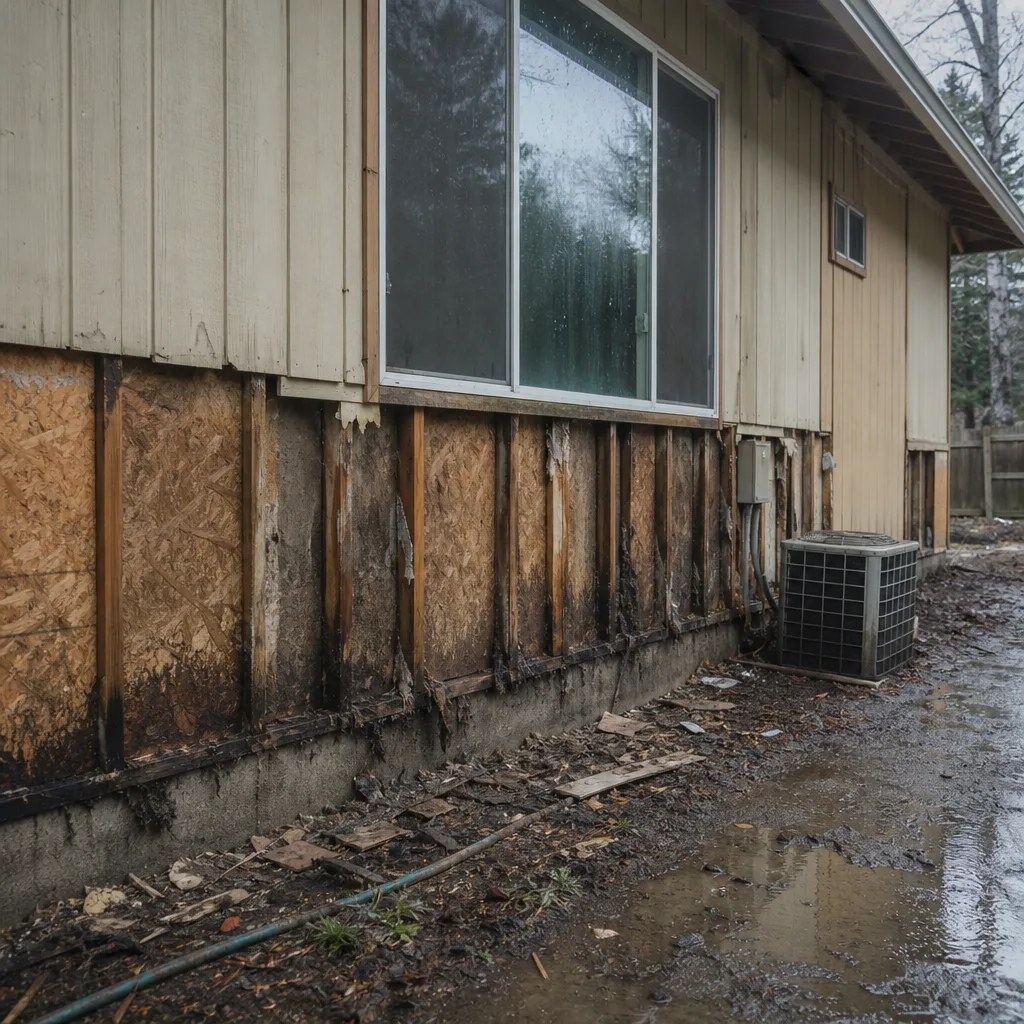 Before
 After
After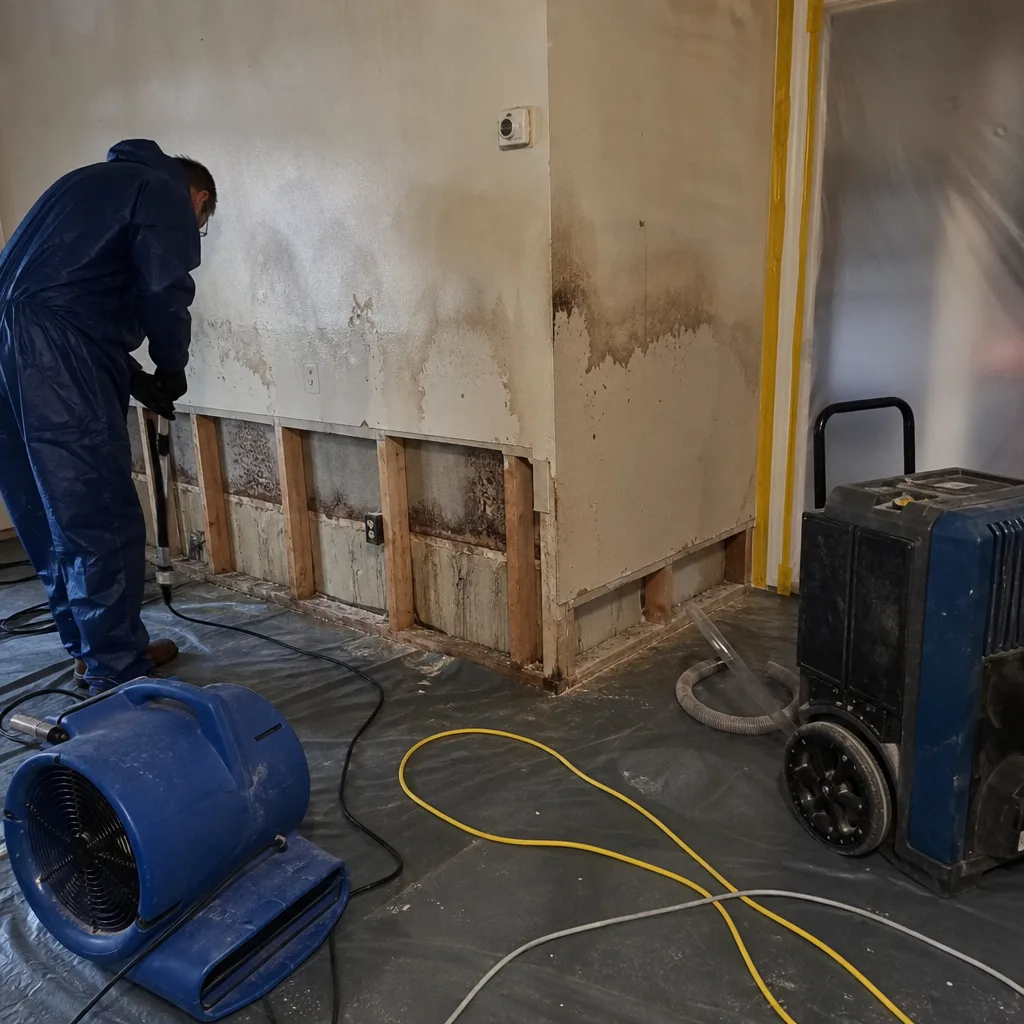 Before
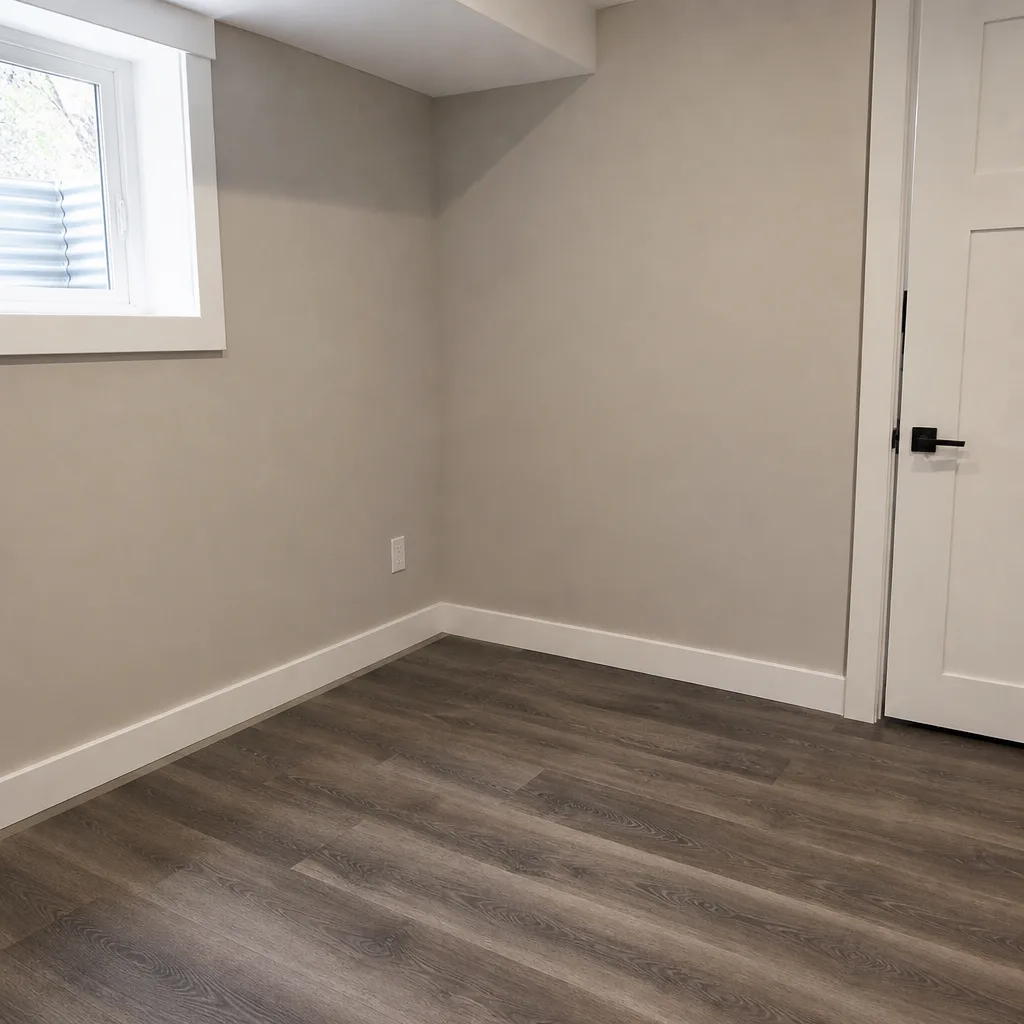 After
After24/7 Emergency Water Damage Restoration in Tacoma
Water damage restoration in Tacoma typically costs $2,800-$7,500 for a standard residential job, with emergency extraction running $180-$340 per hour and structural drying adding $1,200-$3,400 depending on square footage and material saturation. Most wind-driven rain and burst pipe losses in the city can begin extraction within 45 minutes of your call. Call (253) 487-0371 now - our phones are answered live, 24 hours a day, by a real person who can dispatch crews already staged near Stadium District, the North End, and Hilltop. The first hour determines whether you’re looking at a three-day dryout or a three-week reconstruction with mold remediation. Water doesn’t wait, and neither do we.
Understanding Water Damage Restoration Severity in Tacoma Properties
Water damage in Tacoma breaks into three categories under IICRC standards, and the category changes everything about scope, cost, and safety. Category 1 is clean water - a burst supply line, an overflowing tub. Category 2 is gray water with contaminants - wind-driven rain that picked up roof grit, soil, or organic debris before crossing your threshold. Category 3 is black water: sewage, groundwater intrusion, or any water that sat long enough to breed bacteria. In Tacoma, we see Category 2 escalate fast. The marine climate here delivers 150+ wet days annually, and once water wicks into original horsehair plaster in a 1920s Craftsman, it degrades quickly. That plaster, common in North End and Stadium District homes, holds moisture behind lath for days while looking dry to the touch.
Moisture mapping with thermal imaging finds what surface meters miss. We document vapor pressure differential - the force that drives moisture from wet materials into the air - and adjust our drying strategy to the actual assembly, not just the room. Galvanized supply lines, still present in many pre-WWII Tacoma homes, corrode internally and can fail during the drying process if not pressure-tested. Structural drying isn’t guesswork. It’s psychrometric data: temperature, relative humidity, and specific humidity readings logged daily until the structure returns to pre-loss equilibrium.
Why Tacoma Property Owners Choose DryMark Restoration Auburn
- 45-minute response commitment to any Tacoma address, with crews pre-staged near I-5 corridors and Pacific Avenue for rapid deployment.
- 24/7 live answer - a real person picks up every call, never an automated system or voicemail tree, because water doesn’t observe business hours.
- IICRC-certified crews holding WRT (Water Damage Restoration Technician), FSRT (Fire & Smoke Restoration Technician), and AMRT (Applied Microbial Remediation Technician) credentials.
- Free visual inspection with moisture readings, photo documentation, and a written scope before any work begins.
- Direct insurance billing with photo-documented estimates and daily drying logs that adjusters recognize and pay without dispute.
- One team from extraction to reconstruction - no handoffs between contractors, no gaps in documentation, no blame-shifting if something needs correction.
BeforeAfterOur Water Damage Restoration Process
1. Inspection & Assessment
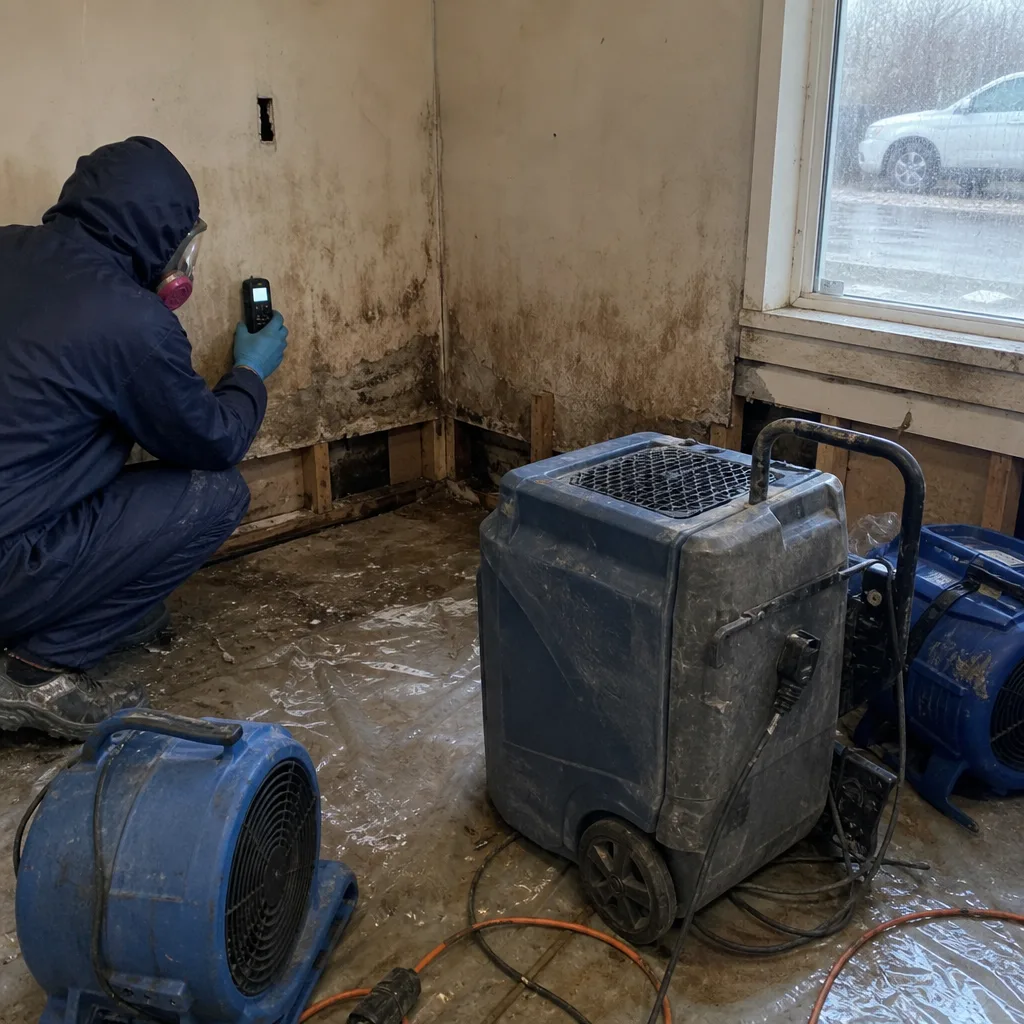
We arrive with thermal imaging cameras, penetrating and non-penetrating moisture meters, and hygrometers to map the full extent of water migration. In Tacoma’s older homes, we check behind original horsehair plaster and inside wall cavities where surface readings deceive. You get a written scope with line-item pricing before any equipment runs.
2. Extraction & Stabilization
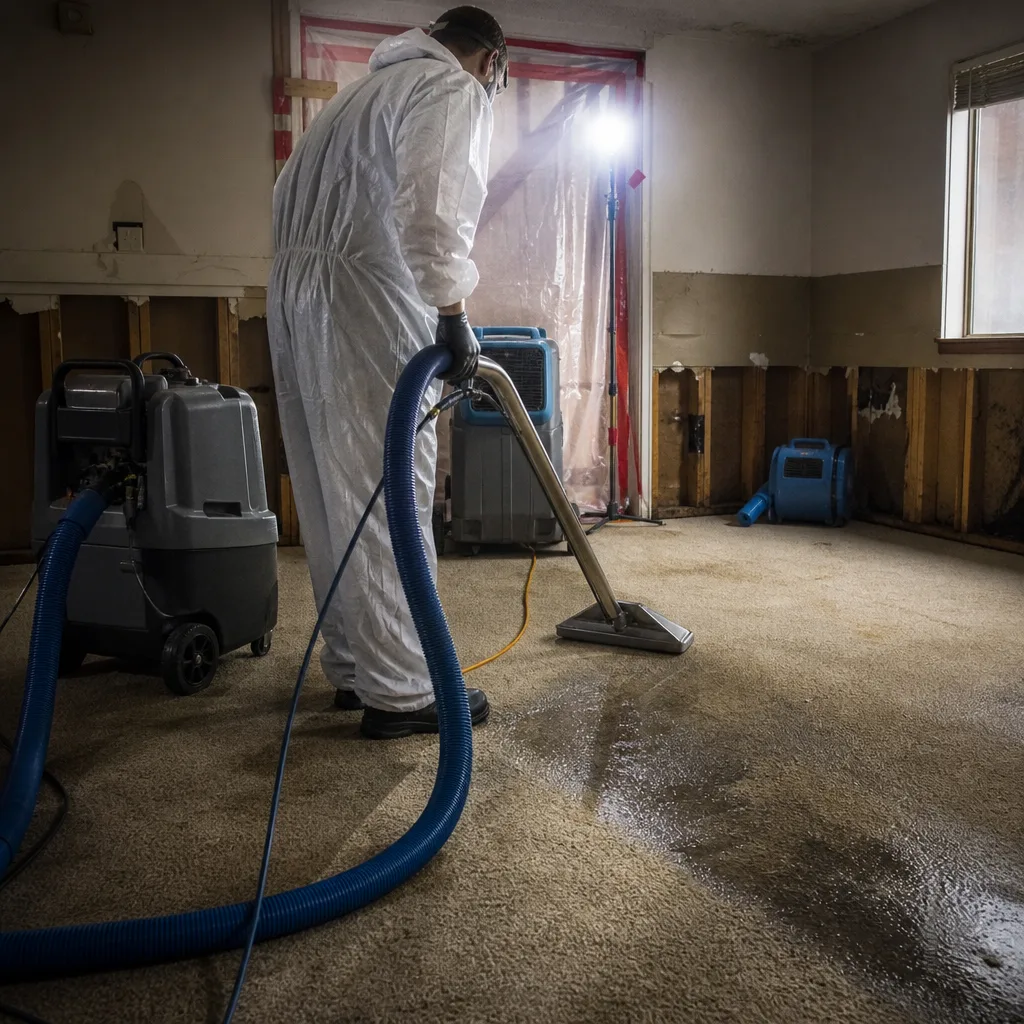
Standing water comes out first - truck-mounted extractors for large volumes, portable units for tight crawl spaces. We move or block furniture, remove saturated carpet pad if salvage isn’t practical, and set up containment to prevent cross-contamination. Emergency Water Extraction in Tacoma homes often means extracting from two levels simultaneously when wind-driven rain has traveled down wall assemblies.
3. Drying & Dehumidification
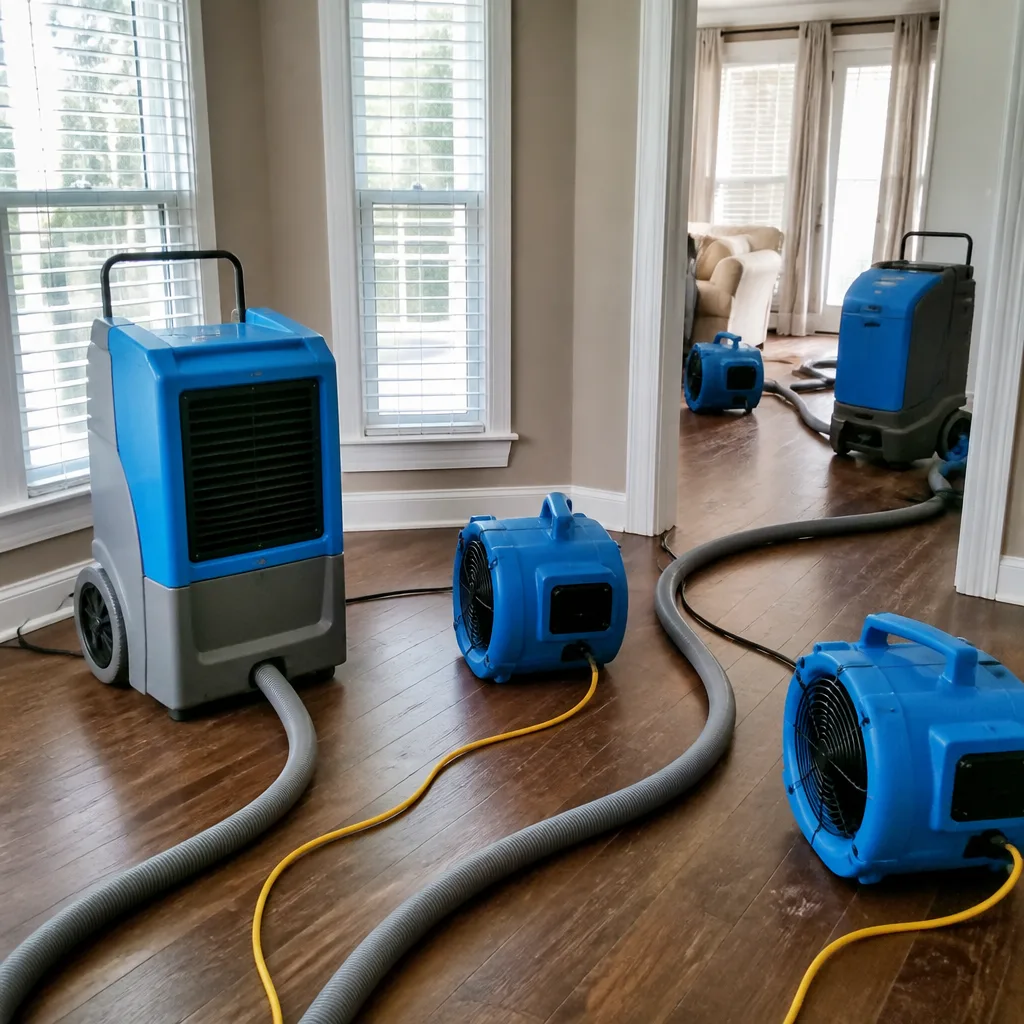
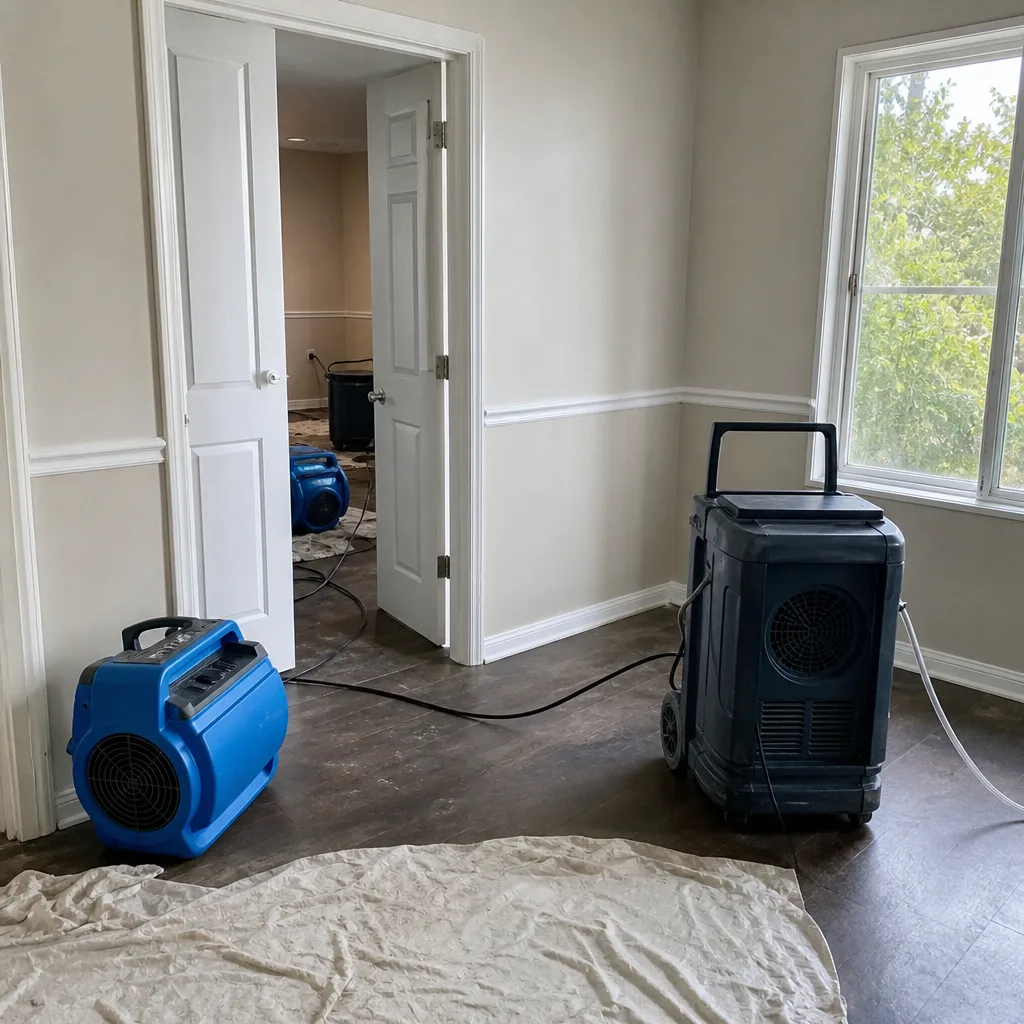
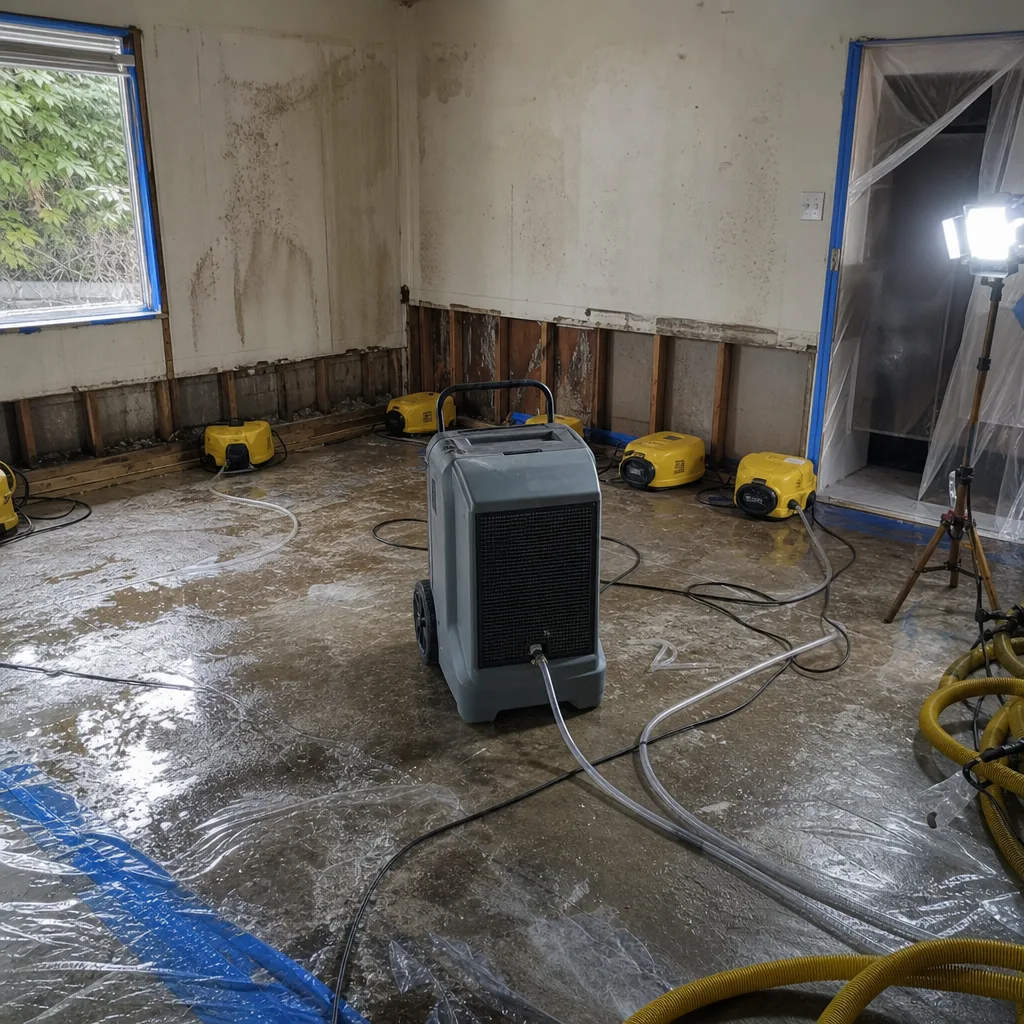
We deploy Dri-Eaz and Phoenix dehumidifiers sized to the space, with XPOWER air movers creating controlled airflow across wet surfaces. Structural Drying & Dehumidification in pre-WWII homes requires longer run times - horsehair plaster and dimensional lumber release moisture slowly. Daily moisture logs track progress until readings stabilize at pre-loss targets.
4. Cleaning & Sanitization
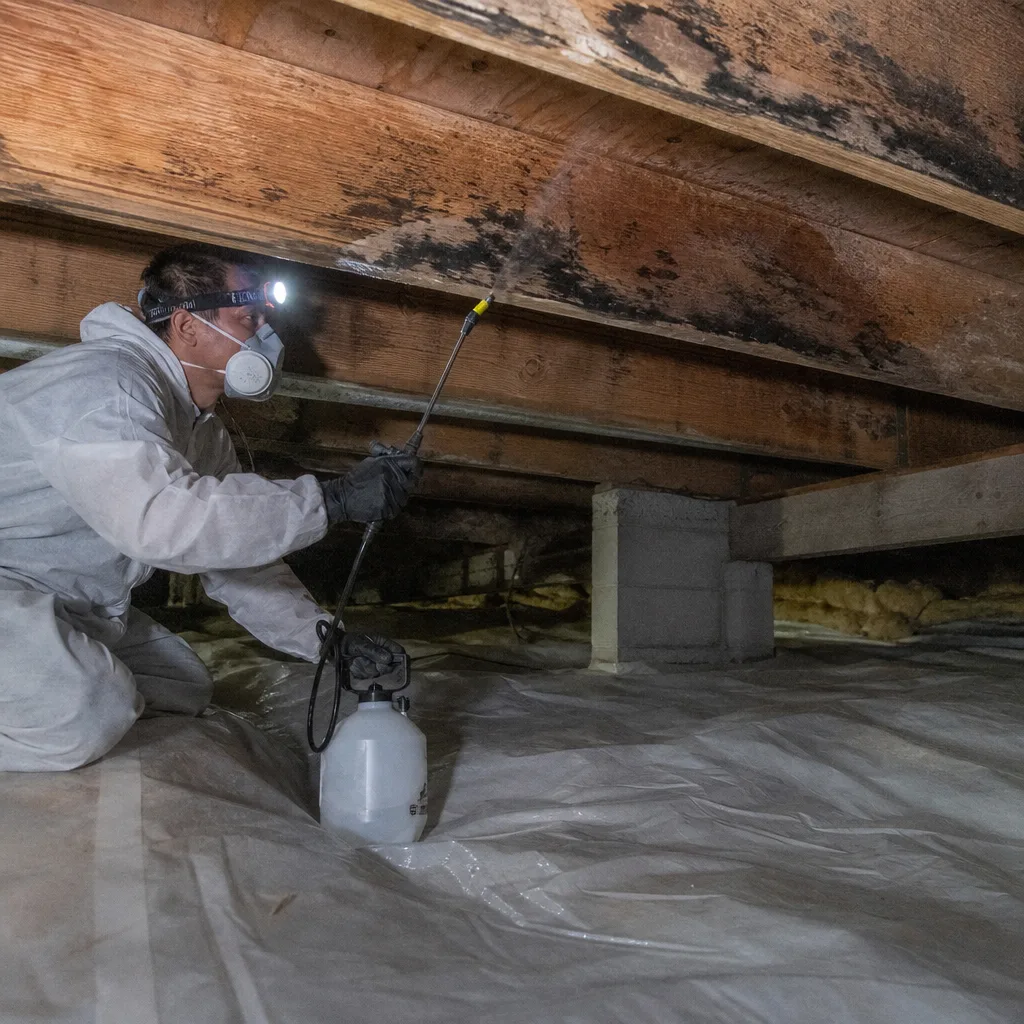
Category 2 and 3 losses get antimicrobial treatment on all affected surfaces. HEPA air scrubbers run during and after demolition to capture airborne particles. In Tacoma’s older housing stock, we test for lead paint and asbestos before disturbing any pre-1980 materials - disturbance without containment violates EPA RRP rules and Washington’s Toxics Cleanup Program.
5. Hazardous Material Coordination
Jobs involving crawl-space excavation, exterior soil disturbance, or demolition of pre-1980 materials in north or central Tacoma trigger additional compliance layers. We cross-reference the Washington State Department of Ecology smelter plume map before any shovel work. Arsenic levels in plume-zone soil can exceed cleanup standards and require manifested hazardous disposal rather than standard fill removal. This is not theoretical - it’s a regulatory reality our crews handle on-site.
6. Repairs & Restoration
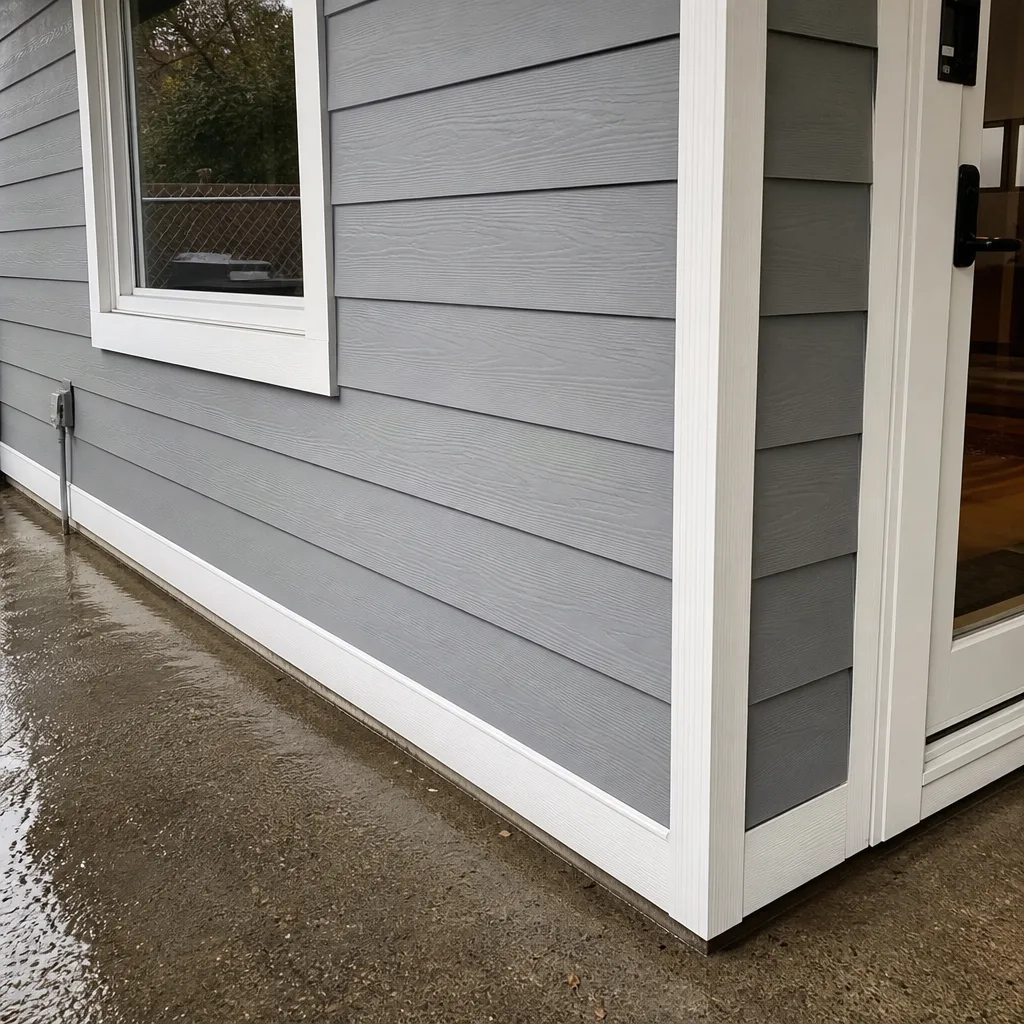
Once drying targets are met and clearance documentation is complete, we rebuild: new drywall, trim, flooring, paint - whatever the loss destroyed. Our Water Damage Restoration team manages the full reconstruction, so your claim stays with one contractor and one paper trail.
Need Emergency Water Damage Restoration in Tacoma Now?
Crews minutes away, answering live 24 hours a day. The sooner we start, the less it costs.
Working With Your Insurance Company
Insurance claims succeed or fail on documentation. We start building your file from the first moisture reading. Every photo is geotagged and time-stamped. Every drying log shows daily psychrometric data. Our estimates follow industry-standard formats that adjusters recognize, and we coordinate directly with your carrier rather than handing you a bill to fight alone.
The most common point of friction we see: insurers question whether drying was complete or whether secondary damage resulted from inadequate initial response. Our daily moisture logs, thermal images, and written scopes eliminate that argument before it starts. We also provide direct adjuster communication - your claims rep can call our office and speak to the technician who was on-site, not a call-center operator reading notes.
What We Provide Your Insurer
- Thorough documentation of the loss
- Photos of all damage, room by room
- Moisture readings and drying logs
- A detailed, line-item scope of work
- Direct coordination with your carrier
Built for Tacoma’s Loss Calendar
Tacoma’s water damage season runs nearly year-round, but the patterns shift. November through March brings the real trouble: Pacific windstorms with sustained 40+ mph gusts drive rain against south and west-facing doors and windows, finding every failed threshold, every cracked jamb, every gap in weatherstripping. January deep freezes burst galvanized supply lines in uninsulated crawl spaces - common in Hilltop and North End basements. The Puyallup River valley, cutting through south Tacoma, floods during rapid Cascade snowmelt or sustained January rain, producing repetitive-loss properties near Commencement Bay.
Spring delivers the secondary wave: homes that took wind-driven rain in February now show mold behind plaster. Summer’s brief dry spell is when we handle the reconstruction backlog. Then October’s first storms test every repair from the previous year. Our crews know the rhythm. Dispatch and scheduling are coordinated from our Seattle office, but Tacoma crews live this calendar locally.
Water Damage Restoration Across Tacoma’s Neighborhoods
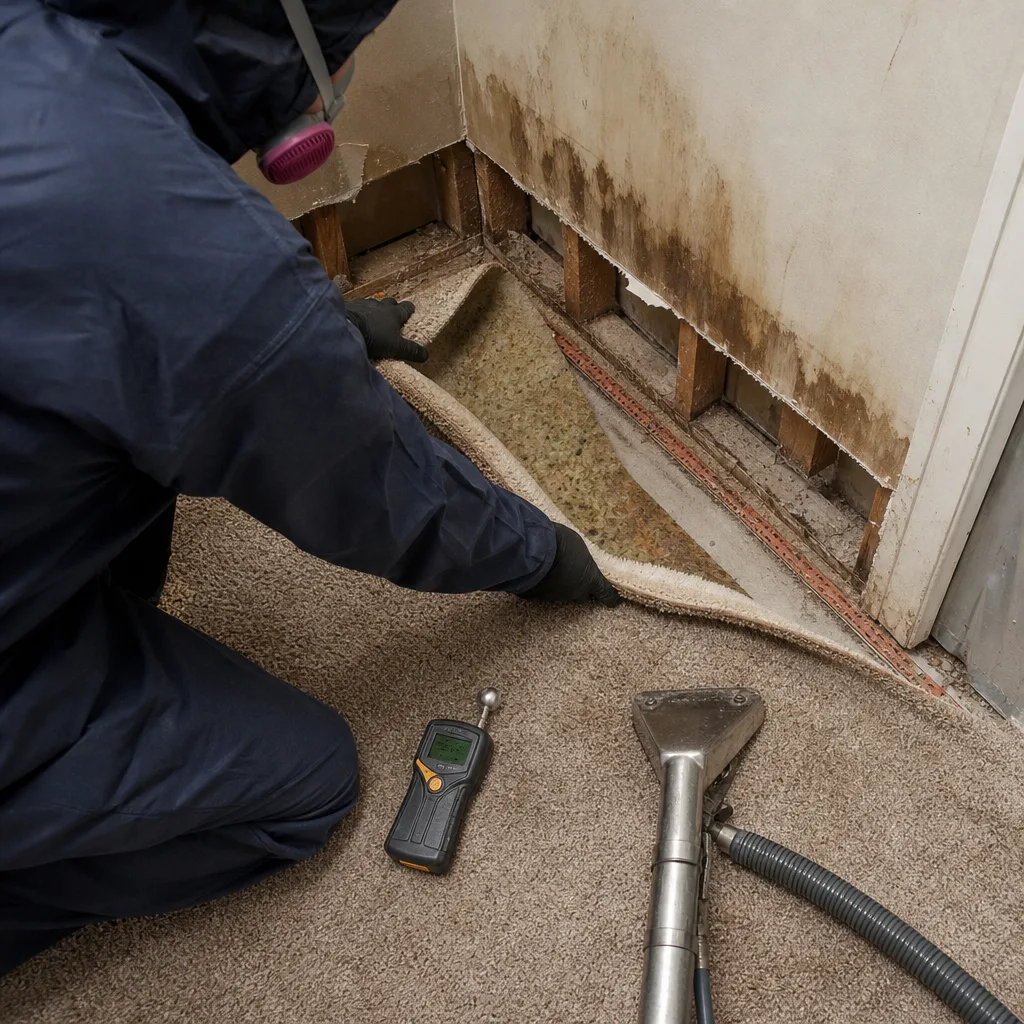
Stadium District losses usually start with wind-driven rain through original Craftsman doors and windows. The homes are beautiful, built 1895-1940, but their thresholds weren’t designed for Pacific storm loading. We pull moisture readings inside wall cavities, not just at the baseboard, because horsehair plaster wicks water upward and inward for days after the surface looks dry. North End jobs follow the same pattern with an added complication: many homes sit on slopes with exterior foundation exposure, so groundwater seepage joins the wind-driven rain.
Hilltop’s housing stock mixes pre-WWII Craftsman with mid-century construction, and the infrastructure shows its age. Galvanized supply lines fail without warning. We carry pressure-testing equipment on every truck because a line that held during extraction can split during drying. South Tacoma and the Puyallup River corridor face different risks - FEMA flood zones and the lahar inundation corridor mean some properties see repeated water intrusion. We maintain lahar-specific response protocols for homes in the USGS-mapped hazard zone, including rapid extraction priorities and documentation formats that FEMA and NFIP adjusters require.
Ruston and the waterfront present their own challenge: the ASARCO smelter plume boundary cuts through these areas. Any job involving exterior soil disturbance, crawl-space excavation, or foundation work requires pre-work soil assessment. We’ve seen routine foundation-seepage jobs become regulated hazardous-material events because a crew skipped this step.
Specialized Water Damage Restoration Services We Offer in Tacoma
Emergency Water Extraction
Truck-mounted and portable extractors remove standing water within hours of your call. In Tacoma’s dense neighborhoods with narrow driveways and limited street parking, our portable units often outperform truck mounts for access. Speed matters - every hour of standing water increases the demolition scope and the mold risk.
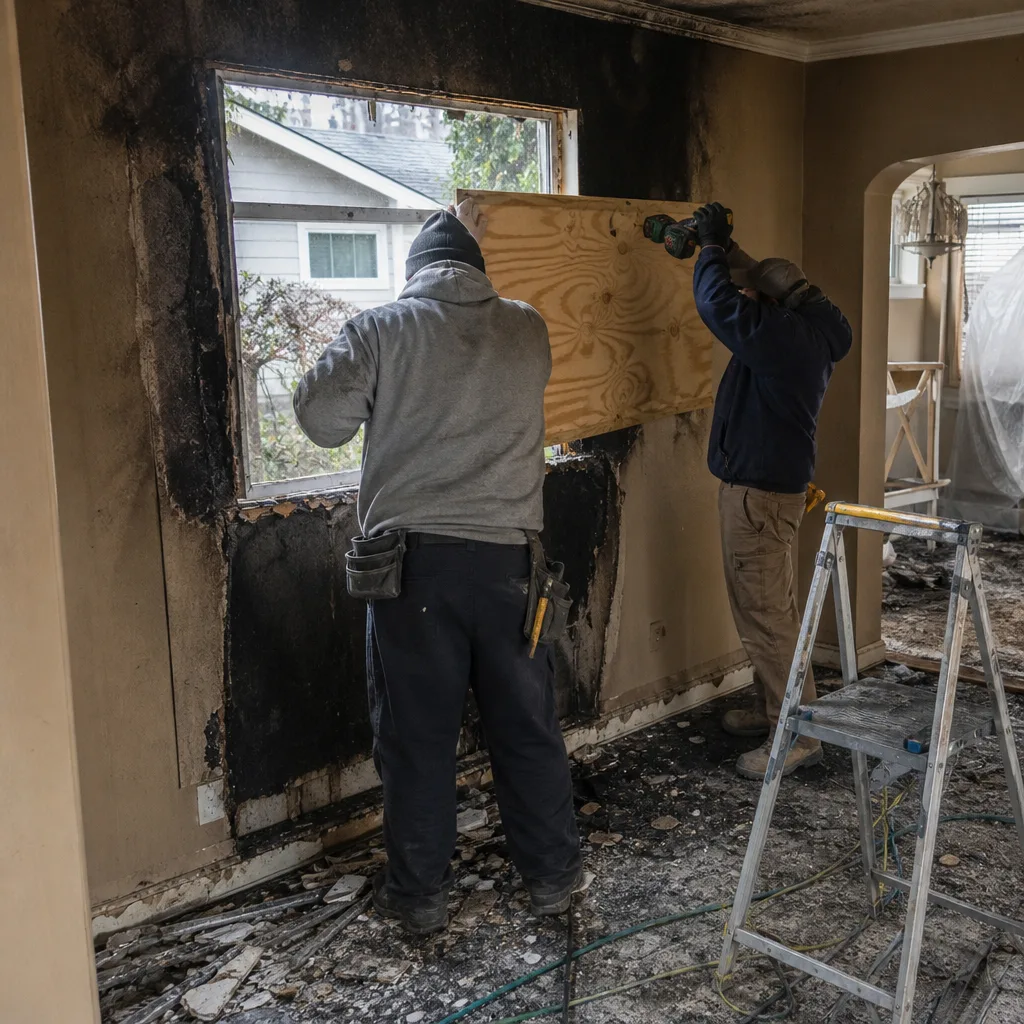
Structural Drying & Dehumidification
This is where pre-WWII homes diverge from modern construction. Horsehair plaster, true dimensional lumber, and balloon framing release moisture slowly. We size dehumidifier capacity to the actual cubic footage and material load, not rule-of-thumb charts. Drying a 1925 Stadium District Craftsman to pre-loss targets typically runs 5-9 days versus 3-5 for post-1980 construction. We tell you this upfront, in writing, so your expectations and your insurance timeline align.
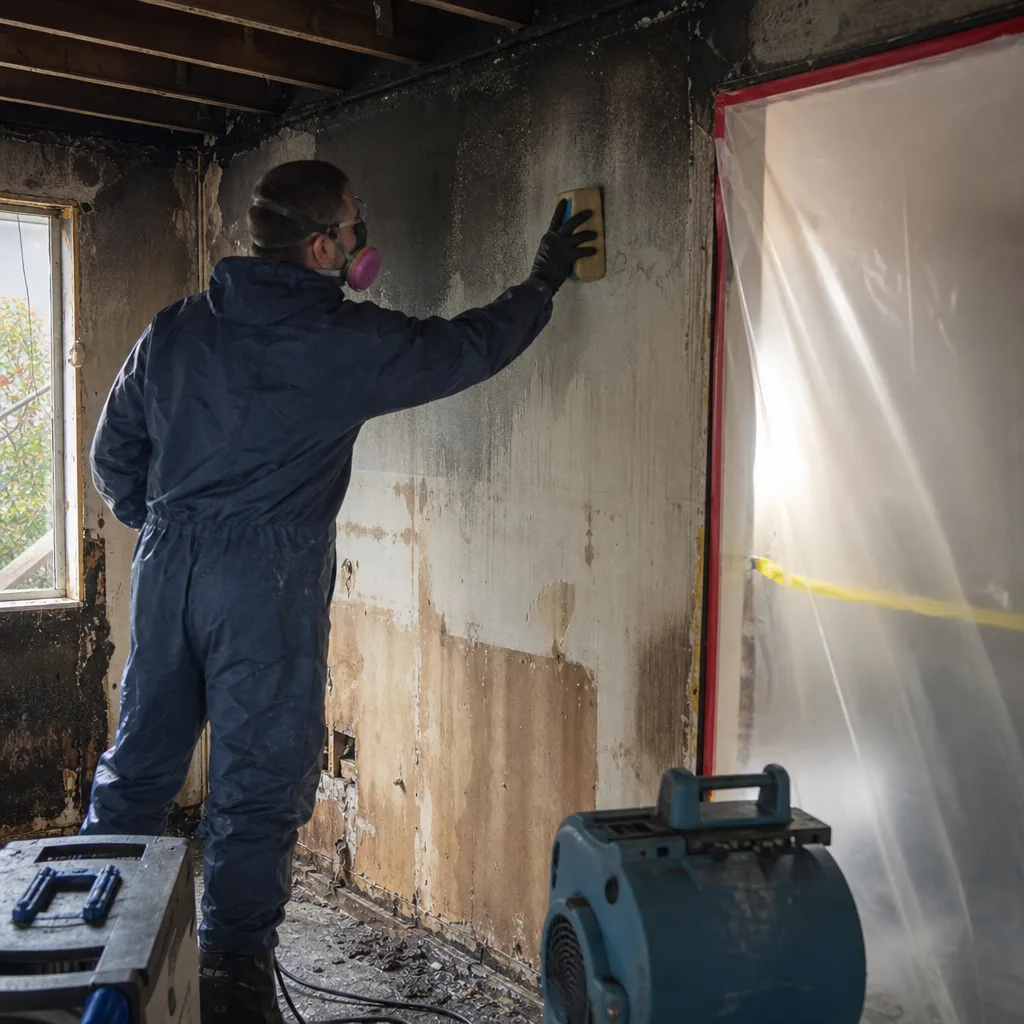
Flood Cleanup
Puyallup River flooding and Commencement Bay storm surge produce Category 3 losses with silt, petroleum residue, and biological contamination. Extraction is only the start - we remove porous materials that can’t be sanitized, treat structural elements with antimicrobial agents, and document every decision for your adjuster. FEMA flood policies have specific documentation requirements; we know them.
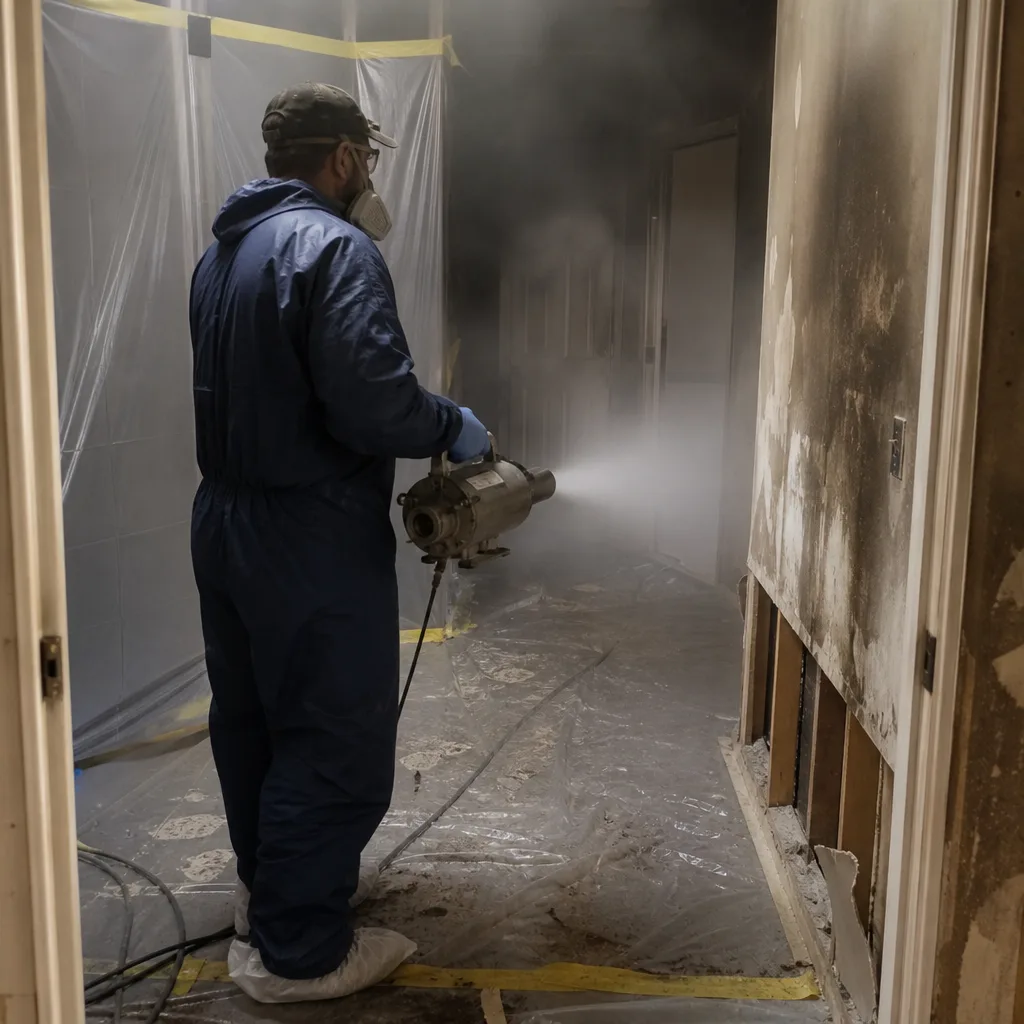
Burst Pipe Restoration
Galvanized lines in older Tacoma homes corrode from the inside, thinning until they split under pressure or during freeze-thaw cycles. We extract the water, dry the structure, and coordinate with licensed plumbers for line replacement - documenting the cause of loss for your insurance carrier.
Basement Water Removal
Tacoma’s sloped topography creates basement water entry through foundation walls, especially in North End homes with exterior below-grade exposure. We identify the water source - surface drainage, groundwater, or plumbing failure - because the fix differs. Sump pump installation, exterior grading, or French drains may be necessary; we scope and price these separately from the emergency extraction.
Ceiling & Roof Leak Water Damage
Wind-driven rain finds every roof vulnerability. We trace water migration with thermal imaging - a ceiling stain rarely marks the actual leak point. In homes with plaster ceilings, we assess whether the lath can be dried in place or whether the saturated assembly requires controlled demolition. Ceiling work in pre-1980 homes triggers lead paint protocols; we build containment before cutting.
What happens when you call
- 1
A real person answersNo phone trees - you reach a local pro.
- 2
You get an upfront price rangeHonest numbers before anyone is dispatched.
- 3
A background-checked tech heads outLicensed & insured, dispatched right away.
- 4
You approve before work beginsNothing starts until you say go.
Water Damage Restoration Costs in Tacoma, WA
Here’s what we see in the Tacoma market, based on jobs we’ve scoped and completed:
| Service | Typical Range |
|---|---|
| Emergency water extraction (first 2 hours) | $360-$680 |
| Structural drying & dehumidification (per day) | $180-$340 |
| Category 1 clean water loss, 1,000 sq ft | $2,800-$4,200 |
| Category 2 gray water loss, with limited demolition | $4,500-$7,500 |
| Category 3 black water / sewage, full sanitation | $7,500-$14,000+ |
| Pre-WWII home surcharge (extended drying, hazmat assessment) | +15-30% |
What moves the price: square footage affected, water category, material type (plaster costs more to dry than drywall), and whether hazmat protocols apply. Insurance typically covers sudden and accidental water damage from plumbing failures or storm intrusion; gradual leaks and maintenance issues often fall to the homeowner. We provide a written price before work starts, every time - Haven Standard, Clause 1 - and a Free Second Opinion on any competitor’s written estimate.
We Also Serve Cities Near Tacoma
Our crews respond throughout the south Puget Sound region, including Milton, Puyallup, Federal Way, and Lakewood. Each city carries its own building stock, soil conditions, and flood risk profiles, and we adjust our protocols accordingly.
Serving Tacoma, WA - Our Local Coverage Area
We’re based in the Tacoma area and know this community well. Use the map below to see our service coverage - if you’re nearby, we can almost certainly help.
Tacoma Water Damage Restoration Questions, Answered
How fast does mold start after wind-driven rain gets into a Tacoma home?
In Tacoma’s marine climate, mold colonies can establish within 48-72 hours of water intrusion, sometimes faster in summer when temperatures rise. The persistent dampness across 150+ wet days annually means ambient humidity often sits above 60%, accelerating spore germination. We begin antimicrobial treatment and controlled drying within hours of extraction to interrupt this timeline. Call (253) 487-0371 for immediate response.
Why does a water-damage job in a North End or Stadium District Craftsman take longer to dry?
Horsehair plaster, common in homes built 1895-1940, holds moisture behind lath where surface meters can’t detect it. True dimensional lumber releases water more slowly than modern engineered materials. We verify drying with penetrating meters inside wall cavities and typically run 5-9 days to pre-loss targets versus 3-5 for post-1980 construction. The extended timeline is structural reality, not inefficiency - and we price it accordingly from day one.
Does Tacoma’s smelter plume affect how you handle water damage that reaches the yard or crawl space?
Yes. In north and central Tacoma, the ASARCO smelter plume boundary means soil disturbance during crawl-space excavation or foundation work can trigger EPA hazardous-material disposal requirements. We check the Department of Ecology plume map before any exterior work. Arsenic and lead levels in plume-zone soil can exceed cleanup standards, requiring manifested disposal rather than standard fill removal. This compliance layer adds cost and time, but skipping it exposes the homeowner and contractor to regulatory liability. We build it into the scope from the start.
What does the water category actually change about a Tacoma restoration scope of work?
Category 1 (clean water) allows salvage of most porous materials with rapid drying. Category 2 (gray water) requires antimicrobial treatment and often removal of carpet pad, insulation, and other absorbent materials that can’t be fully sanitized. Category 3 (black water) mandates removal of all porous materials and full sanitation of structural elements. In Tacoma’s pre-WWII homes, Category 2 escalates quickly because horsehair plaster and organic lath provide ideal microbial growth media. The category determines demolition depth, treatment chemistry, and drying duration - we classify it during the first inspection and document the rationale for your adjuster.
Can you just dry the wet door and trim in place after a Tacoma windstorm?
Rarely, and never without verifying what’s behind it. Wind-driven rain that crosses a threshold typically wicks into the wall cavity, saturating horsehair plaster and lath that surface meters miss. Drying only the visible trim leaves hidden moisture that breeds mold and compromises structural integrity. We use thermal imaging and penetrating meters to map the full extent before recommending any in-place drying. If the cavity is wet, controlled demolition with proper containment - including lead paint protocols for pre-1980 homes - is the only compliant path.
Will my insurance cover water damage restoration in Tacoma?
Sudden and accidental damage from burst pipes, storm intrusion, or wind-driven rain is typically covered under standard homeowners policies. Gradual leaks, maintenance failures, and groundwater seepage often are not. Flood damage requires separate NFIP coverage, common in FEMA-mapped zones along the Puyallup River. We document the cause of loss from hour one, photograph everything, and coordinate directly with your adjuster to maximize covered scope. Call (253) 487-0371 and we’ll review your situation.
How long does complete water damage restoration take in Tacoma?
Emergency extraction completes in hours. Structural drying runs 3-9 days depending on materials and home age. Reconstruction adds 1-4 weeks based on permit requirements and material availability. Pre-WWII homes in Stadium District or North End sit at the longer end of each range. We provide a written timeline with the initial scope, updated daily as drying logs confirm progress.
Can we stay in our home during water damage restoration?
Sometimes, for Category 1 losses limited to one room. Category 2 and 3 losses, or any job with demolition, antimicrobial treatment, or HEPA air scrubbing, usually require temporary relocation for safety and drying efficiency. We tell you during the initial inspection, not after work starts, so you can plan accordingly. Our documentation supports additional living expense claims when your policy covers them.
After a January windstorm pushed rain through a failing threshold on a 1918 Craftsman near Stadium High School, our crew pulled moisture readings inside the wall cavity and found saturated horsehair plaster behind the original door casing. We set up Dri-Eaz air movers and a Phoenix dehumidifier for structural drying, ran antimicrobial treatment on the lath, and logged daily moisture mapping readings until the assembly matched its pre-loss condition targets.
Written by Alicia Brennan, Owner at DryMark Restoration Auburn, serving Tacoma since 2011.
Water Damage Restoration in Nearby Areas