
Free visual inspection and a written scope of work before any mitigation begins - photos, moisture readings, and drying logs go in your claim file
The scope we write is the scope we bill. Anything new gets shown to you, in writing, before we touch it.

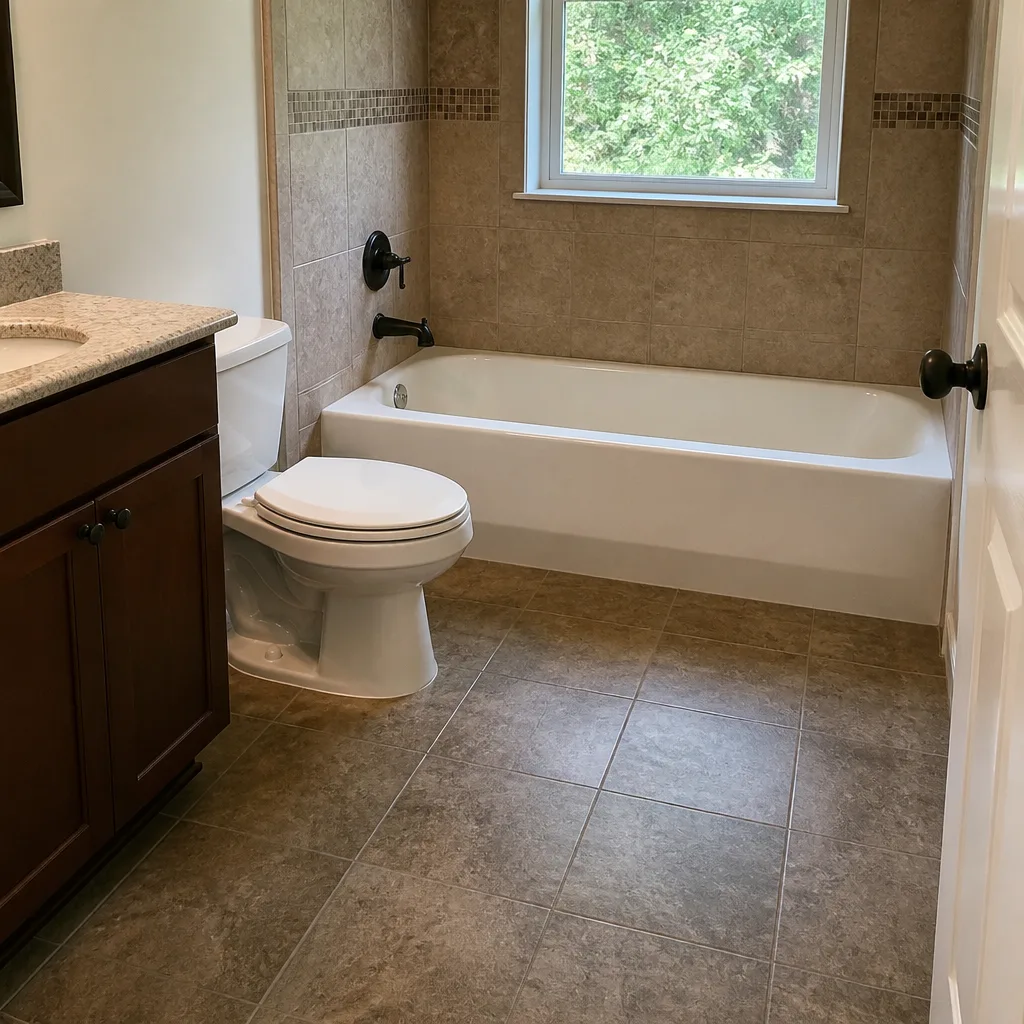
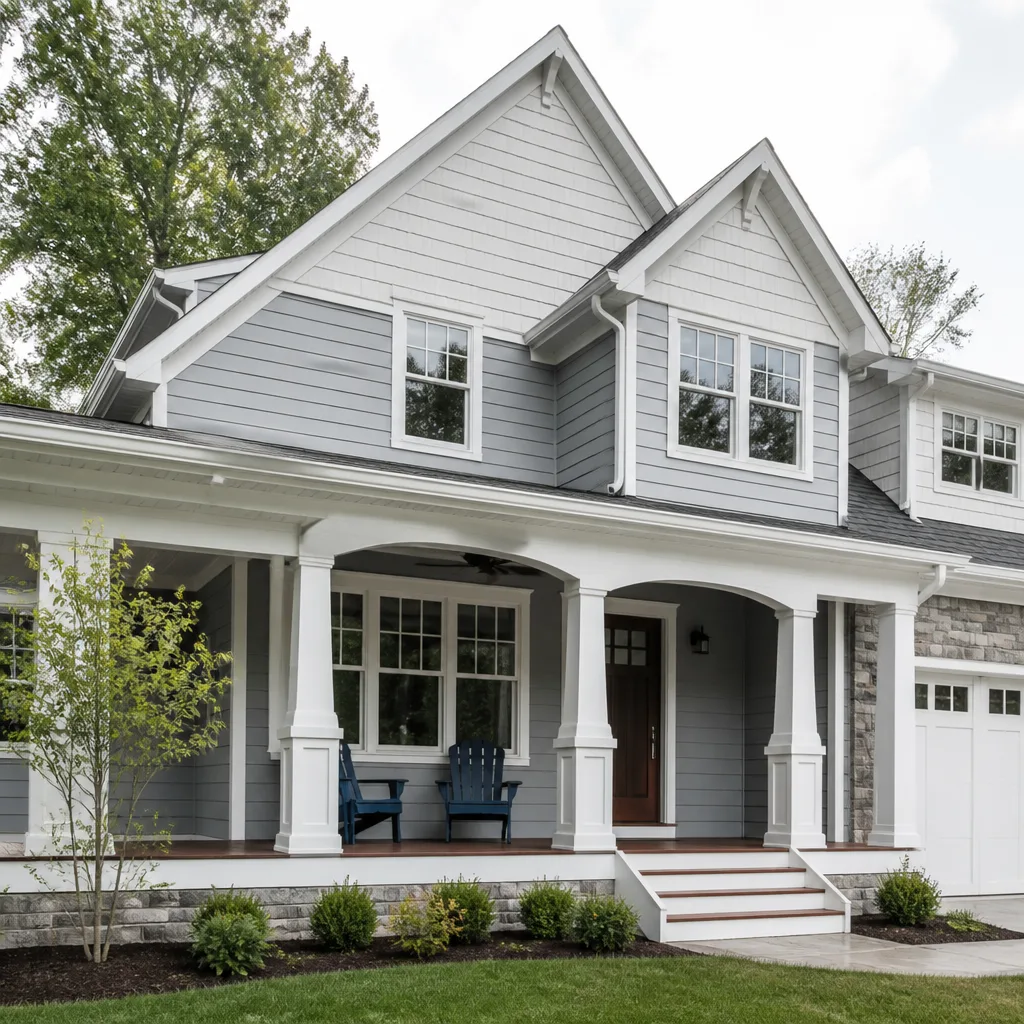
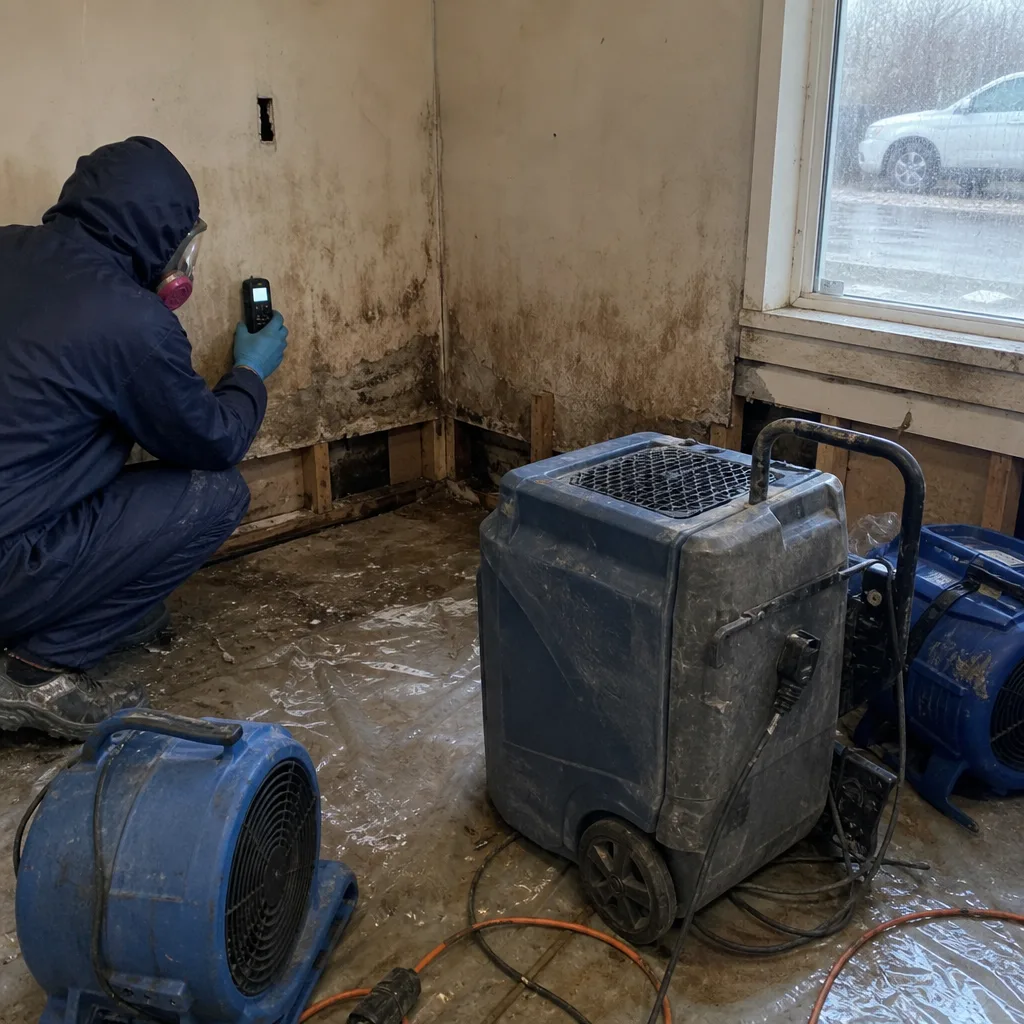 Before
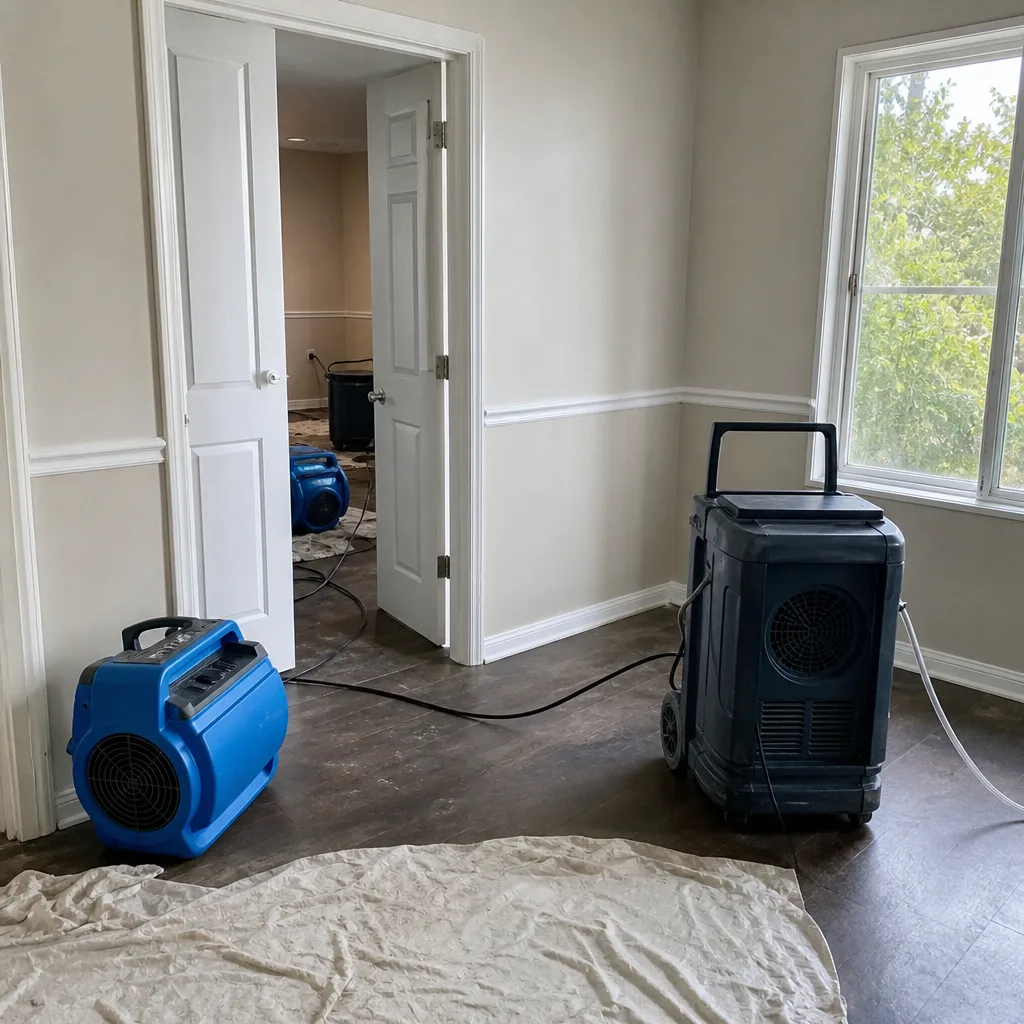 After
After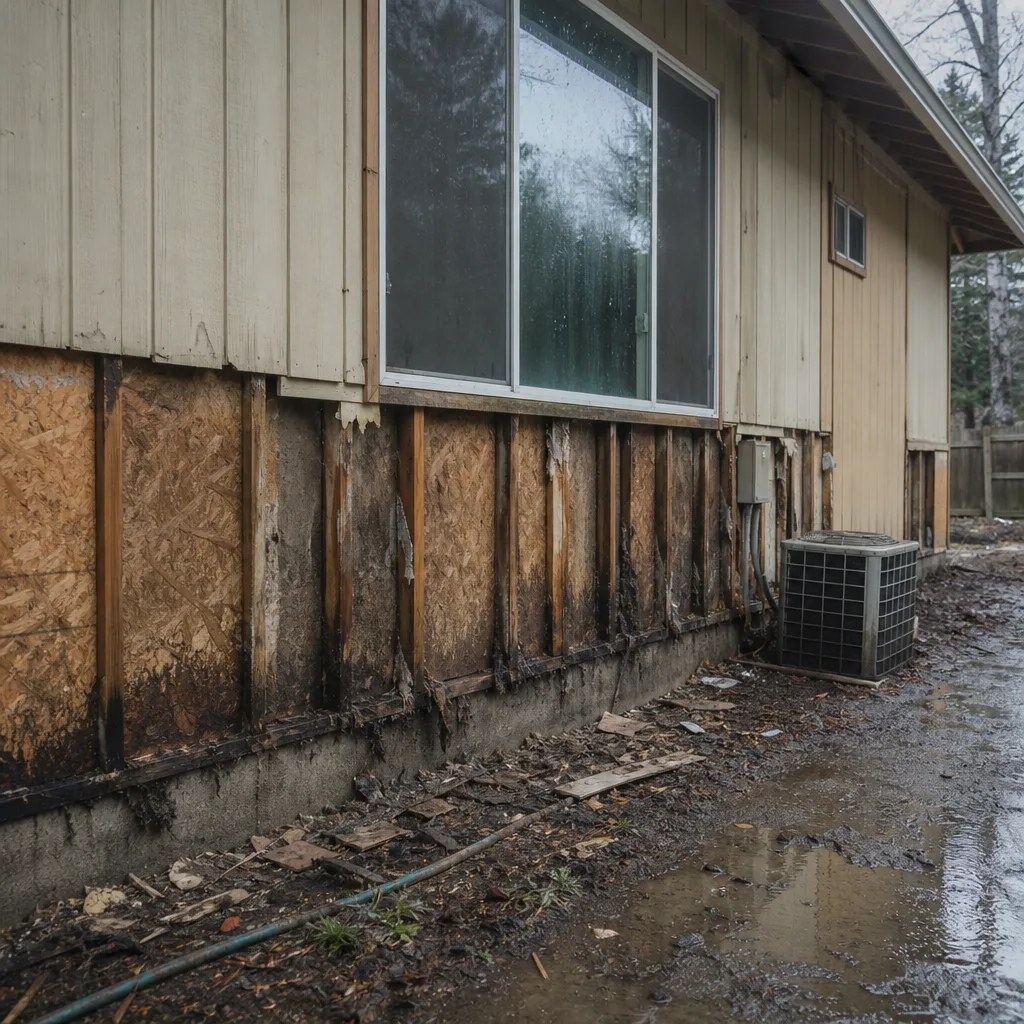 Before
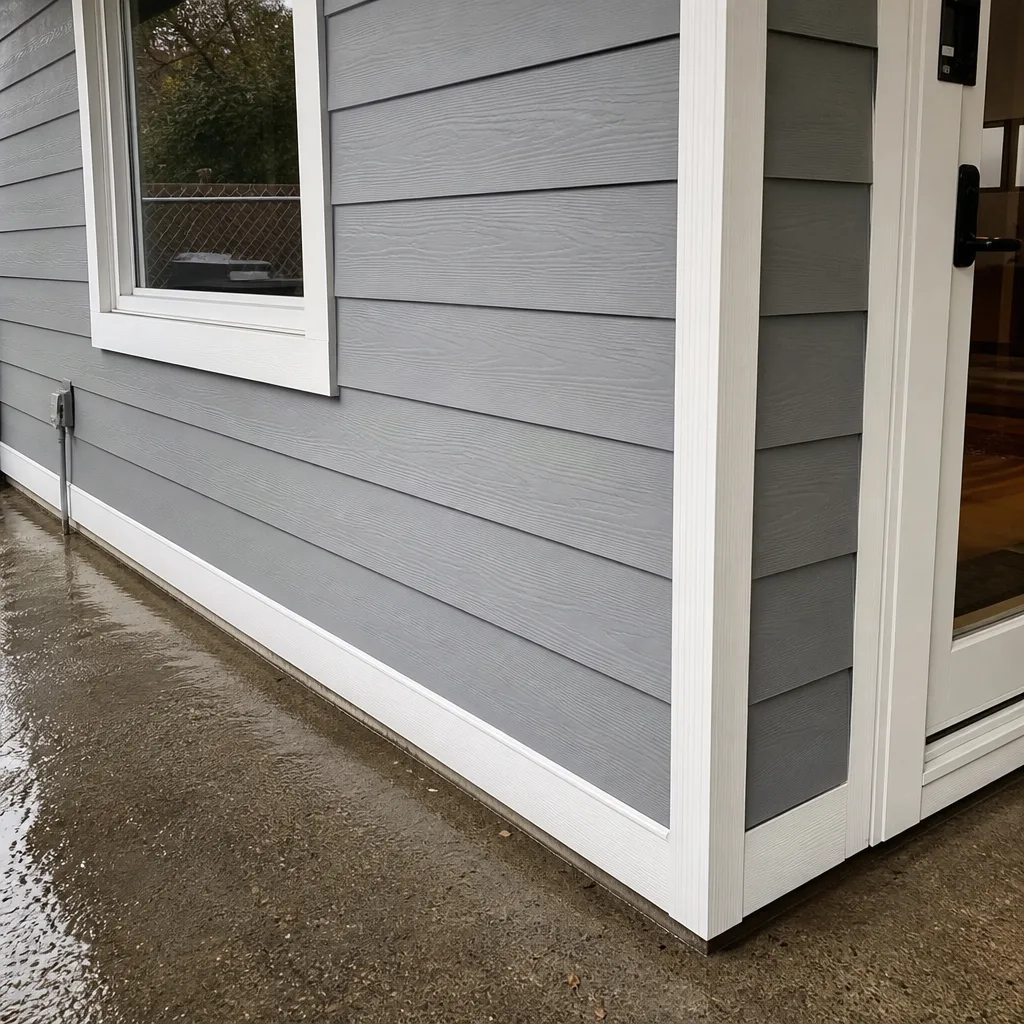 After
After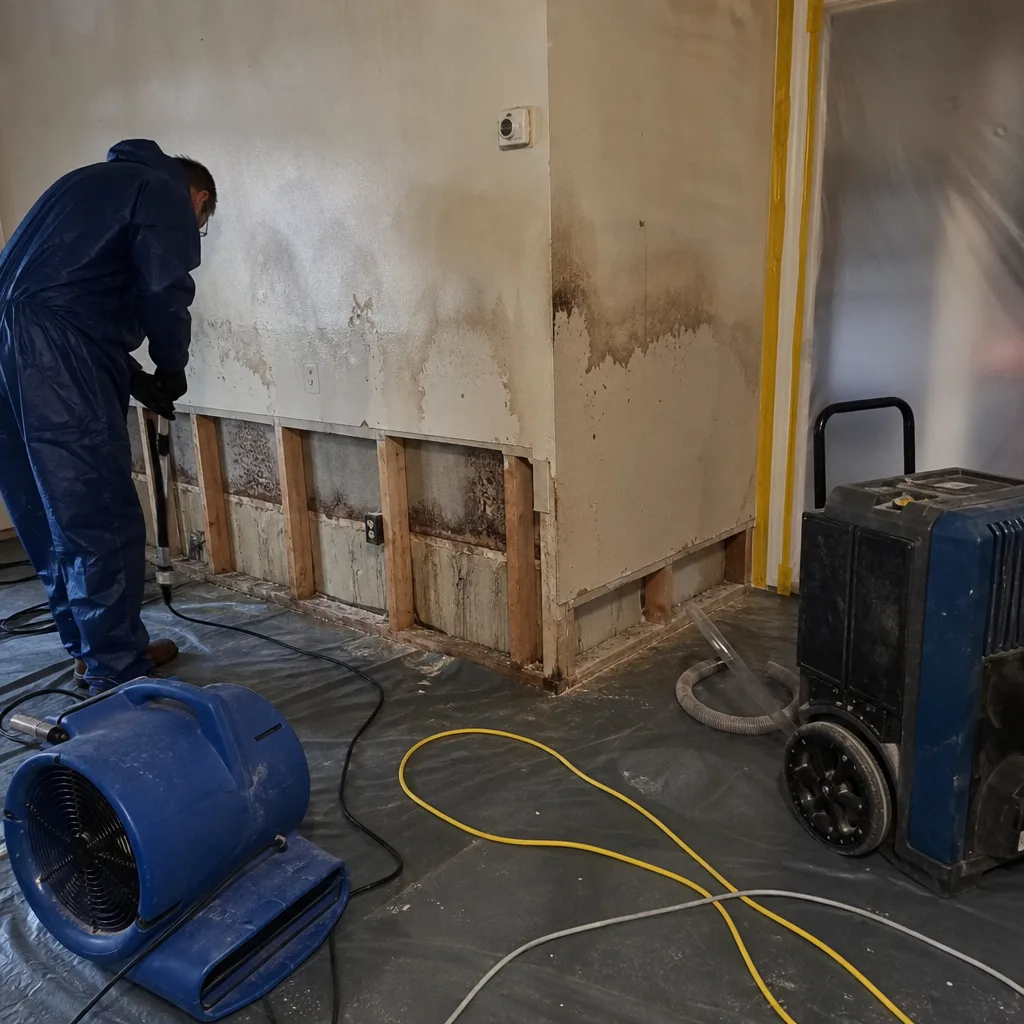 Before
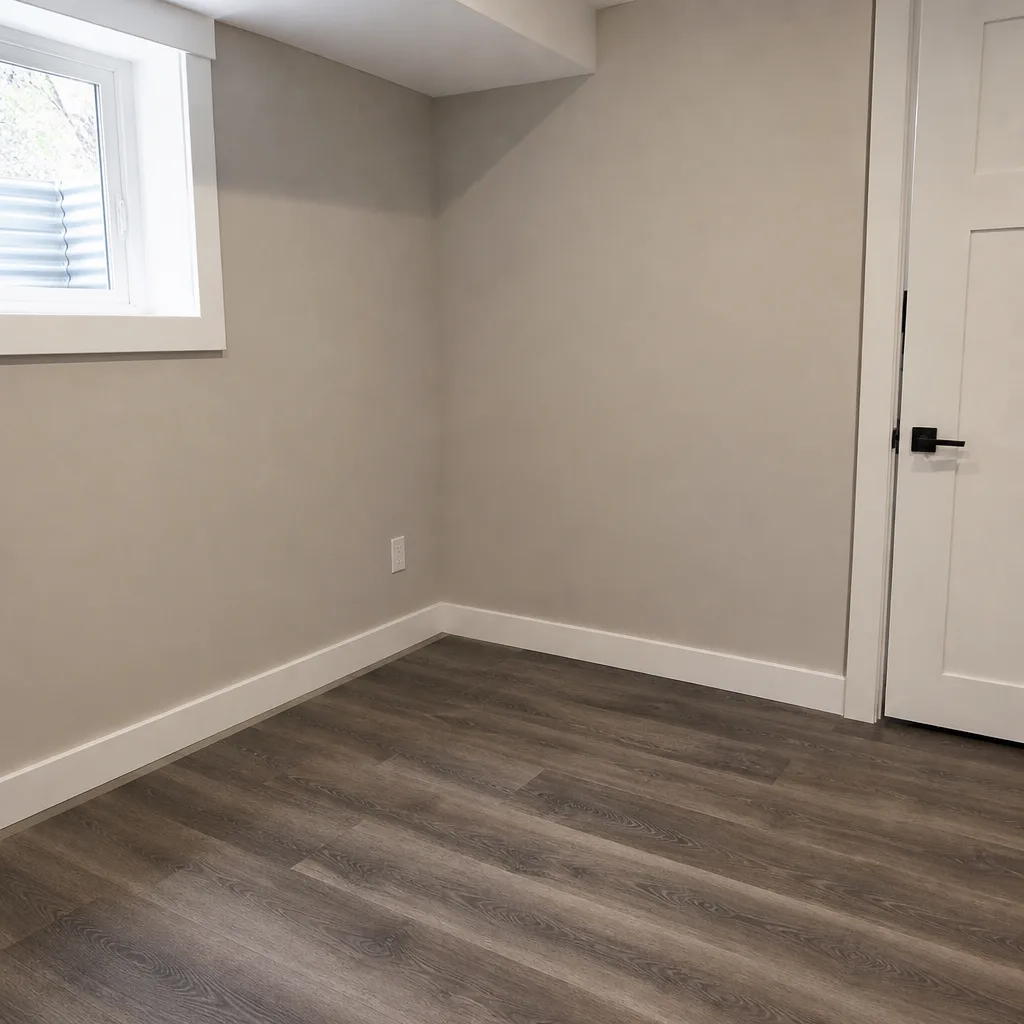 After
After24/7 Emergency Water Damage Restoration in Puyallup
Water damage in Puyallup homes typically costs $2,800-$6,500 to mitigate and dry, with most emergency calls receiving a crew within 45 minutes when you call (253) 487-0371. Our phones are answered live, 24 hours a day, 7 days a week - no voicemail, no callbacks tomorrow while water keeps moving through your walls.
We dispatch from our Seattle office with crews already routed through the Puyallup area, including the River Road corridor, downtown core, and the hillside benches above the valley. The first hour determines whether you’re looking at extraction and drying or a full gut-to-studs rebuild. Water follows gravity and capillary action through Puyallup’s older balloon-framed bungalows and 1970s tract construction alike, and every minute of delay expands the affected square footage. We arrive with thermal imaging, penetrating moisture meters, and extraction equipment to stop the migration before it reaches unaffected rooms.
Your free visual inspection includes moisture mapping of the entire affected area, not just what’s wet to the touch. We document everything - photo record, meter readings, material classifications - from the moment we enter.
Understanding Water Damage Restoration Severity in Puyallup Properties
Water damage breaks into three categories that dictate our response, your health exposure, and what your insurer will cover. Category 1 is clean water - burst supply lines, overflowing sinks, ice-maker failures. It dries straightforwardly if we reach it within 24 hours. Category 2 is gray water - dishwasher discharge, washing machine overflow, sump pump failures - carrying enough contaminant load that affected porous materials (drywall, carpet pad, insulation) require removal, not just drying. Category 3 is black water: sewage backup, ground flooding, or any water that has passed through soil or waste systems. Everything porous goes. Every time.
Puyallup’s housing stock makes category determination harder than it looks. A 1925 Craftsman on River Road with original galvanized supply lines can present as Category 1 at the source but test Category 2 by the time it has traveled through decades of corroded pipe and saturated lath-and-plaster wall cavities. The 1970s-90s tract homes that filled Puyallup’s east and south expansions used T1-11 panel siding with minimal or no house wrap, so a roof leak that reads Category 1 at the ceiling stain often reveals Category 2 contamination once we run moisture mapping and find mold colonization behind the sheathing. Our crews carry ATP meters and moisture sensors specifically to catch these gradations that visual inspection misses.
Structural drying in Puyallup requires psychrometric calculation - measuring temperature, relative humidity, and vapor pressure differential to establish how much moisture the air can hold and how fast we can evacuate it without over-drying and damaging original fir subfloors or historic plaster. We document these readings in daily drying logs, per IICRC S500 standards, because your adjuster will ask for them.
Why Puyallup Property Owners Choose DryMark Restoration Auburn
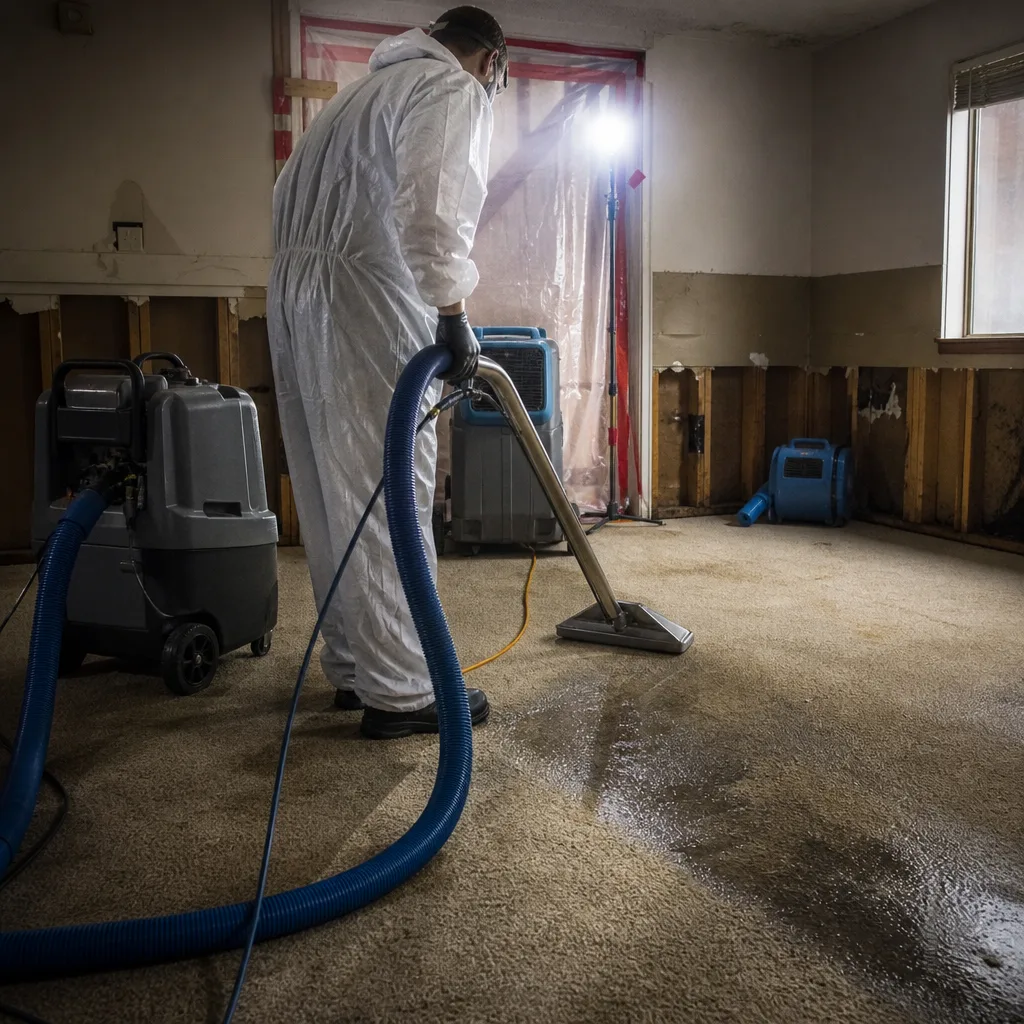
- 45-minute response commitment to Puyallup addresses, with crews staged for the River Road corridor, downtown, and South Hill bench neighborhoods.
- 24/7 live answer - a real person picks up every call, never an automated attendant or next-business-day callback while water is still wicking through your floor joists.
- IICRC-certified crews holding WRT (Water Damage Restoration Technician), FSRT (Fire & Smoke Restoration Technician), and AMRT (Applied Microbial Remediation Technician) certifications - license numbers provided on request.
- Free visual inspection with moisture mapping, thermal imaging, and a written scope before any equipment is powered on or any demolition begins.
- Direct insurance billing with documented photo records, daily drying logs, and line-item scopes formatted to your carrier’s standard - we coordinate with adjusters, not dump paperwork on you.
- One team from extraction to reconstruction - no handoffs between mitigation contractors and rebuild crews that lose continuity on your documentation.
BeforeAfterOur Water Damage Restoration Process
1. Inspection & Assessment
We arrive with thermal imaging cameras, non-penetrating and penetrating moisture meters, and hygrometers to map the full extent of water migration. In Puyallup’s older homes, we pay special attention to balloon framing cavities and crawl spaces where water travels horizontally along sill plates. You receive a written scope with line-item pricing before any work begins - Haven Standard, Clause 1.
2. Water Extraction & Stabilization
Standing water comes out first - truck-mounted extraction for carpeted areas, submersible pumps for basements and crawl spaces, weighted extraction tools to pull water from pad and subfloor. We deploy containment barriers and negative air machines if Category 2 or 3 conditions exist to prevent cross-contamination to dry areas of the home.
3. Structural Drying & Dehumidification
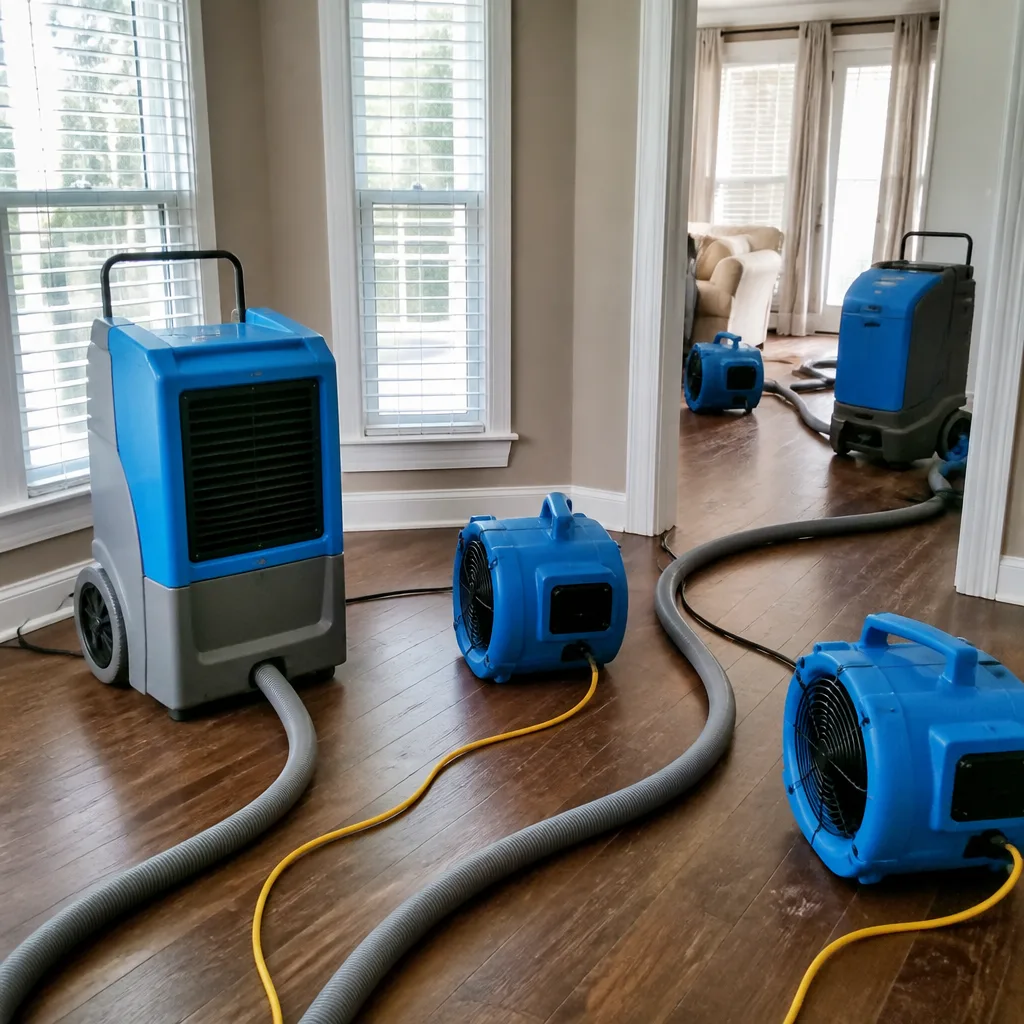
We calculate the specific psychrometric load of your structure and deploy commercial dehumidifiers - Phoenix and Dri-Eaz LGR units for primary drying, supplemented by Injectidry systems for wall cavities and hardwood floors. XPOWER and B-Air air movers create controlled airflow across wet surfaces. Daily moisture logs track progress to IICRC S500 dry standards.
4. Cleaning & Sanitization
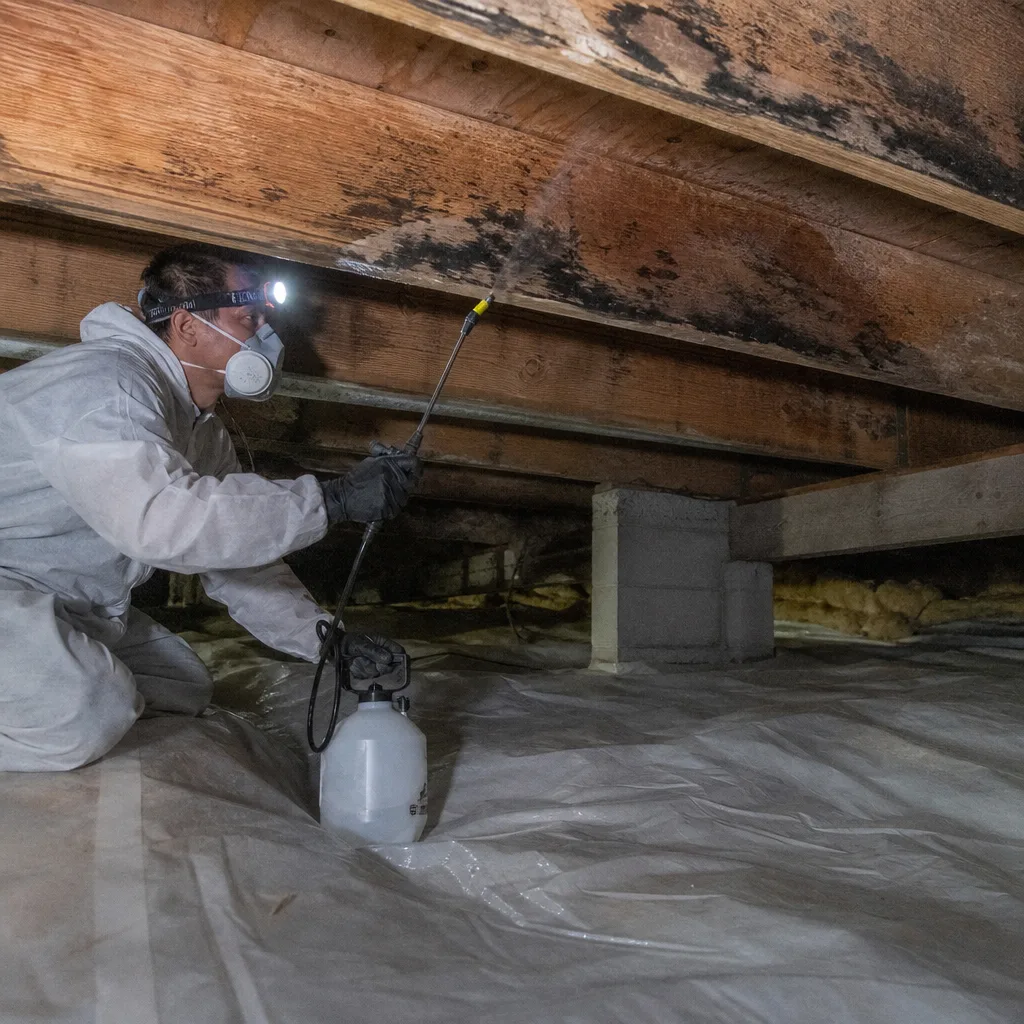
All affected surfaces receive antimicrobial treatment appropriate to the water category. In Puyallup’s chronic wet-season conditions, we apply botanical-based antimicrobials on structural framing to inhibit mold colonization during the extended drying windows that Pacific Northwest humidity creates.
5. Moisture Verification & Documentation
We don’t sign off until moisture readings meet or fall below dry standard benchmarks for each material class - wood, drywall, concrete, insulation. Your documentation packet includes the complete photo record, daily drying logs with psychrometric data, and a moisture mapping report that separates pre-loss condition from damage caused by the loss event.
6. Repairs & Restoration
Our reconstruction crew returns affected areas to pre-loss condition using the same documentation package. In Puyallup’s lahar-zone properties, we separate mitigation invoices from rebuild scopes so elevation-certificate reviews or underwriting holds cannot stall your drying timeline - a documentation structure we developed specifically for this market.
Need Emergency Water Damage Restoration in Puyallup Now?
Crews minutes away, answering live 24 hours a day. The sooner we start, the less it costs.
Working With Your Insurance Company
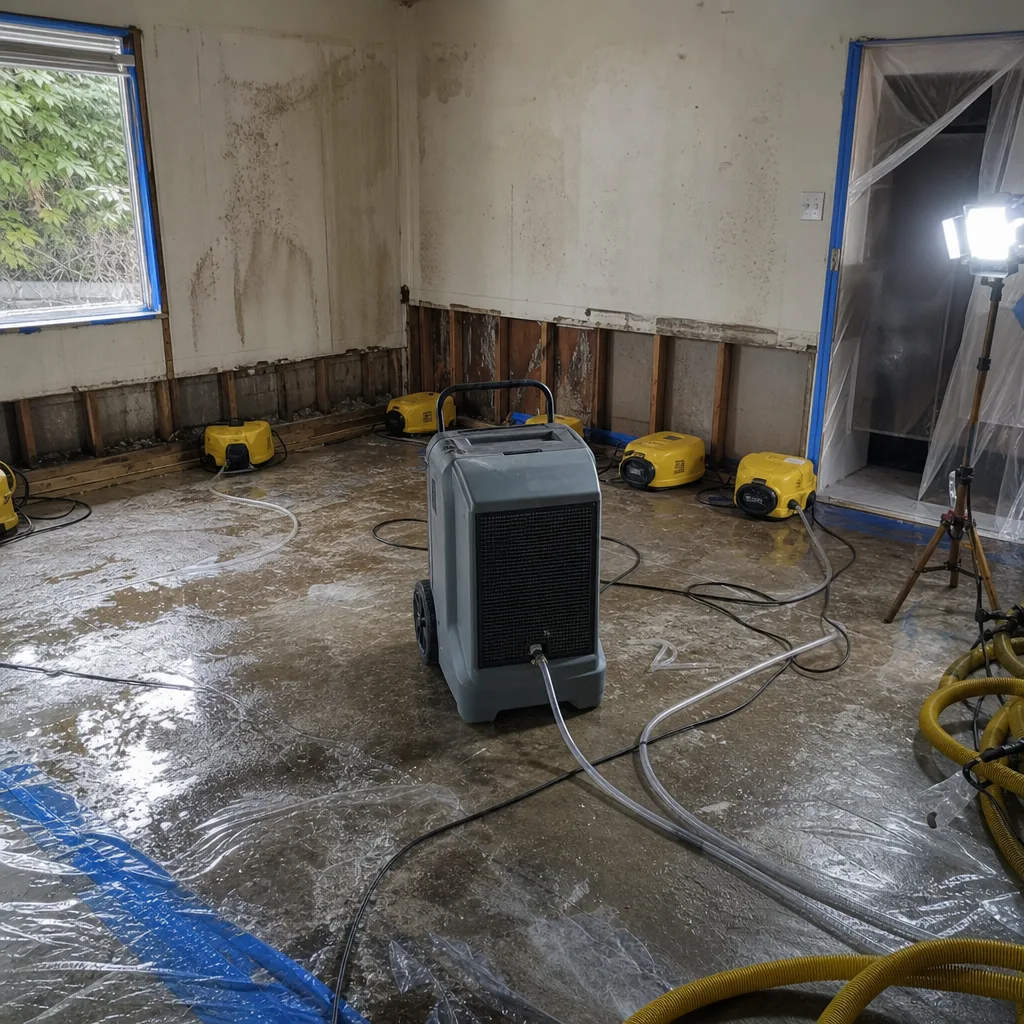
Documentation from the first hour is what turns a disputed claim into a paid claim. We photograph every room before we touch anything, record moisture readings at every structural contact point, and build a line-item scope that separates mitigation from reconstruction. This matters especially in Puyallup, where lahar-zone designations can trigger adjuster reassignments and underwriting reviews that stall less-prepared contractors for weeks.
Our estimates are formatted to Xactimate standards, the pricing database used by most major carriers. We speak directly with your adjuster, provide supplemental documentation when scope expands, and never ask you to float costs while waiting for carrier approval on covered losses. If your carrier disputes line items, we defend our documentation with the photo record and drying logs that support every charge.
What We Provide Your Insurer
- Thorough documentation of the loss
- Photos of all damage, room by room
- Moisture readings and drying logs
- A detailed, line-item scope of work
- Direct coordination with your carrier
Built for Puyallup’s Loss Calendar
Puyallup’s water damage season runs October through May, but the causes shift month by month. October brings the first sustained rains, and we see a wave of roof-leak calls as moss-compromised shingles on homes below the tree line finally saturate. November through January delivers the heaviest precipitation - 45 inches annually, concentrated in these months - and crawl spaces that have been slowly humid all summer cross into active standing water as groundwater tables rise.
February and March bring a secondary pattern: glacial melt pulses from Mount Rainier spike the Puyallup River even during otherwise dry stretches, catching low-valley homeowners with basement and crawl-space flooding outside normal storm windows. April and May see the last of the saturated-soil seepage through foundation cracks. June through September brings relative dryness, but we still handle burst supply lines, water heater failures, and the occasional summer thunderstorm that overwhelms gutters already packed with a year’s debris.
Every season, Puyallup’s older housing stock - balloon-framed Craftsmans with no vapor barriers, 1970s tract homes with T1-11 siding - amplifies damage that newer construction would shrug off. We calibrate our drying protocols accordingly.
Water Damage Restoration Across Puyallup’s Neighborhoods
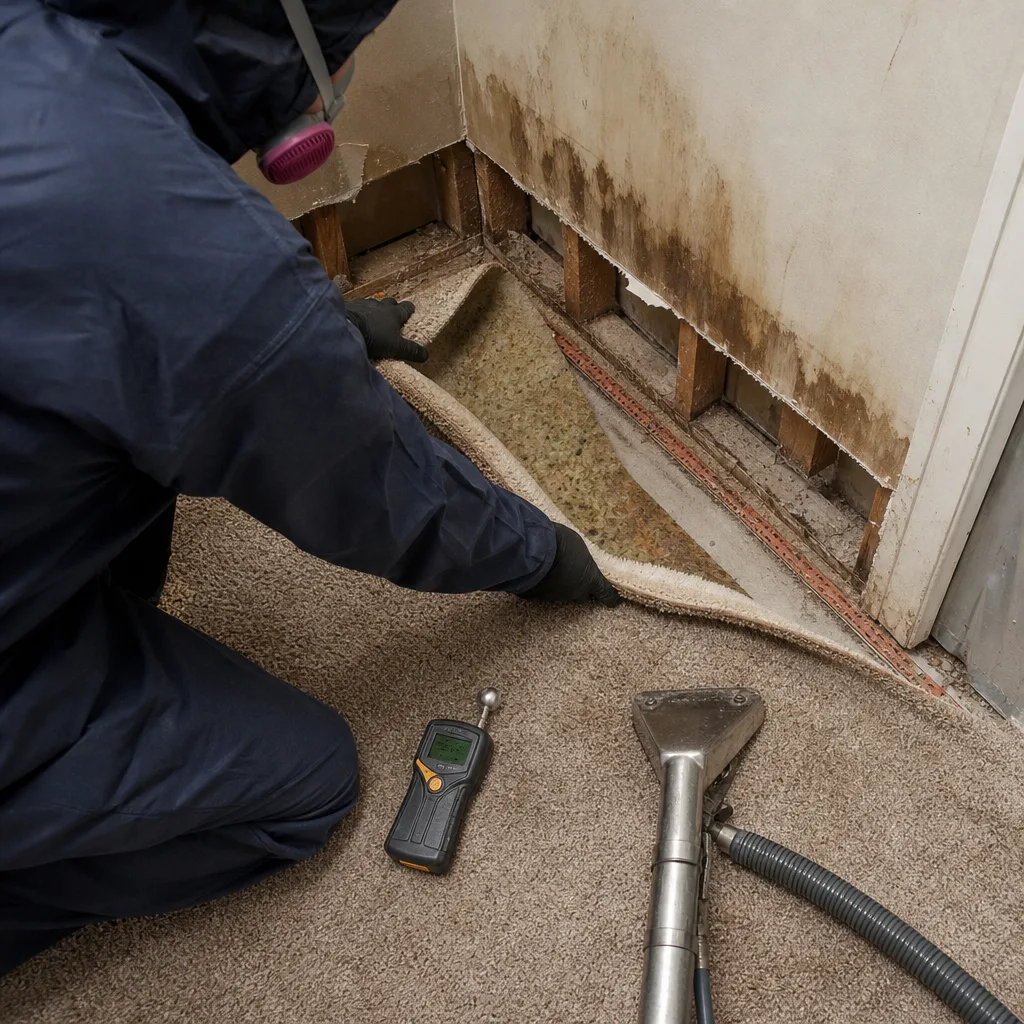
The River Road corridor and lower downtown carry the most complex claims we handle in Pierce County. These blocks sit inside dual FEMA flood-zone and USGS lahar inundation channel designations, which means a standard water-loss job can stall for weeks when adjusters flag the property and request elevation certificates before approving structural drying. Our crews know to document pre-loss condition exhaustively - photo record, moisture mapping, material classification - so the elevation review cannot hold up the mitigation timeline. We separate every invoice into mitigation and rebuild phases, a documentation structure we developed specifically for this corridor.
South Hill and the bench neighborhoods above the valley floor present different challenges: newer construction with modern wrap systems, but often built on glacial-outwash soils with unpredictable drainage that channels groundwater toward foundations. We see chronic crawl-space saturation here, sometimes with no obvious leak source - just hydrostatic pressure finding the path of least resistance through a stem wall crack. Our moisture mapping identifies the entry point so the repair addresses cause, not just symptom.
The downtown core and its ring of early-1900s Craftsmans keep us busy with original galvanized supply lines and cast-iron drains that fail slowly behind plaster. Homeowners smell mustiness, blame the house’s age, and don’t realize they have an active Category 2 leak until we pull moisture readings showing 28% wood moisture content in the wall cavity - well above the 16% threshold where mold colonizes.
East Puyallup’s 1970s-90s expansions, particularly the tracts off Meridian and toward Sumner-Alderton, built fast with T1-11 siding and minimal house wrap. A ceiling stain from a roof leak often reveals, under thermal imaging, a full wall cavity of wet OSB sheathing and mold growth that requires pack-out of the interior wall to access and dry.
Specialized Water Damage Restoration Services We Offer in Puyallup
Emergency Water Extraction
Standing water doesn’t wait. We deploy truck-mounted extraction systems, submersible pumps, and weighted extraction tools to remove water from carpet, pad, and hard surfaces within hours of your call. In Puyallup’s lahar-zone properties, rapid extraction is critical - the longer water sits, the more likely adjusters will question whether damage predated the reported loss event.
Structural Drying & Dehumidification
We calculate vapor pressure differential and specific humidity for your structure, then deploy Phoenix LGR dehumidifiers, Injectidry cavity drying systems, and XPOWER air movers in a balanced drying chamber. Puyallup’s near-continuous wet season means exterior air is often too humid to assist drying; we create and control the drying environment entirely with mechanical systems, documented daily to IICRC S500 standards.
Flood Cleanup
Ground flooding and river-overflow events in Puyallup’s low-lying areas bring Category 3 contamination - silt, agricultural runoff, and whatever the Puyallup River has collected upstream. Everything porous is removed: carpet, pad, drywall, insulation. Structural framing is cleaned, sanitized, and verified dry before rebuild. We coordinate with your adjuster on content inventory and separate flood coverage from standard water damage where policy language requires it.
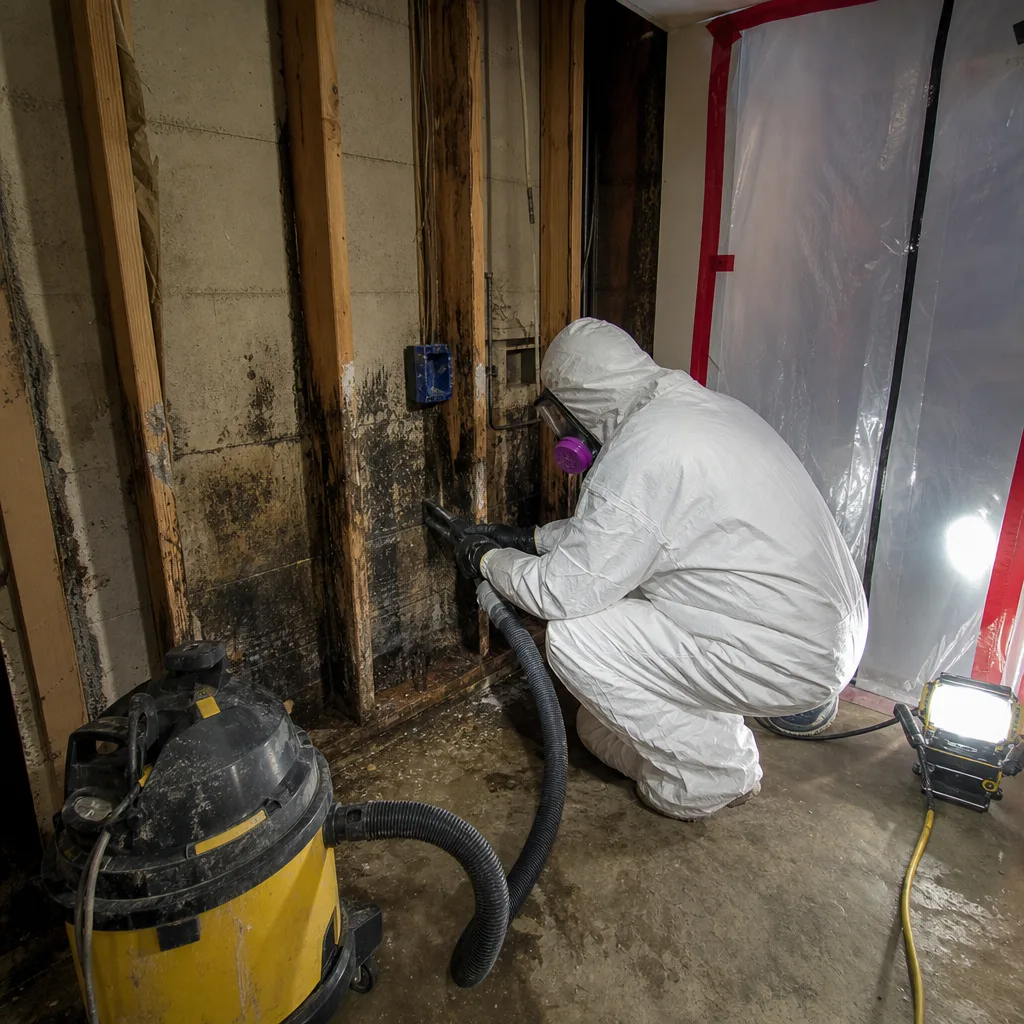
Burst Pipe Restoration
Puyallup’s older galvanized supply lines and the freeze-vulnerable plumbing in crawl spaces and exterior walls are common failure points. We extract, dry, and document the line-of-sight damage, then map for hidden migration through wall cavities and subfloor spaces. Our written scope separates plumbing repair from water damage mitigation so your plumber and your insurer each see their relevant line items.
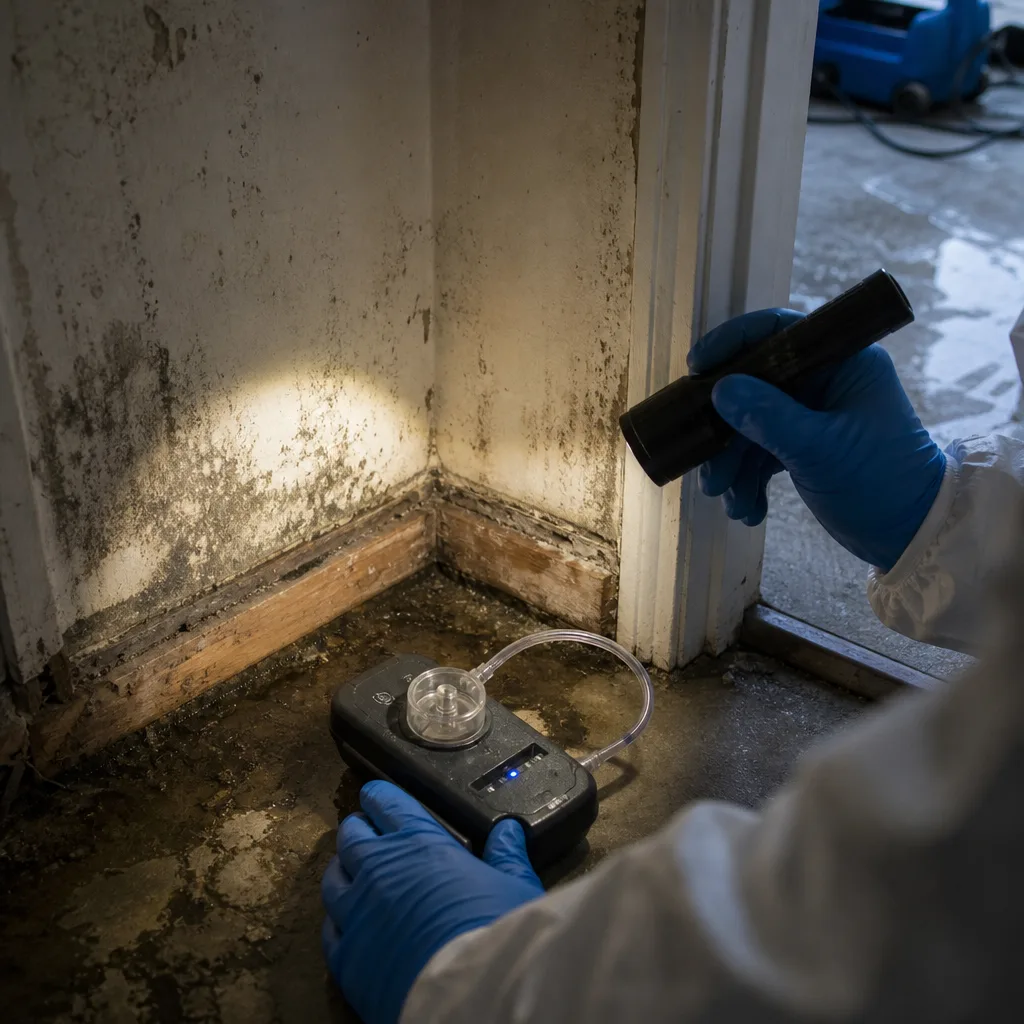
Basement Water Removal
Puyallup basements, particularly in the River Valley and lower downtown, face hydrostatic pressure from high groundwater tables and glacial-outwash drainage patterns. We pump, extract, and install temporary or permanent drainage solutions as the scope requires. Chronic seepage gets a different protocol than sudden inundation - we diagnose which you have before quoting.
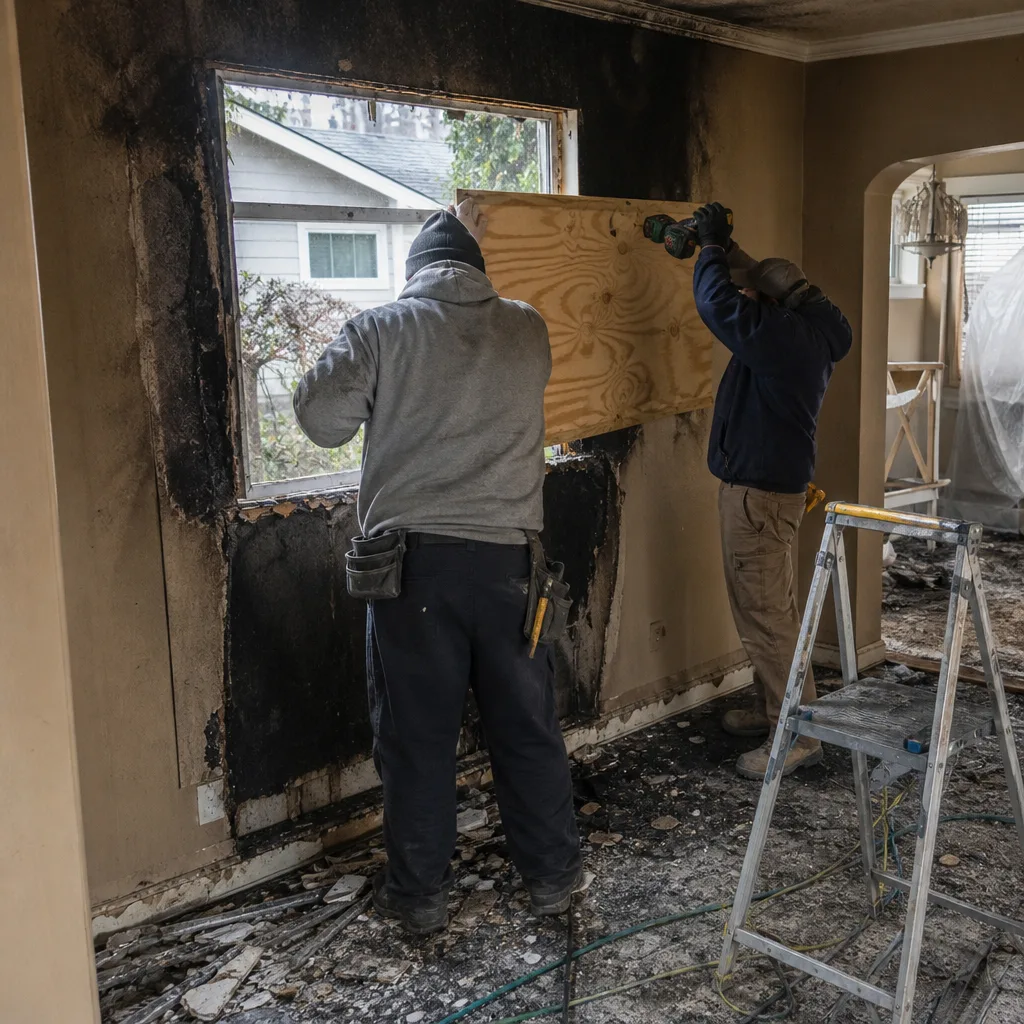
Ceiling & Roof Leak Water Damage
Puyallup’s mature tree canopy and moss-friendly climate mean roof leaks often start small and hide for months in attic insulation before staining the ceiling below. By the time you see the stain, the damage may span multiple rooms along the rafter line. We trace the full migration path with thermal imaging, remove wet insulation, dry the deck and framing, and document whether the roof repair is a maintenance issue or storm damage for your insurer.
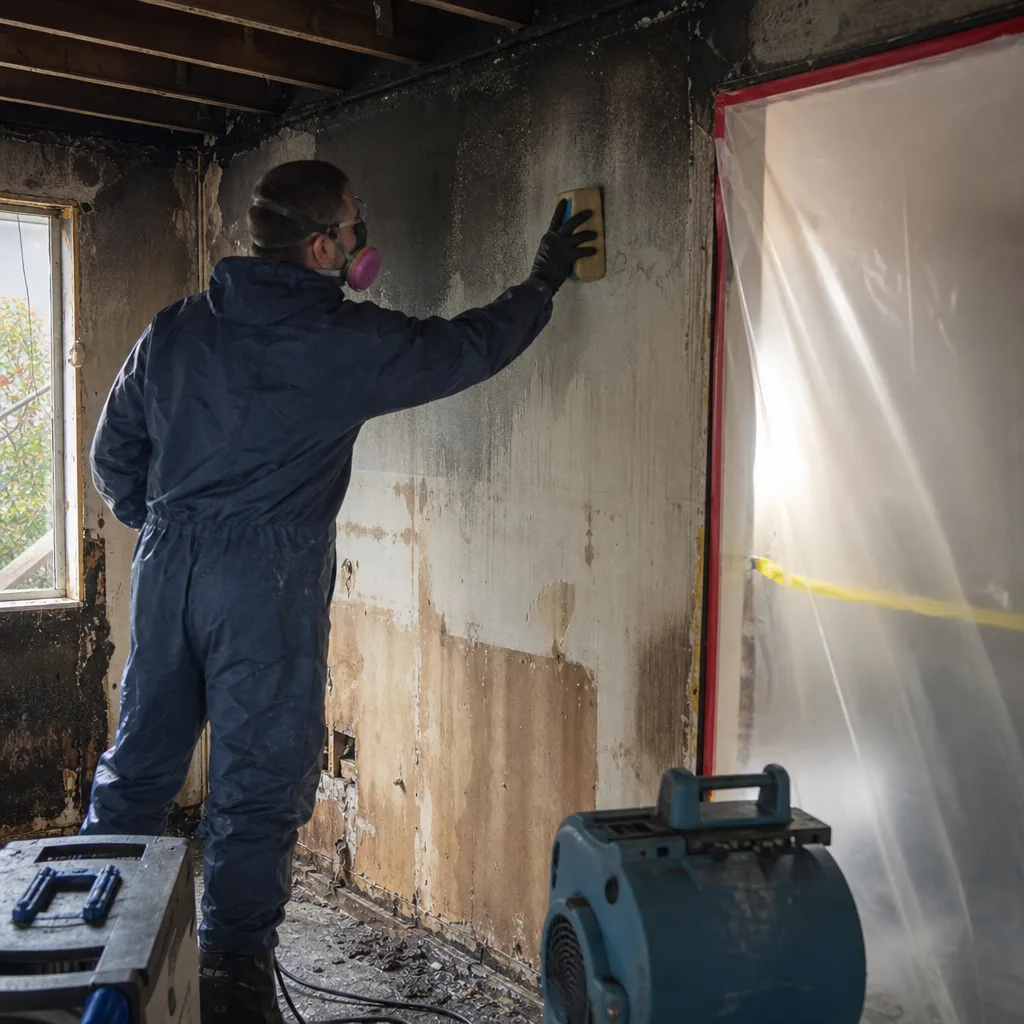
What happens when you call
- 1
A real person answersNo phone trees - you reach a local pro.
- 2
You get an upfront price rangeHonest numbers before anyone is dispatched.
- 3
A background-checked tech heads outLicensed & insured, dispatched right away.
- 4
You approve before work beginsNothing starts until you say go.
Water Damage Restoration Costs in Puyallup, WA
Most water damage mitigation and drying projects in Puyallup fall between $2,800 and $6,500, with reconstruction adding $15-$35 per square foot depending on finishes and whether original materials (fir flooring, plaster, built-ins) require specialty matching. Here’s how typical scenarios break down:
| Service | Typical Range in Puyallup |
|---|---|
| Emergency water extraction (up to 1,000 sq ft affected) | $800 - $1,800 |
| Structural drying & dehumidification (3-5 day standard) | $1,500 - $3,200 |
| Category 2 gray water: removal of affected materials + drying | $2,800 - $5,500 |
| Category 3 black water: full gut, sanitize, dry | $4,500 - $8,500+ |
| Crawl space extraction and drying | $1,200 - $3,000 |
| Basement flooding (pump, extract, dry) | $2,000 - $4,500 |
What moves the price: square footage affected, water category (clean vs. contaminated), whether demolition is required to access wet cavities, and whether your Puyallup address triggers additional documentation requirements for adjuster review. Insurance typically covers sudden and accidental water damage from internal sources; gradual leaks and maintenance-related roof failures often fall to the homeowner. We provide a written price before any work begins - Haven Standard, Clause 1 - and a free second opinion on any competitor’s written estimate.
We Also Serve Cities Near Puyallup
Our crews respond throughout the south Sound valley, including Water Damage Restoration in Puyallup and surrounding communities: Milton to the northwest, Tacoma to the north, Auburn to the northeast, and Federal Way to the north along the I-5 corridor. Each city carries distinct housing stock, soil conditions, and adjuster practices that our documentation protocols address specifically.
Serving Puyallup, WA - Our Local Coverage Area
We’re based in the Puyallup area and know this community well. Use the map below to see our service coverage - if you’re nearby, we can almost certainly help.
Puyallup Water Damage Restoration Questions, Answered
Why does a water damage claim in lower downtown Puyallup take longer than one in Sumner?
Lower downtown Puyallup sits inside a mapped USGS lahar inundation channel from Mount Rainier, which triggers adjuster underwriting reviews and elevation-certificate requests that properties on Sumner’s higher ground never face.
We prevent these delays by documenting pre-loss condition exhaustively - photo record, moisture mapping, material classification - and separating mitigation invoices from rebuild scopes so the elevation review cannot stall your drying timeline. A claim in Sumner might close in 10 days; the same loss on River Road can take 3-4 weeks if documentation is incomplete. We build our Puyallup protocols specifically for this reality. Call (253) 487-0371 for a free inspection and written scope.
How fast does mold grow in a wet Puyallup crawl space during the October-May wet season?
Mold colonization begins on wet organic materials within 24-72 hours, and Puyallup’s near-continuous wet-season humidity means crawl spaces rarely dry passively once saturated.
We see chronic crawl-space moisture on South Hill bench properties where glacial-outwash soils channel groundwater toward foundations, and in older downtown homes with no vapor barrier over dirt crawl spaces. By day 5-7, visible mold is likely; by day 14, we’re often looking at Category 3 conditions requiring full removal of insulation and vapor barrier, plus HEPA air scrubbing. If your crawl space smells musty or your floors feel soft, call (253) 487-0371 - we include moisture mapping and thermal imaging in our free inspection.
Can you tell from the water source whether my Puyallup home needs full removal or just drying?
The water category determines removal versus drying: Category 1 clean water from a burst supply line can often be dried in place if we reach it within 24 hours; Category 2 gray water requires removal of porous materials like carpet pad and drywall; Category 3 black water requires removal of everything porous.
Source alone isn’t enough - we test with ATP meters and moisture mapping because Puyallup’s older galvanized pipes and cast-iron drains can degrade clean water to Category 2 by the time it reaches your wall cavity. A supply line leak in a 1925 Craftsman often tests differently than the same leak in a 2005 build. We give you the meter readings and explain the classification before any demolition begins. Call (253) 487-0371 for documentation you can show your adjuster.
What should I do first if my basement floods on a dry August day in the Puyallup River Valley?
Check whether the water is clear or dirty, then call us immediately - a dry-day flood in the Puyallup River Valley often means a glacial-melt pulse has spiked the river level and pushed groundwater through your foundation.
Turn off electricity to the affected area if you can do so safely from a dry location. Don’t enter standing water if the source is unknown or if electrical outlets are submerged. We carry submersible pumps and extraction equipment sized for basement flooding, and we document whether the loss qualifies as surface water (flood coverage) or groundwater seepage (often excluded). That documentation determines whether your claim is covered. Call (253) 487-0371 - we answer live, even on dry August days.
Will replacing my original windows or siding stop the recurring dampness in my 1920s Puyallup bungalow?
Replacement windows and new siding may help, but they won’t solve dampness caused by balloon framing with no vapor barrier, original lath-and-plaster that wicks moisture, or a dirt crawl space with no ground seal.
We’ve inspected dozens of downtown Puyallup Craftsmans where homeowners spent $20,000 on windows and siding only to find the moisture source was a failed galvanized drain line behind the kitchen plaster or hydrostatic pressure through the stone foundation. We start with moisture mapping and thermal imaging to identify the actual migration path, then quote only the repairs that address the real problem. A written scope before any work begins - Haven Standard, Clause 1. Call (253) 487-0371 for the inspection that saves you from the wrong fix.
How long does structural drying take in Puyallup’s climate?
Standard structural drying takes 3-5 days in controlled conditions, but Puyallup’s high ambient humidity during the wet season often extends this to 5-7 days.
We don’t guess - we calculate specific humidity and vapor pressure differential daily, adjusting dehumidifier capacity and air mover placement based on actual psychrometric readings. Original fir subfloors and plaster walls in Puyallup’s older homes dry more slowly than modern materials and require careful monitoring to prevent over-drying and cracking. We provide daily moisture logs and don’t remove equipment until readings meet IICRC S500 dry standards for each material class. Call (253) 487-0371 for a timeline based on your specific structure, not a generic estimate.
Can my family stay in the home during water damage restoration?
You can usually remain during Category 1 drying if the affected area can be contained and air quality is not compromised; Category 2 and 3 losses, or any loss with visible mold, typically require temporary relocation of at least the affected rooms.
We set containment barriers with negative air pressure for contaminated areas, and we test airborne particulate levels with laser particle counters. In Puyallup’s older homes with interconnected balloon framing, water and mold migration often spreads beyond the visible damage, so we map the full extent before advising whether occupancy is safe. Your health documentation is included in our standard deliverables. Call (253) 487-0371 for air quality assessment as part of your free inspection.
What certifications do your Puyallup water damage technicians carry?
Our lead technicians hold IICRC WRT (Water Damage Restoration Technician), FSRT (Fire & Smoke Restoration Technician), and AMRT (Applied Microbial Remediation Technician) certifications, with license numbers provided on request.
All work is documented to IICRC S500, RIA, and IFA standards, producing the daily drying logs and moisture mapping reports that turn restoration invoices into payable insurance claims. Equipment is maintained and calibrated per manufacturer specifications - Phoenix and Dri-Eaz dehumidifiers, Injectidry cavity systems, XPOWER and B-Air air movers. Background checks and verification are completed before any technician enters your home. Call (253) 487-0371 to request specific certification documentation for your adjuster or your records.
Written by Alicia Brennan, Owner at Back to Dry Restoration, serving Puyallup since 2011 under The Haven Standard.
Water Damage Restoration in Nearby Areas