Free visual inspection and a written scope of work before any mitigation begins - photos, moisture readings, and drying logs go in your claim file
The scope we write is the scope we bill. Anything new gets shown to you, in writing, before we touch it.

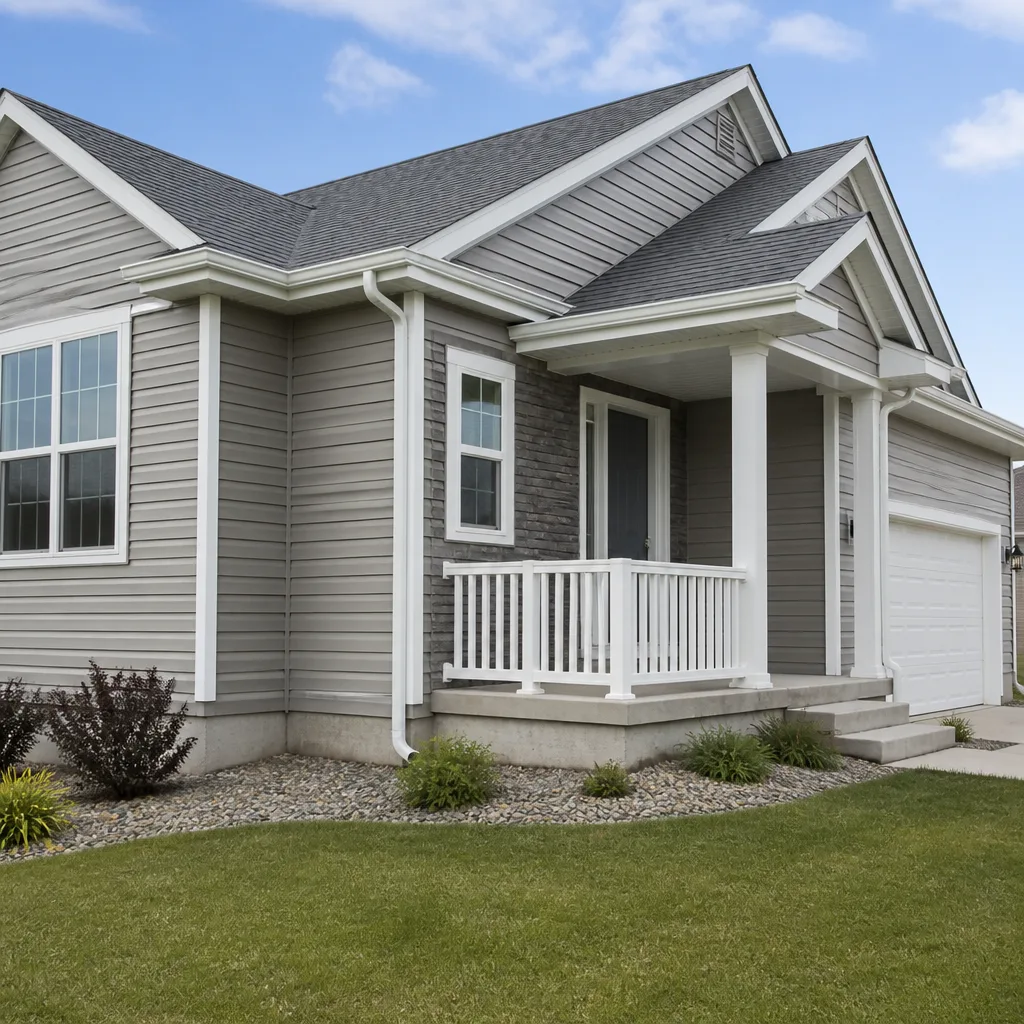
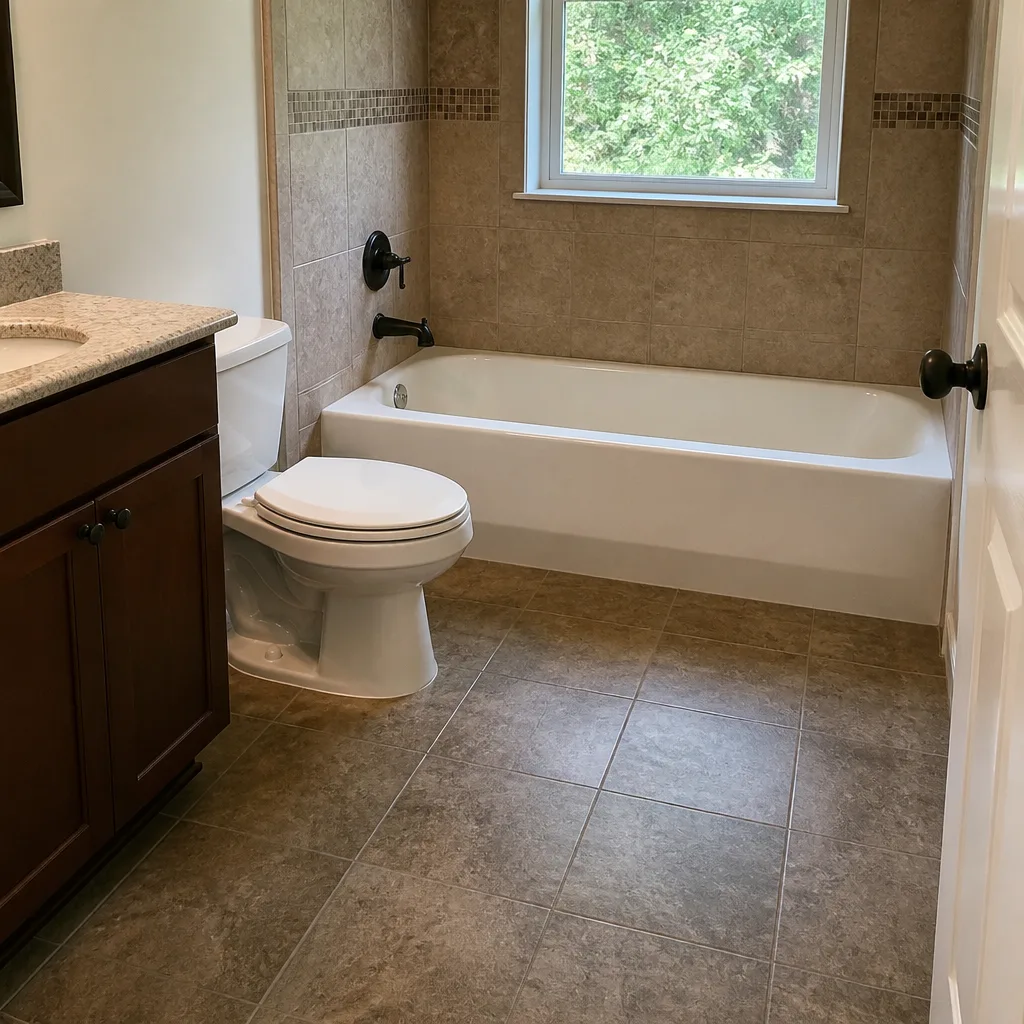
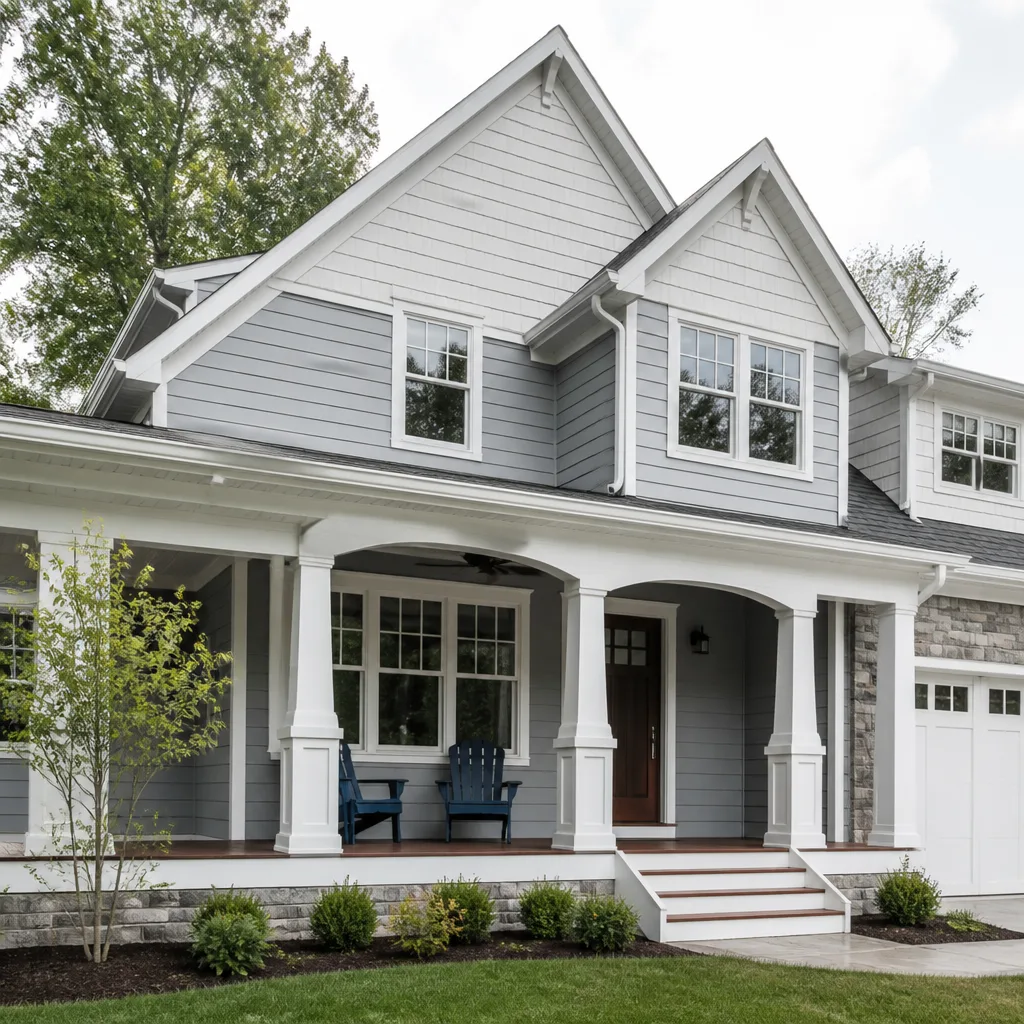
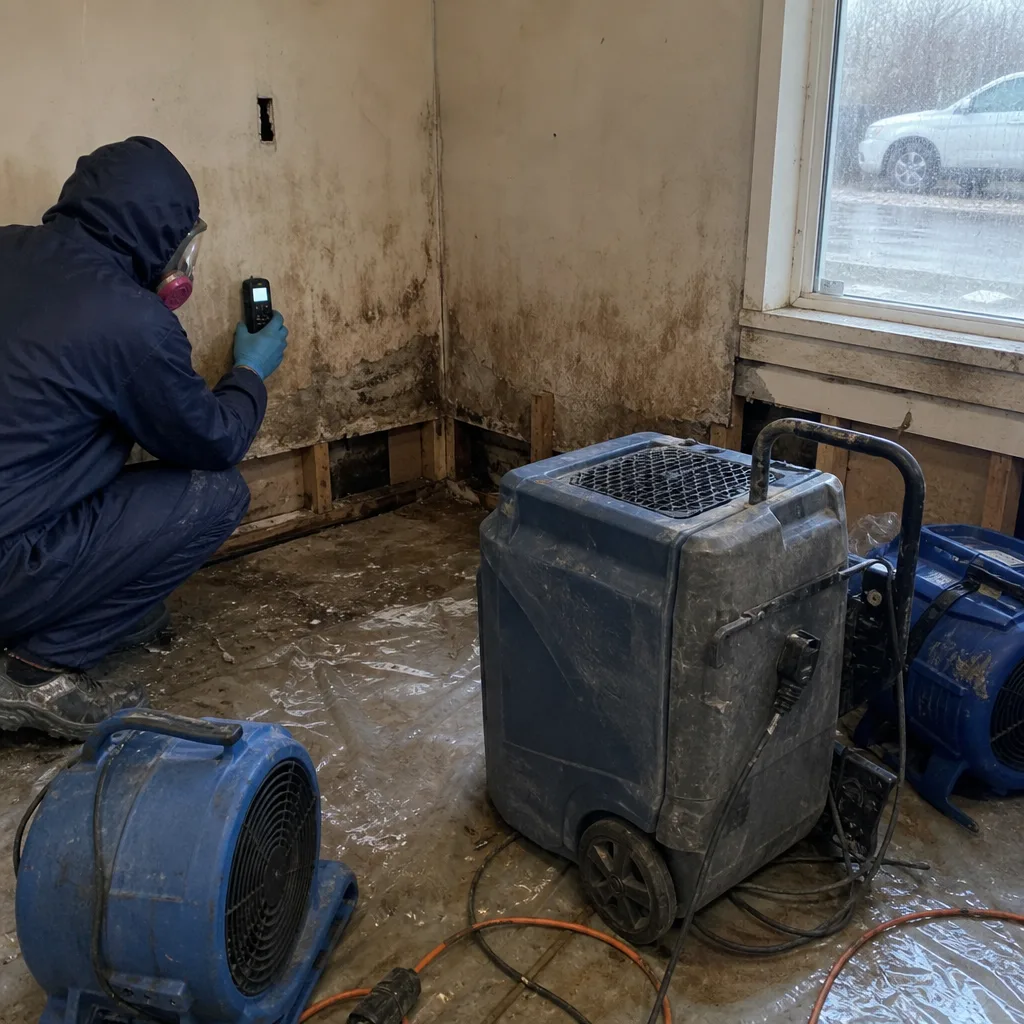 Before
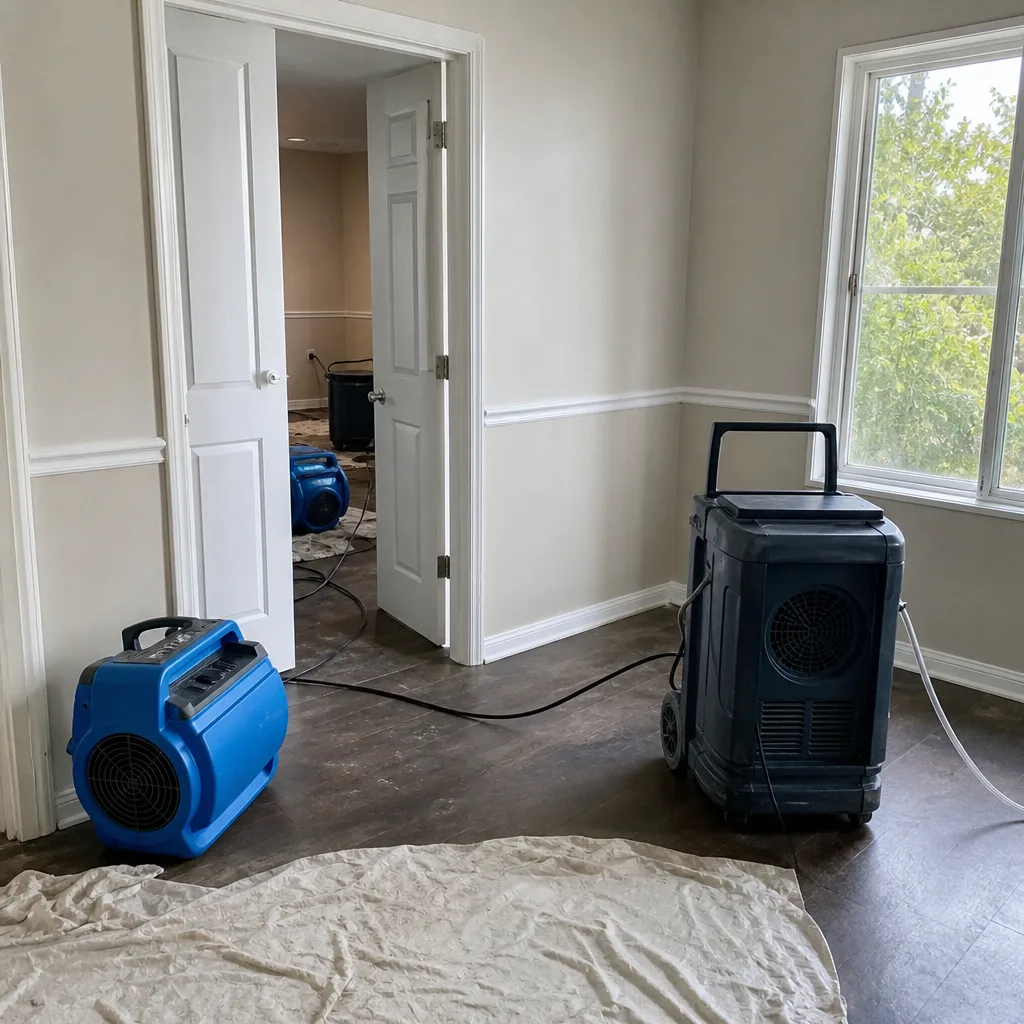 After
After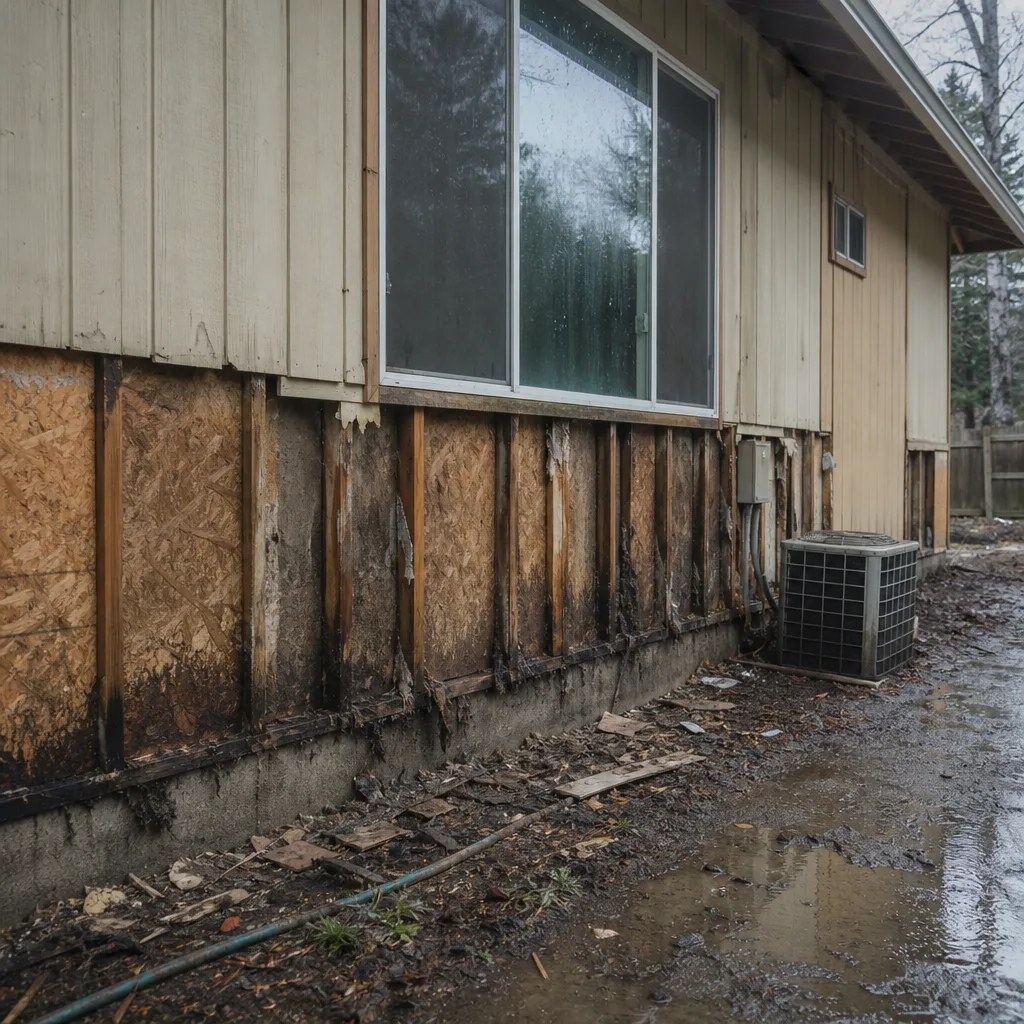 Before
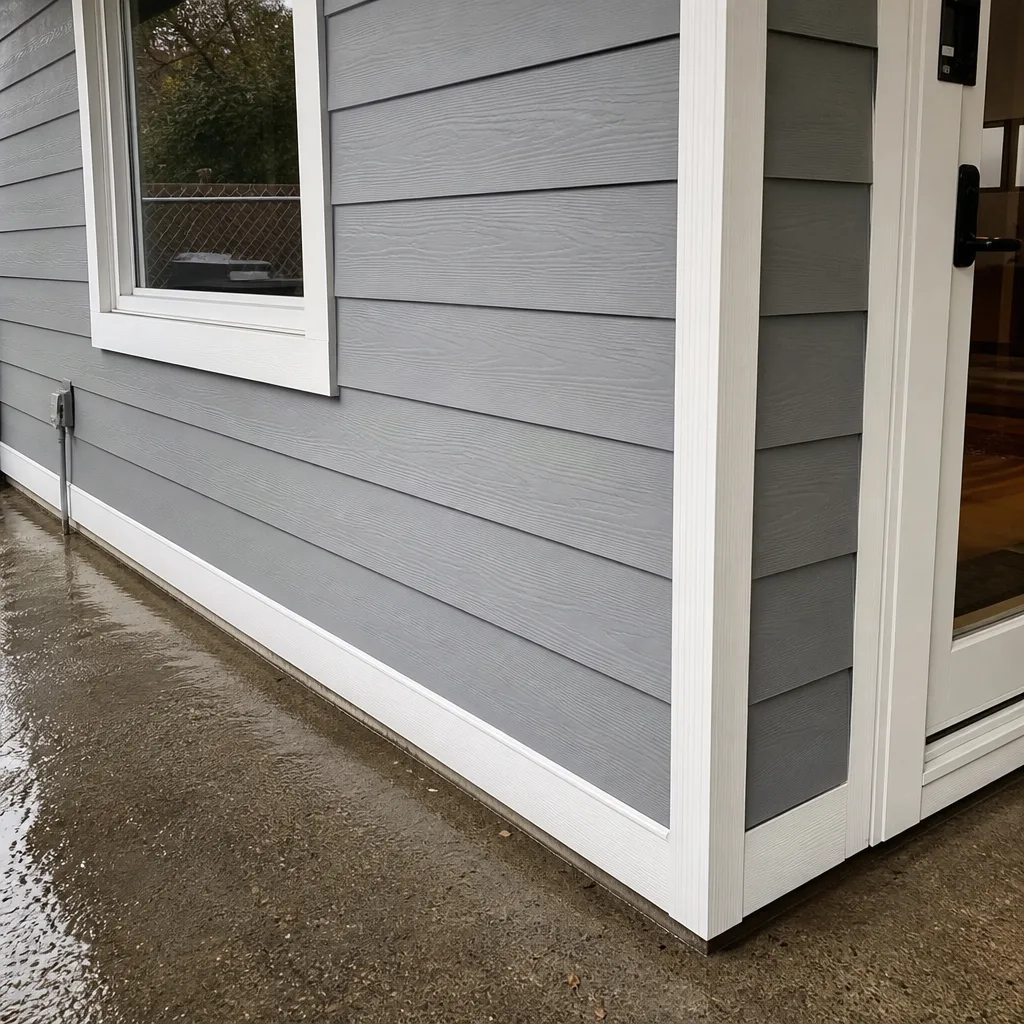 After
After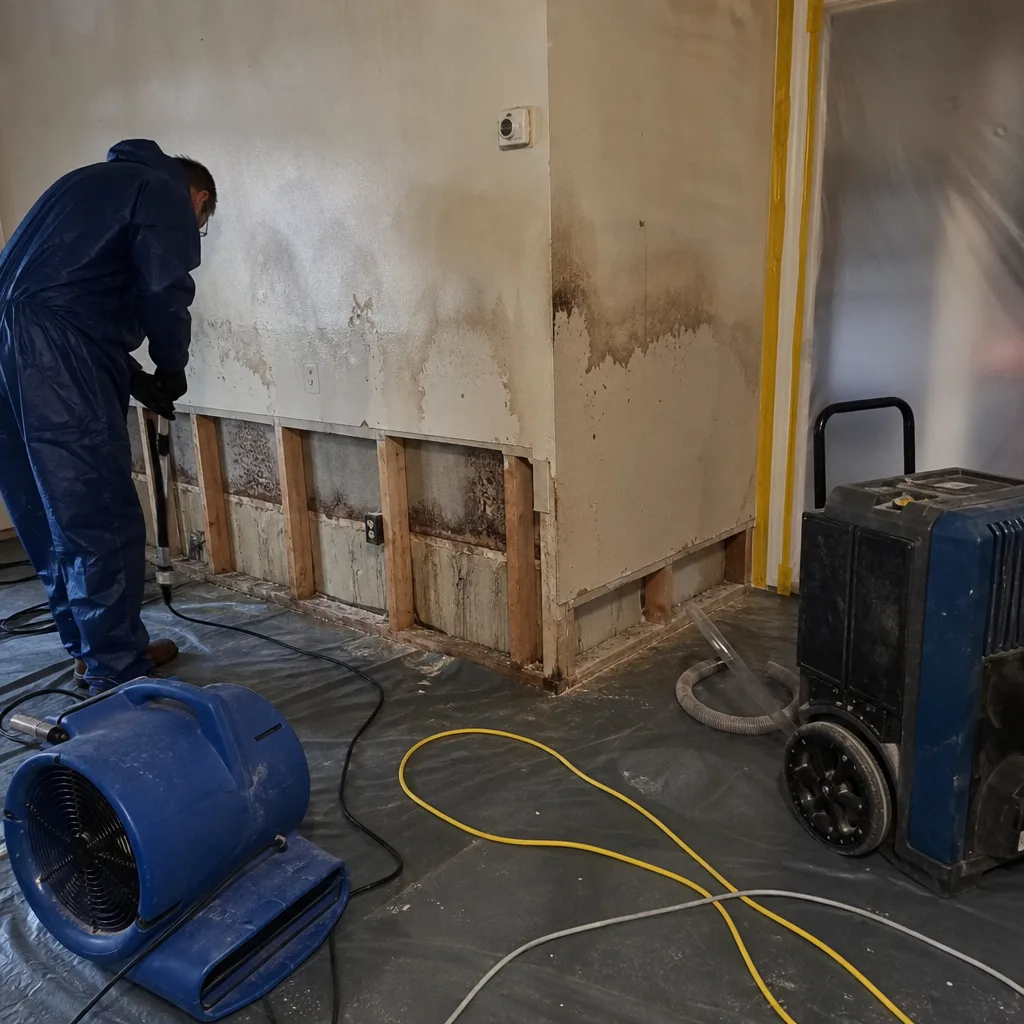 Before
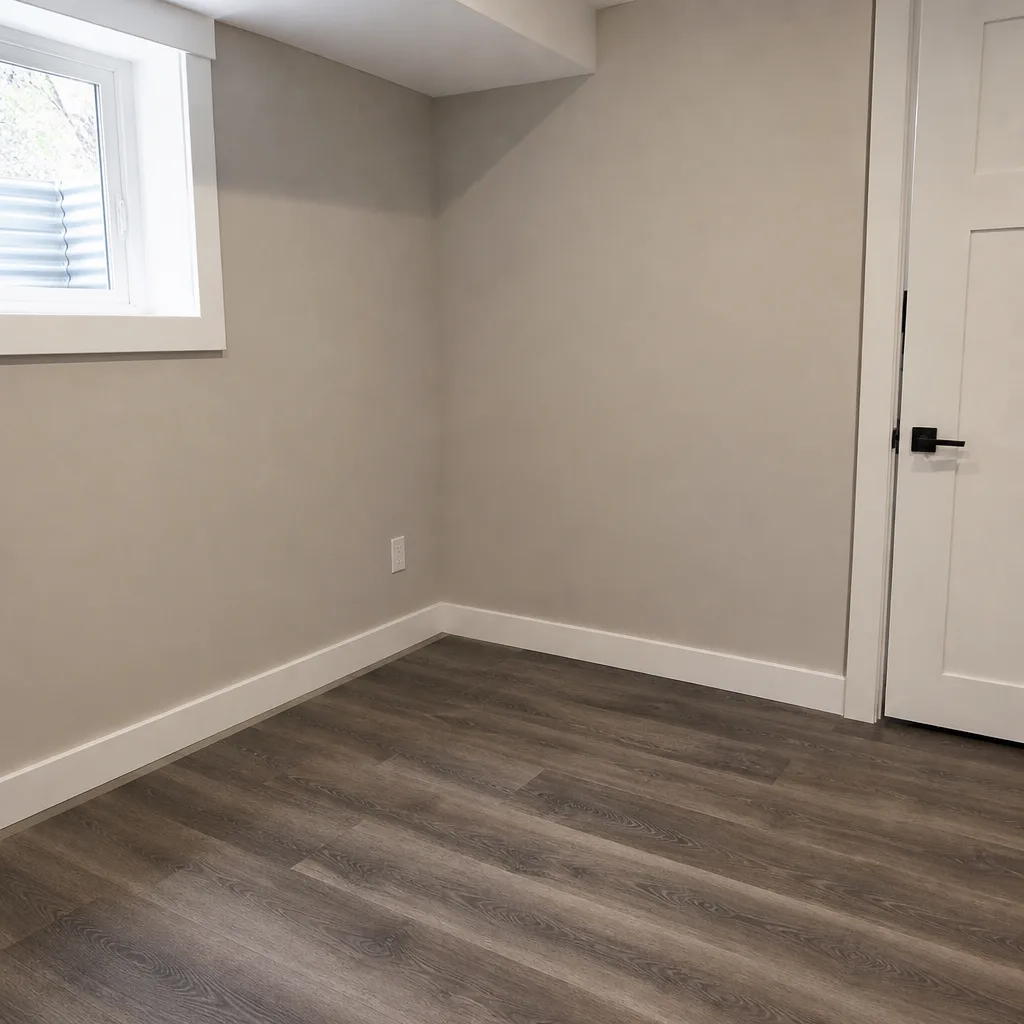 After
After24/7 Emergency Water Damage Restoration in Auburn
Water damage restoration in Auburn typically costs between $1,800 and $5,500 depending on contamination level and affected square footage, with Category 3 flood losses running higher due to mandatory remediation protocols. Most structural drying projects in Auburn homes take 3-5 days to reach pre-loss moisture readings, and our crews are dispatched from our Seattle office to serve Auburn properties with a 45-minute response commitment. Call (253) 487-0371 now - a live person answers every emergency line, 24 hours a day, 7 days a week, with no voicemail trees while water is still moving through your floors.
The first hour determines whether you’re looking at extraction and drying or full gutting and reconstruction. In Auburn’s Green River Valley, that first hour is even more critical: valley-floor properties near Auburn Way and the river corridor can take on contaminated Category 3 water during heavy rain events, and every minute of delay means more square footage requiring antimicrobial treatment, more material classification as unsalvageable, and a longer path back to habitable condition. We provide a free visual inspection and a written price before any work begins - Haven Standard, Clause 1.
Understanding Water Damage Restoration Severity in Auburn Properties
Water damage is classified by contamination level, not just volume. Category 1 is clean water from a supply line - a burst PEX fitting in a Lea Hill upstairs bath, for example. Category 2 carries significant contamination: dishwasher discharge, sump pump failures, or water that has passed through building materials. Category 3 is grossly contaminated and requires full PPE, containment, and antimicrobial treatment - and in Auburn, this includes any water that enters a valley-floor property during a Green River flood advisory, because that water carries upstream agricultural and industrial runoff from the watershed above the Howard Hanson Dam.
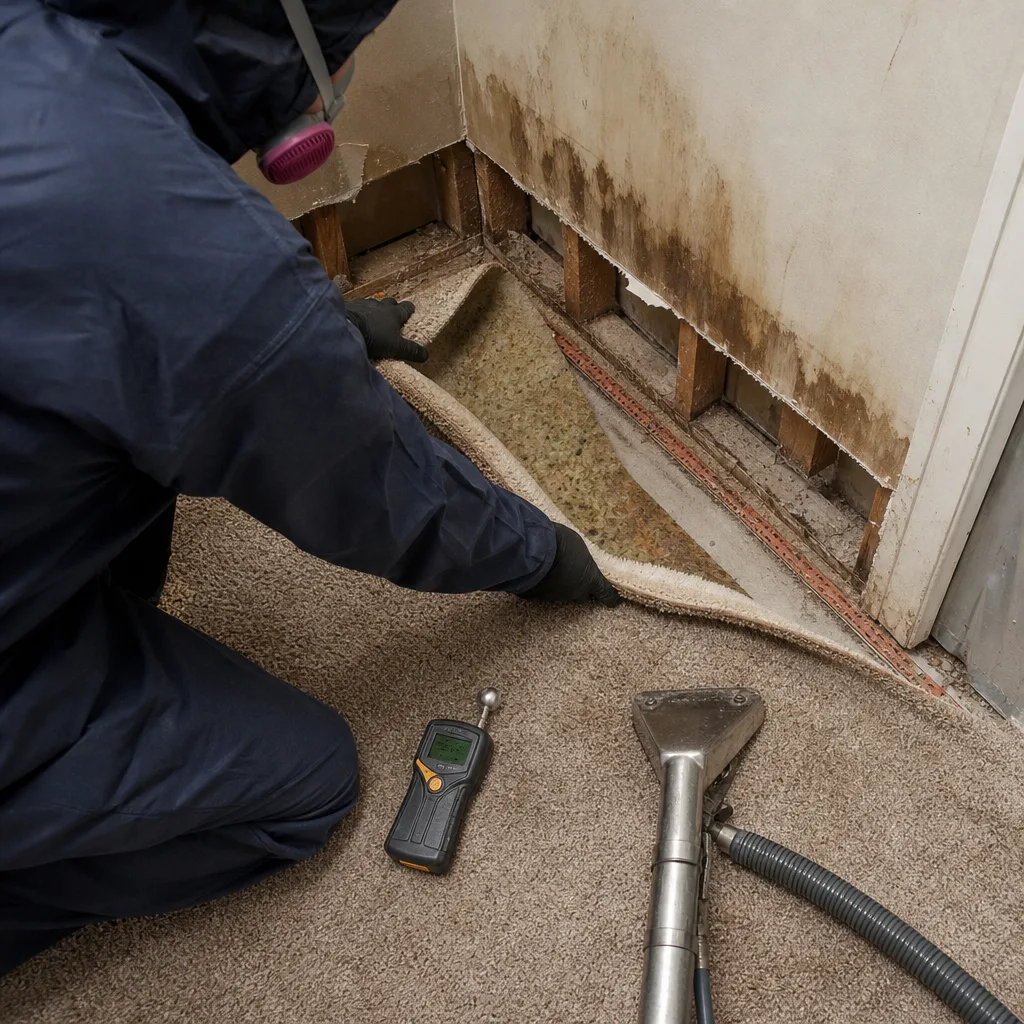
Our crews use moisture mapping - a systematic survey of affected materials with penetrating and non-penetrating meters - to establish the moisture content percentage of wood framing, drywall, and subfloors against established dry standards for the Pacific Northwest climate zone. Psychrometric data (temperature, relative humidity, and vapor pressure) guides equipment placement. Tertiary drying addresses bound water in dense materials that primary air movement cannot reach. In Auburn’s post-WWII homes near downtown, we regularly find original redwood or Douglas fir subfloors that read “dry” on surface meters while still holding elevated moisture at depth - a condition that requires longer drying cycles or Injectidry mat systems to correct.
The east and west hills present different problems. Builder-grade OSB sheathing and paper-faced insulation in 1980s-2000s tract homes deteriorate rapidly once wet, and cabinet-grade particleboard toe kicks wick water and swell within 24-48 hours. Crews who only dry visible surfaces miss hidden saturation that later supports mold colonization behind baseboards. Our moisture mapping protocol catches this.
Why Auburn Property Owners Choose DryMark Restoration Auburn
- 45-minute response commitment to Auburn properties - our Seattle office dispatches crews who know the valley floor, the Lea Hill climb, and the east-west hill routes without GPS dependence.
- 24/7 live answer - a real person, never an automated system or voicemail tree, picks up every emergency call within three rings, because water doesn’t wait for business hours.
- IICRC-certified crews holding WRT (Water Damage Restoration Technician), FSRT (Fire & Smoke Restoration Technician), and AMRT (Applied Microbial Remediation Technician) certifications - the license numbers are on file and available on request.
- Free visual inspection with moisture readings and a documented photo record before any scope is written or any price is quoted.
- Direct insurance billing with adjuster coordination from day one - we produce the drying logs, moisture maps, and line-item scopes that turn restoration invoices into payable claims.
- One team from extraction to reconstruction - no handoffs between contractors, no gaps in documentation, no disputes about who caused what damage when.
BeforeAfterOur Water Damage Restoration Process
1. Inspection & Assessment
We arrive with thermal imaging cameras, penetrating and non-penetrating moisture meters, and a hygrometer to measure ambient conditions. Every affected room is photographed, moisture readings are recorded on a room-by-room grid, and we classify the water category before any equipment is placed. In Auburn’s 2000s tract homes, we specifically inspect builder-grade toe kicks, unsealed bottom plates, and OSB sheathing for hidden saturation.
2. Extraction & Stabilization
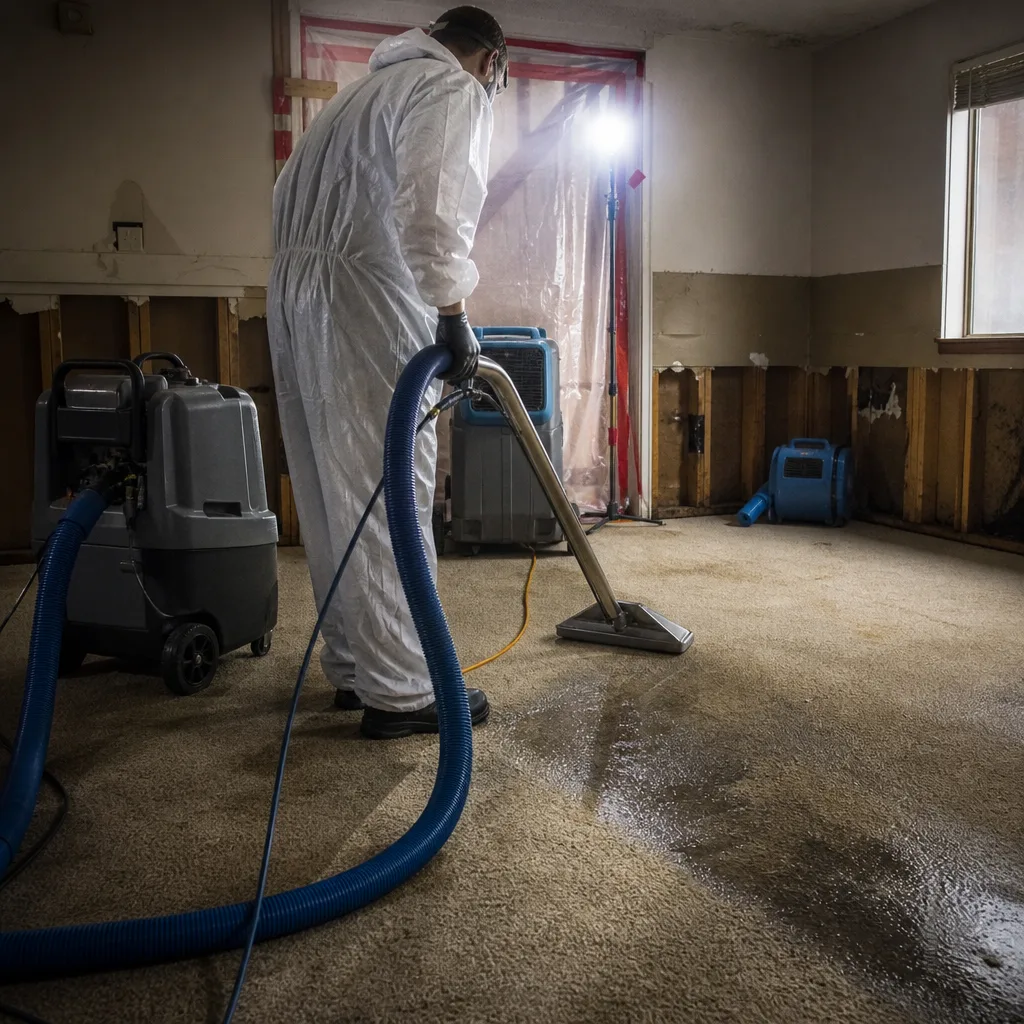
Standing water is removed with truck-mounted or portable extraction systems, depending on access. For slab-on-grade homes in newer Auburn master-planned communities, we deploy weighted extraction tools that compress carpet and pad to maximize water removal - critical because there’s no crawl space or subfloor gap for gravity drainage.
3. Drying & Dehumidification
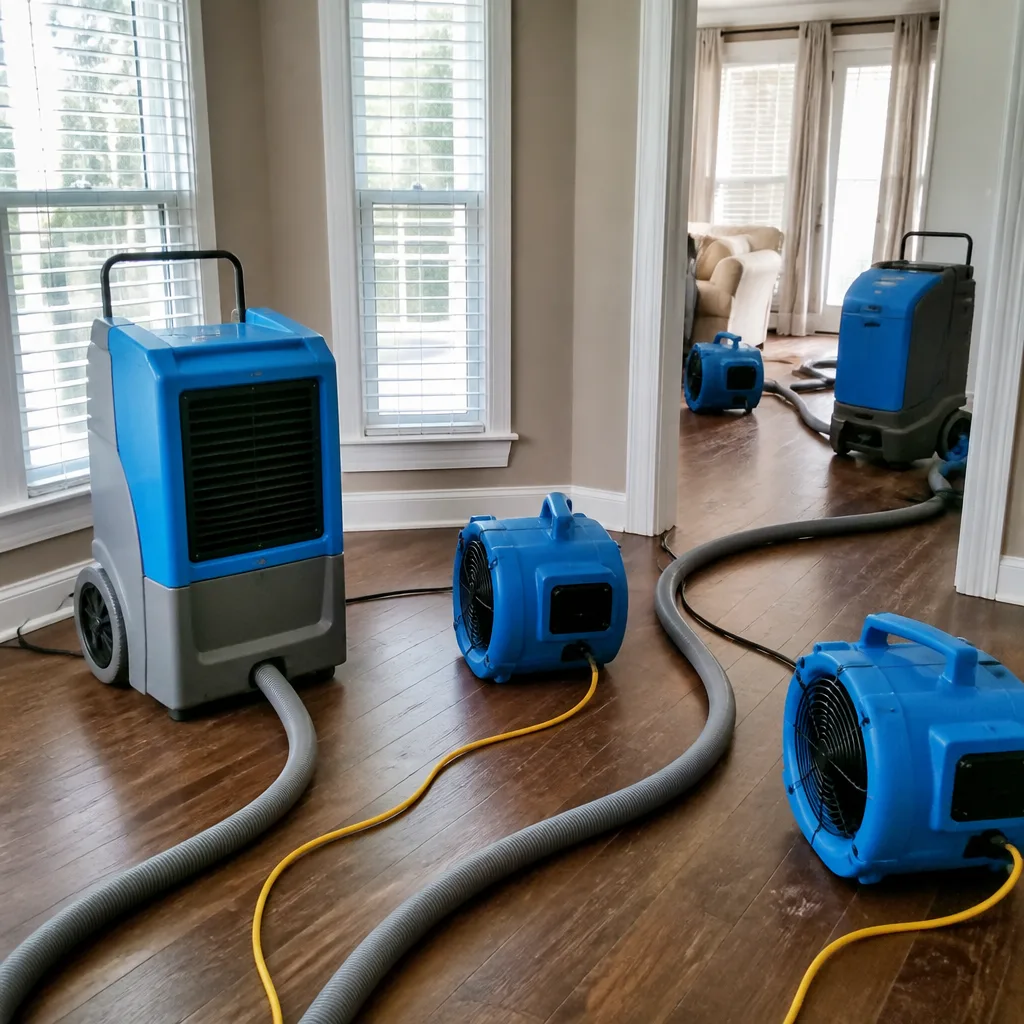
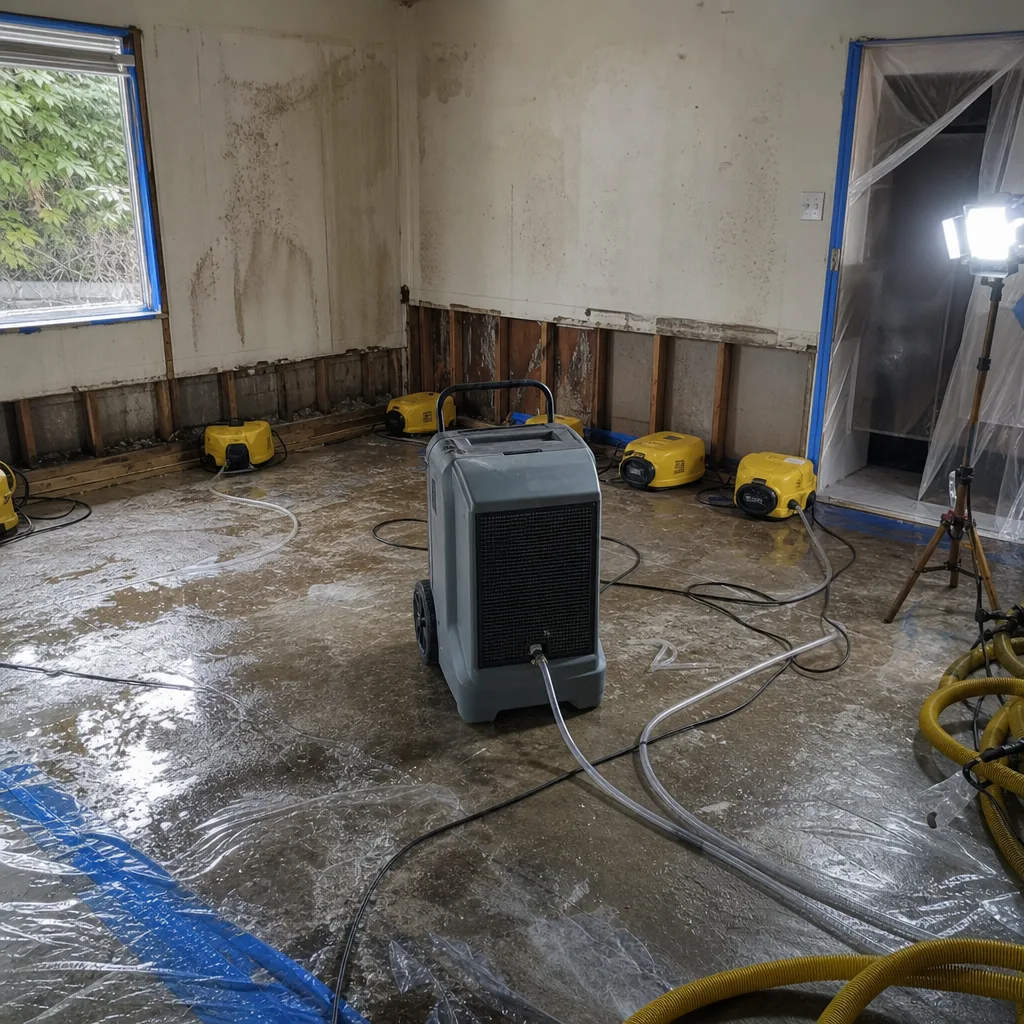
We place Dri-Eaz and Phoenix dehumidifiers to control vapor pressure differential - the force that drives moisture from wet materials into dry air - alongside XPOWER and B-Air air movers positioned for laminar airflow across wet surfaces. Injectidry mat systems or wall-cavity injection are used when bound water is trapped in hardwood, tile assemblies, or behind intact drywall. Daily moisture logs track progress to pre-loss readings.
4. Cleaning & Sanitization
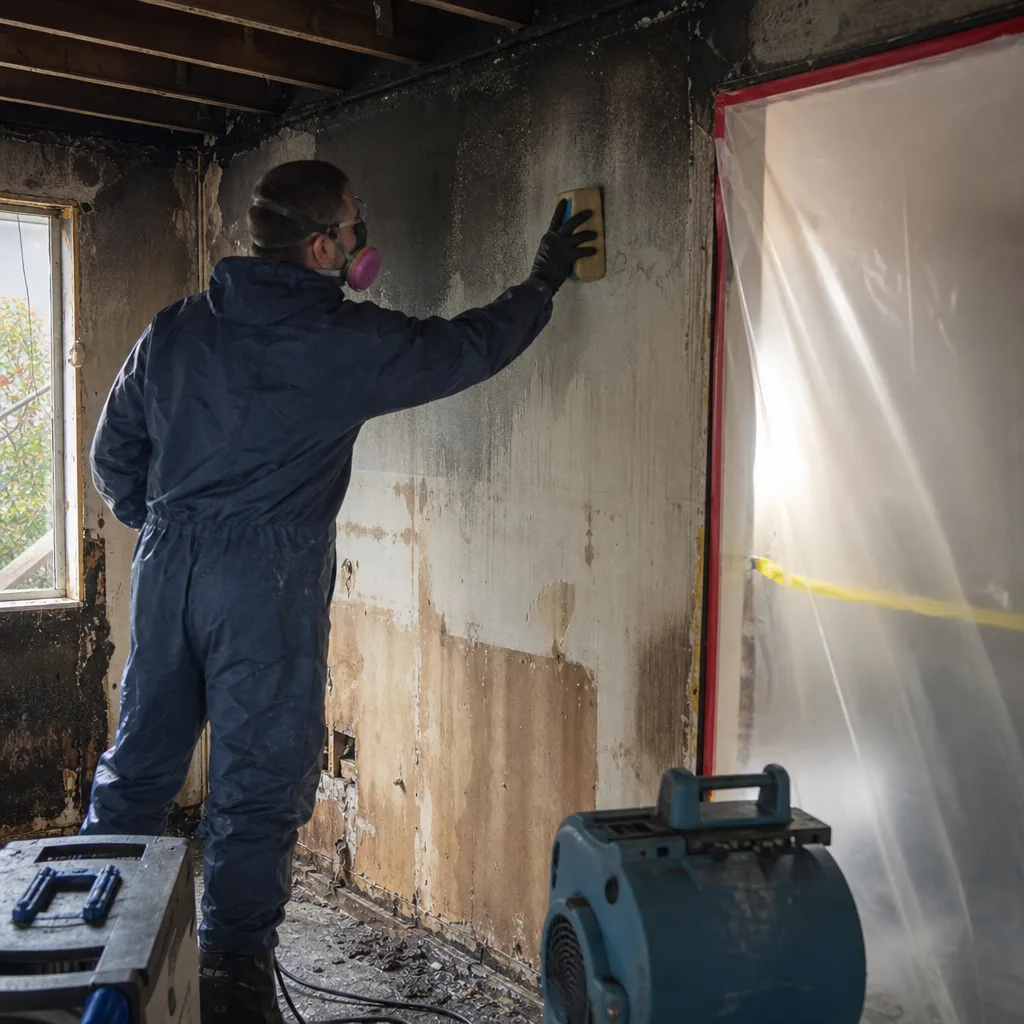
Category 2 and 3 losses receive antimicrobial treatment of all affected surfaces, with HEPA air scrubbers running during application to capture airborne particulate. In Auburn’s valley-floor properties after Green River flooding, this step includes full containment, negative air pressure, and disposal of all porous materials that contacted contaminated water per IICRC S500 standards.
5. Contaminated Material Remediation
Category 3 losses require removal of carpet, pad, baseboards, and often lower drywall sections. We document every square foot of removed material with photos and measurements for your insurance claim. Valley-floor crawl spaces near Auburn Way that have taken river water receive full containment, antimicrobial treatment, and verification testing before reconstruction begins - skipping this step is why some out-of-area crews get repeat callbacks.
6. Repairs & Restoration
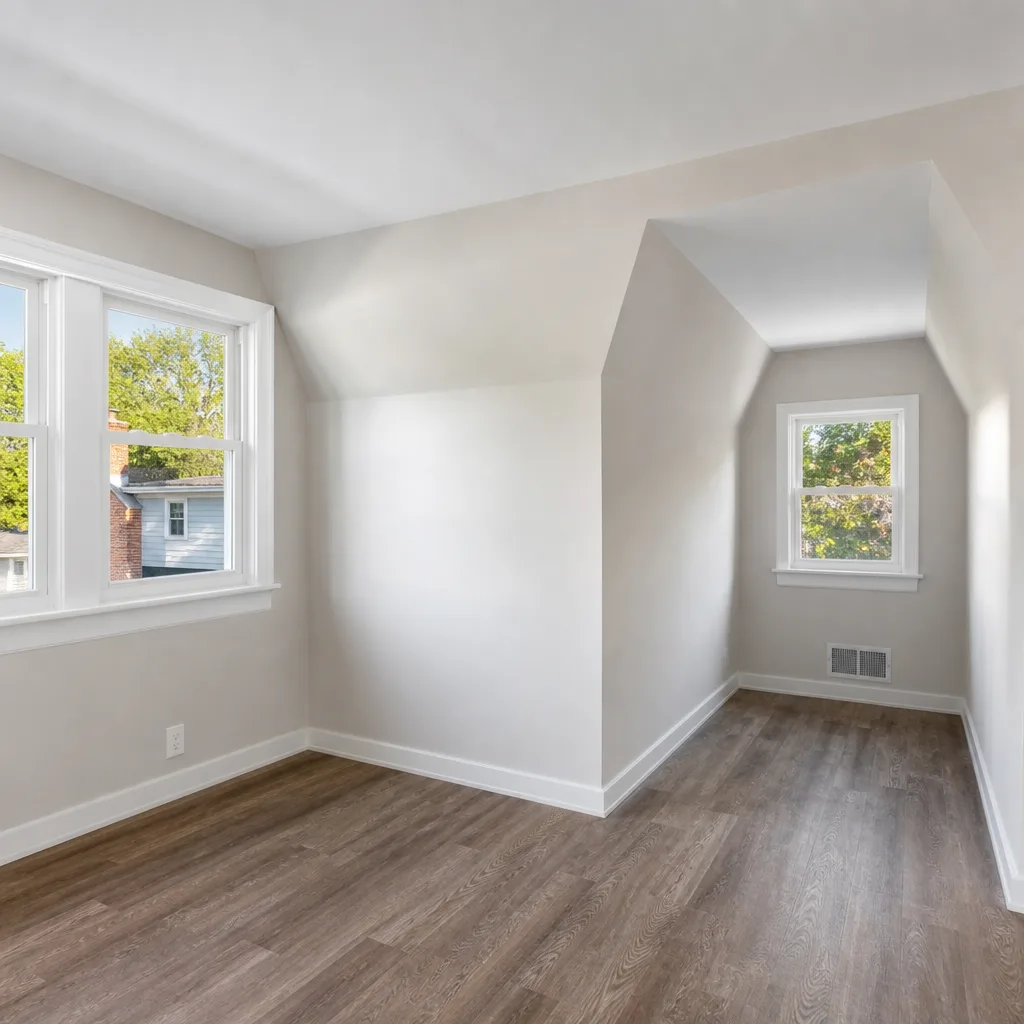
Once moisture readings confirm pre-loss conditions, we rebuild: new drywall, flooring, trim, paint. The same crew that dried your home completes the reconstruction, so there’s no dispute about what was damaged by water versus what was damaged by a subsequent contractor. Every job closes with a signed 365-Day Done Right Promise under The Haven Standard.
Need Emergency Water Damage Restoration in Auburn Now?
Crews minutes away, answering live 24 hours a day. The sooner we start, the less it costs.
Working With Your Insurance Company
Most water damage claims in Auburn are denied or underpaid for one reason: documentation gaps. The adjuster receives an invoice with line items but no evidence that each item was necessary. Our process closes that gap from the first hour. We photograph every room before touching anything, record moisture readings on a grid that maps to your floor plan, and produce daily drying logs that show psychrometric conditions and equipment placement. Your adjuster receives a detailed, line-item scope of work with photo evidence for every line item.
We coordinate directly with your carrier - no passing the phone back and forth. Our estimates are written in industry-standard format (Xactimate where required) and we provide direct billing on approved claims. If you’ve already received a competitor’s estimate, Haven Standard Clause 7 applies: we’ll review it at no charge and explain any discrepancies.
What We Provide Your Insurer
- Thorough documentation of the loss
- Photos of all damage, room by room
- Moisture readings and drying logs
- A detailed, line-item scope of work
- Direct coordination with your carrier
Built for Auburn’s Loss Calendar
January through March in Auburn means cold, saturated air trapped in the Green River Valley, with ground-level fog that keeps crawl space humidity above 70% for weeks at a time. Burst pipe calls spike when temperatures drop below 28°F - common enough on the east and west hills where elevation brings colder overnight lows. The real problem isn’t the burst pipe itself; it’s that the home’s humidity baseline was already elevated, so mold colonization begins in 48-72 hours instead of the textbook 5-7 days.
April through June brings the spring runoff season. Heavy Cascade rain events funnel runoff into the Green River corridor, and when the Howard Hanson Dam releases to manage reservoir levels, valley-floor properties along Auburn Way and near the river corridor can take on water. These aren’t clean basement seepage events - they’re Category 3 flood losses requiring full remediation protocols.
October through December returns to fog season, with the valley’s enclosed geography trapping moisture that drives crawl space humidity up and extends drying times for any water loss that occurs during this period. We adjust our equipment calculations accordingly - a 3-day dry in July becomes a 5-day dry in November for the same starting moisture content.
Water Damage Restoration Across Auburn’s Neighborhoods
Lea Hill sits on the east slope above the valley floor, with homes built from the 1970s through the 2000s. The 2005-2010 tract homes here are where we see the most PEX fitting failures and cracked supply lines - builder-grade installations that didn’t account for thermal expansion in the temperature swings between hilltop exposure and heated interior. Our crew responded to a 2005-built two-story in this area after a builder-grade PEX fitting cracked in the upstairs hall bath, sending water through the open stairwell into the great room below. We placed Dri-Eaz air movers and a Phoenix dehumidifier on the main floor, ran Injectidry mats under the engineered hardwood, and took moisture readings across the wall cavity, then logged that the builder had never sealed the bottom plate where the wet wall met the subfloor. After three days of structural drying the moisture mapping came back to pre-loss condition and we handed the homeowner a complete drying log for their insurance claim.
Downtown Auburn and the valley floor near Auburn Way contain that post-WWII housing stock with crawl spaces and original materials. Groundwater intrusion is common during extended rain, and when Green River flood advisories trigger, these properties need Category 3 protocols, not standard drying. We’ve restored homes on M Street and 1st Street where river water entered through foundation vents, carrying sediment and agricultural runoff that contaminated insulation and subfloor framing.
The west hills toward Lakeland Hills and beyond have the same 1980s-2000s tract development as Lea Hill, with the same builder-grade vulnerabilities: OSB sheathing that delaminates when wet, paper-faced insulation that collapses, and the critical toe-kick particleboard issue that hides water damage from cursory inspection. Crews who don’t remove kitchen and bathroom toe kicks to check for swelling miss the moisture that drives mold colonization behind baseboards two weeks later.
Newer master-planned pockets on the valley margins feature slab-on-grade construction with no crawl space and no subfloor air gap. Water extraction alone leaves the slab saturated unless Injectidry or a floor mat system is deployed - a step many out-of-area crews skip, leaving homeowners with recurring moisture readings and failed clearance testing.
Specialized Water Damage Restoration Services We Offer in Auburn
Emergency Water Extraction
Standing water removal within the first hour of arrival, using truck-mounted extraction for volume losses and portable systems for limited access or multi-story Auburn properties. For slab-on-grade homes, we use weighted extraction tools that compress flooring assemblies to maximize water removal - critical where there’s no gravity drainage path.
Structural Drying & Dehumidification
Systematic drying using vapor pressure differential to pull moisture from bound materials into controlled air, documented with daily moisture logs. In Auburn’s fog season, we oversize dehumidifier capacity to compensate for elevated ambient humidity that extends drying curves. Every log becomes part of your insurance documentation.
Flood Cleanup
Green River flooding in Auburn requires Category 3 protocols: full PPE, containment, negative air pressure, antimicrobial treatment, and disposal of porous materials. We handle the documentation that proves to your insurer that Category 3 treatment was necessary - not optional - when floodwater carried upstream agricultural and industrial runoff through your property.
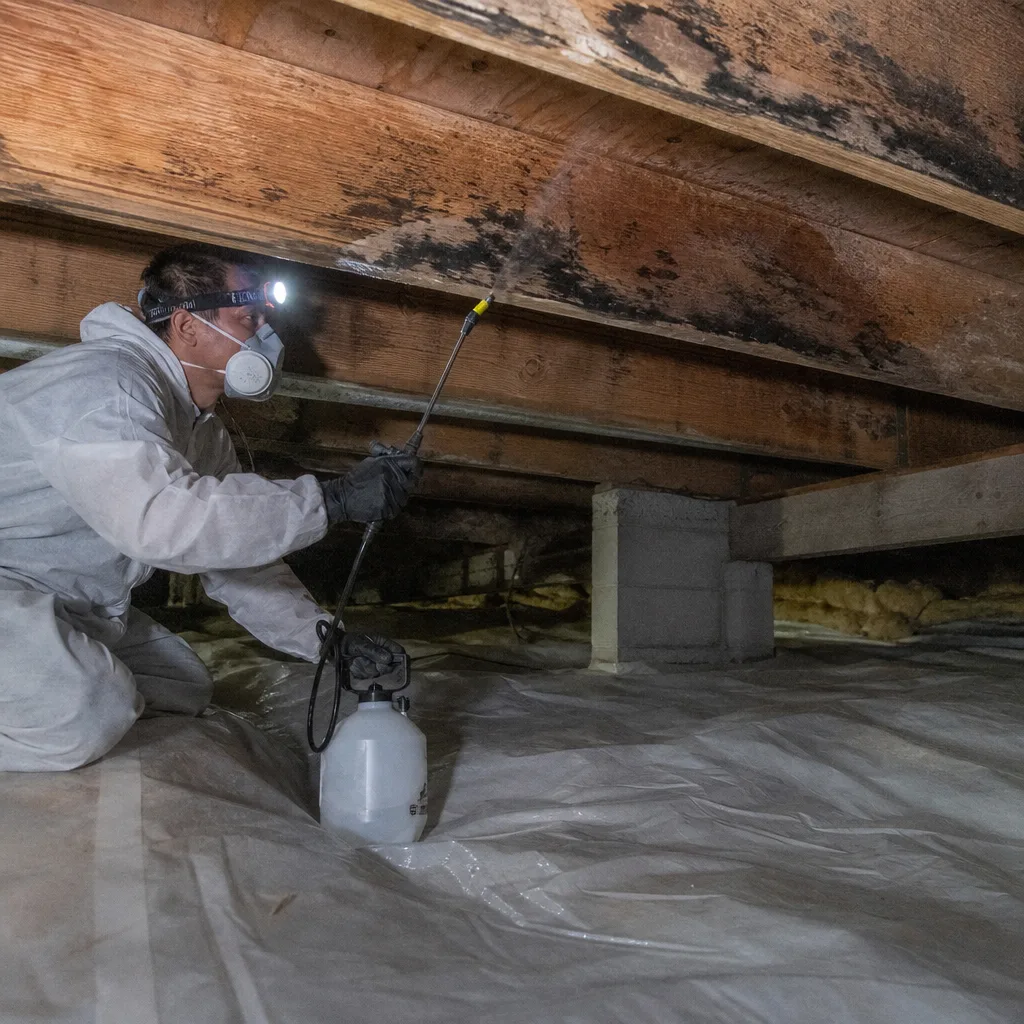
Burst Pipe Restoration
From PEX fitting failures in 2000s tract homes to frozen copper supply lines in post-WWII valley-floor houses, we extract, dry, document, and rebuild. Our scope includes identifying why the pipe failed - thermal expansion, inadequate insulation, or pressure spikes - so the repair lasts.
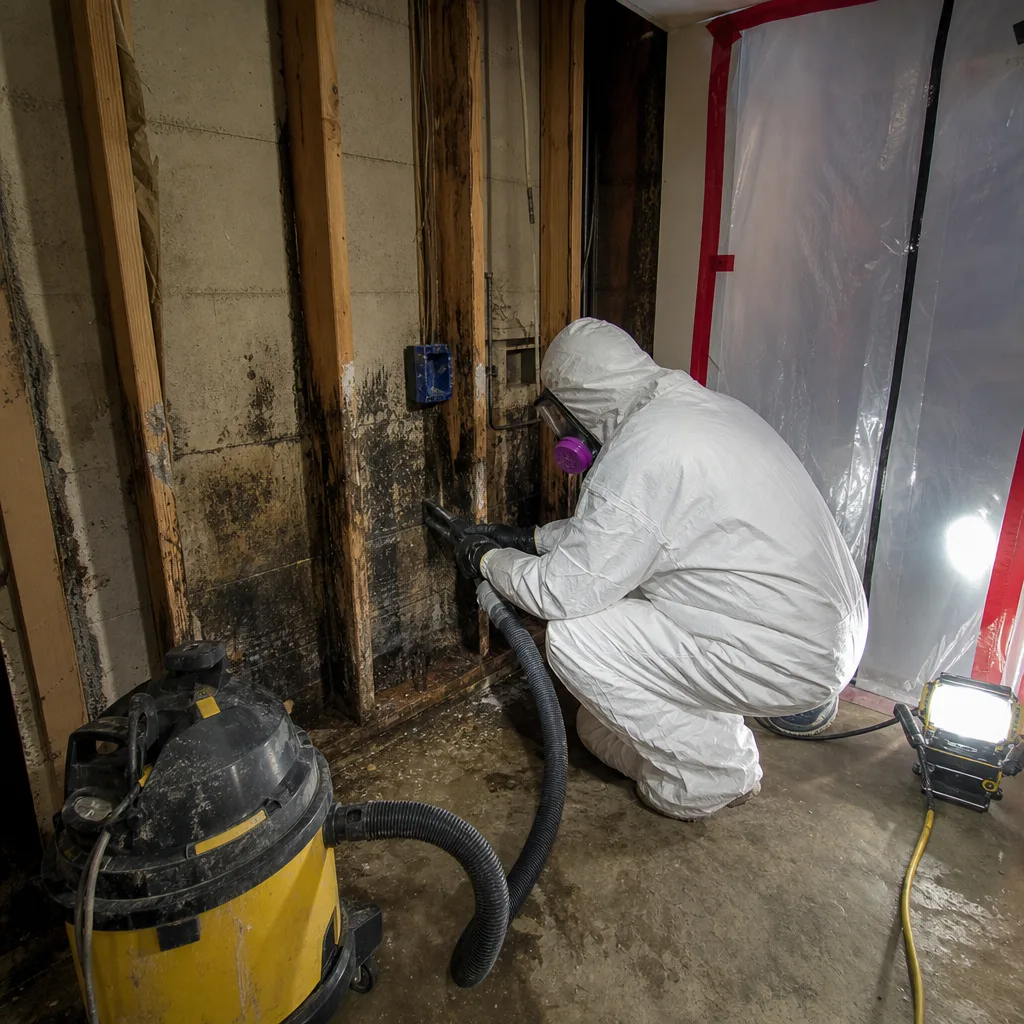
Basement Water Removal
Auburn basements range from daylight walkouts on the hills to below-grade valley-floor spaces with hydrostatic pressure issues. We assess the water source - groundwater intrusion, foundation seepage, or sewer backup - and design extraction and drying protocols that match the actual problem, not a generic template.
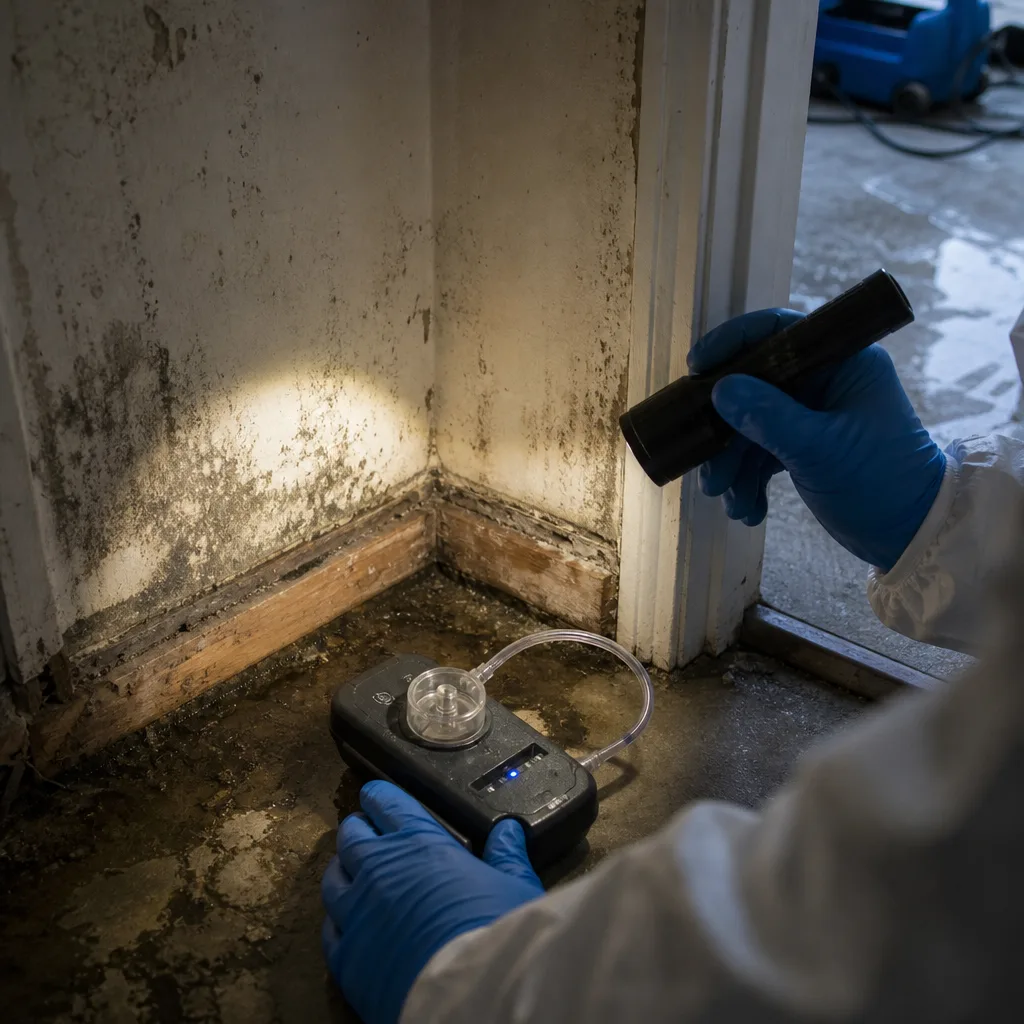
Ceiling & Roof Leak Water Damage
Cascade rain events drive roof leaks in Auburn’s mature neighborhoods where original cedar shake or composite shingle roofs have exceeded service life. We trace water migration paths through attic spaces and wall cavities, often finding damage extending far from the visible ceiling stain, and document the full extent for insurance.
What happens when you call
- 1
A real person answersNo phone trees - you reach a local pro.
- 2
You get an upfront price rangeHonest numbers before anyone is dispatched.
- 3
A background-checked tech heads outLicensed & insured, dispatched right away.
- 4
You approve before work beginsNothing starts until you say go.
Water Damage Restoration Costs in Auburn, WA
Typical water damage restoration in Auburn runs $1,800-$3,200 for Category 1 losses under 500 square feet, $2,800-$5,500 for Category 2 losses with extended migration, and $4,500-$9,000+ for Category 3 flood losses requiring full remediation. These ranges reflect Auburn’s labor market and material costs, not national averages.
What moves the price: contamination level (Category 3 requires more labor, more disposal, more documentation), affected square footage, material type (hardwood and tile assemblies take longer than carpet and pad), and whether the loss occurred in a crawl space or slab-on-grade condition requiring specialized equipment. Builder-grade 2000s tract homes often need more material replacement than older homes with solid lumber framing - OSB and particleboard don’t survive wetting.
Most water damage claims are insurance-covered when sudden and accidental. We provide a free visual inspection that produces a written scope and price before any work begins - Haven Standard, Clause 1 - and we coordinate directly with your adjuster. Out-of-pocket costs typically apply to deductibles and any upgrades you choose during reconstruction.
We Also Serve Cities Near Auburn
Our Water Damage Restoration teams serve Auburn and surrounding communities including Federal Way to the northwest, Milton and Edgewood to the west, Kent to the north, and Puyallup to the south. Each city has distinct building stock, soil conditions, and loss patterns, and our crews are routed from our Seattle office with the equipment and protocols matched to the specific job location.
Serving Auburn, WA - Our Local Coverage Area
We’re based in the Auburn area and know this community well. Use the map below to see our service coverage - if you’re nearby, we can almost certainly help.
Auburn Water Damage Restoration Questions, Answered
Why does water damage in Auburn’s Green River Valley require Category 3 cleanup instead of standard drying?
Because the Green River carries upstream agricultural and industrial runoff from the watershed above the Howard Hanson Dam, any water that enters a valley-floor property during a flood advisory is classified as Category 3 (grossly contaminated) under IICRC S500 standards. Standard drying protocols don’t apply - full PPE, containment, antimicrobial treatment, and disposal of porous materials are mandatory. Call (253) 487-0371 and we’ll assess your property’s flood risk category during our free inspection.
How fast does mold grow in Auburn crawl spaces after a burst pipe or roof leak?
In Auburn’s enclosed valley geography, ambient humidity from October through March keeps crawl spaces above 70% relative humidity - conditions where mold colonization can begin in 48-72 hours, not the 5-7 days typical in drier climates. Our moisture mapping finds hidden saturation in insulation and framing that surface drying misses, and we document pre- and post-treatment readings for your insurance claim. The sooner we start drying, the less material requires replacement.
My Auburn home was built in the 2000s - what builder-grade materials make water damage worse?
Three materials in particular: OSB sheathing that delaminates and loses structural integrity when wet; paper-faced insulation that collapses and traps moisture against framing; and cabinet-grade particleboard toe kicks that wick water and swell within 24-48 hours, hiding saturation behind baseboards where mold colonizes later. Our inspection protocol specifically checks these failure points, and we document their condition for your insurance scope. Call (253) 487-0371 for a free assessment.
Do you handle water damage from Auburn slab foundations where there is no crawl space?
Yes - and this requires specific equipment that many crews don’t carry. Slab-on-grade homes in newer Auburn master-planned communities have no subfloor air gap, so water extraction alone leaves the slab saturated. We deploy Injectidry mat systems or floor drying panels that create airflow across the slab surface, pulling bound moisture out of the concrete and any flooring assembly above it. Daily moisture readings verify progress. The written scope includes this equipment specifically - no surprises.
What is a drying log, and why does my Auburn water damage claim need one?
A drying log is a daily record of moisture readings, equipment placement, psychrometric conditions (temperature, relative humidity, vapor pressure), and material progress toward pre-loss moisture content - the documentation that proves to your insurer that drying was necessary, effective, and complete. Without it, adjusters routinely deny equipment charges as “unverified.” We produce drying logs as standard on every job, not as an upsell, because Haven Standard Clause 1 requires documented evidence for every charge. Your claim gets paid faster and in full.
Will my insurance cover water damage restoration in Auburn?
Sudden and accidental water damage - burst pipes, appliance failures, storm intrusion - is typically covered under standard homeowners policies, minus your deductible. Flood damage from rising river water requires separate flood insurance. We document the loss source and water category from hour one, produce line-item scopes in industry-standard format, and coordinate directly with your adjuster to establish coverage. Our Free Second Opinion applies to any competitor’s estimate if you disagree with their scope.
How long does structural drying take in an Auburn home?
Most Auburn projects reach pre-loss moisture readings in 3-5 days for Category 1 losses, 5-7 days for Category 2 with extended migration, and 7-10+ days for Category 3 flood losses requiring material removal and antimicrobial treatment. Valley-floor properties in fog season (October-March) often need 20-30% longer drying times due to elevated ambient humidity. We don’t guess - daily moisture logs tell us when it’s done, and we don’t remove equipment until readings confirm it.
Can we stay in our Auburn home during water damage restoration?
For Category 1 losses under 200 square feet, usually yes, with equipment noise and some access restrictions. For Category 2 with multiple rooms affected, or any Category 3 loss, temporary relocation is recommended - and often covered under Additional Living Expense (ALE) provisions in your policy. We document the habitability determination with photos and moisture readings to support your ALE claim. Call (253) 487-0371 and we’ll assess your specific situation during the free inspection.
Written by Alicia Brennan, Owner at Back to Dry Restoration, serving Auburn since 2011 under The Haven Standard.
Water Damage Restoration in Nearby Areas