
Last updated September 23, 2026
Free visual inspection and a written scope of work before any mitigation begins - photos, moisture readings, and drying logs go in your claim file
The scope we write is the scope we bill. Anything new gets shown to you, in writing, before we touch it.
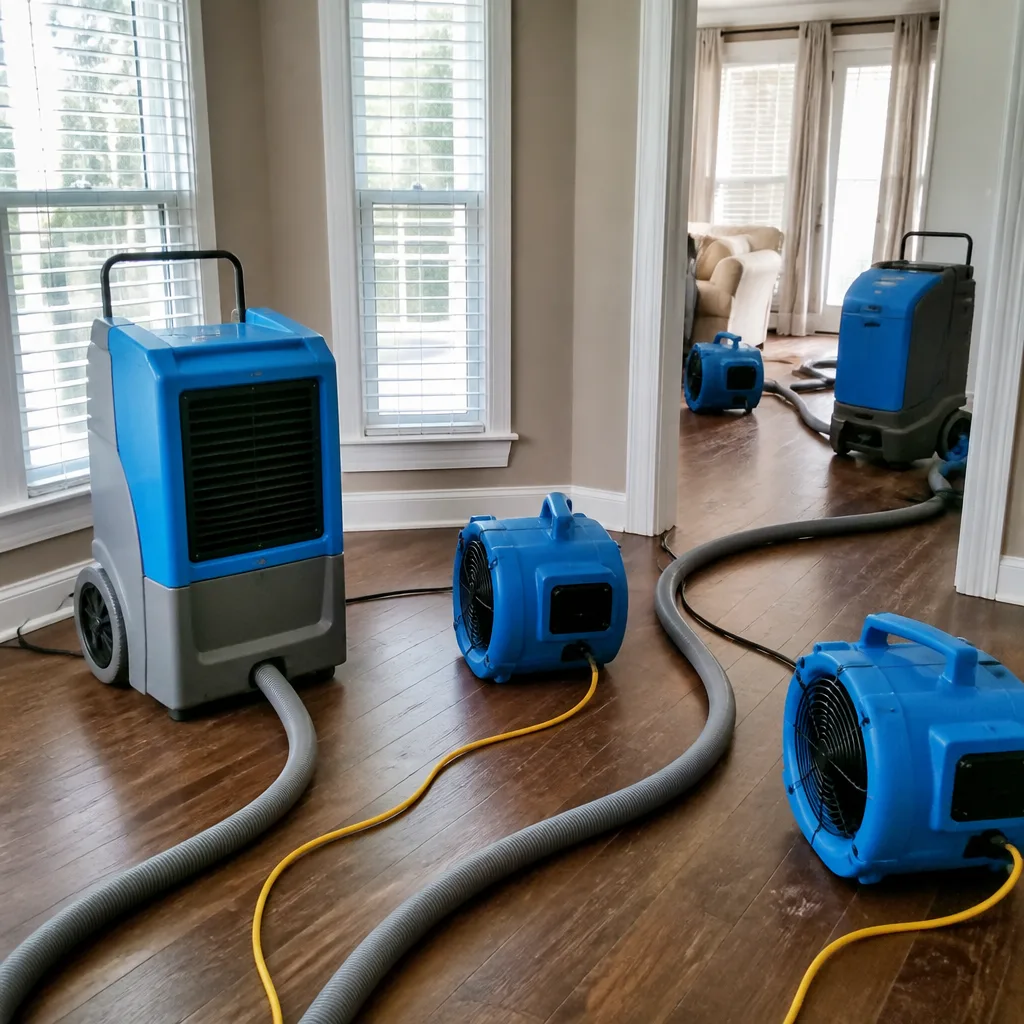

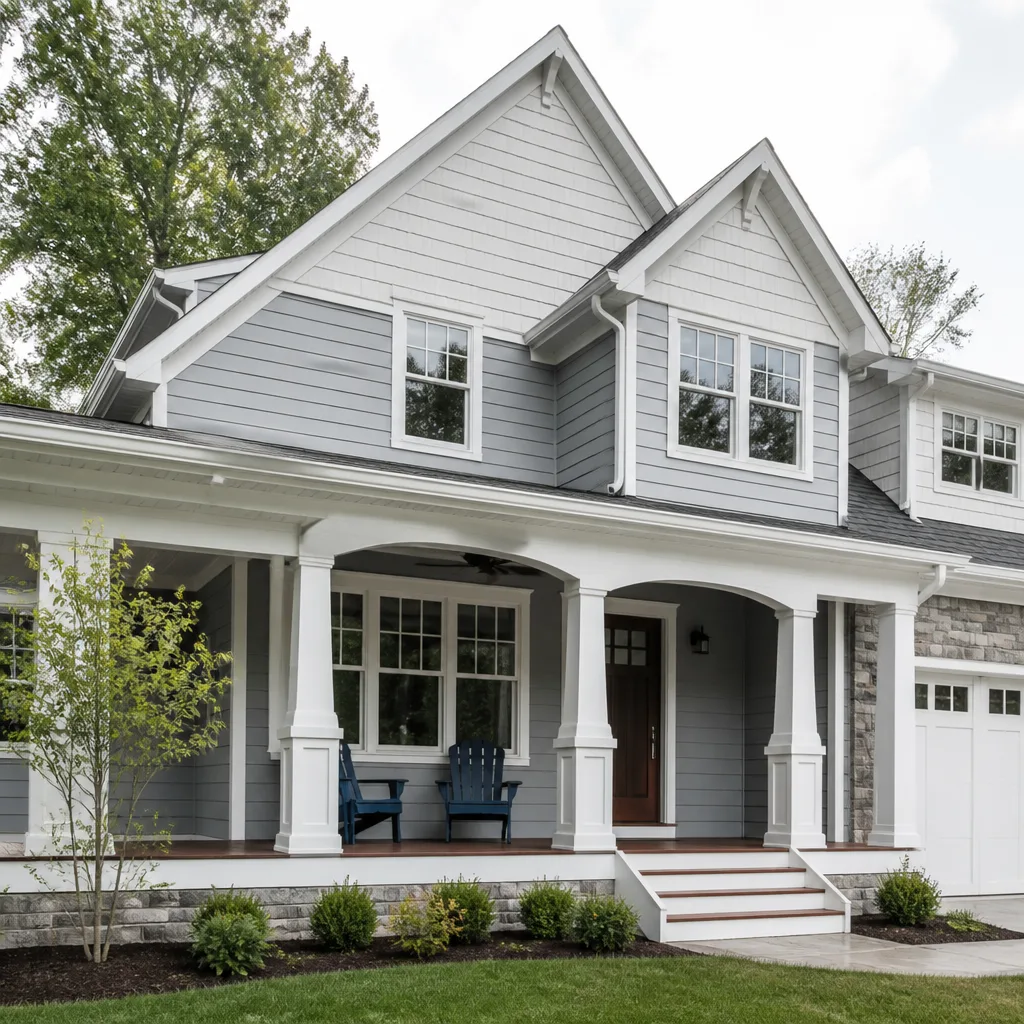
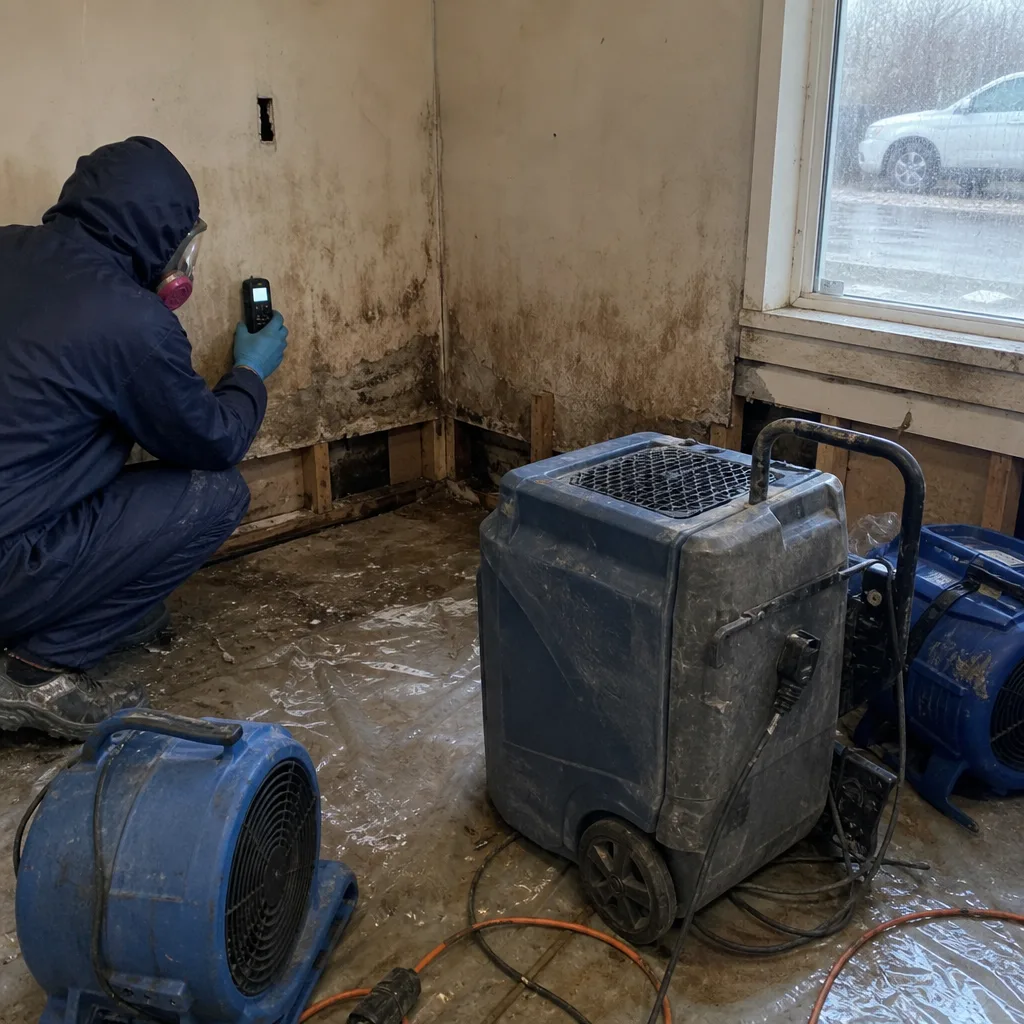 Before
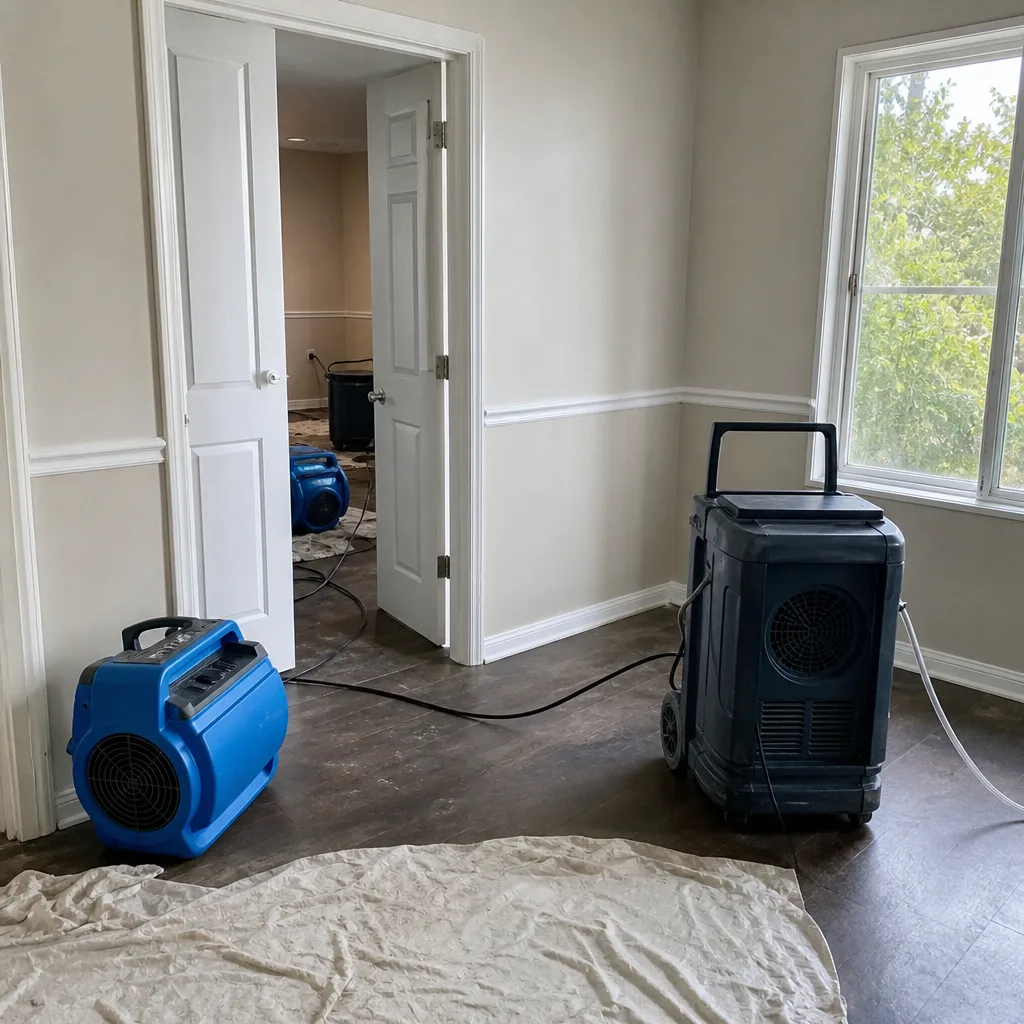 After
After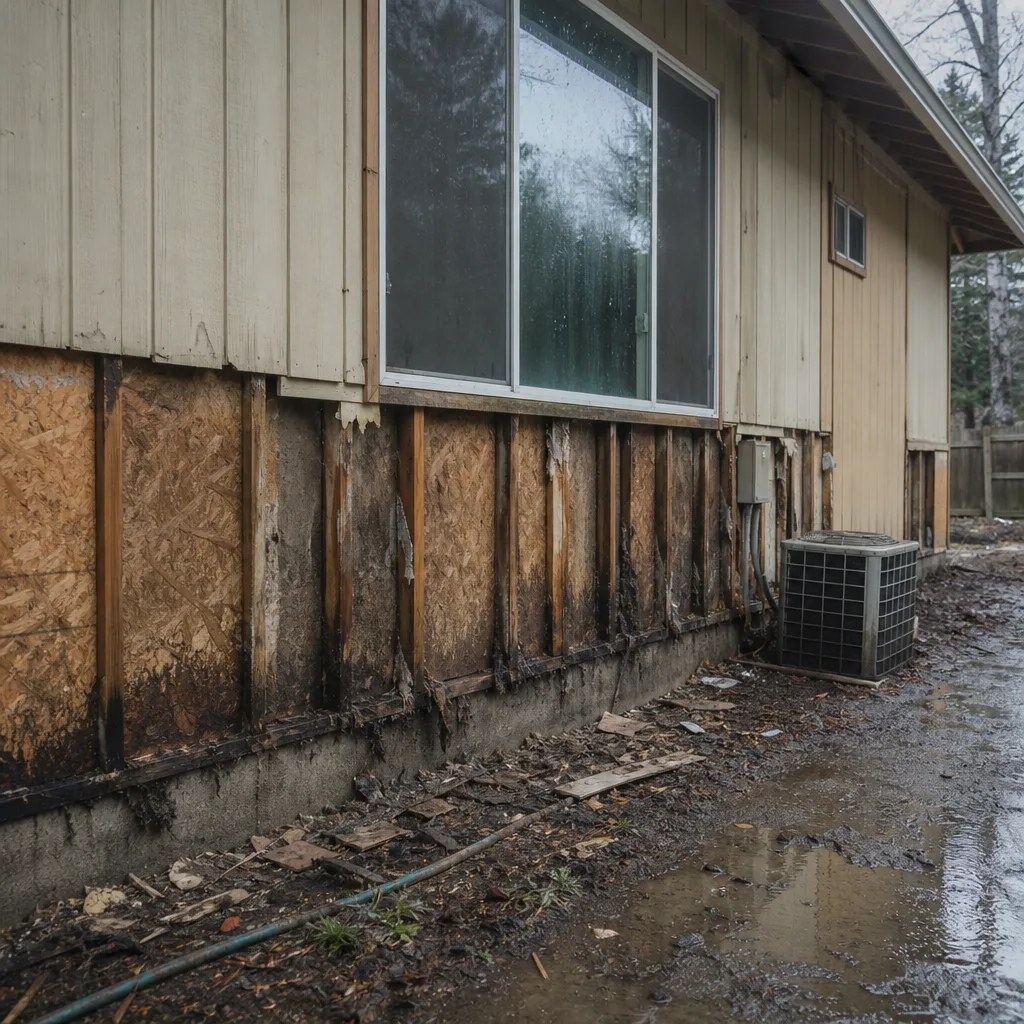 Before
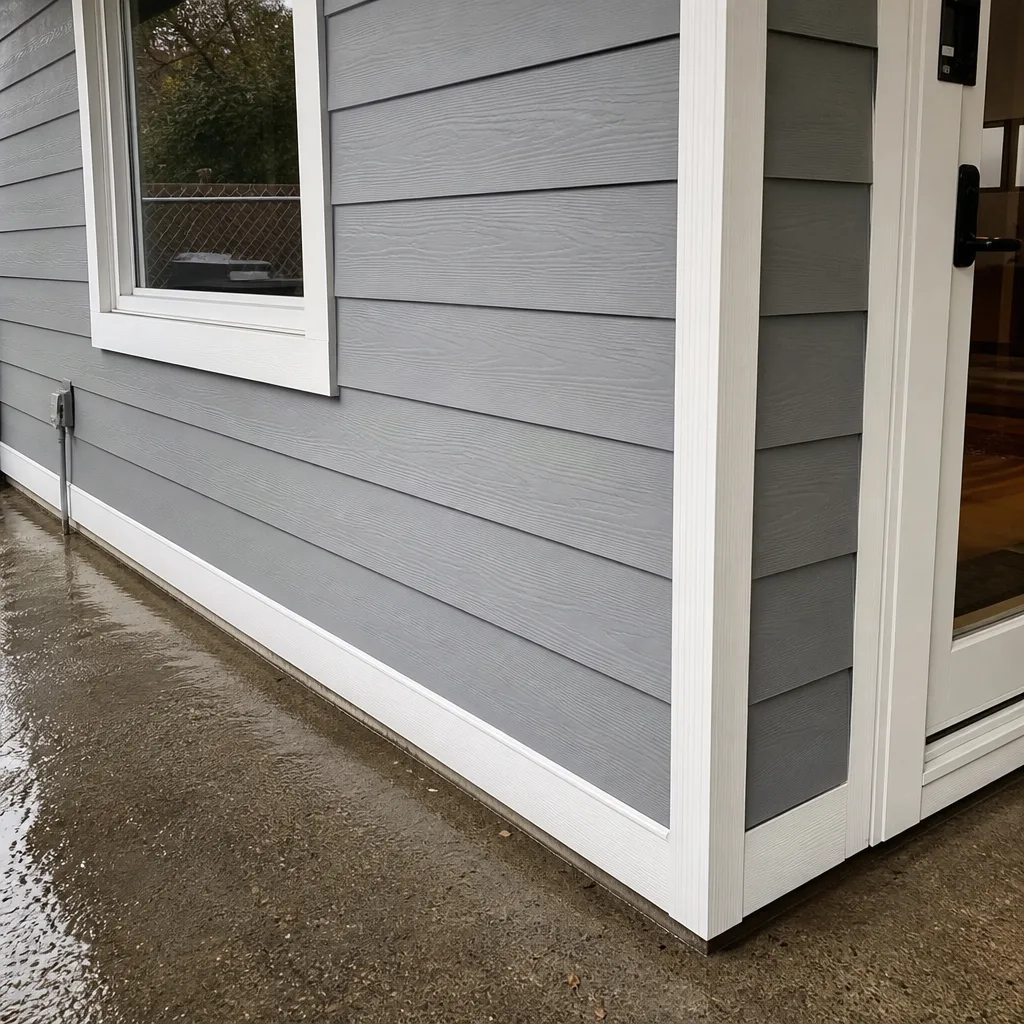 After
After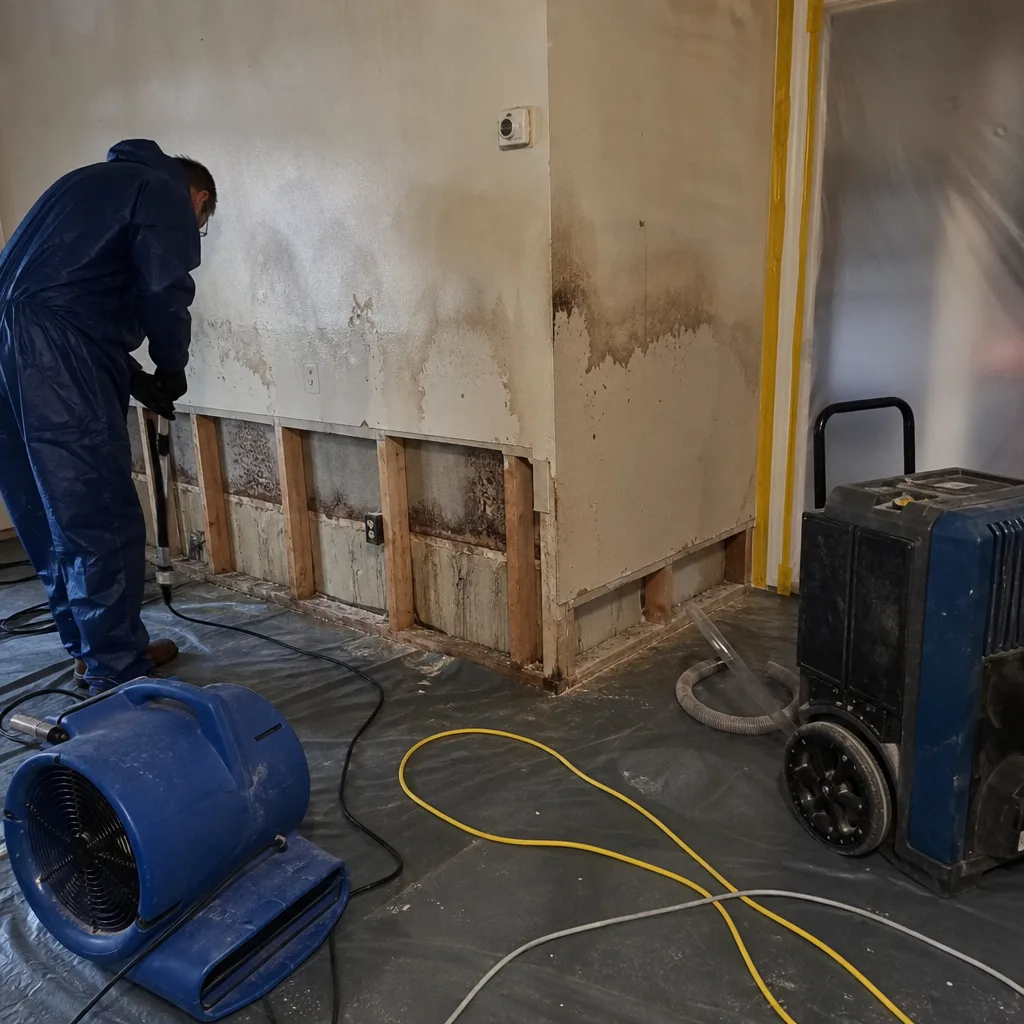 Before
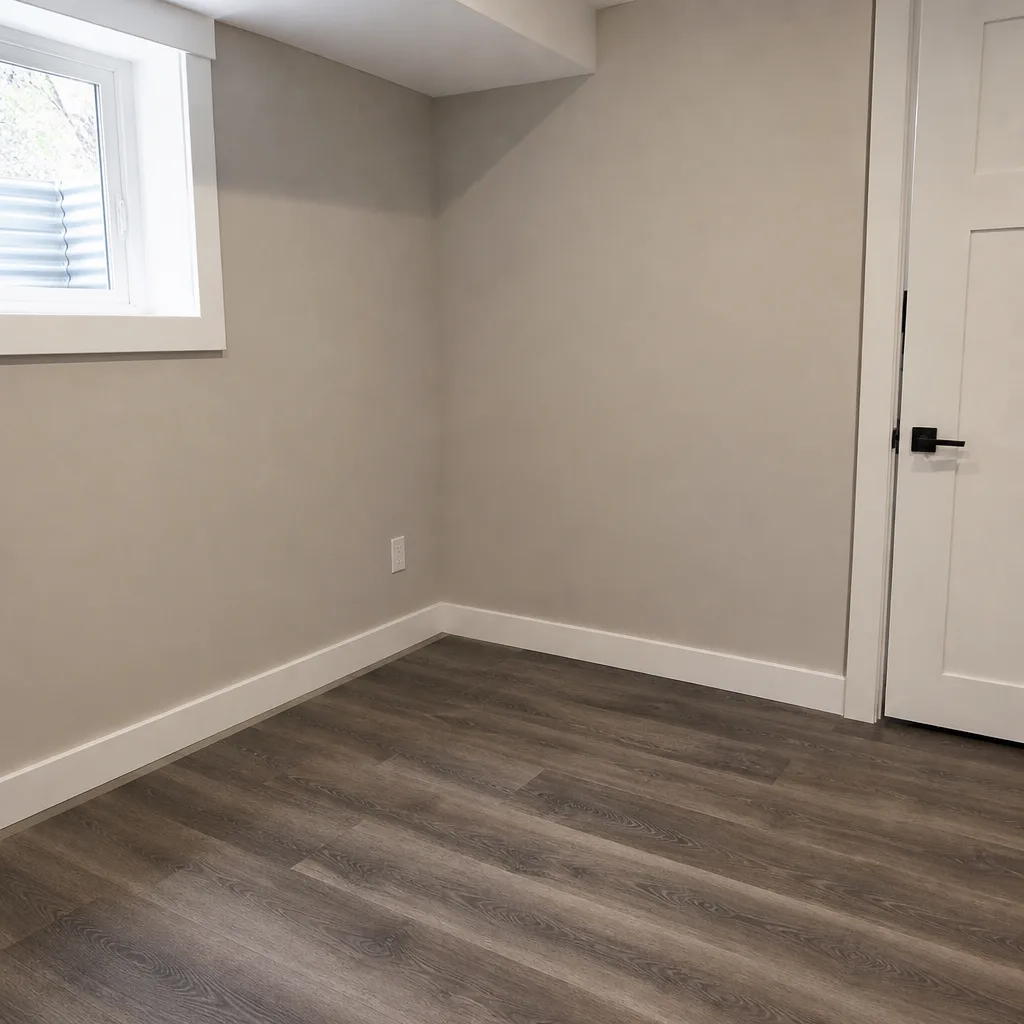 After
AfterDIY vs Professional Damage Restoration: The Auburn Homeowner’s Decision Guide
Washington homeowners are legally permitted to perform most of their own restoration work - but an insurer who asks for drying logs, equipment specs, and daily moisture readings from a DIY project will find nothing, and “I dried it myself” is not a compensable claim narrative. In Auburn, where the Green River Valley’s high water table and seasonal King County flooding push moisture into foundations long after surface water recedes, this documentation gap can cost tens of thousands in uncovered secondary damage. This guide draws the line at what your insurer requires, not what you can physically accomplish.
Quick Answer
DIY restoration in Auburn is legally allowed for most water and smoke damage under Washington State law, but it is rarely advisable for Category 2 or 3 water losses, mold contamination exceeding 10 square feet, or any fire-damaged structural member. The decisive factor is documentation: without daily moisture logs, equipment serial numbers, and photo records meeting IICRC standards, your insurer may deny or reduce the claim even if the structure appears dry. Professional restoration costs $2,500-$8,500 for typical Auburn residential water losses, but a denied claim can exceed $30,000 in uncovered mold remediation and structural repair.
Table of Contents
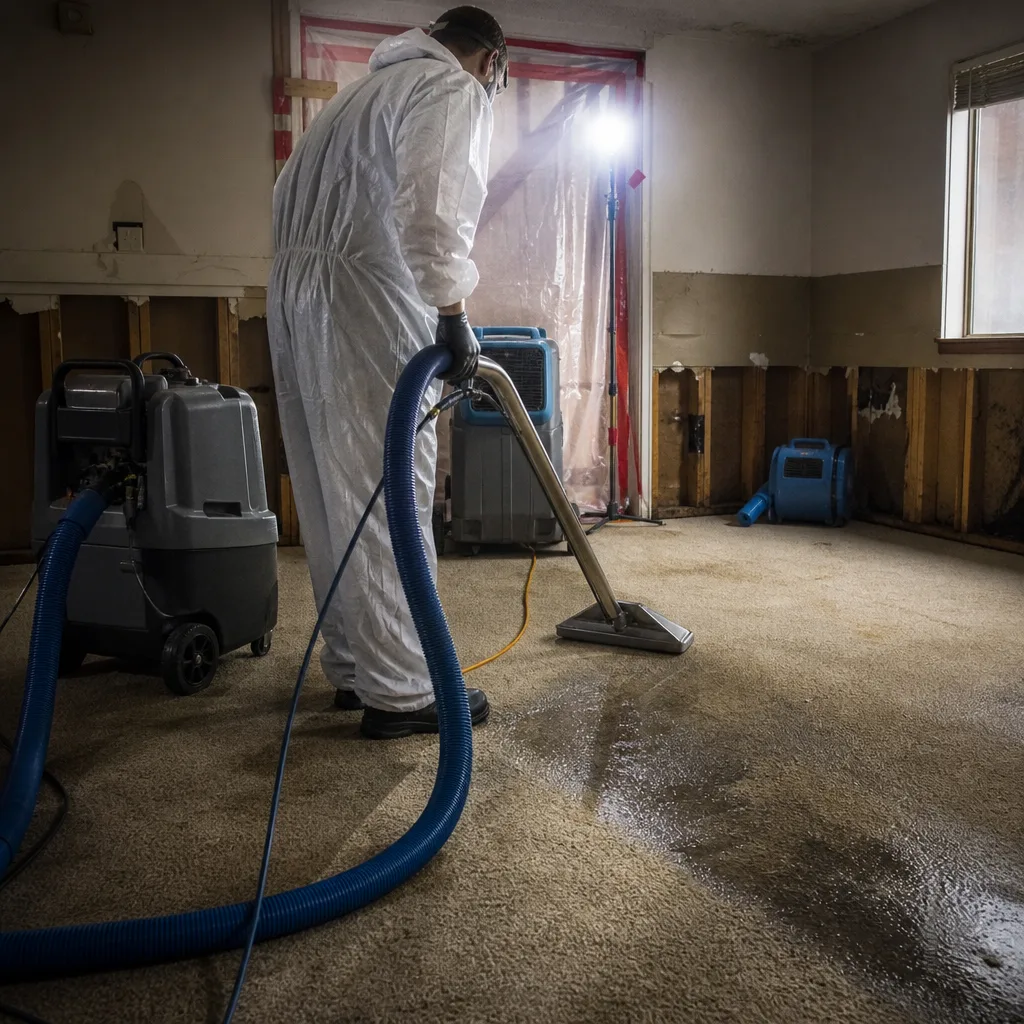
- What Washington Law Allows Homeowners to Self-Perform
- The Documentation Insurers Actually Require
- Moisture Thresholds Where DIY Drying Stalls
- The Equipment Cost Reality for DIY Restorers
- How Insurers Evaluate DIY Restoration Attempts
- Decision Matrix: Four Variables That Determine Your Best Path
- Auburn-Specific Risks: Soil, Climate, and Code
- When Professional Restoration Actually Costs Less
BeforeAfterWhat Washington Law Allows Homeowners to Self-Perform
Washington State does not require a general contractor license for homeowners performing work on their own primary residence. Under RCW 18.27.090, the homeowner exemption covers demolition, drying, cleaning, and even reconstruction - with specific exceptions that trip up many Auburn do-it-yourselfers.
The exemption ends at licensed trades. Electrical work beyond replacing a receptacle, plumbing modifications beyond fixture replacement, and HVAC ductwork in fire or mold-affected systems all require Washington State-licensed contractors per RCW 19.28 and WAC 296-46B. In Auburn, the City of Auburn Building Division enforces these requirements through permit inspections, and unpermitted electrical or plumbing work can void your homeowner’s policy under standard ISO form exclusions.
Here’s what you can legally self-perform without a license in Auburn:
- Water extraction and surface drying using consumer-grade wet/dry vacuums, fans, and dehumidifiers
- Removal and disposal of unsalvageable drywall, carpet pad, and insulation (following King County solid waste guidelines for water-damaged materials)
- Surface cleaning and disinfection of non-porous materials with EPA-registered products
- Cosmetic repairs to finishes once the structure is verified dry
What you cannot legally self-perform:
- Electrical panel replacement or circuit modification in water-damaged areas (requires licensed electrician and Auburn electrical permit)
- Plumbing repair beyond fixture replacement if the supply line or drain is modified
- Mold remediation in HVAC systems or behind fixed structural elements without containment meeting WISHA guidelines
- Structural repair to fire-damaged joists, rafters, or load-bearing walls (requires structural engineering review and Auburn building permit)
We’ve reviewed claims where Auburn homeowners performed excellent drying work in their Lea Hill basement, only to have their insurer deny $18,000 in electrical repairs because the panel replacement was unperformed by an unlicensed electrician. The drying succeeded. The claim failed.
The Documentation Insurers Actually Require
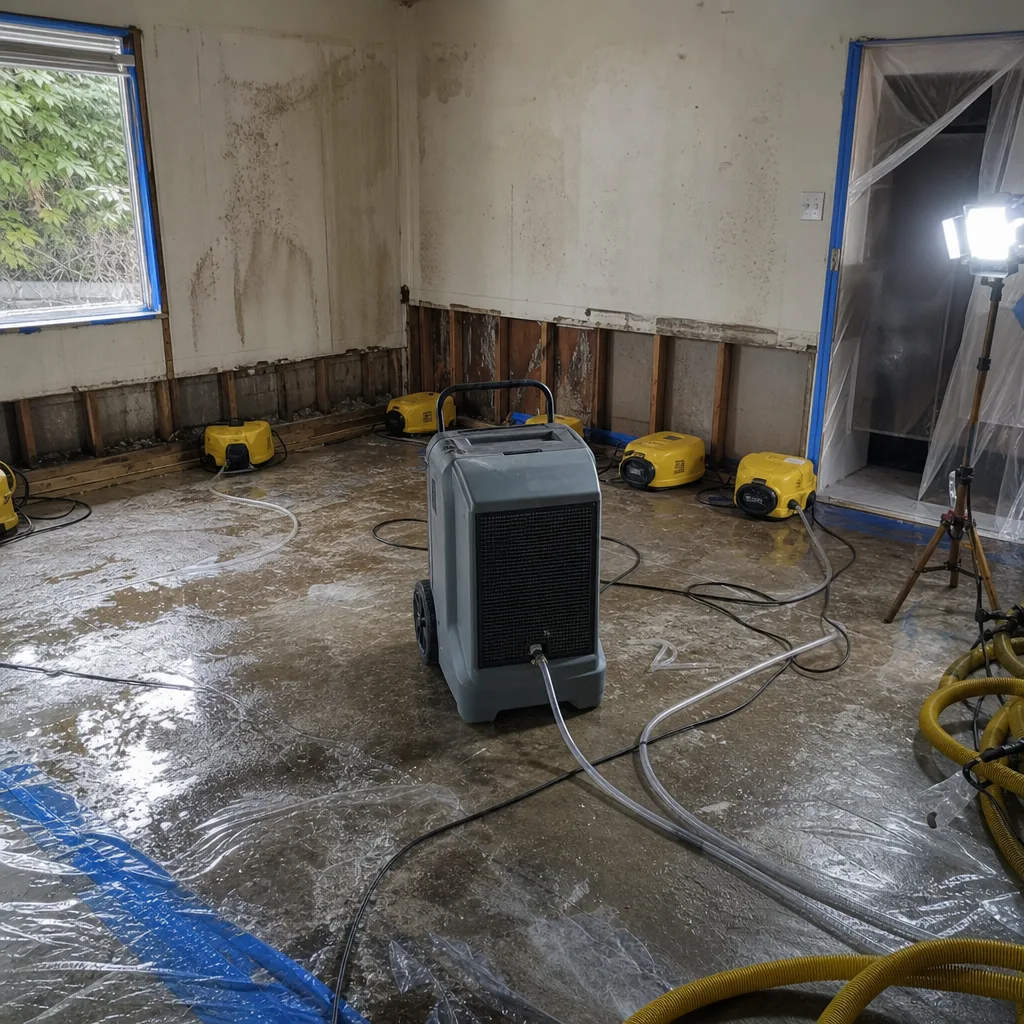
This is where the DIY versus professional question turns. Insurance claims adjusters do not evaluate restoration quality by appearance. They evaluate it by documentation. A room that looks dry but produces no moisture readings is, to an adjuster, an unverified room.
After reviewing thousands of claims since 2011, we’ve identified the five documentation categories that determine whether a restoration claim pays in full, pays partially, or denies:
- Daily moisture logs with psychrometric data. Psychrometrics is the measurement of air and material moisture relationships - temperature, relative humidity, and specific humidity recorded at the same time each day, in the same locations, with calibrated equipment. Adjusters want to see the drying curve: moisture content dropping from initial readings to dry standard over a documented timeline. Without this, they cannot verify that drying occurred before mold growth conditions developed.
- Equipment placement diagrams and serial numbers. Insurers verify that professional-grade dehumidifiers, air movers, and negative air machines were deployed in sufficient quantity for the affected square footage. Consumer-grade equipment serial numbers are not accepted as equivalent; the capacity must match the loss.
- Photo documentation with timestamps. Every visit, every affected surface, every moisture reading photographed with EXIF data intact. We deliver 80-150 photos per typical Auburn water loss, organized by room and date. A homeowner with a phone camera can produce volume, but rarely produces the systematic coverage - pre-loss, post-mitigation, post-reconstruction - that adjusters expect.
- Material classification and disposal records. IICRC S500 and S520 standards require classification of water damage by category (clean, gray, black) and class (slow evaporation to specialty drying situation). Disposal of Category 3 materials requires documentation of proper waste handling. King County Public Health can fine homeowners for improper sewage-contaminated debris disposal.
- Written scope with line-item pricing agreed before work begins. Haven Standard, Clause 1. This is the documentation element most homeowners skip entirely, and it is the one that prevents scope creep and claim disputes. A verbal agreement with a contractor, or no agreement at all for self-performed work, leaves the homeowner absorbing cost overruns that professional documentation would have prevented.
The realistic cost of producing this documentation as a DIY restorer: $800-$1,500 for moisture meter and thermal camera rental, $400-$600 for psychrometric software and reporting tools, plus 15-25 hours of documentation labor for a typical 1,200-square-foot Auburn ranch home. This assumes you know what to document and how. Most homeowners don’t, and the learning curve is expensive.
Moisture Thresholds Where DIY Drying Stalls
DIY drying fails at specific, measurable moisture content levels. Understanding these thresholds helps Auburn homeowners recognize when consumer equipment has reached its limit and professional intervention becomes necessary for structural protection.
Wood structural members in the Pacific Northwest are considered “dry” at 12-15% moisture content (MC). This is the equilibrium moisture content for the region’s climate, and it’s the target specified in IICRC S500. Here’s how typical drying progresses - or doesn’t:
- Initial saturation: 30-60% MC in framing, 100%+ in drywall and carpet pad. Consumer wet/dry vacuums and rental carpet extractors can remove bulk water to this point.
- Primary drying (first 24-72 hours): Target reduction to 20-25% MC. Consumer dehumidifiers (typically 30-50 pint capacity) and box fans can achieve this in small, contained areas with low humidity and good air circulation. In Auburn’s fall and winter, when outdoor relative humidity regularly exceeds 80%, this threshold becomes difficult to reach without sealed containment and commercial dehumidification.
- Secondary drying (days 3-7): Target reduction to 15-20% MC. This is where DIY drying commonly stalls. Consumer dehumidifiers lack the vapor pressure differential - the force that drives moisture from dense materials into the air - to extract bound water from wood framing and concrete subfloors. Professional low-grain refrigerant or desiccant dehumidifiers from Phoenix and Dri-Eaz achieve grain depression levels that consumer units cannot approach.
- Tertiary drying (days 5-14): Target 12-15% MC. Tertiary drying addresses moisture trapped behind vapor barriers, in insulated wall cavities, and within concrete slab foundations. This requires injected drying systems (Injectidry), negative air pressure, and sometimes controlled demolition. No consumer equipment achieves this.
In our Auburn work, particularly in the older homes near downtown and the valley floor neighborhoods where slab-on-grade construction is common, we regularly find DIY-dried structures with framing at 18-22% MC - dry enough to prevent visible mold for weeks or months, but wet enough to support hidden fungal growth and eventual structural decay. The homeowner thinks they succeeded. The moisture meter tells a different story.
Concrete subfloors present a special challenge. A slab that reads “dry” on the surface with a pinless meter can register 85-95% relative humidity at 40% depth - the depth where flooring adhesives fail and mold colonizes. Professional testing requires in-situ relative humidity probes, per ASTM F2170, and a 72-hour equilibration period. This single test, properly documented, has saved Auburn homeowners from $12,000-$20,000 in flooring replacement when DIY surface drying suggested the job was complete.
The Equipment Cost Reality for DIY Restorers
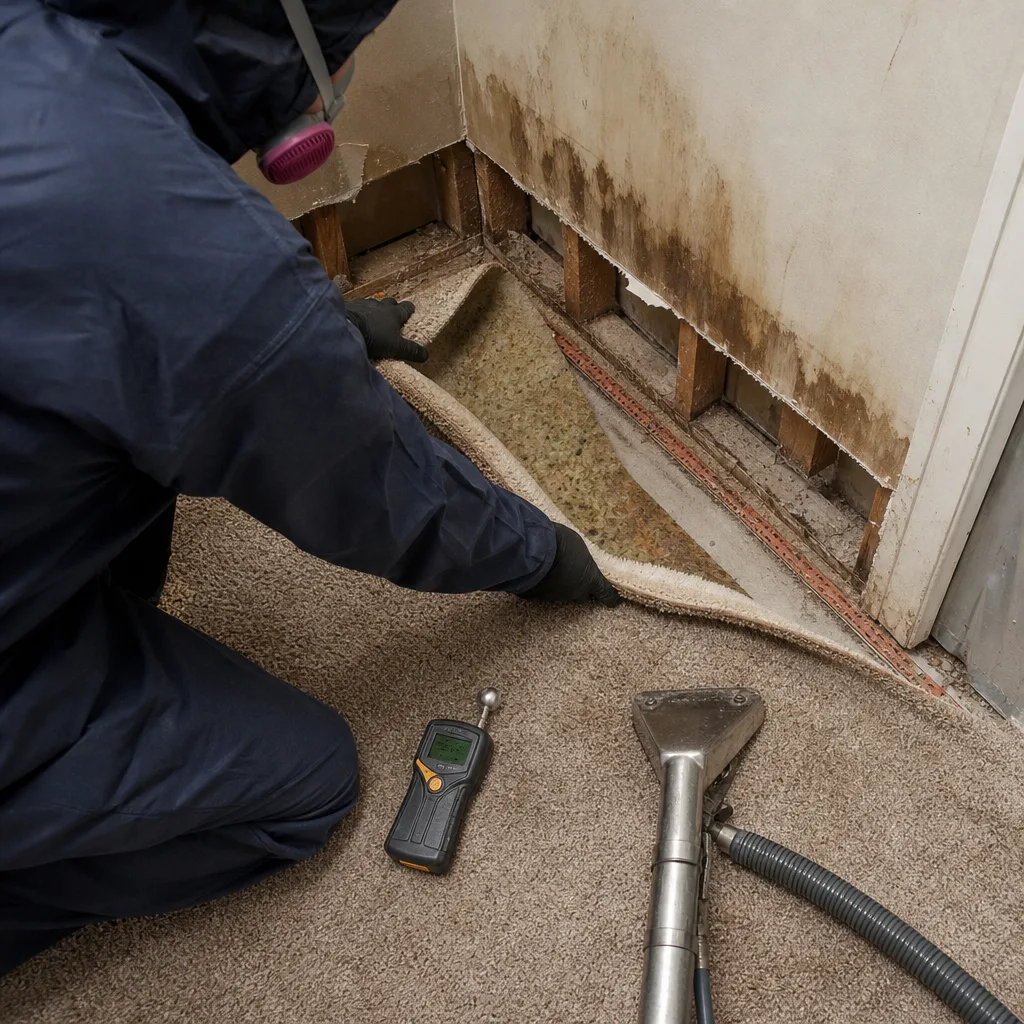
The equipment gap between DIY and professional restoration is not about brand names. It’s about capacity, precision, and documentation output. Here’s what it actually costs to replicate professional-grade drying as a homeowner in Auburn:
| Equipment Type | Consumer/Rental Option | Typical Cost (7-Day Rental) | Professional Equivalent | Capacity Difference |
|---|---|---|---|---|
| Dehumidifier | Home depot 50-pint unit | $45-$65/day | Dri-Eaz LGR 7000XLi or Phoenix R200 | Professional unit removes 130-235 pints/day at AHAM conditions; consumer unit rated at 50 pints under optimal test conditions, typically 30-35 in real-world use |
| Air Mover | Box fan or carpet dryer | $25-$40/day | XPOWER P-230AT or B-Air VP-33 | Professional unit: 2,900-3,500 CFM focused velocity; consumer box fan: 1,000-1,500 CFM dispersed |
| Moisture Detection | Pinless meter (rental) | $35-$50/day | Protimeter Surveymaster or Delmhorst BD-2100 with hammer probe | Professional meter reads at multiple depths, records to software, generates timestamped logs |
| Thermal Imaging | FLIR ONE phone attachment | $200-$300/week purchase | FLIR E8-XT or equivalent | Professional camera: 320×240 resolution, measurable temperature data; consumer attachment: 80×60, qualitative only, no documentation output |
| Injected Drying | Not available to consumers | N/A | Injectidry HP60 or Floor Drying System | Forced air into wall cavities and subfloor spaces; no consumer equivalent exists |
| Negative Air / HEPA Filtration | DIY box fan with furnace filter | $30-$50 | Phoenix Guardian HEPA or Dri-Eaz DefendAir HEPA 500 | Professional unit: 99.97% at 0.3 microns, documented airflow, used in mold containment; DIY version unverified, uncontained, uninsurable |
Total equipment rental for a typical 1,500-square-foot Auburn water loss: $1,800-$3,200 for one week. Professional mitigation for the same loss: $2,500-$4,500, with documentation included, equipment monitored daily, and no rental return logistics.
The hidden cost: time. Professional crews monitor and adjust equipment daily. A DIY restorer with a day job cannot. We’ve arrived at Auburn homes where the homeowner’s rental dehumidifier sat at capacity for three days, running continuously but not removing additional moisture, while secondary damage spread to adjacent rooms. The equipment was “working.” The drying had stalled.
How Insurers Evaluate DIY Restoration Attempts
Insurance companies do not automatically deny DIY restoration claims. They evaluate them against the same documentation standards applied to professional work - and find most DIY efforts deficient in specific, predictable ways.
The evaluation process typically proceeds as follows:
- Initial claim review: Adjuster requests all documentation of mitigation efforts. This includes receipts, photos, moisture readings, and equipment specifications. Homeowners who performed their own work rarely have organized records; adjusters note this absence.
- Coverage verification: The policy covers “reasonable and necessary” mitigation. Without documentation proving the mitigation was necessary and performed to standard, the insurer may classify subsequent damage - mold, structural decay, flooring failure - as resulting from inadequate initial response, potentially invoking the policy’s duty to mitigate clause.
- Independent inspection trigger: Several conditions trigger referral to an independent adjuster or engineer: moisture readings above 16% in wood framing at time of inspection, visible mold in areas claimed as “dried,” absence of equipment documentation, or Category 3 water loss without proper disposal records. In Auburn, we’ve seen independent inspections ordered on 40-50% of significant DIY water claims, versus 10-15% of professionally documented losses.
- Claim adjustment or denial: The independent inspector’s report determines whether the insurer pays the full scope, reduces payment for undocumented portions, or denies coverage for damage attributed to inadequate mitigation. A common outcome: the insurer pays for initial water damage but denies mold remediation as “consequential damage from failure to mitigate,” leaving the homeowner with a $15,000-$30,000 mold bill.
One Auburn homeowner in the Lakeland Hills area performed extensive DIY drying after a washing machine supply line failure. The visible water was gone within 48 hours. Six months later, mold appeared behind the baseboards. The insurer’s independent inspector found framing at 19% moisture content, documented no daily moisture logs, and concluded the homeowner “failed to establish that proper drying was achieved.” The mold claim denied. The homeowner paid $22,000 for remediation and reconstruction - more than triple the original water loss would have cost to mitigate professionally.
This is the documentation gap that DryMark Restoration Auburn home was built to close. Our daily drying logs, equipment records, and photo documentation turn restoration invoices into claims that pay without dispute.
Decision Matrix: Four Variables That Determine Your Best Path
Whether DIY or professional restoration minimizes your total cost depends on four variables. Use this matrix to evaluate your specific situation:
Variable 1: Loss Size
- Under 100 square feet, single room, no structural involvement: DIY viable with proper documentation. Cost: $200-$600 in equipment and supplies. Risk: low if moisture verified below 15% MC.
- 100-500 square feet, multiple rooms, possible wall cavity involvement: Professional recommended. DIY documentation burden exceeds cost savings; moisture detection requires equipment most homeowners won’t rent.
- Over 500 square feet or whole-floor involvement: Professional strongly advised. Insurer will require professional documentation; independent inspection likely if DIY claimed.
Variable 2: Water Category
- Category 1 (clean water, broken supply line): DIY possible with rapid response (under 24 hours). Documentation still required for claim. Category 1 degrades to Category 2 within 24-48 hours; time is the critical factor.
- Category 2 (gray water, dishwasher overflow, washing machine): Professional recommended. Disinfection requirements, material disposal regulations, and health exposure risks exceed typical homeowner capability. King County waste regulations apply to disposal.
- Category 3 (black water, sewage, groundwater, flood): Professional required. IICRC S500 mandates full PPE, containment, and HEPA filtration. Homeowners lack training and equipment; insurer will deny undocumented Category 3 mitigation.
Variable 3: Structural Involvement
- Surface materials only (carpet, pad, base drywall): DIY possible with proper removal and drying verification.
- Wall cavities, ceiling spaces, or subfloor: Professional recommended. Injected drying, cavity inspection, and structural moisture verification require equipment and training.
- Foundation, slab, or structural framing: Professional required. Long-term moisture effects on structural integrity; engineering evaluation may be needed for insurance.
Variable 4: Insurance Status
- No insurance claim planned, out-of-pocket payment: DIY cost savings may justify the effort if you accept the risk of undetected moisture. Document anyway, for future sale disclosure.
- Insurance claim filed or anticipated: Professional documentation is essentially mandatory. The cost of professional mitigation is typically covered; the cost of inadequate documentation is not.
- Claim already disputed or partially denied: Professional assessment and documentation can support appeal. Our Water Damage Restoration in Auburn includes free second opinions on any competitor’s written estimate.
Auburn-Specific Risks: Soil, Climate, and Code
Auburn’s geography creates restoration conditions that differ from nearby Seattle or Tacoma, and DIY restorers who apply generic advice often miss these local factors.
Green River Valley high water table: The valley floor neighborhoods - downtown Auburn, the Peasley Canyon vicinity, and areas near the White River - sit on alluvial soils with seasonal water tables within 3-6 feet of surface grade. A basement water loss in these areas doesn’t just involve the initial intrusion; it involves ongoing vapor drive from soil moisture through slab and foundation walls. Professional mitigation includes vapor barrier assessment and sub-slab depressurization when indicated. DIY drying addresses the event, not the condition.
Seasonal humidity patterns: Auburn’s October through May heating season produces indoor relative humidity of 25-35% - favorable for drying. But the spring runoff period (March-June) and fall atmospheric river events bring outdoor humidity to 80-95%, making passive drying impossible and active dehumidification critical. We’ve seen DIY projects started in dry February stall completely by March when weather shifted.
King County floodplain regulations: Properties in FEMA-designated flood zones - including portions of Auburn near the Green and White Rivers - face additional documentation requirements for flood-related damage. Standard homeowner’s policies exclude flood; NFIP claims require elevation certificates, pre-loss photos, and detailed damage inventories. DIY restorers in flood zones face a documentation burden that professionals handle routinely.
Auburn building code and permit requirements: The City of Auburn Building Division requires permits for electrical, plumbing, and structural repair work following damage. Permits require licensed contractor involvement for most trades. Unpermitted work discovered during sale inspection becomes a disclosure issue and can delay or derail transactions. Professional restoration includes permit management; DIY places this burden on the homeowner.
Older housing stock: Auburn’s pre-1980 homes, concentrated in the original downtown grid and early valley settlements, often contain plaster and lath, balloon framing, or non-standard construction that complicates moisture detection and drying. These assemblies dry differently than modern drywall and platform framing, and moisture meters require different calibration and interpretation. We’ve documented $8,000-$15,000 in hidden damage in “successfully” DIY-dried historic Auburn homes where standard techniques failed to address plaster cavity moisture.
When Professional Restoration Actually Costs Less
The assumption that DIY saves money holds only when three conditions are met: the loss is small, the water is clean, and no insurance claim is involved. When any of these conditions fails, professional restoration typically costs less in total expenditure - direct costs plus uncovered damage plus time value.
Scenario: Category 2 kitchen loss, 200 square feet, insured
DIY path: Equipment rental $800, supplies $400, documentation tools $300, personal time 40 hours at opportunity cost, claim documentation incomplete. Outcome: insurer reduces payment by 30% due to inadequate moisture logs. Homeowner absorbs $3,200 in uncovered flooring replacement. Total cost: $4,700 + time.
Professional path: Water Damage Restoration in Auburn at $3,800, fully documented, insurer pays in full, 365-Day Done Right Promise covers any recurrence. Total cost: deductible + potential premium adjustment.
Scenario: Mold discovered after DIY drying, 15 square feet behind bathroom vanity
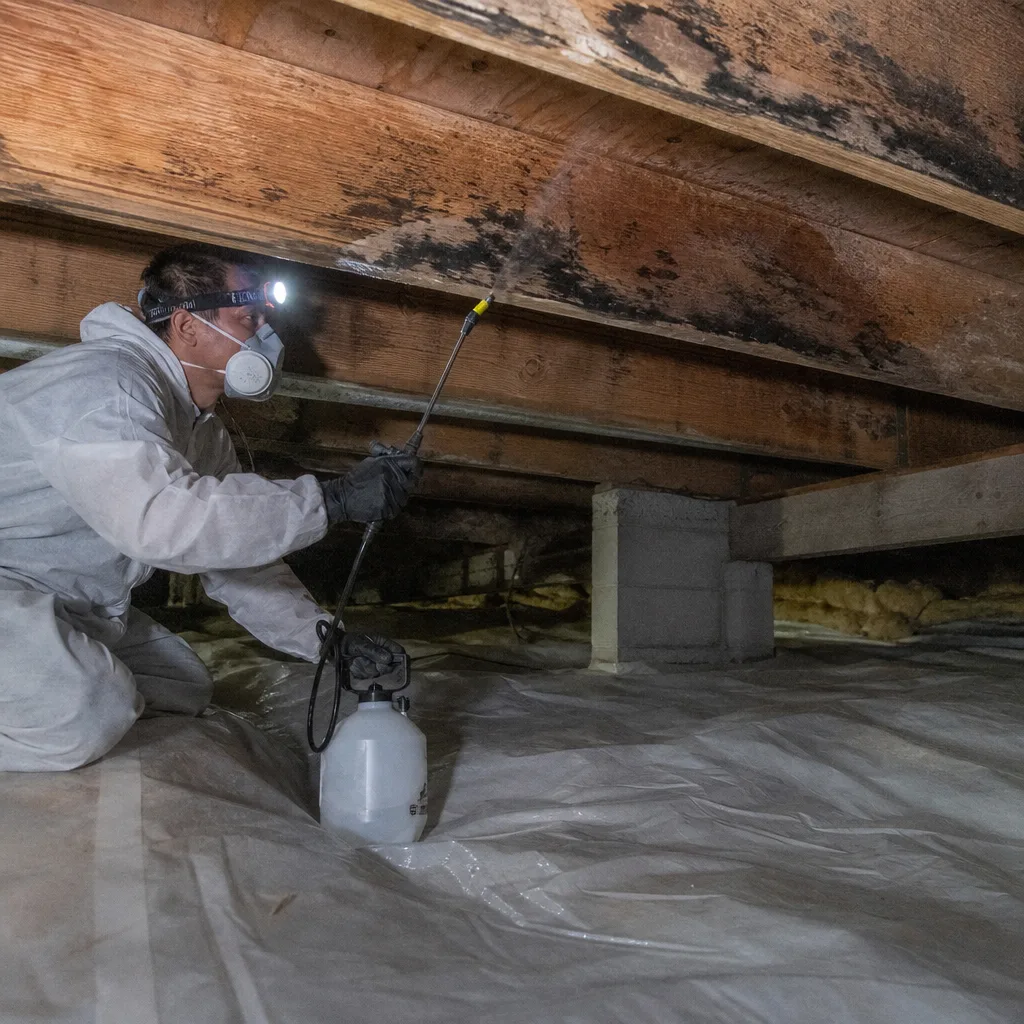
DIY path: Homeowner attempts surface cleaning with bleach (ineffective on porous materials, potentially drives moisture deeper). Mold spreads to 80 square feet. Professional remediation now required at $6,500. Insurer denies as consequential damage. Total cost: $6,500.
Professional path: Initial water mitigation at $2,200 includes cavity drying verification. No mold develops. Or if mold is found, Mold Remediation in Auburn addresses it under documented protocol, with possible insurance coverage if causation is established. Total cost: $2,200-$4,500.
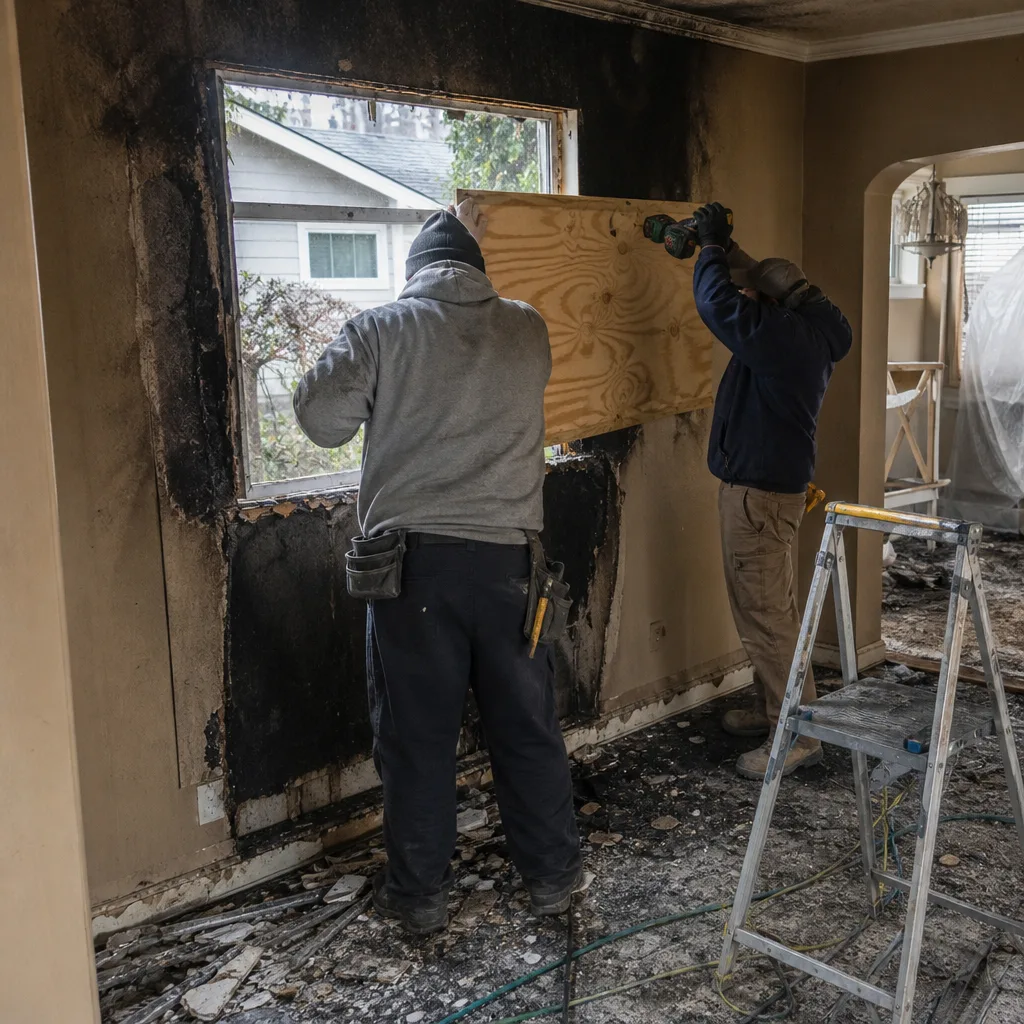
Scenario: Fire damage with smoke odor, insured
DIY path: Surface cleaning and ozone generator rental ($150/day). Odor persists in HVAC and wall cavities. Home sells for $15,000 below market due to disclosure of unremediated smoke damage, or professional restoration required anyway at higher cost due to delayed response.
Professional path: Fire & Smoke Damage Restoration in Auburn at $4,500-$12,000 depending on scope, with thermal fogging, hydroxyl generation, and HVAC decontamination. Documentation supports full insurance payment. Odor eliminated, sale proceeds normally.
The pattern: professional restoration costs are front-loaded and insurable; DIY costs are back-loaded, often uncovered, and frequently discovered at the worst possible time - during sale, during mold bloom, or during insurer review.
Common Mistakes to Avoid
- Using bleach on mold. Bleach evaporates faster than it penetrates porous materials, leaving moisture behind and potentially feeding deeper mold growth. In Auburn’s humid climate, this mistake is particularly costly. Use EPA-registered antimicrobial products or engage professional mold remediation.
- Drying carpet without removing pad. Carpet pad acts as a reservoir, holding 2-3 times its weight in water and preventing subfloor drying. We’ve pulled “dry” carpet in Auburn homes to find saturated pad and beginning subfloor mold - a $4,000-$8,000 discovery that proper initial mitigation would have prevented.
- Running dehumidifiers without air movement. Dehumidifiers reduce air moisture; air movers create the vapor pressure differential that pulls moisture from materials. Either alone is inefficient. Together, properly placed, they achieve professional drying timelines. Homeowners often rent dehumidifiers alone, extending drying from 3-5 days to 2-3 weeks.
- Ignoring the garage or crawl space. Auburn’s ranch and split-level homes often have attached garages or crawl spaces that share HVAC with living areas. Water or smoke in these spaces migrates to conditioned spaces through pressure differentials. DIY restorers focus on visible damage and miss these pathways.
- Failing to document before demolition. Insurance claims require proof of what was damaged before removal. Photo every affected surface before touching it. We’ve seen legitimate claims reduced because the homeowner’s “cleanup” eliminated evidence of loss extent.
- Assuming “dry to the touch” means dry. Drywall can feel dry at 25% moisture content - well above the 12-15% threshold that prevents mold. Pinless meters read surface conditions only; hammer probes or in-wall sensors are required for verification. This assumption costs Auburn homeowners more than any other single error.
When to Call a Professional
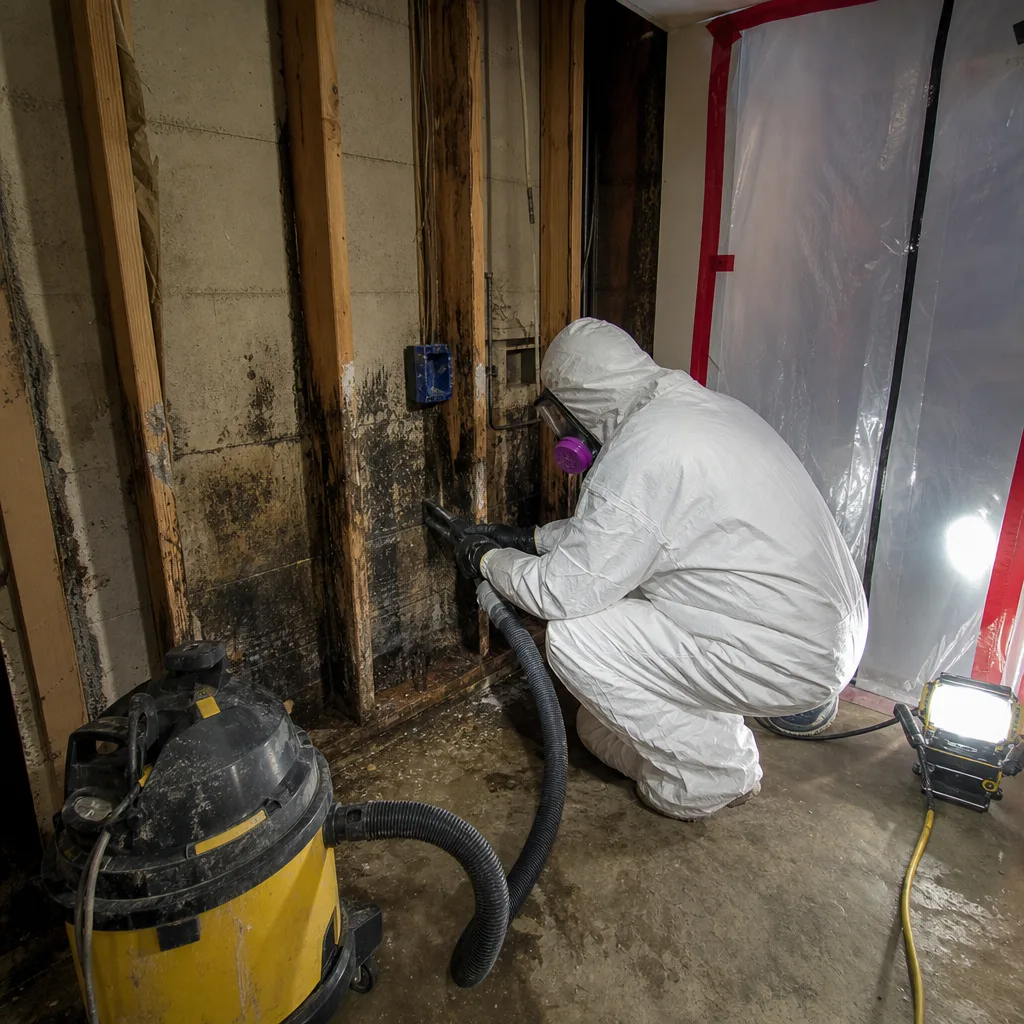
Call a professional restoration company when: the water is Category 2 or 3; the affected area exceeds 100 square feet or involves multiple rooms; moisture has entered wall cavities, ceilings, or subfloor; mold is visible or suspected; fire or smoke has affected structural materials or HVAC; or an insurance claim is involved and documentation will be required.
In Auburn, same-day response matters for water losses - not because of marketing urgency, but because Category 1 water becomes Category 2 in 24-48 hours, and mold colonization begins at 48-72 hours on organic materials above 16% moisture content. The documentation clock starts at intrusion, not at first response.
DryMark Restoration Auburn offers free estimates in Auburn - call (253) 487-0371. Every estimate includes a written scope and price before any work begins, per Haven Standard, Clause 1. We also provide free second opinions on any competitor’s written estimate, with no obligation.
Frequently Asked Questions
Yes, Washington State law permits homeowners to perform their own restoration work on their primary residence under RCW 18.27.090, with exceptions for licensed trades including electrical, plumbing, and structural modifications requiring permits. However, legal permission does not ensure insurance claim acceptance - documentation requirements remain the same whether work is self-performed or contracted. Call (253) 487-0371 for a free estimate with written pricing before any work starts.
Insurers may pay DIY restoration claims if the homeowner produces documentation equivalent to professional standards: daily moisture logs, equipment specifications, photo records with timestamps, and material classification per IICRC standards. In practice, most DIY restorers lack this documentation, leading to reduced or denied claims. Professional restoration includes documentation as a standard deliverable, not an add-on. For claims already in progress, our documented photo record on every visit supports adjuster review.
Typical residential water damage restoration in Auburn ranges from $2,500 for small, contained losses to $8,500 for whole-floor or multi-room mitigation with cavity drying. Category 3 losses, mold involvement, or fire and smoke damage increase costs proportionally. Every DryMark Restoration Auburn job is quoted in writing before work begins - Haven Standard, Clause 1 - with no scope additions once the crew is inside. Call (253) 487-0371 for a specific estimate at no charge.
The most expensive mistake is assuming visible dryness equals structural dryness. Auburn’s climate, soil conditions, and common construction types (slab-on-grade, older plaster systems) create hidden moisture reservoirs that surface inspection misses. We’ve documented $15,000-$30,000 in secondary damage from “successfully” DIY-dried homes where framing moisture remained at 18-22% - dry enough to look right, wet enough to fail. Professional moisture verification with documented readings prevents this.
DryMark Restoration Auburn maintains live phone coverage 24 hours a day, 7 days a week with no voicemail on emergency lines. Response time depends on current call volume and your location within Auburn, but same-day dispatch is standard for active water losses. For Water Damage Restoration in Auburn, speed of response directly affects the water category and total restoration scope - earlier intervention preserves more material and reduces cost.
The City of Auburn Building Division requires permits for electrical work, plumbing modifications, structural repairs, and reconstruction that alters load-bearing elements. Cosmetic repairs to finishes (paint, flooring replacement, trim) typically do not require permits. Professional restoration companies manage permit applications as part of project coordination; DIY restorers must obtain permits independently or risk code violations and insurance complications. For fire-damaged structural members or mold-affected HVAC systems, professional involvement is essentially mandatory.
The Bottom Line
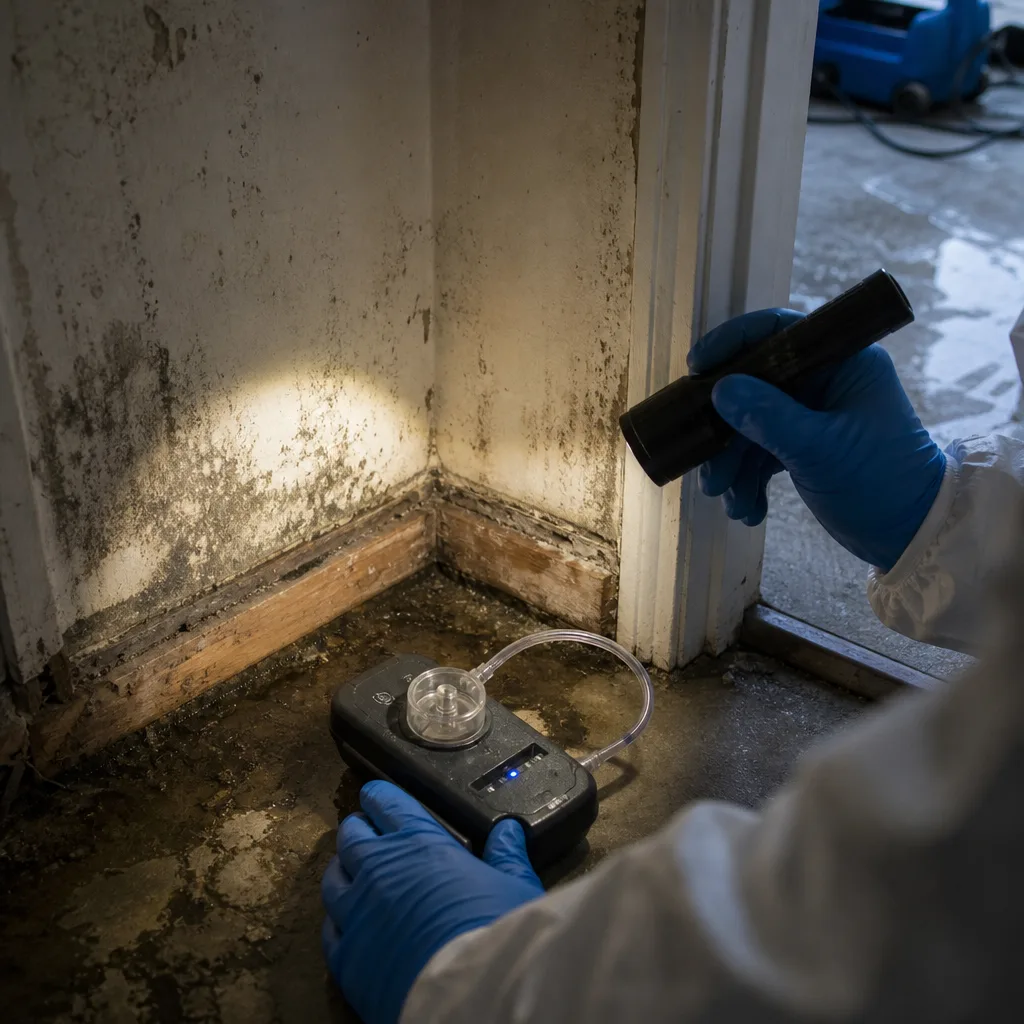
The DIY versus professional restoration decision is not a test of homeowner capability. It is a test of documentation requirements against realistic capacity. Washington law permits self-performance. Insurance practice demands professional documentation. The gap between permission and payment is where Auburn homeowners lose money.
For small, clean, contained losses with no insurance involvement, DIY restoration can succeed with proper equipment, thorough moisture verification, and organized record-keeping. For everything else - Category 2 or 3 water, mold, fire, structural involvement, or any insurance claim - professional restoration costs less in total expenditure and protects against the documentation failures that turn recoverable losses into personal debt.
The Haven Standard was built on this recognition: that a written price before work begins, a photo record on every visit, and a 365-Day Done Right Promise turn restoration from a gamble into a documented, verifiable, insurable process. That’s the standard we apply to every Auburn home we serve.
Written by Alicia Brennan, Owner at DryMark Restoration Auburn, serving Auburn since 2011.